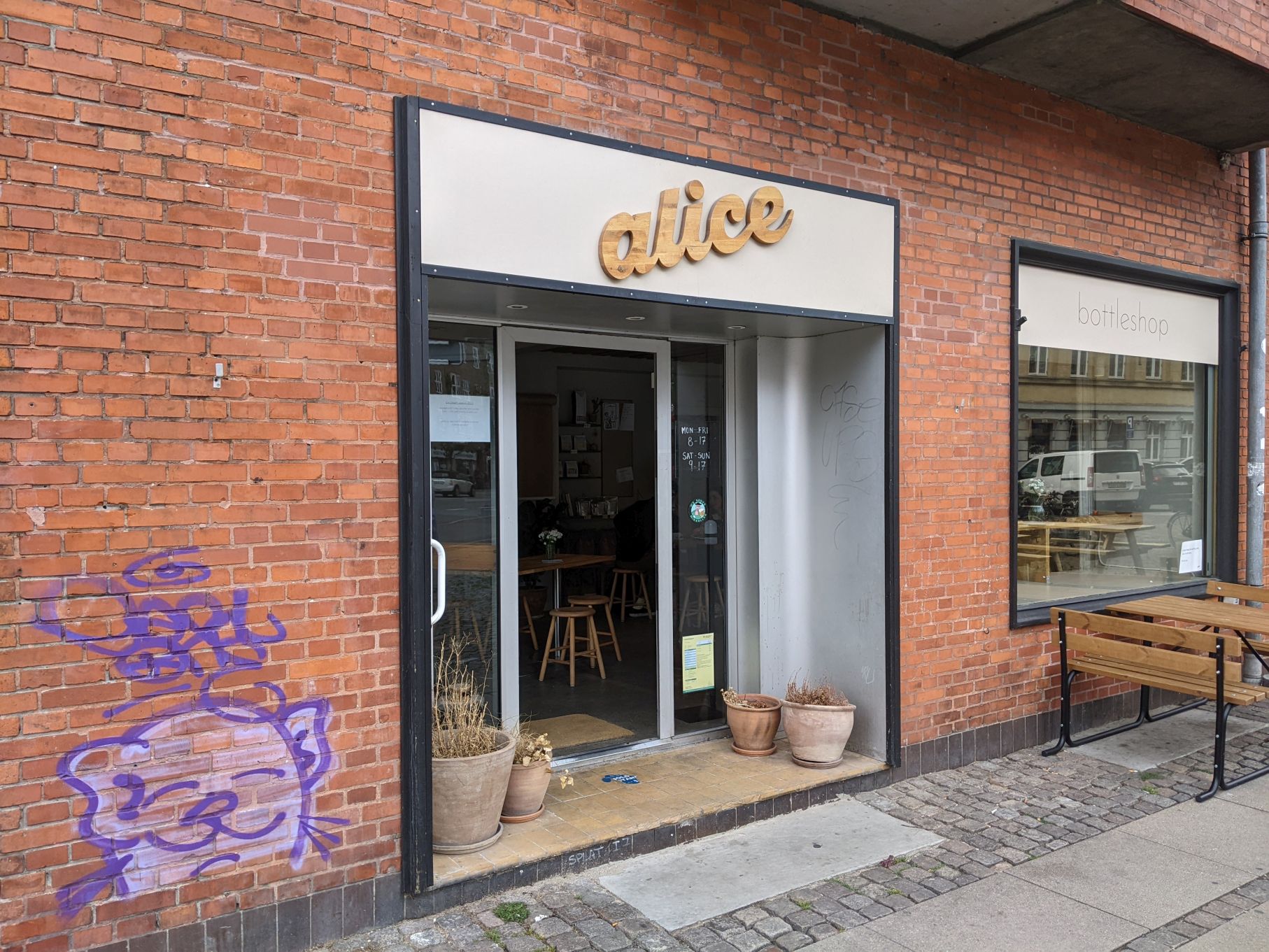
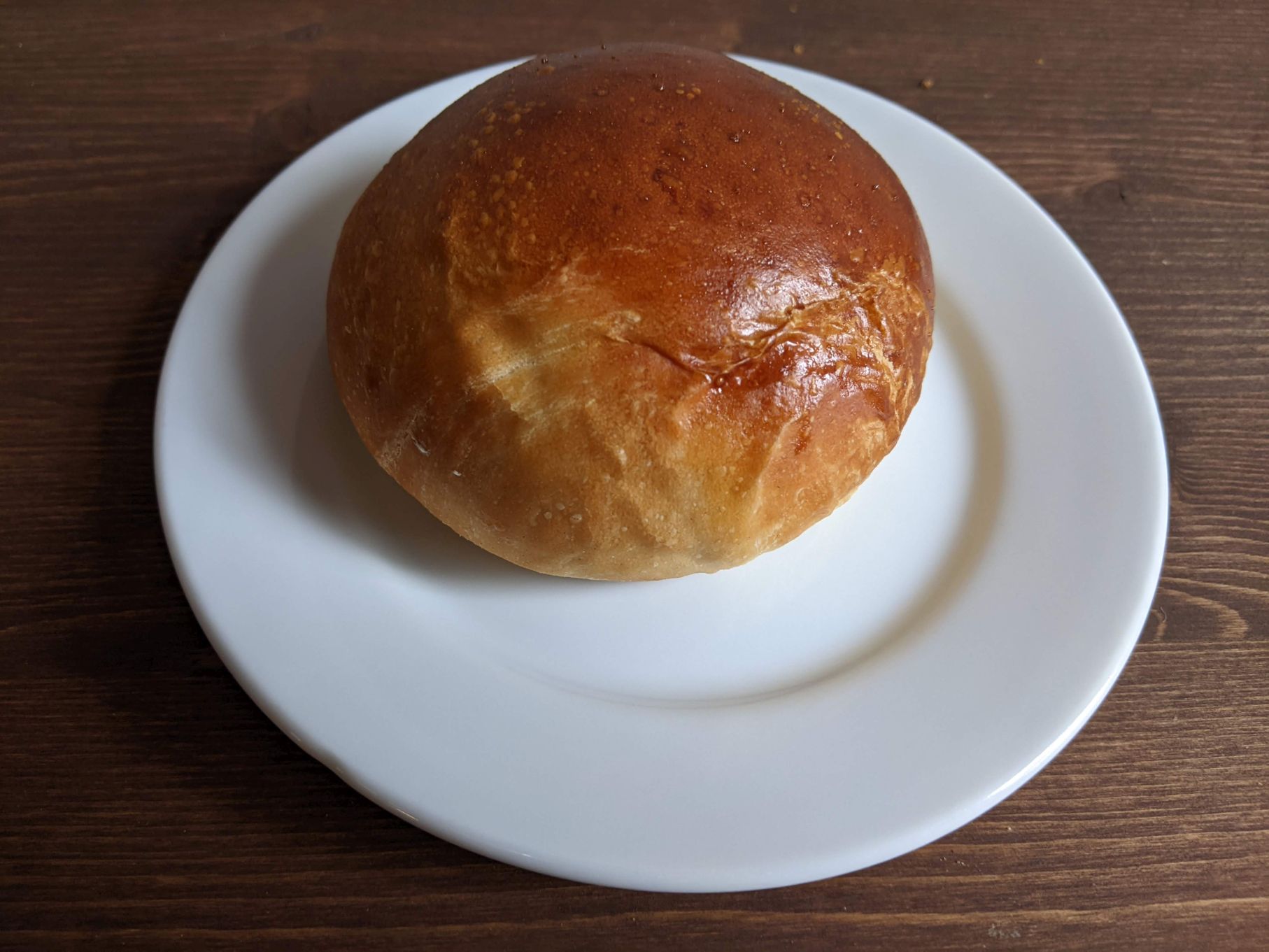
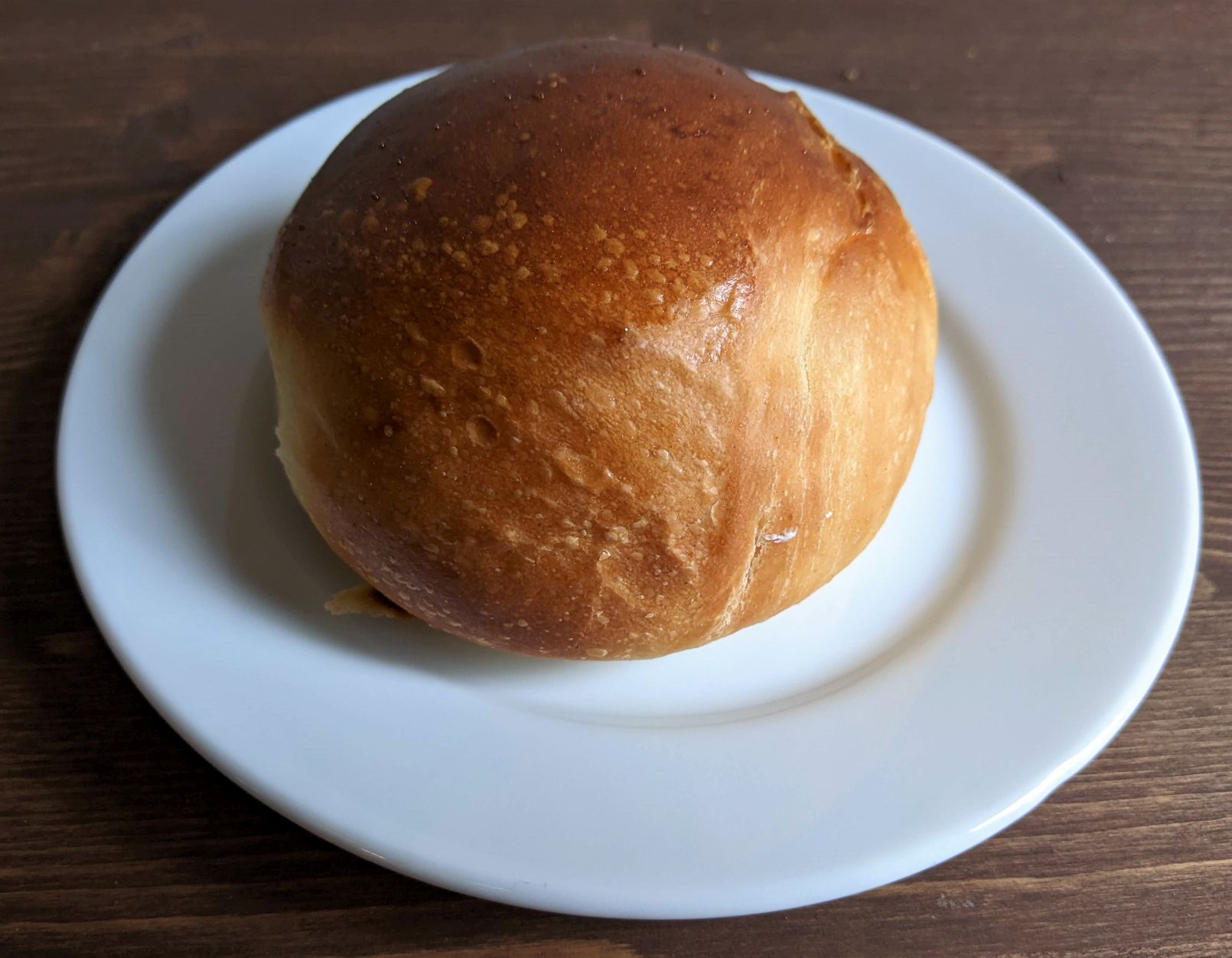
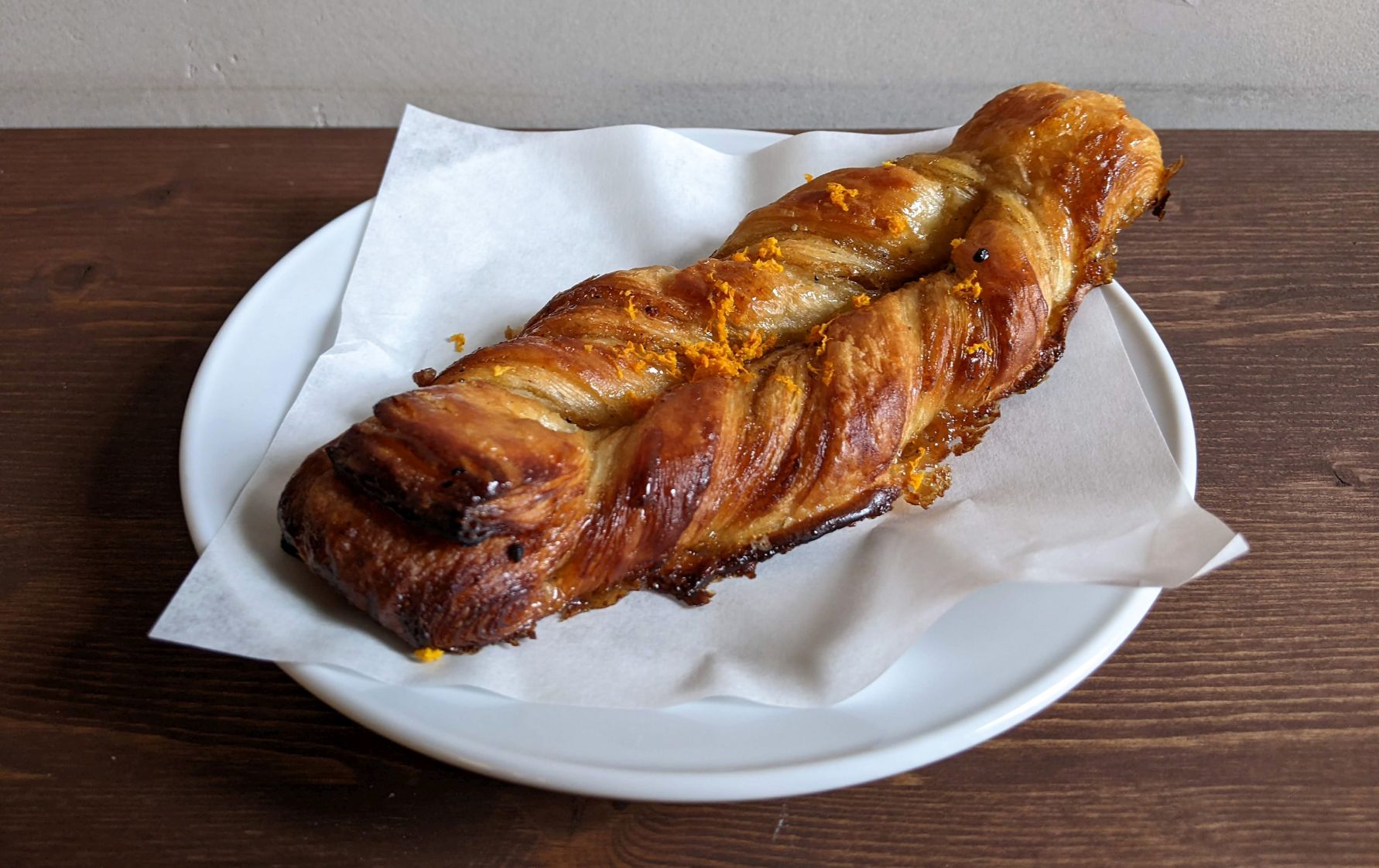
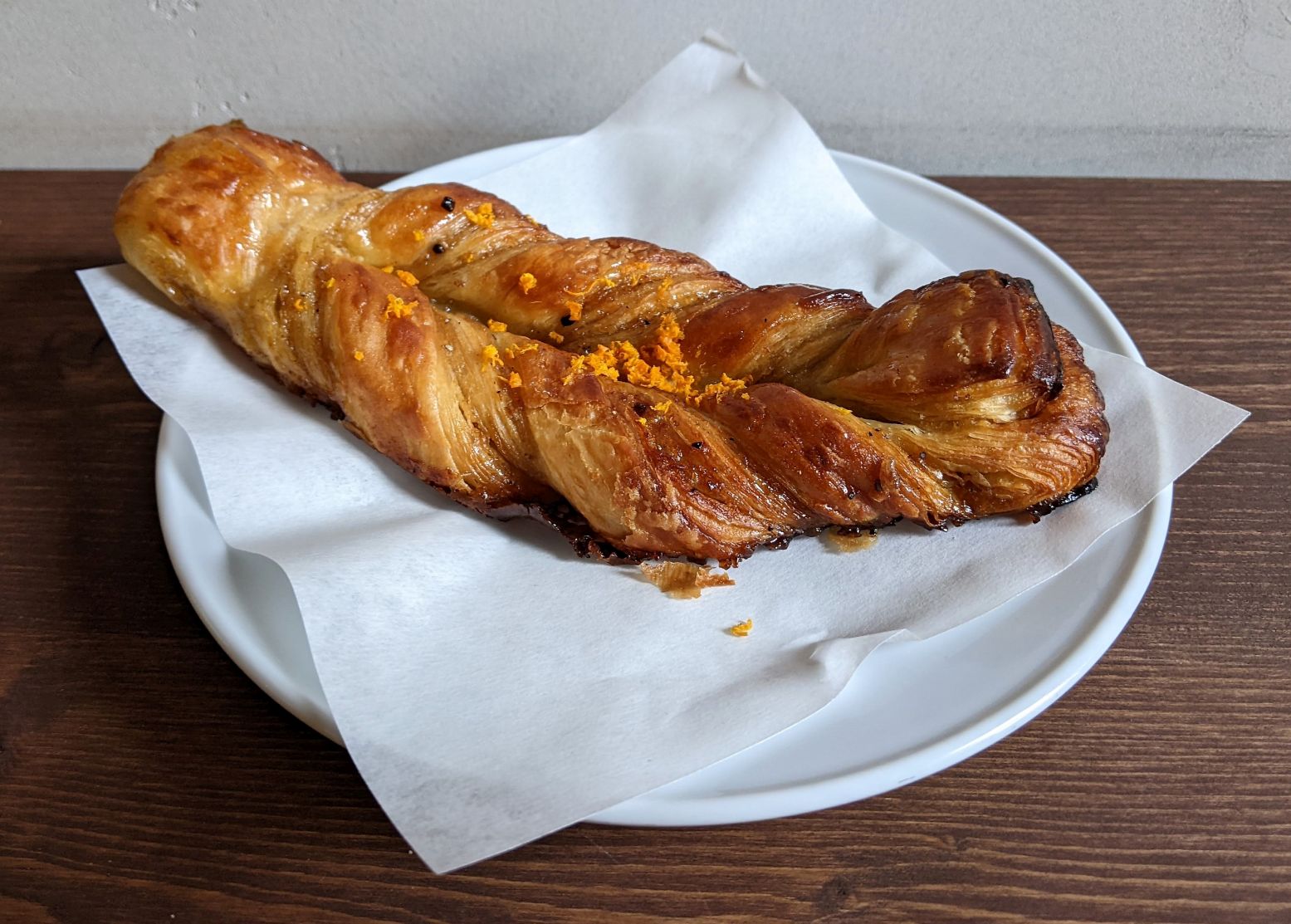
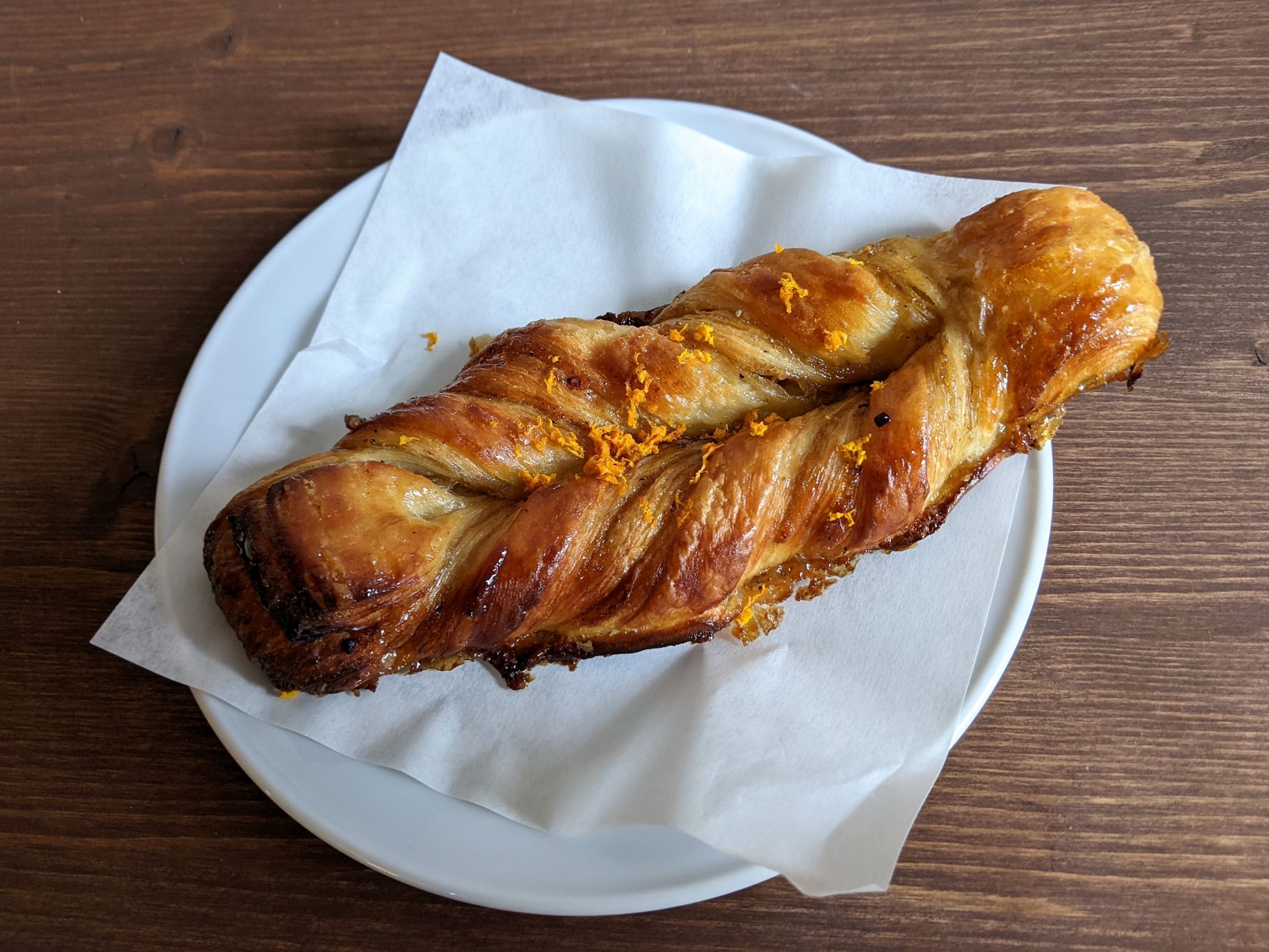
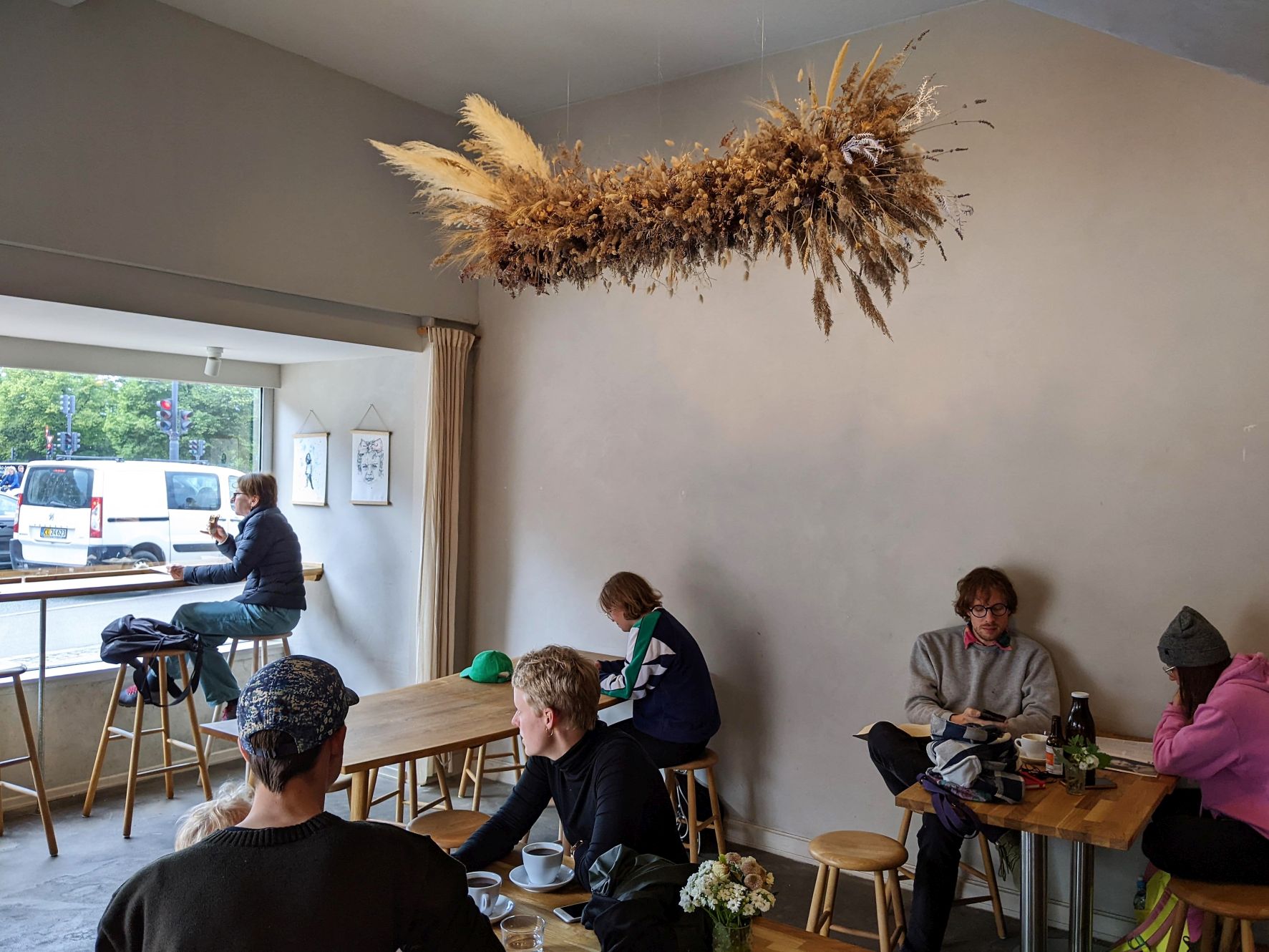
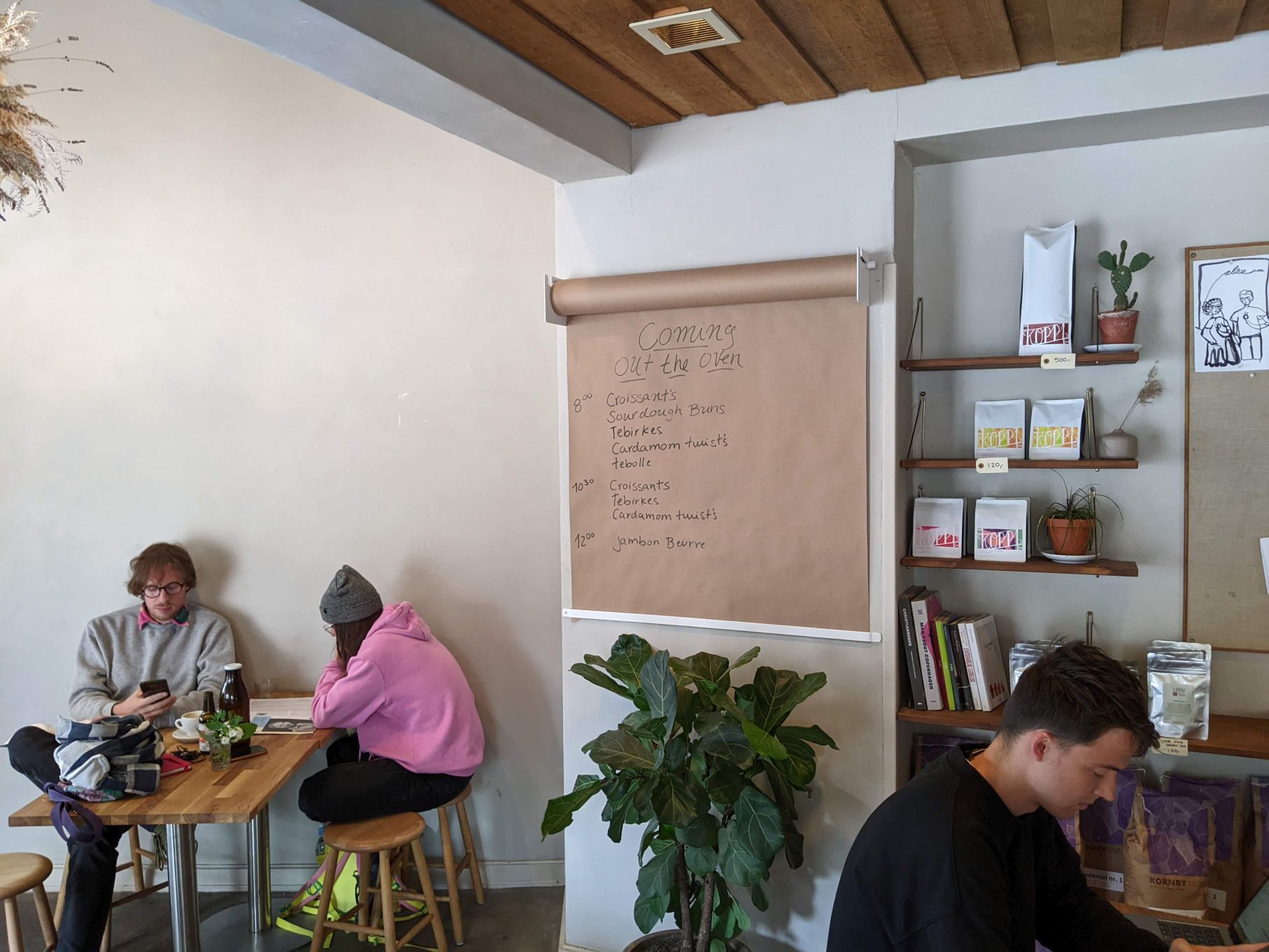
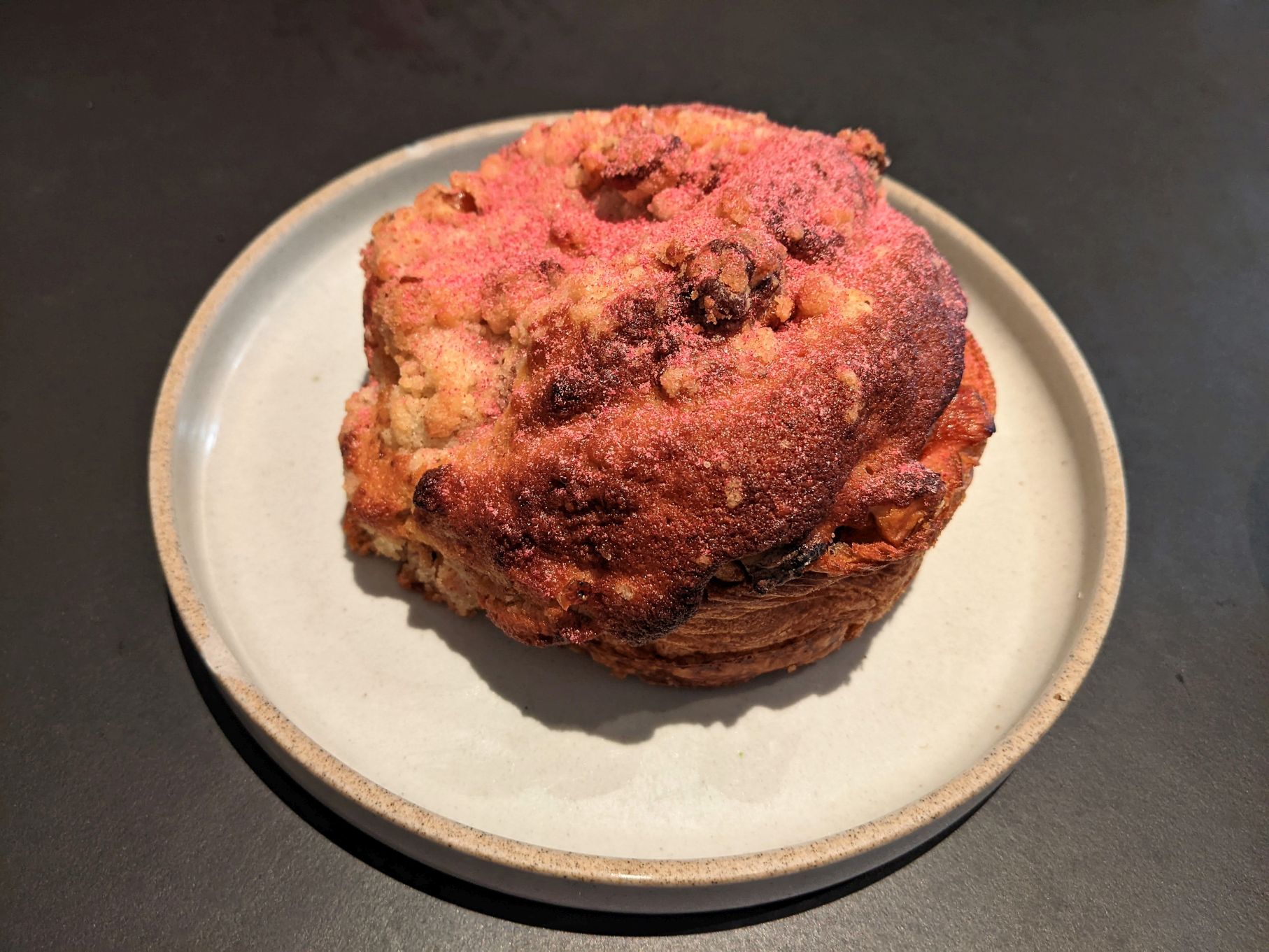
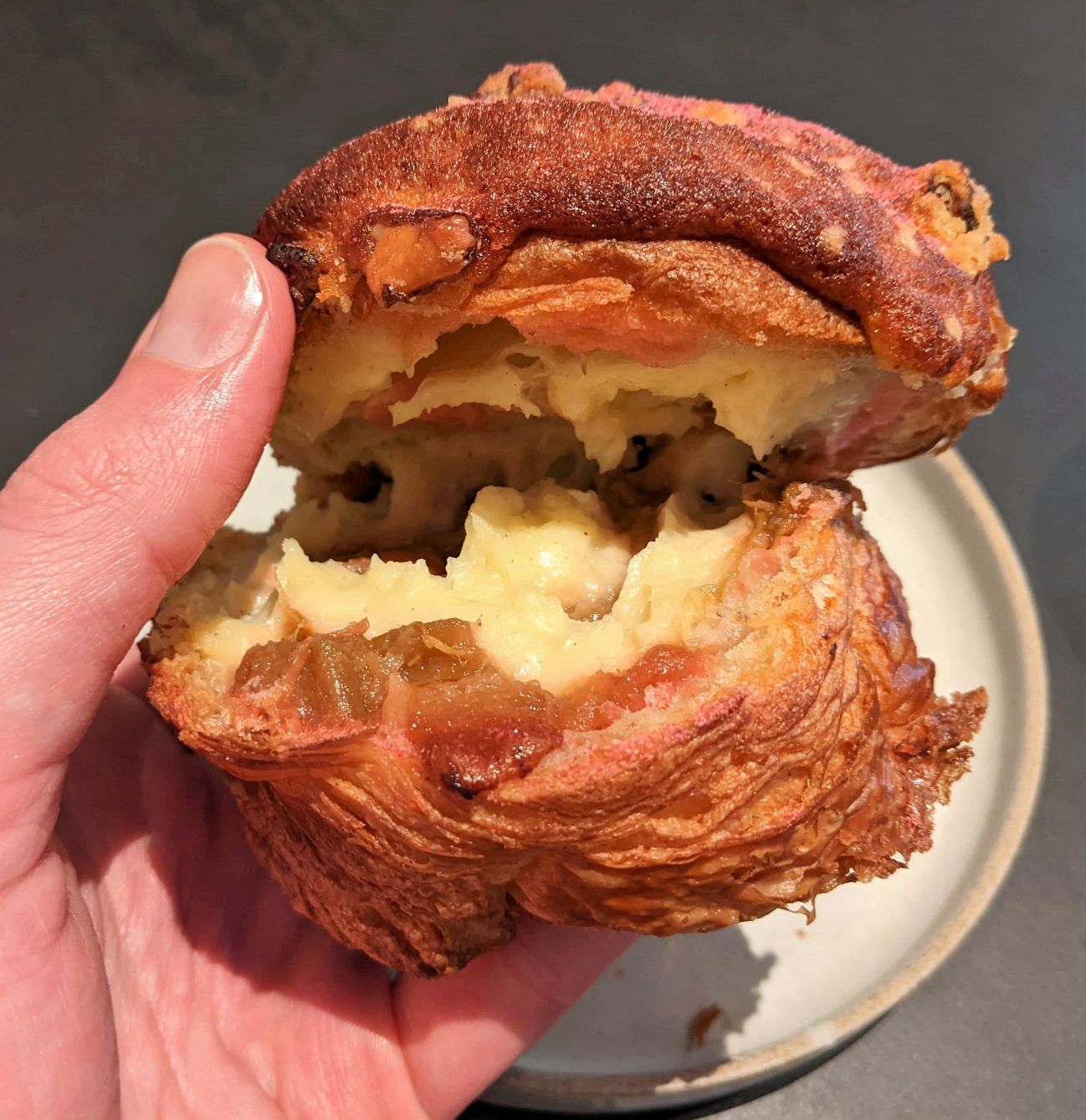
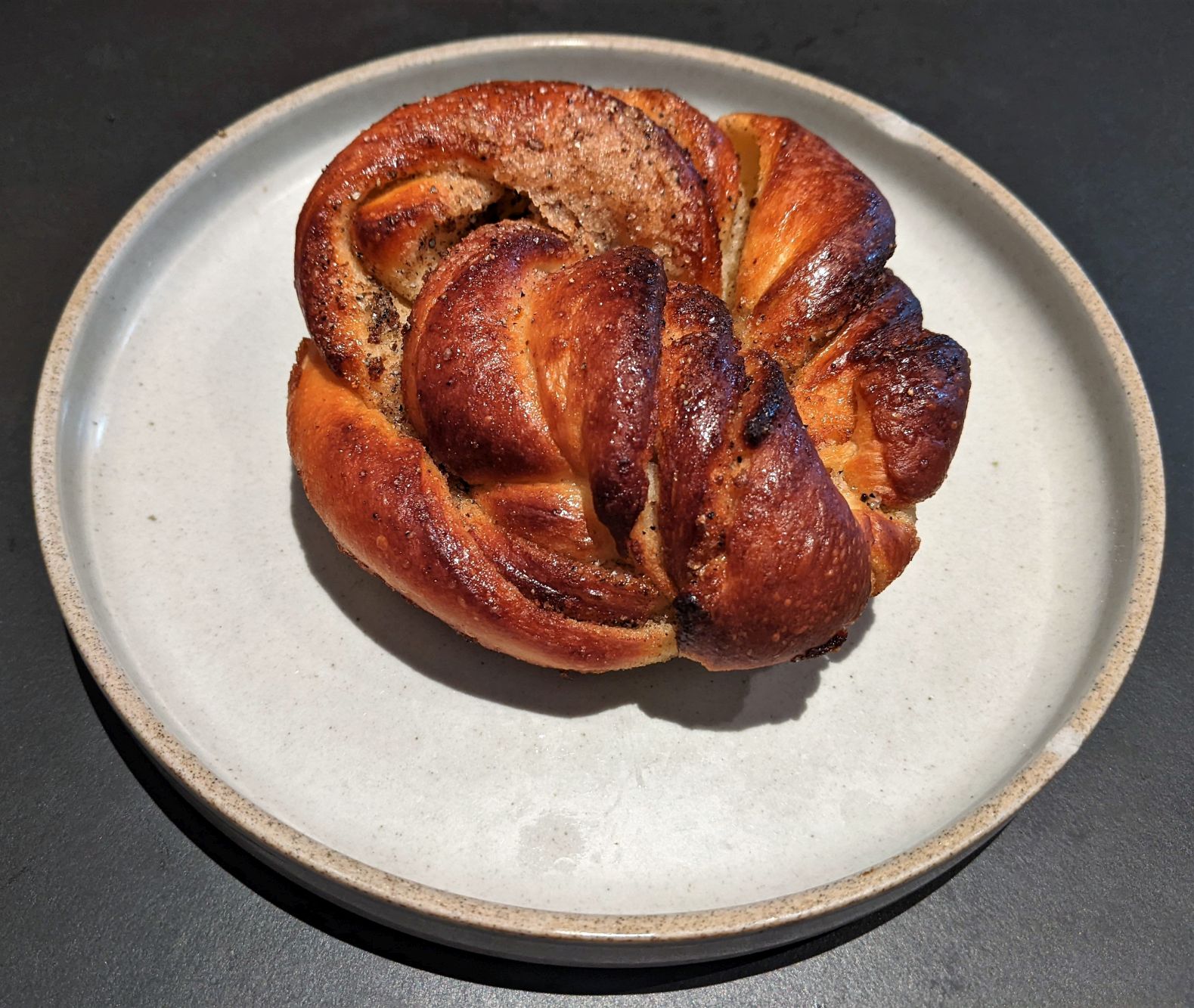
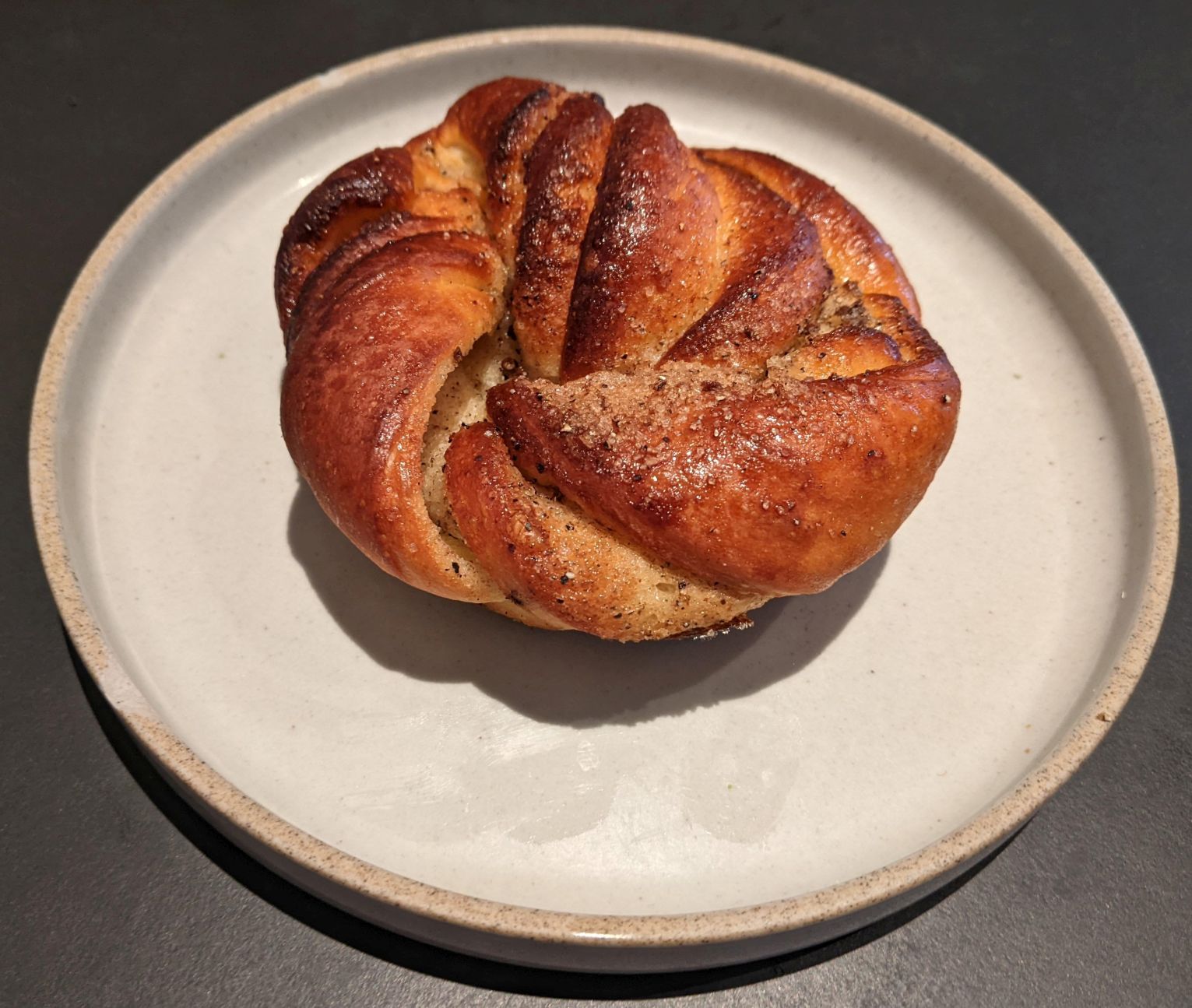
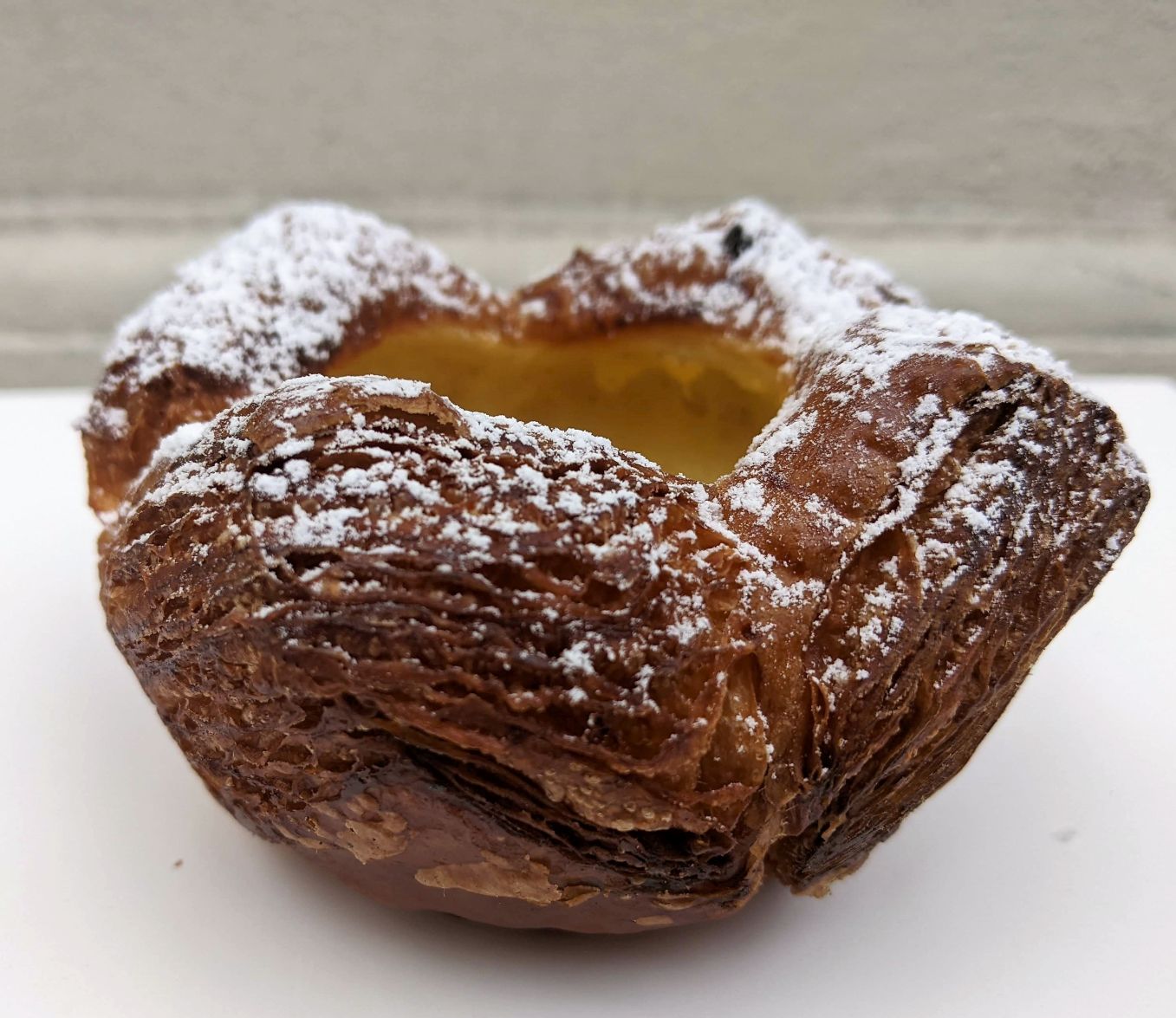
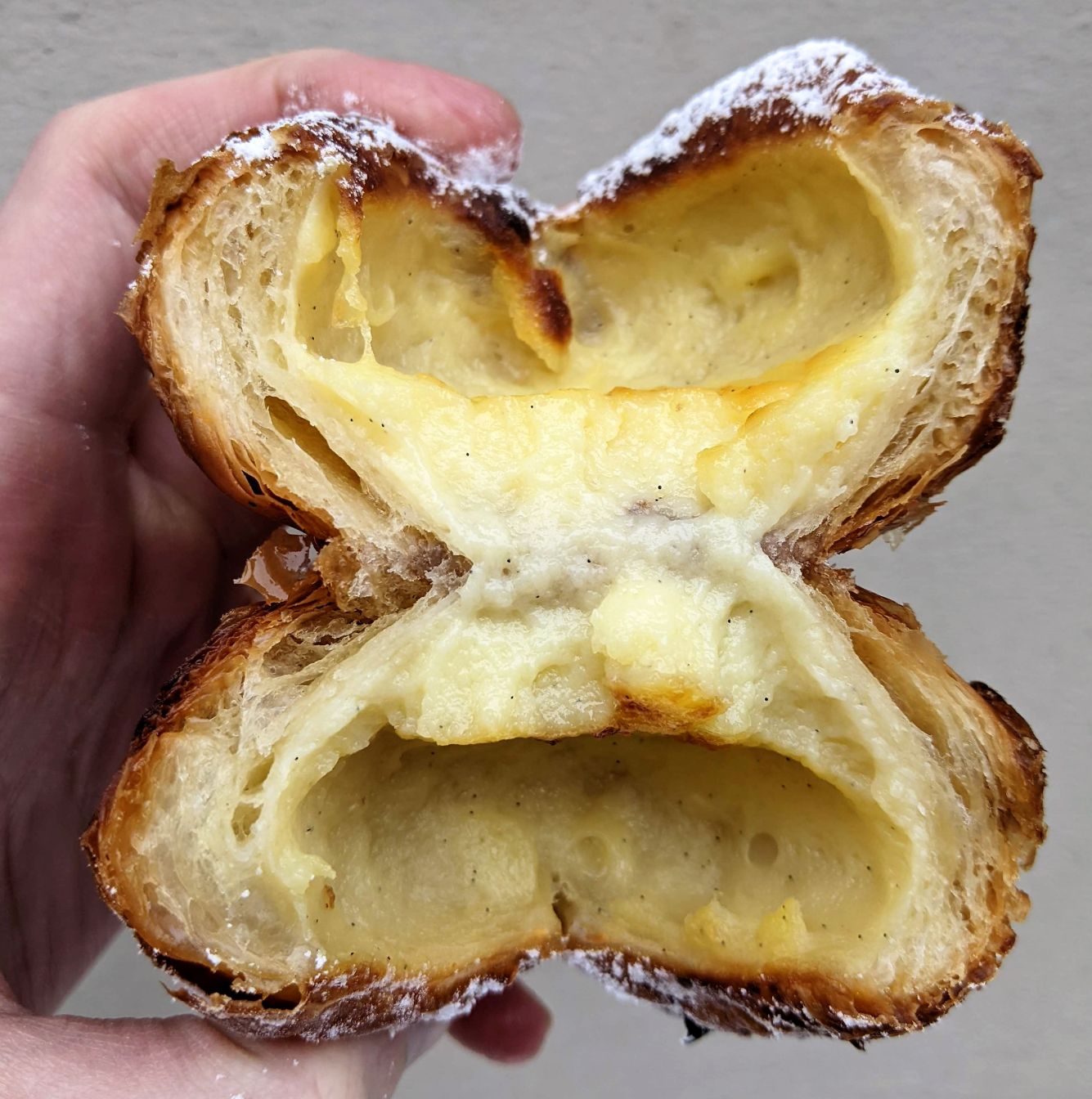
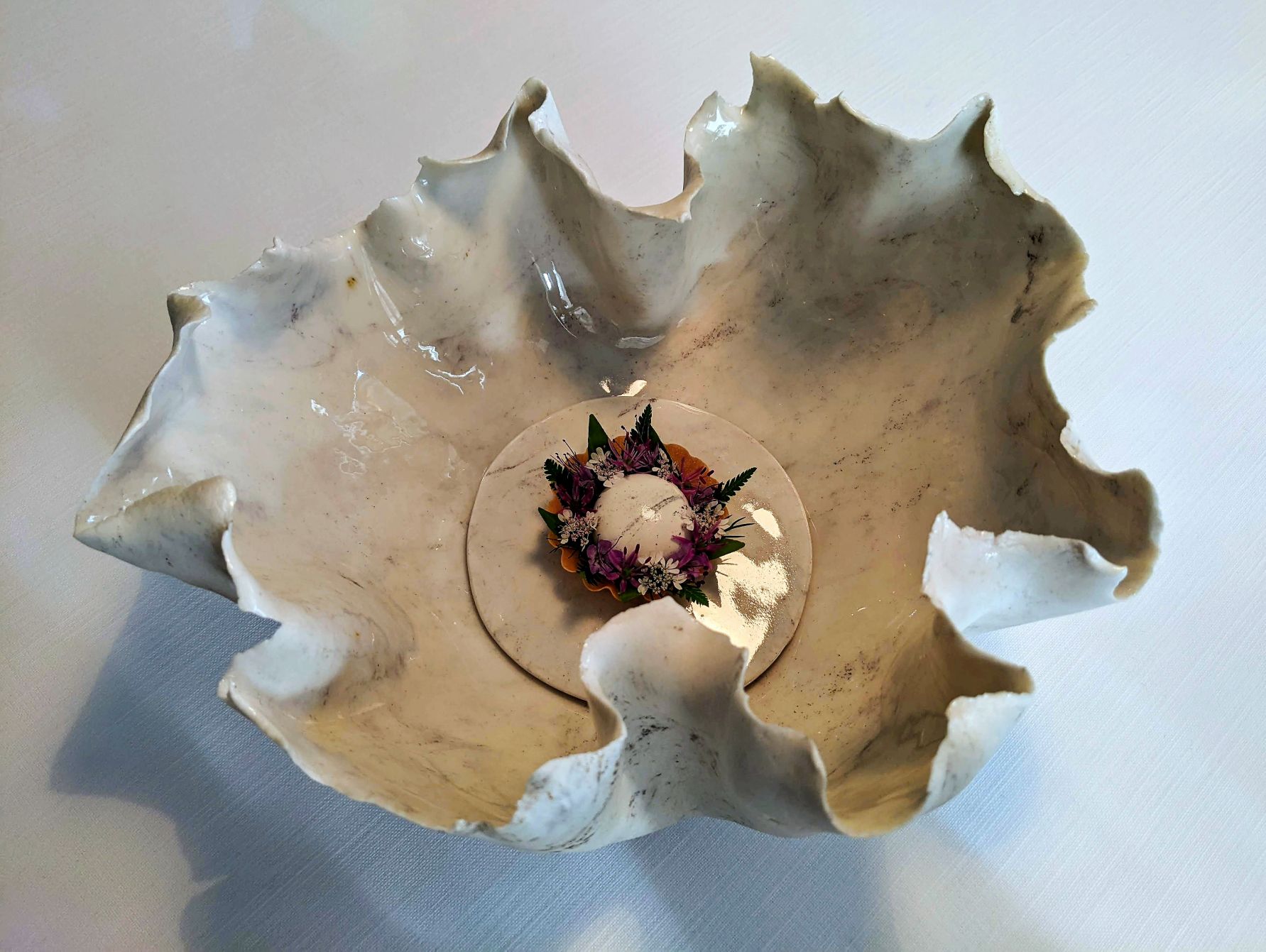
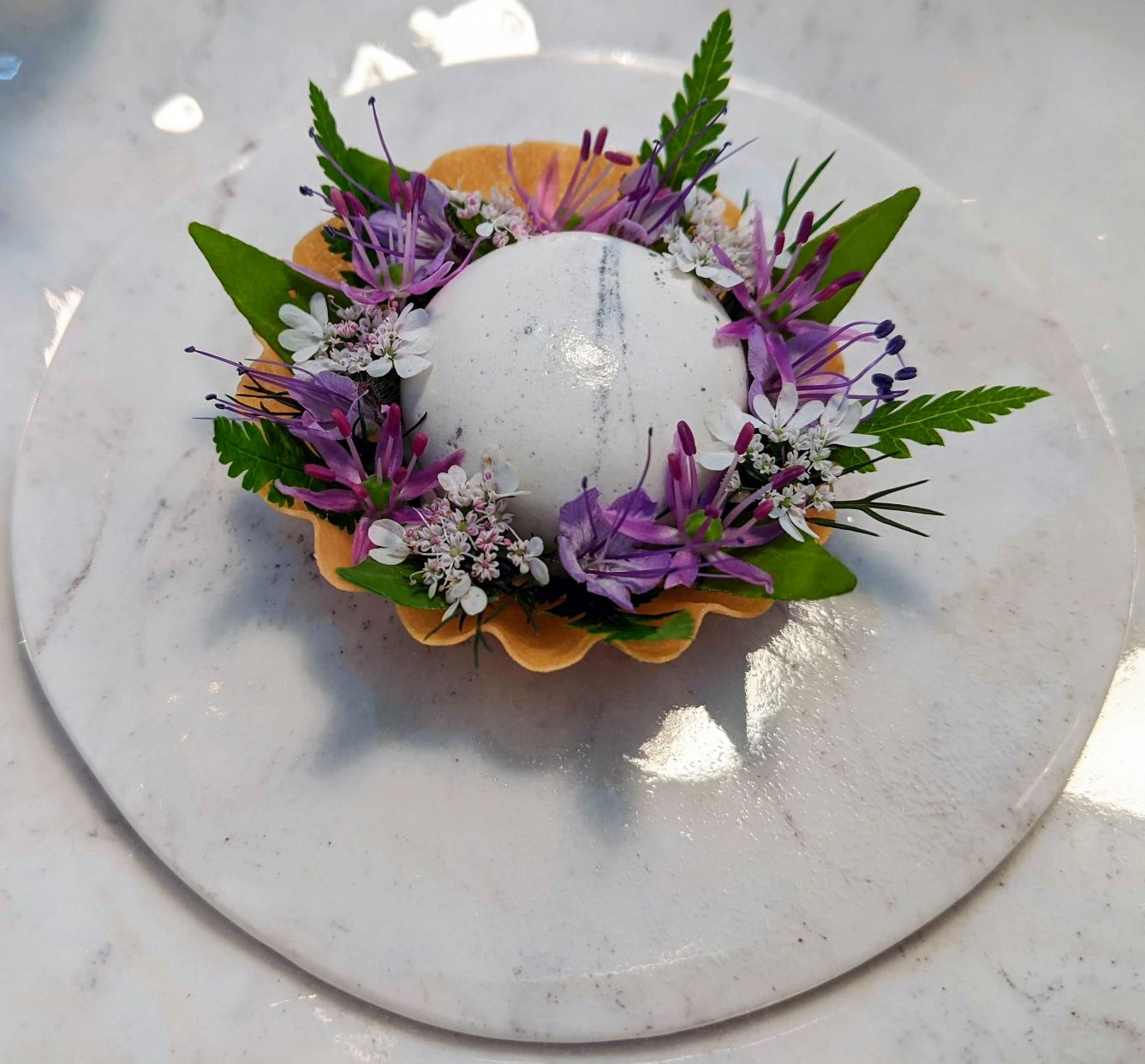
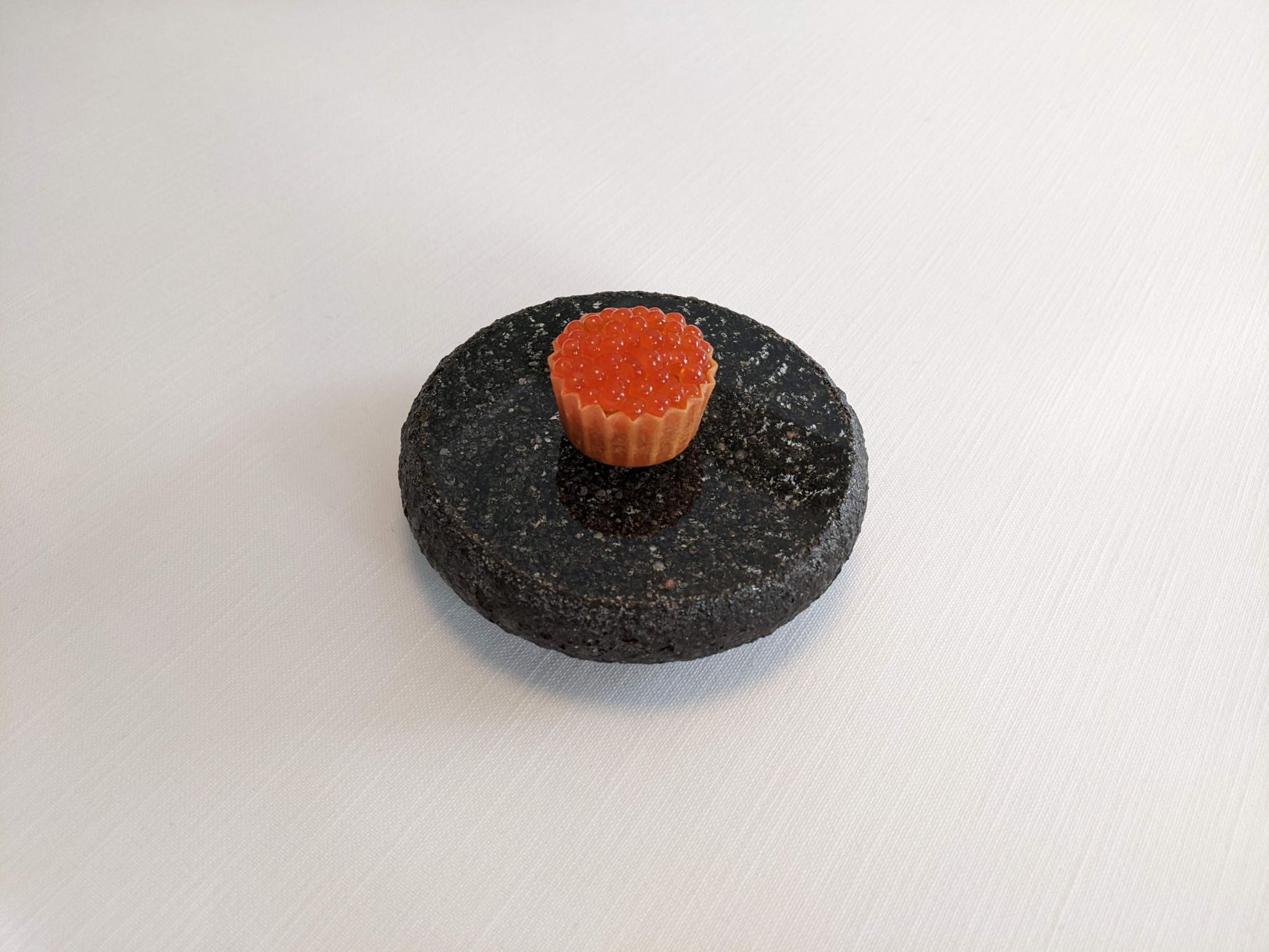
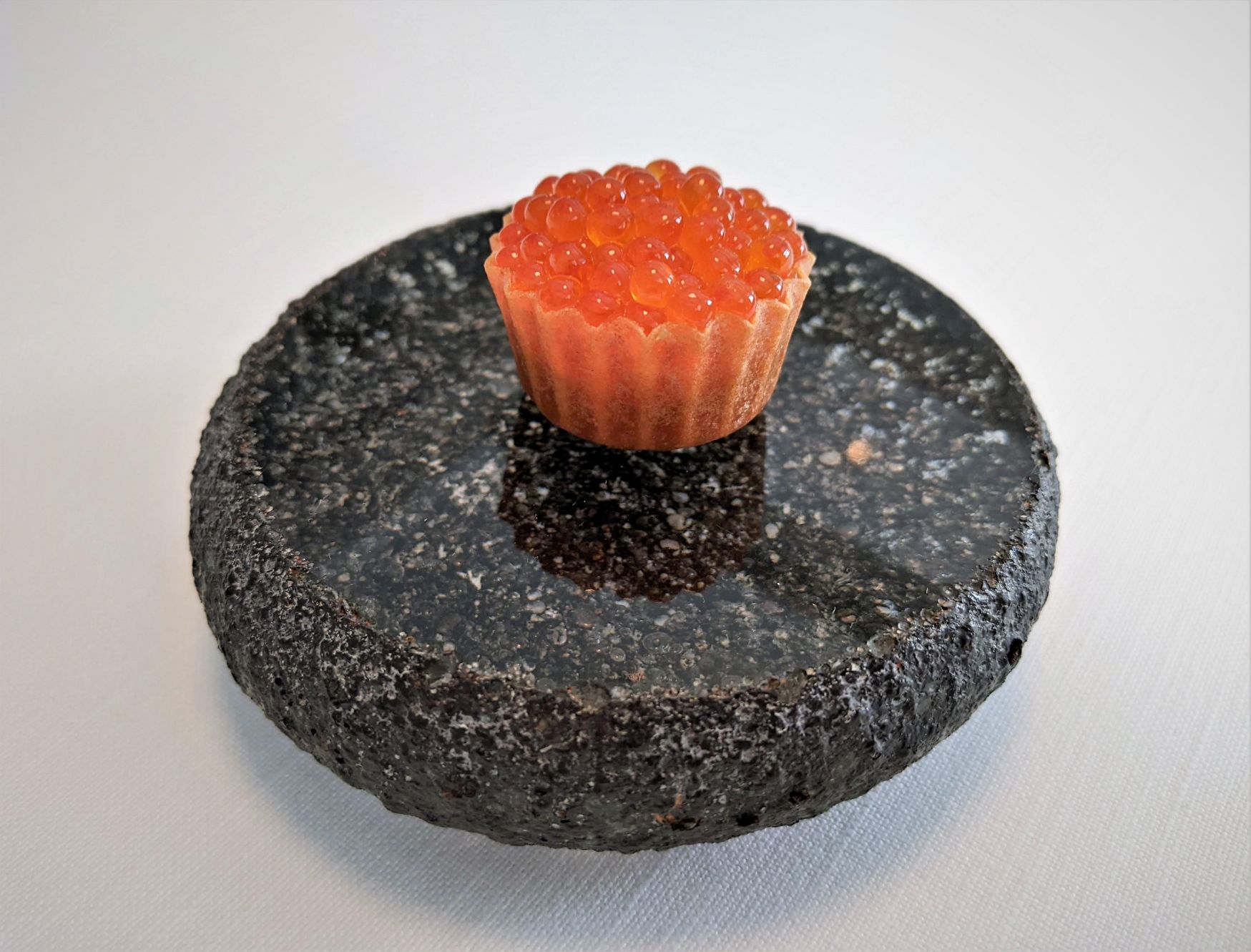
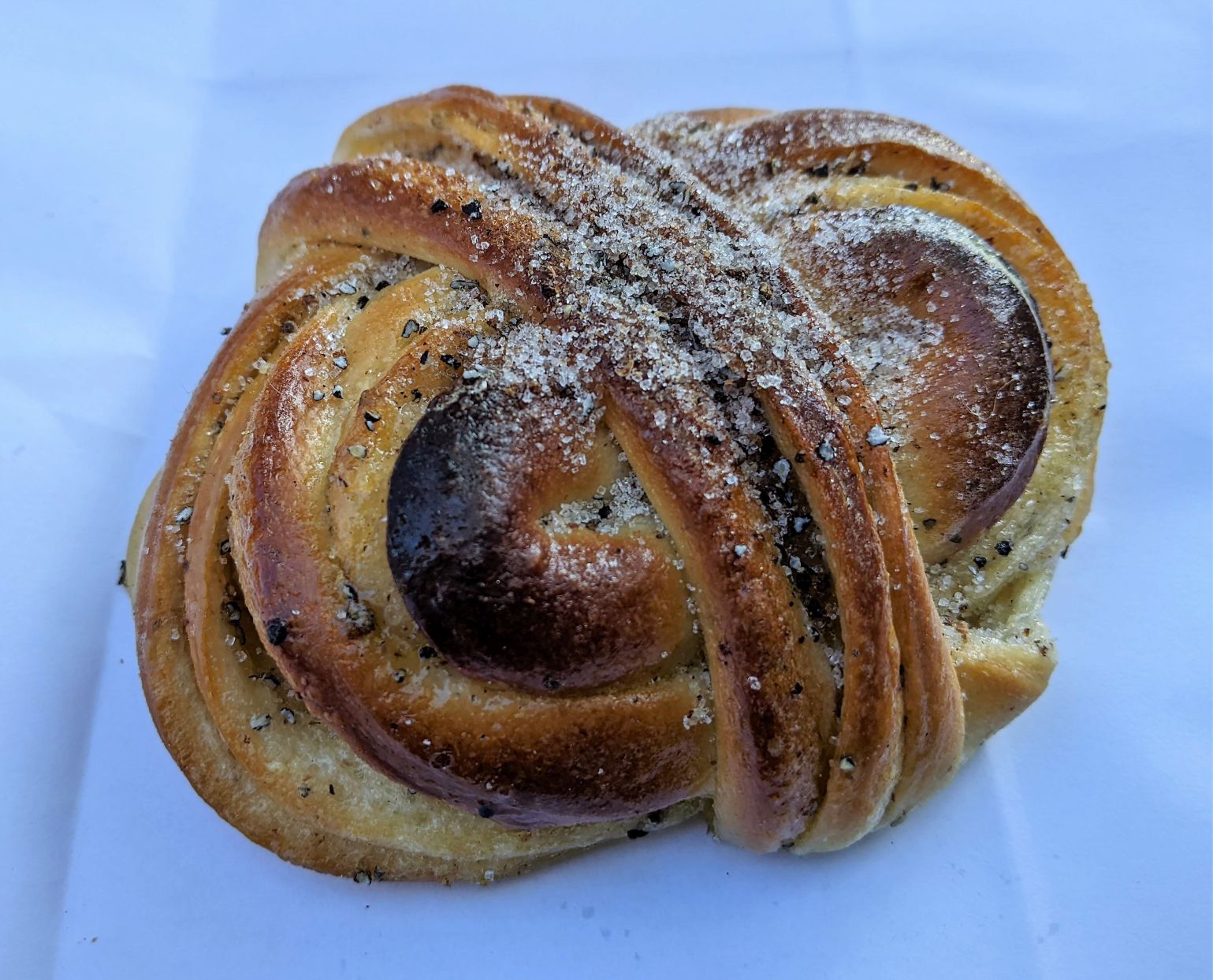
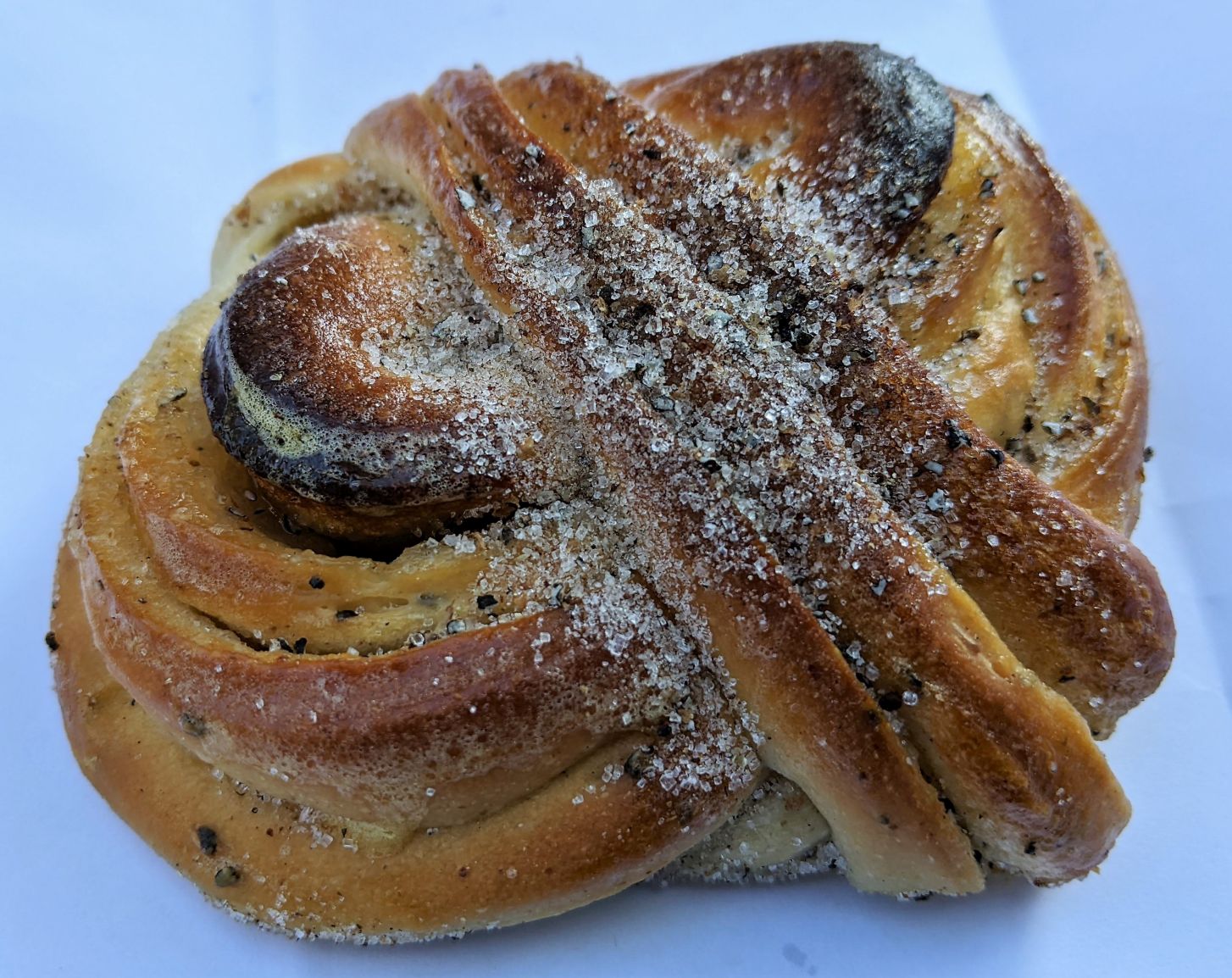
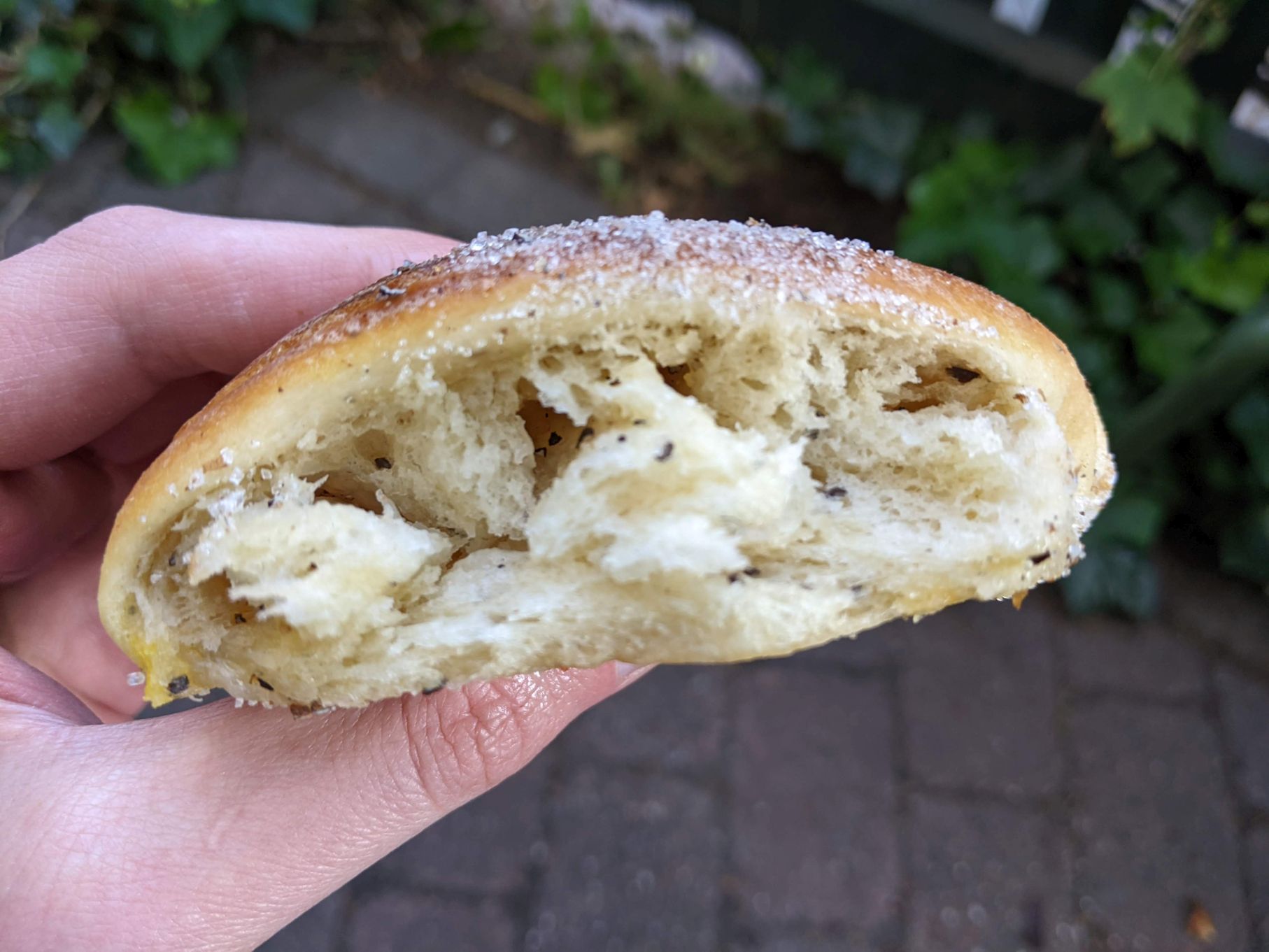
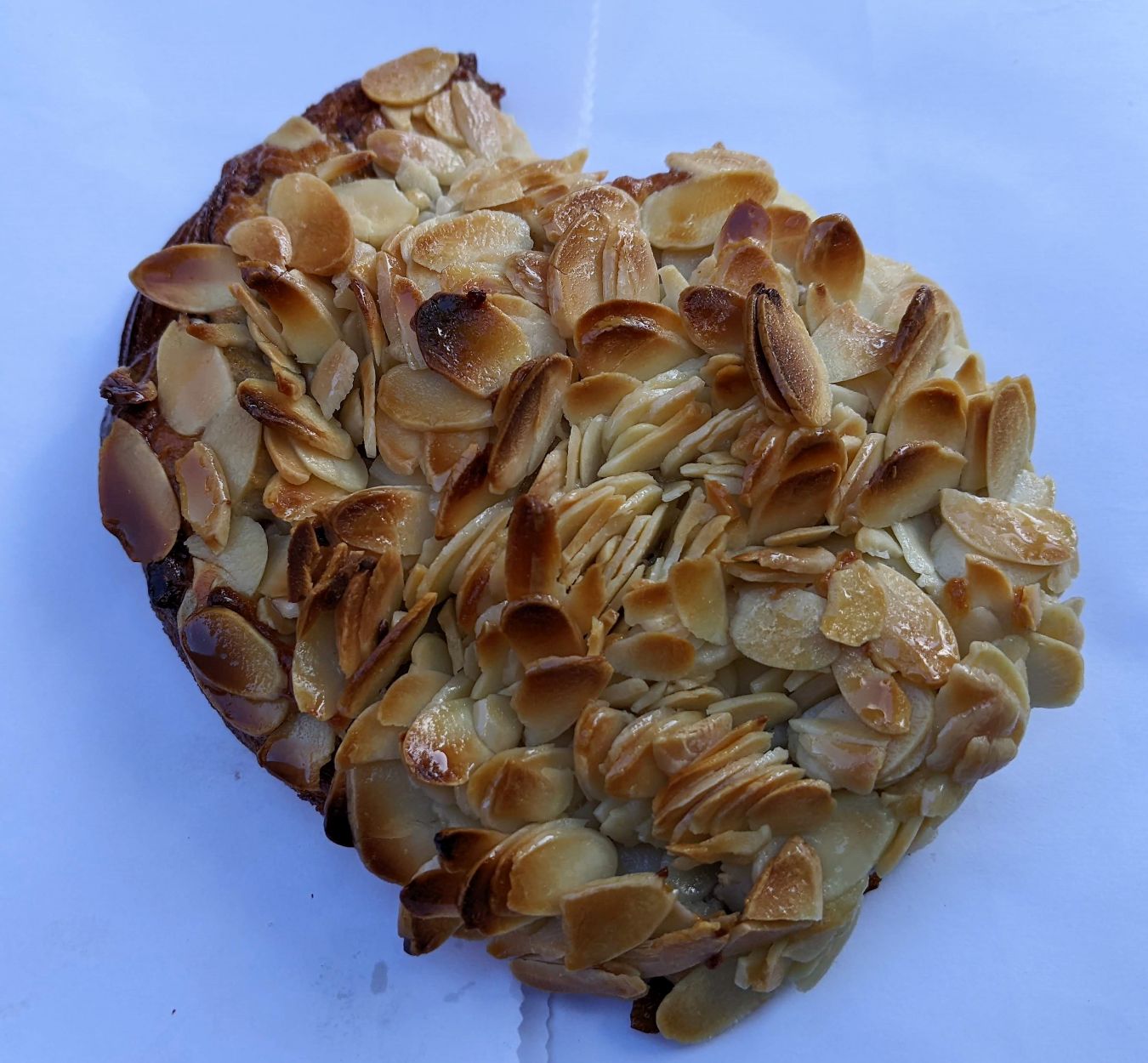
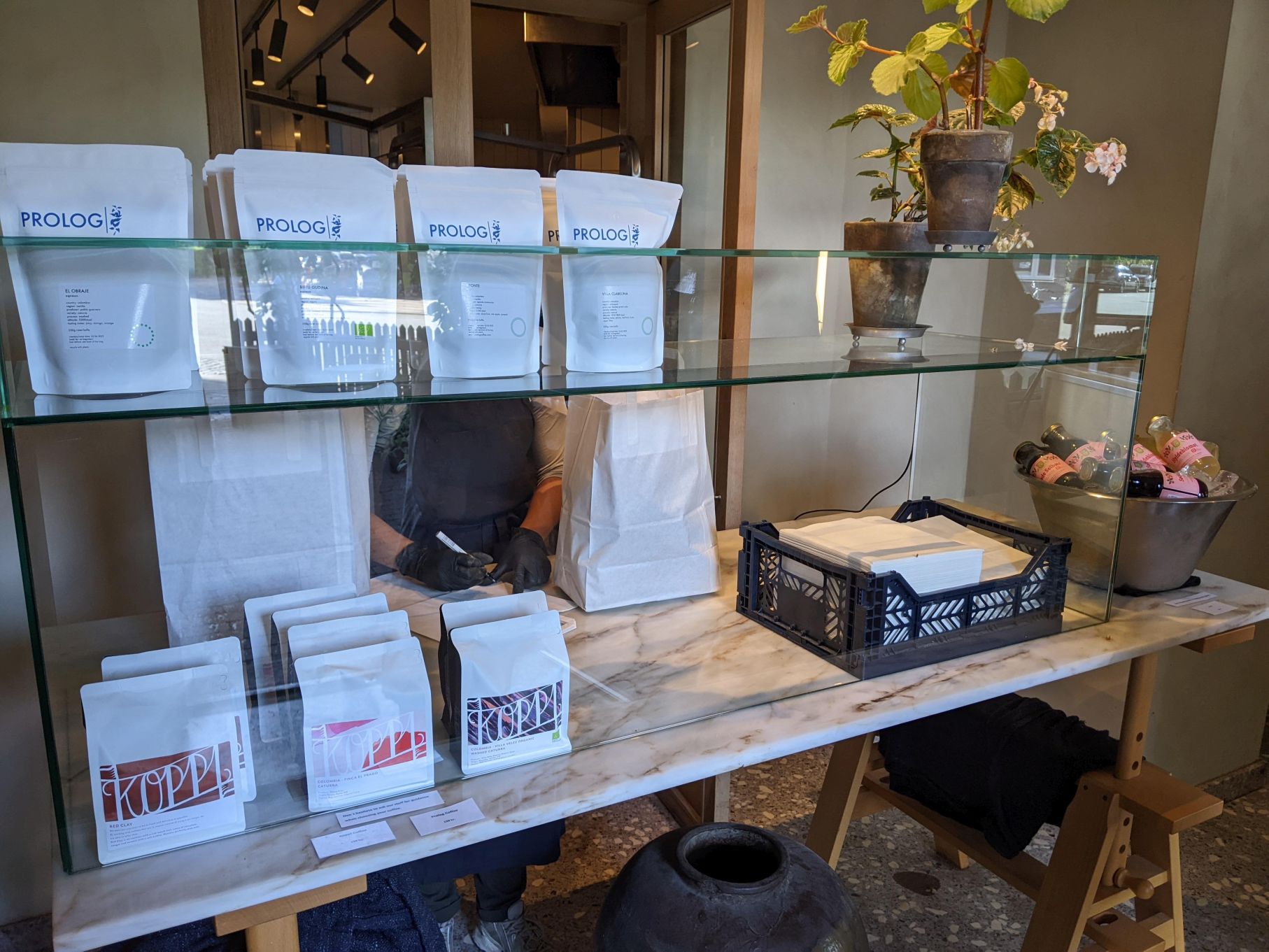
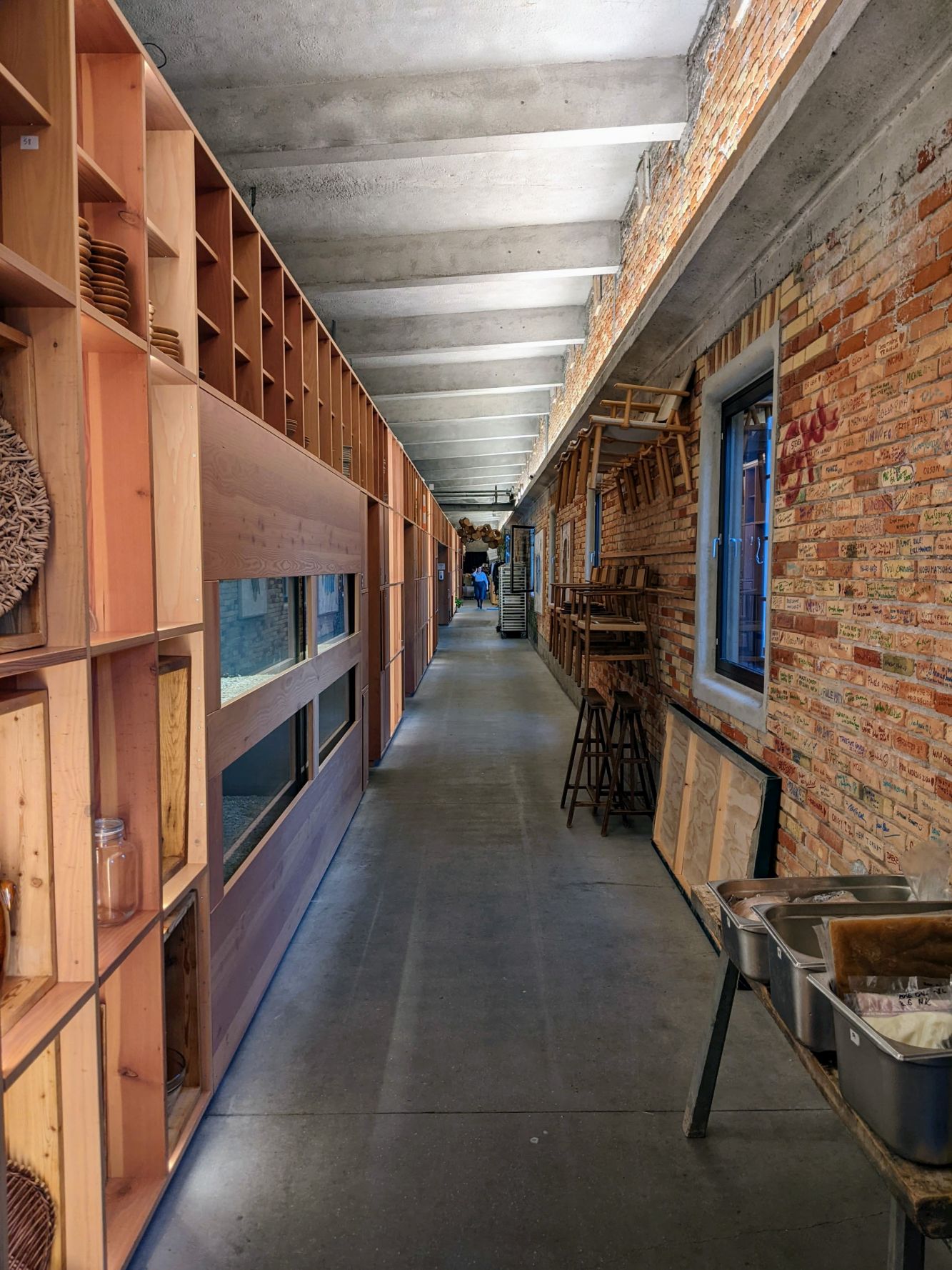
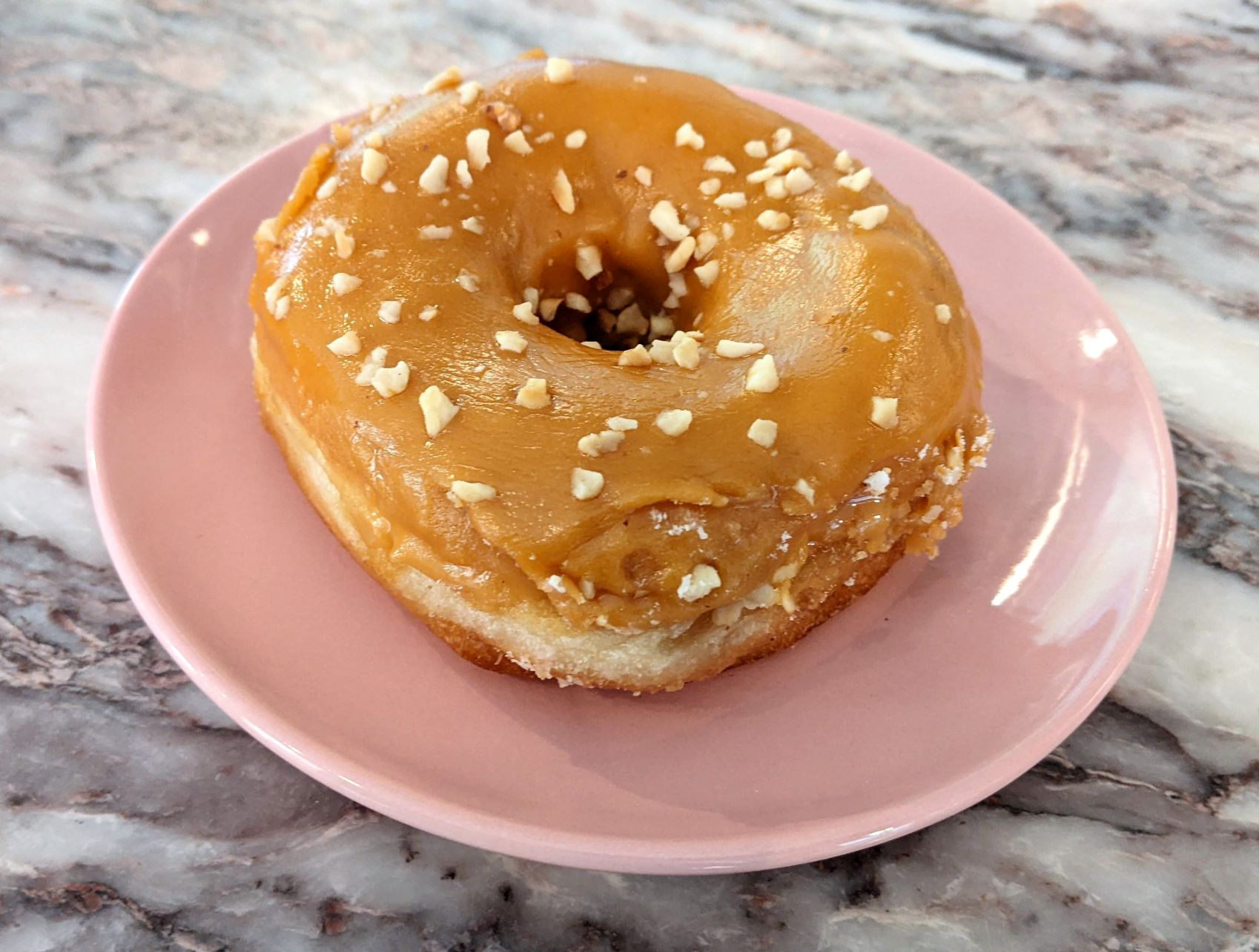
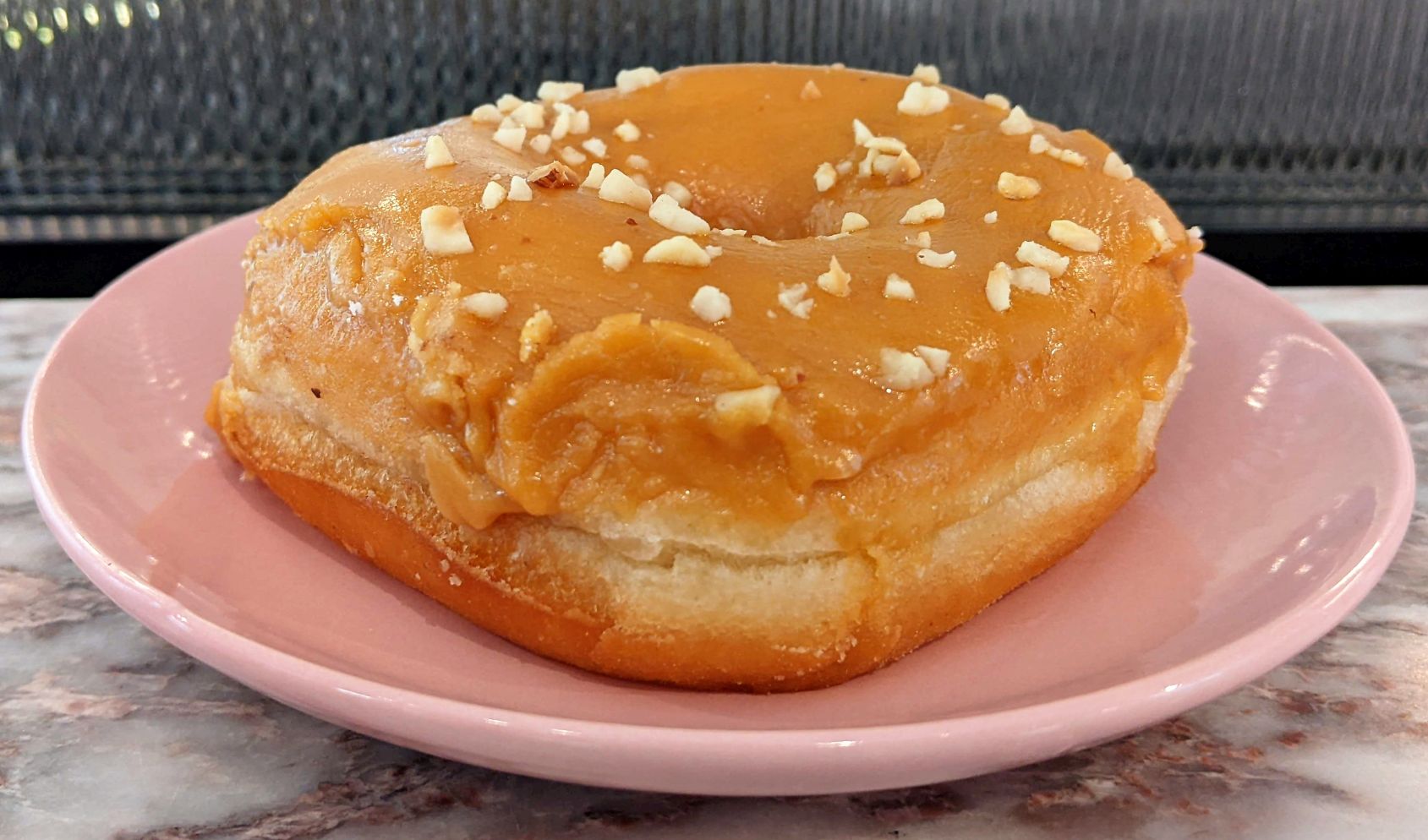
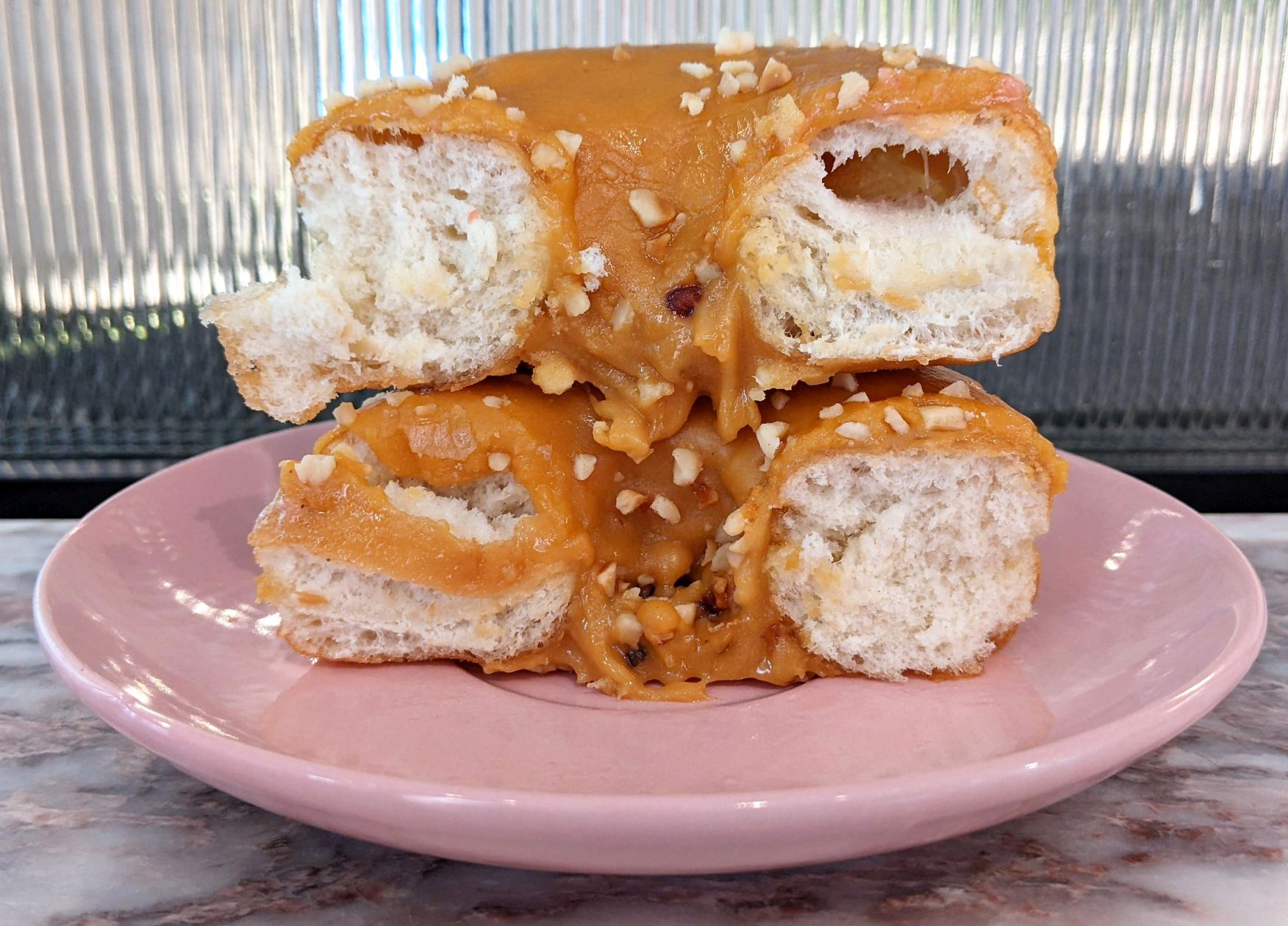
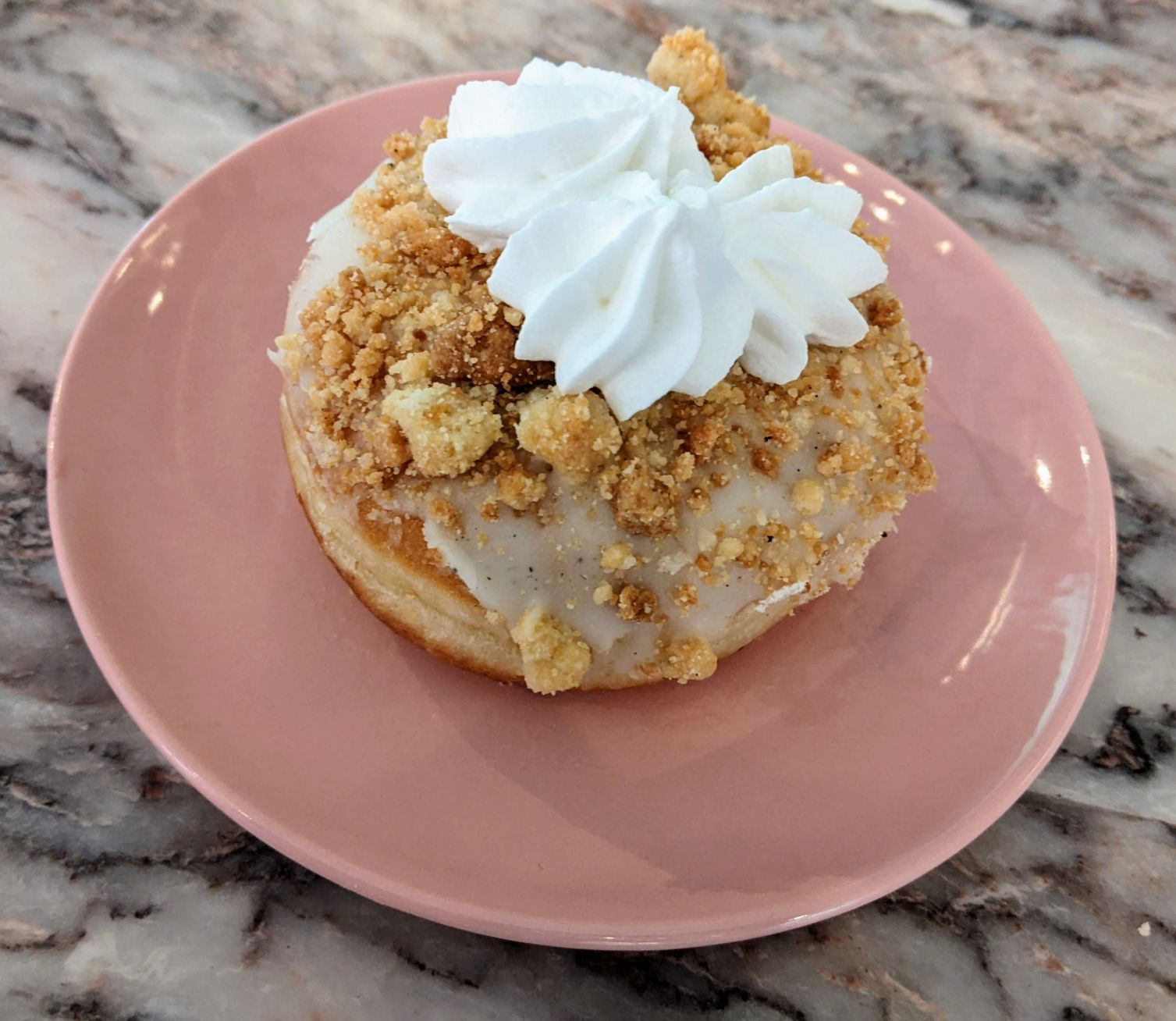
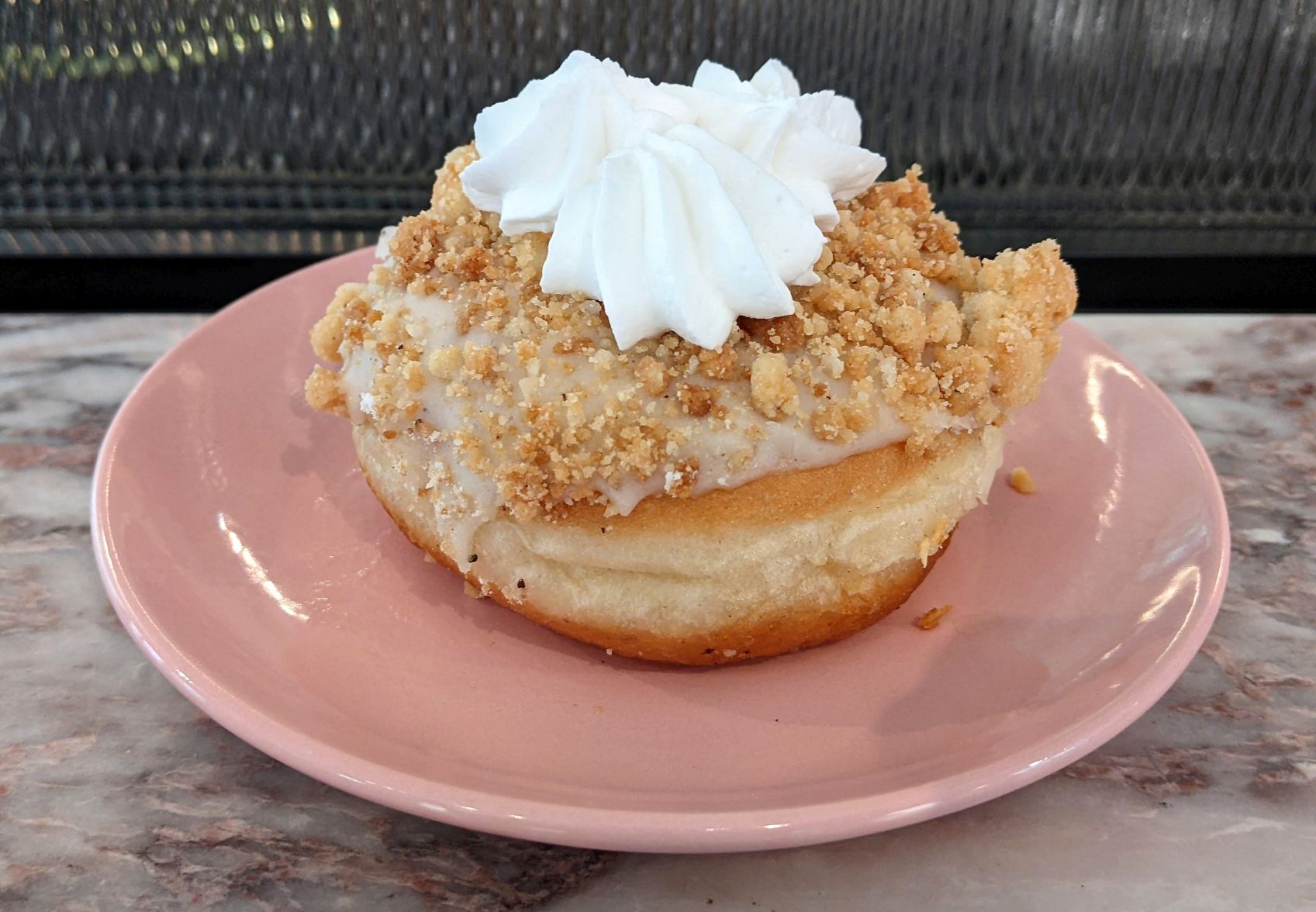
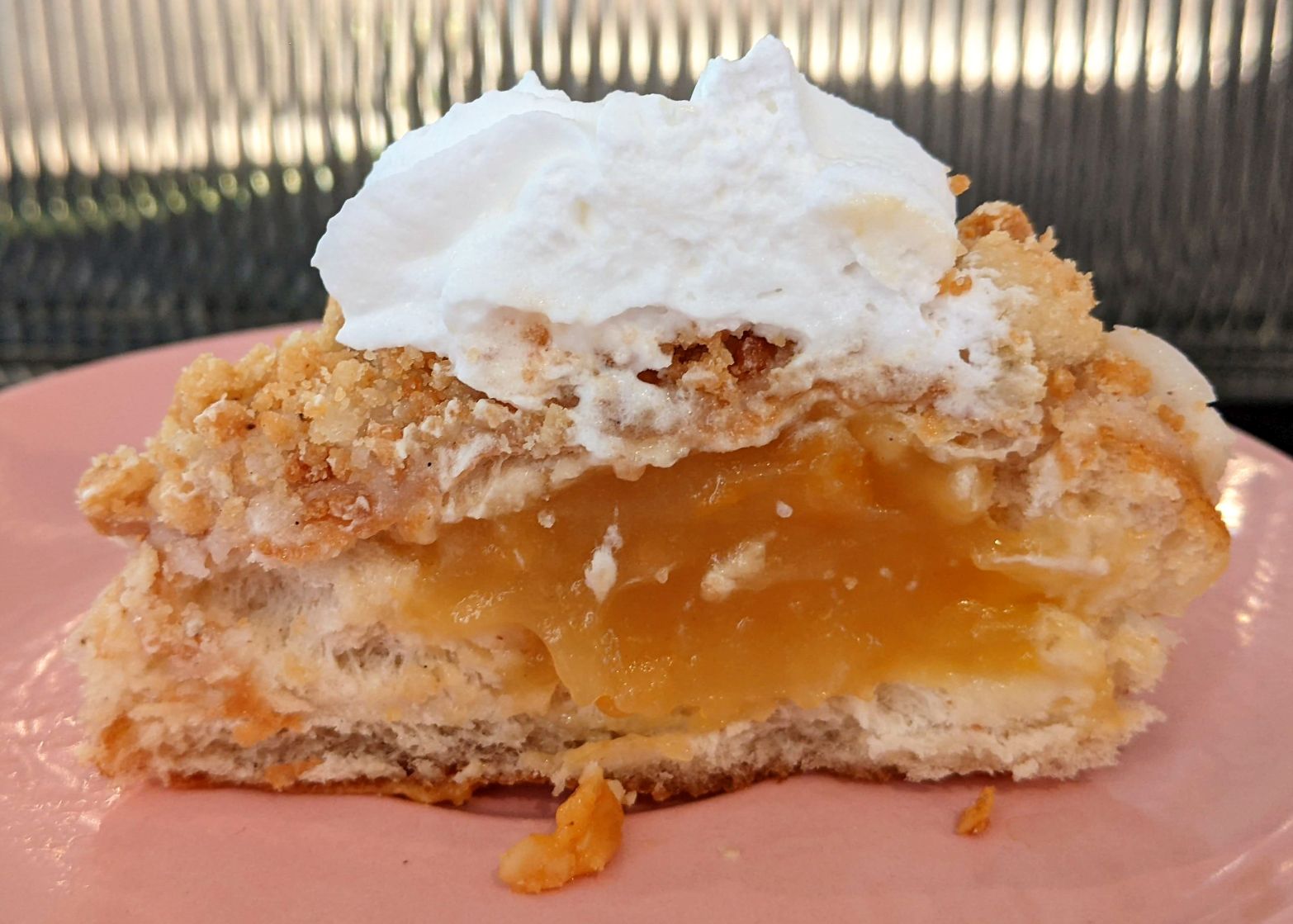
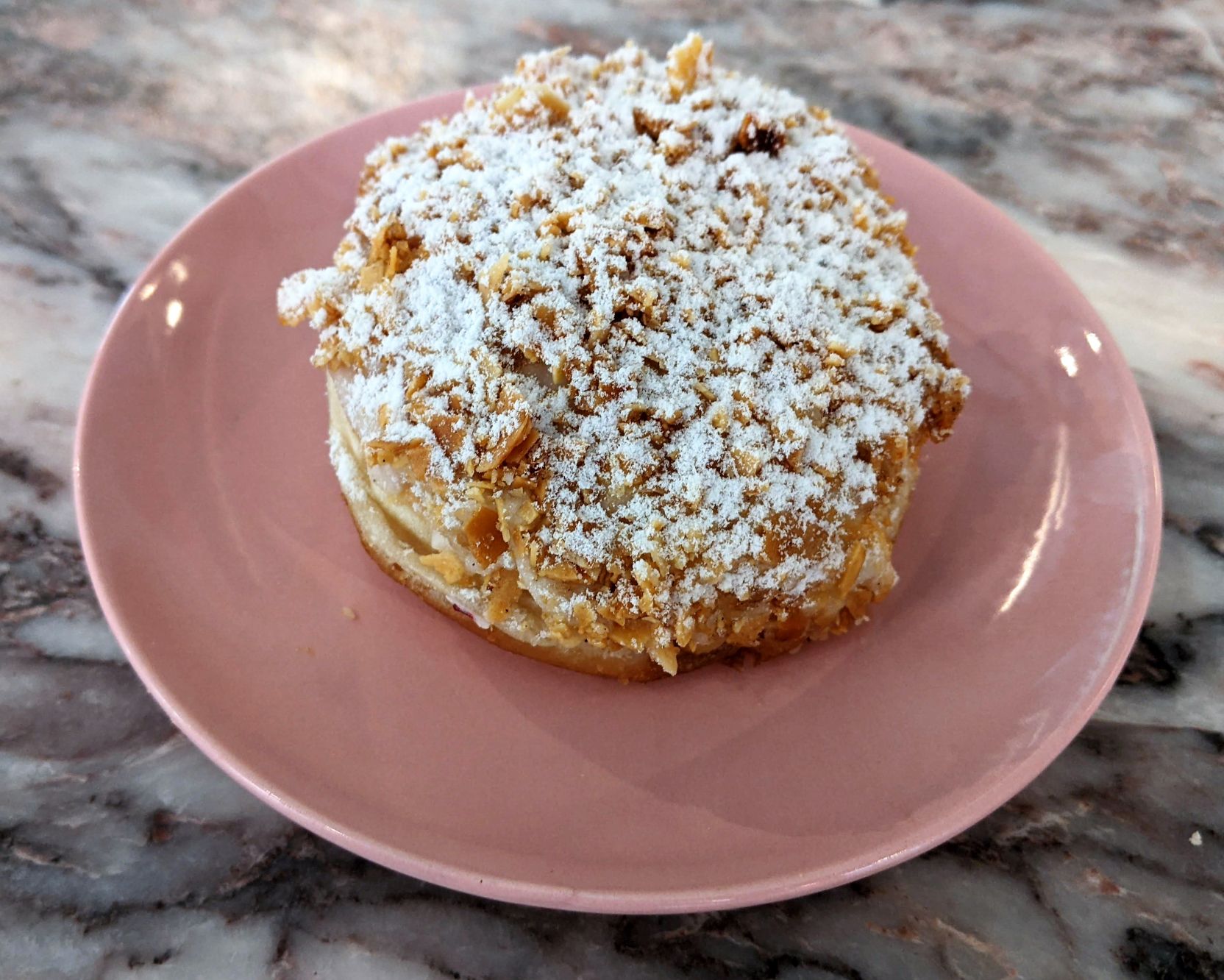
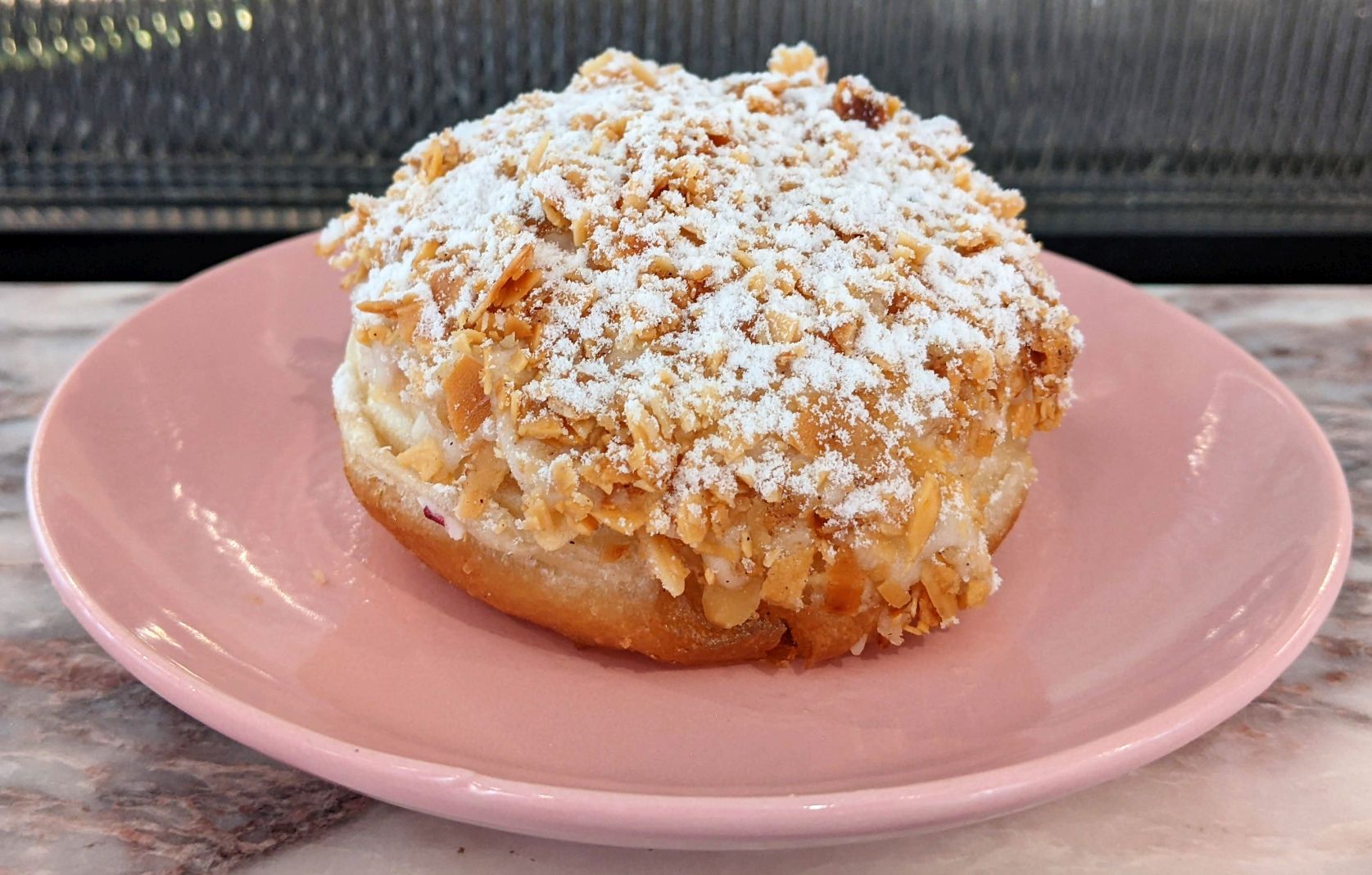
Purporting to “push the limits of what Ice Cream can be” Alice looks like a hipster’s fever dream, white walls and wooden stools plus the sort of indifferent service that only serves scoops on weekends while listing five daily Pastries and the times they’ll be ready on a paper scroll.
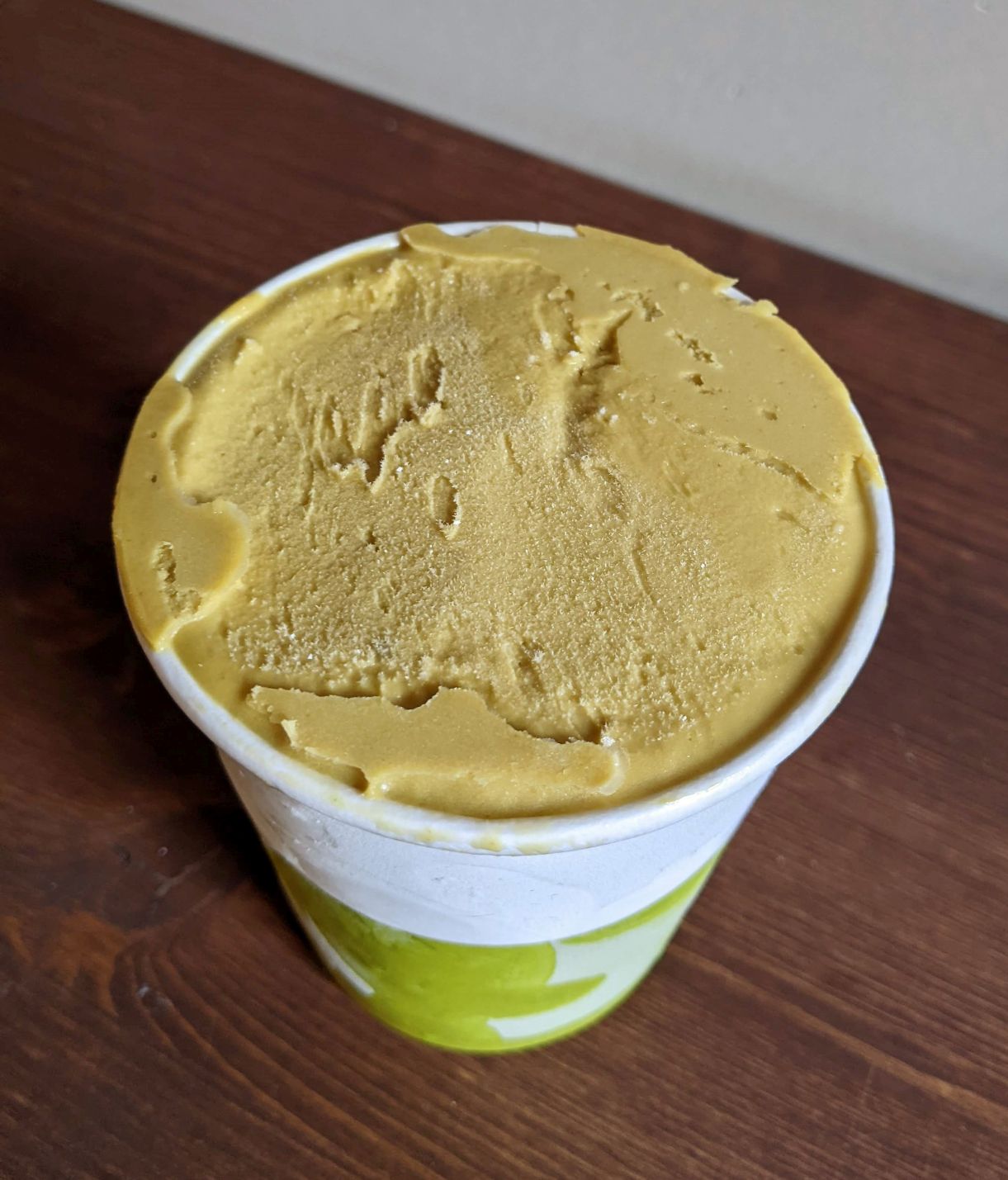
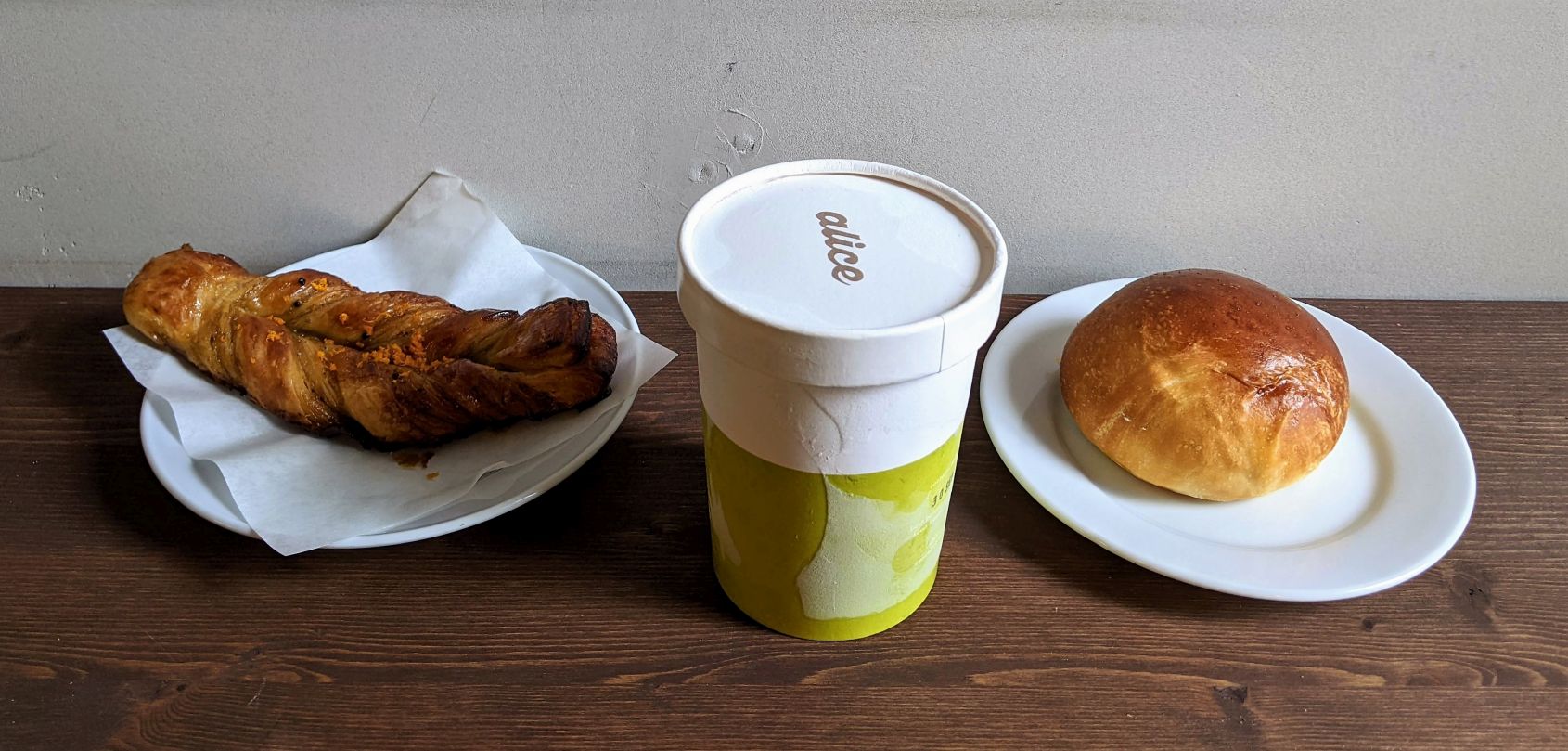
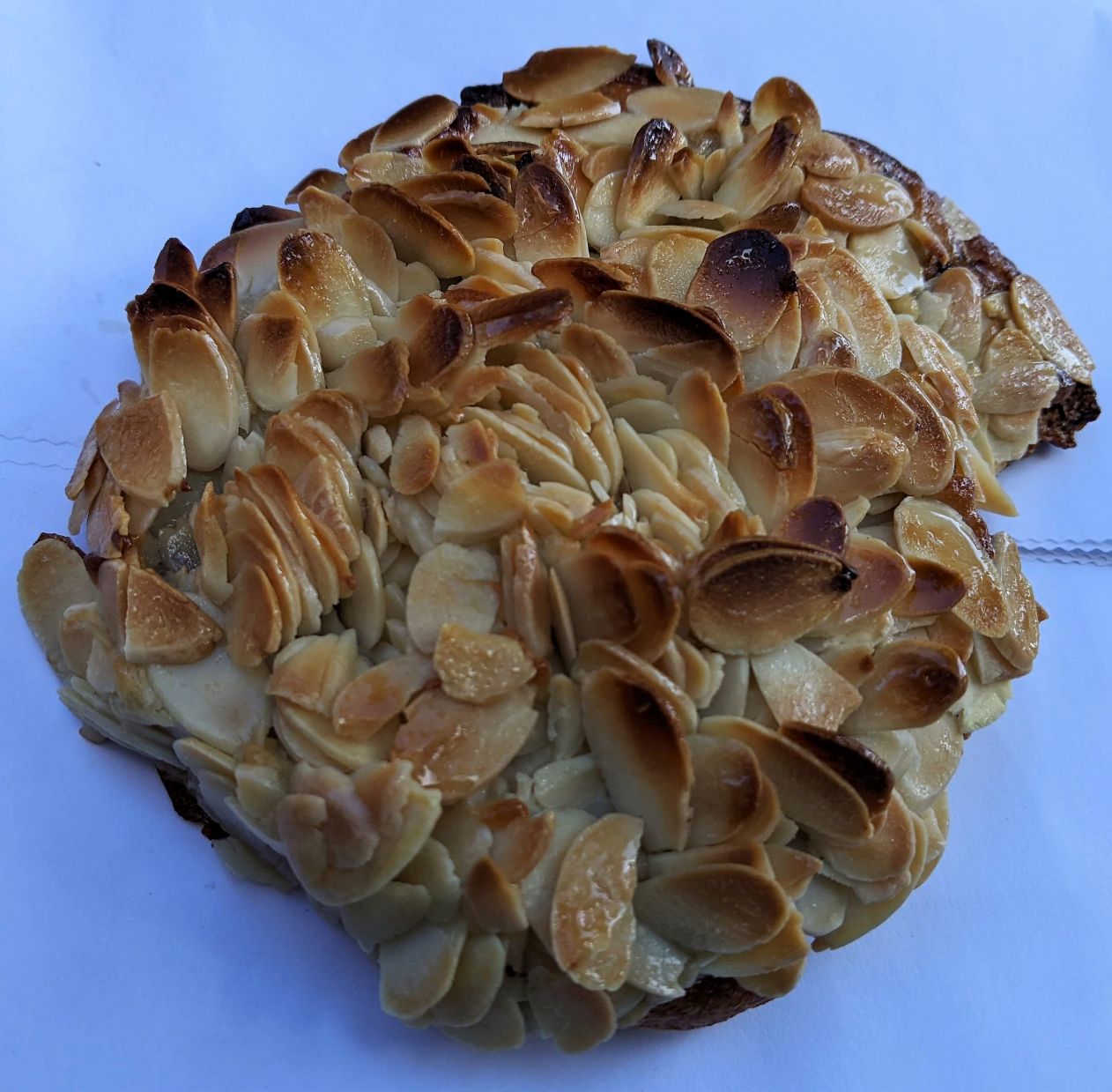
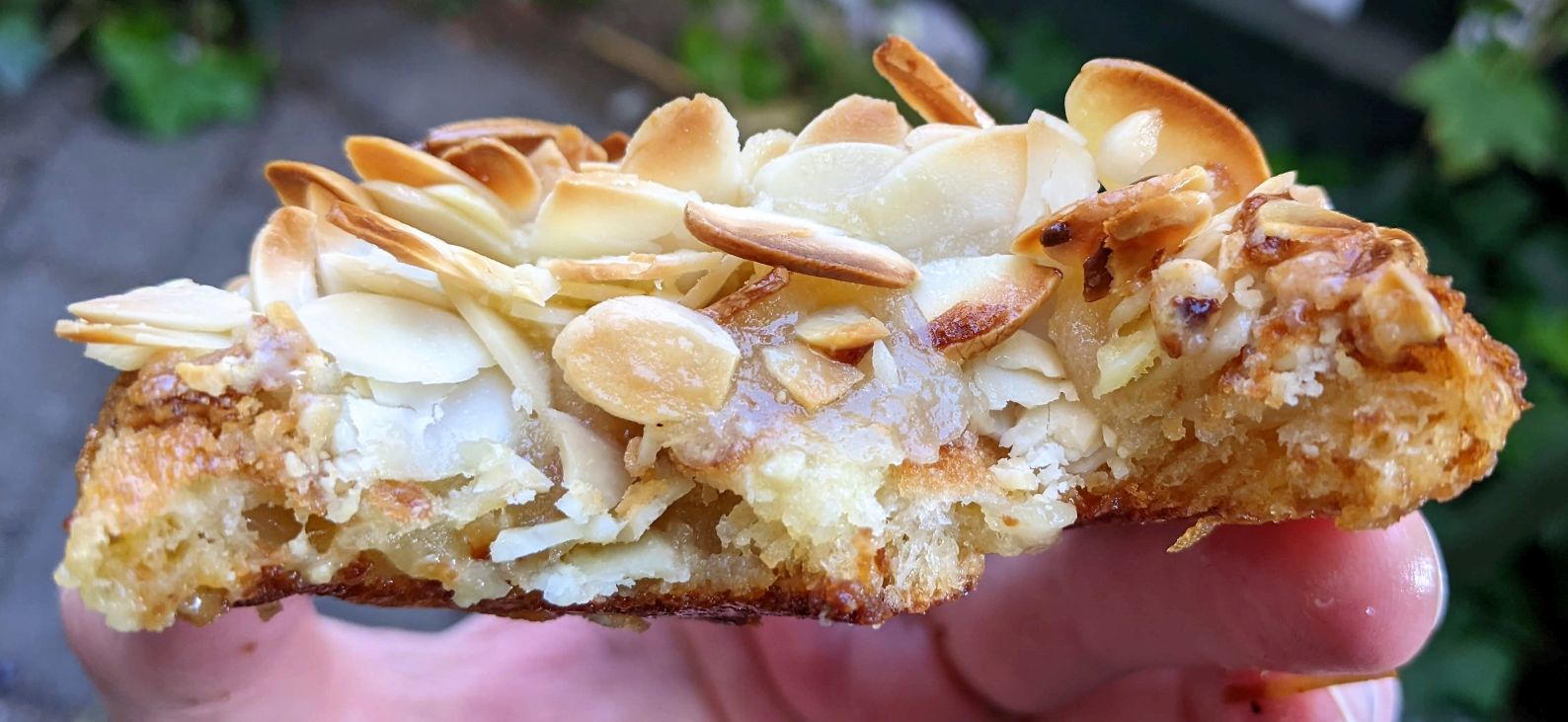
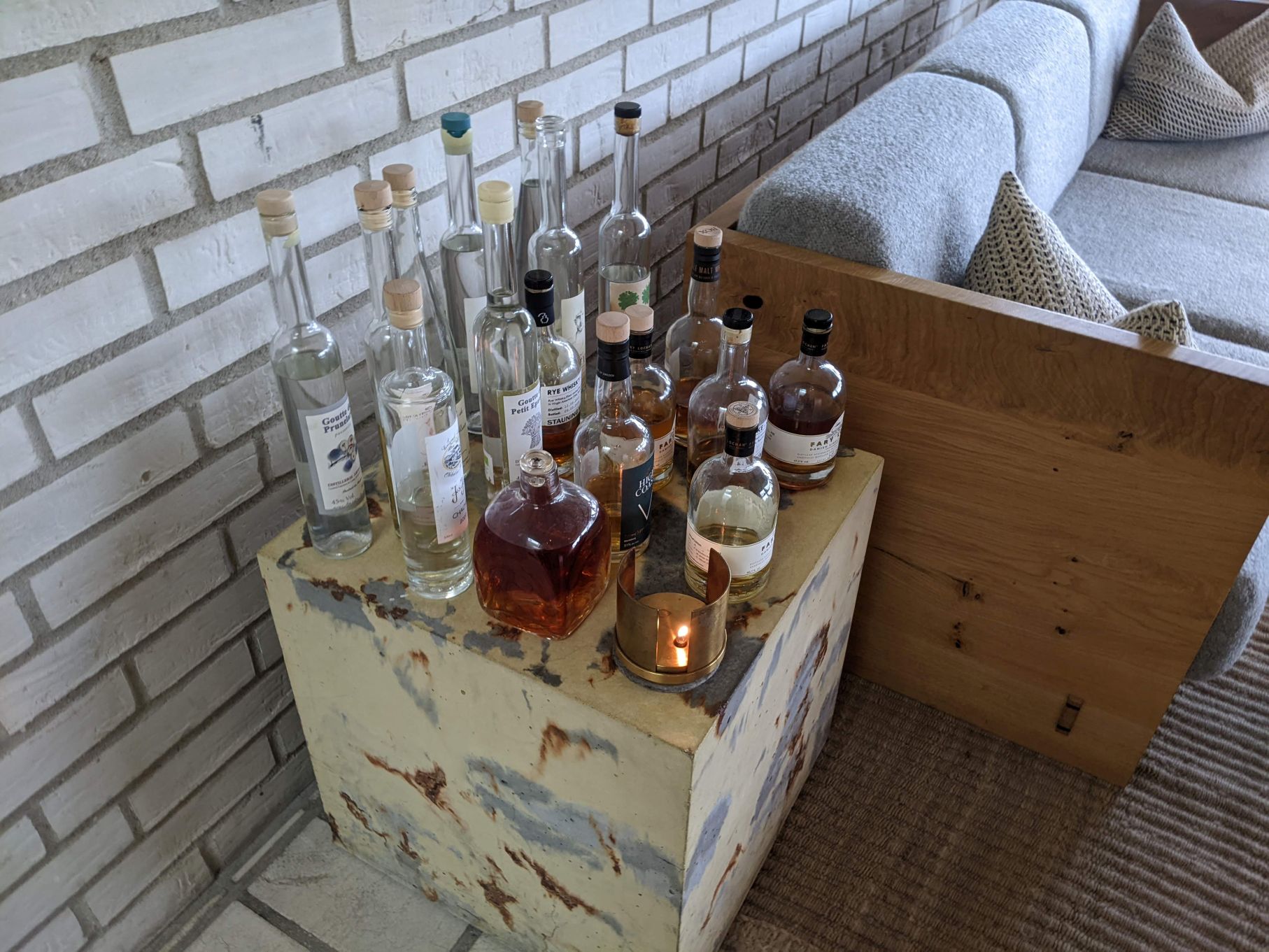
Also serving Koppi Coffee and acting as a bottle shop, guests arriving after noon Monday through Thursday relegated to beverages, hard-packed pints and limited Baked Goods, suffice it to say Alice’s Pistachio Ice Cream is good but no better than Iso Bar or Østerberg Ice Cream while Pastries are a far cry from Hart or Juno.
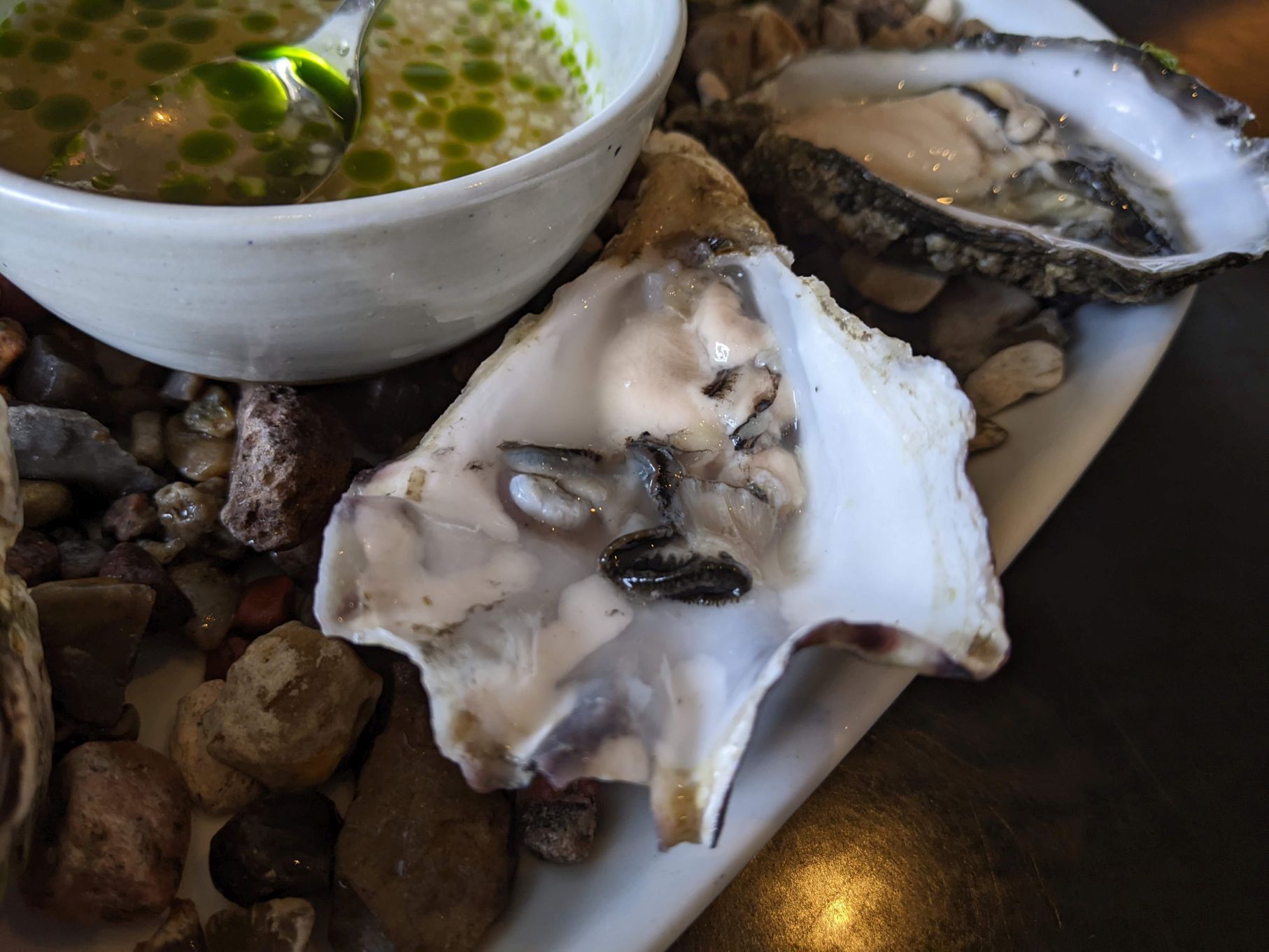
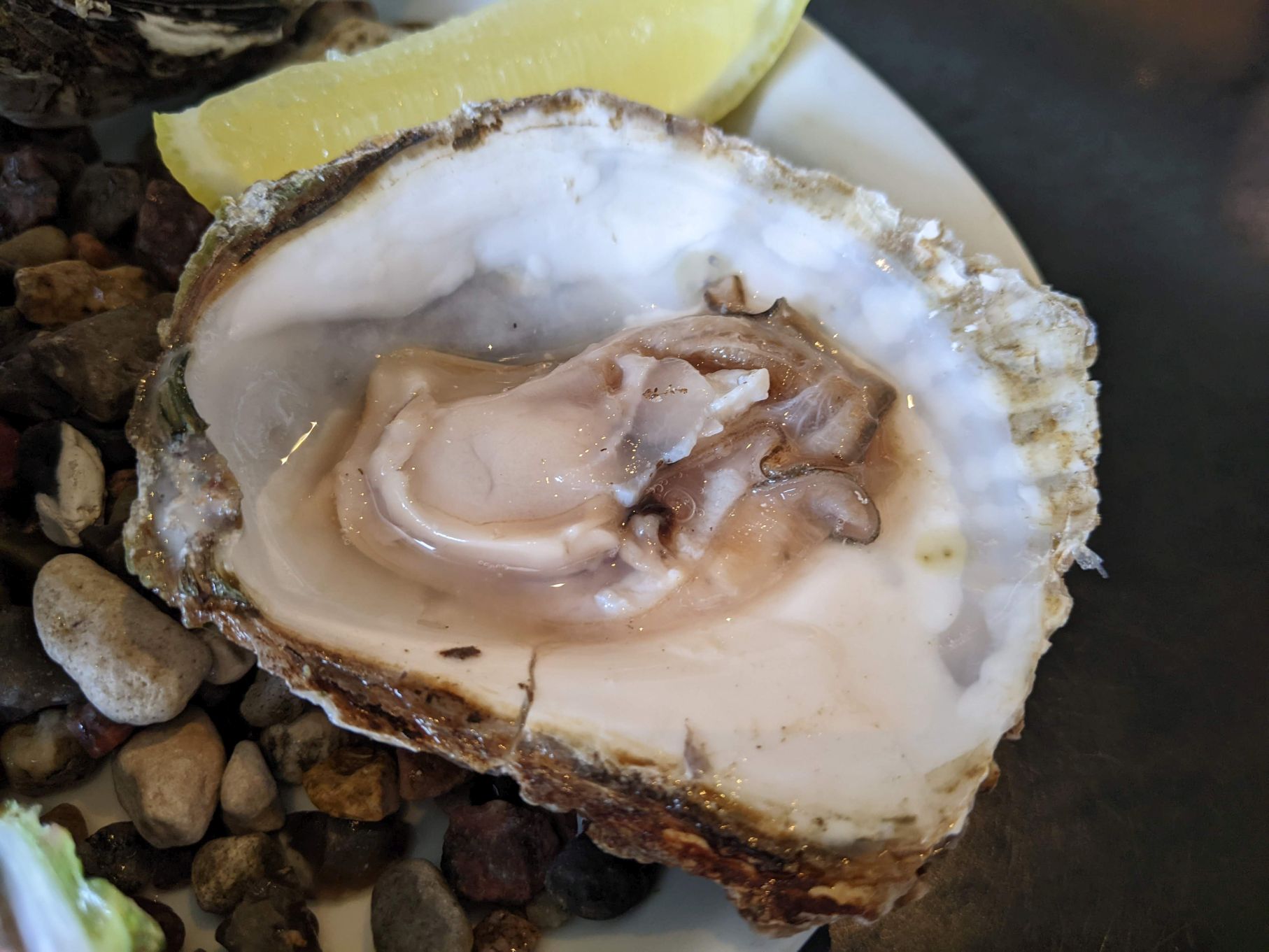
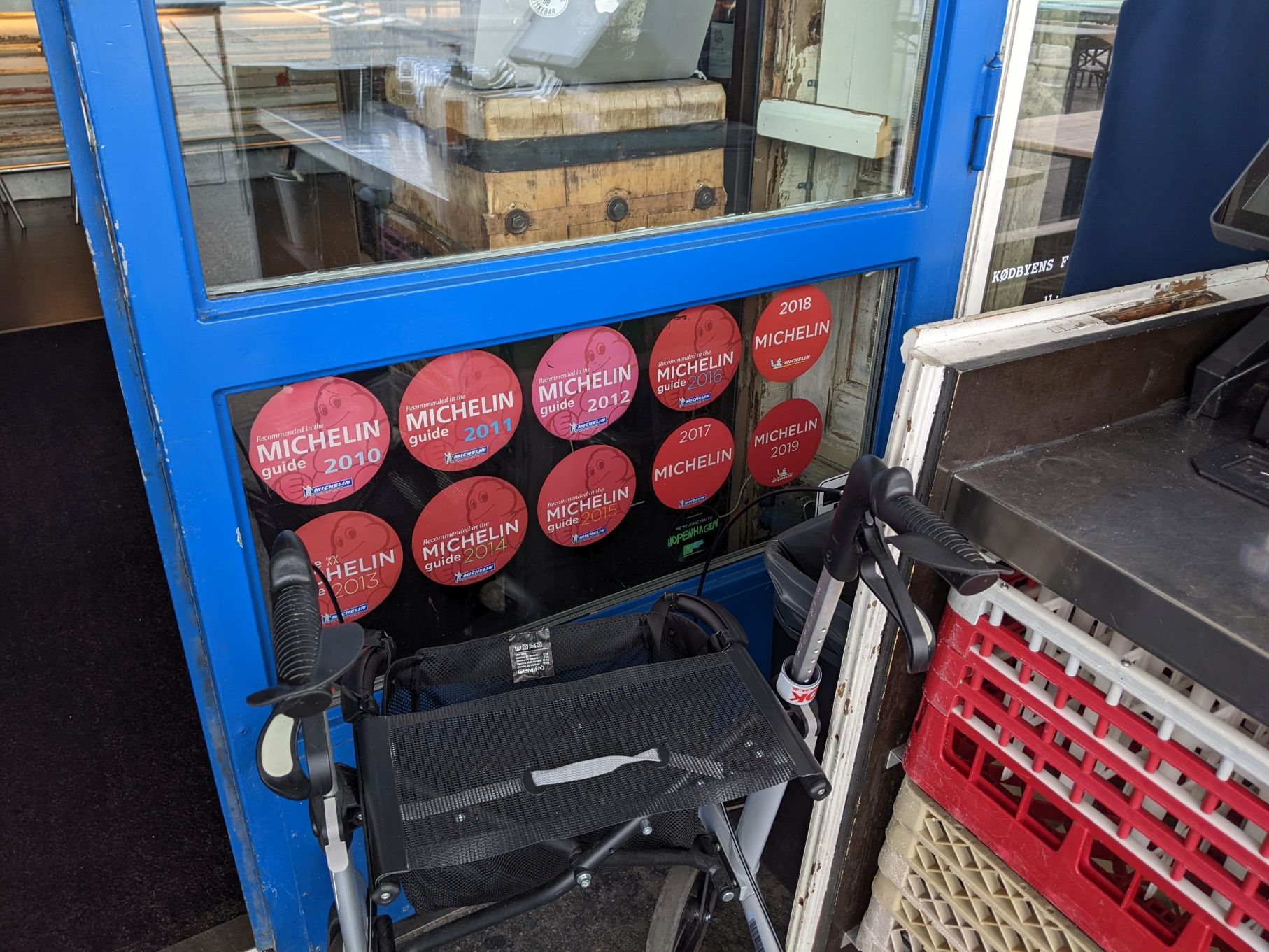
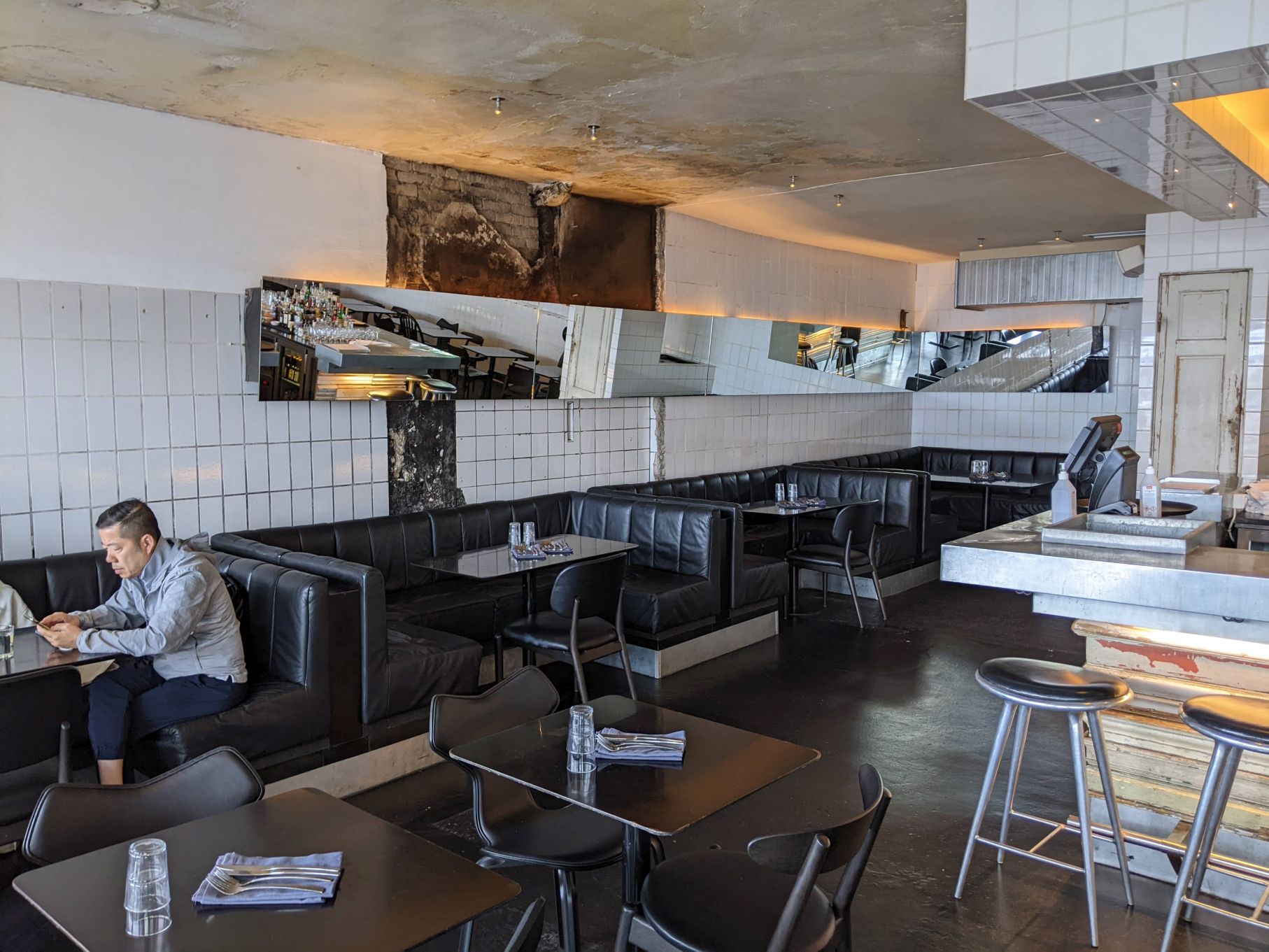
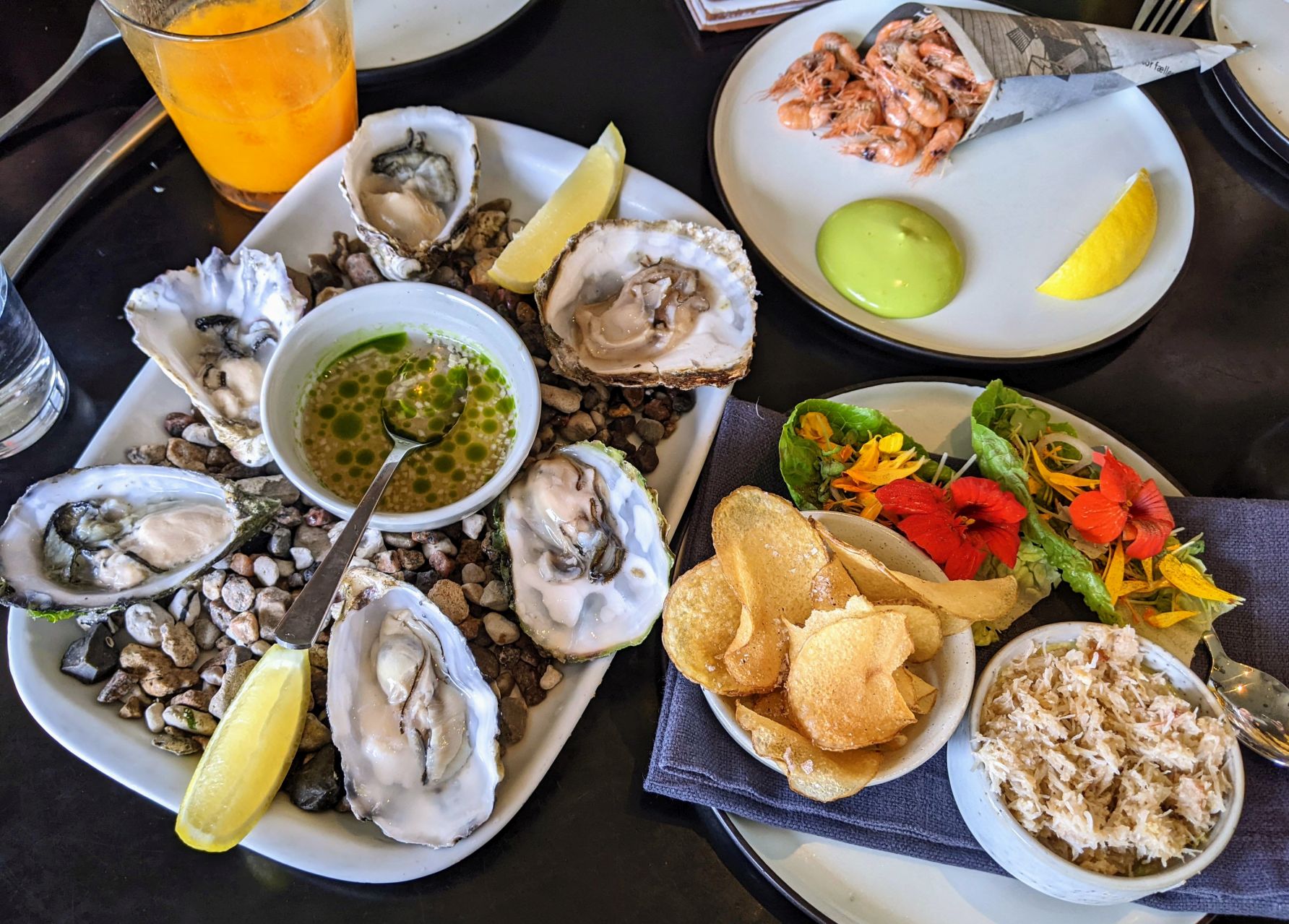
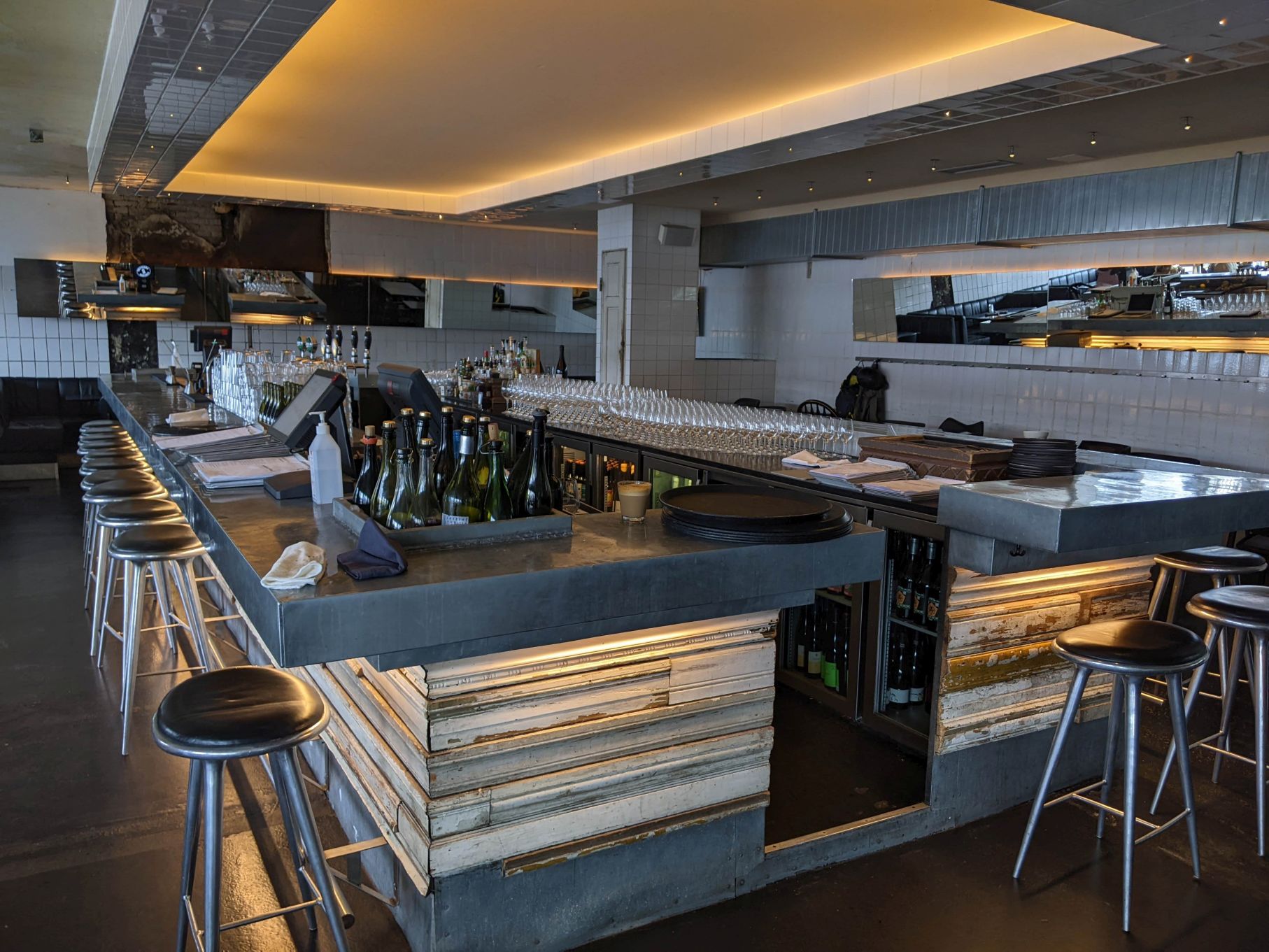
A Michelin Bib Gourmand awardee ever since opening in 2009 Kødbyens Fiskebar is a fresh Seafood destination in Copenhagen’s Meatpacking District, hours from 11h30 until midnight or later daily finding guests of diverse backgrounds enjoying sustainably-sourced products from local waters.
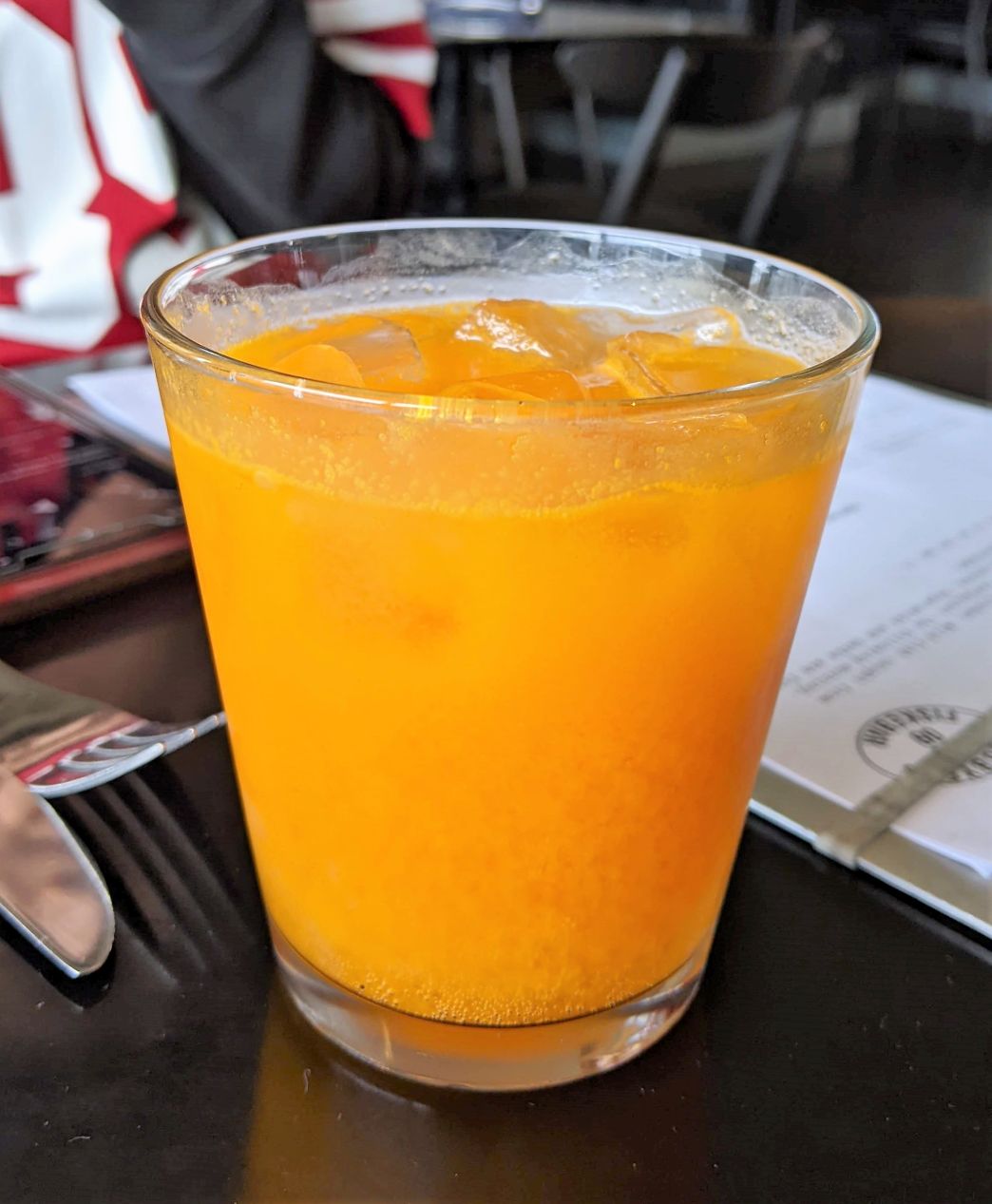
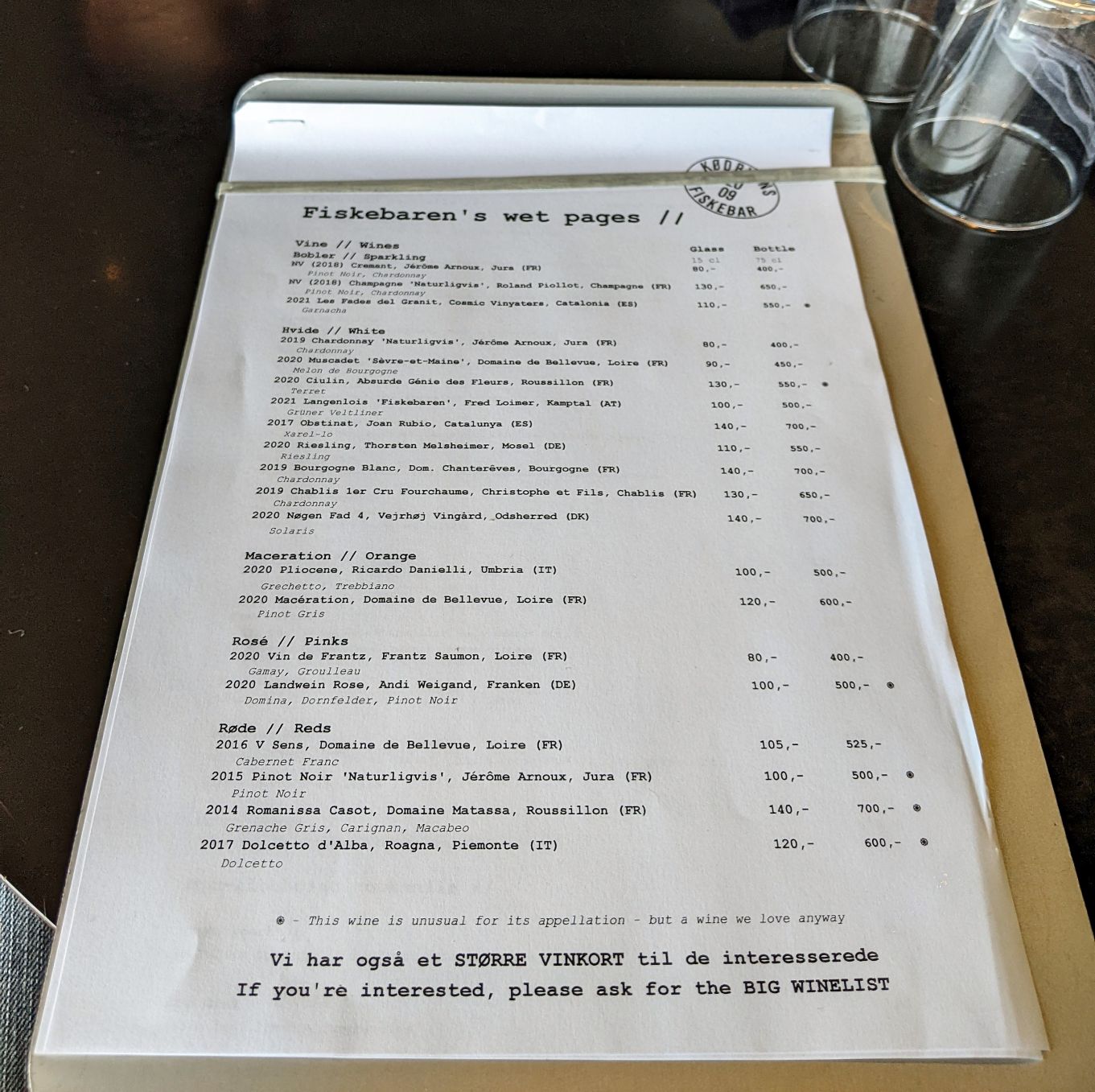
Led by Chef Jamie Lee, years with Gordon Ramsay and Jason Atherton in London inspiring a style of cooking that highlights Ingredients rather than hiding them, it is once seated that guests are presented Food and Beverage menus, the latter porting several locally made Beers plus housemade Sea Buckthorn Lemonade that warrants a taste.
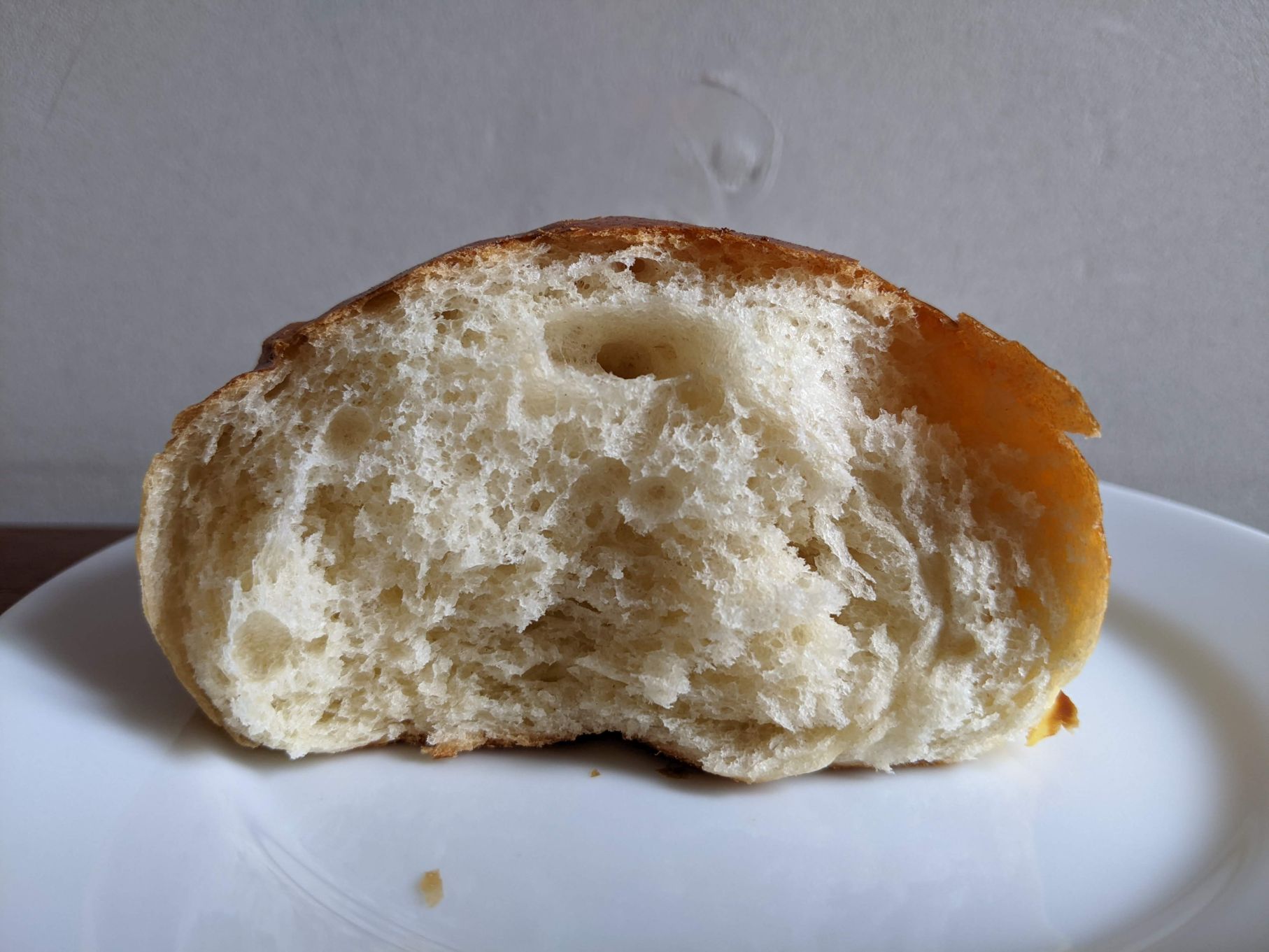
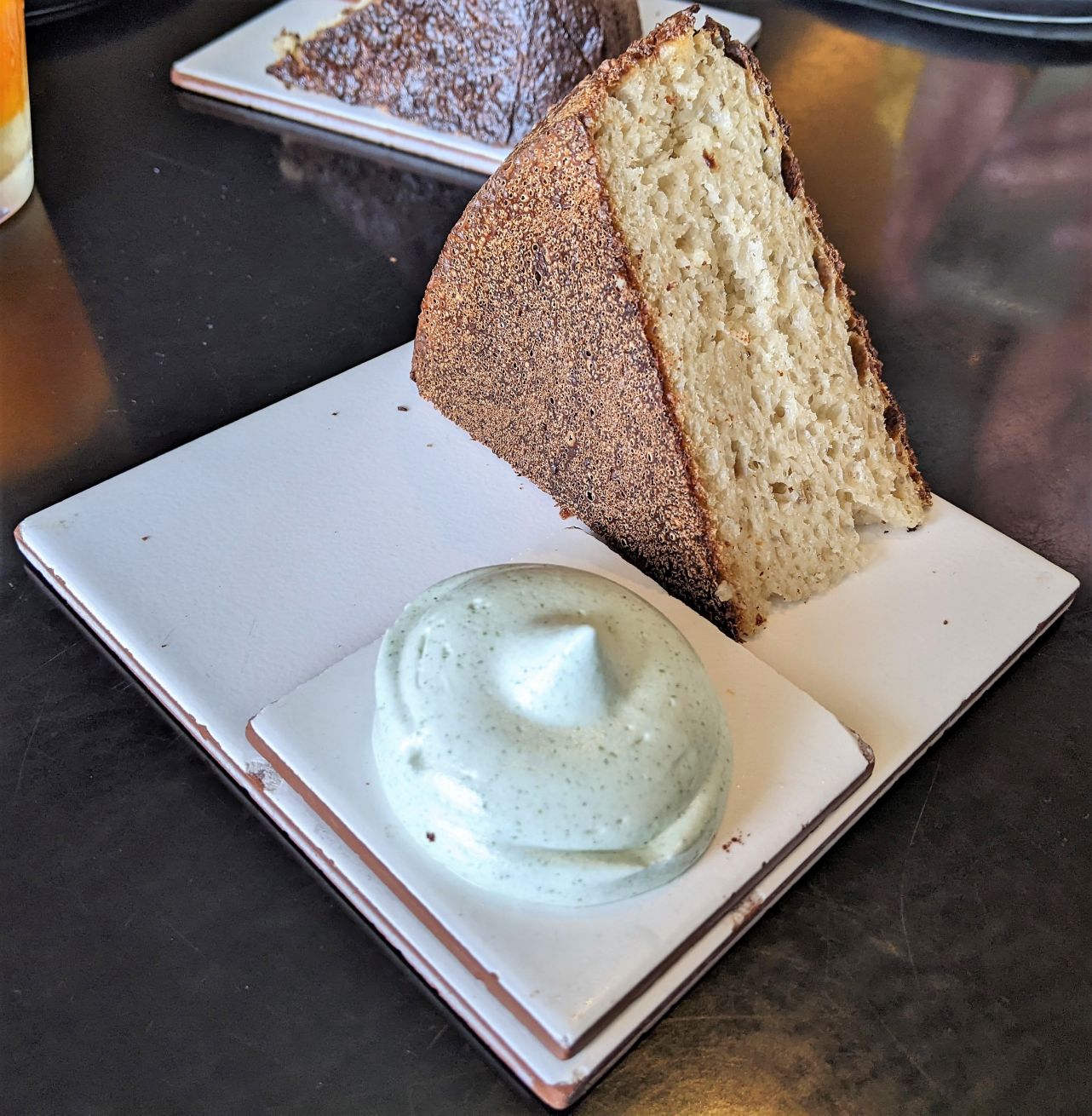
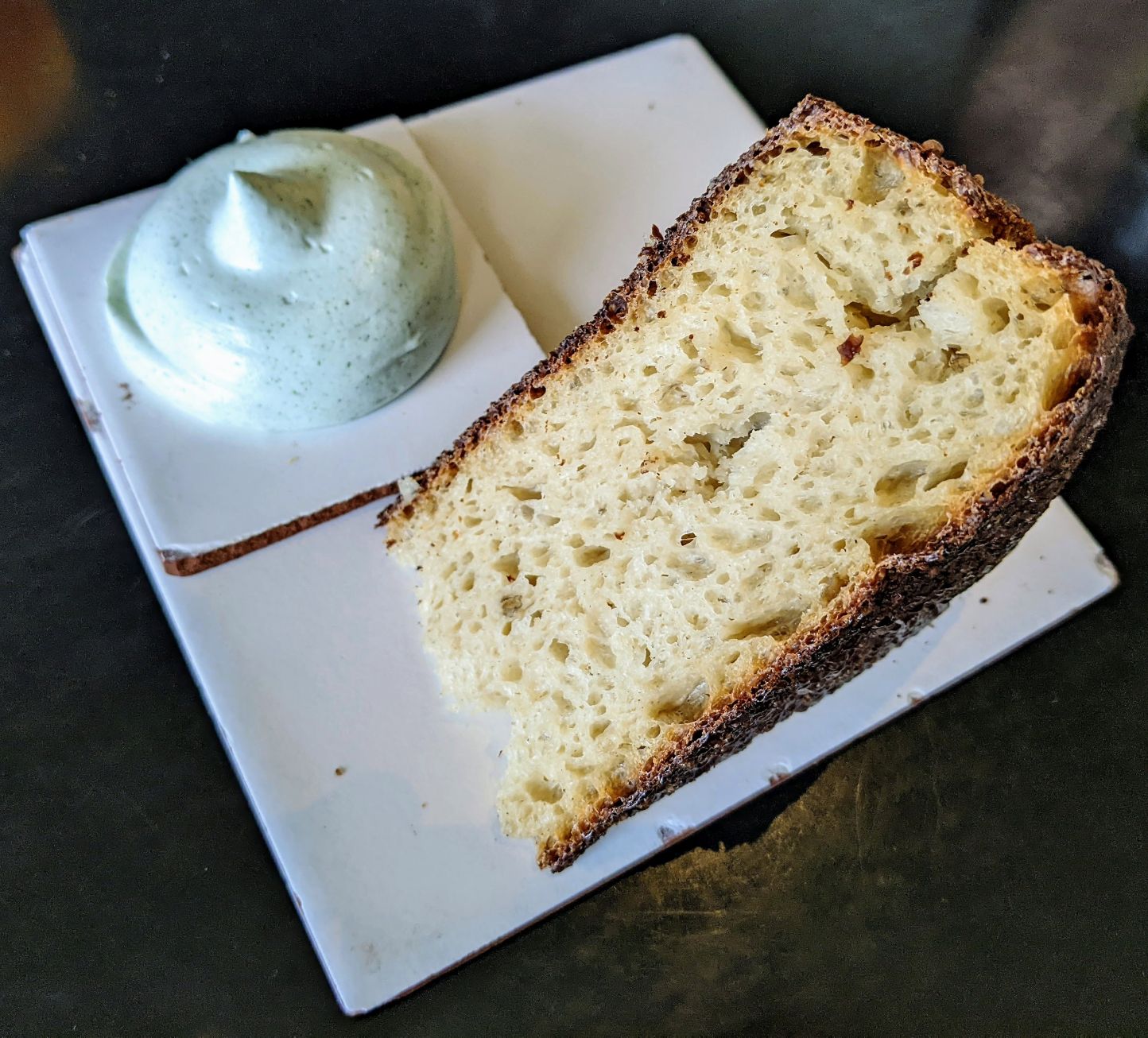
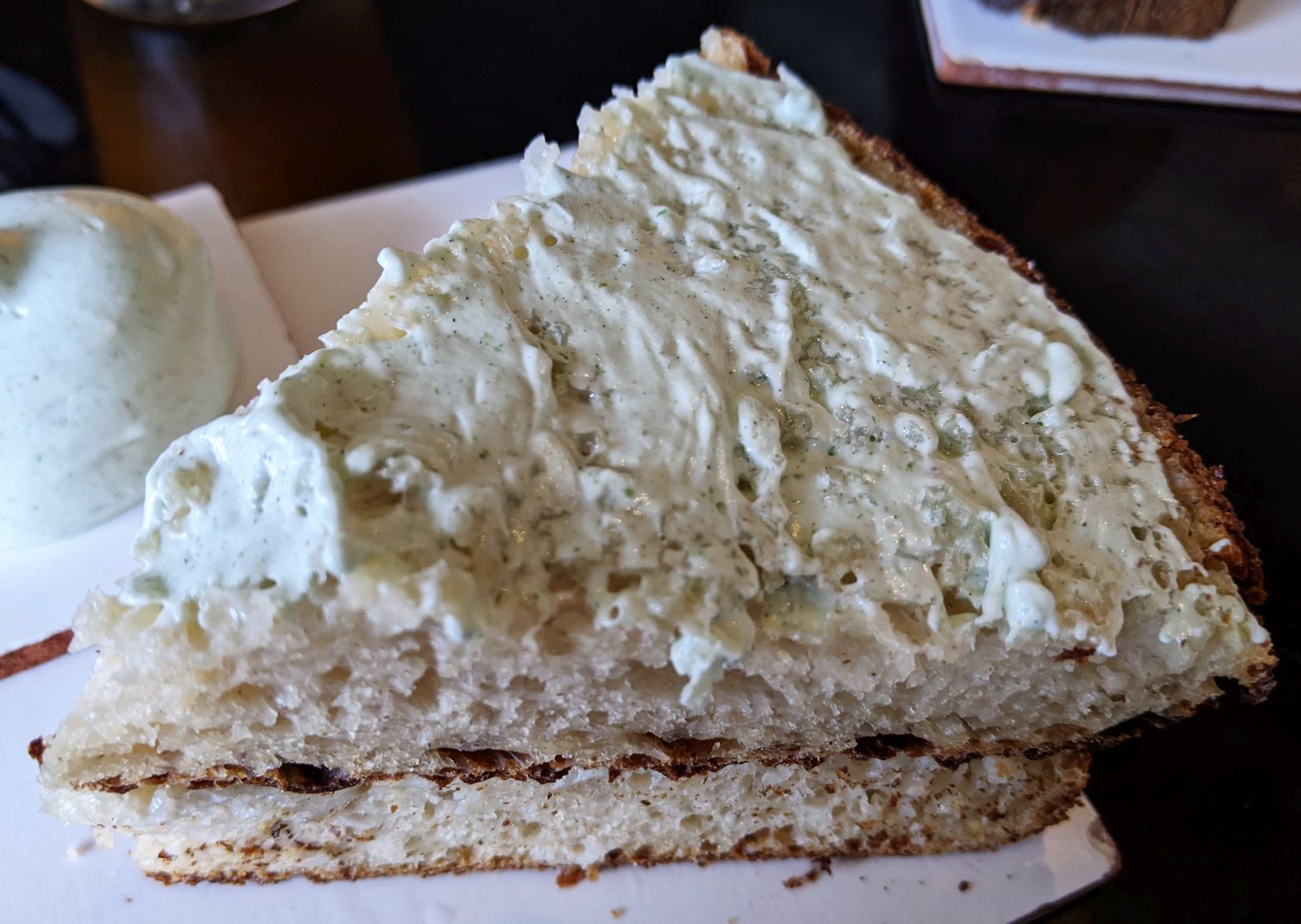
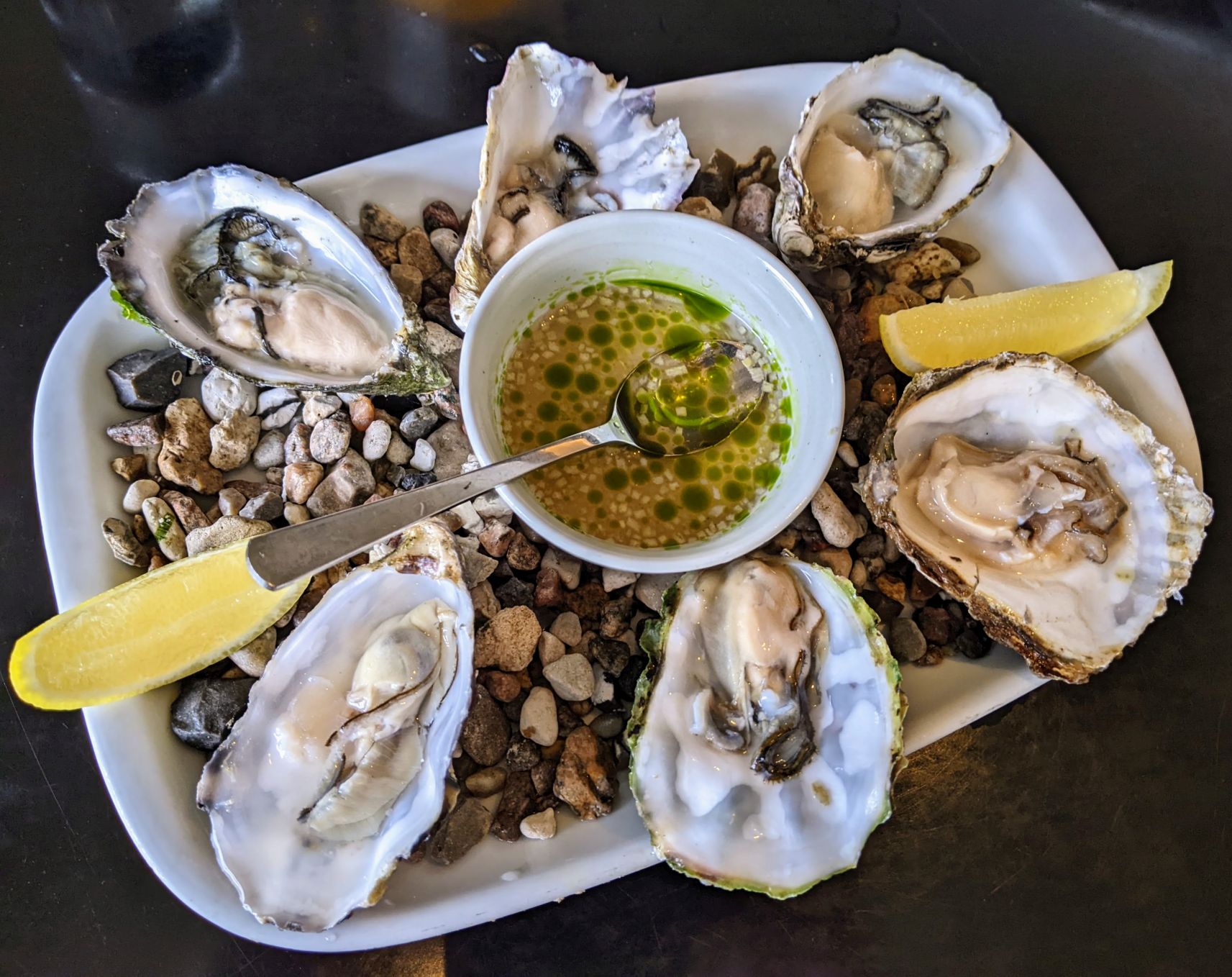
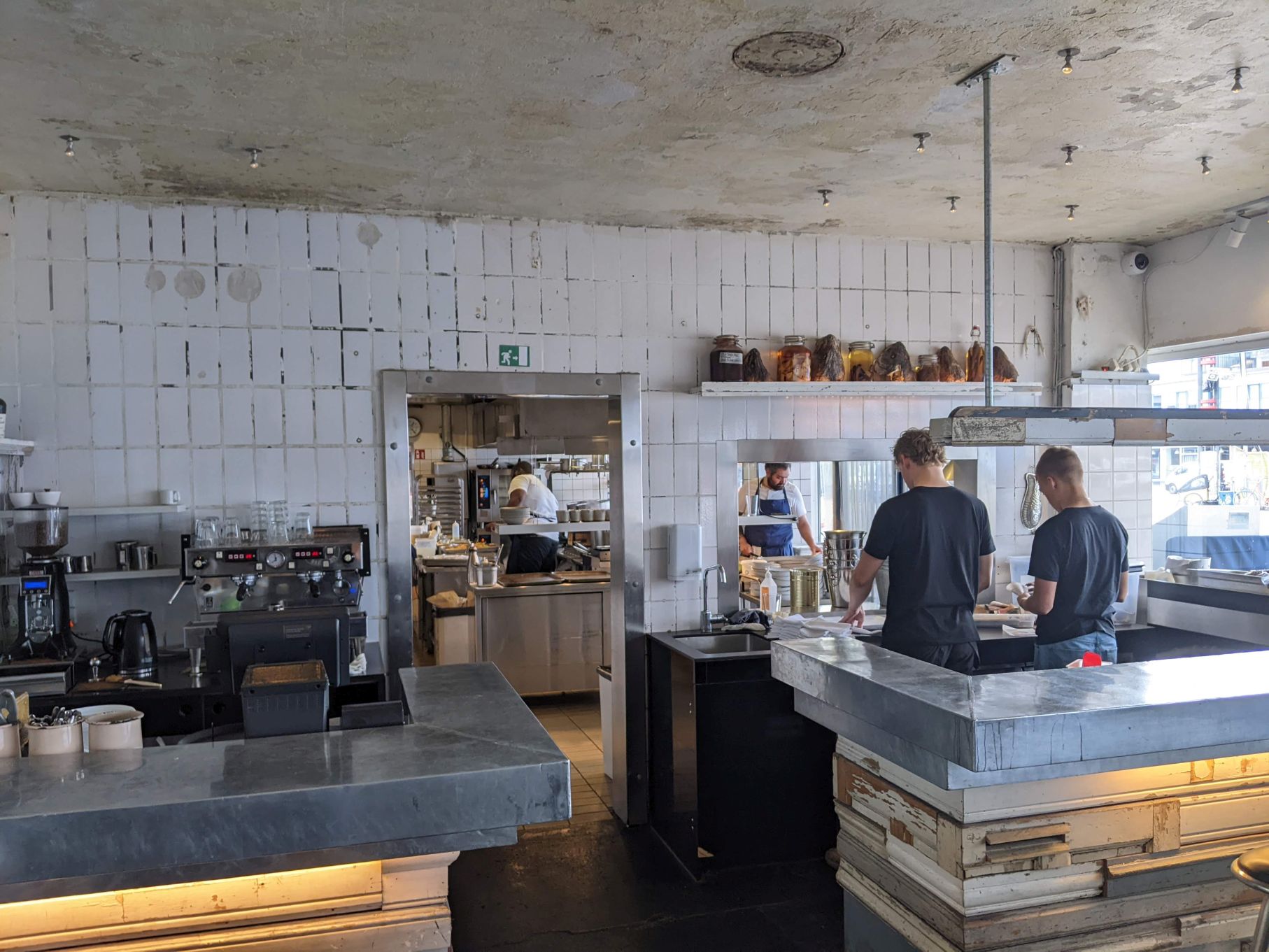
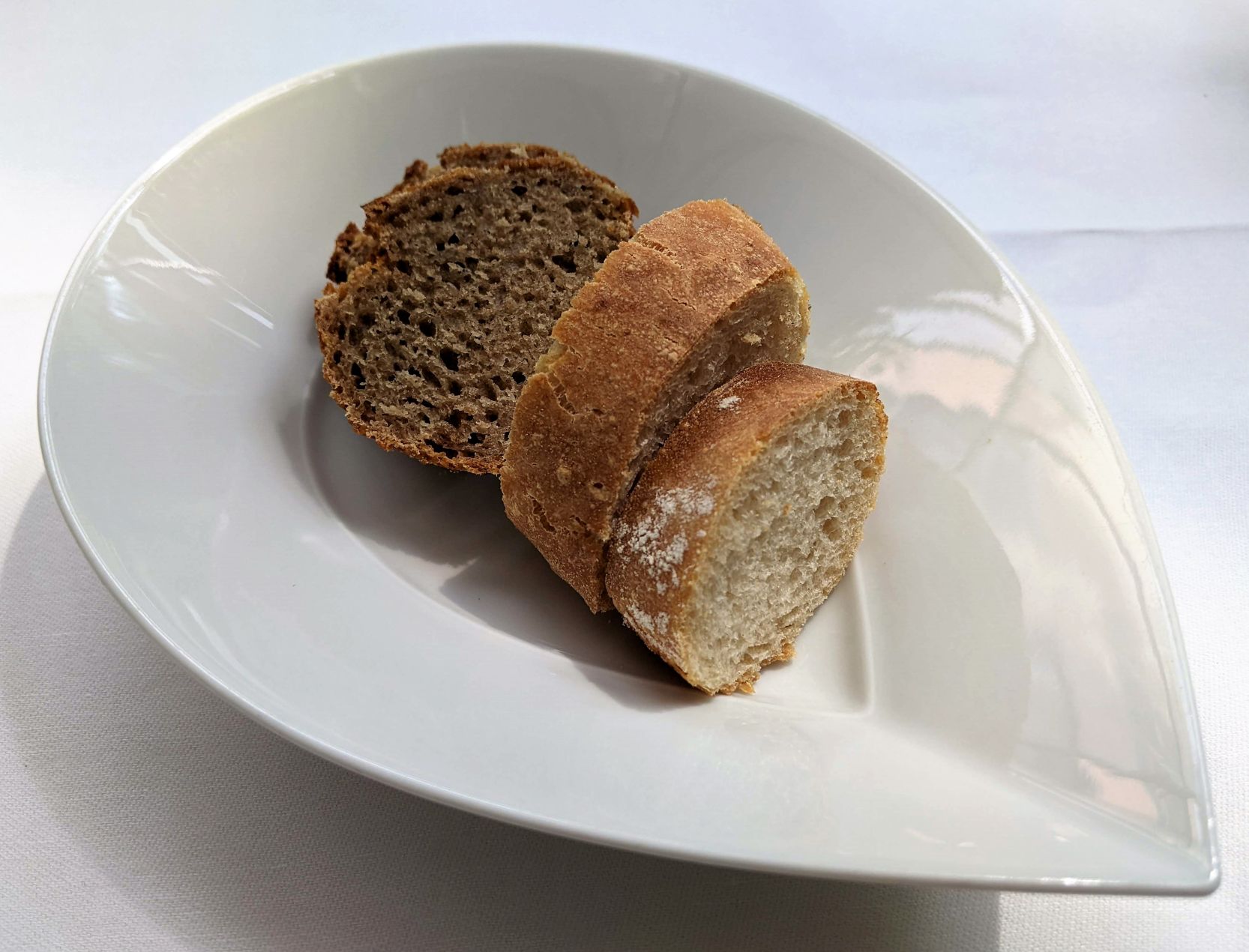
Busier during summer months, industrial-chic design flooding the room with sunlight, all tables start with warm Potato Bread and Sea Lettuce Butter while most will next find themselves transfixed by diverse Oysters including a few invasive Species complete with reasons to eat them.
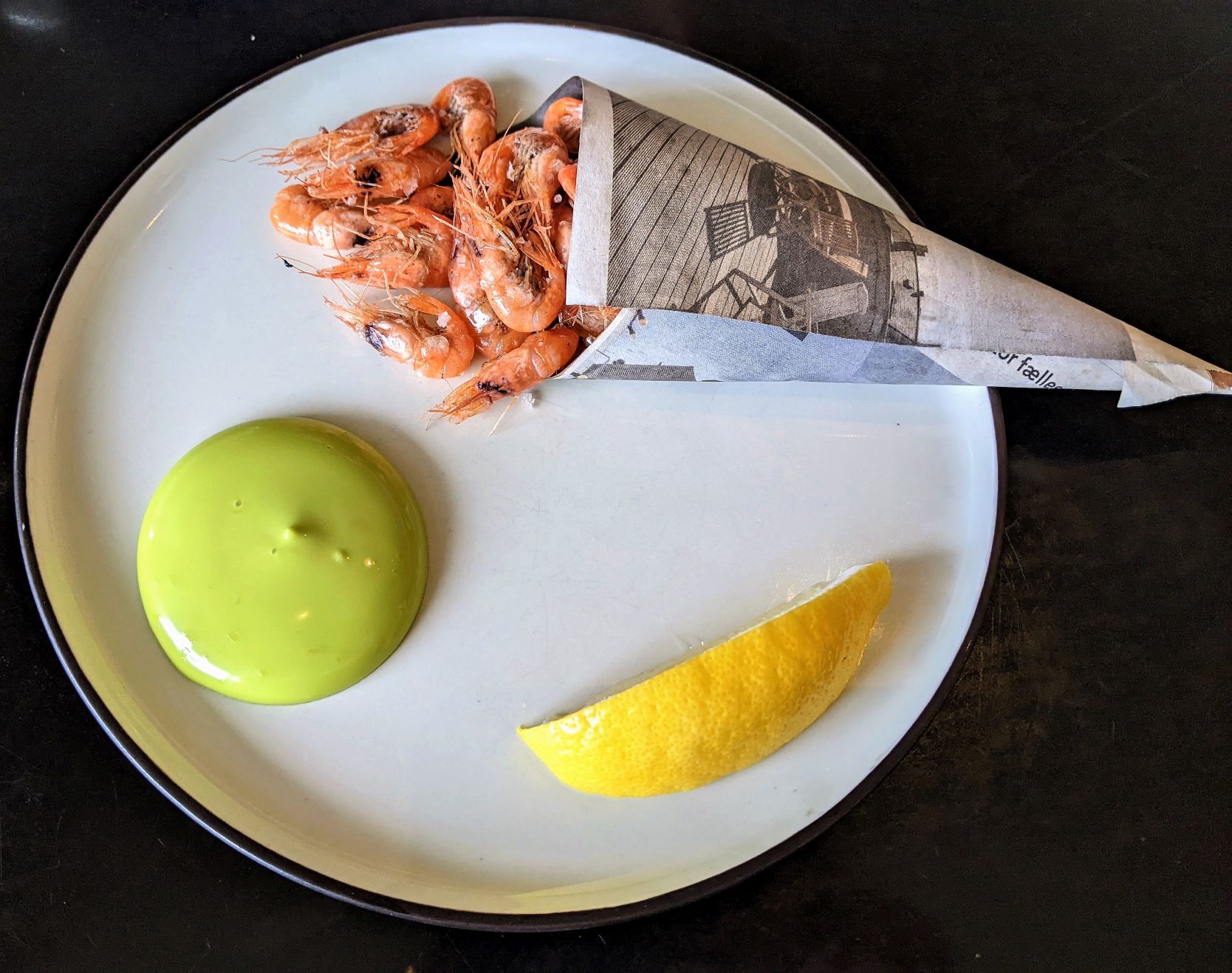
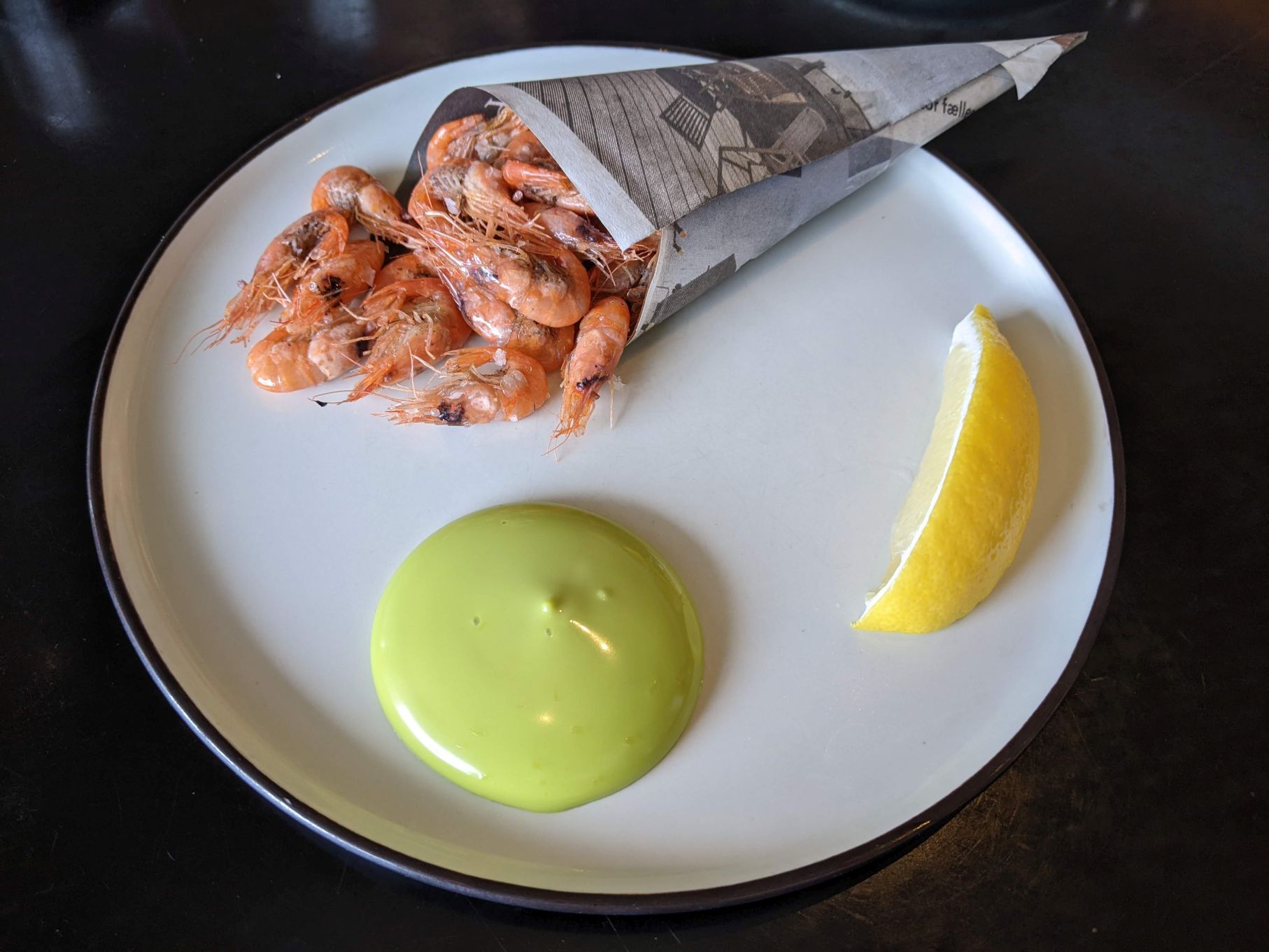
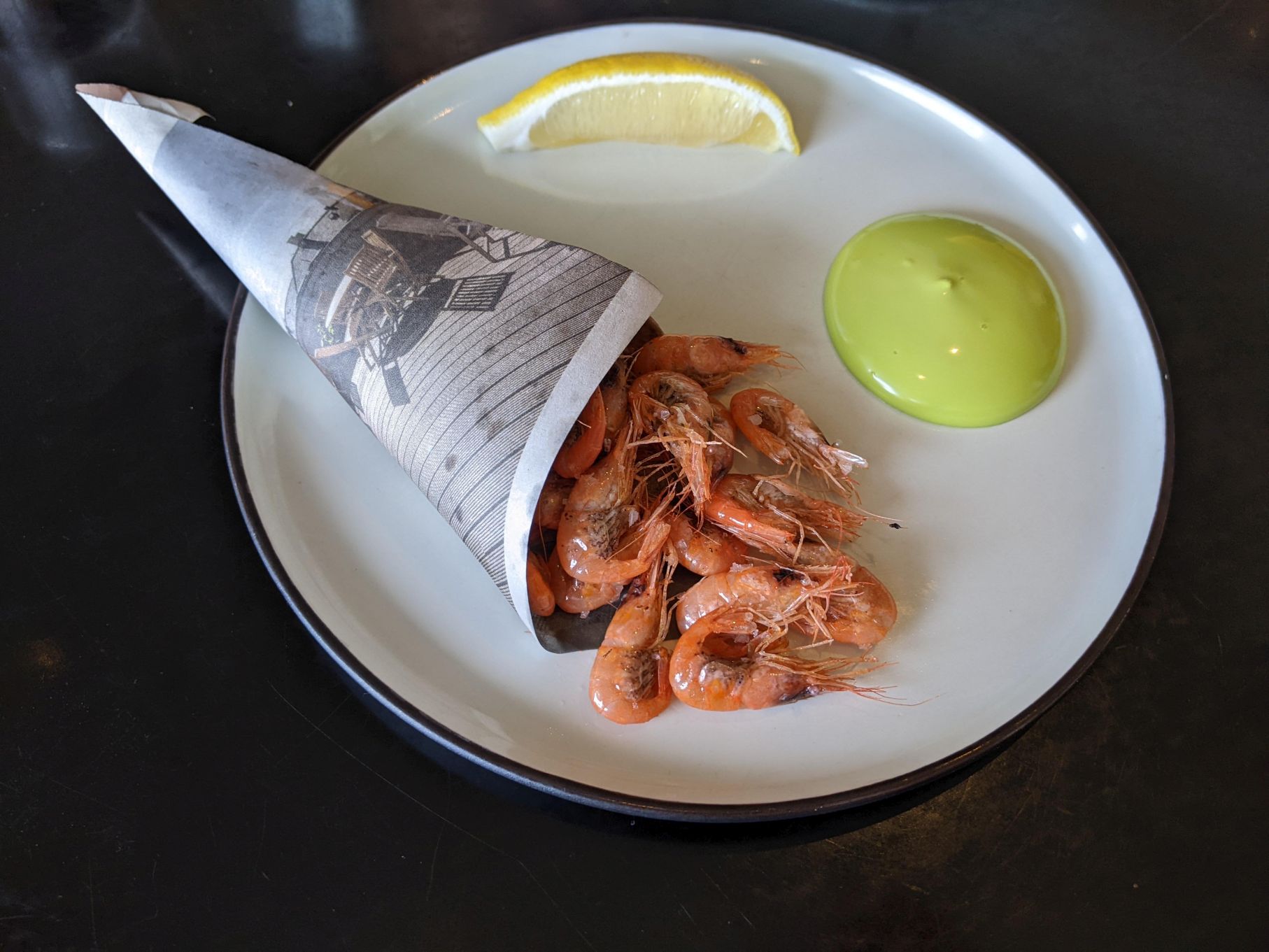
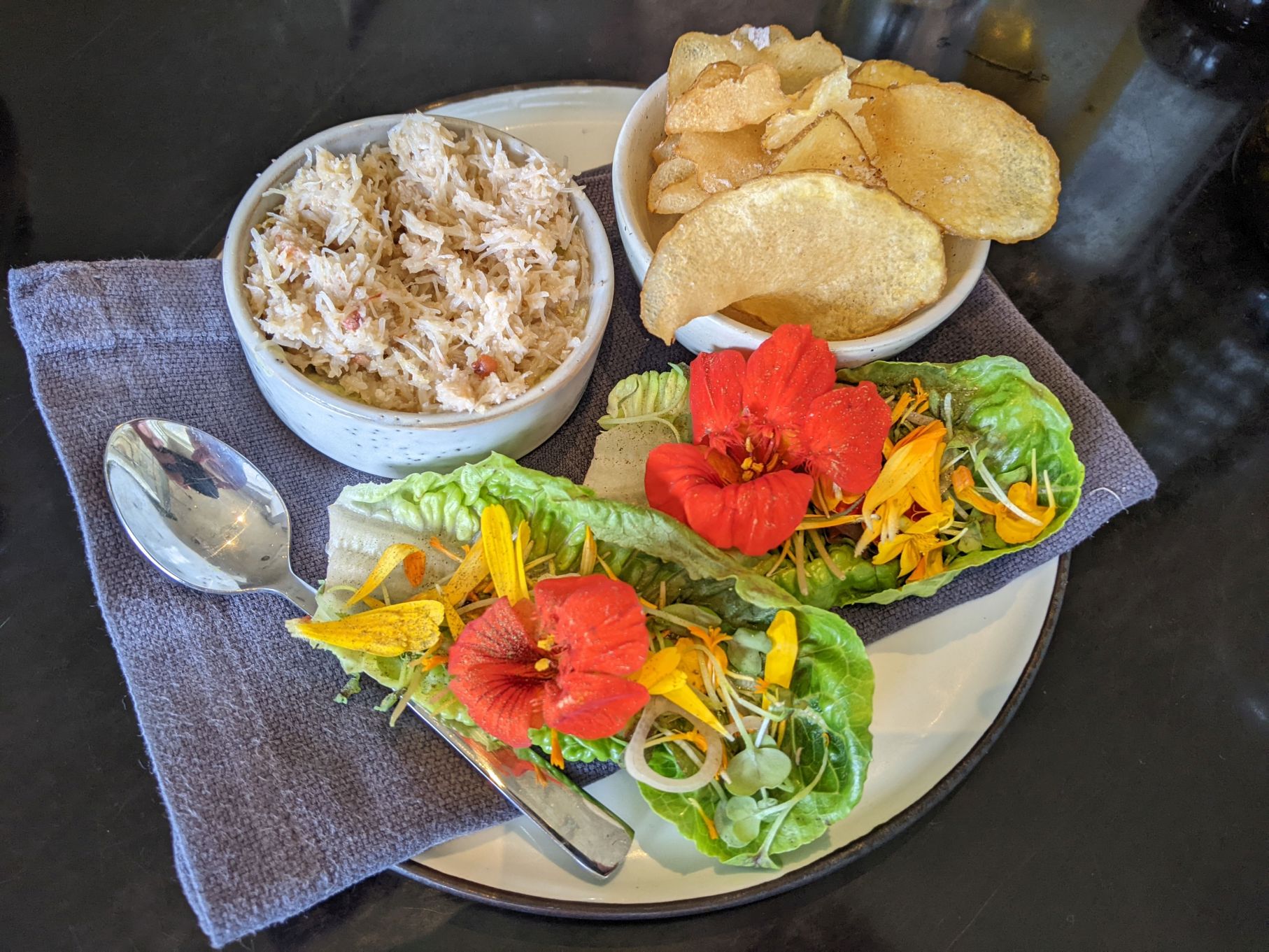
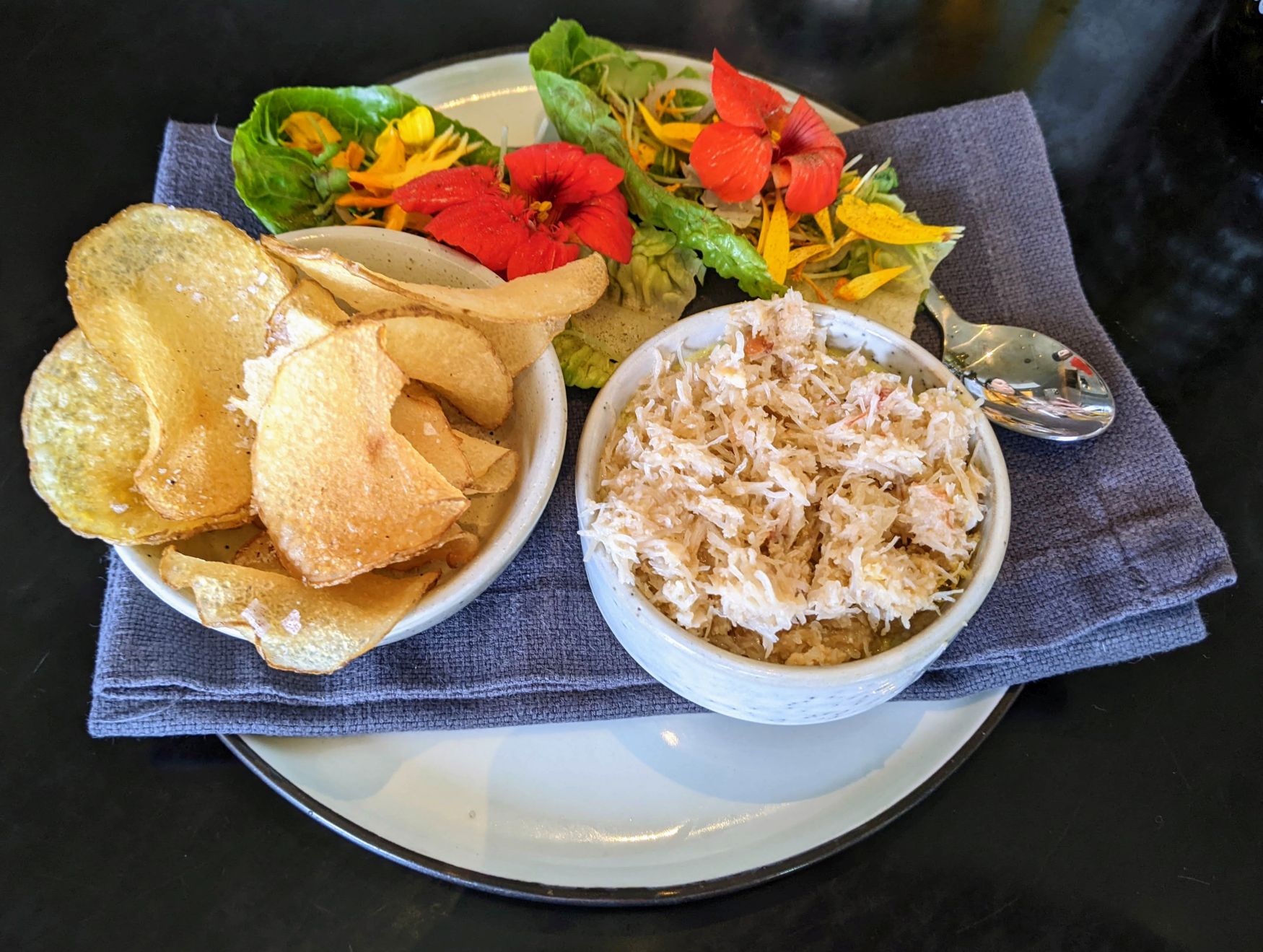
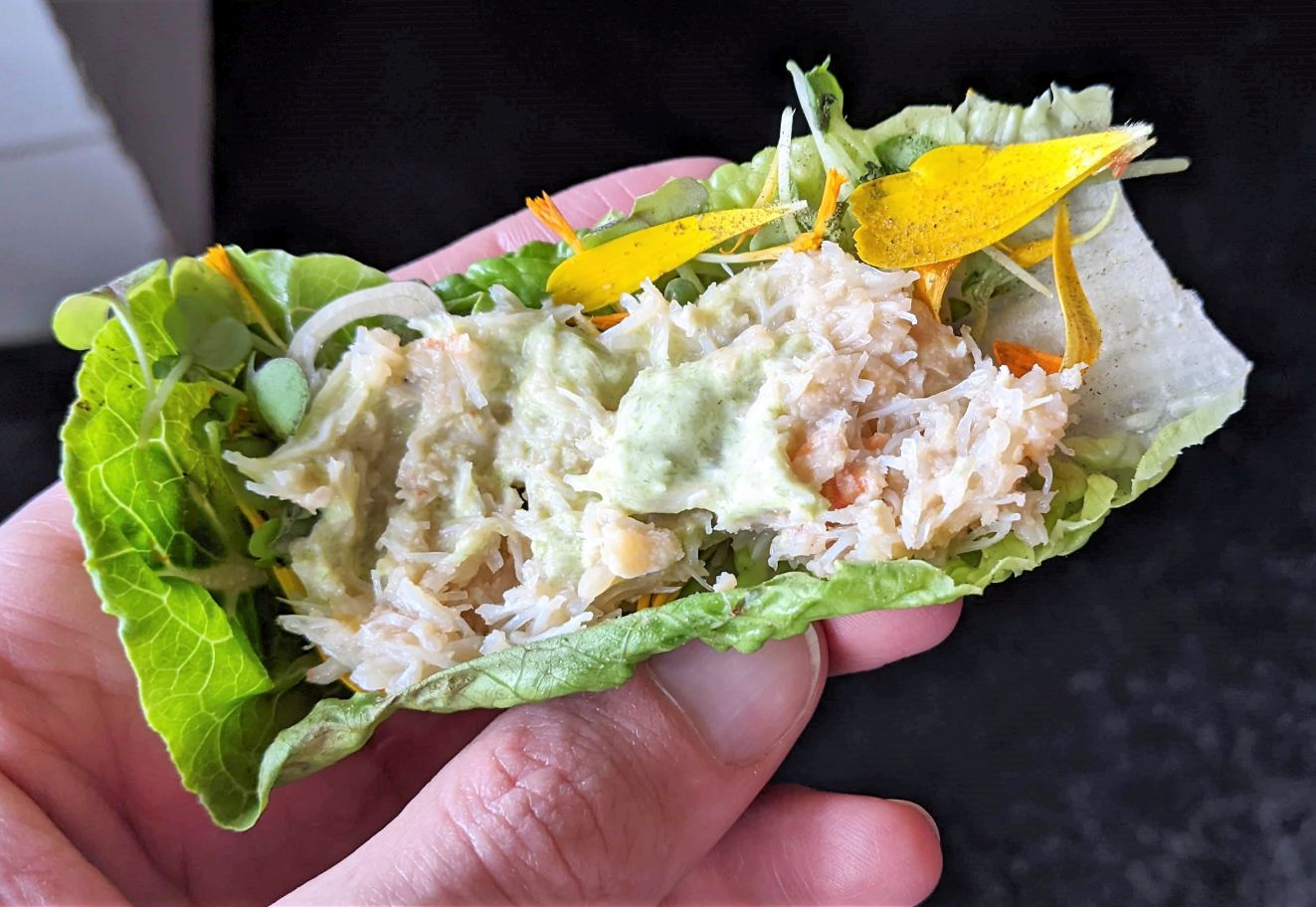
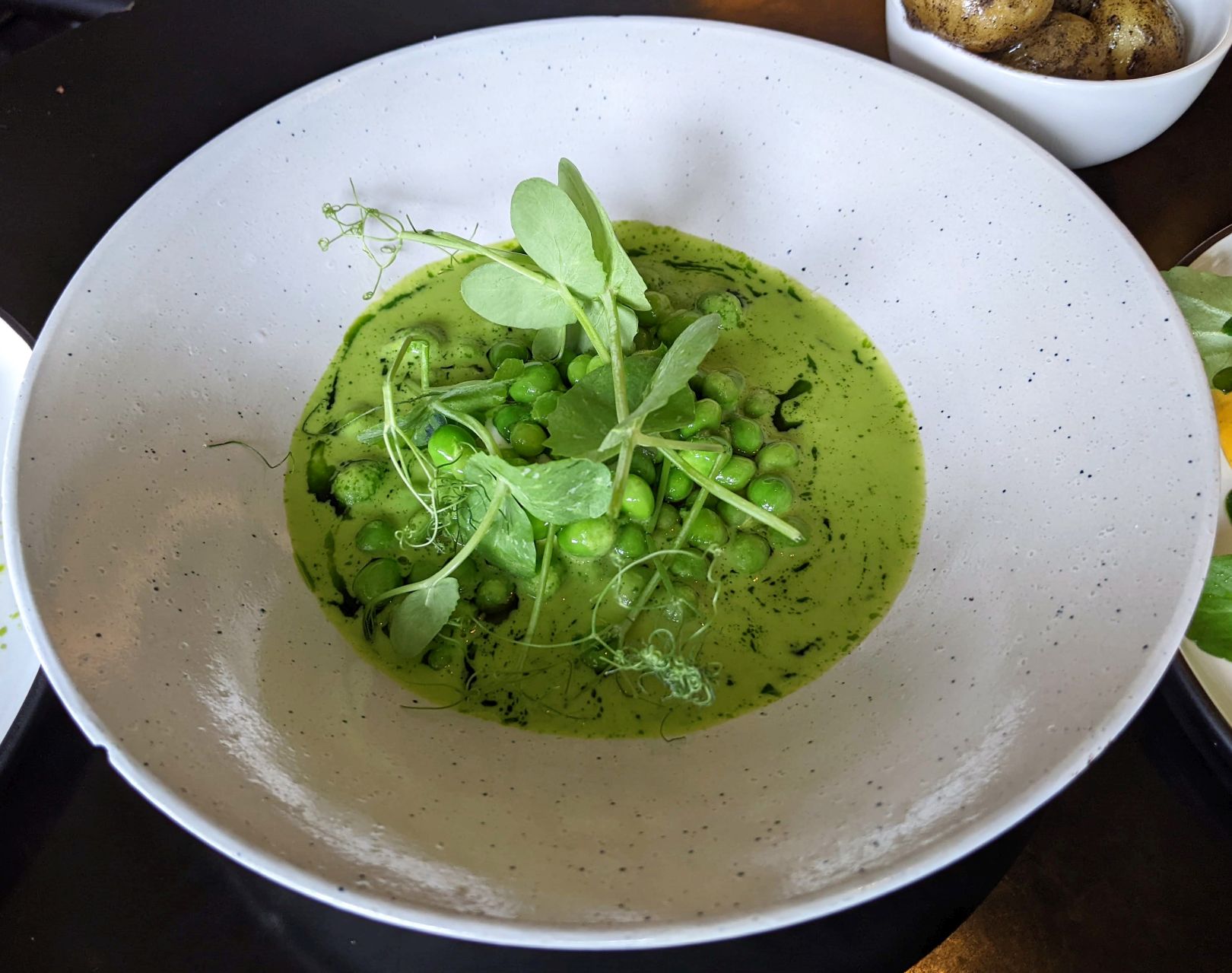
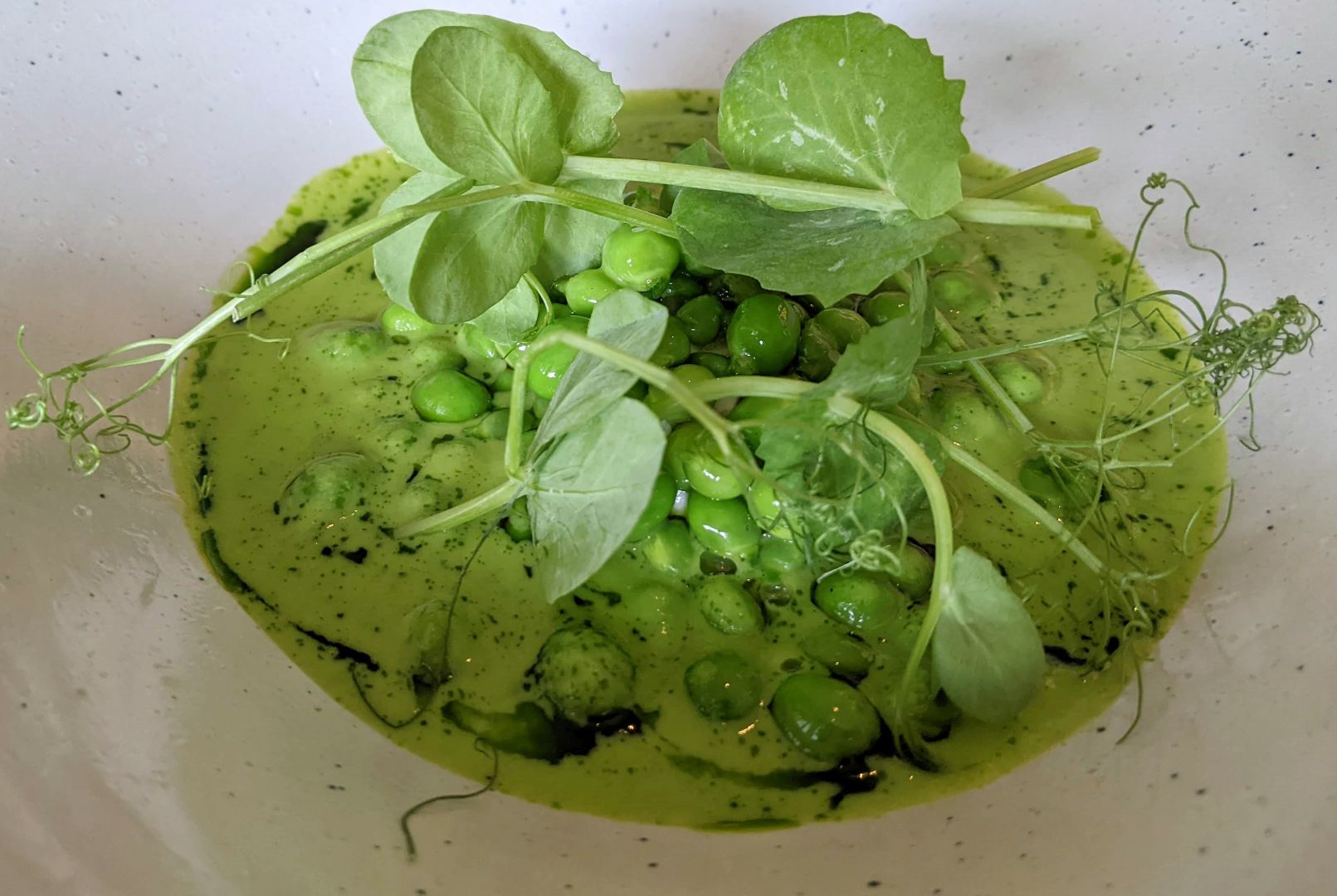
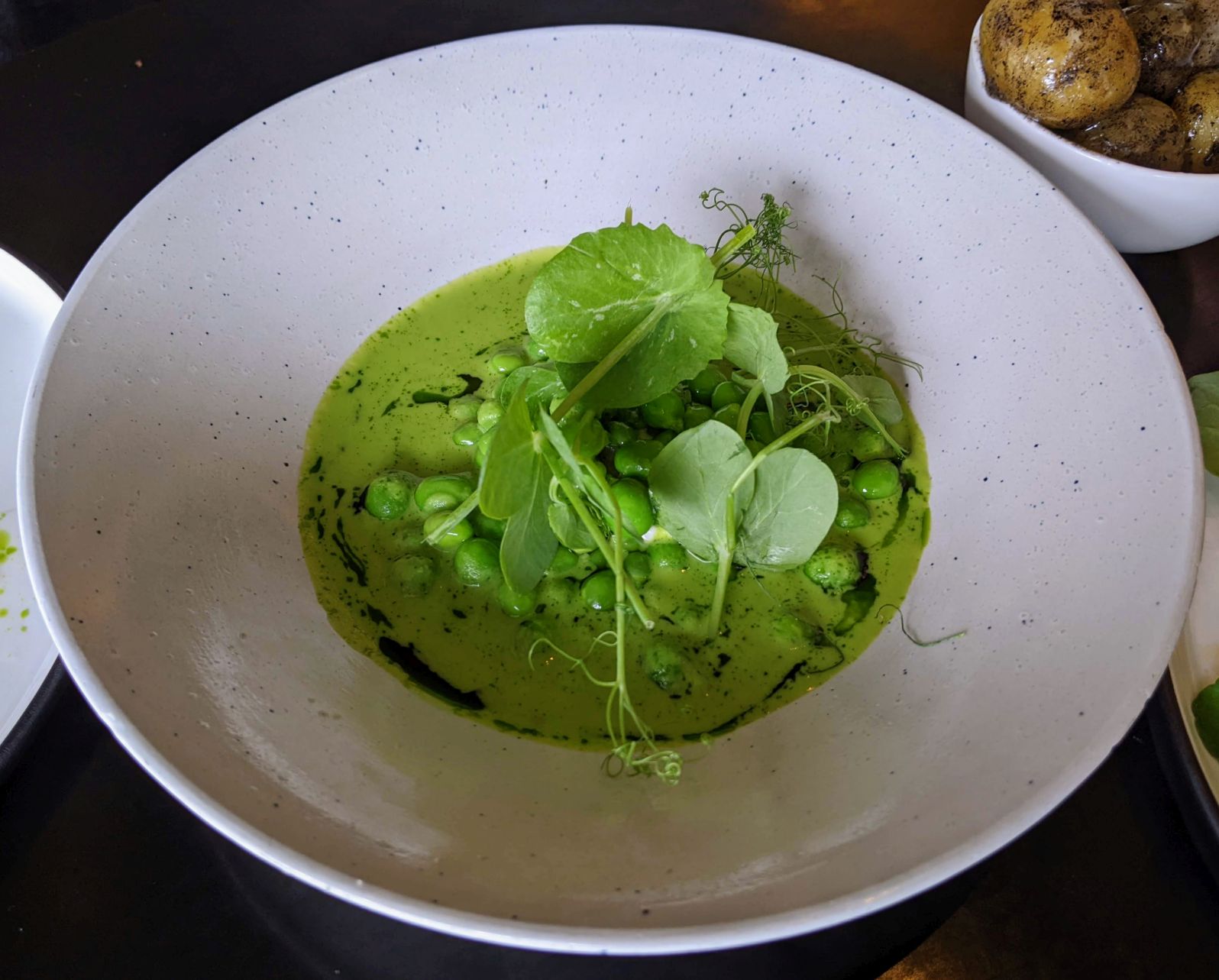
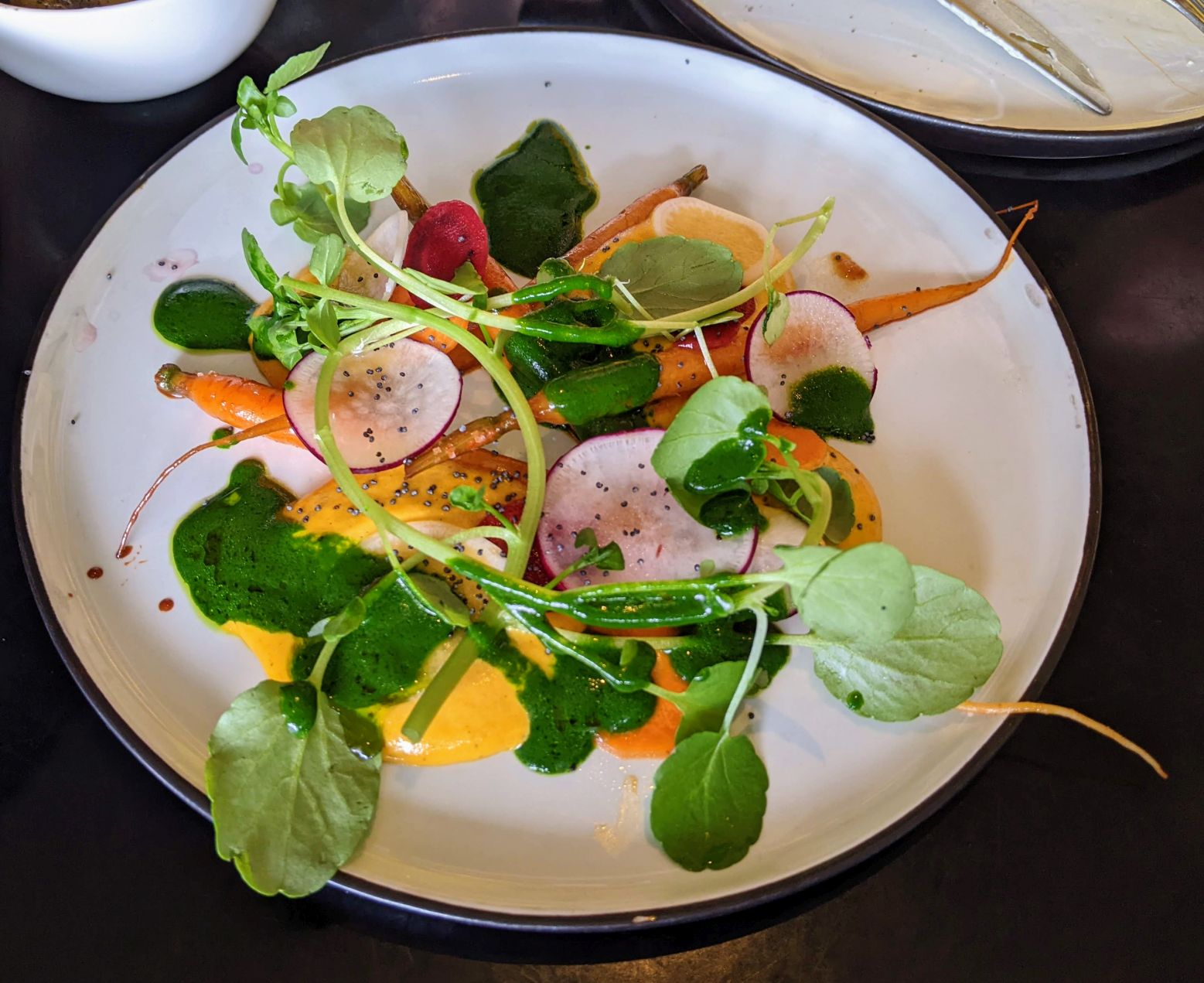
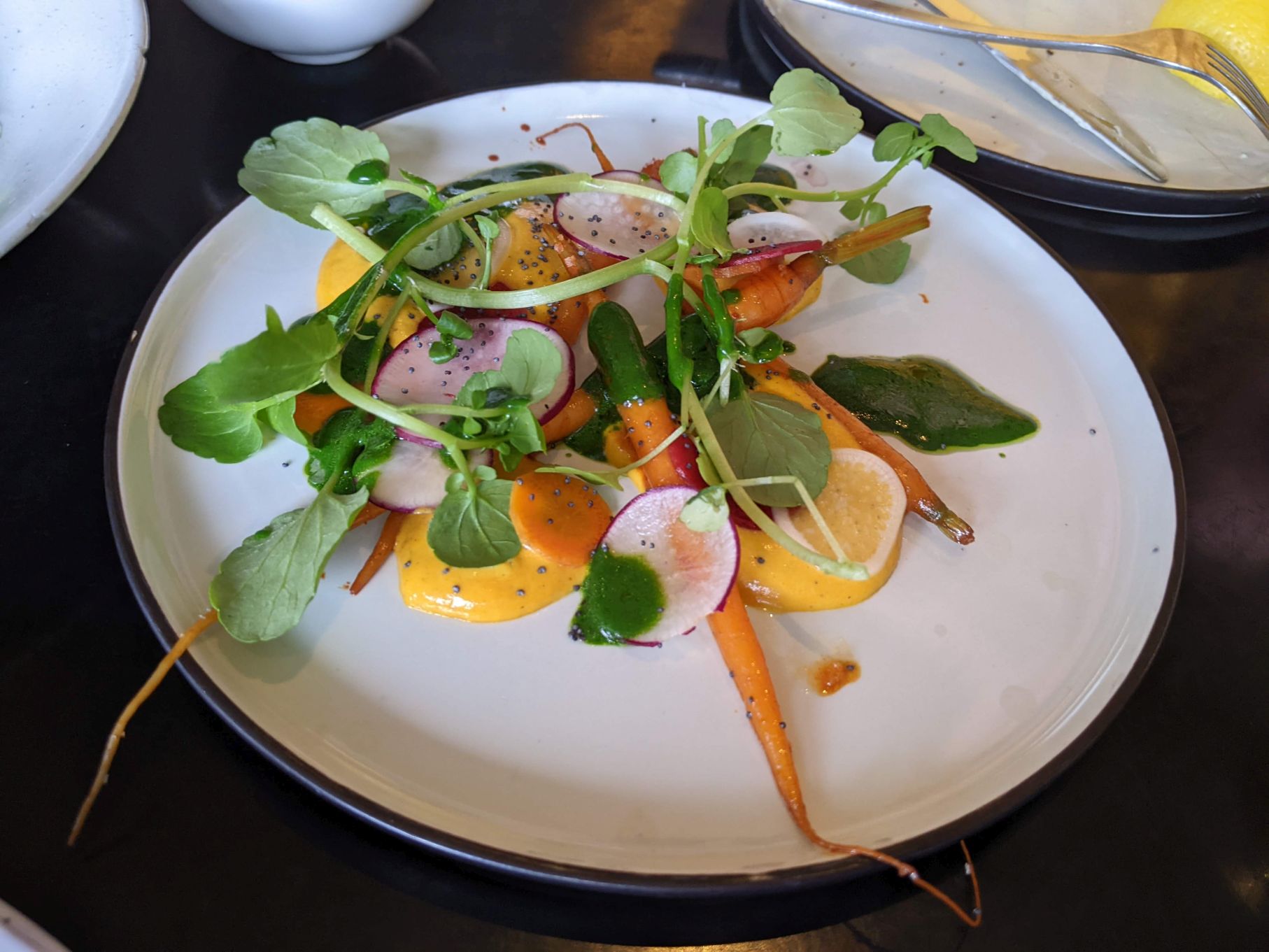
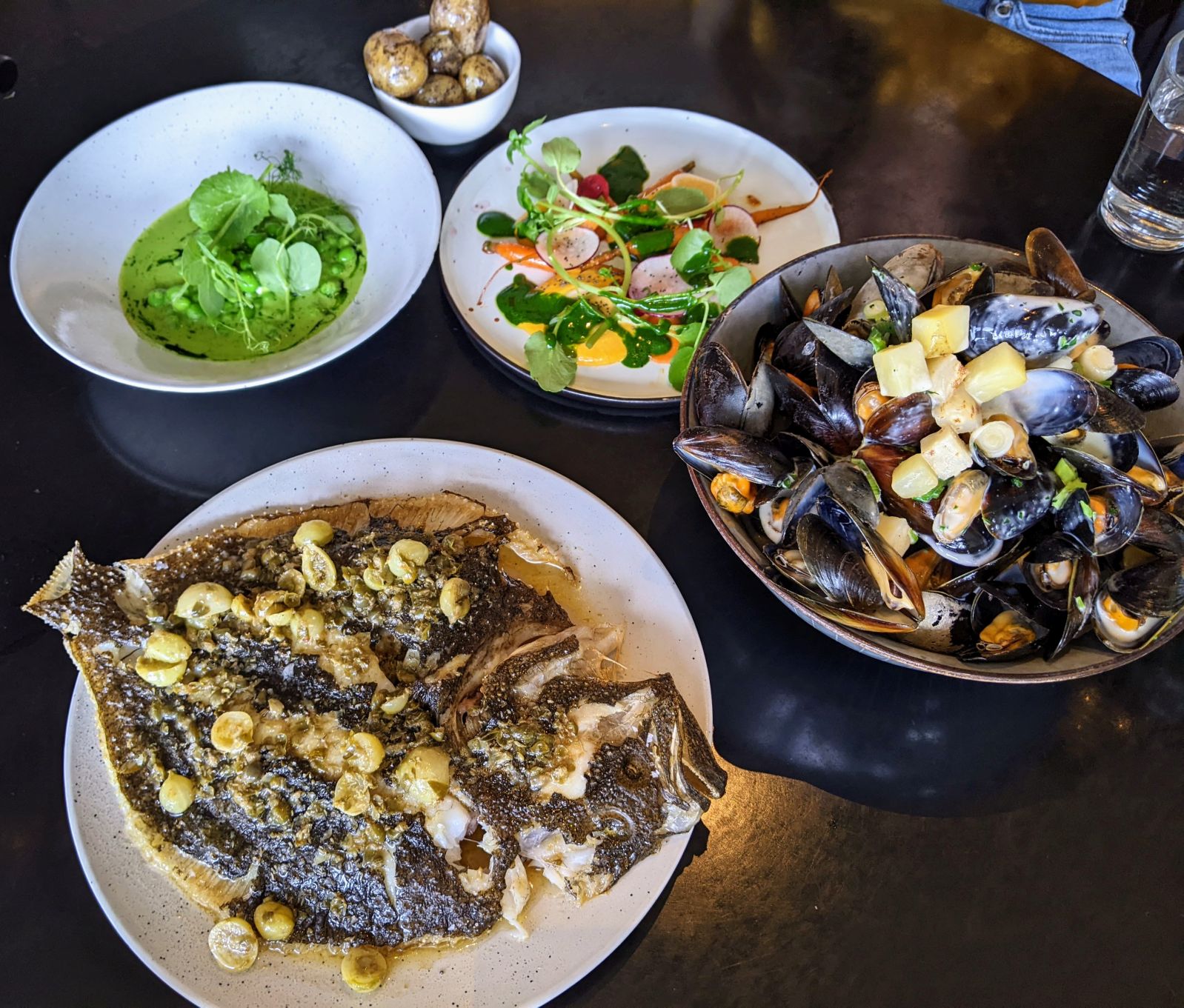
Divided into Snacks or Starters segregated by temperature and “bigger courses,” whole Fjord Shrimp fried next to a sidecar of garlicky Aioli easily shared by three, Norwegian Crab comes picked with Chips or Lettuce to make “Tacos” while Danish Peas take flight amidst their Tendrils in Dill-Buttermilk and Smoked Cheese.
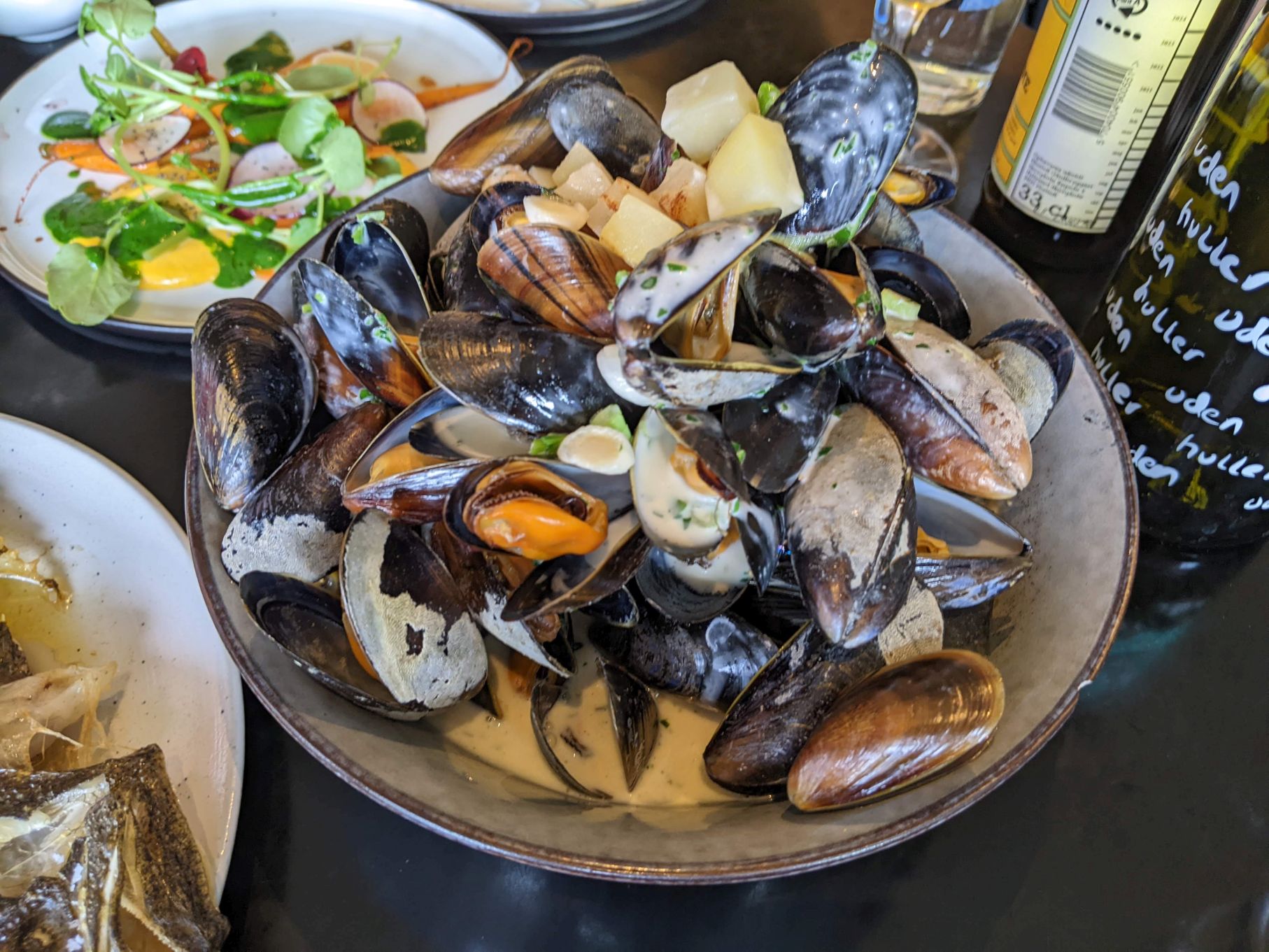
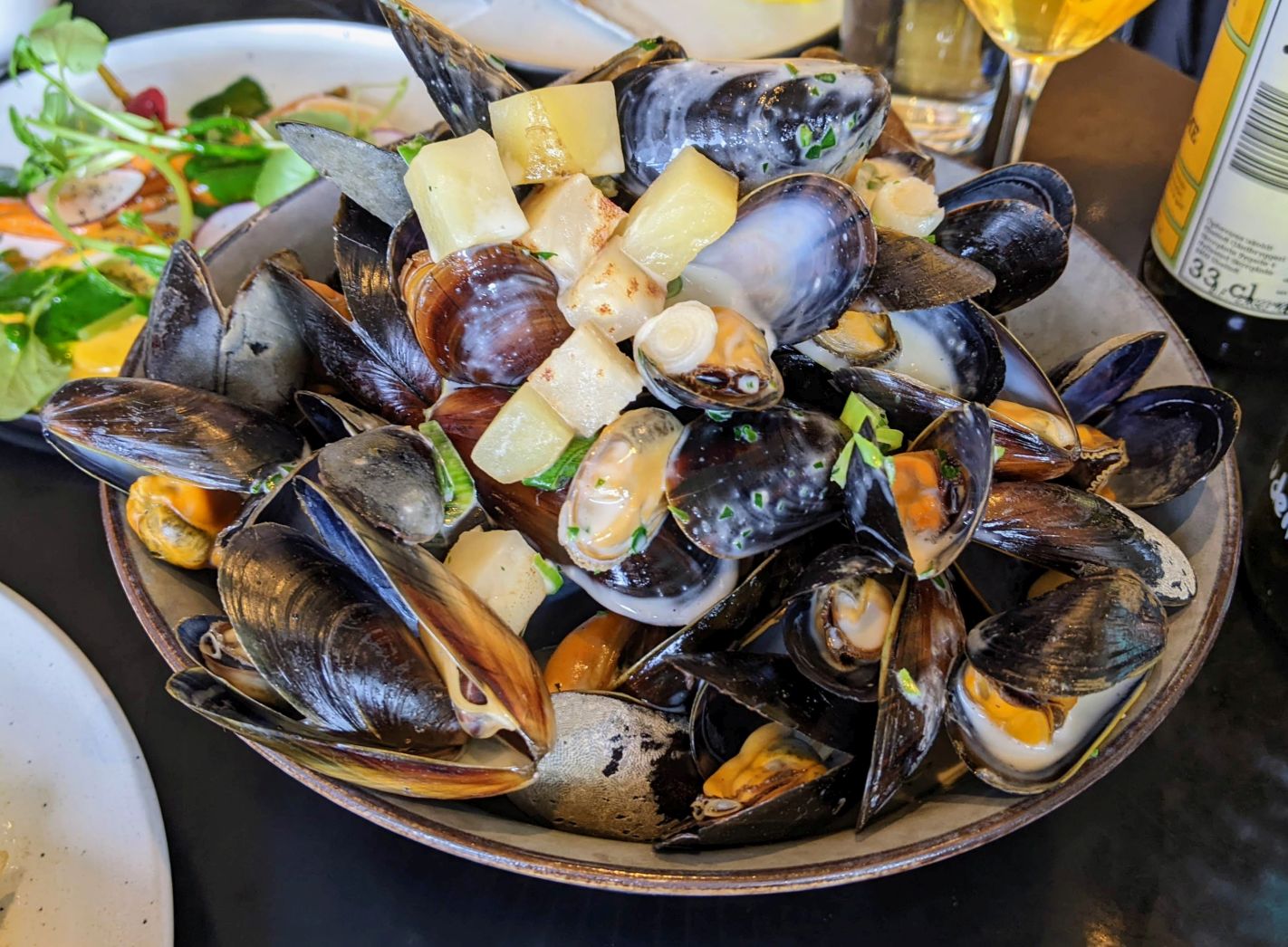
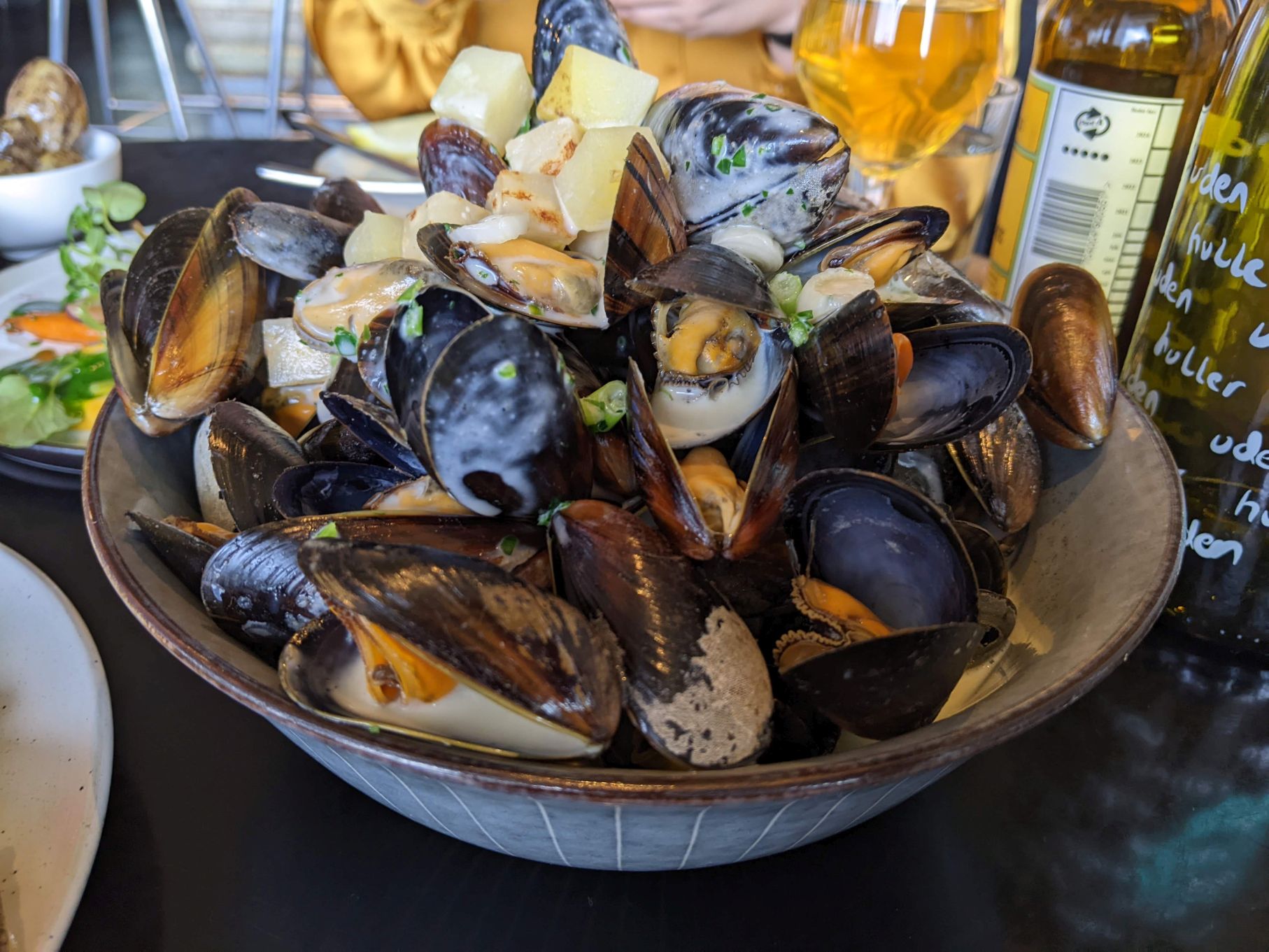
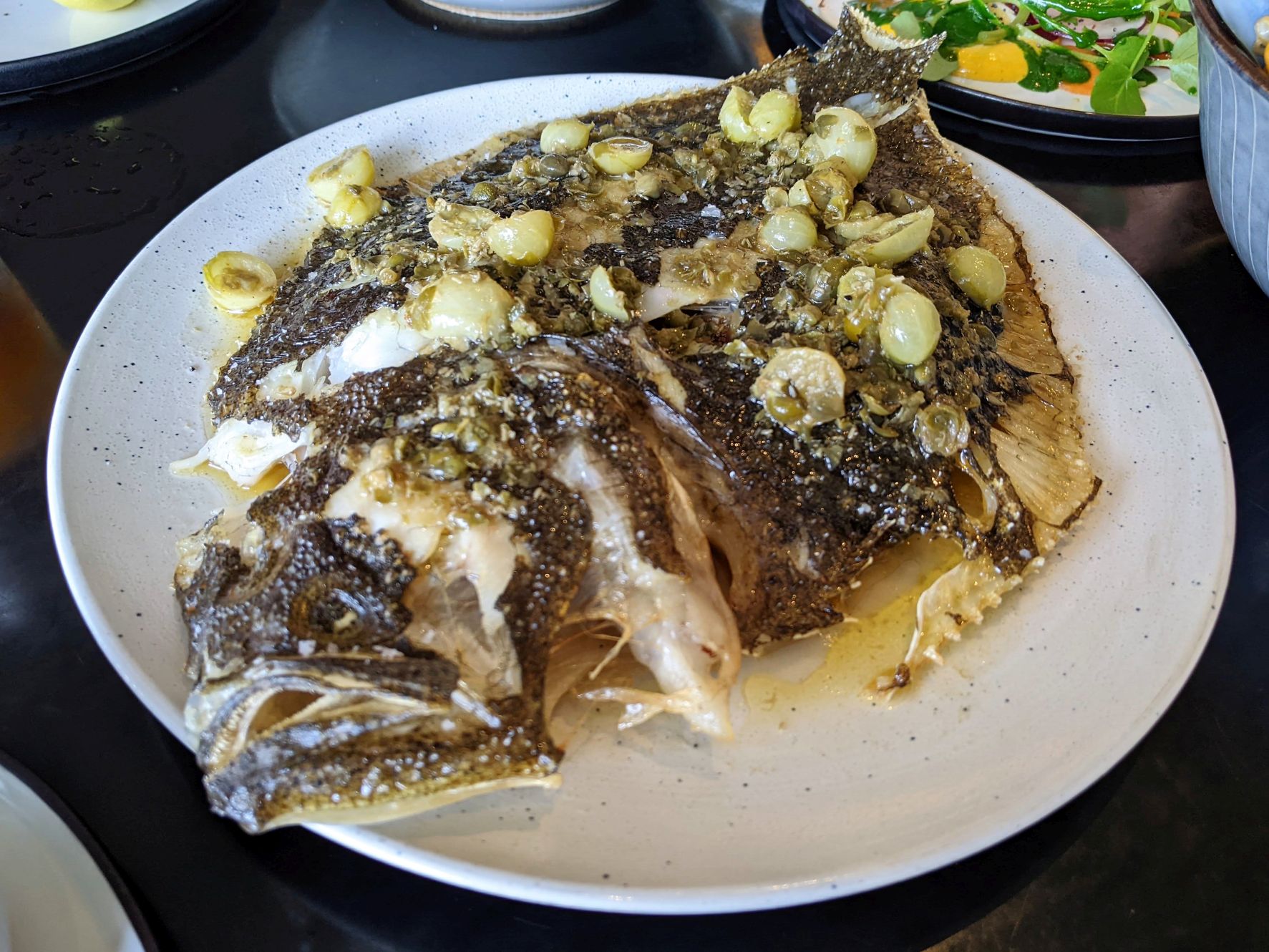
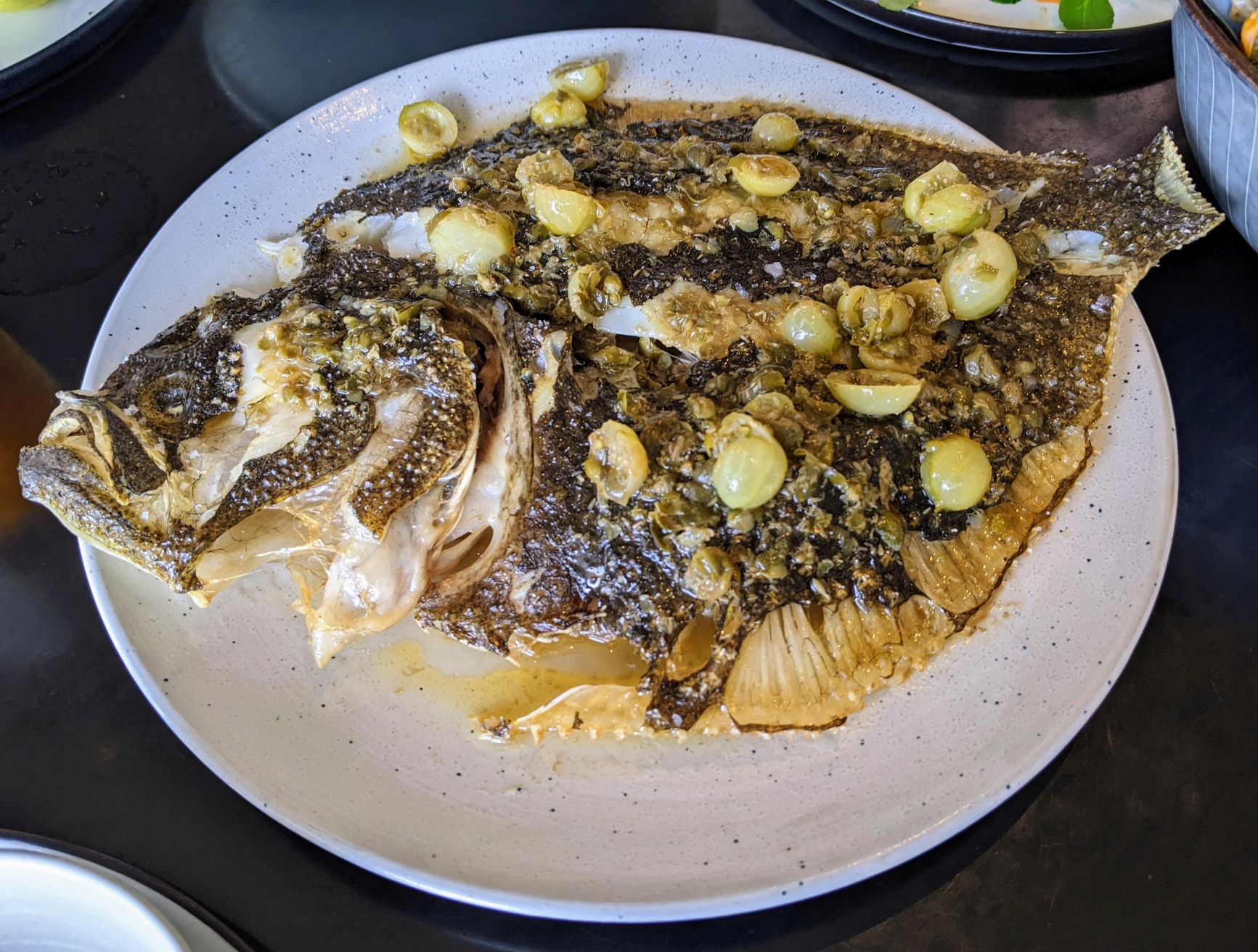
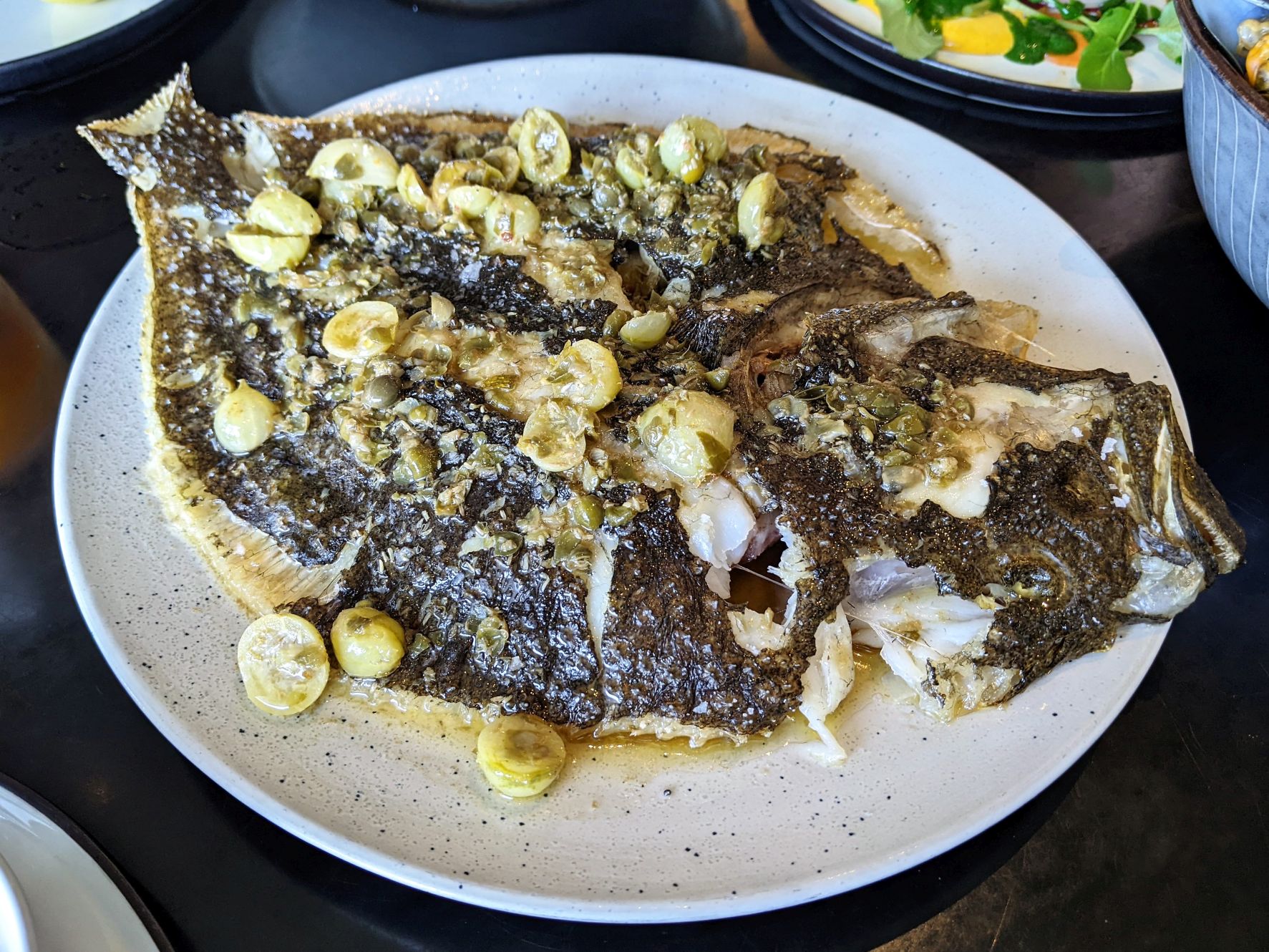
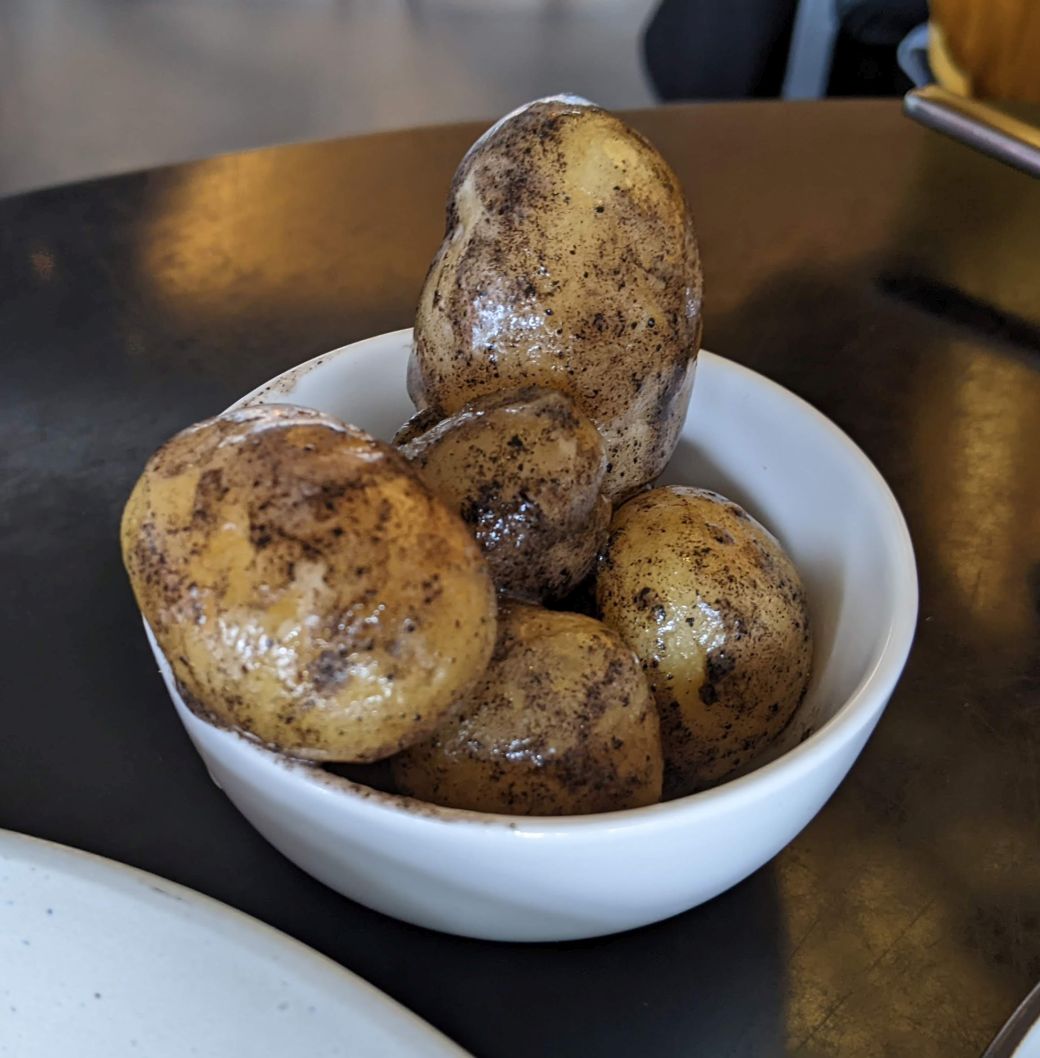
Smart to select a duo of larger plates at fair prices, Limfjorden Blue Mussels in a bucket of Chowder-thick Cream just DKK 195, Turbot from the Western Shores arrives with Potatoes plus Vegetables and is cooked so perfectly that all but the most modest will find themselves eating the last scraps of delicate flesh with their fingers.
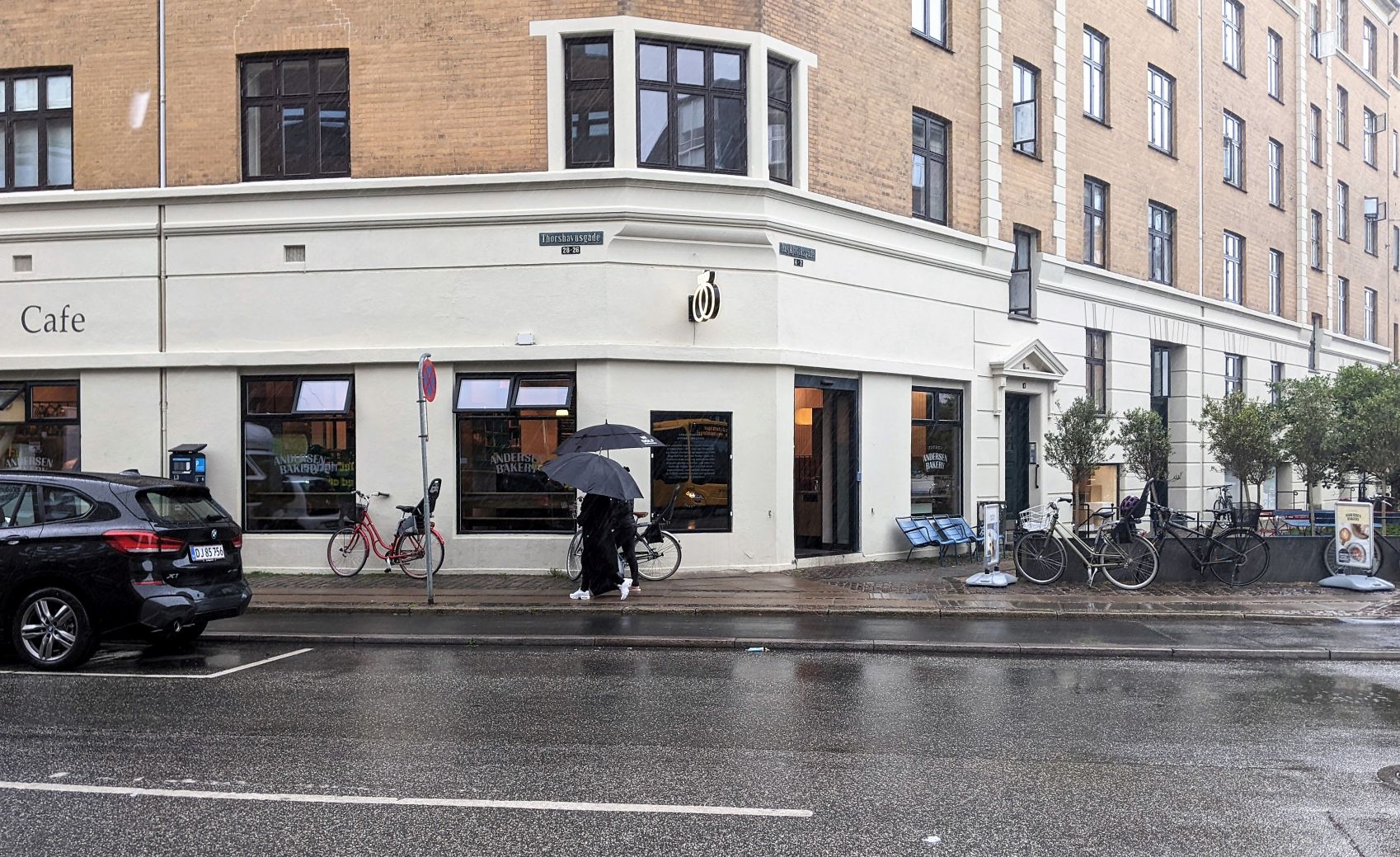
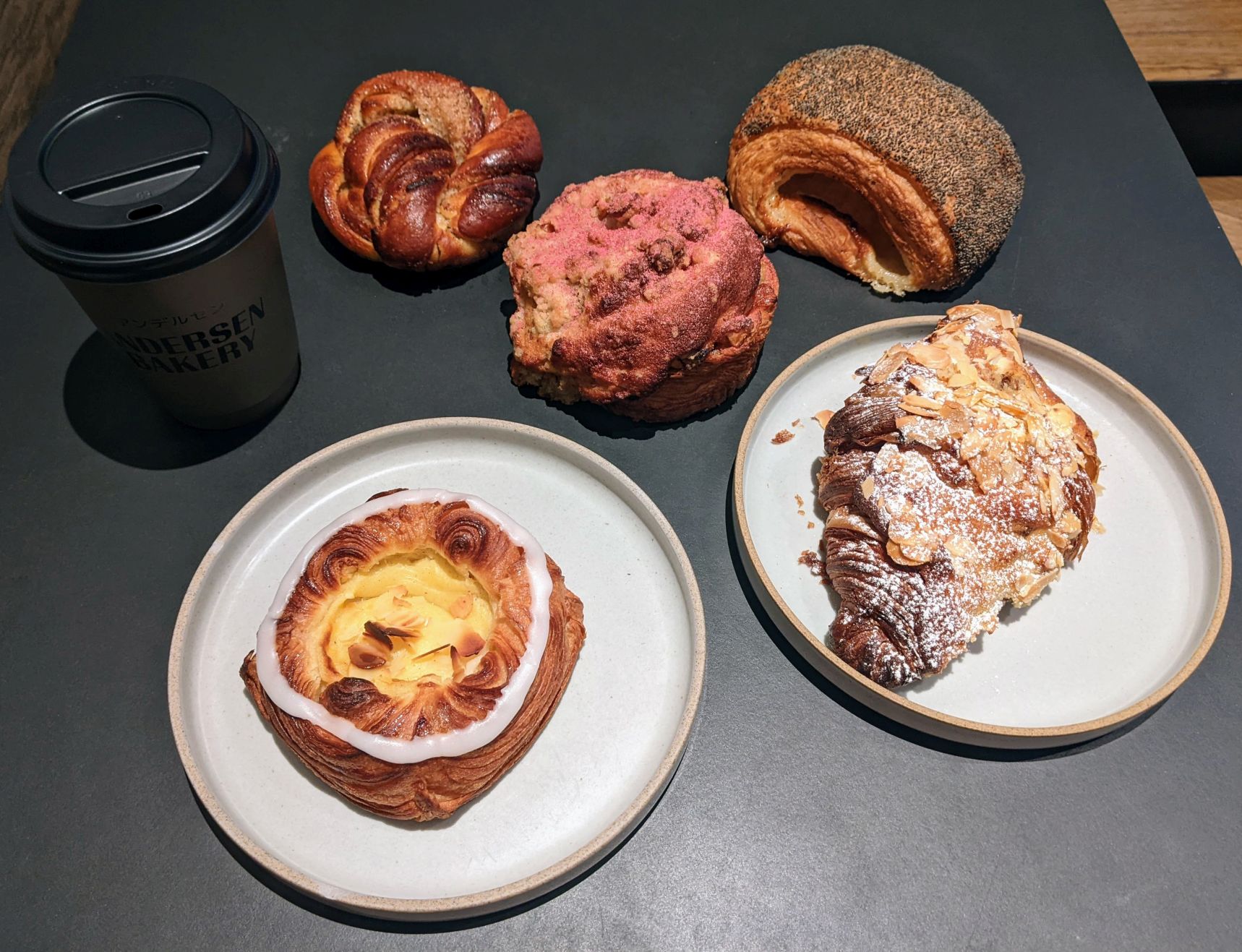
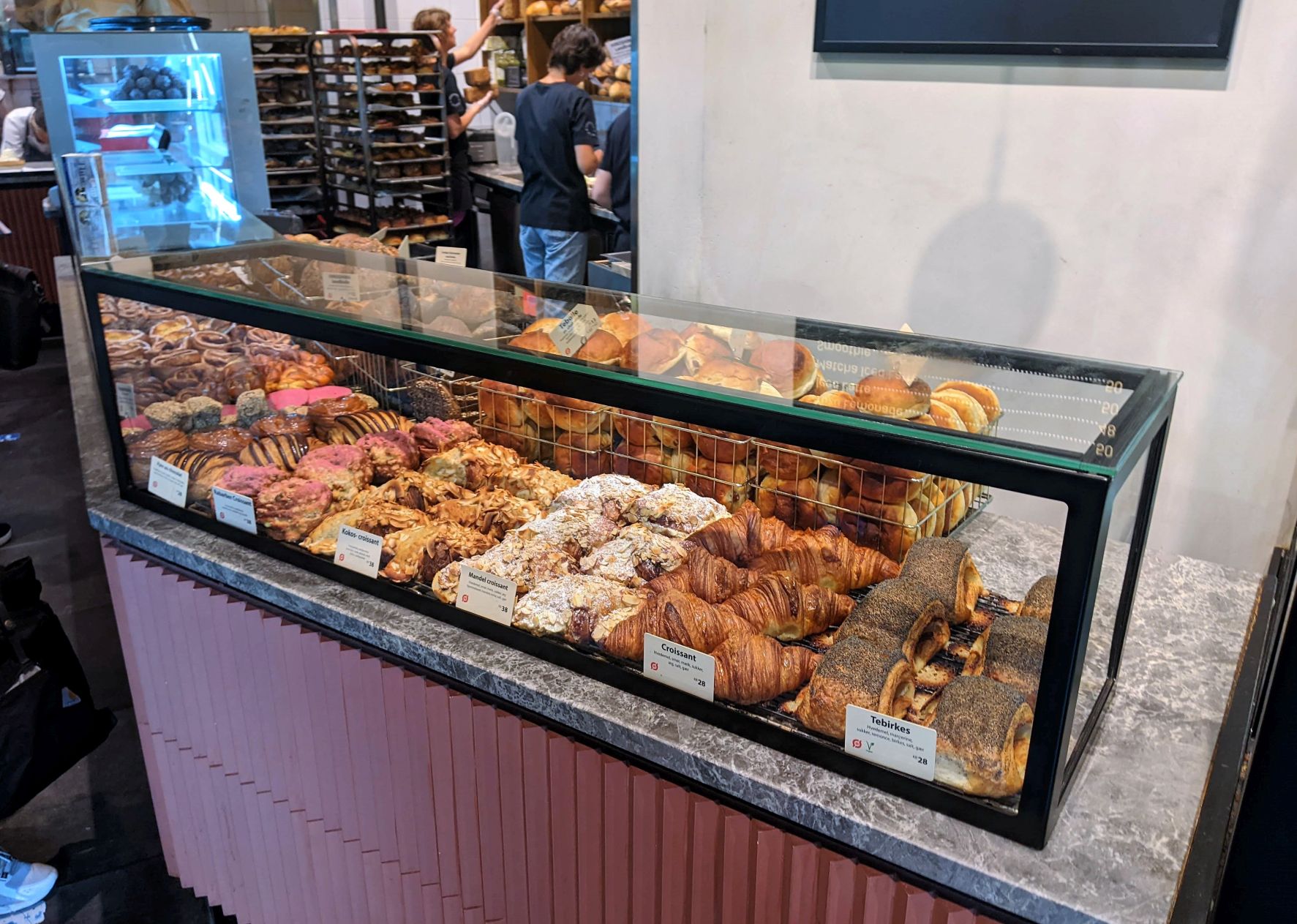
Inspired by Japanese Baker Shunsuke Takaki’s 1959 trip to Copenhagen Andersen Bakery is an offshoot of Hiroshima’s Takaki Bakery Co, its name a tribute to Denmark’s famous author of literary fairy tales and the location in Islands Brygge considered to be one of Copenhagen’s first modern Artisan Bakeries.
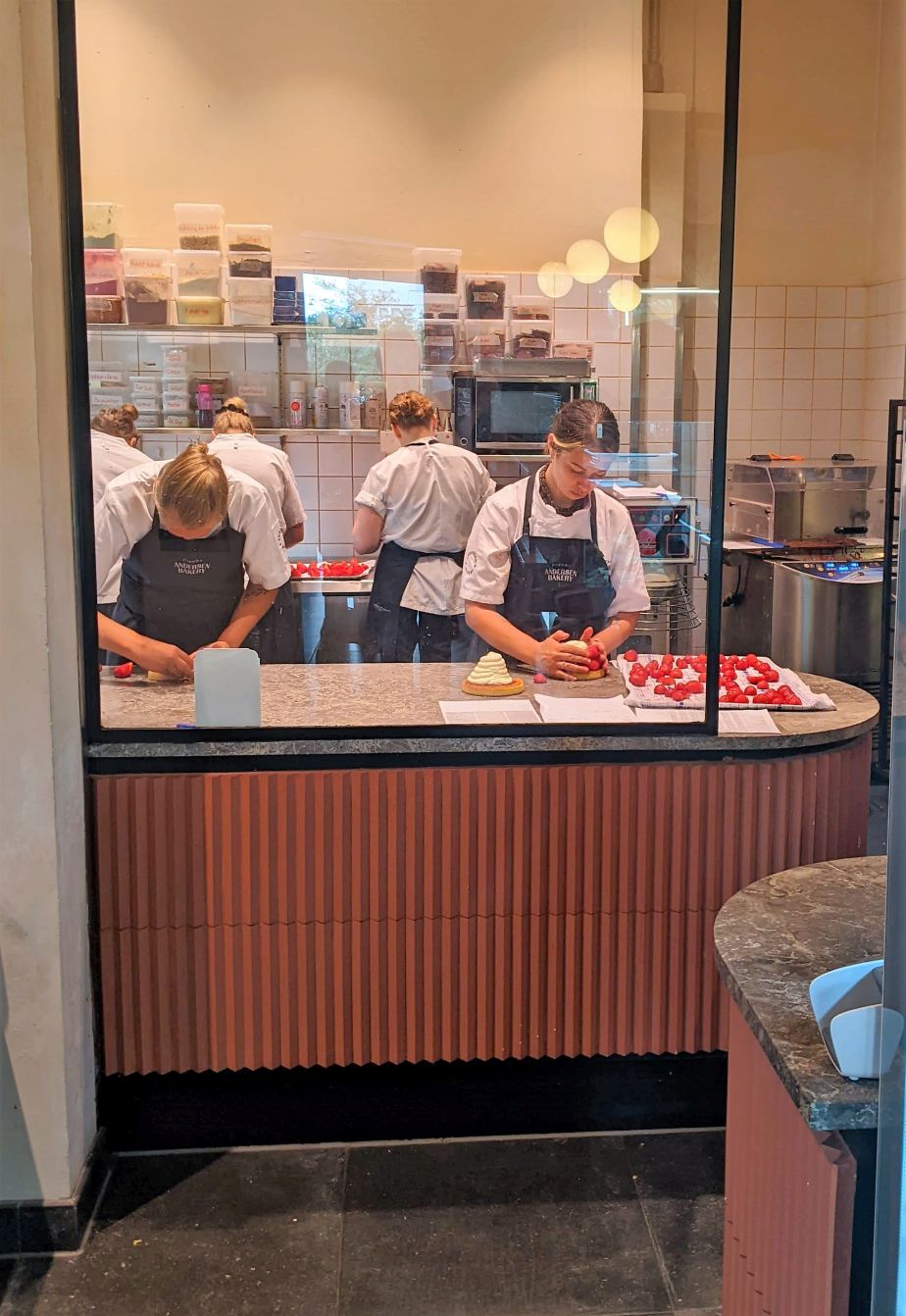
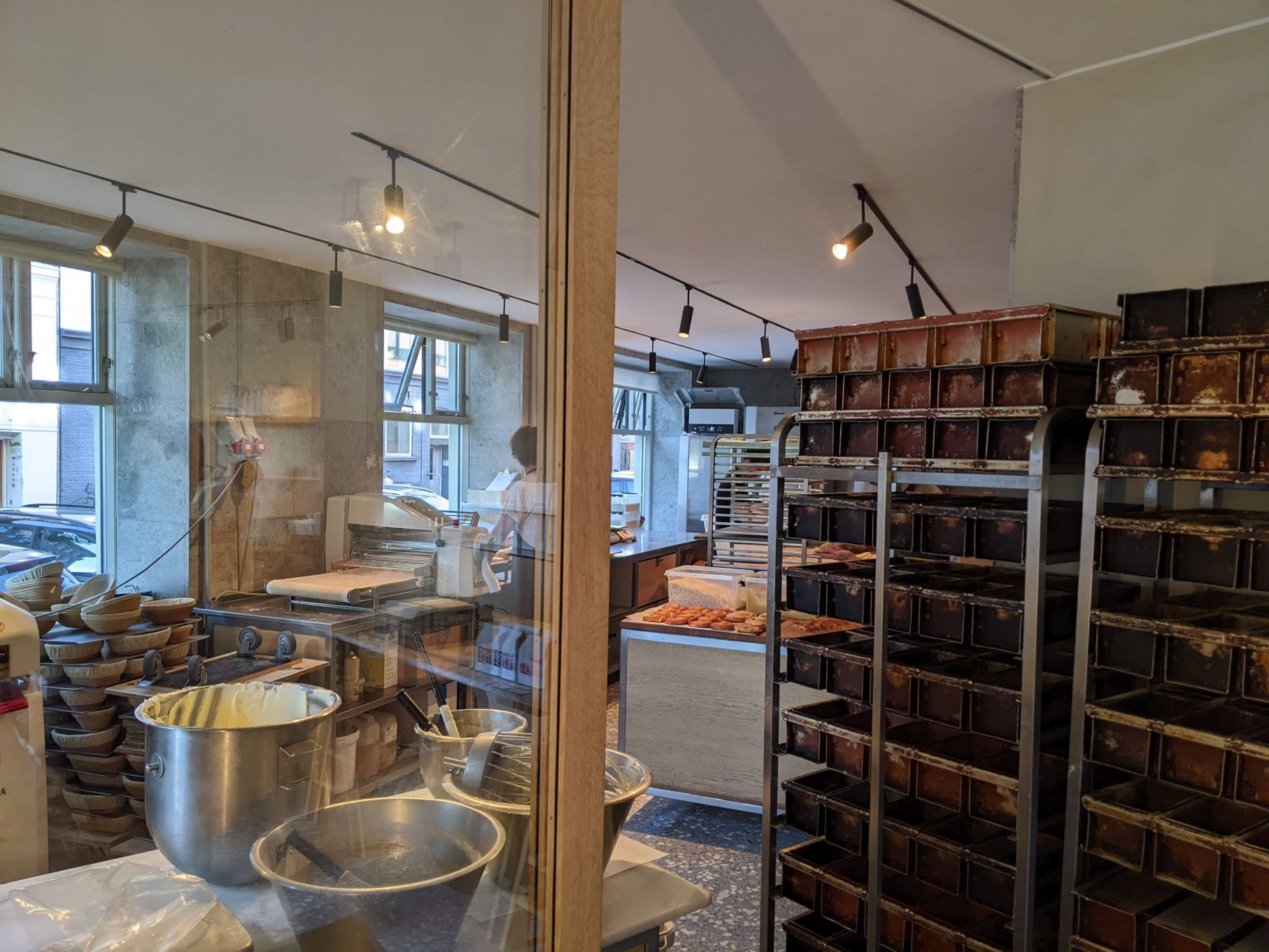
Embracing a philosophy to “live healthy,” many of Chef Nichlas Jaime Frese’s creations focused on Whole Grains without added Sugar, work begins well-before 06h30 opening as a team in the open kitchen mixes, folds, kneads and stretches a variety of Pastries and Breads.
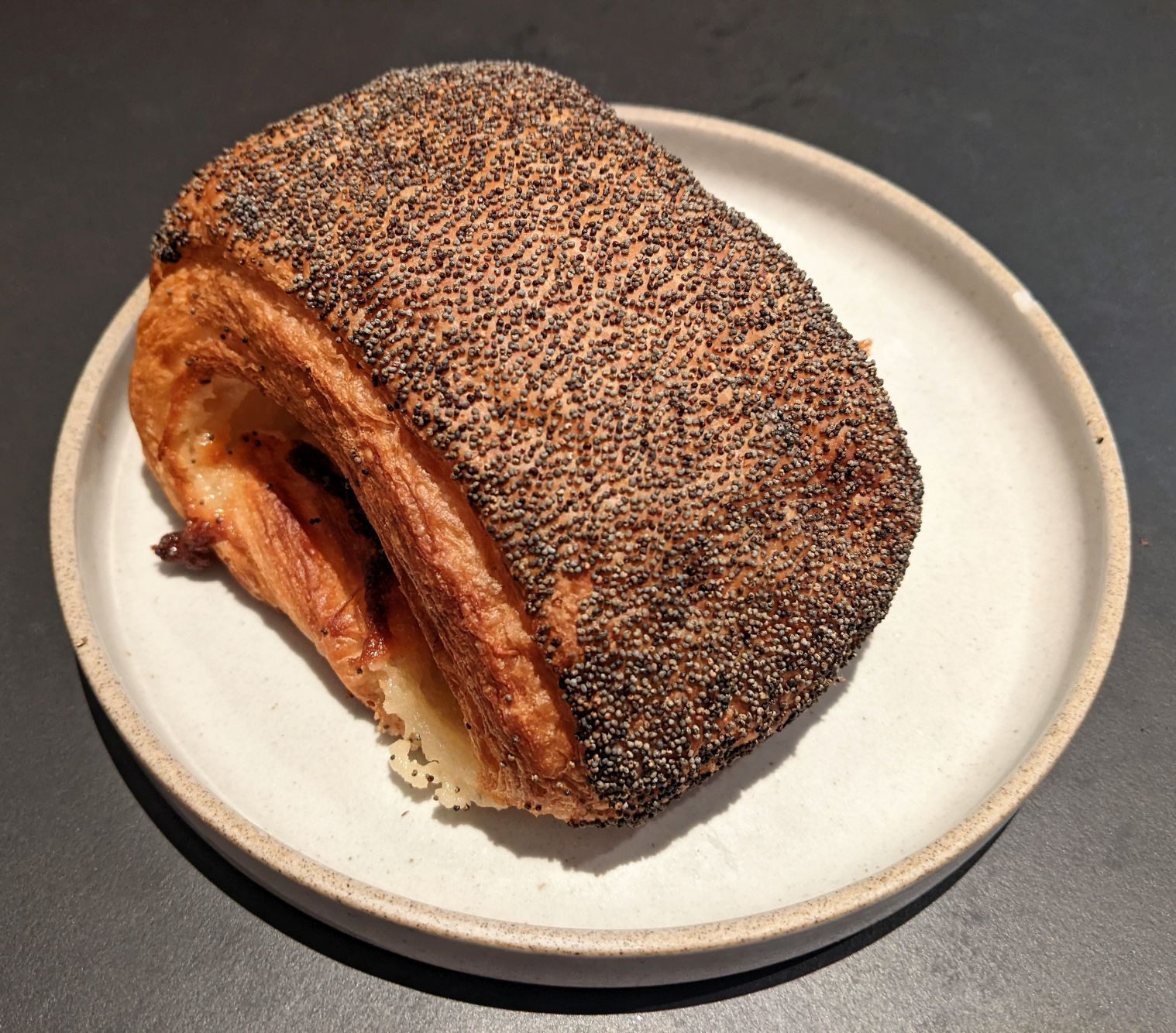
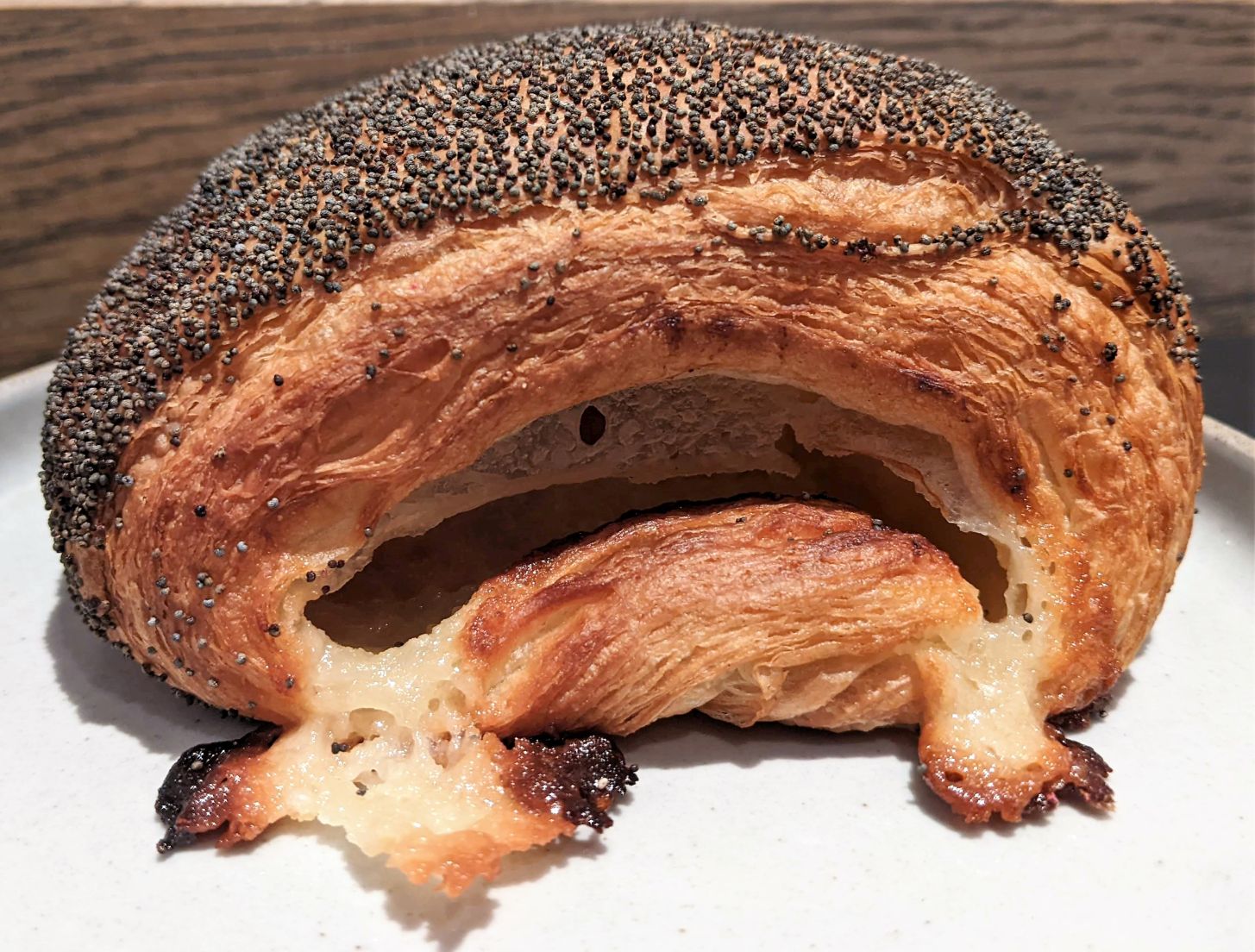
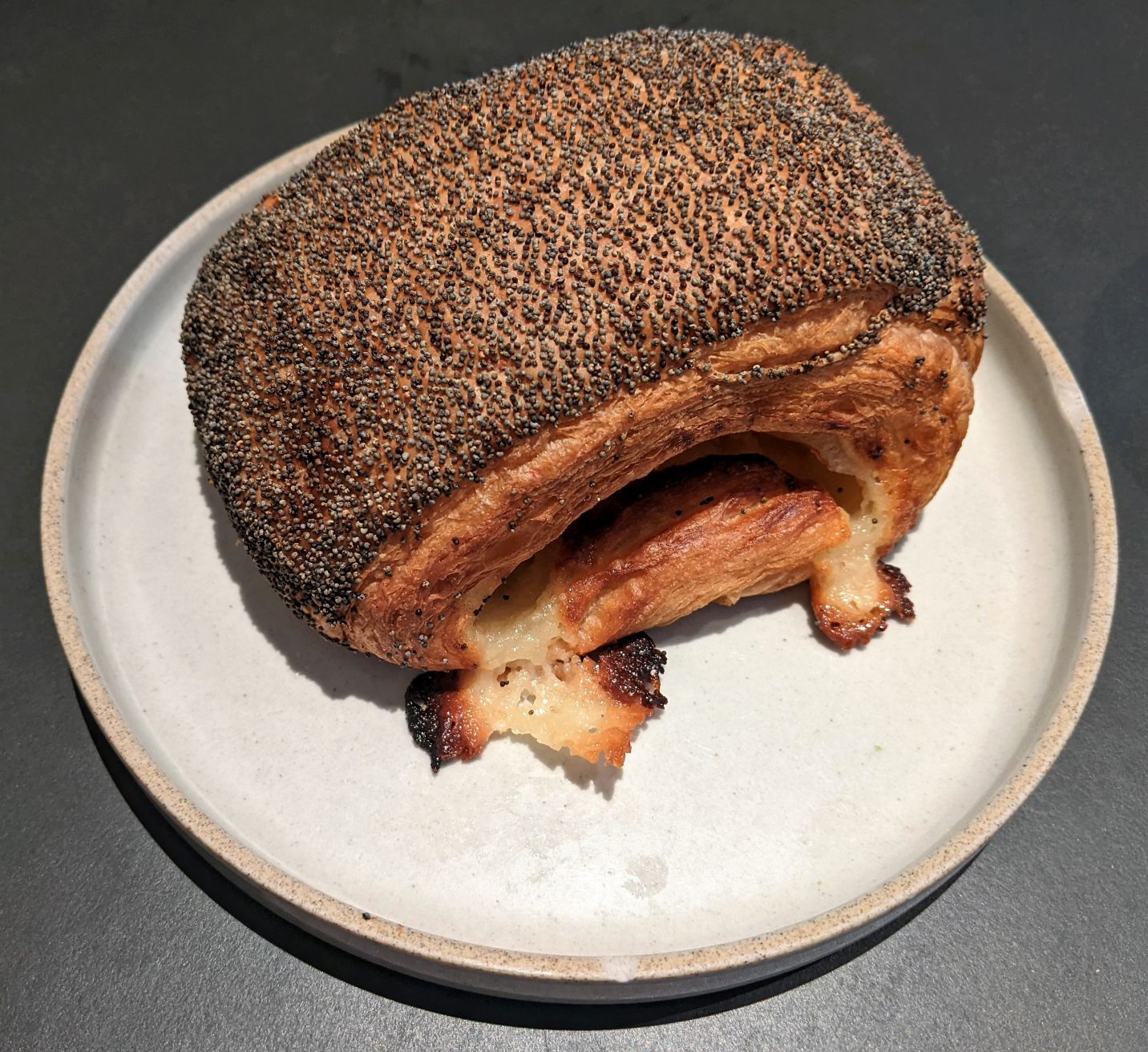
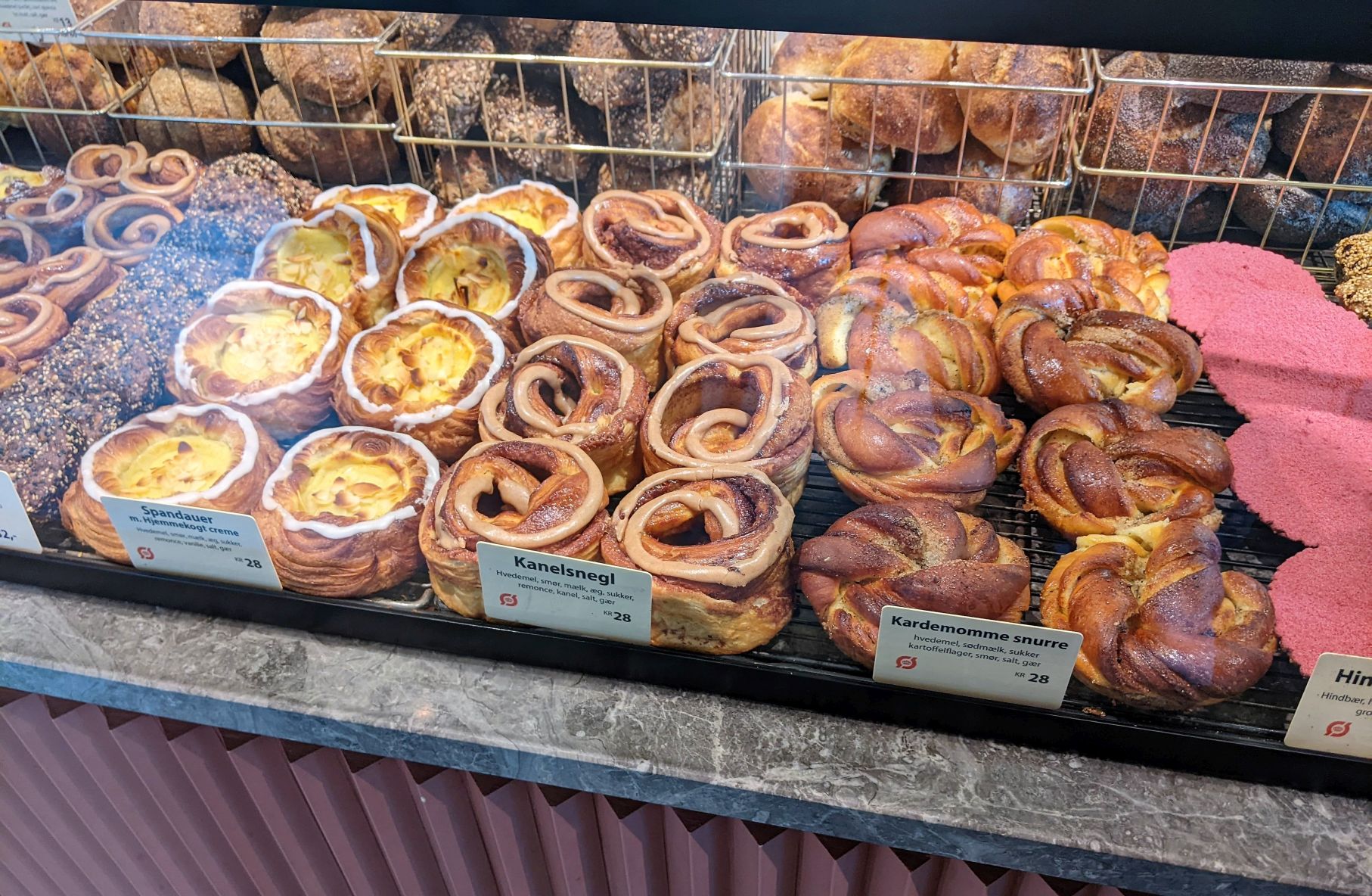
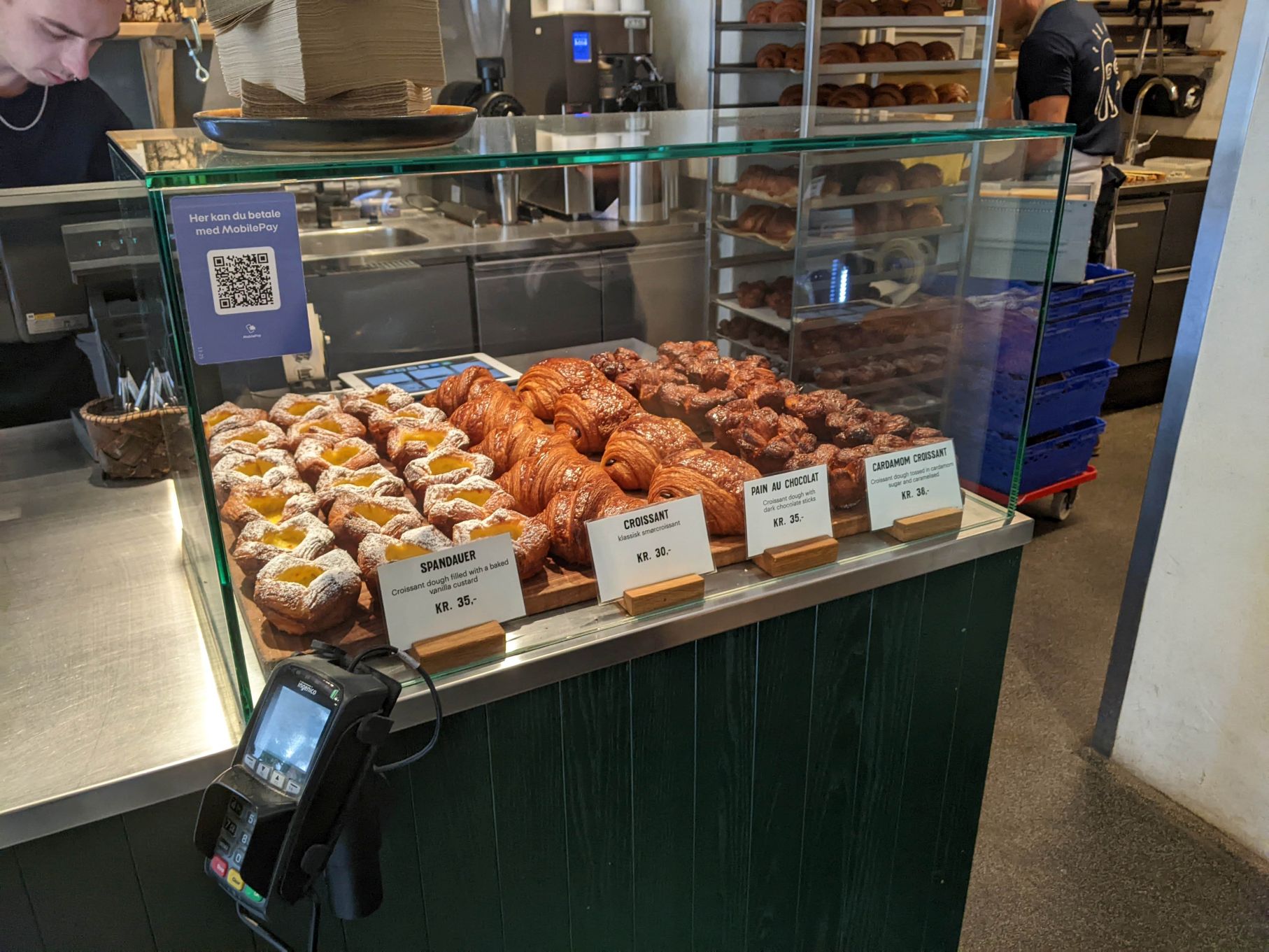
Rooted in tradition, Viennoiseries like Tebirkes and Spandauer executed with Japanese exactitude, those seeking savories will find a smattering of Salads and Sandwiches alongside Cakes, Cookies and pulled-to-order Espresso.
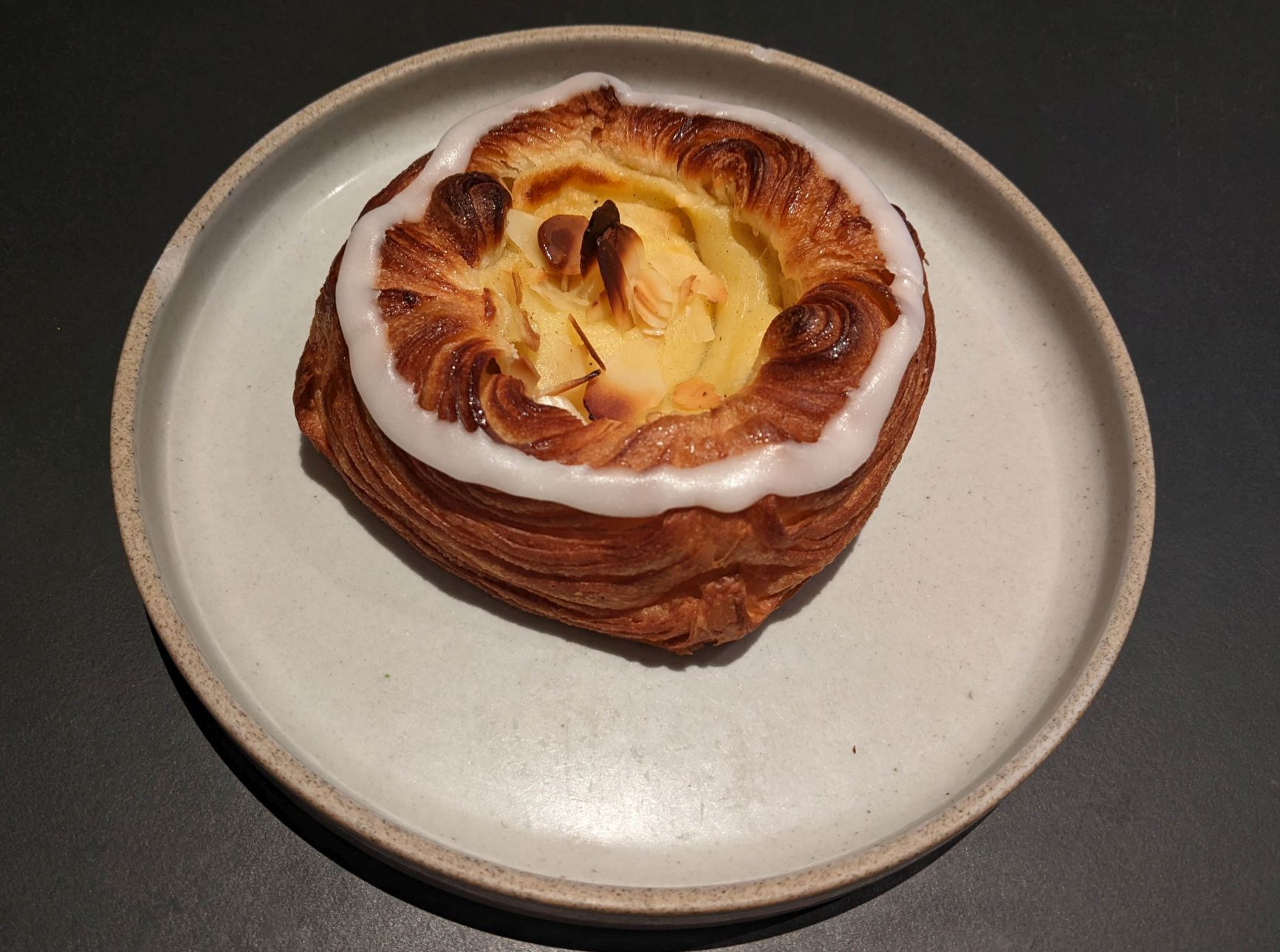
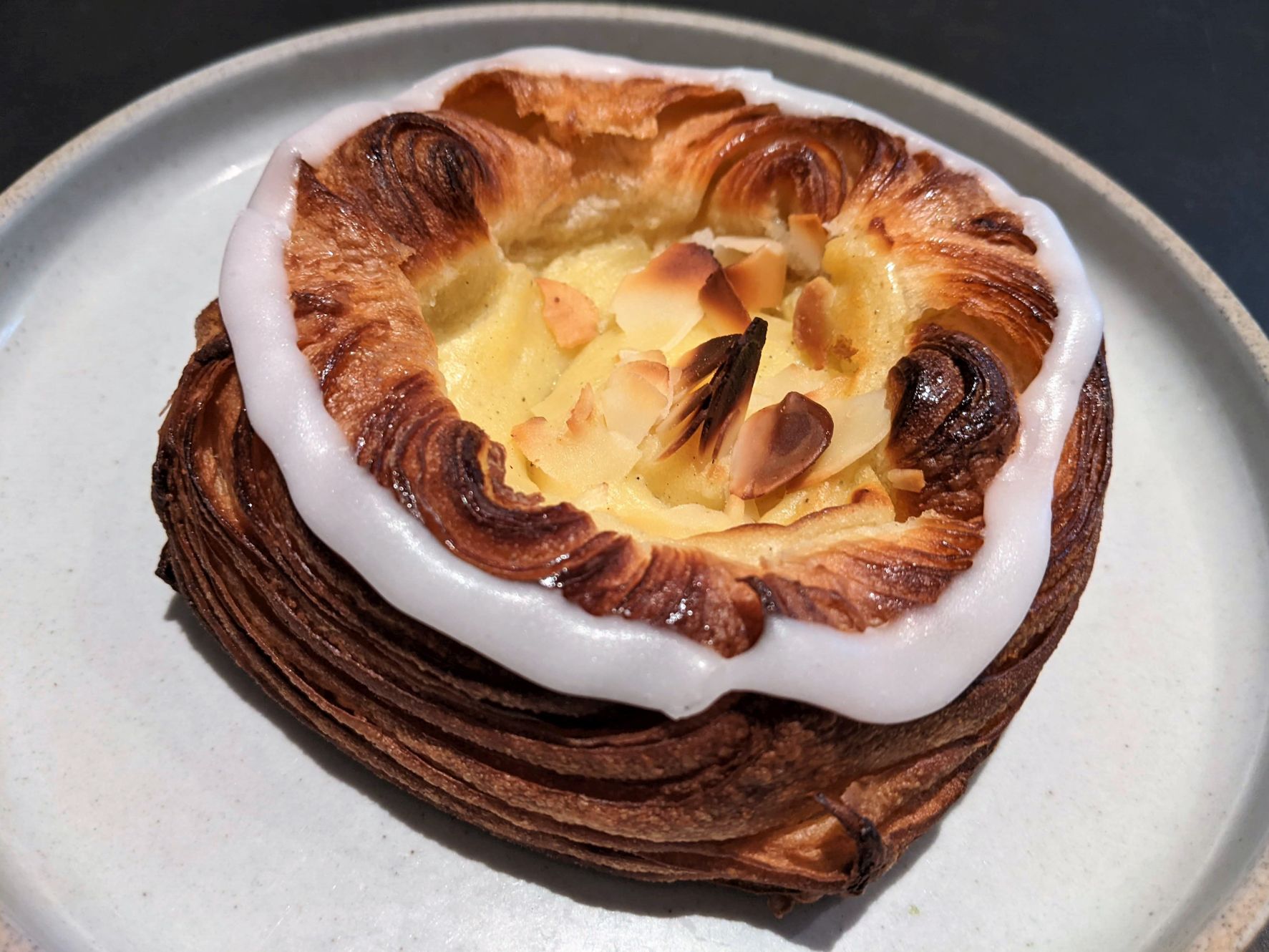
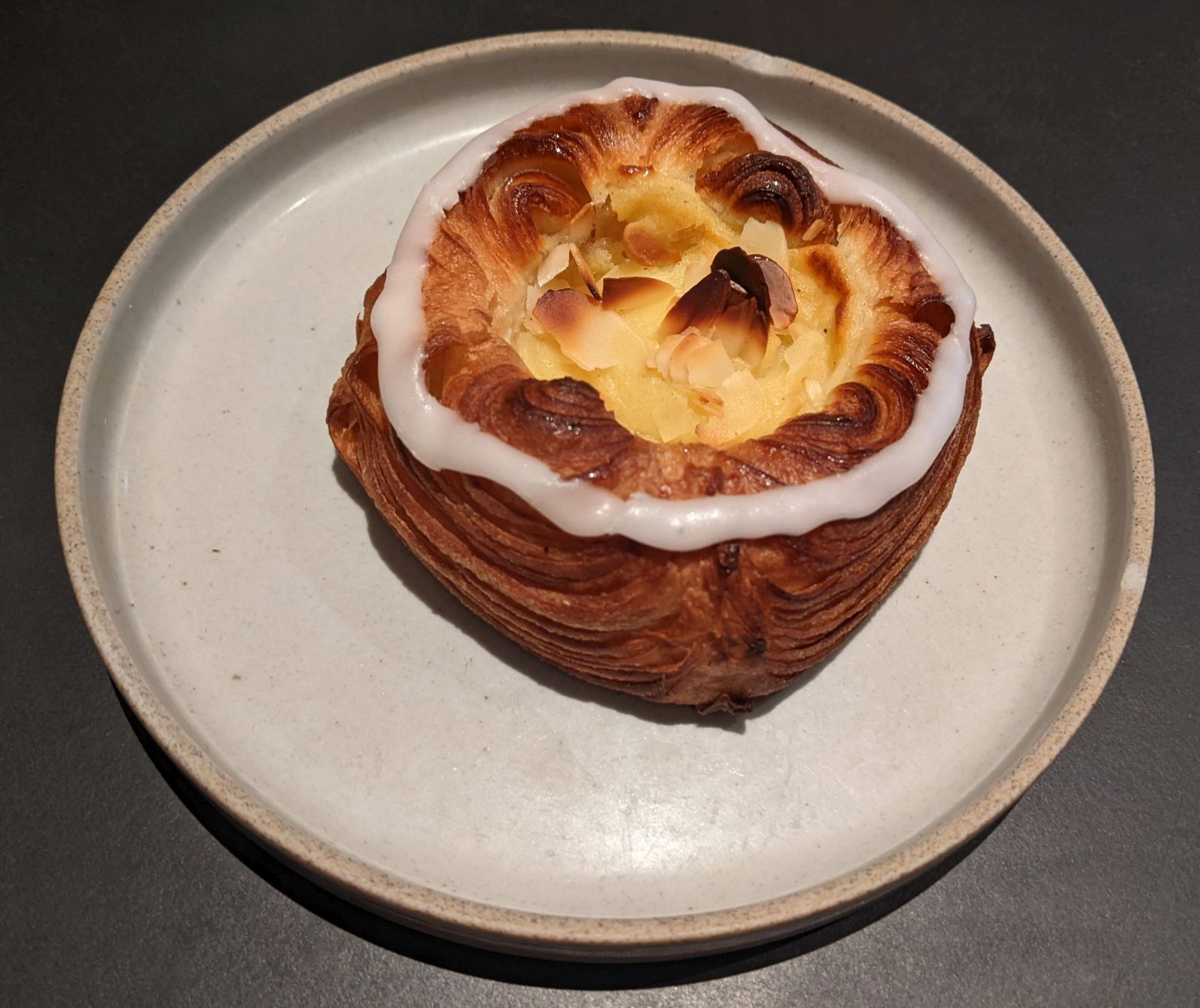
An award winner ever since Frese joined the team in 2009, though Andersen Bakery’s Cardamom Roll fails to match the version at Juno, filled-Croissants come double-baked with a good shatter whether filled with Almond Cream or Custard surrounded by assertive Rhubarb.
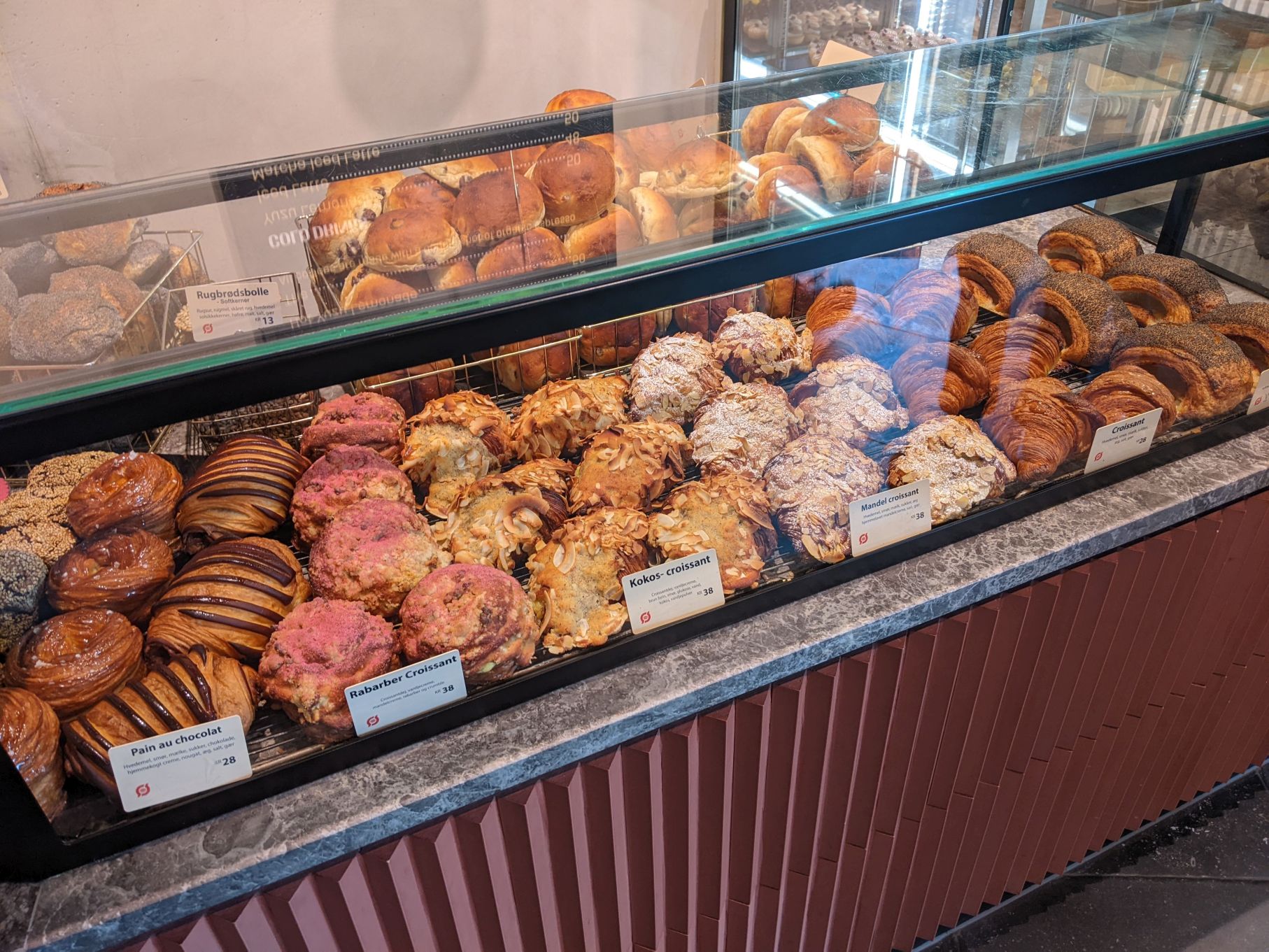
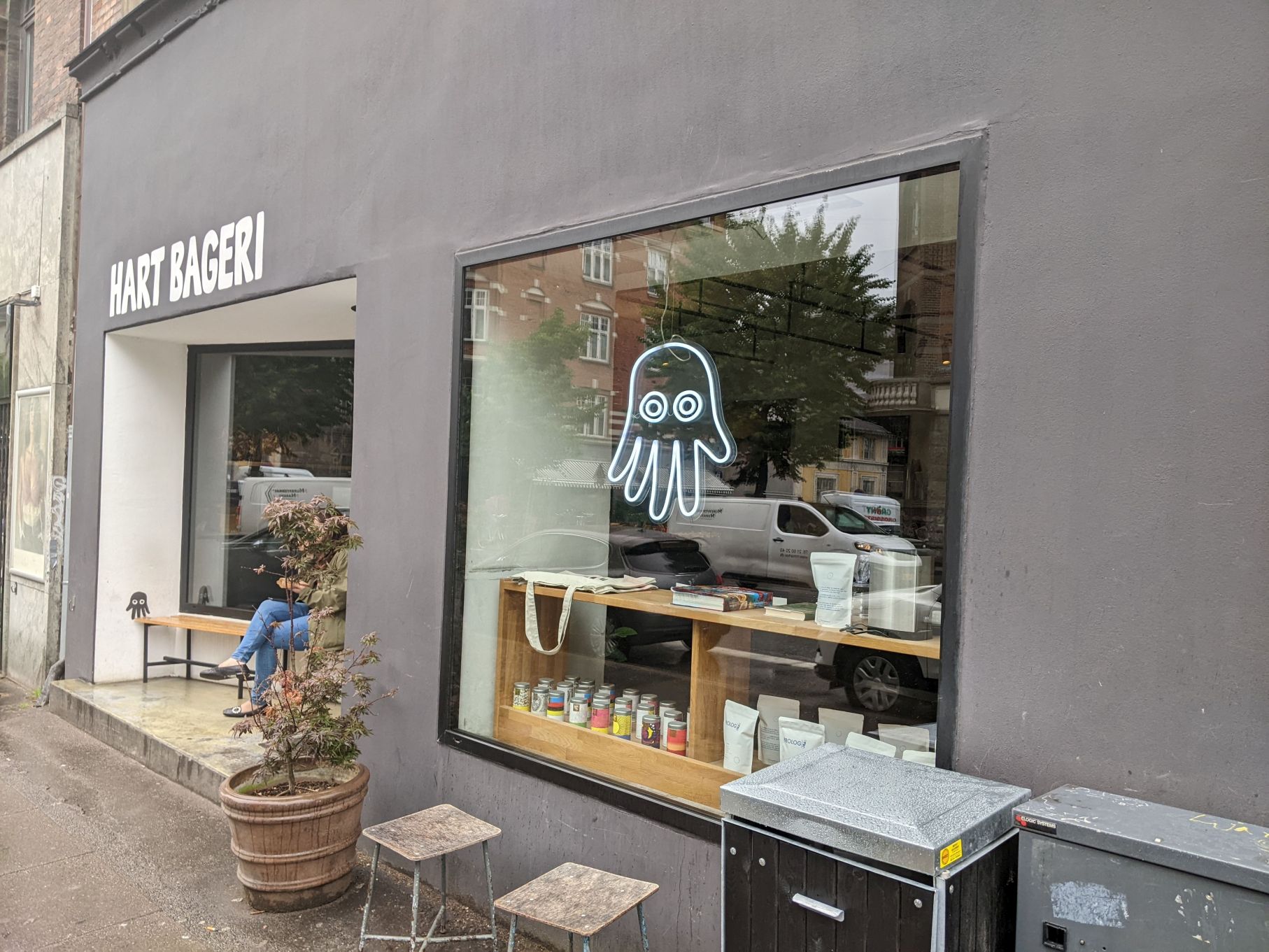
Part of the Copenhagen dining scene since 2018 Hart Bageri has been a resounding success, so much that former Tartine Baker Richard Hart and his partners at noma decided to open a second storefront in Holmen late-2021.
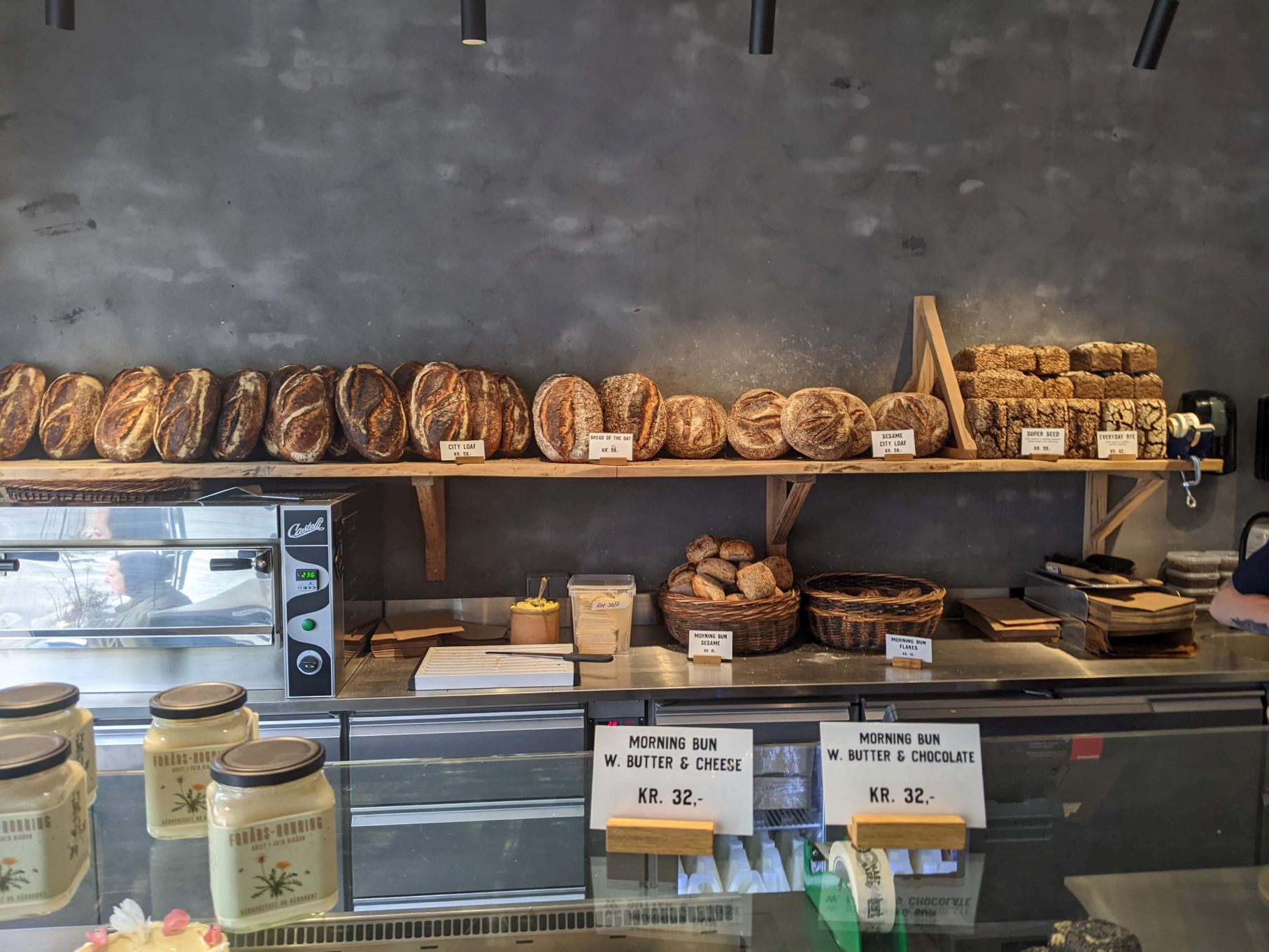
Located in Frederiksberg, Rene Redzepi’s decision to back the acclaimed Brit living in San Francisco undoubtedly launching a revolution in Copenhagen’s traditional landscape of baked goods, lines at Hart begin prior to opening daily as guests hope to secure loaves of Sourdough or still-warm Viennoiseries.
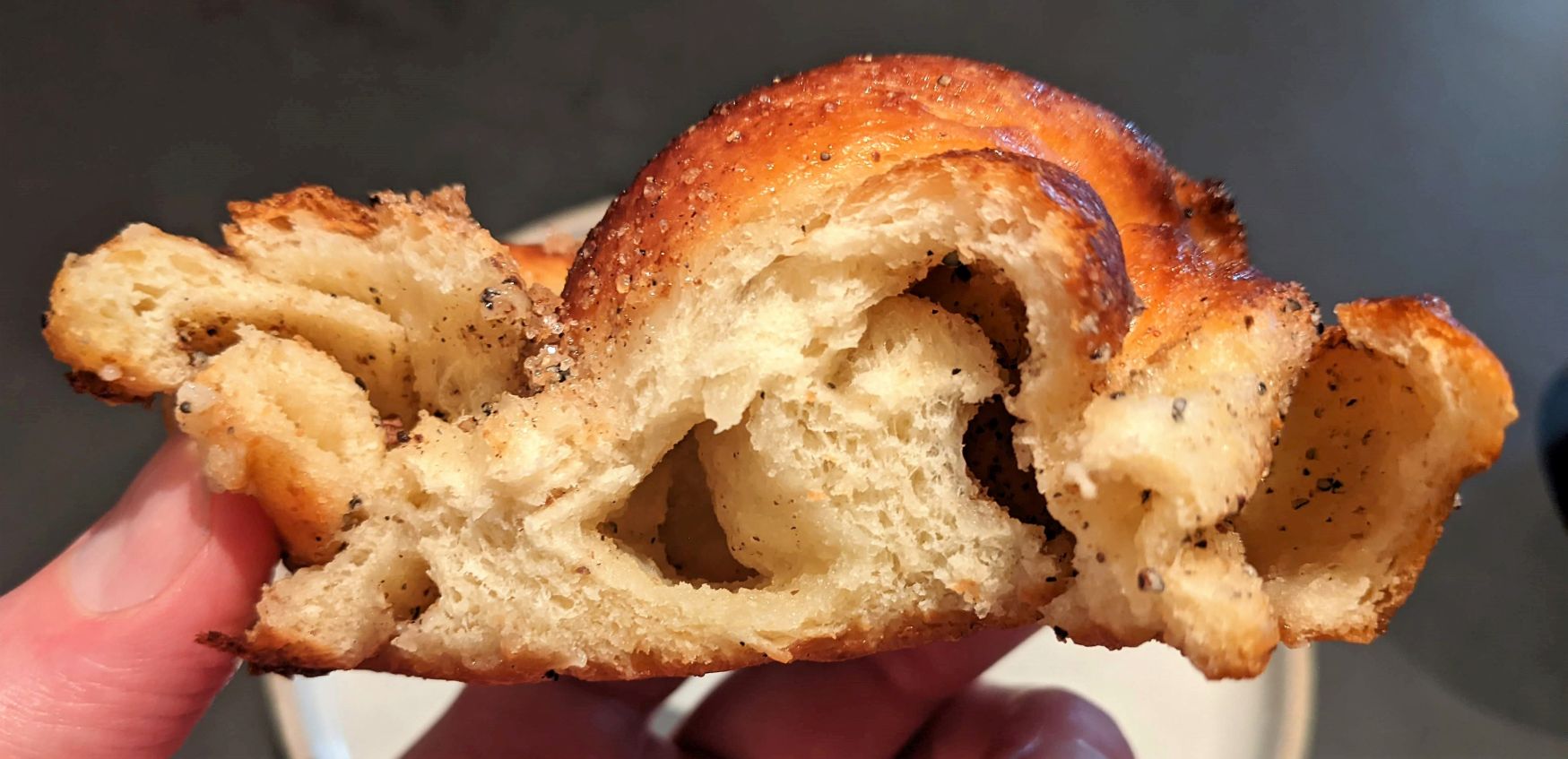
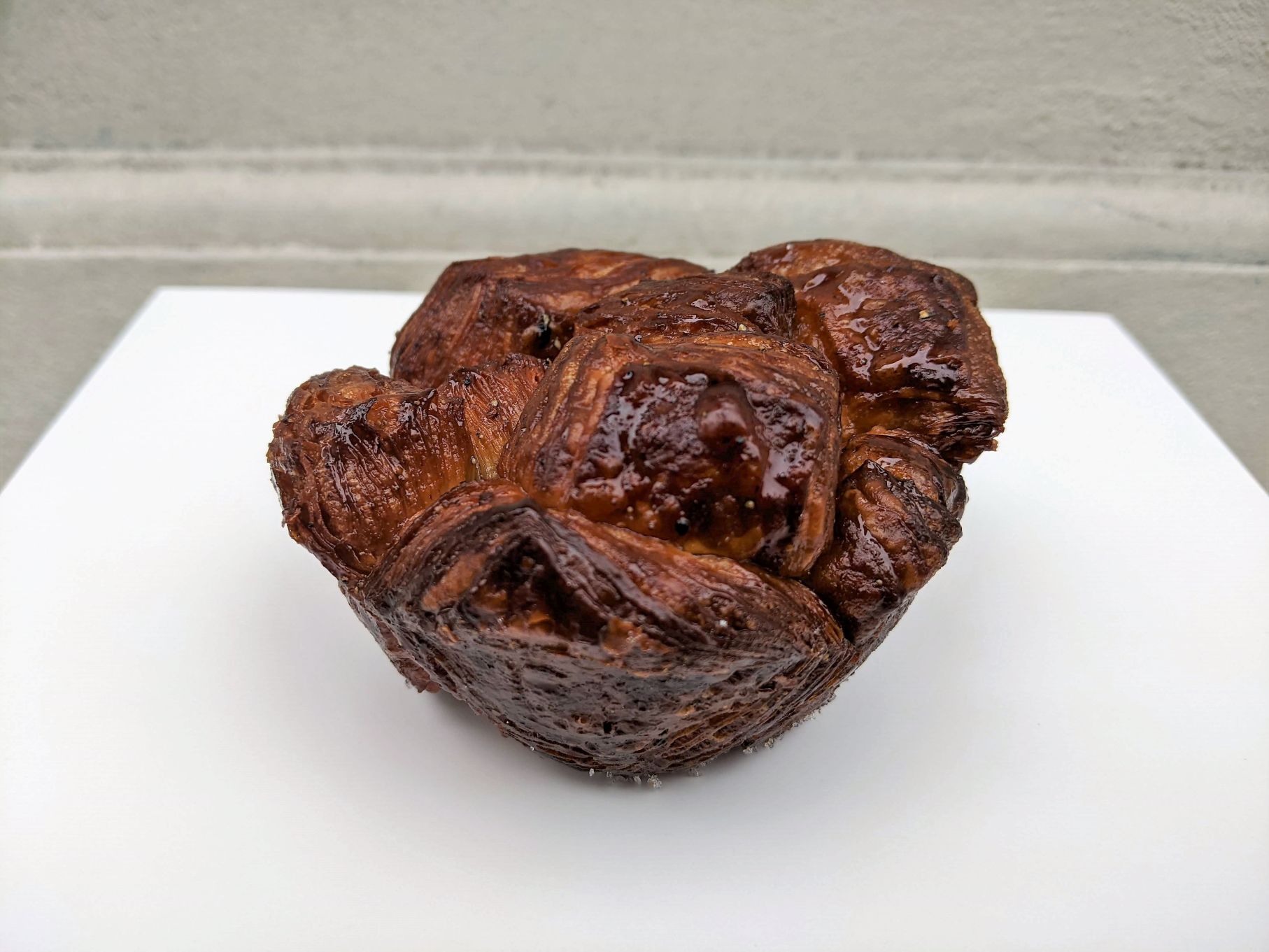
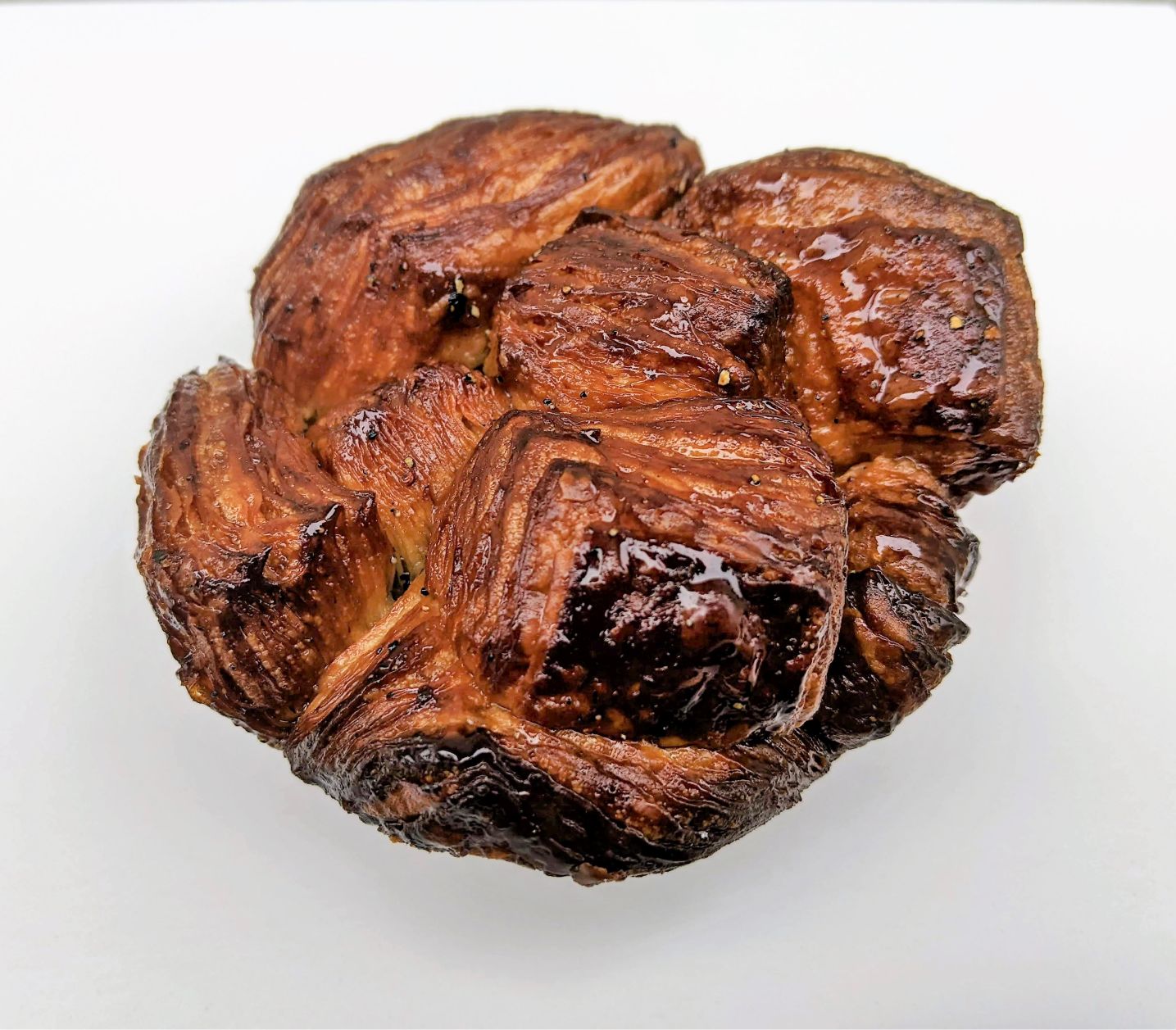
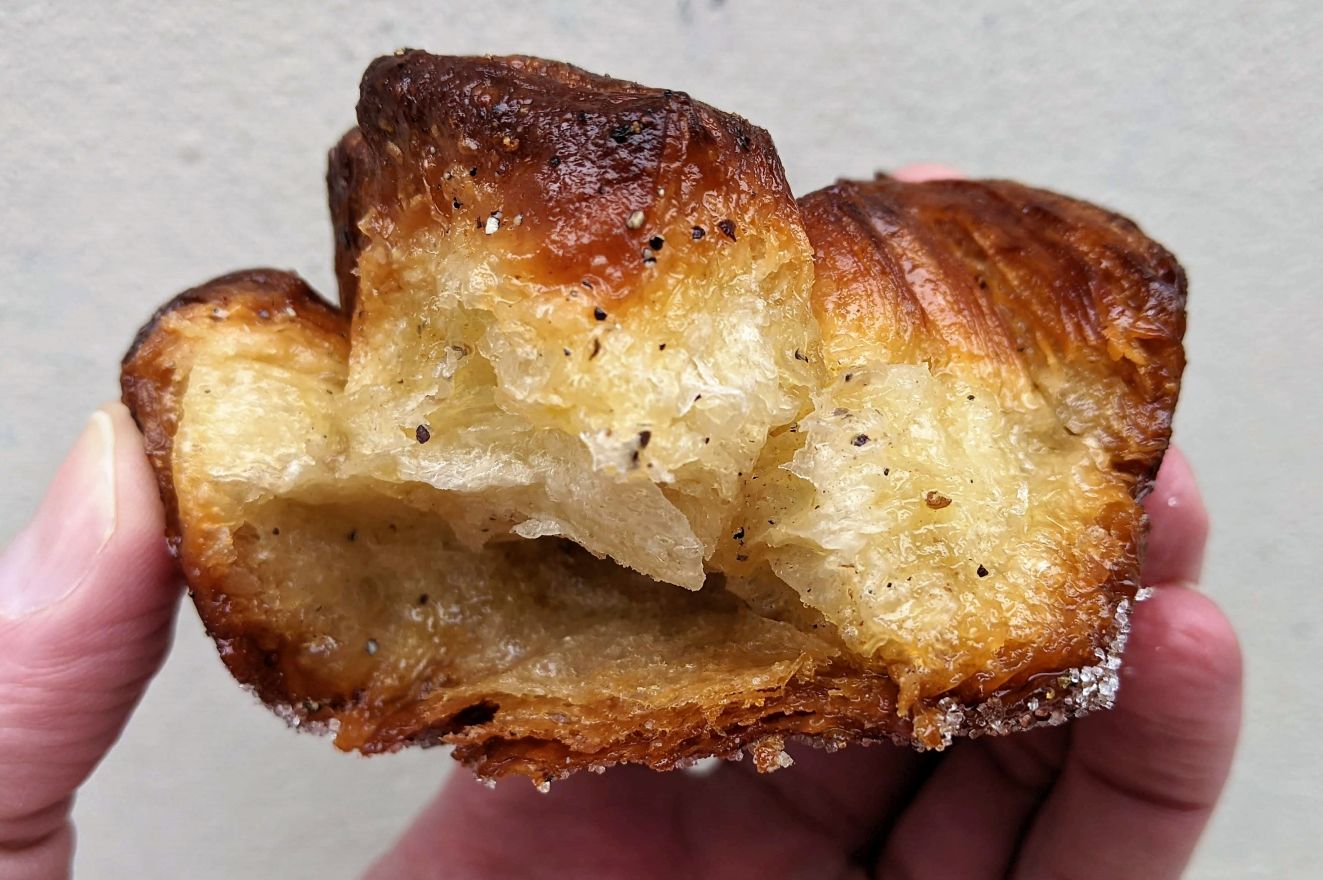
Built from the ground up, per Hart a Danish Bakery exploring tradition with a modern eye, early arrivers will find all but the famous Double Baked Almond Croissants that is happily forgotten within the first bite of a Cardamom version that comes apart like laminated Monkey Bread.
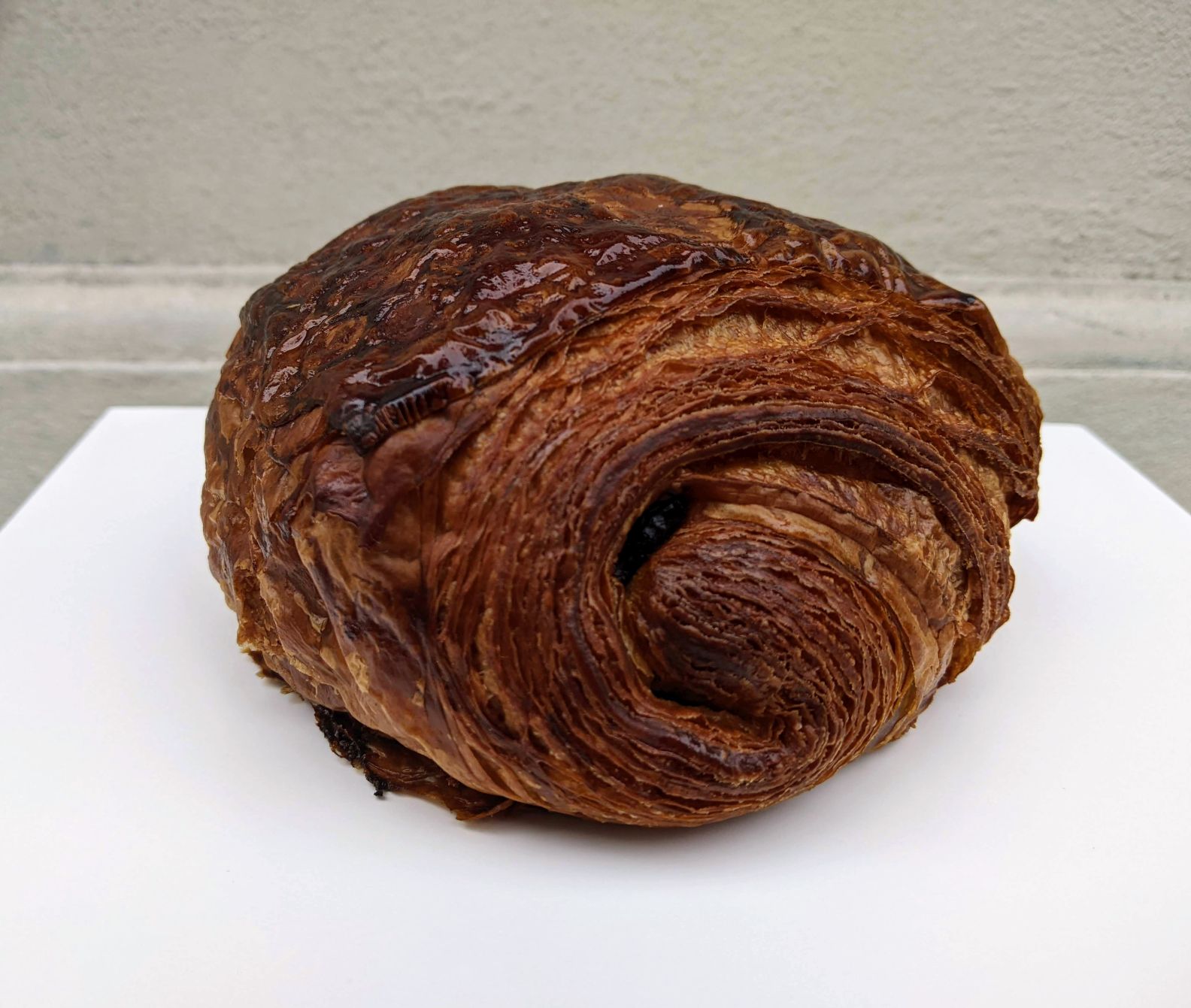
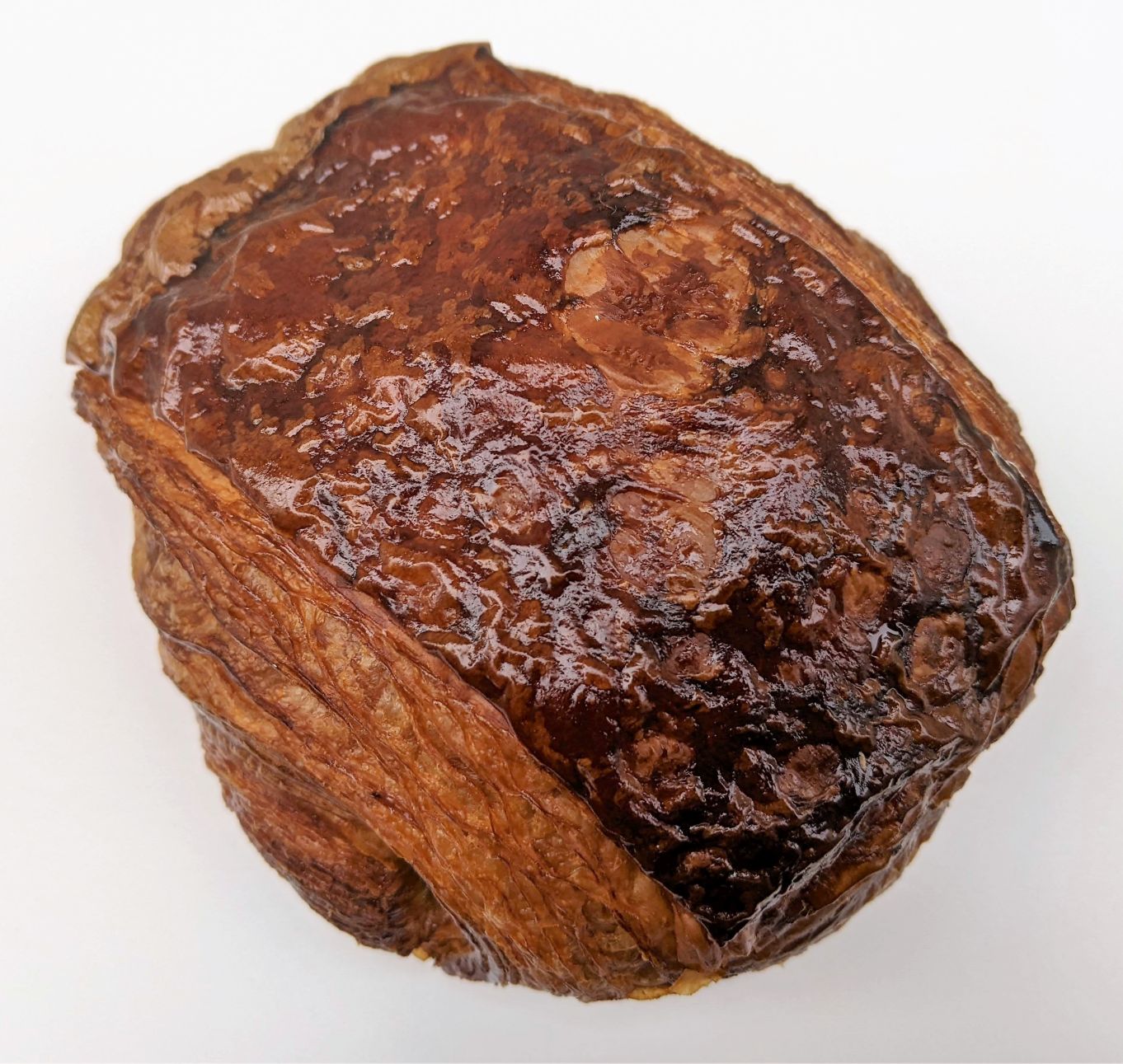
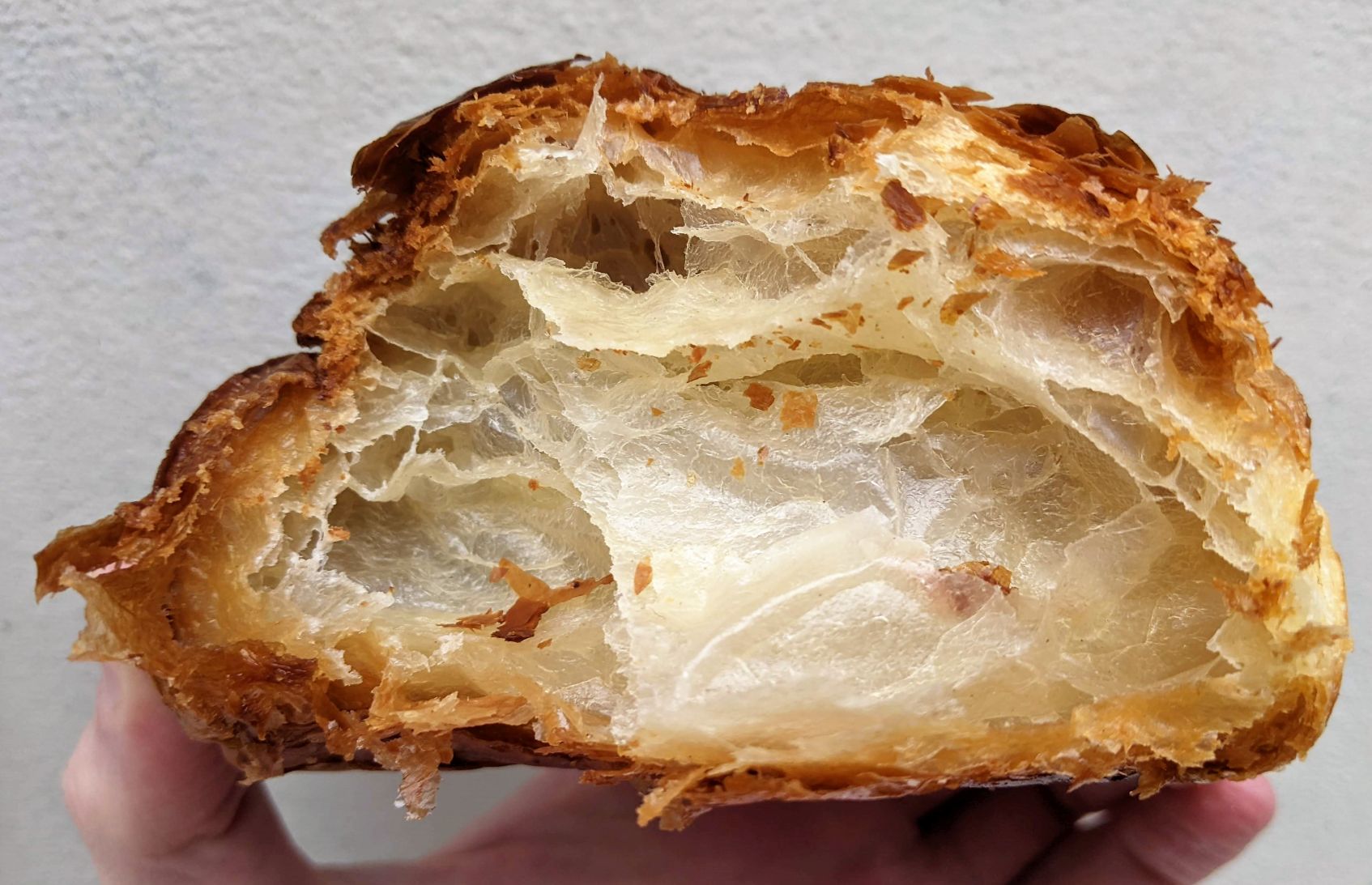
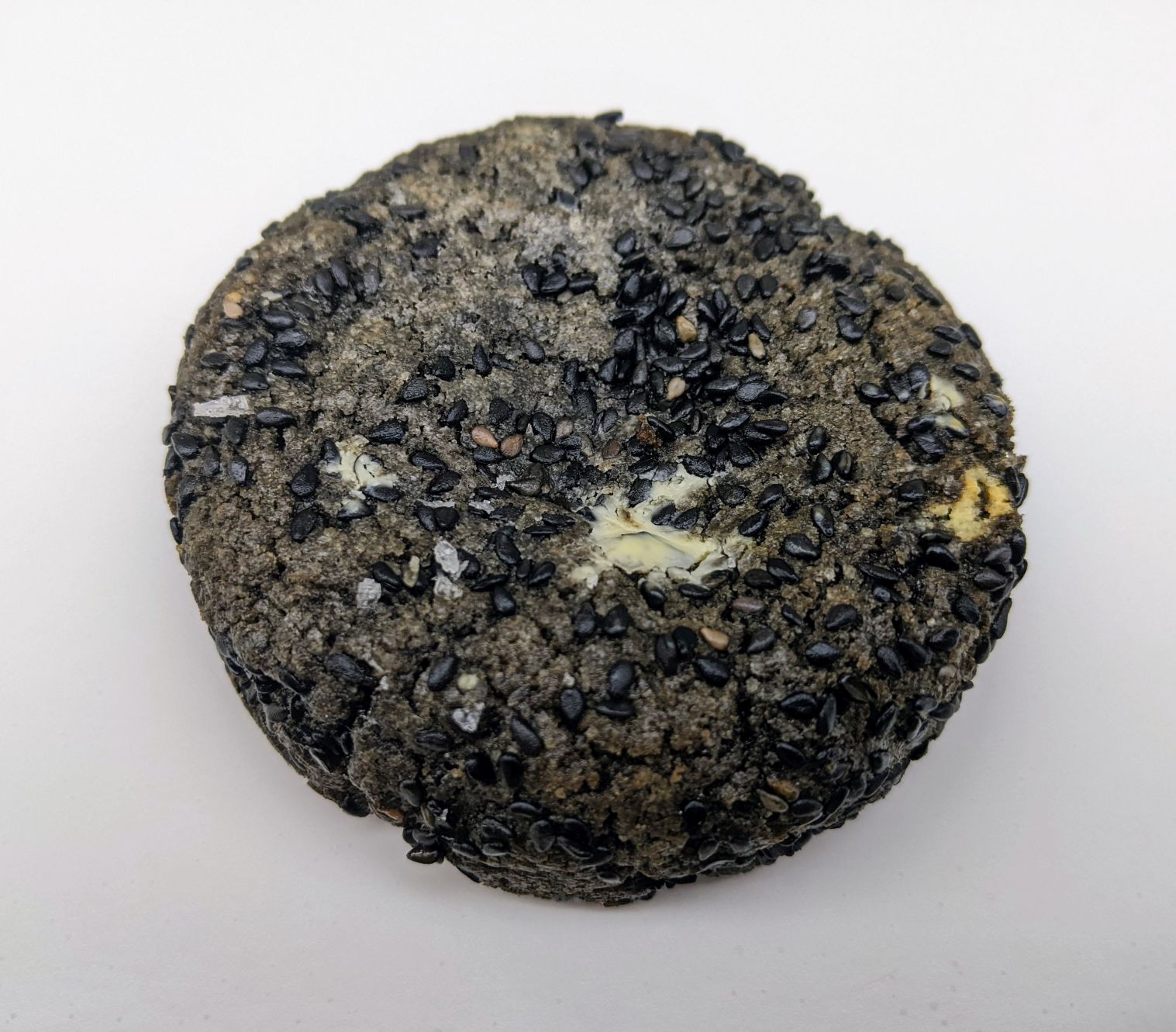
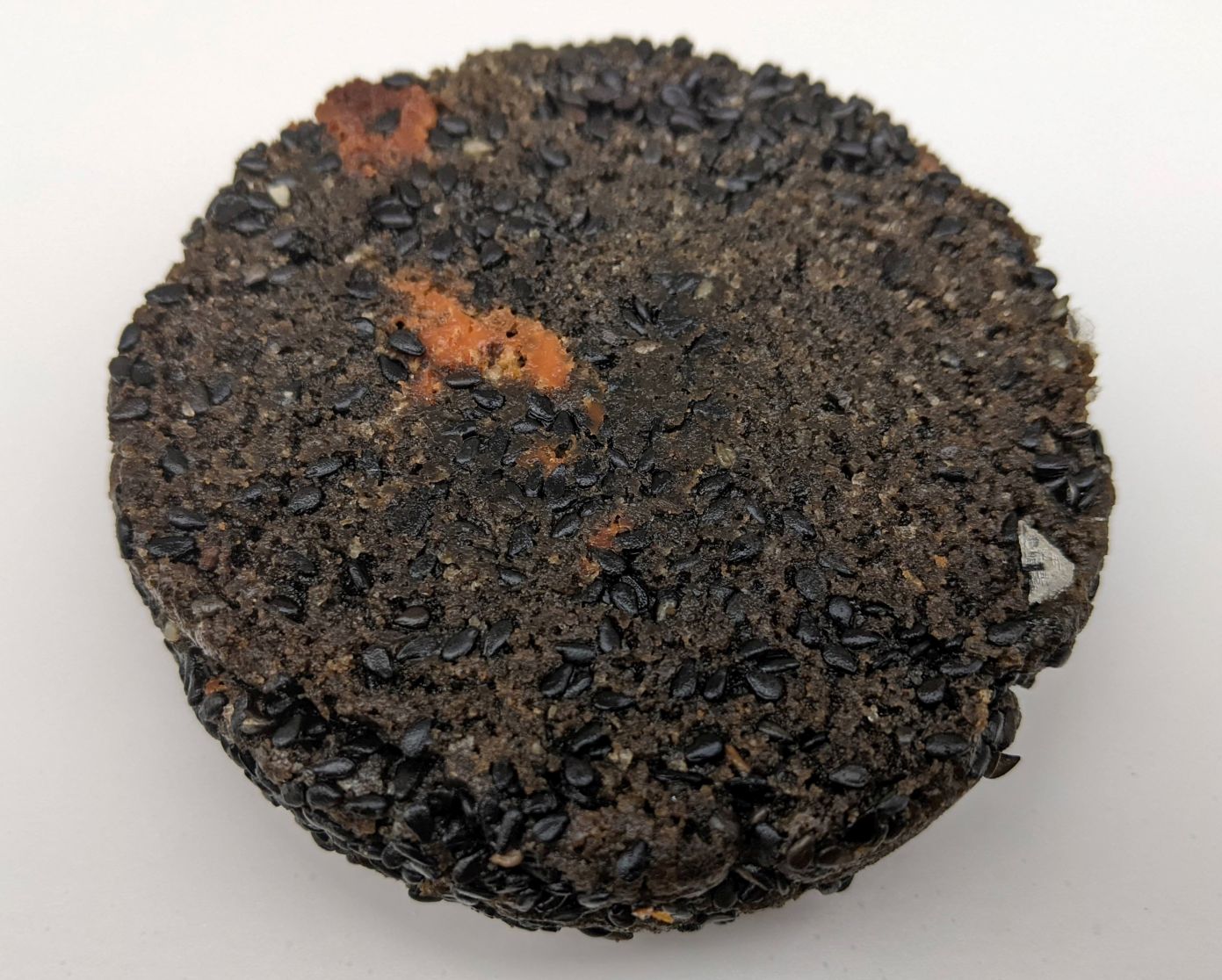
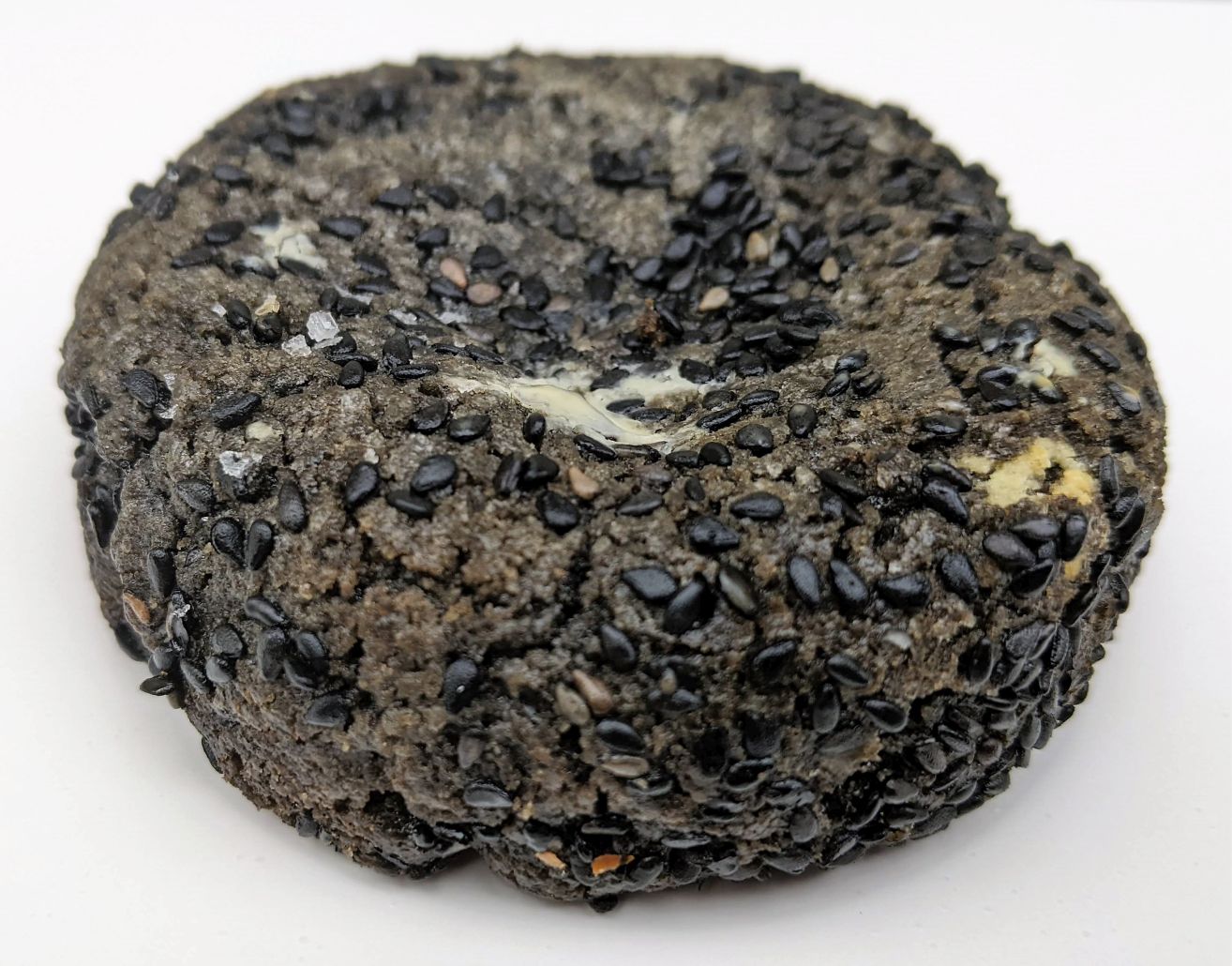
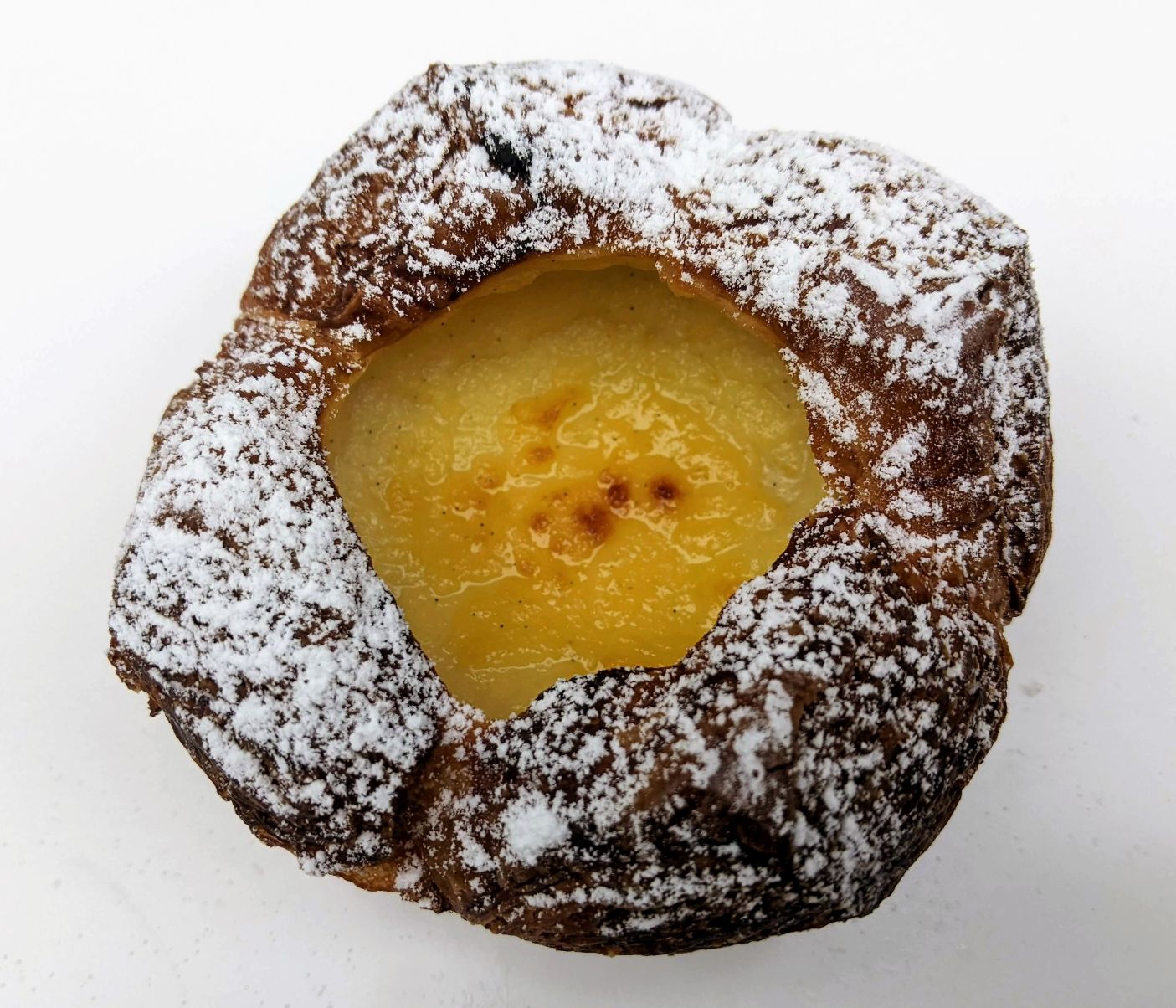
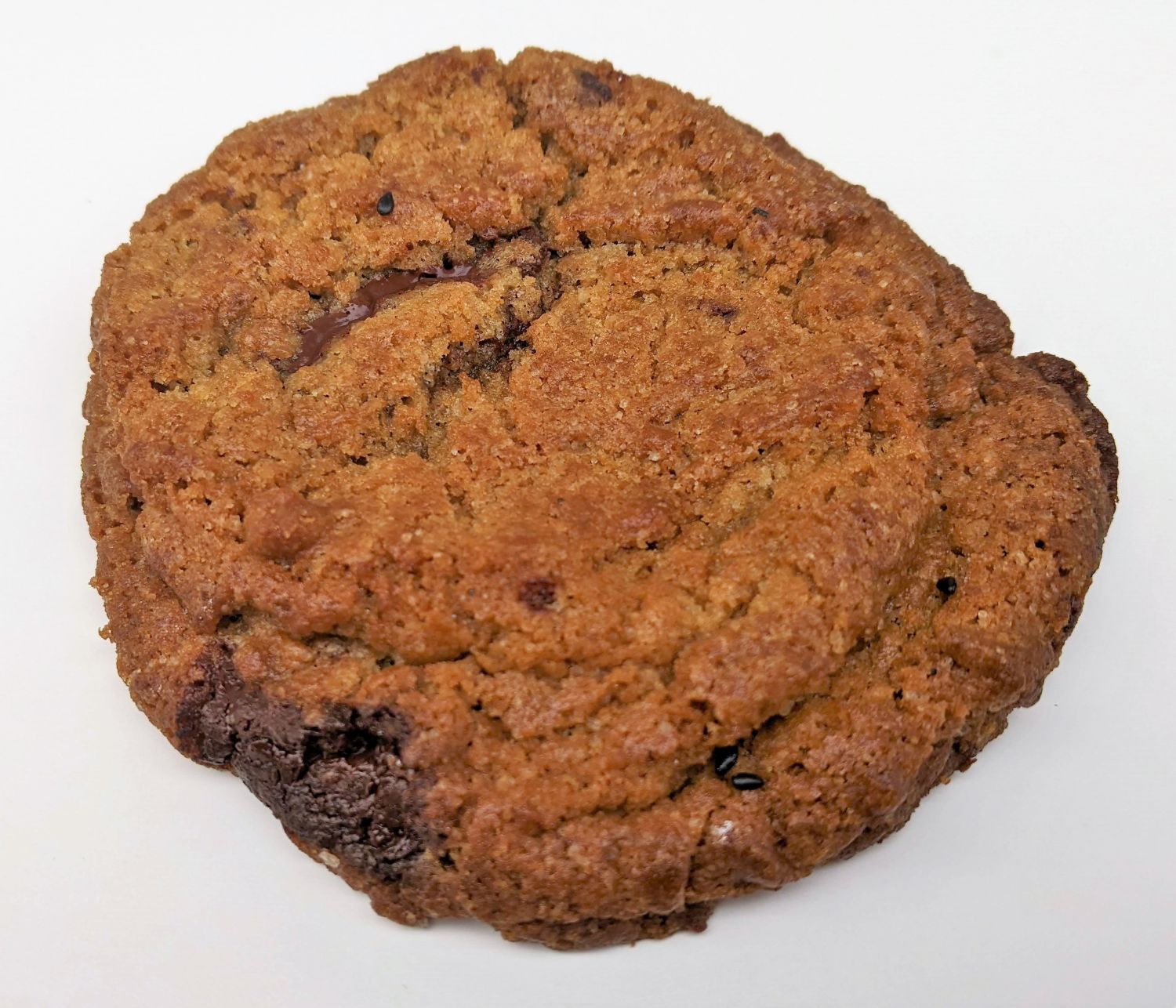
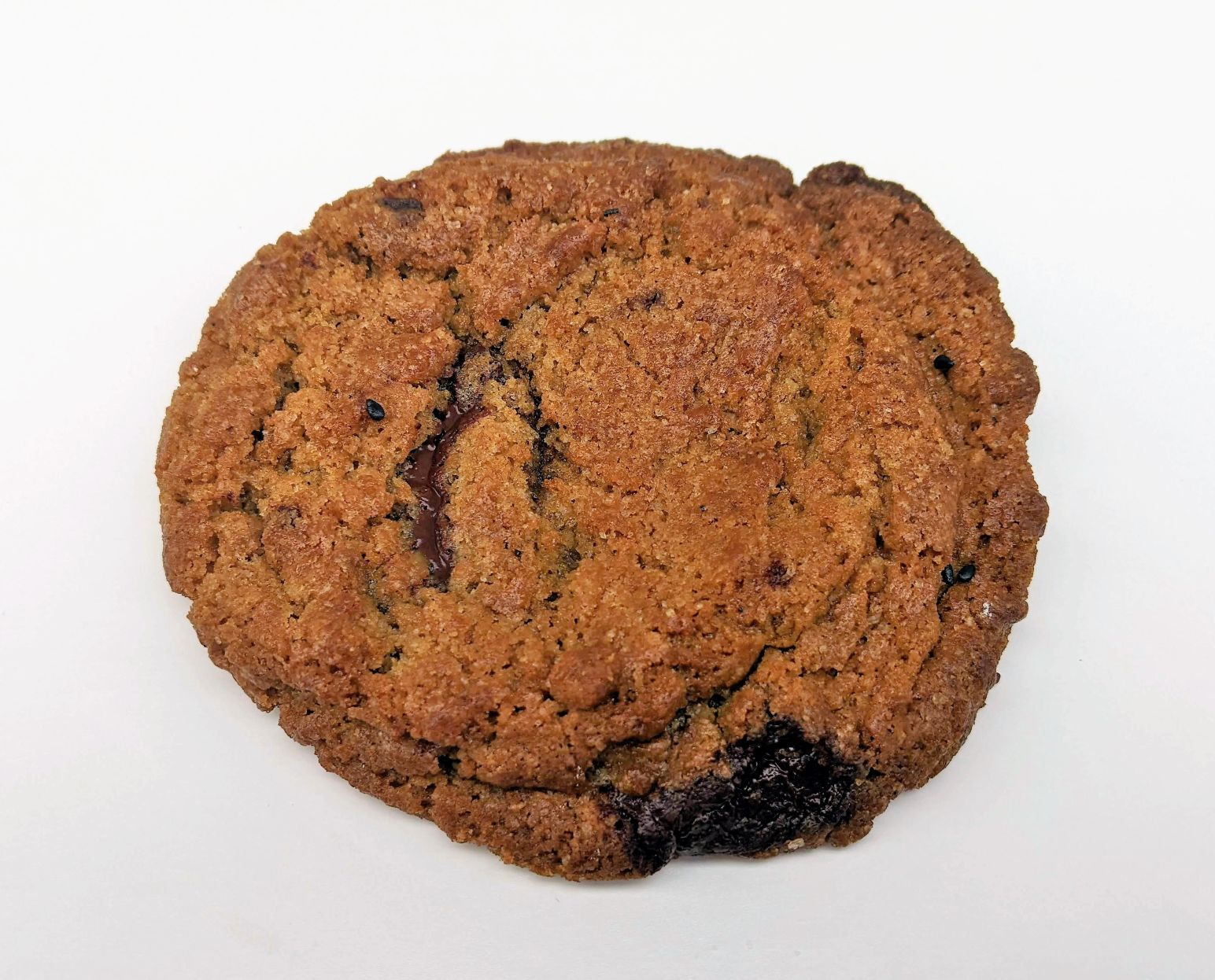
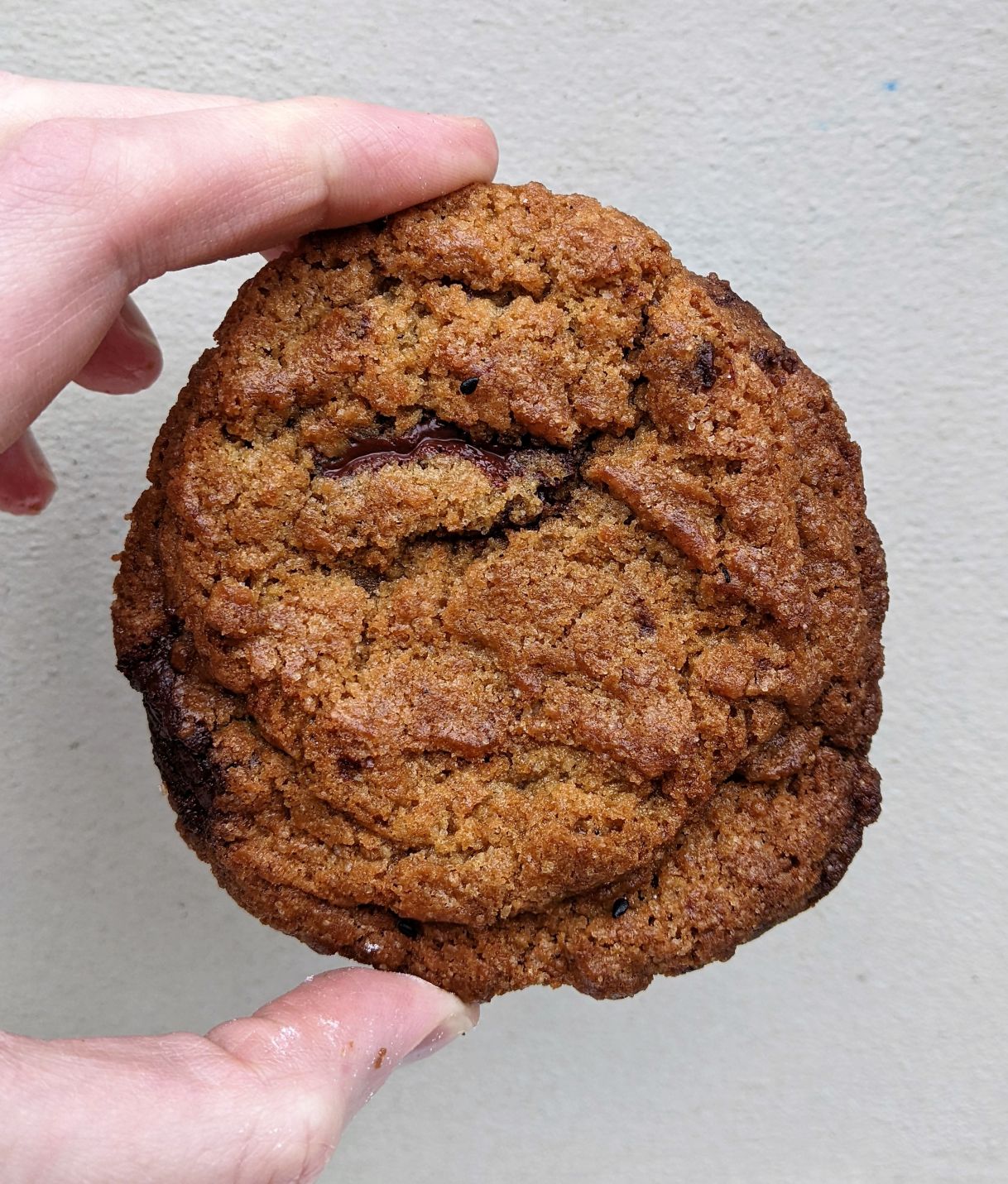
Using local Ingredients as often as possible, Pain au Chocolat shattering around a delicate honeycomb, Cookies at Hart perform well whether Chocolate Chip or soft Sesame, and for those seeking a classic the Spandauer is pitch-perfect with lightly-sweetened Custard wetting the bottom yet no textural compromise.
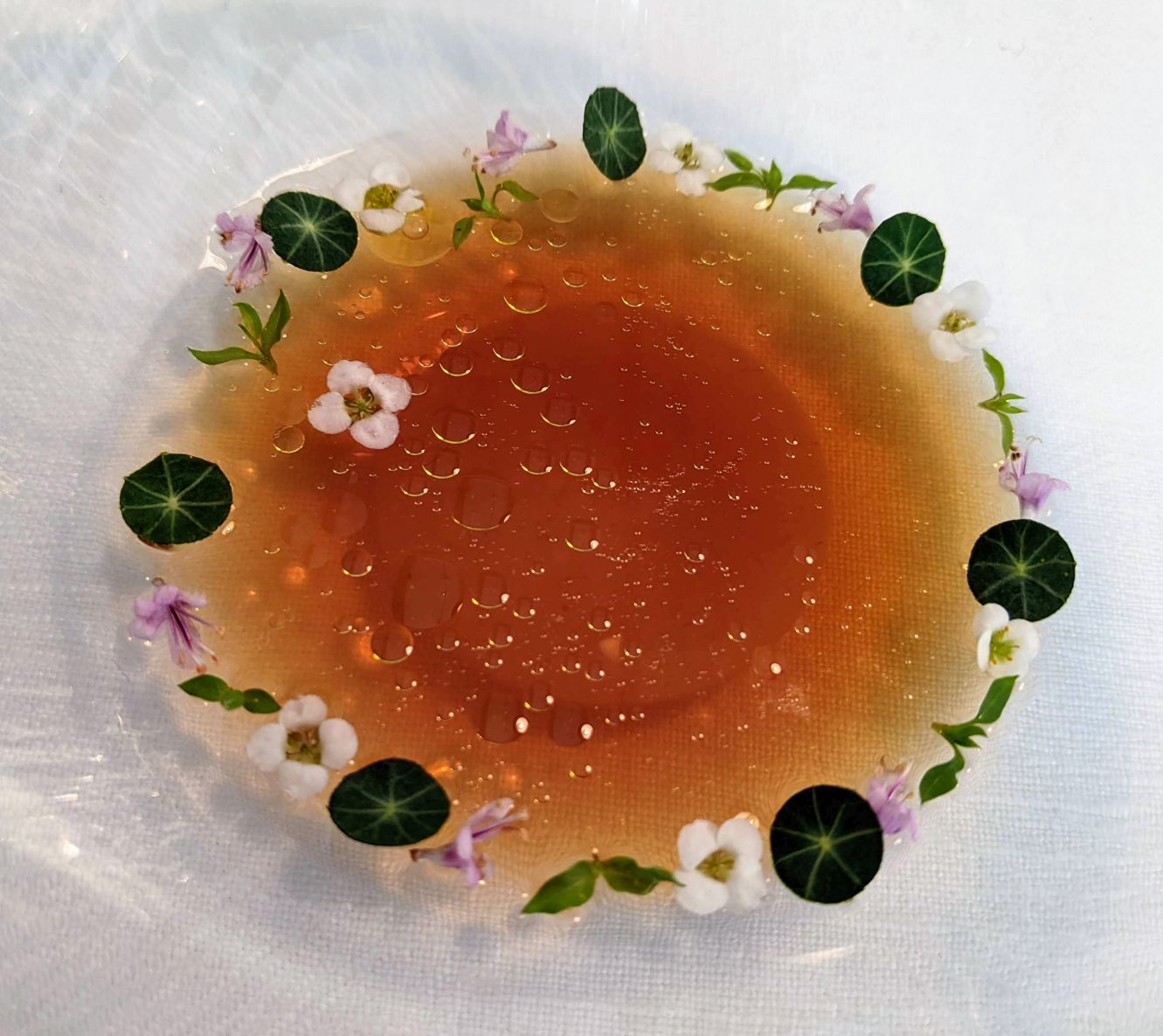
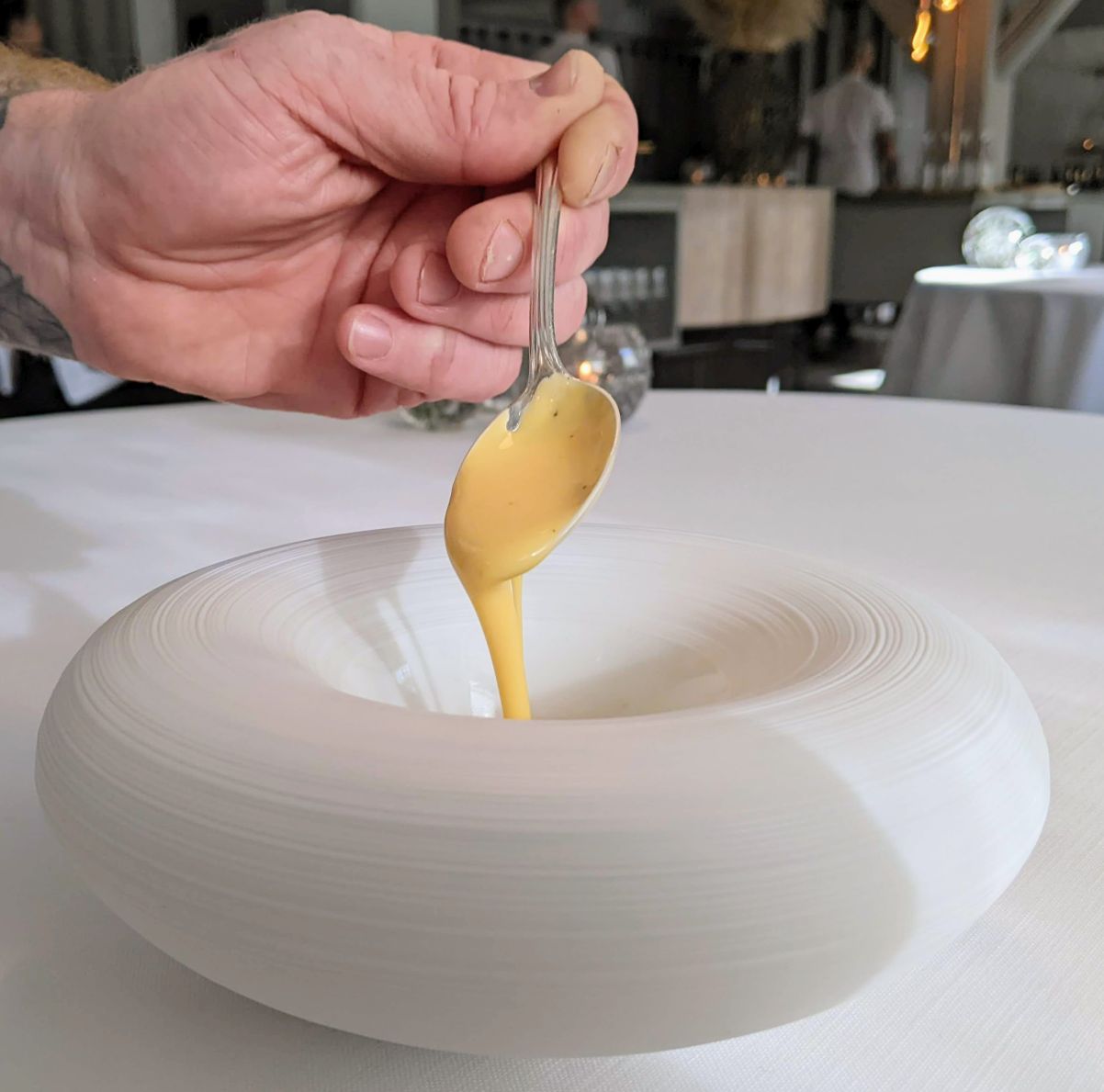
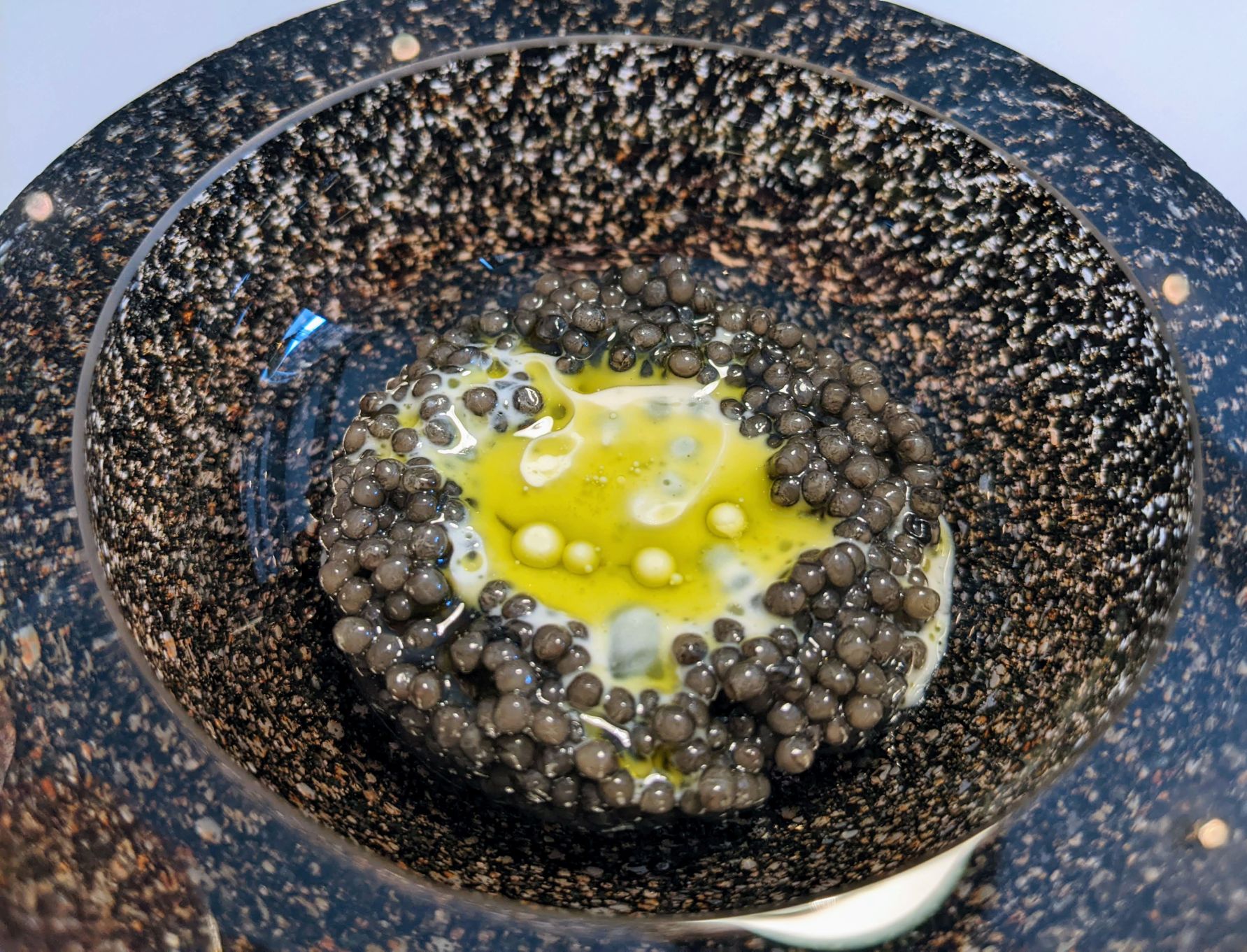
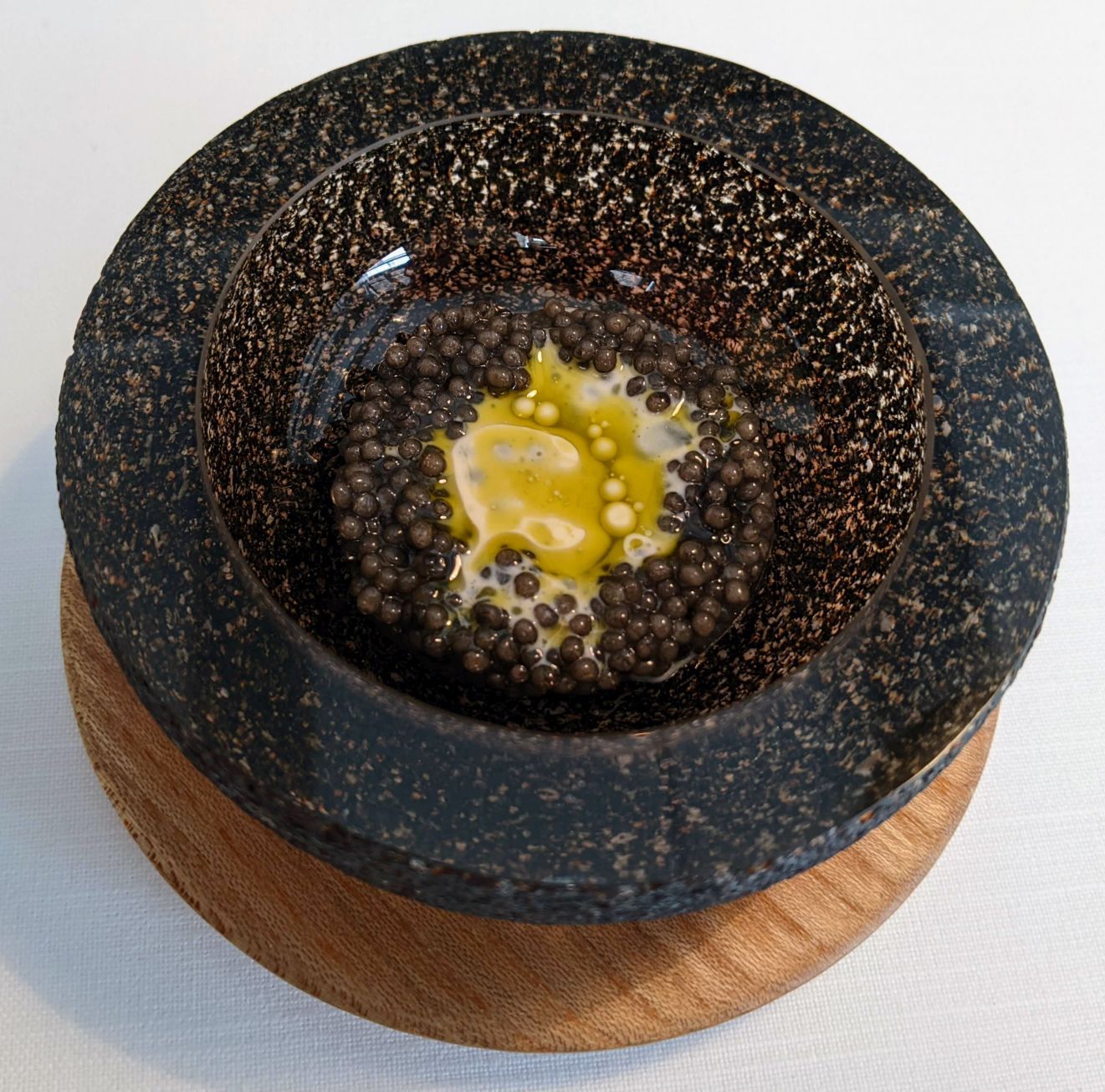
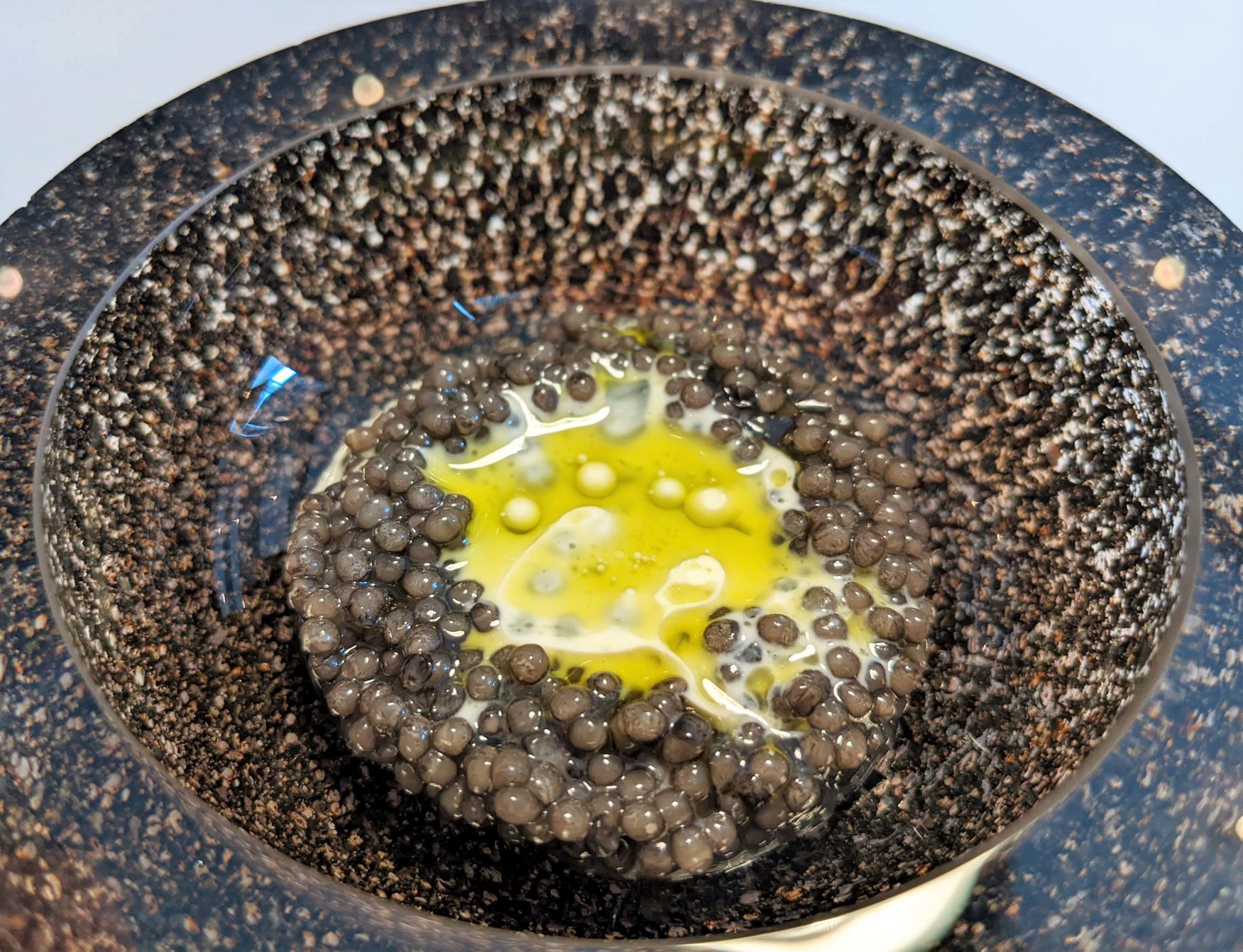
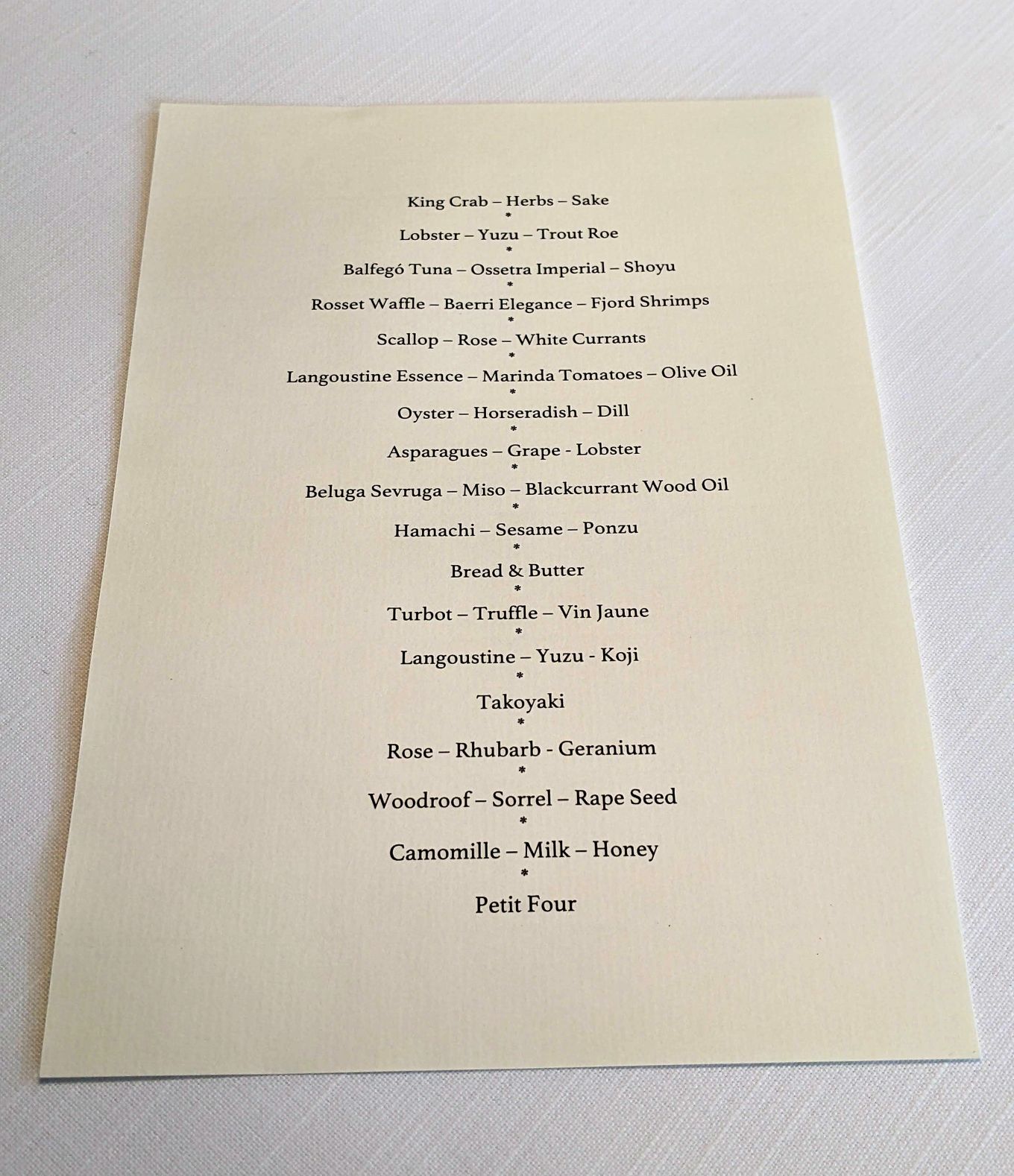
Beluga Sevruga Caviar, Miso, Black Currant Wood Oil
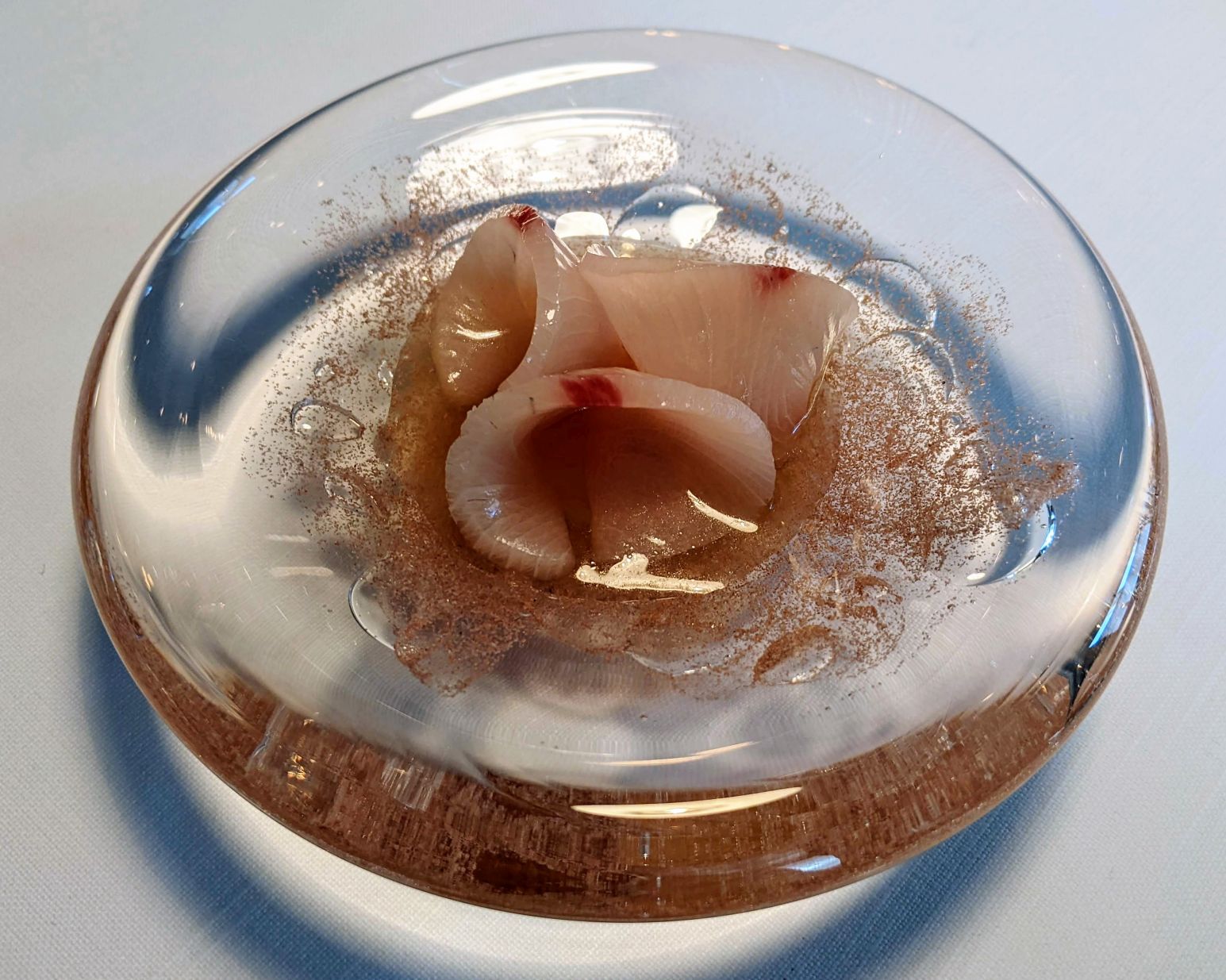
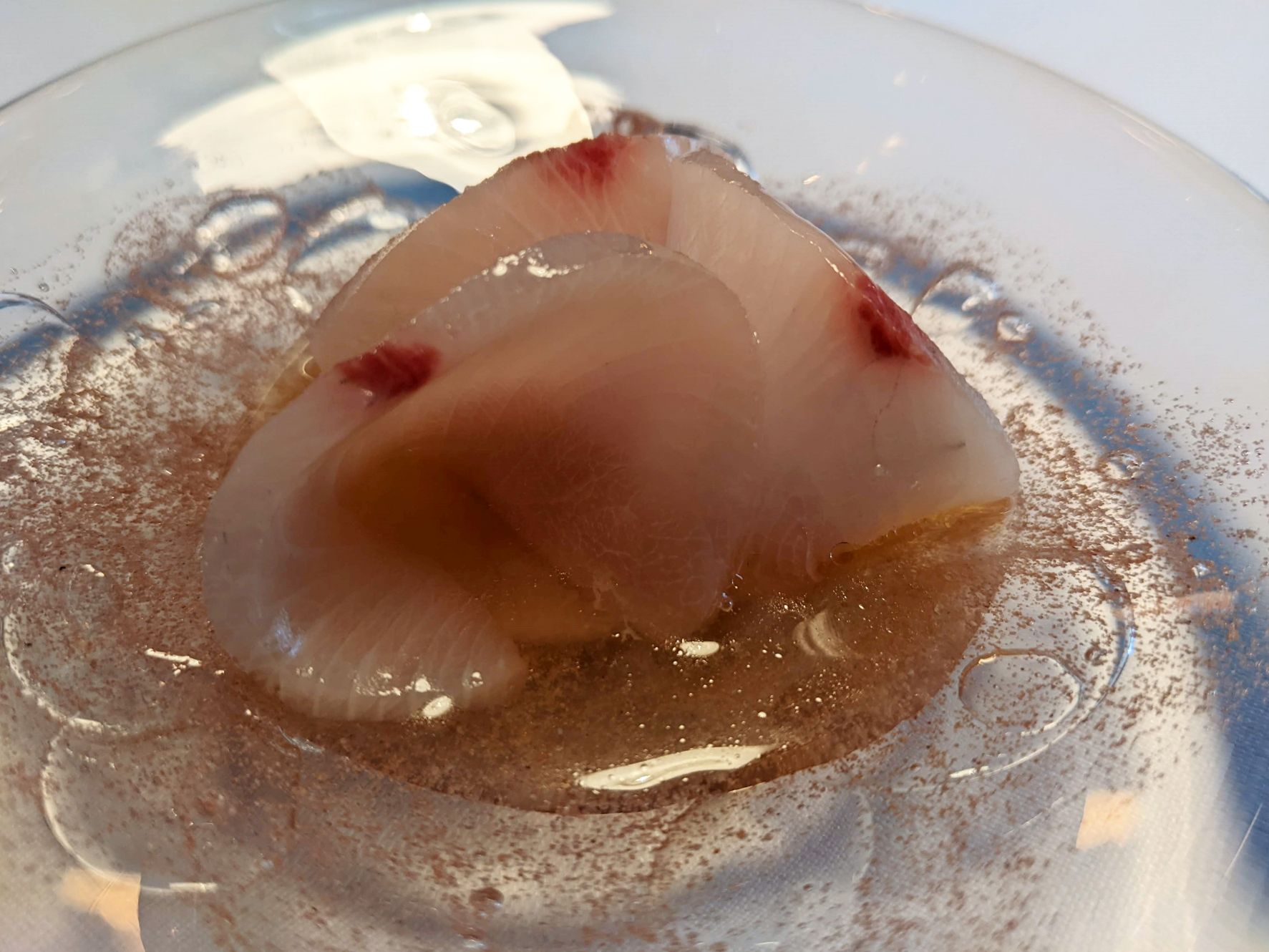
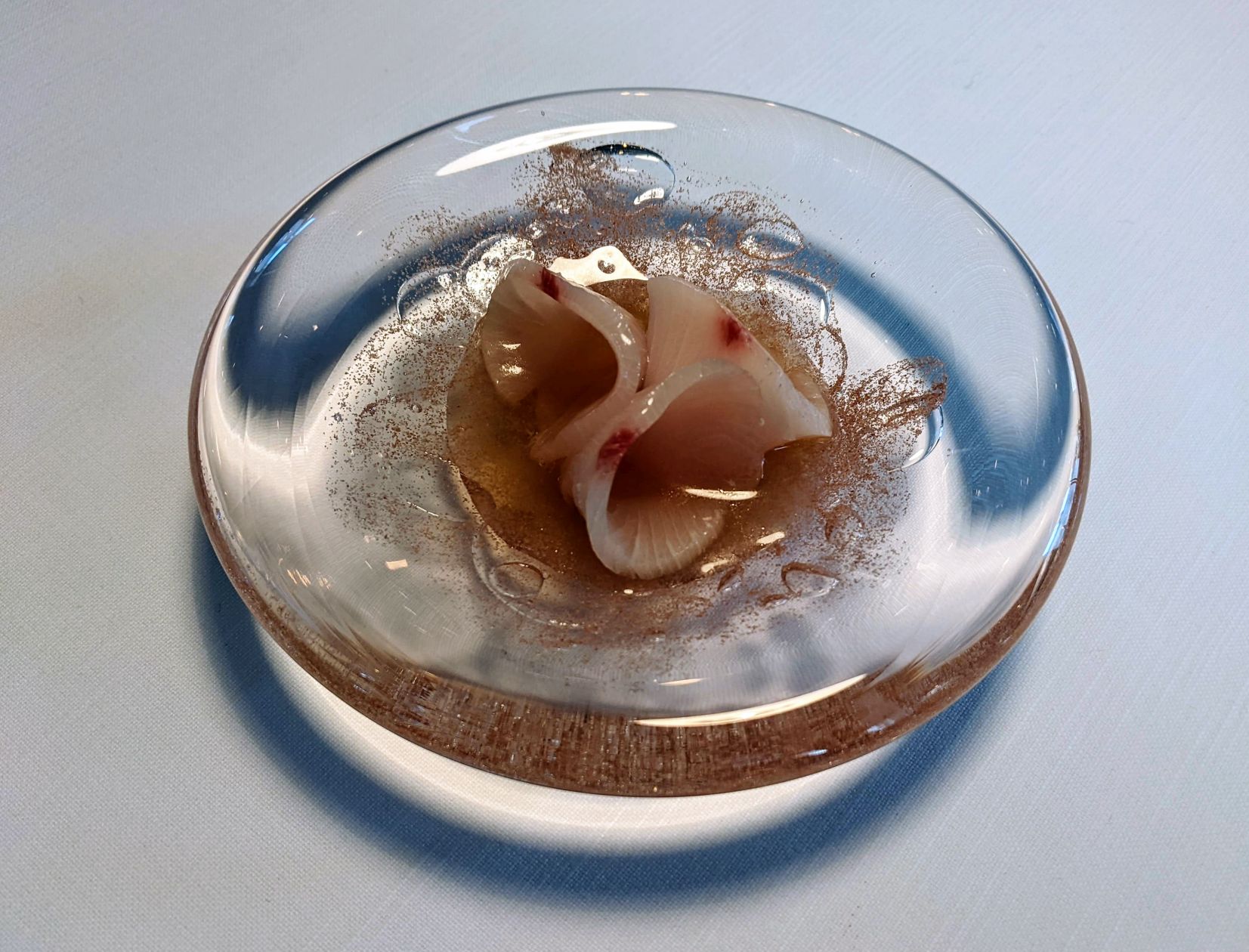
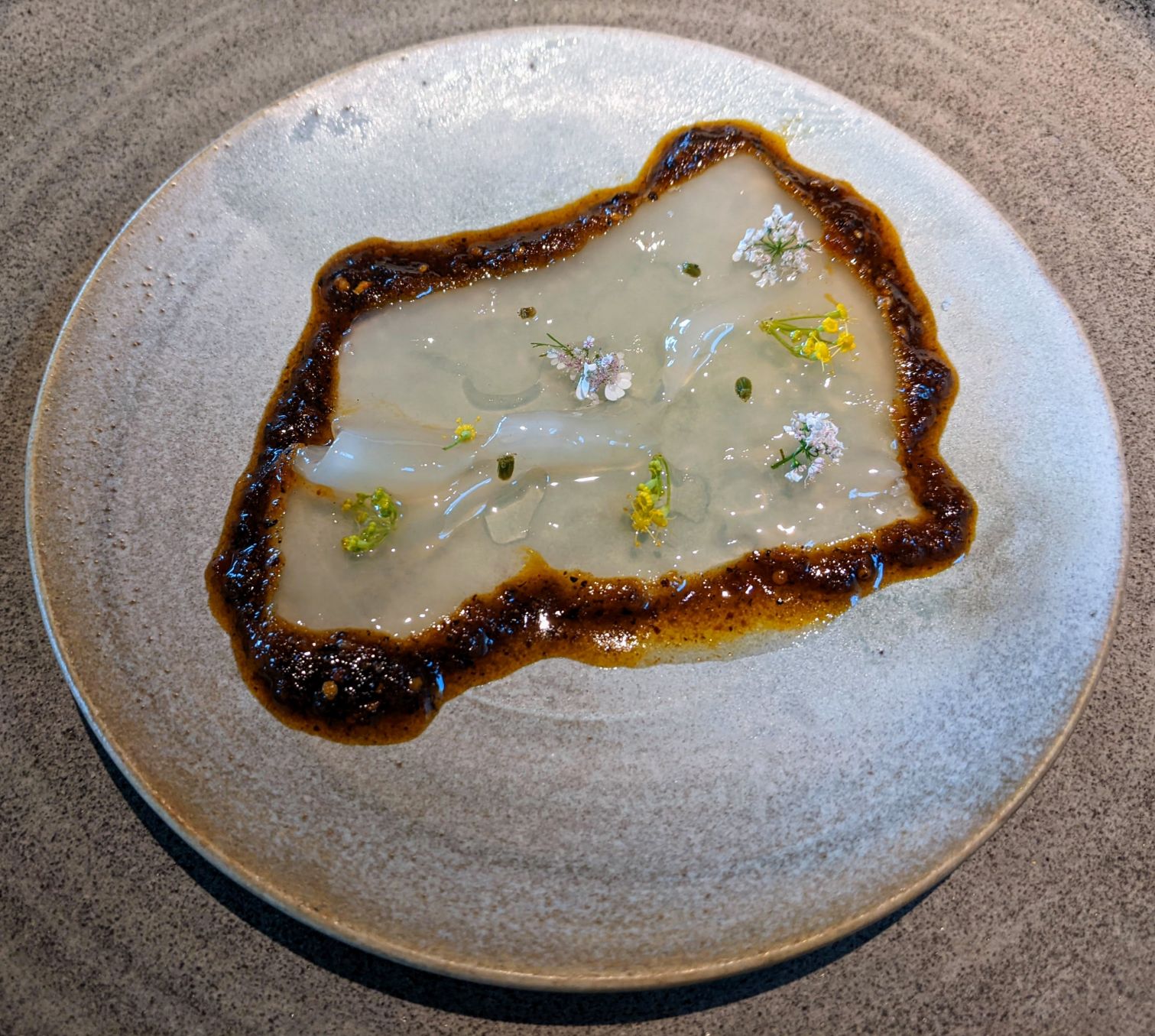
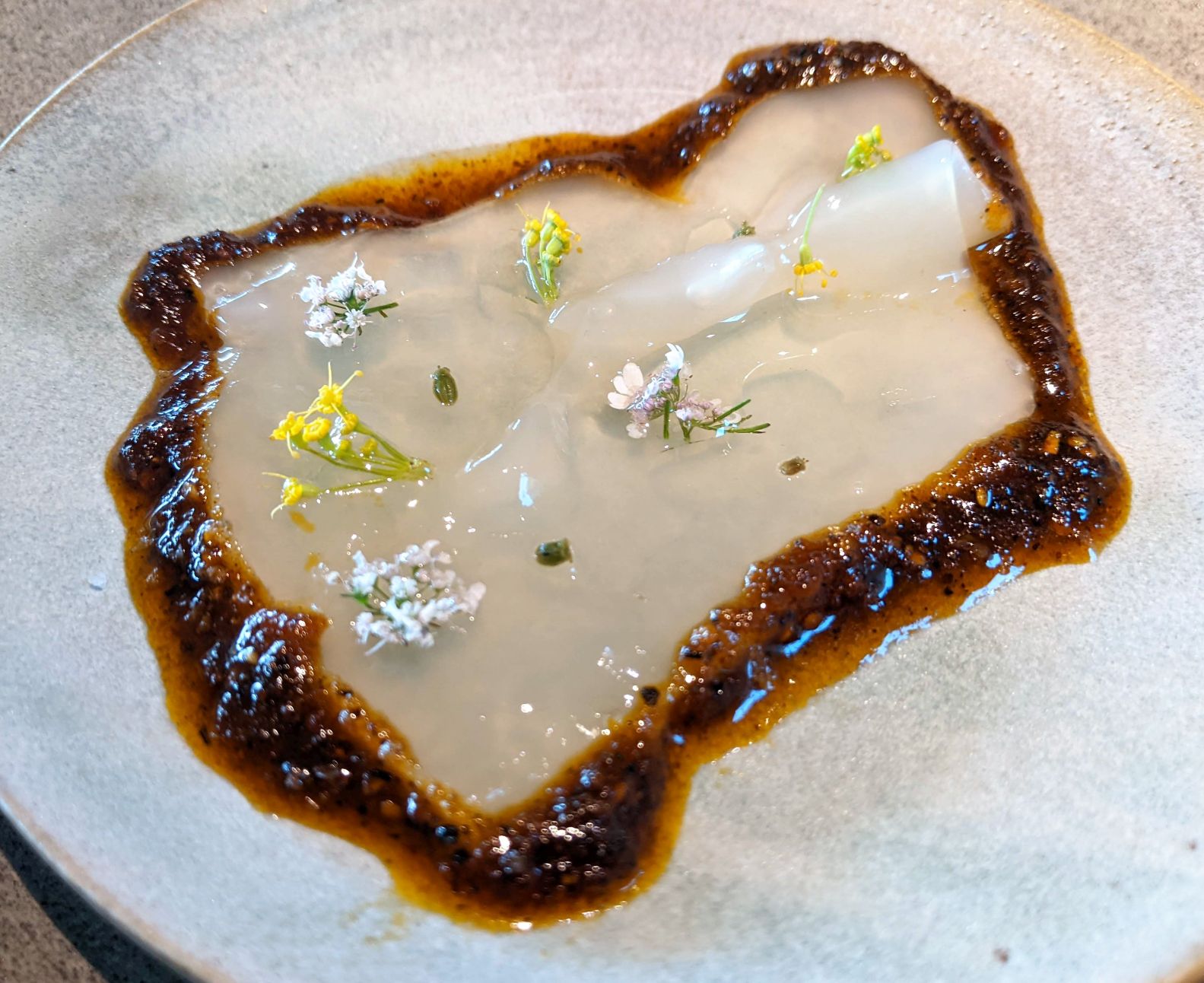
Hamachi, Sesame, Ponzu
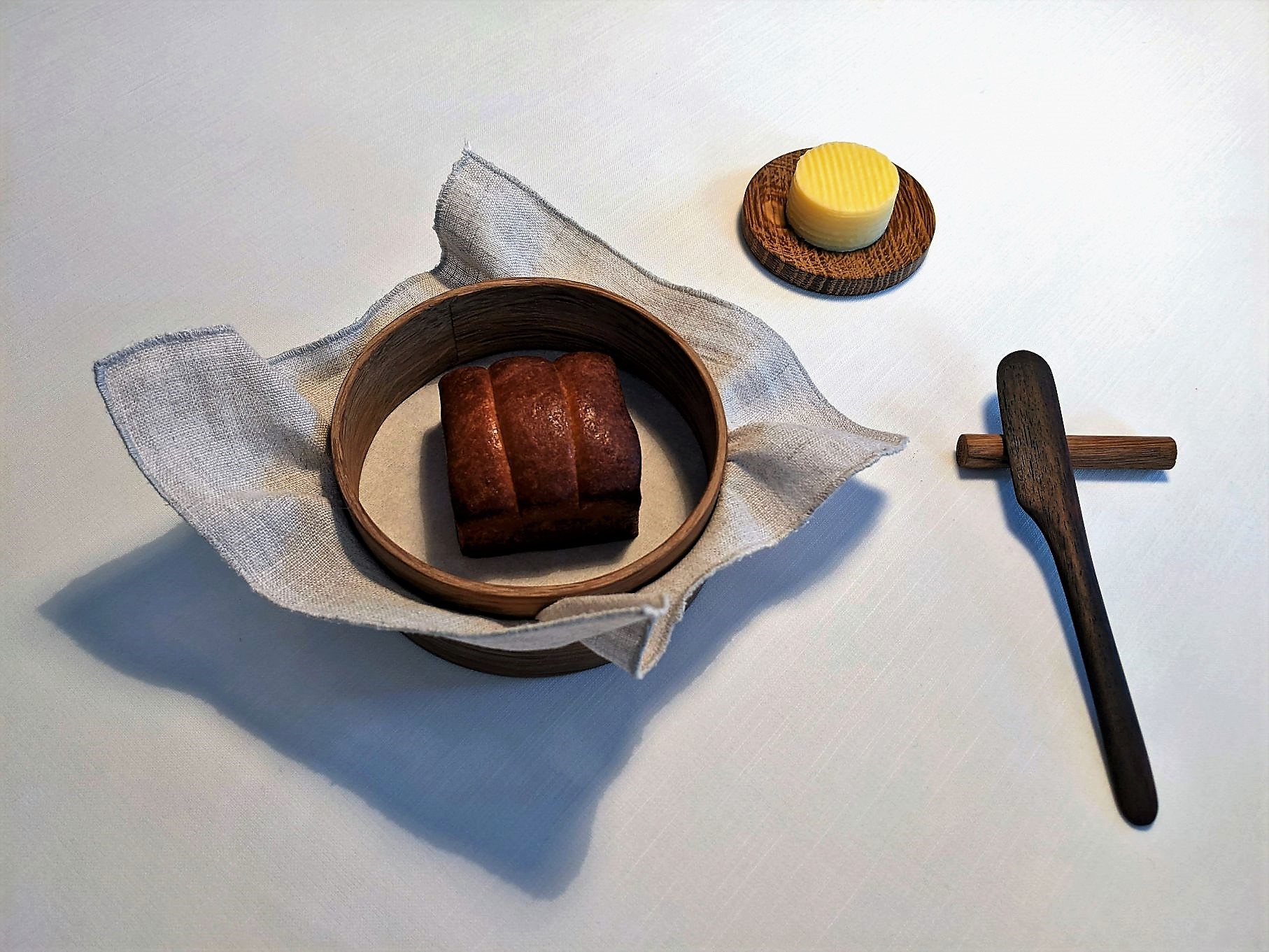
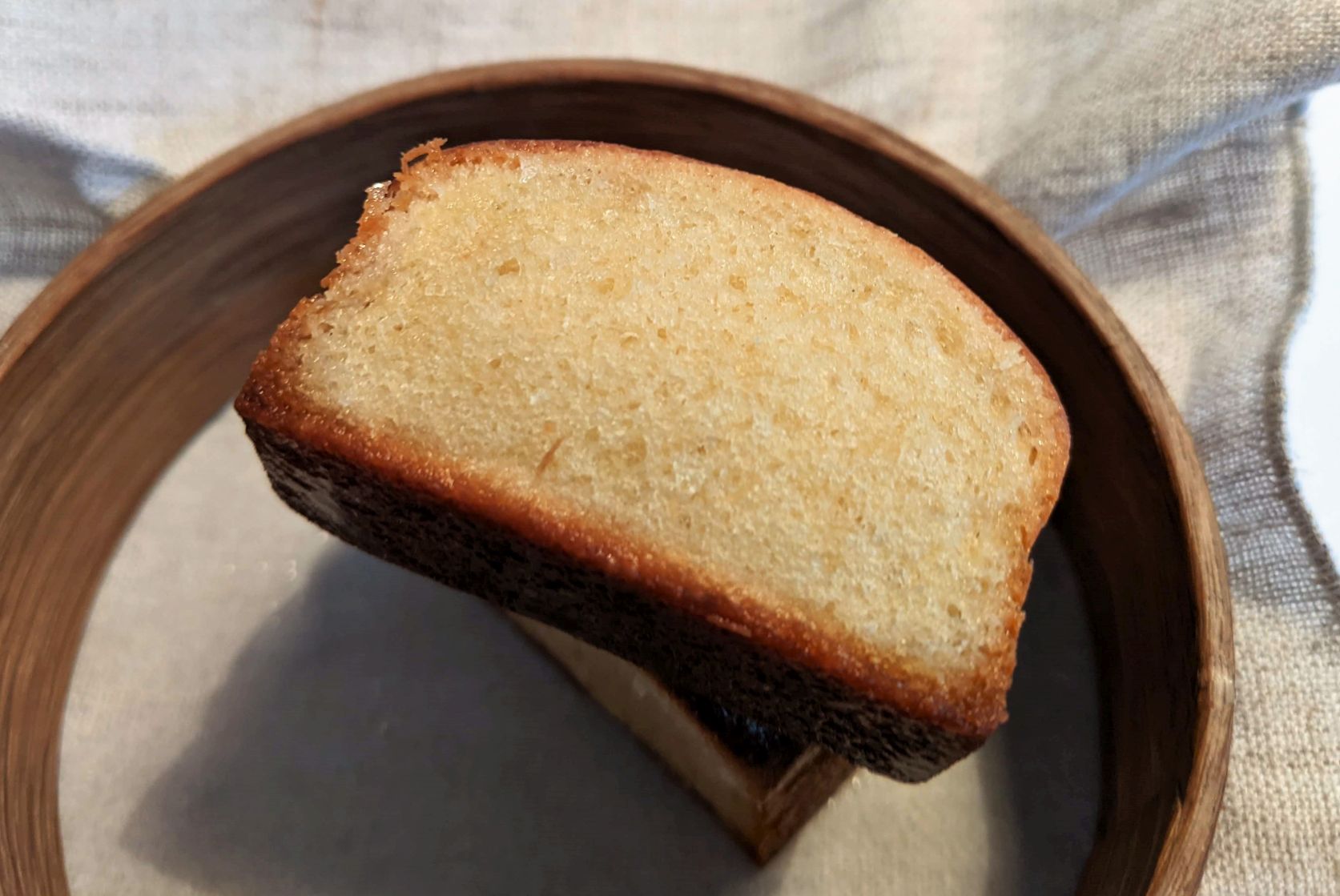
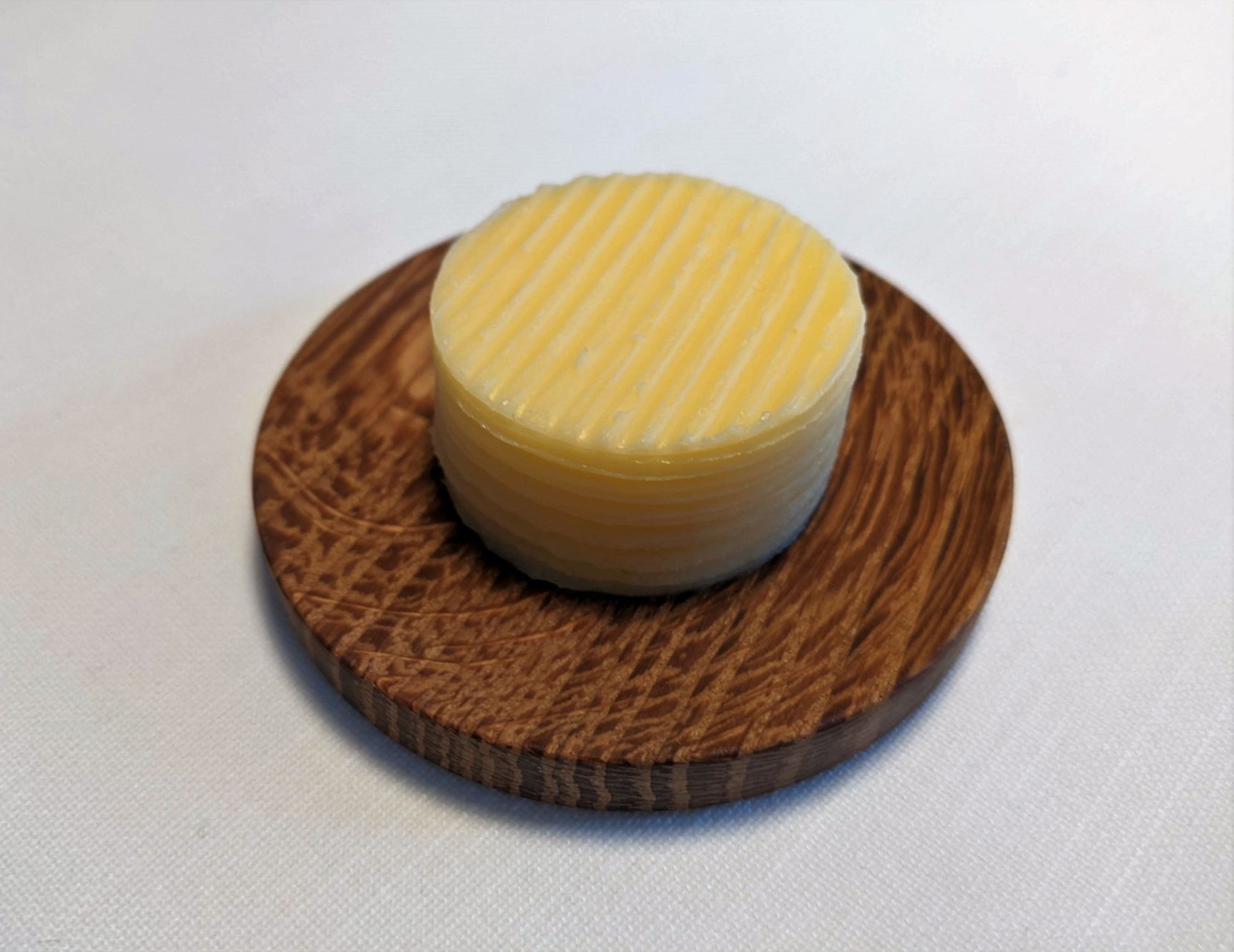
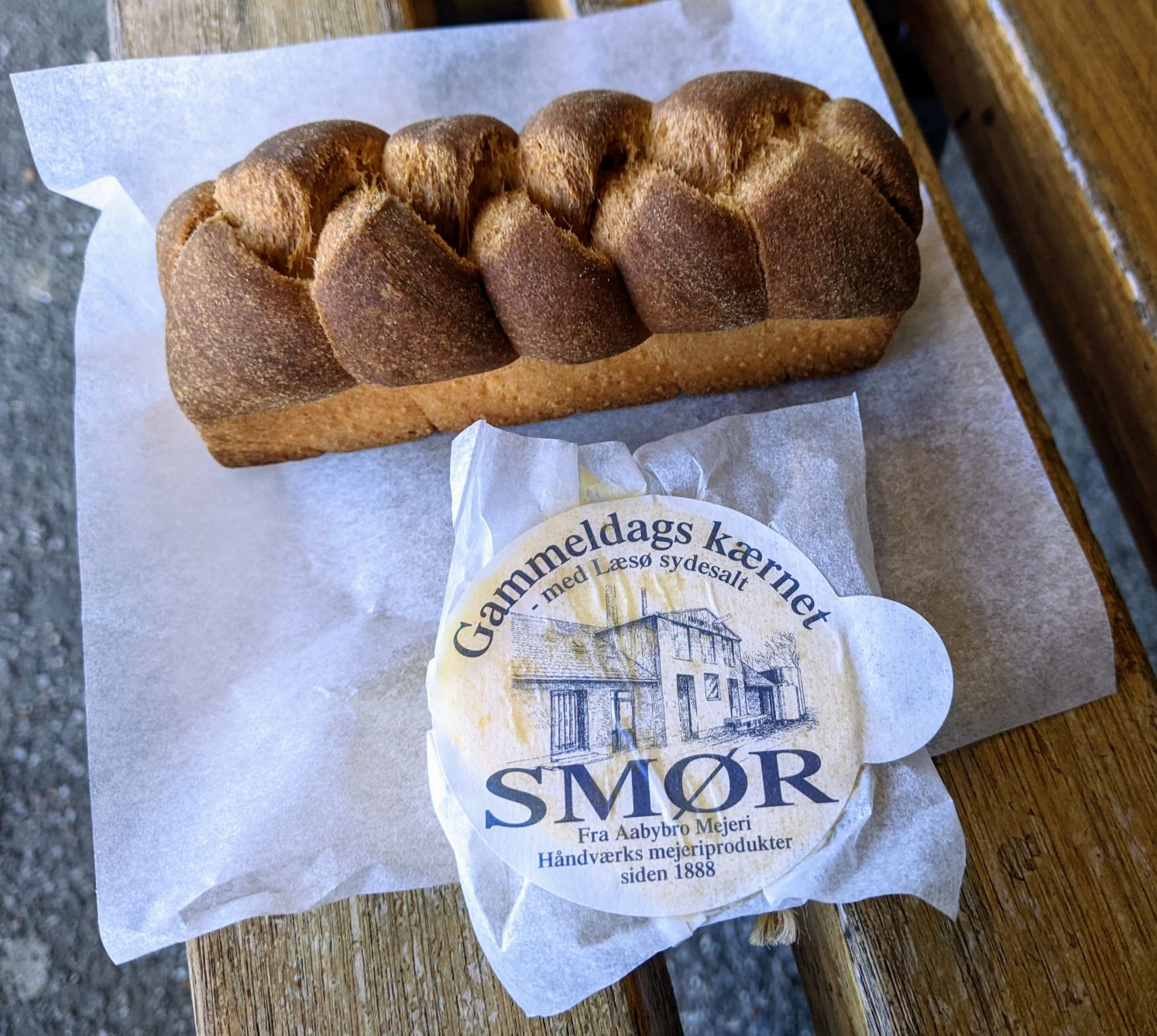
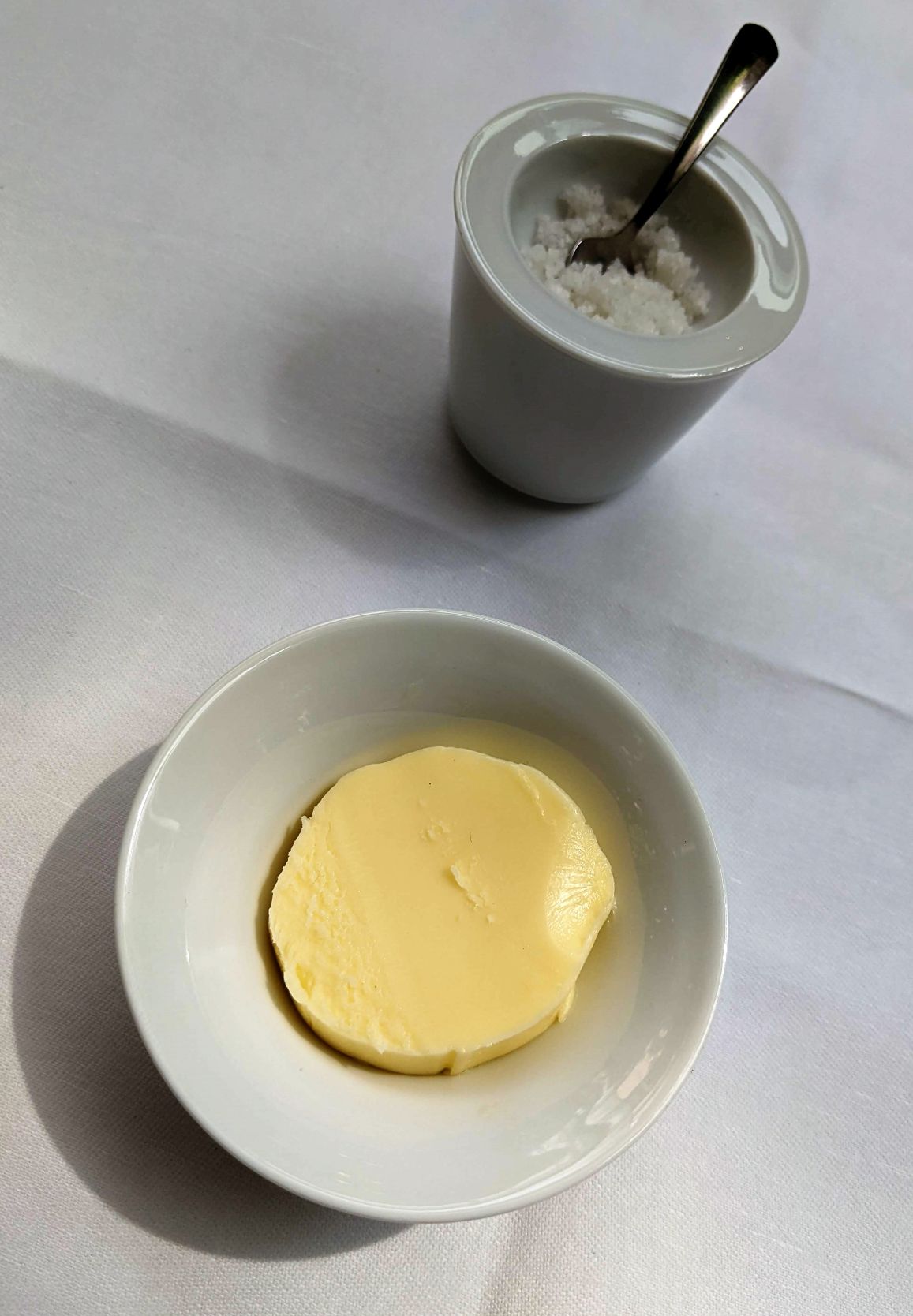
Milk Bread, Butter
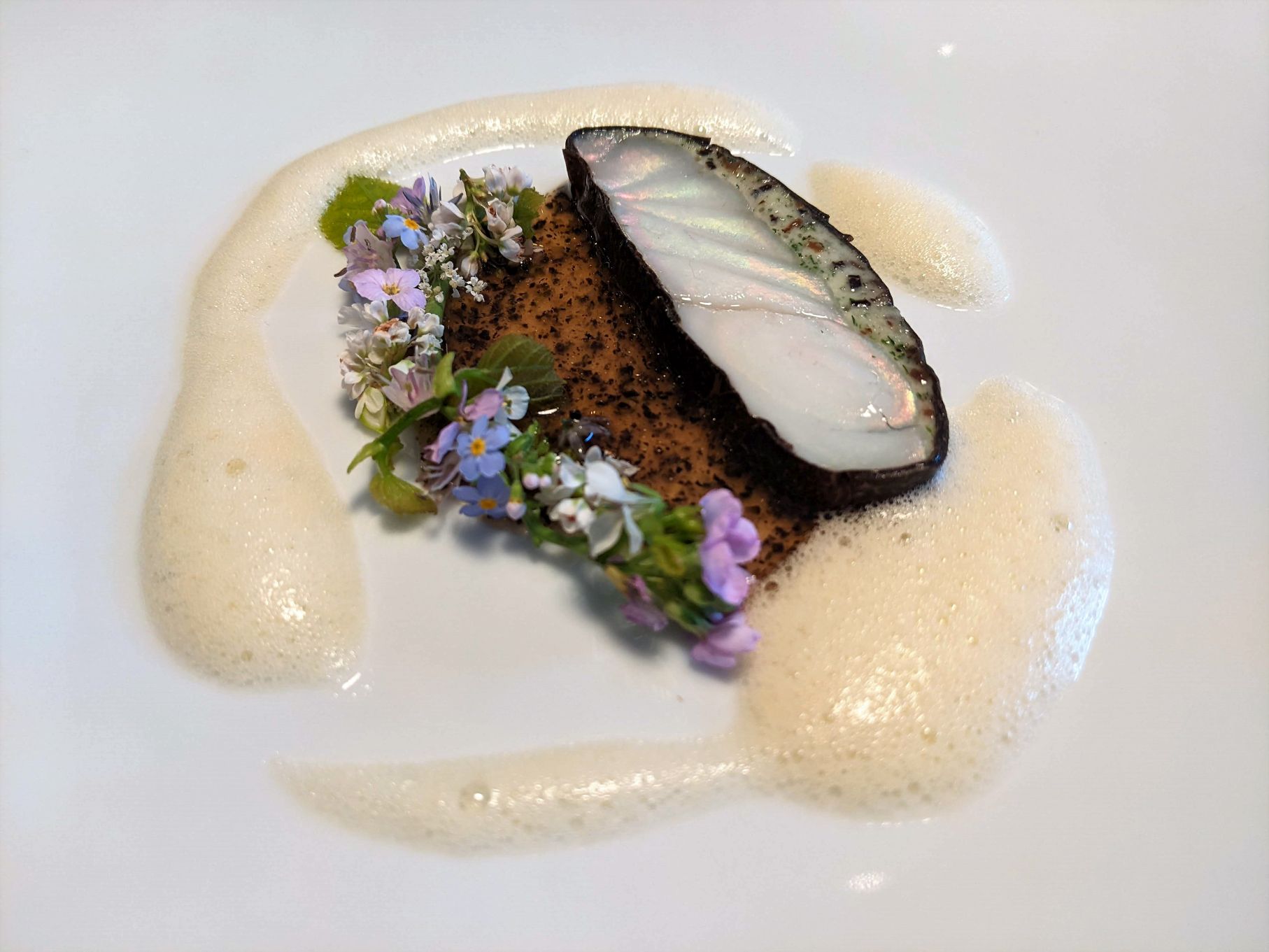
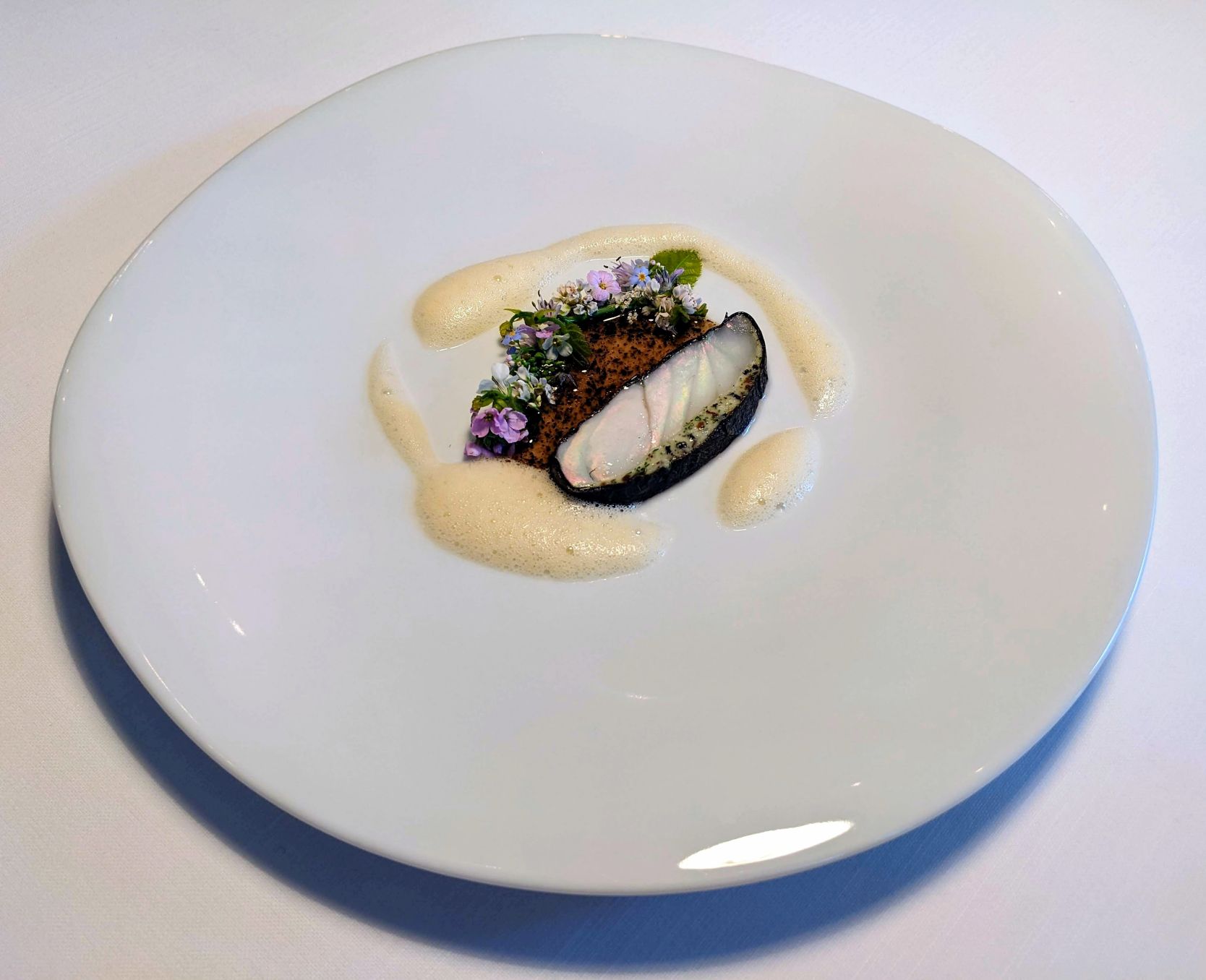
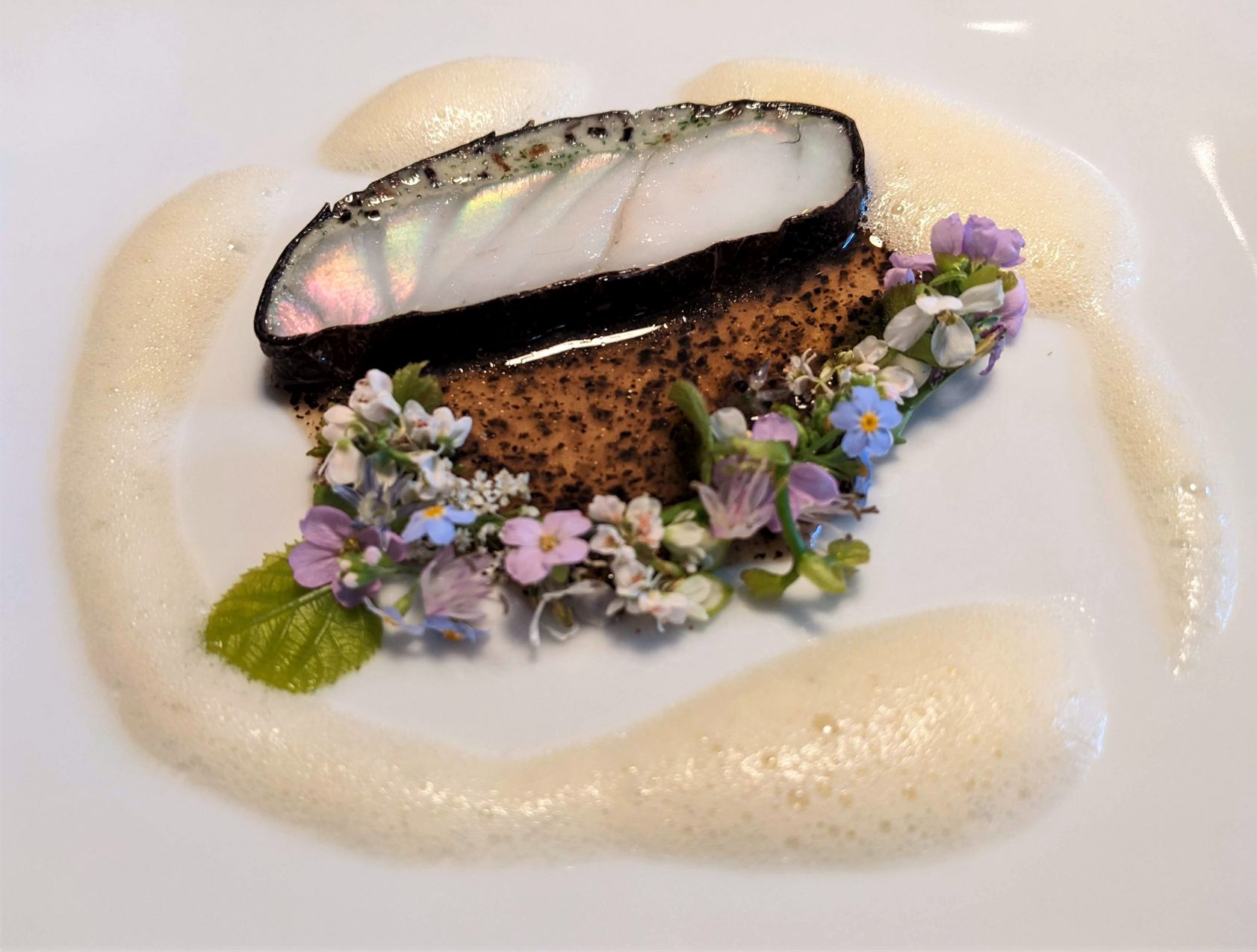
Turbot, Truffle, Vin Jaune
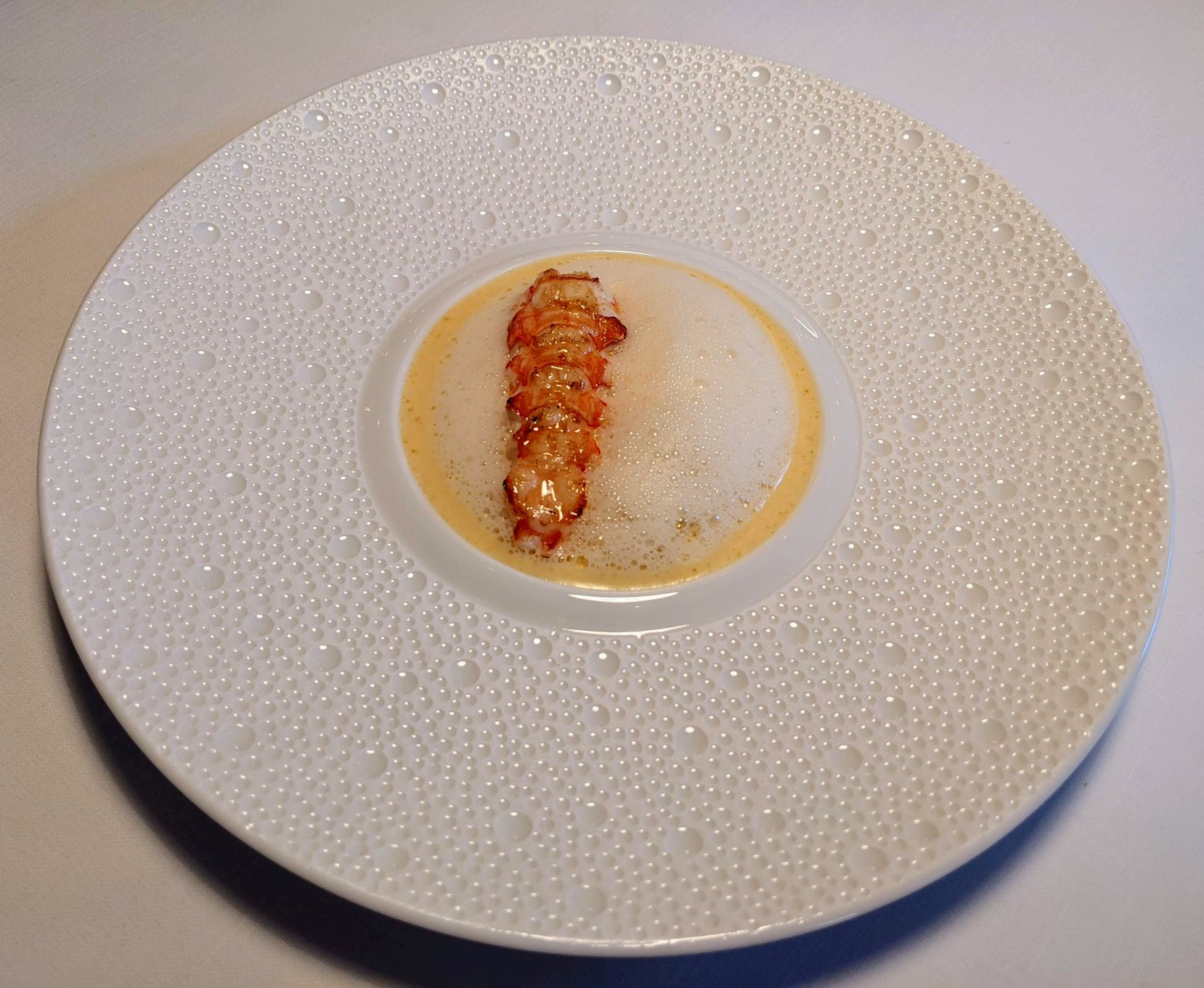
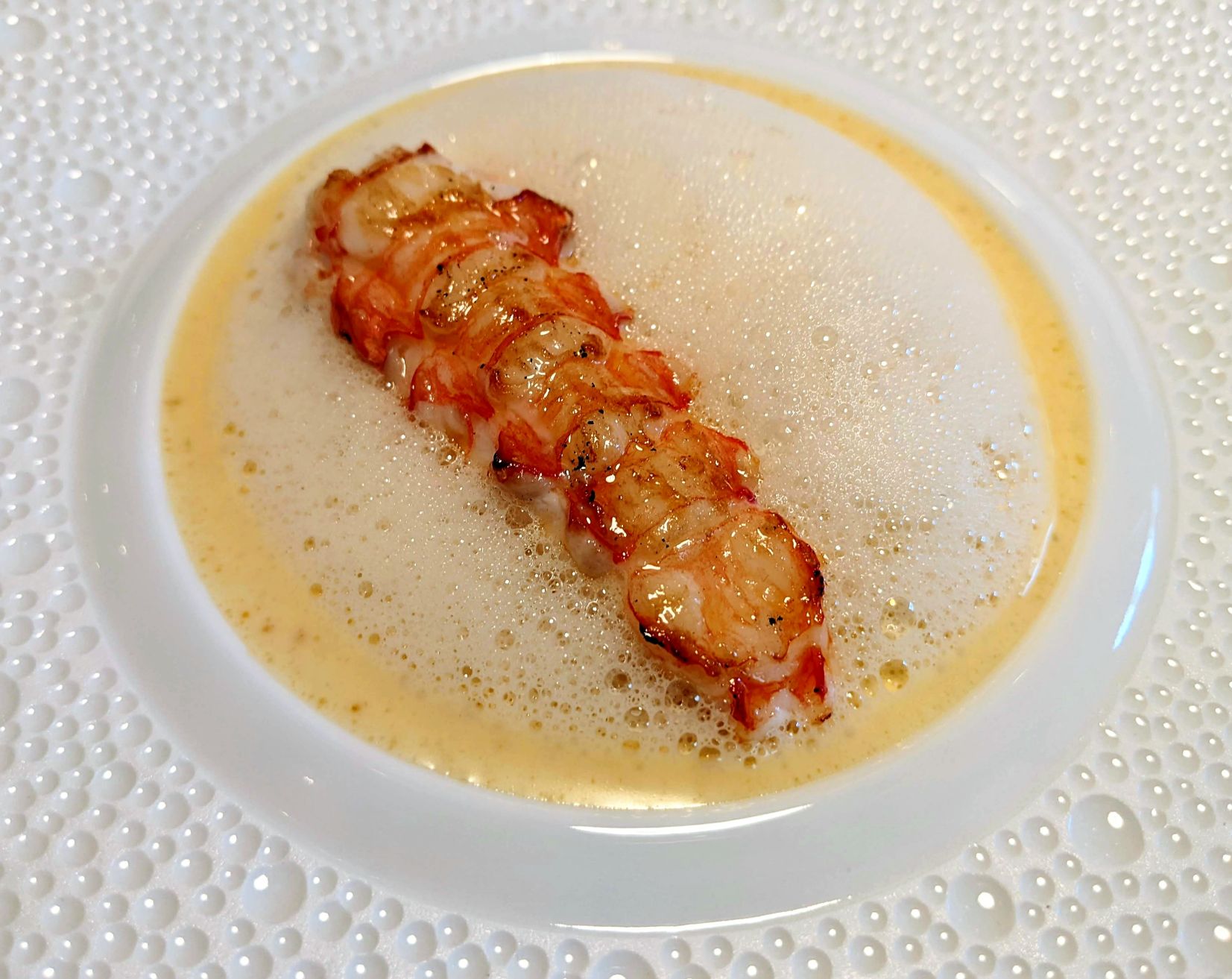
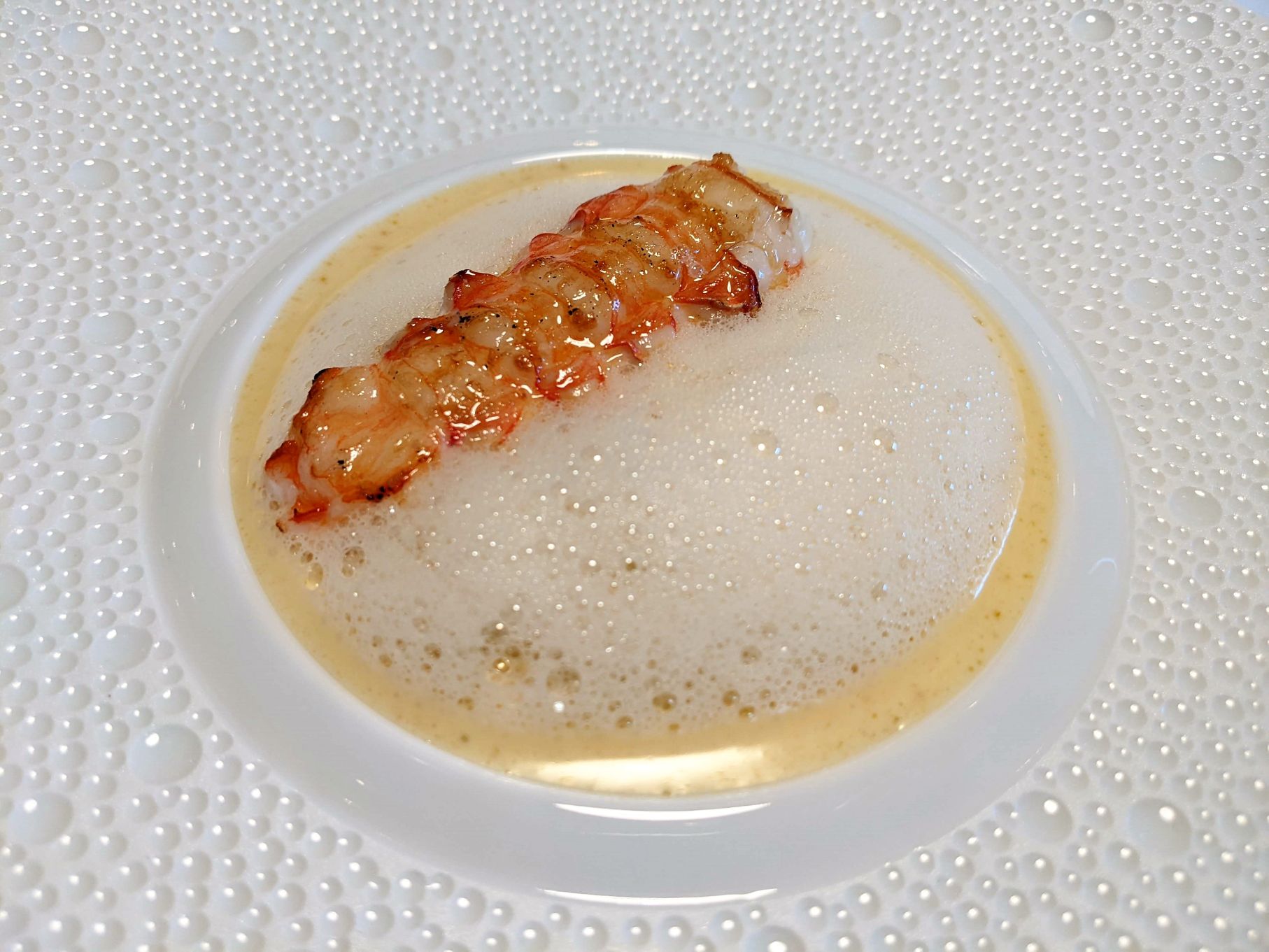
Langoustine, Yuzu, Koji
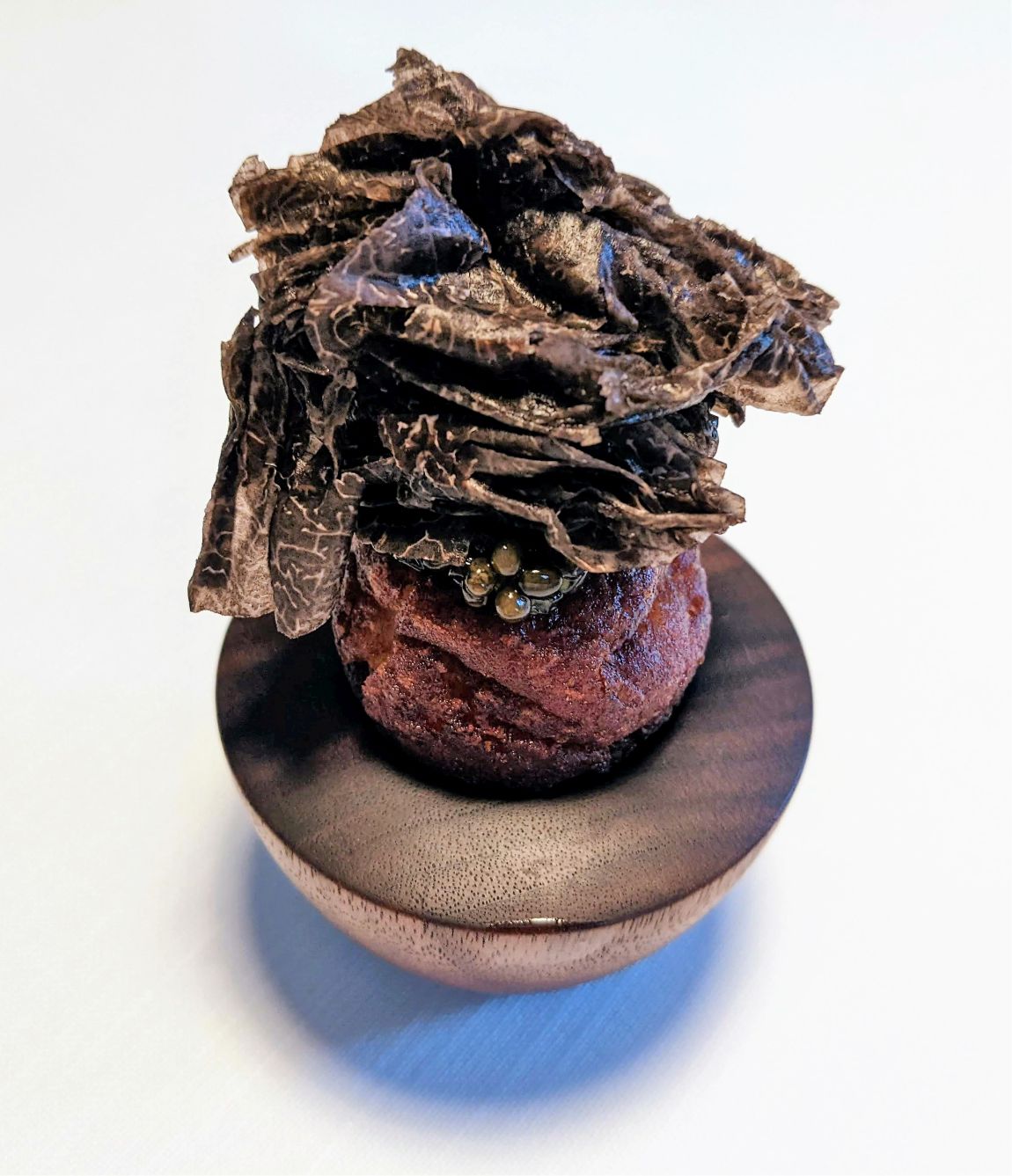
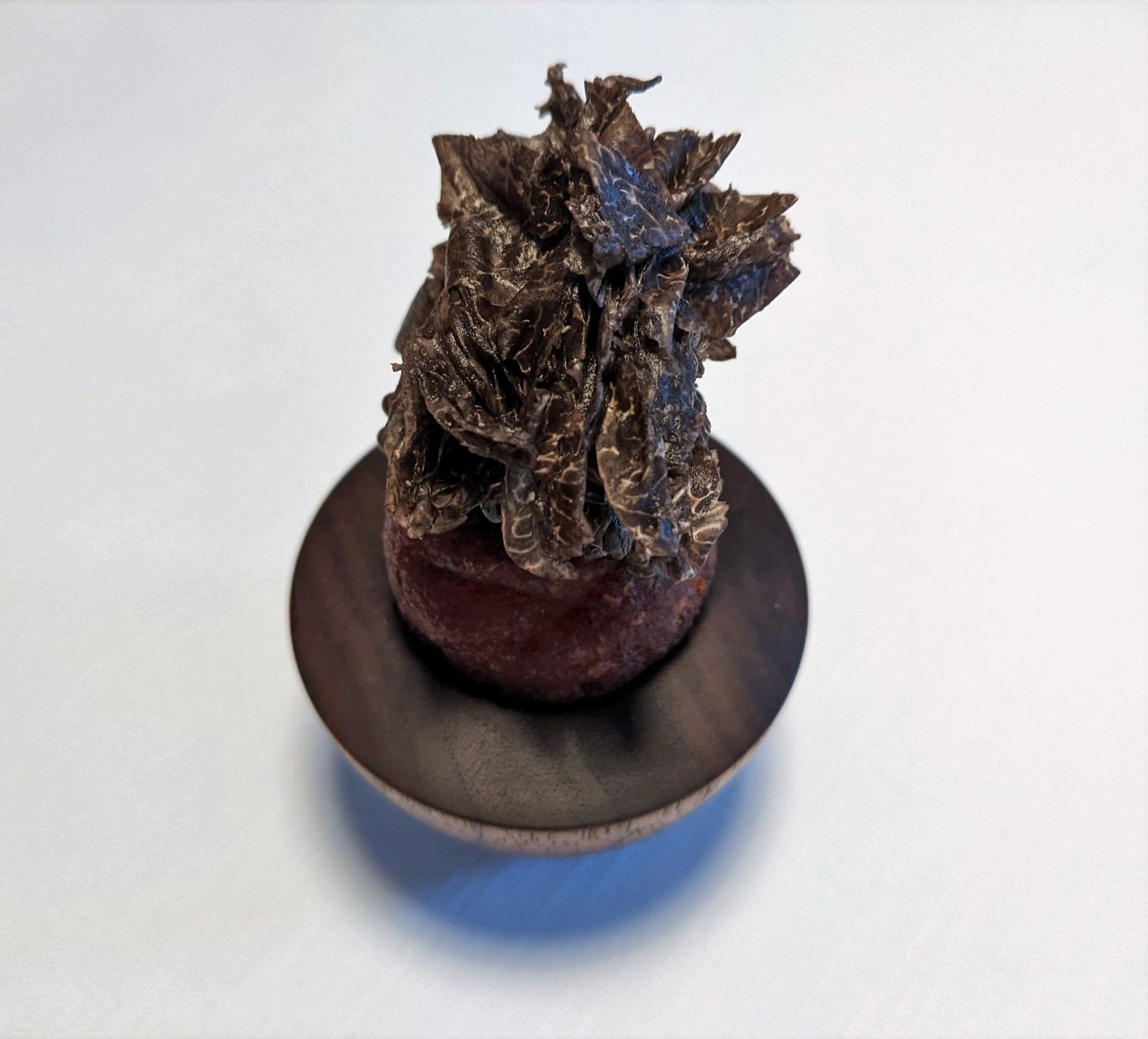
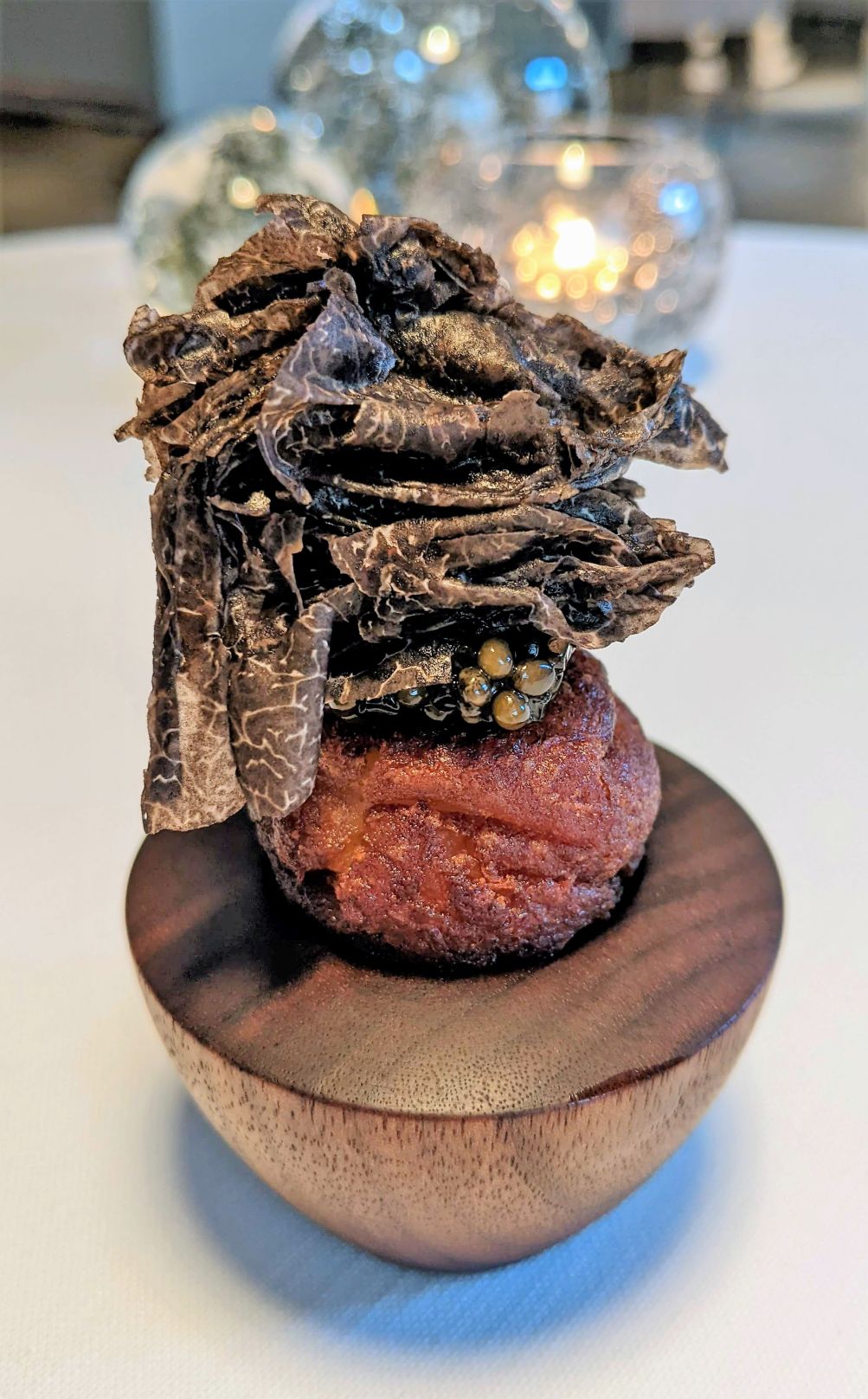
Takoyaki, Ossetra Caviar, Truffle
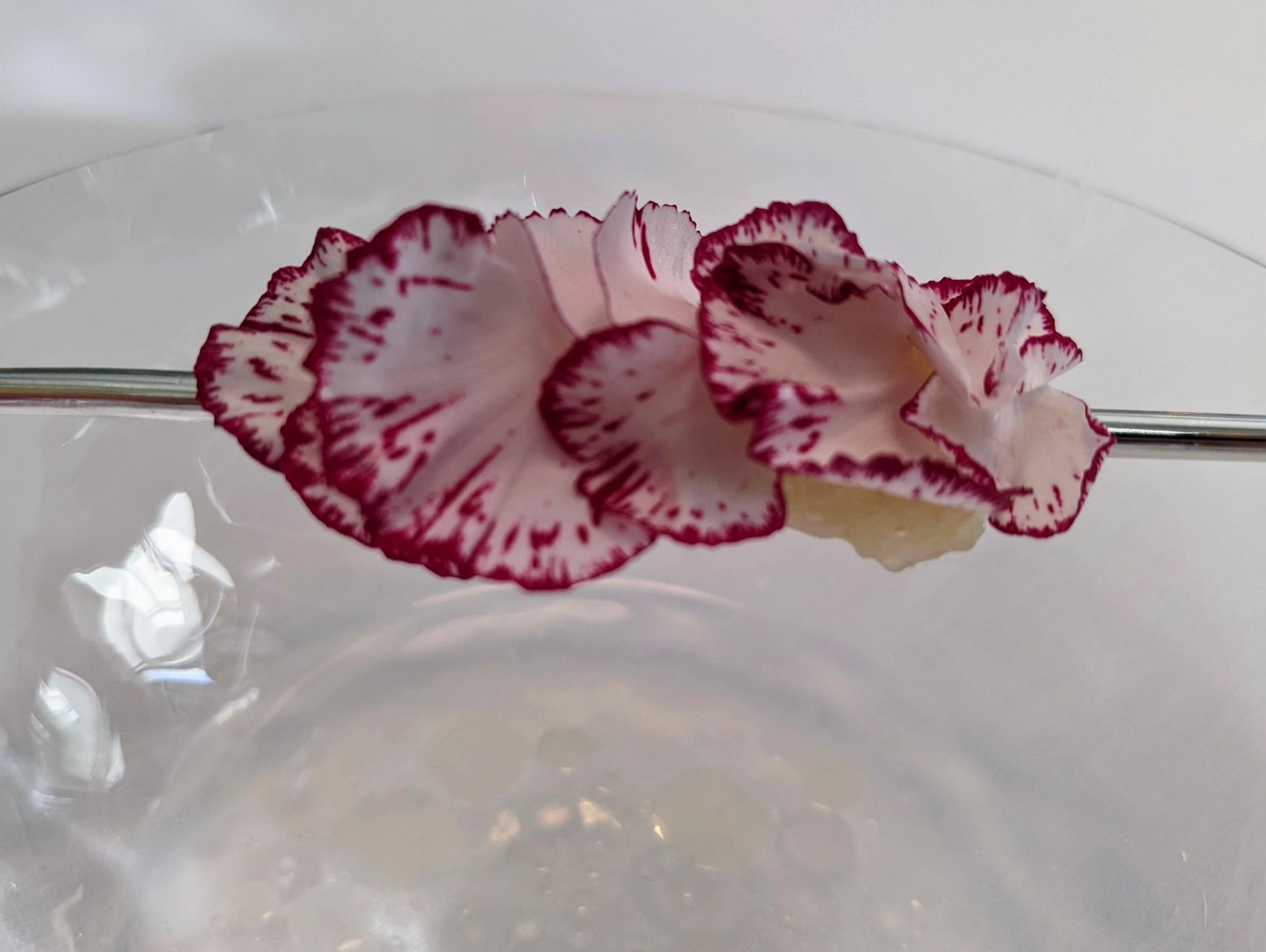
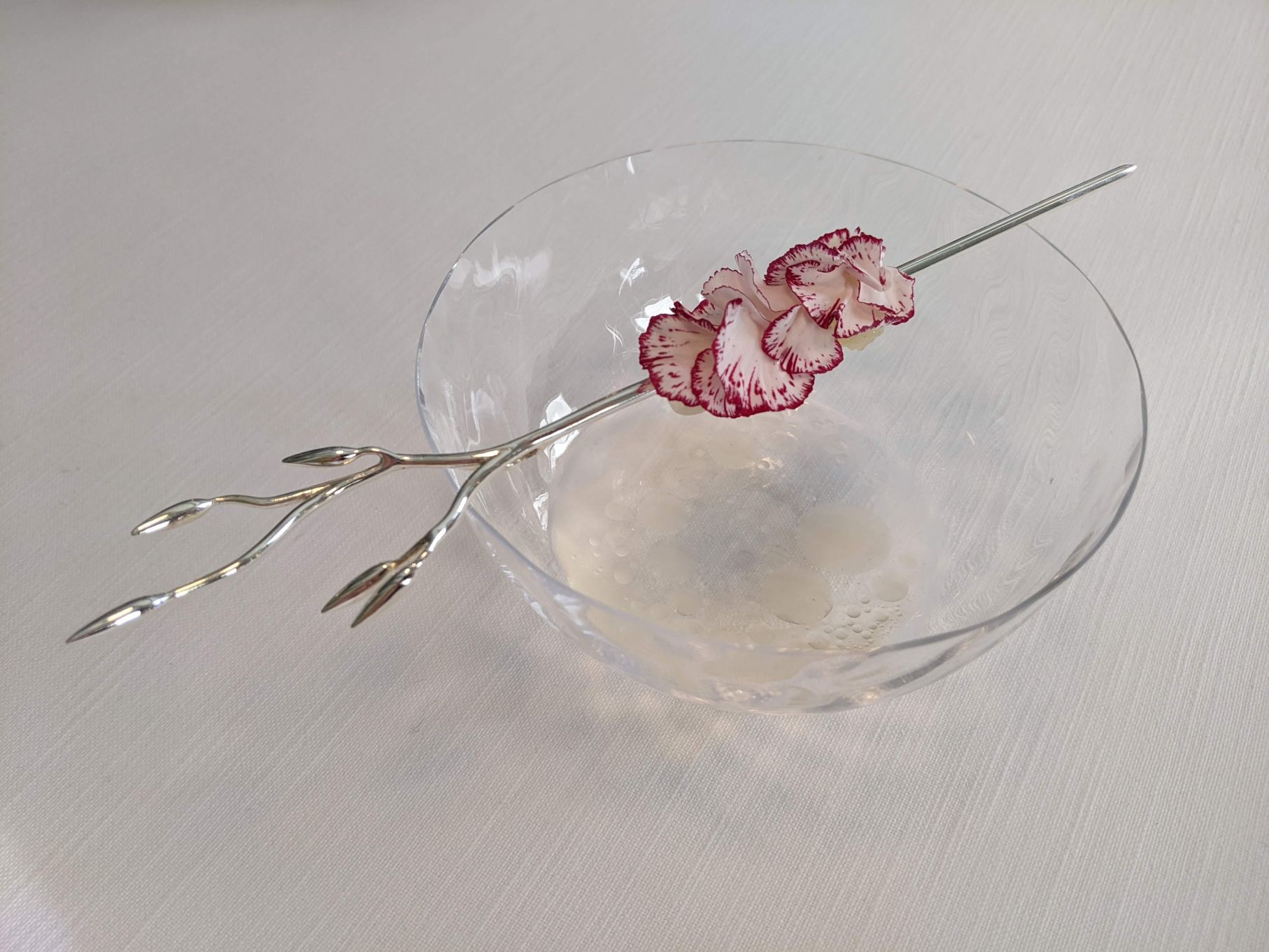
Rose, Rhubarb, Geranium
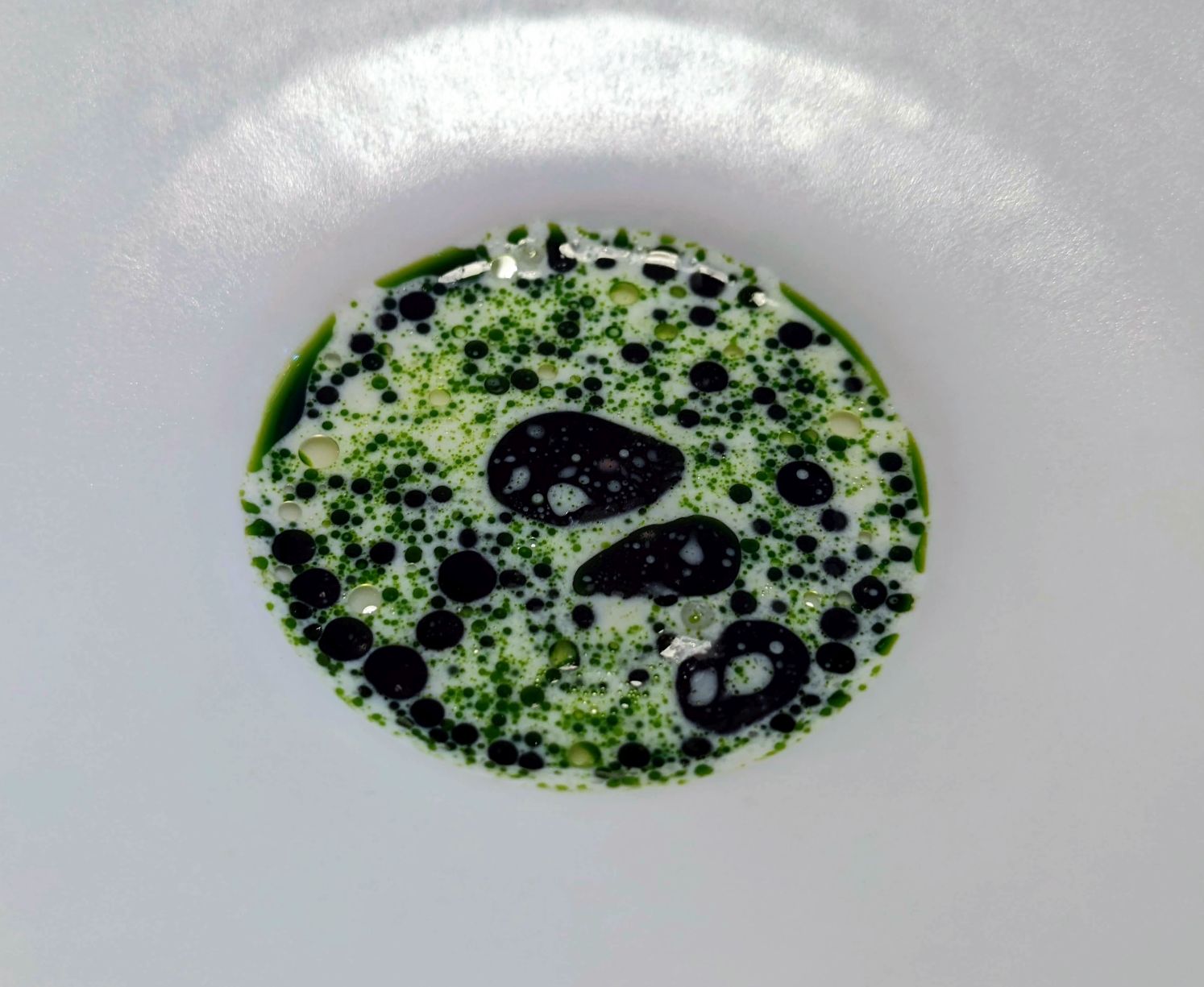
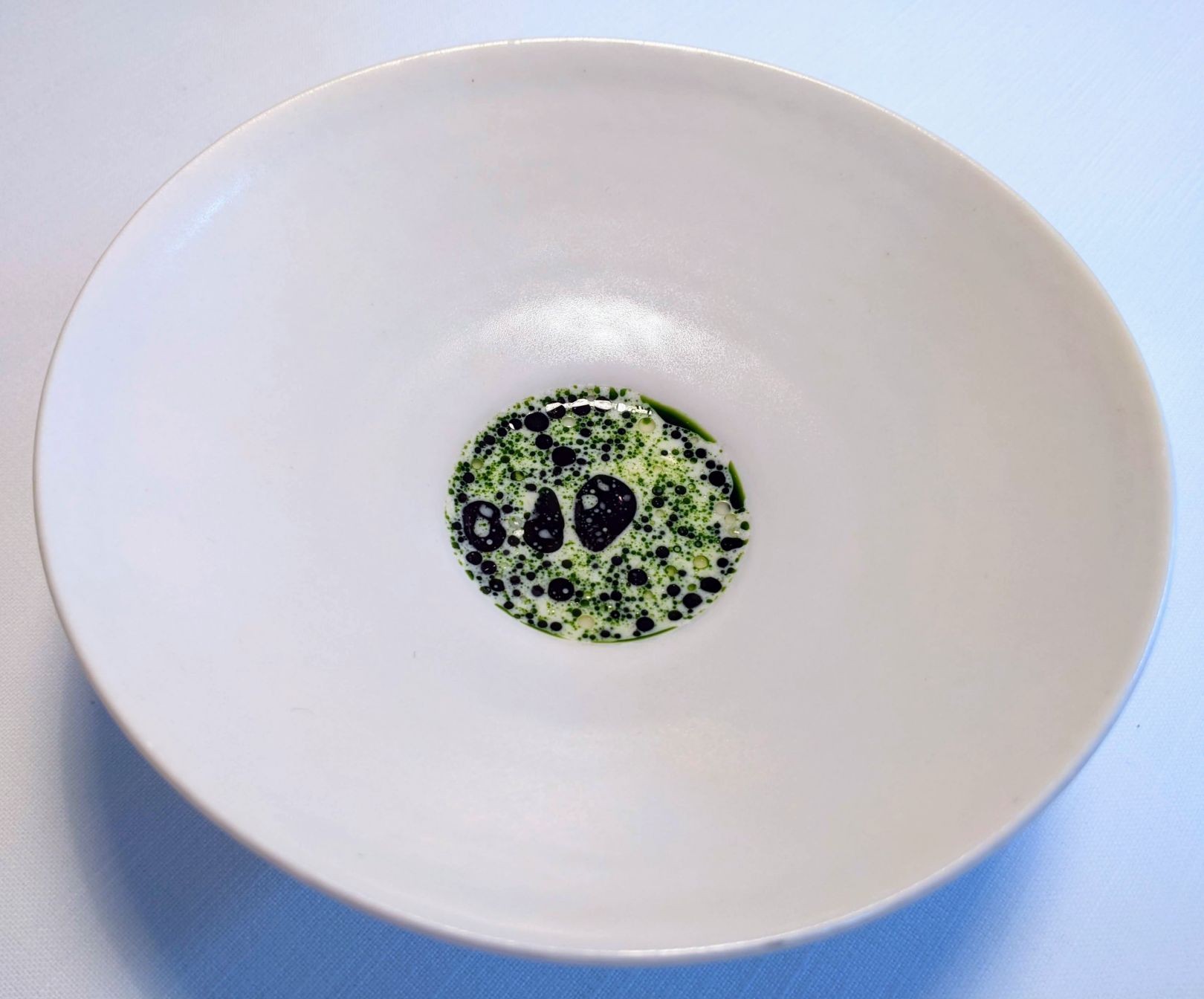
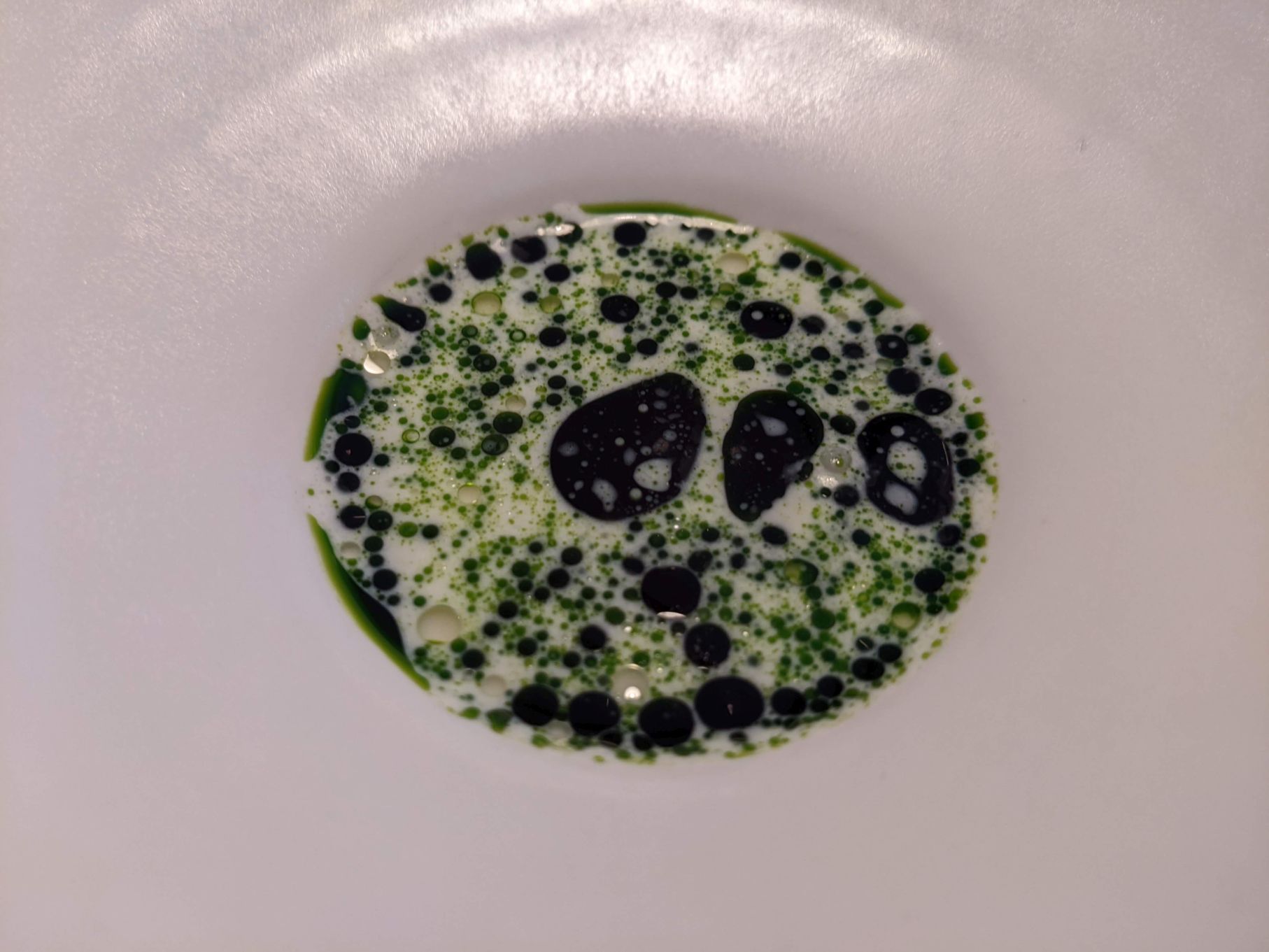
Woodruff, Sorrel, Rape Seed
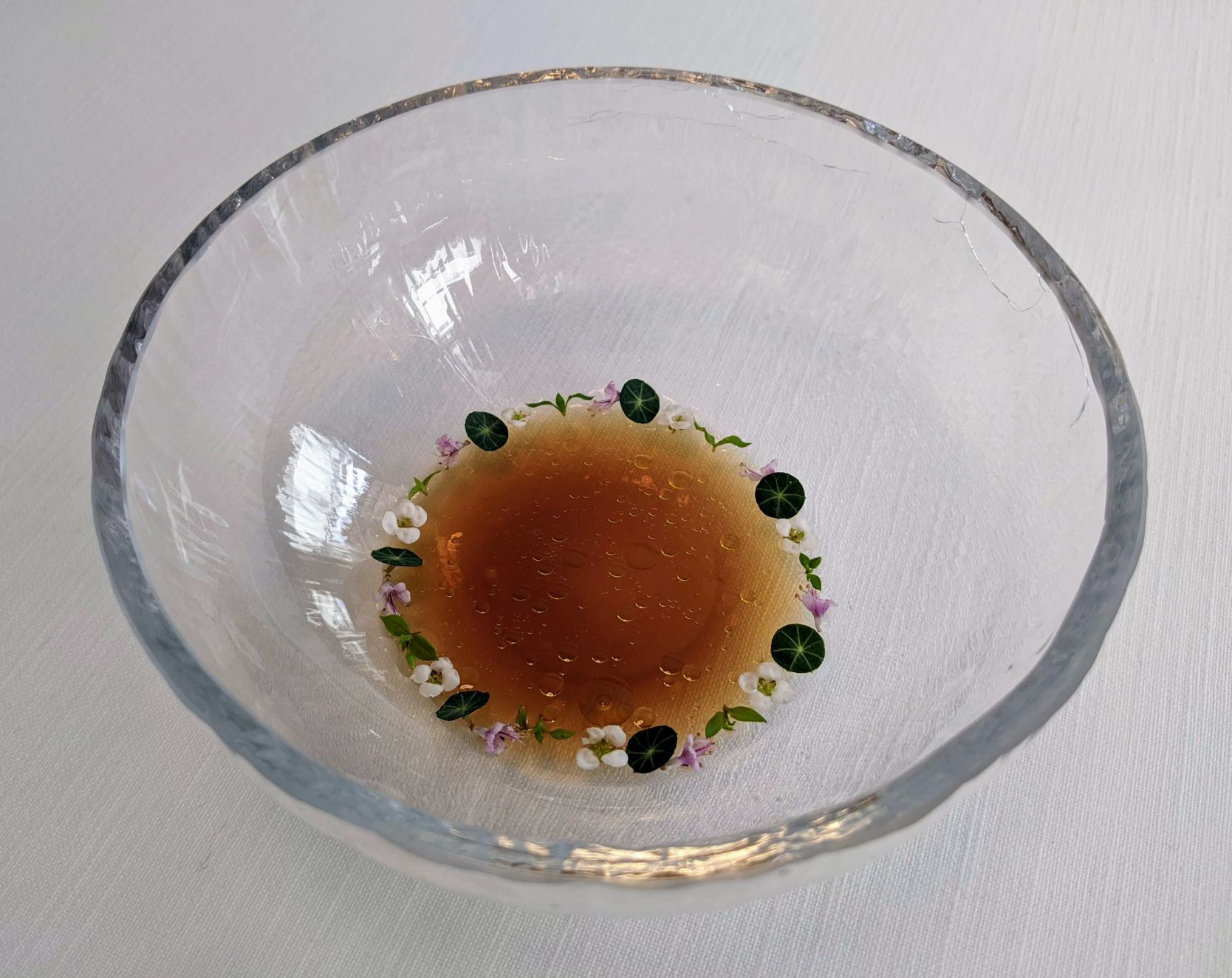
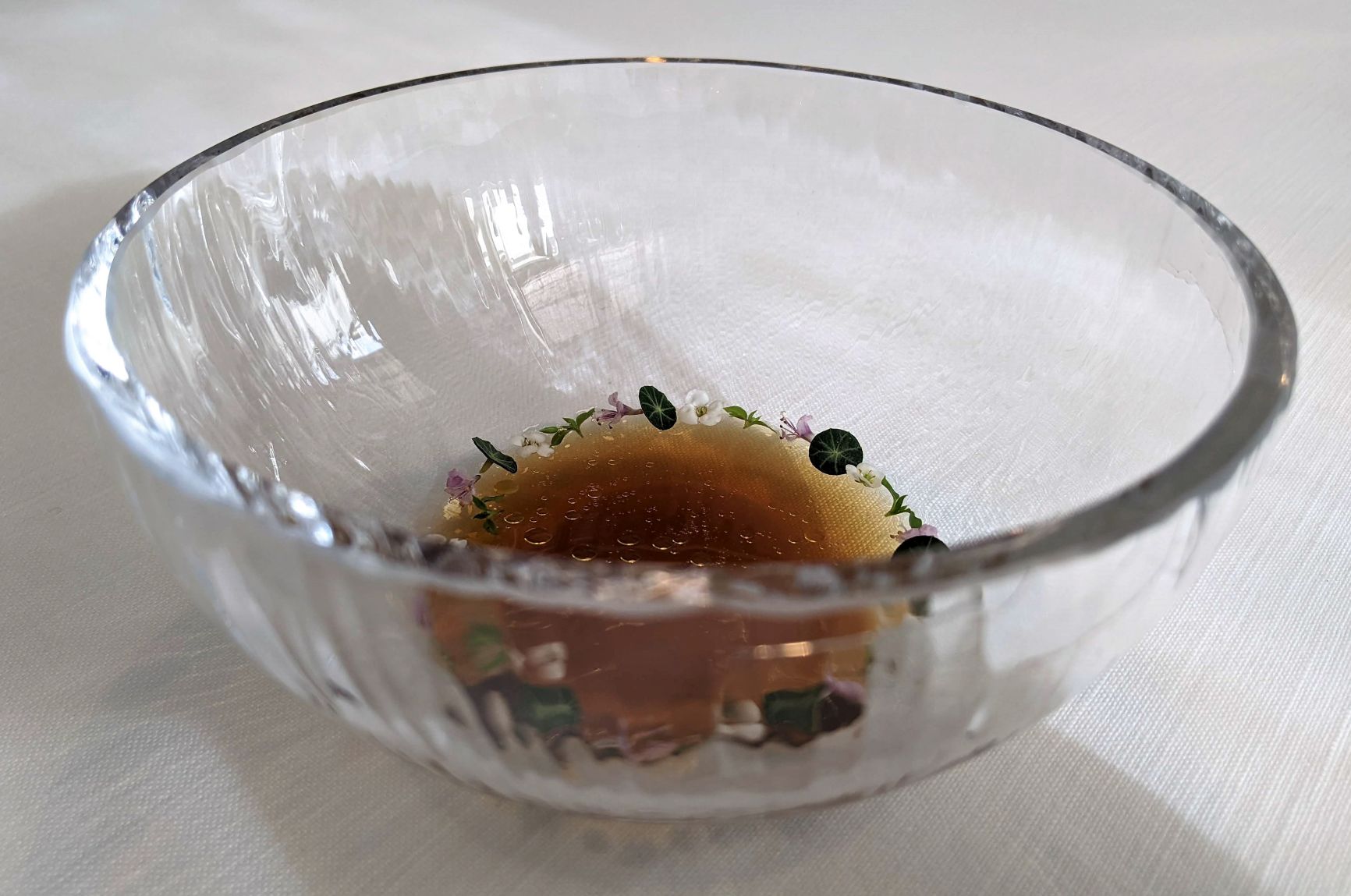
Chamomile, Milk, Honey
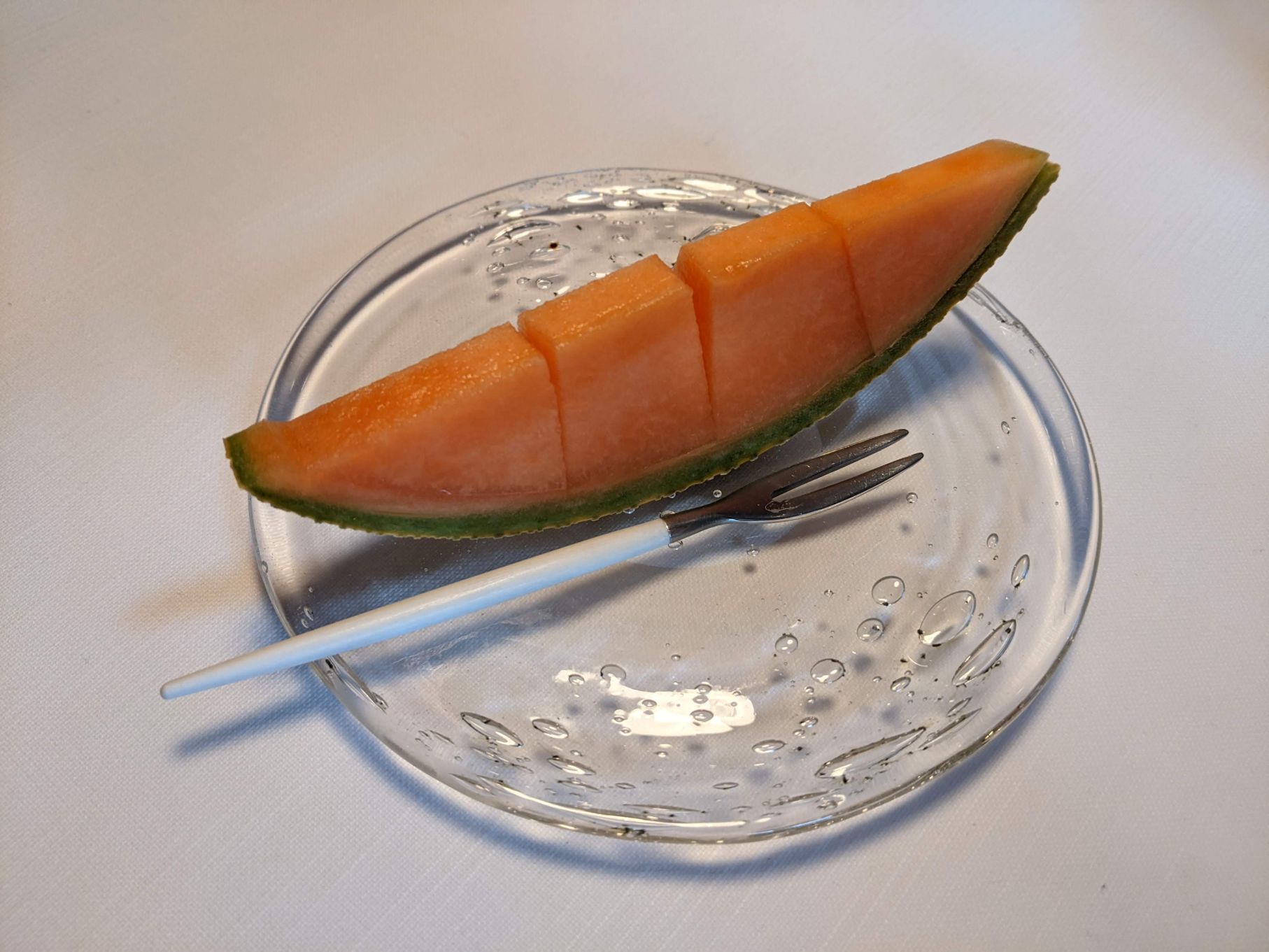
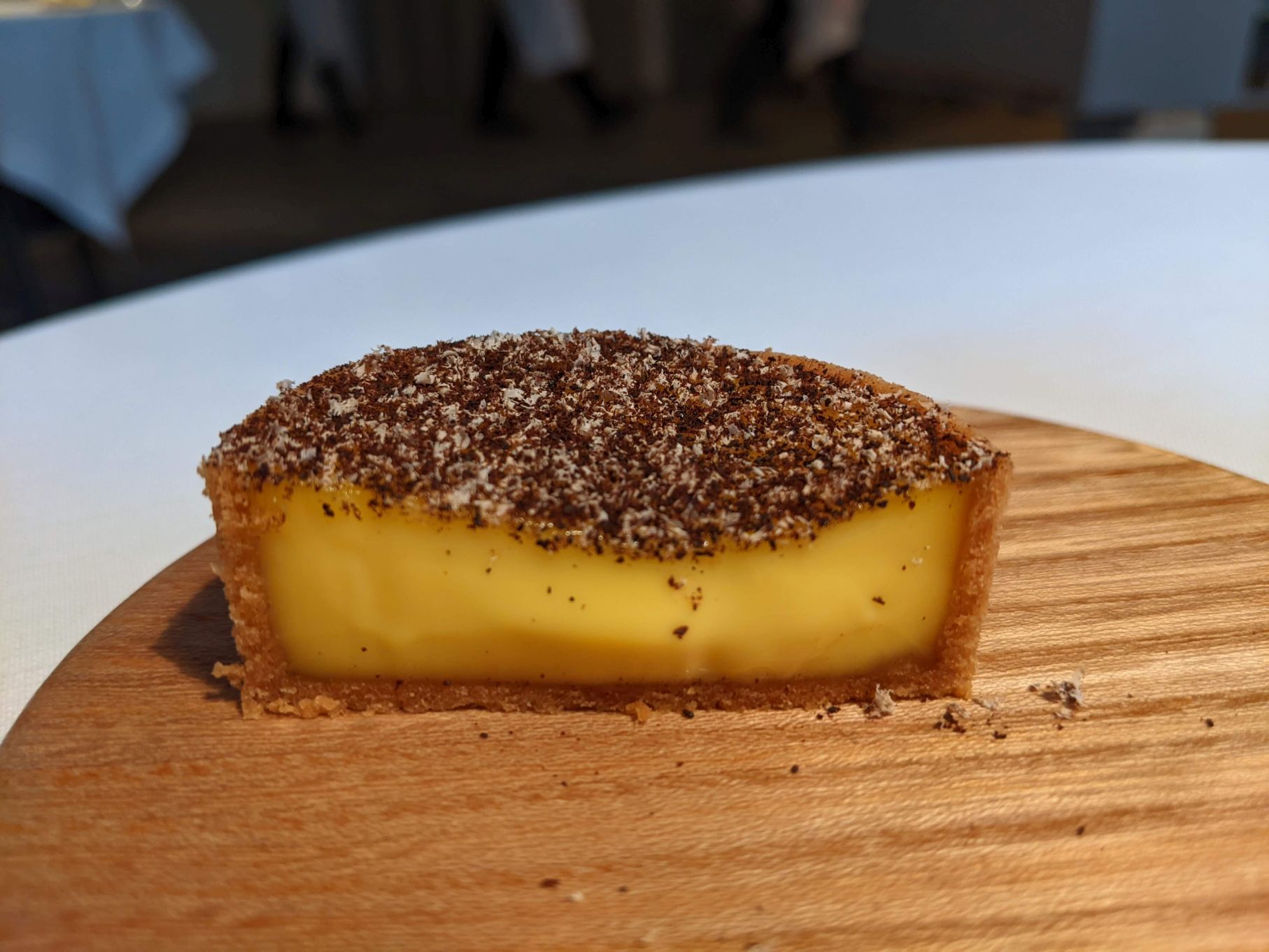
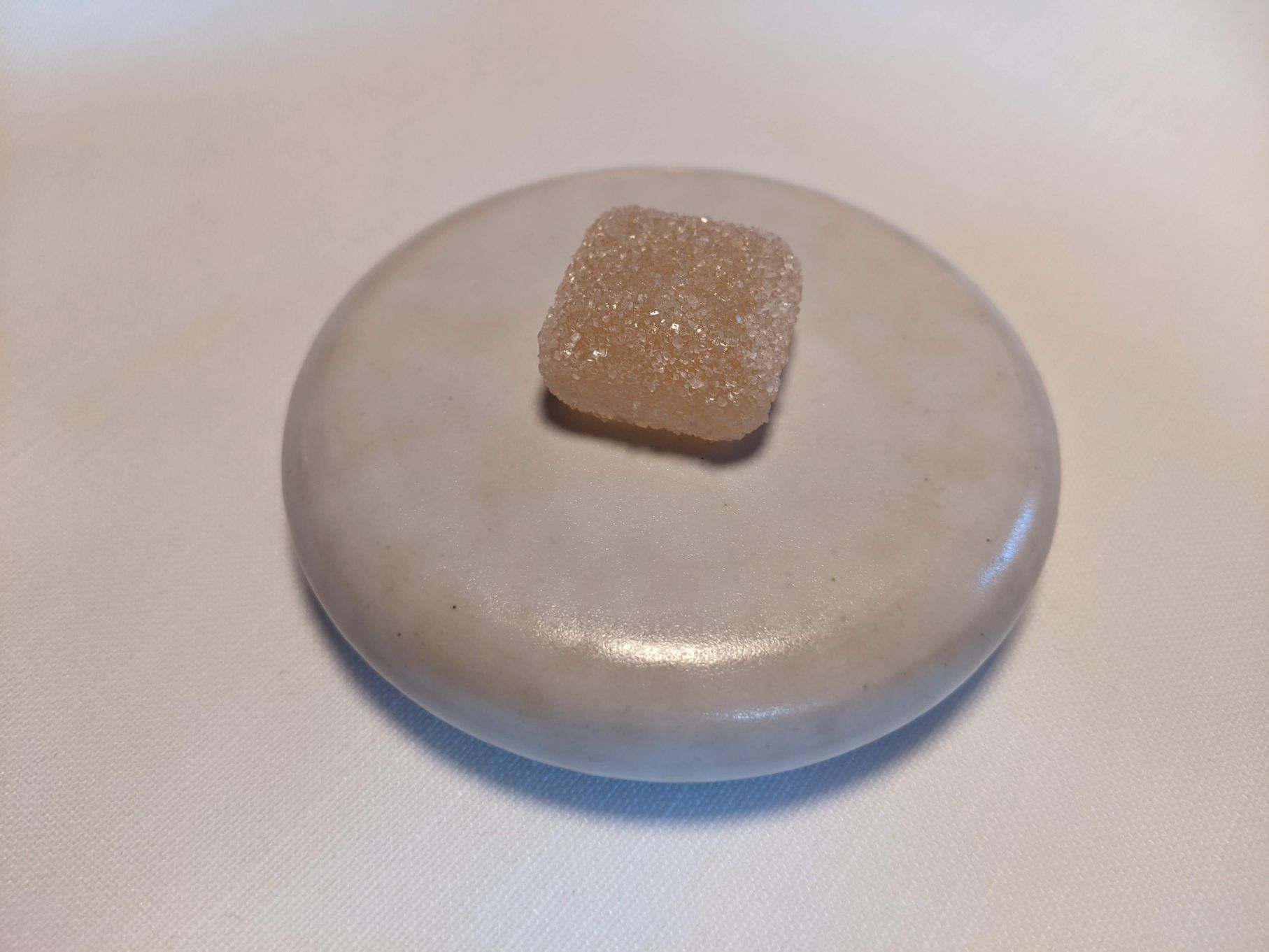
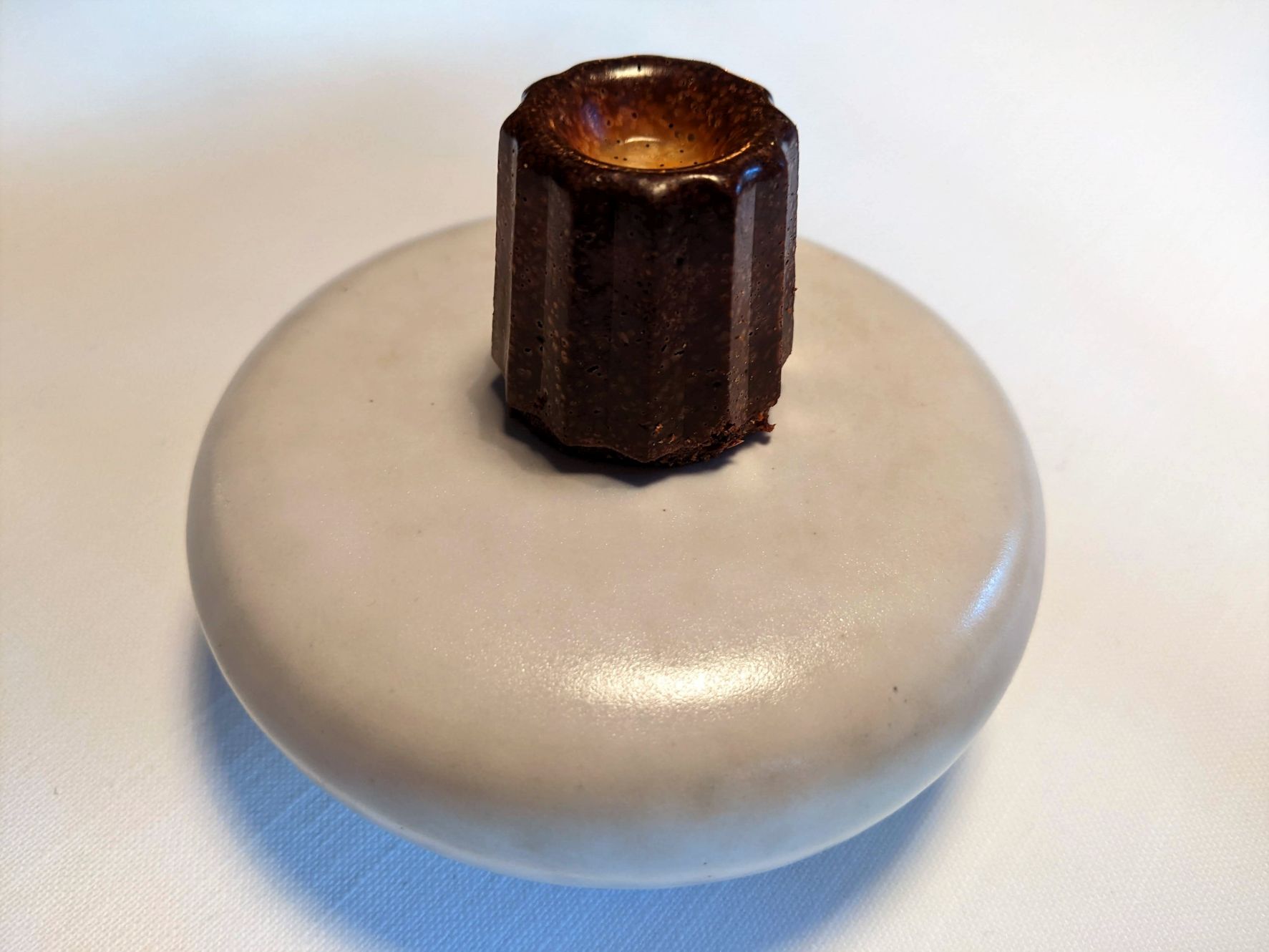
Petit Fours – Sugar Moon Melon, Lychee Gelee, Madeline, Canele, Custard Tart
Take Home Brioche, Salted Butter
A Michelin Star recipient in its first year, the second awarded in 2020 and since retained, Restaurant Jordnær is an ambitious project from Chef Eric Kragh Vildgaard and wife Tina who set out to create a “Down to Earth” fine dining concept where Food and service exist in perfect harmony.
Part of the charming Gentofte municipality near Copenhagen, just twenty minutes by train, Jordnær dates back to Vildgaard’s teen years when cooking gave clarity to troubled youth, his wife and mother of six children described as “someone to live for” serving as front-of-house manager who also greets guests and even answers e-mails.
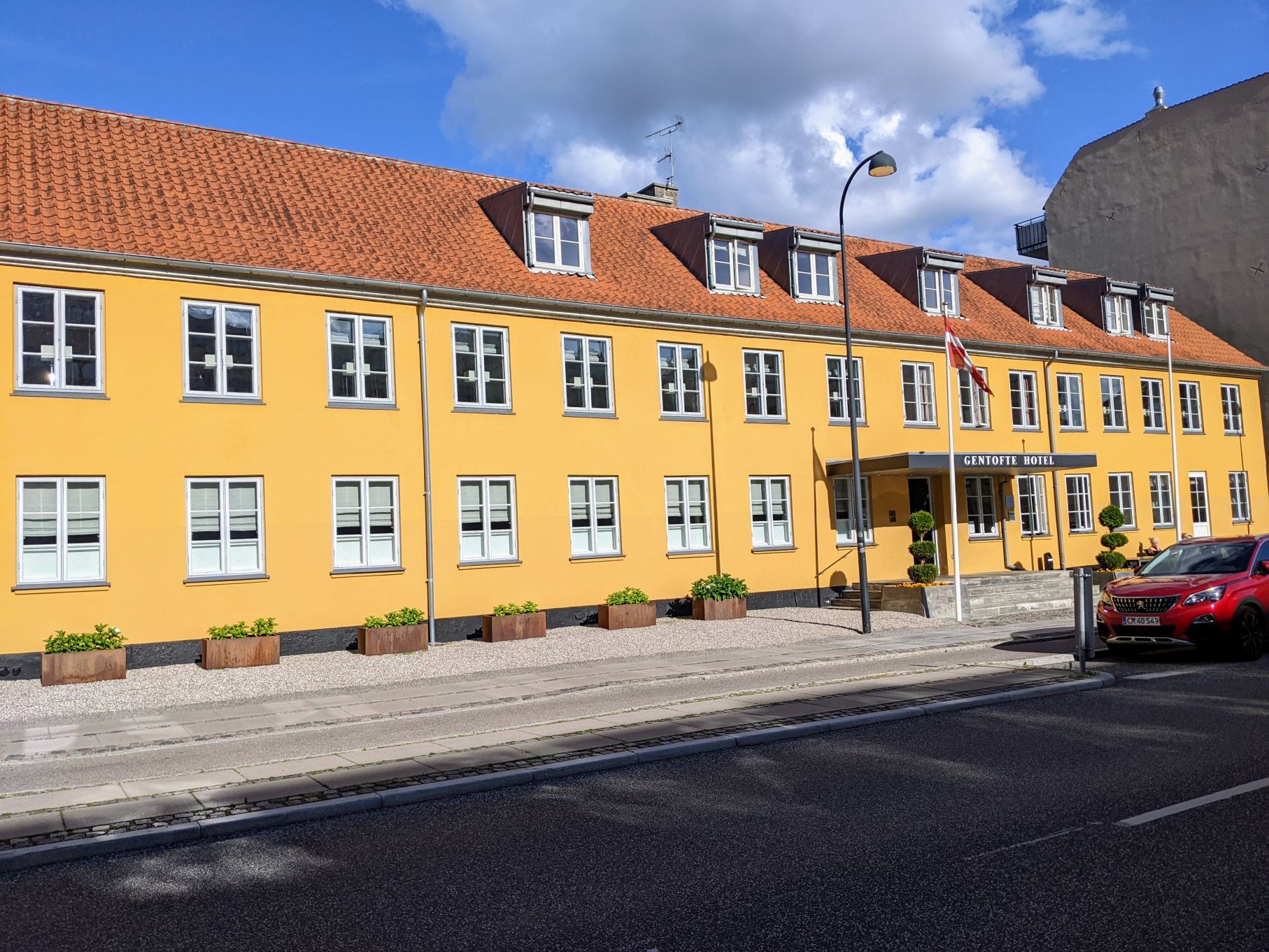
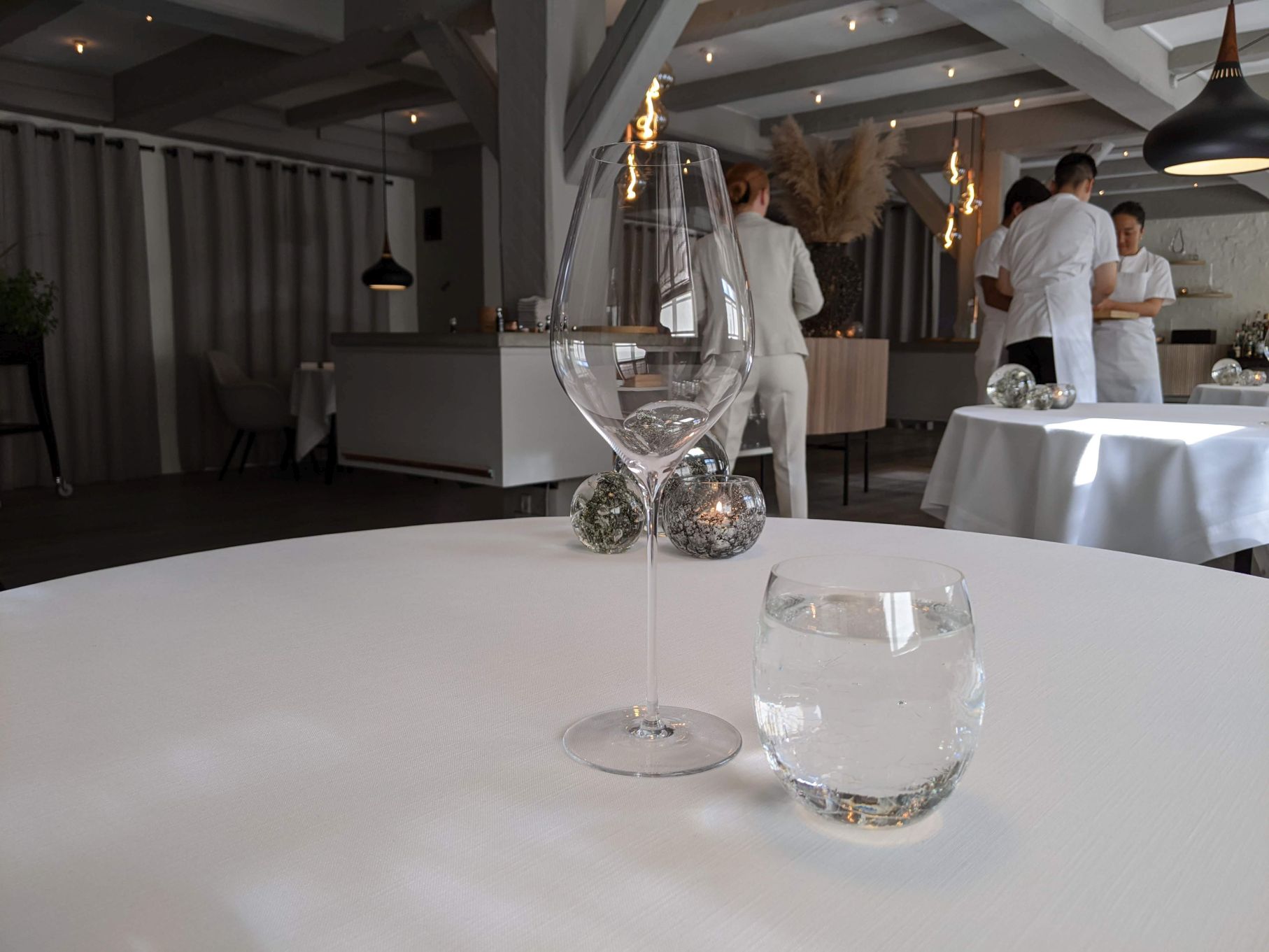
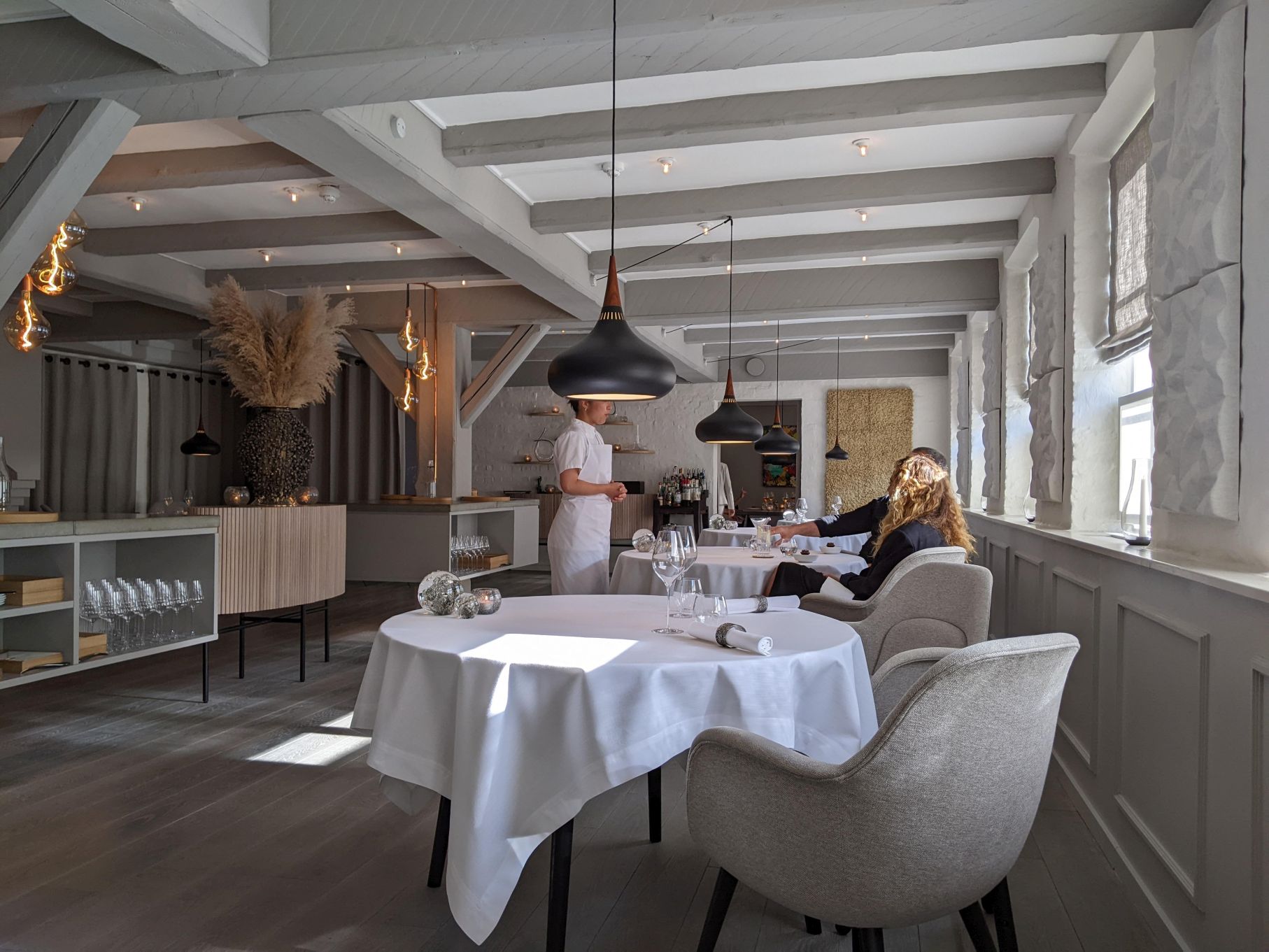
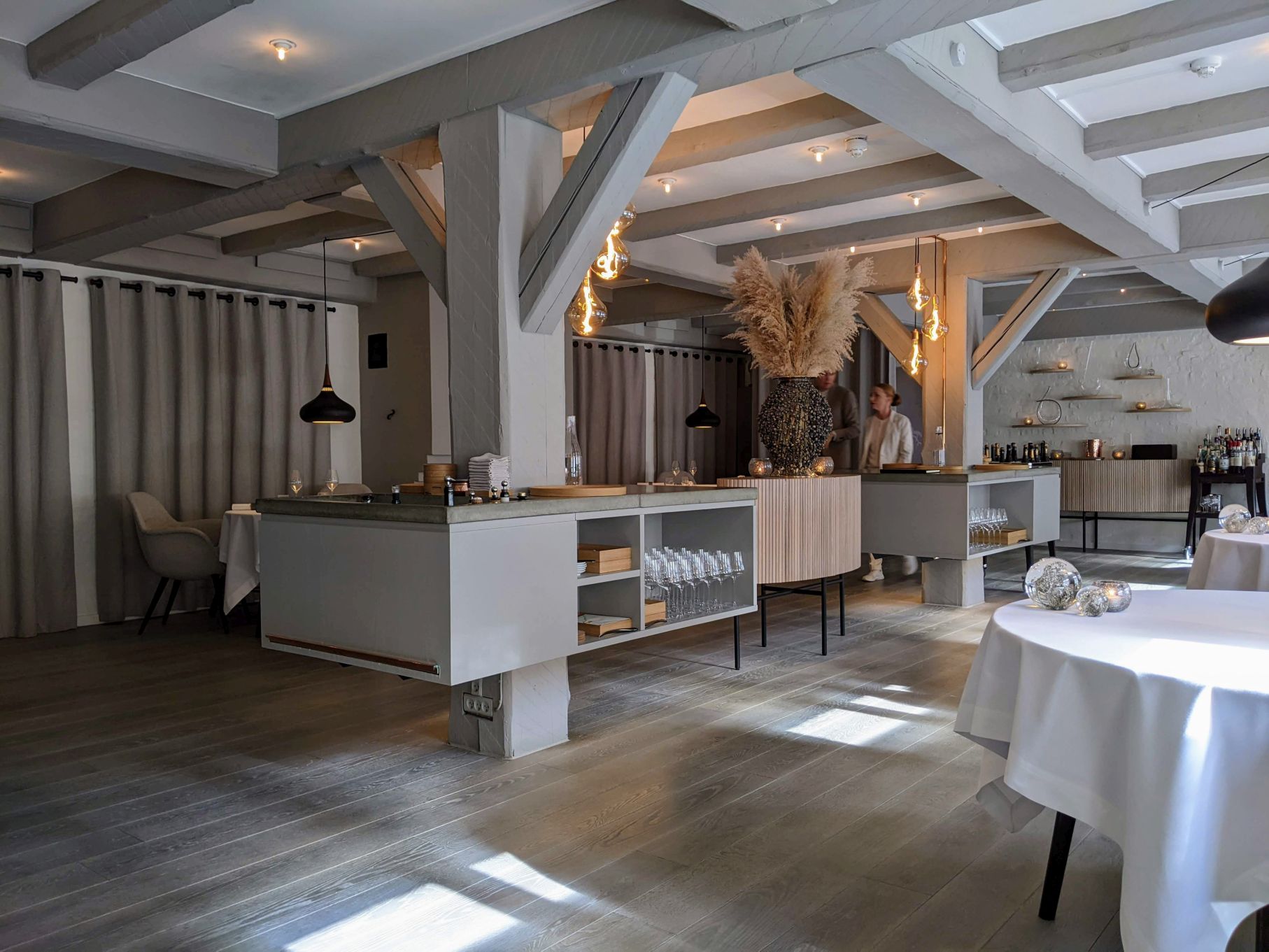
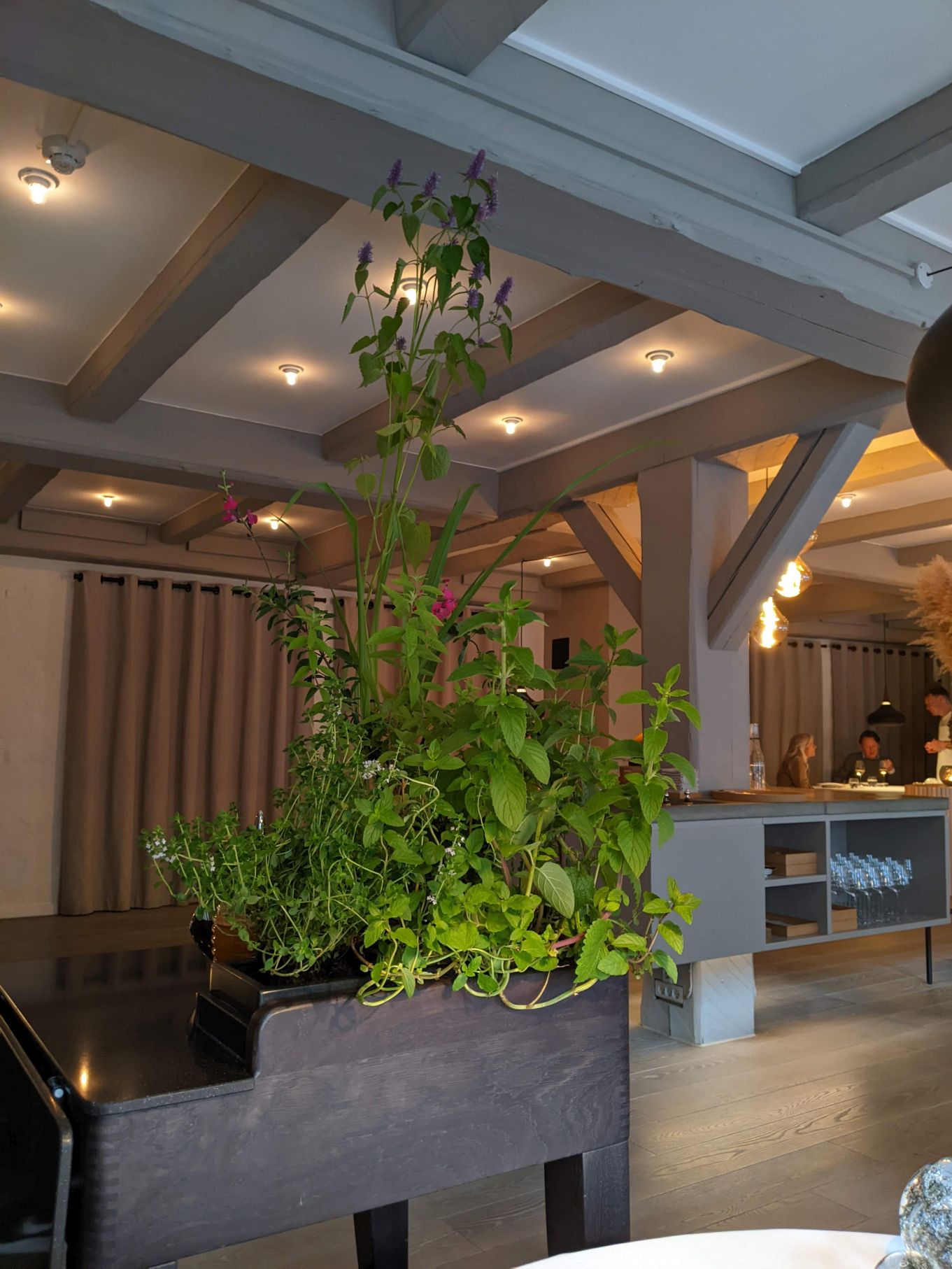
A partnership with ARP-Hansen Hotel Group’s Gentofte Hotel, though nothing about Jordnær feels like a “Hotel Restaurant,” it is after greetings from Tina that guests are led to a room both simple and elegant featuring light colors, glass, traditional lamps and a fireplace.
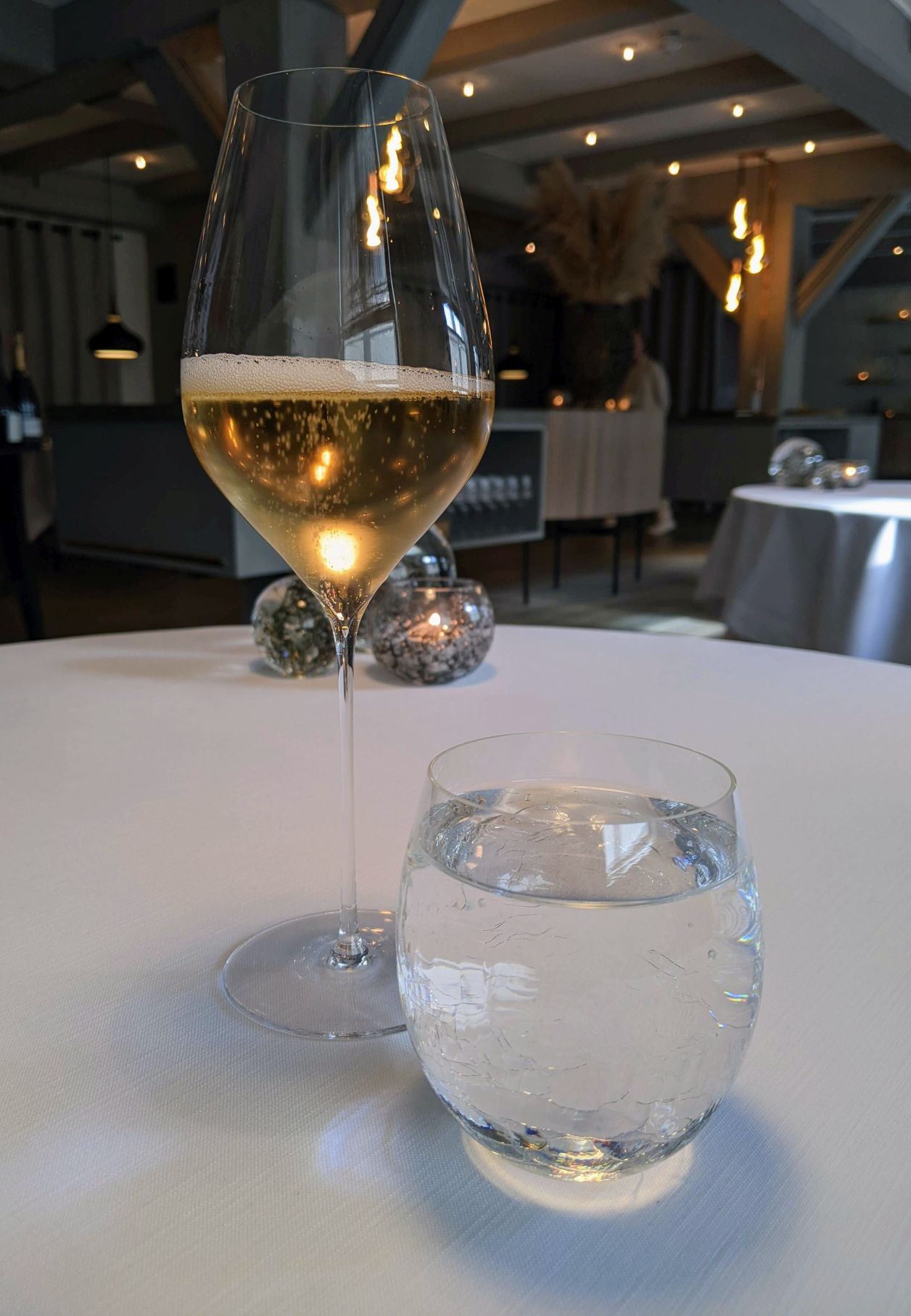
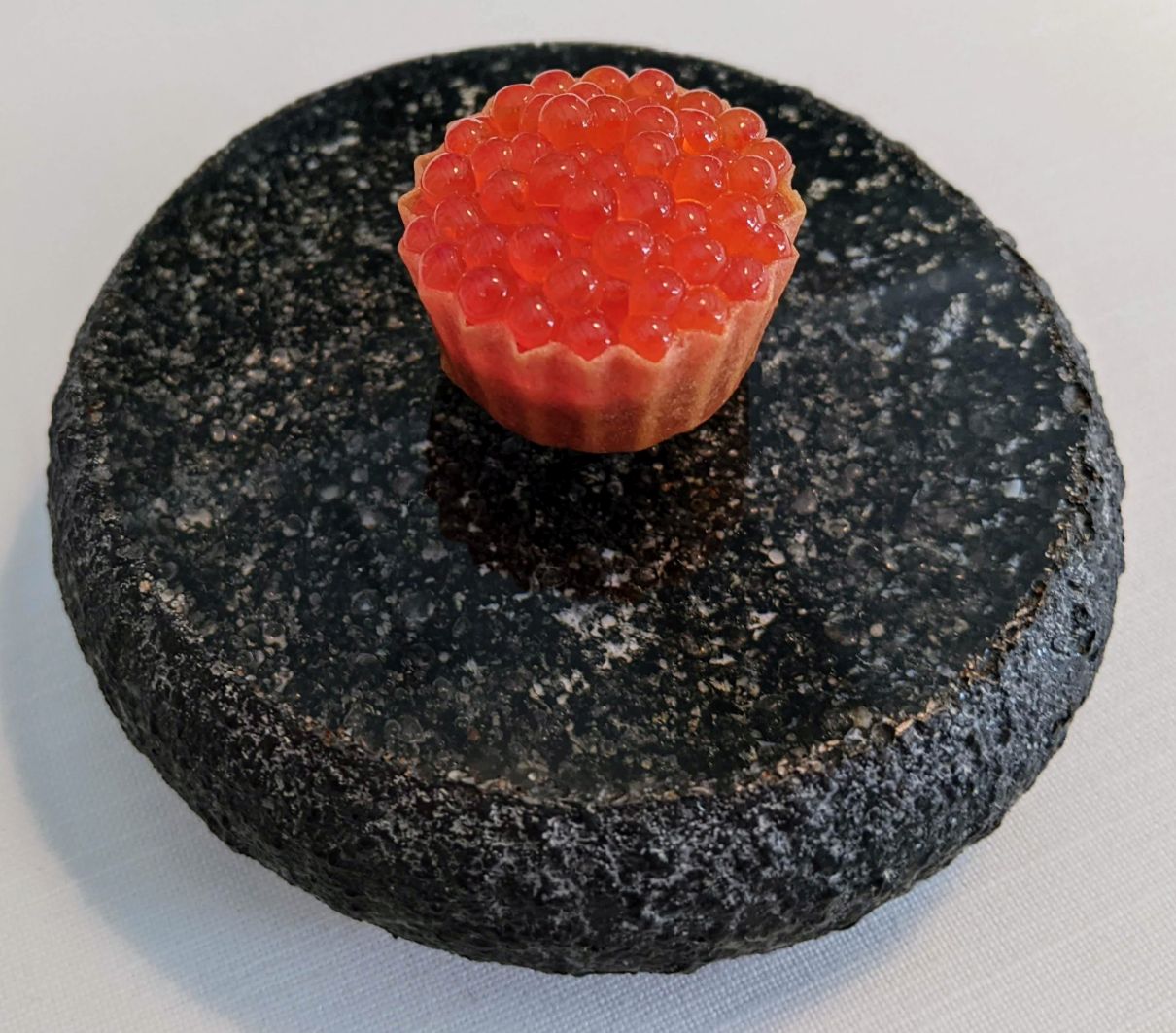
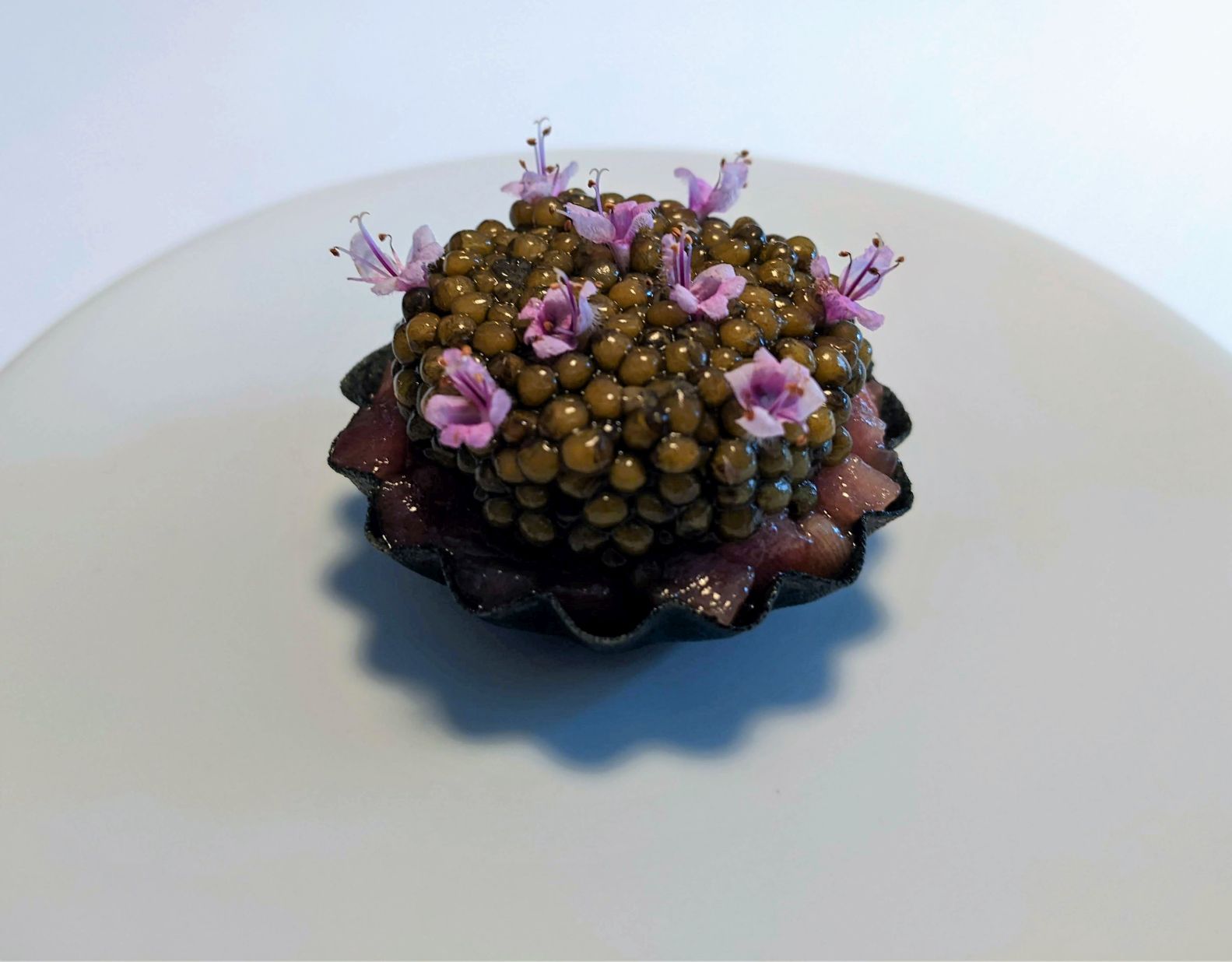
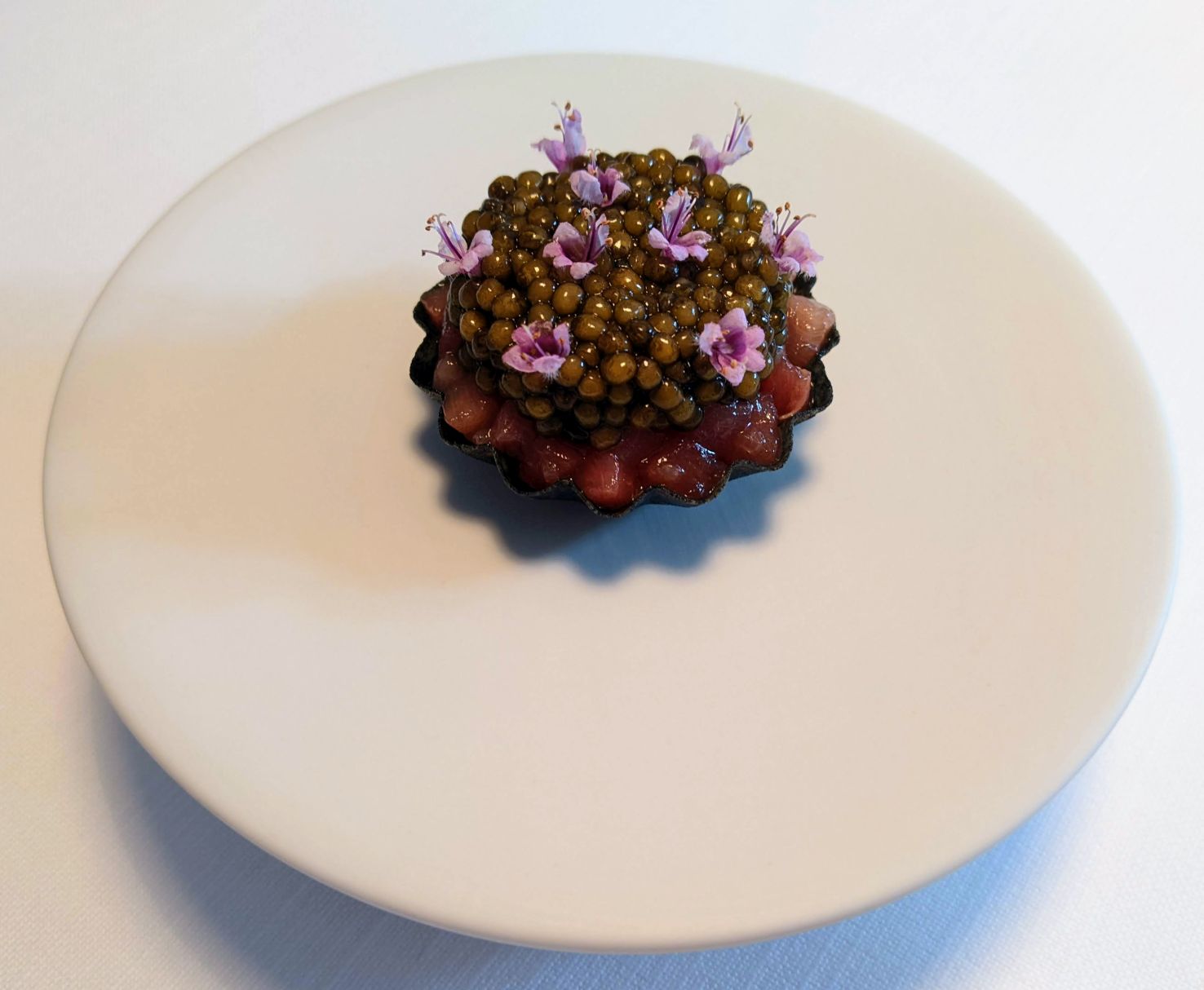
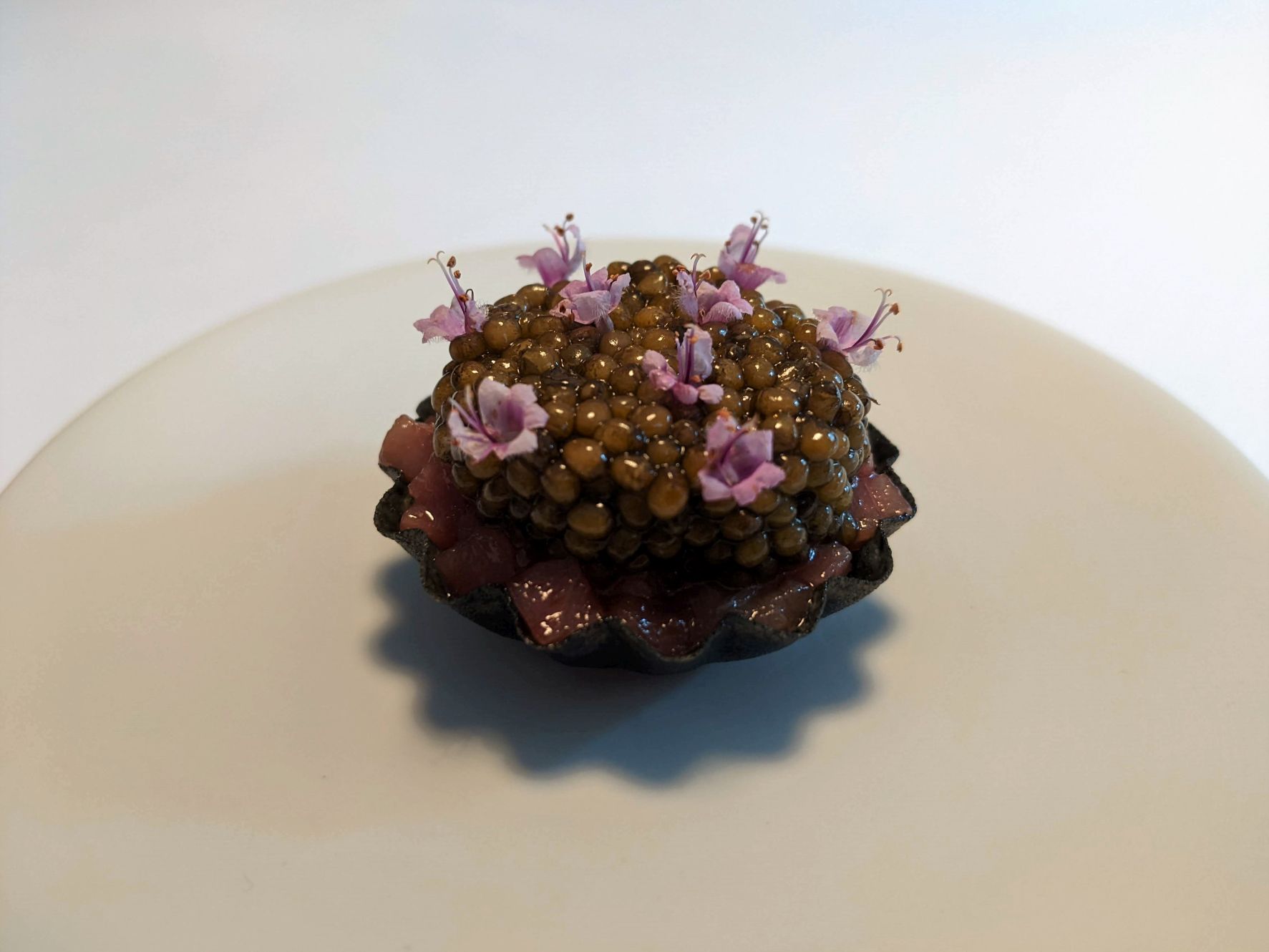
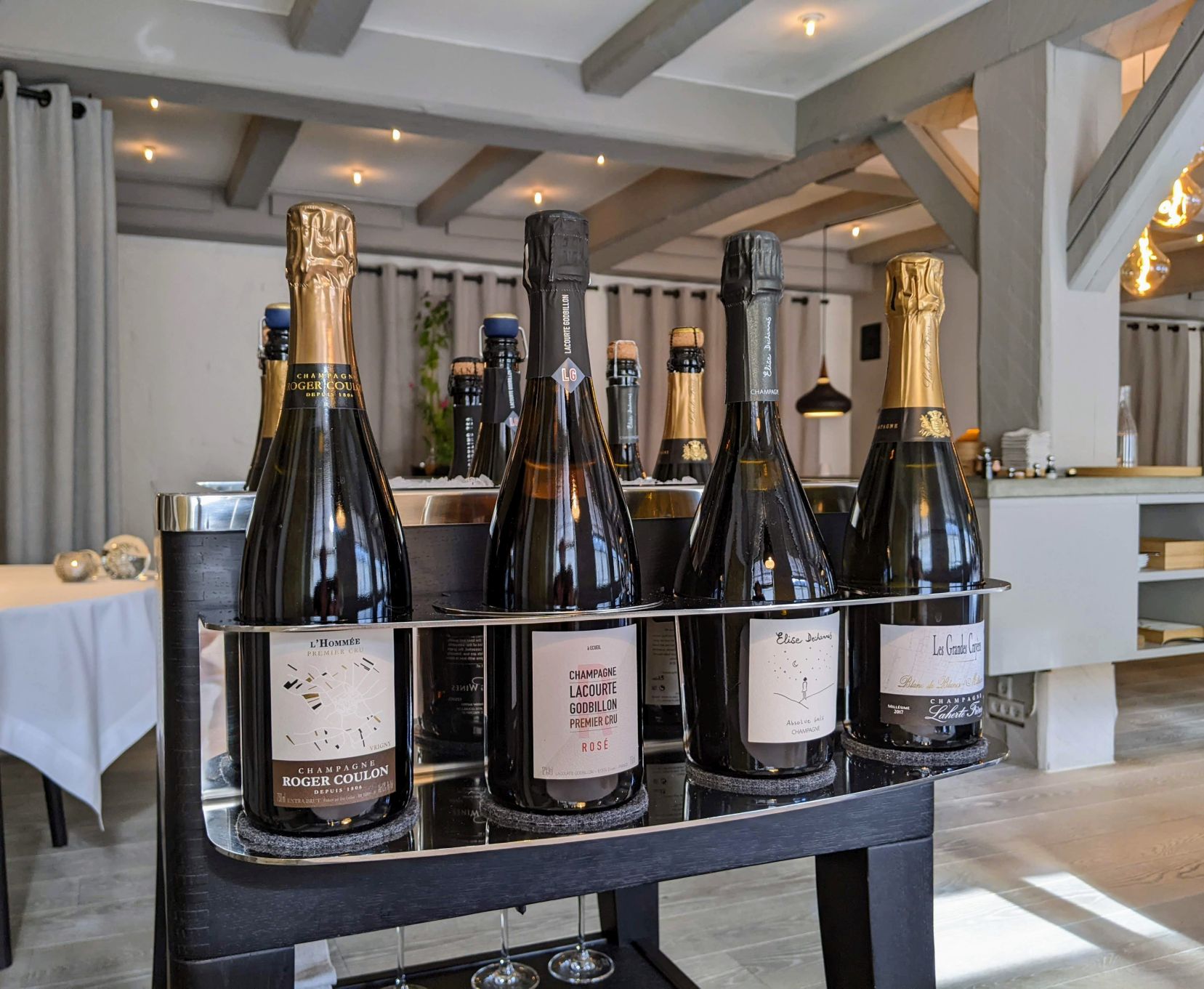
Sharpened by three years at noma, though Eric’s cooking expands well past fermentation and foraging in favor of ideal Ingredients that sometimes come from outside Scandinavia, opening bites are best enjoyed with Champagne and range from a delicate King Crab Bonbon or Lobster and Roe in a Tuile to a Tart of silky Tuna topped by a spoonful of Ossetra Imperial Caviar.
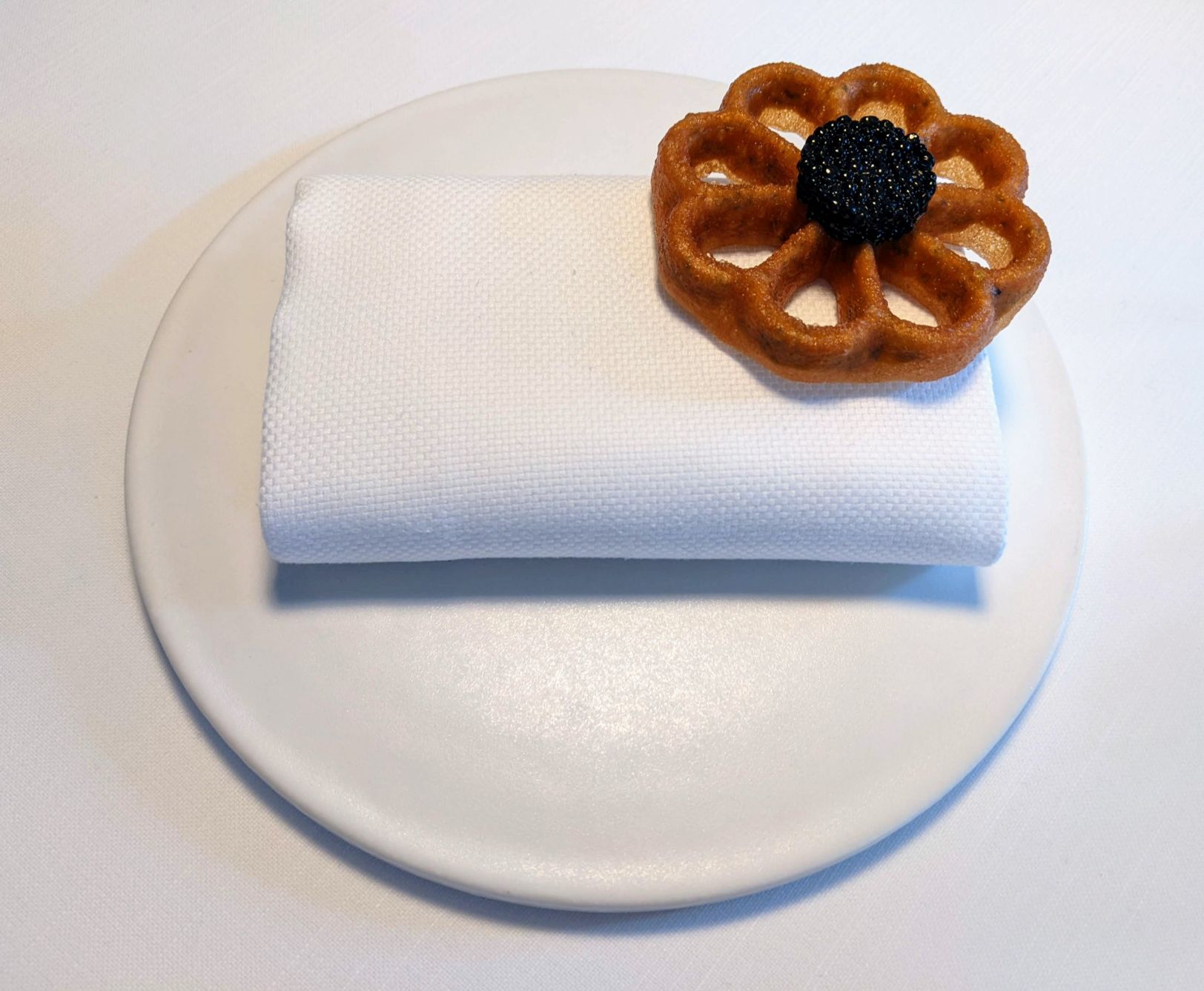
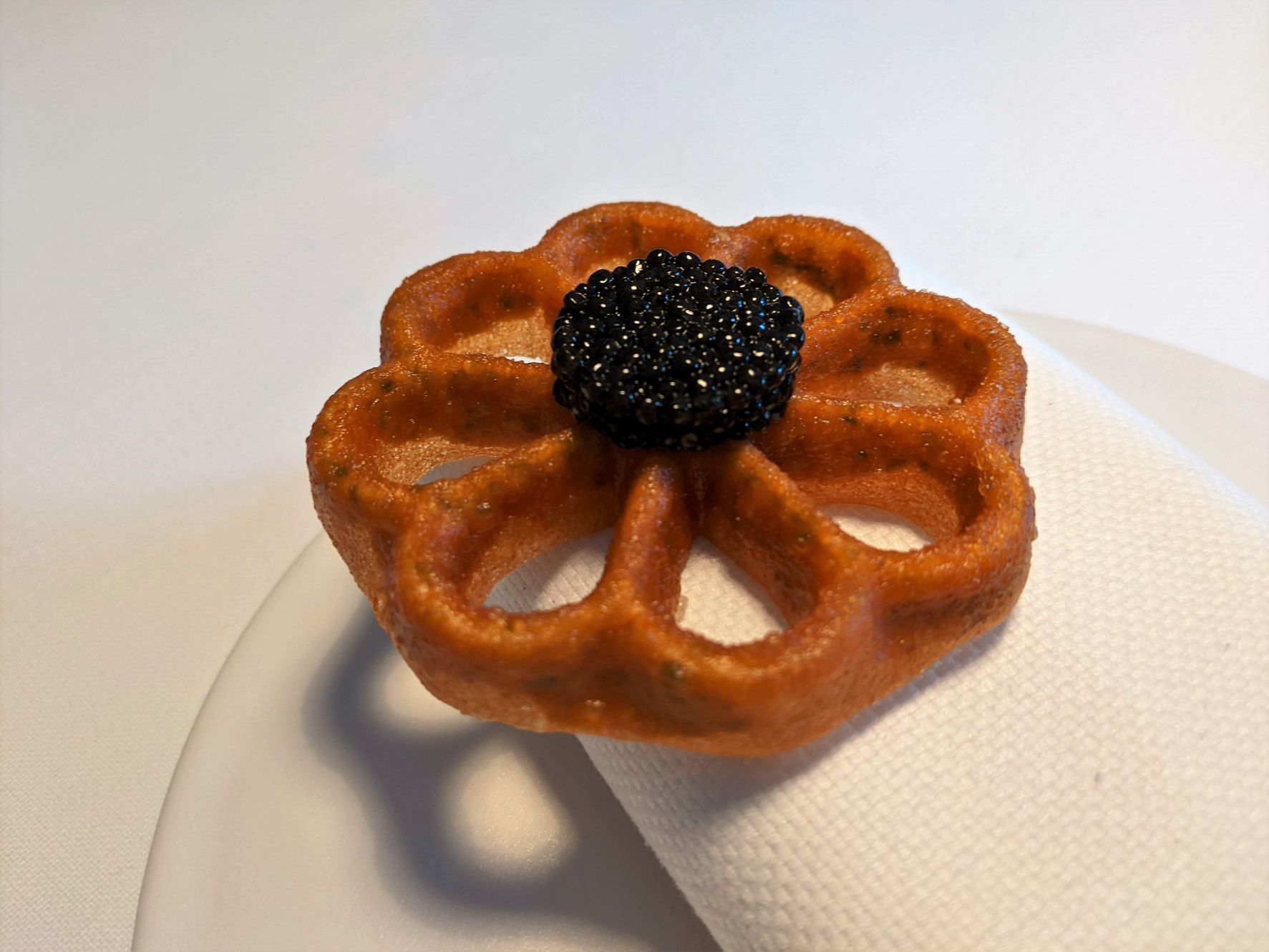
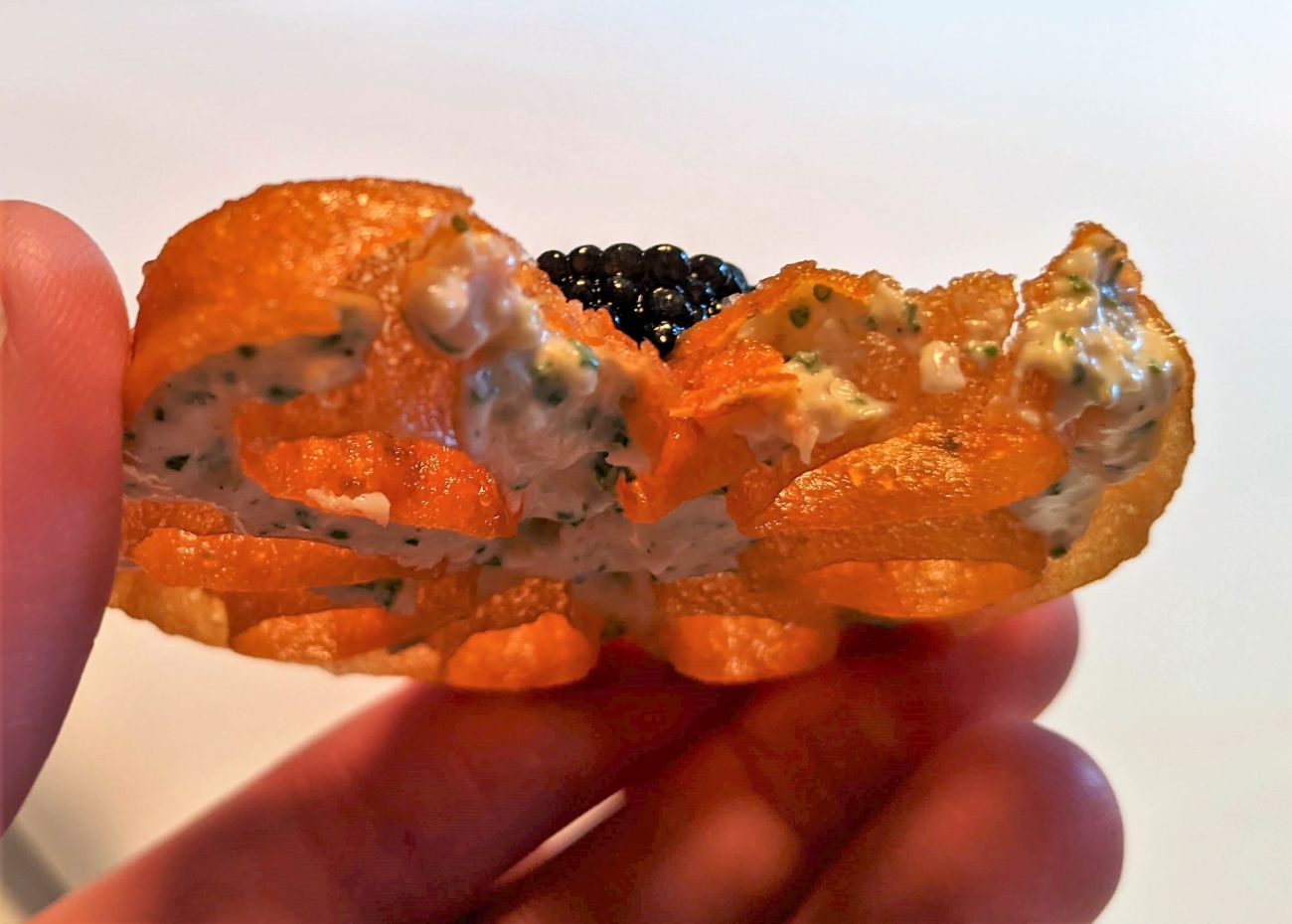
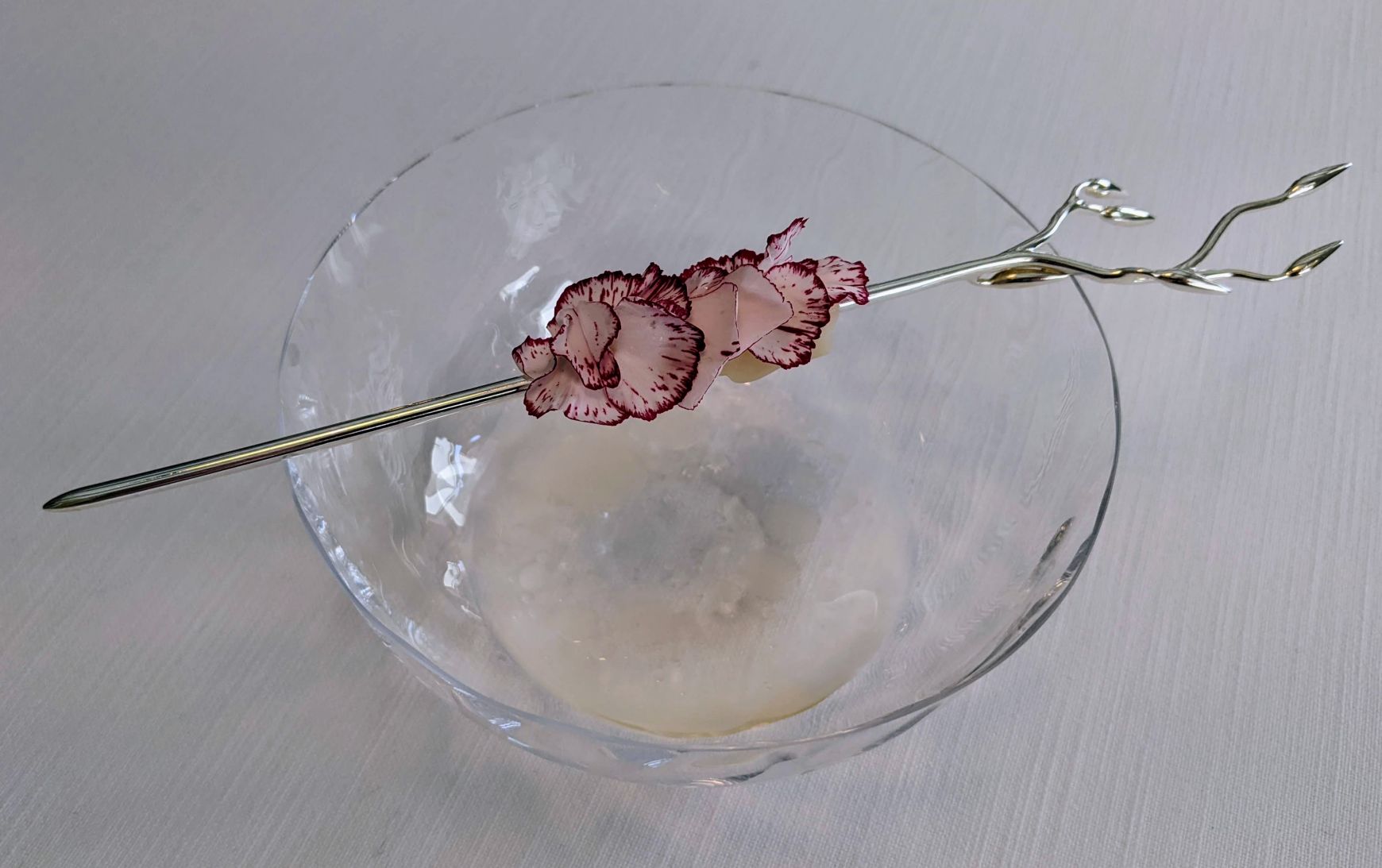
Completely meat-free, though Eric is not a pescatarian, Jordnær’s Rosset Waffle has become something of a signature piped with Fjord Shrimp Mousse beneath more Caviar while a Scallop skewered over White Currant Juice and its follow-up of “Langoustine Essence” are each two faultless bites then gone.
Assertive with Oysters in a bath of Horseradish and Dill, then pulling the reins with Panna Cotta featuring Asparagus, Grapefruit and Lobster, Caviar makes another appearance as the Vildgaards’ favorite Beluga Sevruga variety eaten in several spoonfuls amidst Miso and Black Currant Wood Oil.
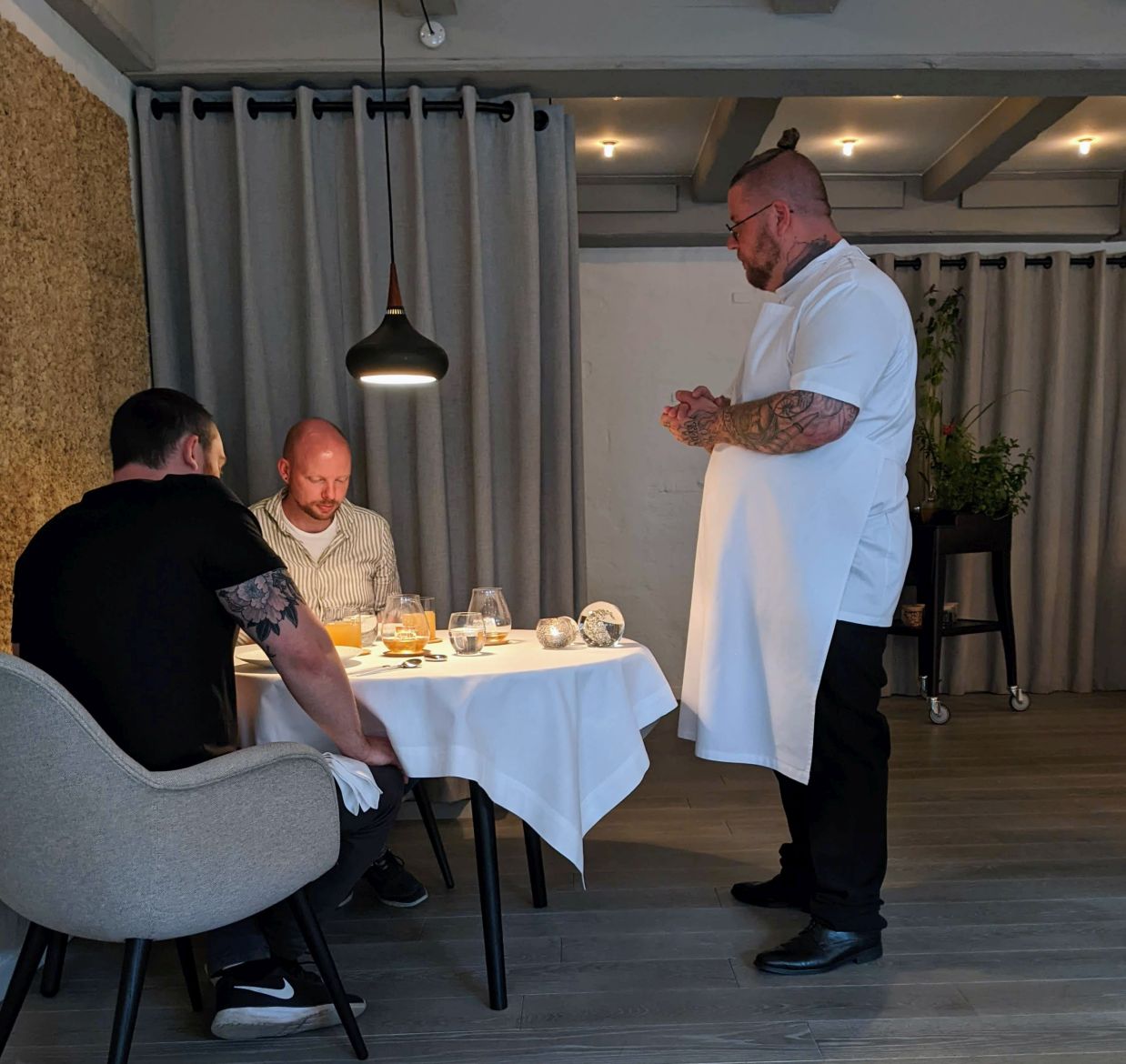
Never pretentious, Tina and Eric both presenting plates to each table even with Michelin starred Chefs dining alongside their spouses nearby, Amberjack arrives curled on clear glass awaiting Ponzu prior to housemade Bread plus Butter churned nearby.
Taking no shortcuts, slowly cooked Turbot showing mother-of-pearl luminescence beneath a thin layer of truffled Farce, the Langoustine used previously for its essence soon arrives whole in warm Sauce before a sizable Takoyaki intended to be bitten in half with Truffle and Caviar consumed before using the bottom as a sponge on the plate.
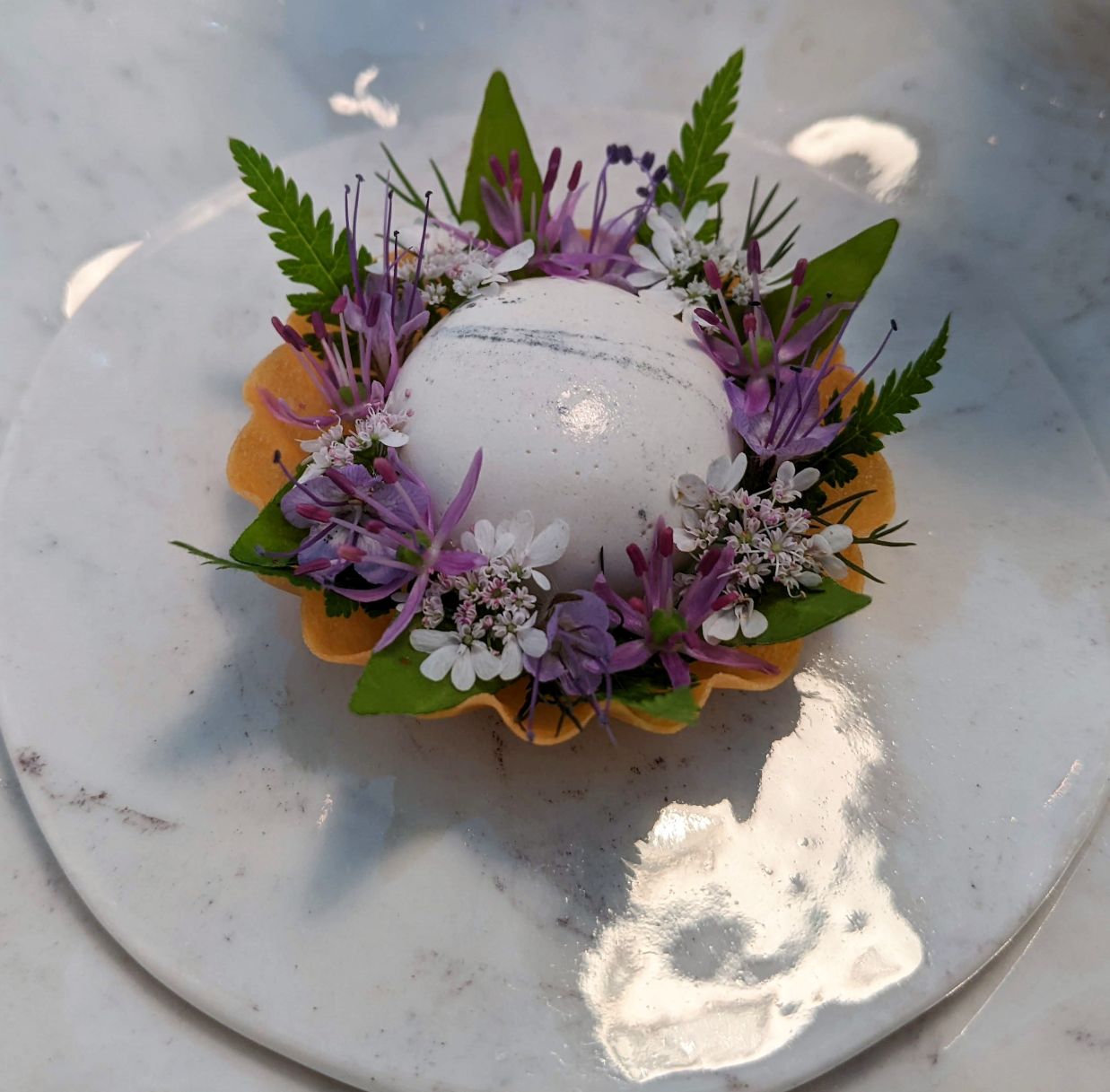
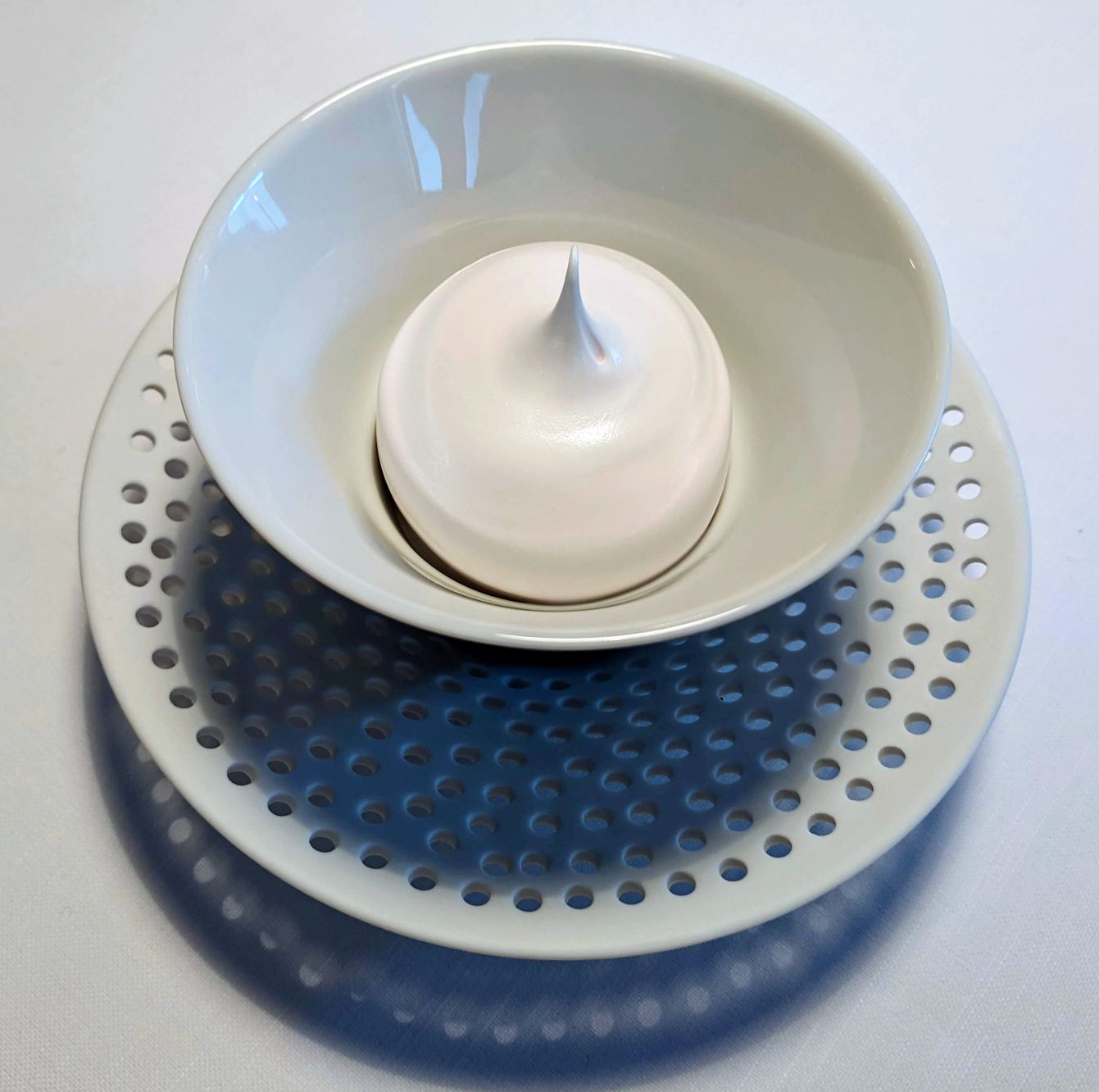
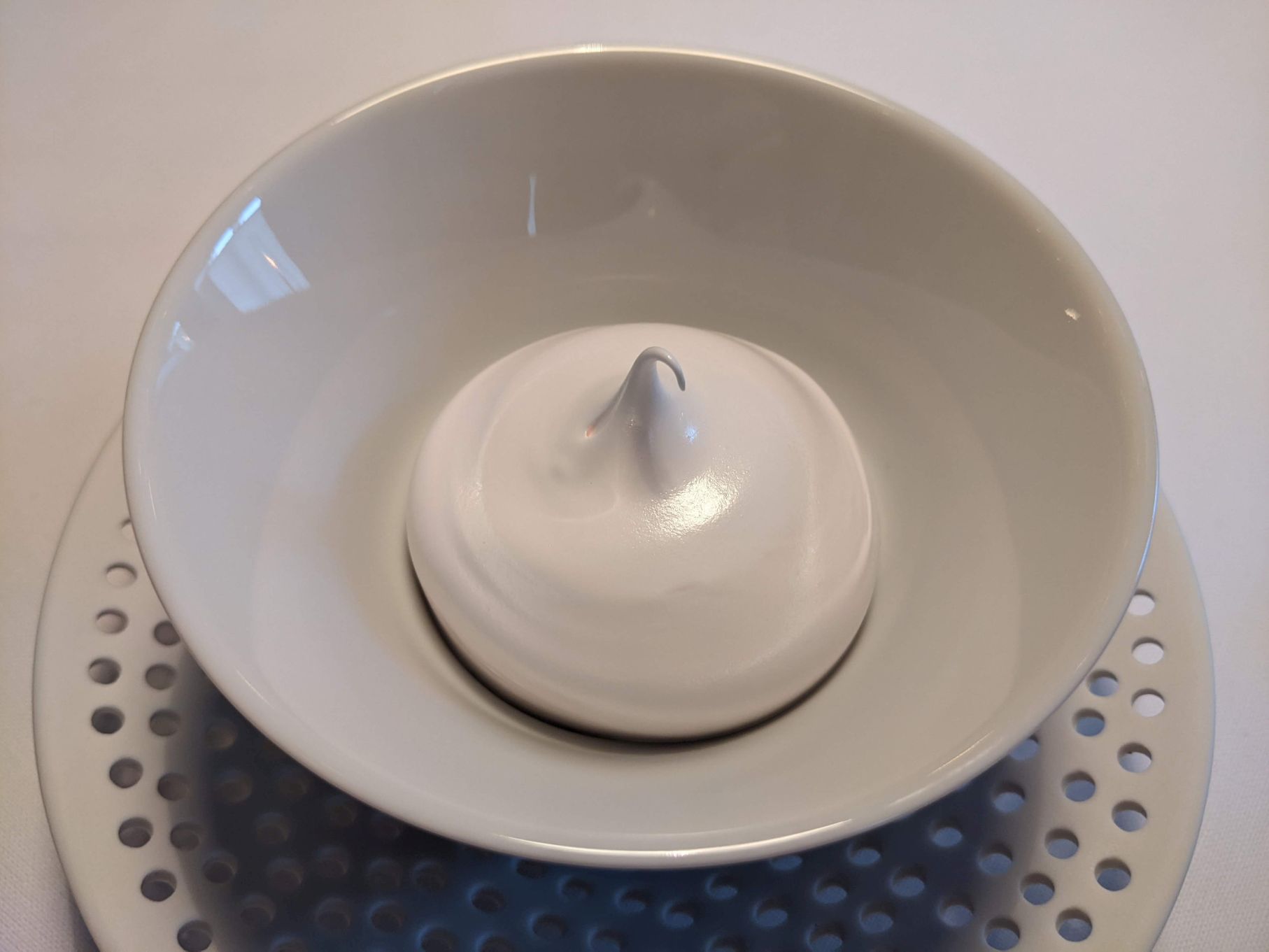
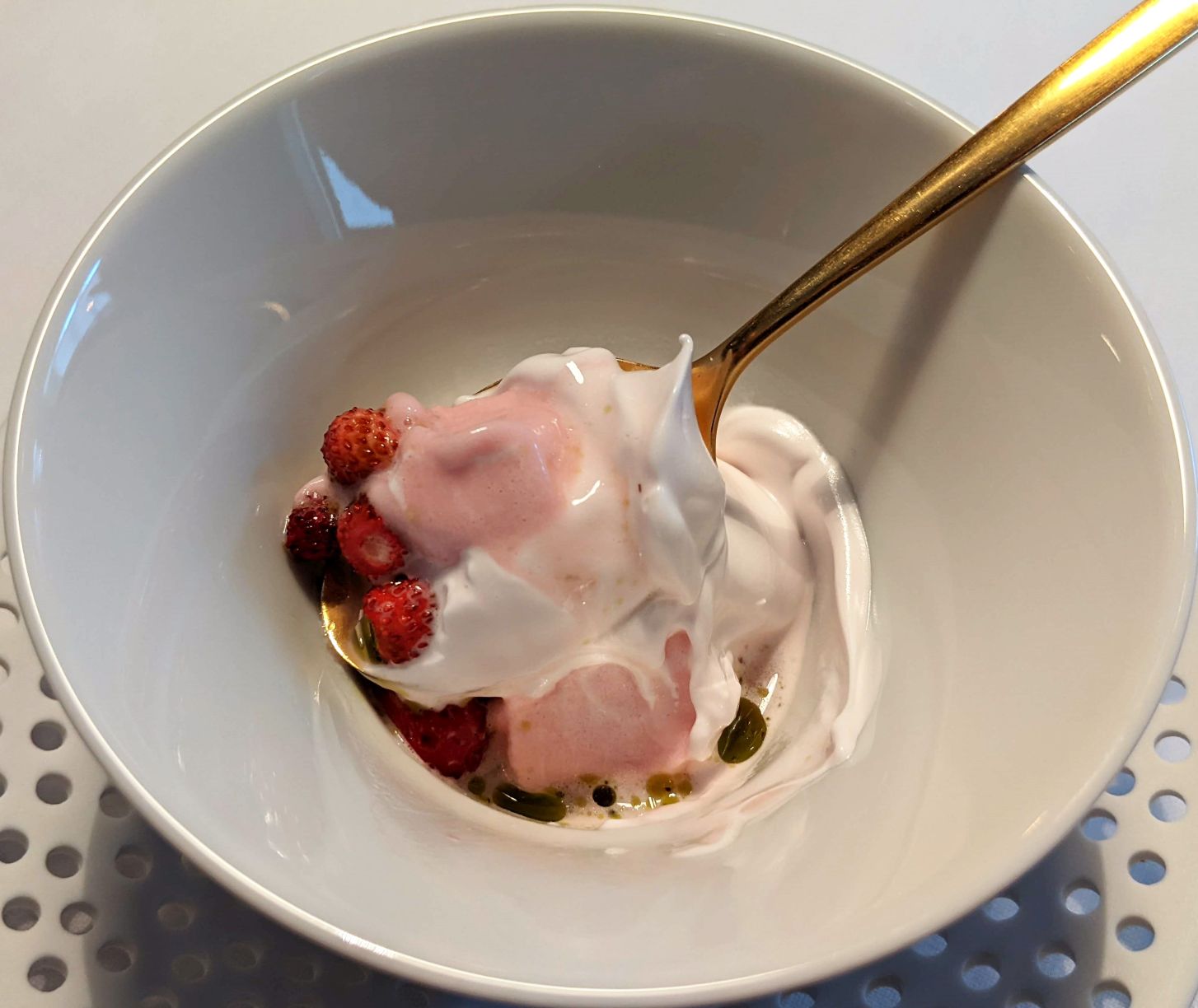
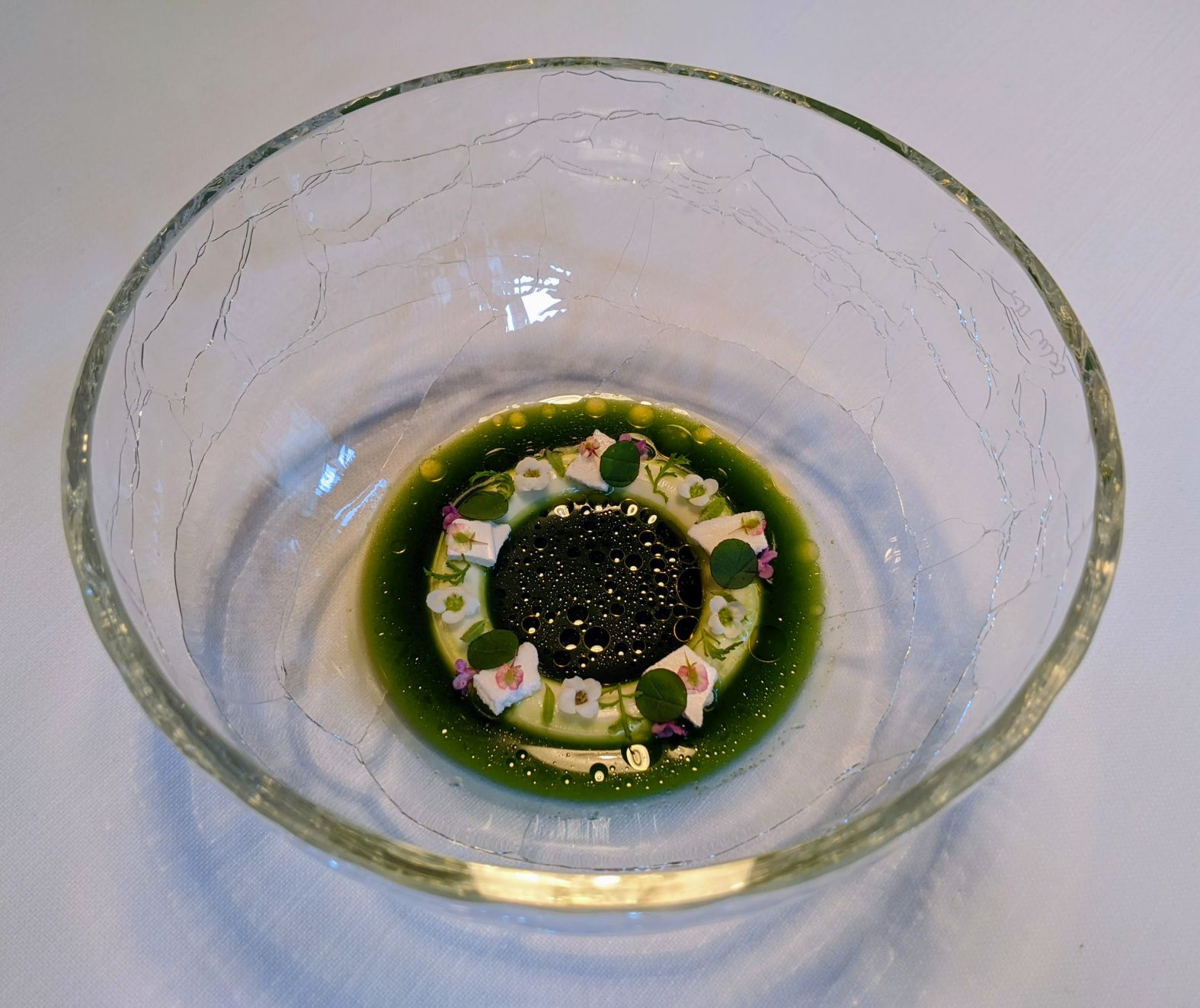
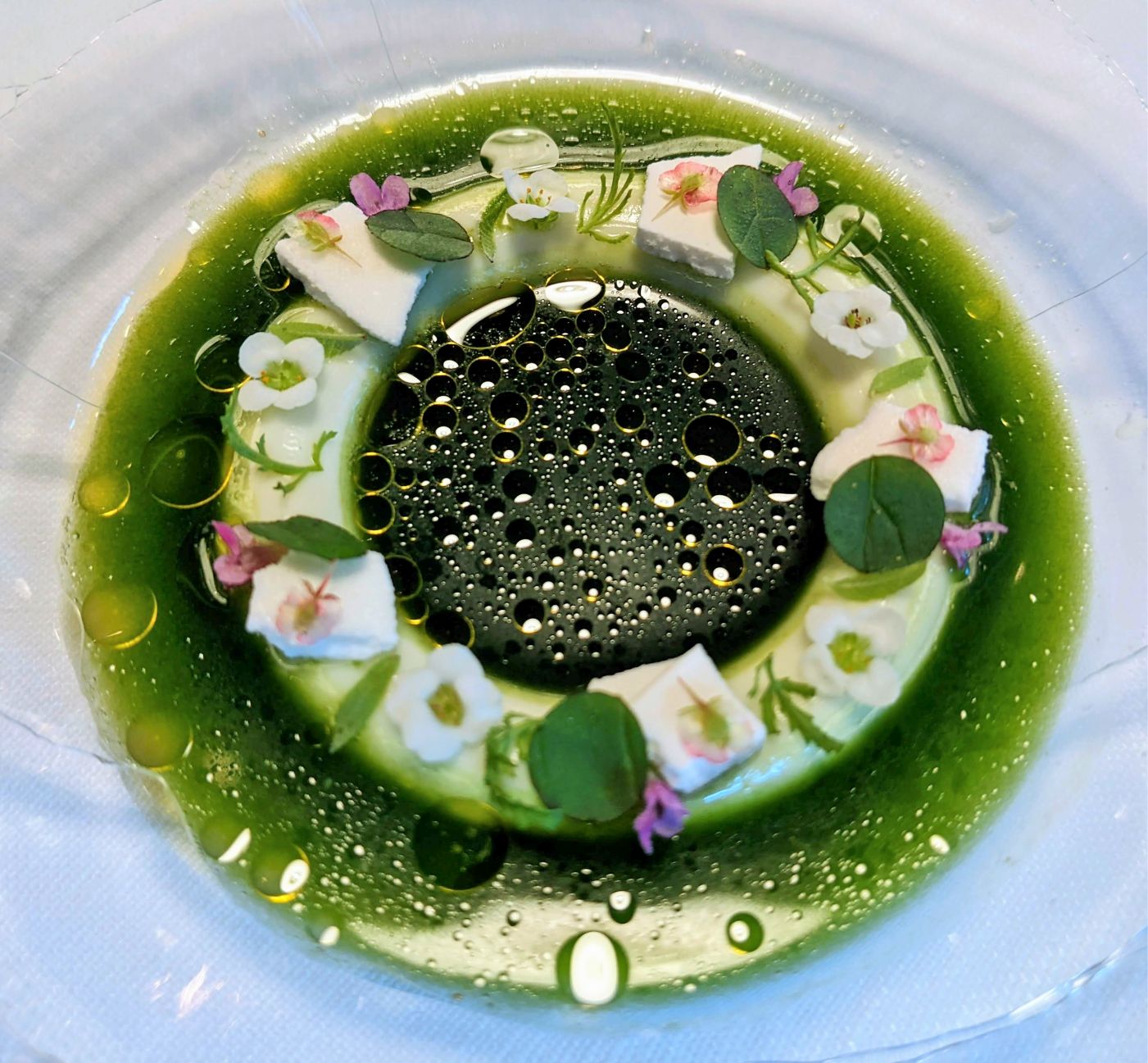
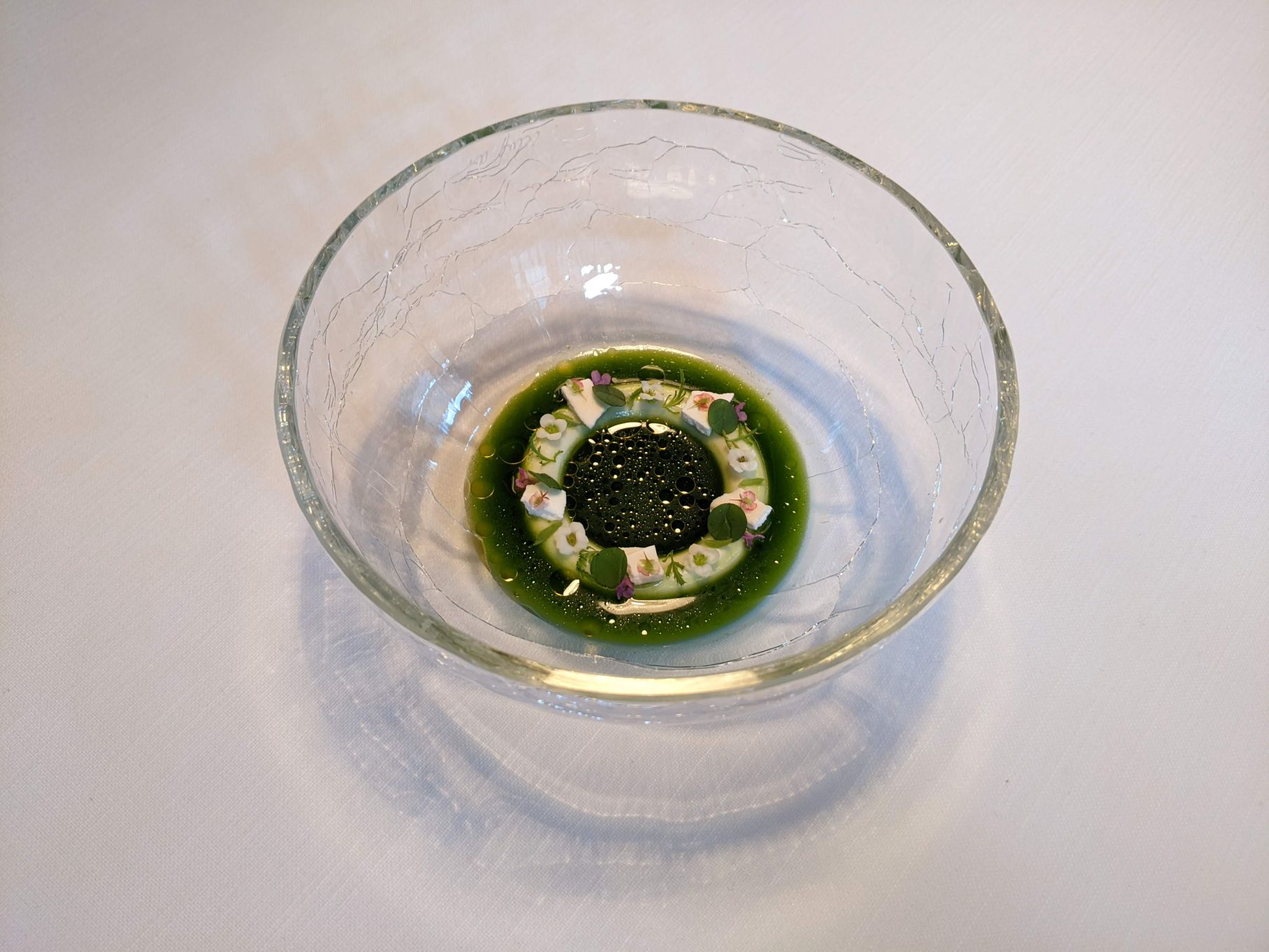
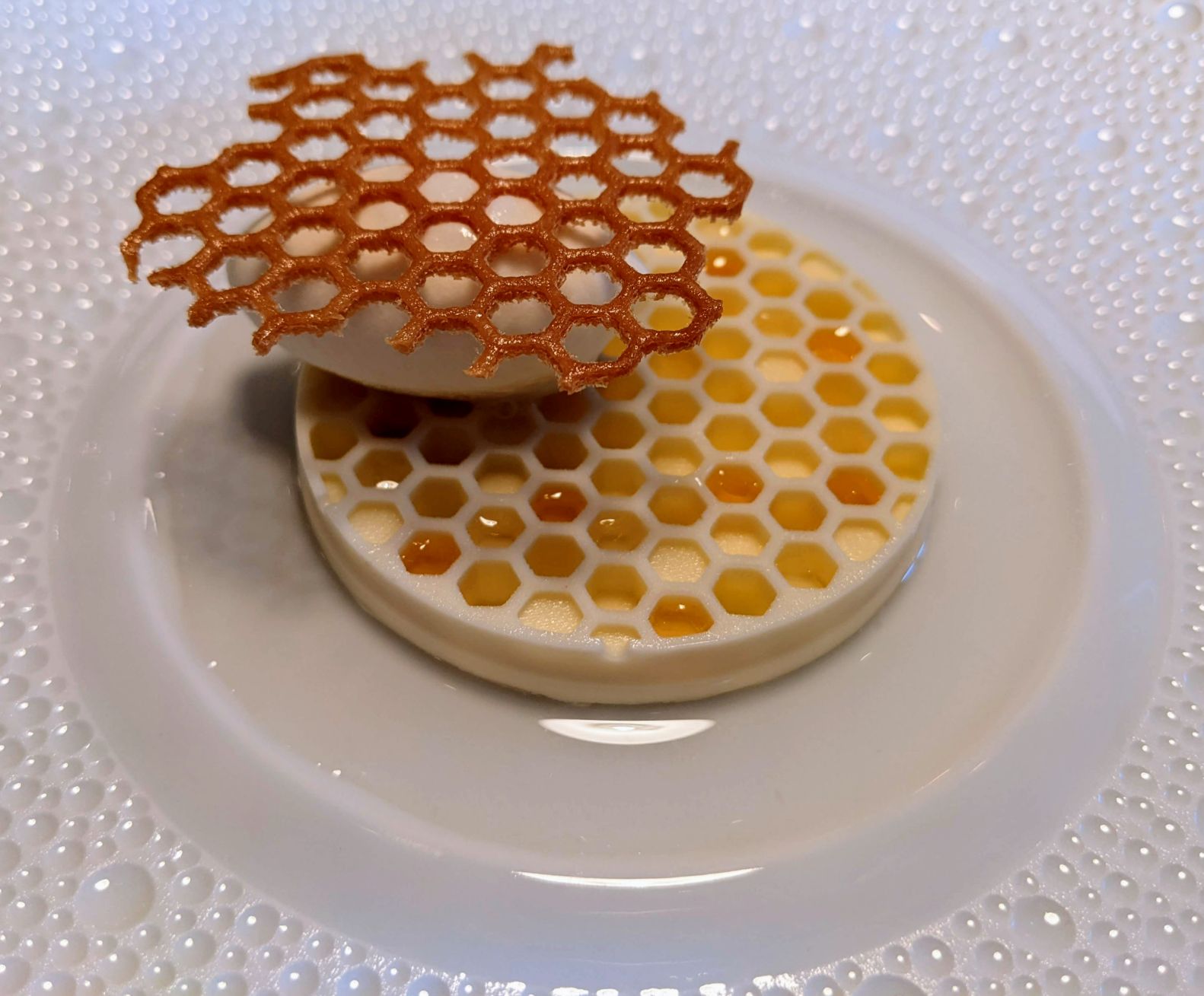
Well portioned with timely service, staff adapting to a diner’s speed without a hitch, Dessert begins via smooth Mousse atop Berries before proceeding to a ring of herbal Custard and “Chamomile, Milk, Honey” that replicates a Honeycomb’s appearance so accurately that one wonders if it is 3D printed.
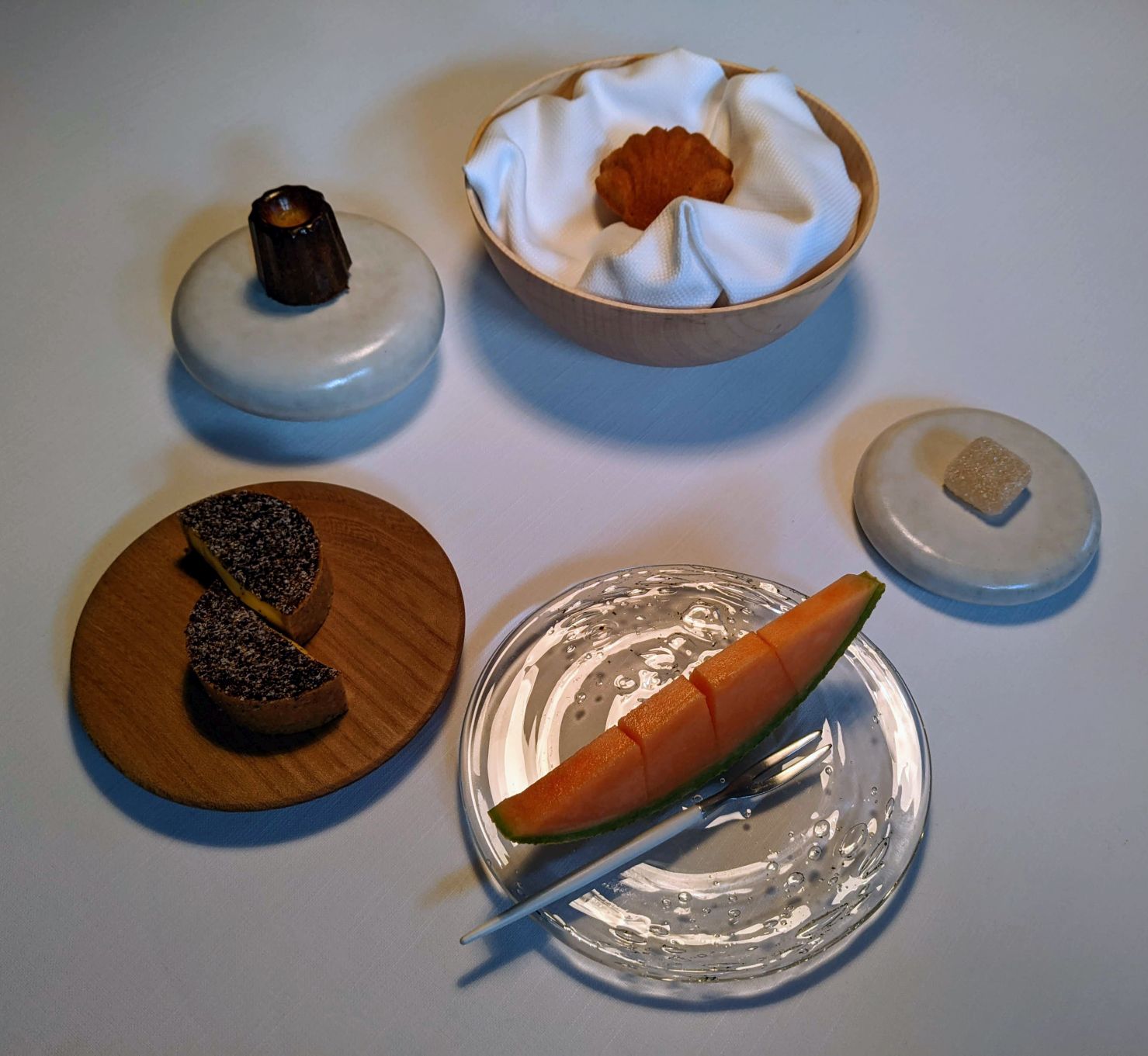
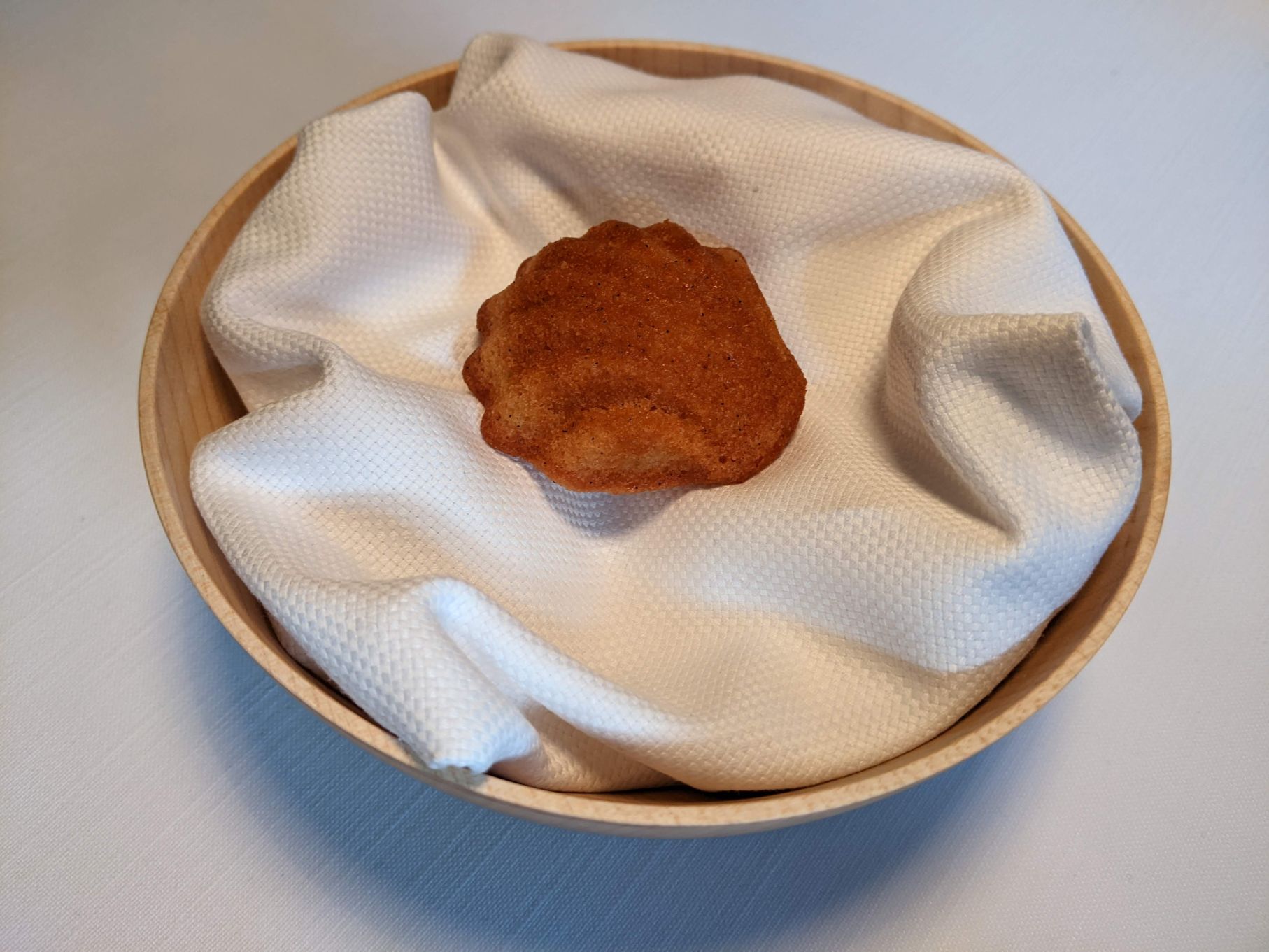
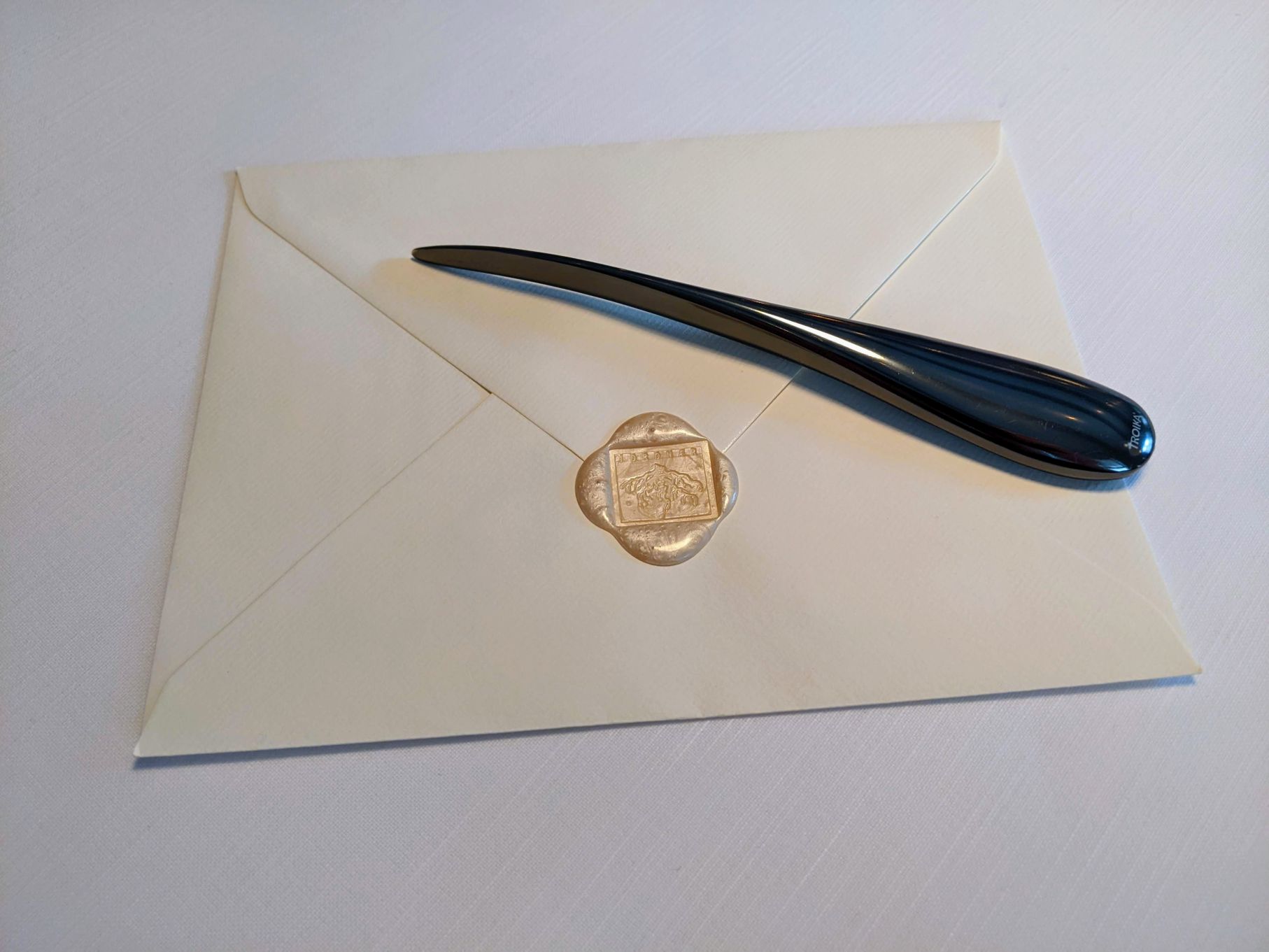
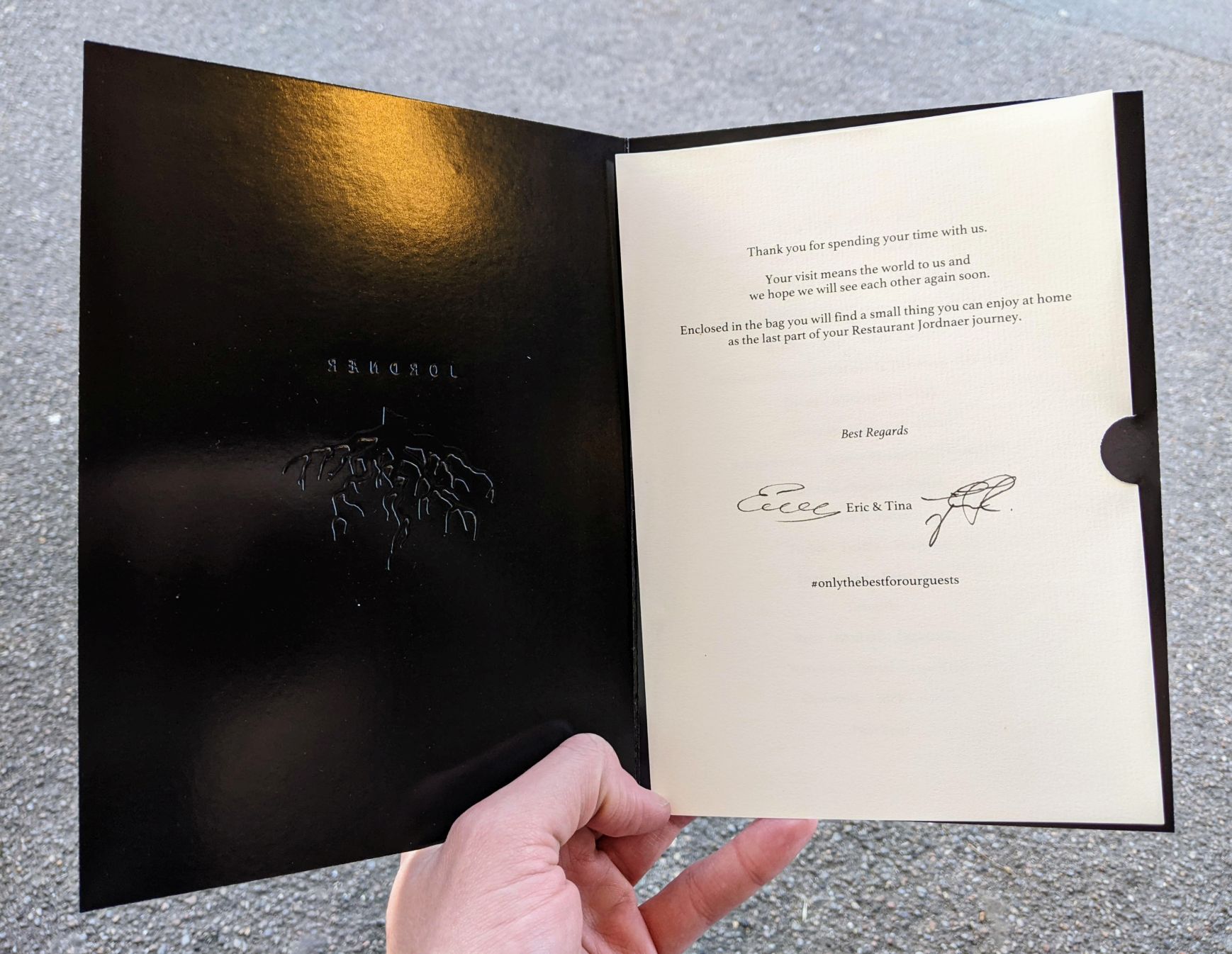
Not done yet, Mignardises highlighted by French classics and a warm Custard Tart served with Coffee or Tea clipped tableside, a final charming moment amongst dozens occurs as Tina leads guests to the exit and presents them with Bread, Butter and a signed Thank You note along with the menu.
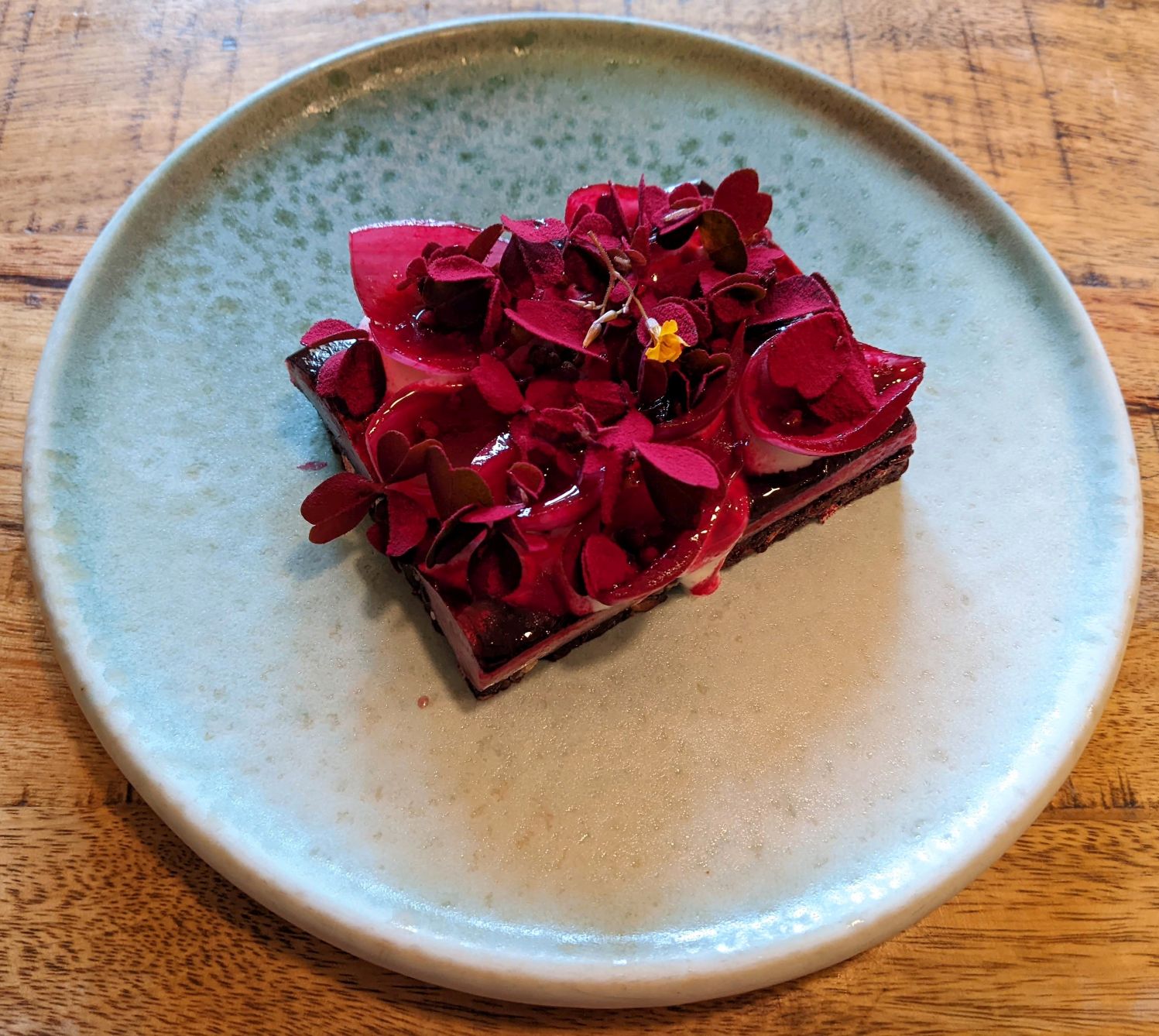
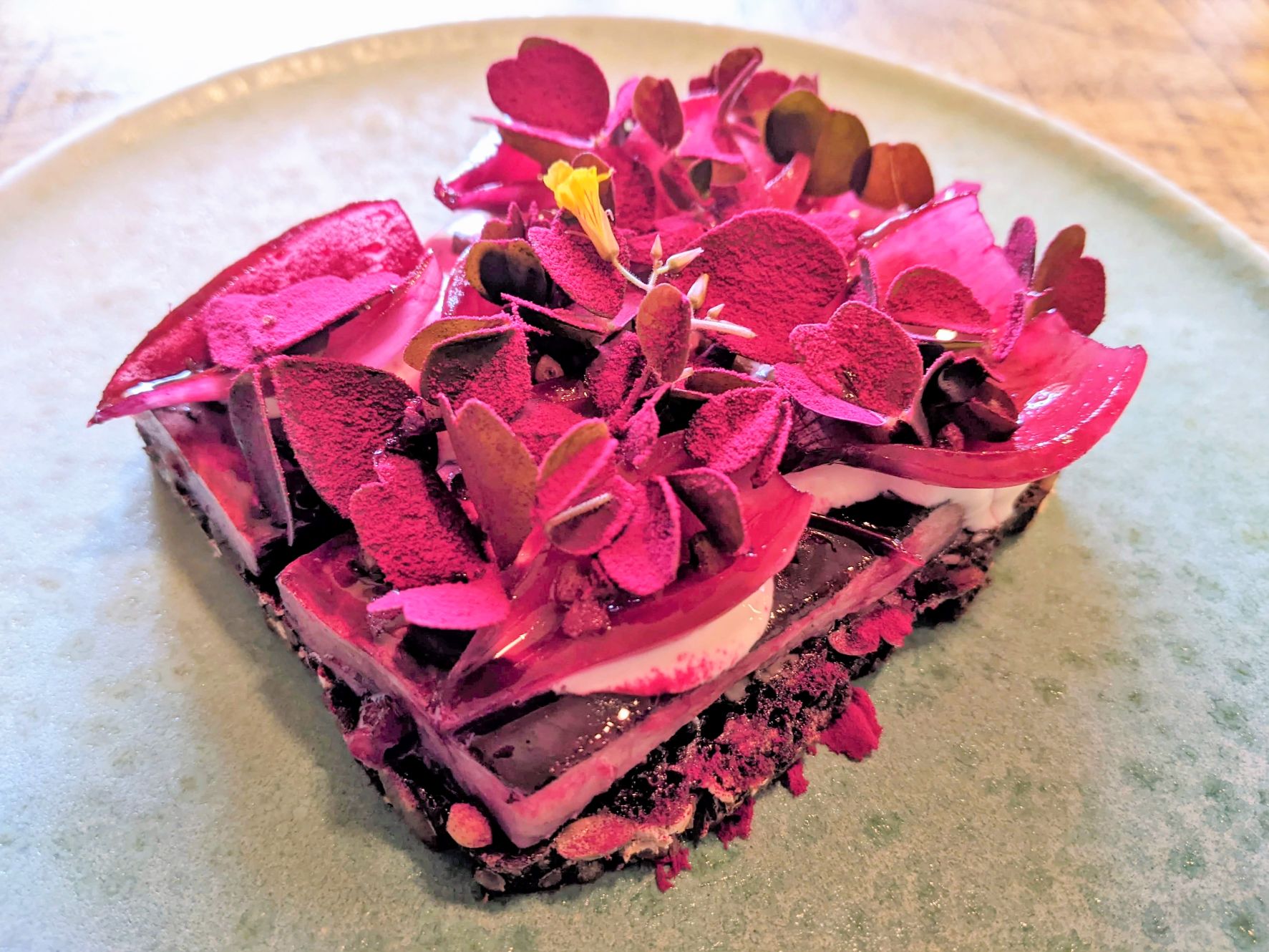
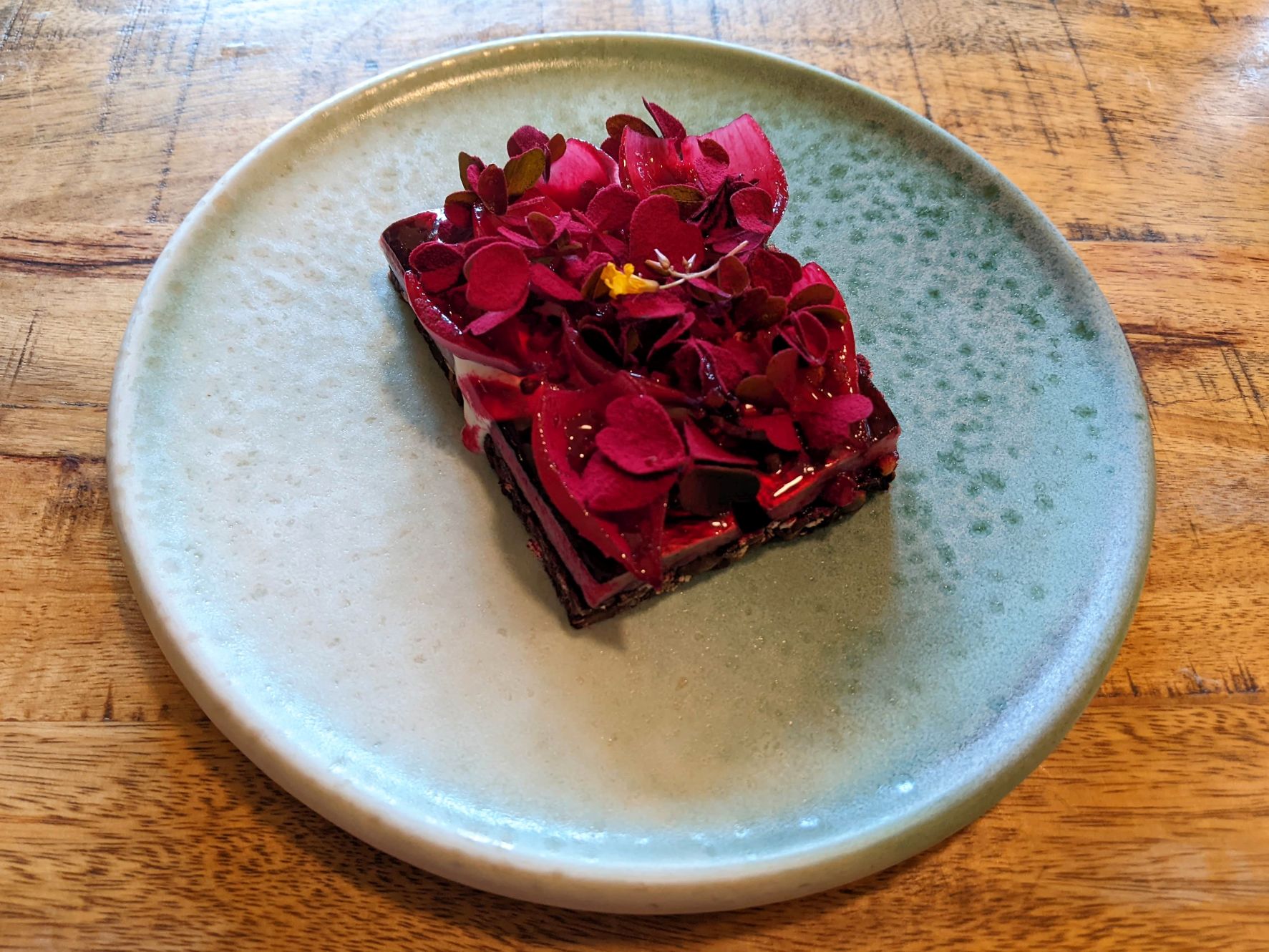
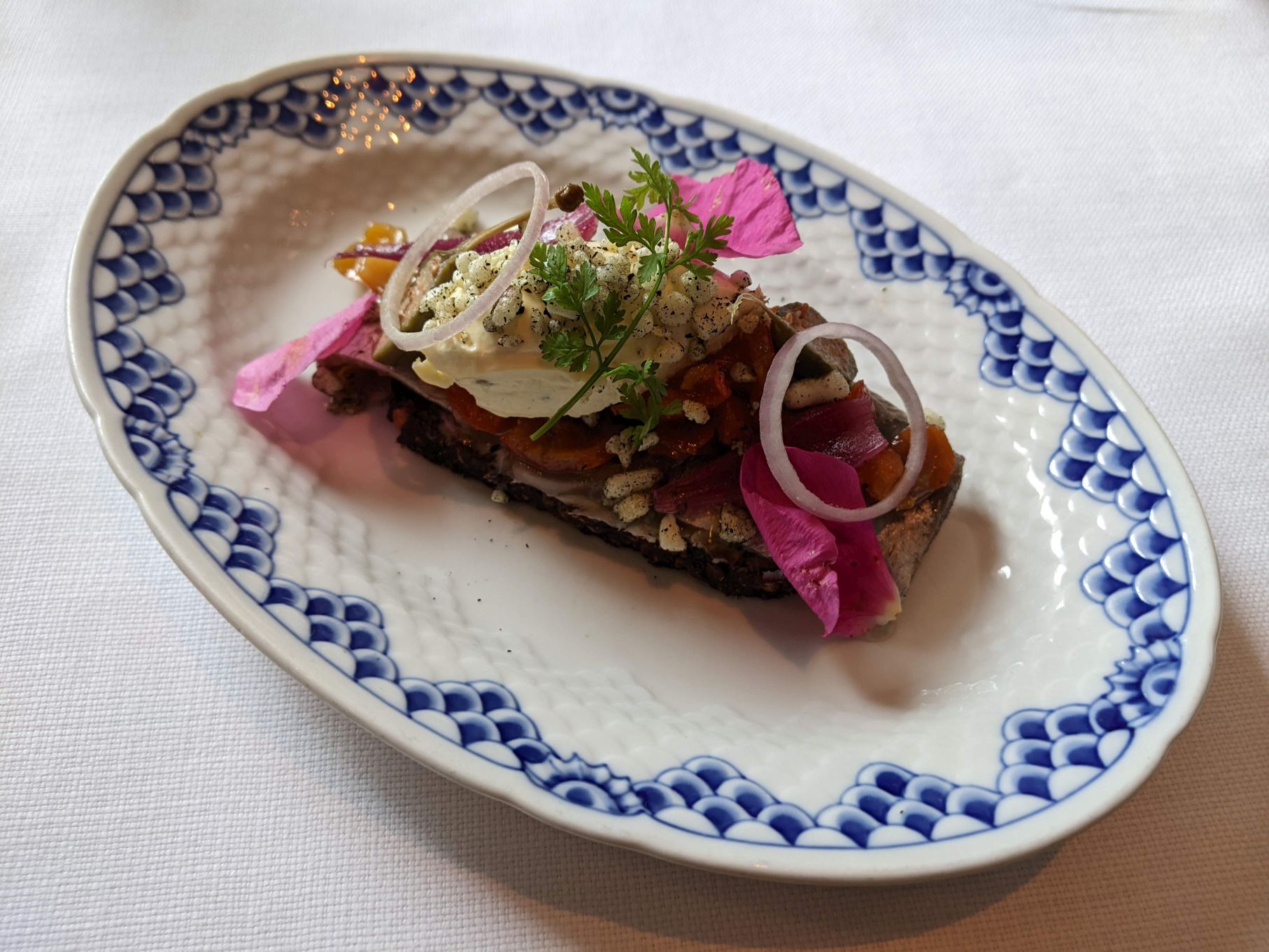
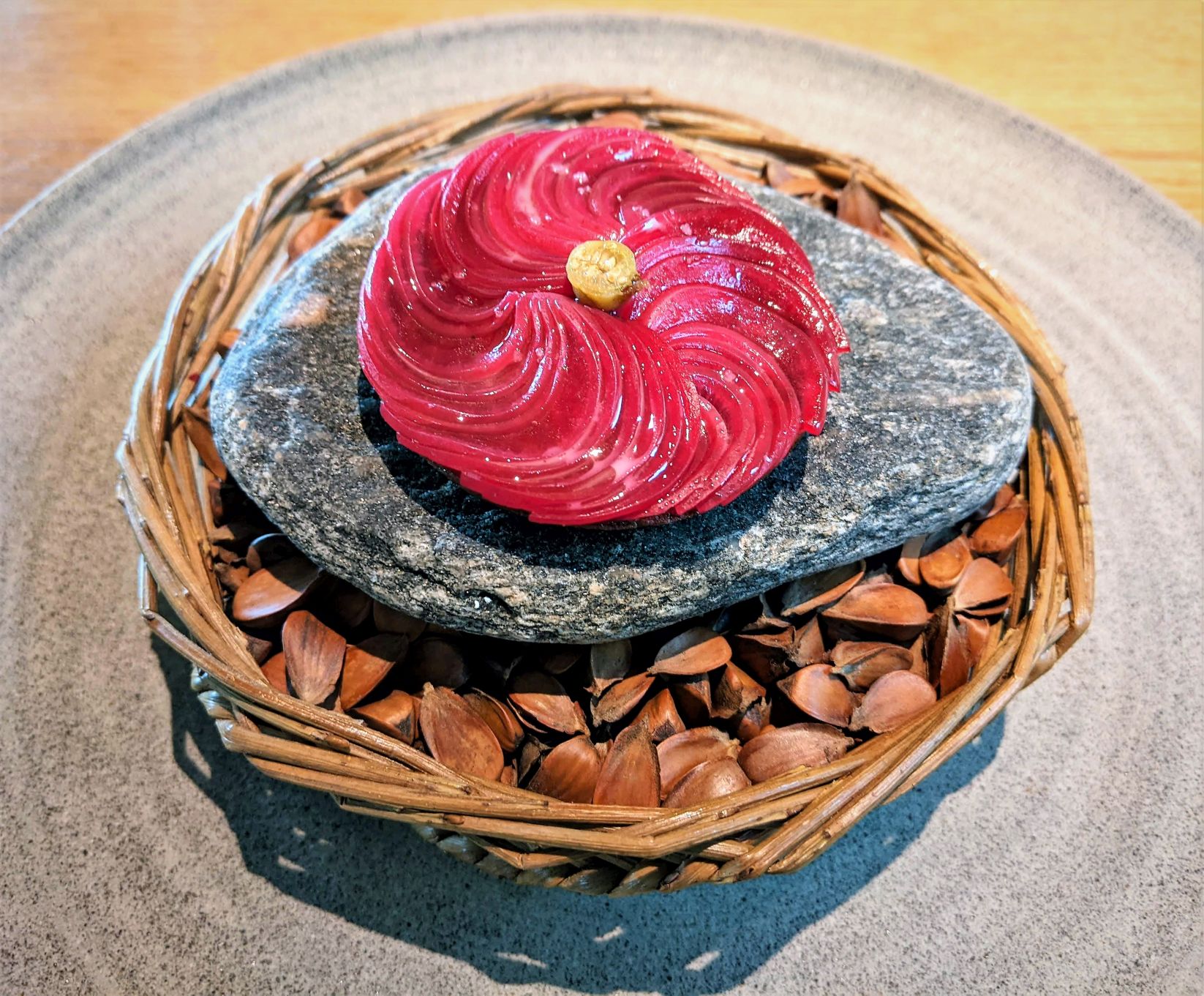
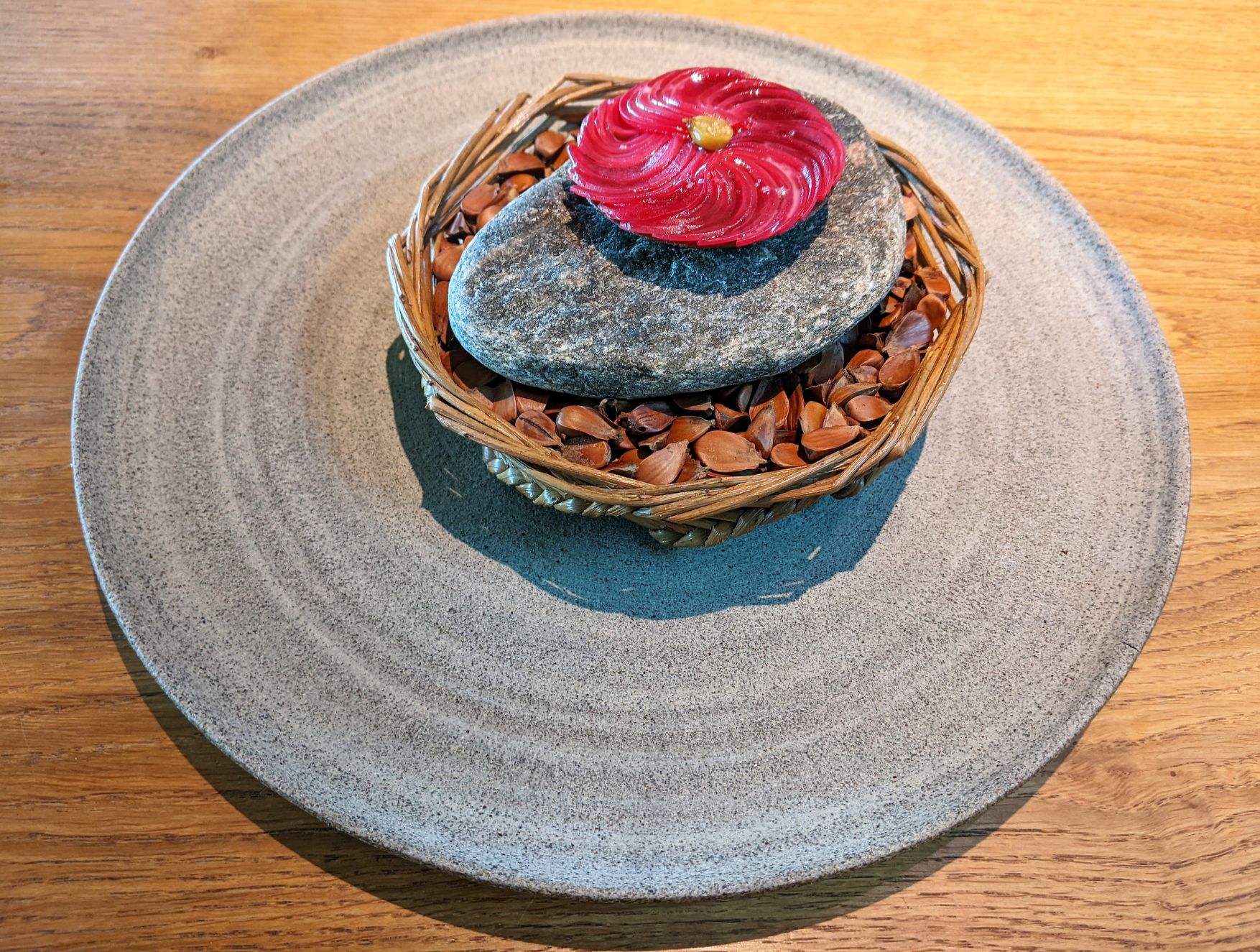
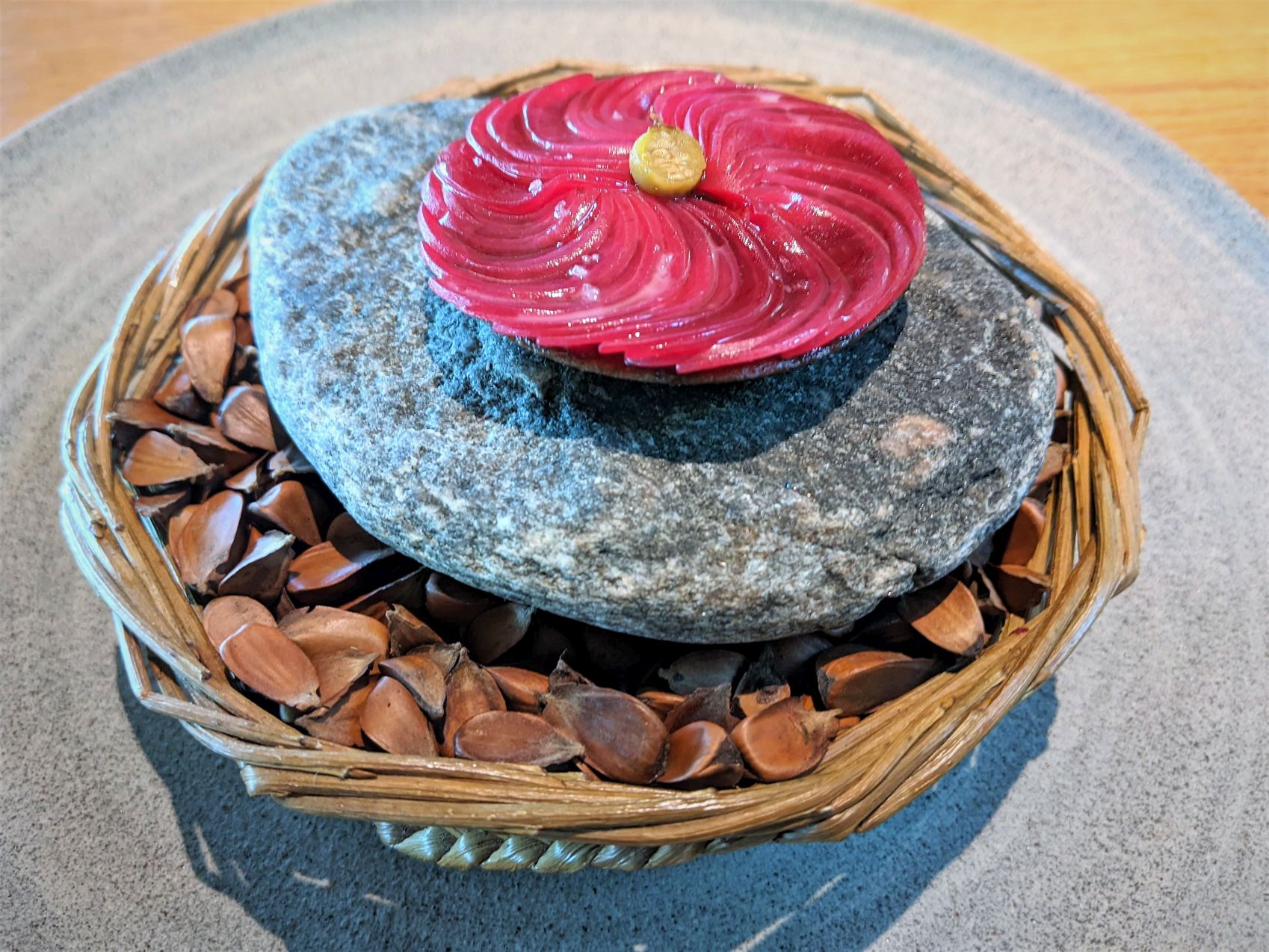
Black Currant Herring, Crème Fraiche, Red Pearl Onions, Buckwheat, Beetroot
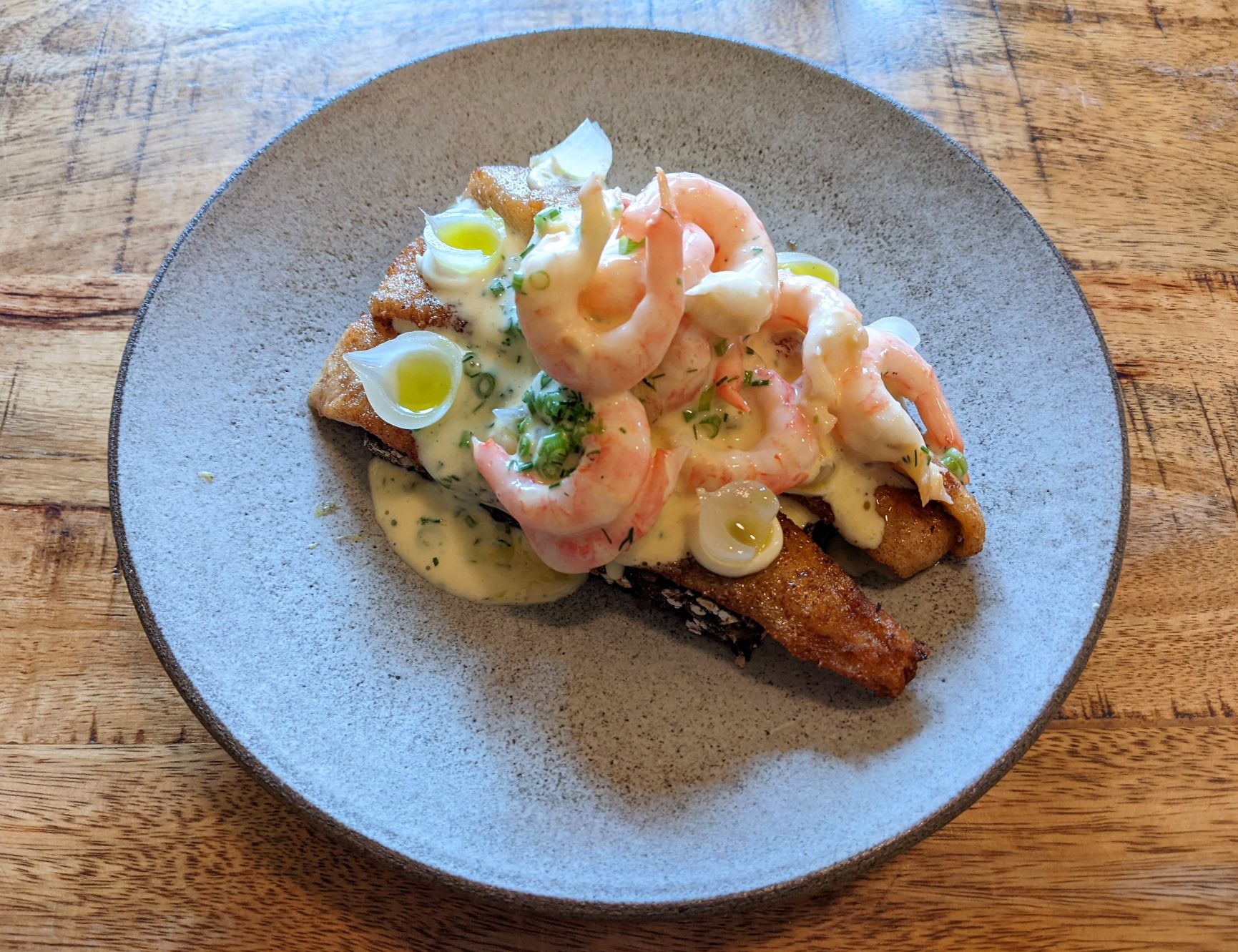
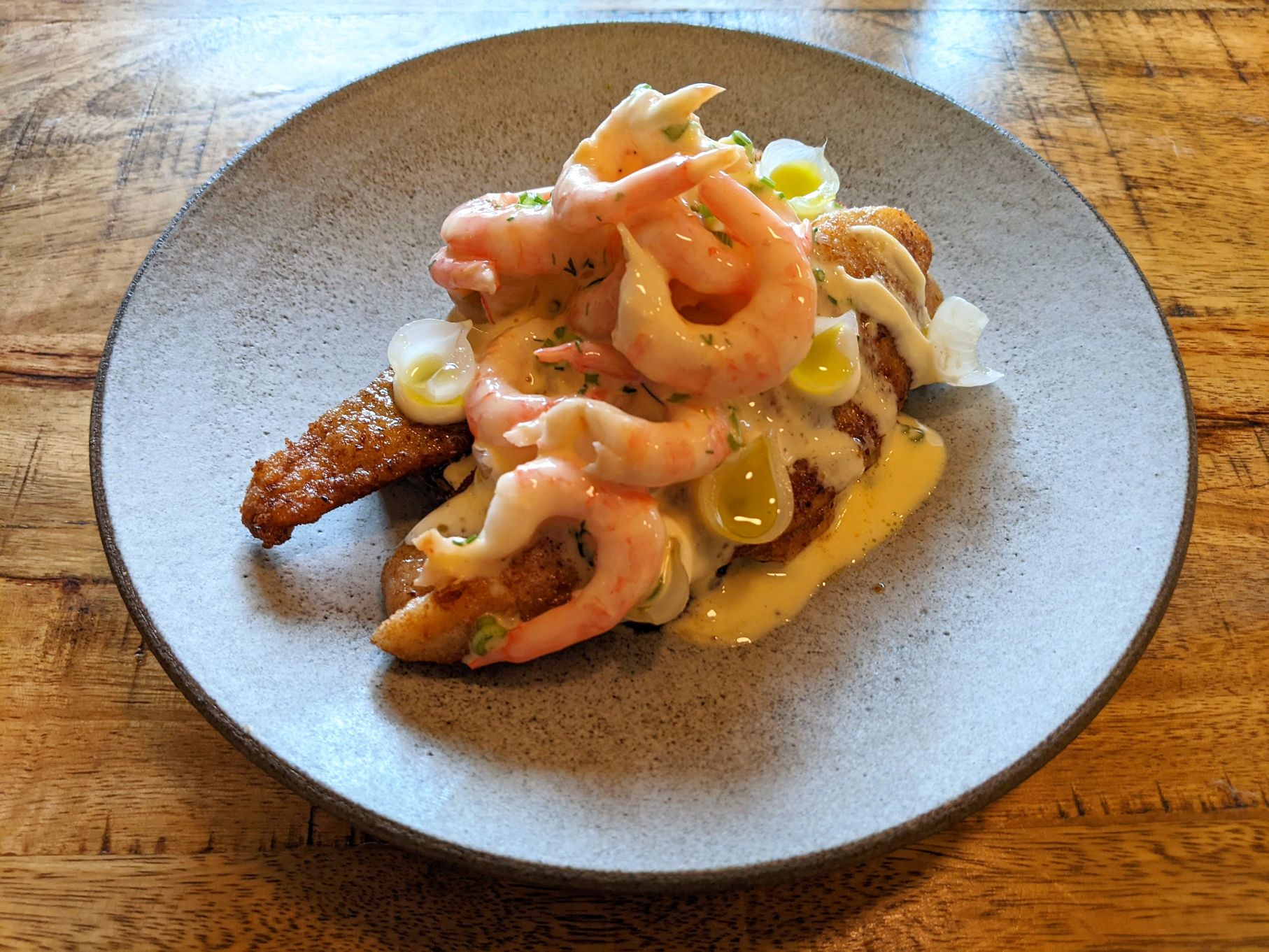
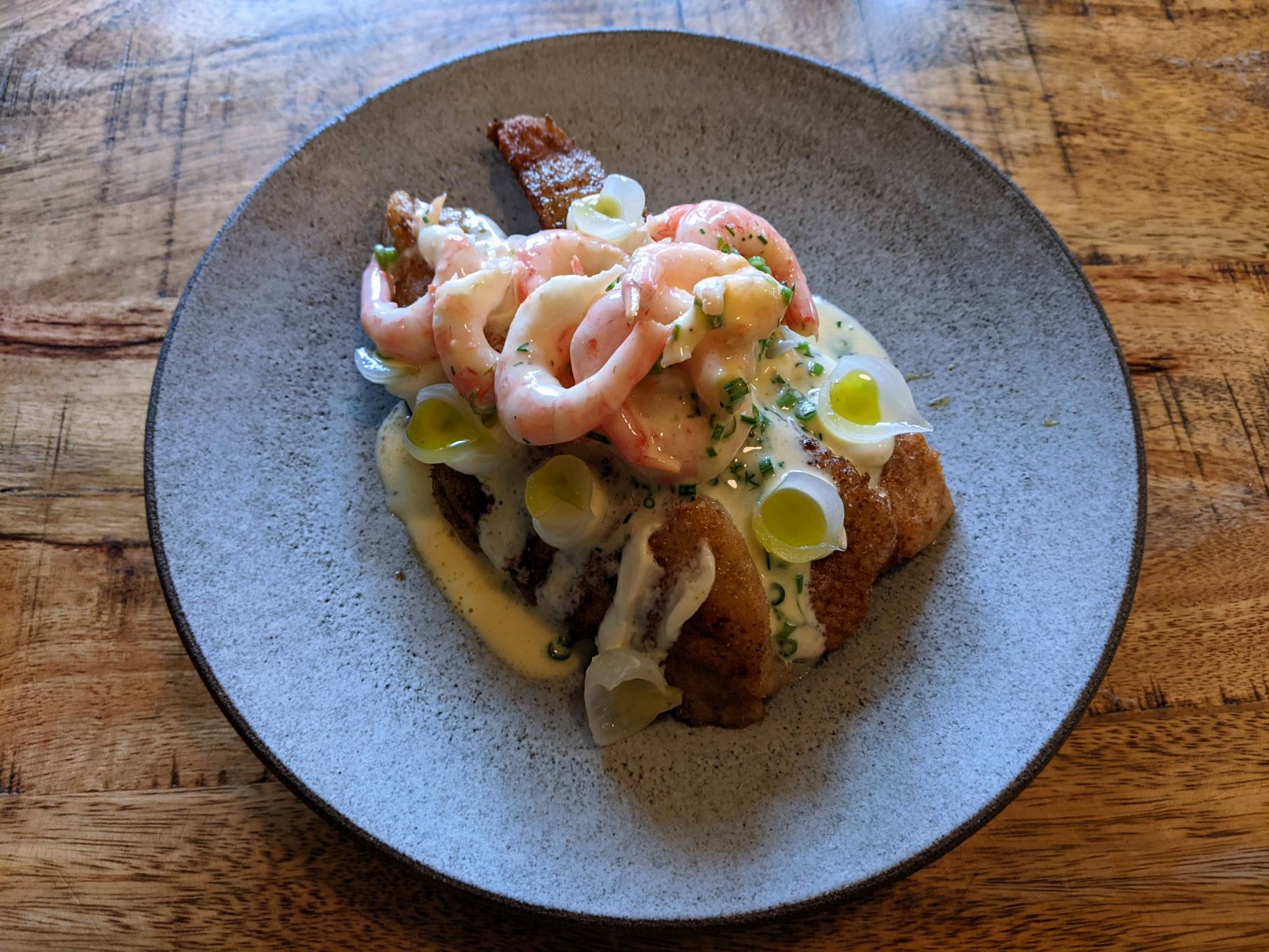
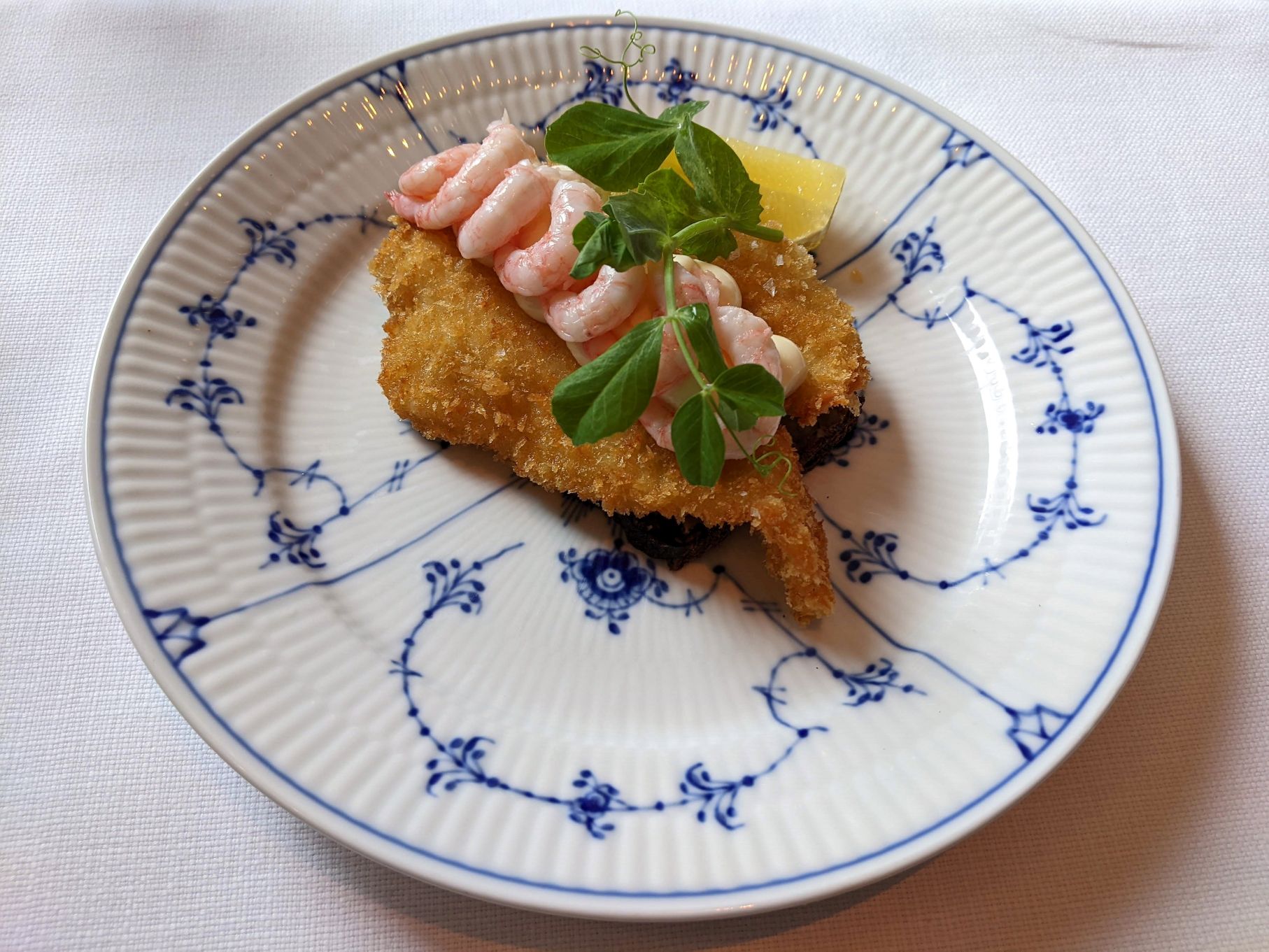
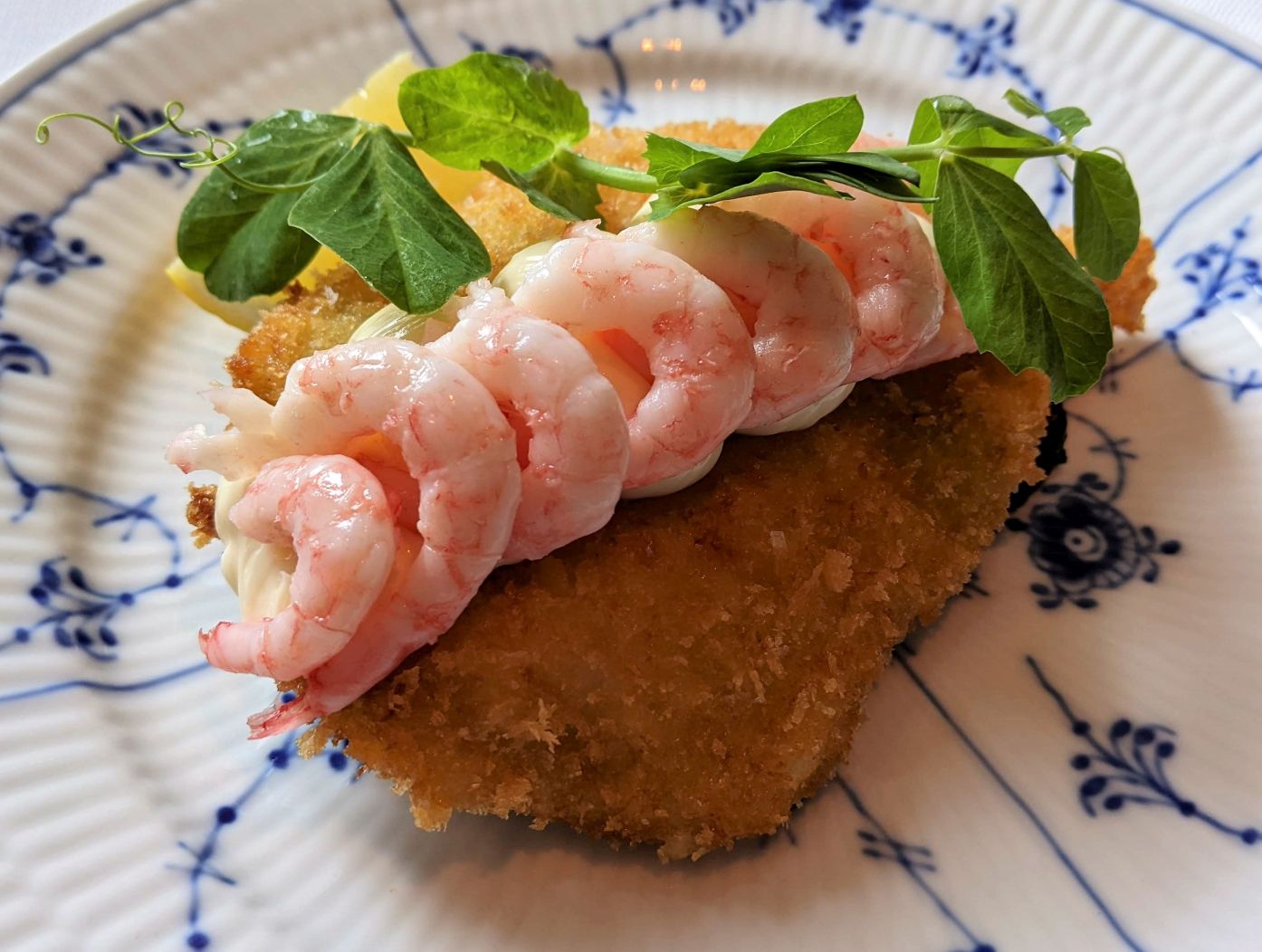
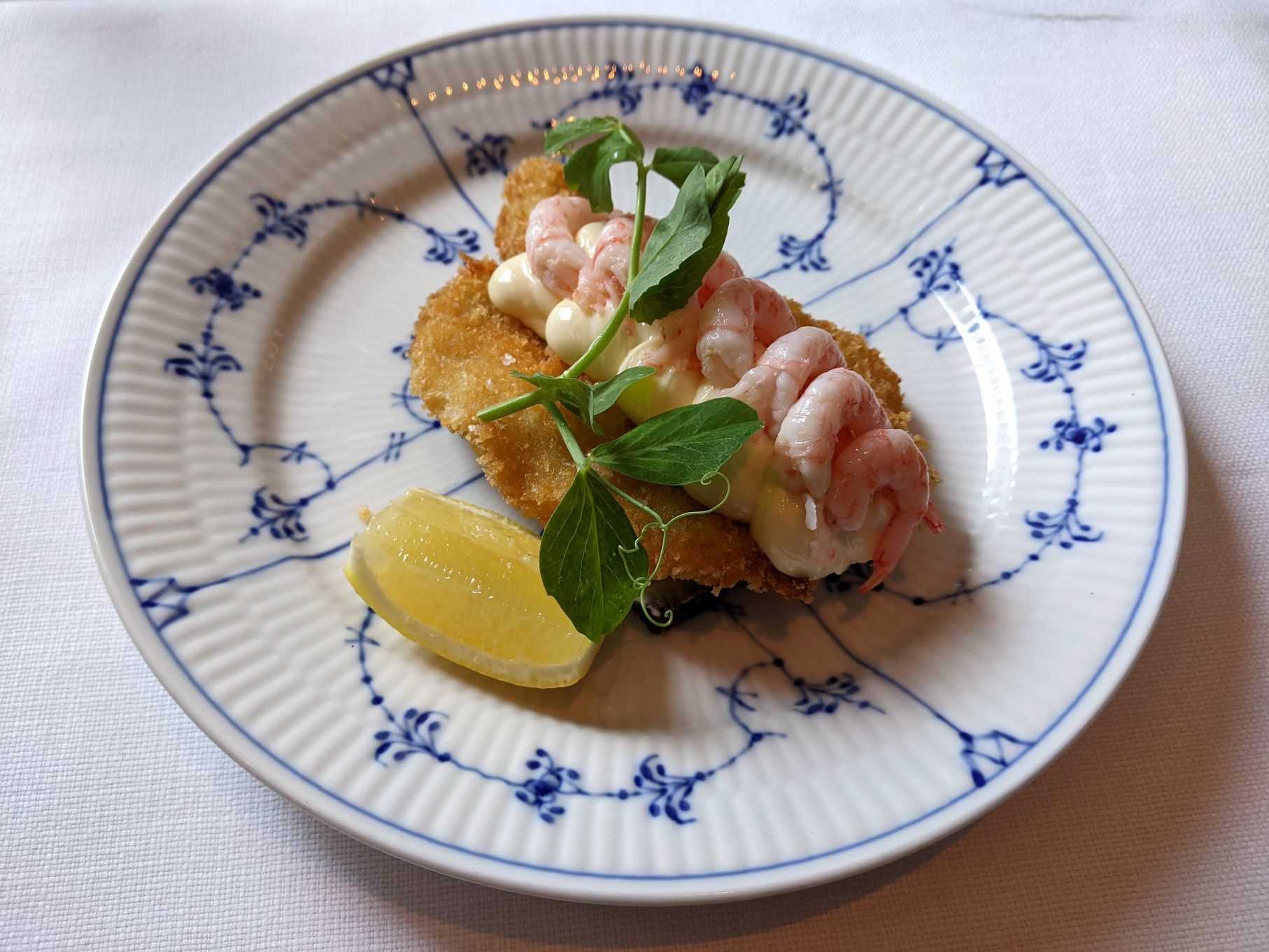
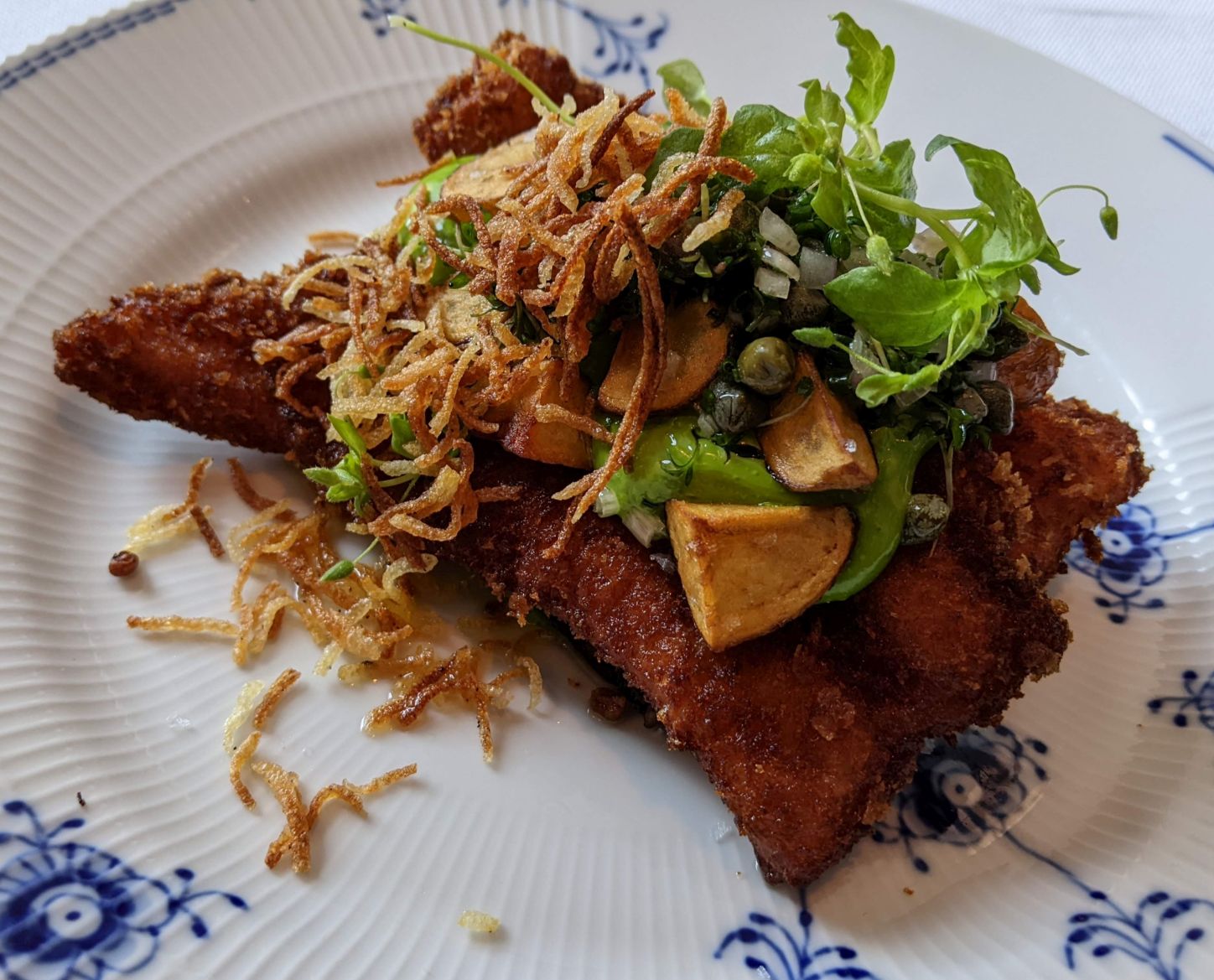
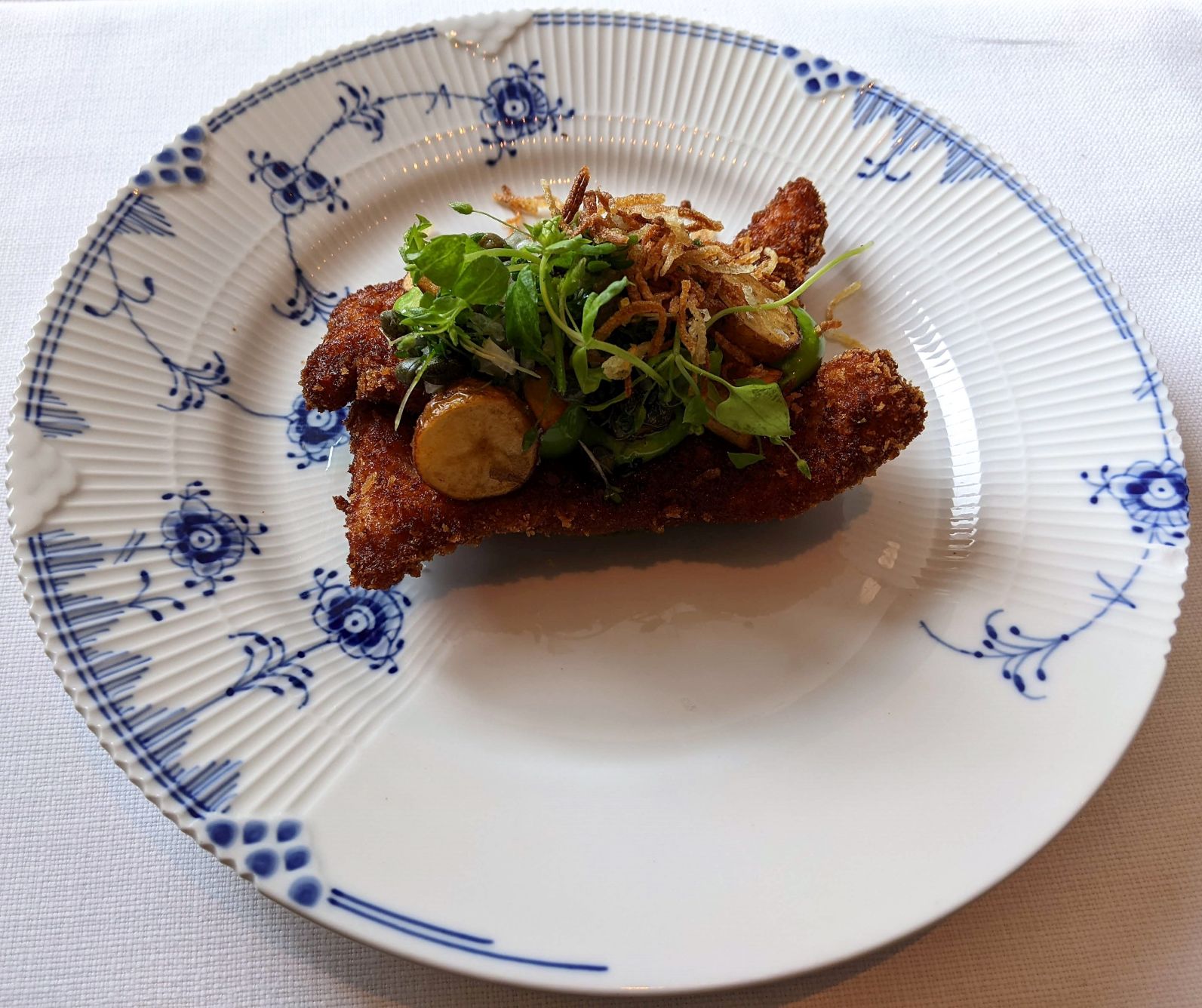
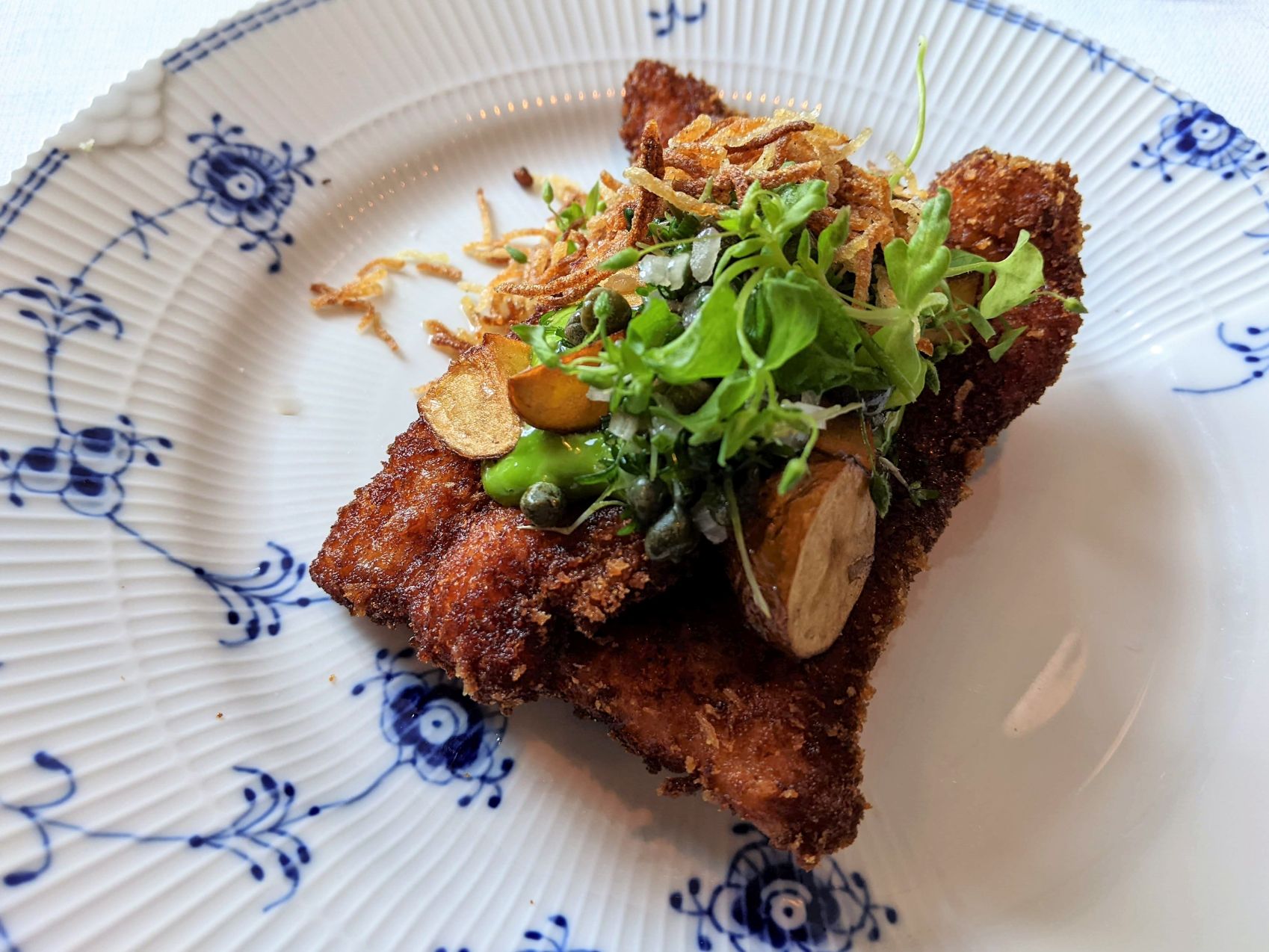
Plaice fried in Rye, Blanquette Sauce, Fjord Shrimp, Pearl Onions, Dill
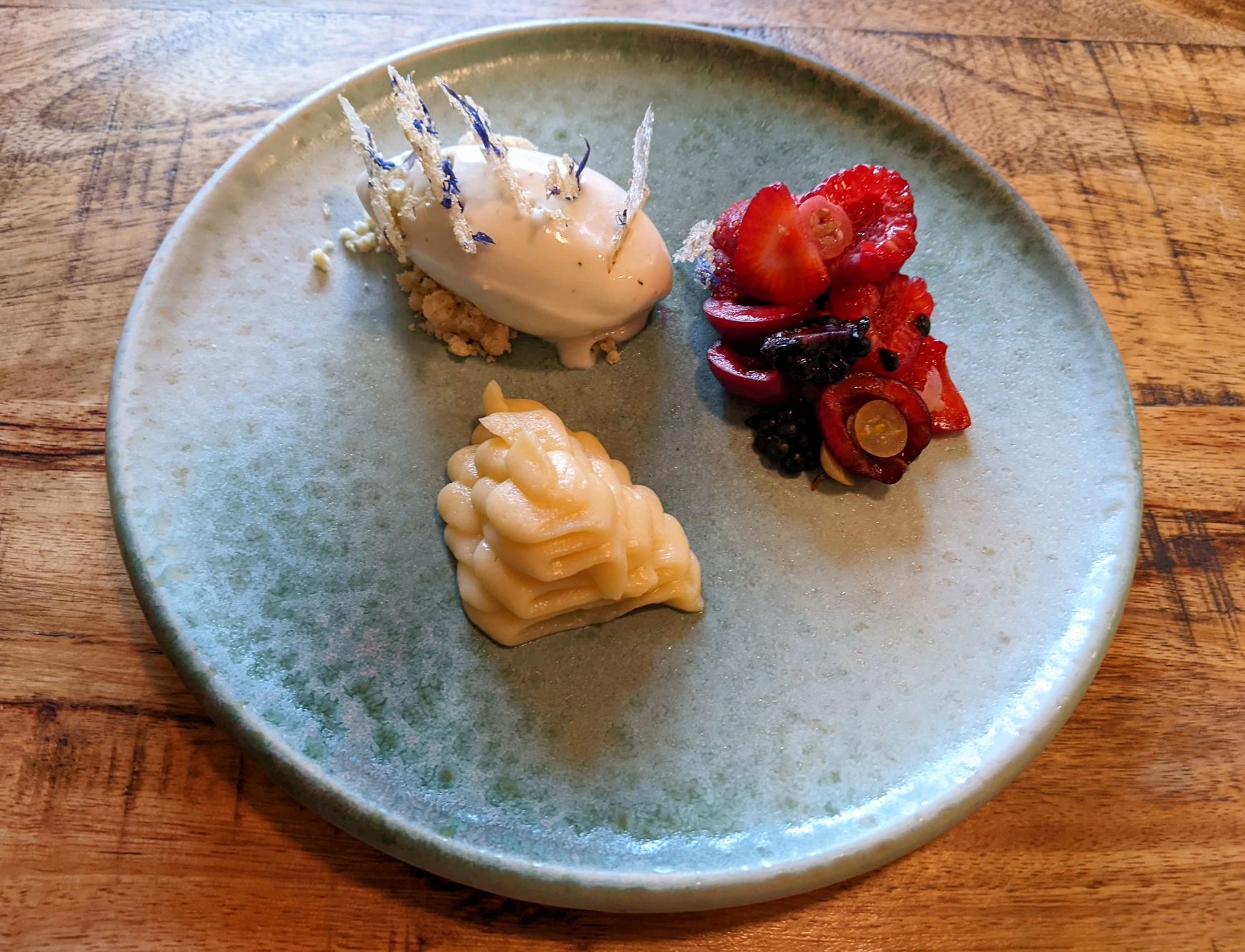
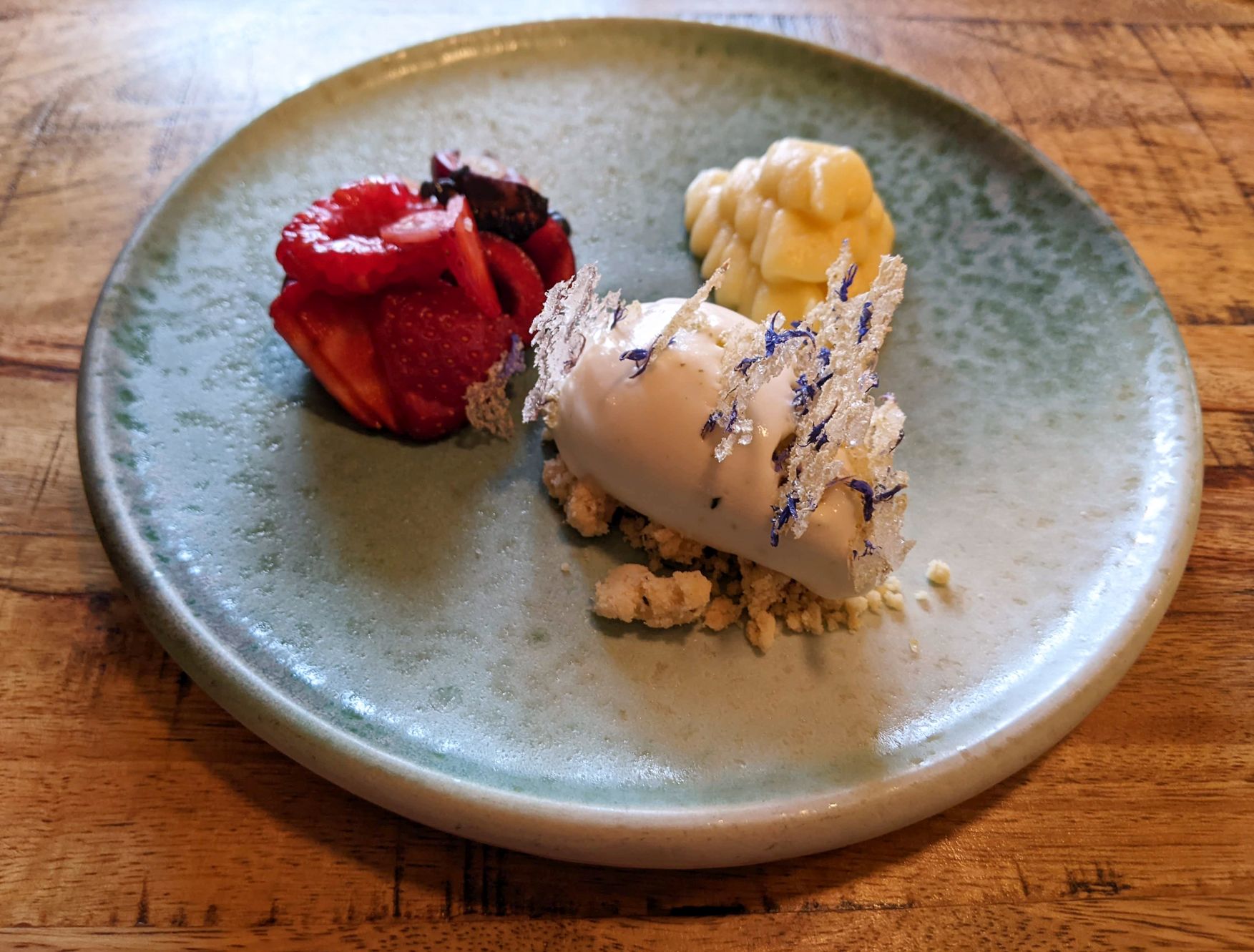
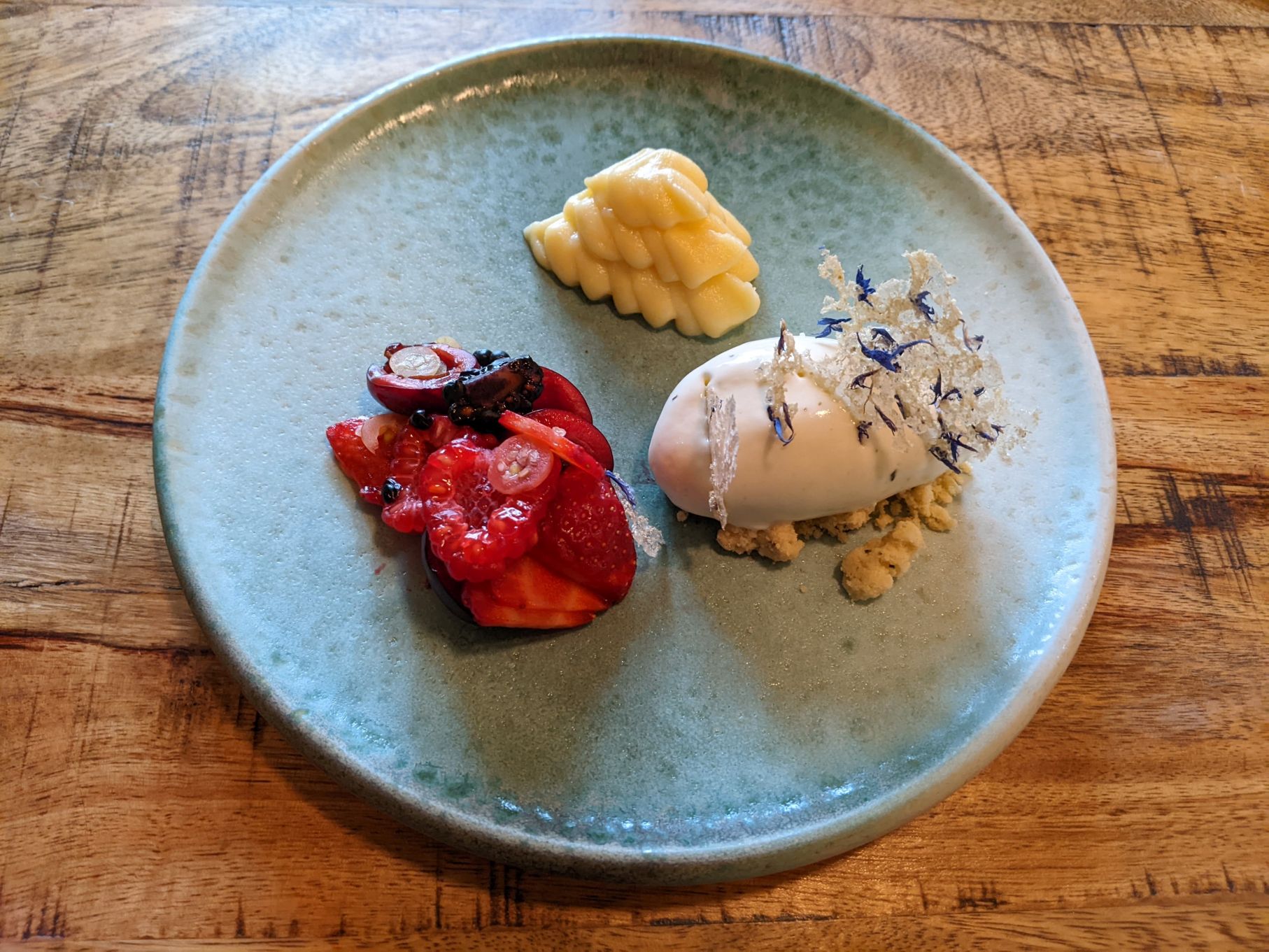
Rosemary Ice Cream, Brown Butter Ganache, Danish Summer Berries
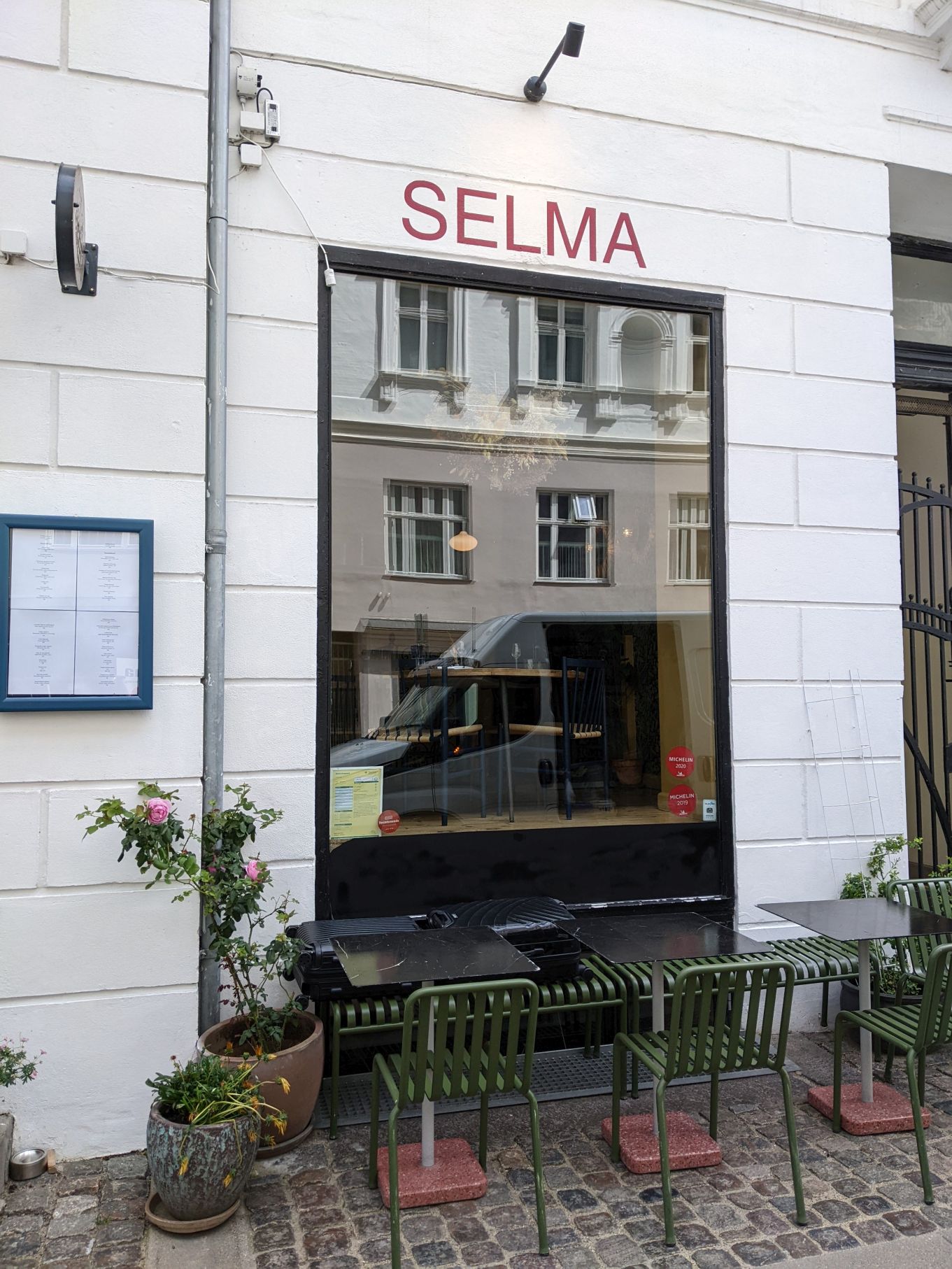
A Michelin Bib Gourmand awardee, the first to achieve such recognition for Smørrebrød, Selma is the product of a collaboration between local brewery Mikkeller and Swedish Chef Magnus Peterson.
Open for lunch daily except for Tuesday, a short staircase dividing guests from homey confines named after Peterson’s daughter, diners are invited to order a la carte or to participate in a two-hour tasting, the former proving necessary on a crowded trip but sufficient to show why Selma has often been declared the “best lunch in town.”
Embracing modernity with reverence for tradition, Rye made on-site the canvas for creative Open-Faced Sandwiches, meals smartly start with a choice of Herring from which one cured in Black Currants takes on pink highlights to match pickled Onions and dehydrated Beetroot.
Prone to daily change based on Ingredients, though a few classics are indispensable, Selma’s Fried Plaice does away with Breading in favor of loosely-applied Rye Crumbs beneath delicate Sauce and plump Shrimp while a Dessert of Rosemary Ice Cream, Brown Butter Ganache and local Berries delivers a “choose-your-own adventure” of tastes, temperatures and textures.
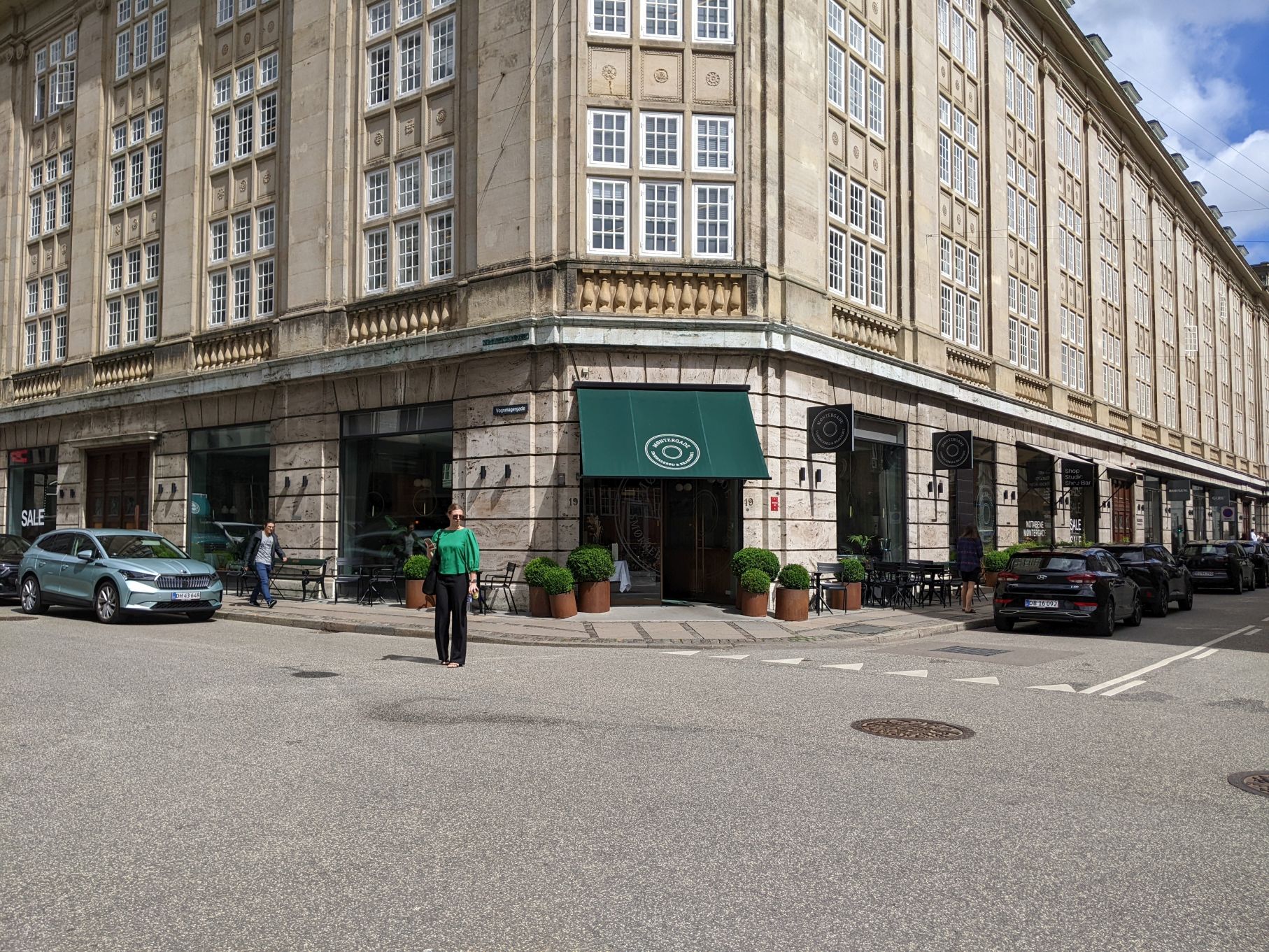
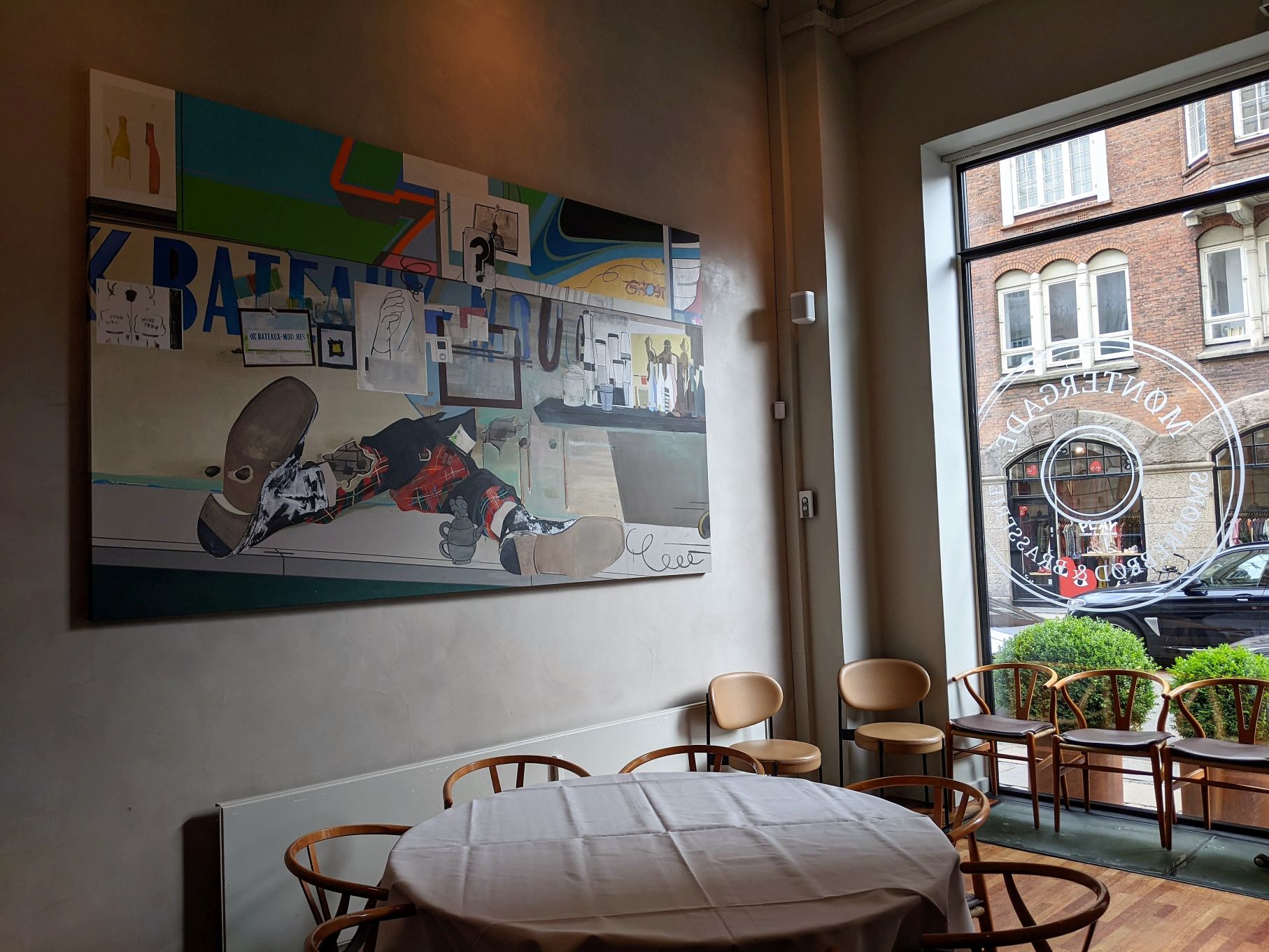
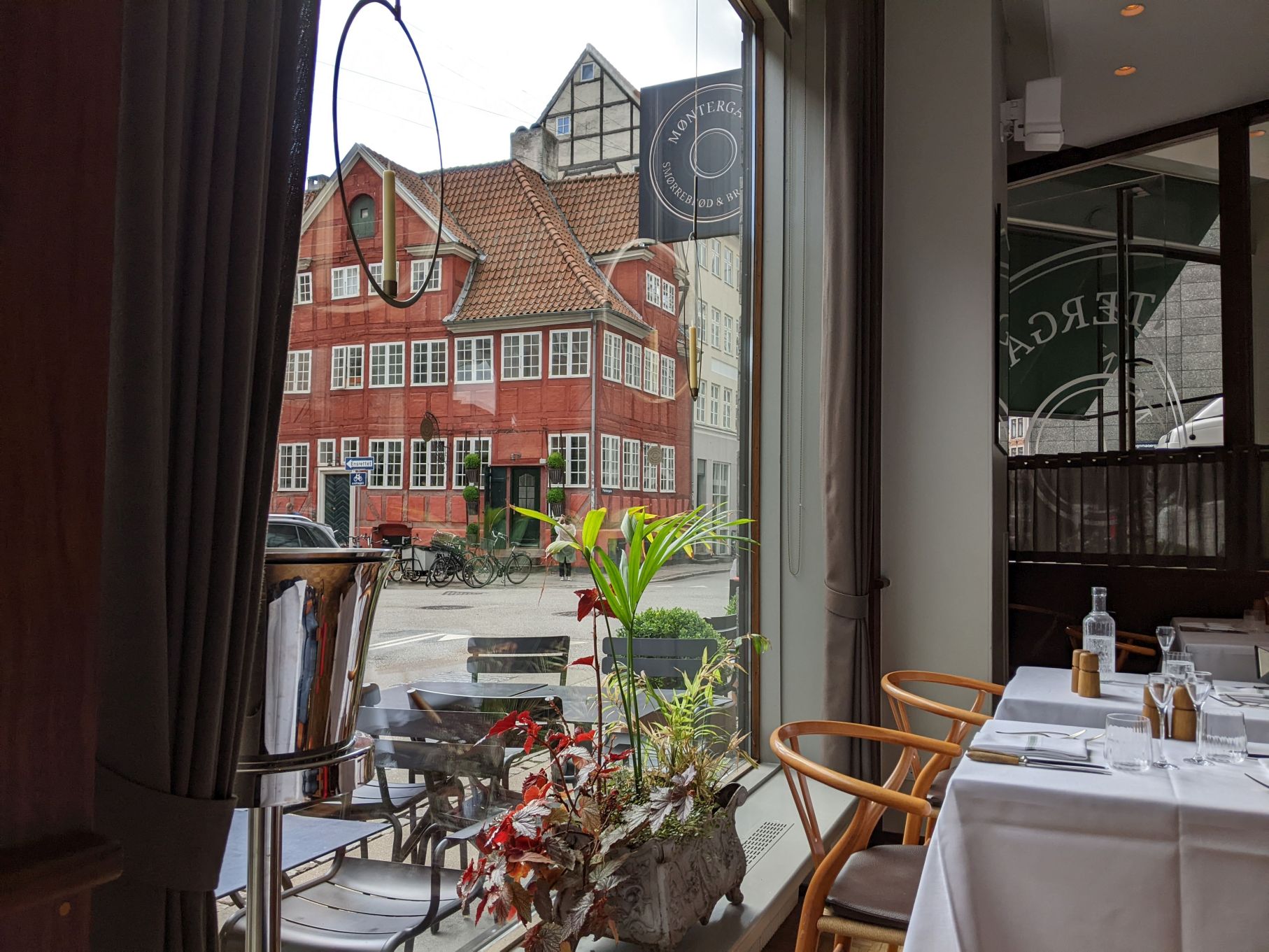
A Michelin Bib Gourmand recipient since shortly after opening Restaurant Møntergade sits at the intersection of its eponymous Street and Gammel Mønt, the team from fire-ravaged Restaurant Palægade relocating in June of 2020 to the space formerly inhabited by Claus Christensen’s legendary Restaurant.
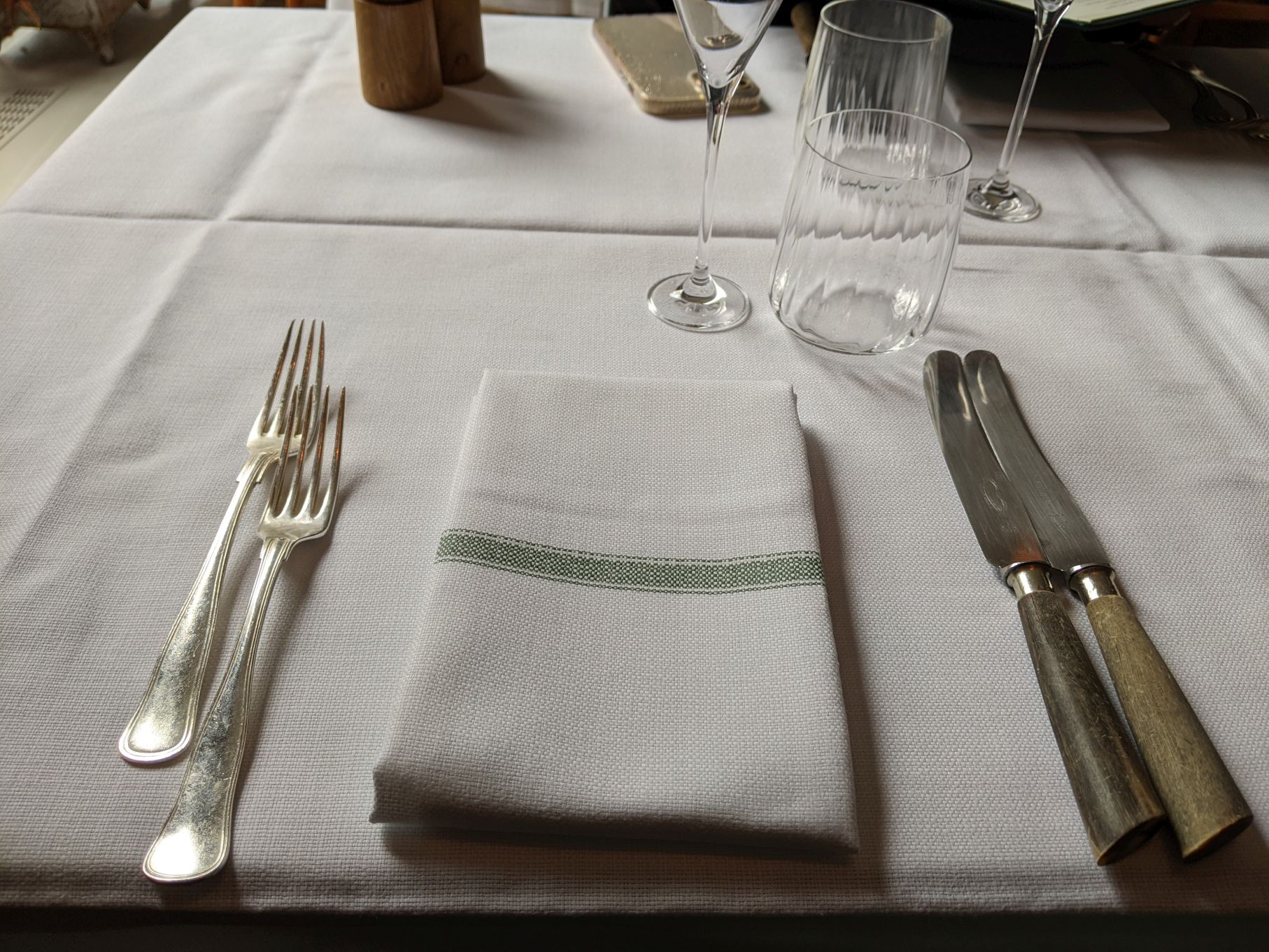
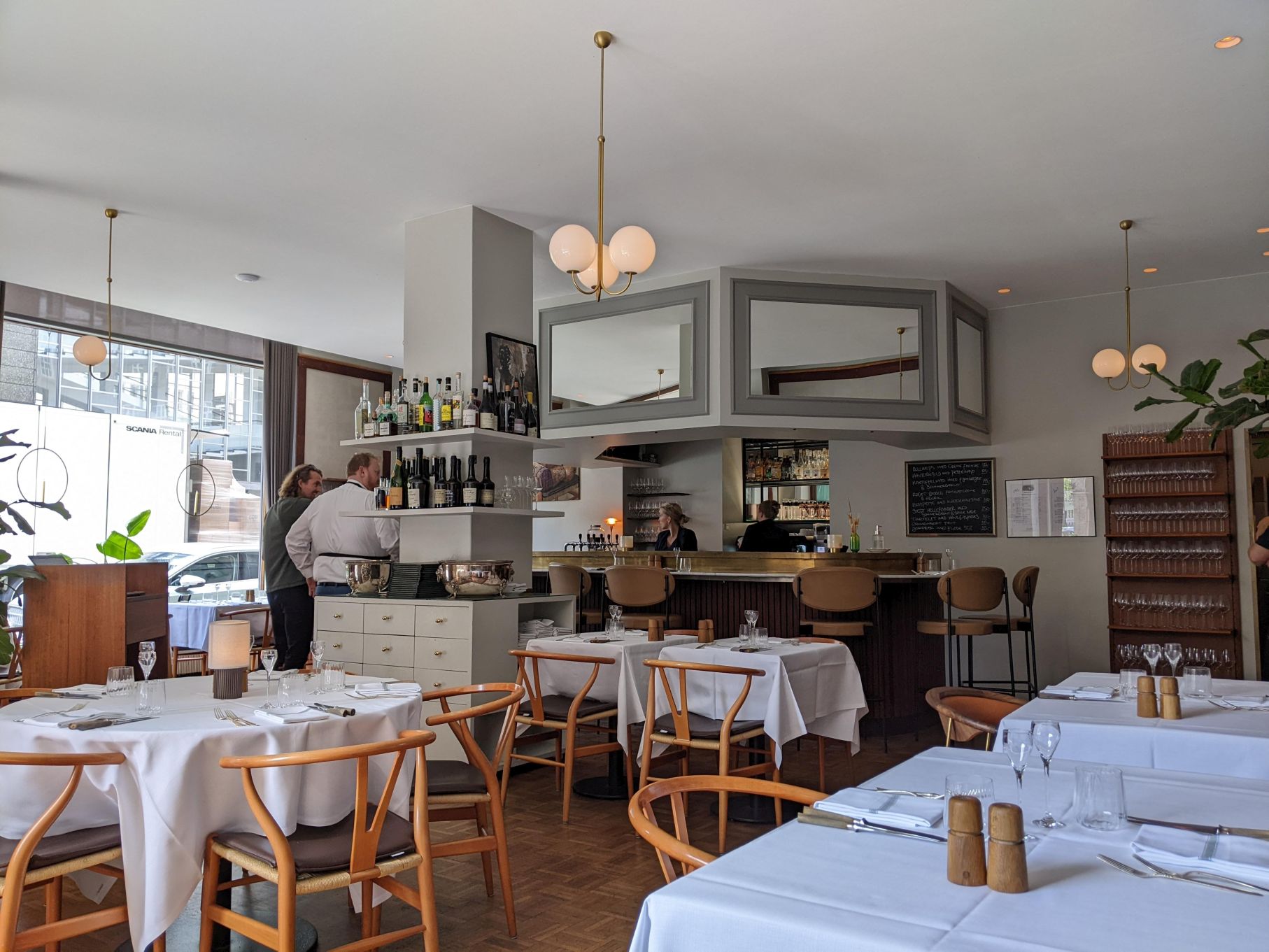
Led by Chef Karina Pedersen with a focus on modern Smørrebrød, the minimalist dining room wrapped around a Brasserie-style kitchen, guests are warmly greeted for both lunch and dinner before seating at tables covered by white tablecloths plus spots of color.
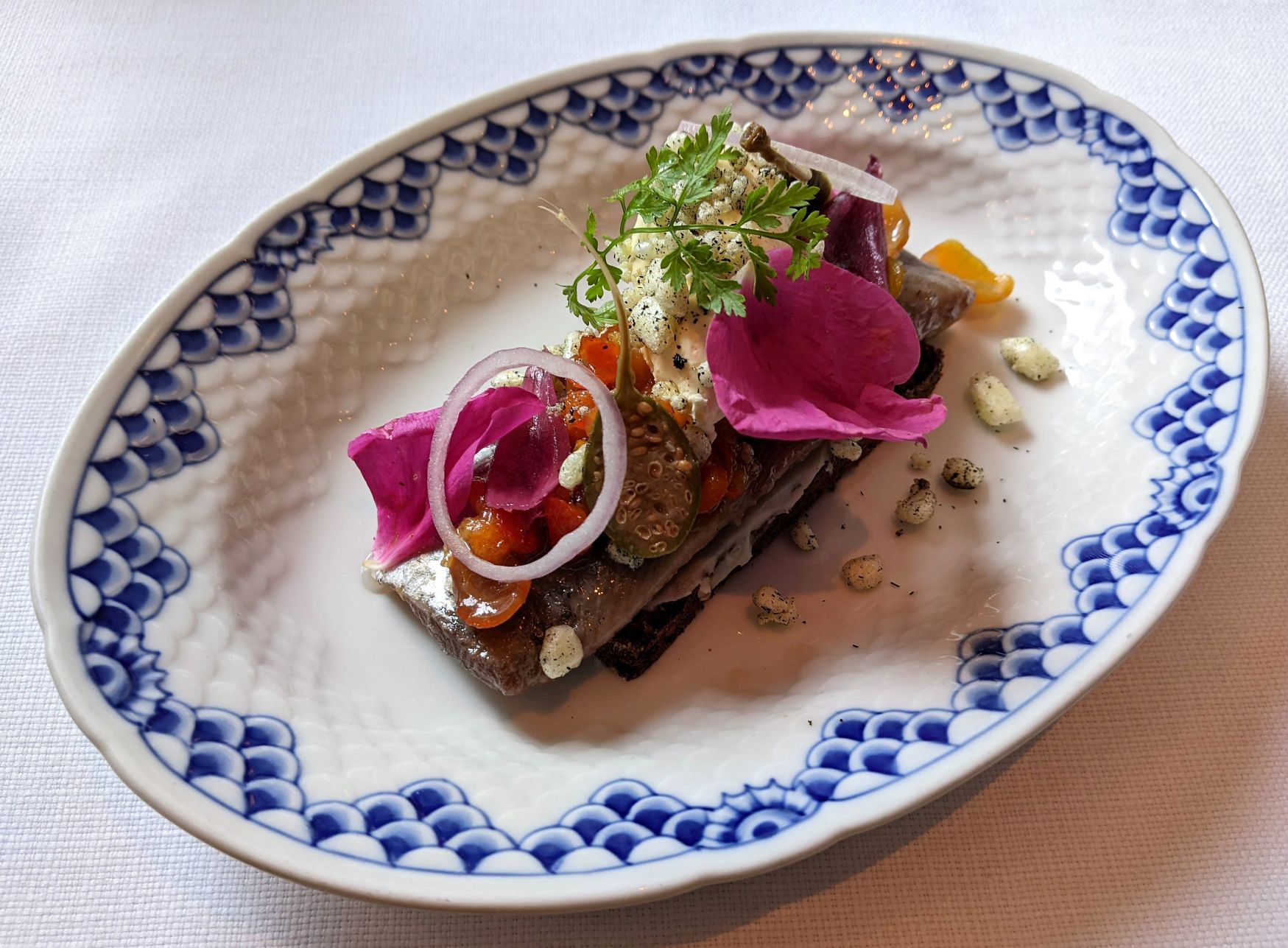
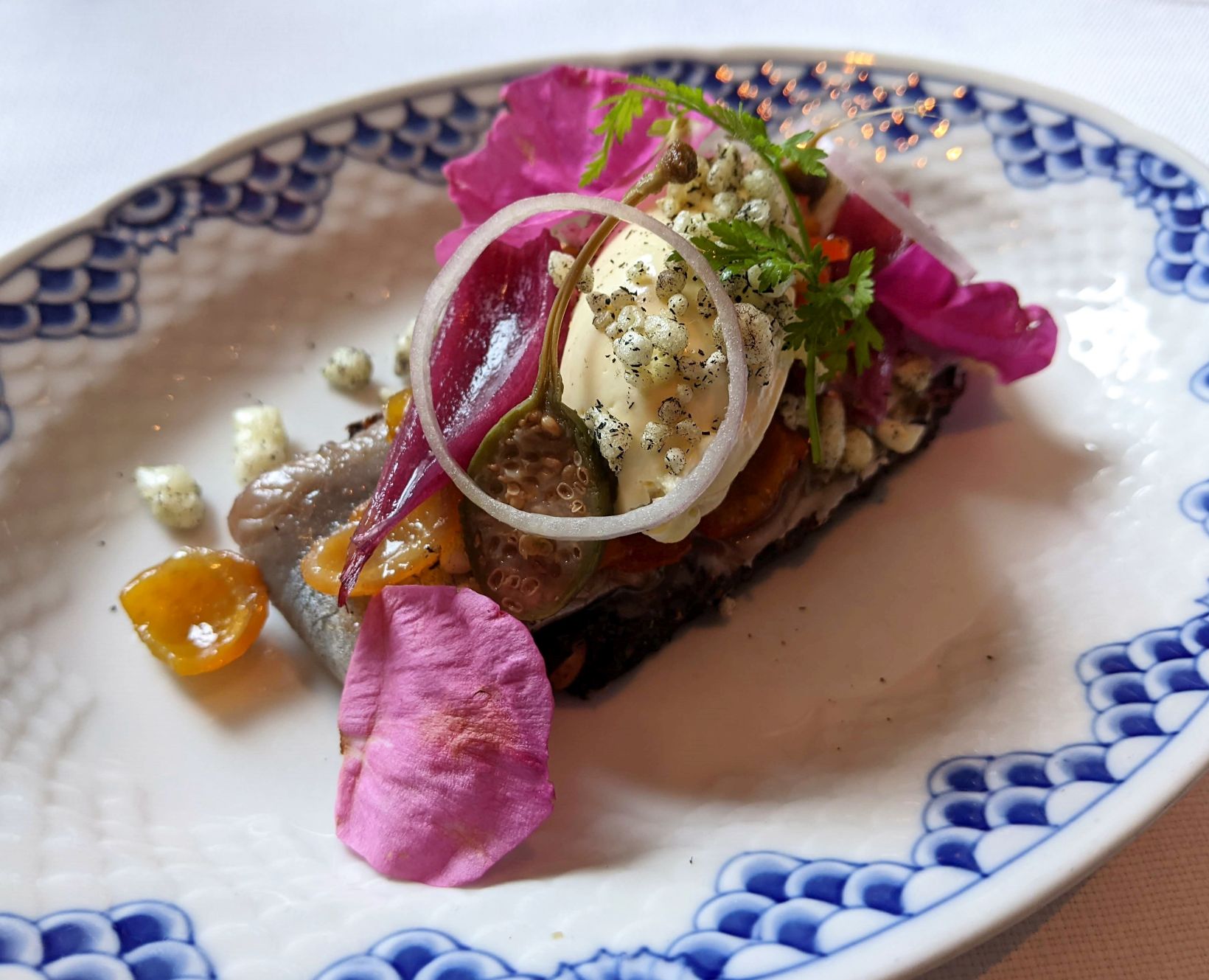
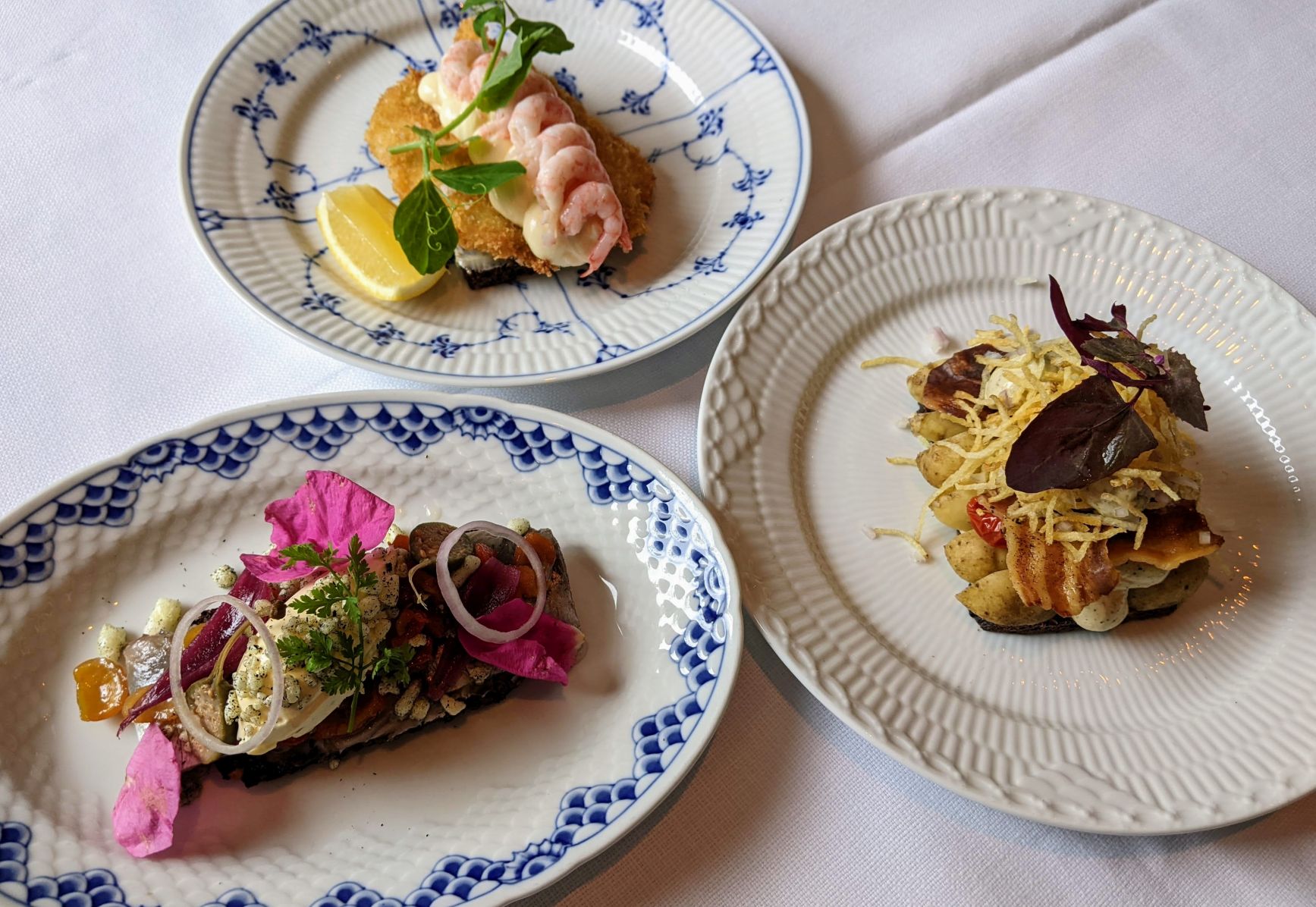
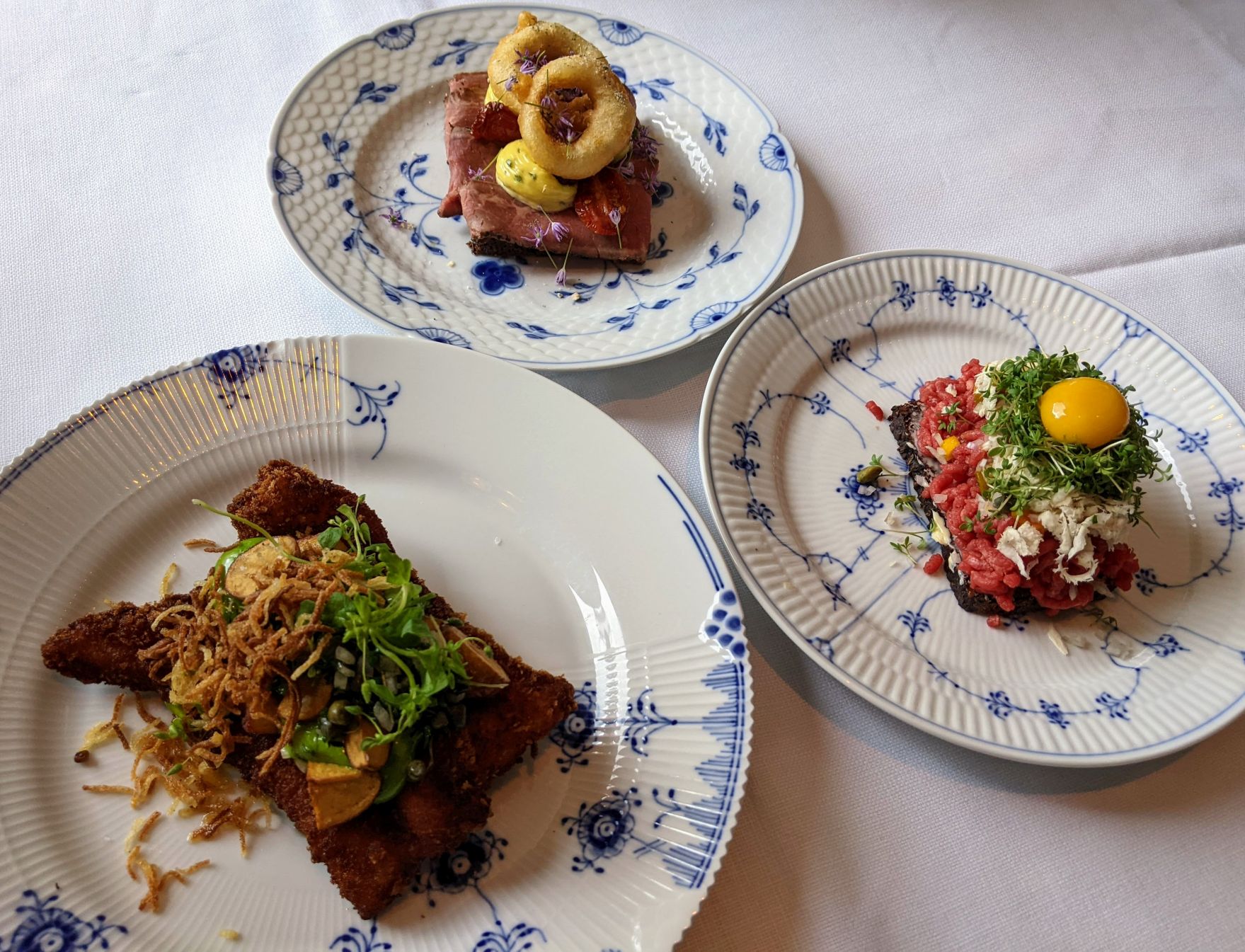
Artistic in a way that Open-face Sandwiches rarely are, less so than perhaps Selma but certainly moreso than many, Møntergade’s Smørrebrød range 125DKK to 285DKK for Lobster, fried Fish with Shrimps and Citrus-Mayo a delightful contrast of tastes and textures while Spiced Herring with Rosehips, Crème Fraiche, Onions and Potatoes moves tradition forward a few decades.
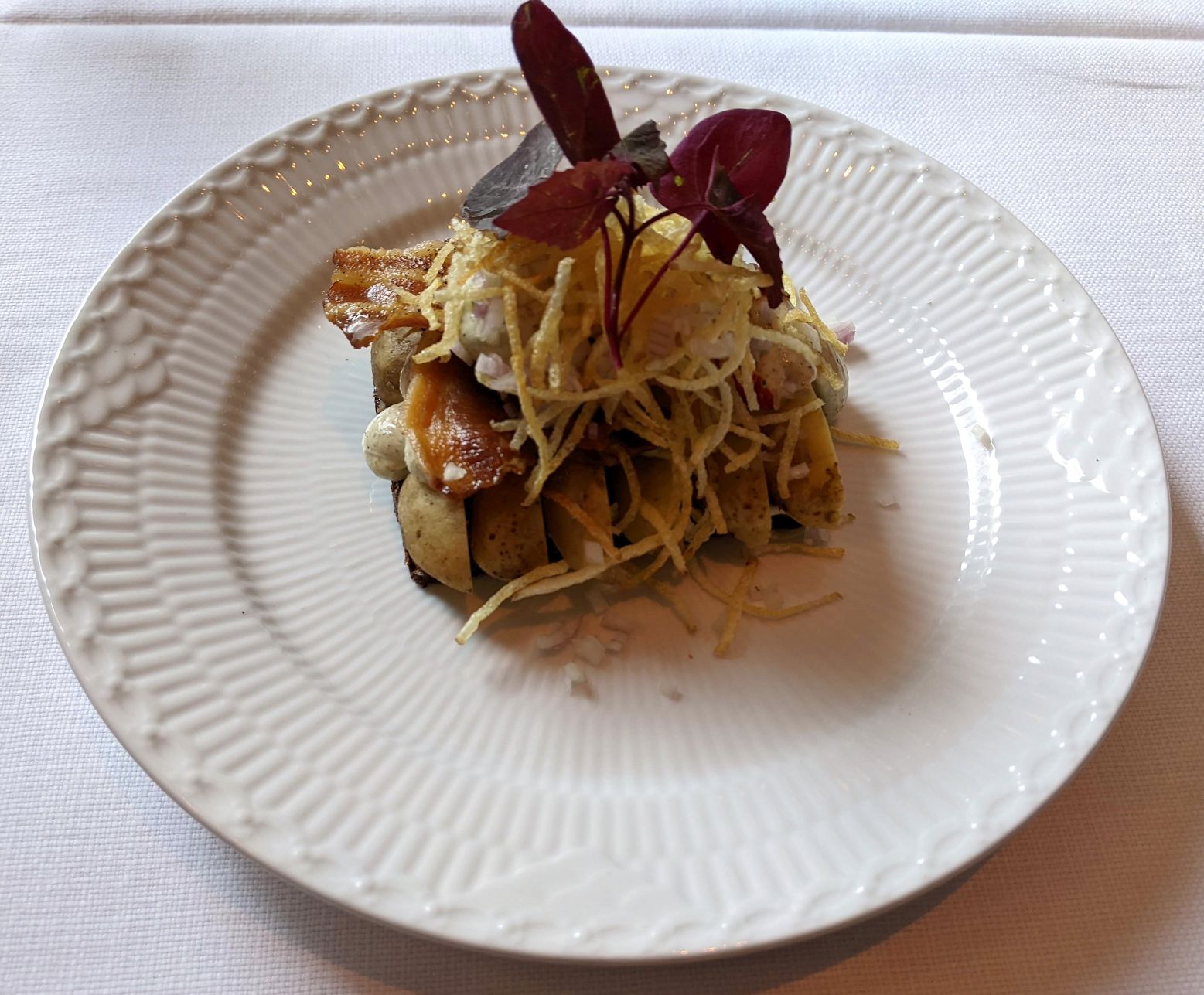
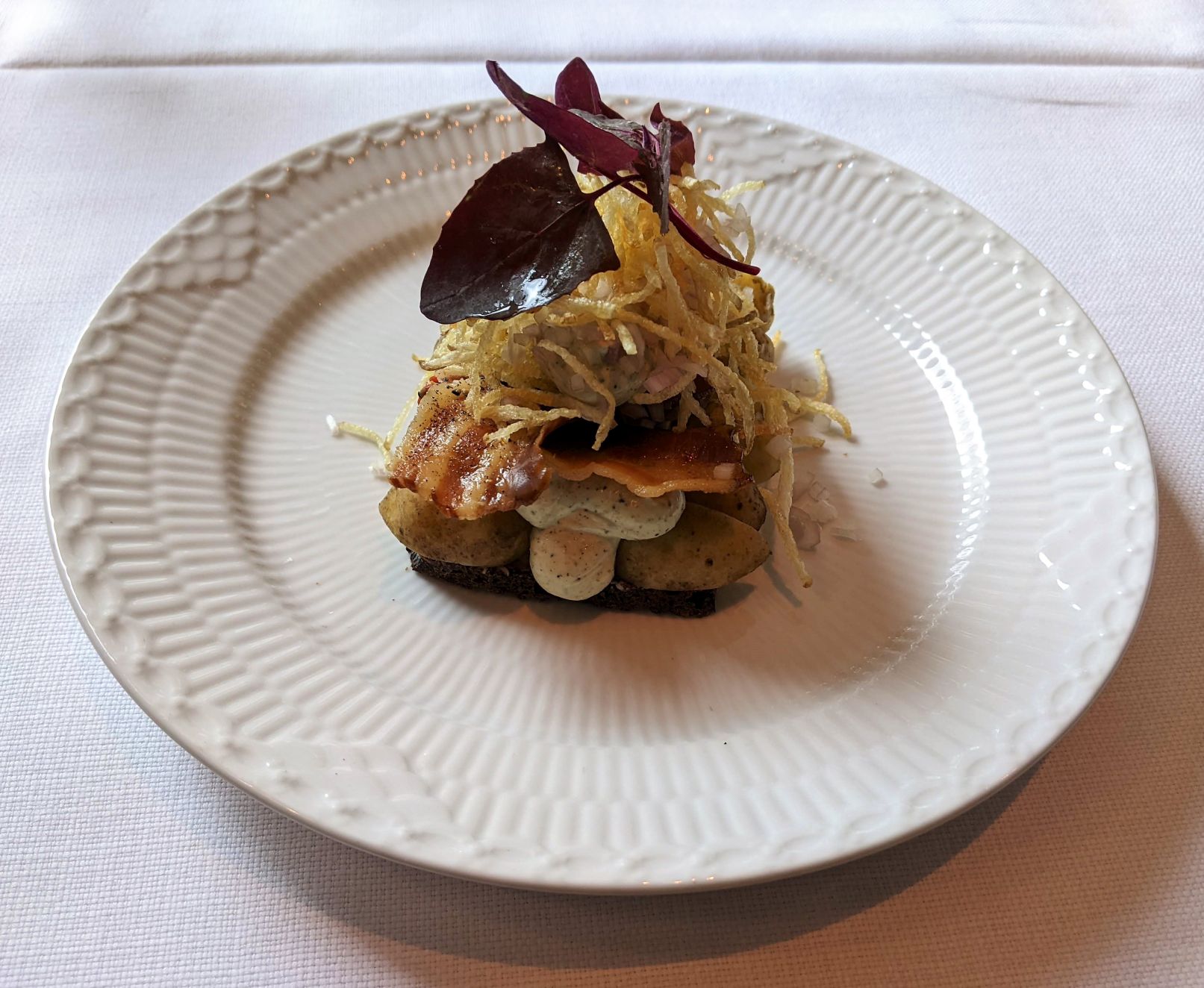
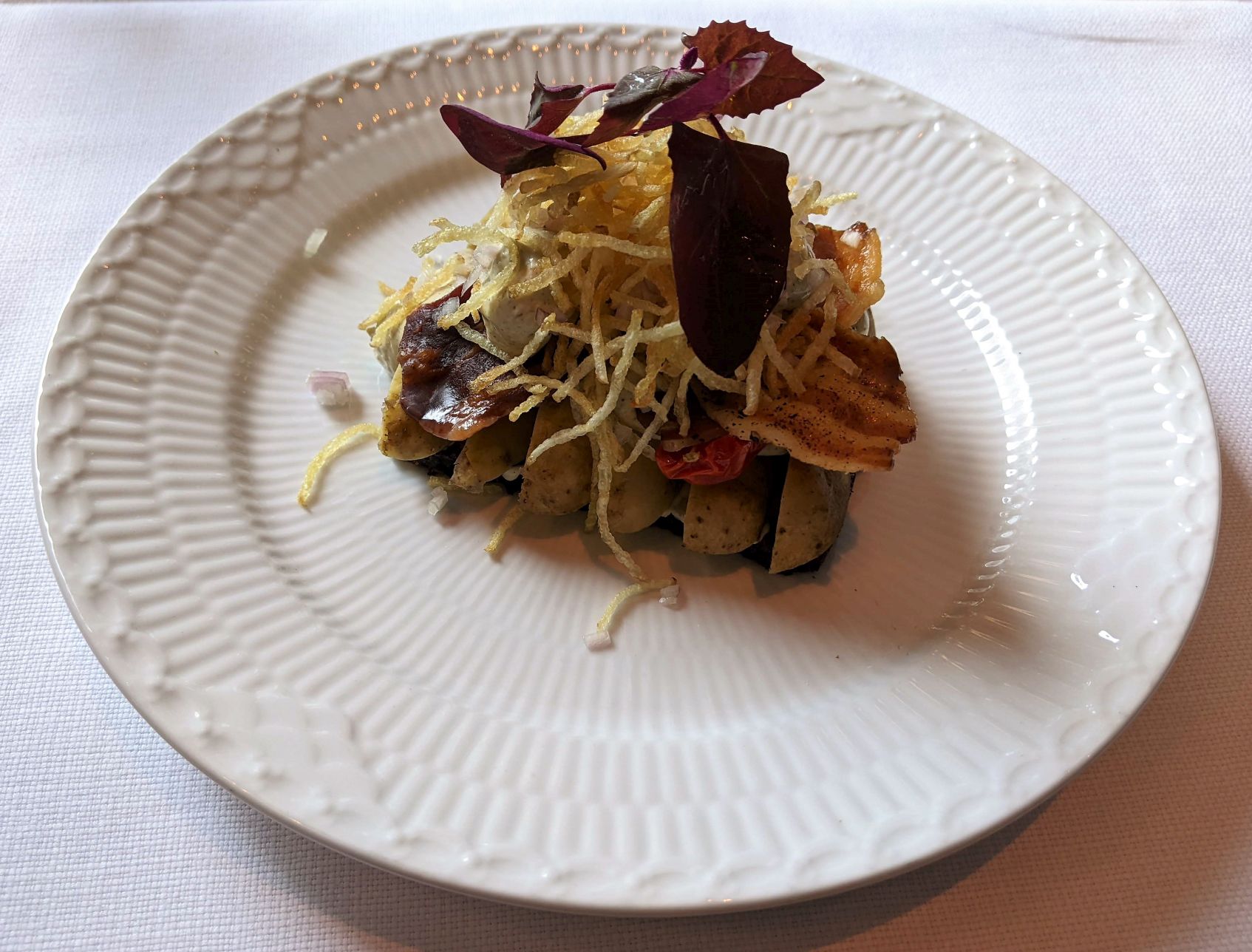
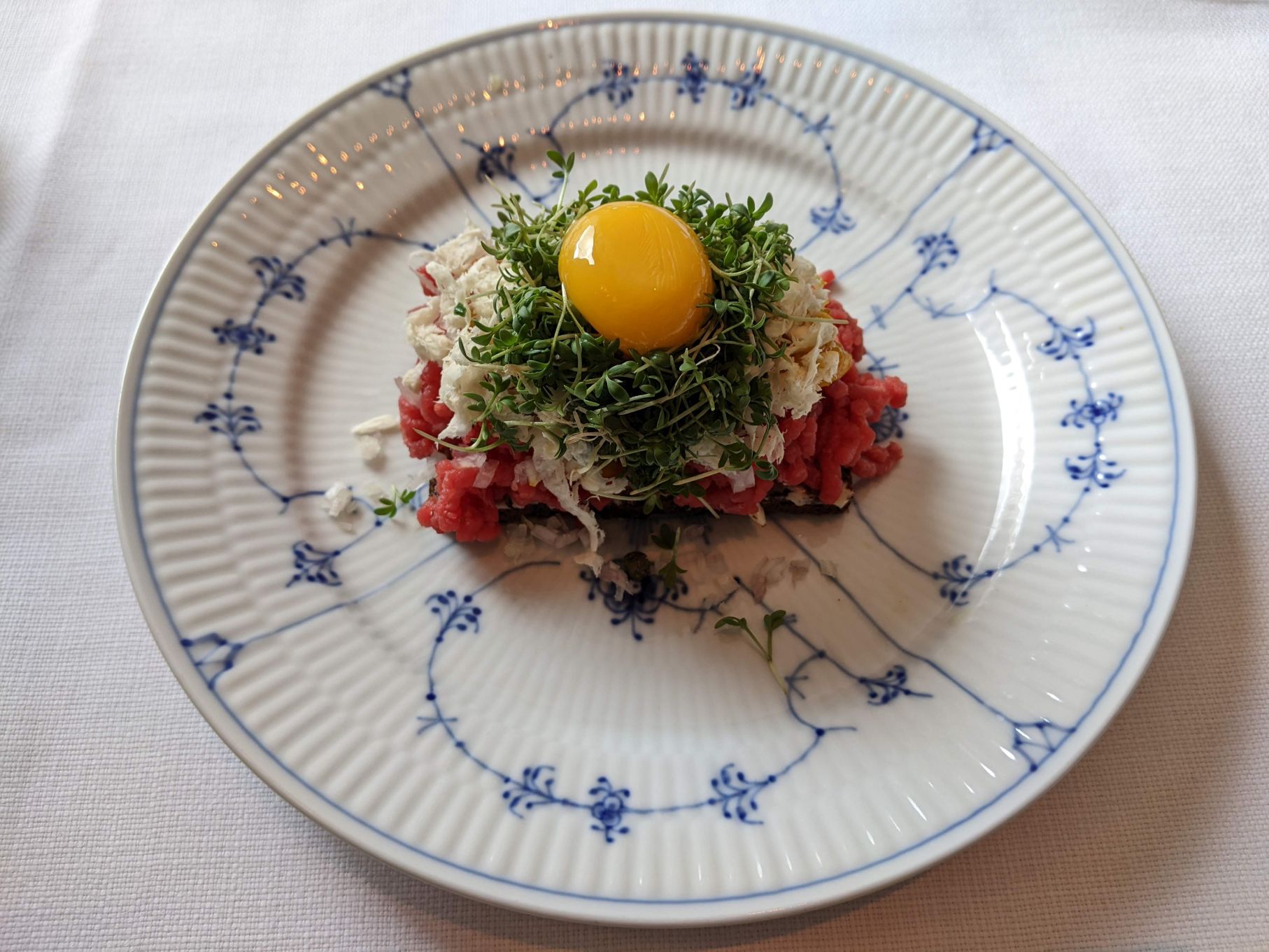
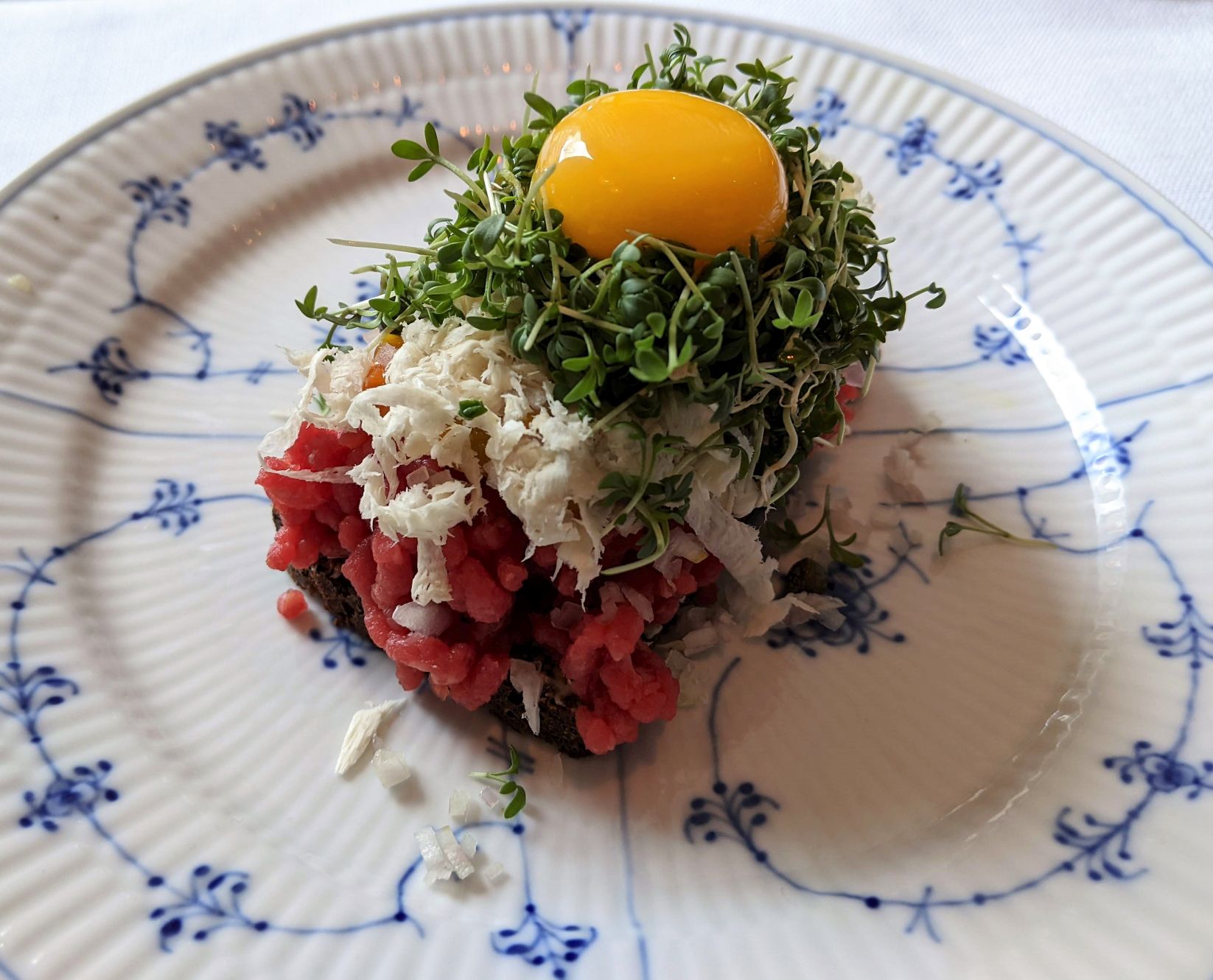
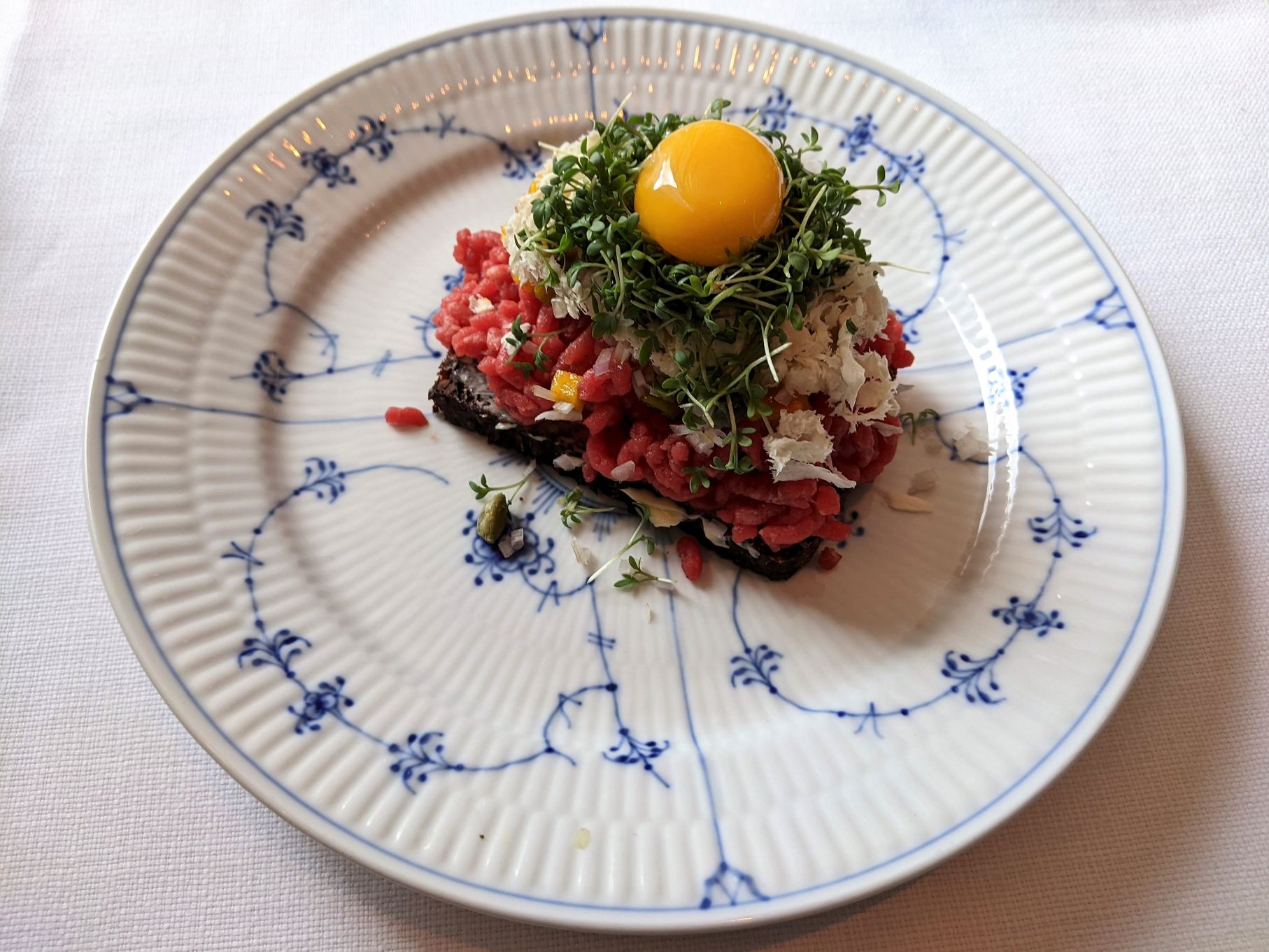
Ingredient focused with professional service, the atmosphere at lunch perhaps a bit too “business like,” Kartoffelmad (translated Potato Food) arrives here with crispy Bacon while silky Steak Tartare unfortunately finds itself a little lost beneath a mountain of freshly shaved Horseradish.
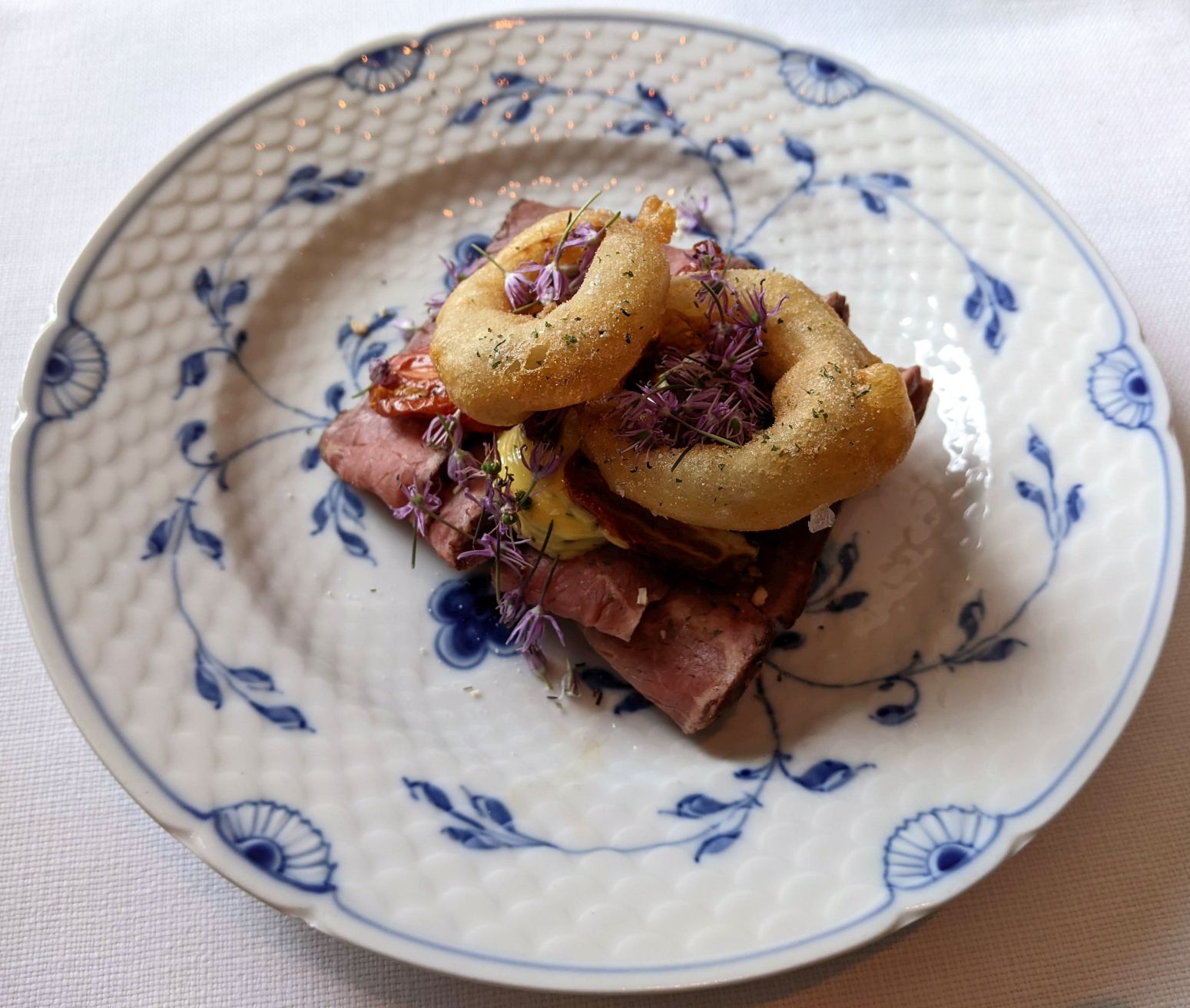
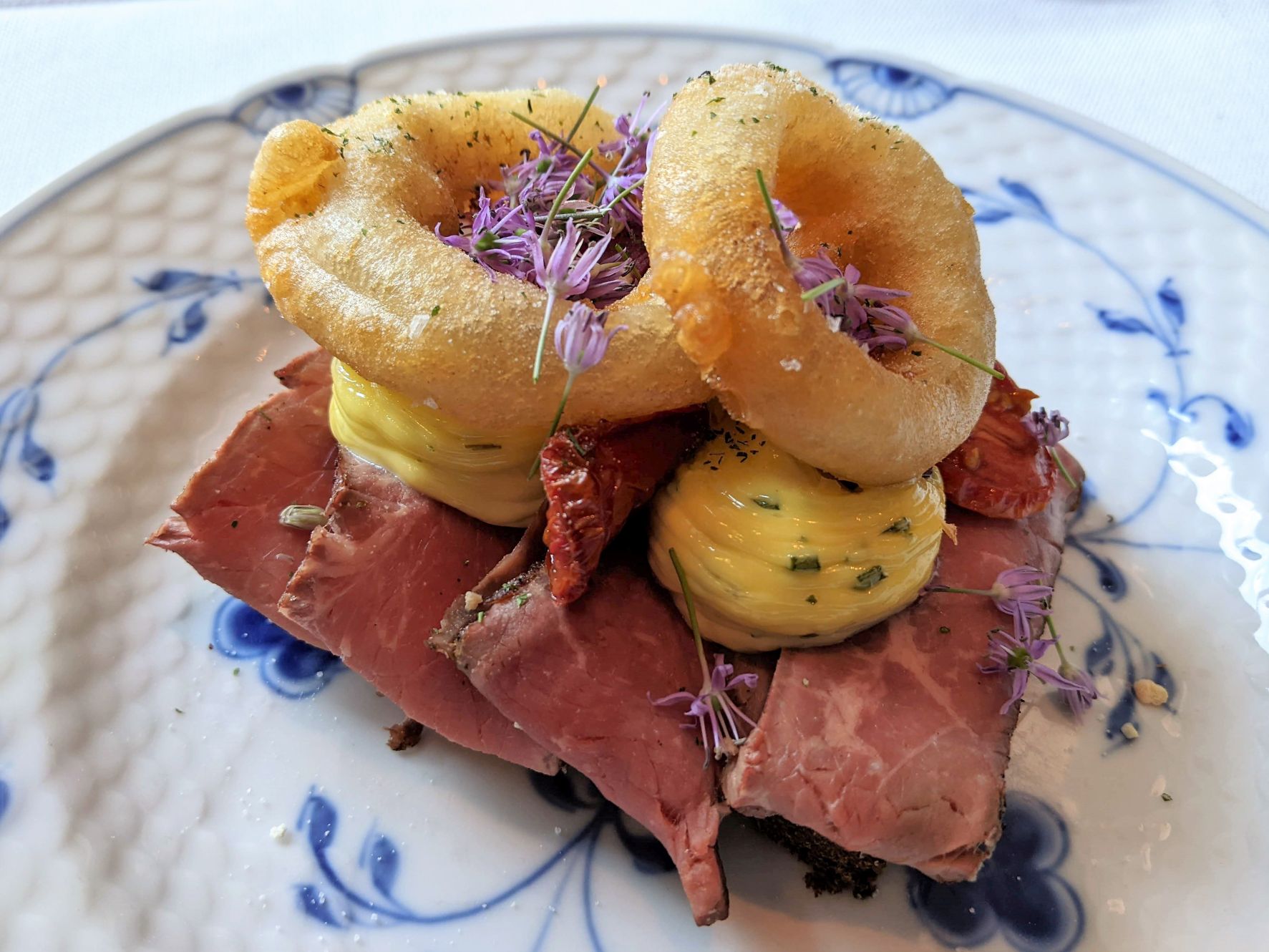
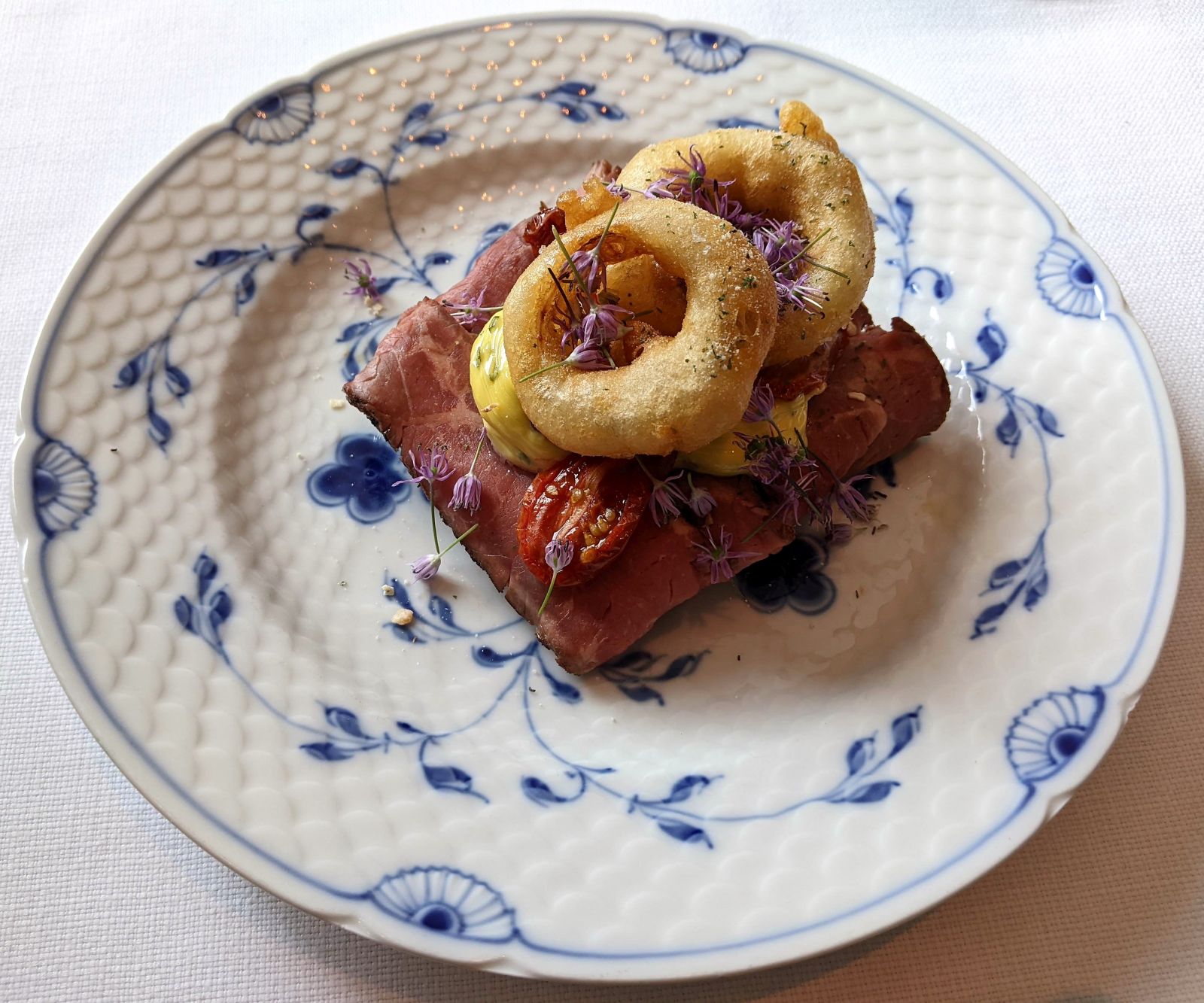
Everything offered on Rye, the Malt melding particularly well with Roast Beef and Bearnaise plus some unexpectedly delicious Onion Rings, it is wise not to overlook seasonal Pork Belly served fried with herbaceous Mayonnaise and Potatoes markedly overlapping the Bread beneath.
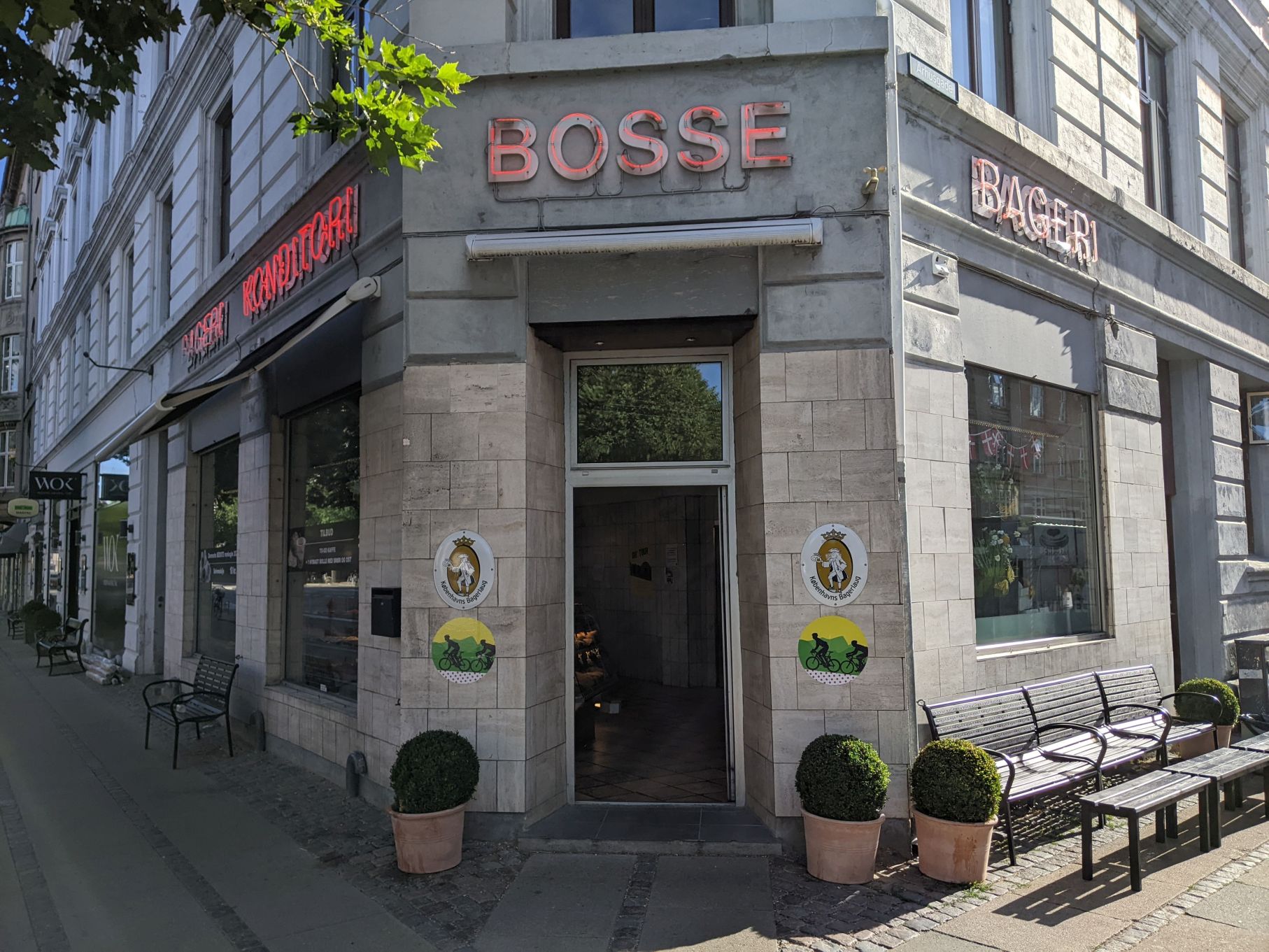
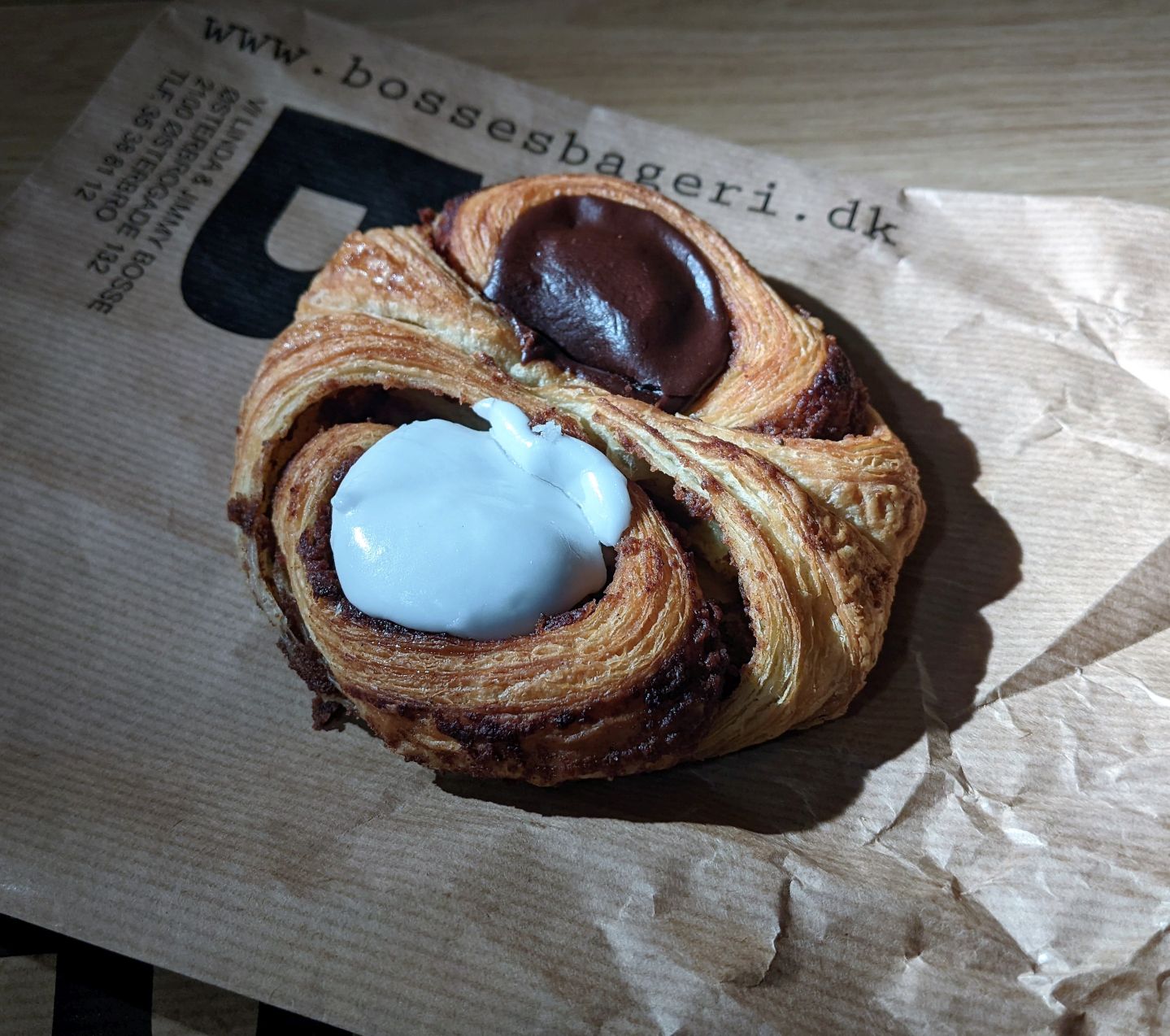
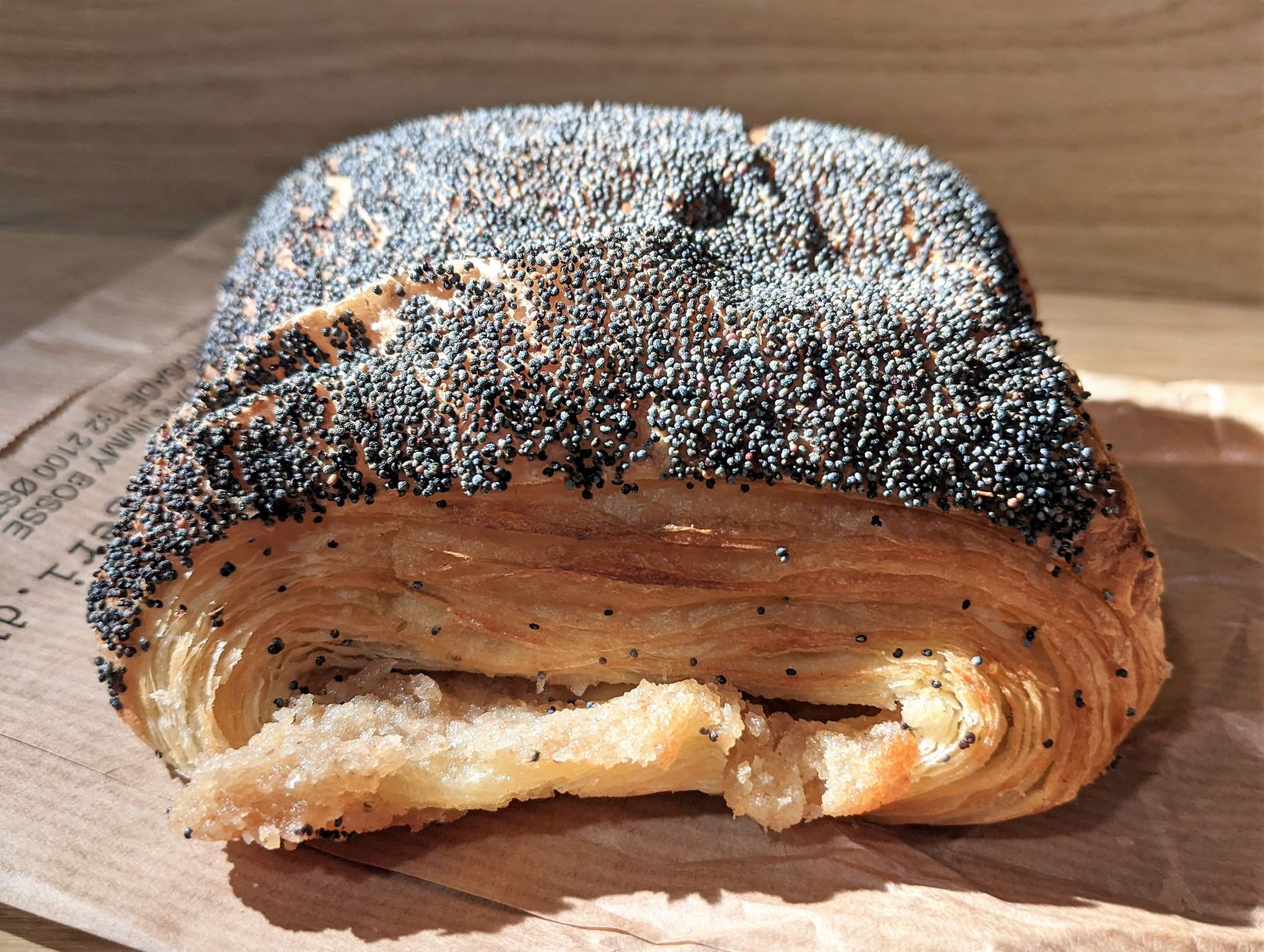
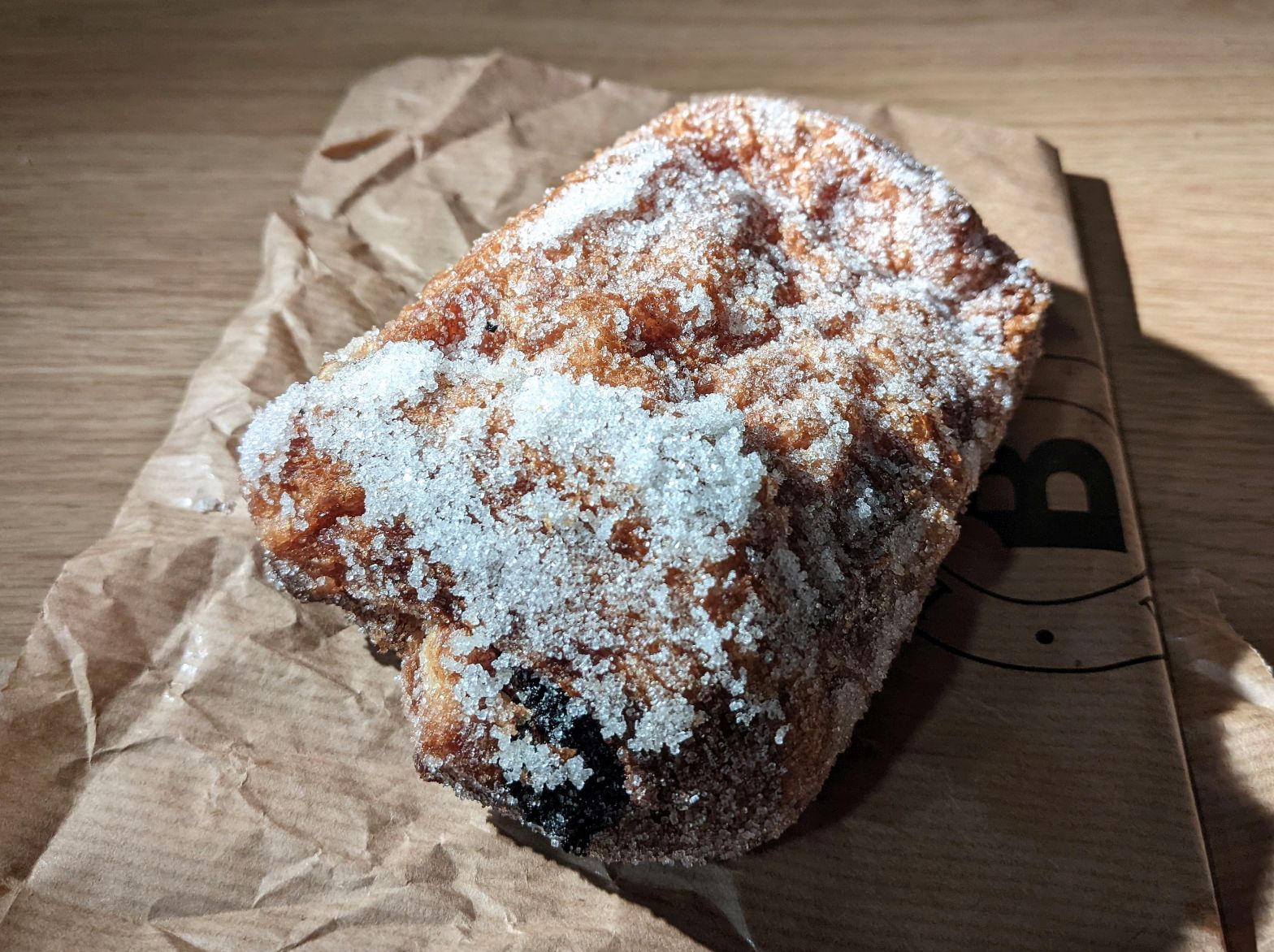
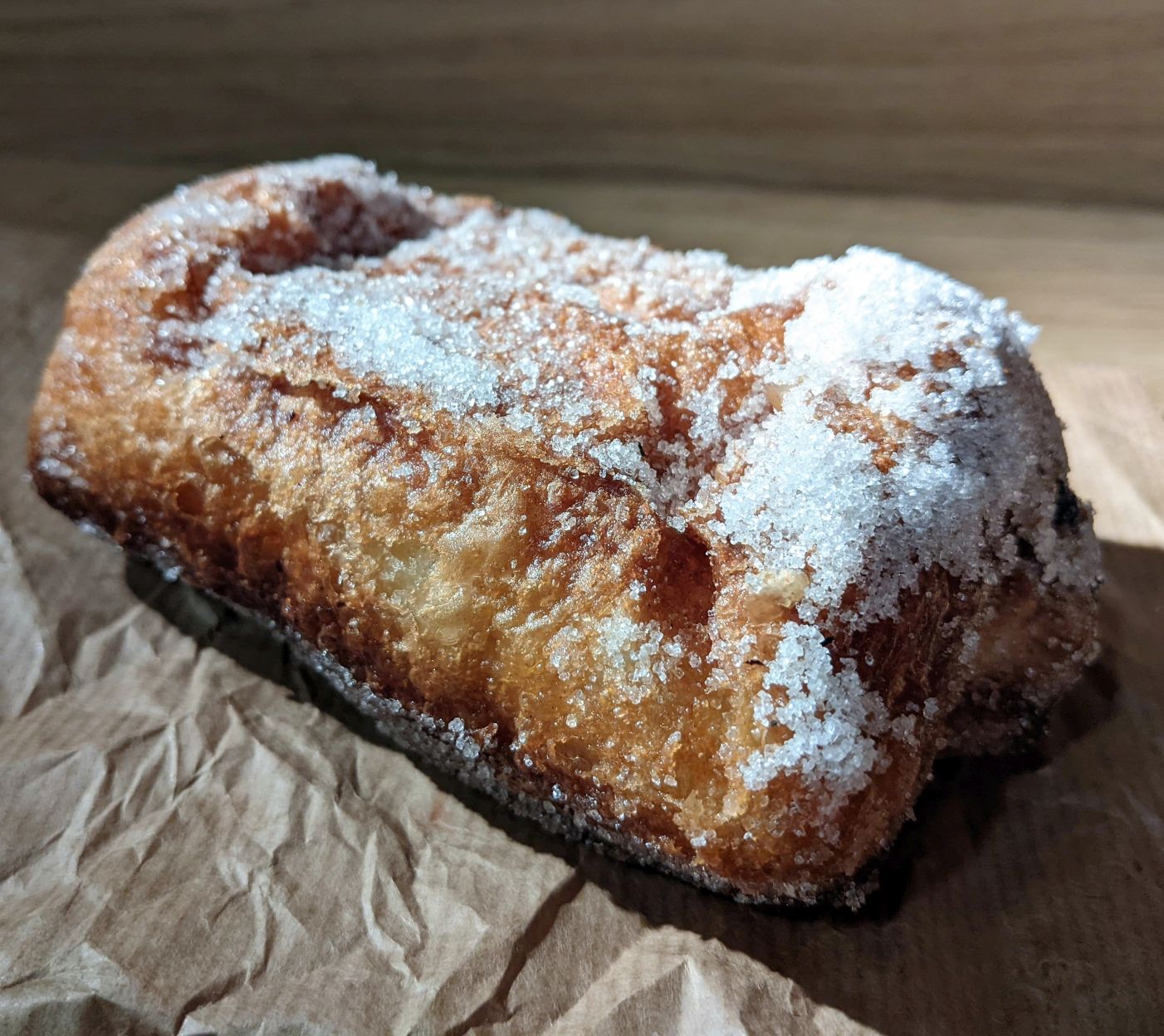
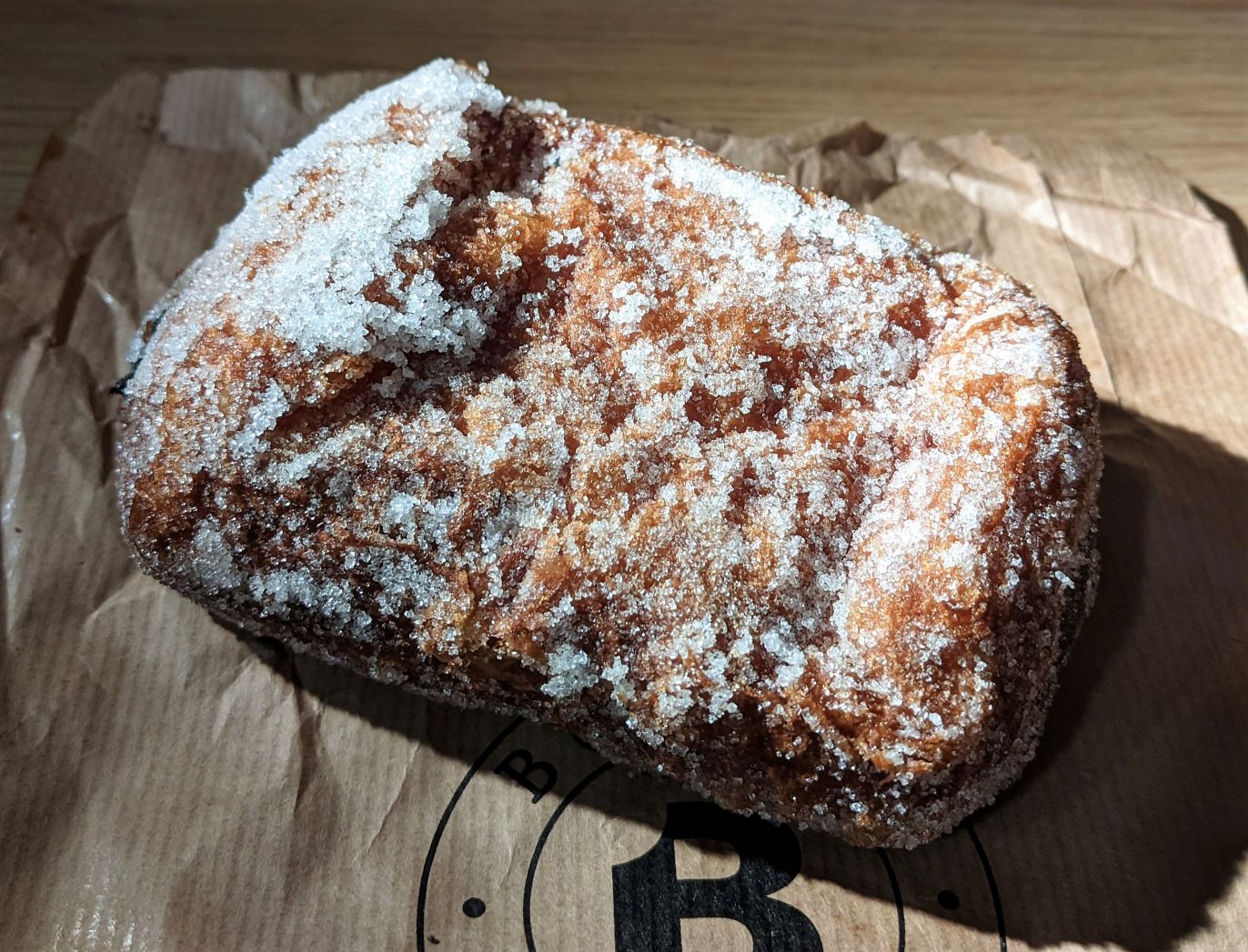
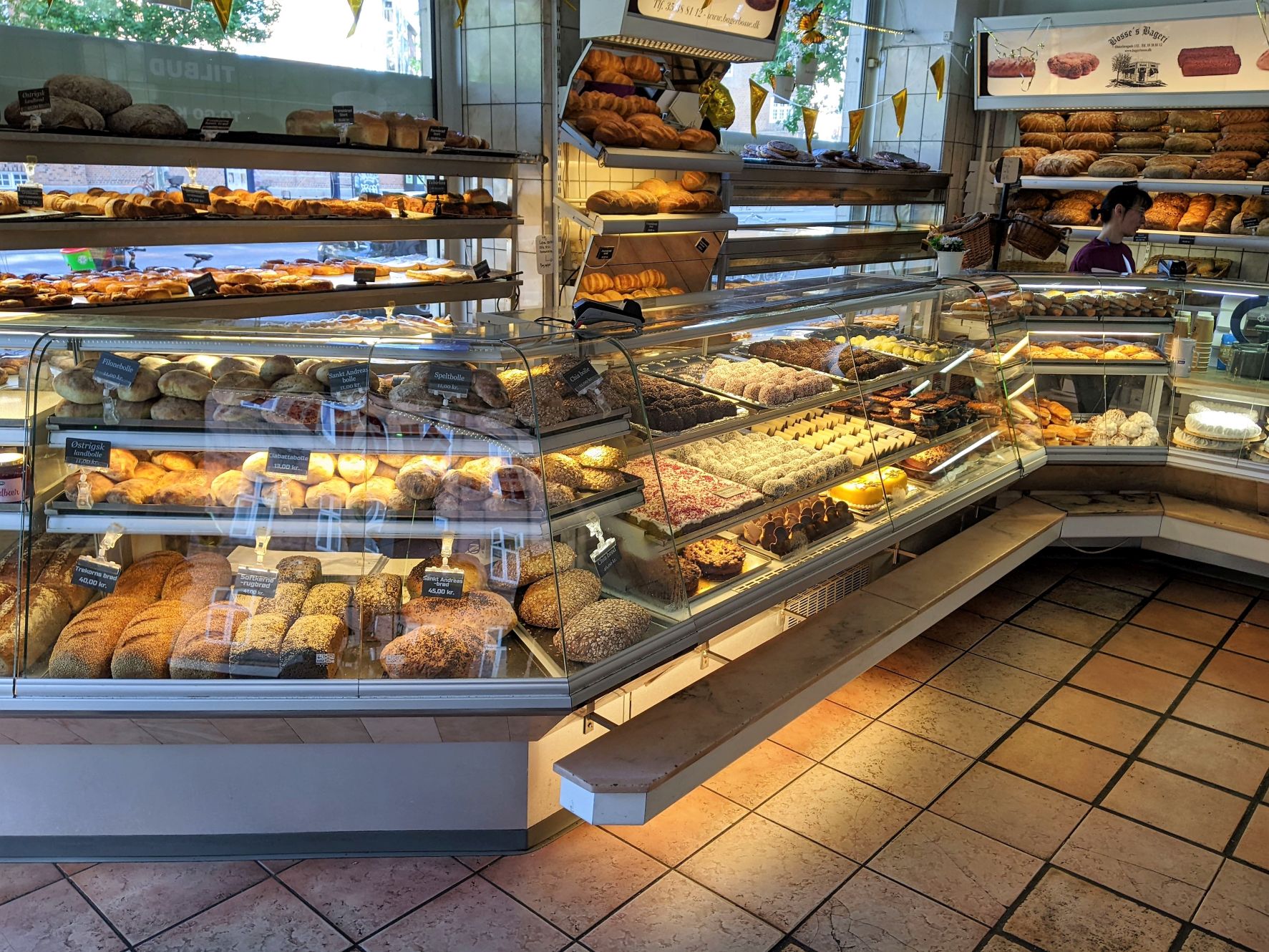
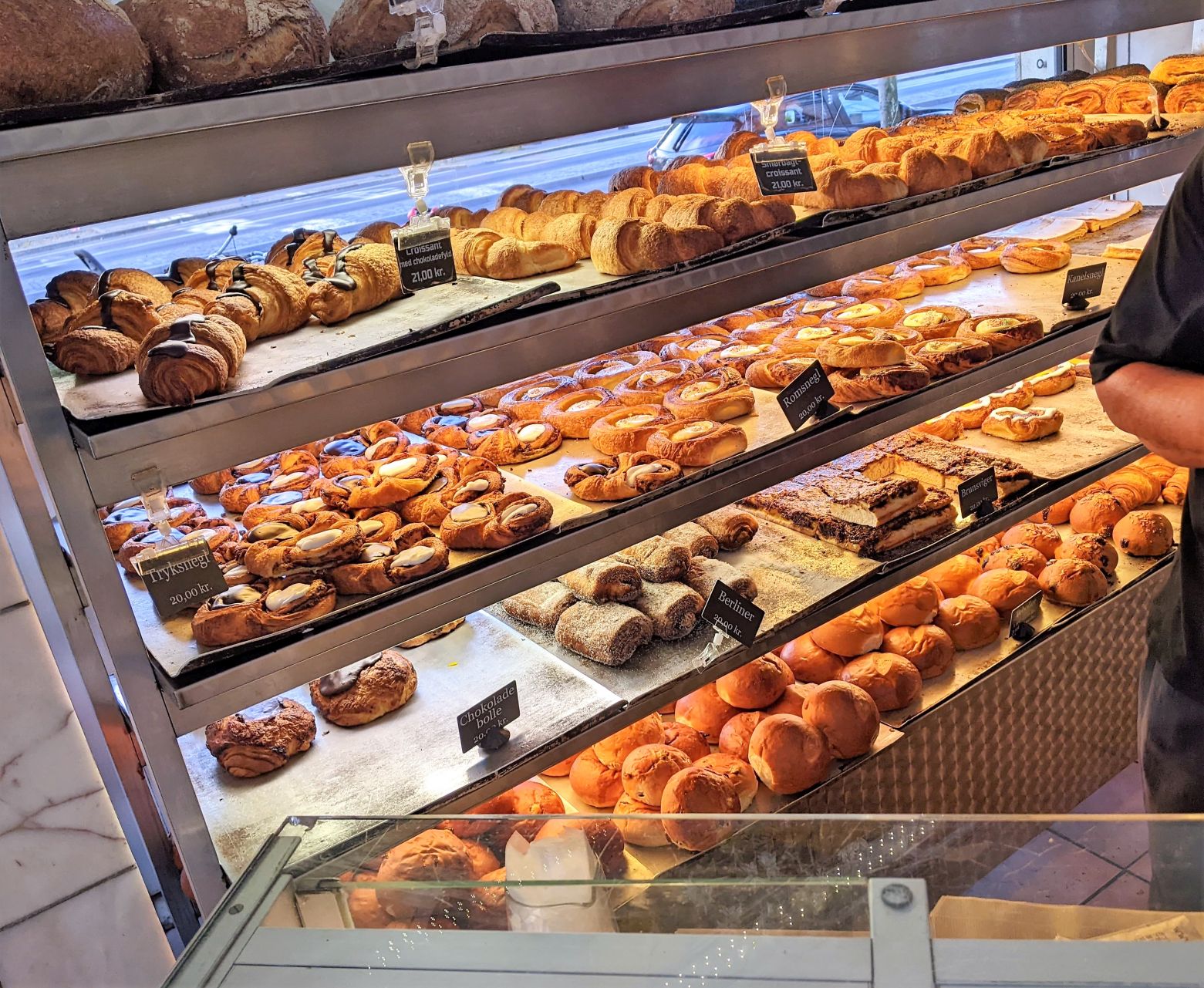
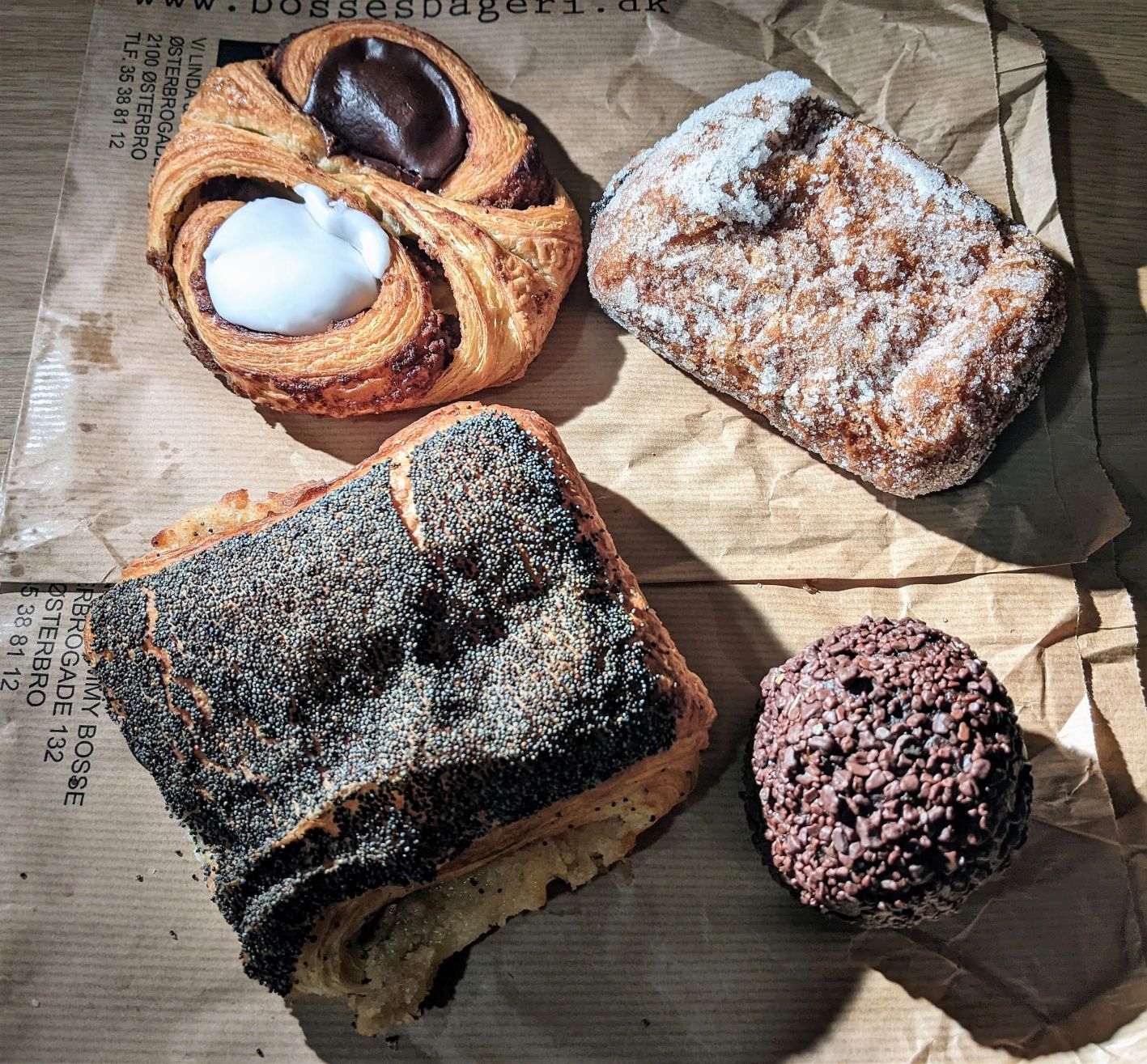
Begun by Peter Bosse in 1971 Bosse’s Bageri now operates under the direction of son-in-law Peter, he and his wife Linda carrying on a proud tradition at Østerbrogade 132 beginning well before doors open at 06h00 daily.
A heritage bakery in the land of Juno or Hart, the former not far away, Bager Bosse offers goods made on-site daily with real Butter and old recipes at prices far less exclusive than modern competitors.
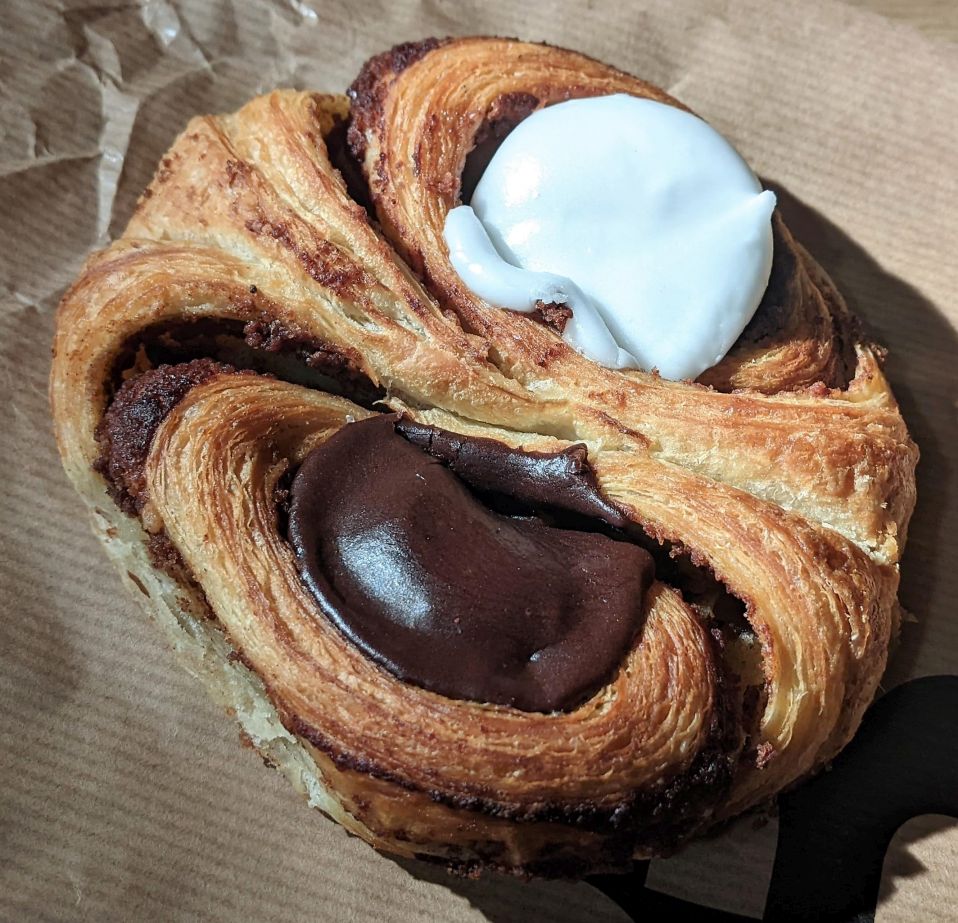
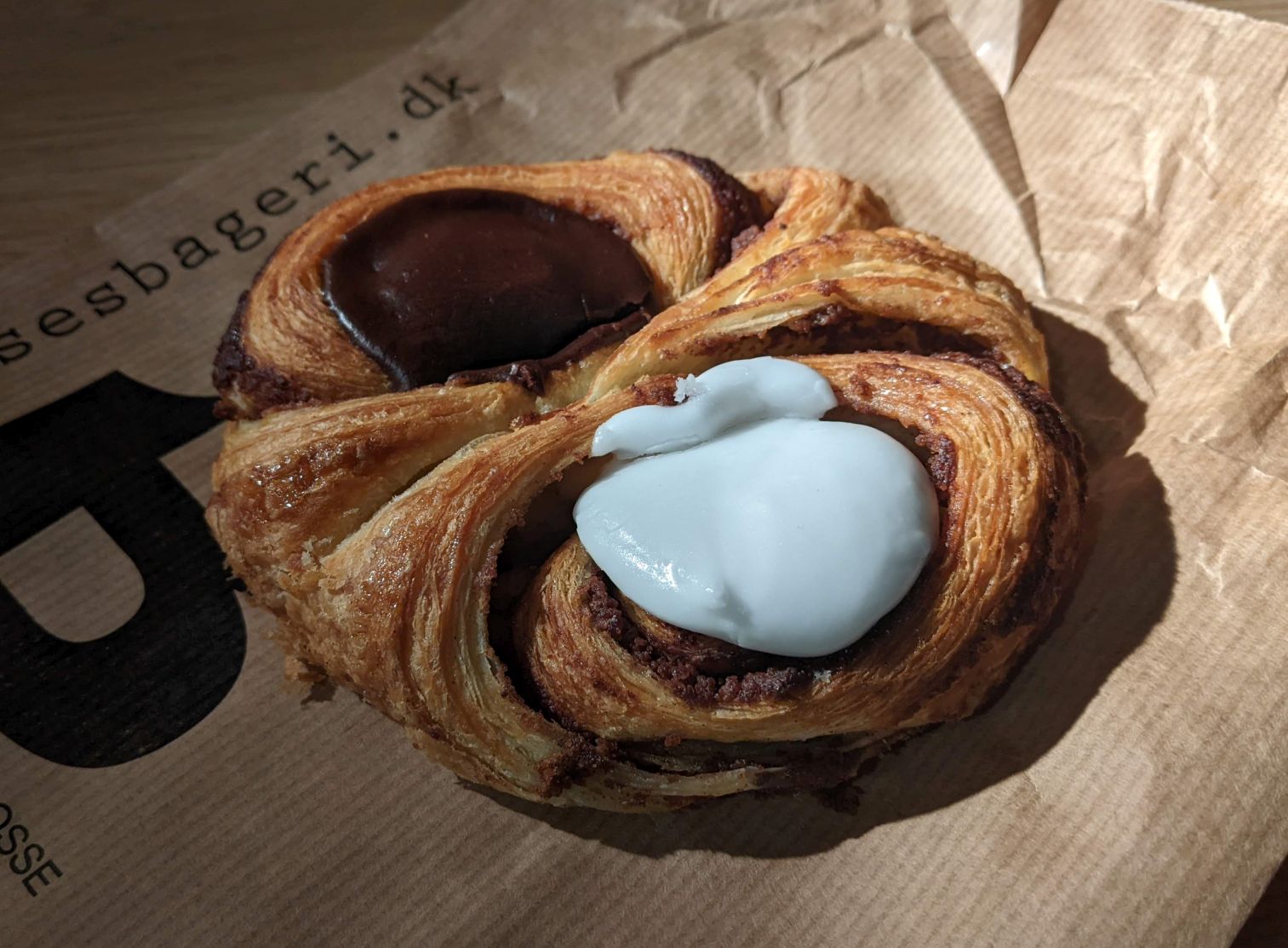
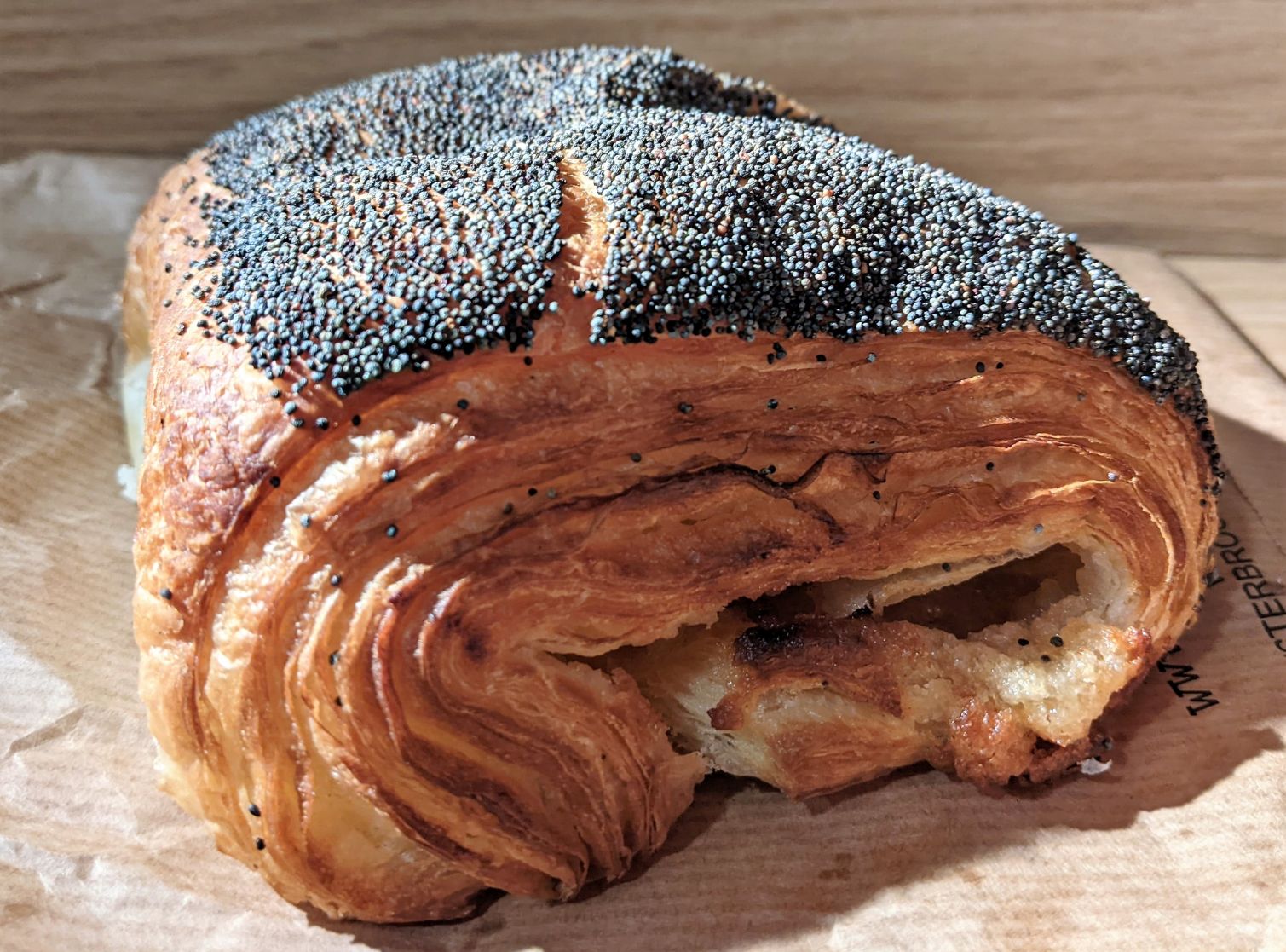
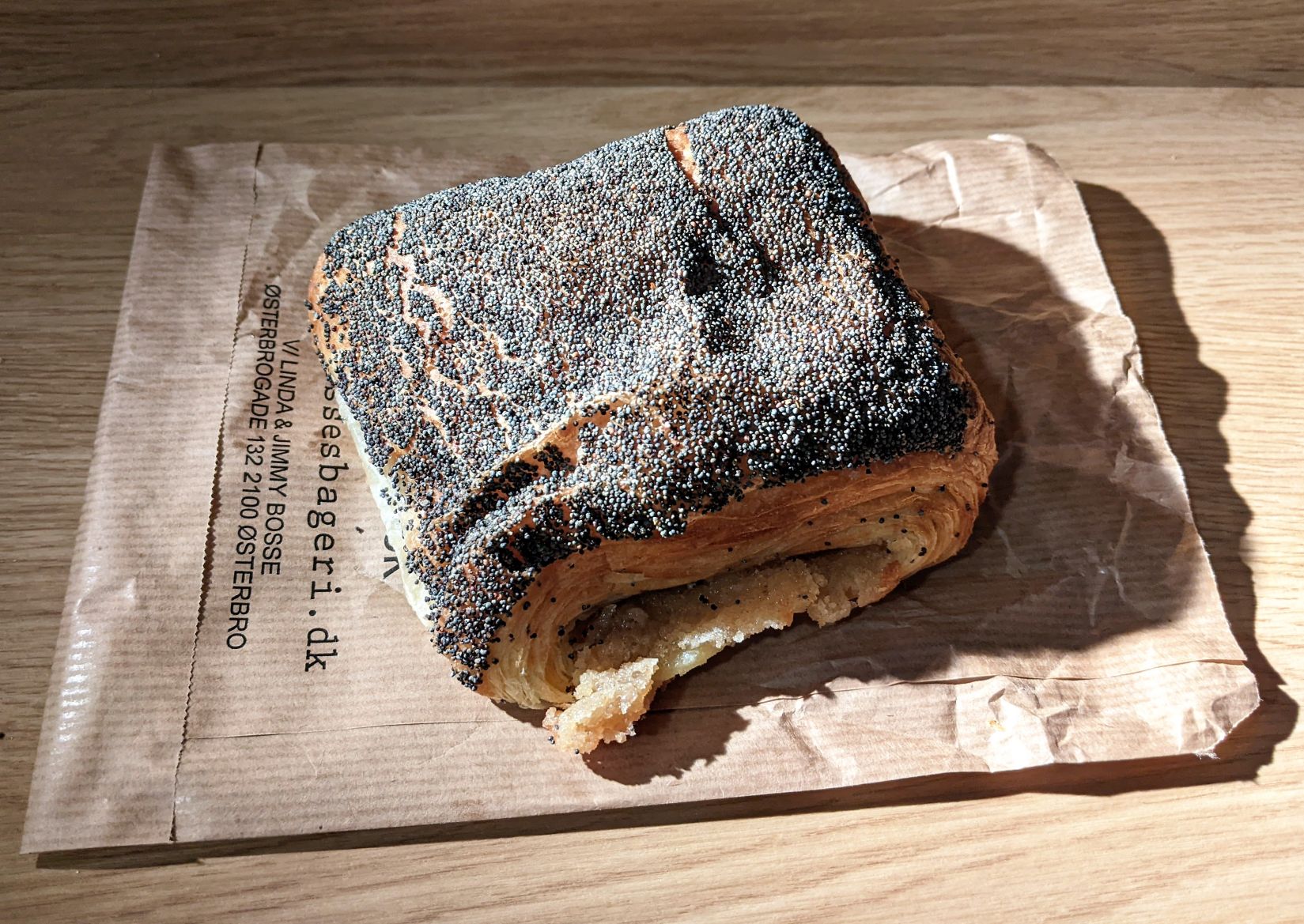
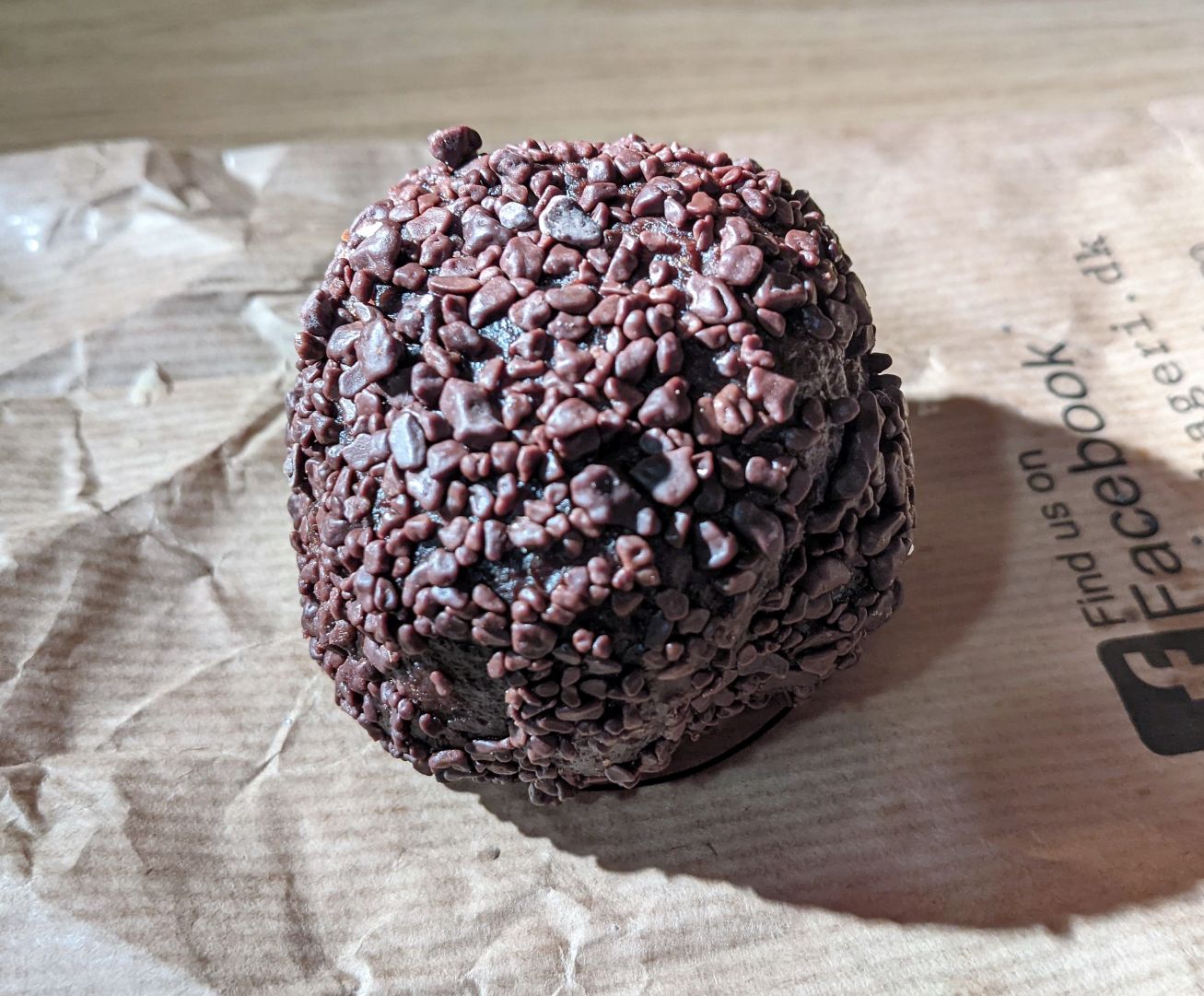
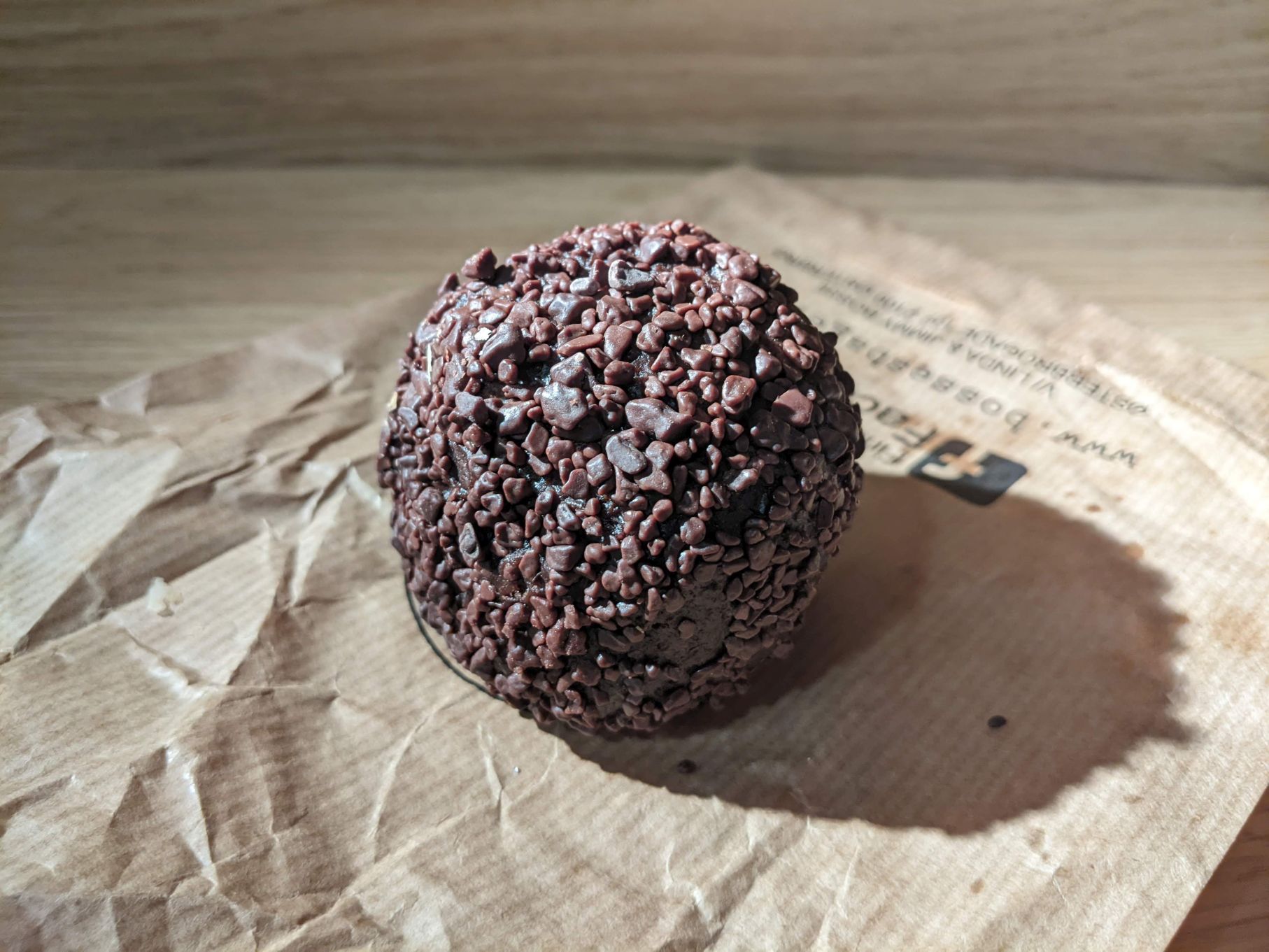
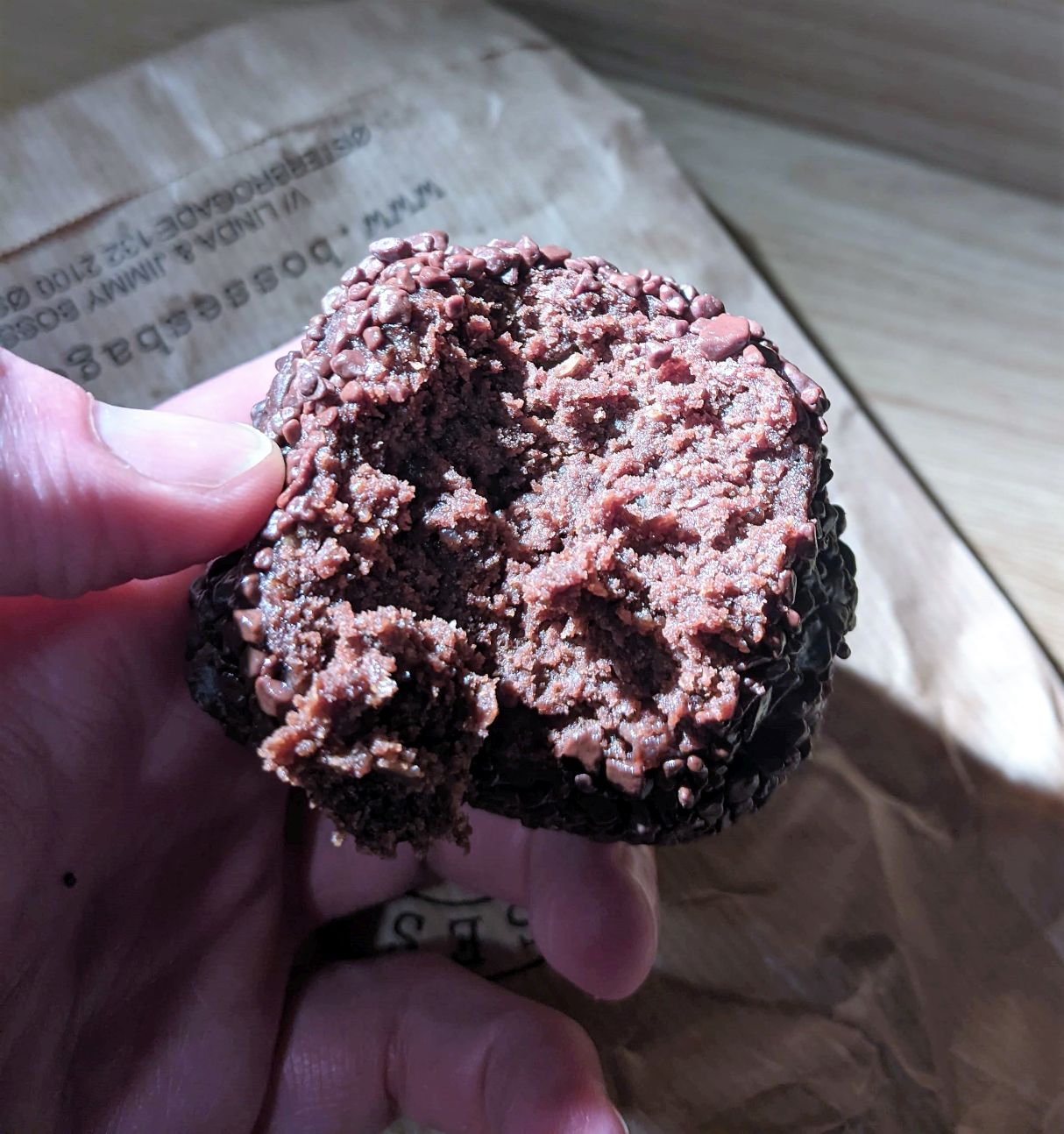
Still a spot favored by locals, Danish exclusively spoken by staff, look here for well-constructed Tebirkes or rich Romkugle, but skip the greasy Sugar-topped Donuts in favor of a Black & White “Tryksnegl” that tastes like a Cinnamon Roll crossed with the Deli-favorite Cookie.
Like all-things noma Juno the Bakery has garnered a lot of praise since opening, its location in an Østerbro residential building doing nothing to dissuade guests from lining up for a taste of goods baked by former noma Pastry Chef Emil Glaser.
Currently occupying a fraction of its original space, renovations promising more room to work and seat diners Wednesday to Saturday from 07h30 to 18h00 and Sunday from 09h00 to 15h00, early arrivers will find the team hard at work while a lone clerk tends to orders and another makes Coffee.
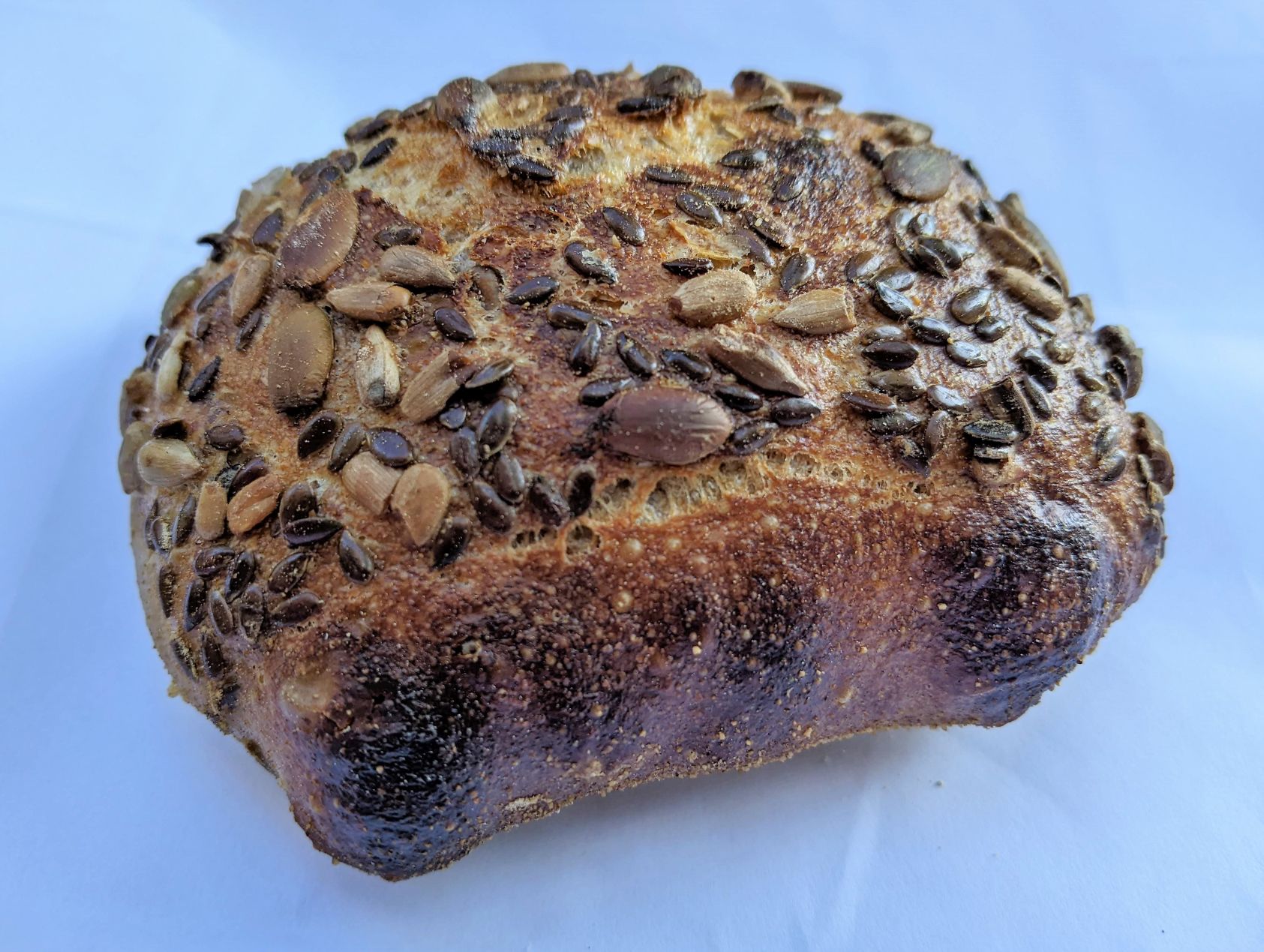
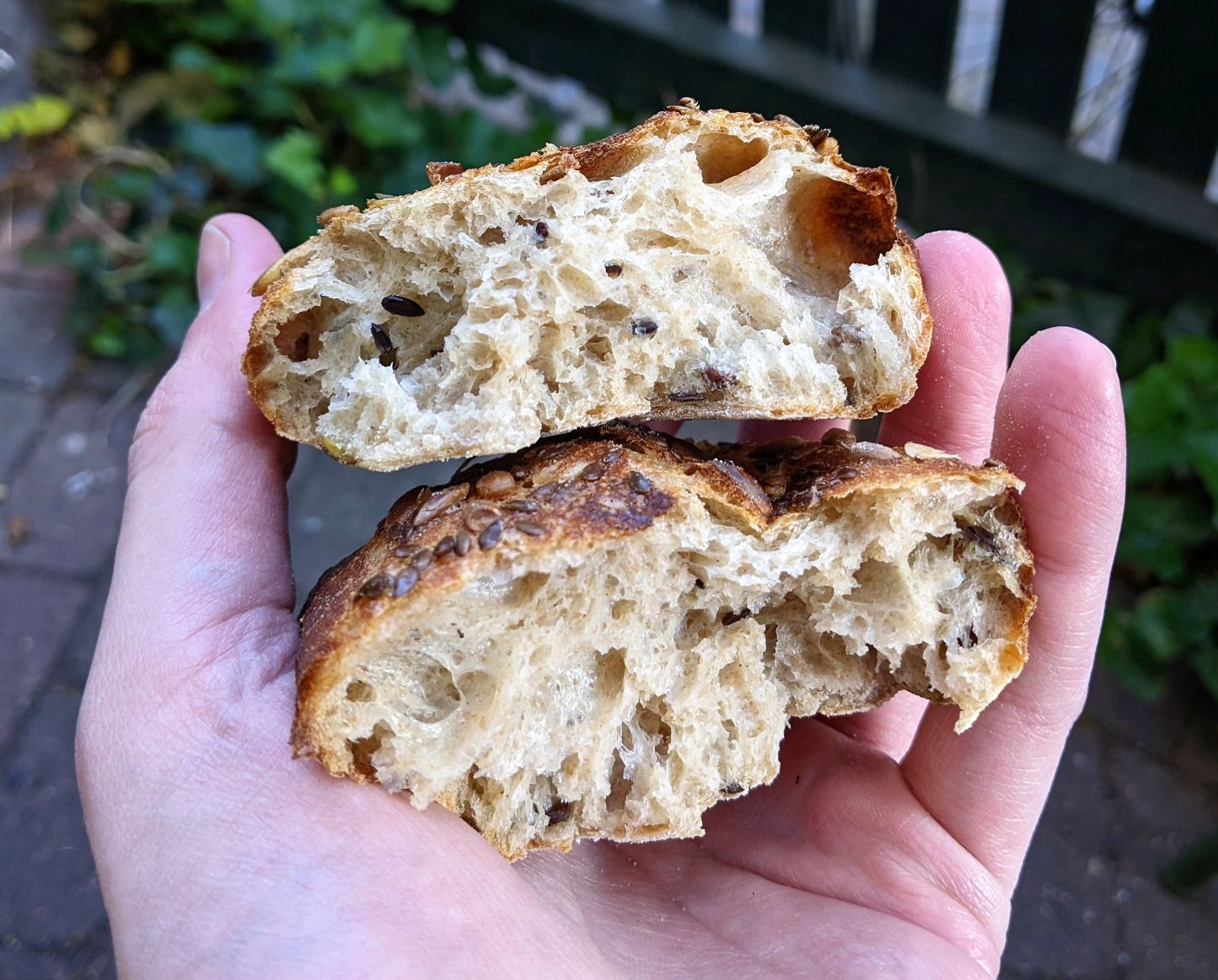
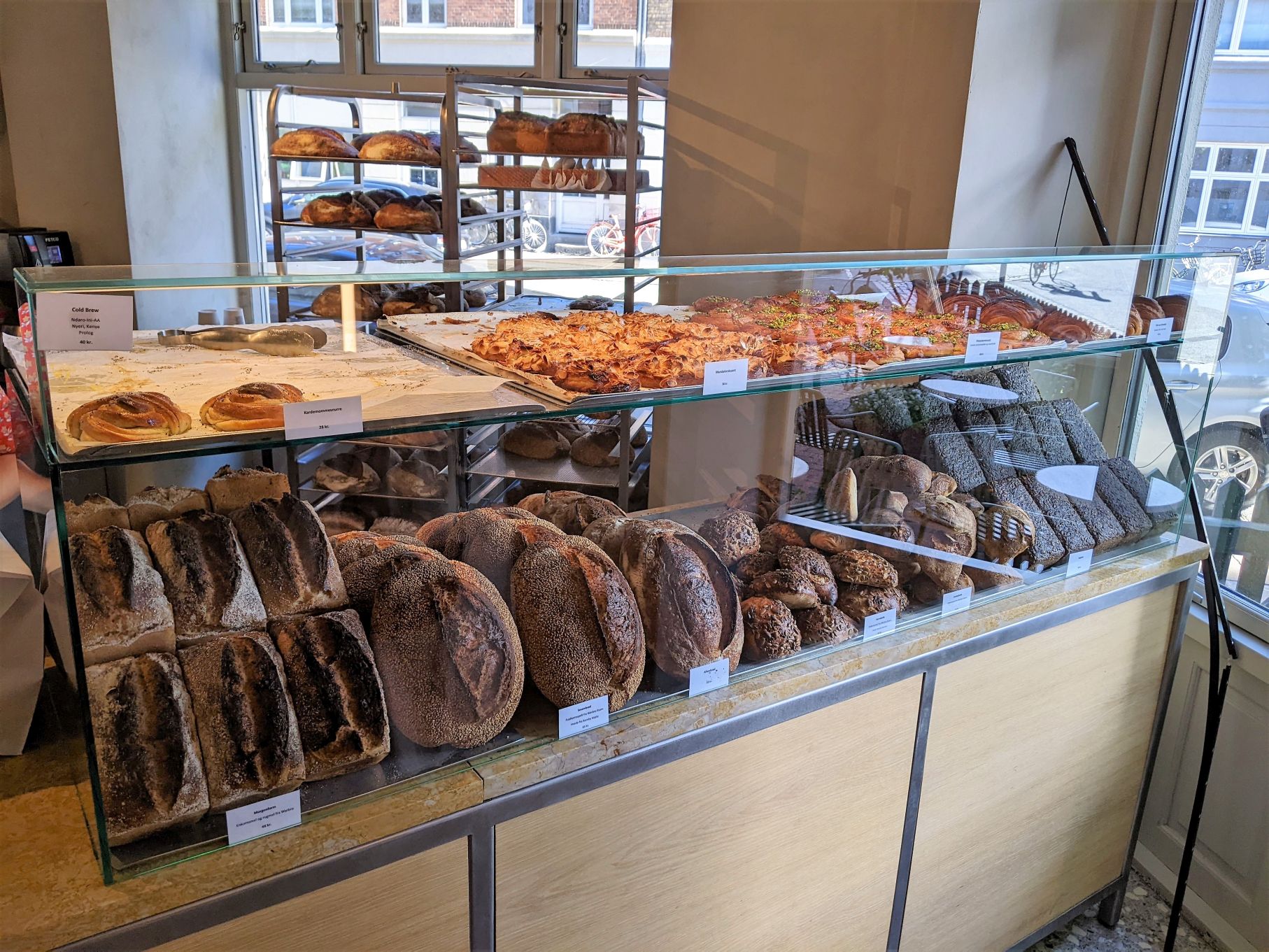
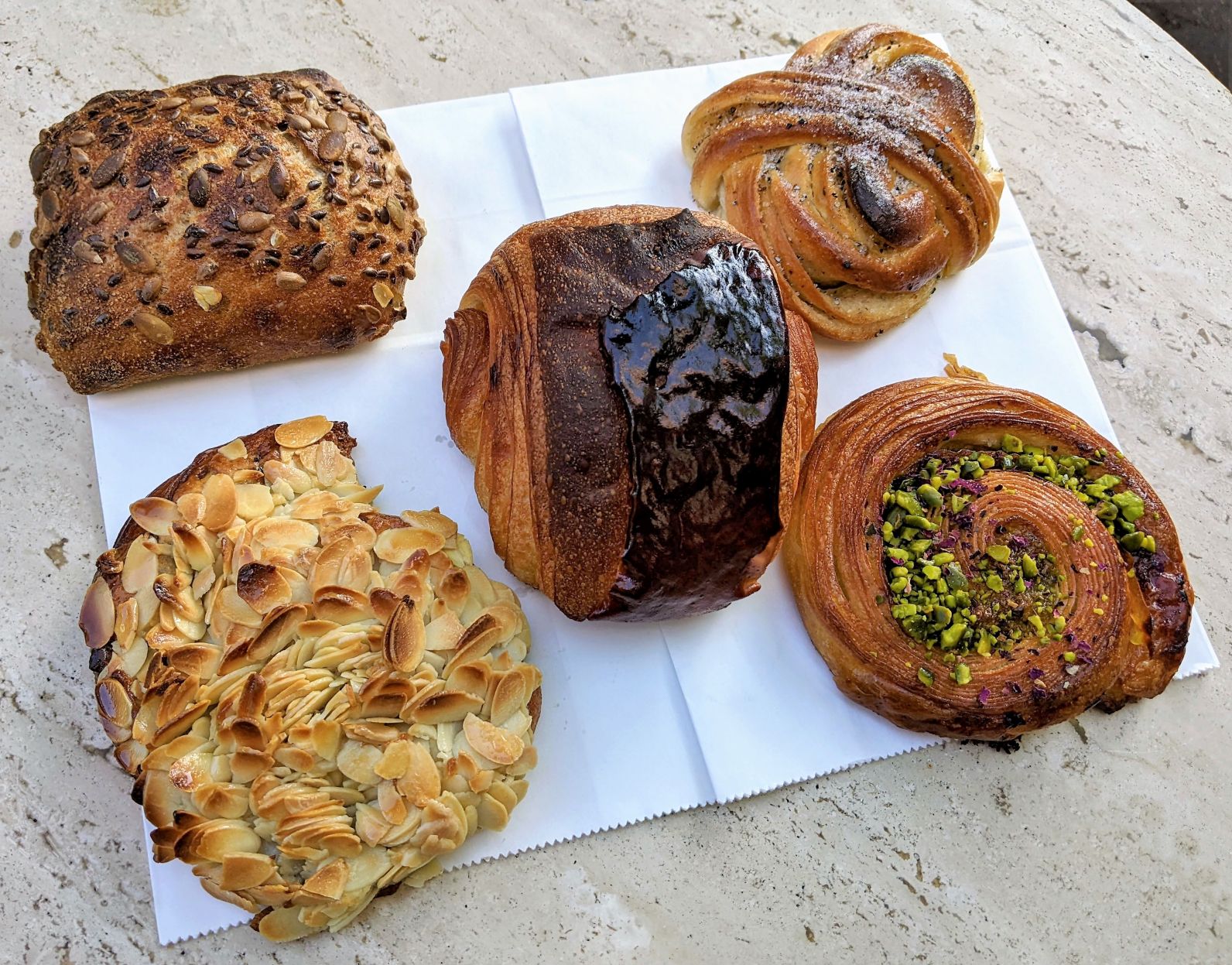
Priced similar to Hart, just four Pastries lining a row above Loaves and Rolls, it is after a quick queue that teeth can plunge into complex Sourdough impregnated with toasted Seeds or what many consider Scandinavia’s premier Cardamom Roll that is somehow both golden-brown on the outside and nearly the texture of Butter within.
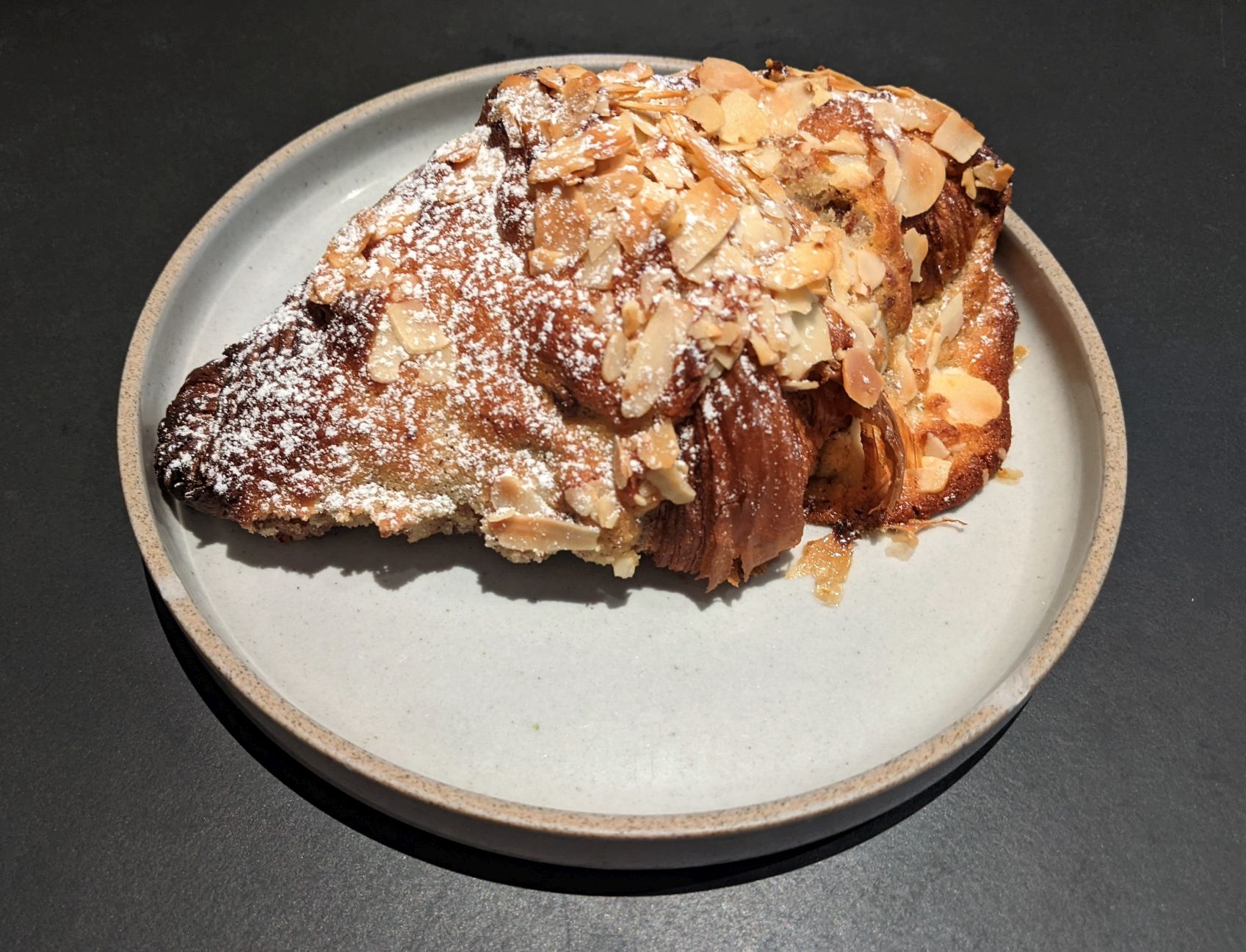
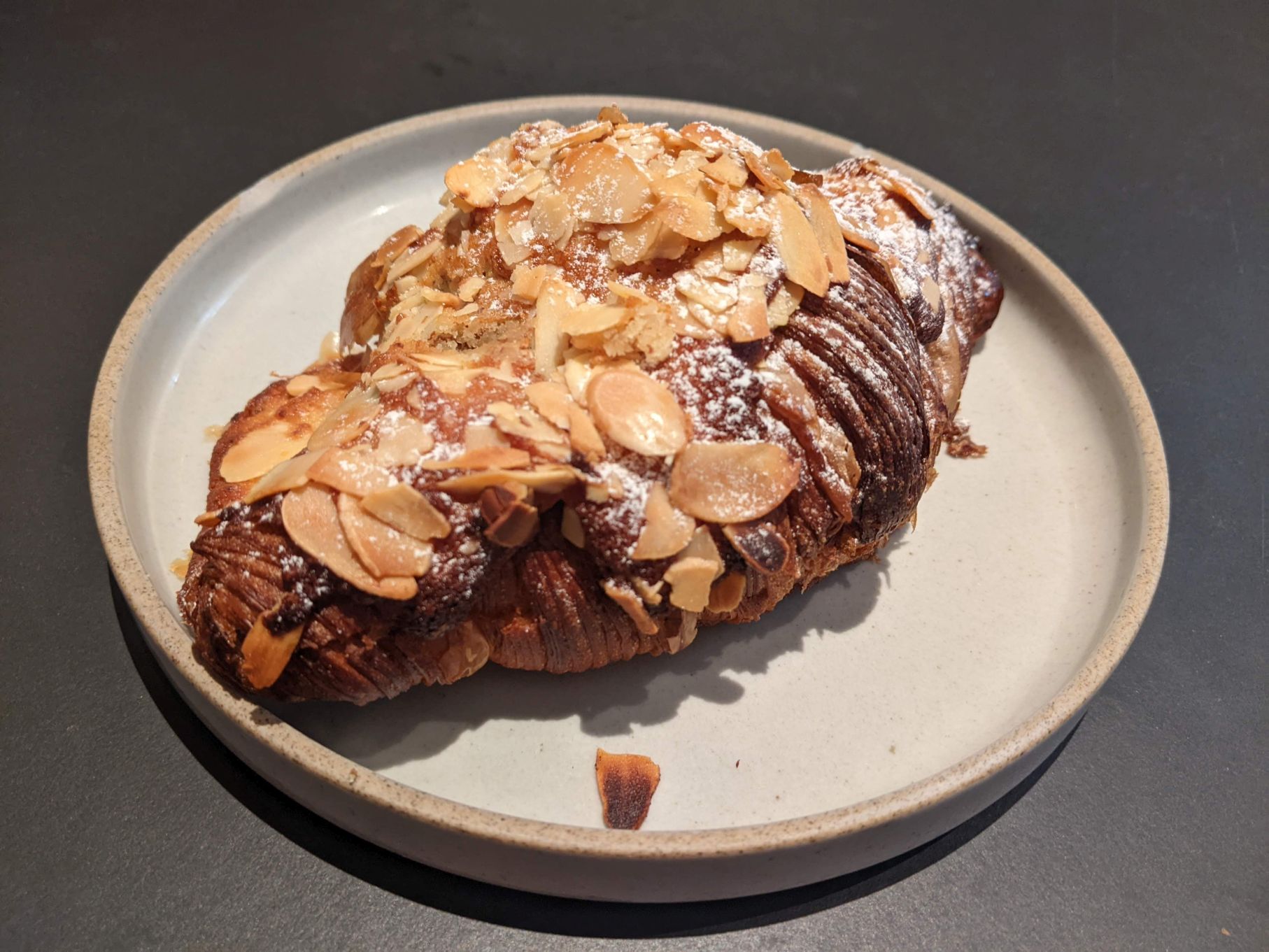
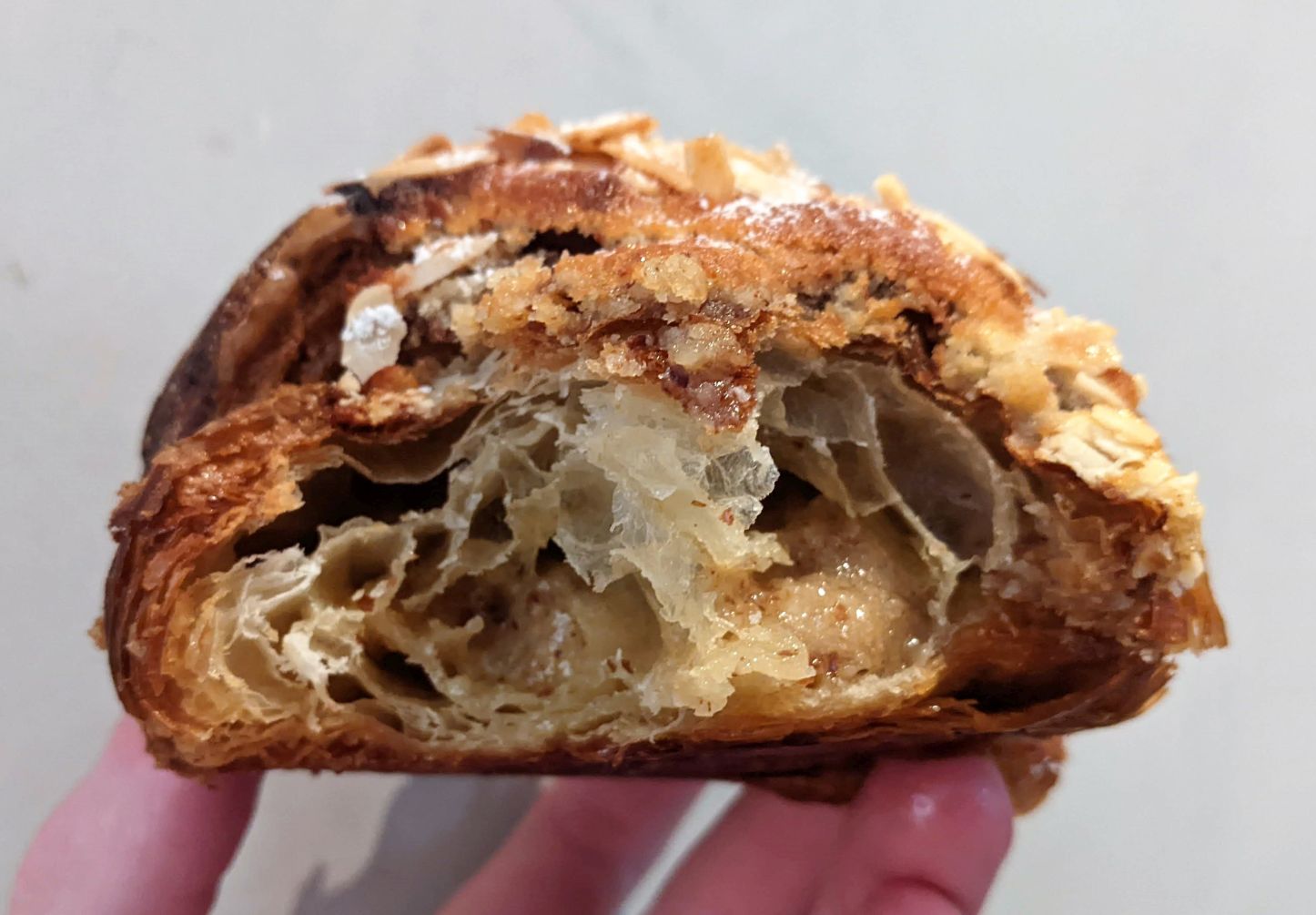
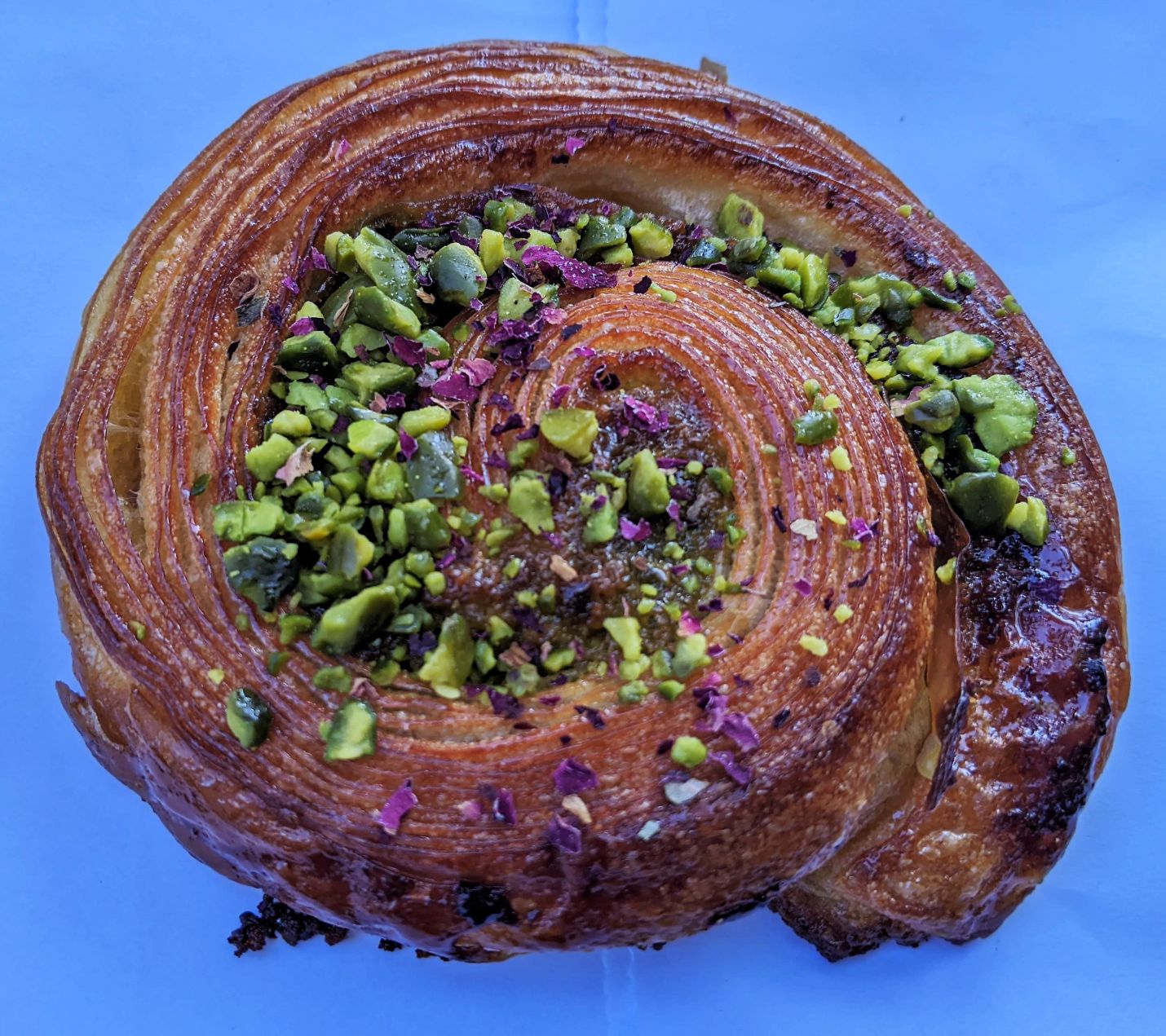
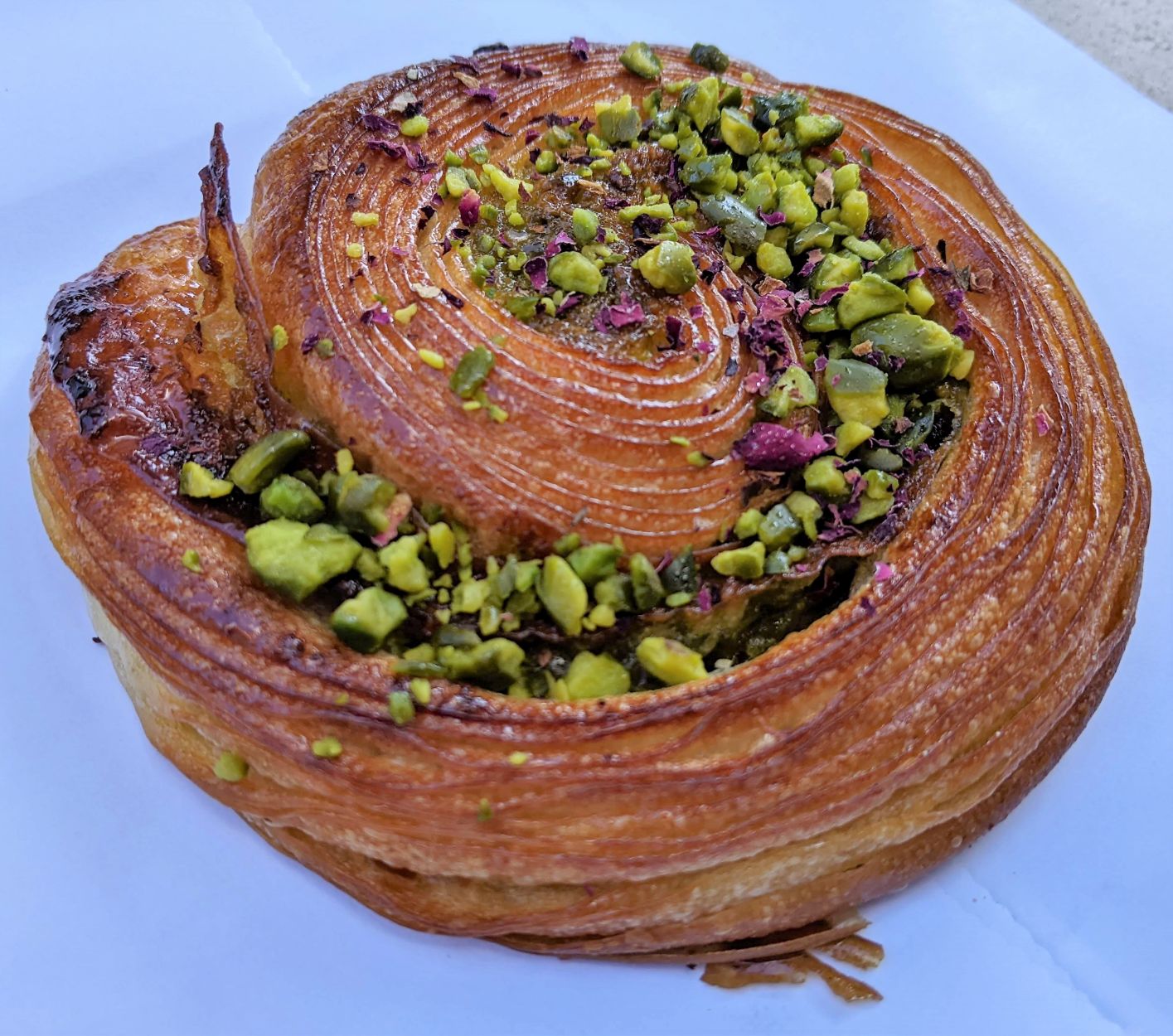
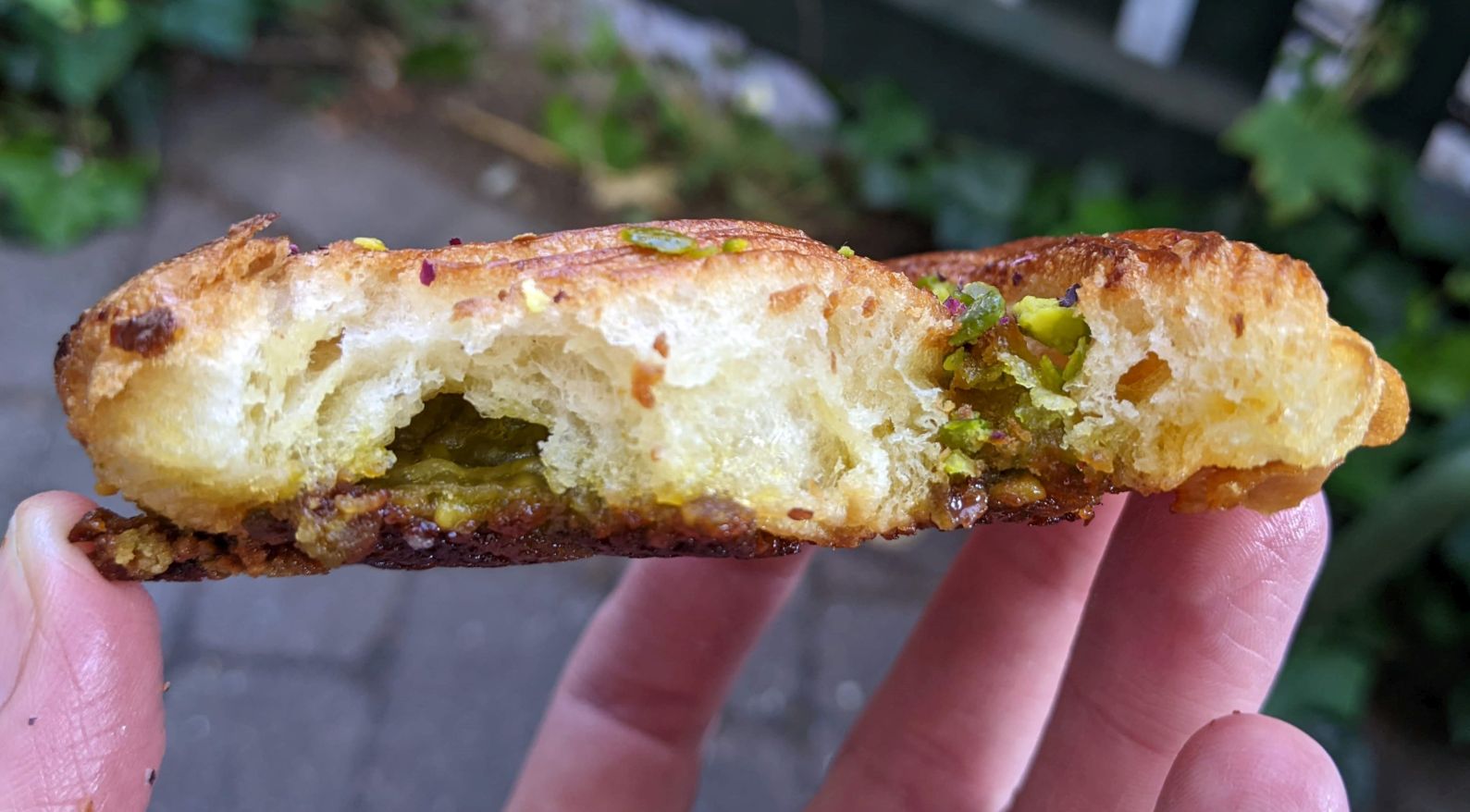
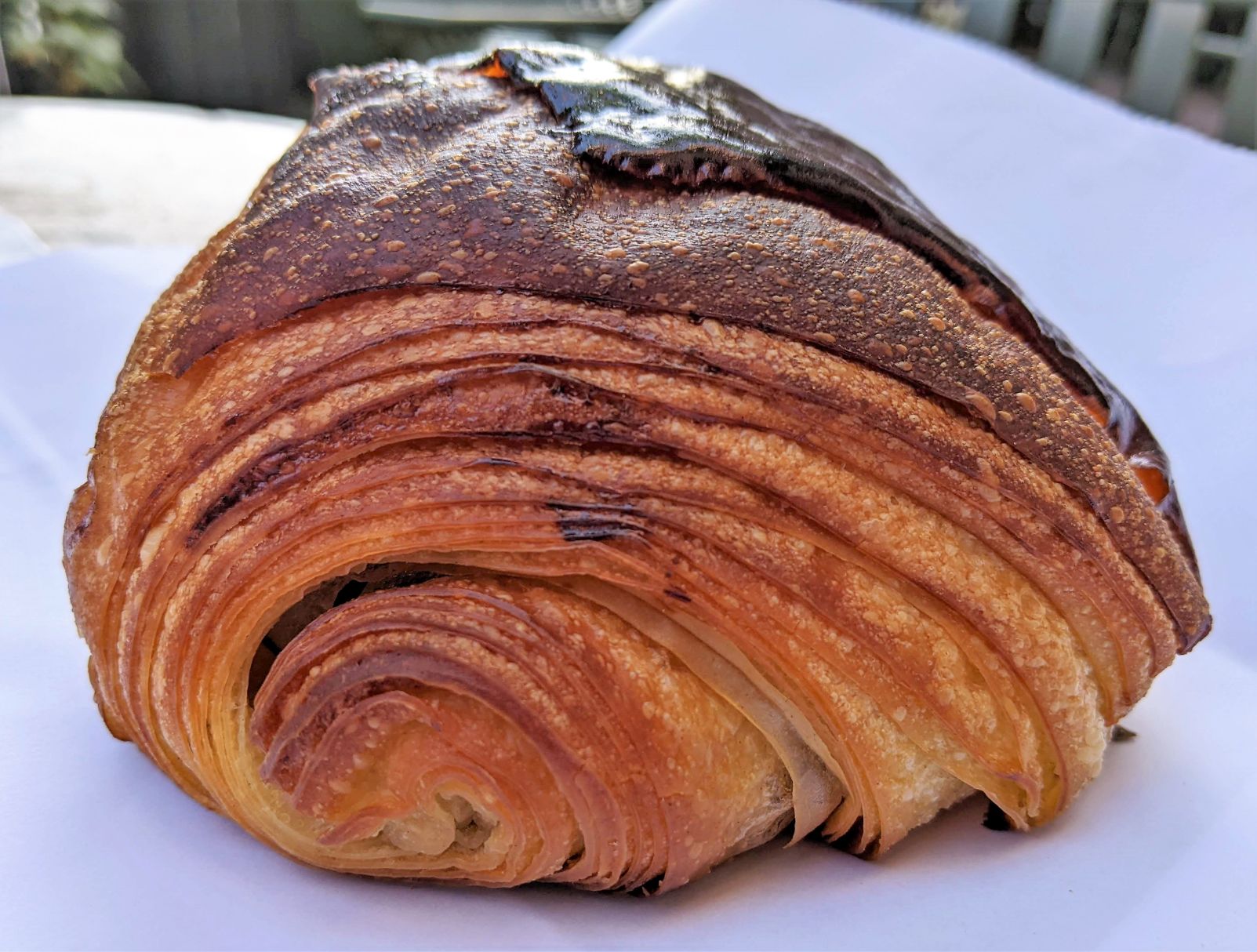
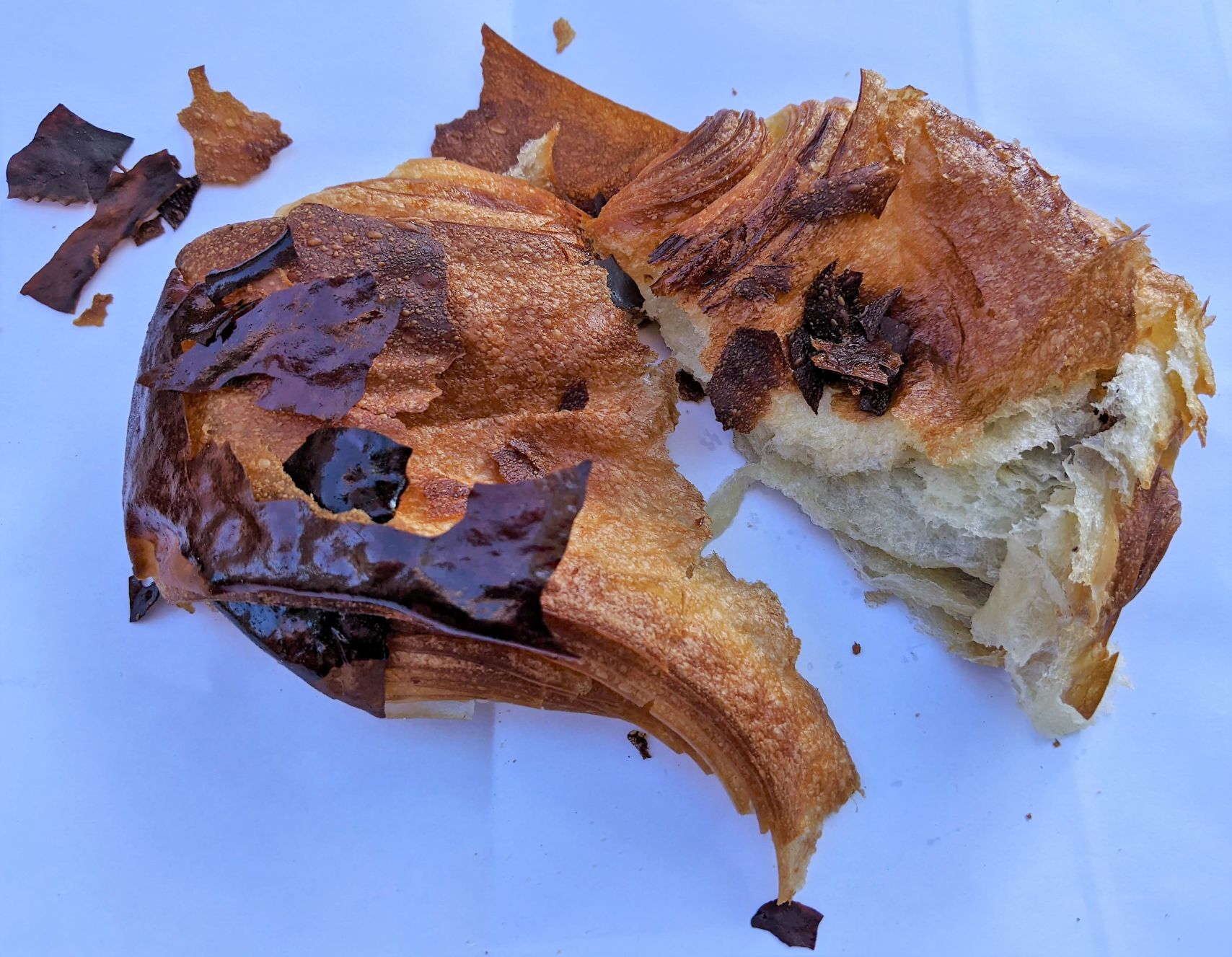
Fortunate to receive all but the Roll warm, Pain au Chocolate shattering to yield molten insides, Nuts find themselves incorporated into every crevice of both Glaser’s Almond and Pistachio Croissant, the better version a toss-up since each are irreproachable in terms of their taste and texture.
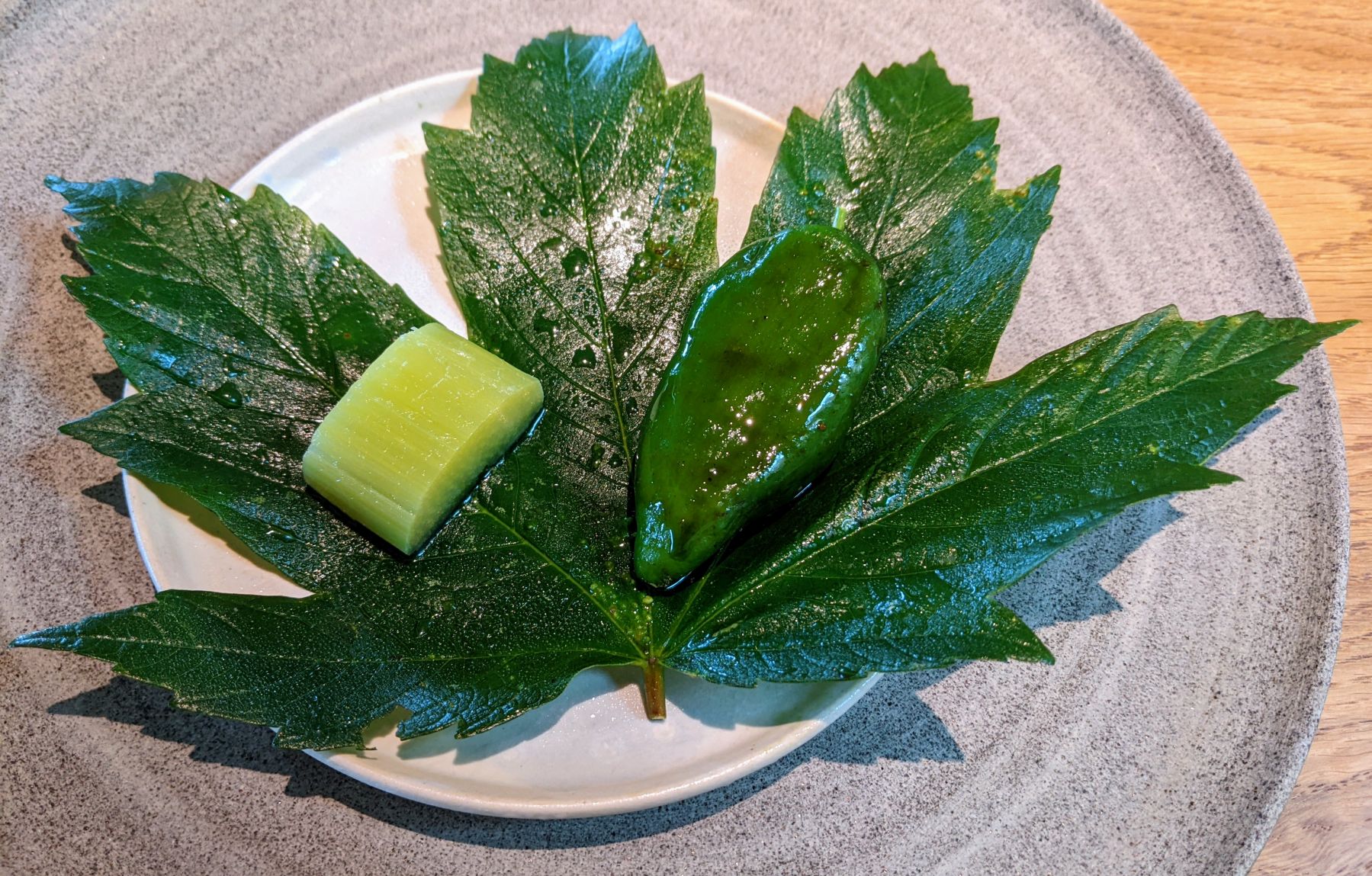
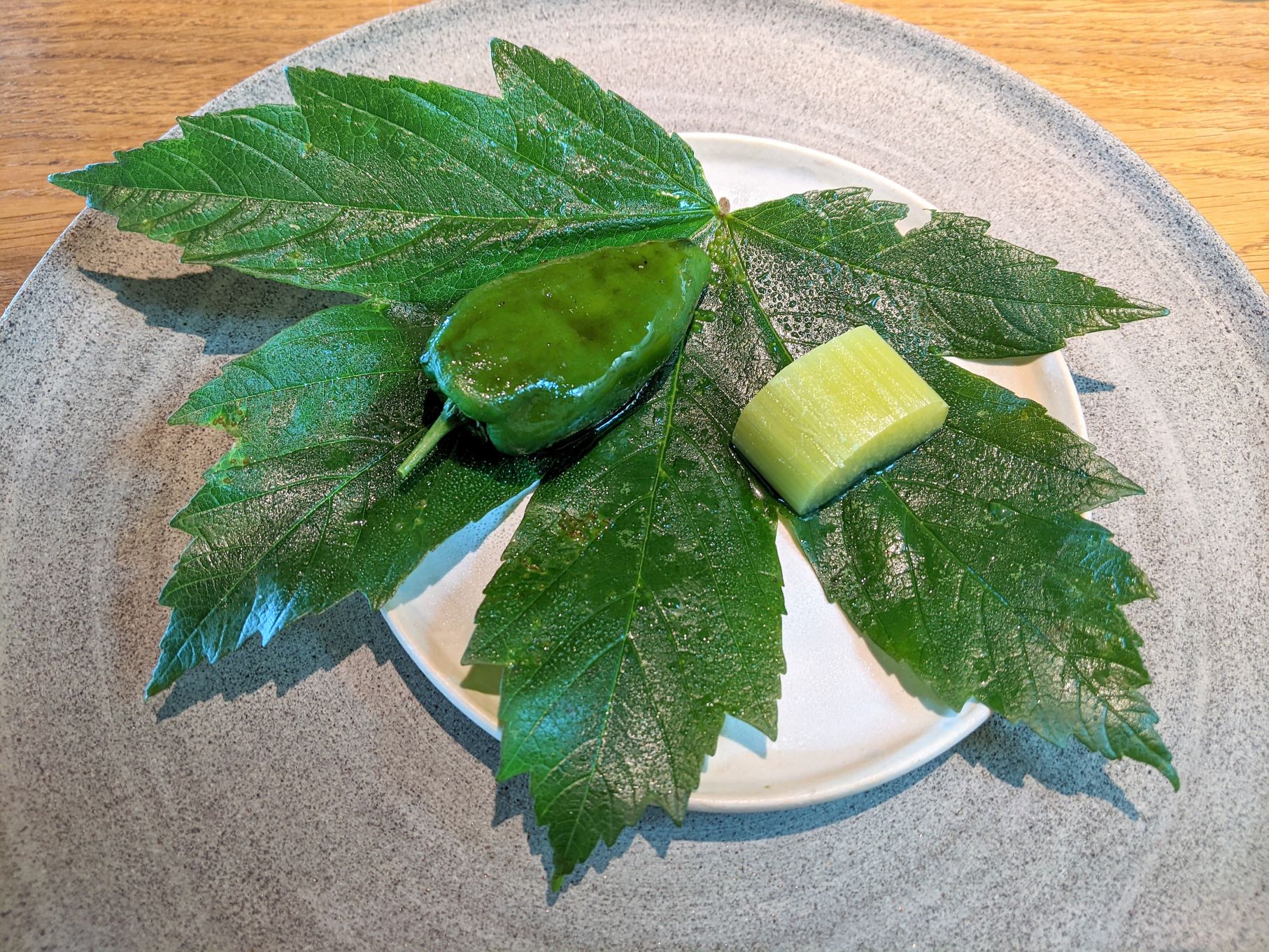
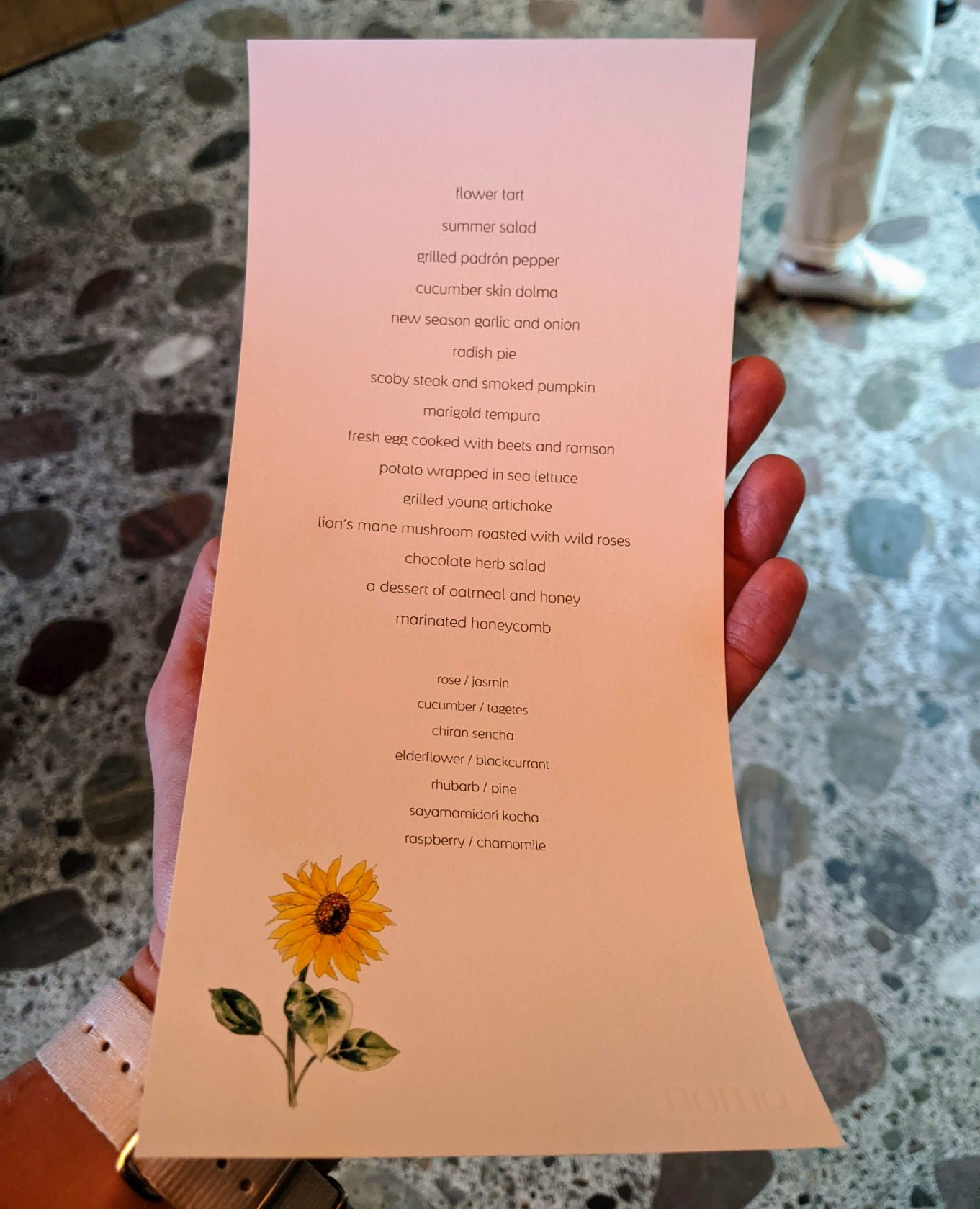
Grilled Padron Pepper – Green Strawberry, Roasted Sunflower Seeds, Salted Green Rhubarb
Sencha Tea
Pea and White Currant Dumpling – Lemon Verbena
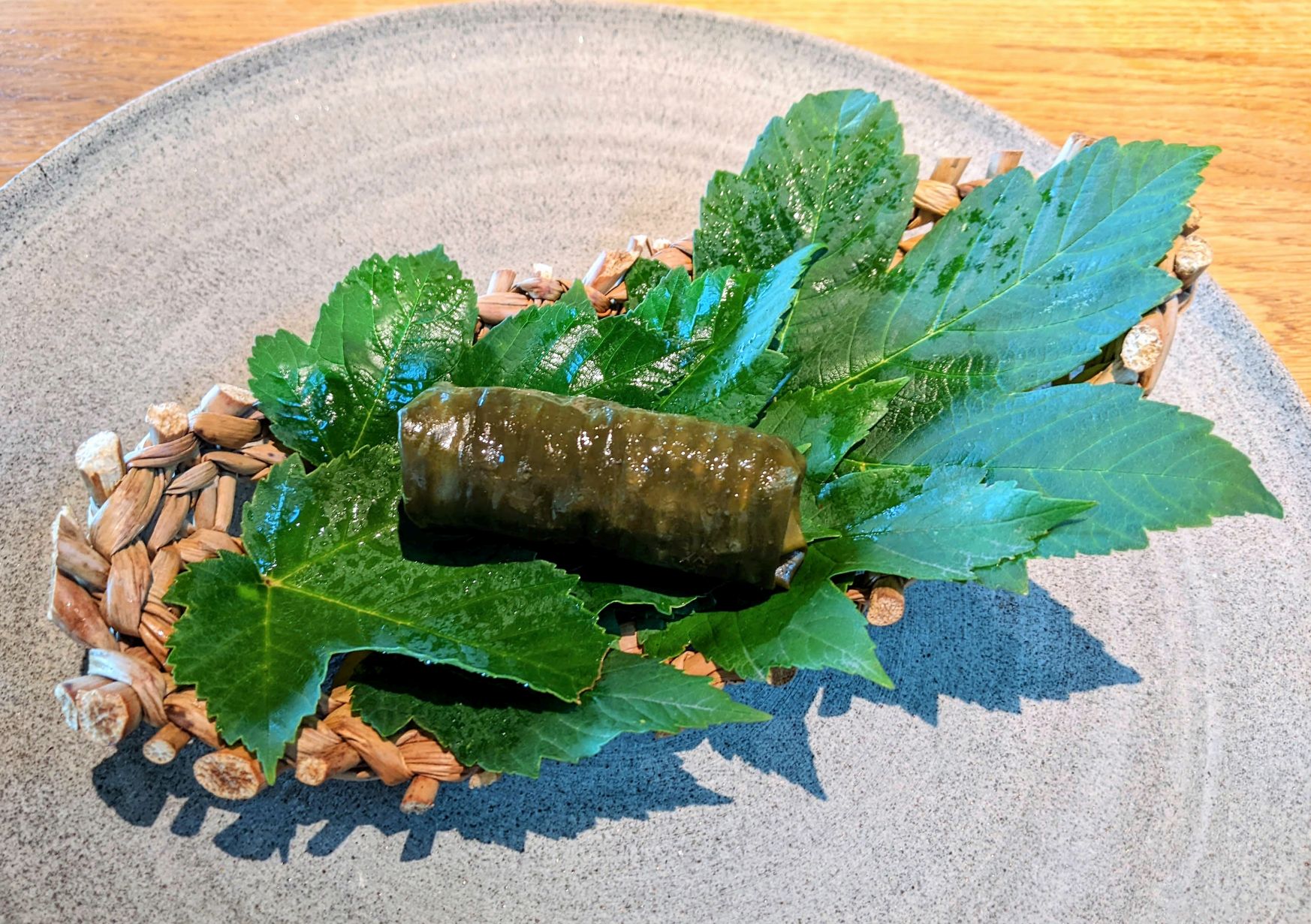
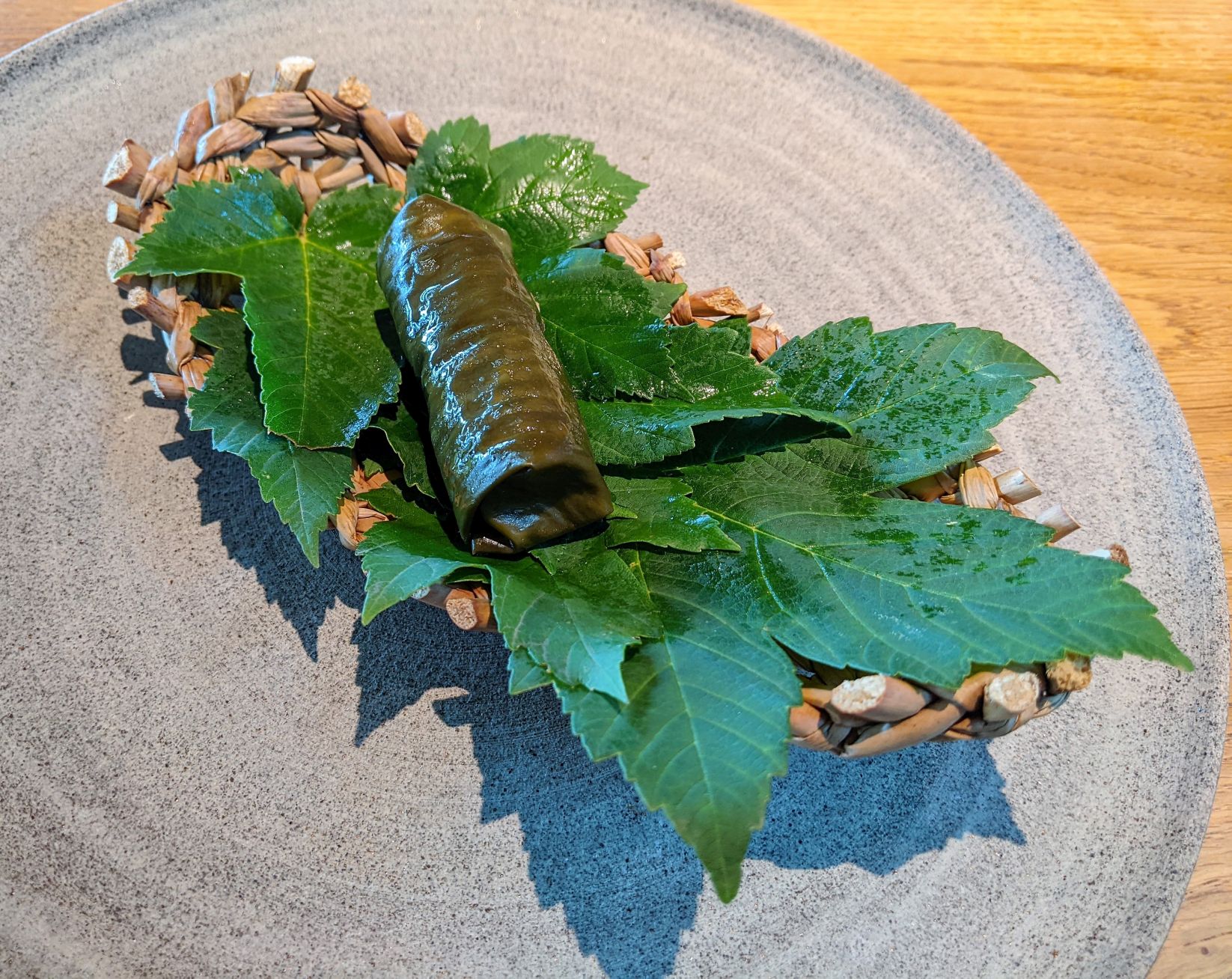
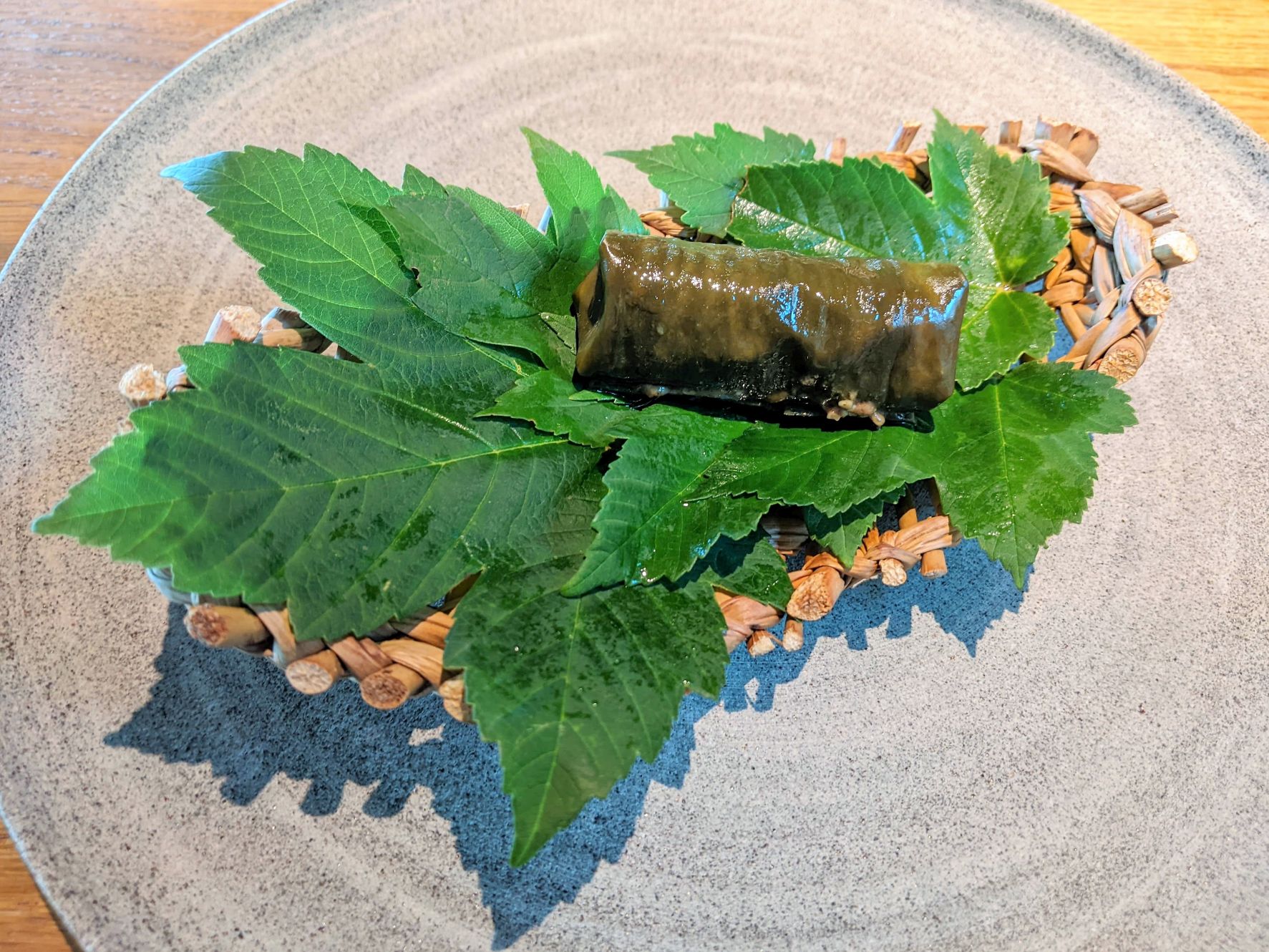
Cucumber Skin Dolma – Barley Koji
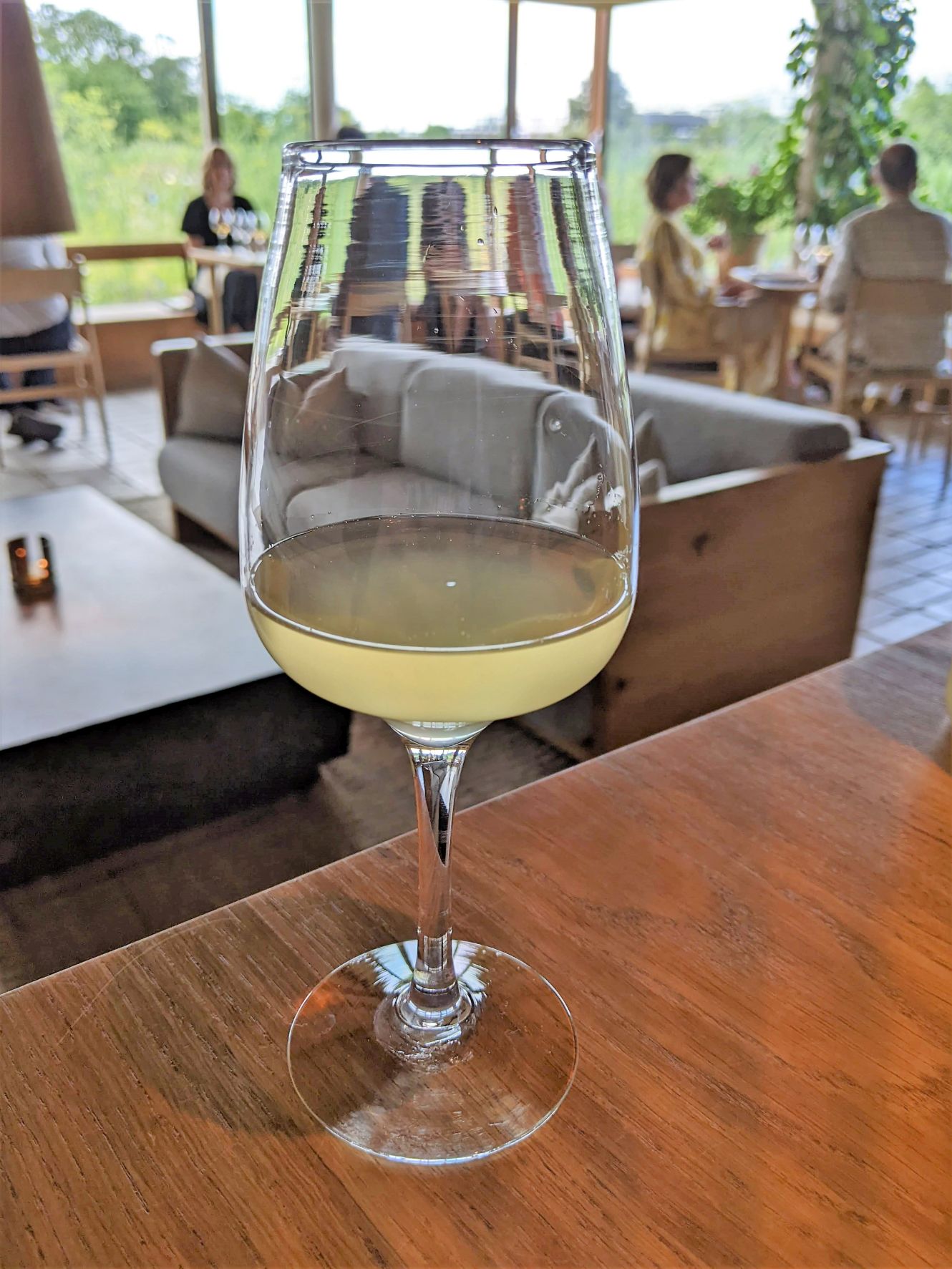
Elderflower, Black Currant
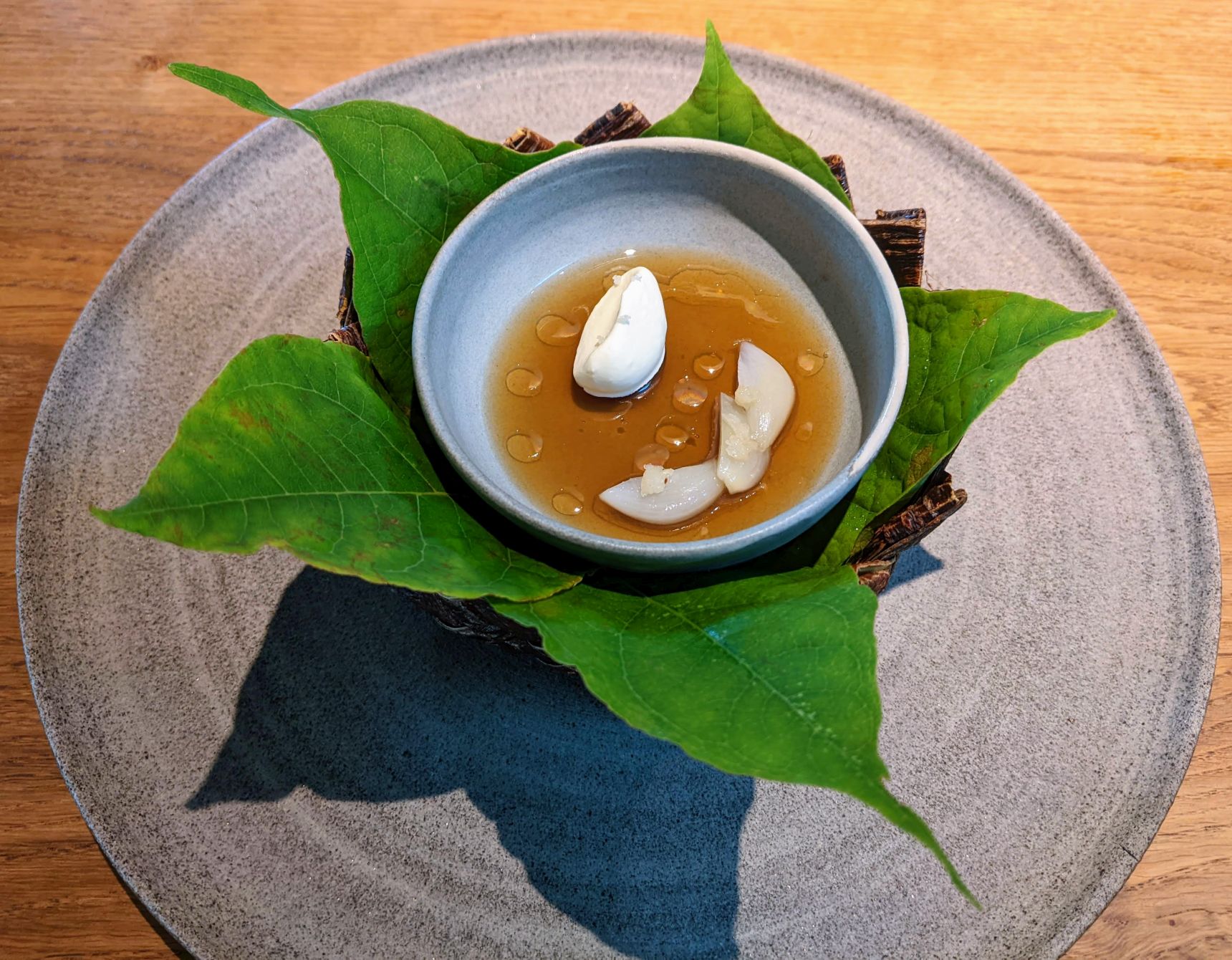
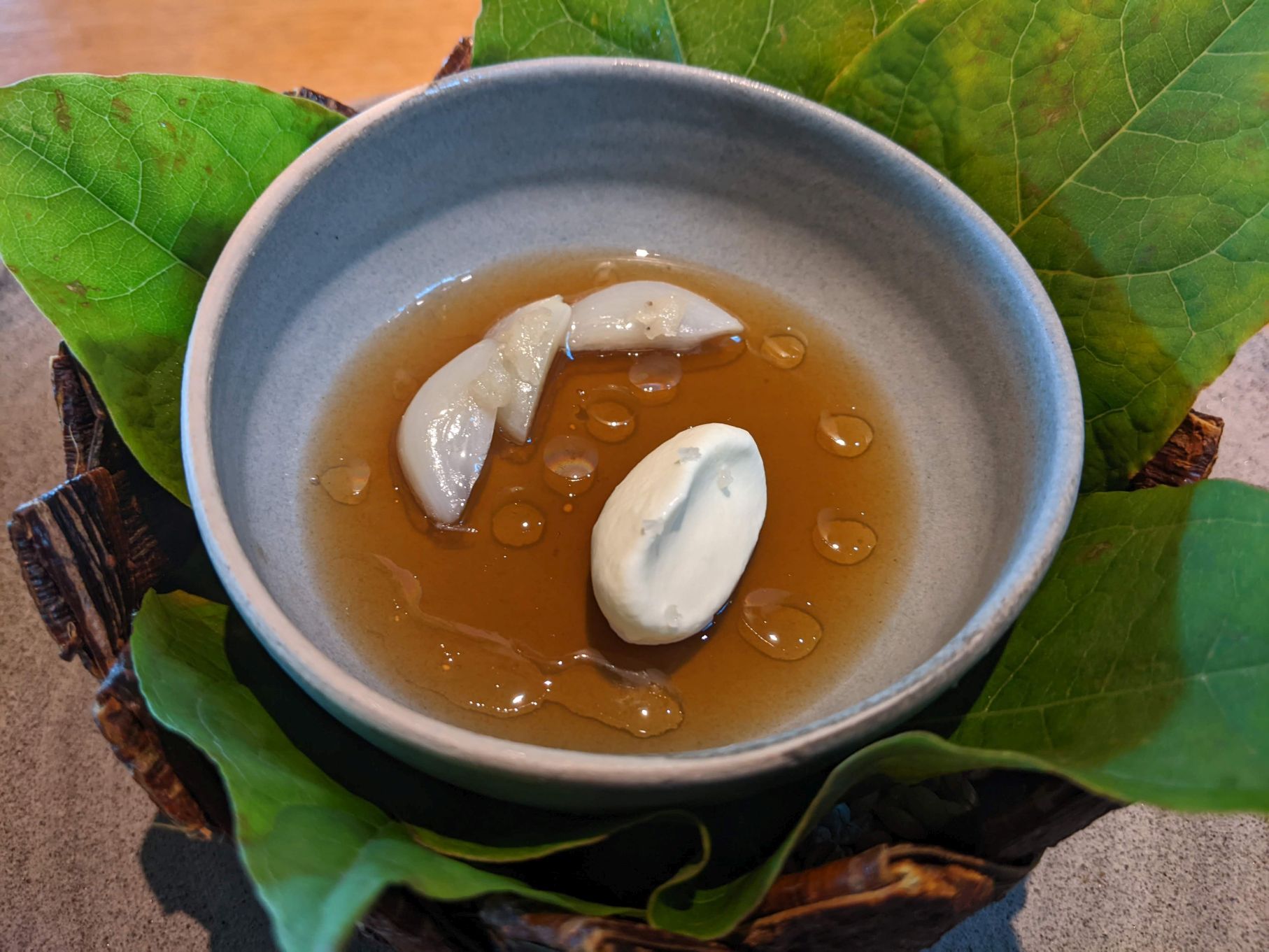
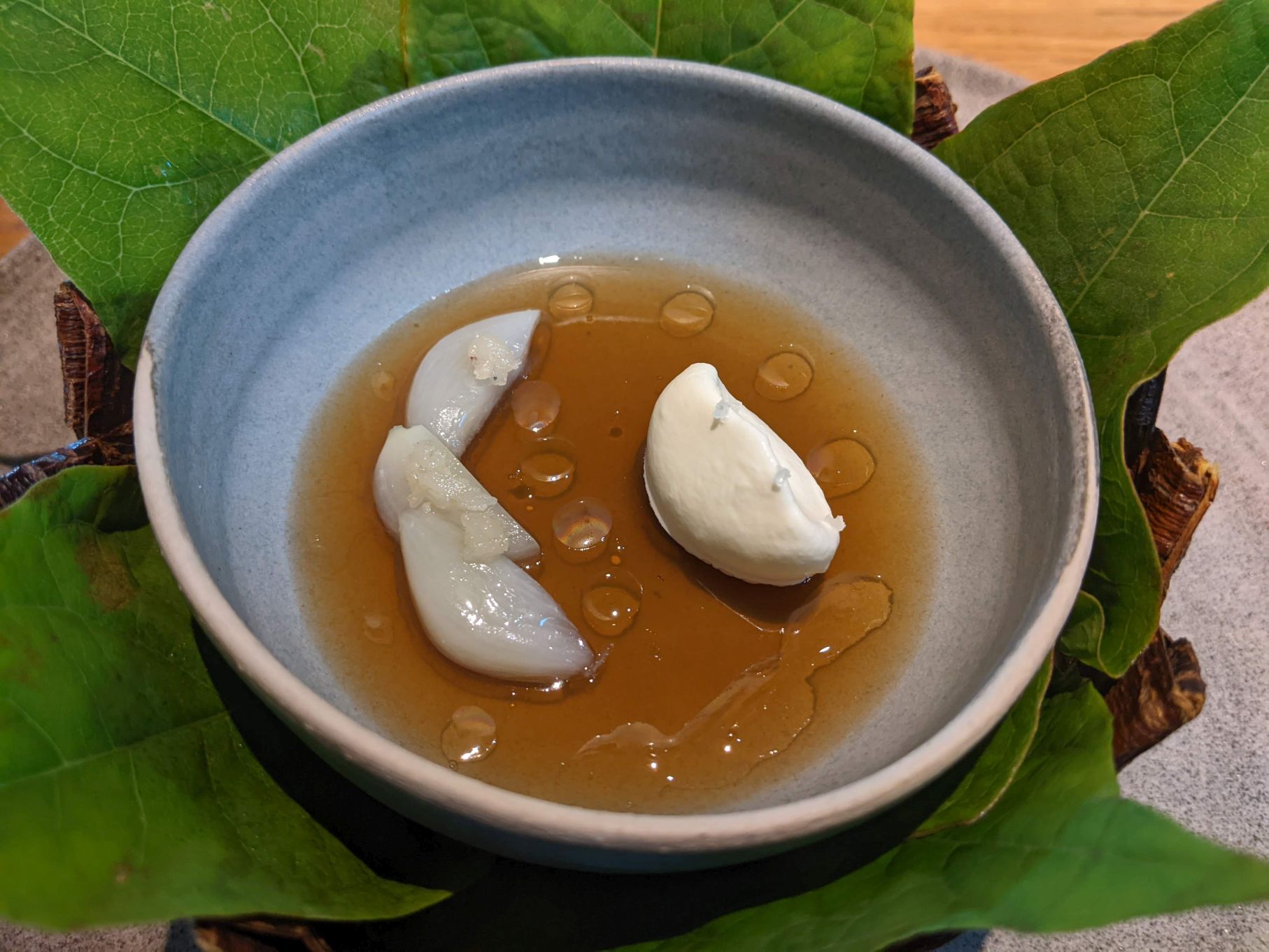
New Season Garlic and Onion – Whipped Cream
Radish Pie – Seaweed Shell, Horseradish Juice, Caper
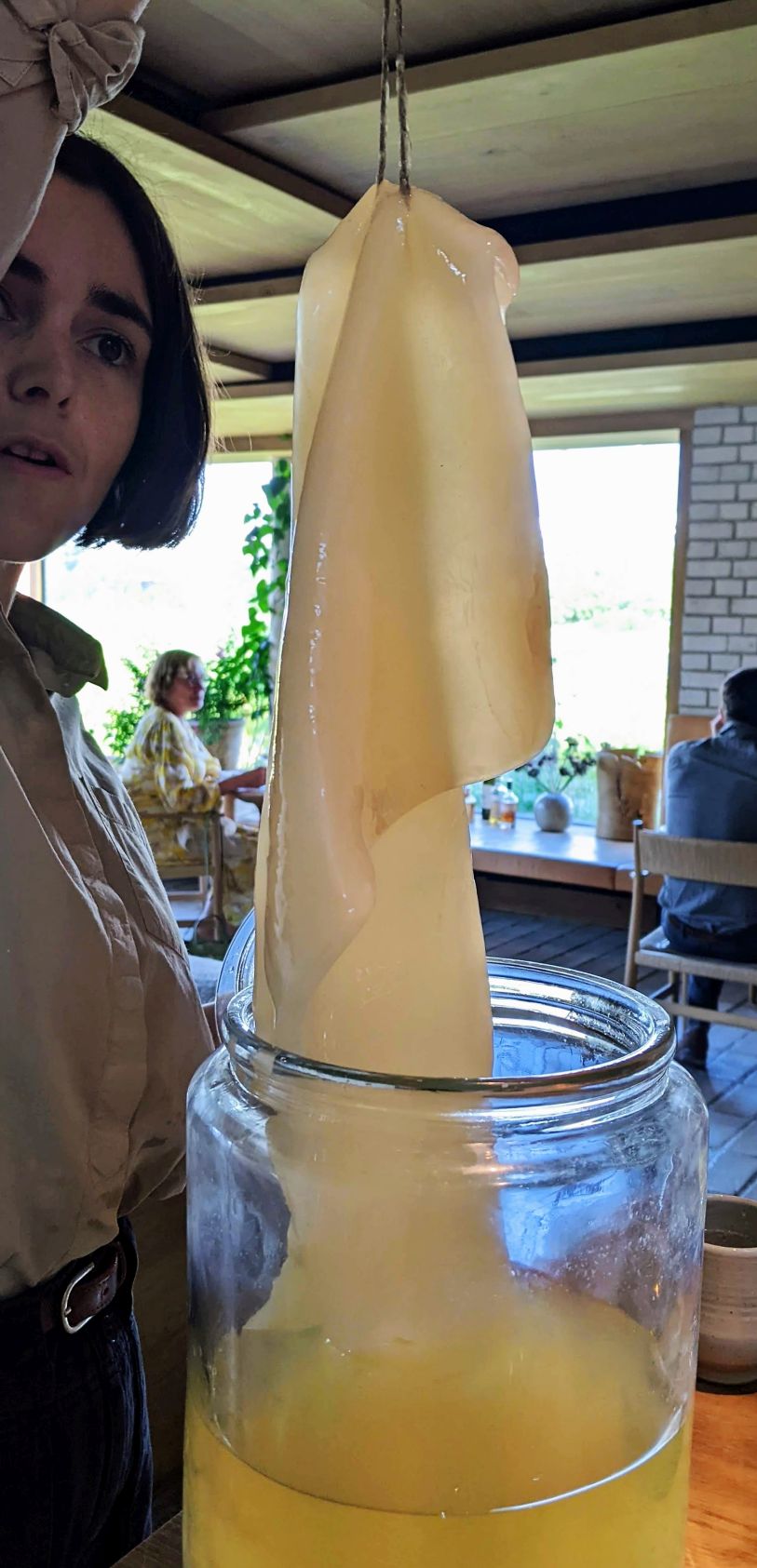
Scoby Steak and Smoked Pumpkin – Jasmine Tea Kombucha, Marigold Chili Oil, Fennel Flower, Coriander
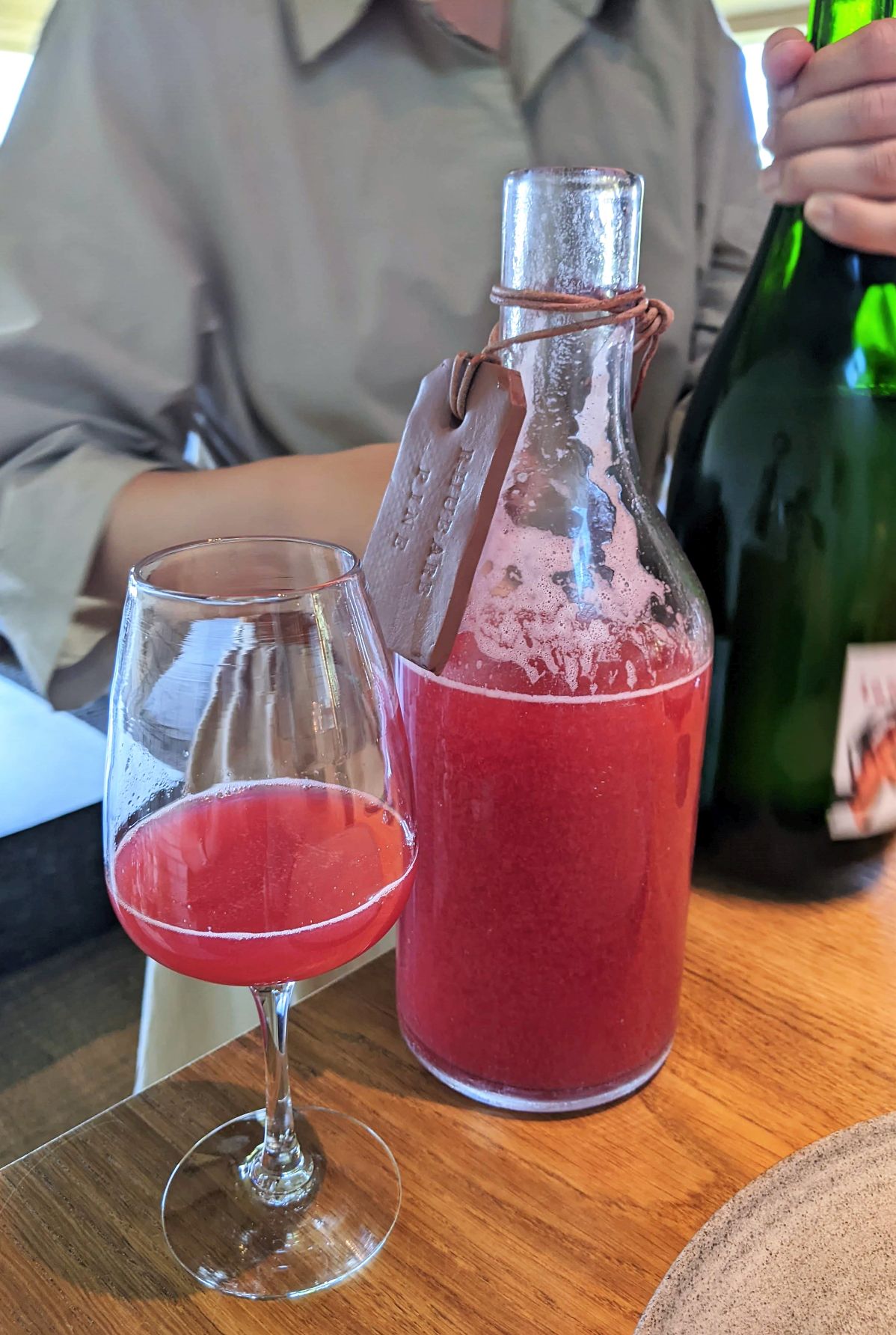
Rhubarb, Pine Shoots
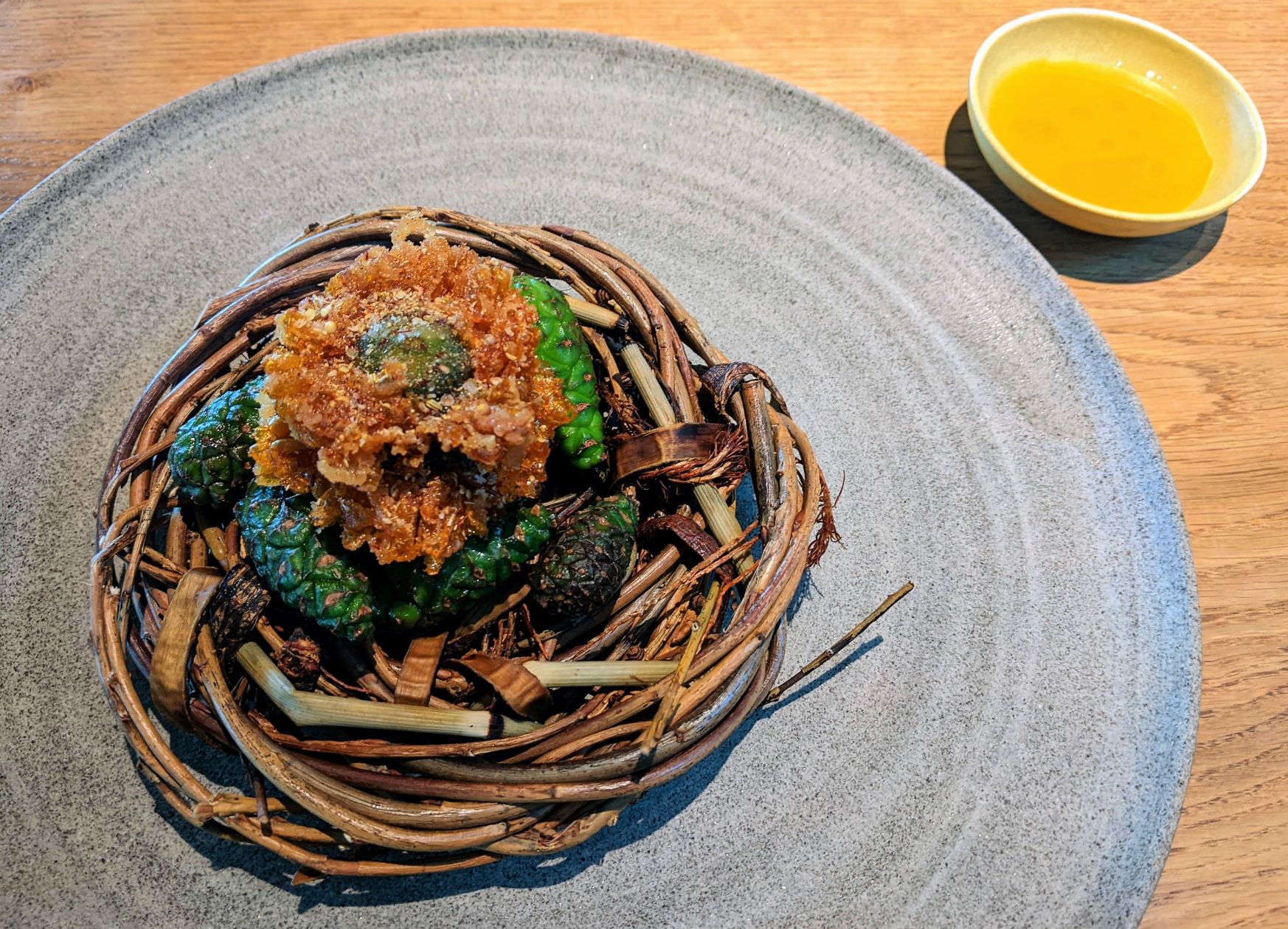
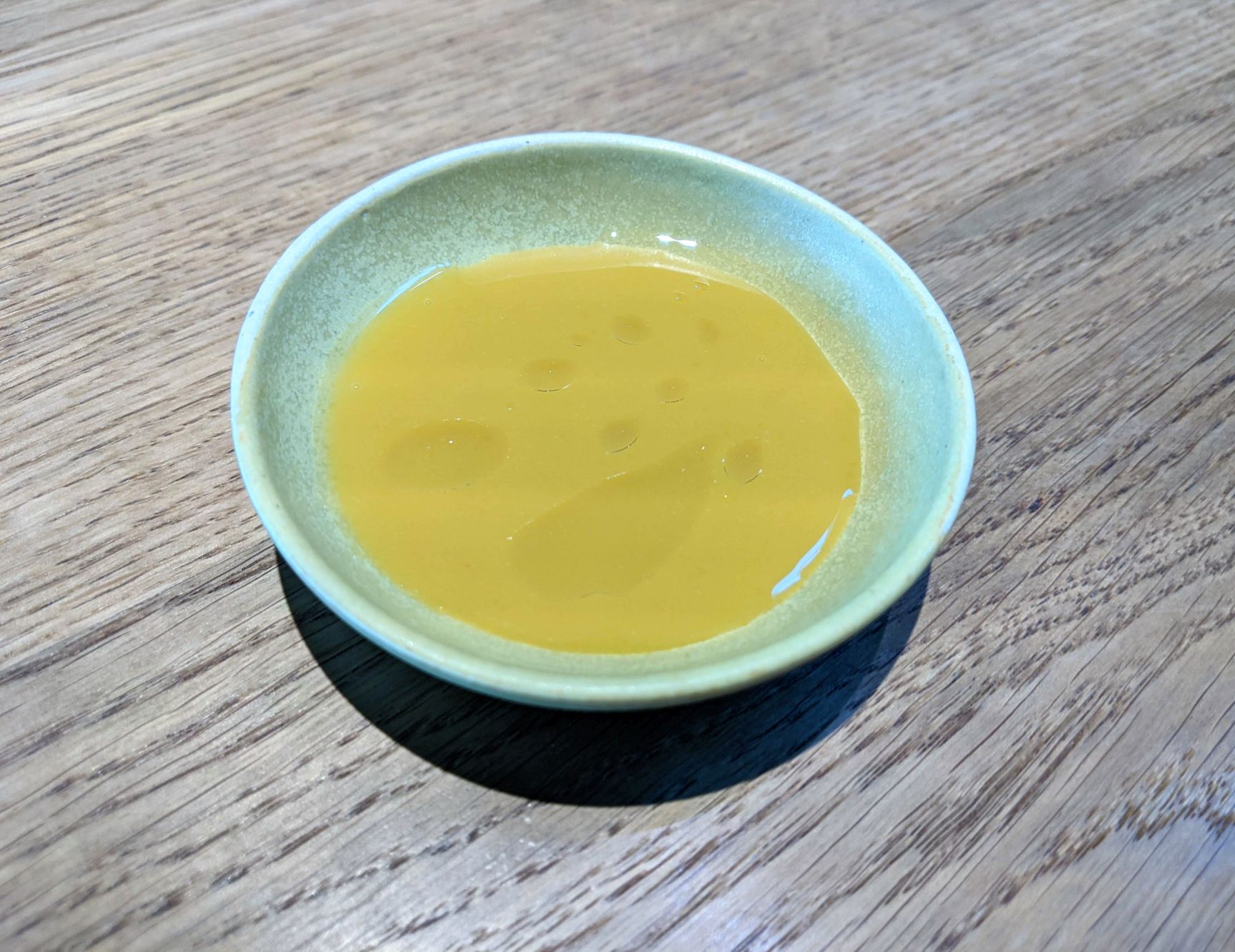
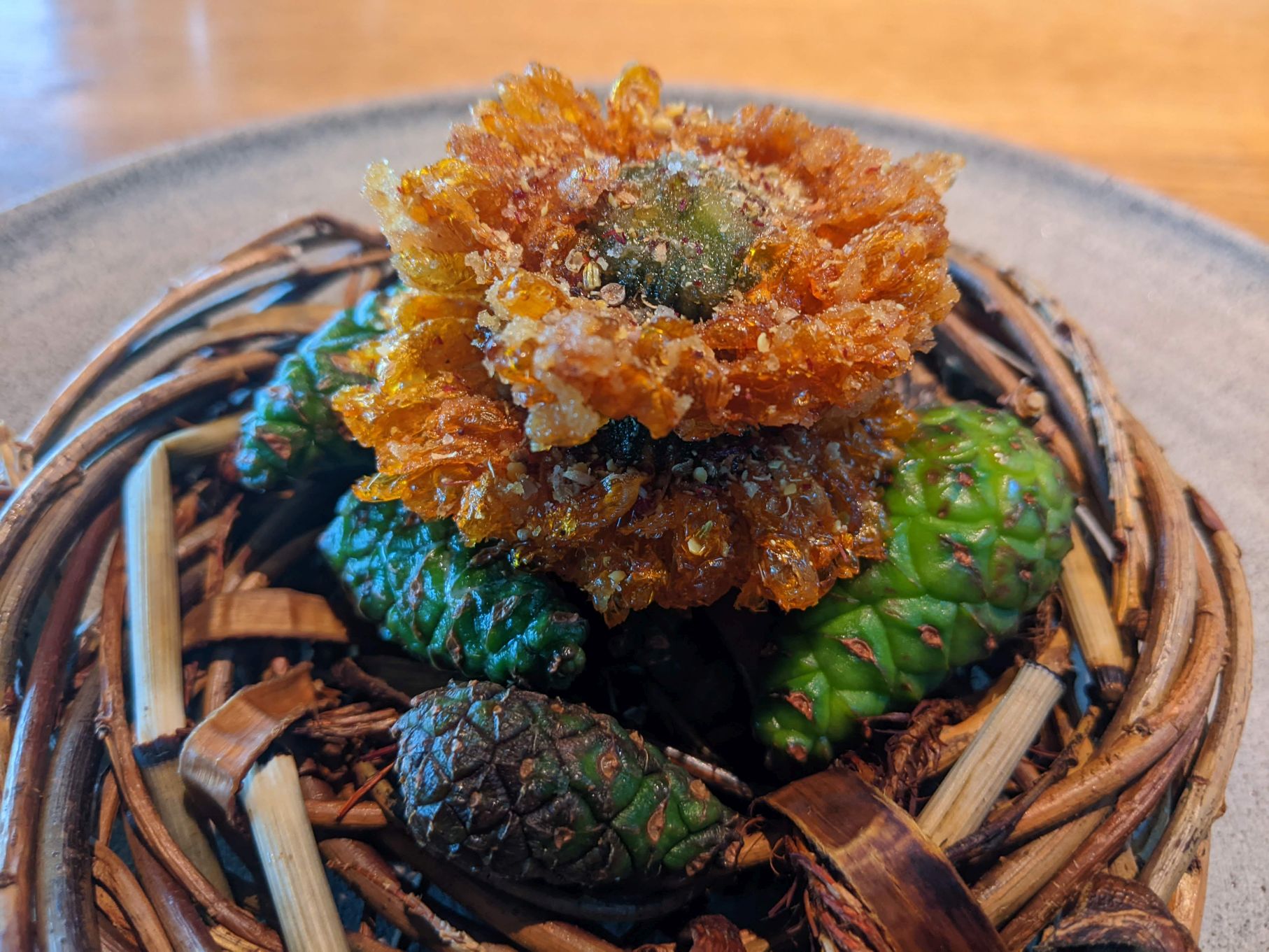
Marigold Tempura – Egg Yolk, Whiskey
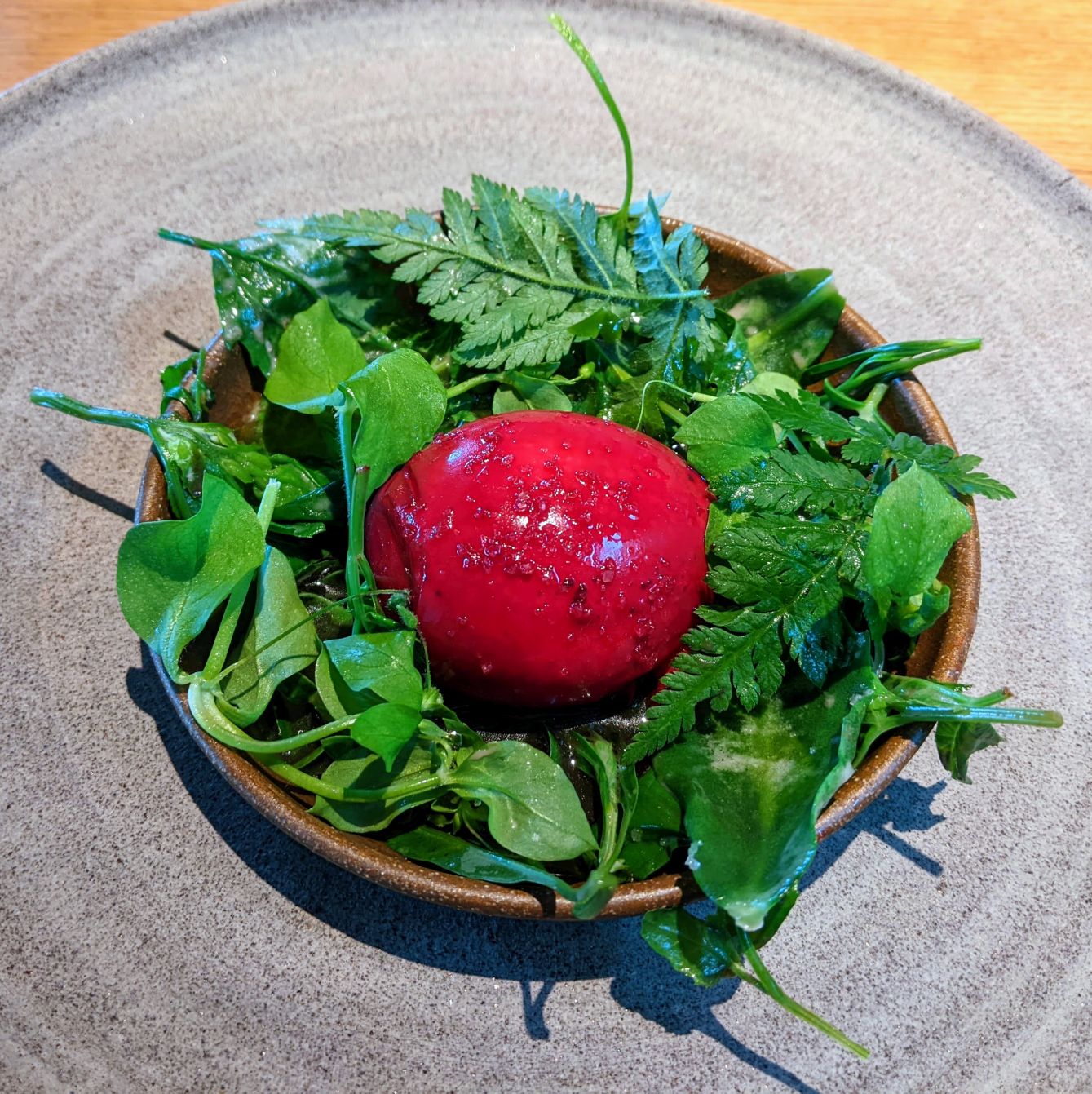
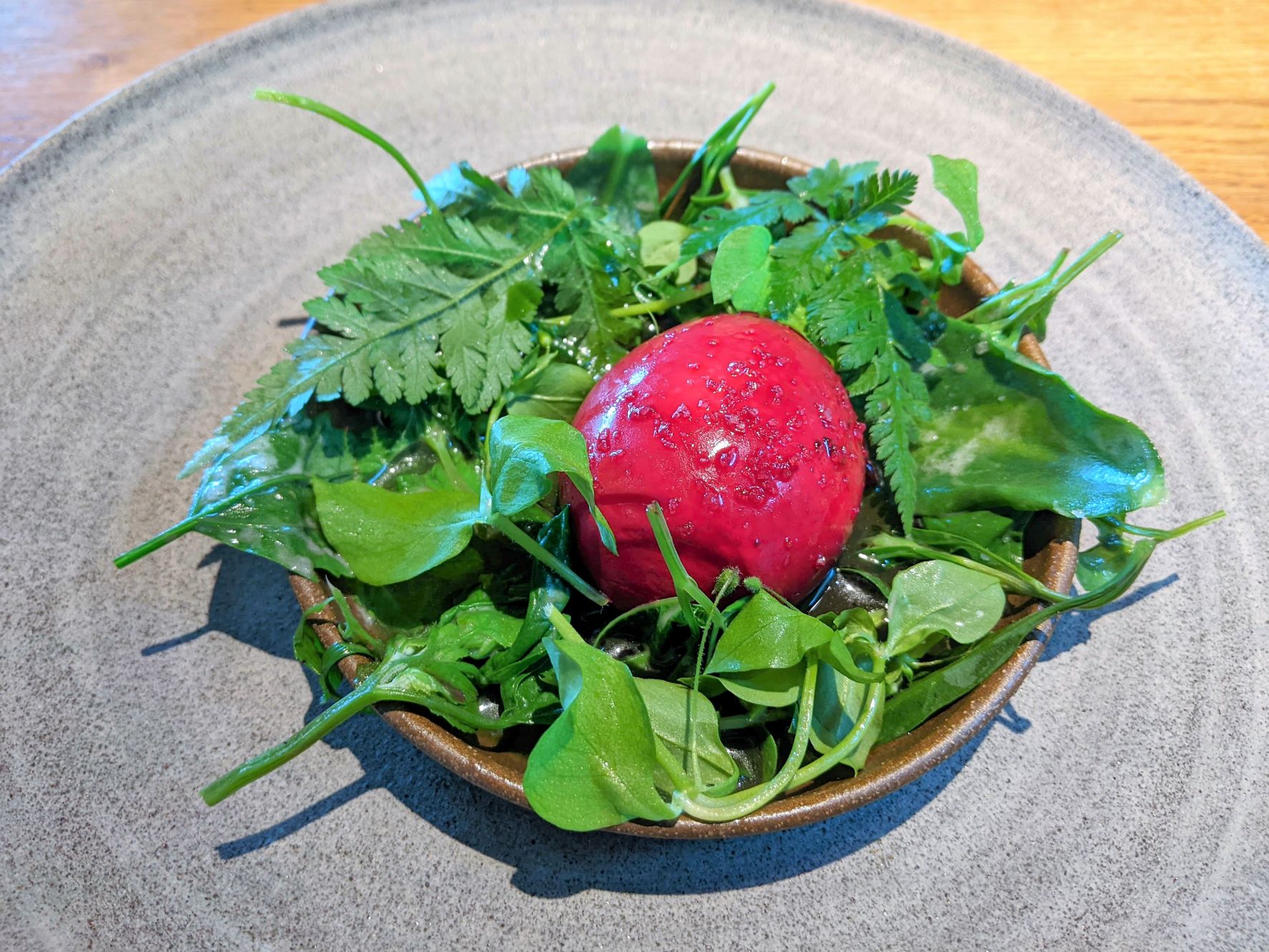
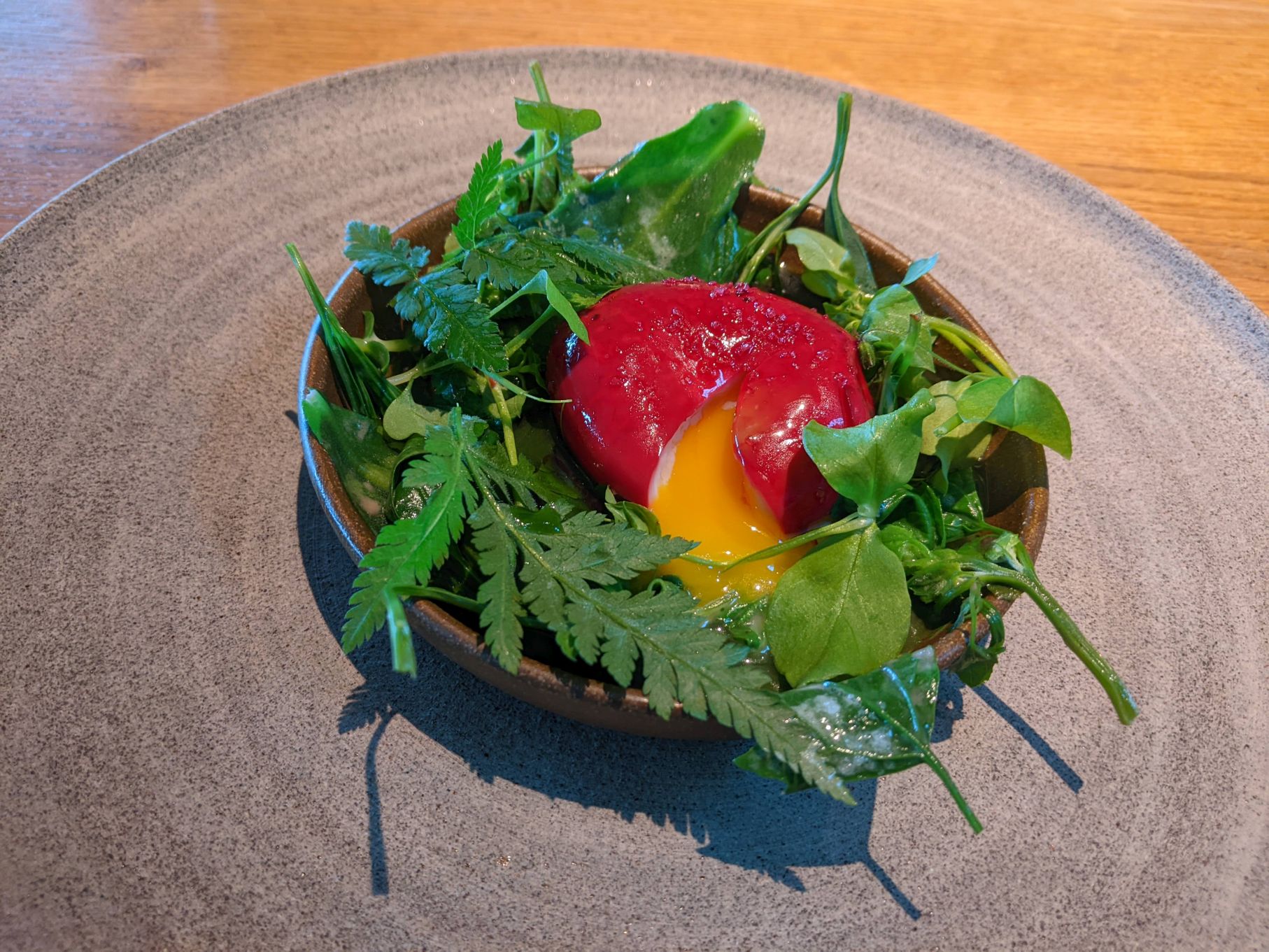
Fresh Egg cooked with Beets and Ramson – Wild Garlic
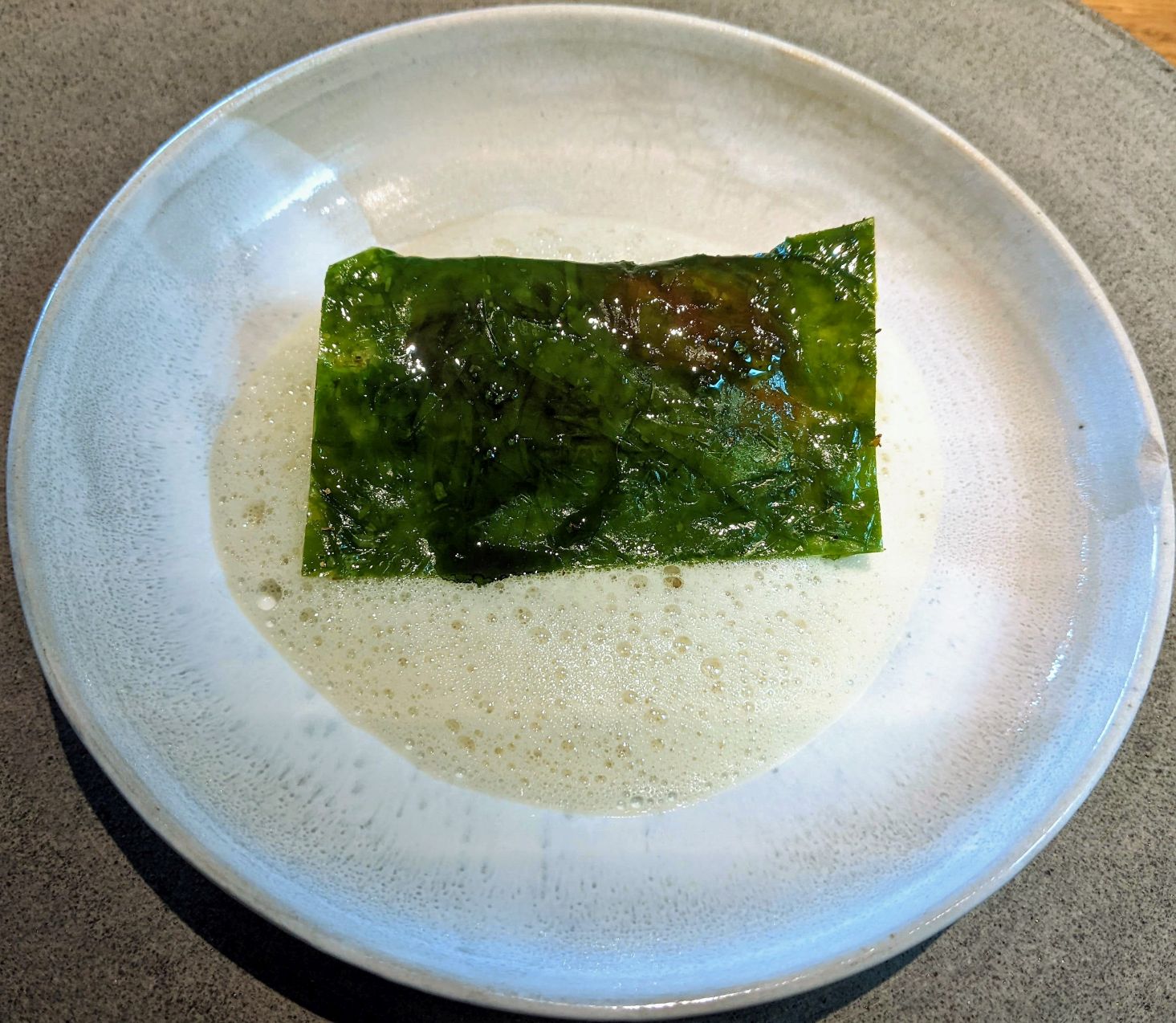
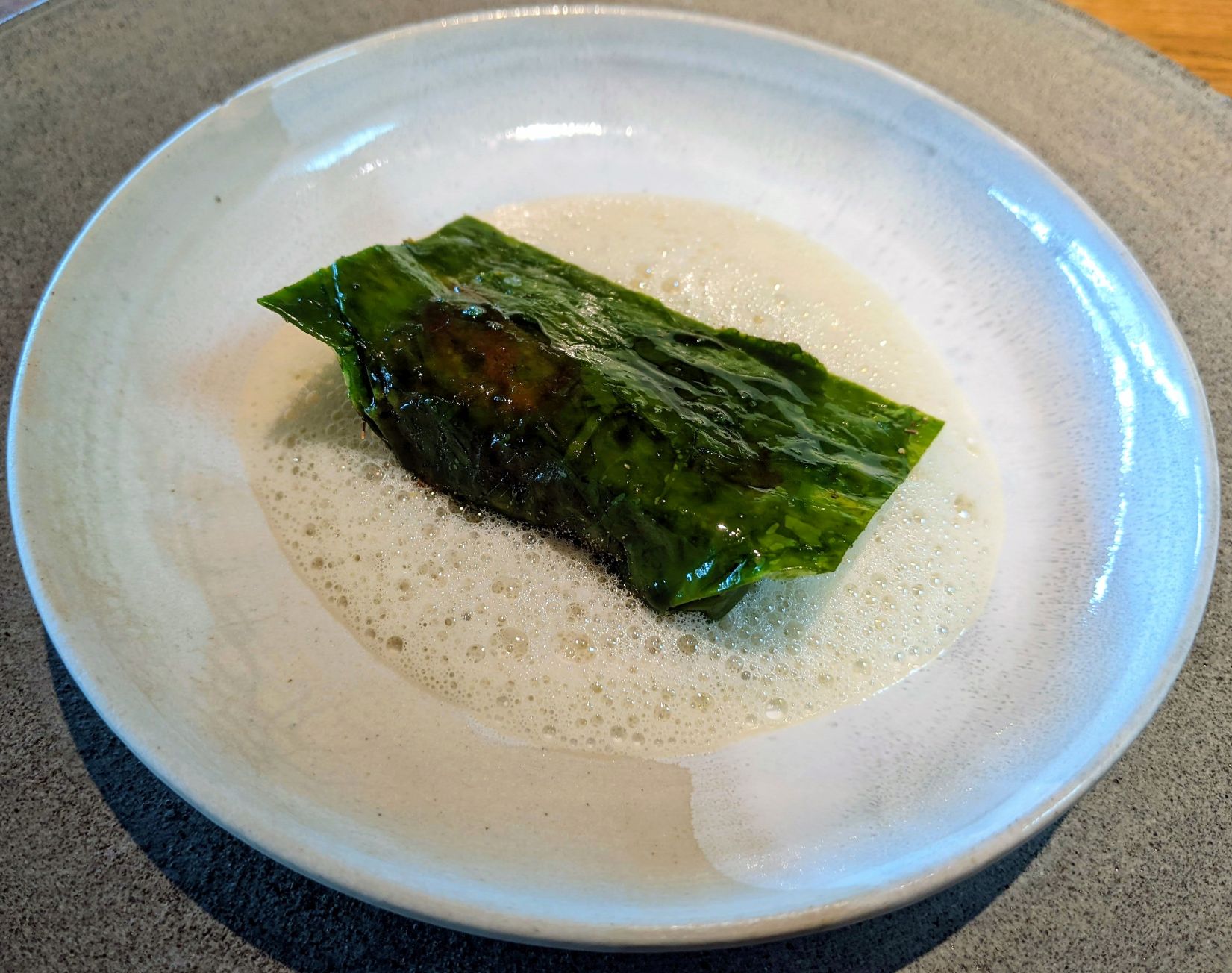
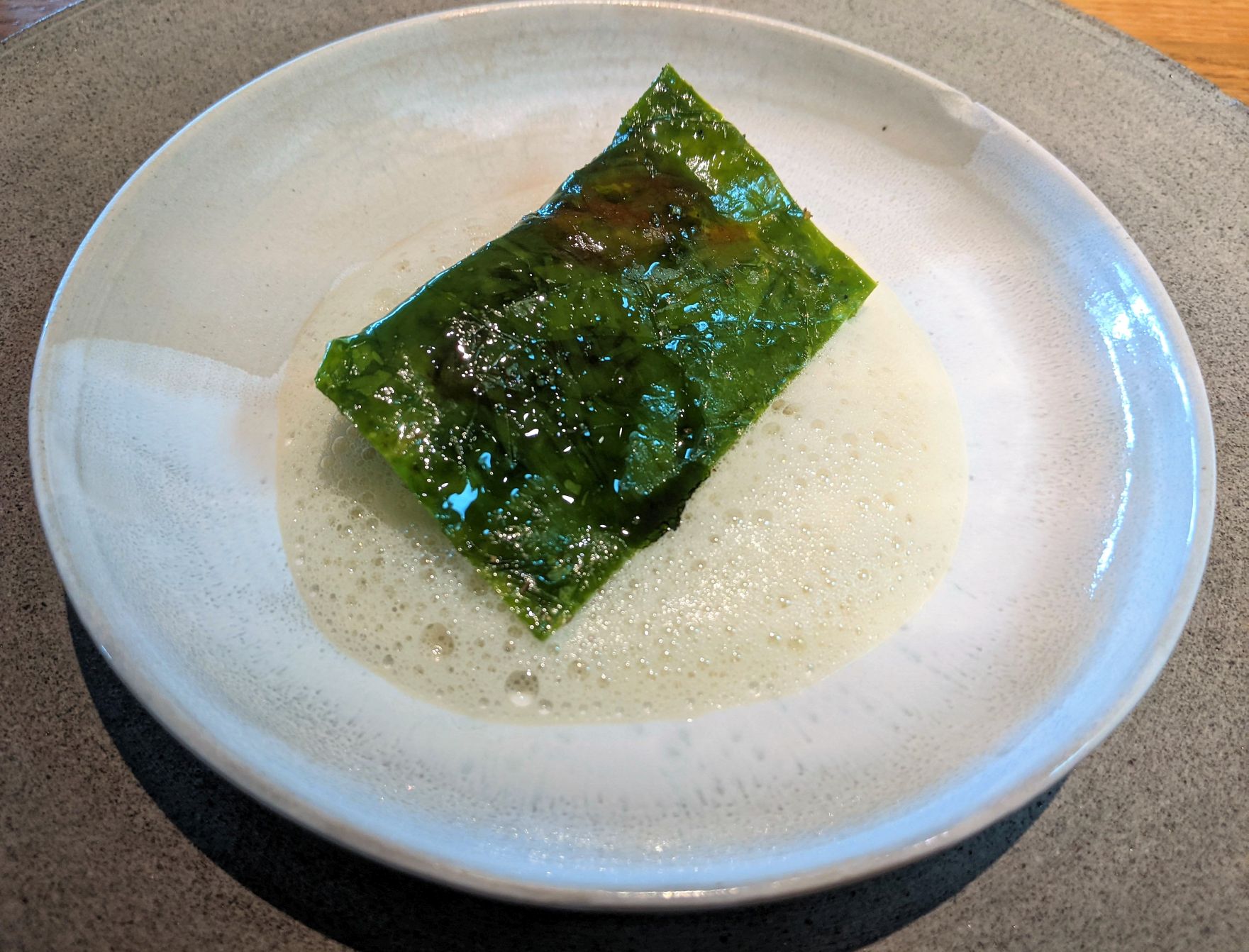
Potato wrapped in Sea Lettuce – Confit Gooseberry
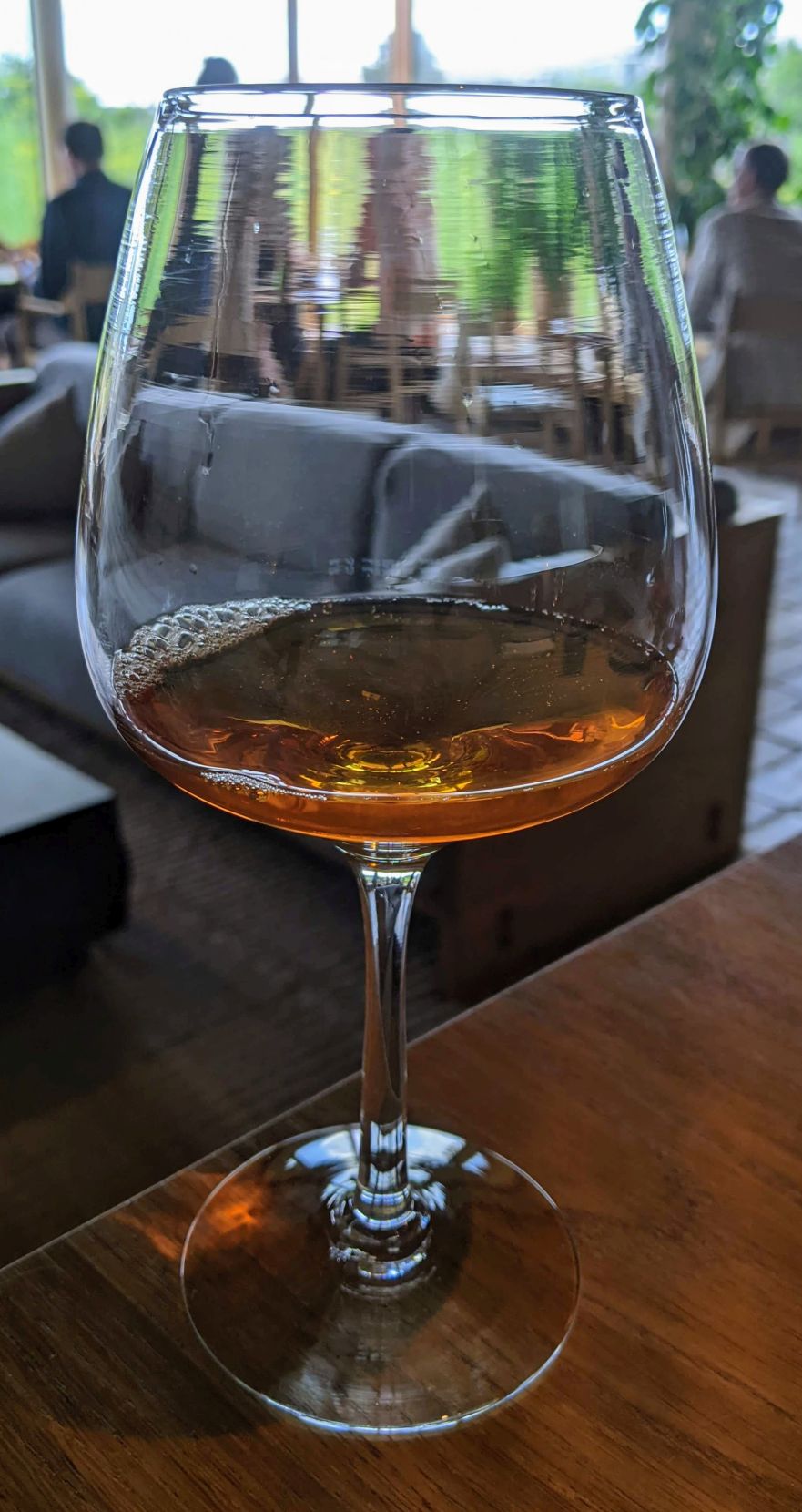
Processed Sencha Cultivar Steeped 3 Days
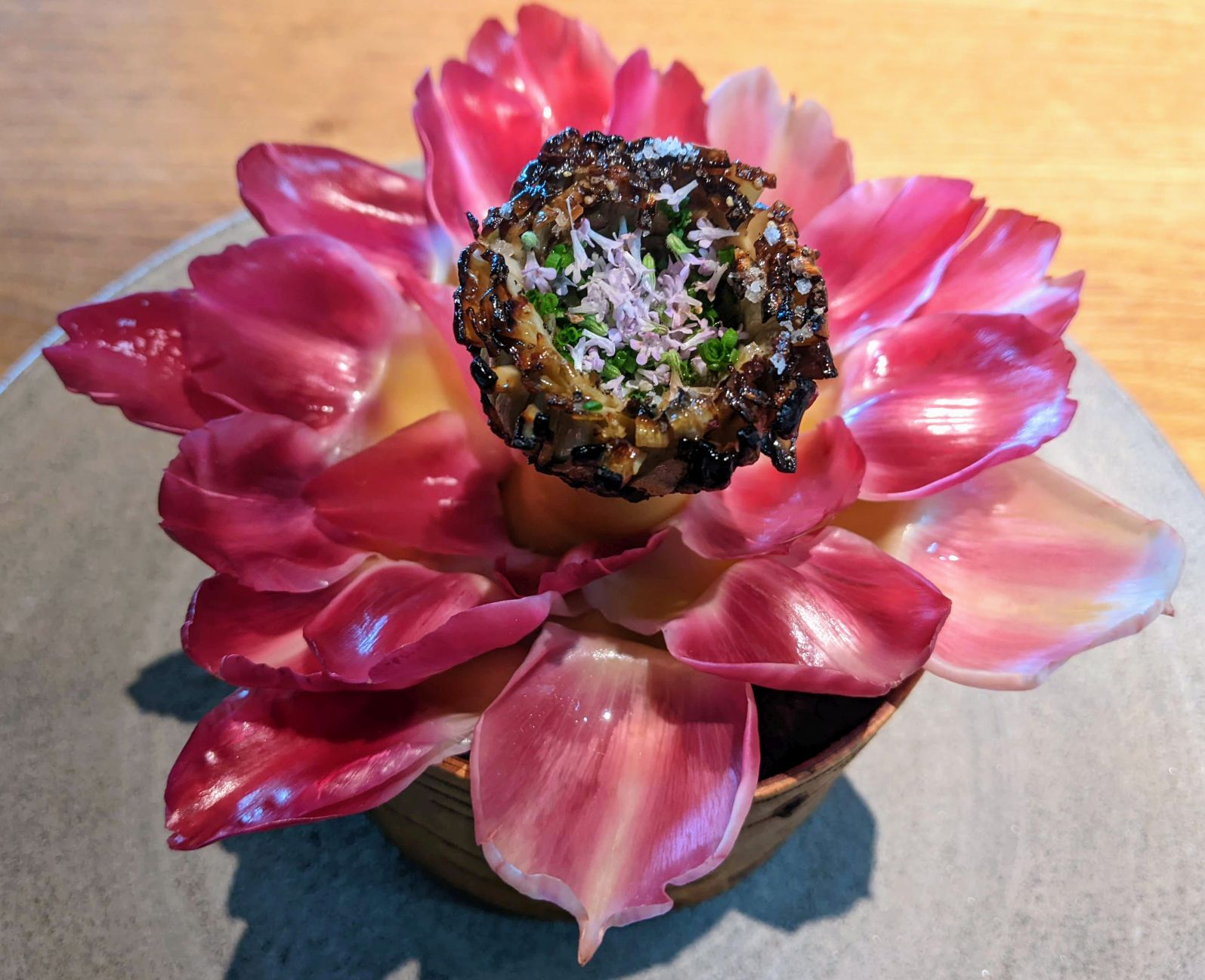
Grilled young Artichoke – Chives, Lemon Thyme Flowers
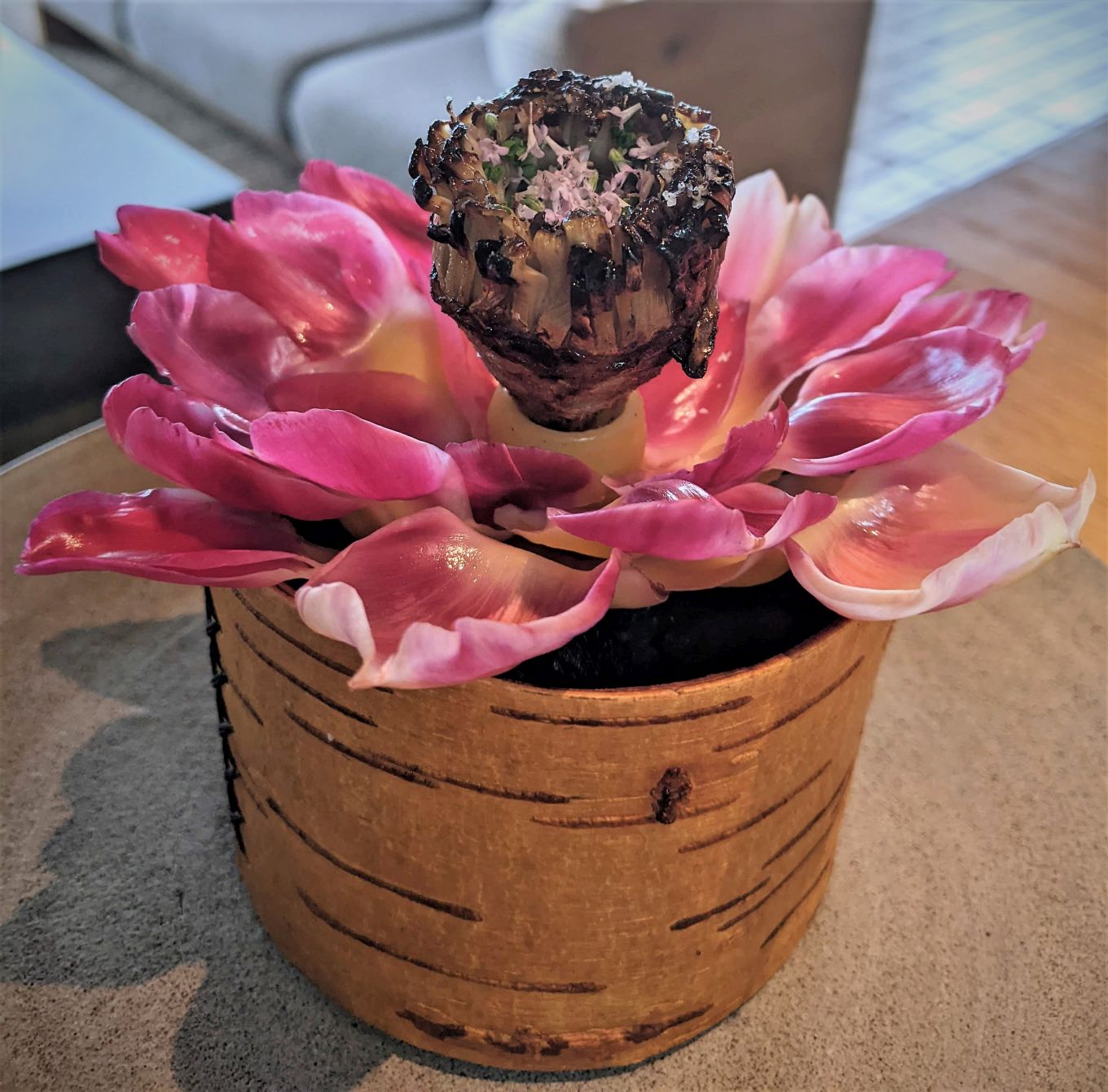
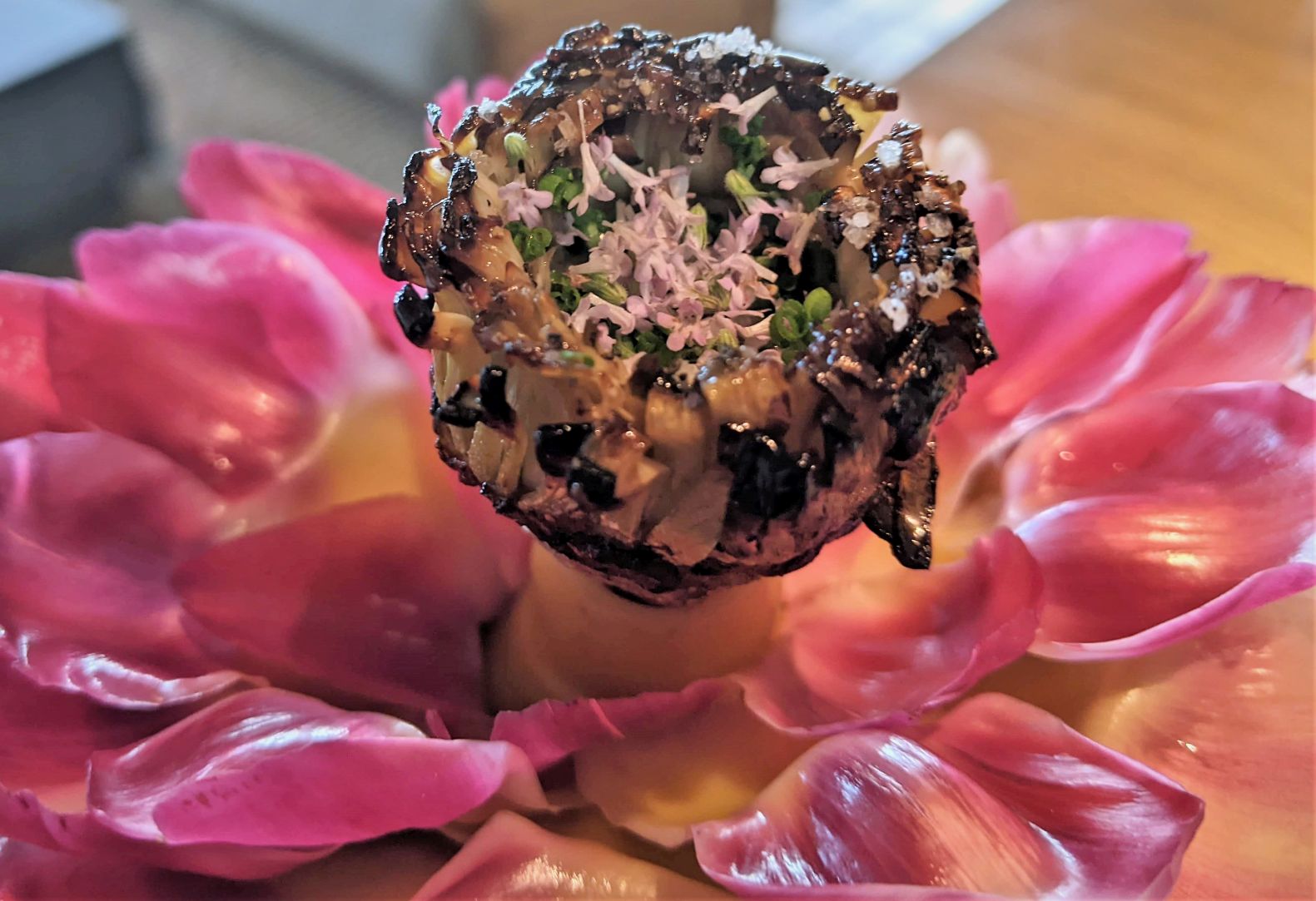
Lion’s Mane Mushroom roasted with Wild Roses – Pumpkinbushi, Jasmine Tea, Wild Truffle
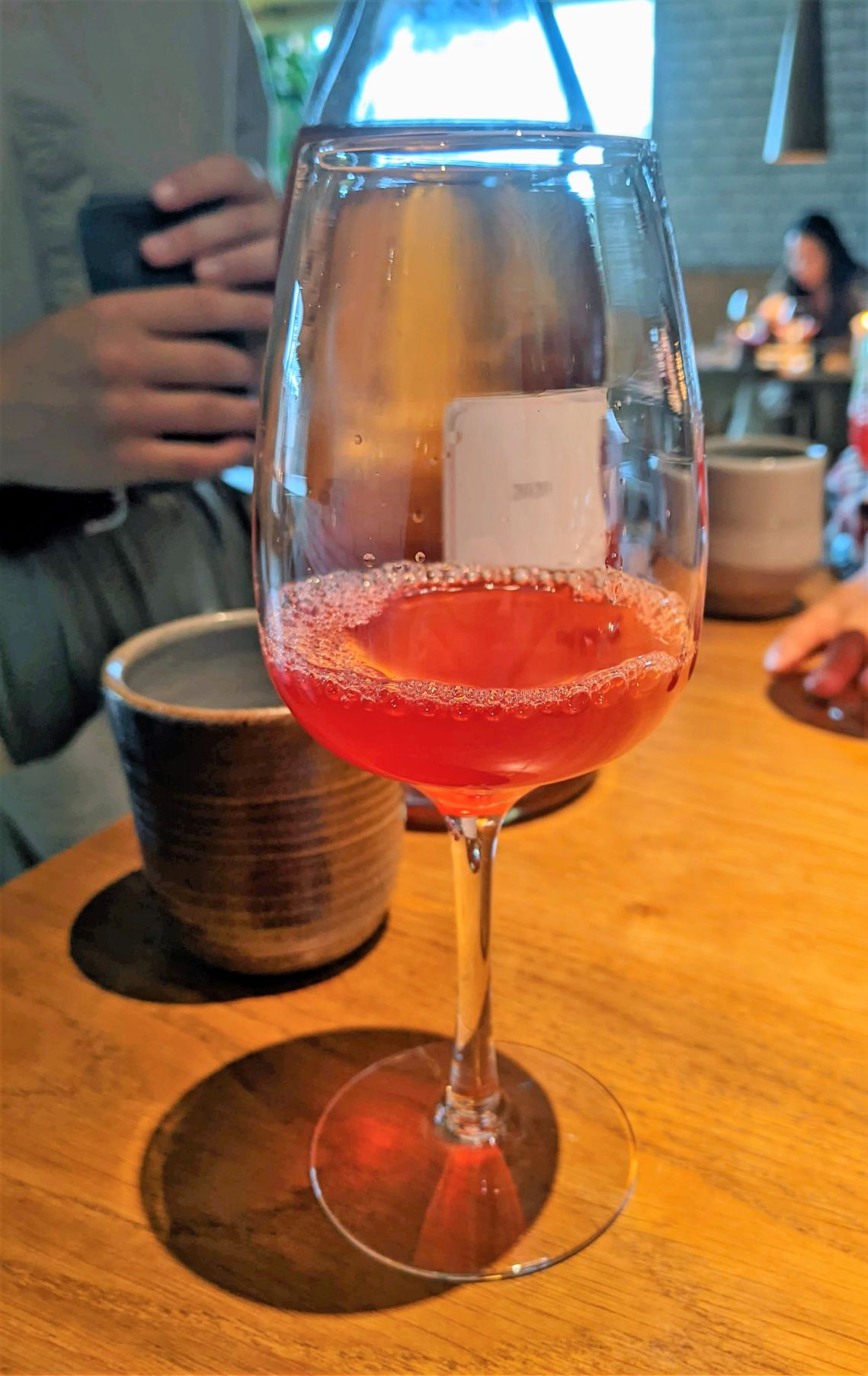
Jasmine Tea, Chamomile Tea, Raspberry
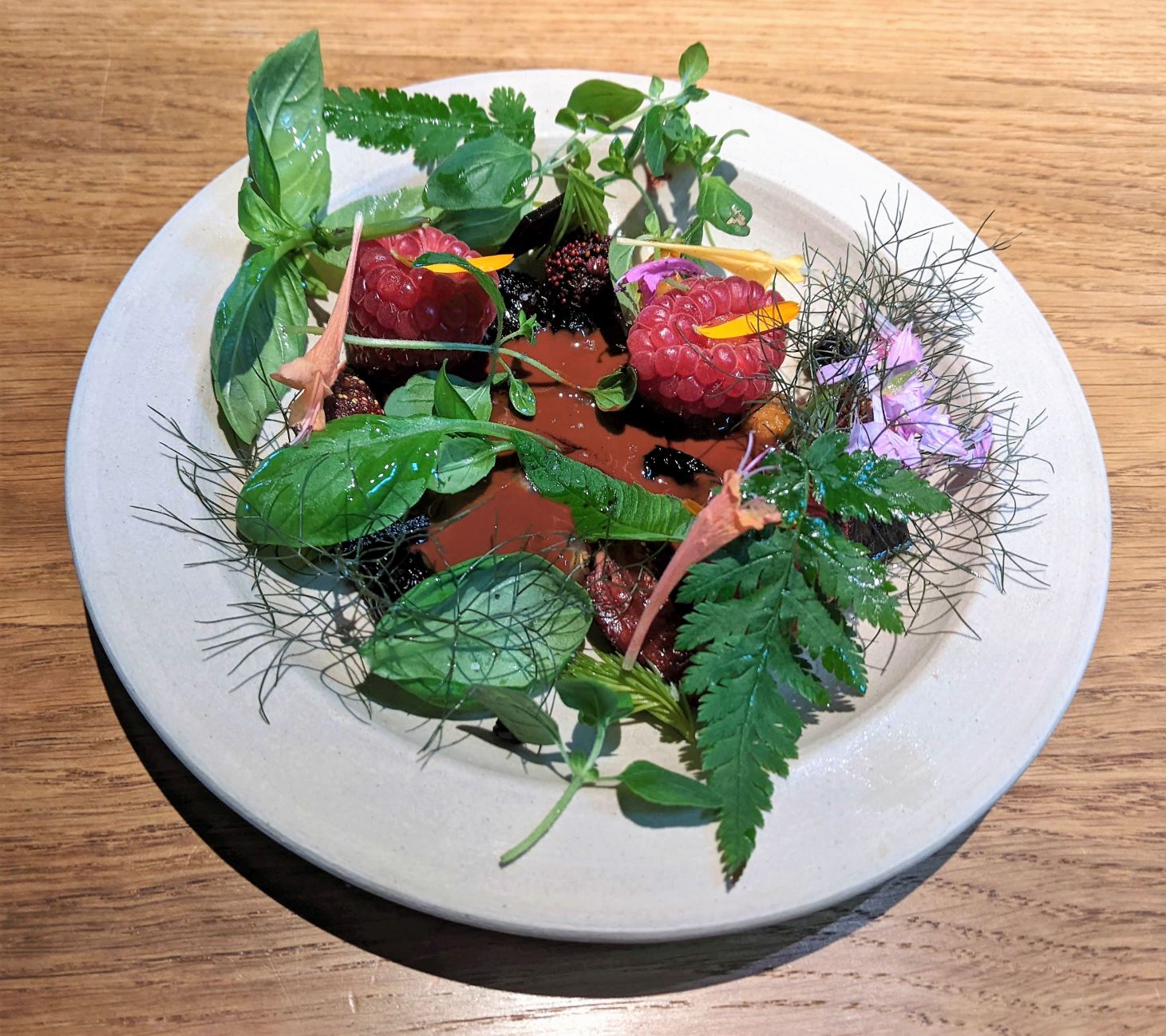
Chocolate Herb Salad
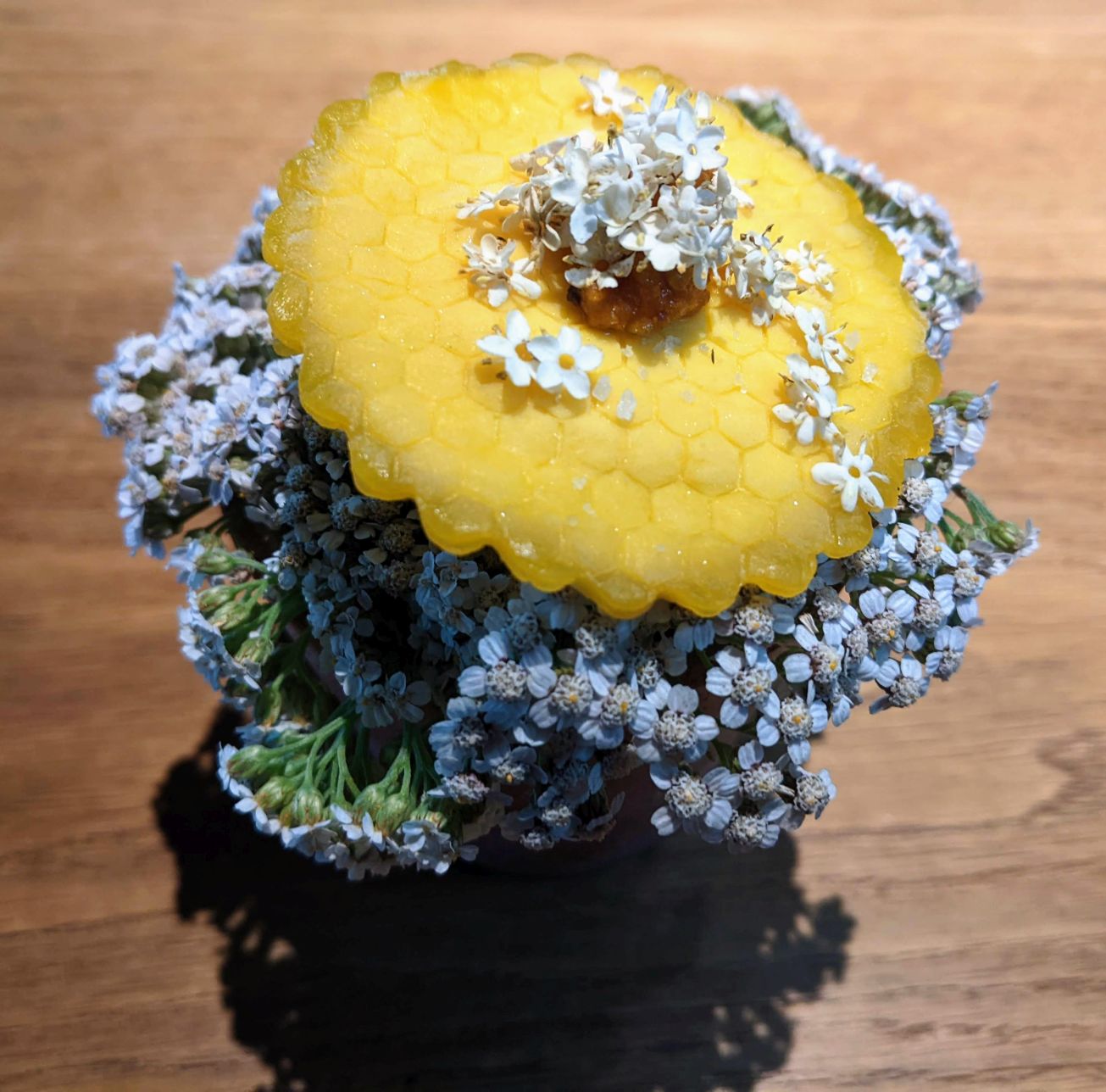
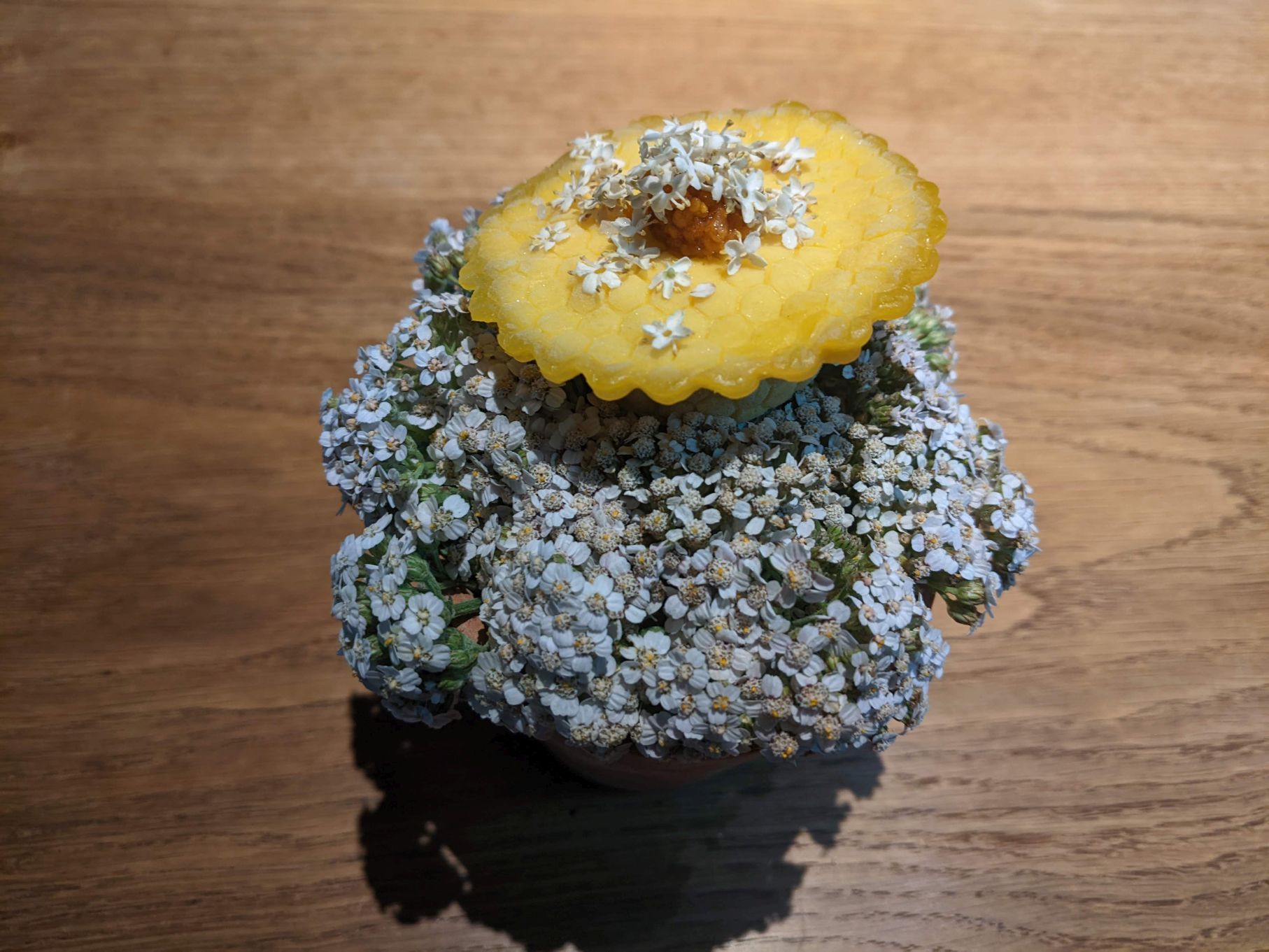
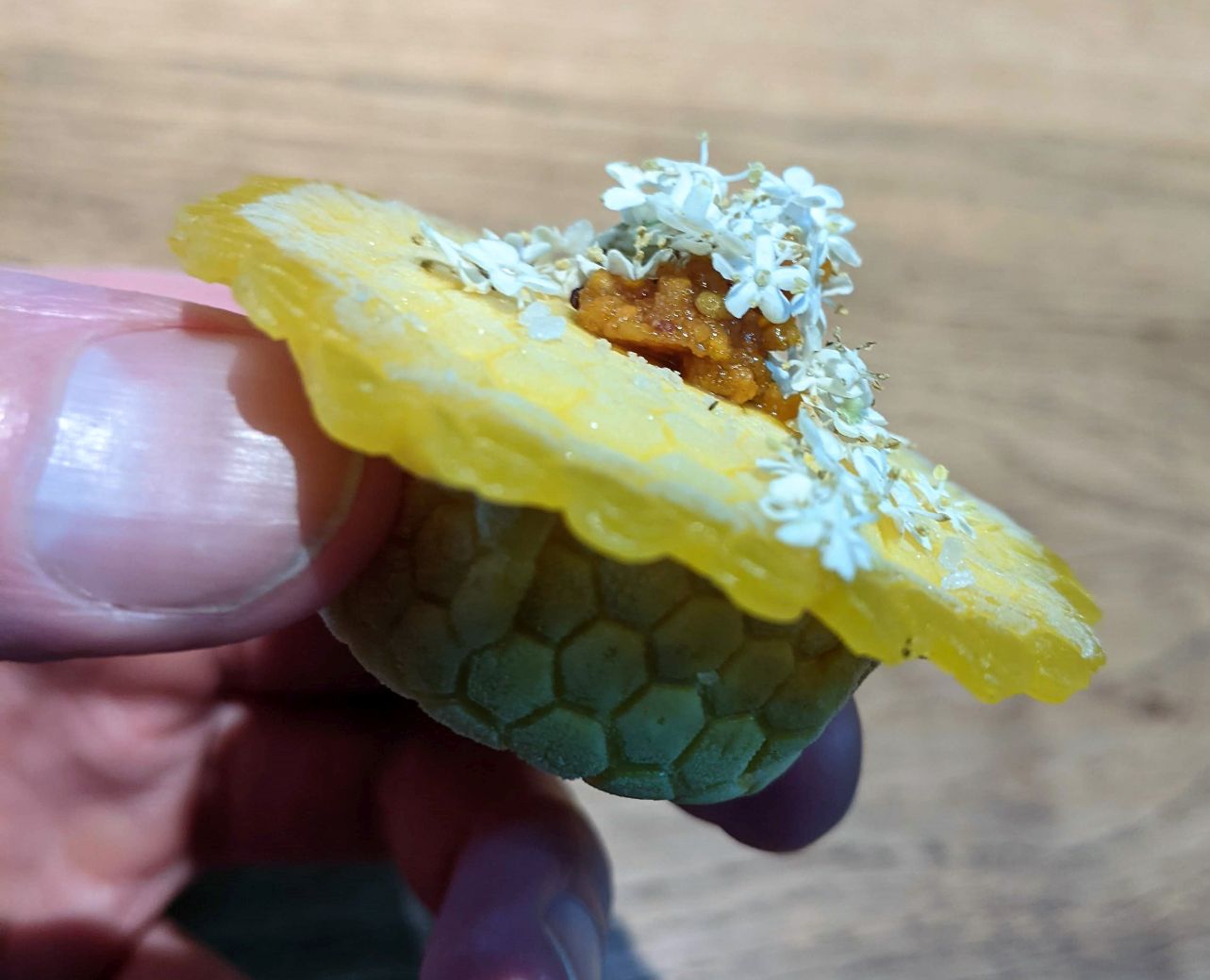
A Dessert of Oatmeal and Honey – Elderflower Ice Cream with Bee Pollen, Saffron
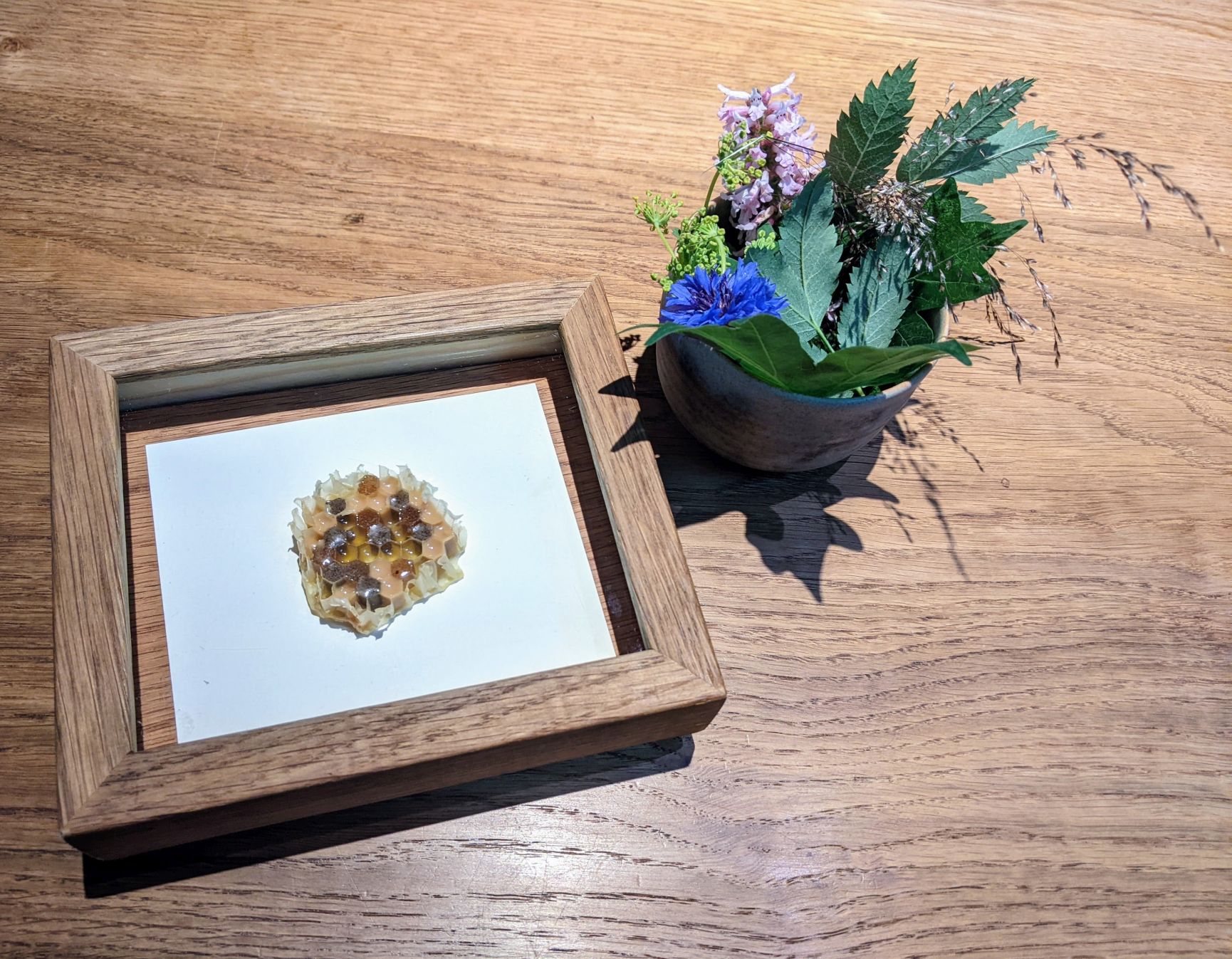
Marinated Honeycomb – Madagascar Pepper, White Chocolate
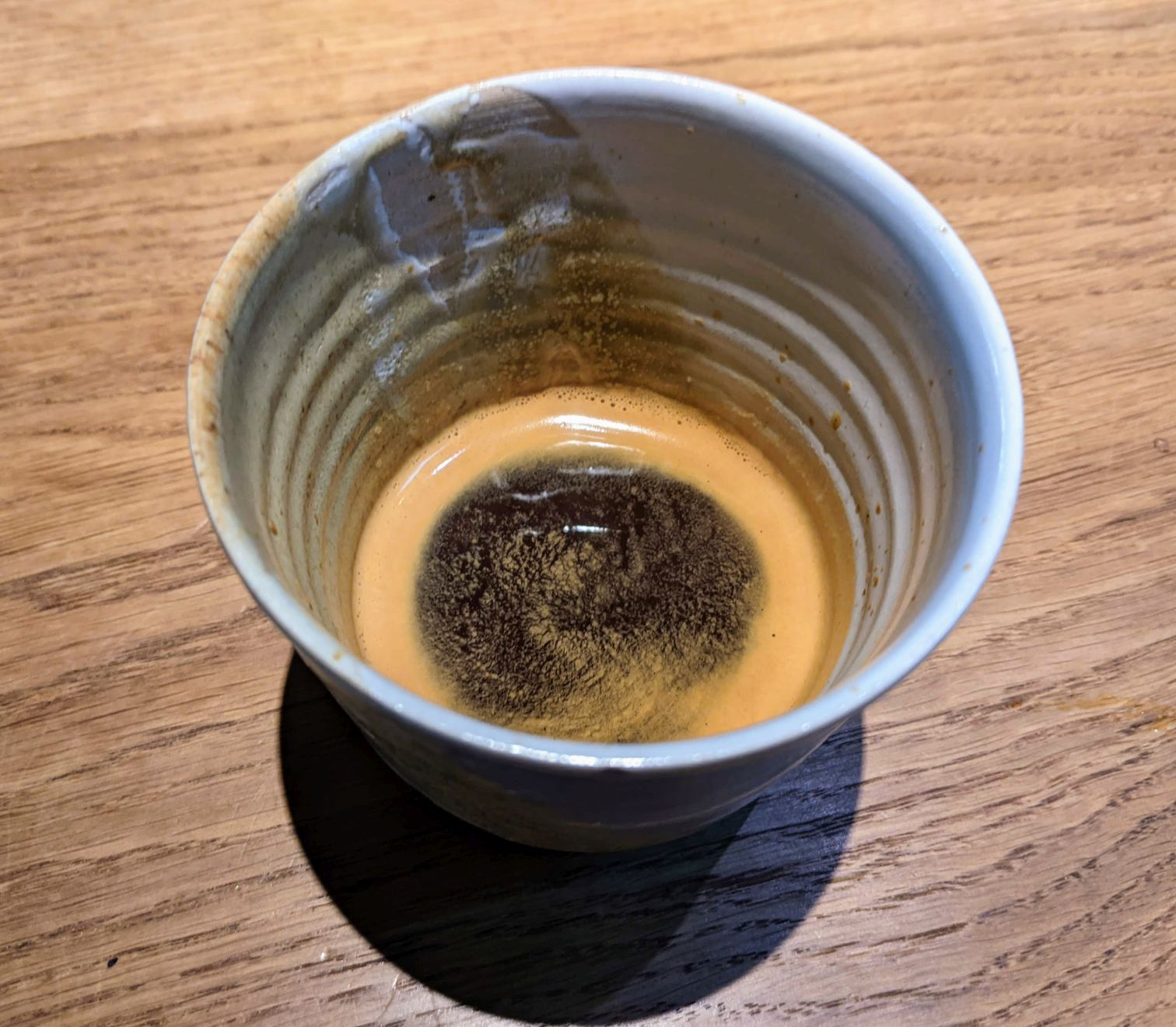
Double Espresso
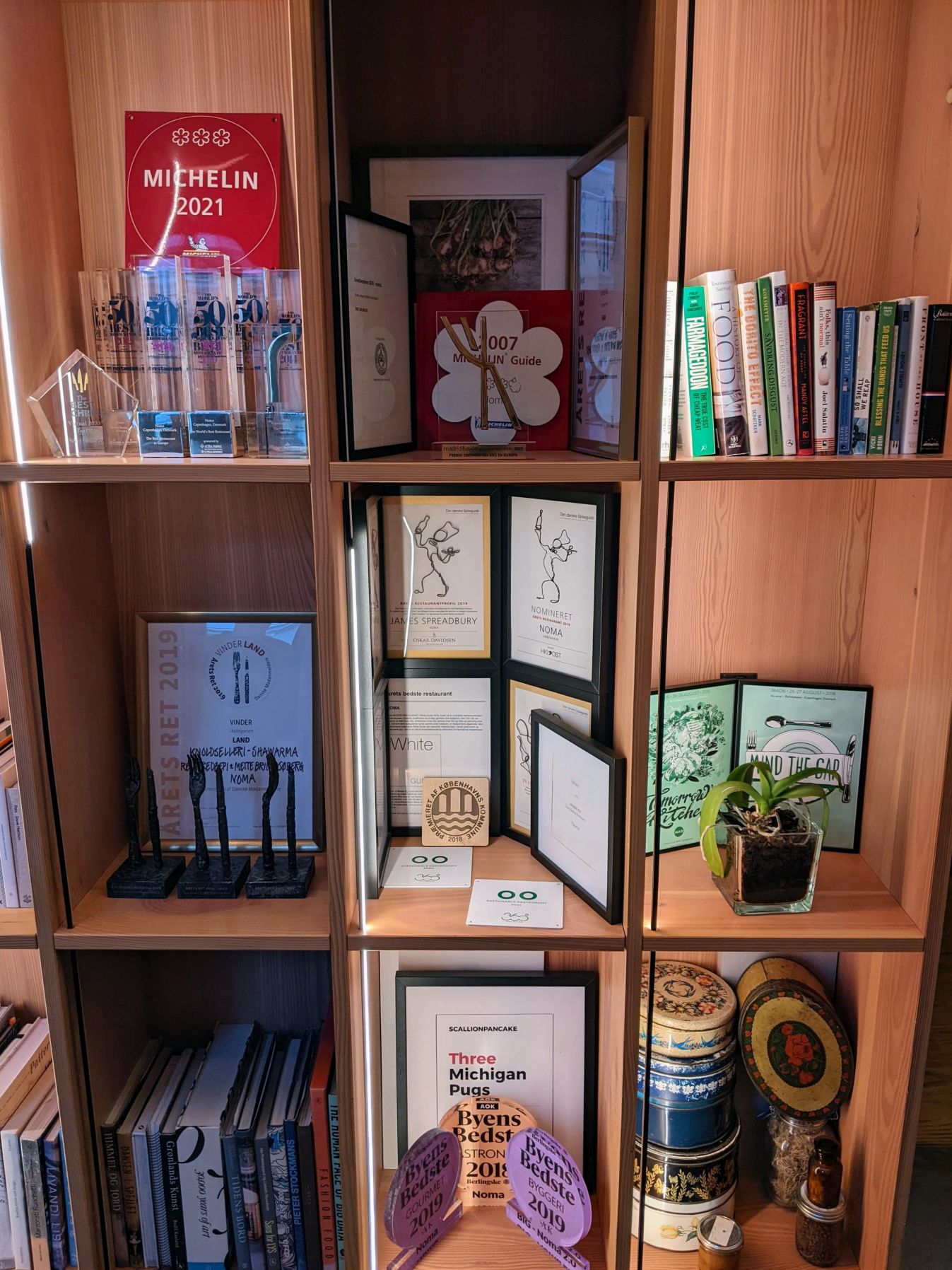
A recurrent winner of “World’s Best Restaurant” in its original format and again capturing the top prize in 2021 noma needs no introduction, Chef René Redzepi’s creation of New Nordic Cuisine having shifted the landscape of fine dining over a decade before the Restaurant shuttered only to reopen in 2018 on the grounds of former wasteland.
Now a Michelin 3* destination, the shift towards three yearly menus with extensive R&D and an entirely custom-built space elevating the experience even further, a visit to noma begins with obtaining a hotly-contested reservation at the cost of DKK 3,000 plus another 1,000 for Juice – roughly $550USD all-in.
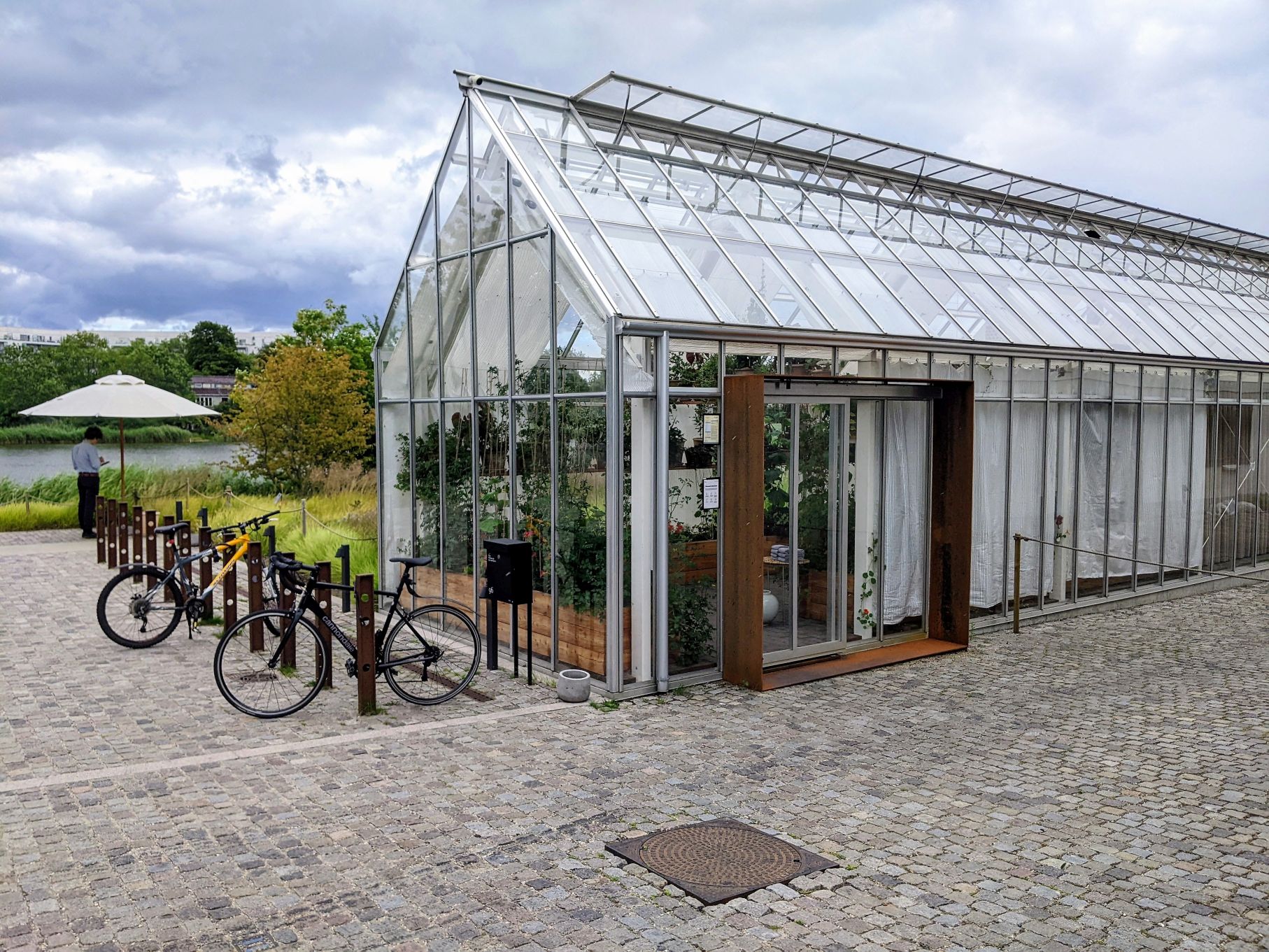
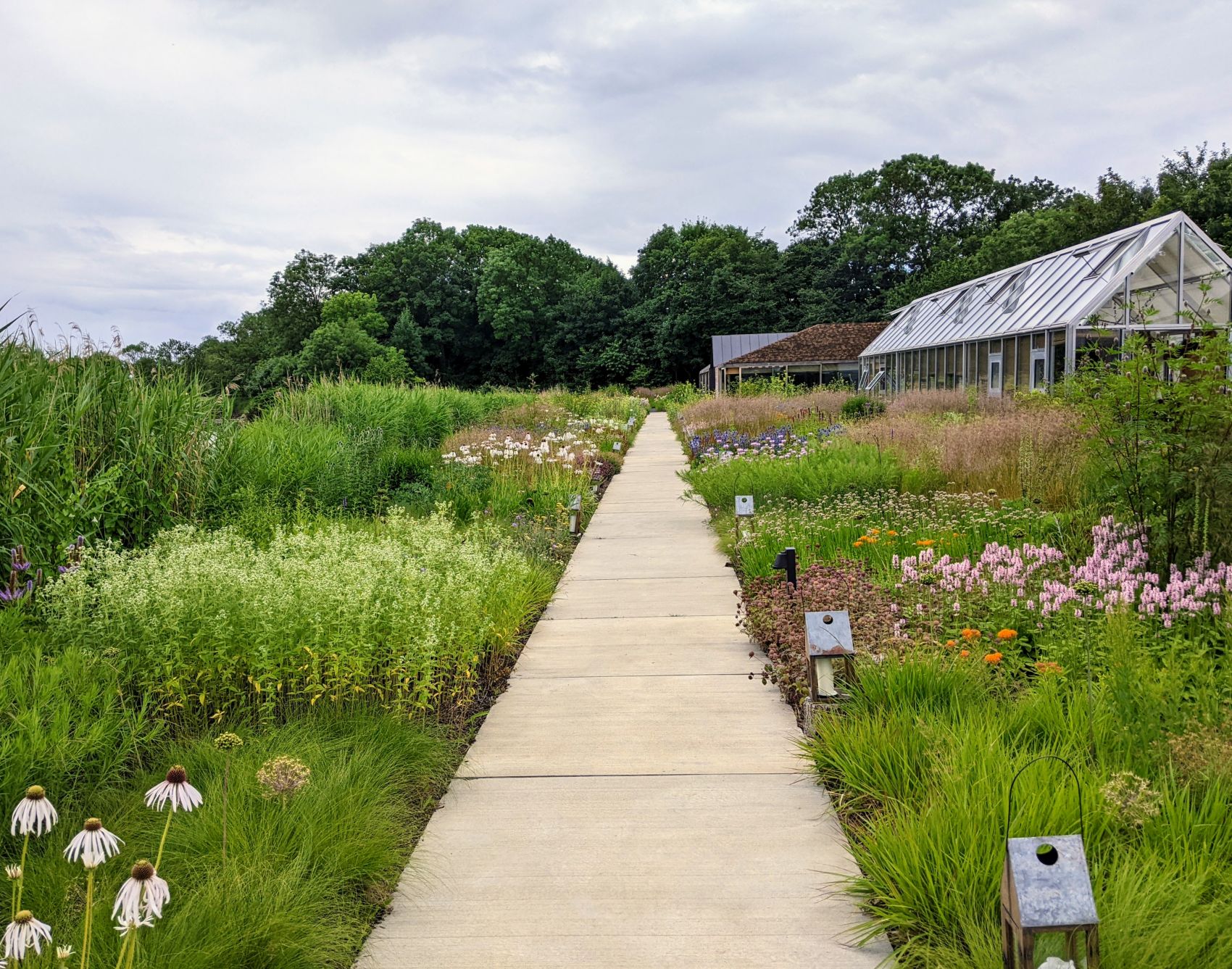
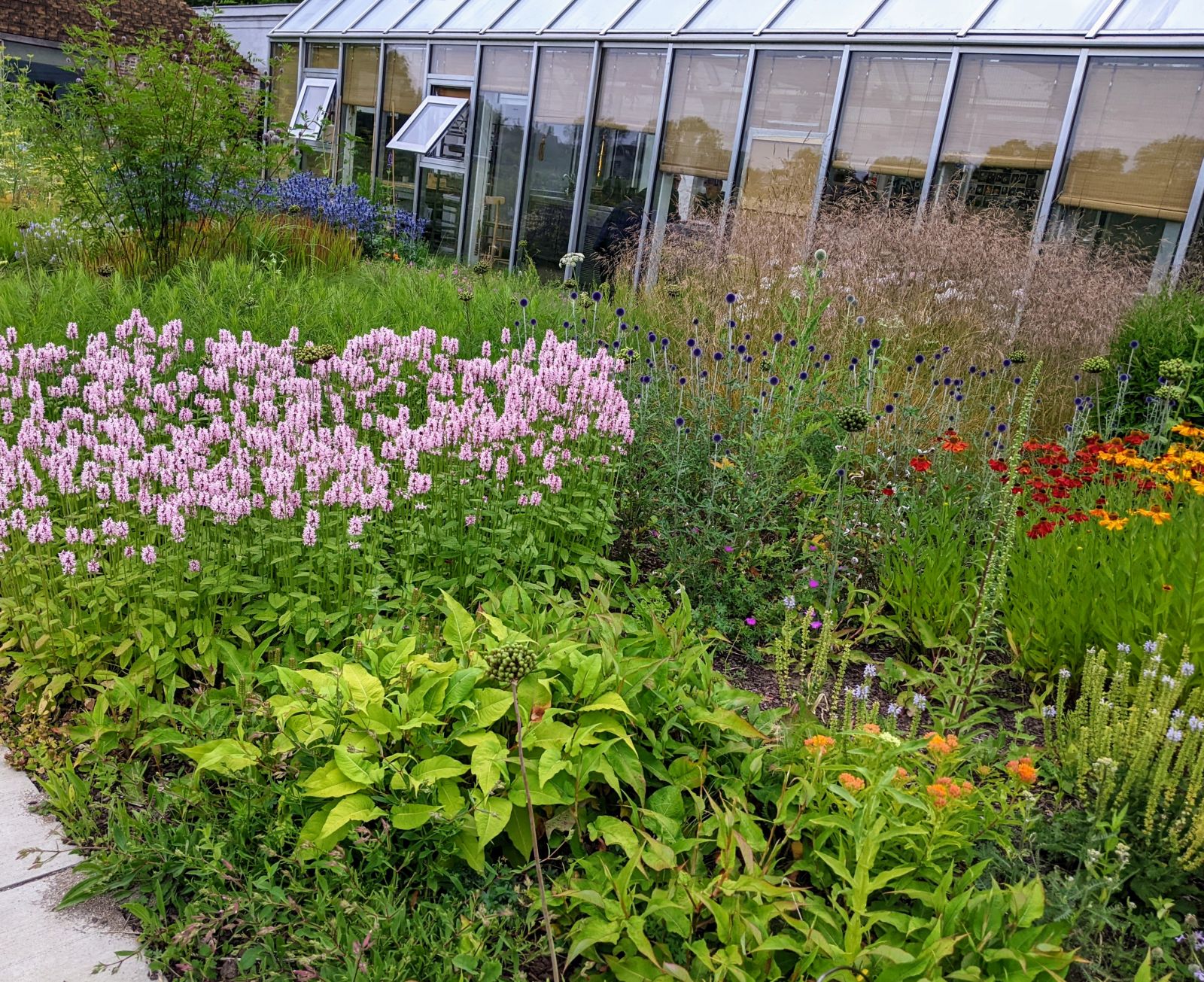
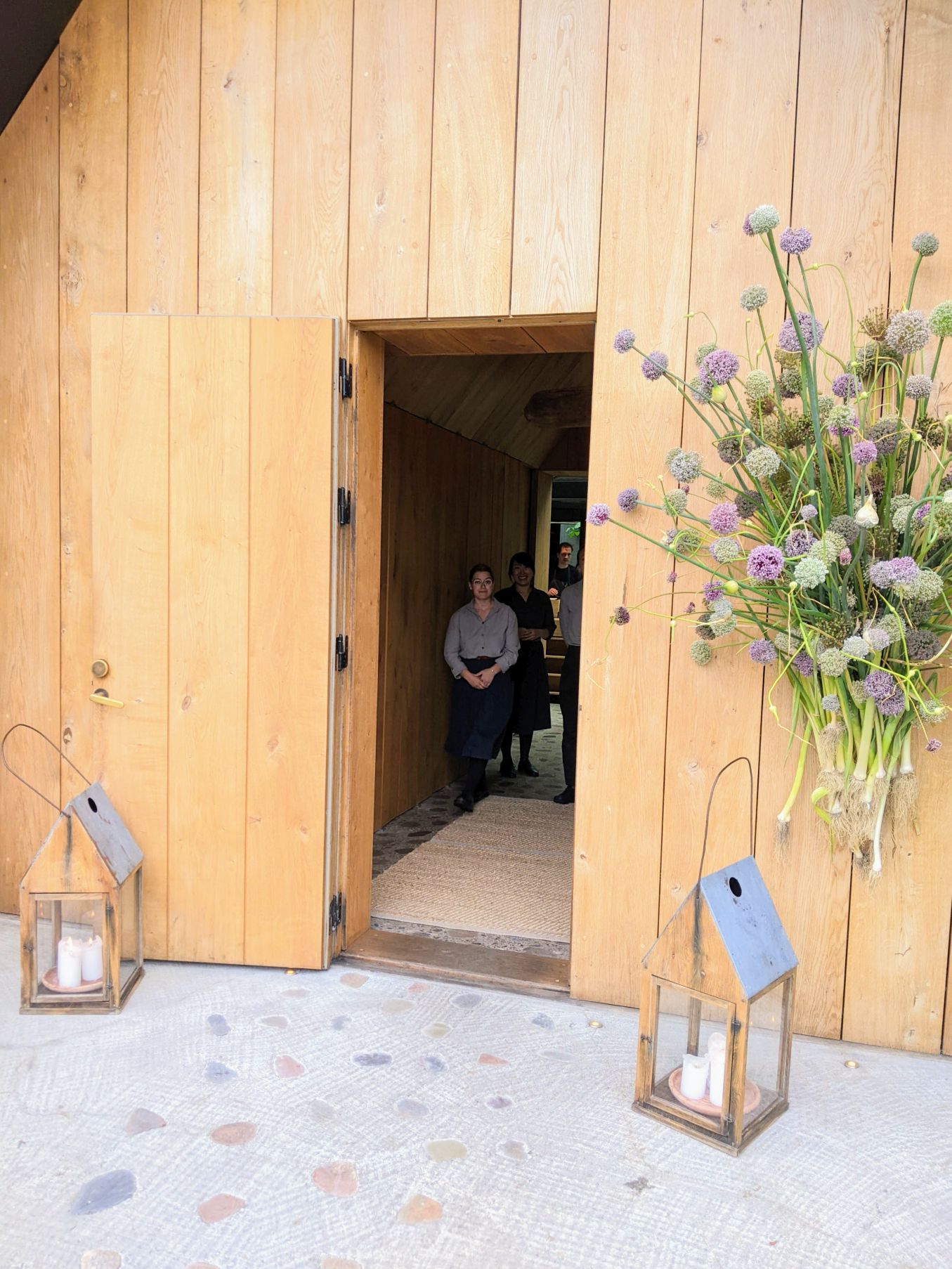
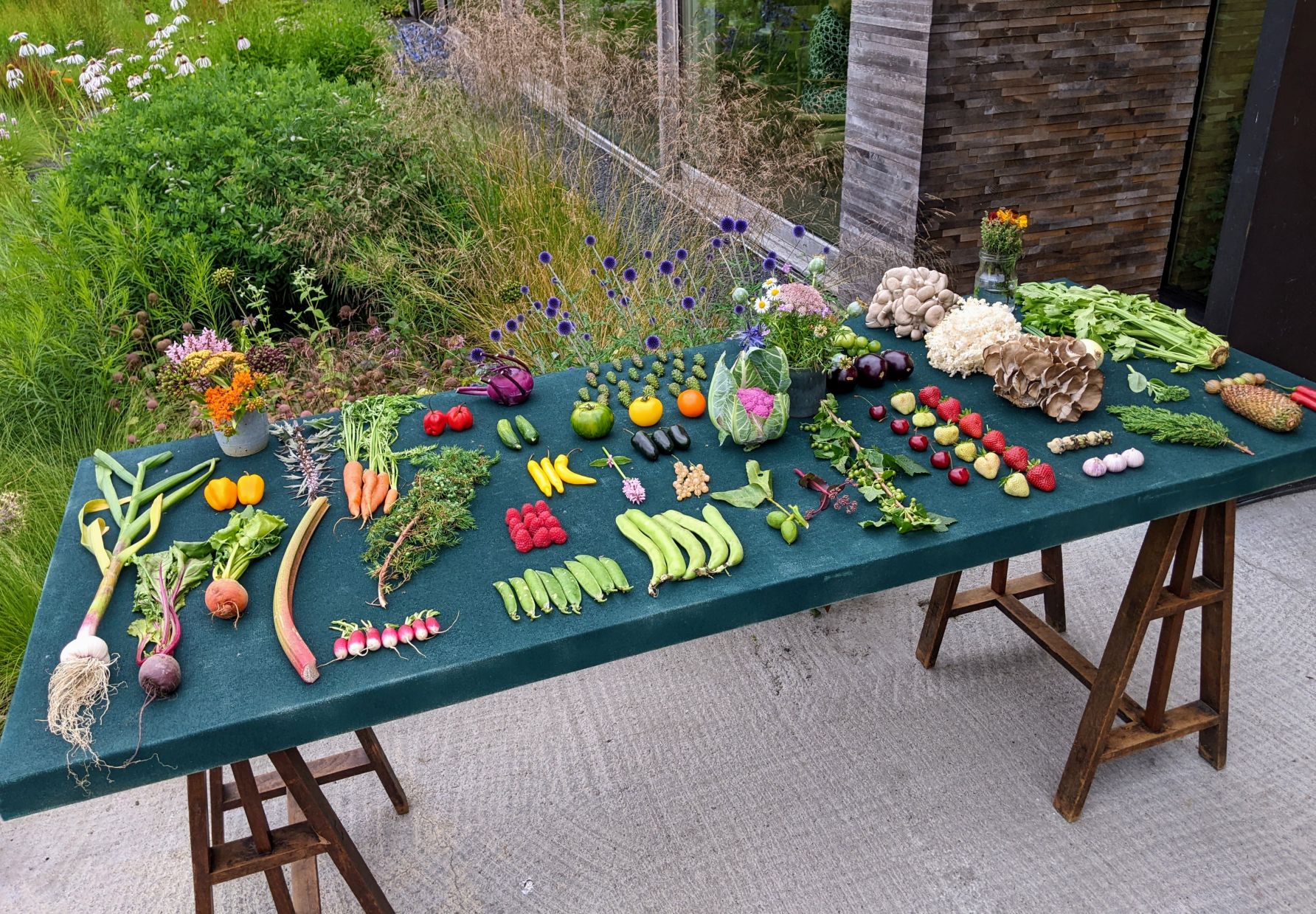
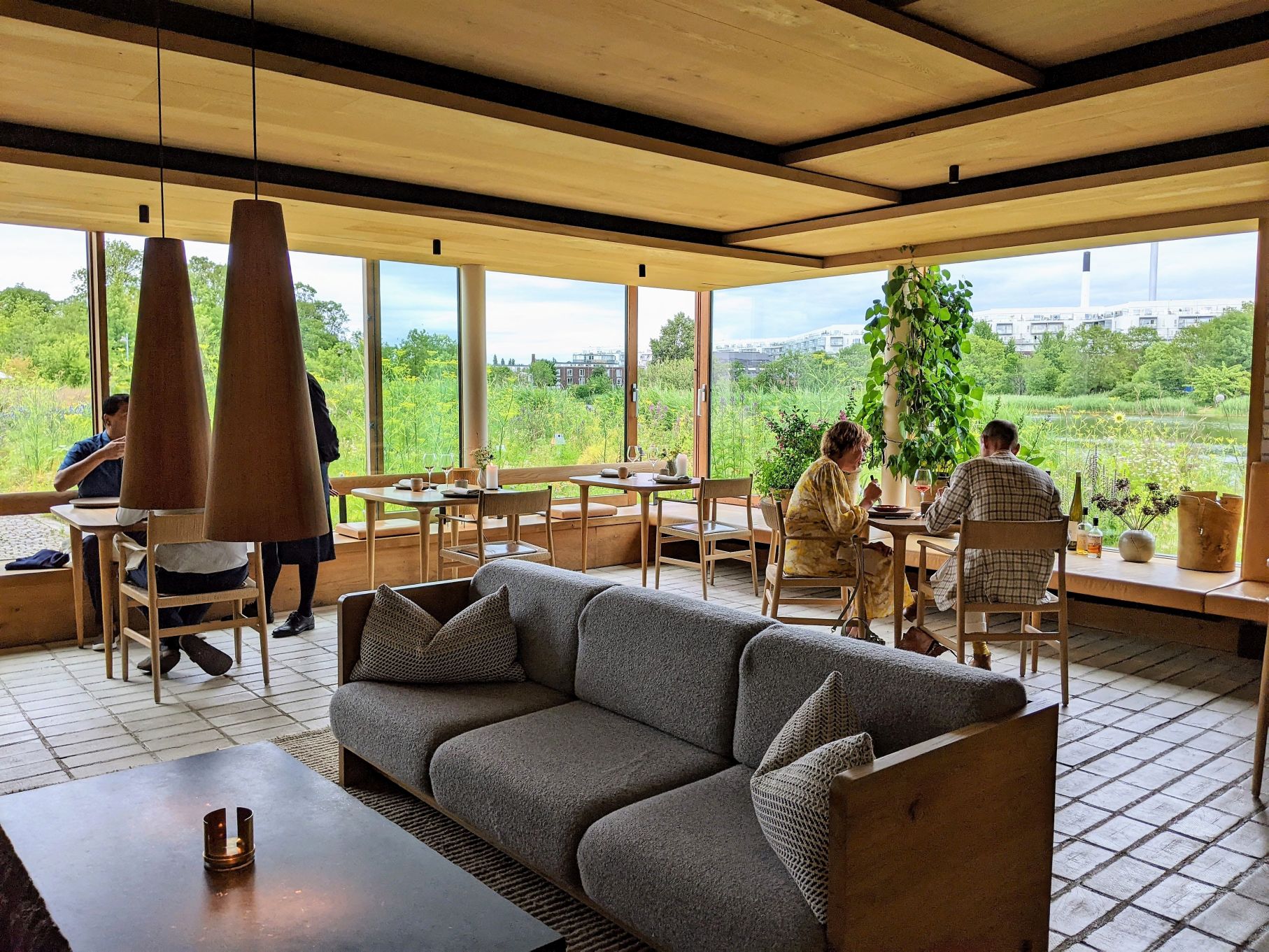
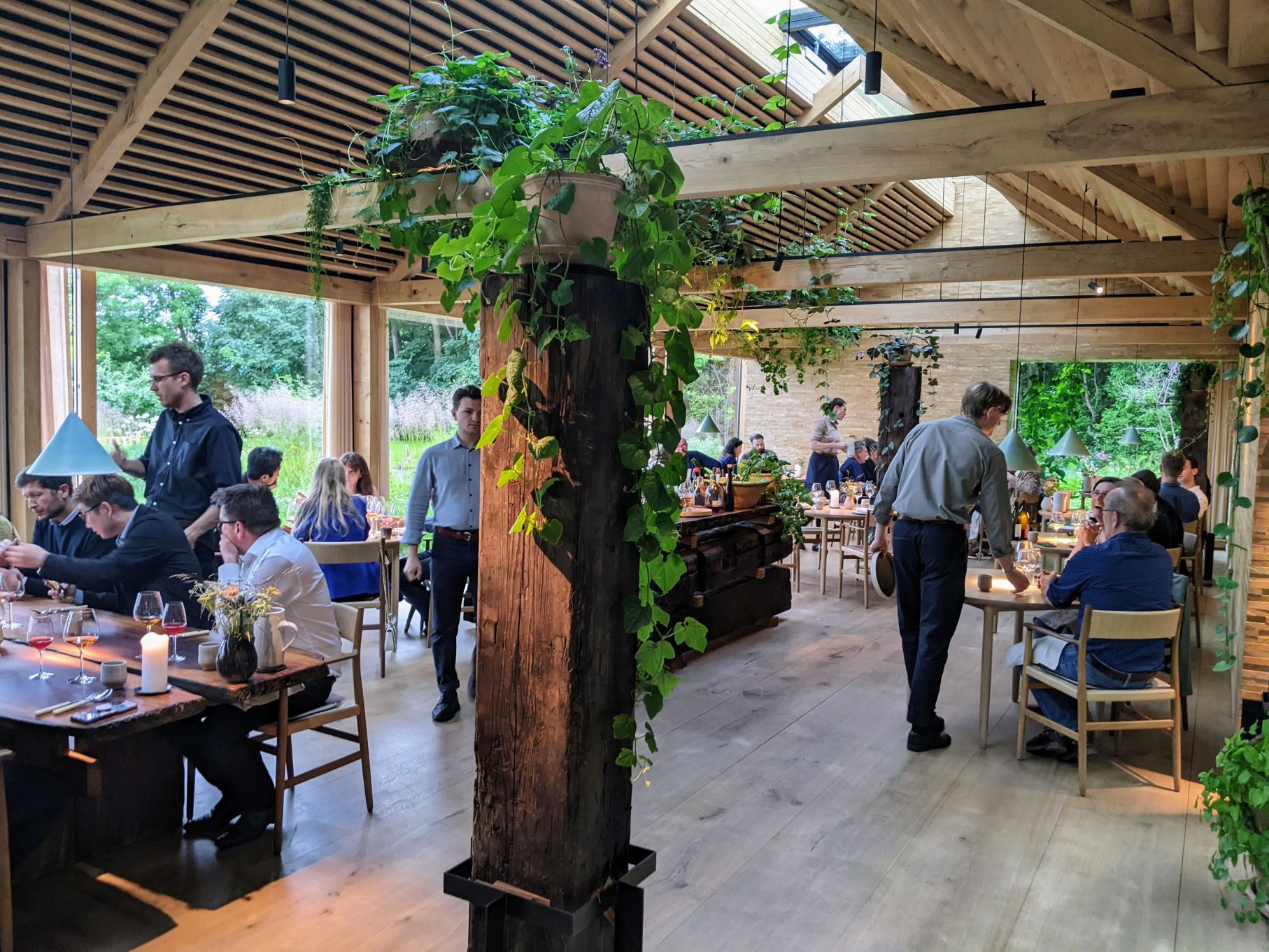
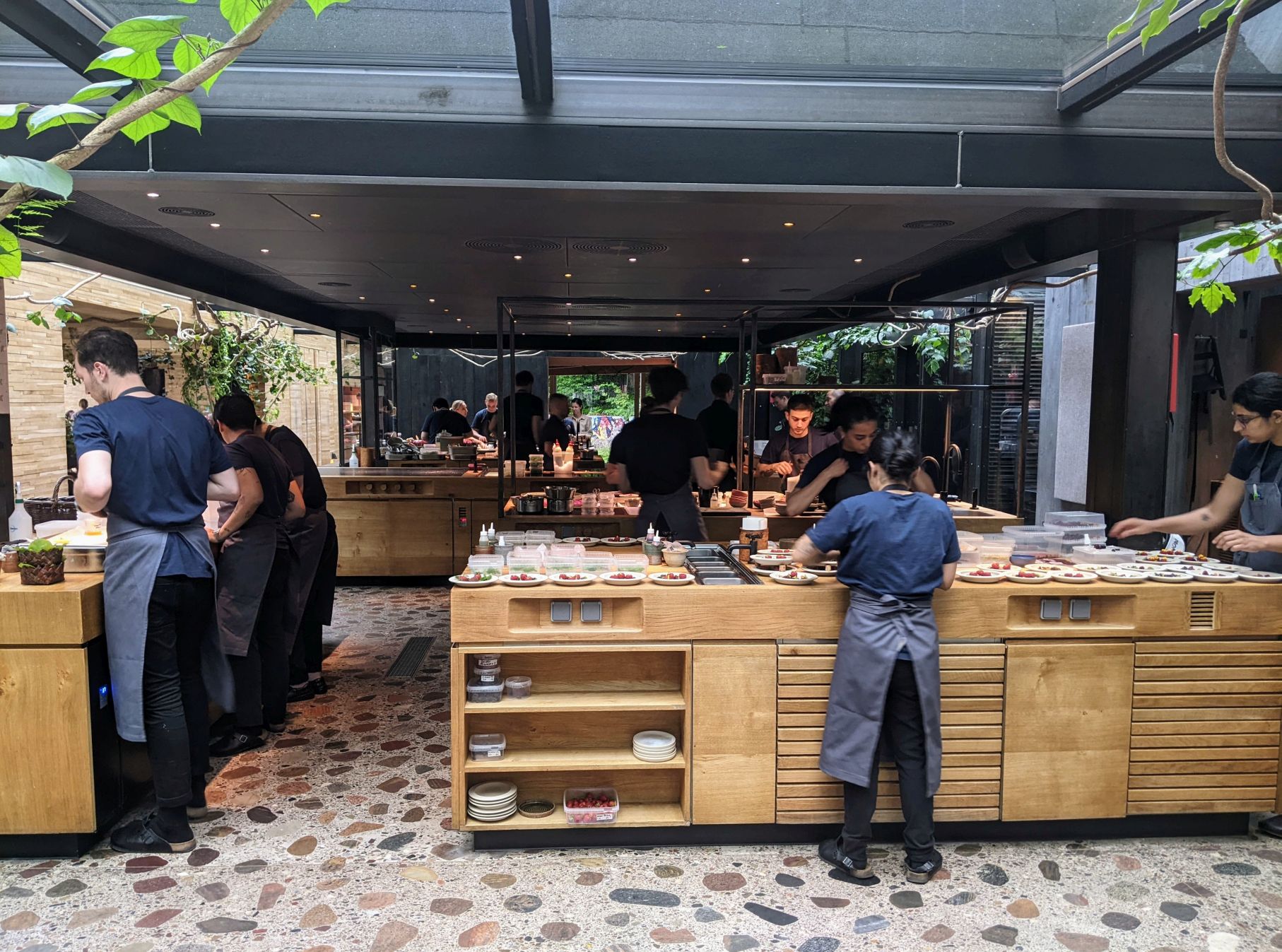
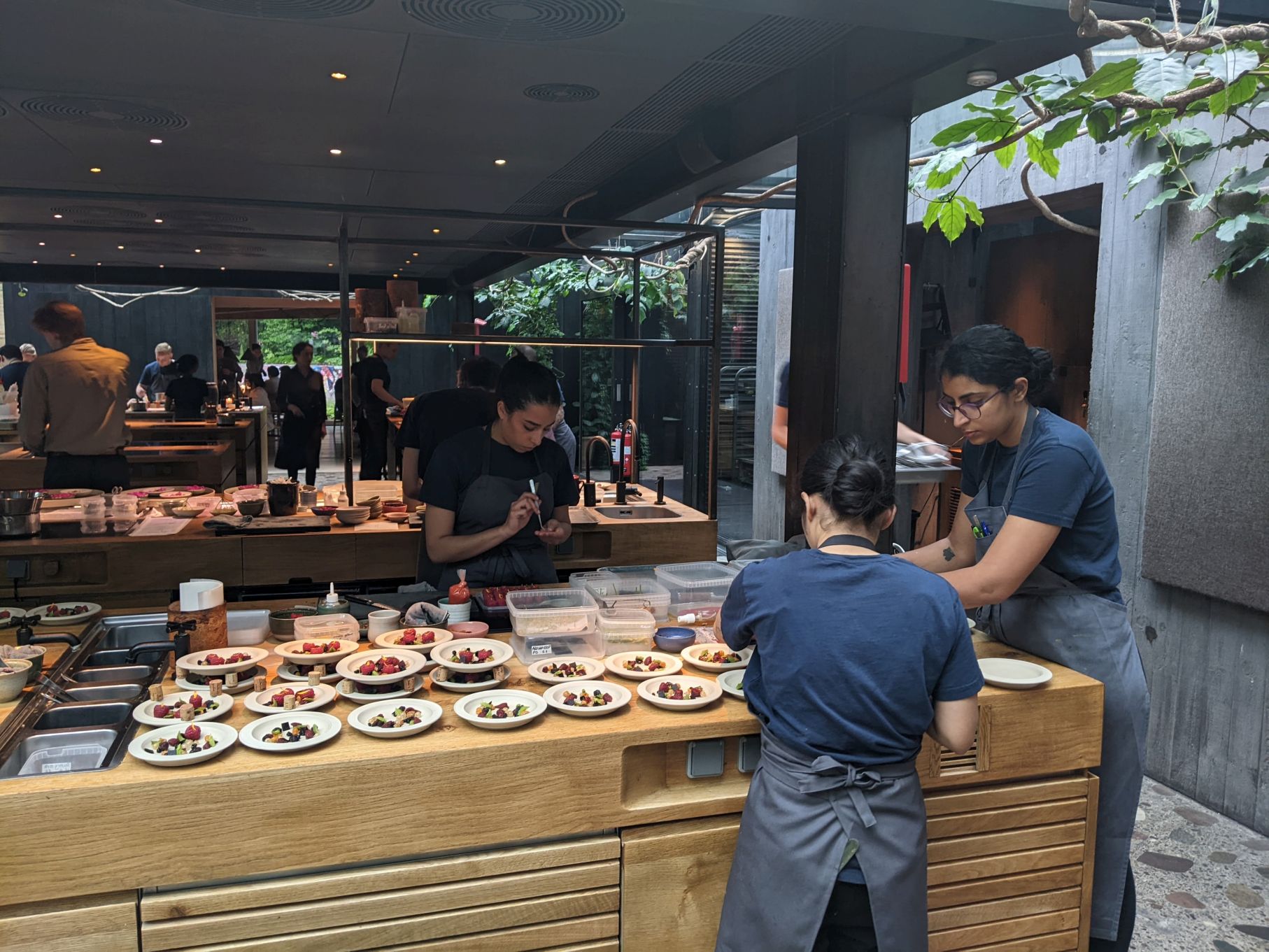
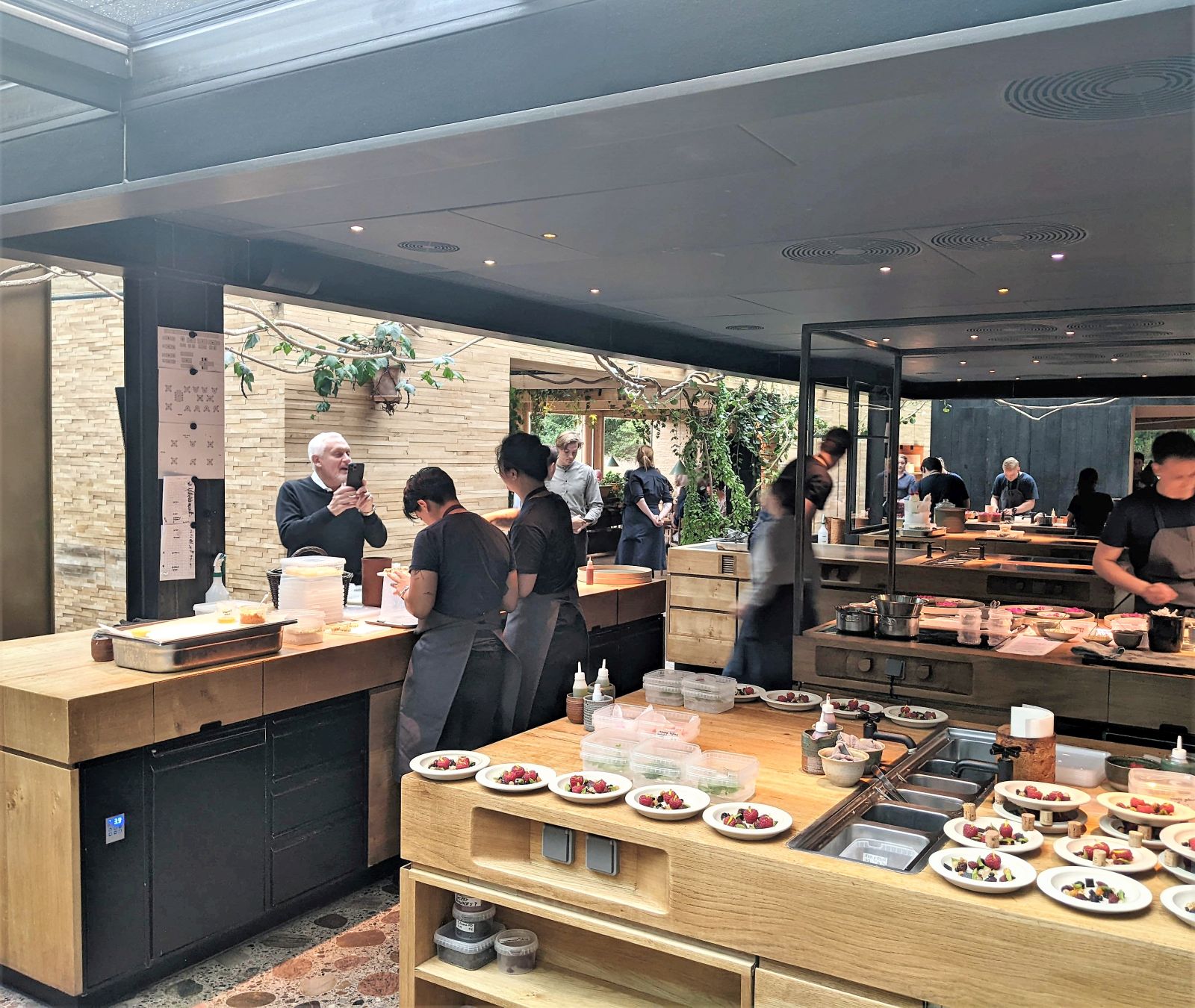
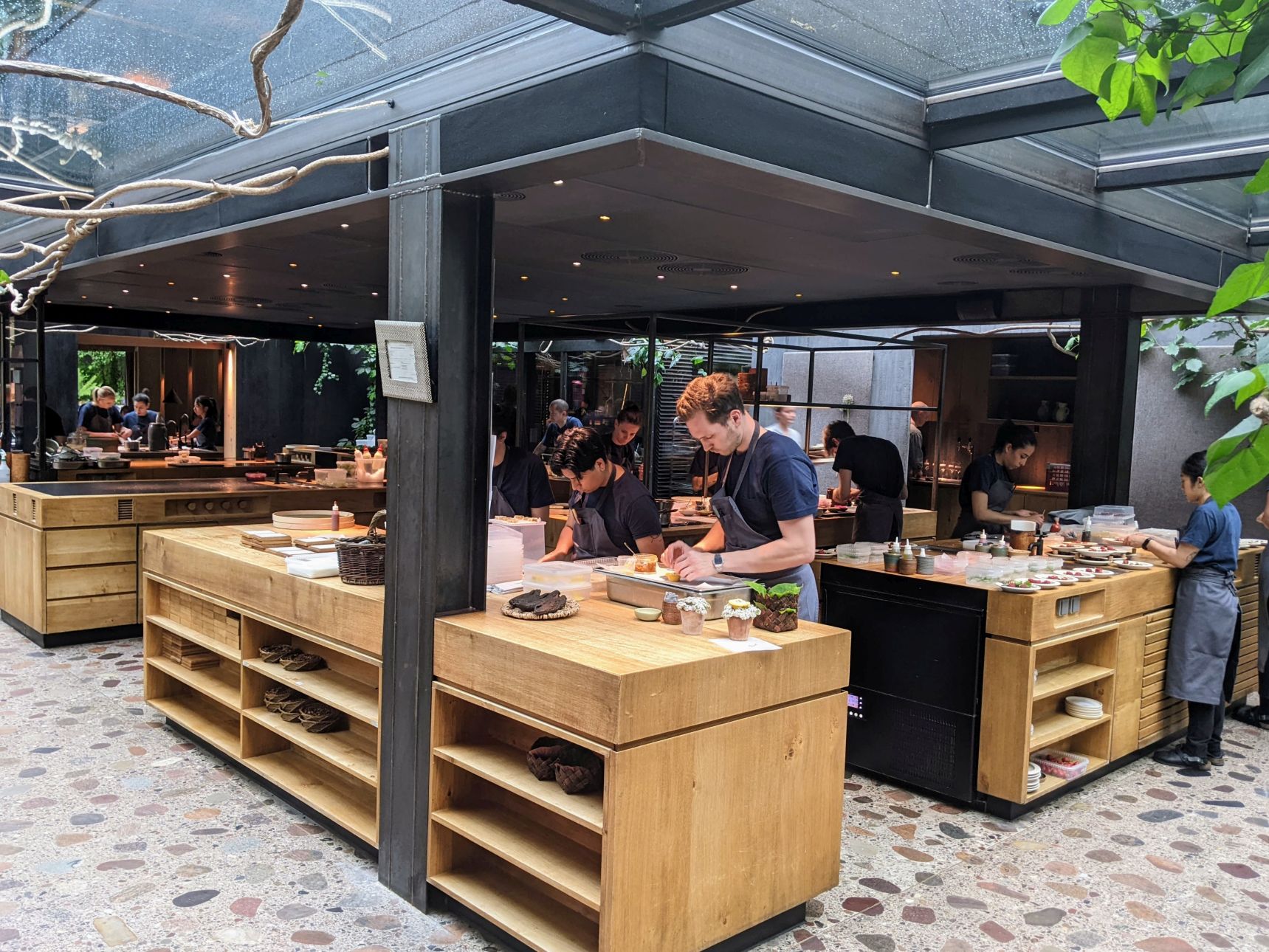
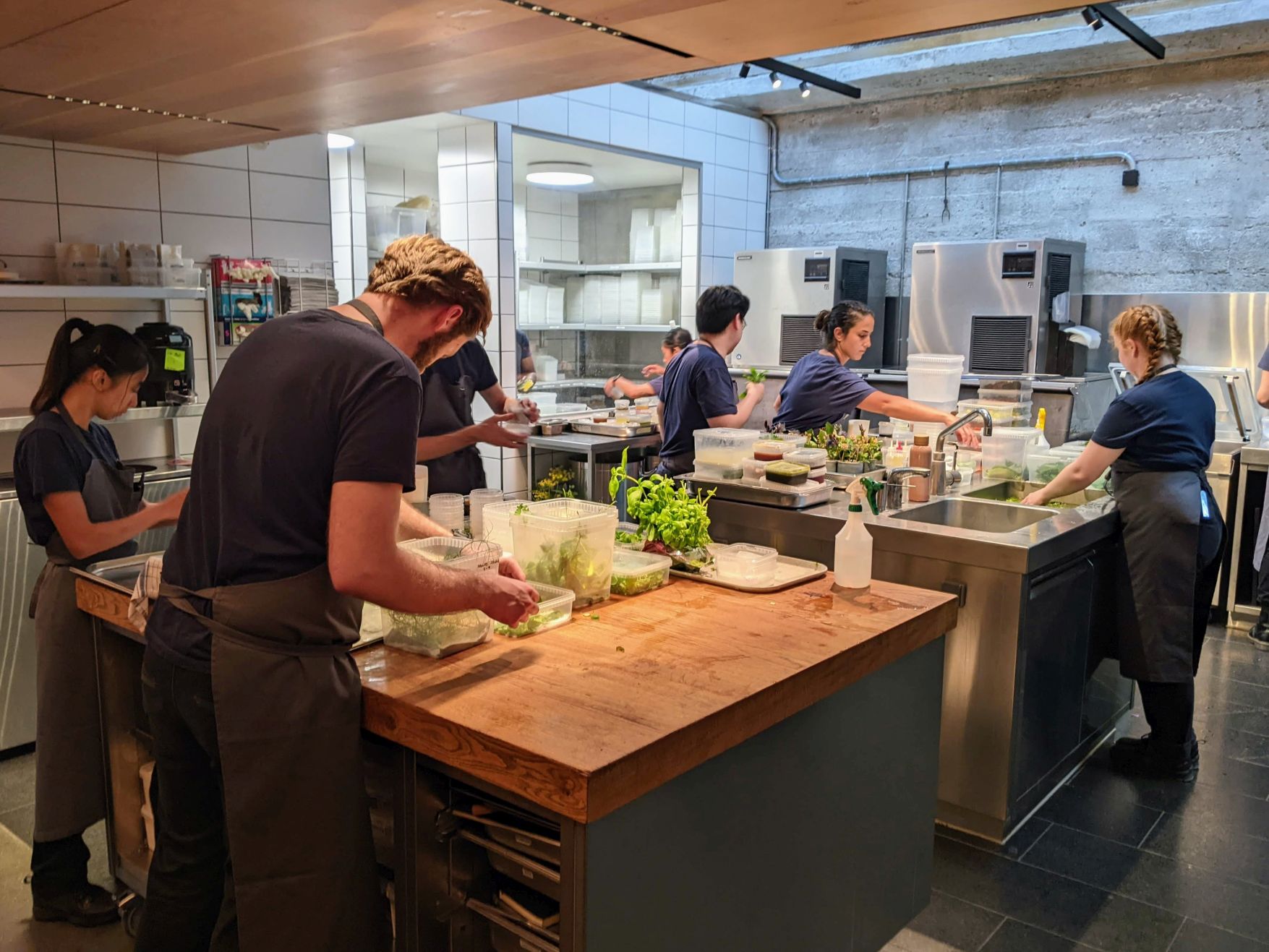
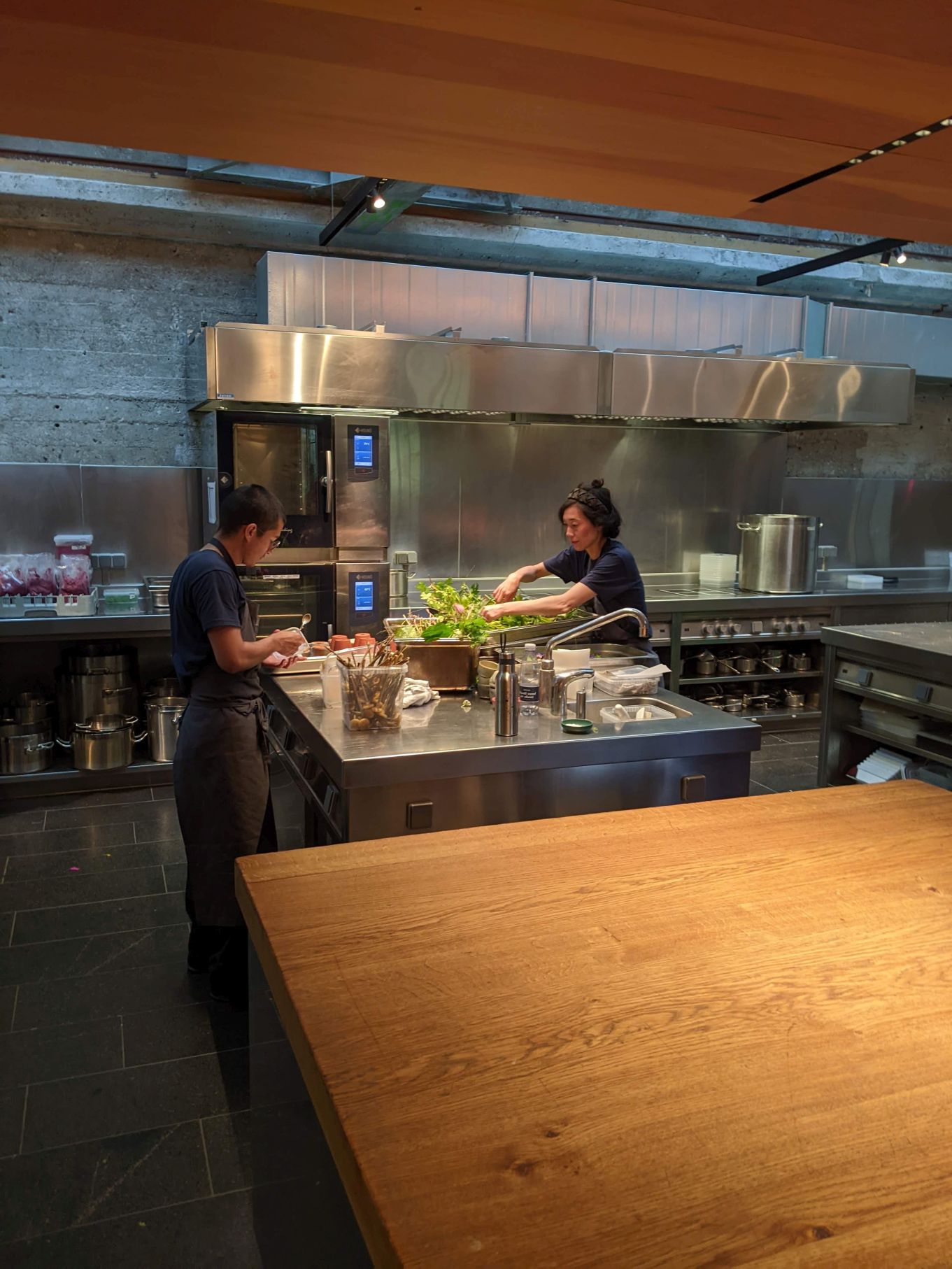
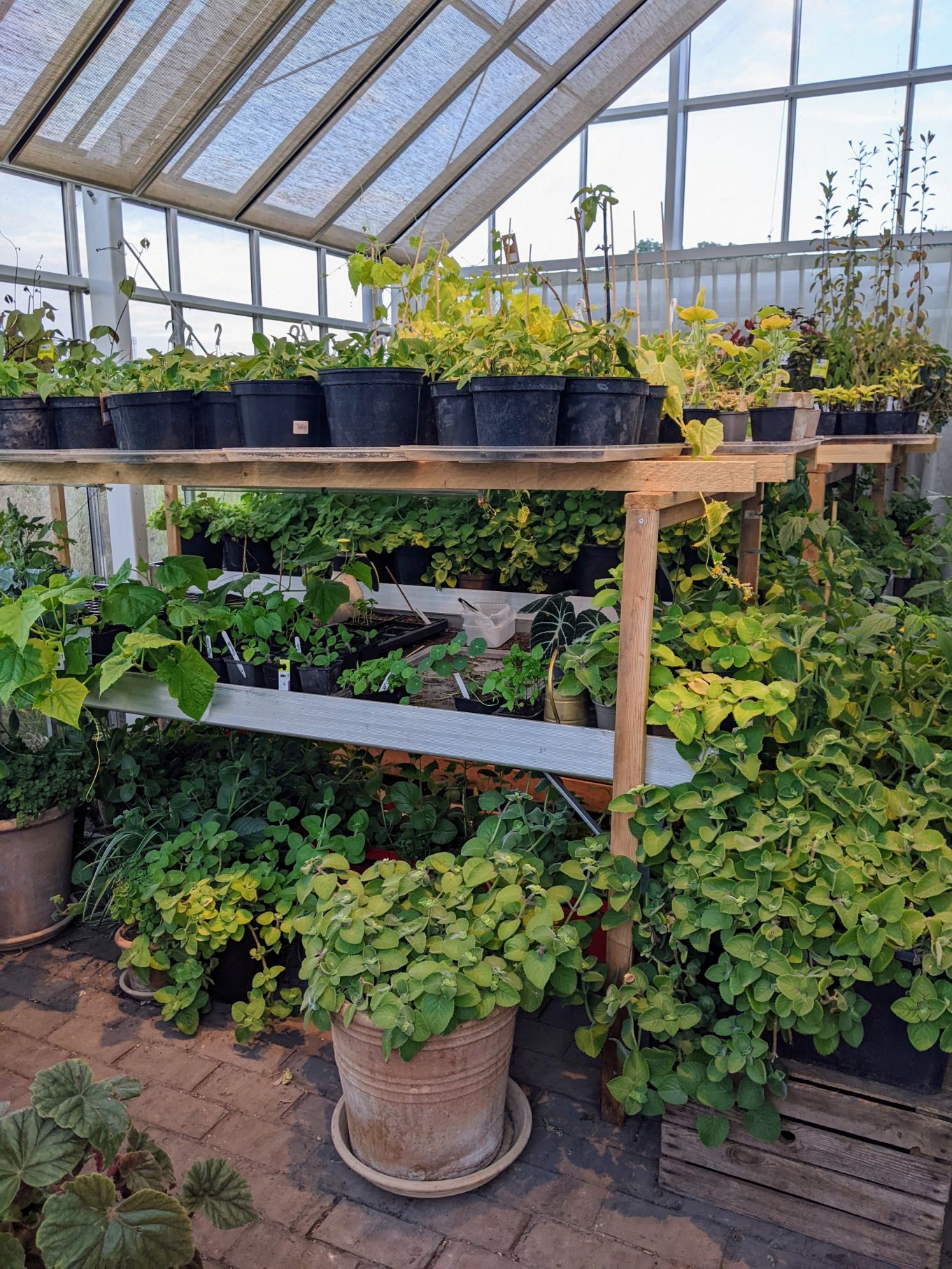
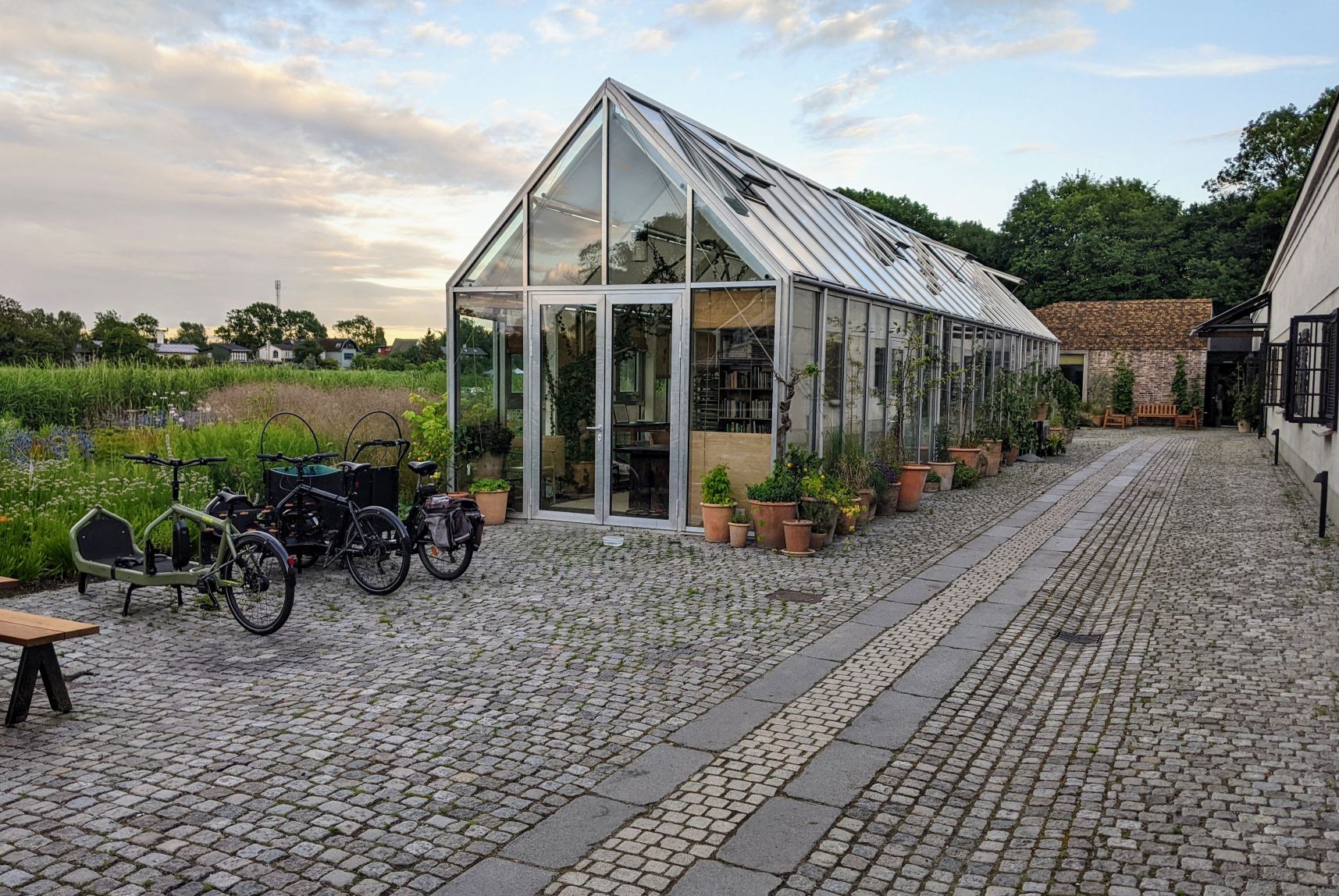
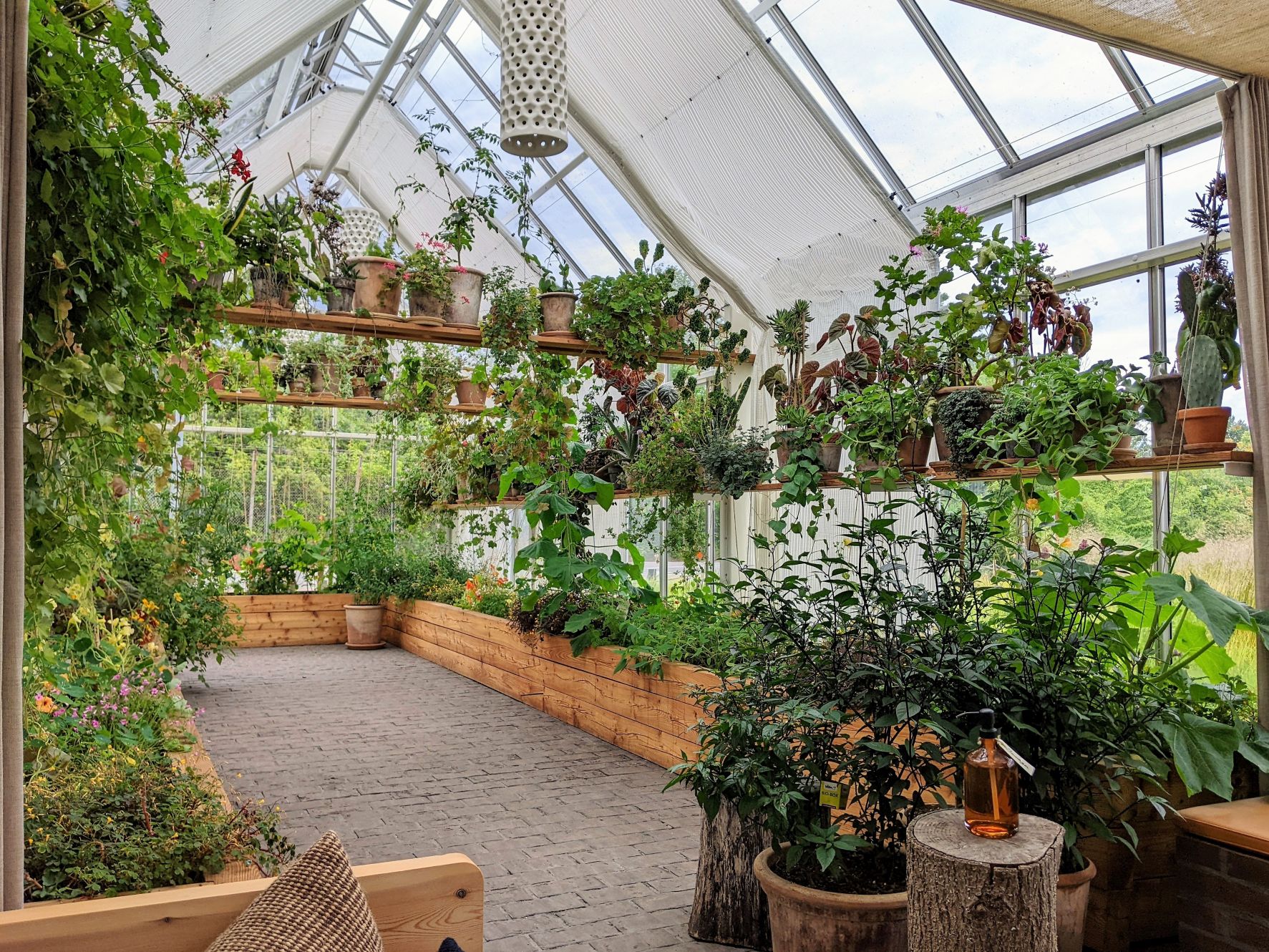
The flag-bearer of foraging and fermentation, ideas pioneered by the likes of Veyrat and throughout Japan brought front-and-center by Redzepi, Summer sees noma serving a wholly-Vegetarian menu where guests begin in a self-adjusting greenhouse with Tea before entering an expansive space featuring three dining areas, open kitchen, live-tanks plus room for experimentation and storage.
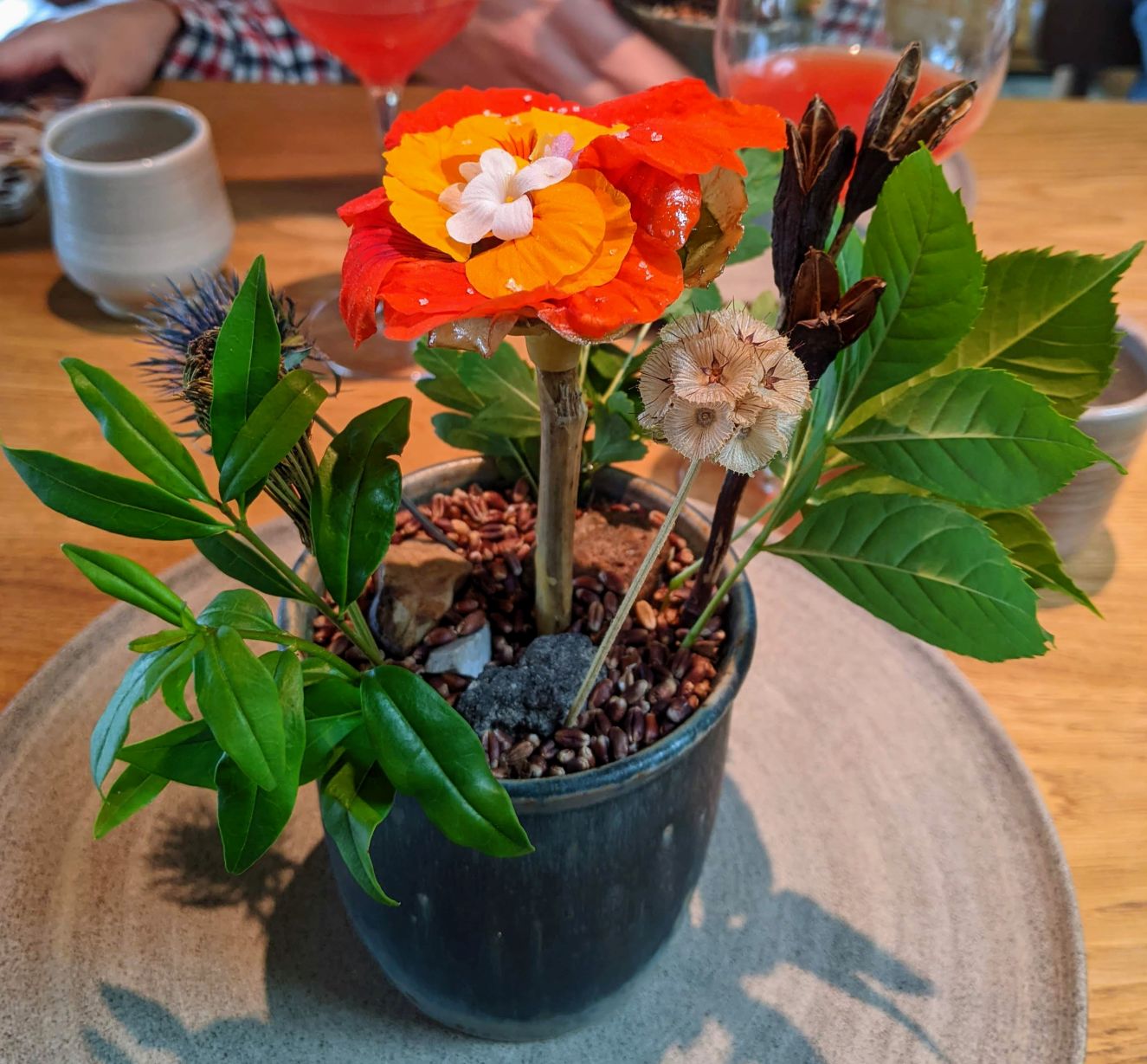
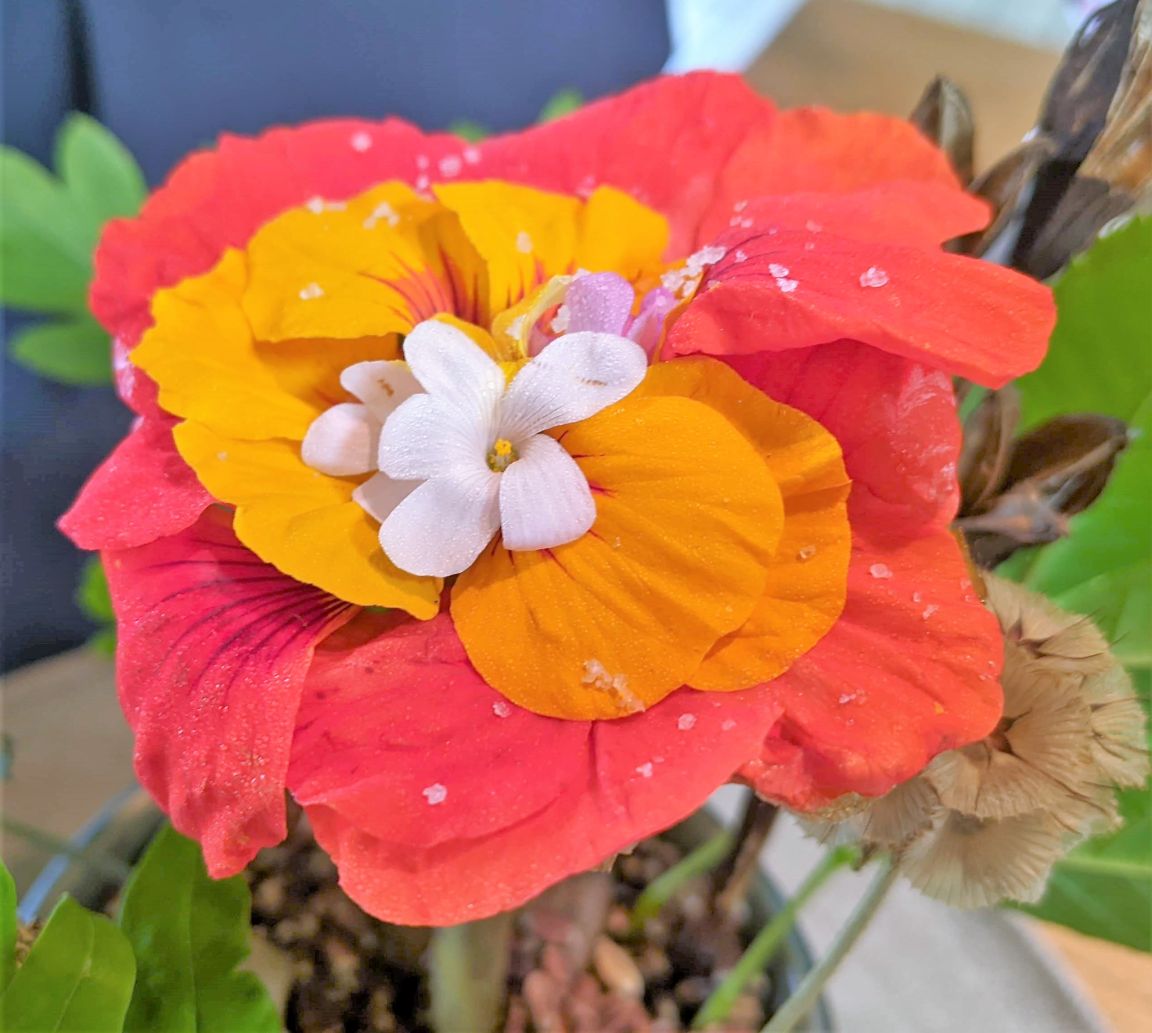
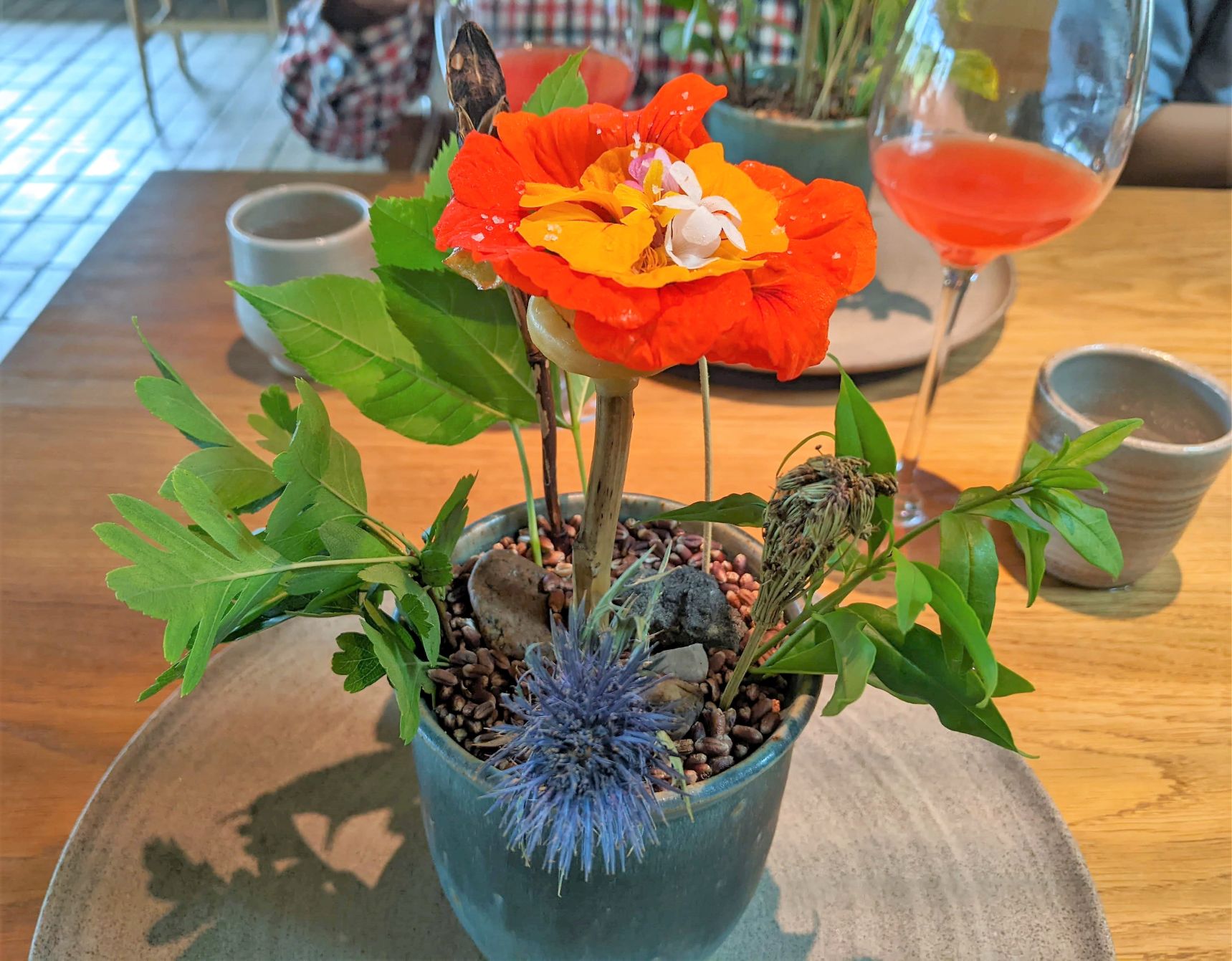
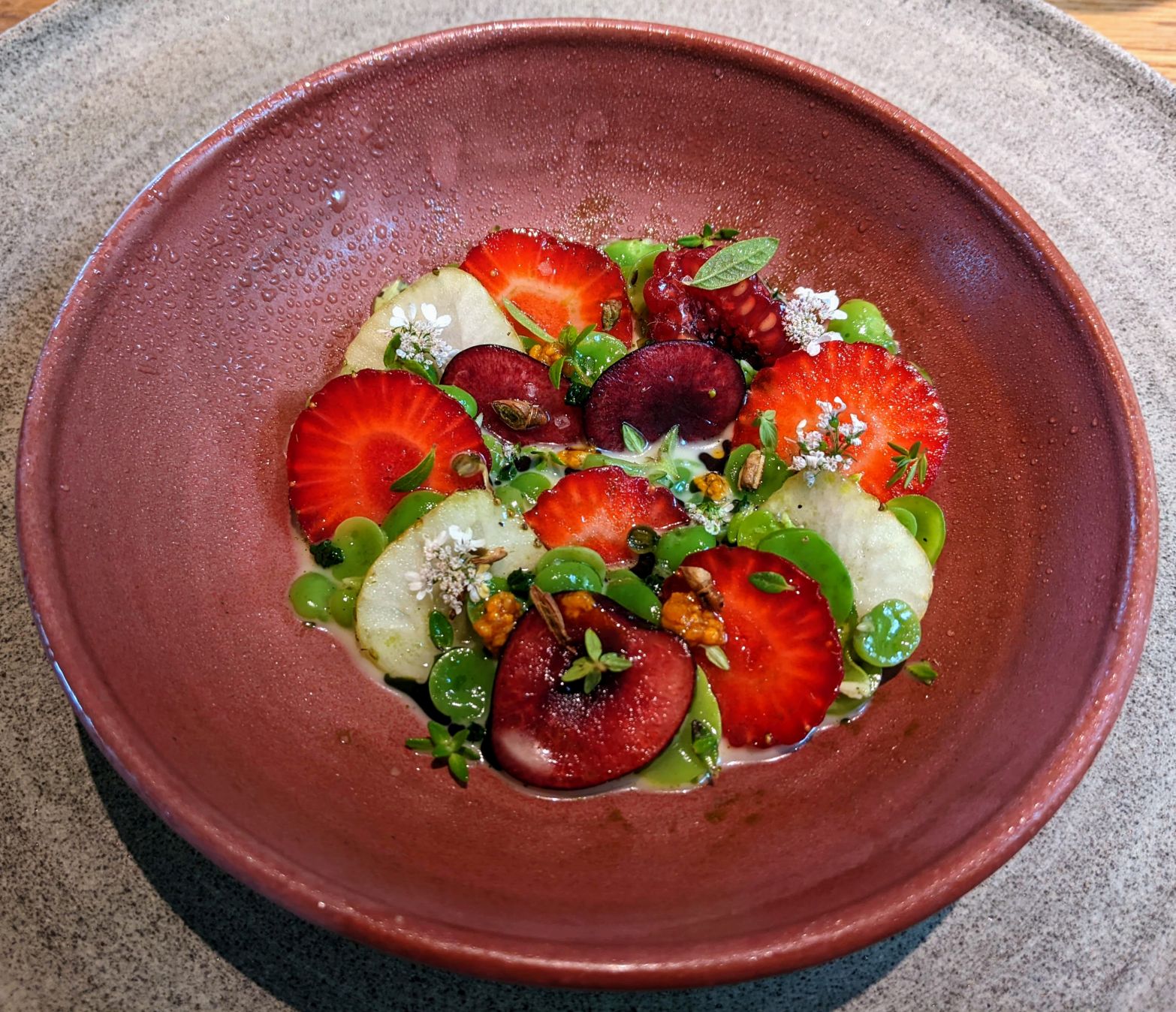
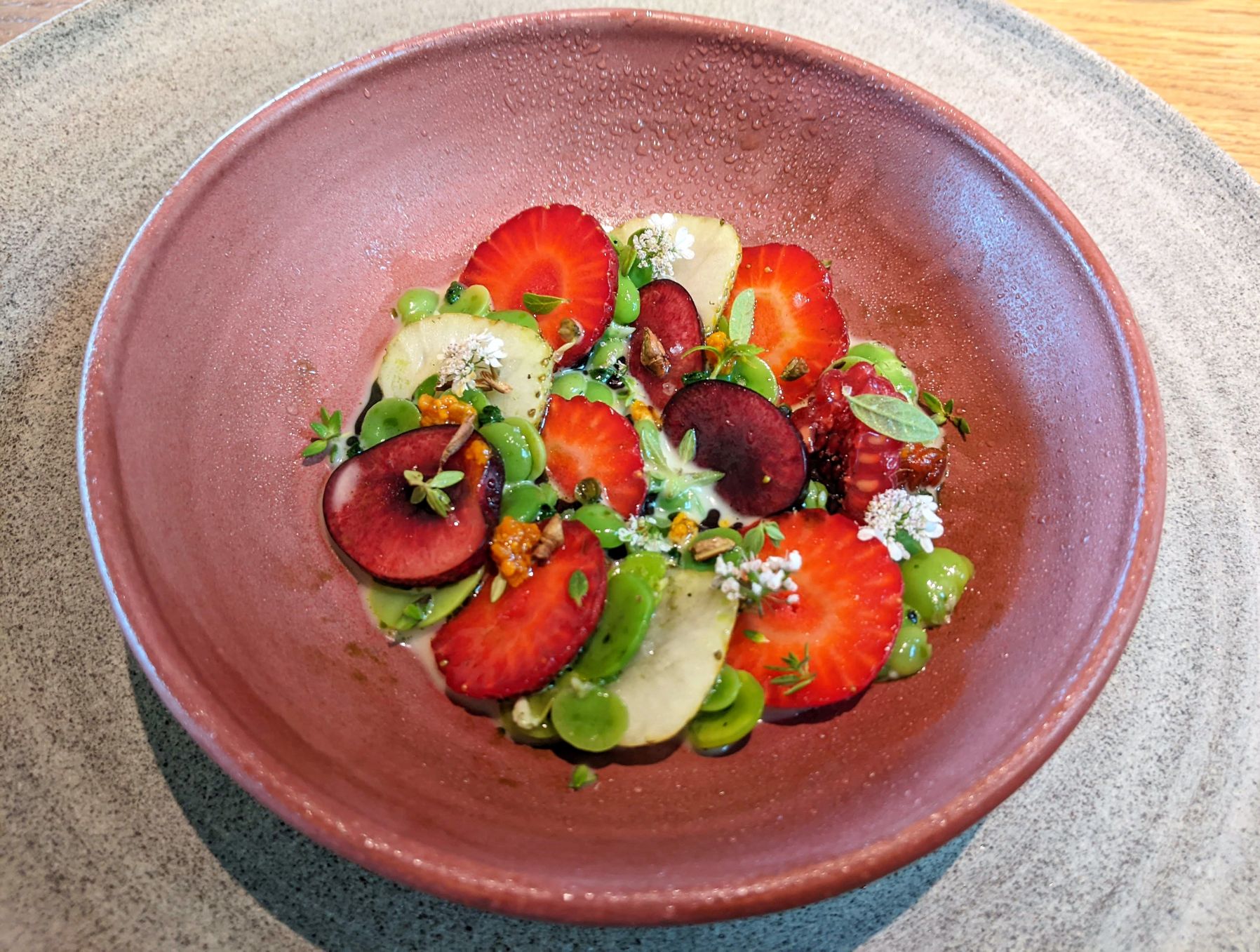
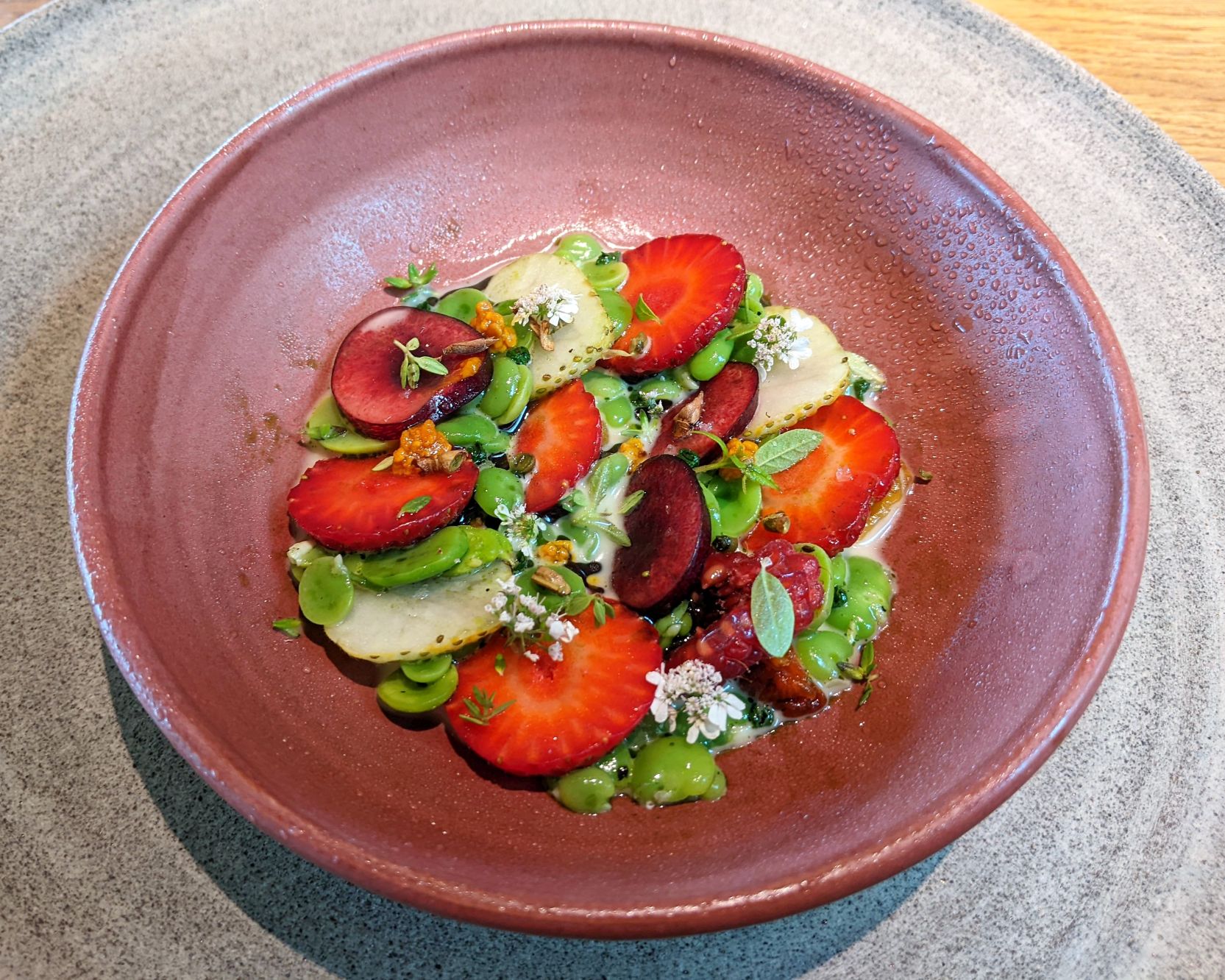
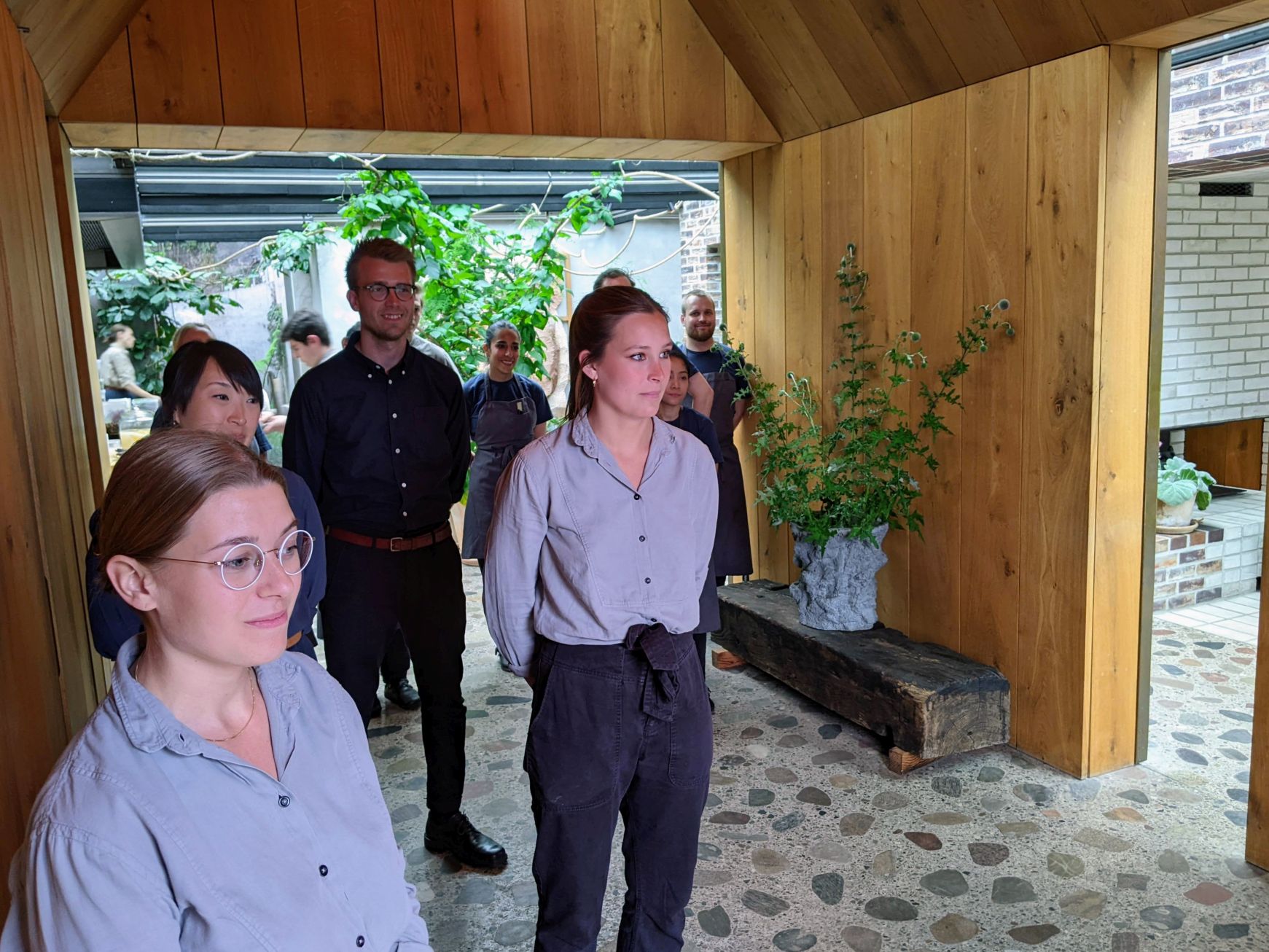
Employing a staff of over one-hundred including four full-time gardeners to feed just 42 diners a day, though this concept will again change soon, it is once seated that gracious servers deliver a seamless experience across four-hours, an opening Tart comprised of Potatoes plus Nasturtium exceedingly delicate prior to a Summer Salad featuring Berries, smoked Sauce and Fava Beans.
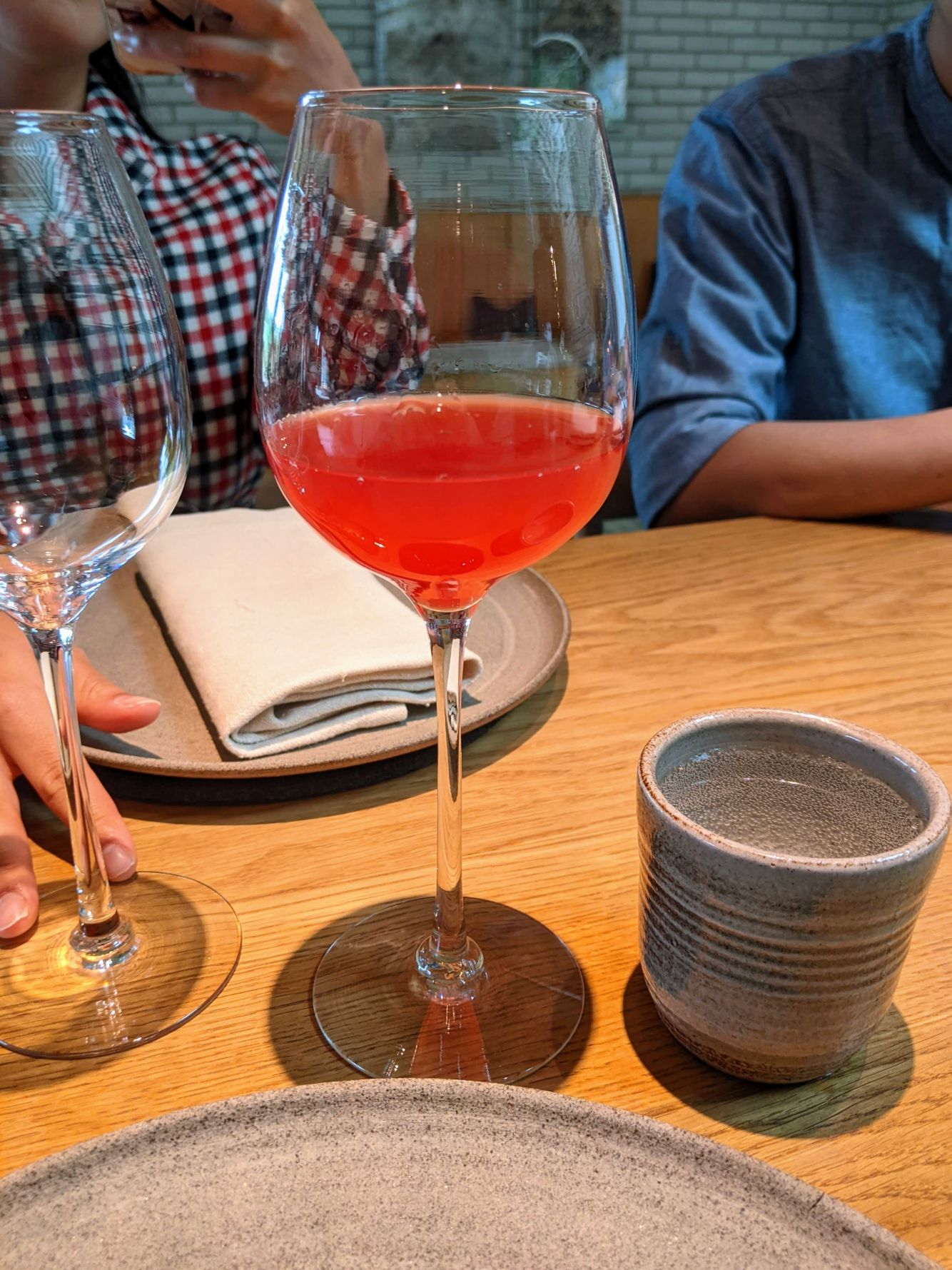
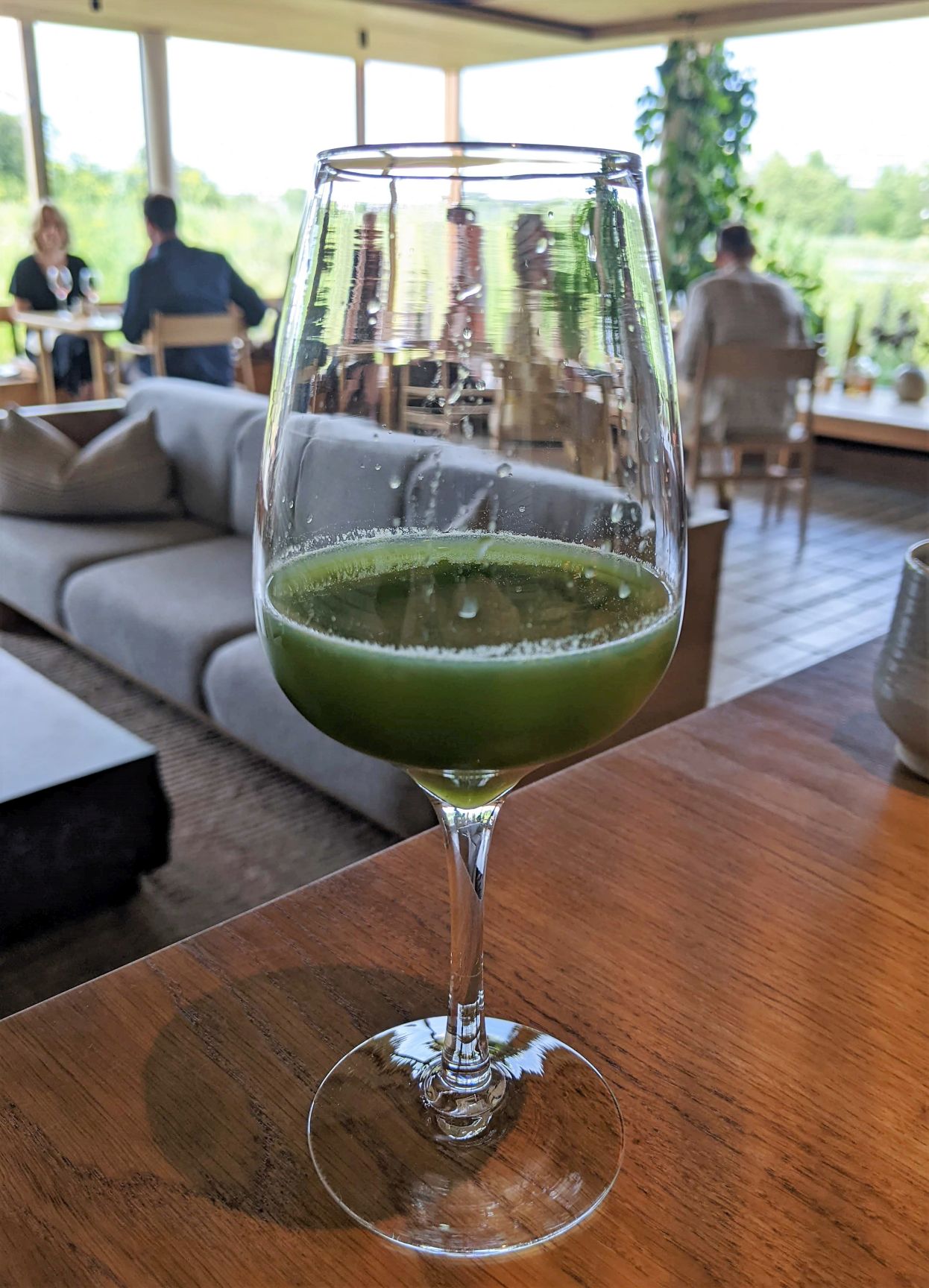
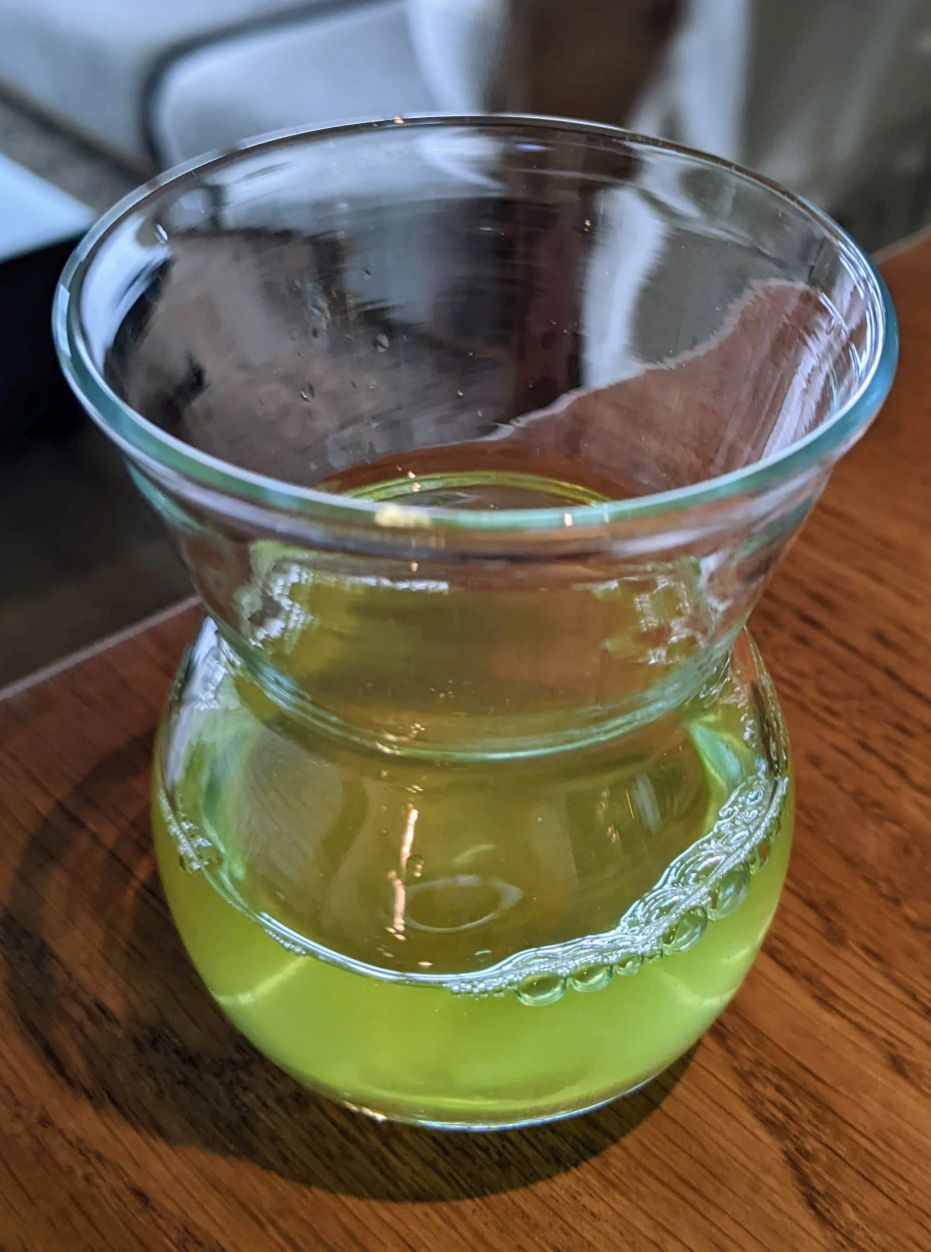
Undoubtedly putting a lot of thought into the pairings, Natural Wines versus Juice and Tea, herbaceous Cucumber Juice signaled the arrival of a grilled Pepper stuffed with unripe Strawberry and Seeds garnished by squeezable Rhubarb followed by a “Pea and White Currant Dumpling” encased in translucent White Currant “leather.”
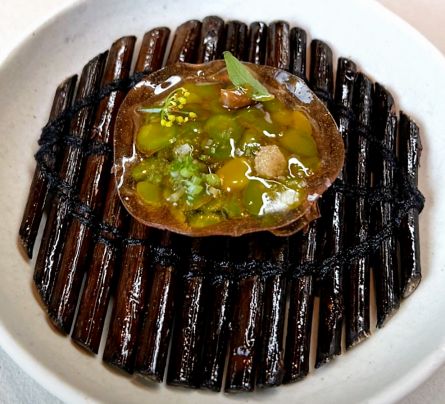
Next wowing with a Dolma of Cucumber Skin filled with Barley Koji, somehow more complex than those stuffed with Lamb, assertive Elderflower-Black Currant Juice provides great balance to Young Onion Gel with Cream and a high-effort Radish Pie.
Designed to suggest a Nordic village, natural décor throughout an airy space flooded with light, “Scoby Steak” proves to be one of noma’s more conceptual dishes in its use of thick Kombucha Skin topped by Marigold Chili Oil while the Flowers find themselves Tempura-battered in follow up and ready to be dragged through Whiskey-fortified Egg Yolk.
Continuing with Rhubarb and Pine Shoots, a gooey Egg colored by Beets preceding Potatoes packed in Sea Lettuce with Gooseberry, “entrees” consisted of a grilled Artichoke taken whole from the Stem with Chives before a roasted Lion’s Mane Mushroom with sides of Sauce and Salad said to represent a “Steak Dinner.”
Rethinking the “palate cleanser” Salads of France with one including Chocolate and Herbs, more successful than it sounds, fragrant Tea lends perfectly to “A Dessert of Oatmeal and Honey” as well as its “chew and spit” chaser before a fond farewell and comprehensive look at everything that goes into being the “best,” whether one agrees with the term and assessment or not.
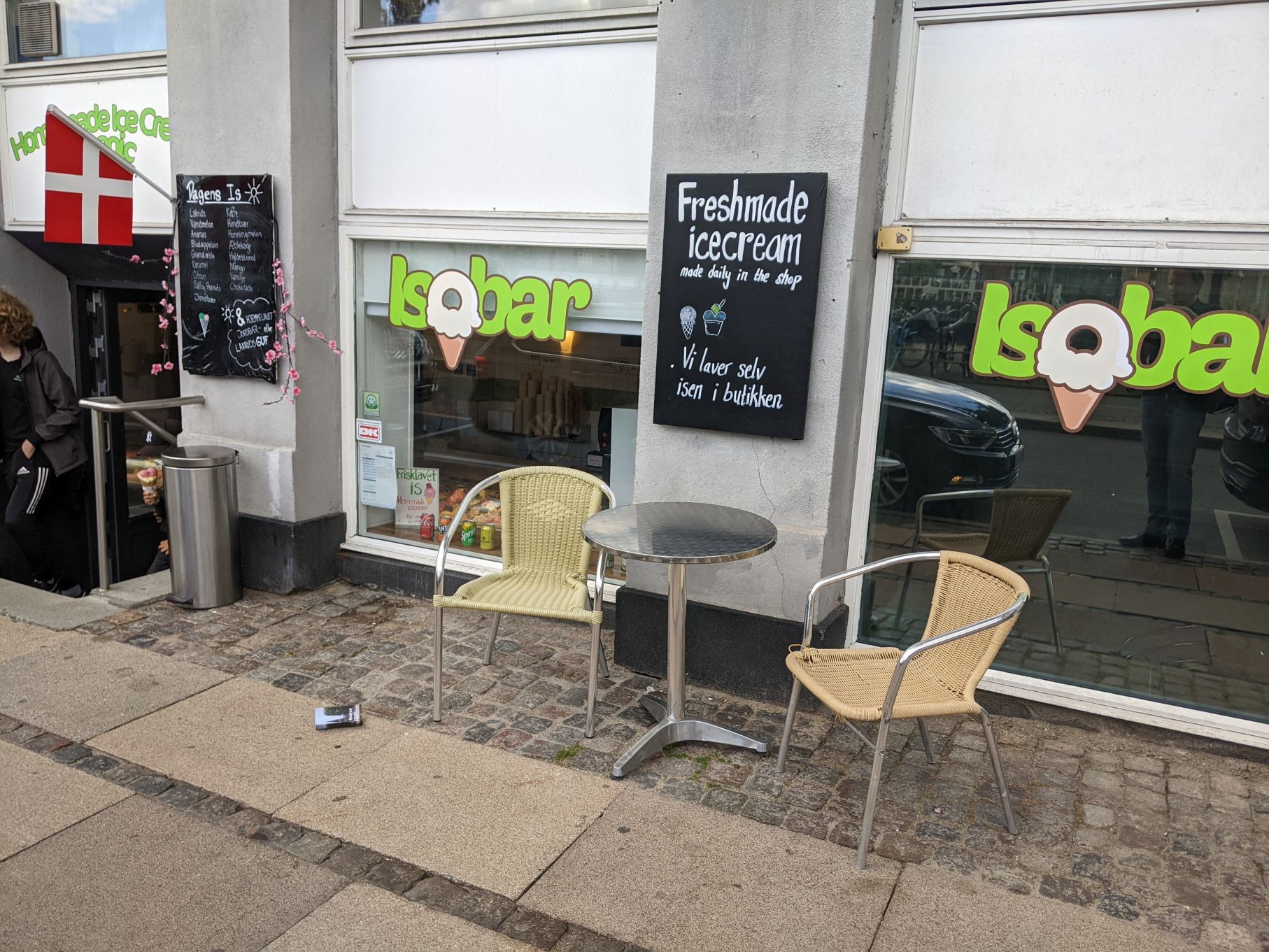
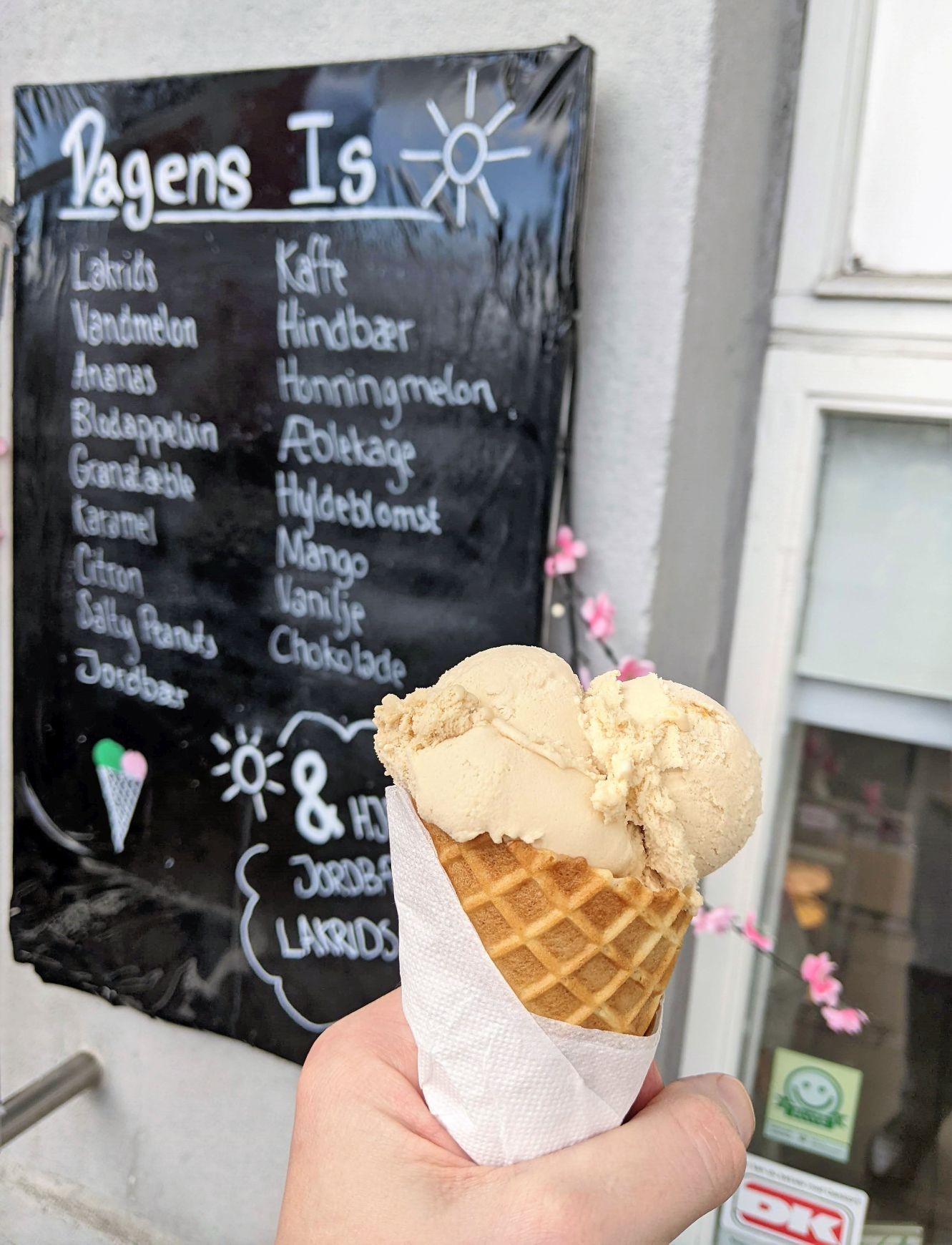
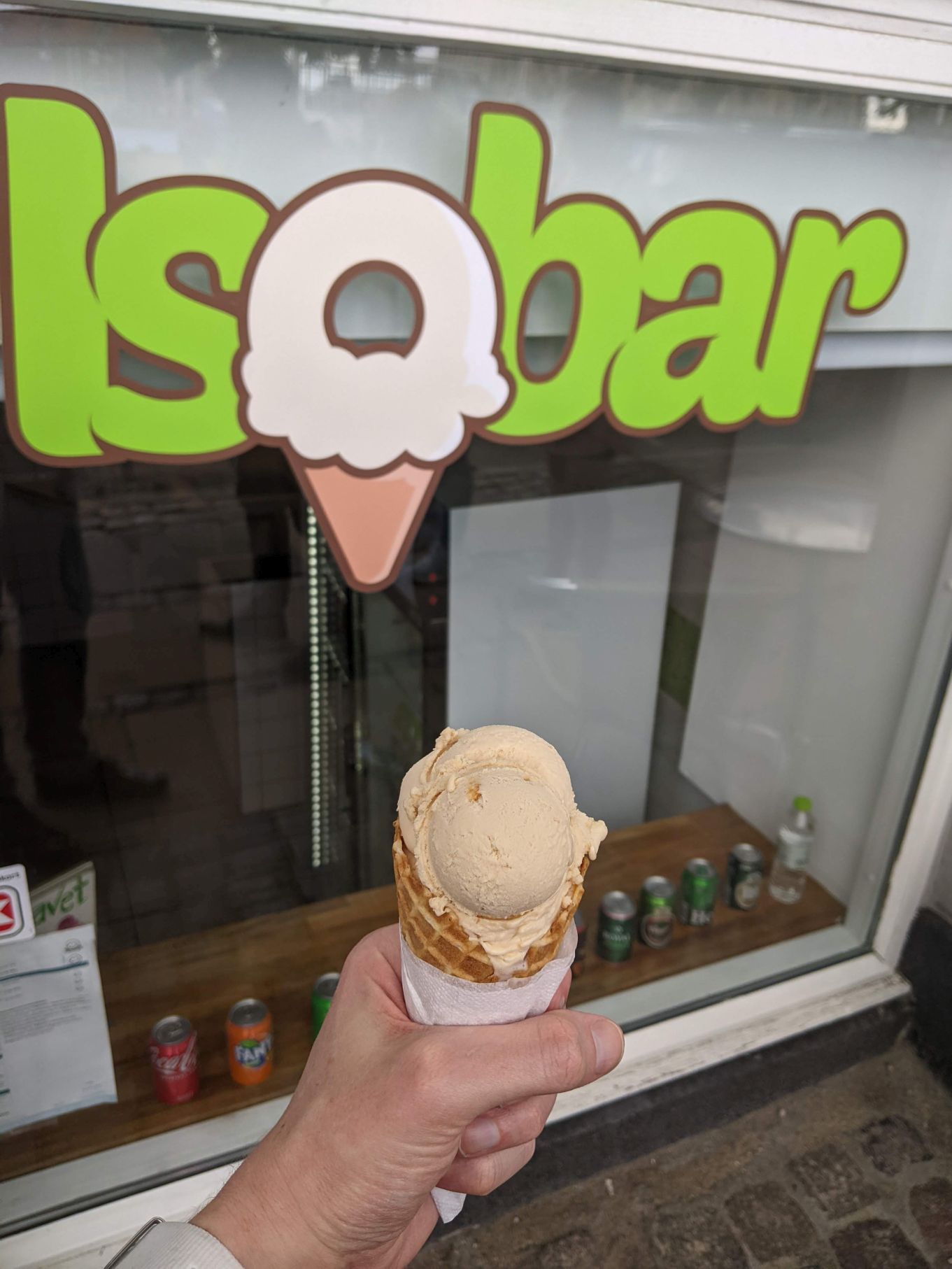
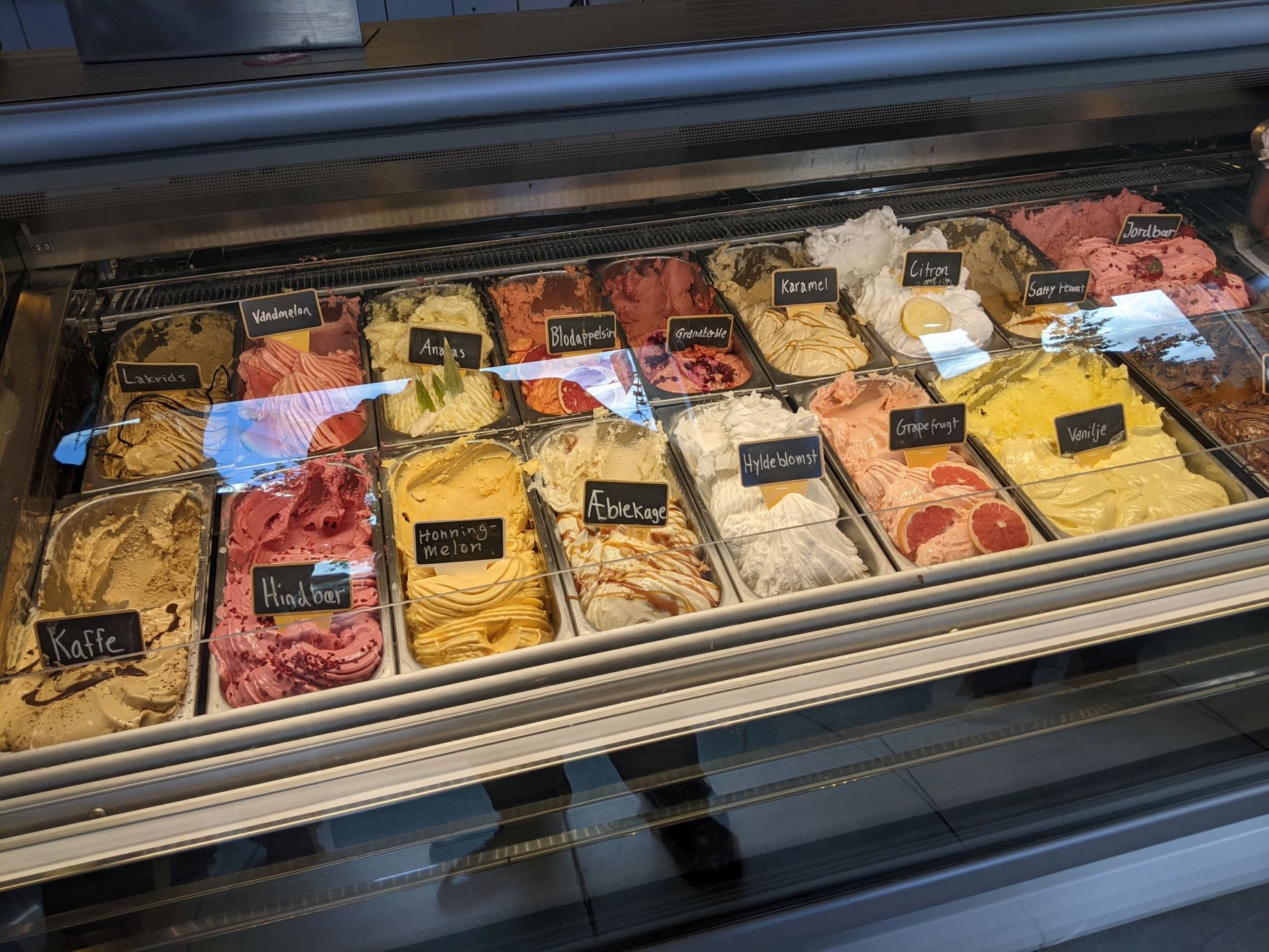
Tucked away in a Nyhavn sub-street space IsoBar has been serving guests seasonally for nearly 9 years, an old Italian recipe and locally-sourced Organic Milk meeting fresh Fruits plus imported Nuts in a wide-variety of flavors.
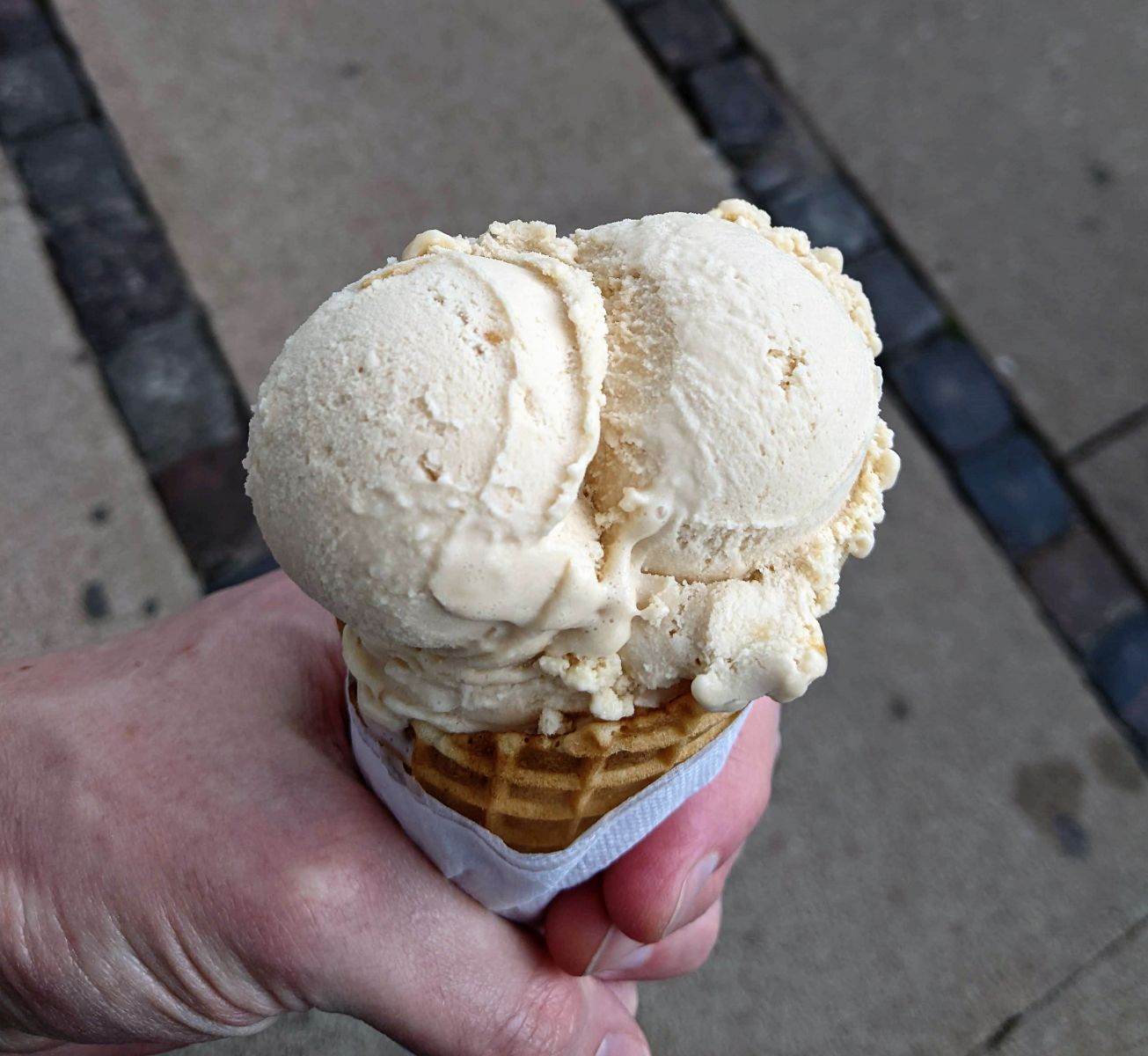
Prone to daily change and whimsy, flavors like Chocolate-Chili or Grapefruit offered alongside Licorice and dairy-free Sorbets, two-scoops will set guests back less than 50 DKK on a Waffle Cone, Caramel expectedly creamy with plenty of sweetness while Salted Peanut tastes precisely like its namesake.
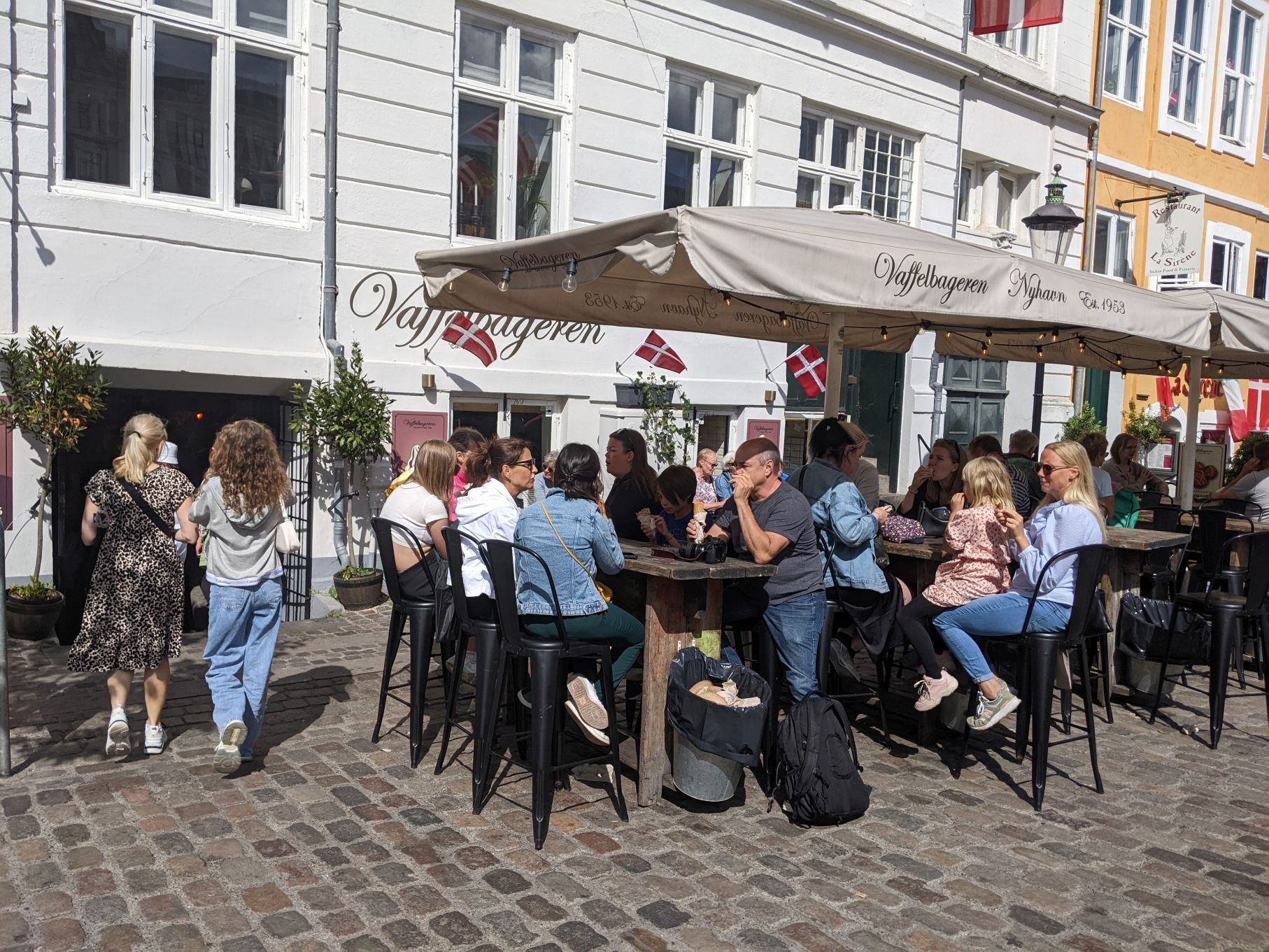
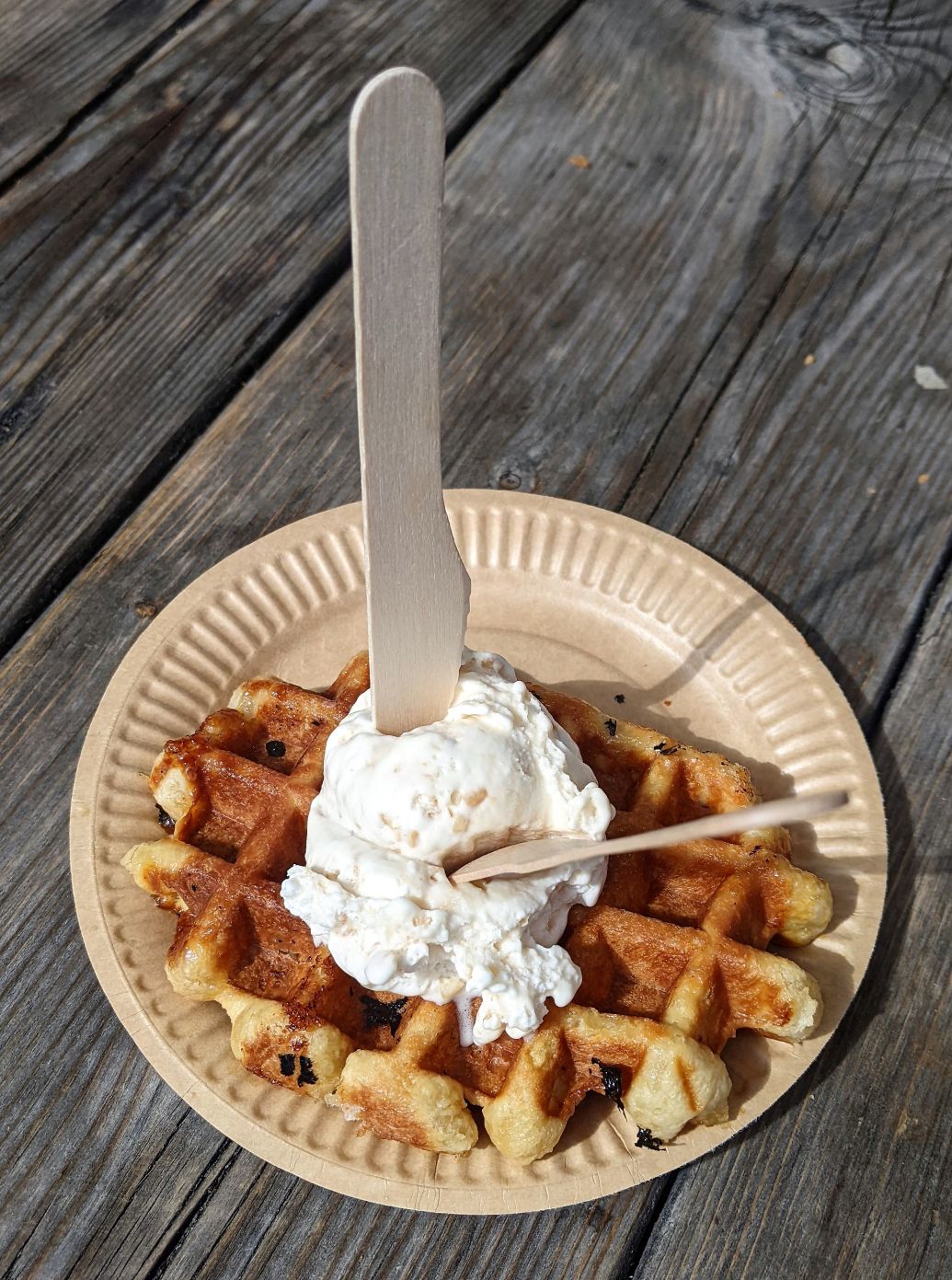
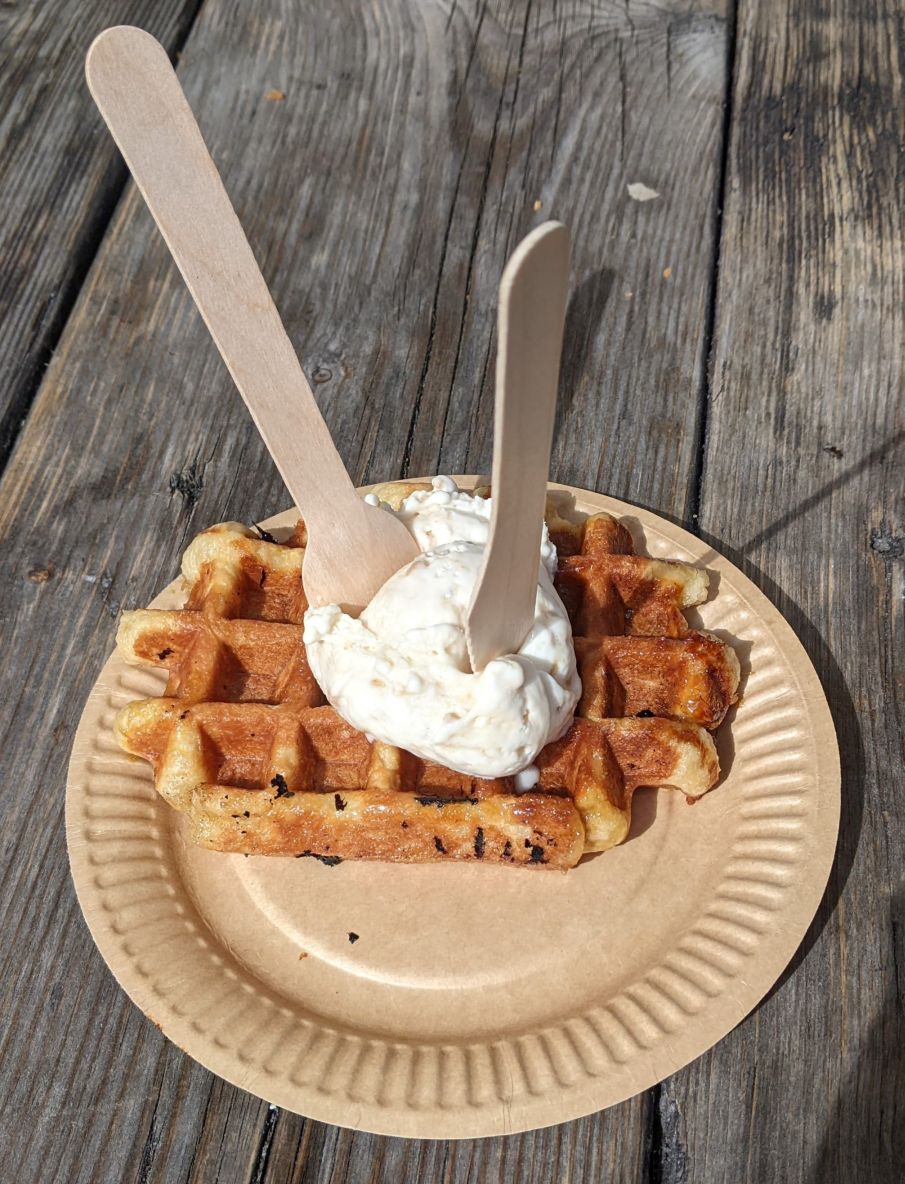
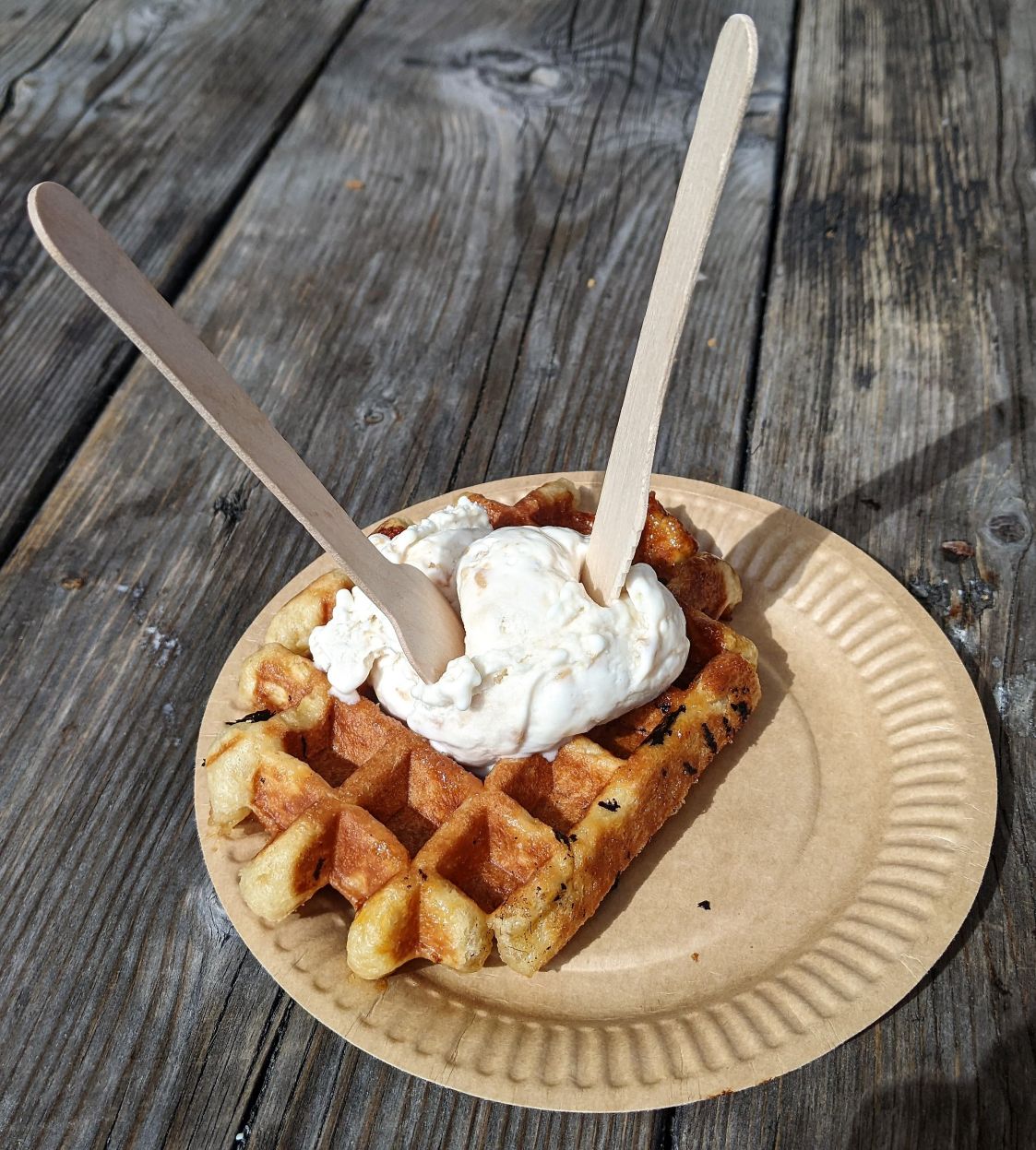
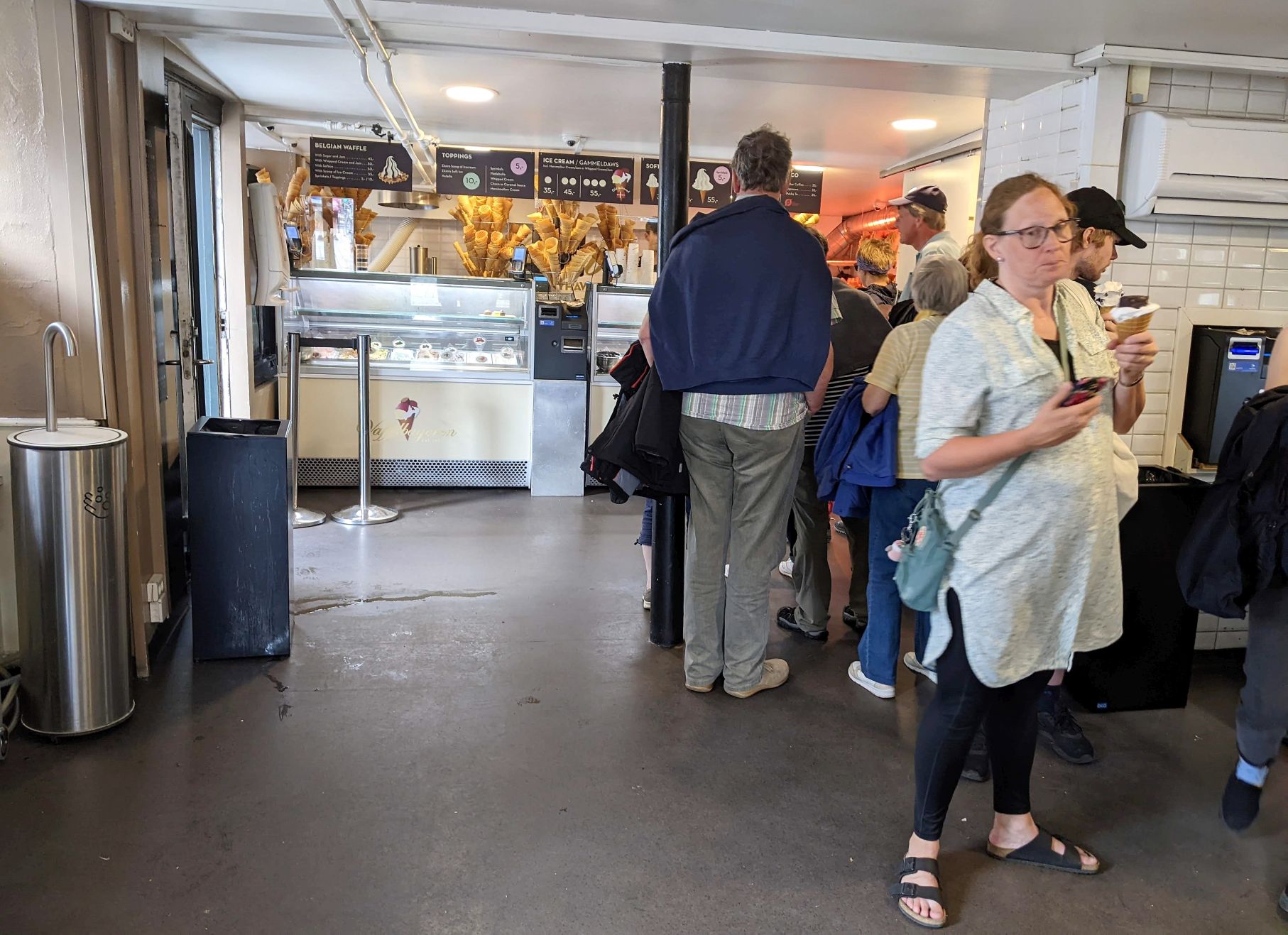
Serving Copenhagen from the waterside since 1953 Vaffelbageren predates nearly all the city’s culinary destinations, a recipe from the 1920 still used to make Liege-style Waffles featuring five types of Sugar plus eighteen flavors of Ice Cream
Located in a Nyhavn basement, cattycorner counters creating a logjam of guests attempting to retrieve affordably-priced goods including 35 DKK scoops of cream Nougat, it is at tables outside that most will settle in amongst tourists with only a handful prone to wonder why Vaffelbageren chooses to compromise texture by microwaving Waffles when they’d be far better fresh made or at room temperature as they once were.
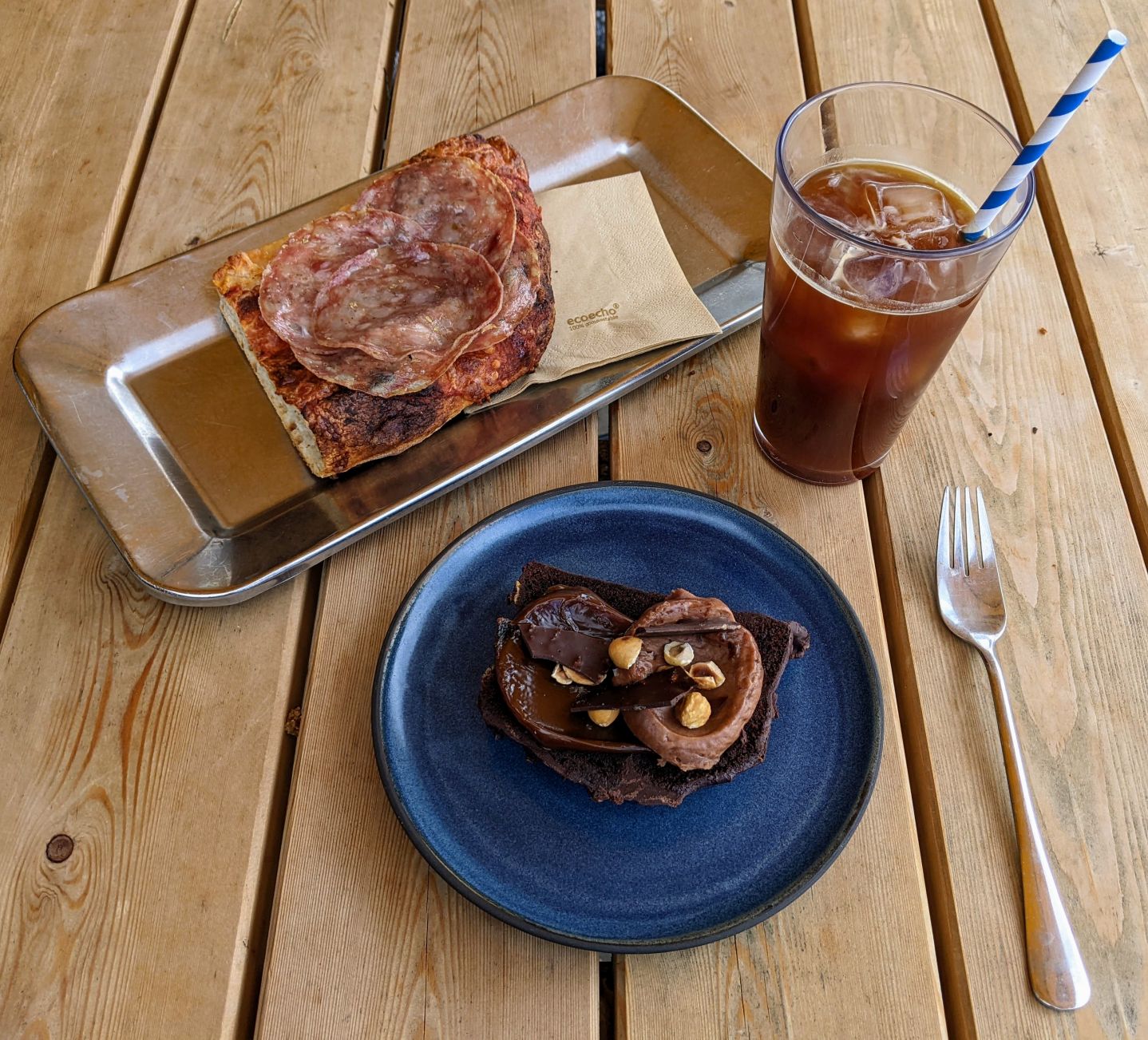
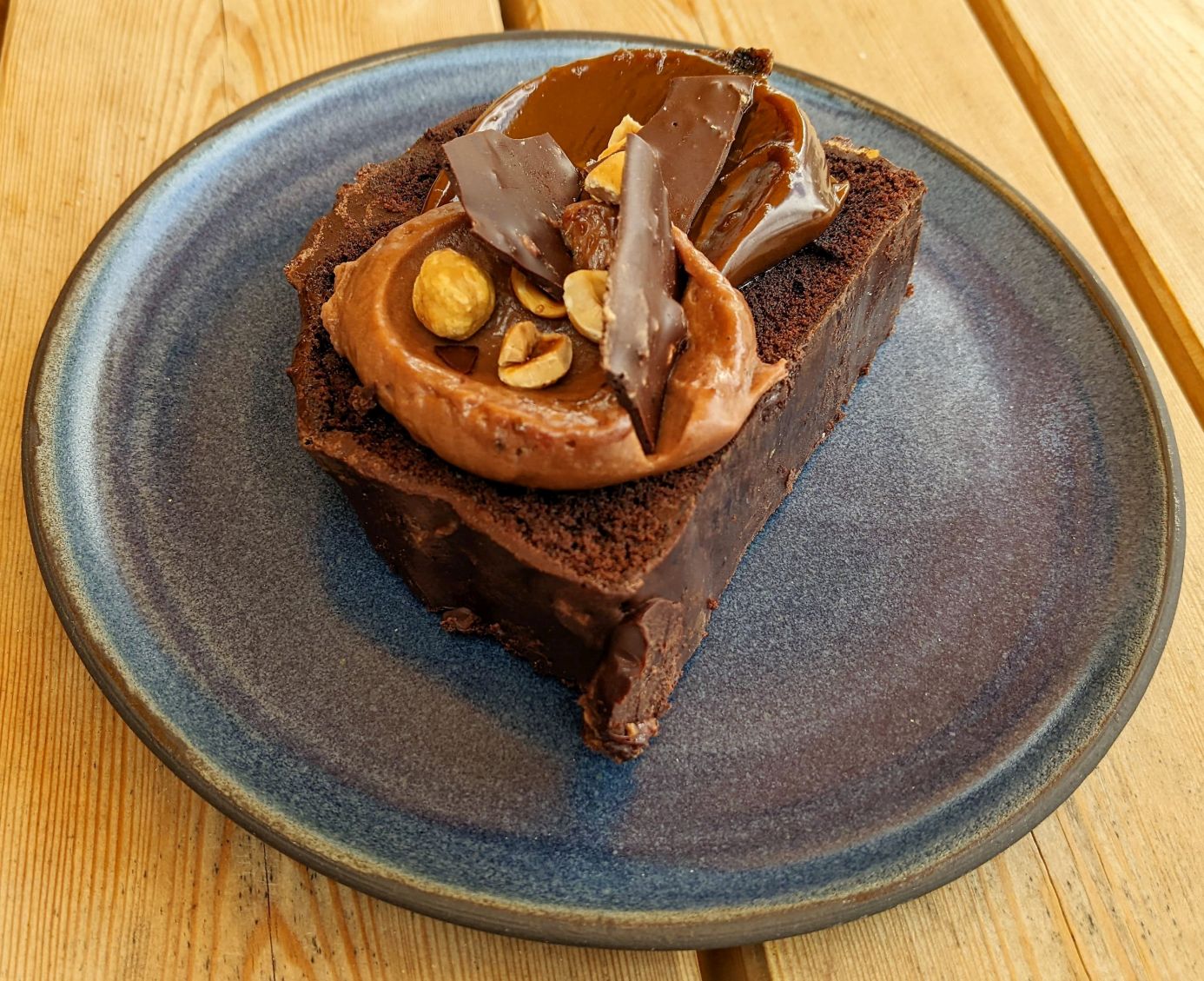
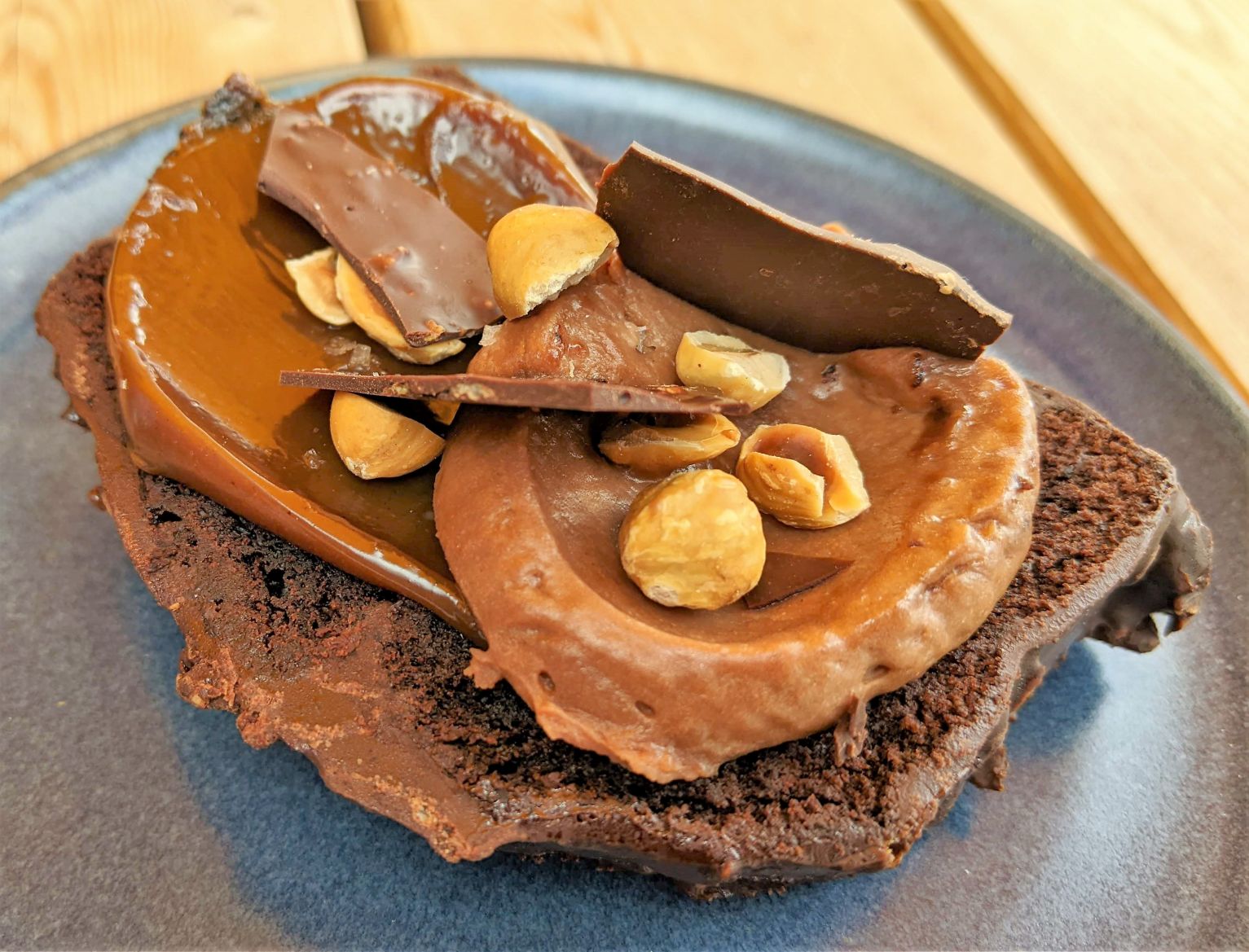
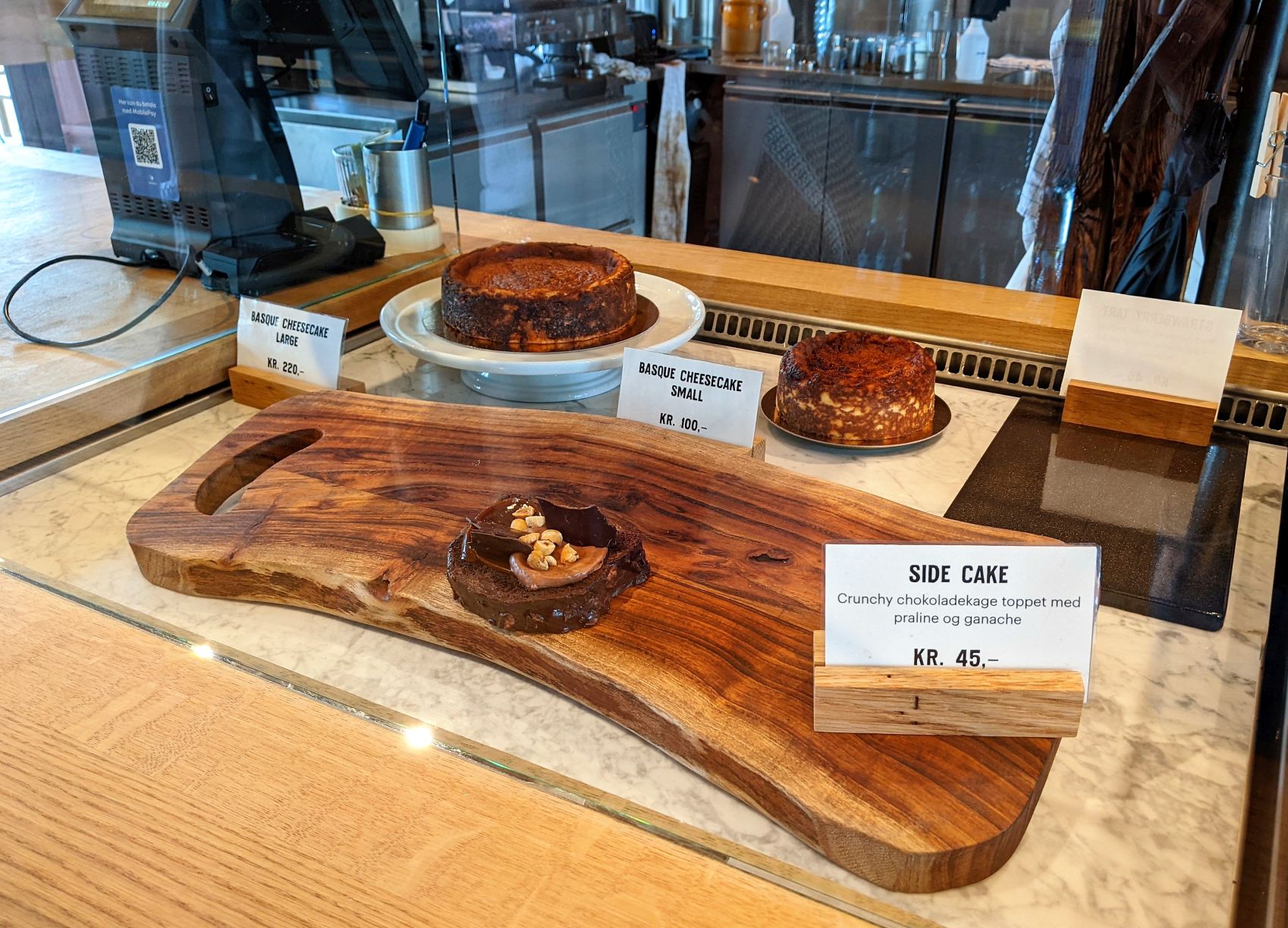
Side Cake – Chocolate Ganache, Caramel, Hazelnut Praline
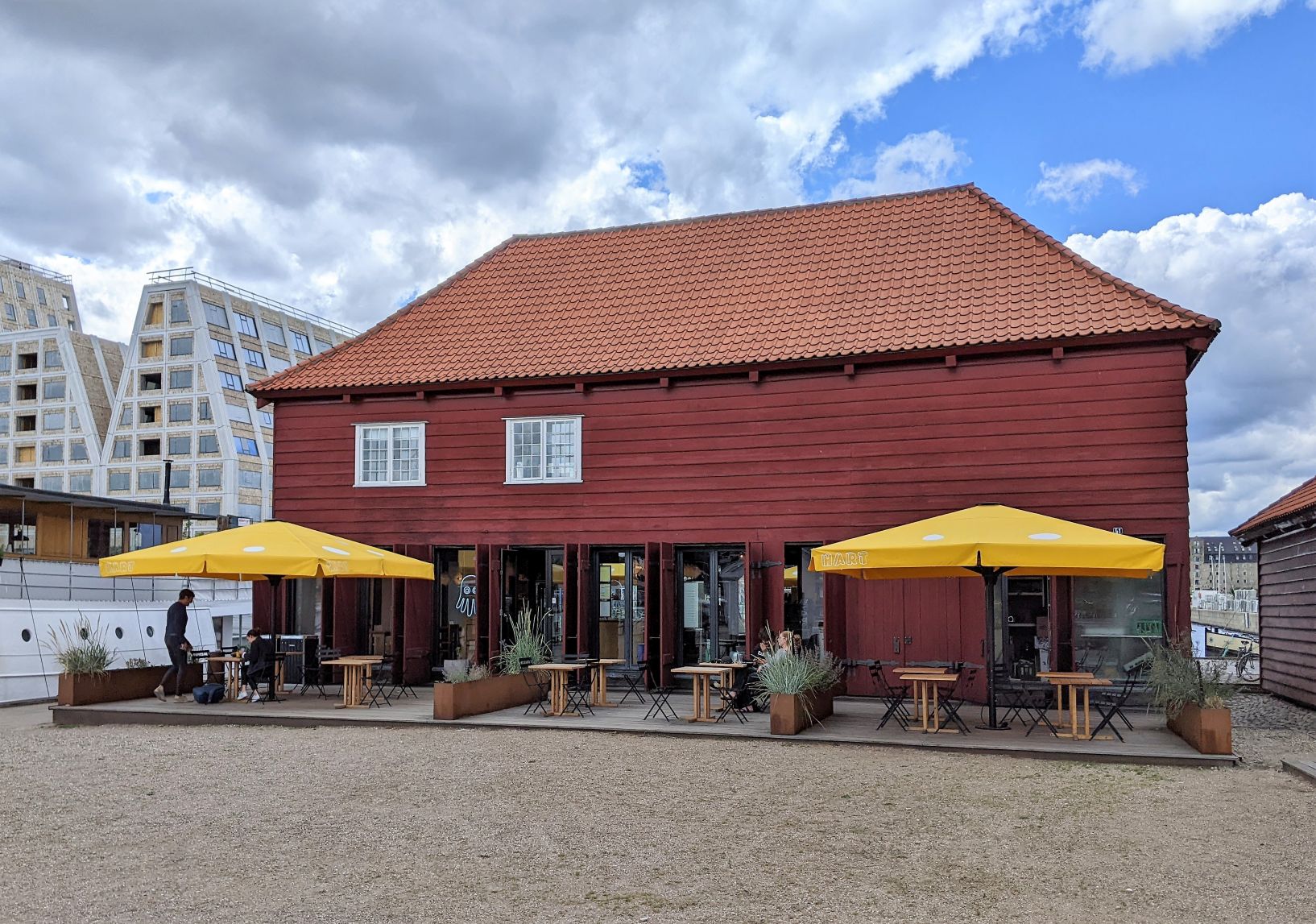
Part of the Copenhagen dining scene since 2018 Hart Bageri has been a resounding success, so much that former Tartine Baker Richard Hart and his partners at noma decided to open a second location in Holmen late-2021.
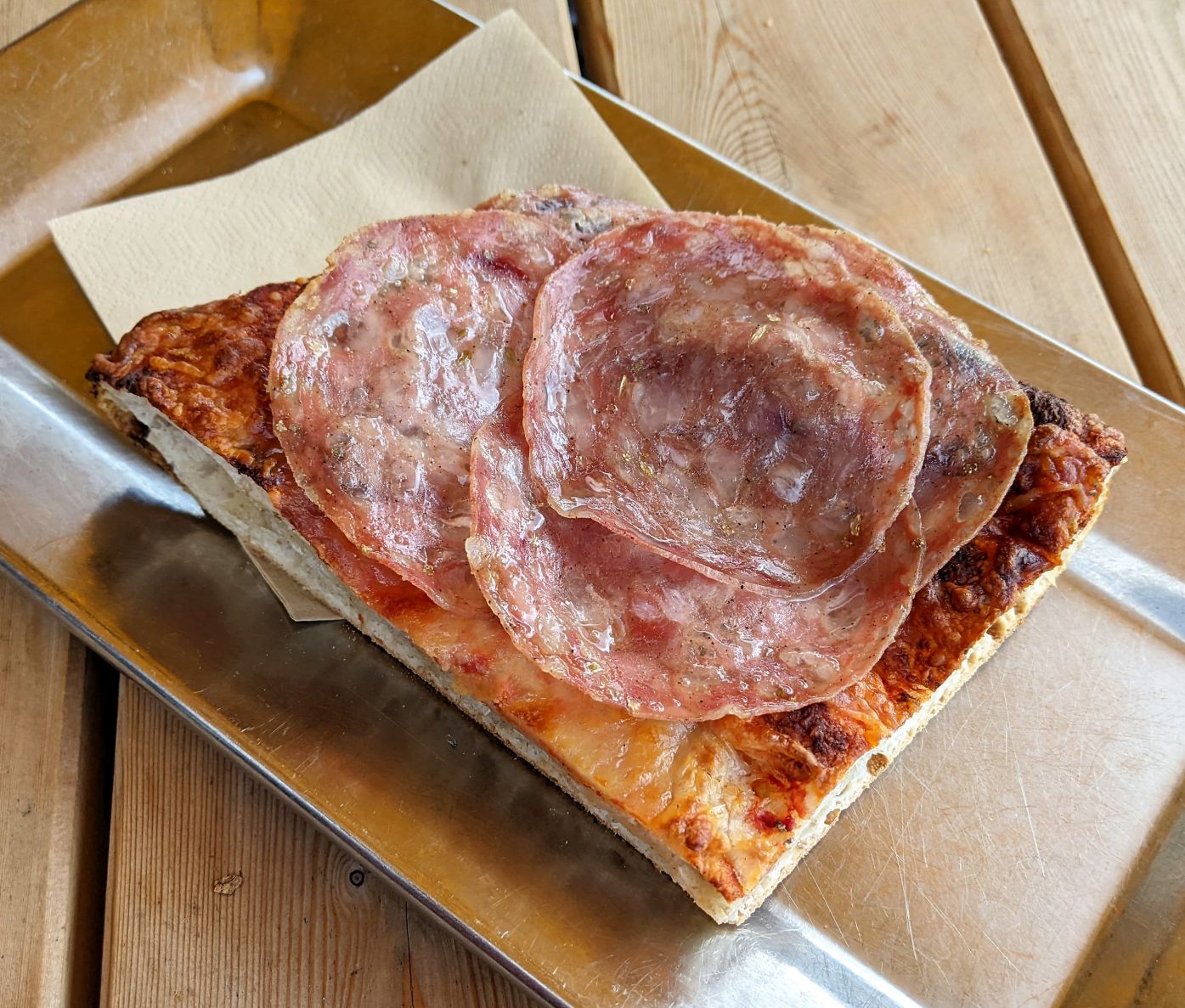
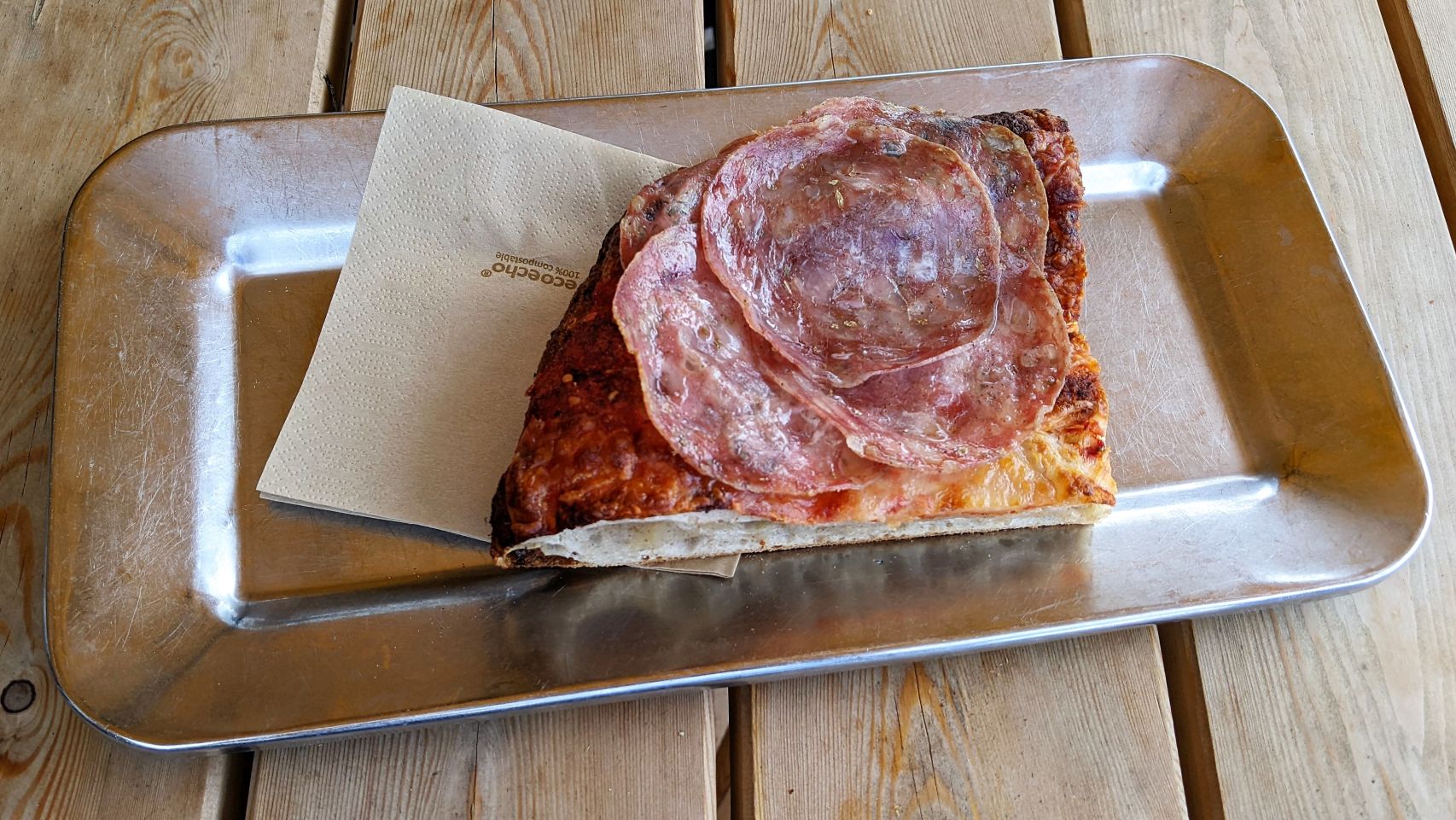
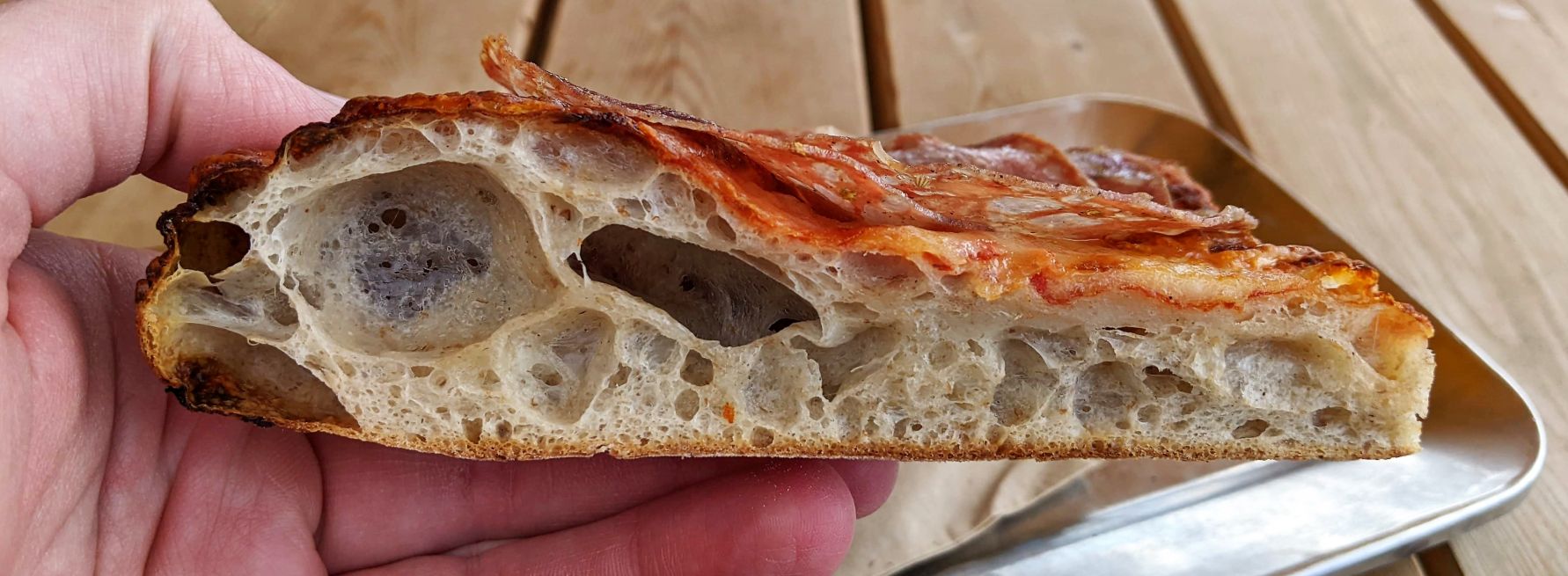
Larger than the original in Frederiksberg, an old timber-framed building with indoor seating and a terrace looking towards the opera house, recipes here continue Hart’s style of rethinking tradition by way of myriad morning Pastries plus later-day choices such as Sourdough Pizza topped lightly with Sauce over a medium-thick Crust up to the perfect cornicione.
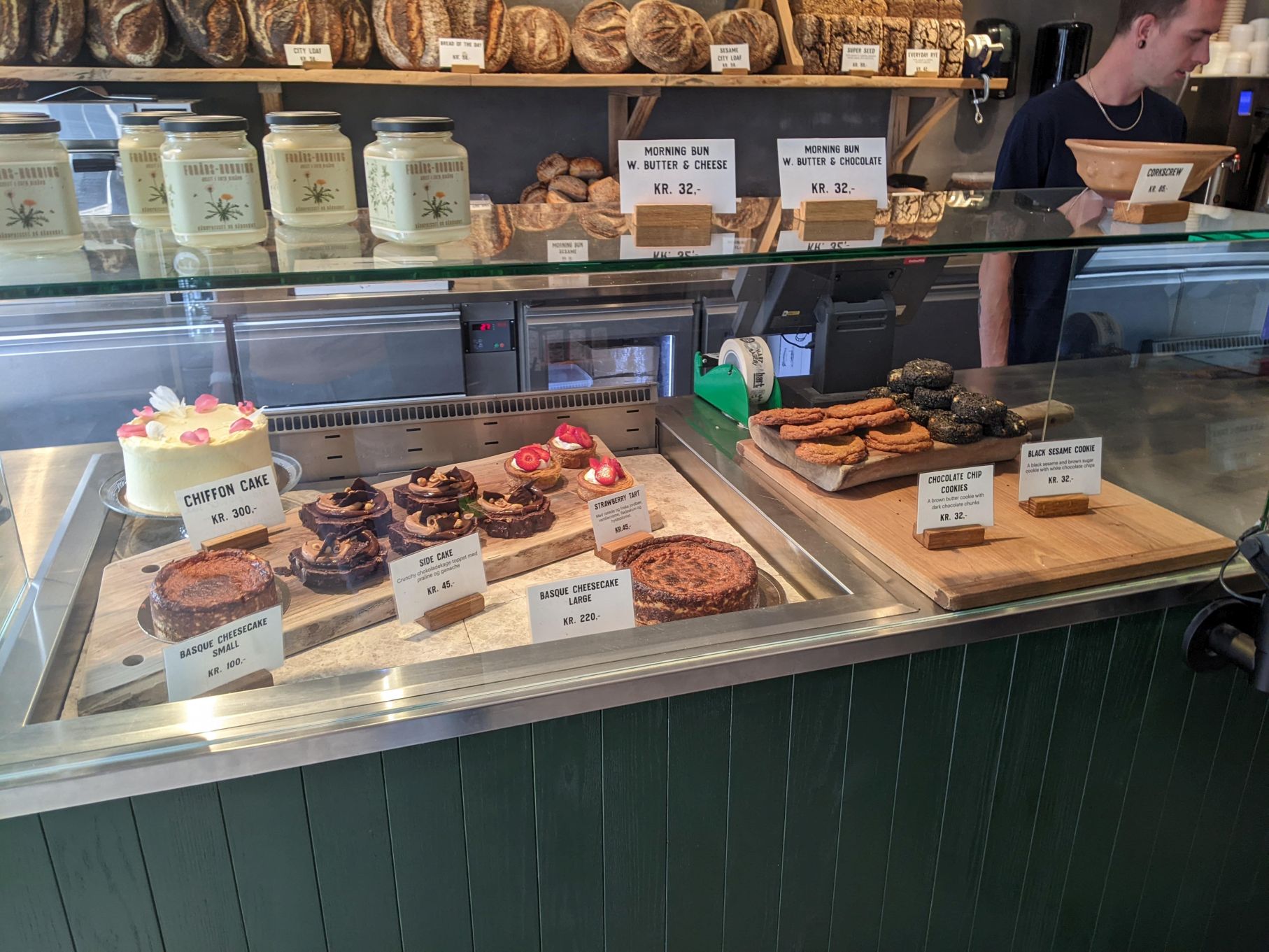
Prone to daily change and early sell-outs, a 14h00 arrival finding selections limited, it was alongside Coldbrew of locally roasted Beans that “Side Cake” showed well from the moist Chocolate Crumb to a trio of Toppings such that no two bites are alike.
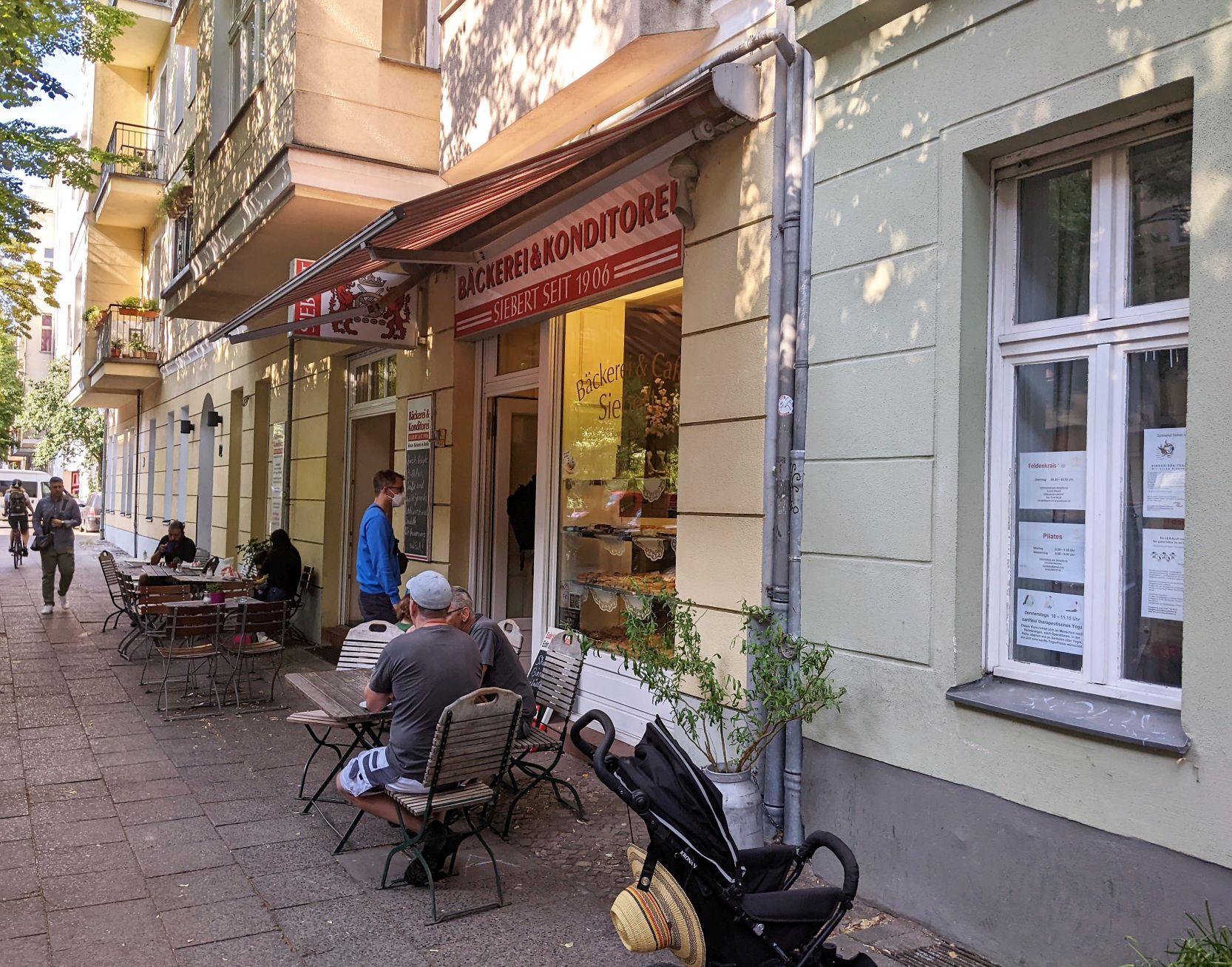
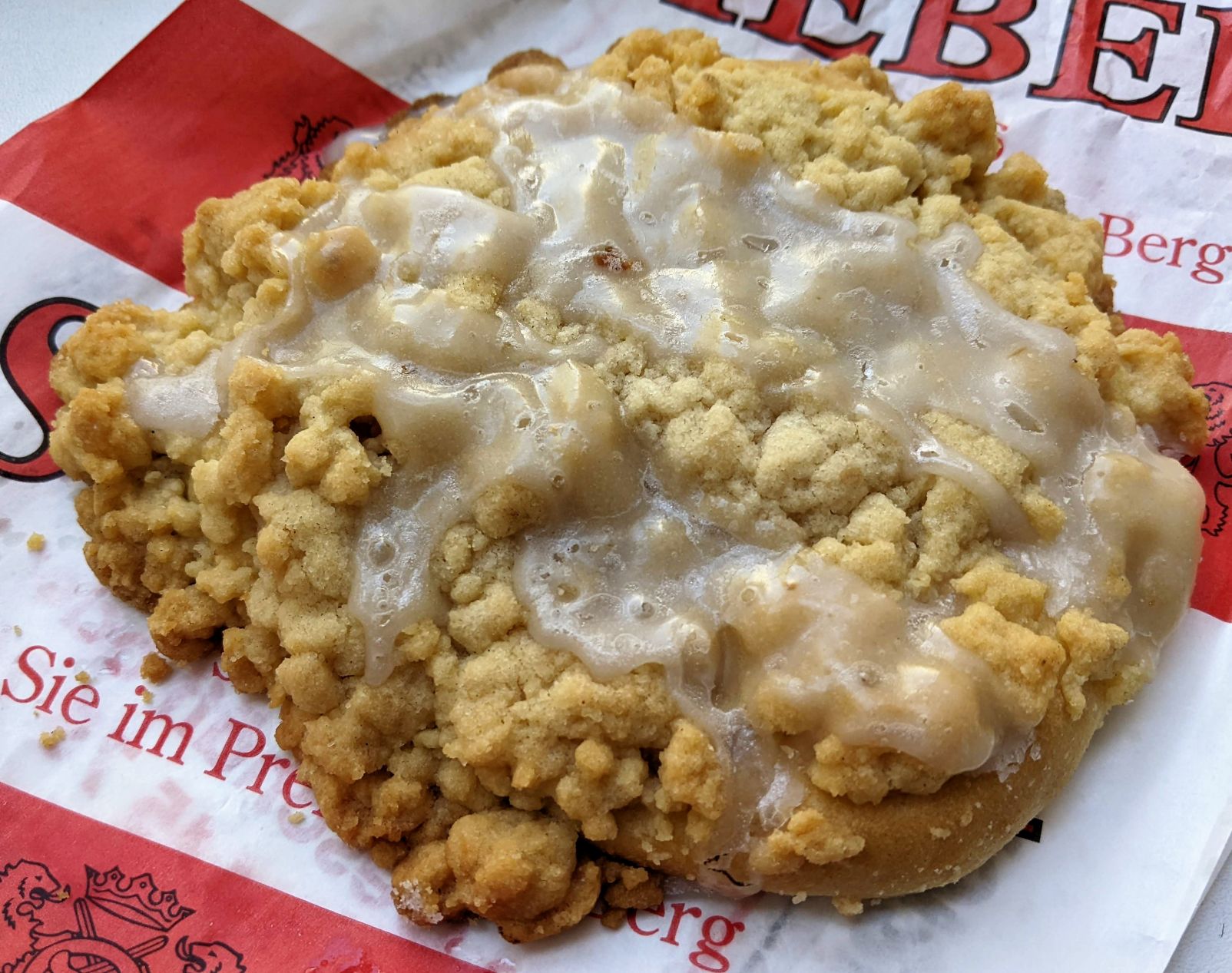
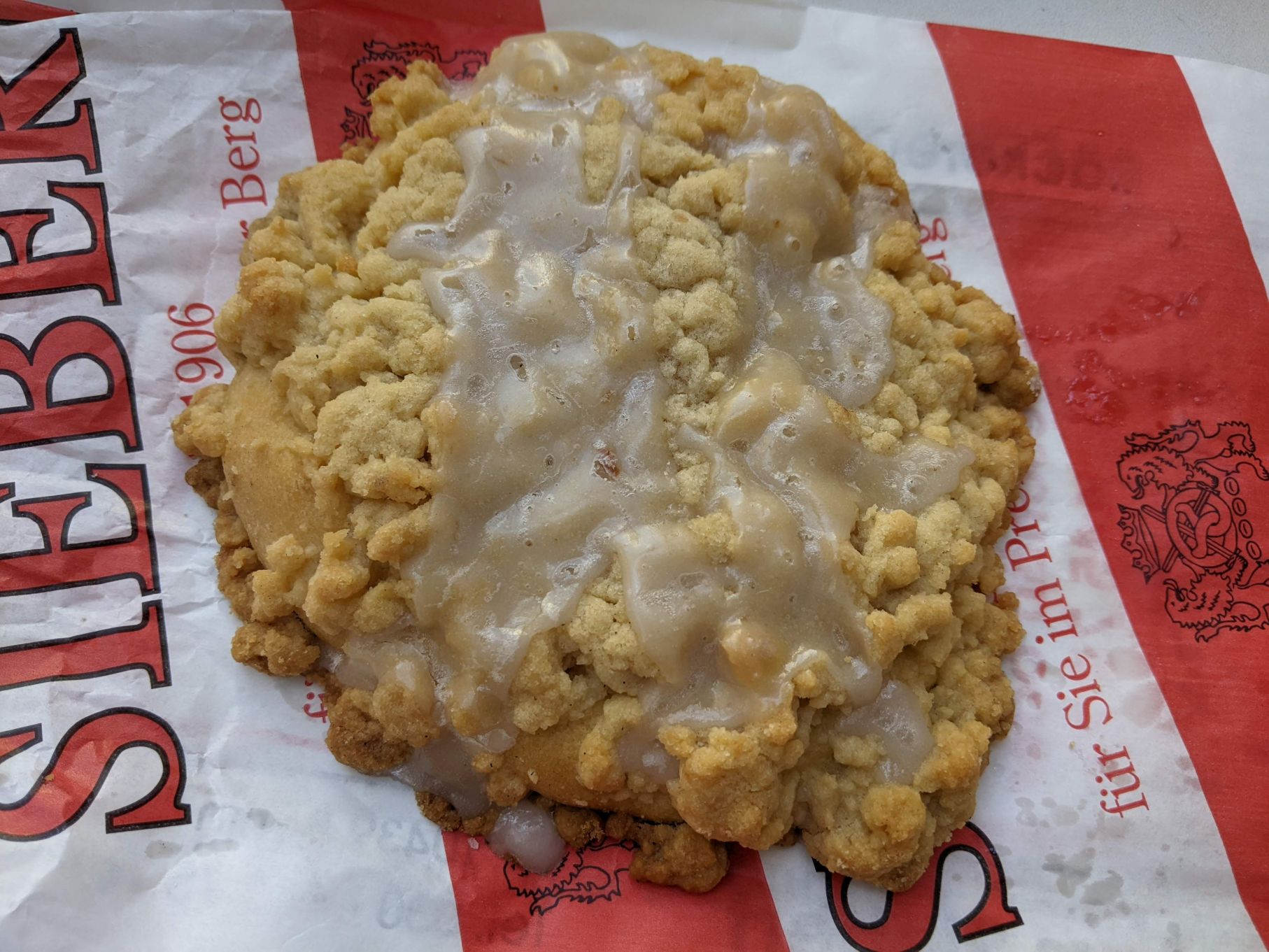
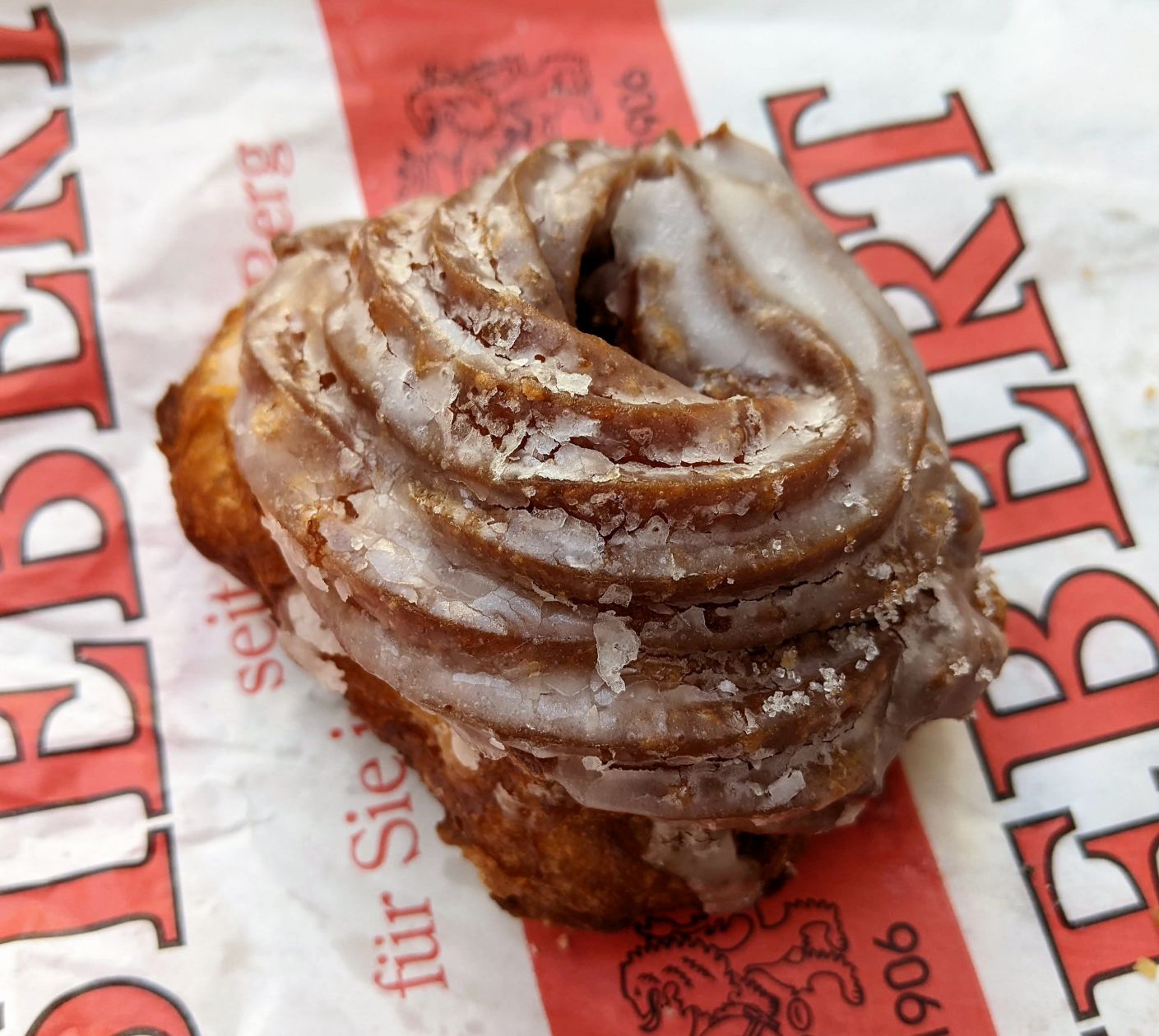
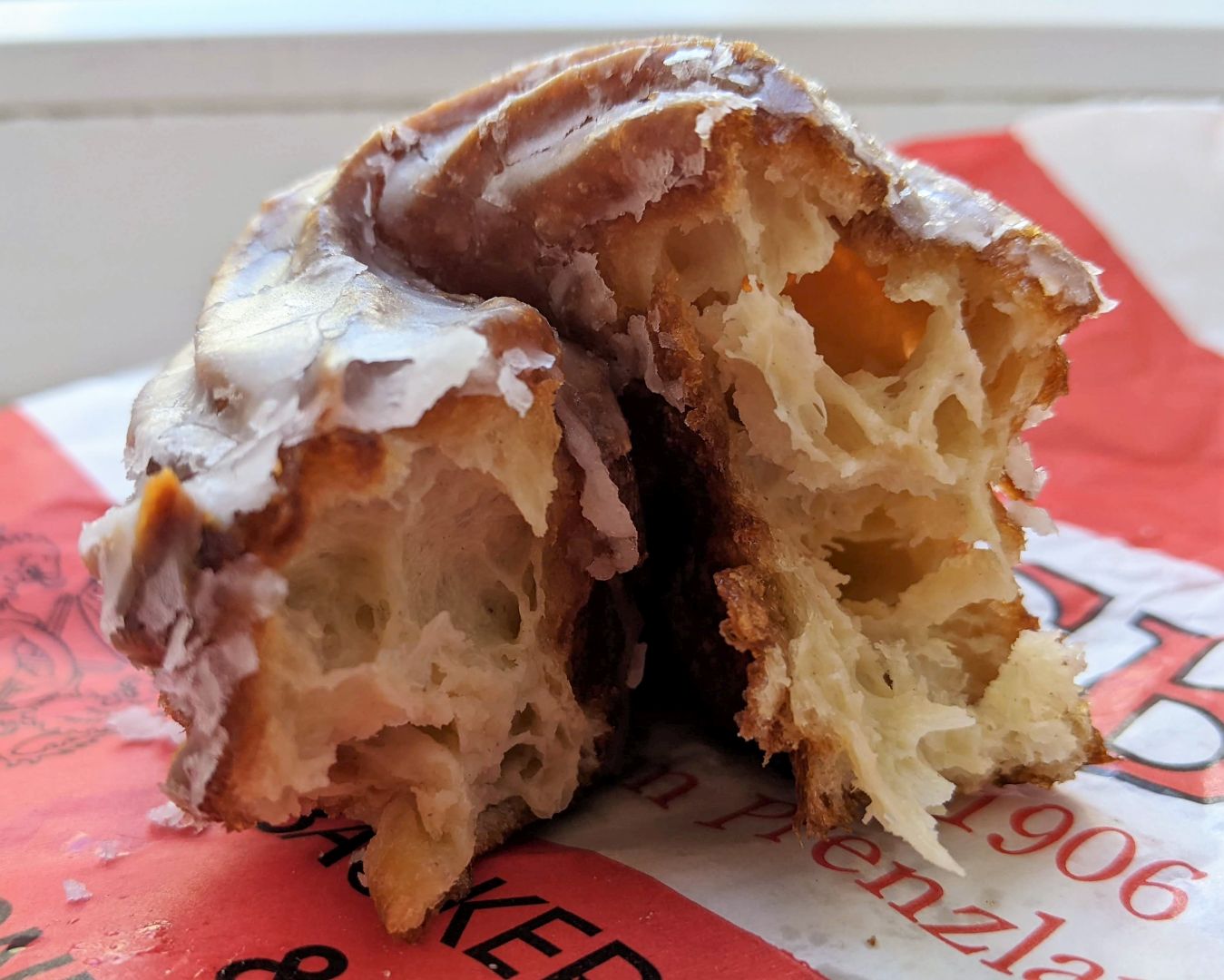
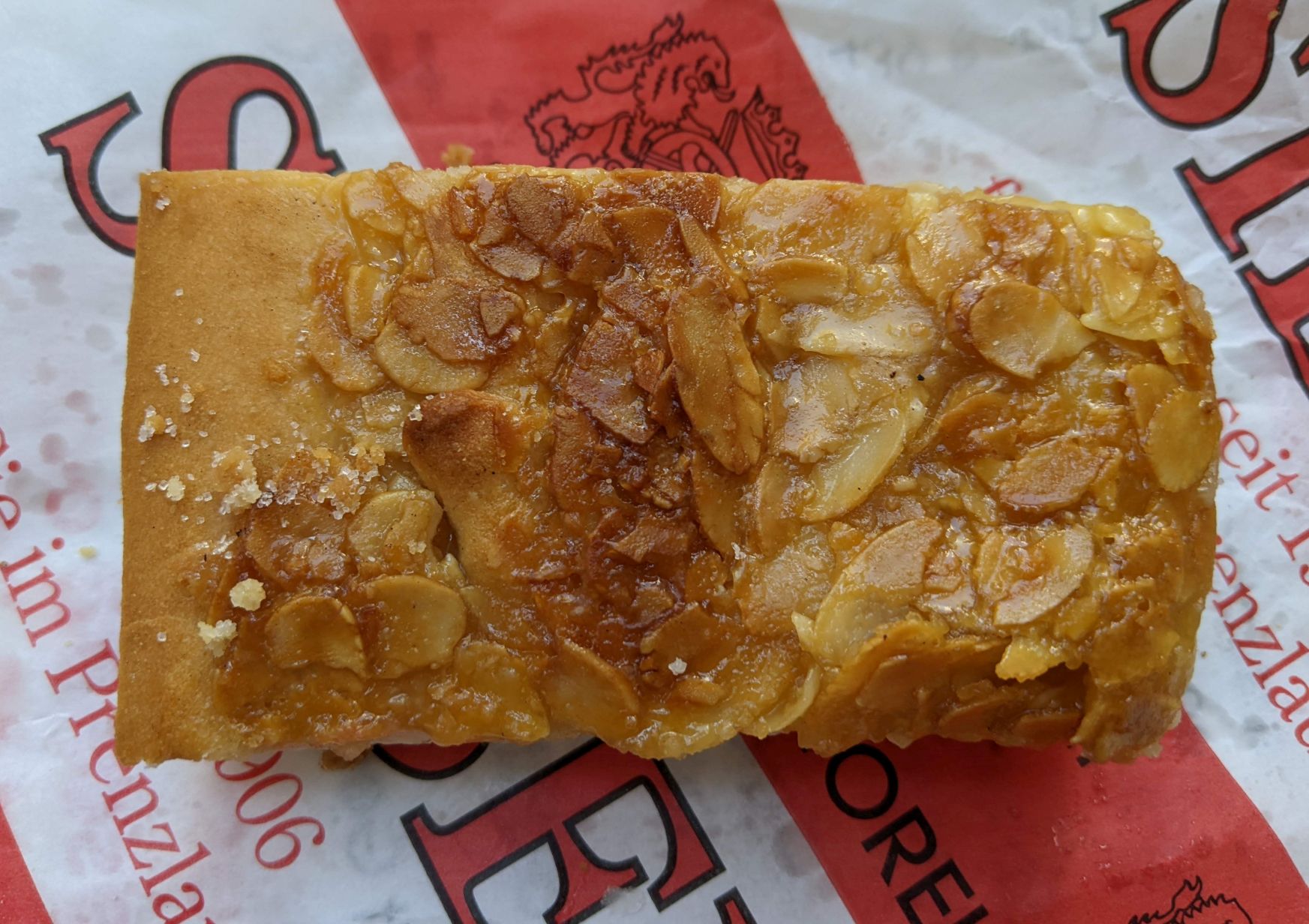
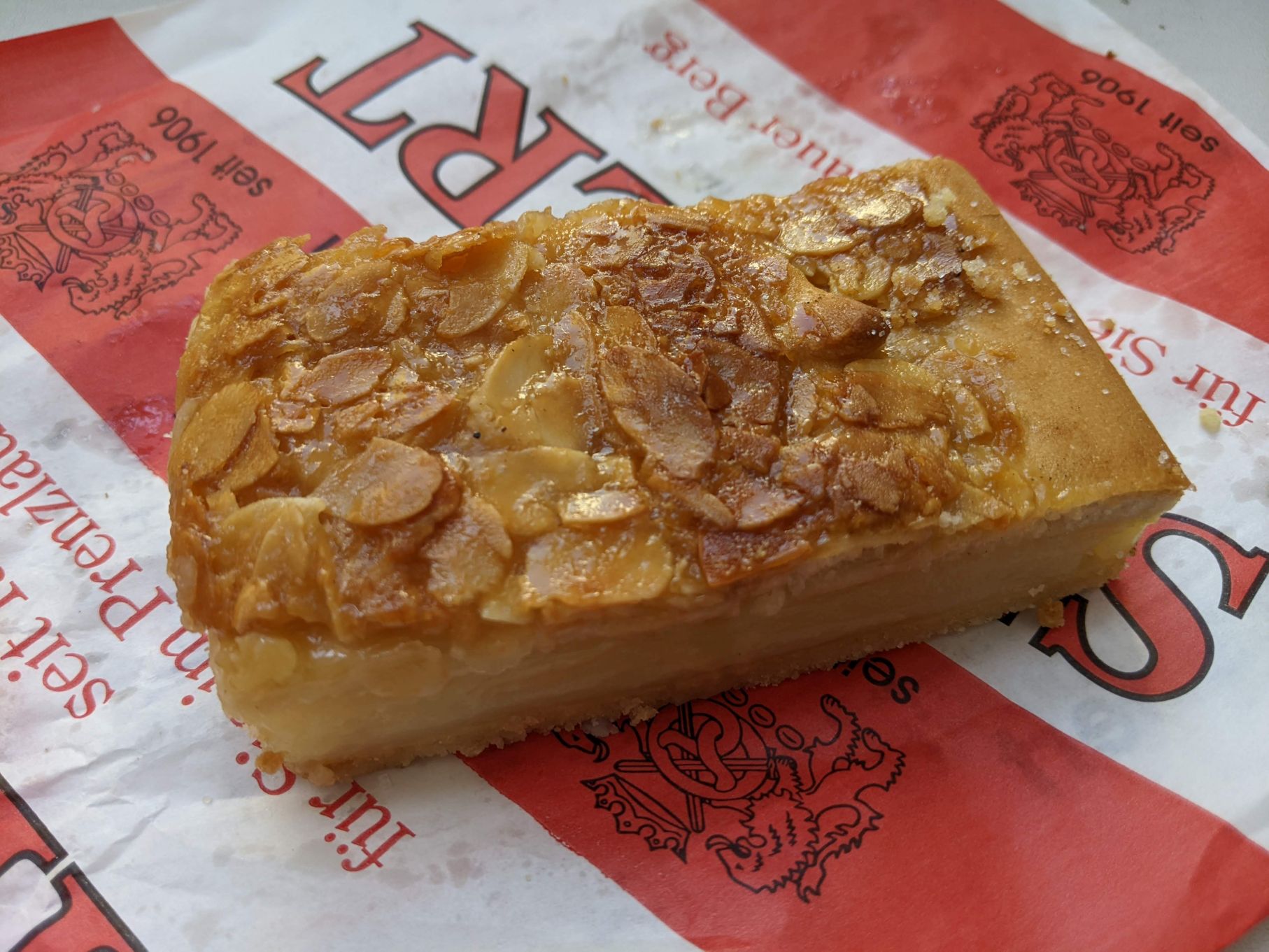
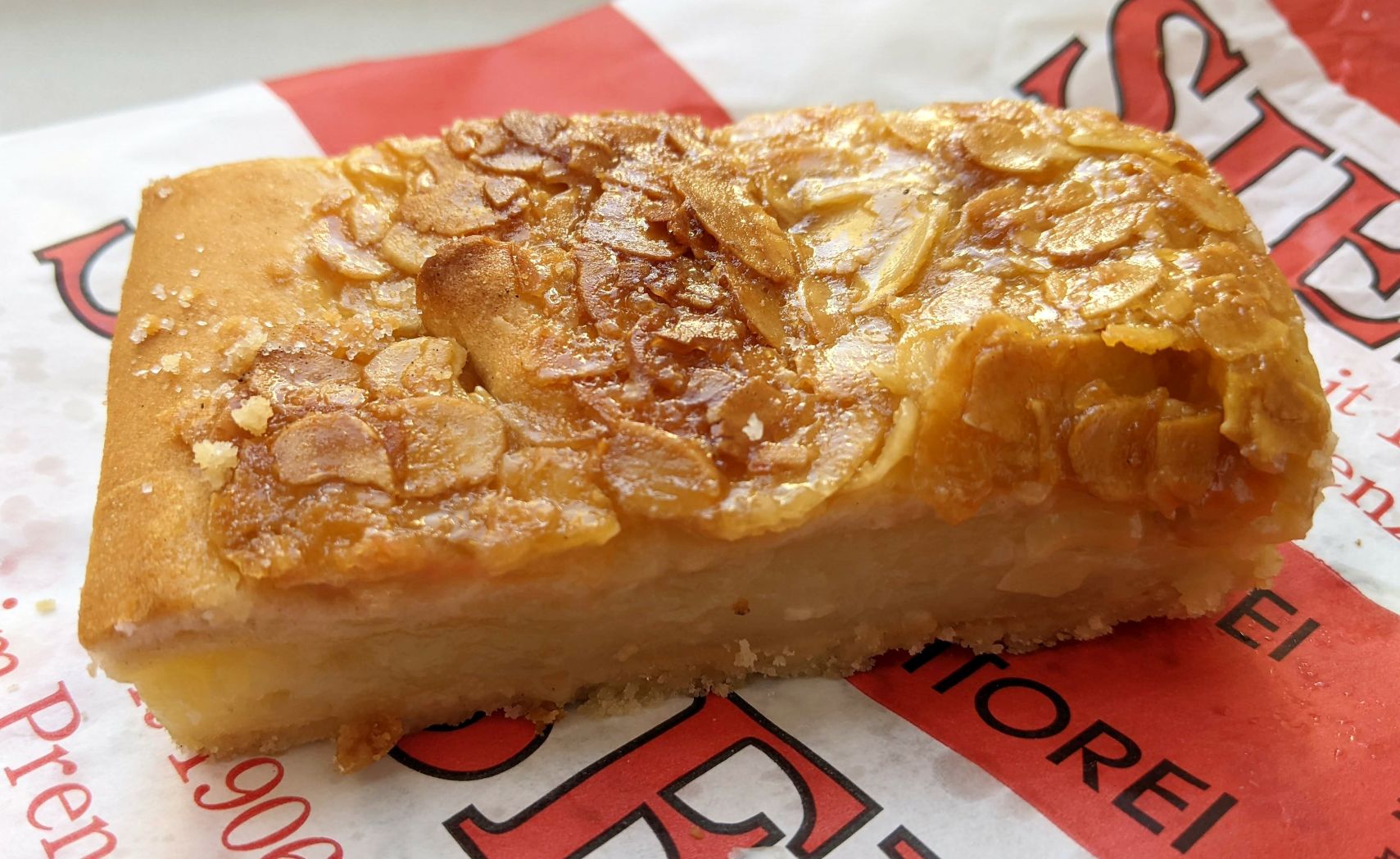
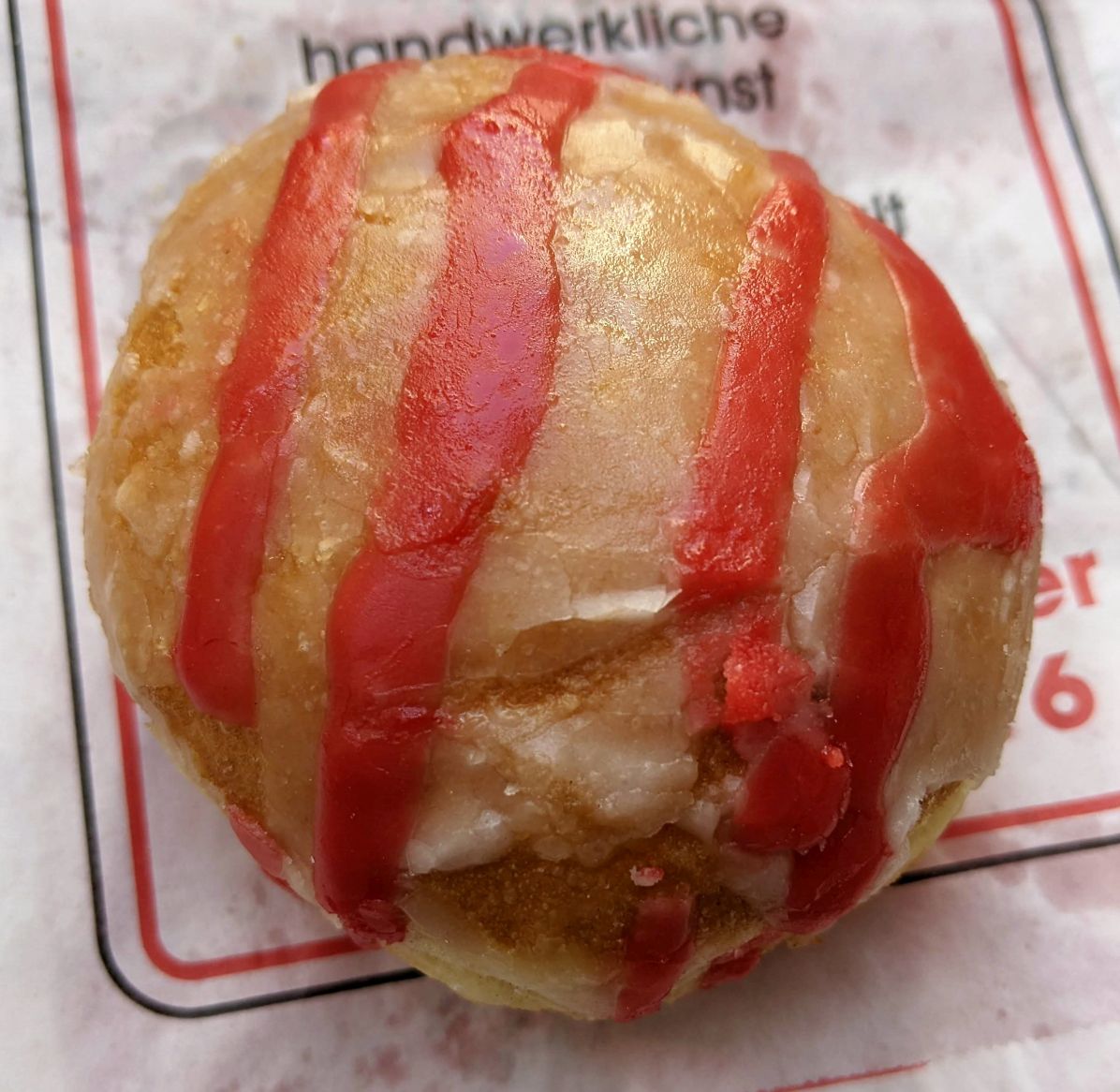
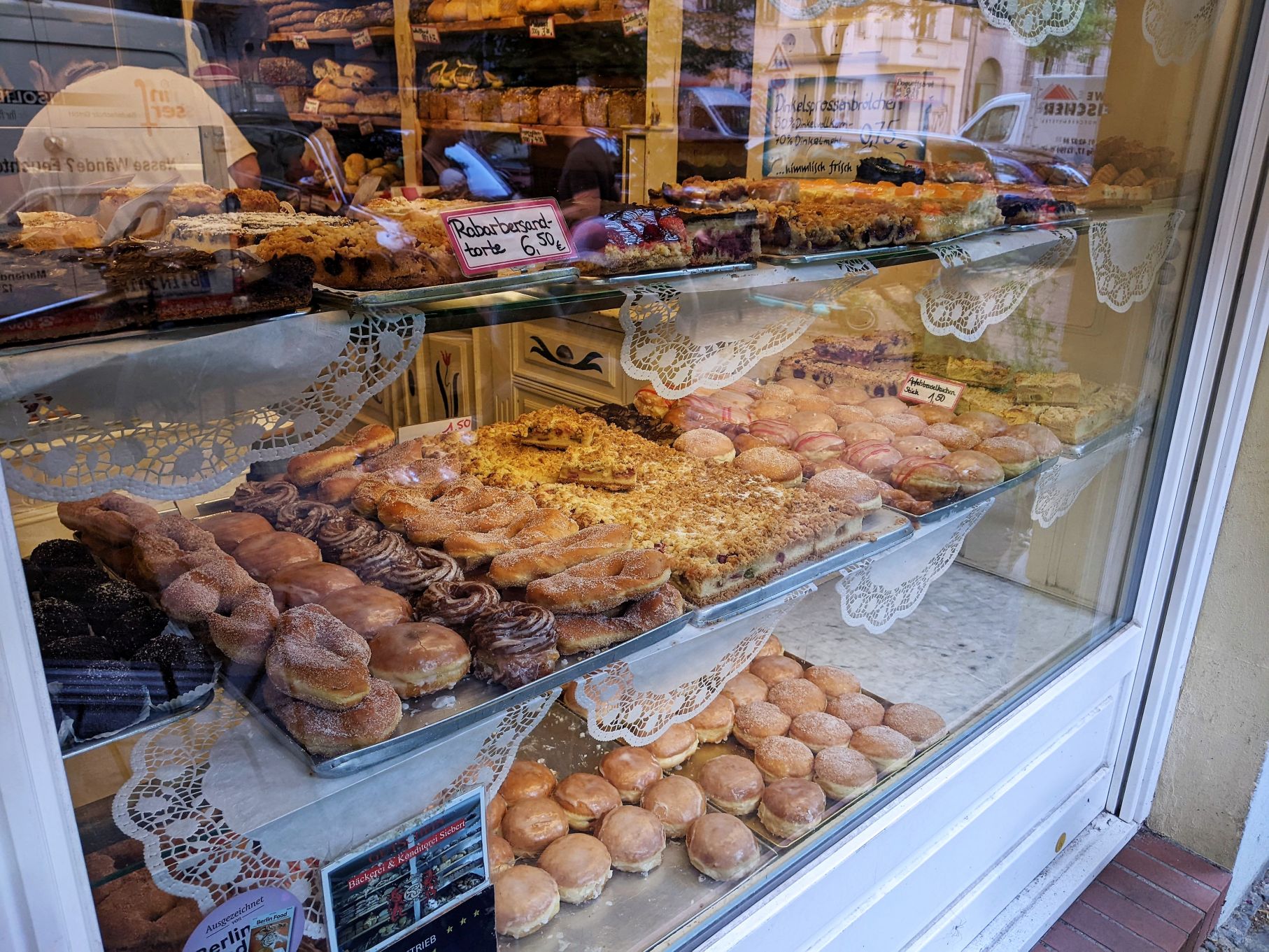
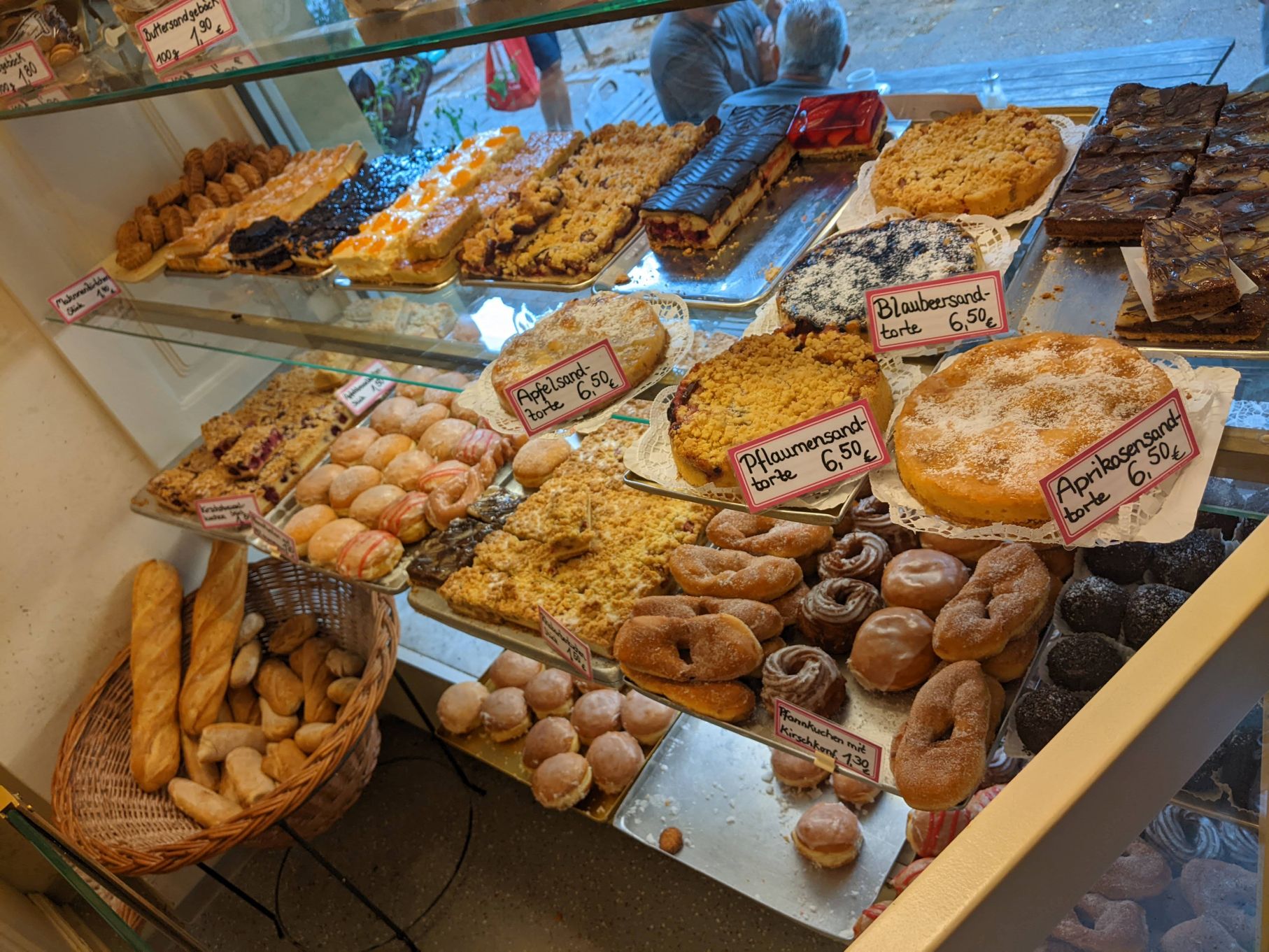
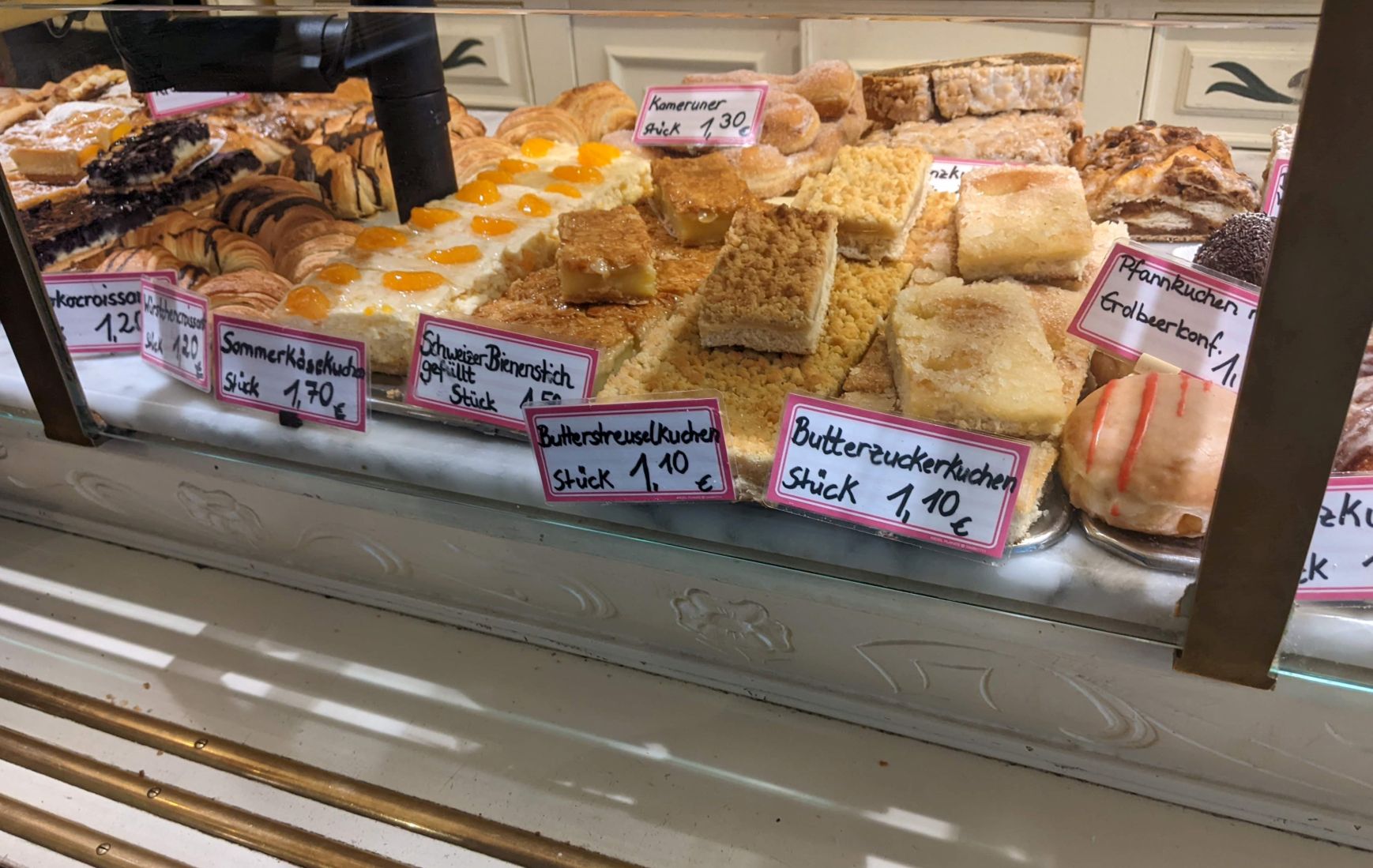
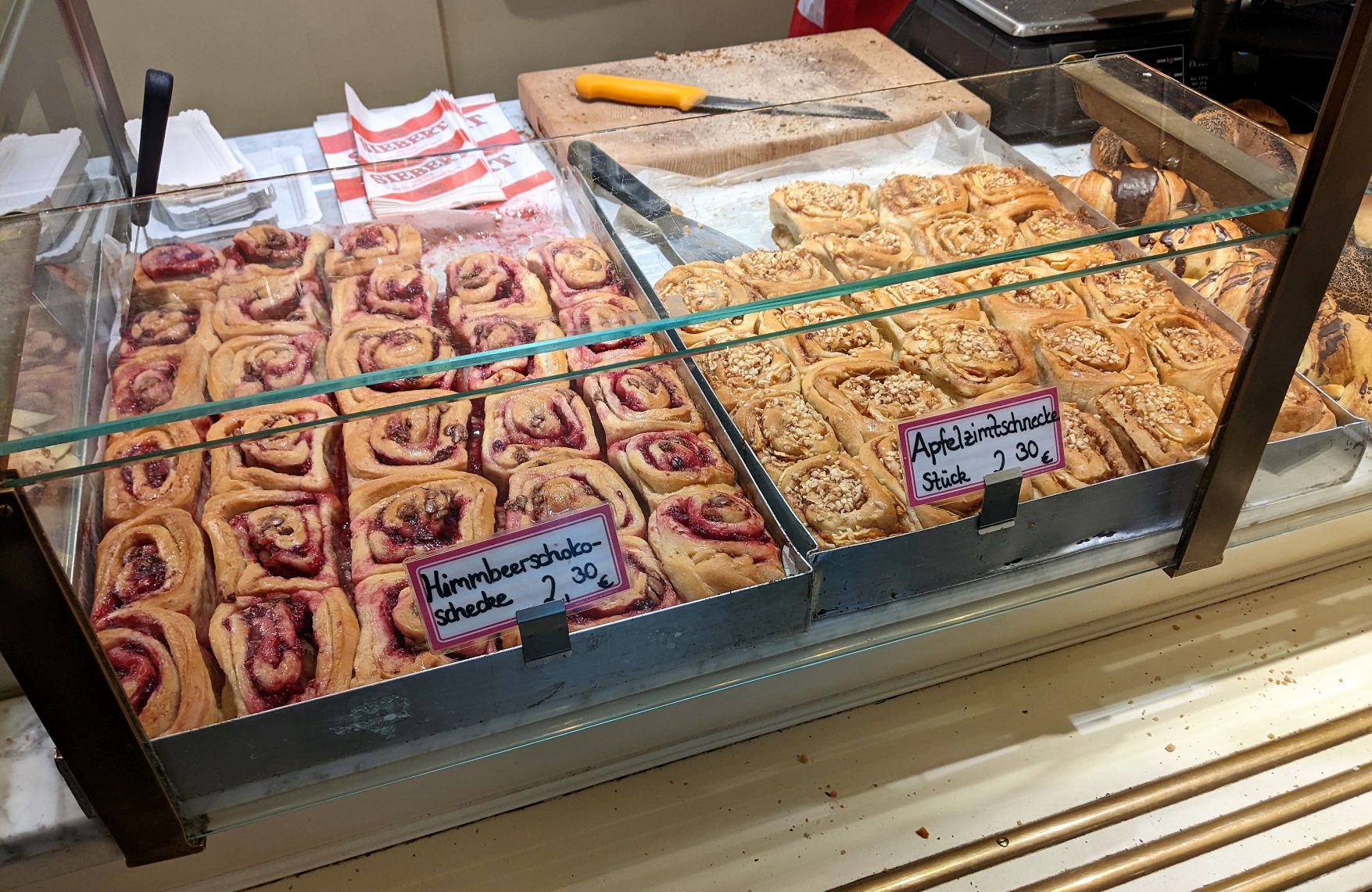
Opened in 1906, the survivor of two World Wars achieving notoriety through the skills of Lars Siebert, it is now under the fifth-generation leadership of Anke Siebert that Bäckerei und Konditorei Siebert remains a destination on Schönfließer Strasse.
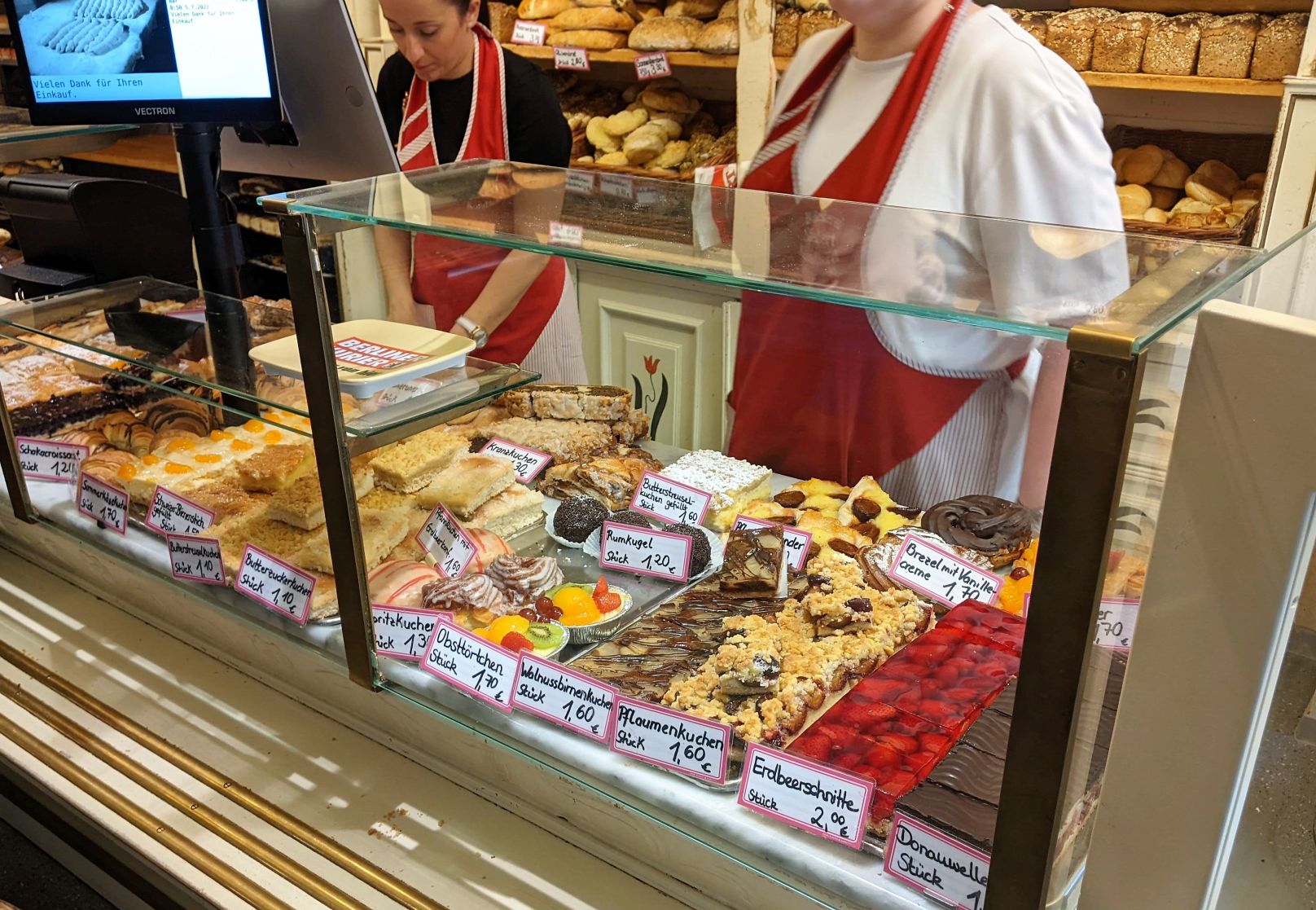
Serving Prenzlauer Berg beginning at 06h15 Tuesday through Saturday, lines generally present for items scratch-baked daily, the variety offered at Siebert ranges far and wide with Pastries dominating early hours while Sandwiches start to sell briskly prior to noon.
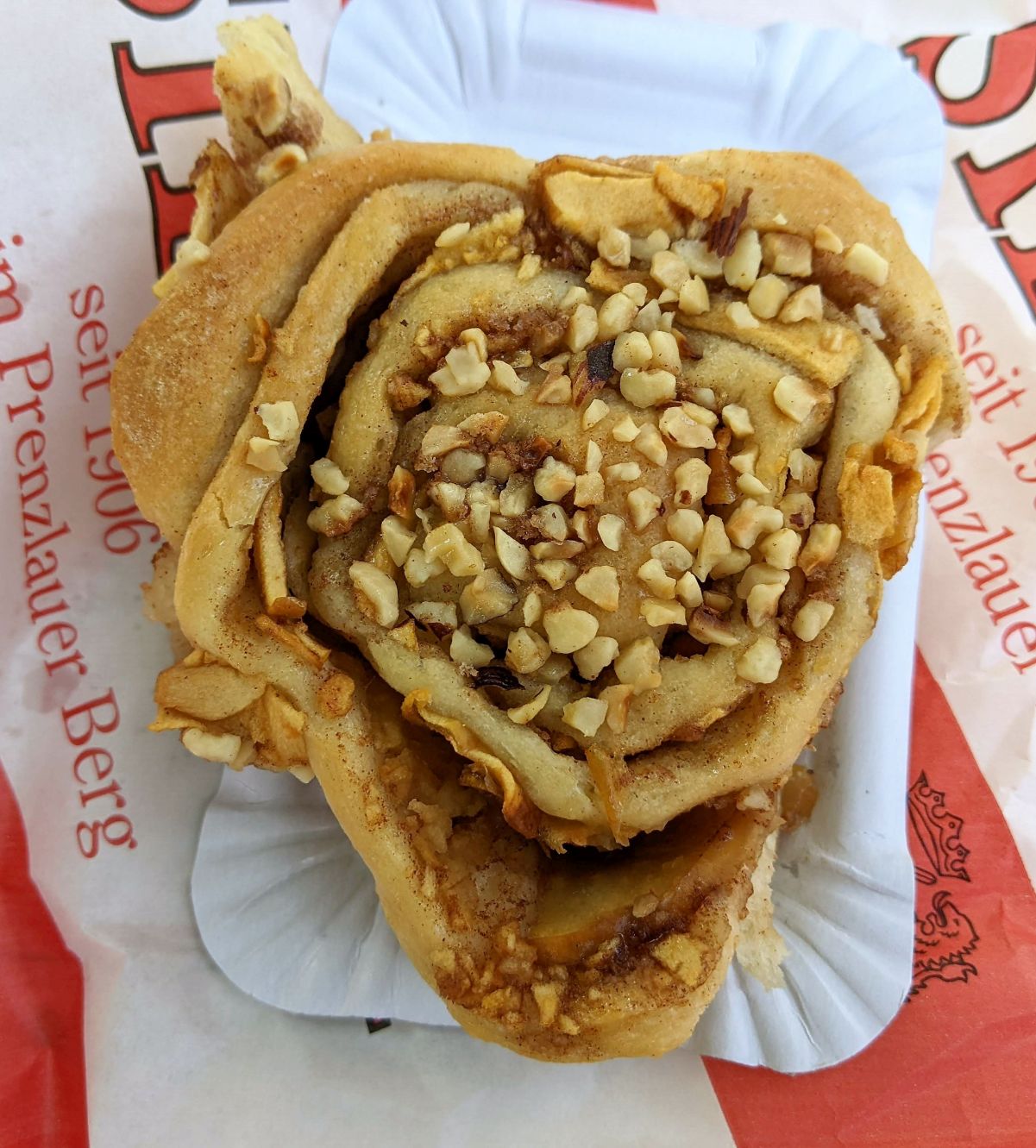
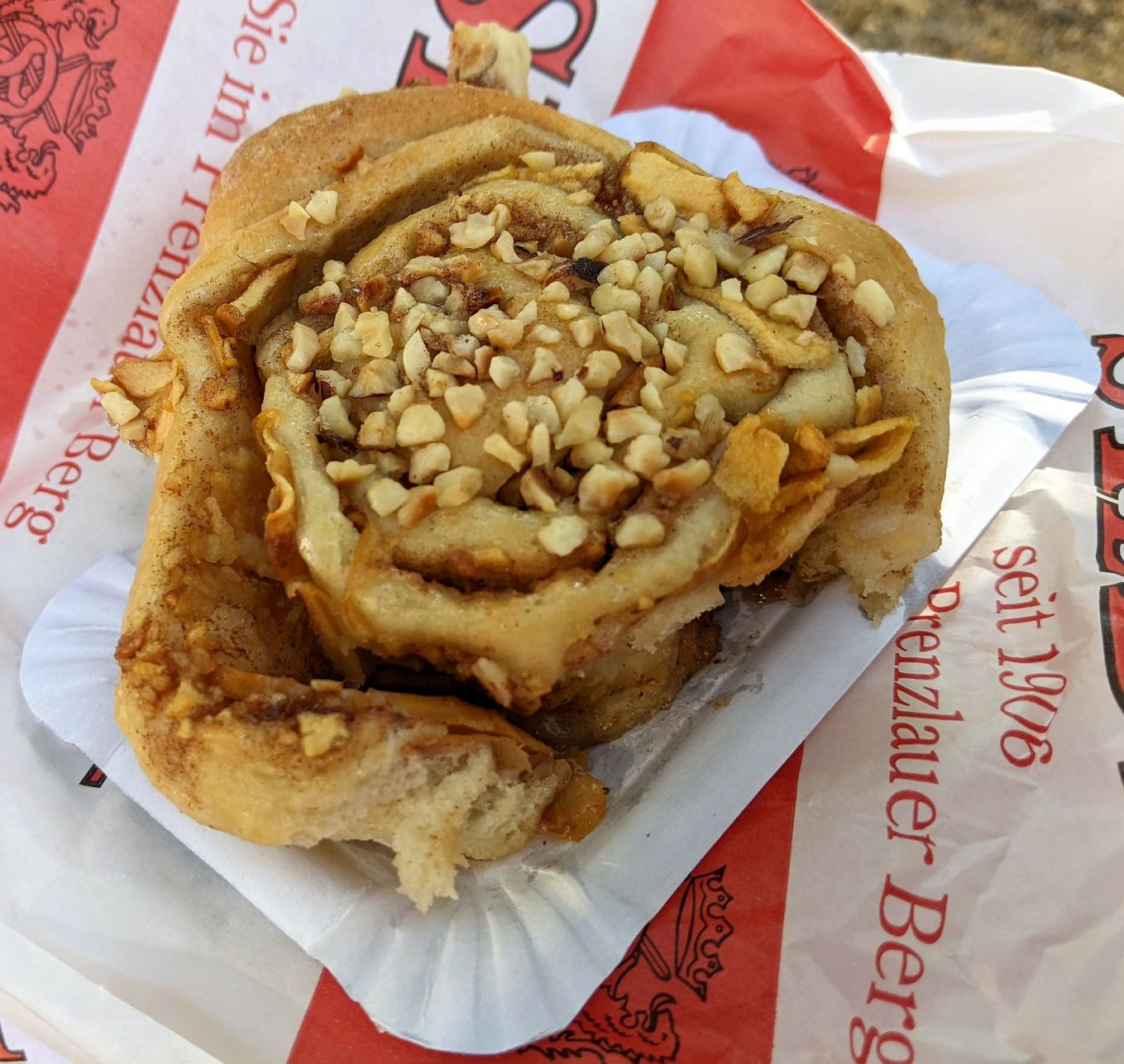
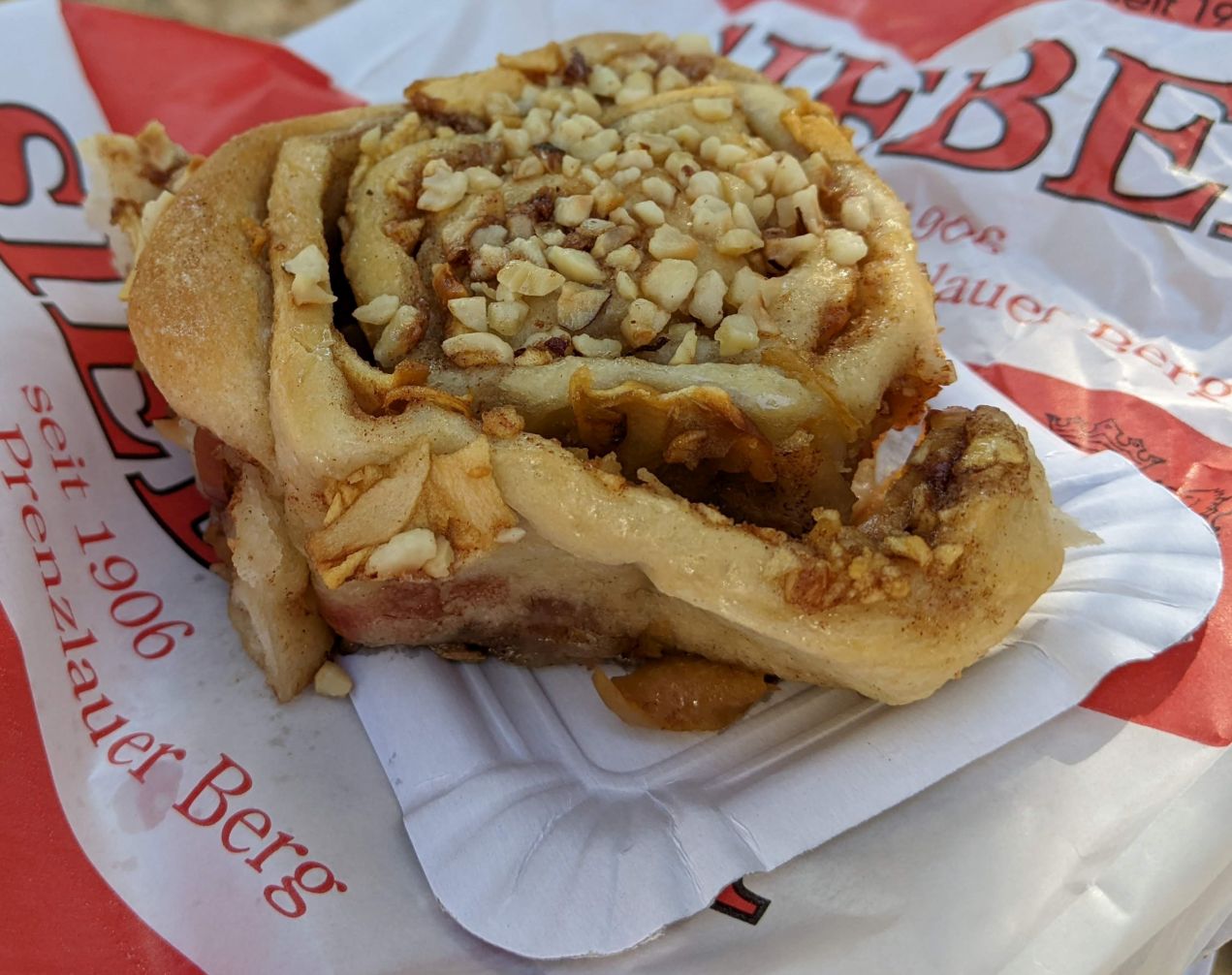
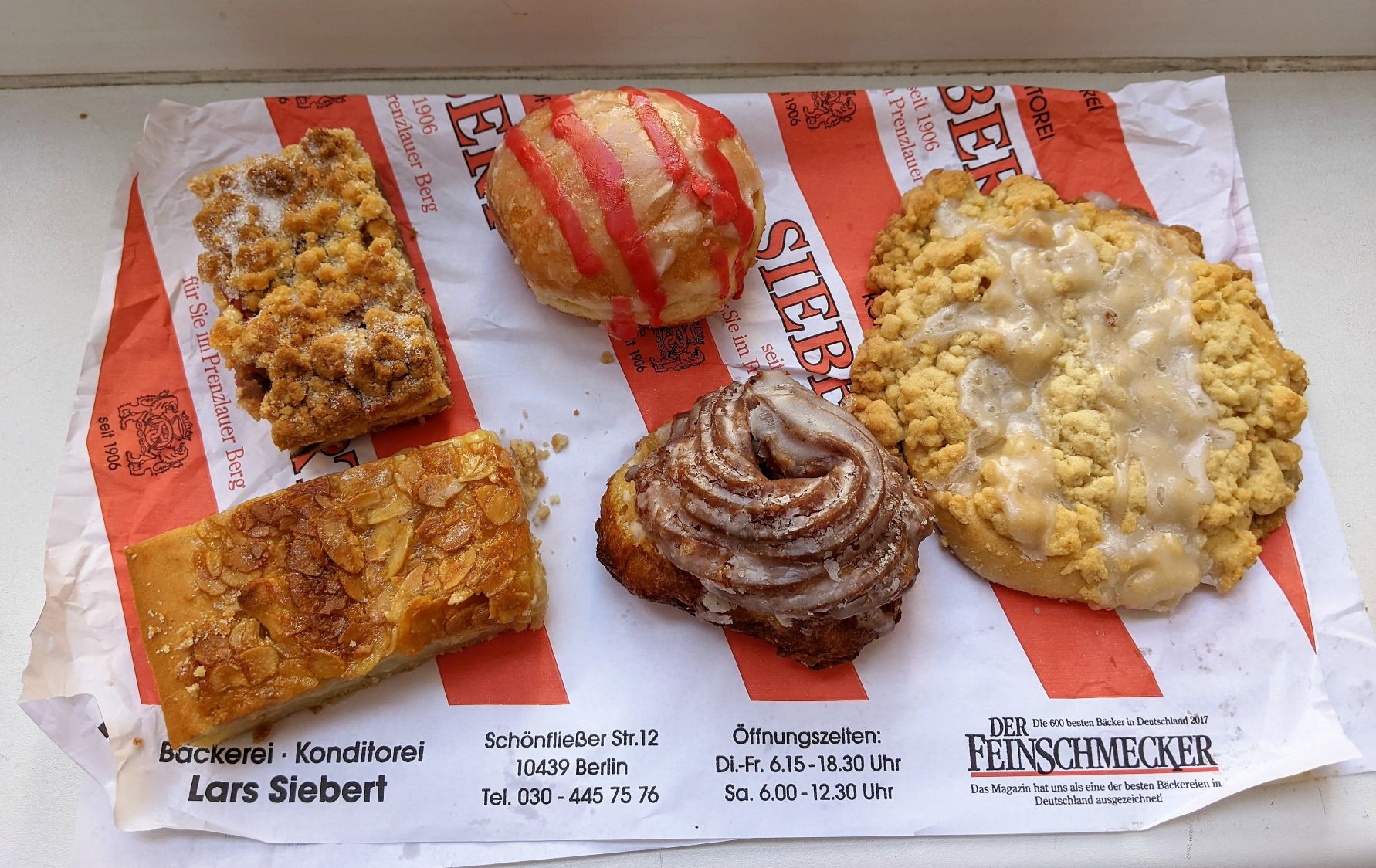
Rooted in classics, Berliners featuring various Jams including classic Plum Pfannkuchen weighty with filling inside an airy pocket, early arrivals should not miss Cinnamon Rolls loaded with Apples nor Cruller-like Spritzkuchen heavily topped with Glaze.
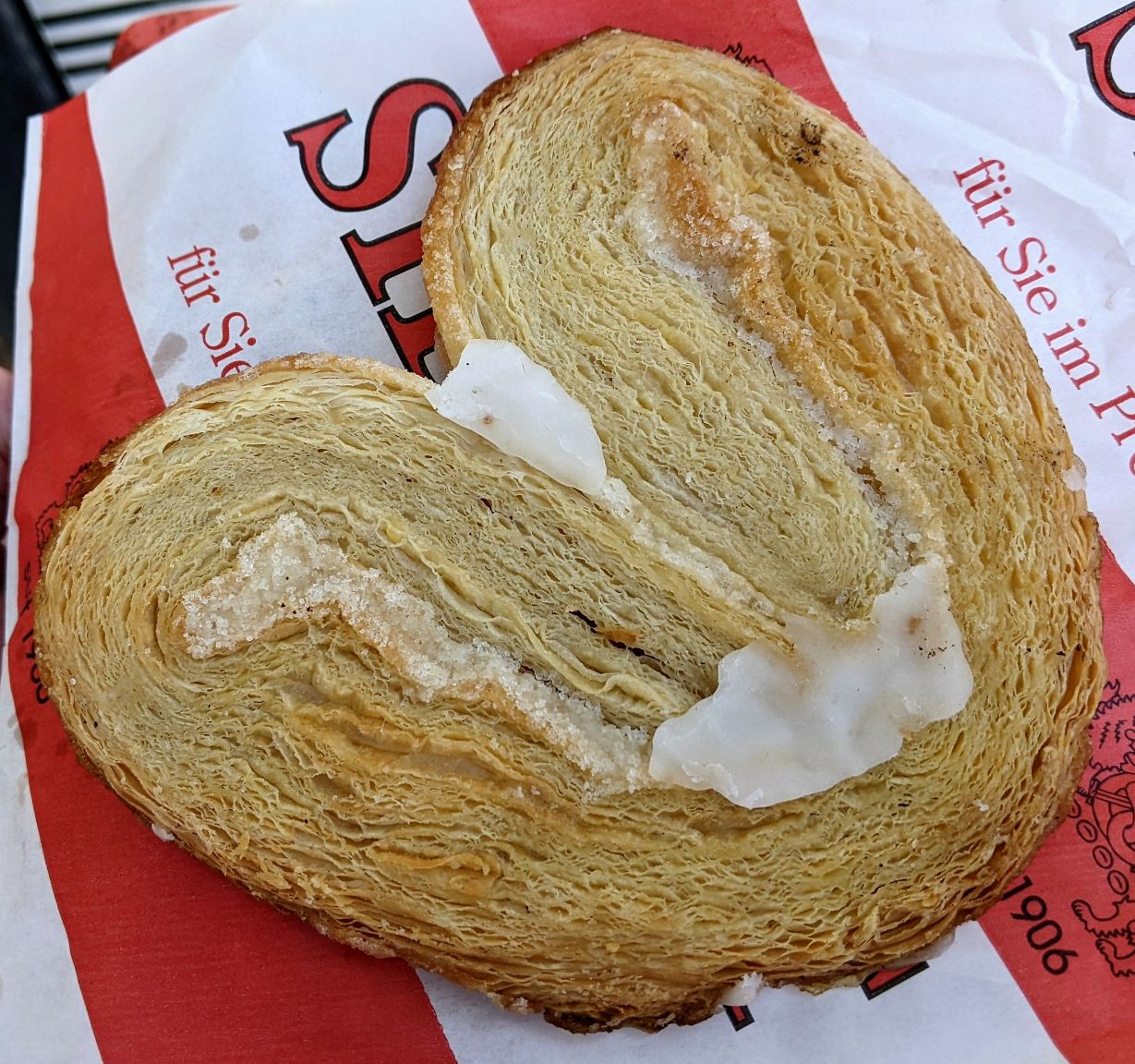
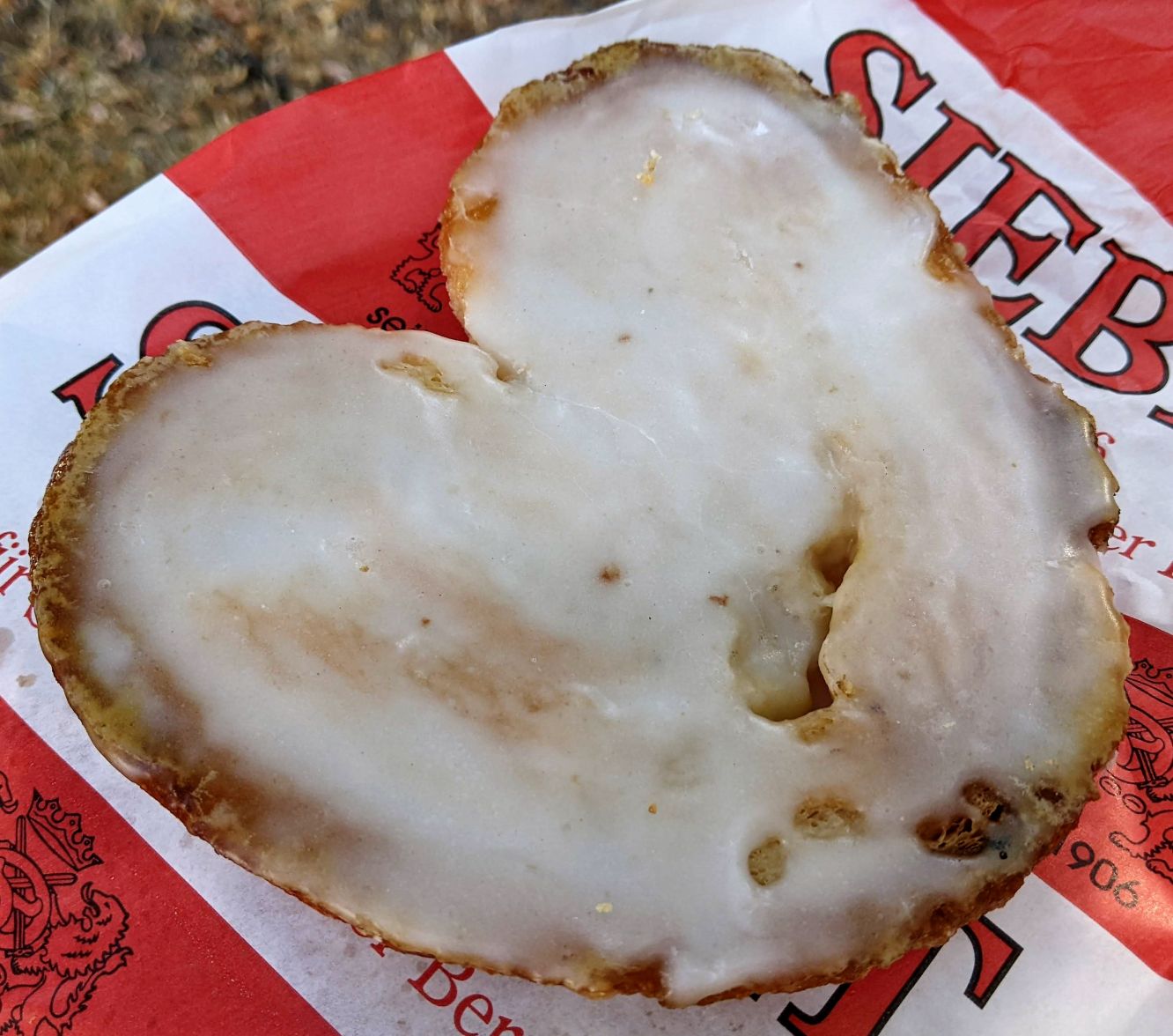
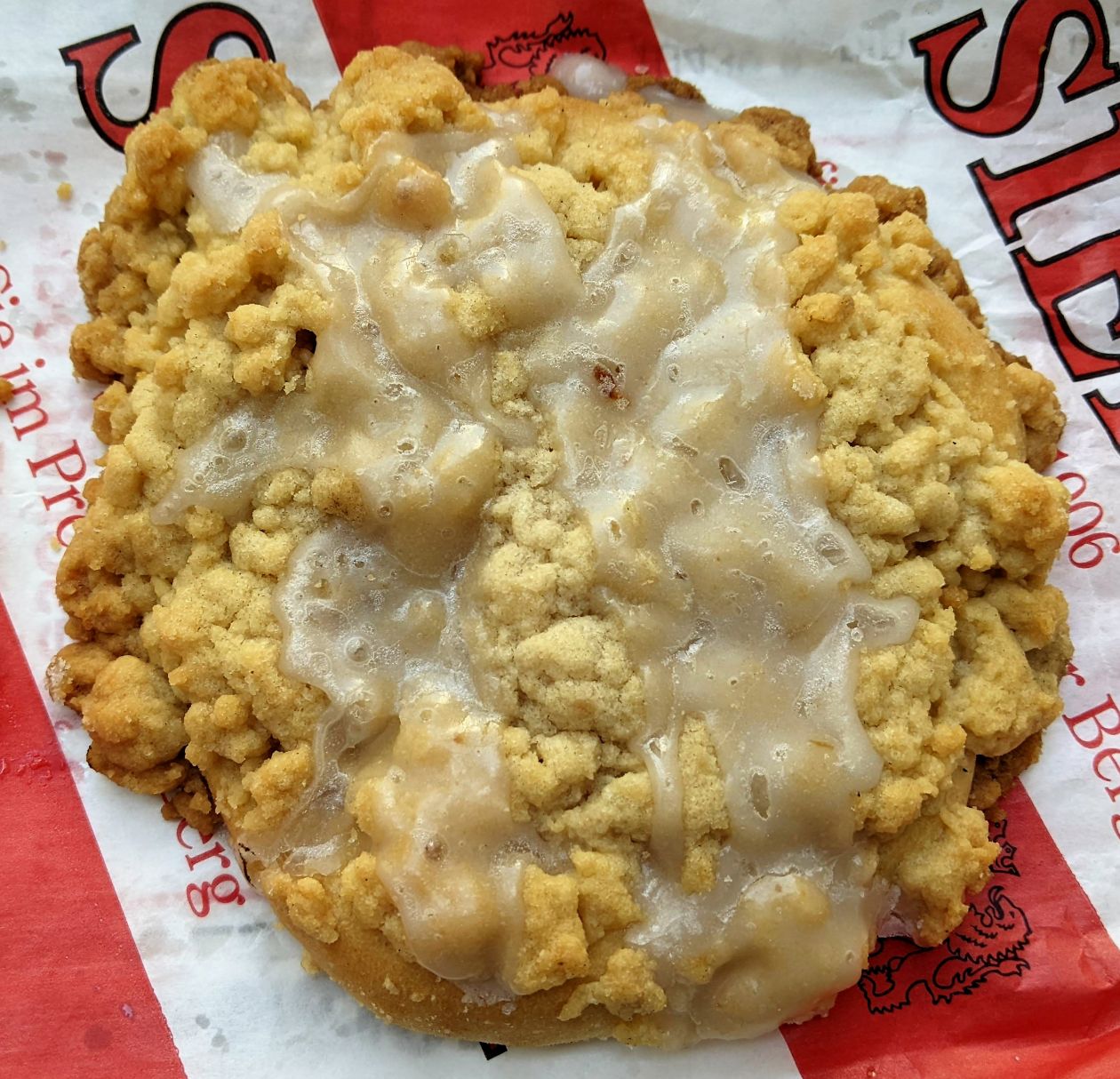
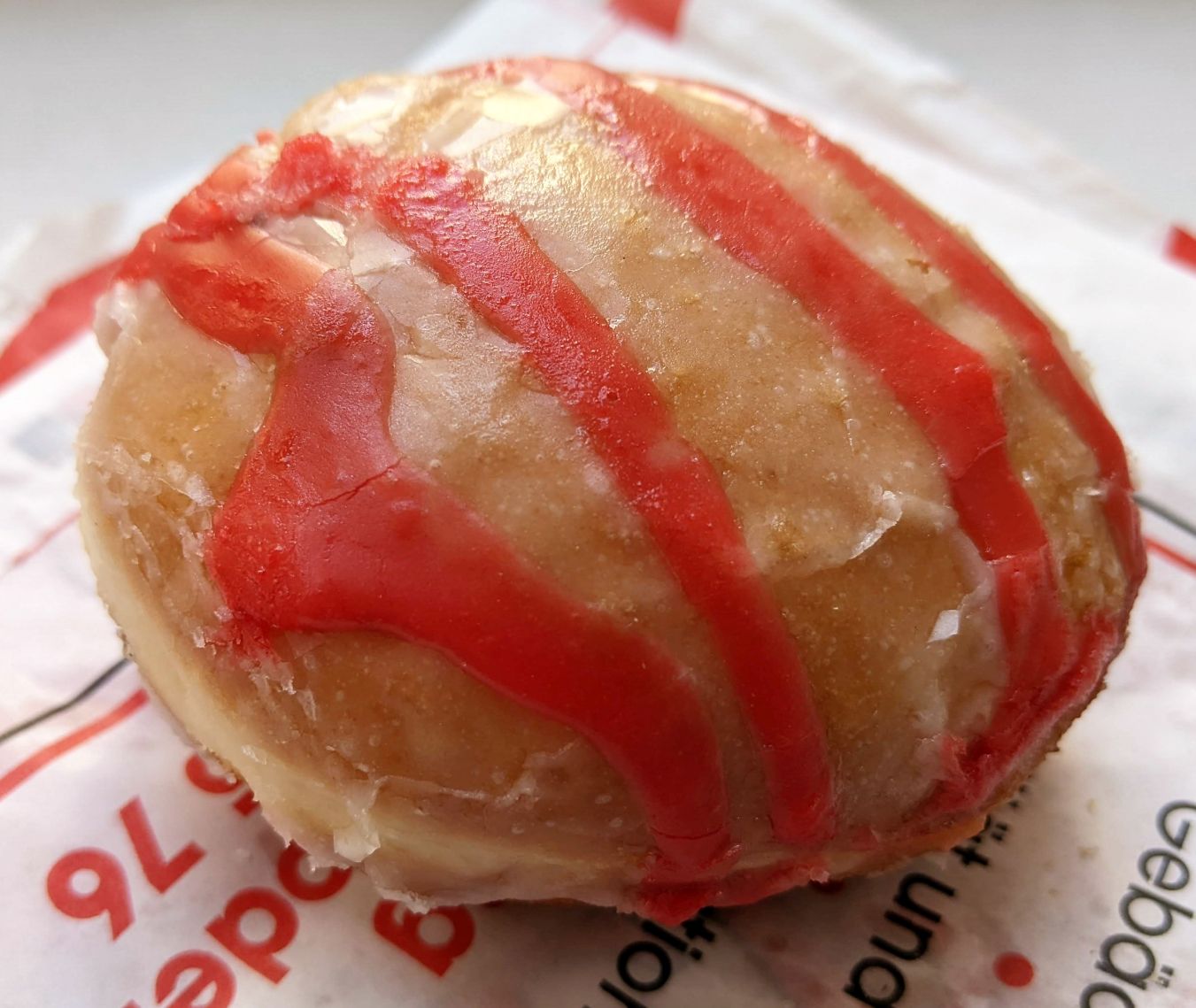
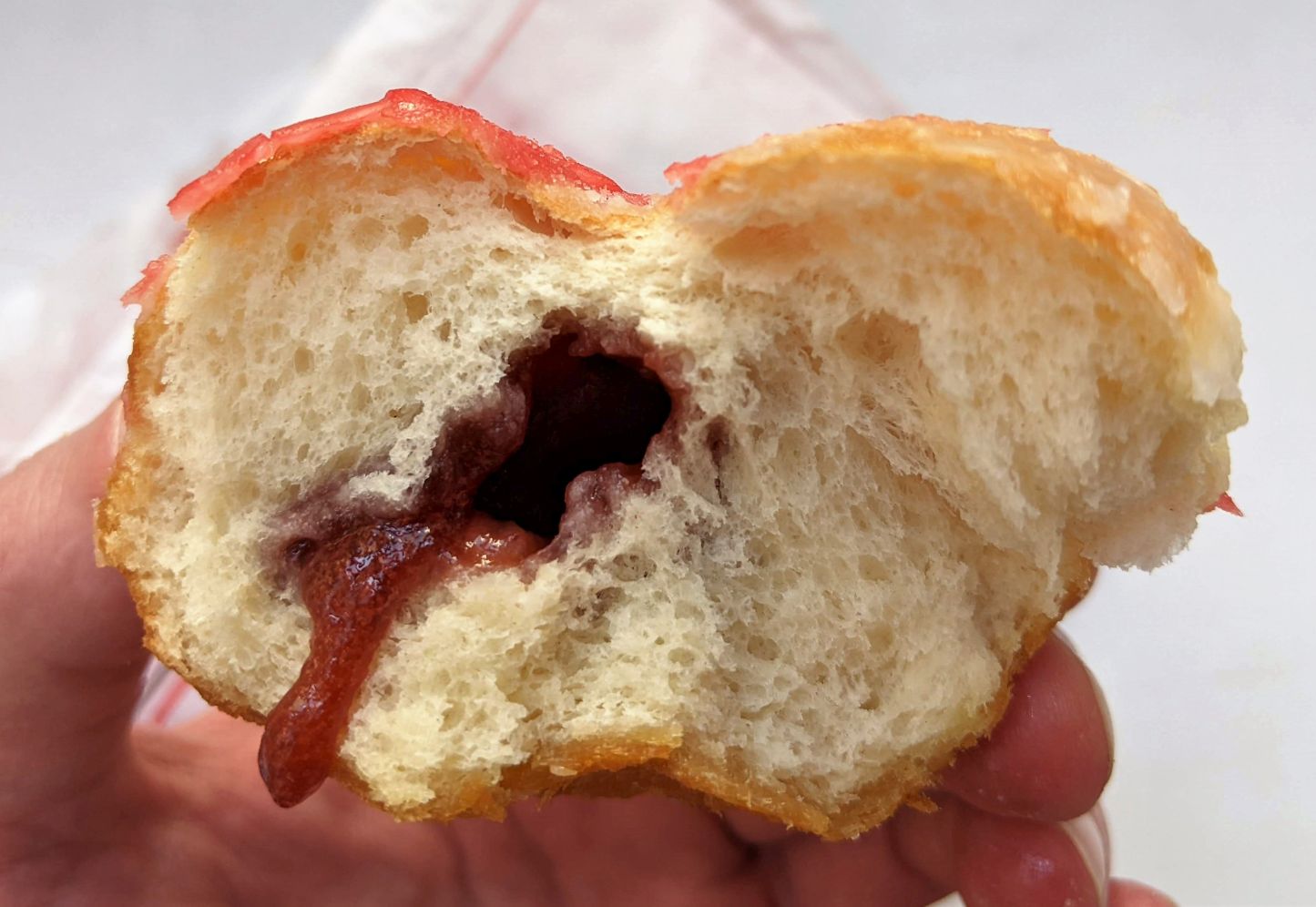
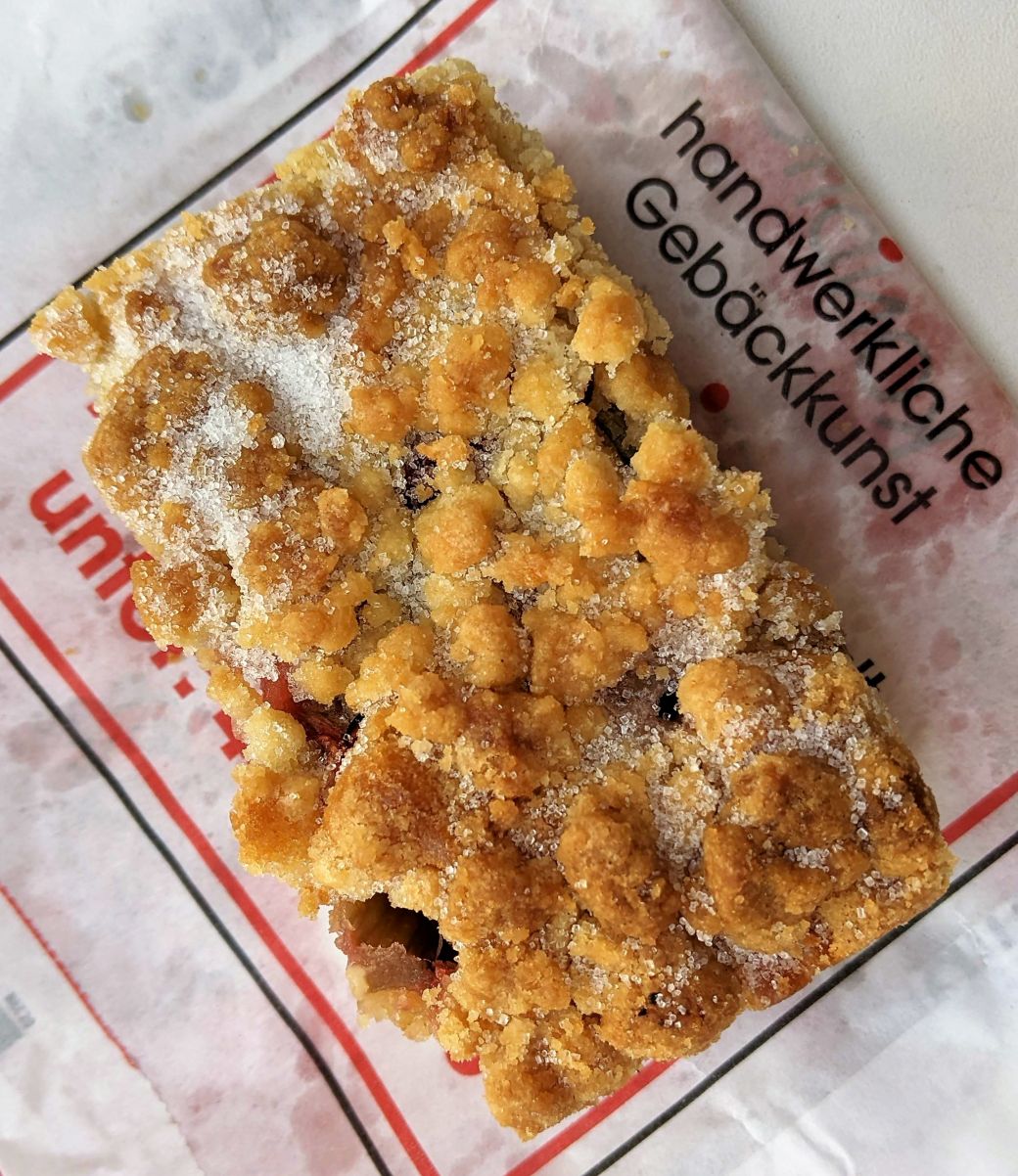
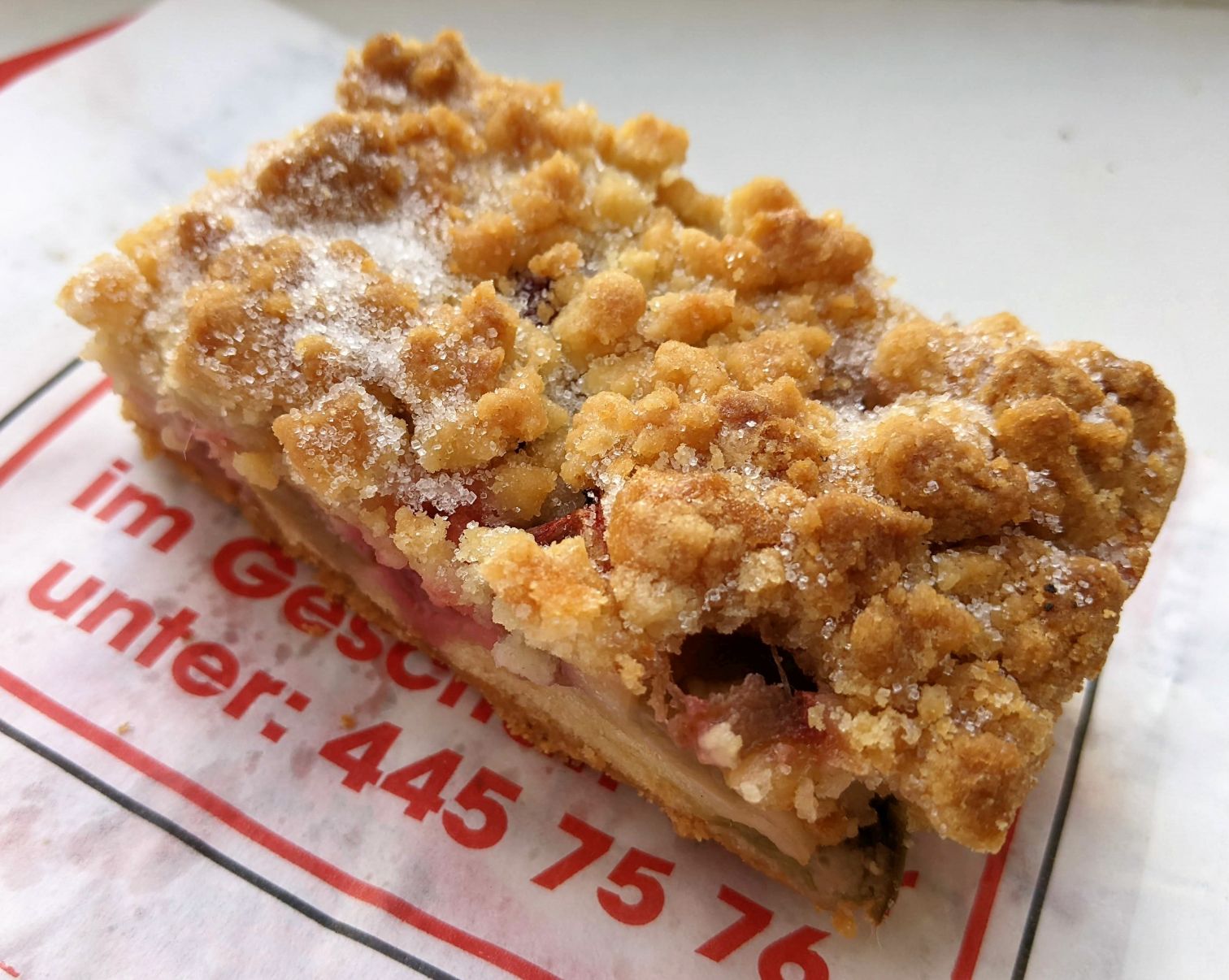
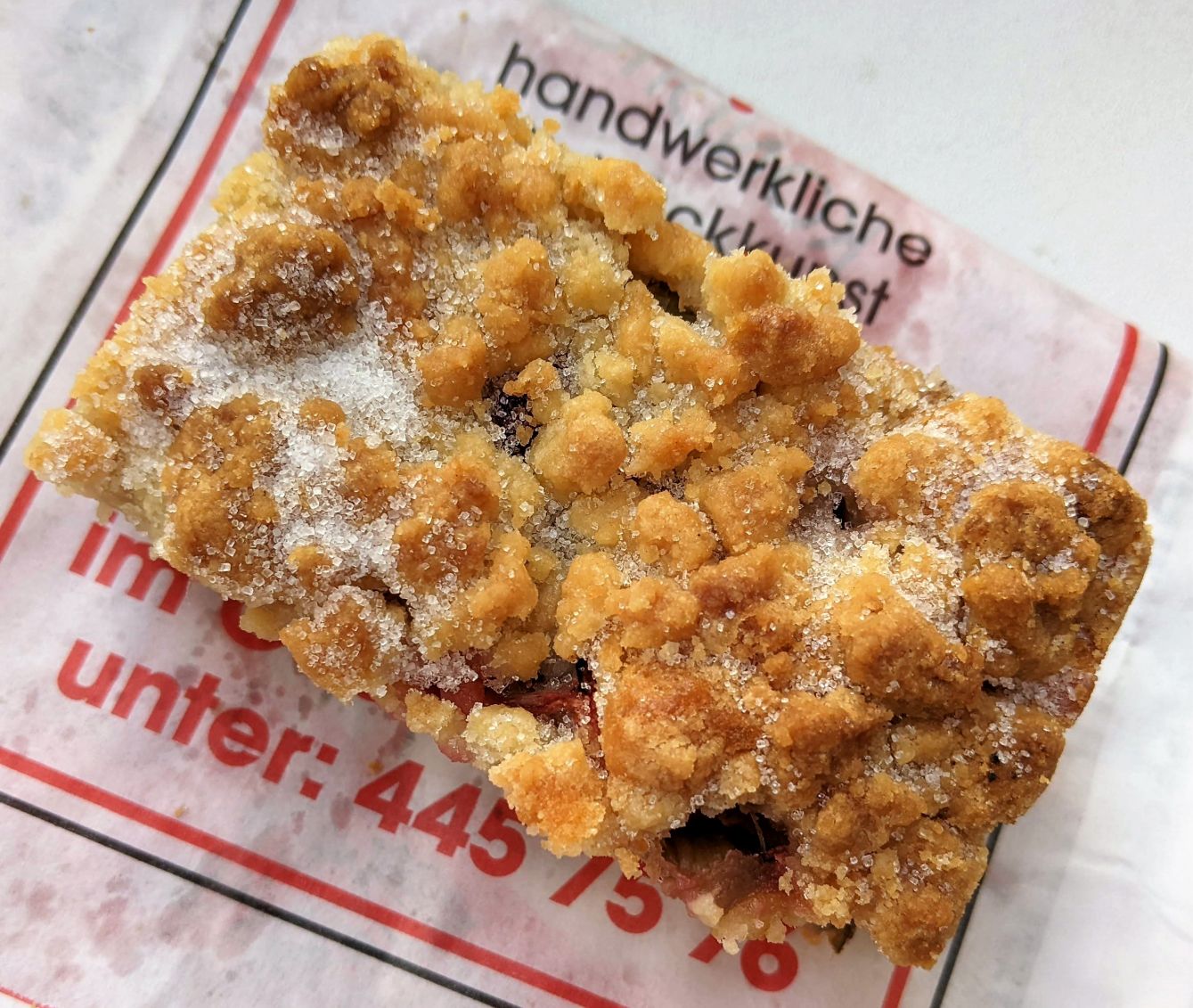
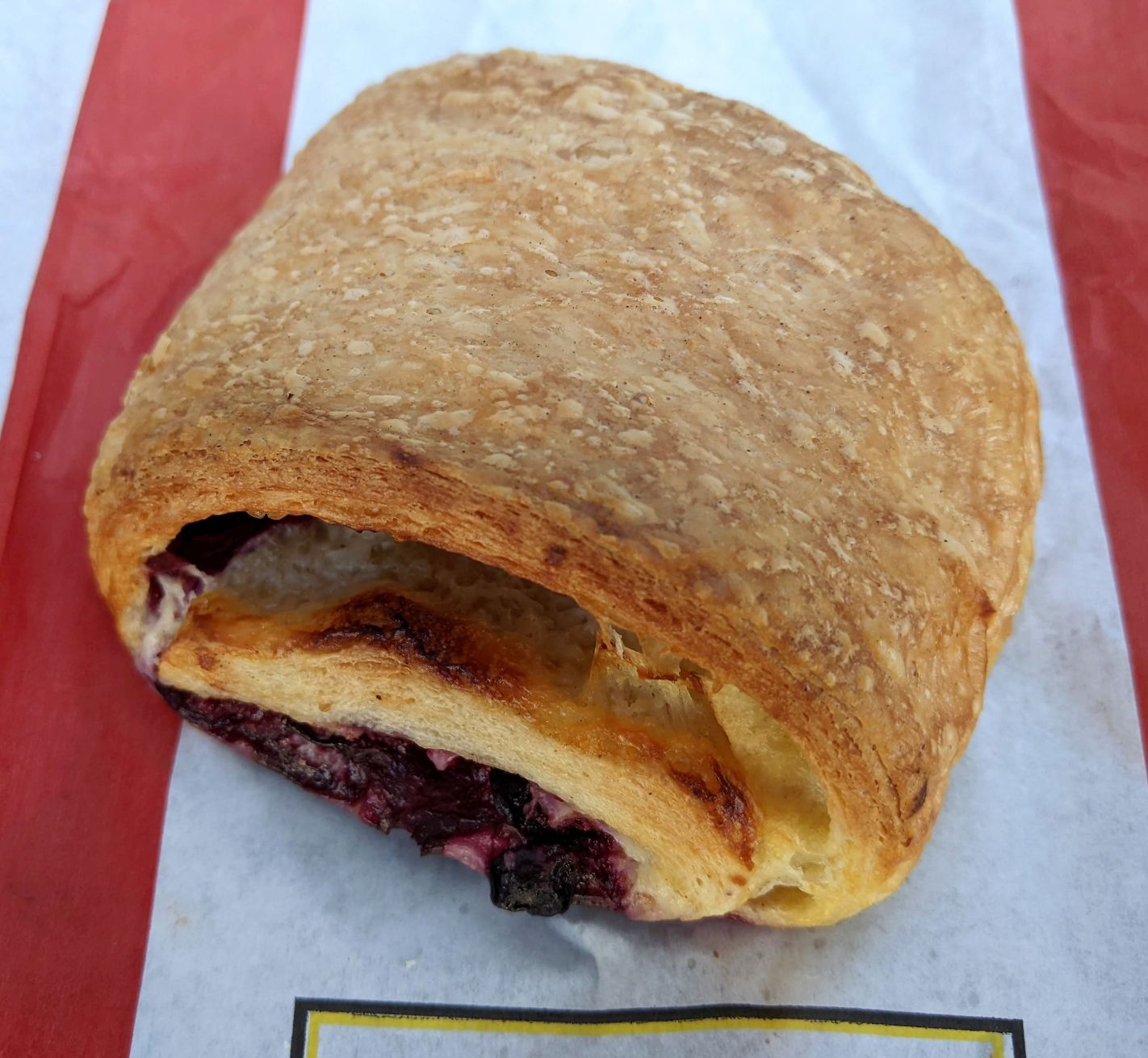
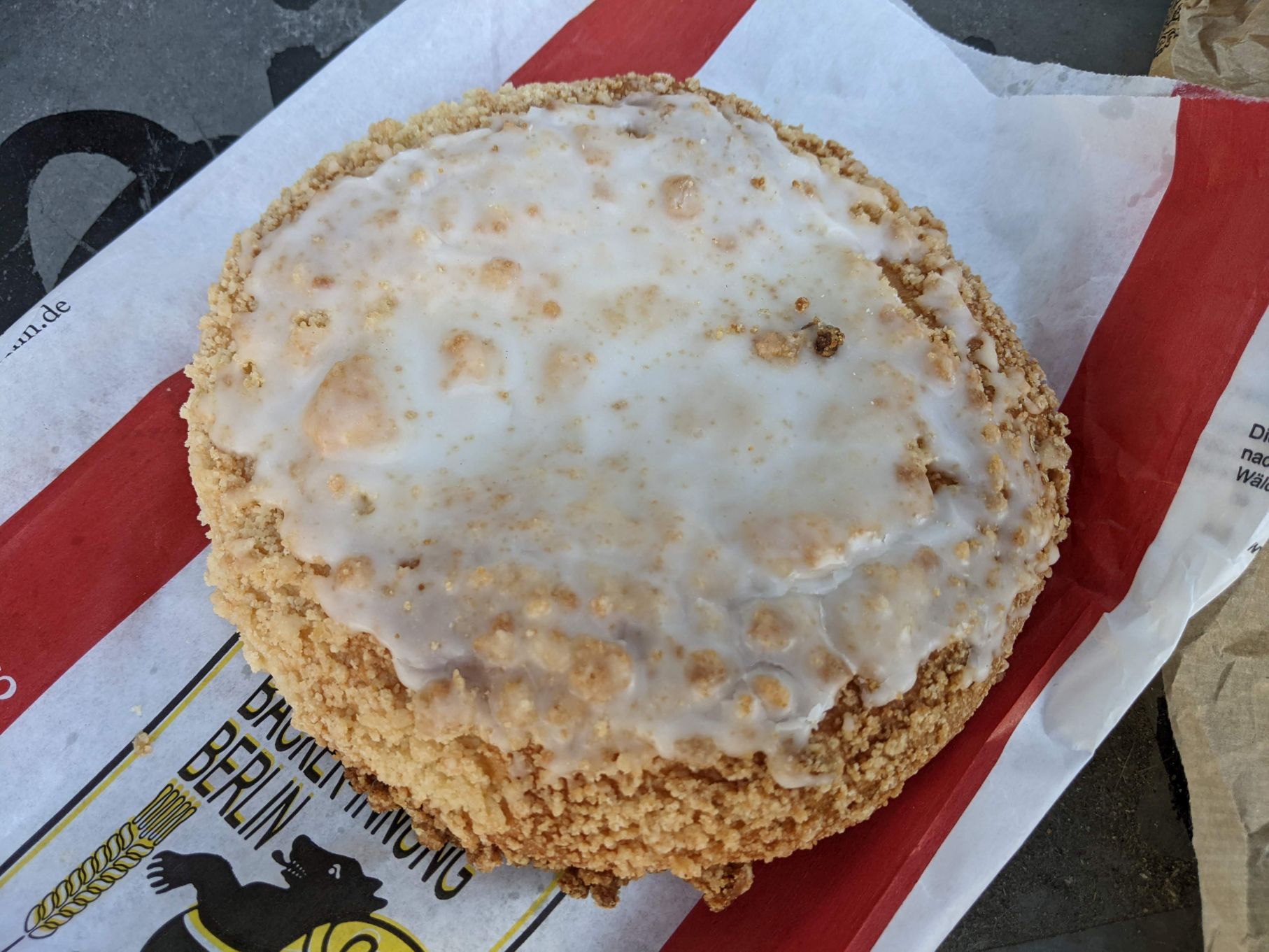
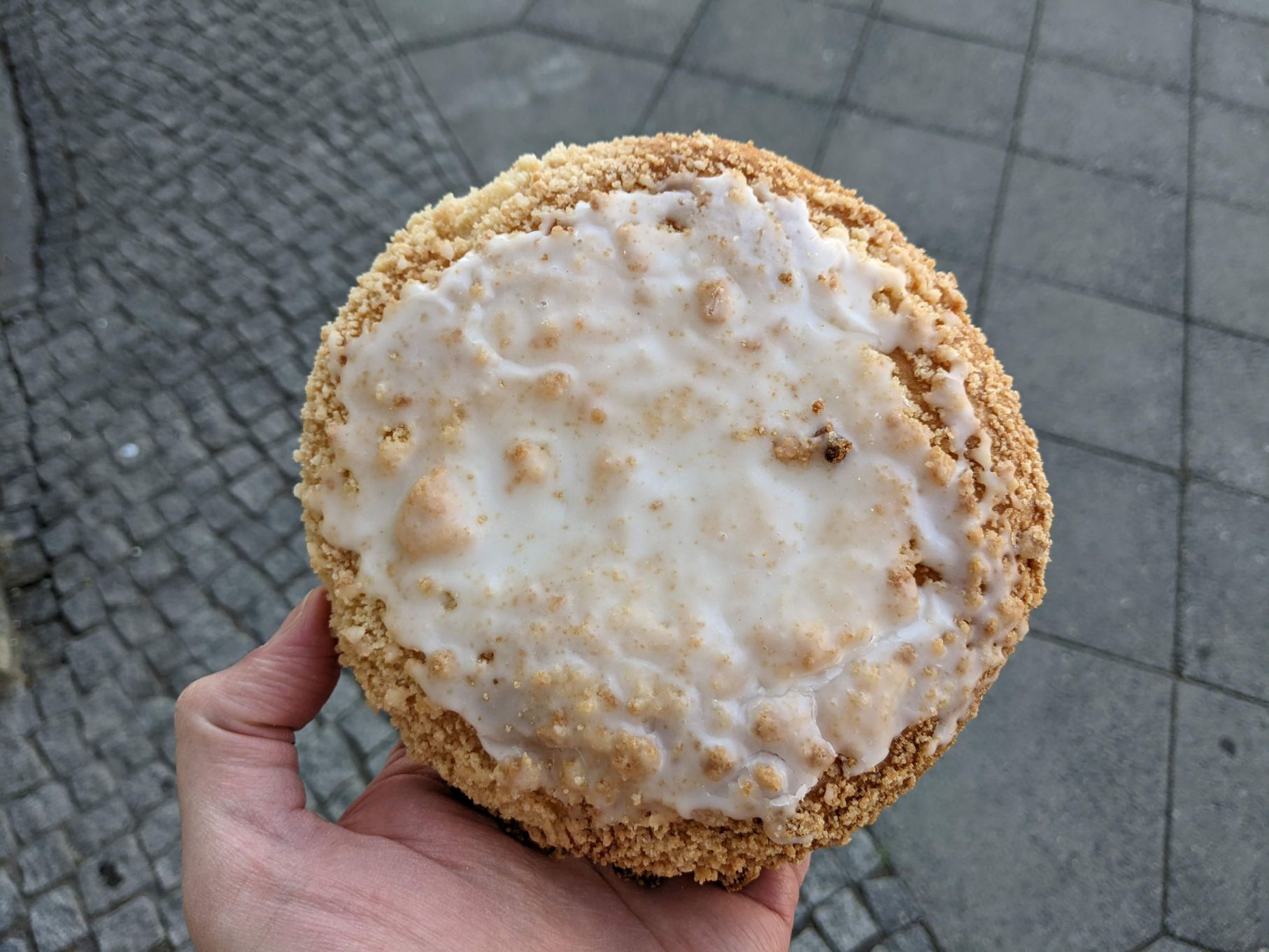
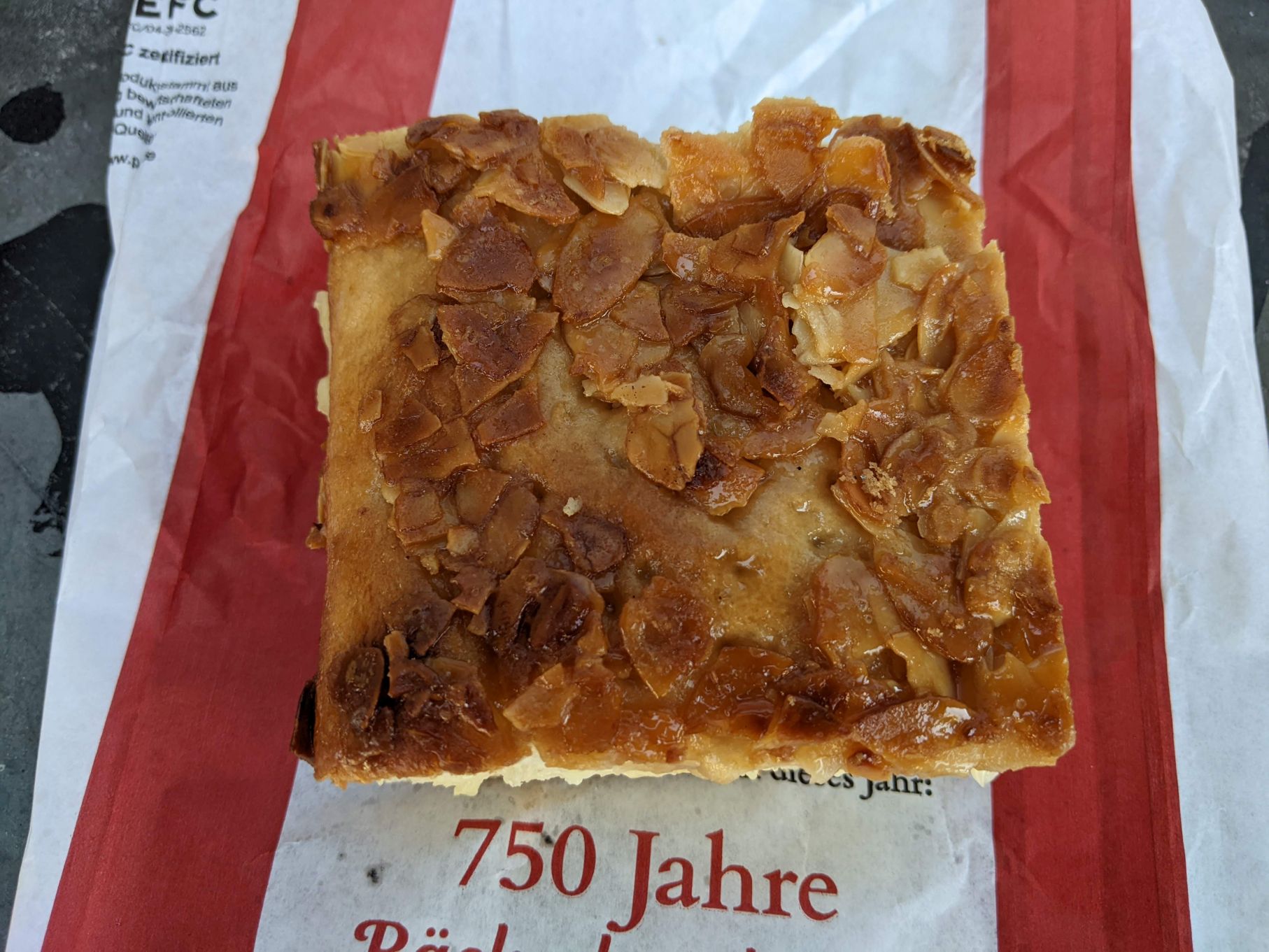
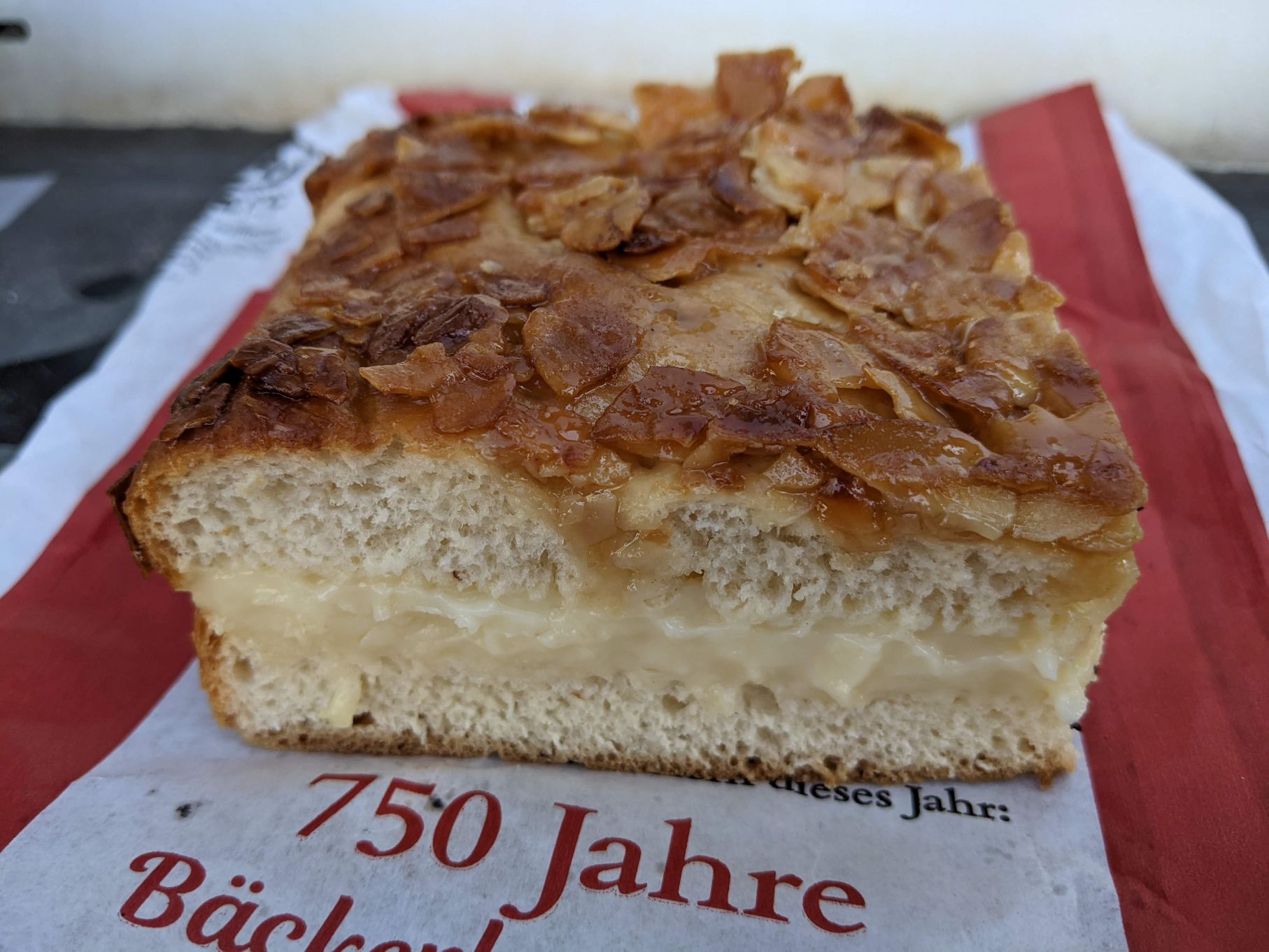
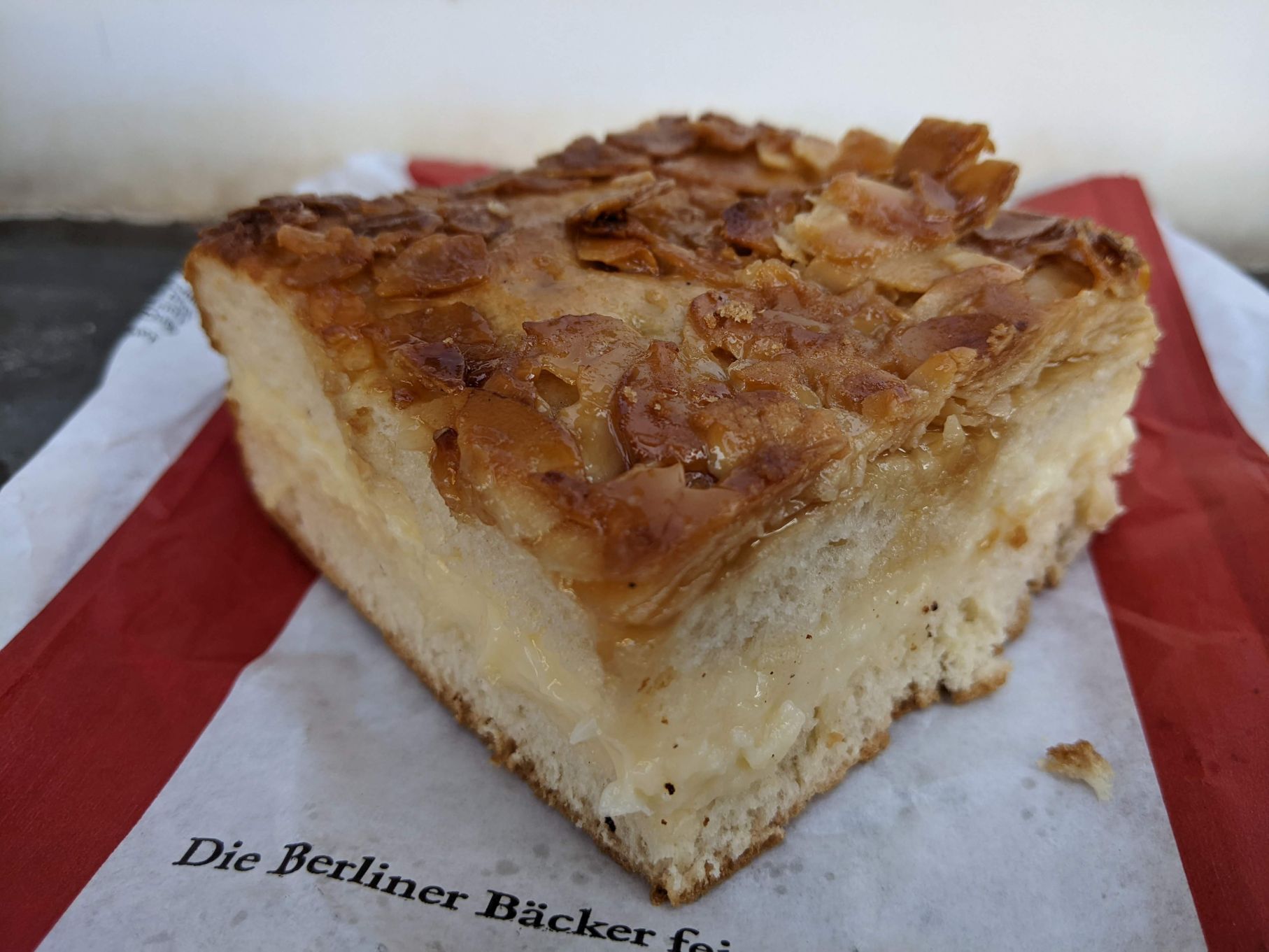
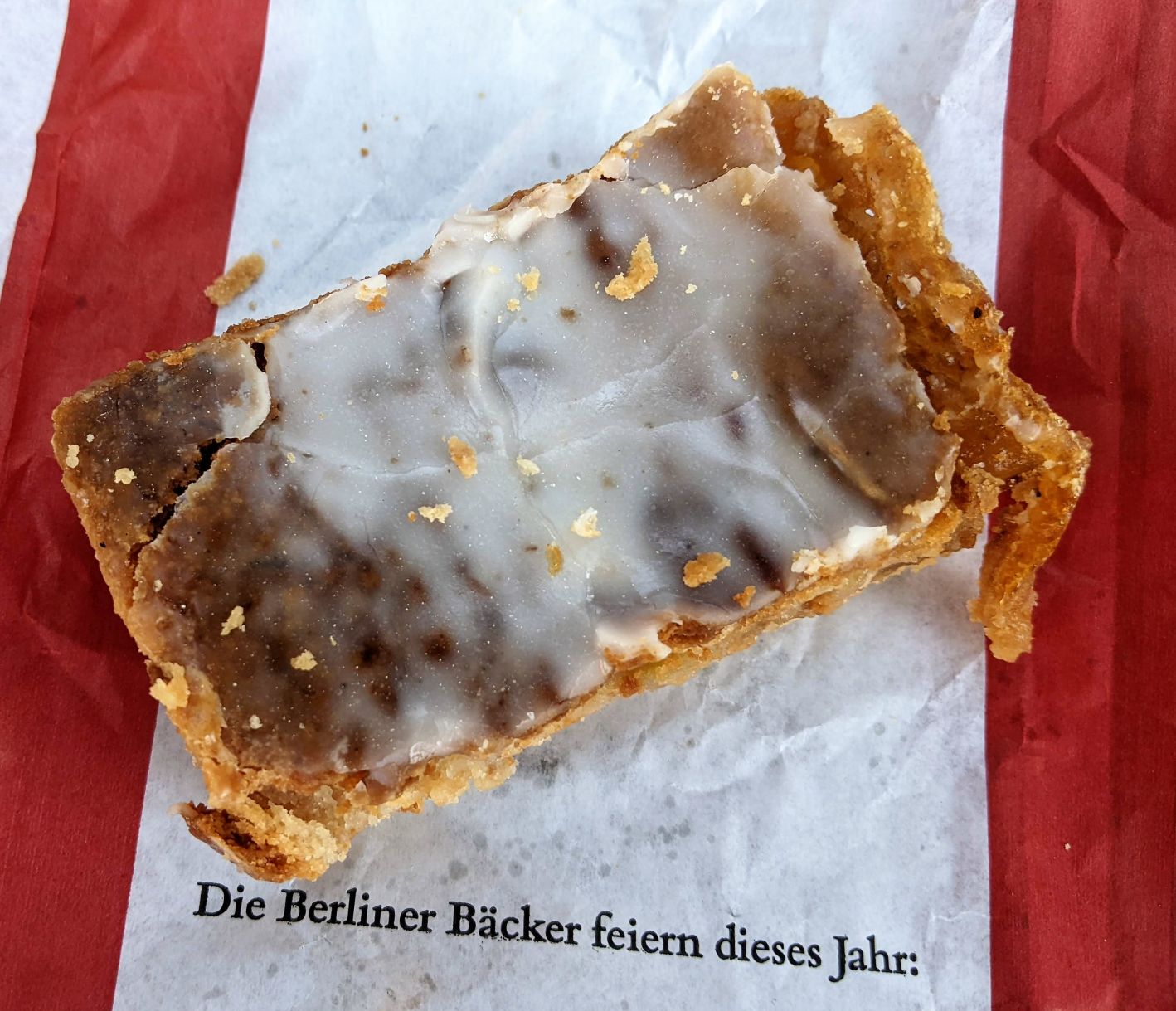
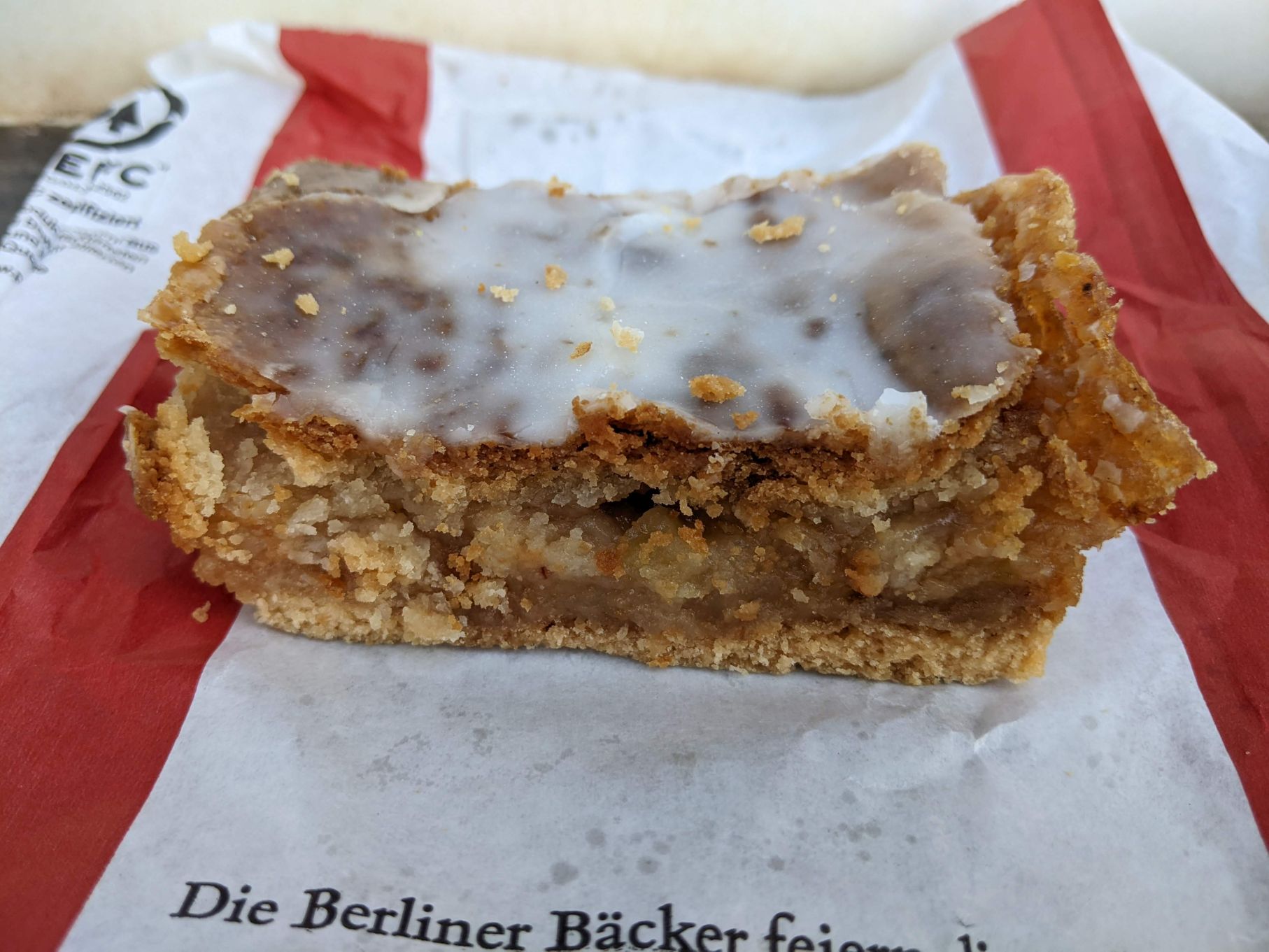
Equally liberal with Sugar atop Schweineohren, a Palmier or Oreja elsewhere, Siebert’s Streuselschnecke and Bienenstich each outperform those offered at Backerei Kadtler while seasonal Rhubarb Cake finds the Vegetable’s assertive flavor well-balanced by lightly-sweetened Sponge and Streusel.
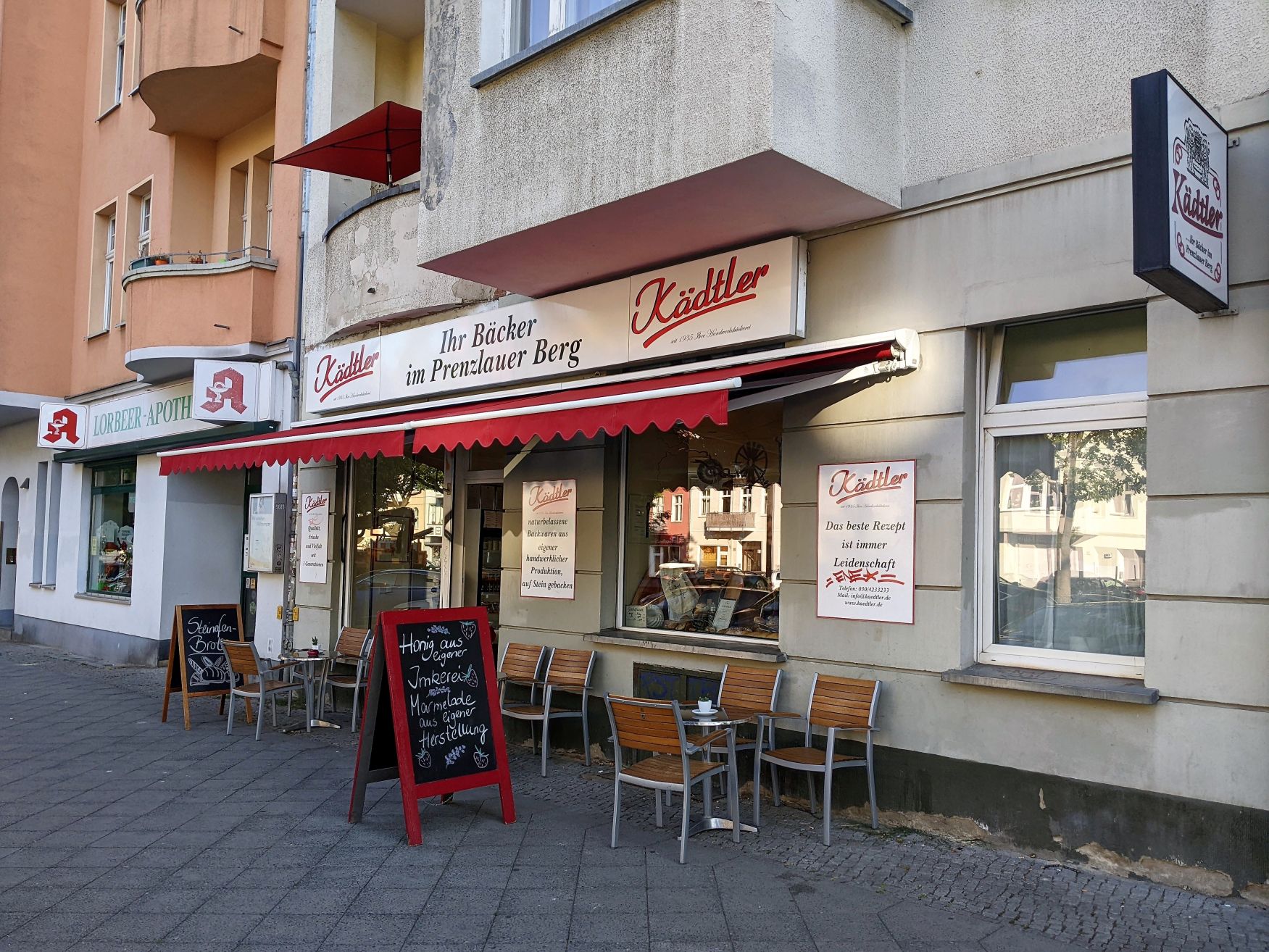
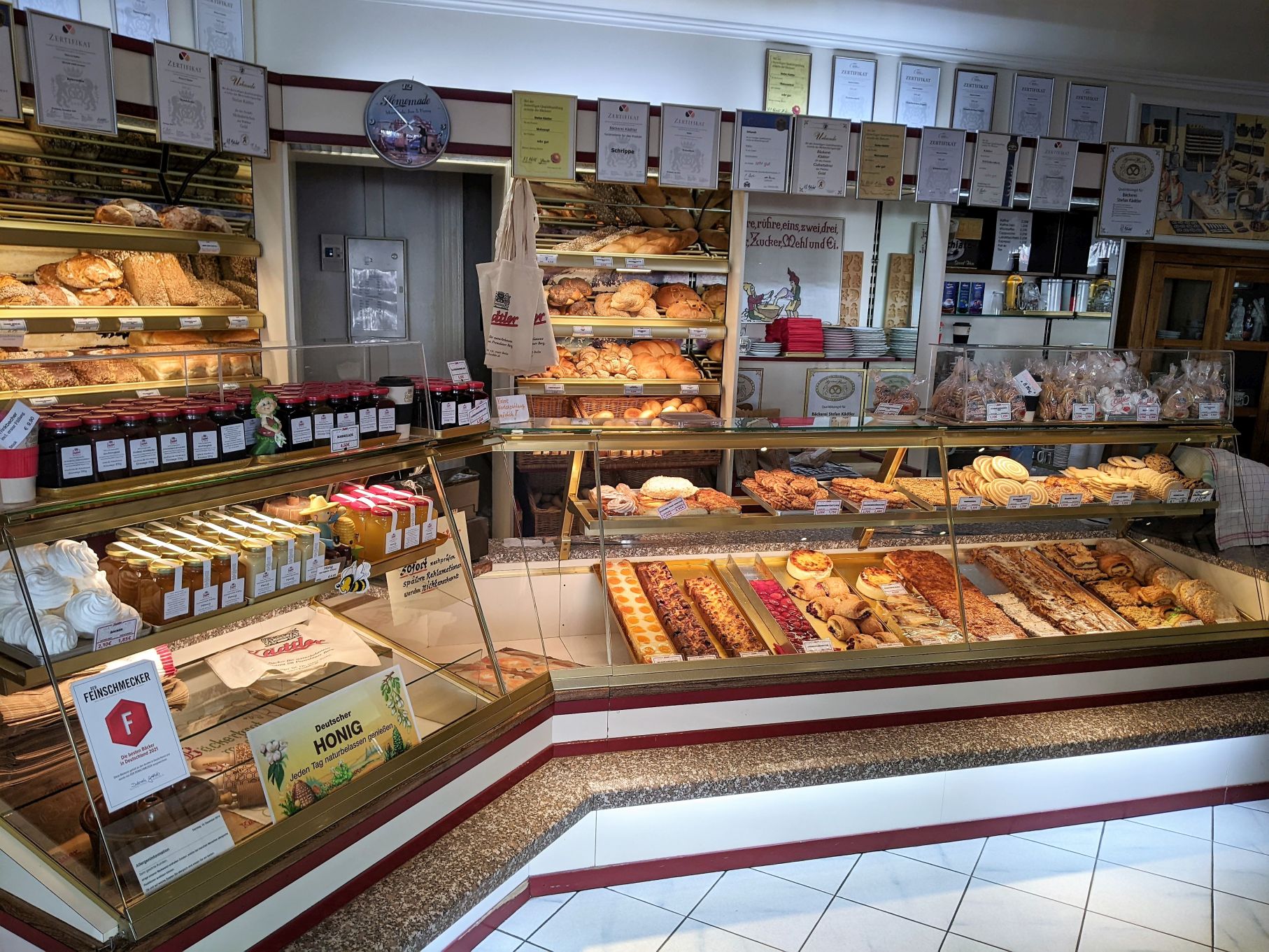
Located at Danziger Strasse 135 in Prenzlauer Berg Backerei Kadtler has earned notoriety as a kosher bakery, all Flour pregelatinized and several items lacking Dairy with everything certified by the Rabbi of Berlin.
Serving the community since 2004, hours from 06h00 until 18h30 on weekdays often finding popular items sold out early, guests can expect quick service from staff that does not speak English but manages to do their best describing Pastries anyways.
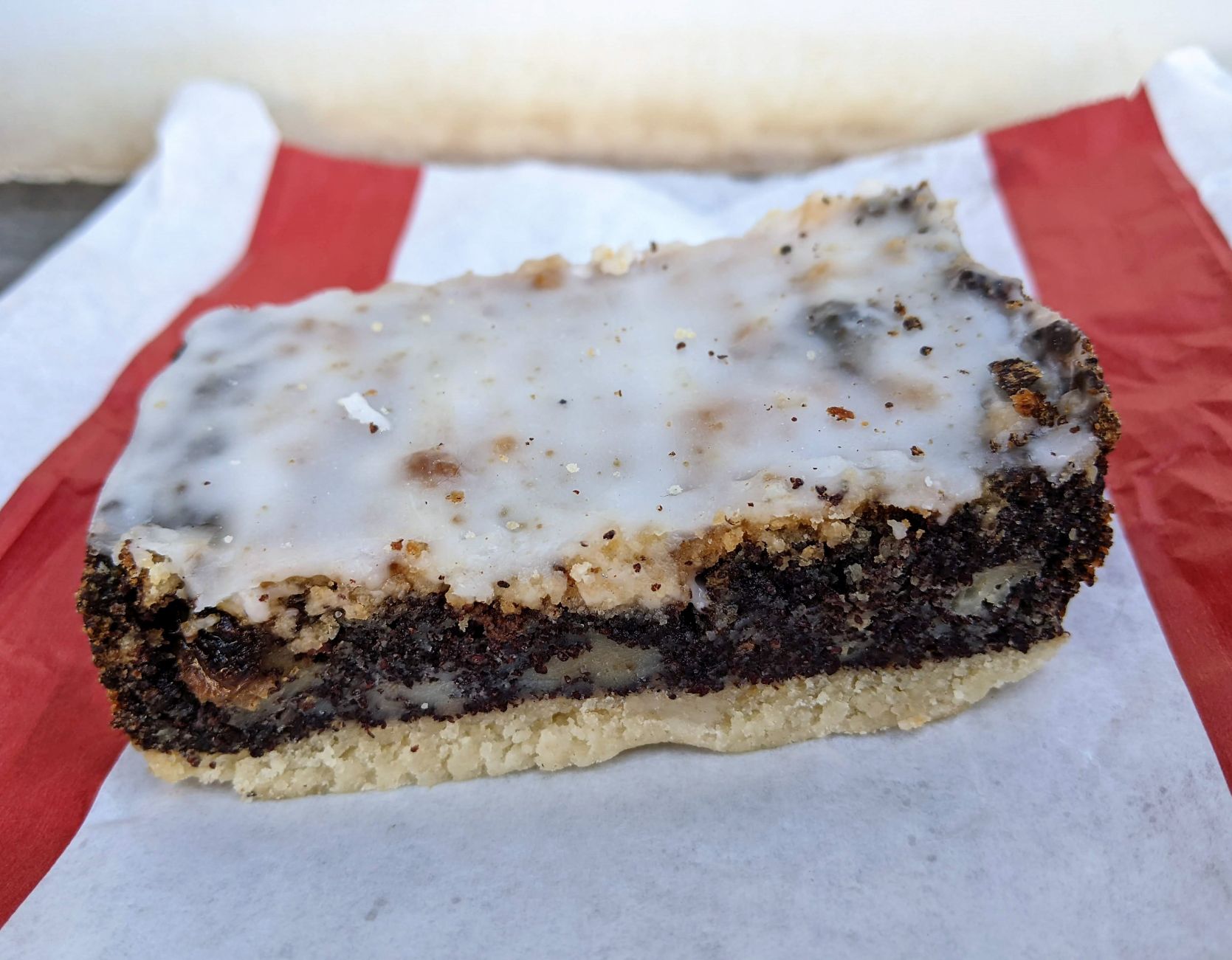
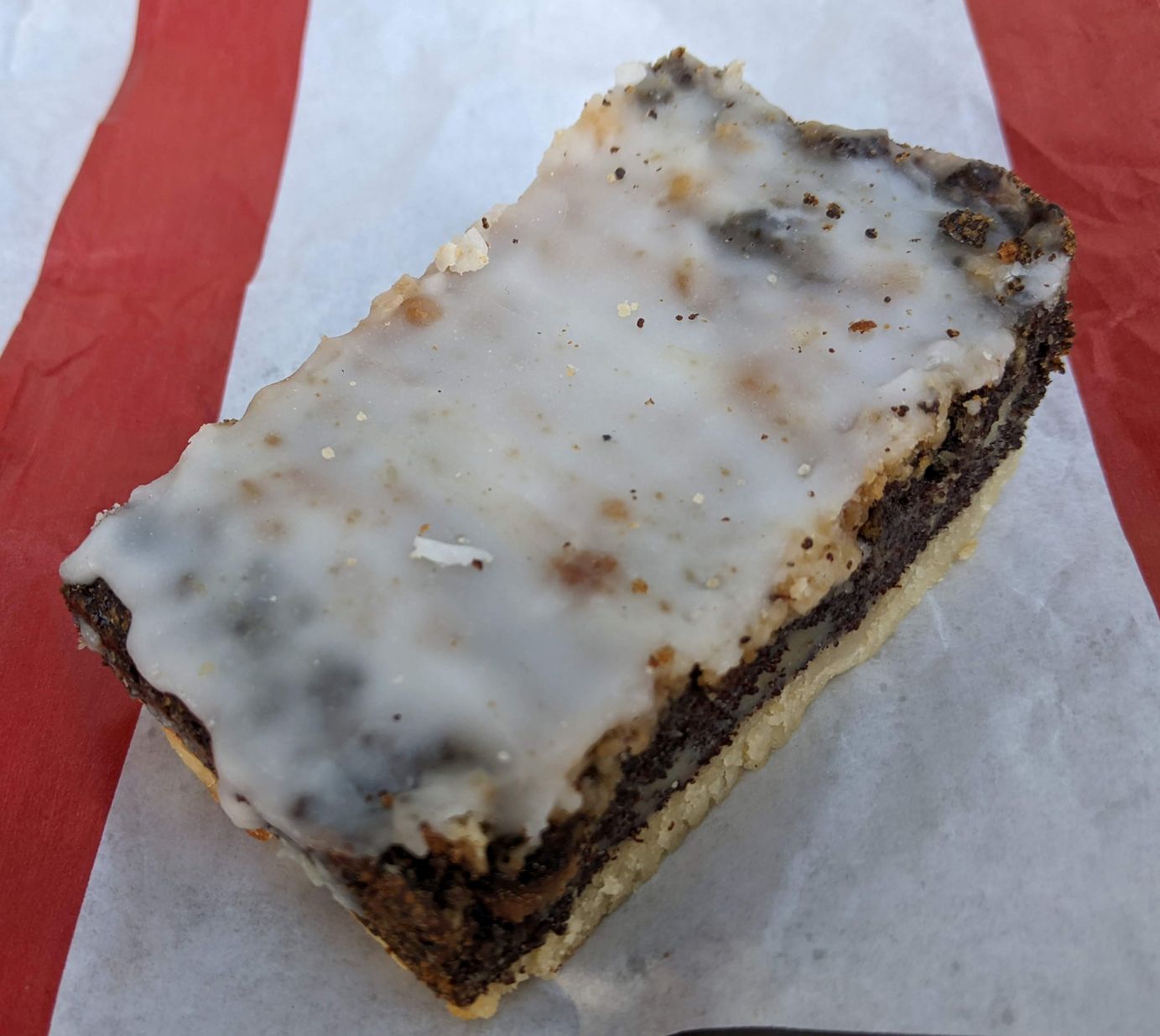
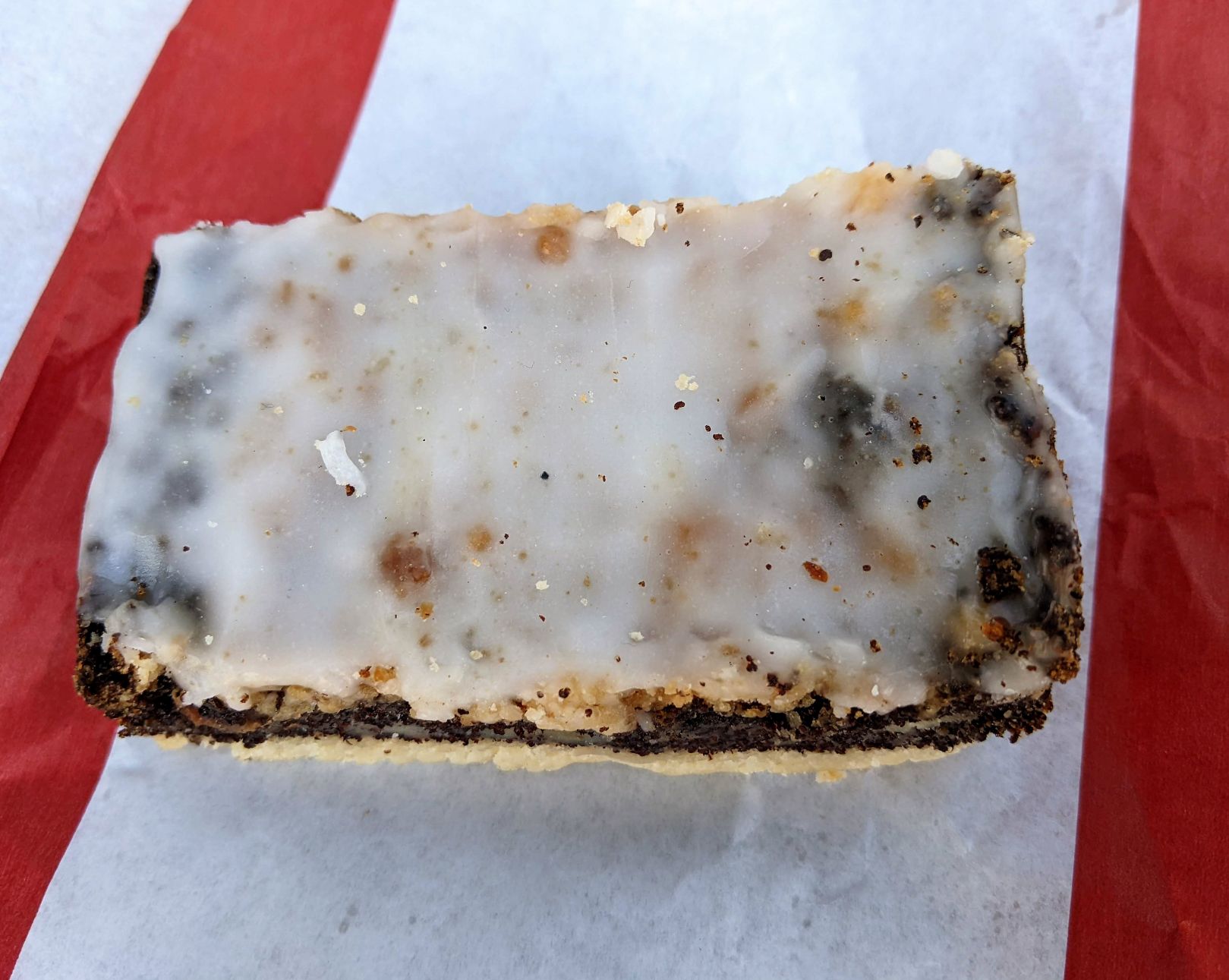
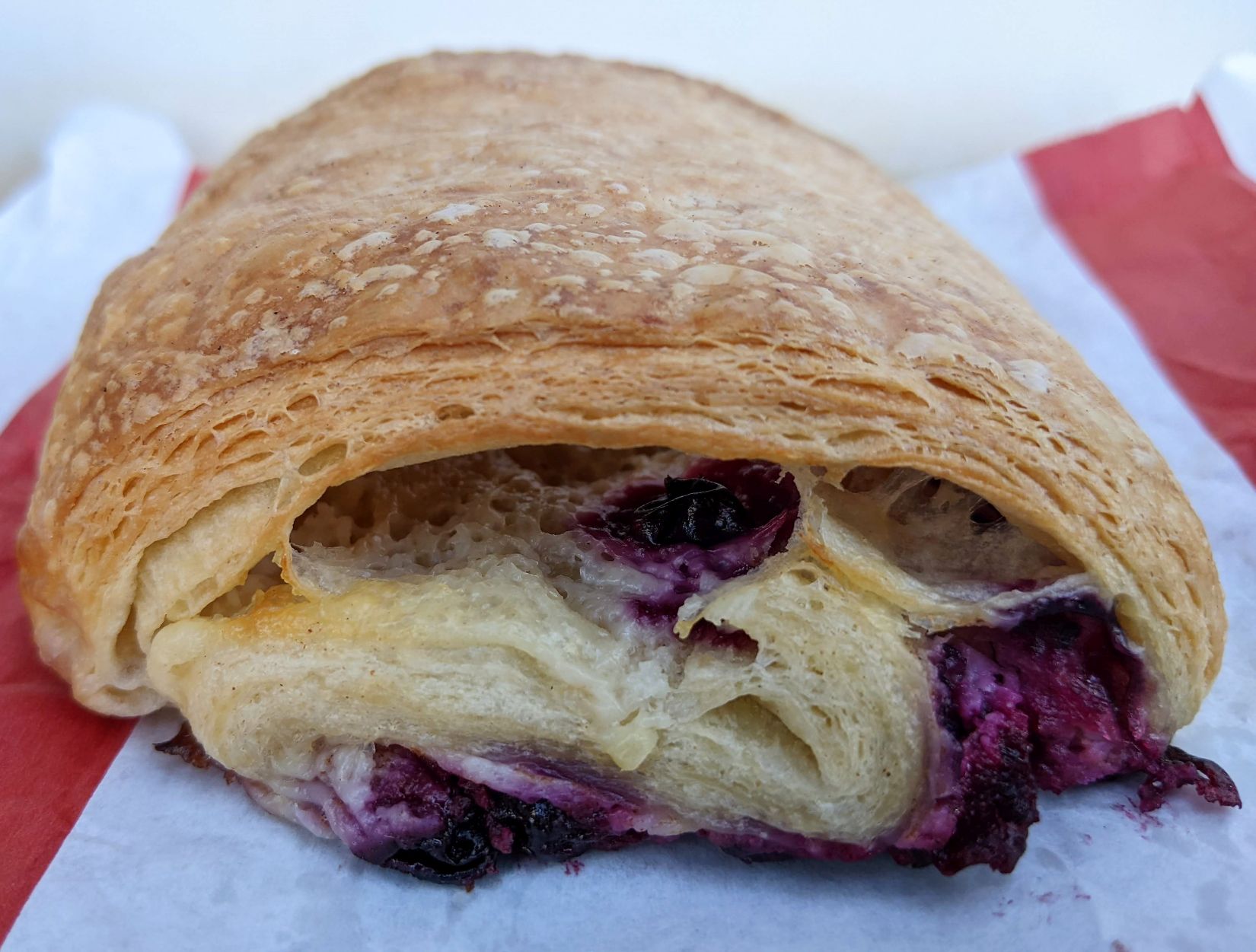
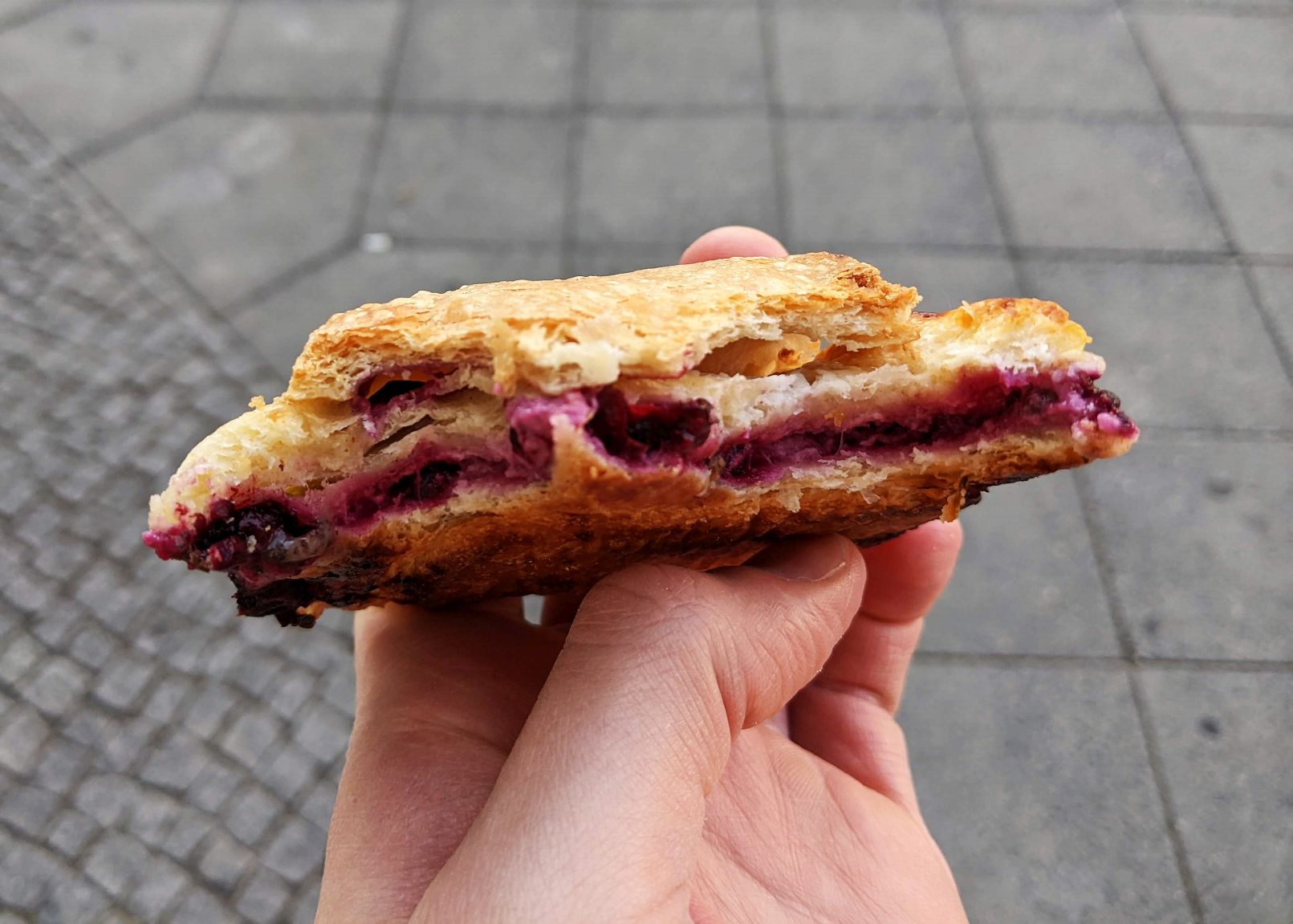
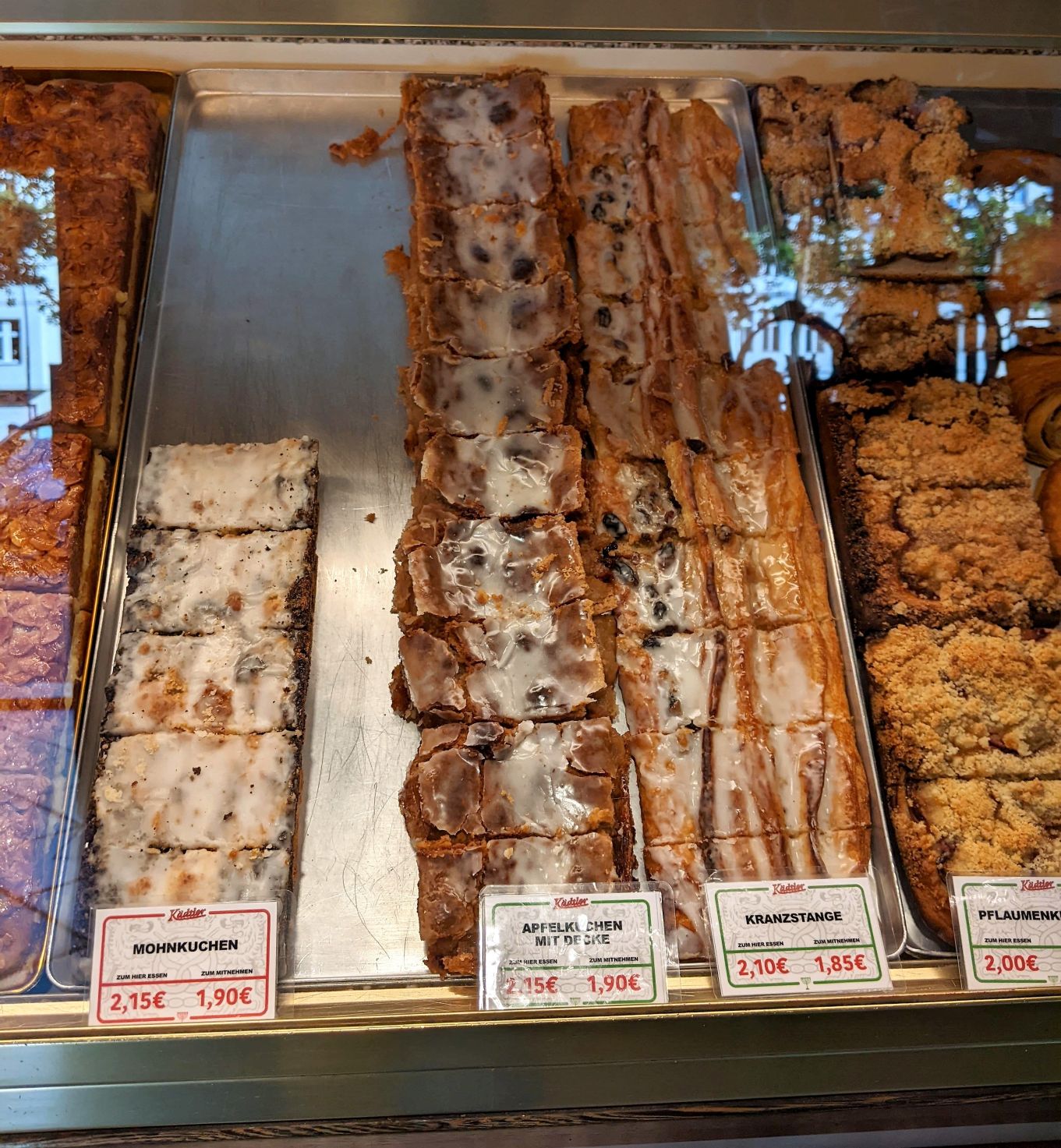
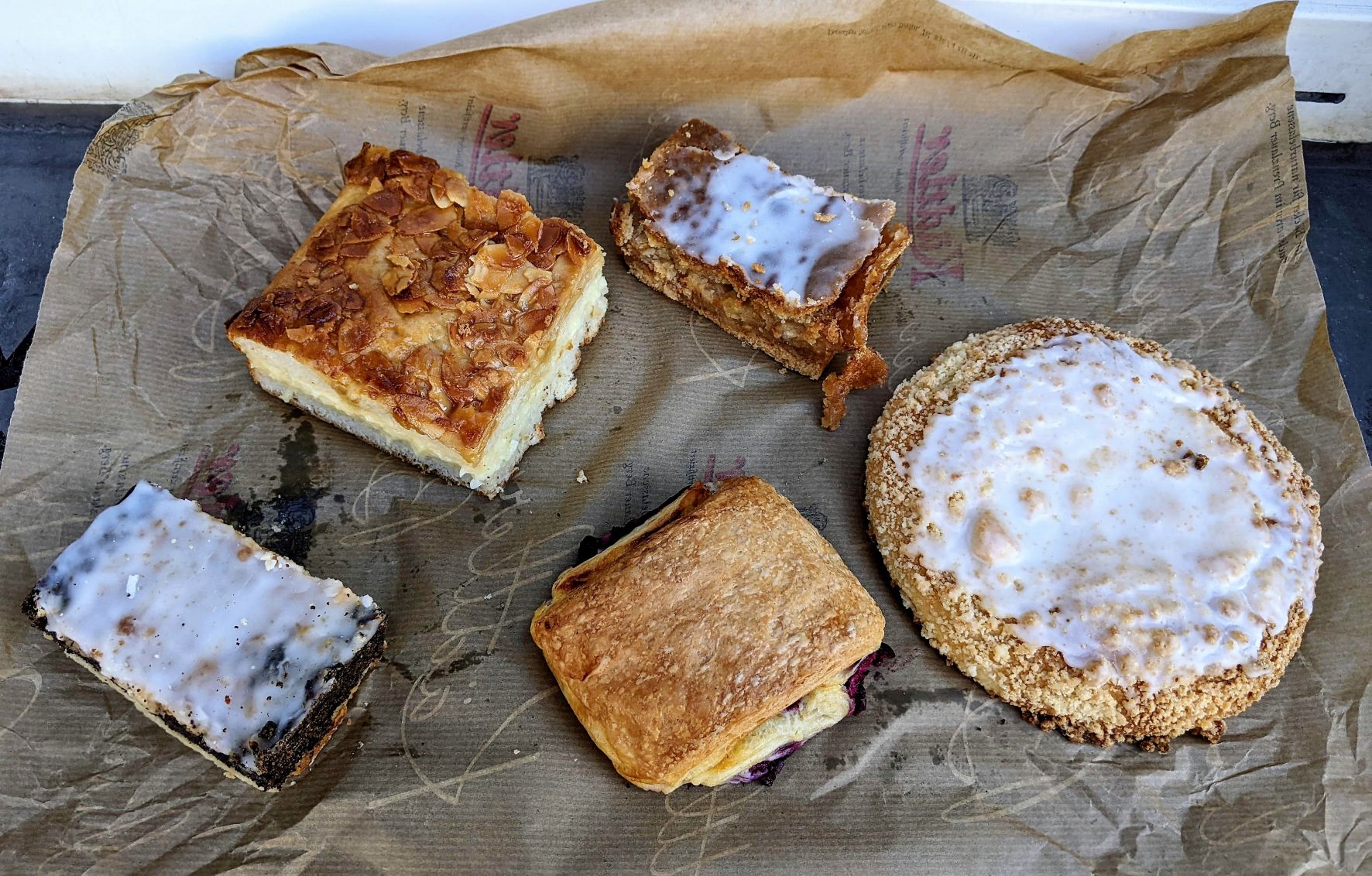
Labeled in German with signage indicating a presence or lack of Cream and Butter, the Bienenstich two layers of yellow Sponge around Vanilla Cream beneath caramelized Almonds, Kadtler’s Mohnkuchen eats dense and nutty with a bit of sweetness on top while Currants and Quark make a laminated Danish stand out.
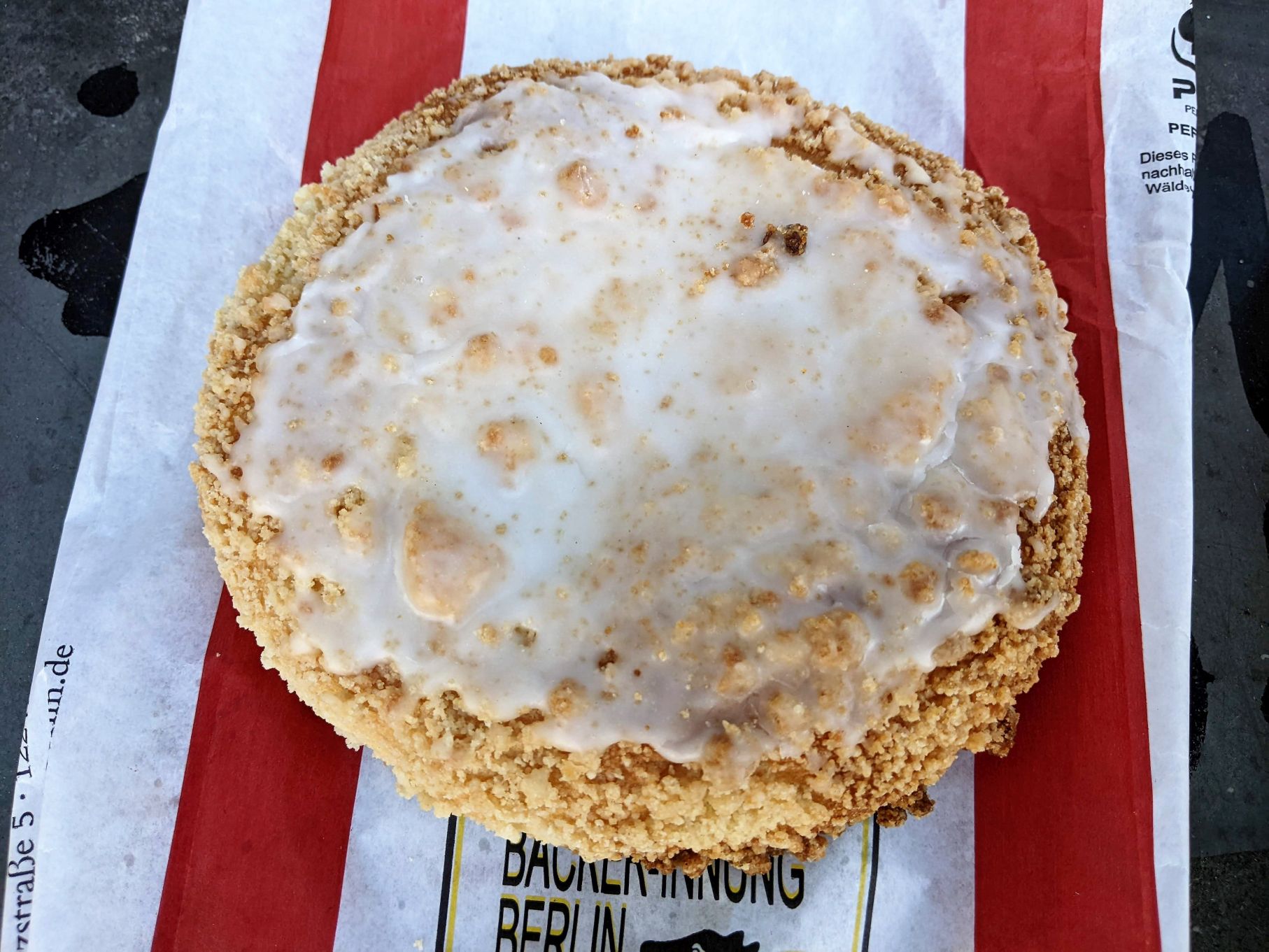
Keeping kosher with Streuselschnecke, soft Bread beneath Crumbles that taste buttery not lacking despite limited Ingredients, “Apfelkuchen mit Decke” roughly translates as Apple Cake with Blanket and although not Strudel warrants a look for varying textures plus plenty of Cinnamon.
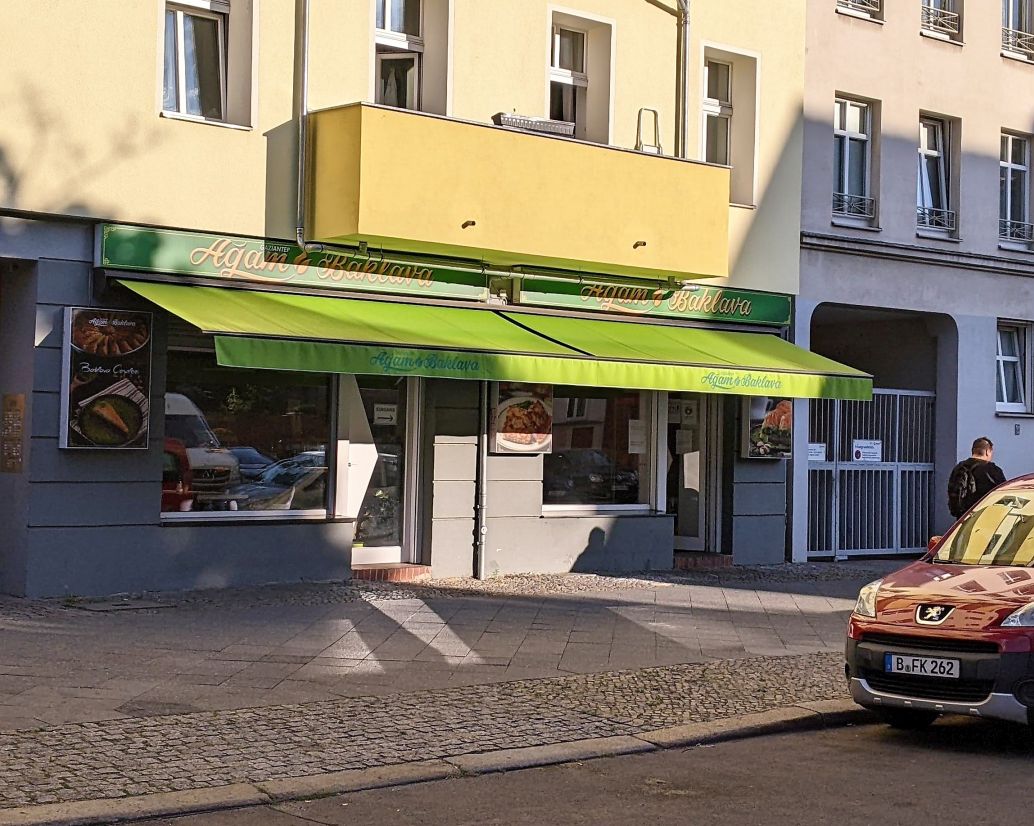
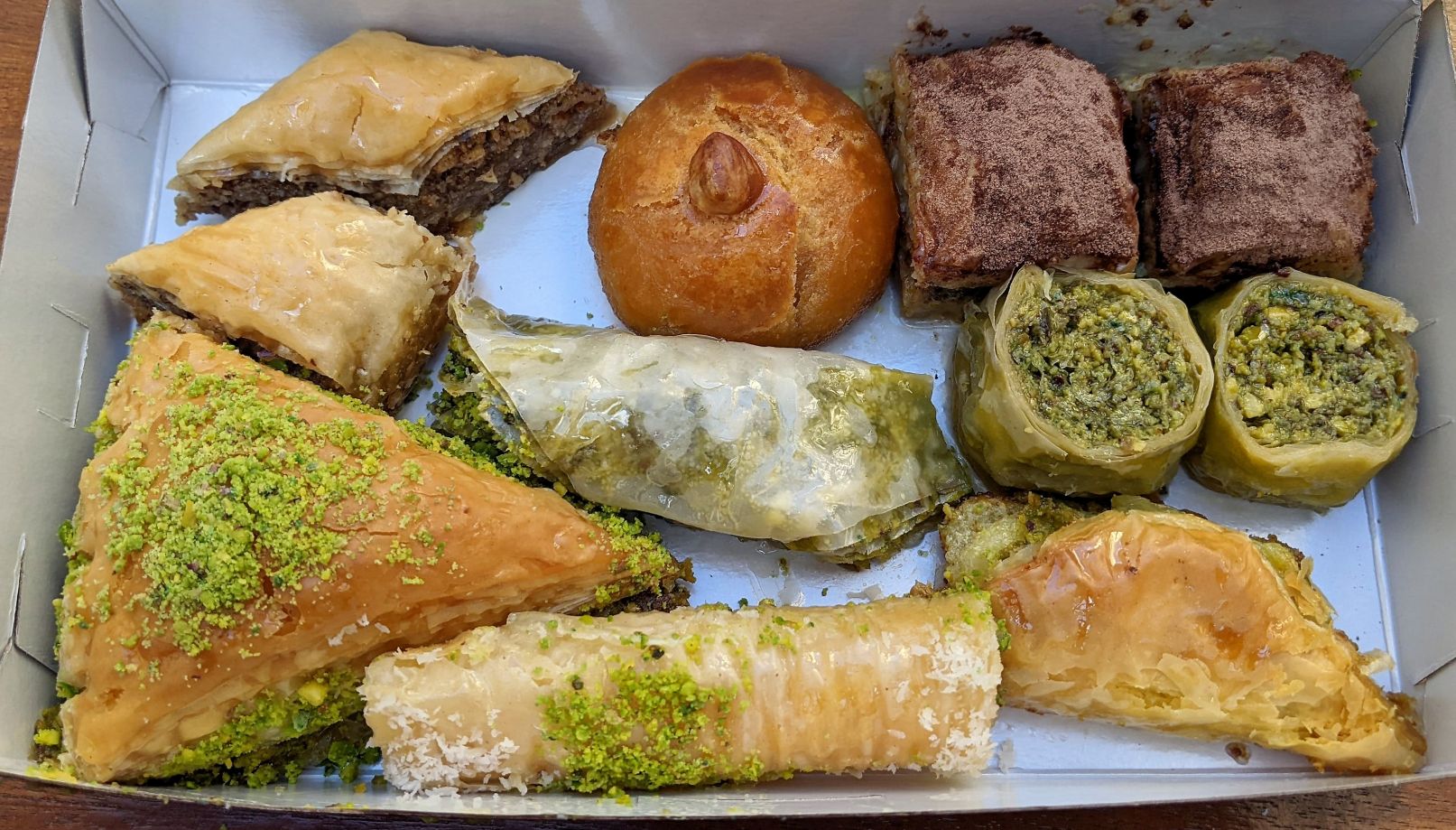
Considering Berlin’s quarter-million residents of Turkish ancestry it is no surprise that the Wedding Neighborhood contains more than one shop dedicated to Baklava, Agam’s location on Stettiner Strasse the first of three and open from 06h00 to 20h00 daily.
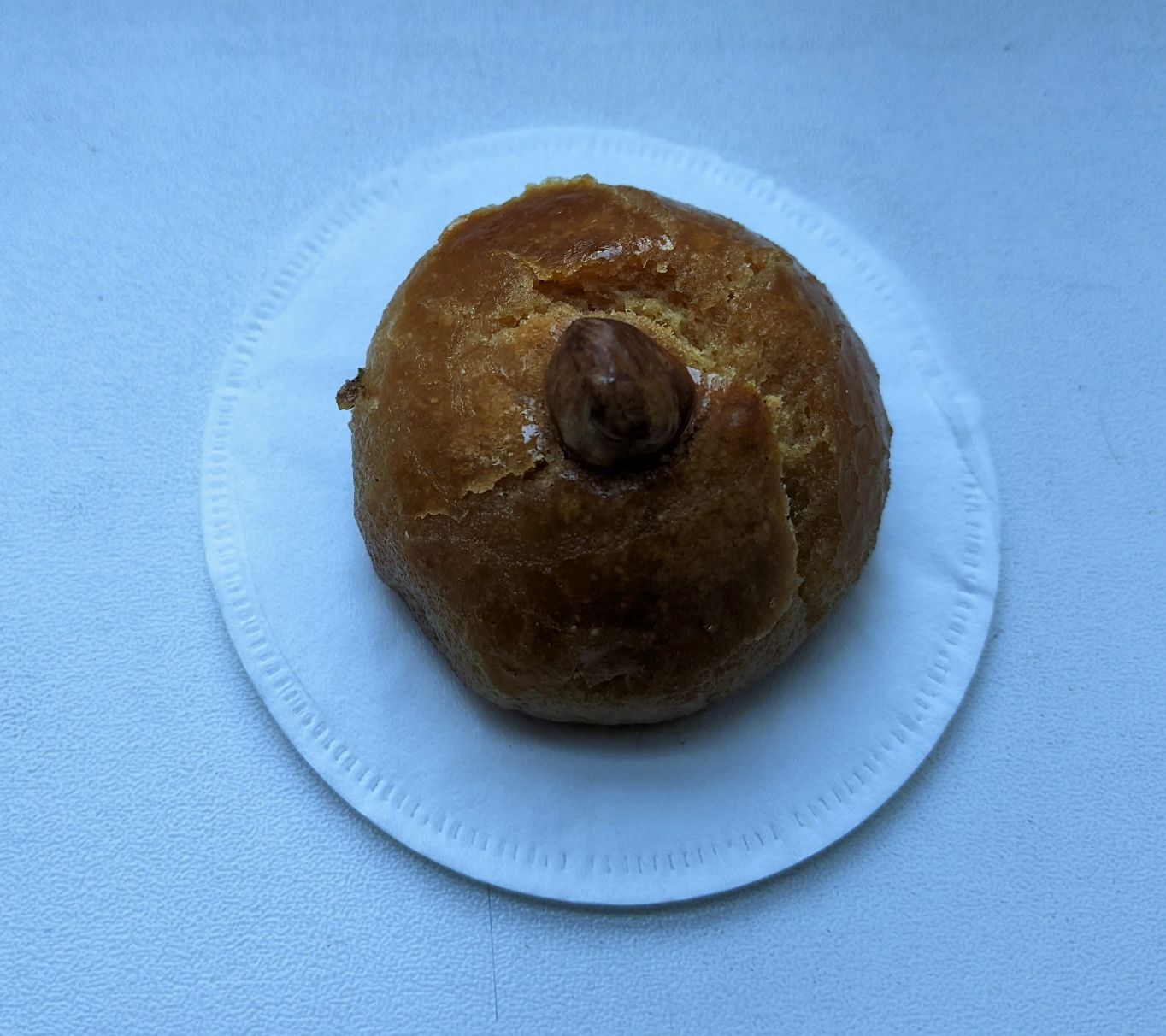
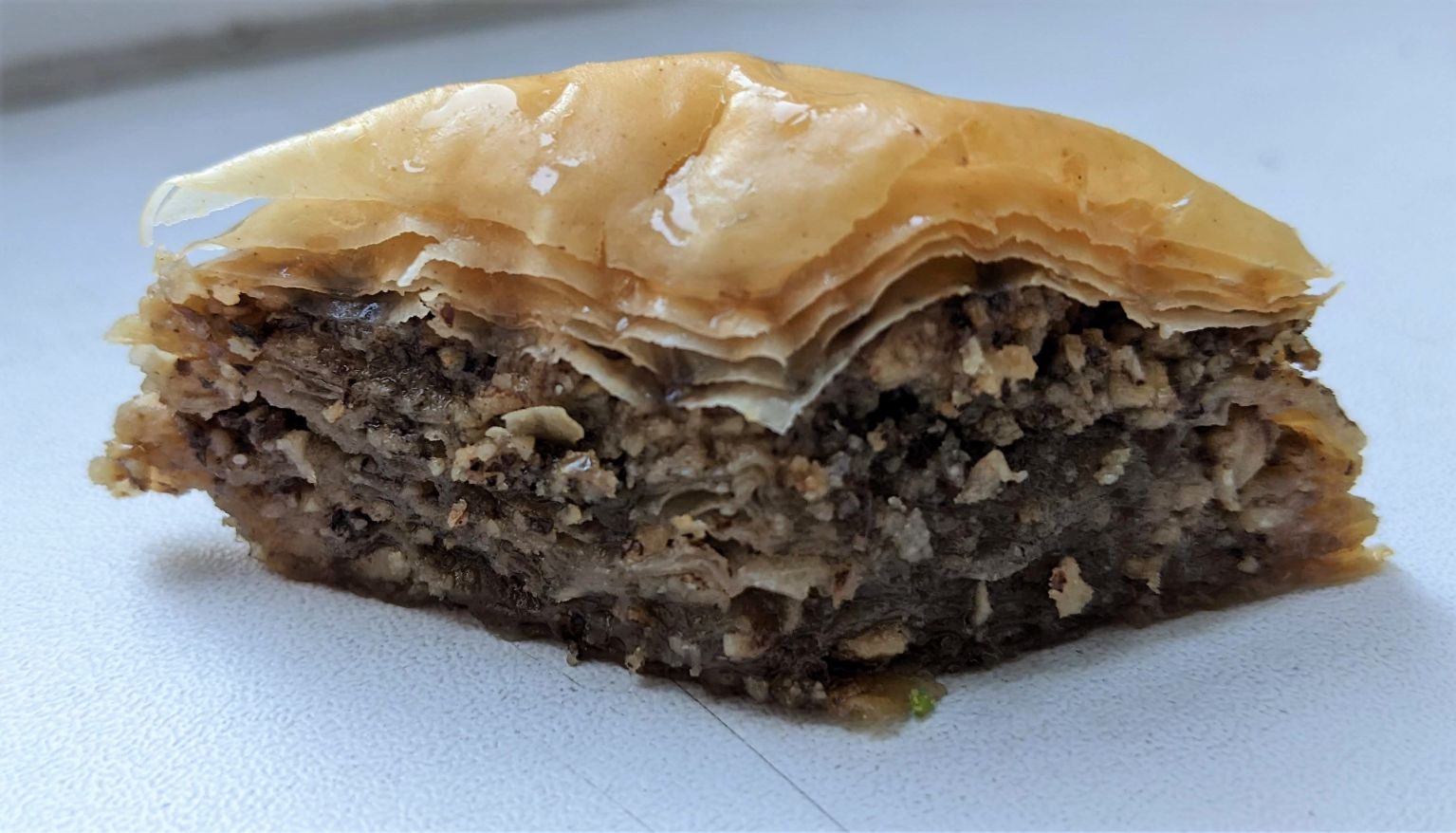
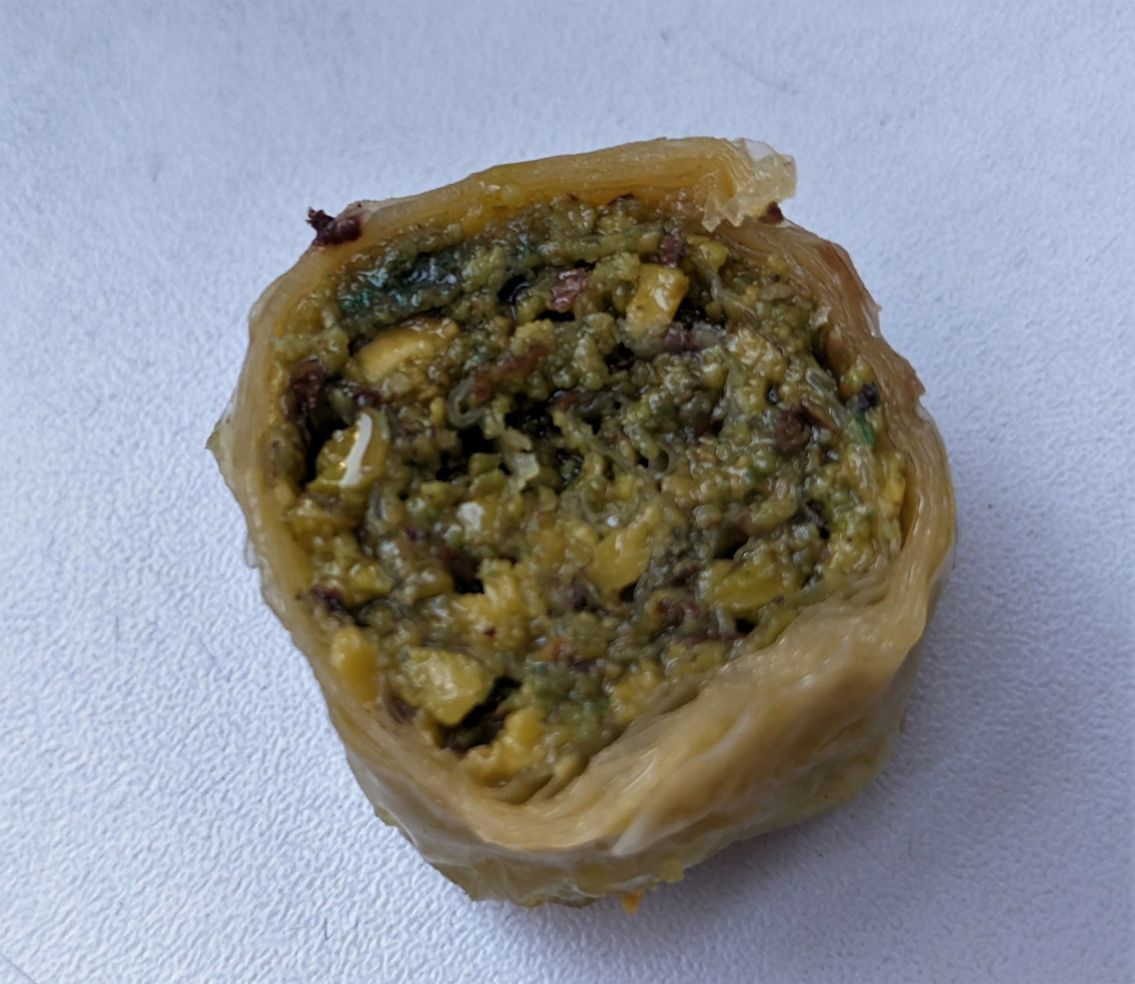
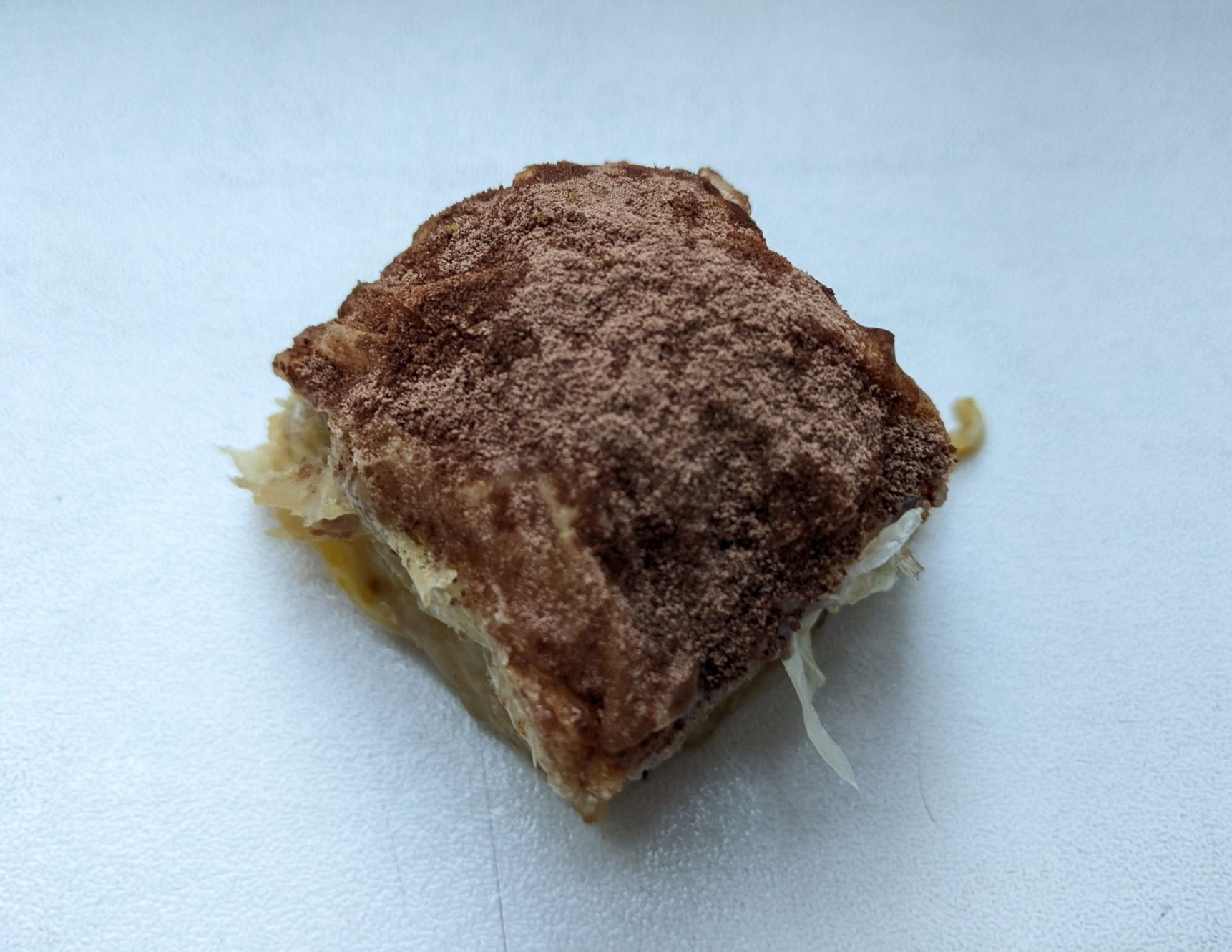
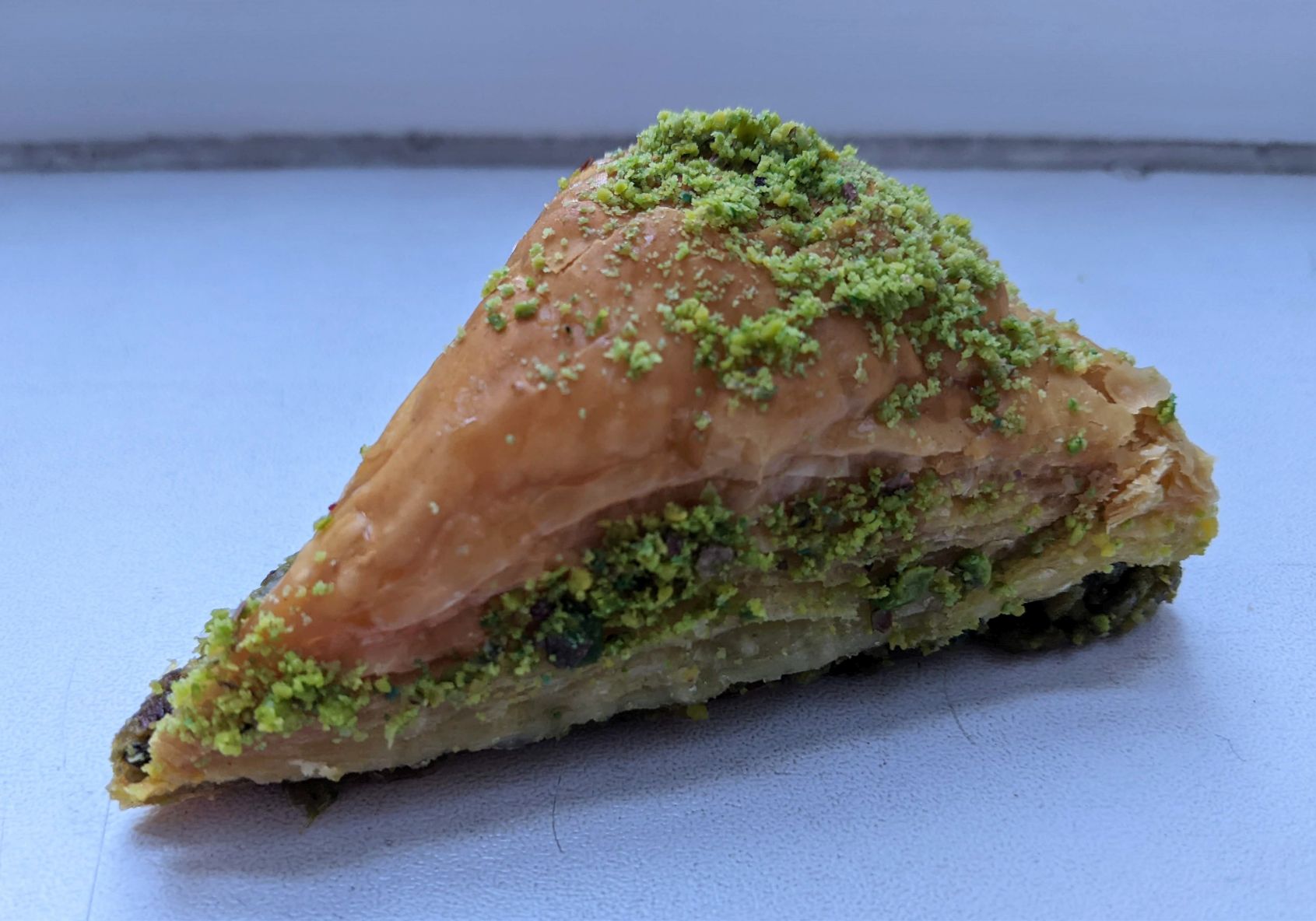
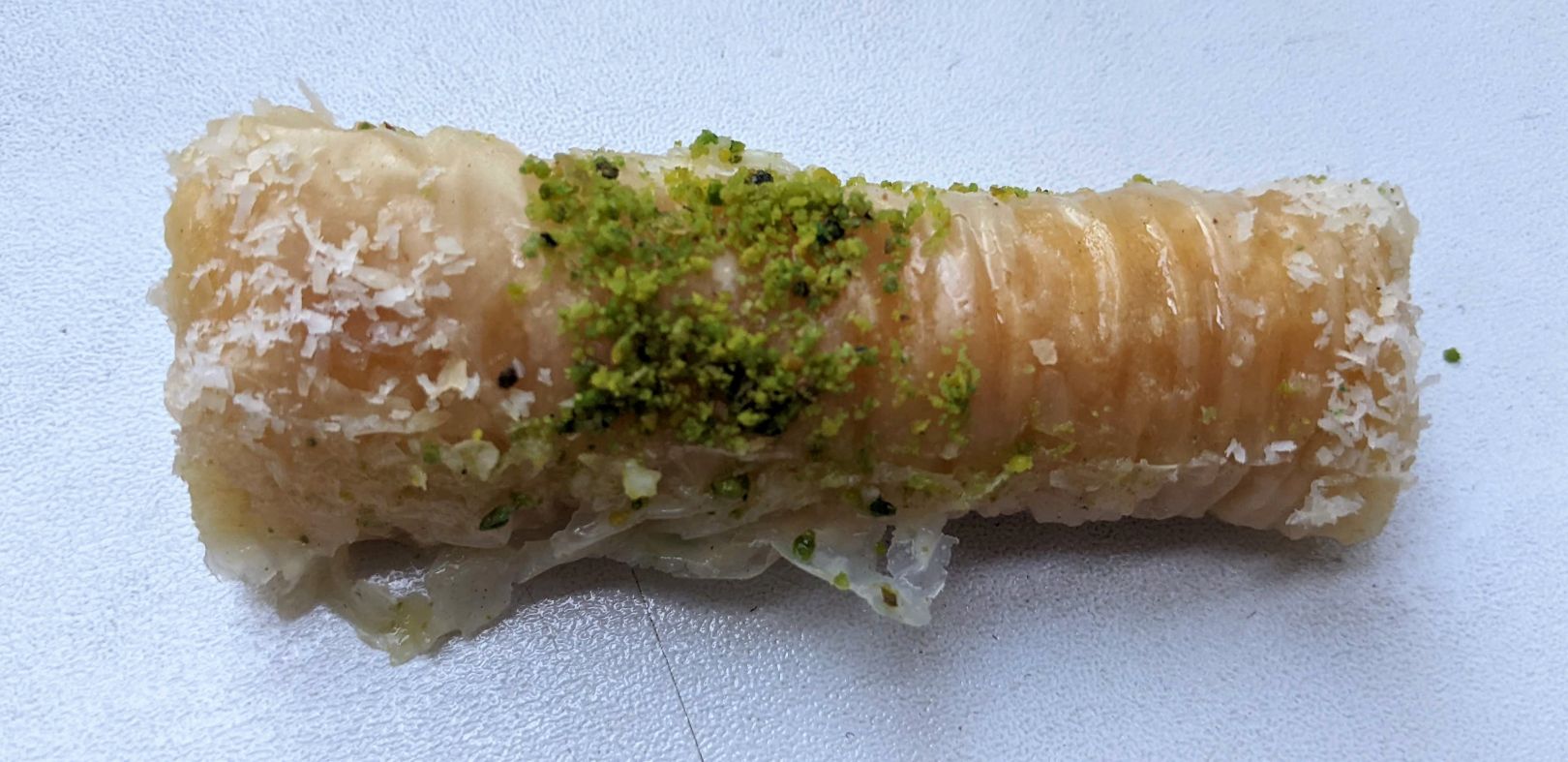
Focused on traditional recipes at €14/kg pricing guests should presume to spend roughly €20 for a sample of all Agam has to offer, the choice of shapes and Pistachios versus Walnuts further complicated by versions with Cheese or Cocoa.
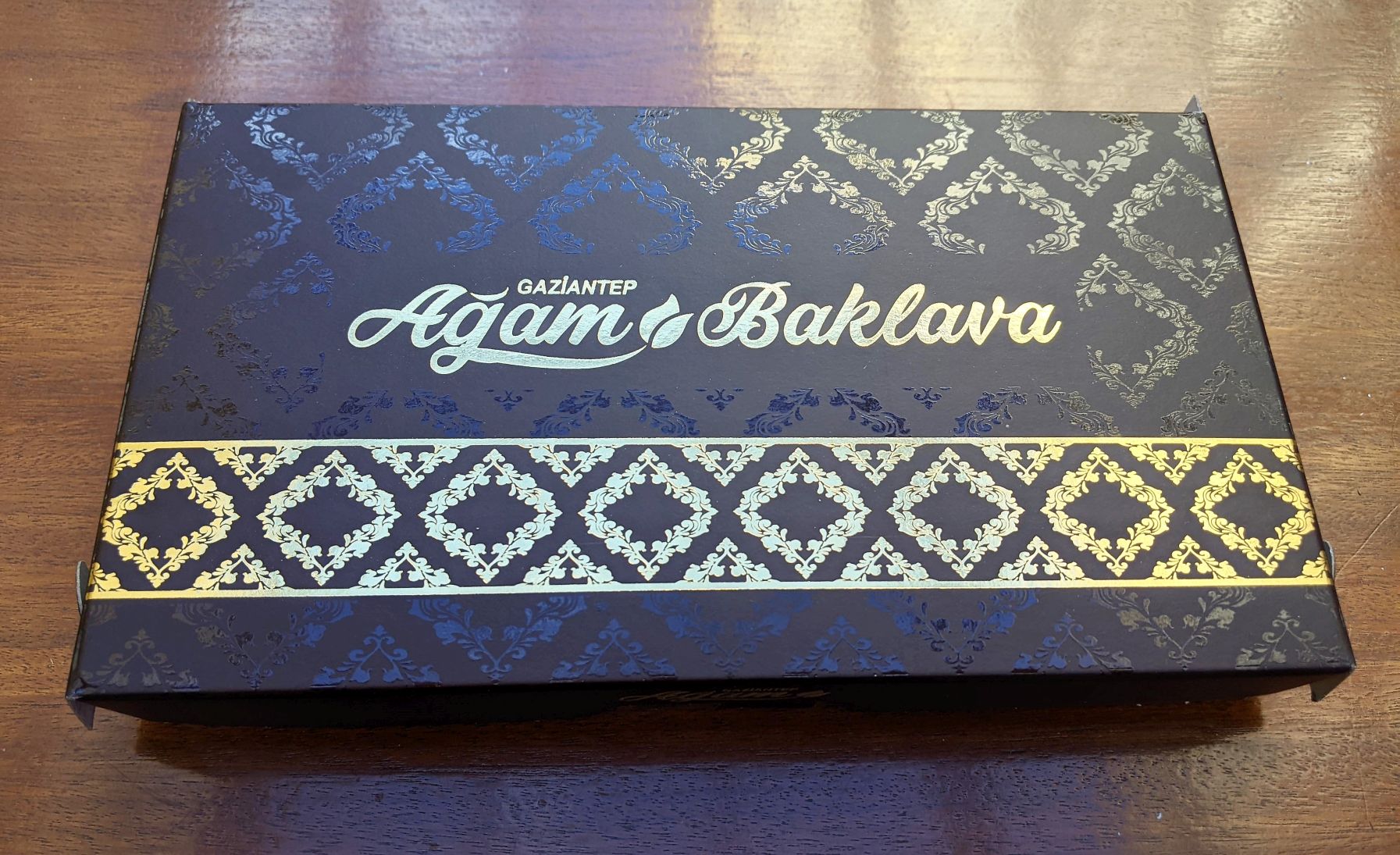
Offering a small seating area, though servers are not English-fluent, each piece is carefully placed in branded boxes to go, and although best eaten the same day most prove capable of maintaining at least some amount of crispness 24 hours later.
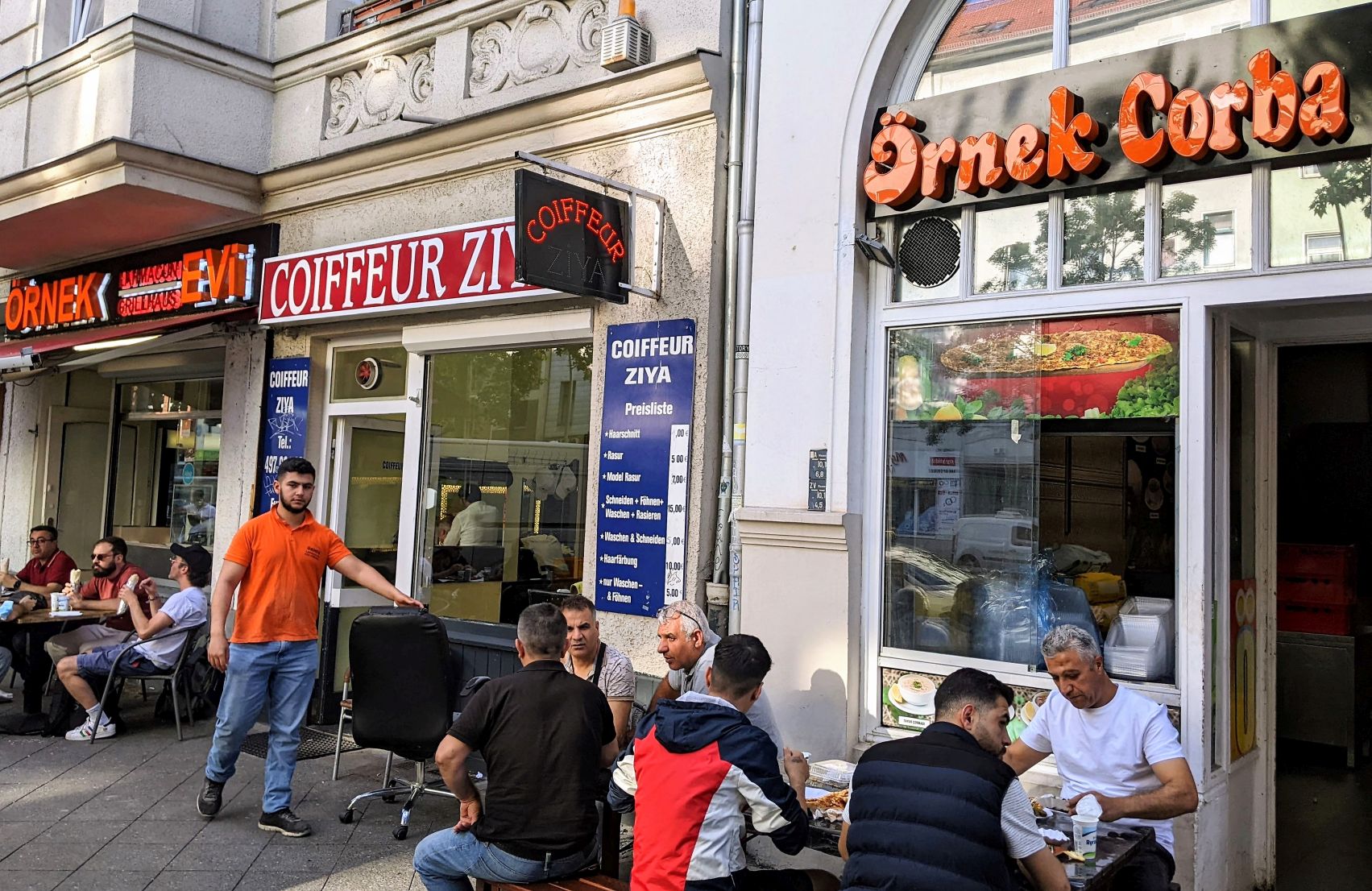
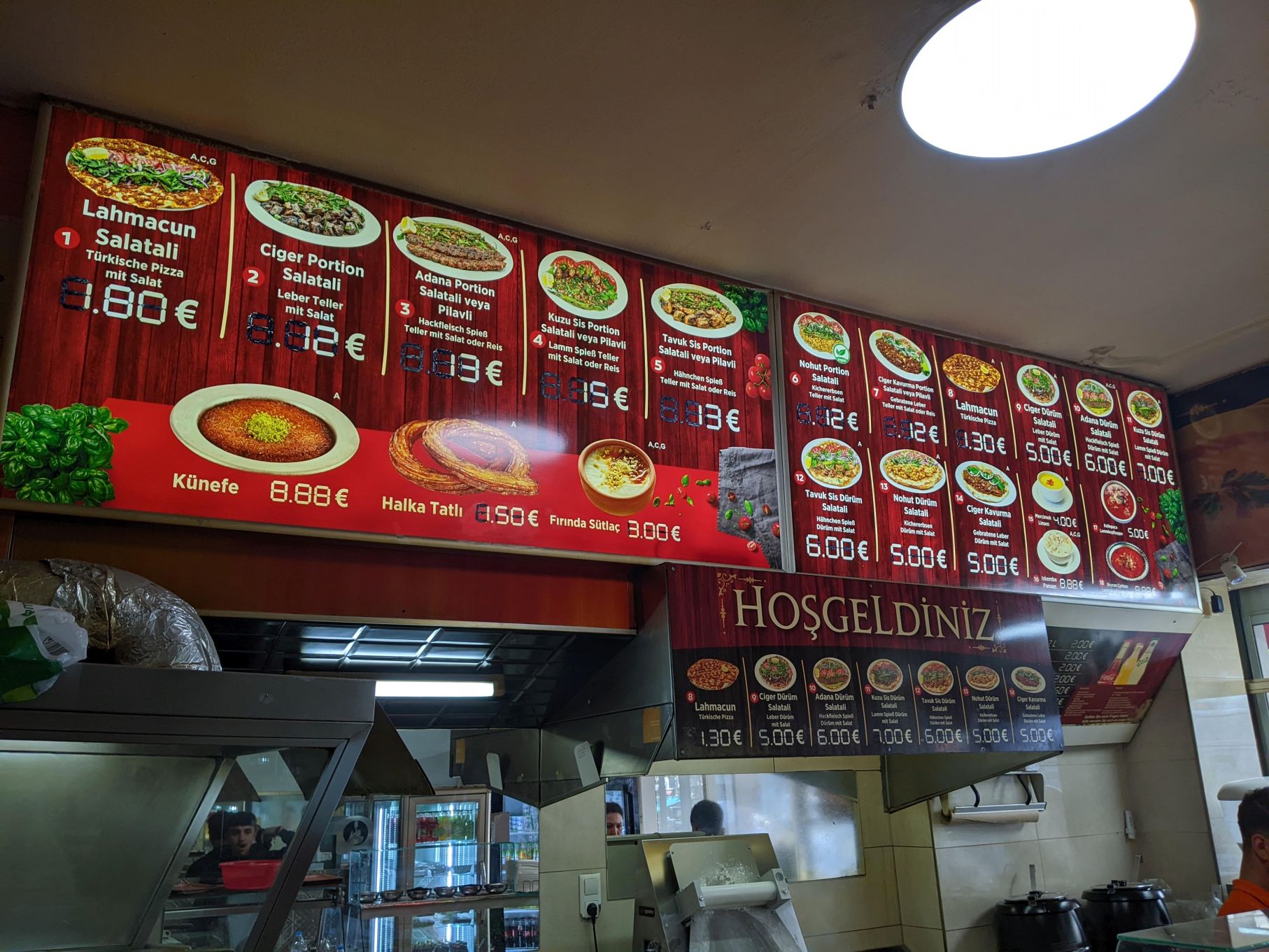
Still something of a “hidden gem” despite Berlin’s 250,000 residents of Turkish ancestry it was on the second-hand recommendation from Chefs at Ernst that three guests lined up at Örnek Lahmacun Evi on Monday, the Wedding eatery straddling a hair salon proving every bit worth the effort including a menu of traditional Turkish Cuisine and staff not fluent in English.
The definition of “no-frills,” a lack of indoor seating and limited room to move justified by a scratch-kitchen including Bread made on site, Ingredients rest in plain view while Meat sizzles on skewers and three men complete tasks ranging from stretching Dough to chopping Tomatoes.
Open daily with predominantly Turkish clientele, a middle-aged man making room at a communal table for three foreigners, it was via Google Translate that choices were made, the signature “Turkish Pizza” or Lahmacun thin and crisp but able to bend around minced Lamb, Peppers and spices.
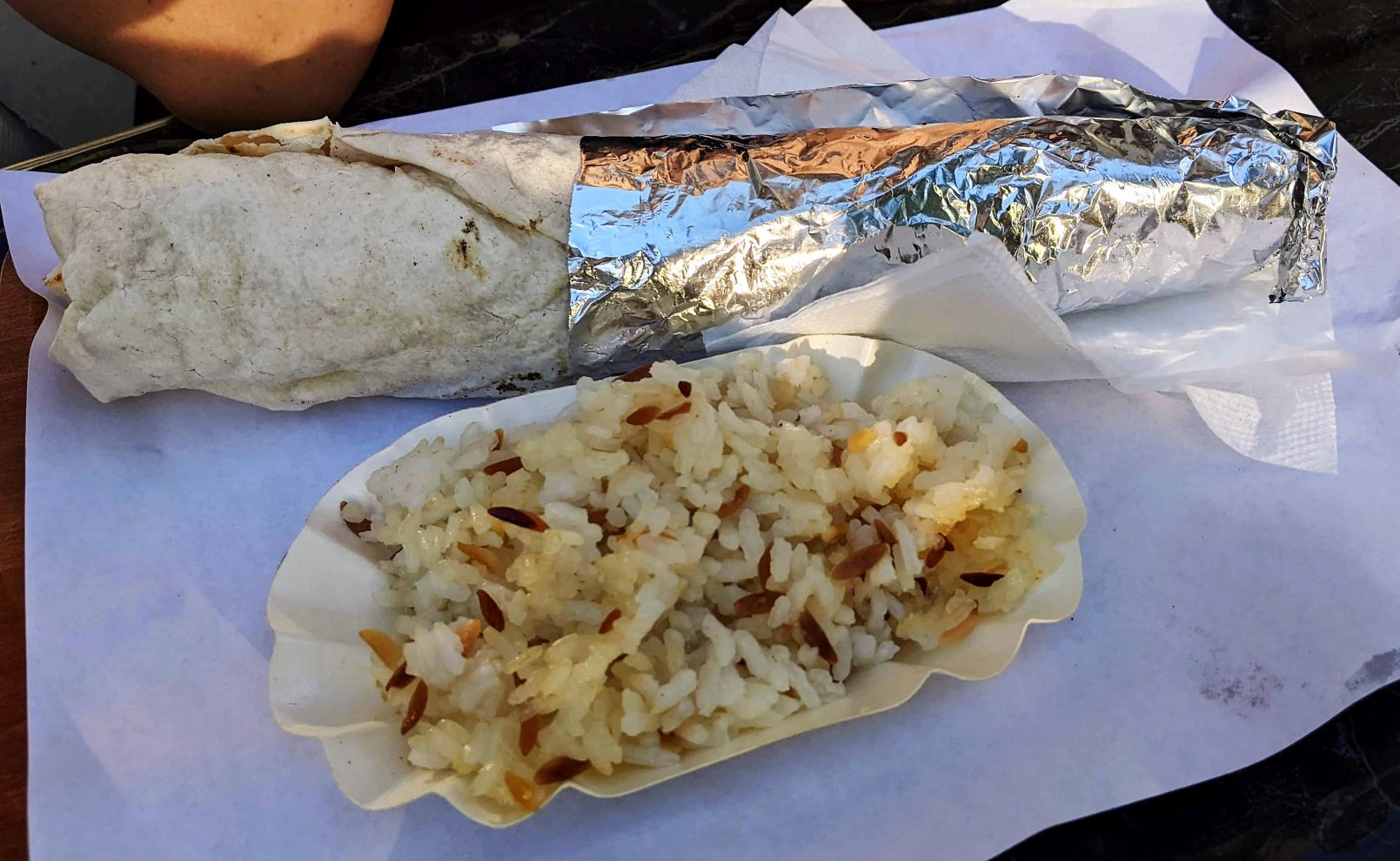
Well known for Adana Dürum Kebaps, made-to-order in 15 minutes, Lamb is charred but still moist and made vibrant by Salsa-like Ezme plus Green Chilis that also find their way into hearty Kelle Paça Çorbası served alongside Pide that comes in handy for sopping up any residual liquid.
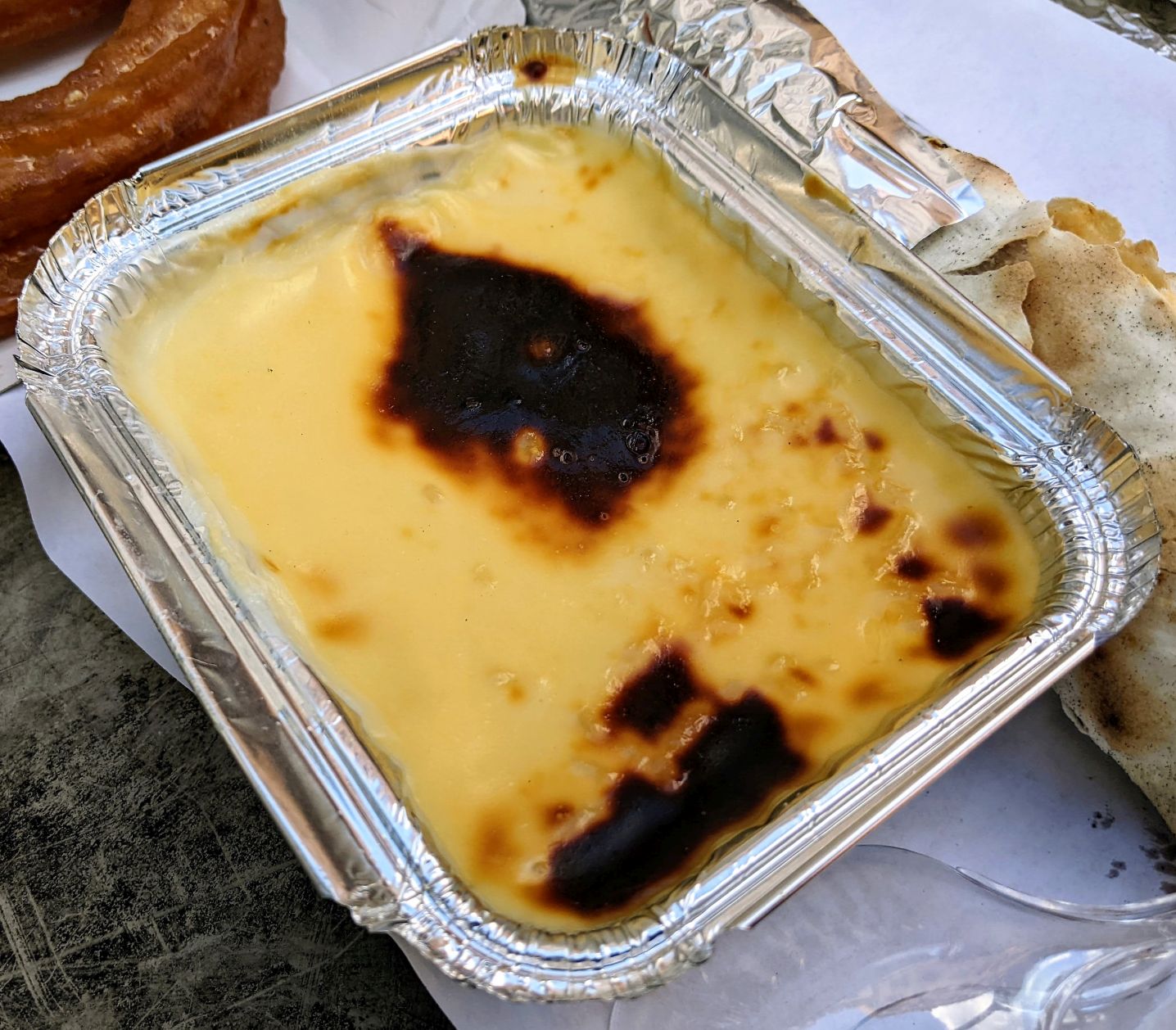
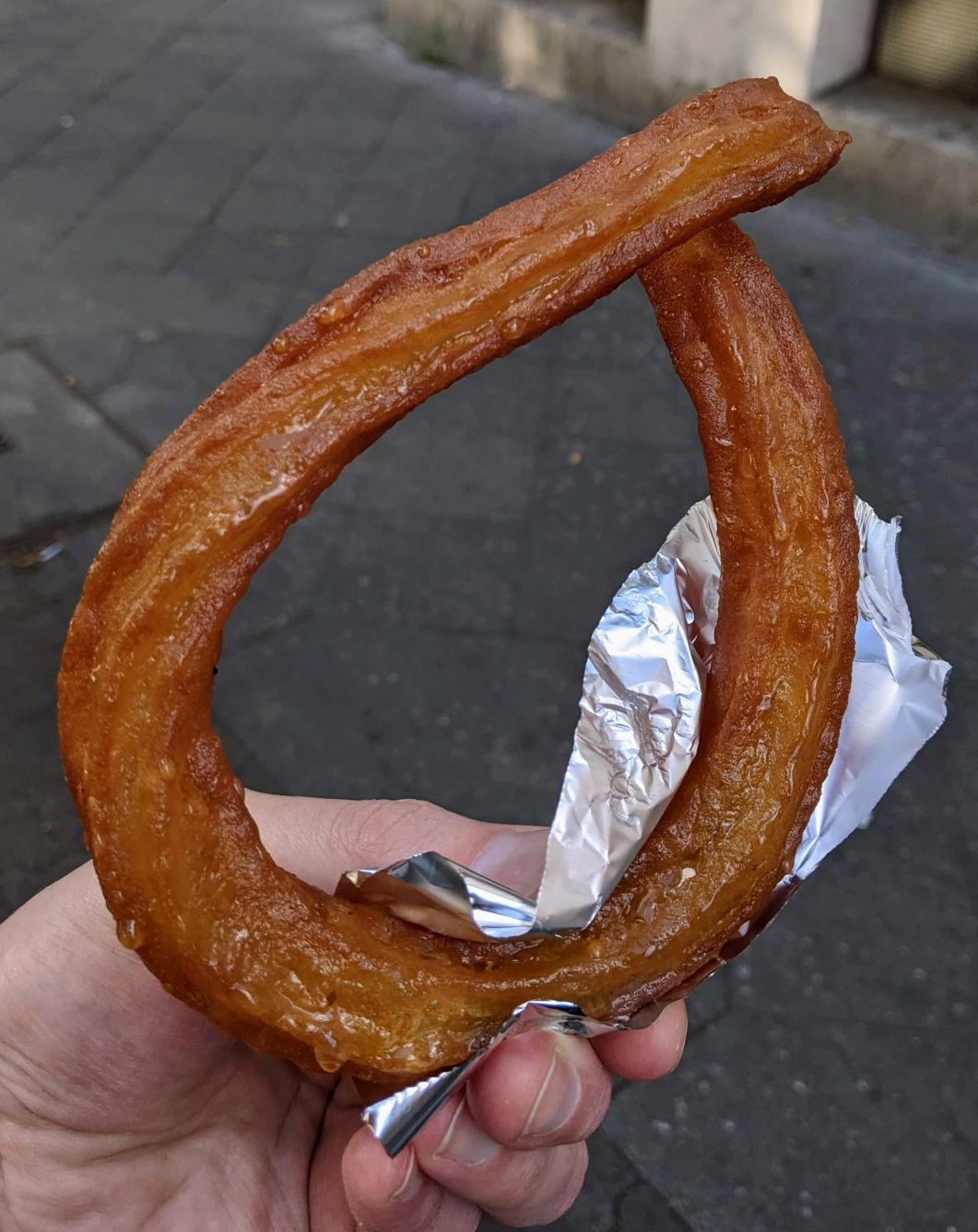
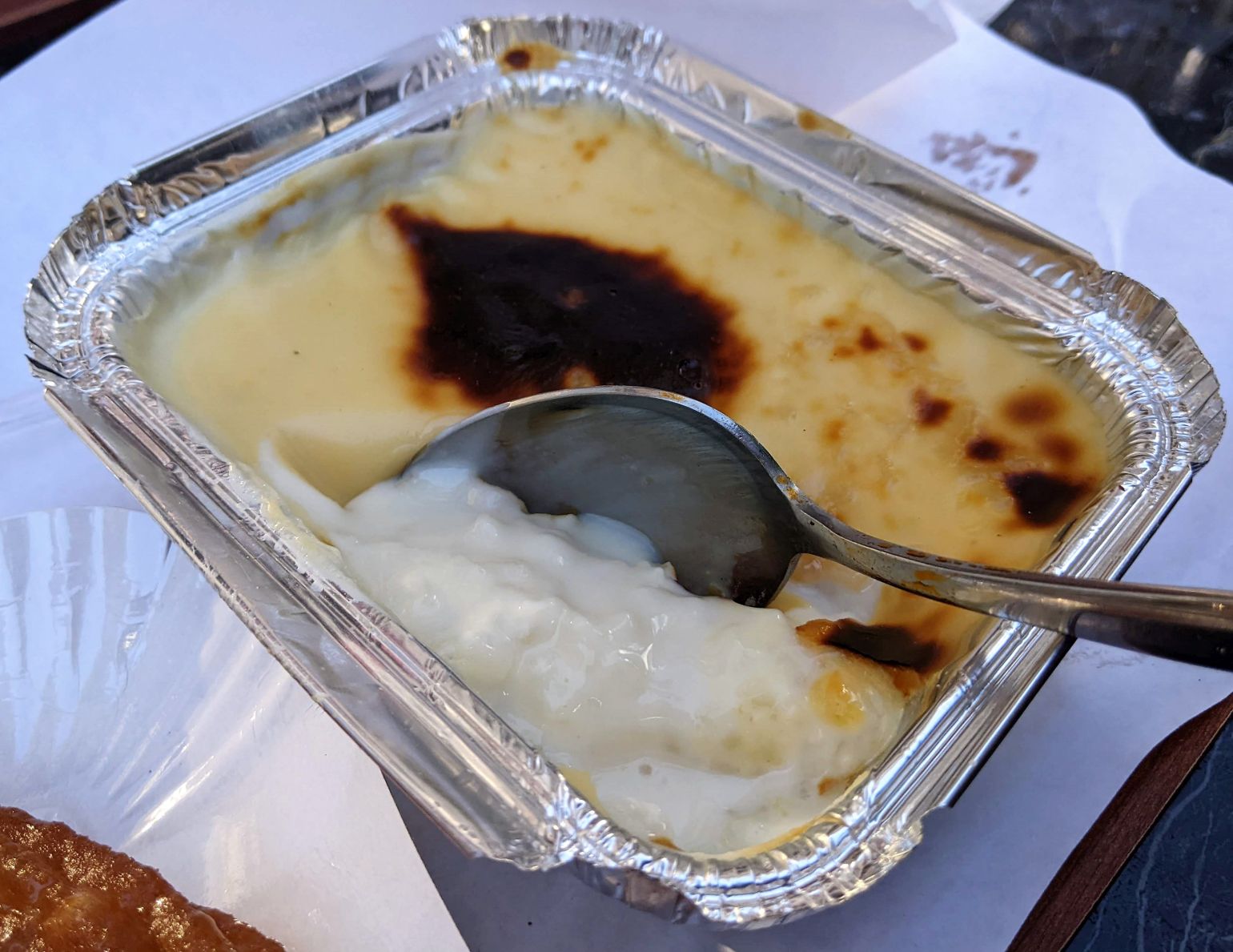
Also offering a few traditional sweets, Halka Tatli found throughout Wedding a sort of Churro soaked in fragrant Syrup, those in search of something less sweet are well advised to order a tray of Firinda Sutlac that eats like Rice Pudding crossed with Crema Catalana.
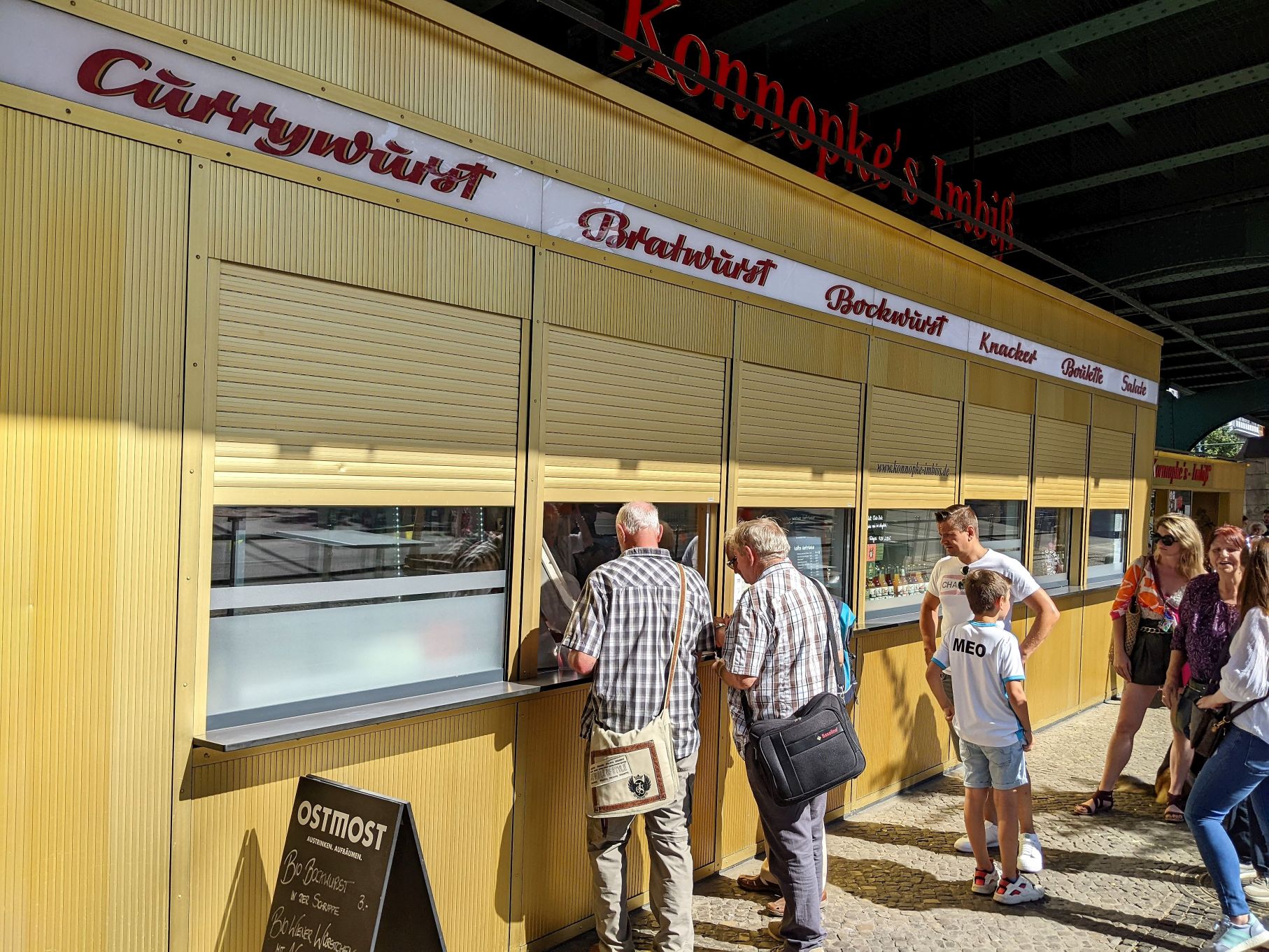
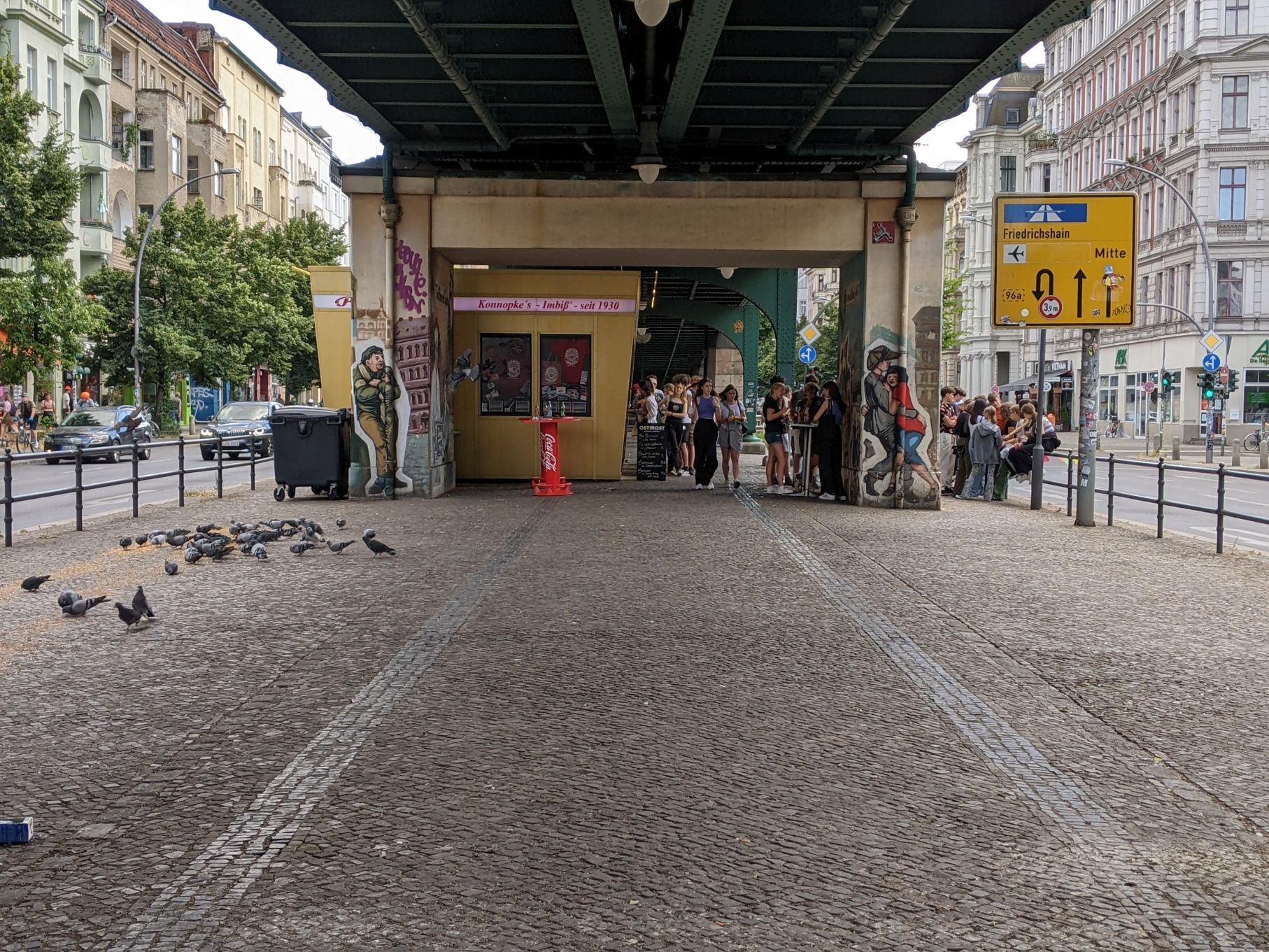
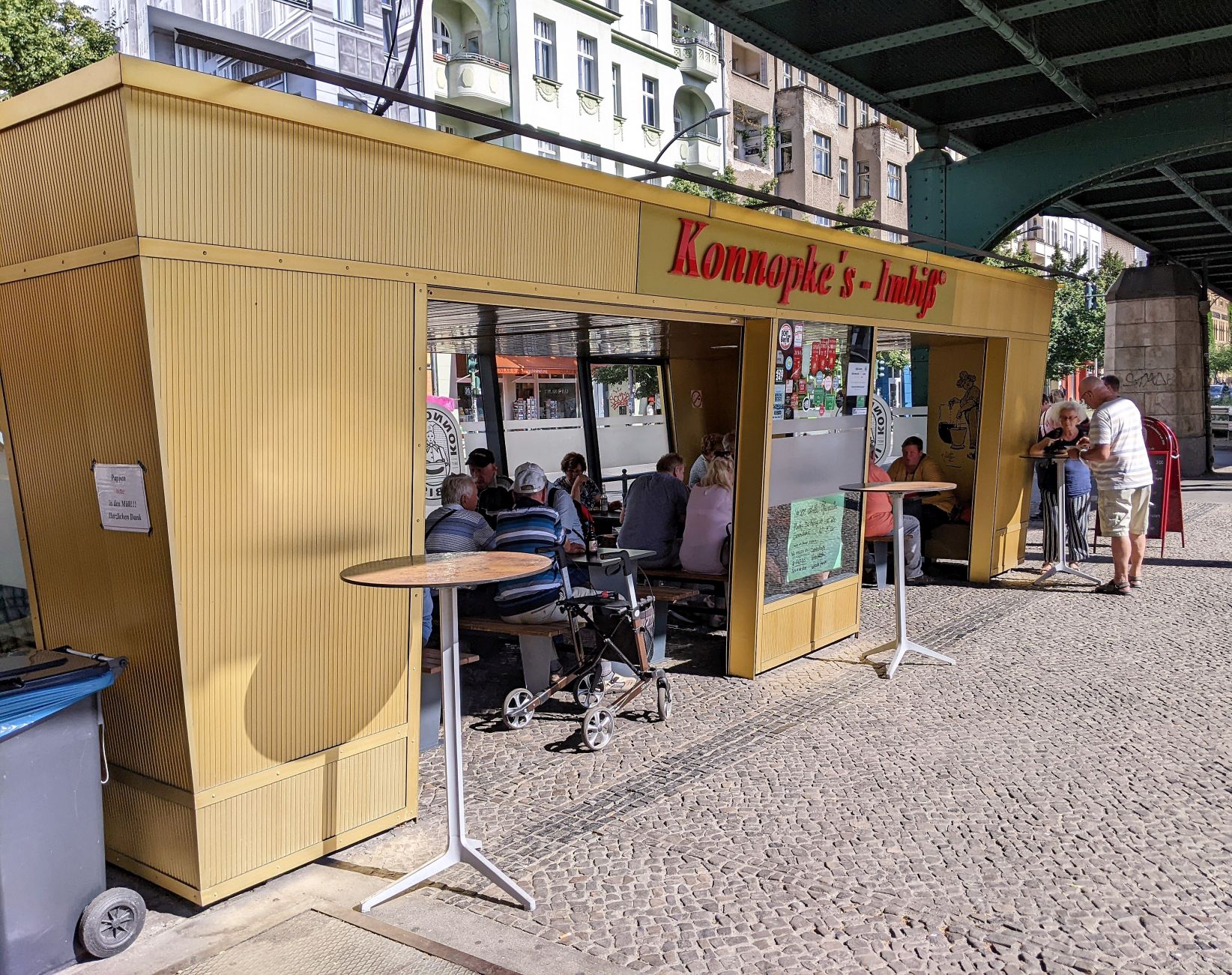
Tucked under the Magistrate’s Viaduct in Schönhauser Allee since Max Konnopke moved to Berlin there is probably no more iconic eatery in the capital than Konnopke’s Imbiss, the East Berlin stand surviving a World War, communism and reunification while serving up what is arguably the best Currywurst in town.
Begun with just Sausages in 1930, Currywurst becoming a focus one year later with Ketchup not offered till 1960, those visiting Konnopke’s Imbiss can expect long lines of folks entering or exiting the U-Bahn with folks from Prenzlauer Berg wait for tables alongside tourists from around the world.
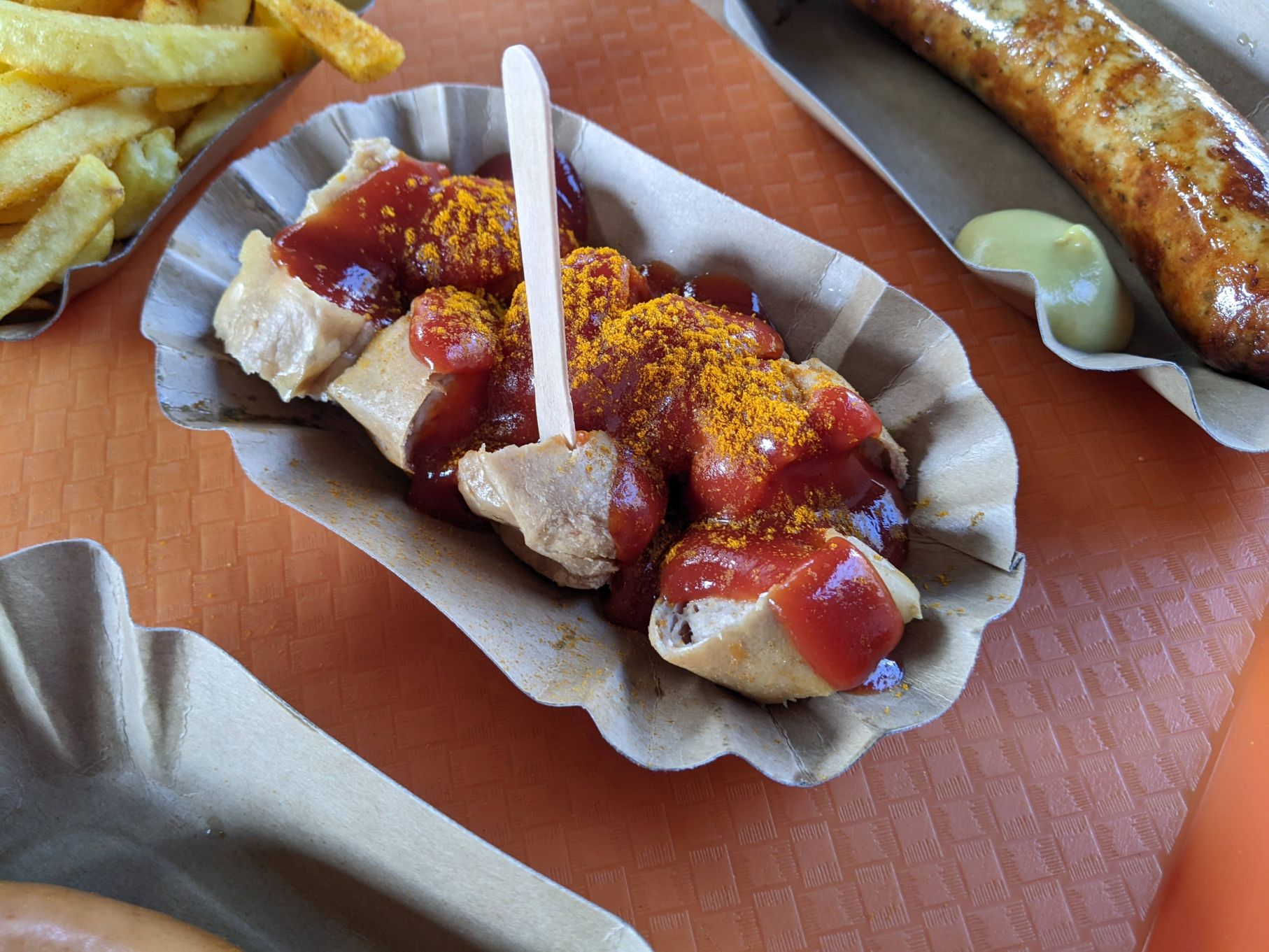
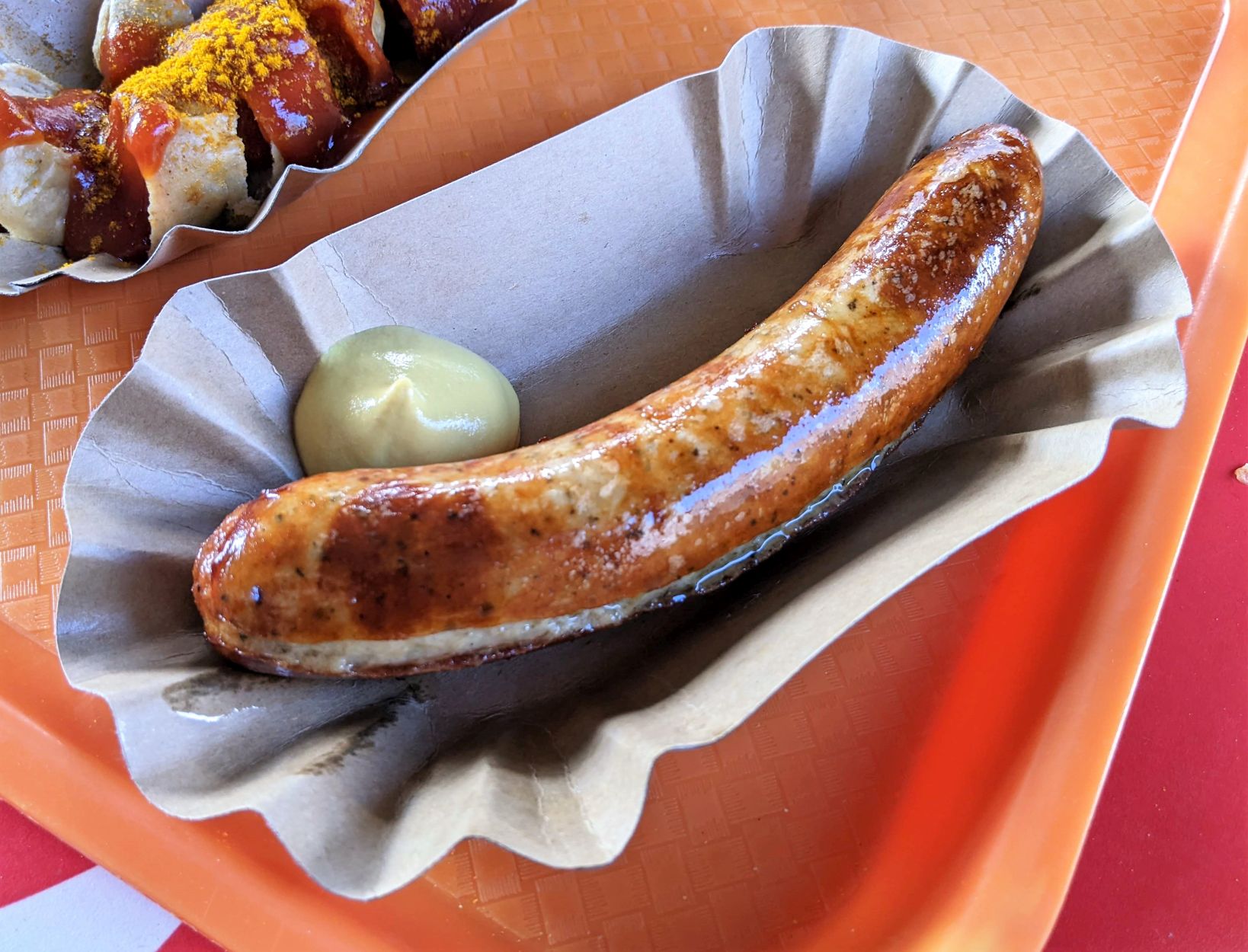
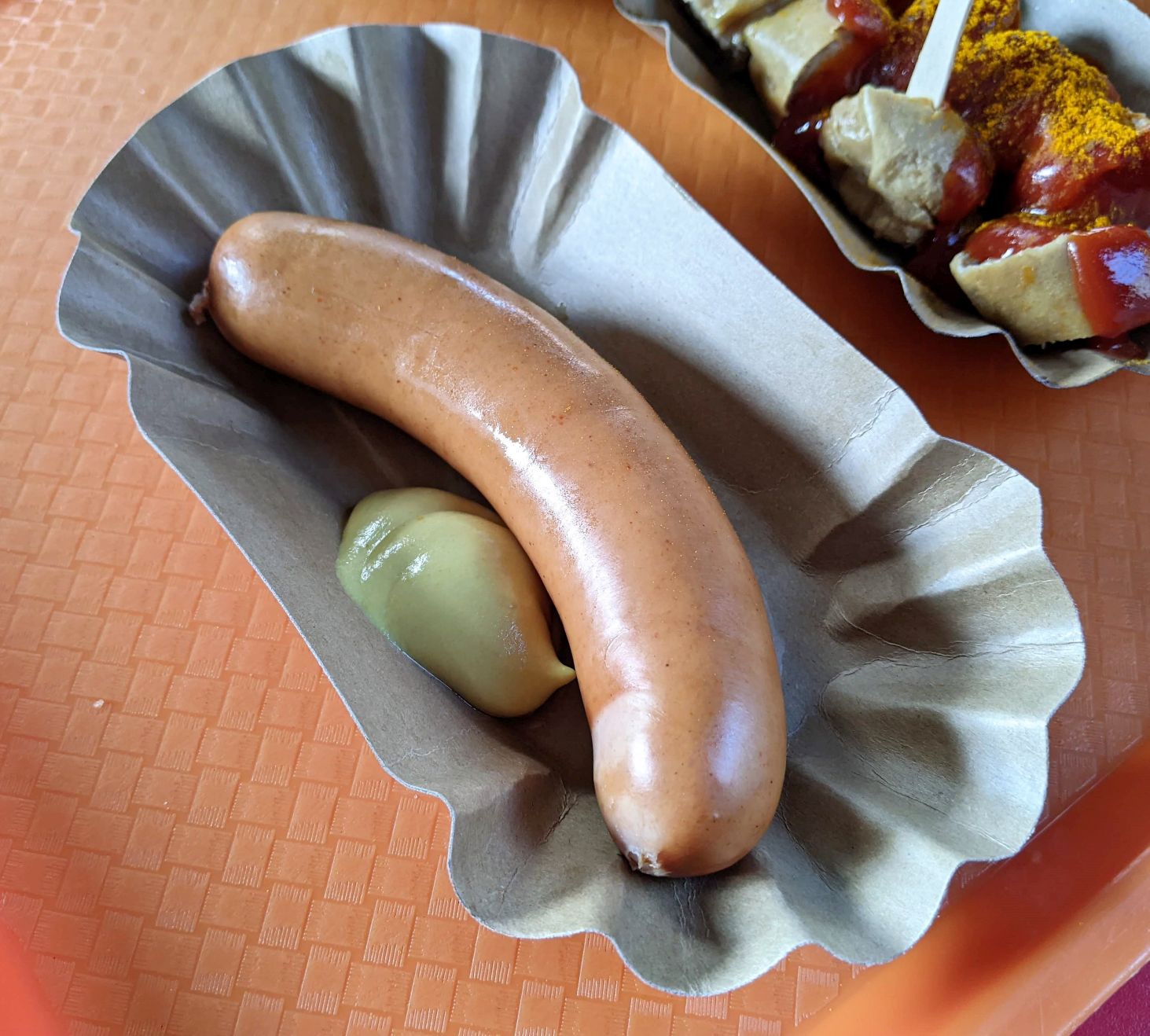
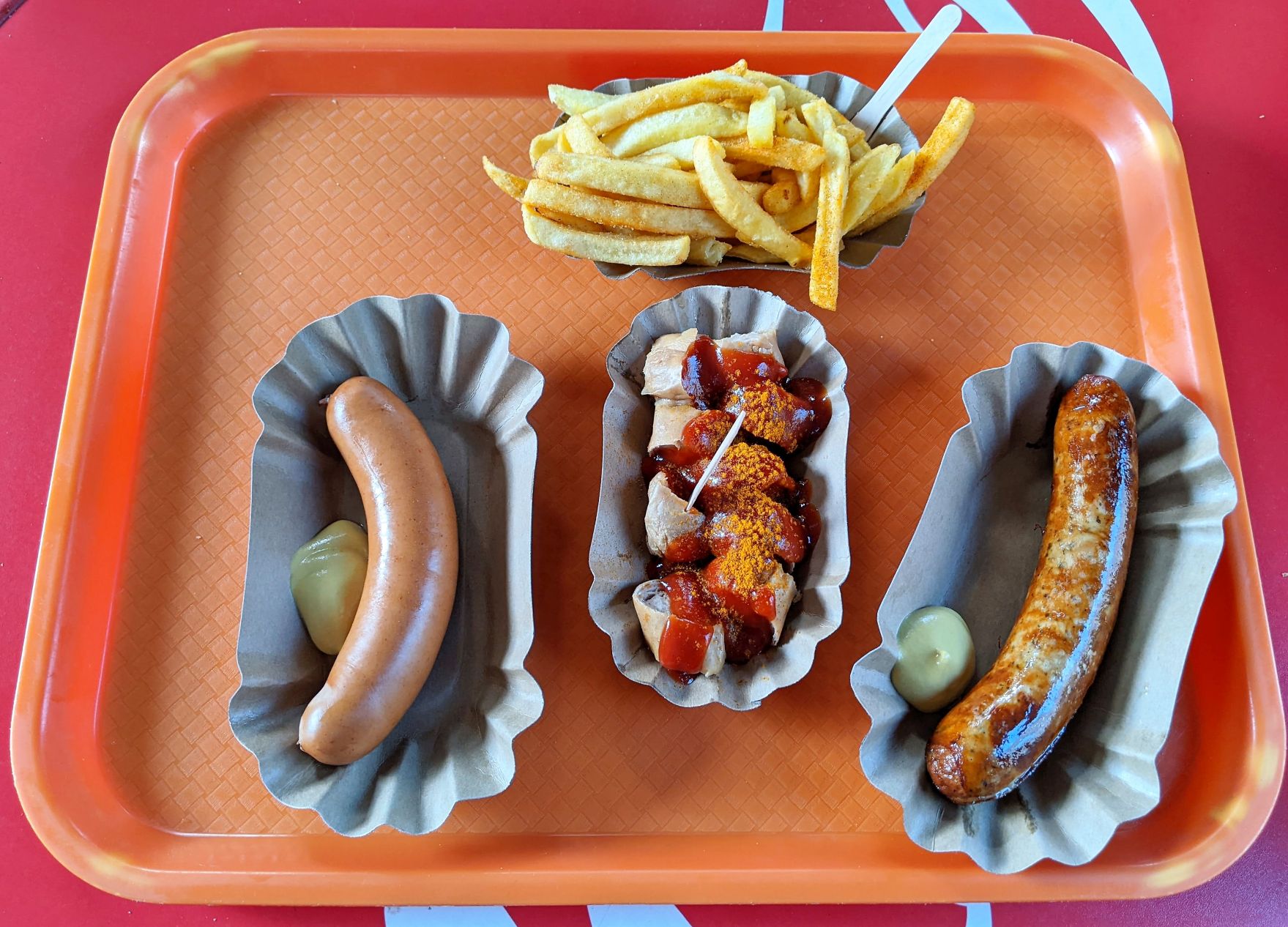
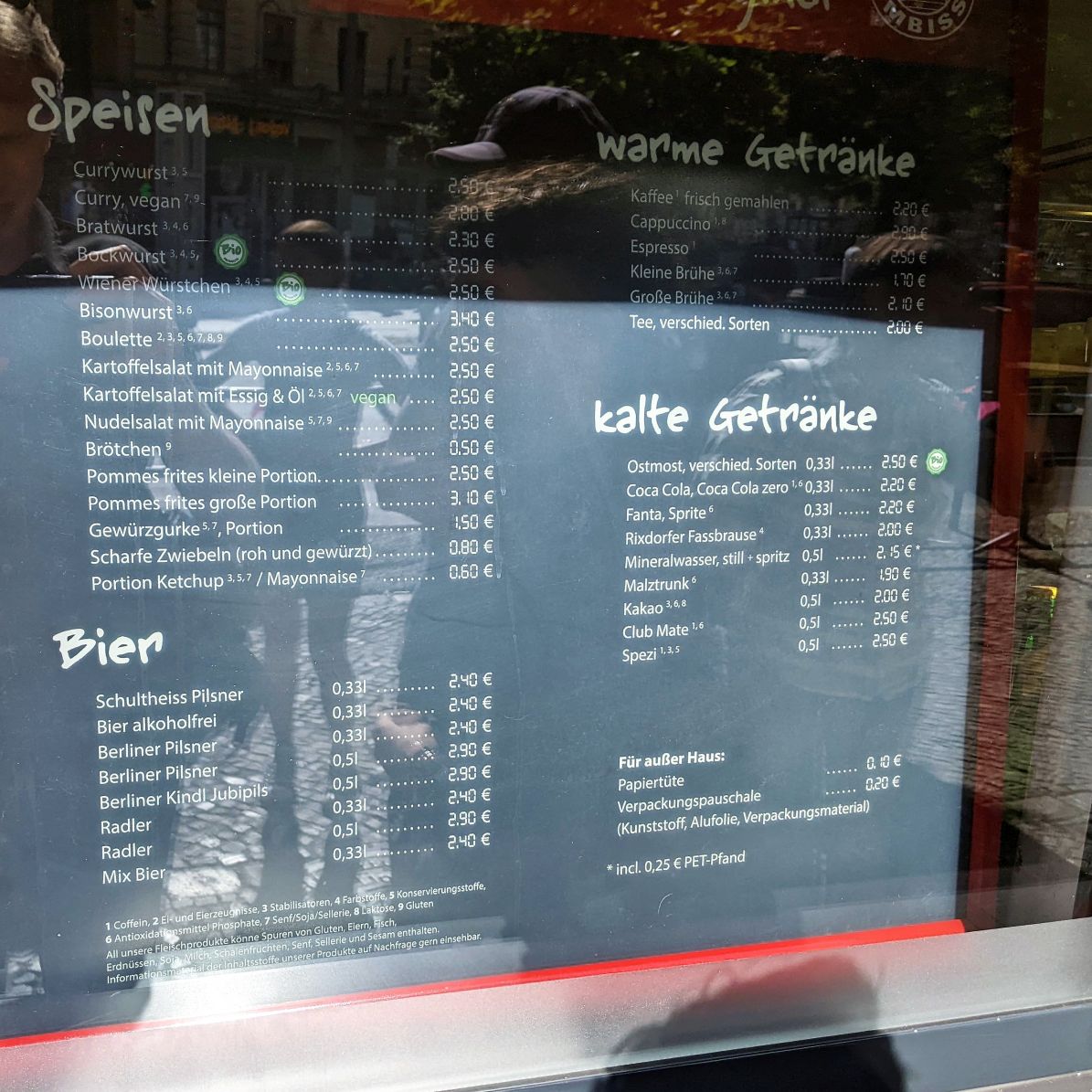
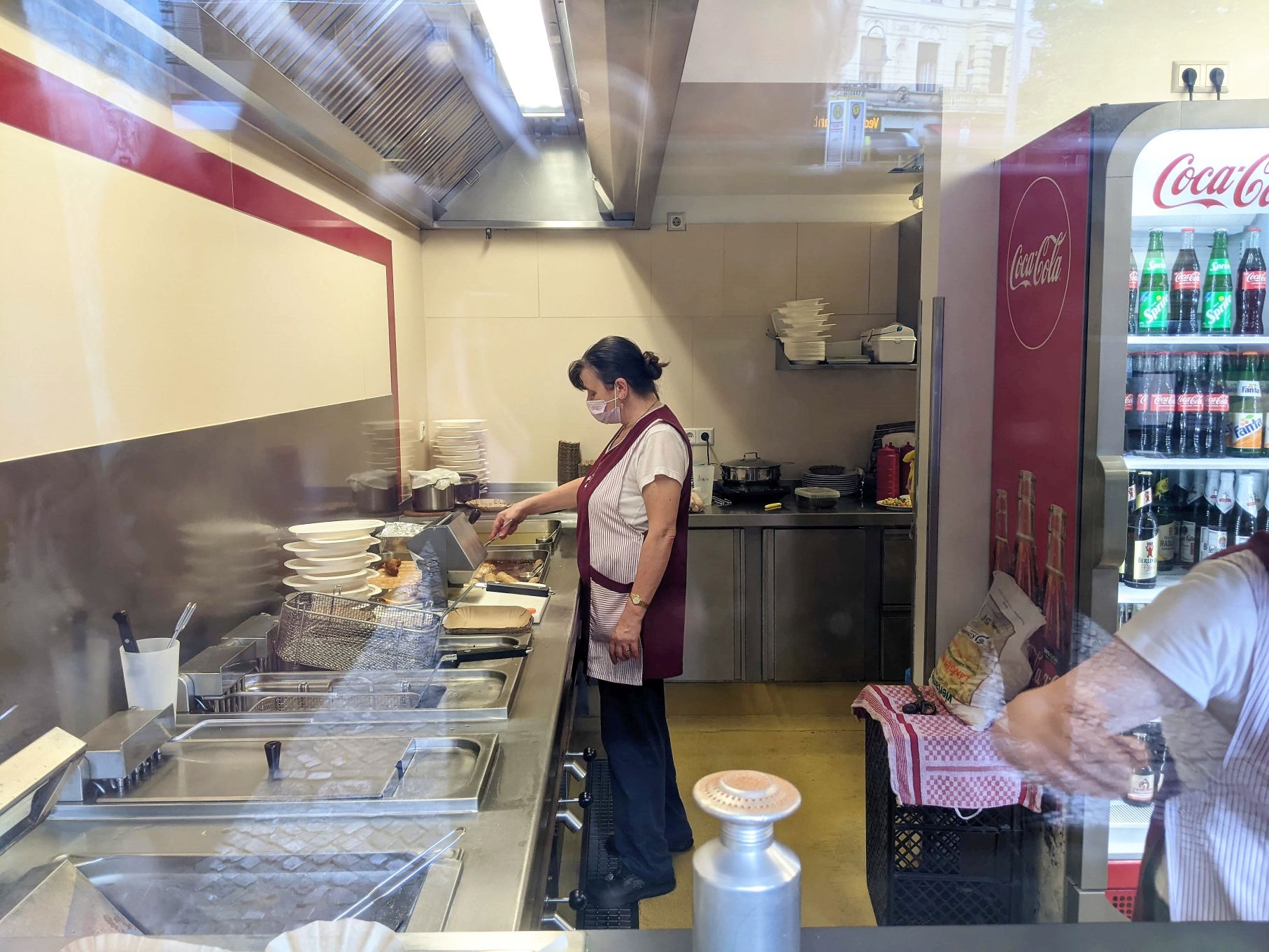
No frills and fast-paced, elderly clerks moving the queue like a well-oiled machine, choices are made from mounted menus with €2,50 yielding a steamed and fried Pork Sausage sliced and covered with spicy Ketchup plus a shake of Curry Powder on top.
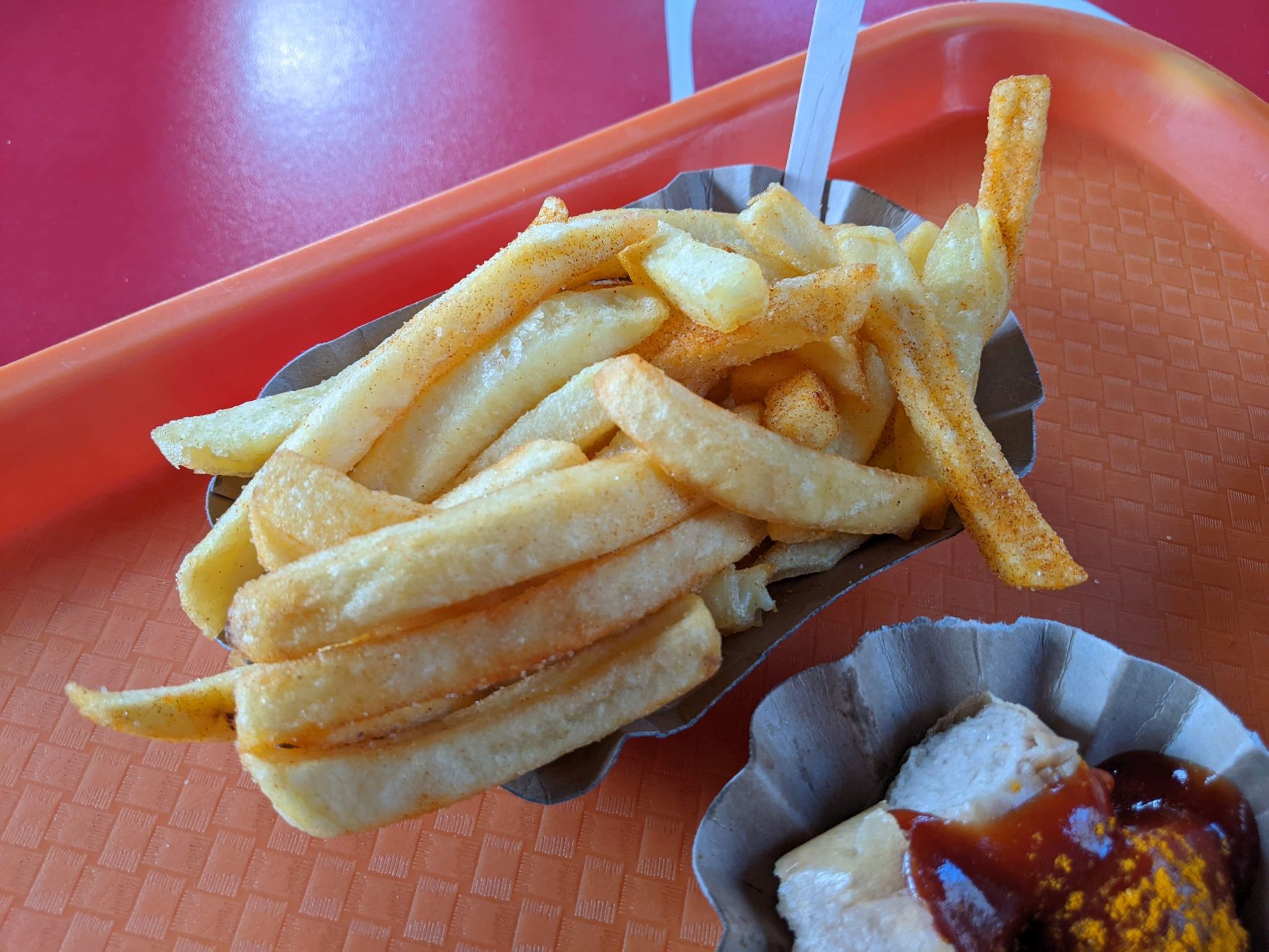
Juicy underneath a snappy Casing, the same to be said of a traditional Brat and Veal-based Bockwurst, fans of Mustard will find Konnopke’s more spicy than average while Fries cooked crisp and almost oilless are only €1 but generally in need of some extra Salt.
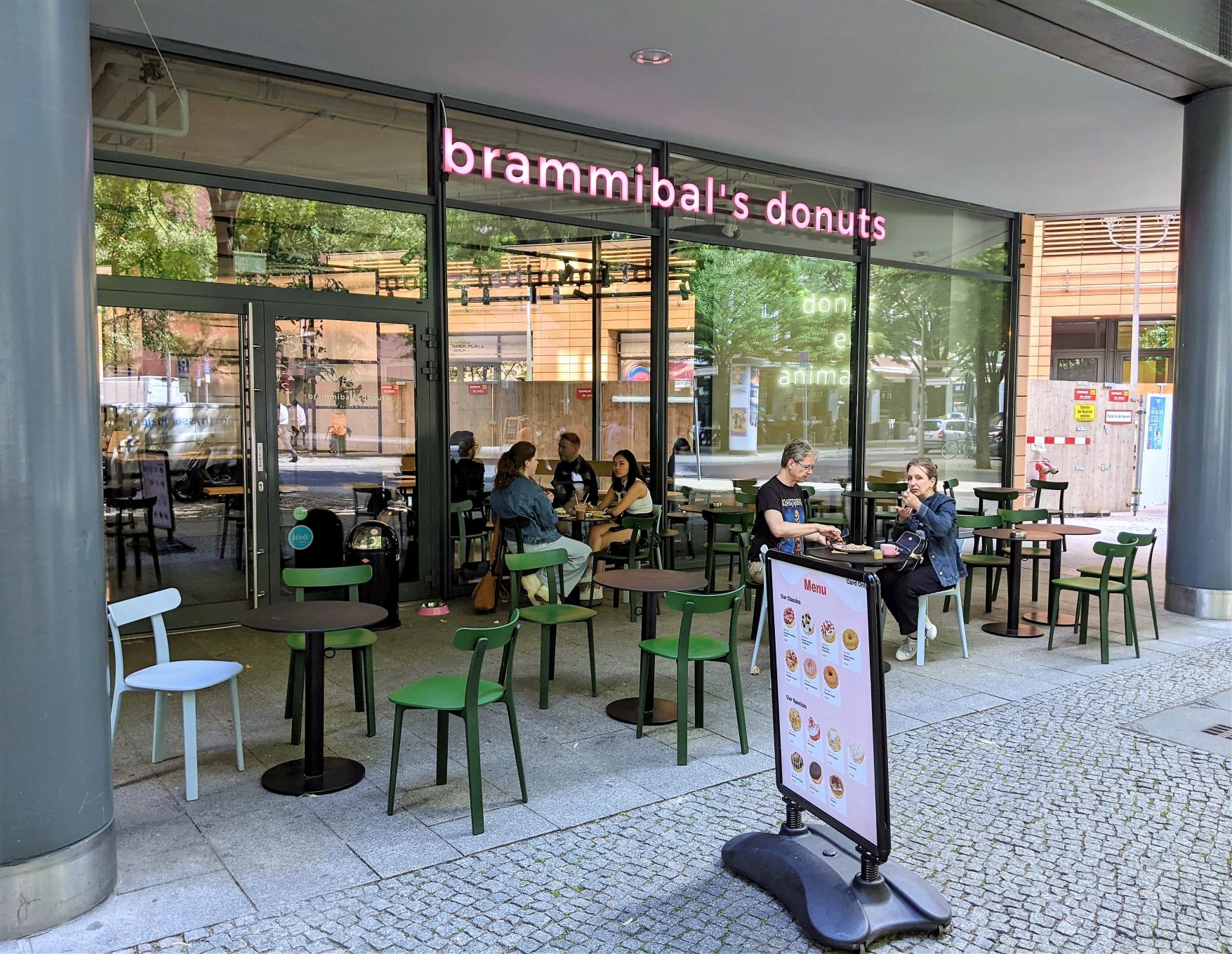
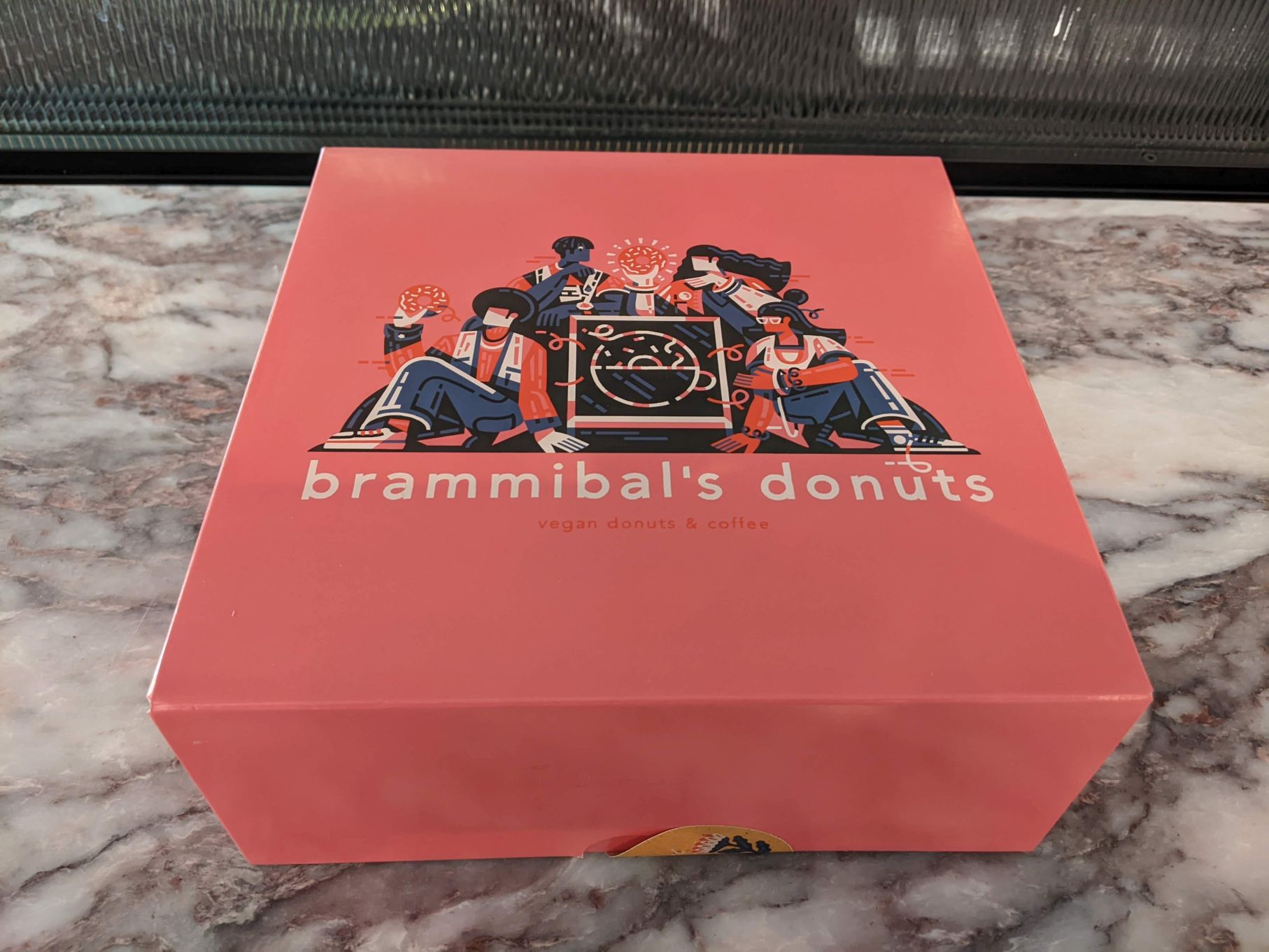
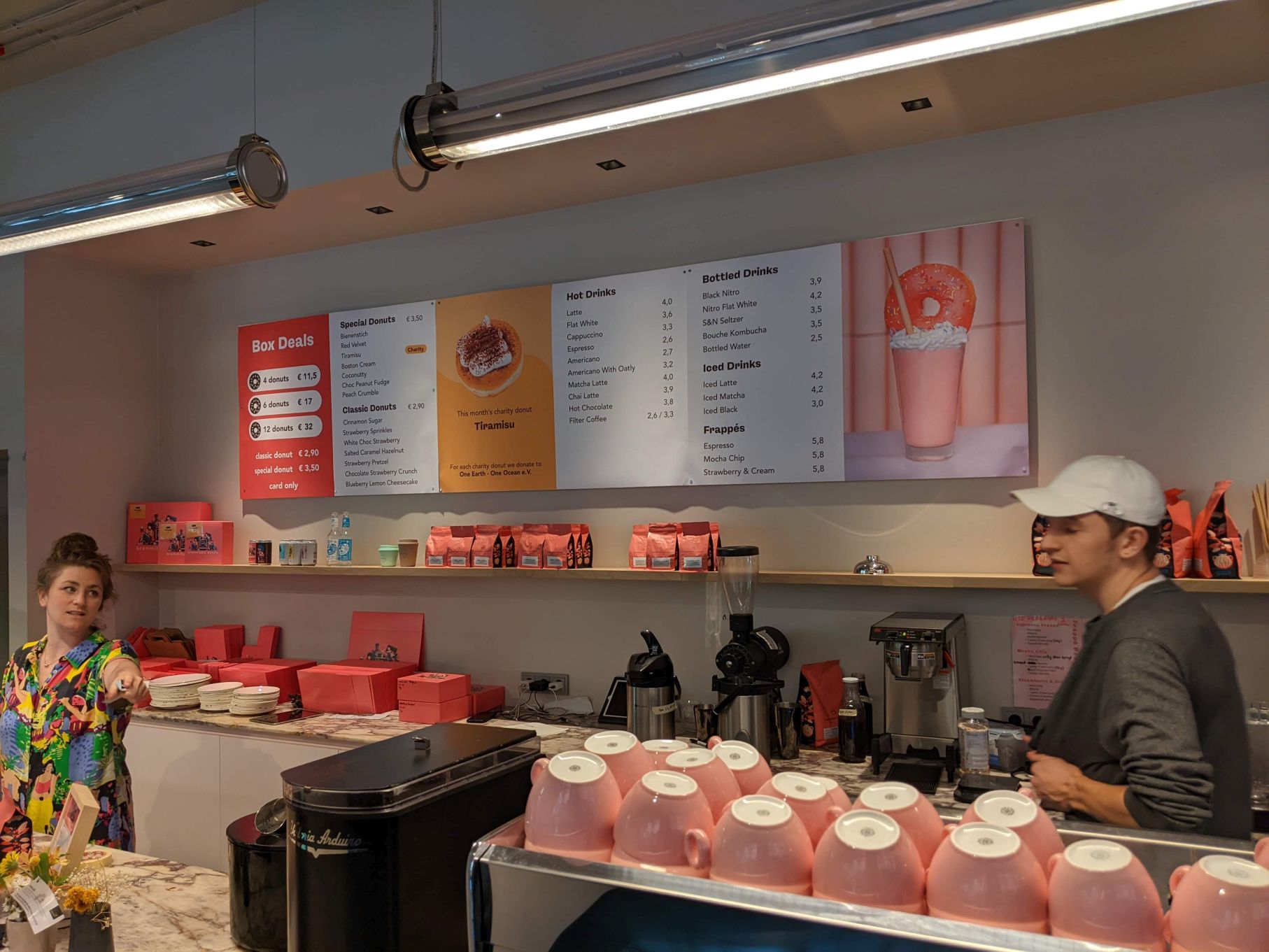
Said to be Europe’s first fully Vegan Donut Shop it was 2015 when Jessica Jeworutzki and Bram van Montfort opened Brammibal’s, a concept that has grown to six locations without sacrificing principles of quality sourcing, fair pay, sustainability and seasonality.
Part of trendy Potsdamer Platz since store number three in 2018, friendly and English-fluent service immediately making both Vegans and Omnivores feel welcome, it is by way of a constantly-evolving menu that Brammibal’s seeks to lure guests back while changing “the perception of plant based Food, one Donut at a time.”
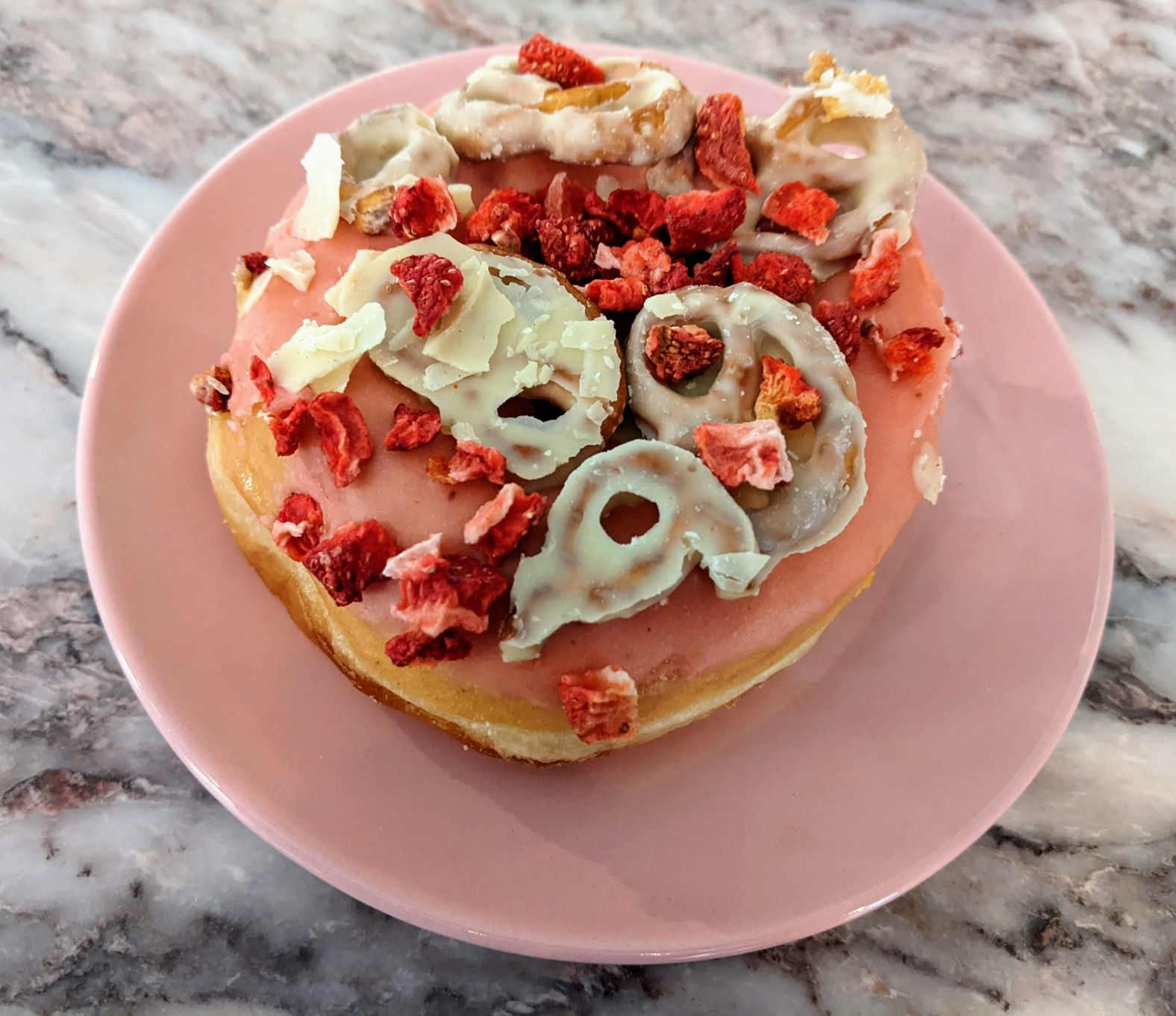
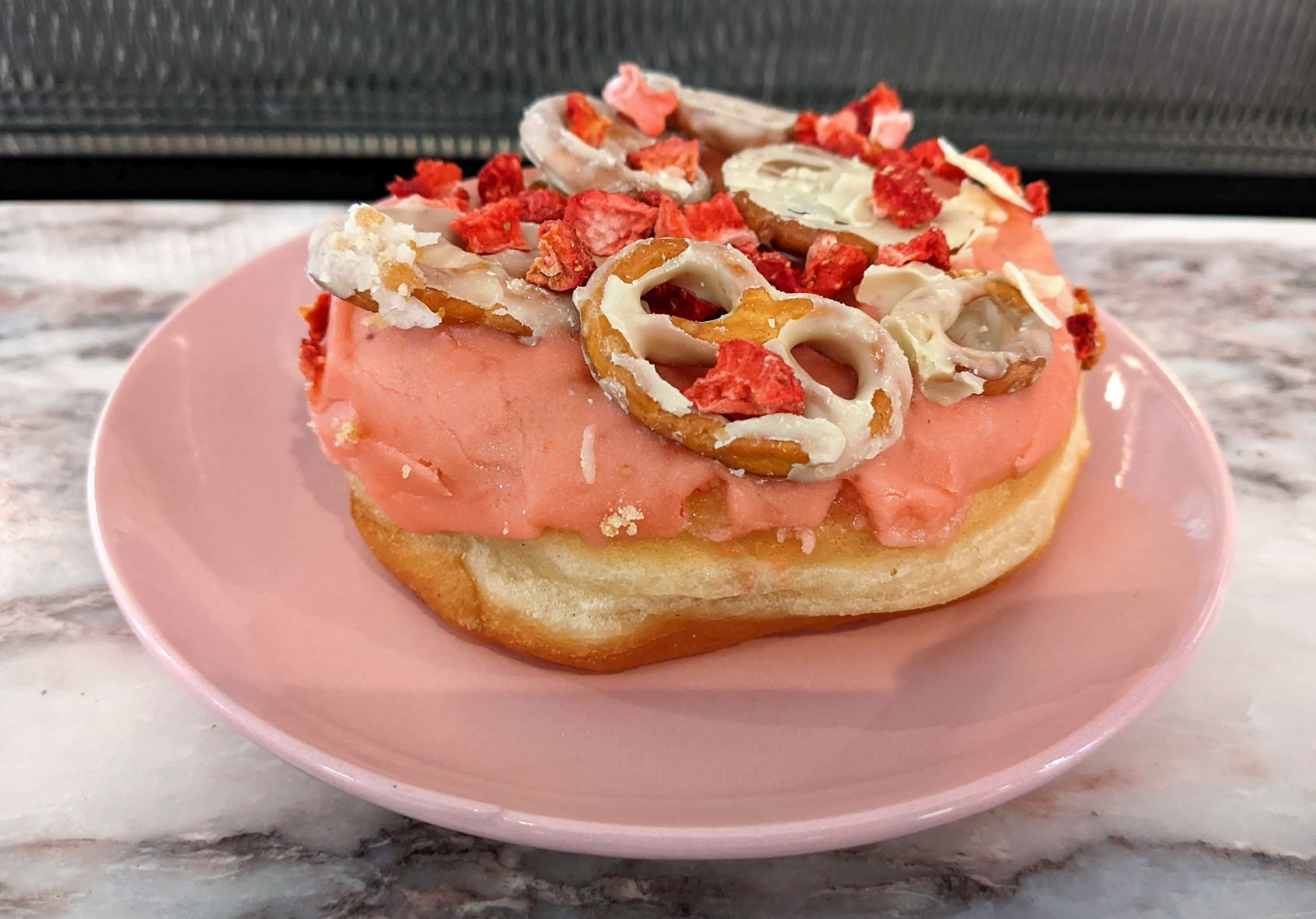
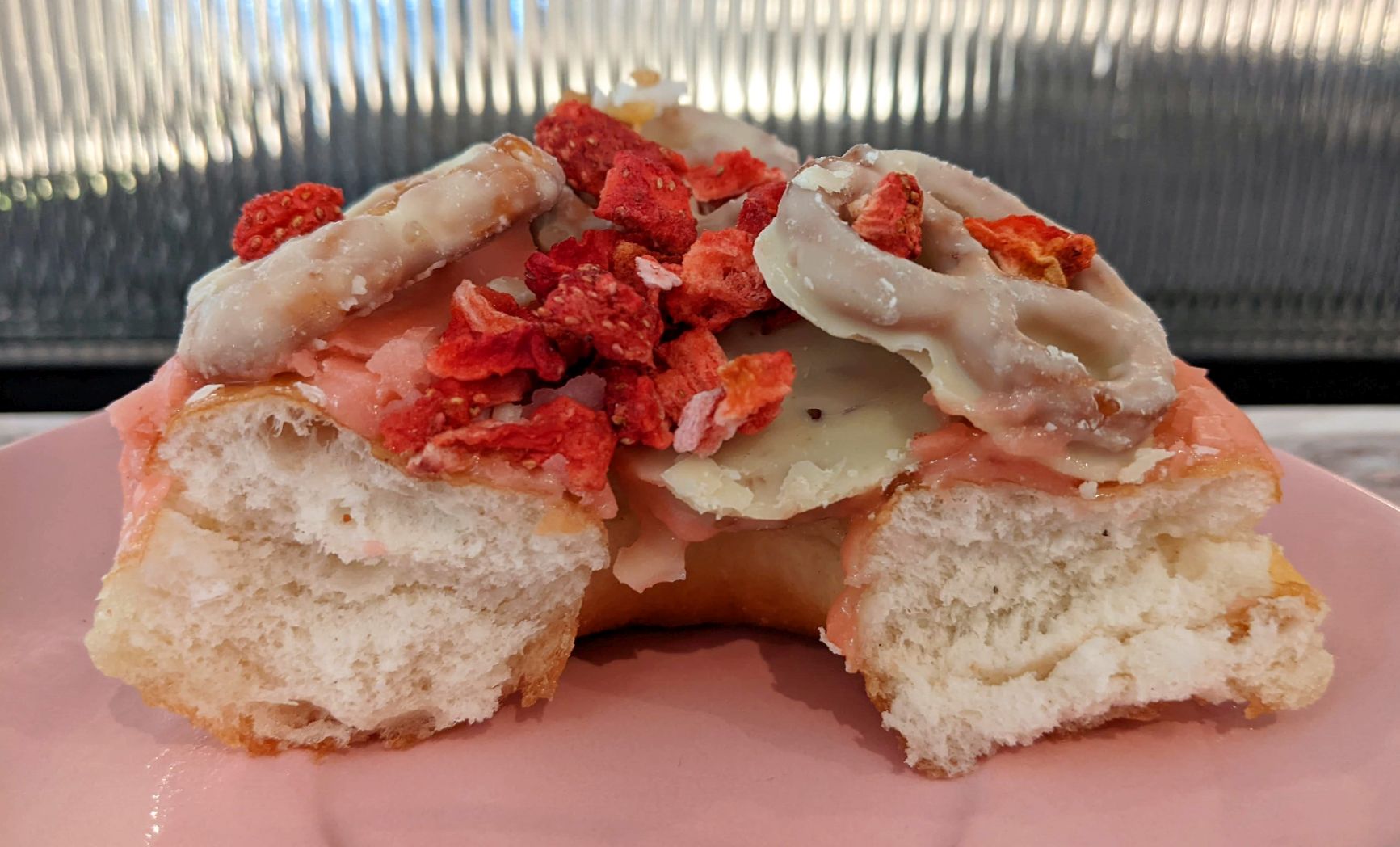
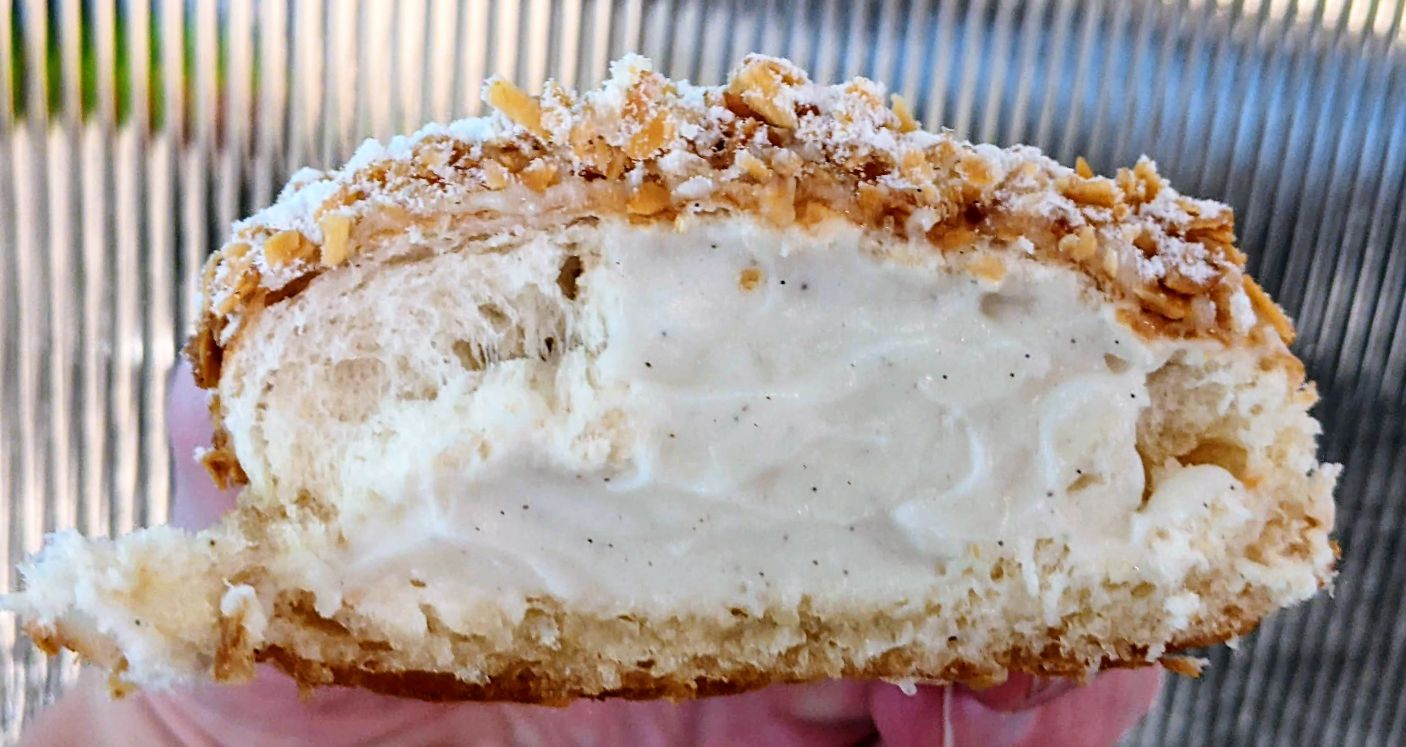
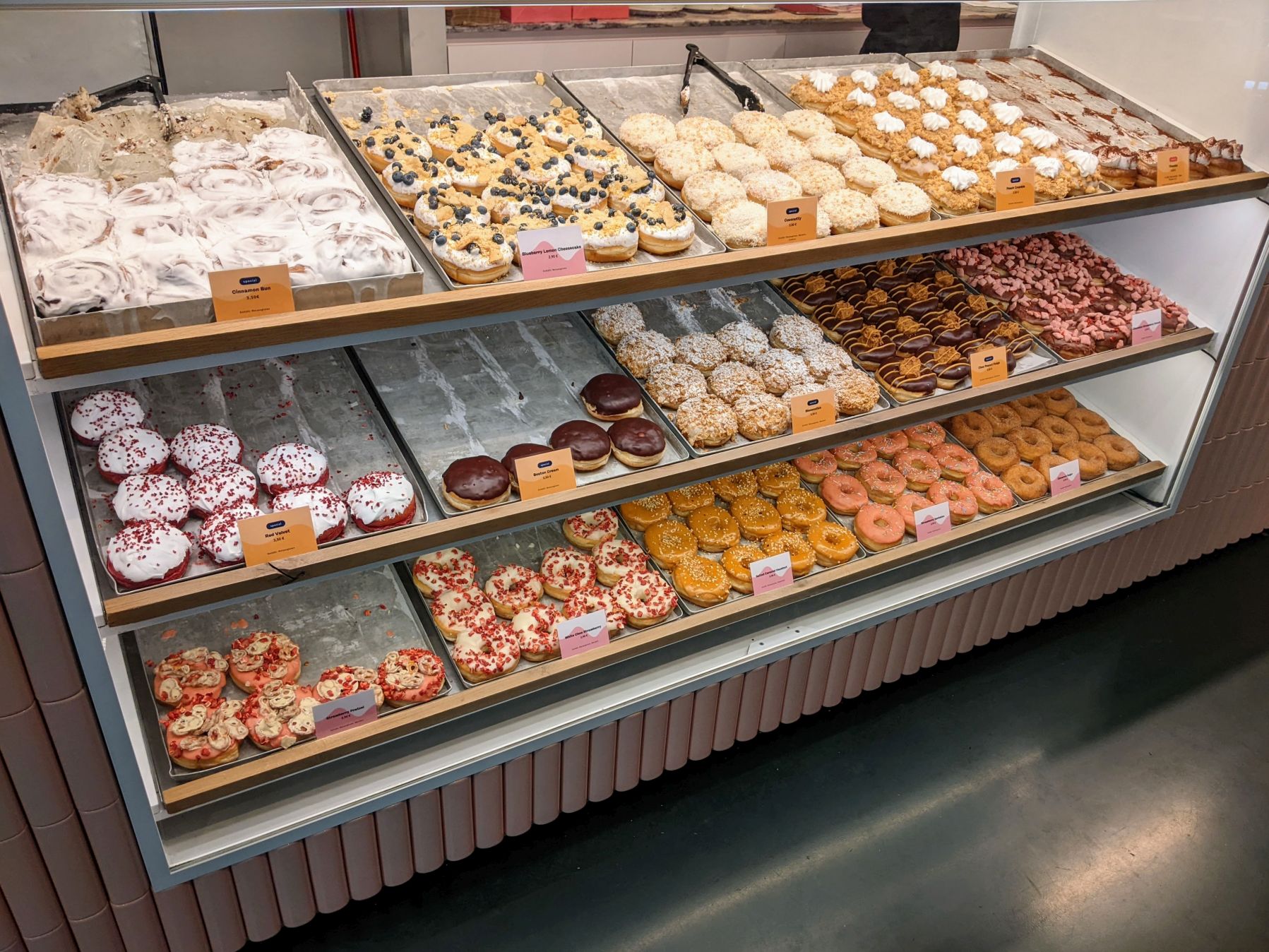
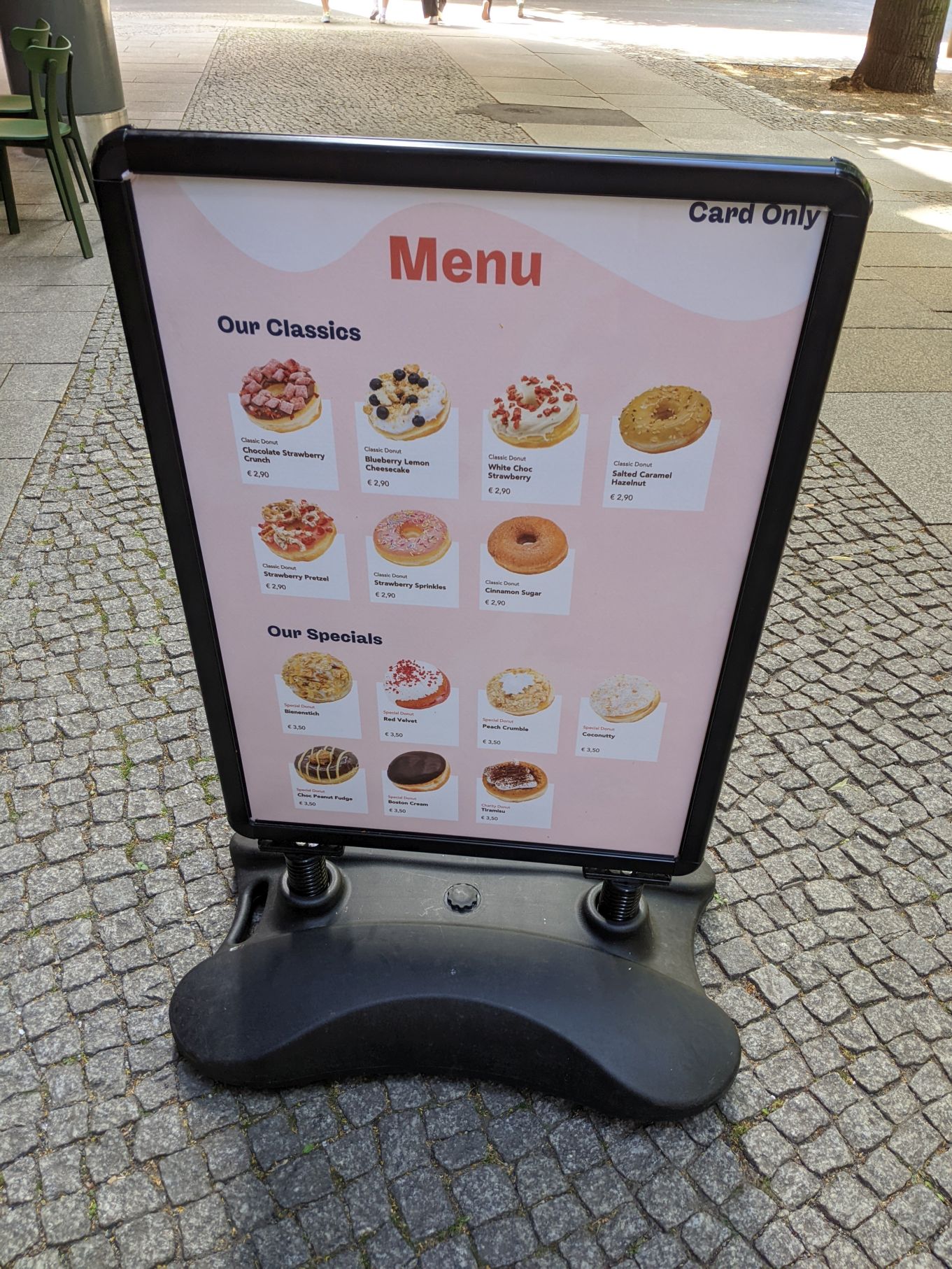
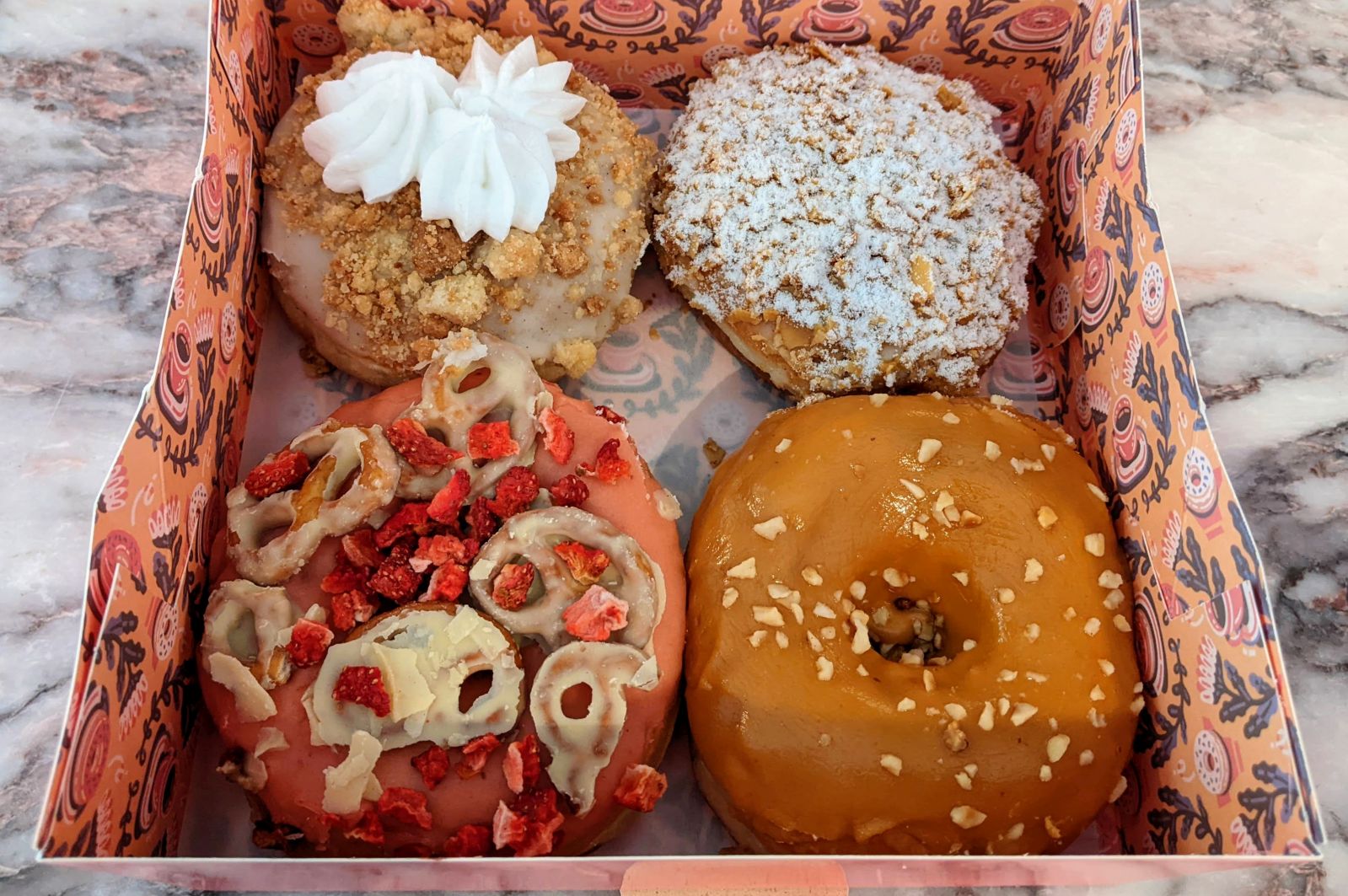
Handmade daily with no preservatives, glowing neon reading “don’t eat animals” the company’s only bit of on-site preaching, July’s menu features fourteen Donuts plus Cinnamon Rolls, a monthly charity the benefactor of Tiramisu that looked good, but less compelling than “Strawberry Pretzel” juxtaposing a soft base with naturally flavored Glaze, dehydrated Fruit and salted twists coated in White Chocolate.
Eschewing Pfannkuchen offered elsewhere, though filled “Berliners” constitute a good portion of Brammibal’s choices, Peach Cobbler seems an oddly American choice executed flawlessly beneath Streusel one can’t believe is made without Butter while Salted Caramel Hazelnut retains its hole and achieves wonderful results in terms of both taste and texture.
Employing a full-time Pastry Chef for product development, the volume of a brand open up to twelve-hours daily requiring diligence to maintain consistency, those familiar with German Cuisine will realize Bienenstich is nothing to miss, €3,50 a certified bargain for locally-milled Flour, candied Almonds and lots of Vanilla Custard that somehow tastes as good as from a French Patisseries despite the lack of Milk or Cream.
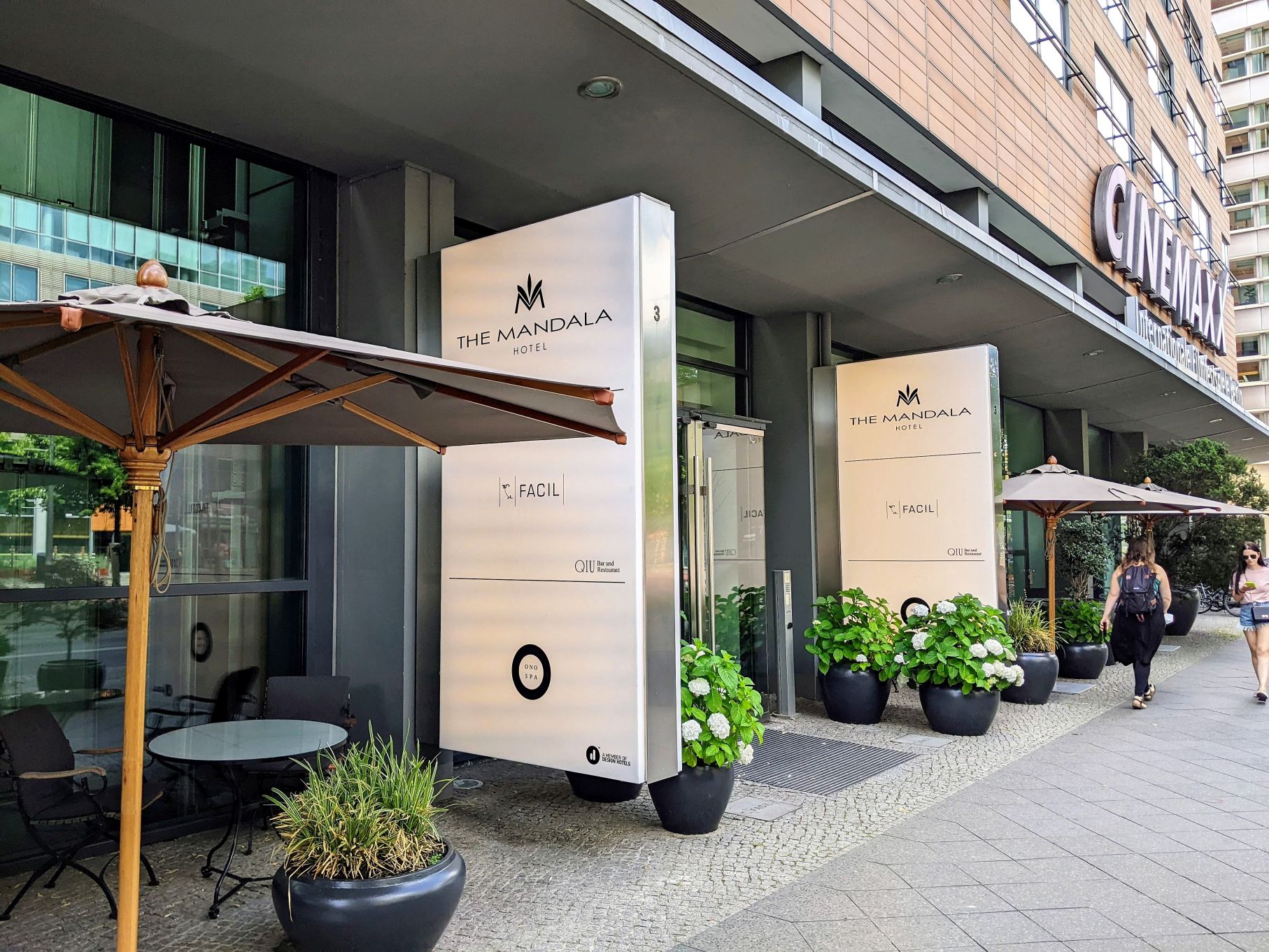
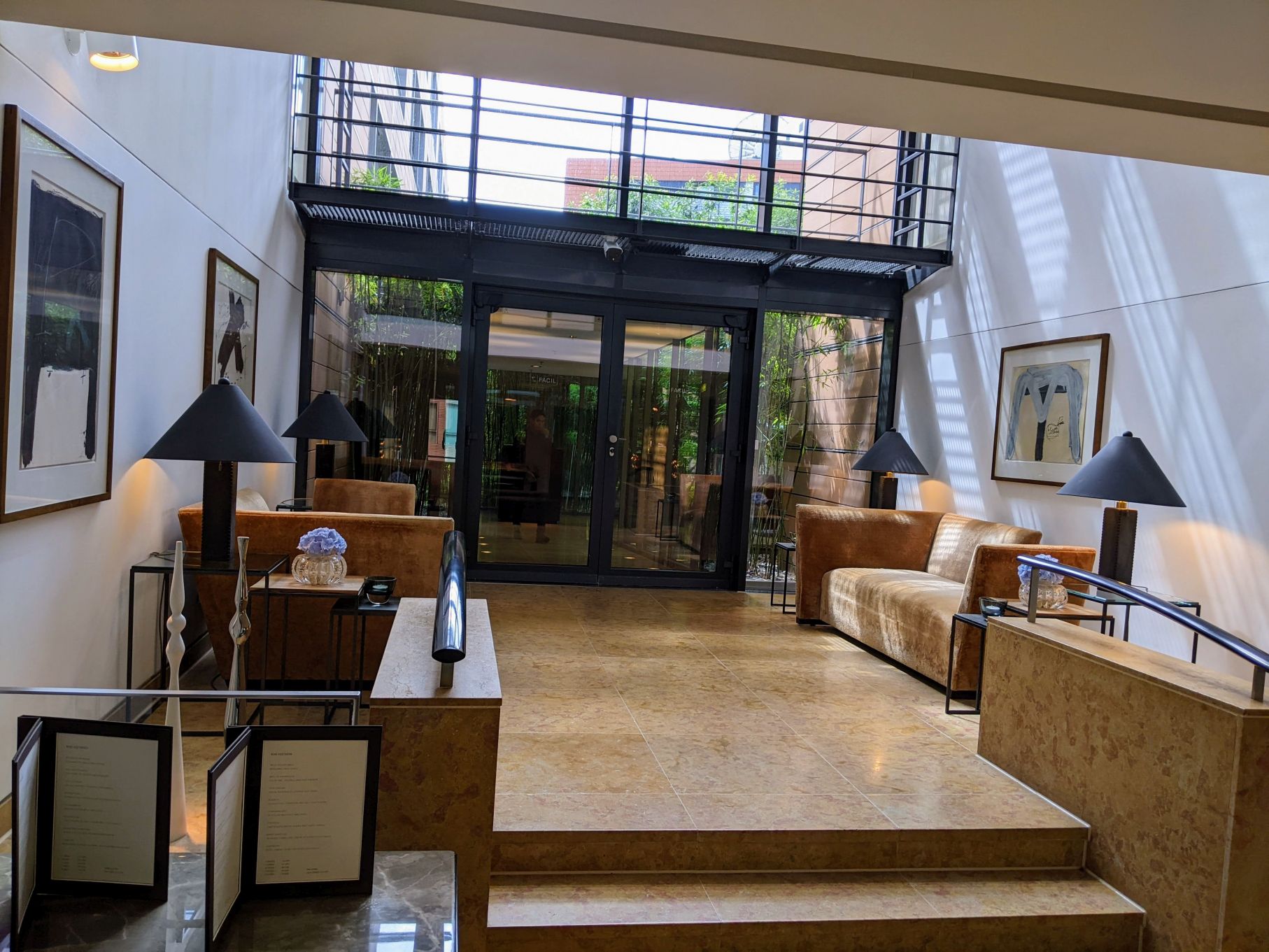
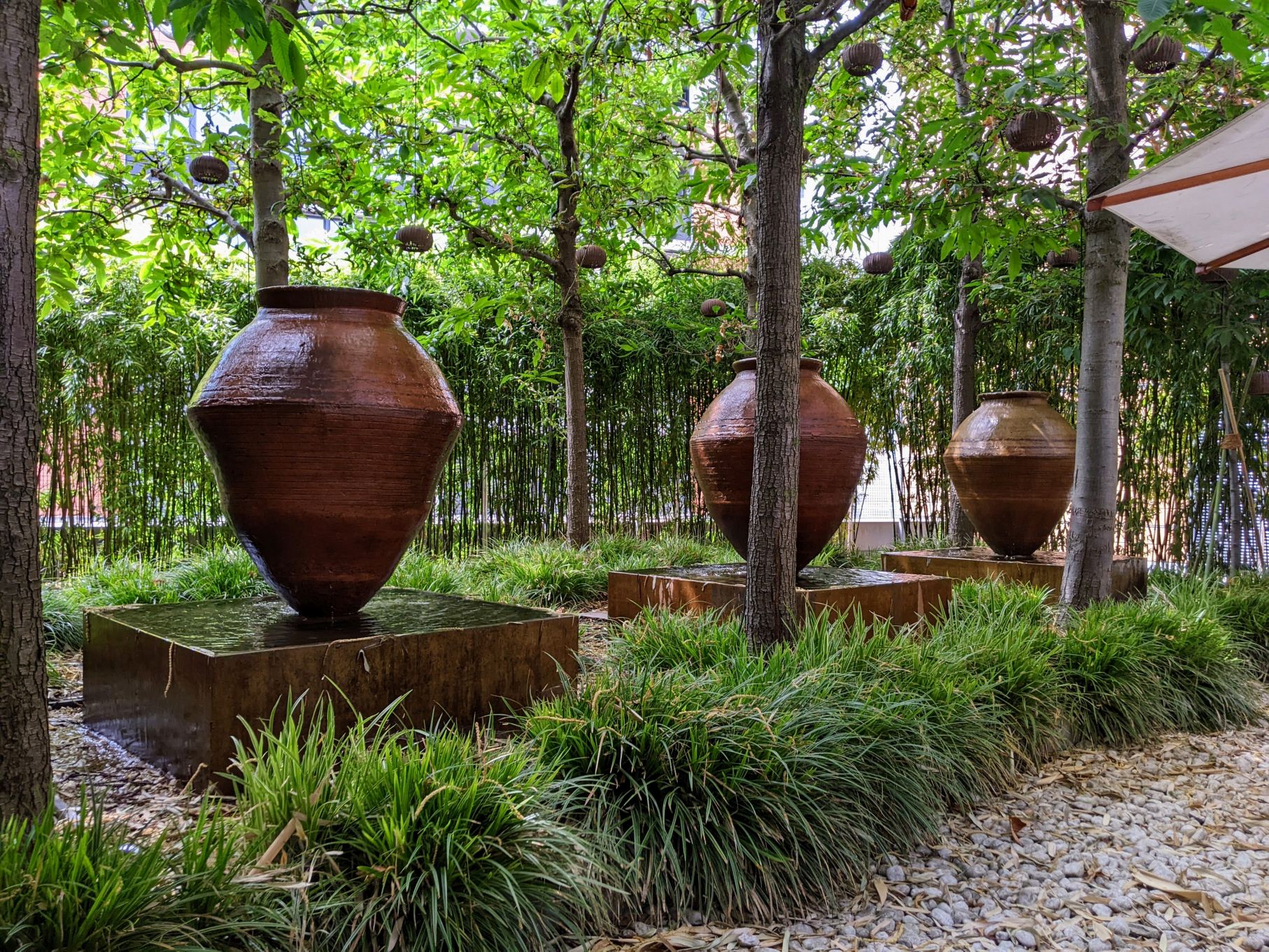
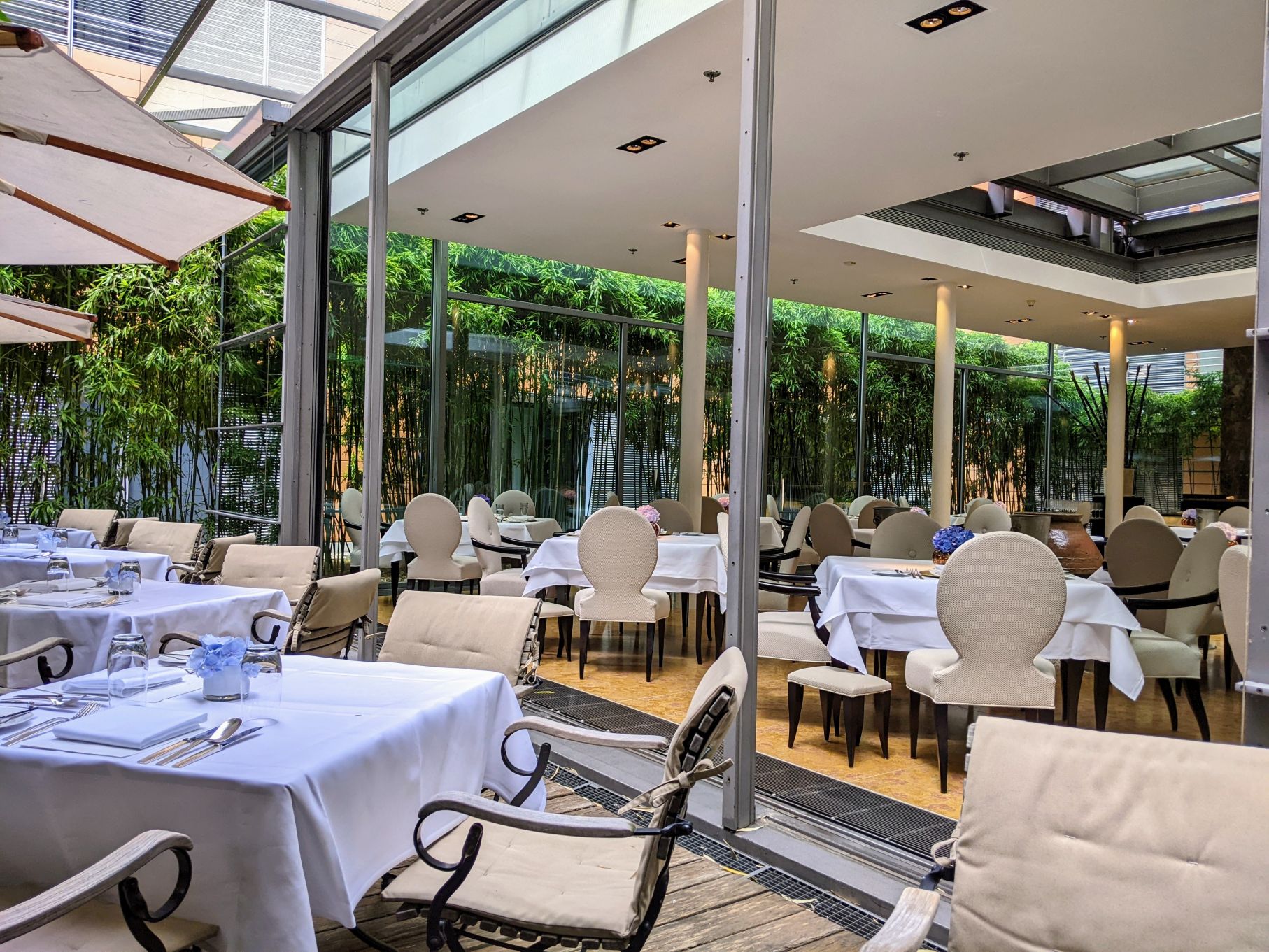
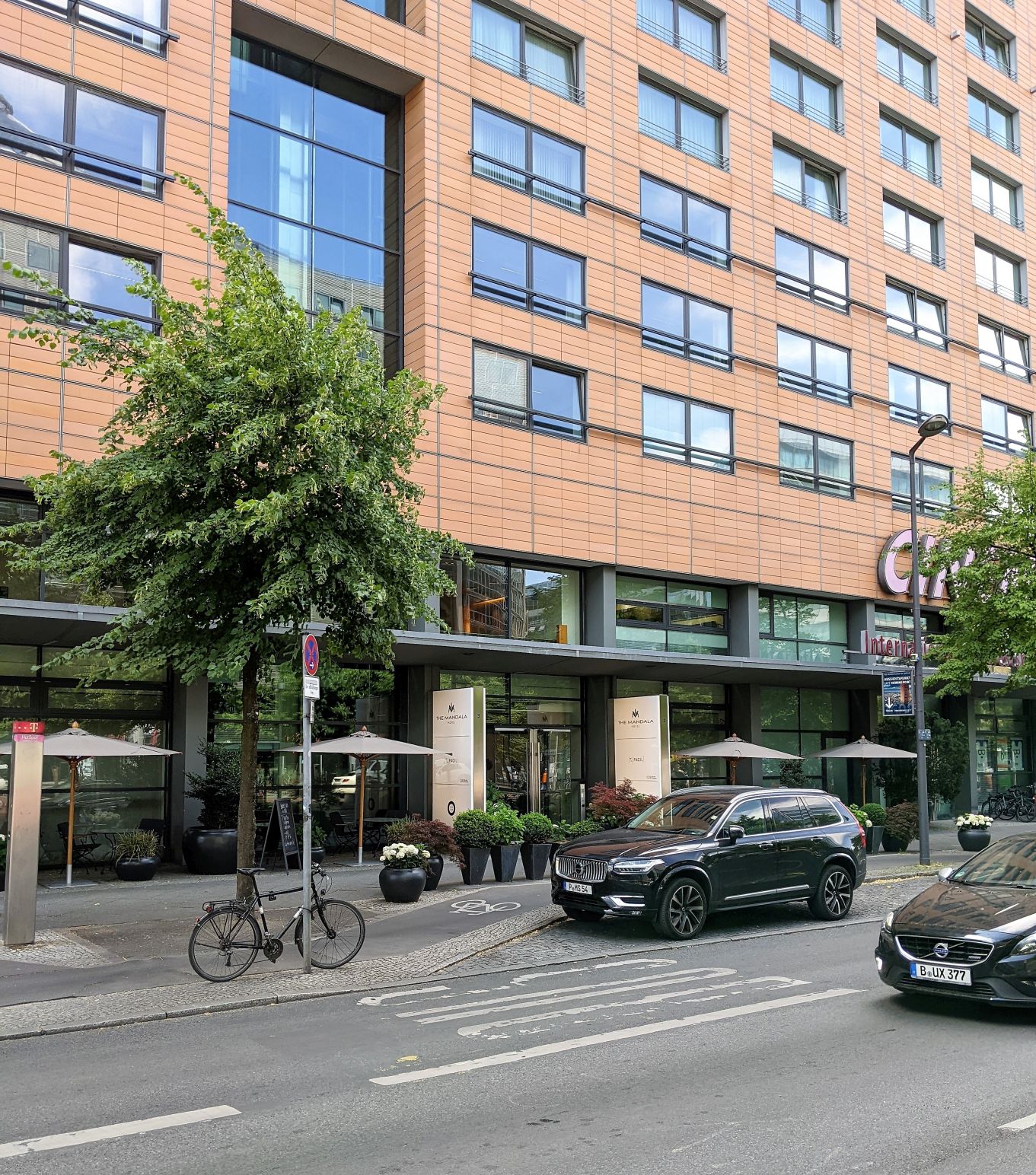
Awarded 2 Michelin Stars FACIL Restaurant at Potsdamer Platz in The Mandala Hotel Berlin has been under the toque of Chef Michael Kempf for 19 years, its location on the 5th floor with an open air patio creating something of a sanctuary from the concrete and traffic outside.
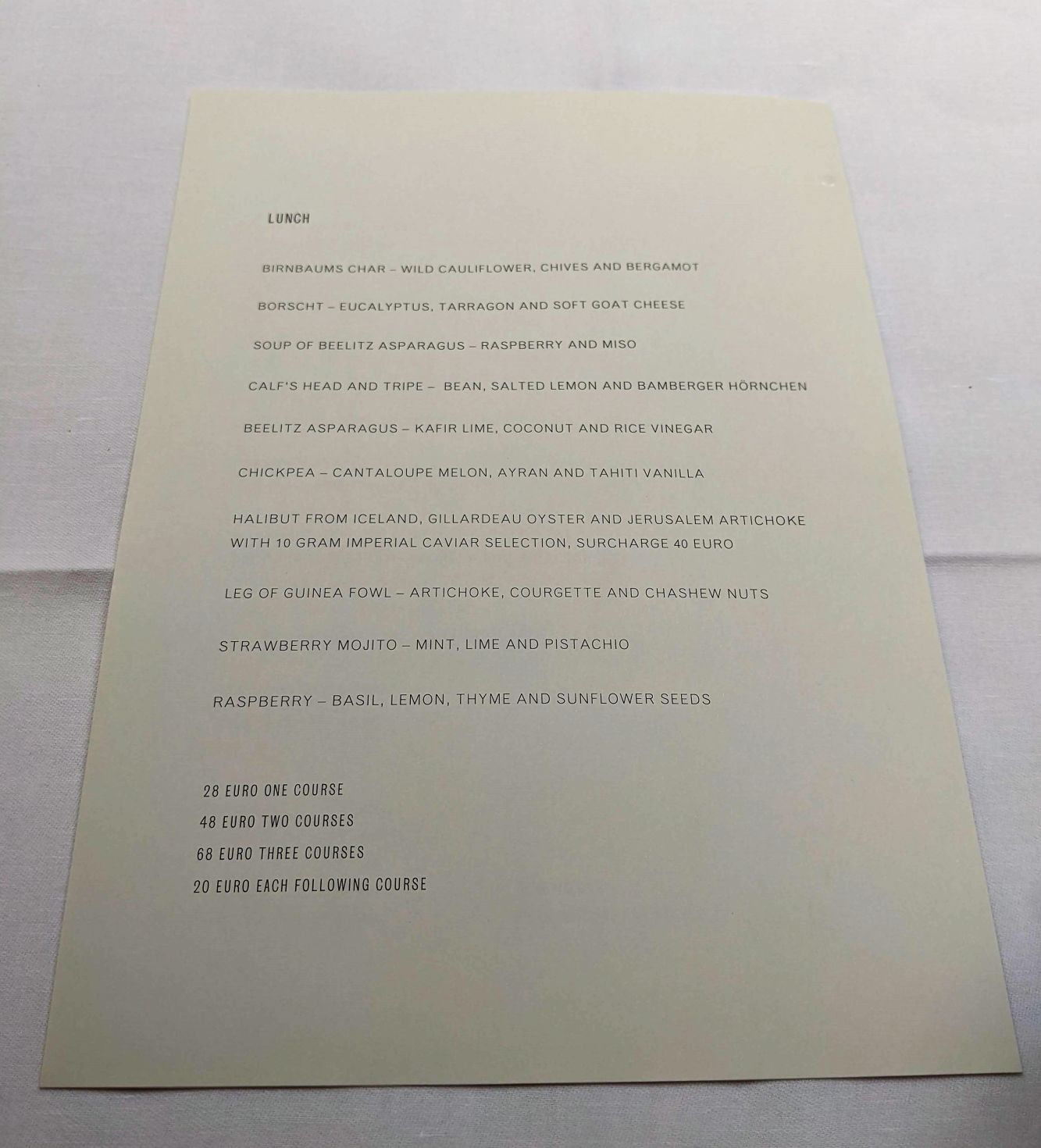
Not the sort of place one stumbles upon, elegant surroundings including glass panels and fountains befitting upscale clientele, FACIL offers lunch and dinner Monday through Friday, the daytime a la carte menu an extraordinary bargain beginning at €28 plus twenty more for each additional plate.
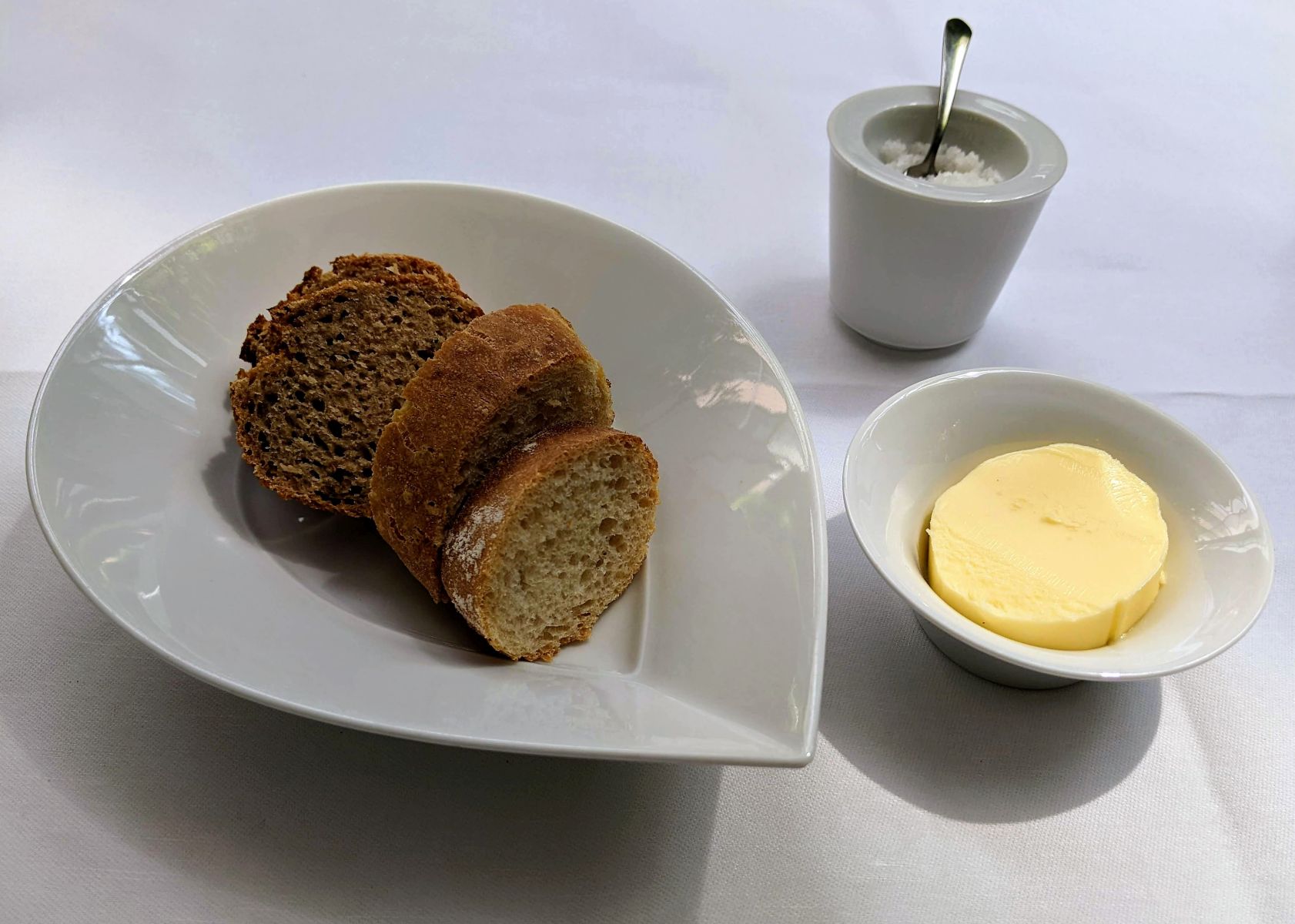
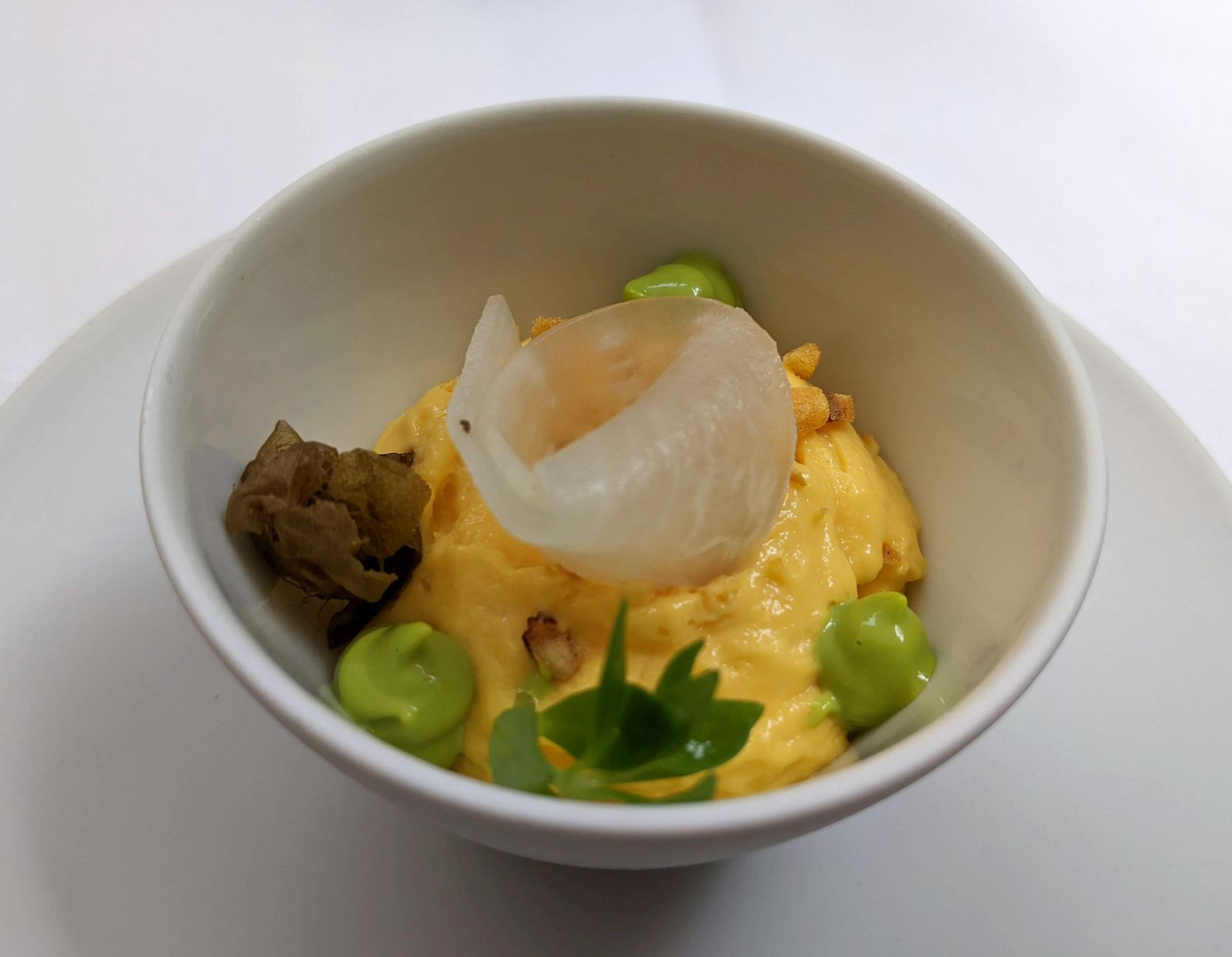
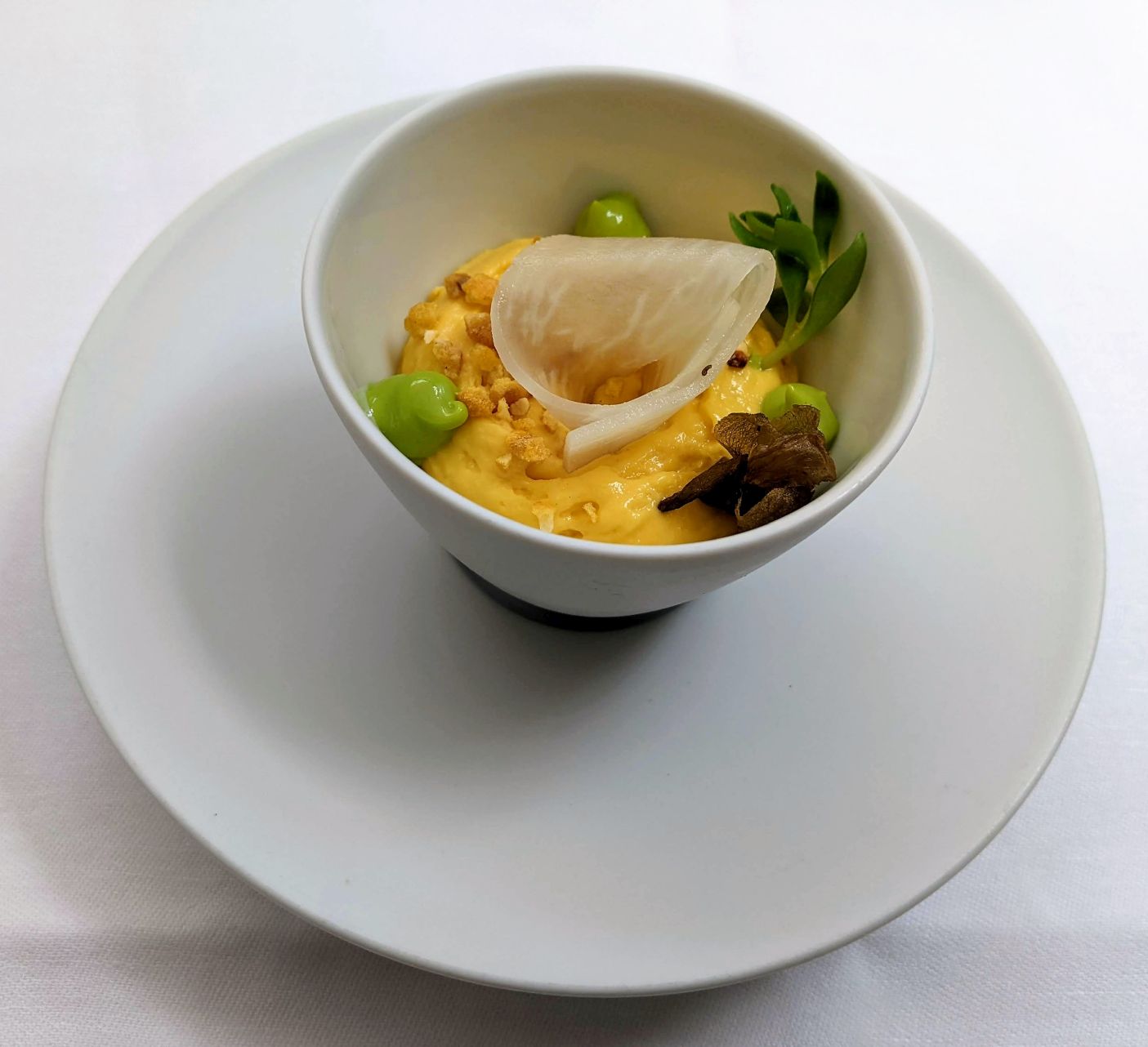
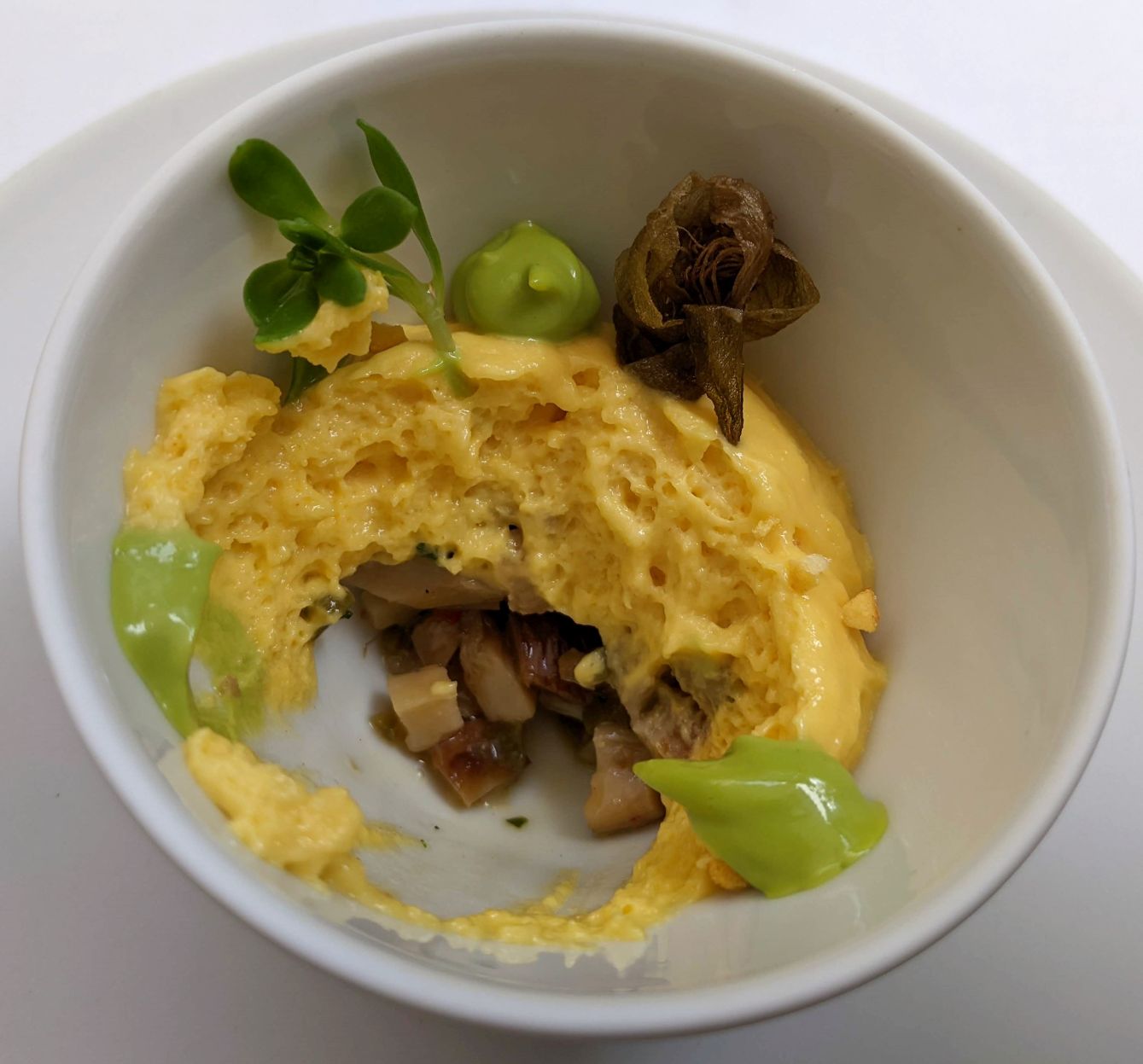
Trained in Germany but not limited to region, both Ingredients and ideas casting a global net, service is gracious and accommodating beginning with housemade Bread plus a daily Amuse of creamy Corn concealing Mushrooms, Peppers and Seeds.
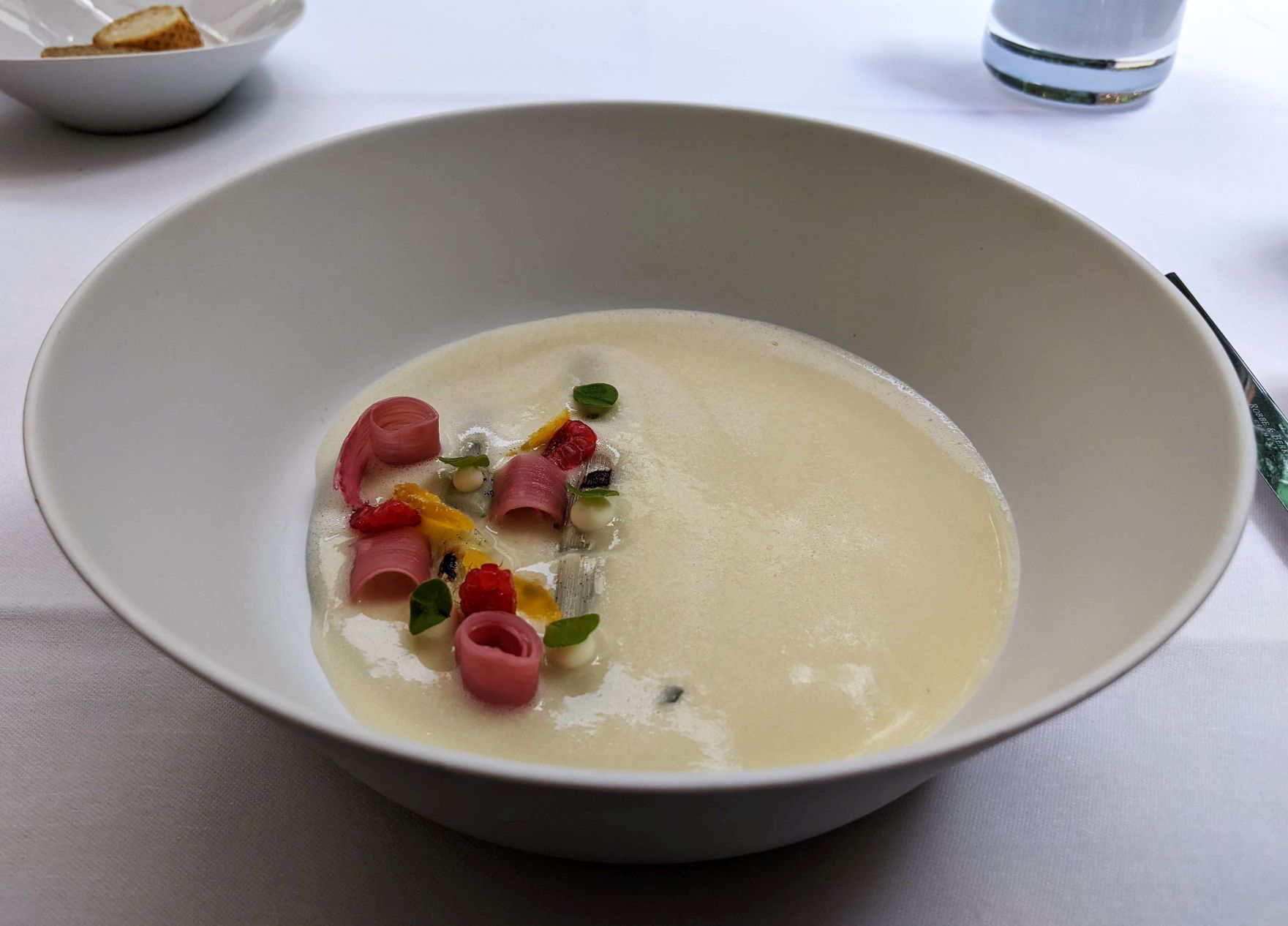
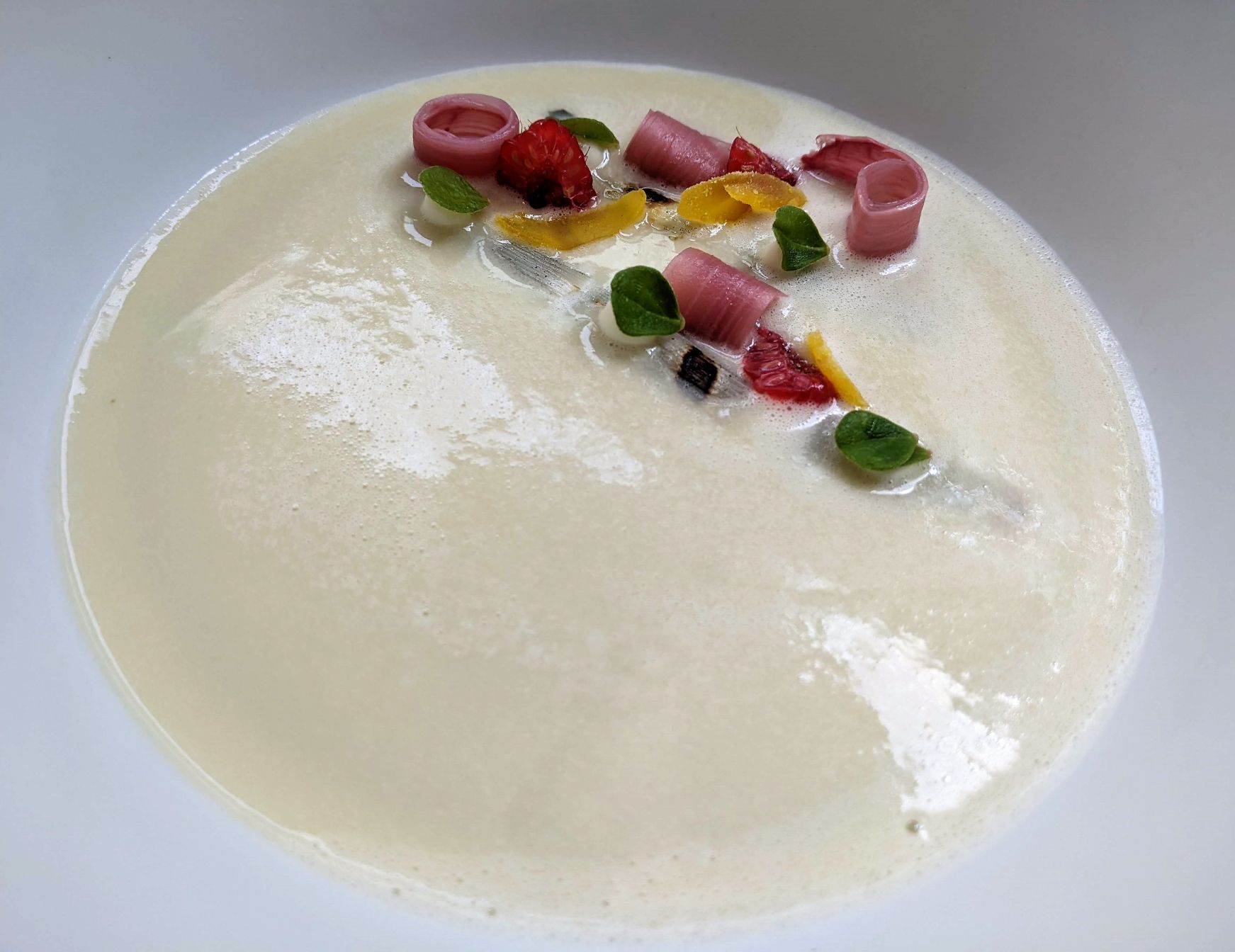
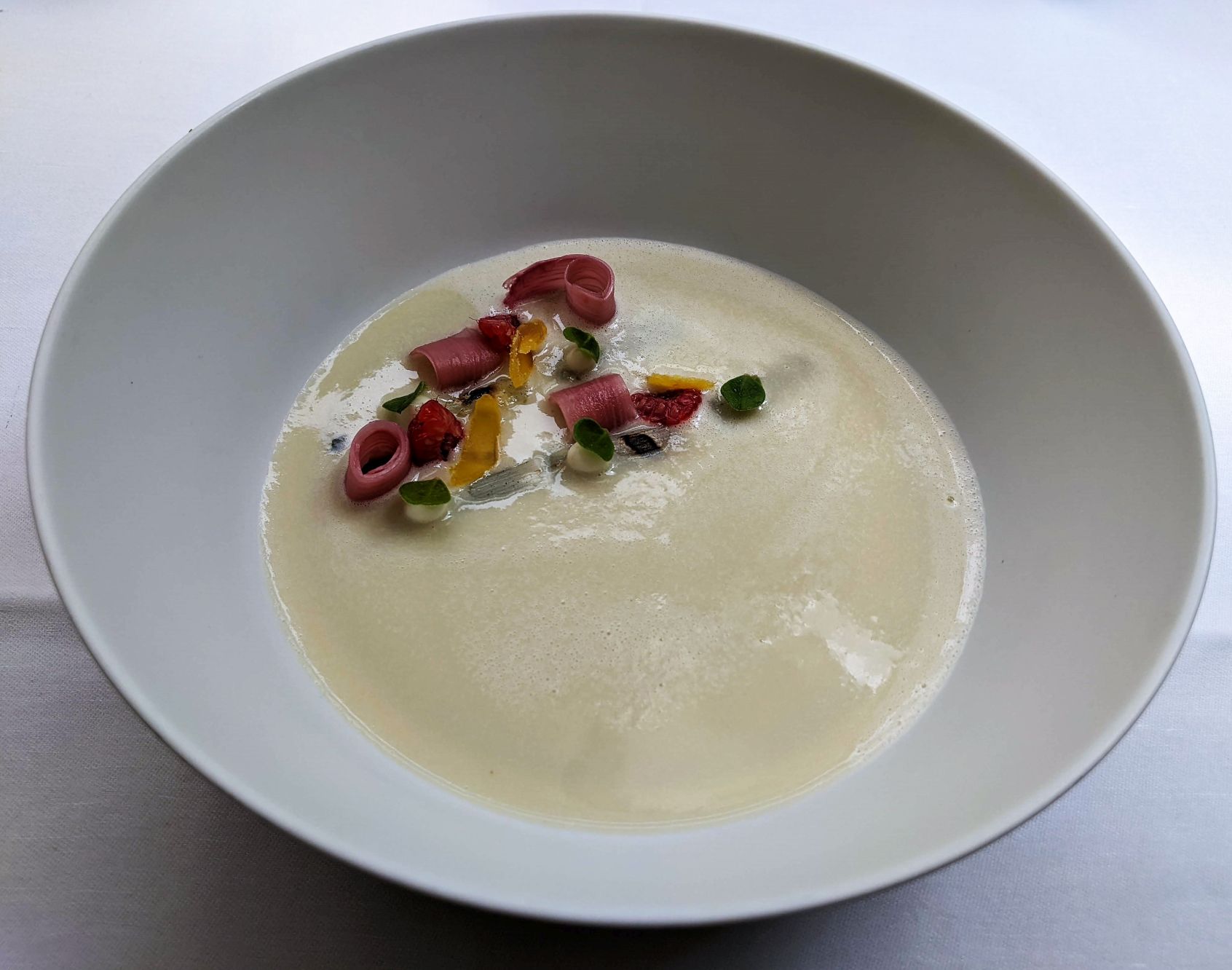
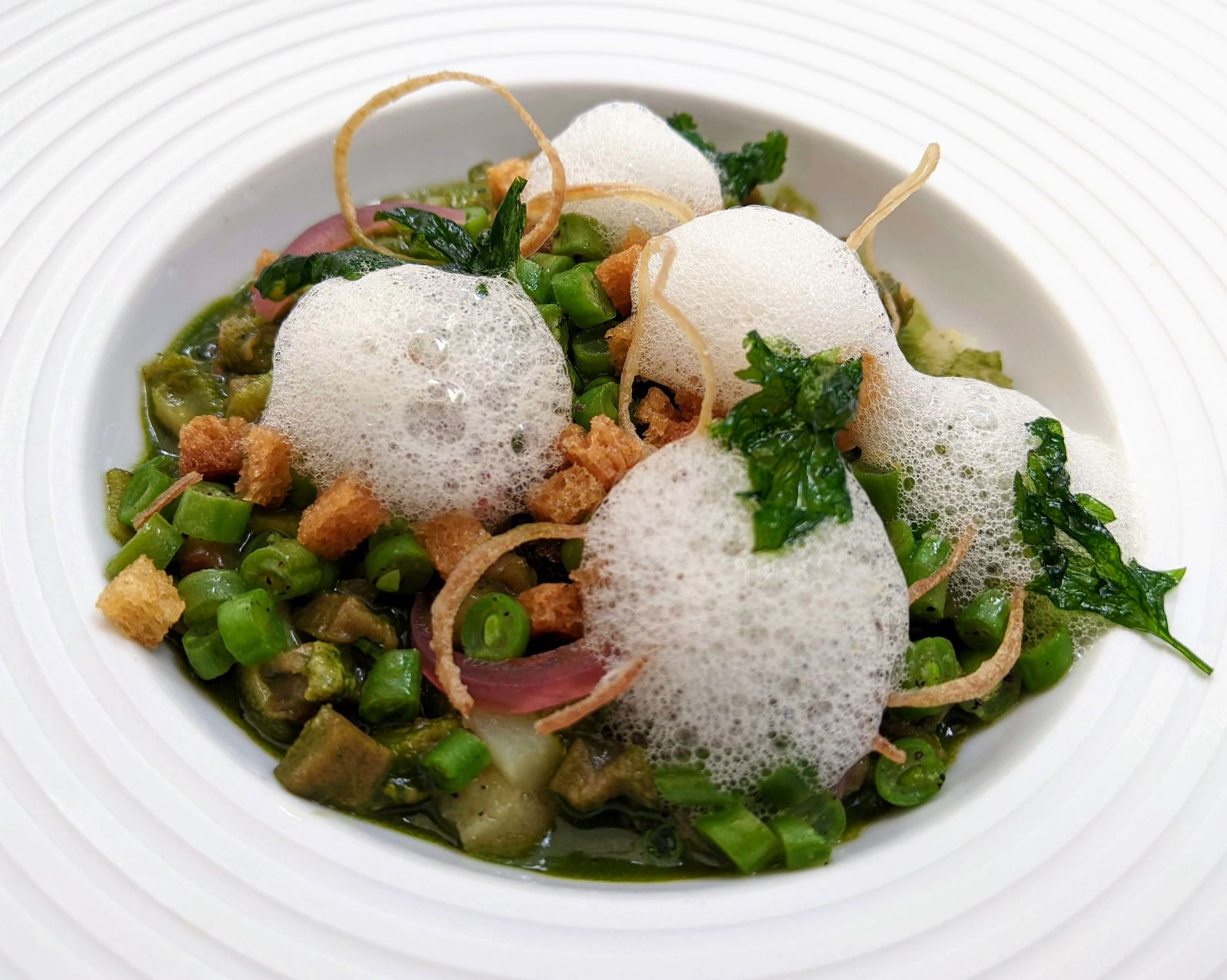
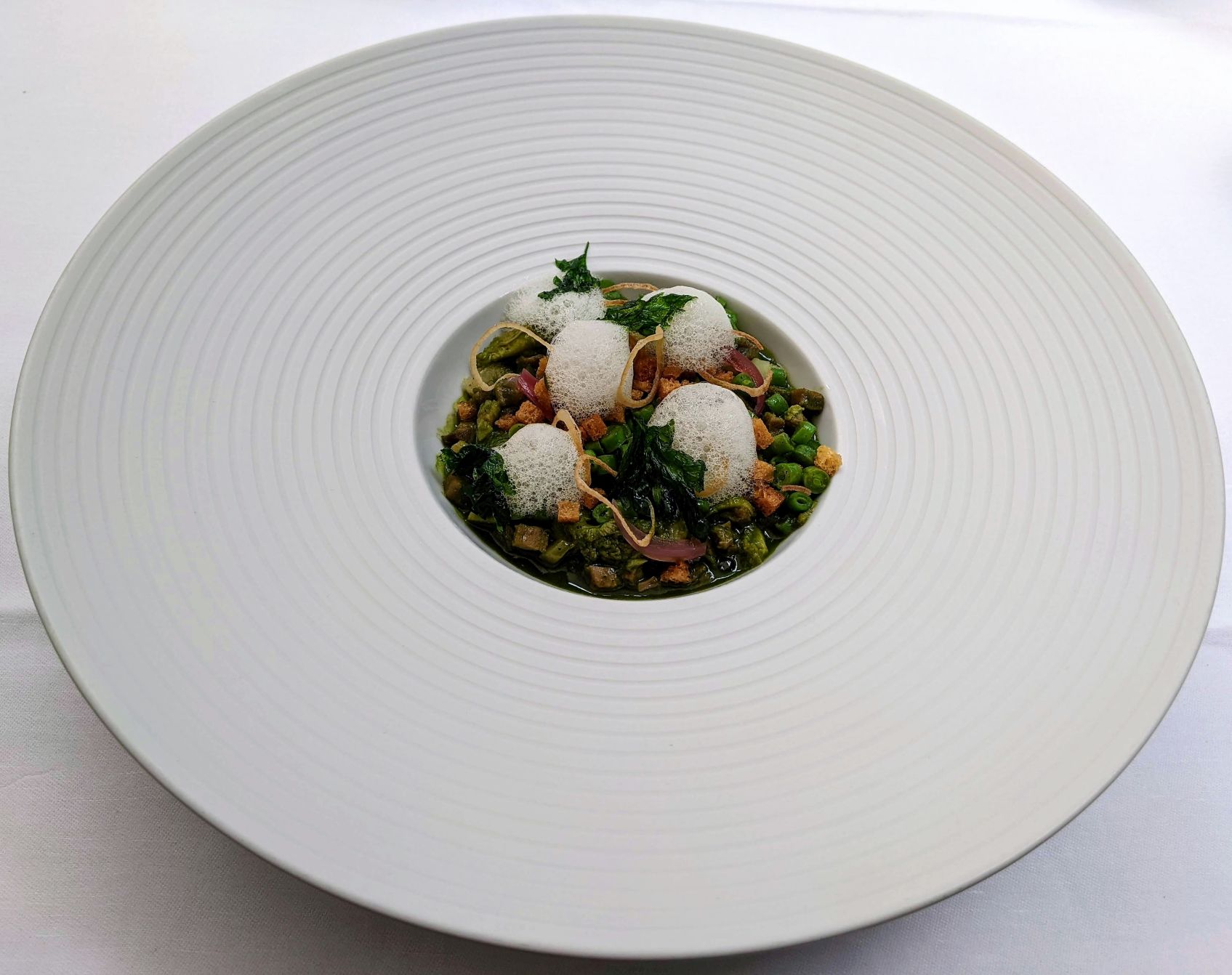
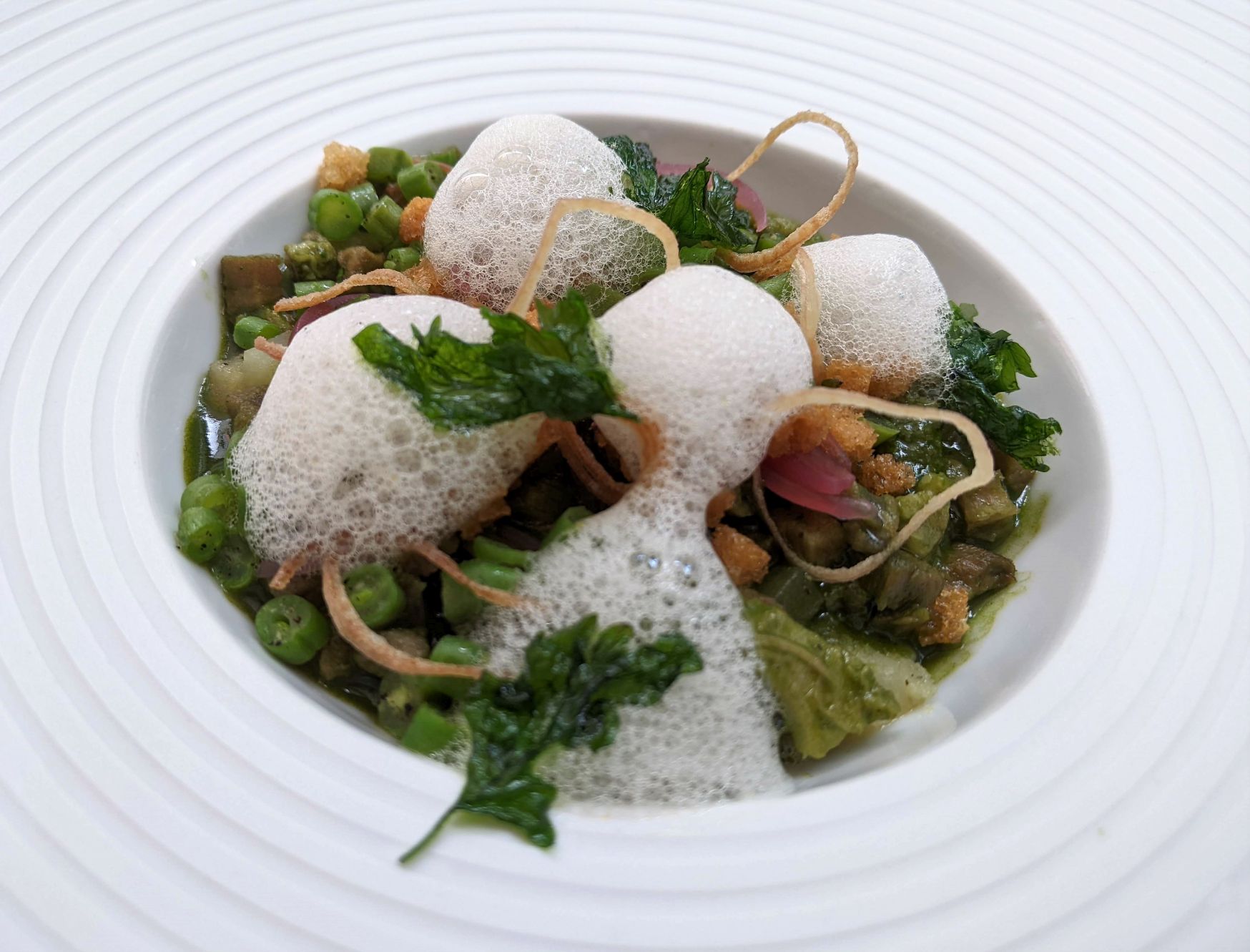
Opting for four-courses, though in reality seven accounting for extras, Chef Kempf’s seasonal Soup presents White Asparagus as silky Veloute poured tableside atop Vegetable Curls, Raspberries and cured bits of Egg.
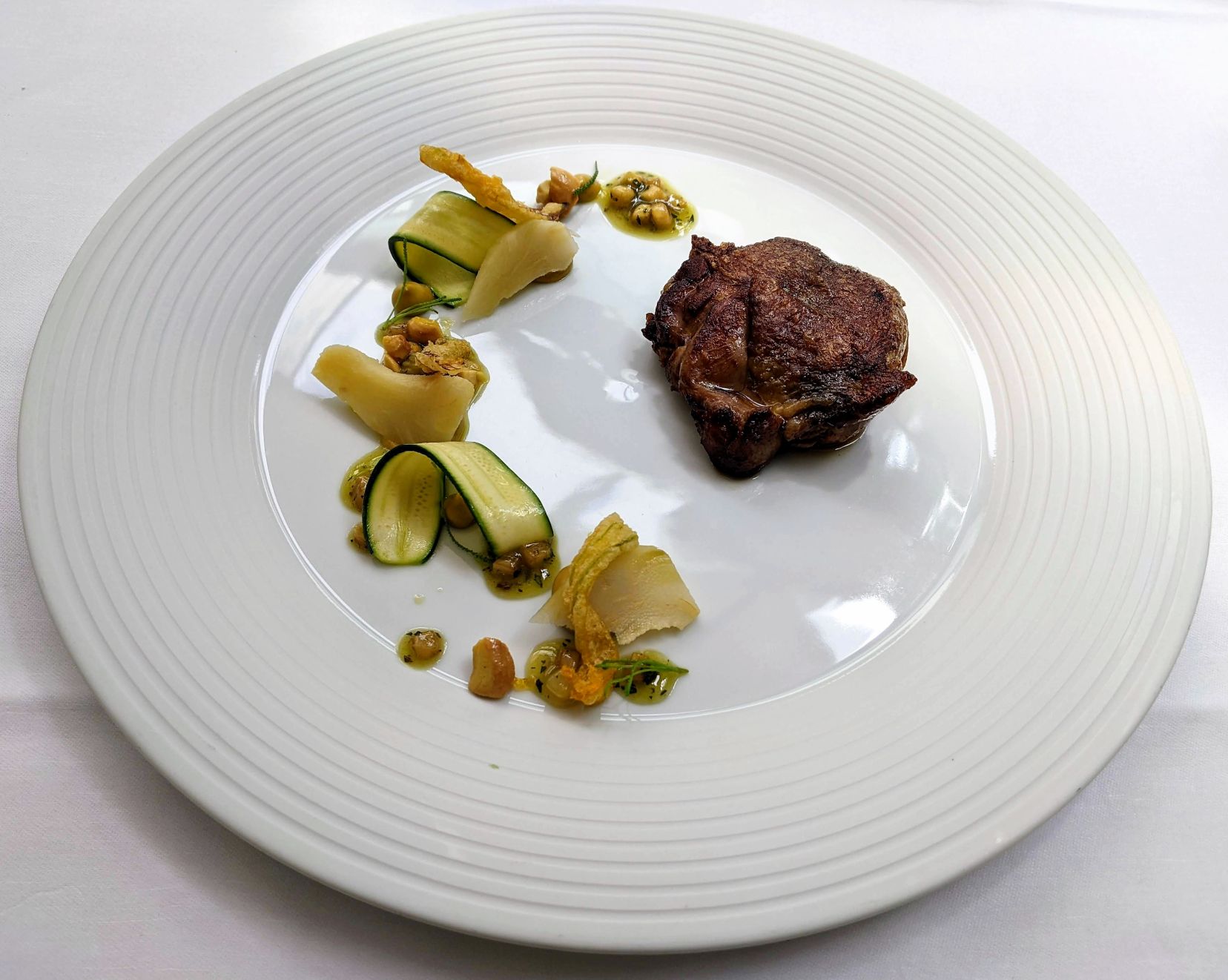
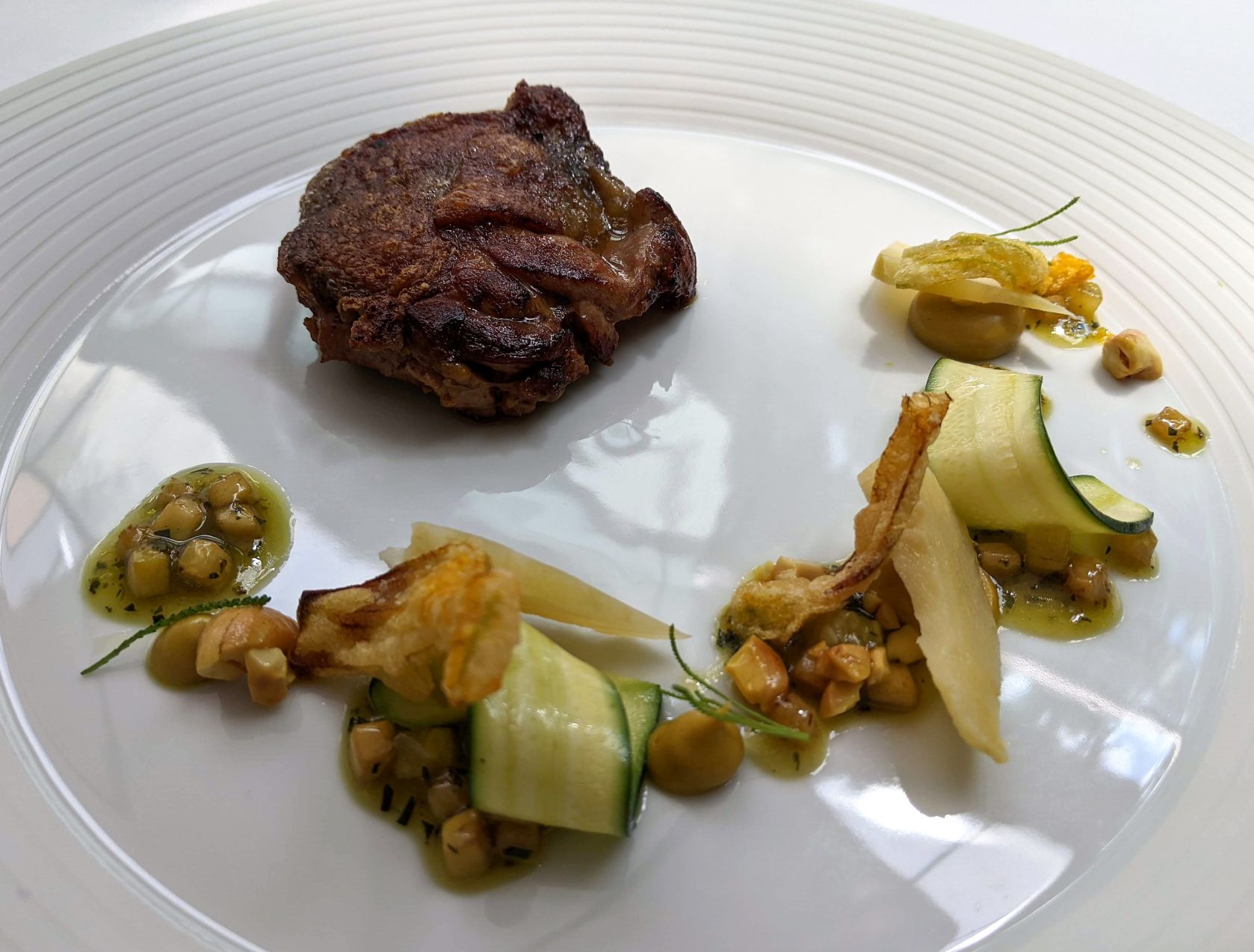
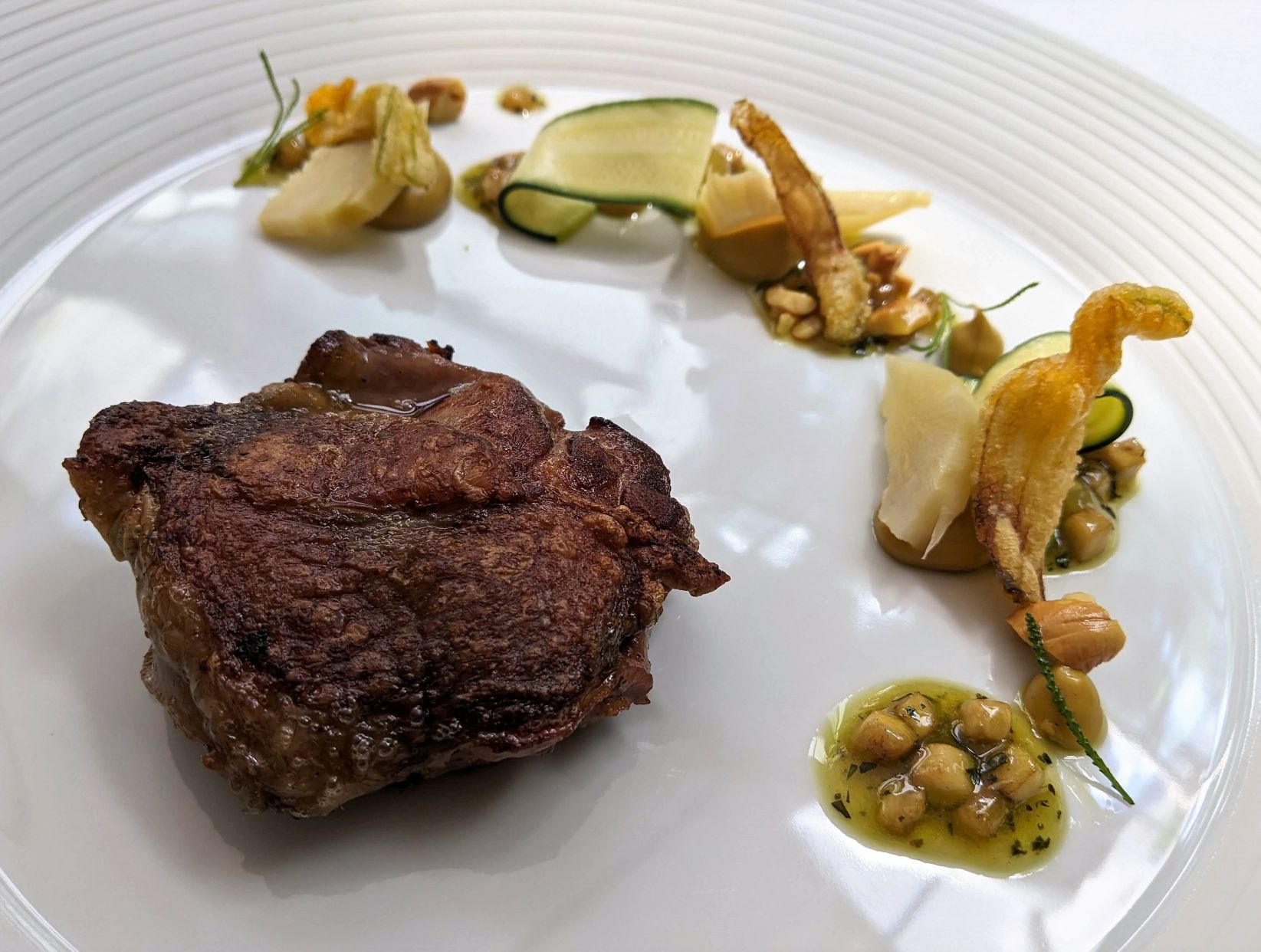
Technique-driven with traditional flavors reinterpreted, Headcheese and Tripe converted from a rustic Stew into something refined by Lemon and Coconut plus crispy Potatoes, Guinea Fowl comes as a roasted Roulade without Bones alongside Vegetables and Nuts lightly cooked to highlight their natural taste and texture.
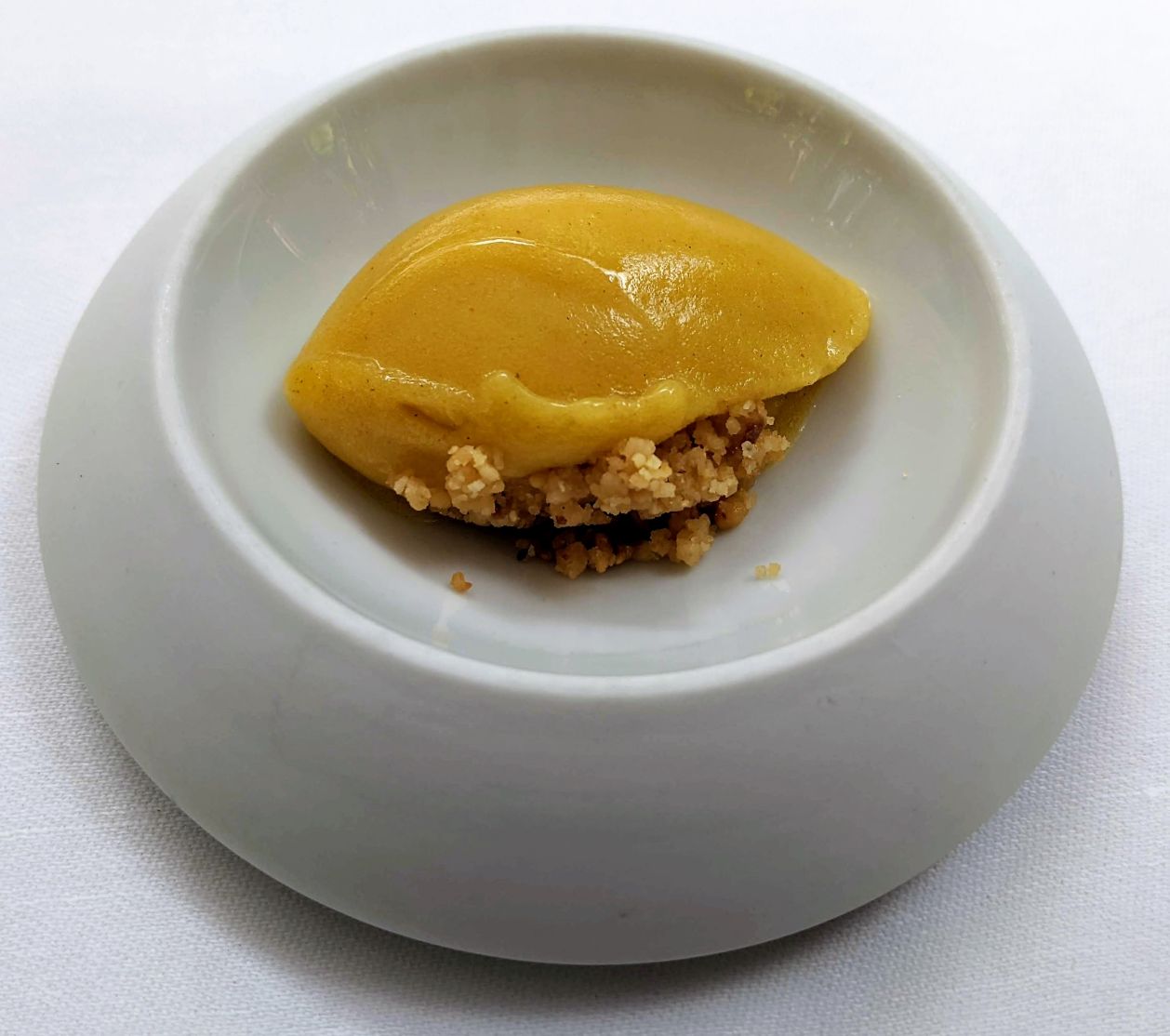
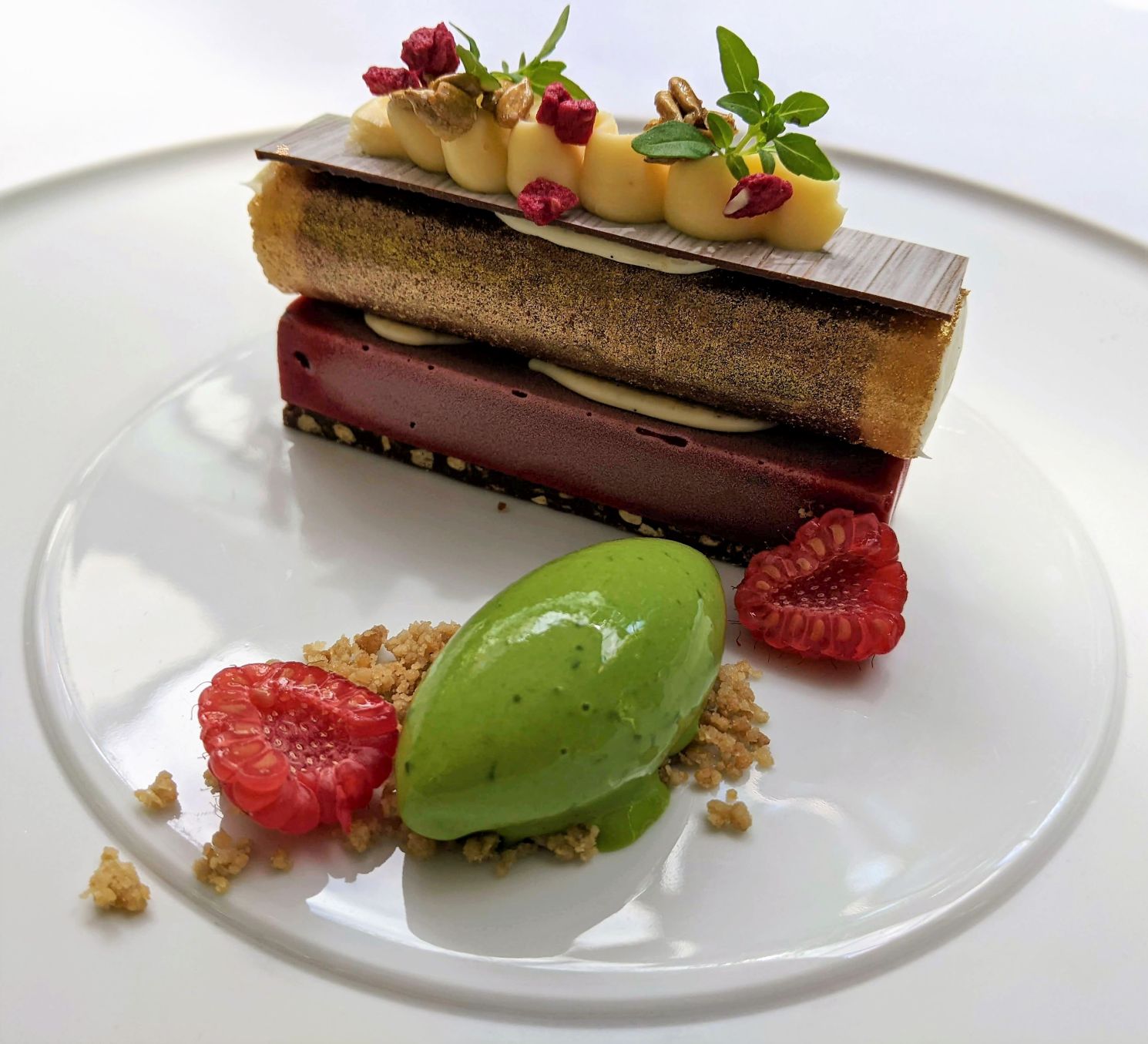
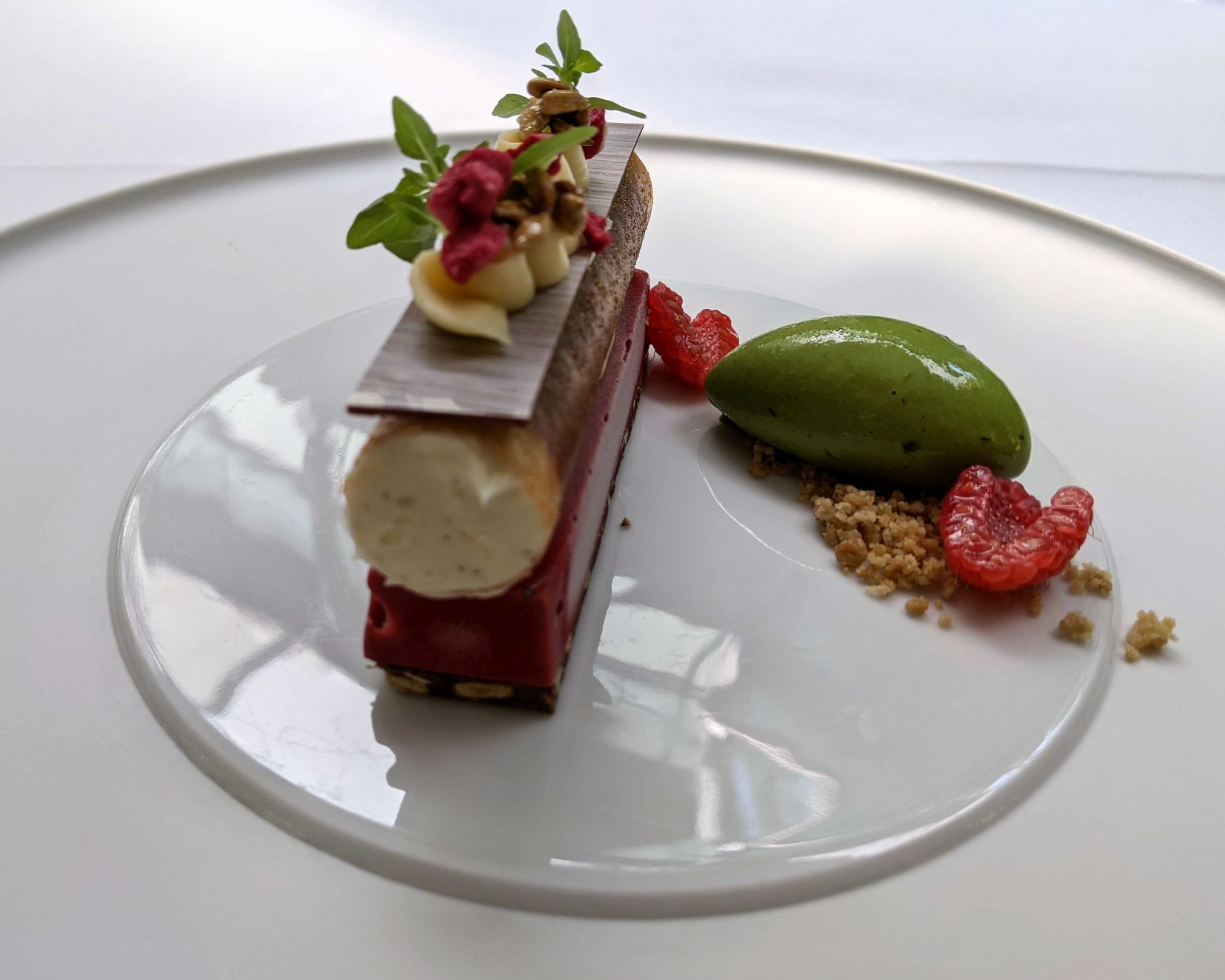
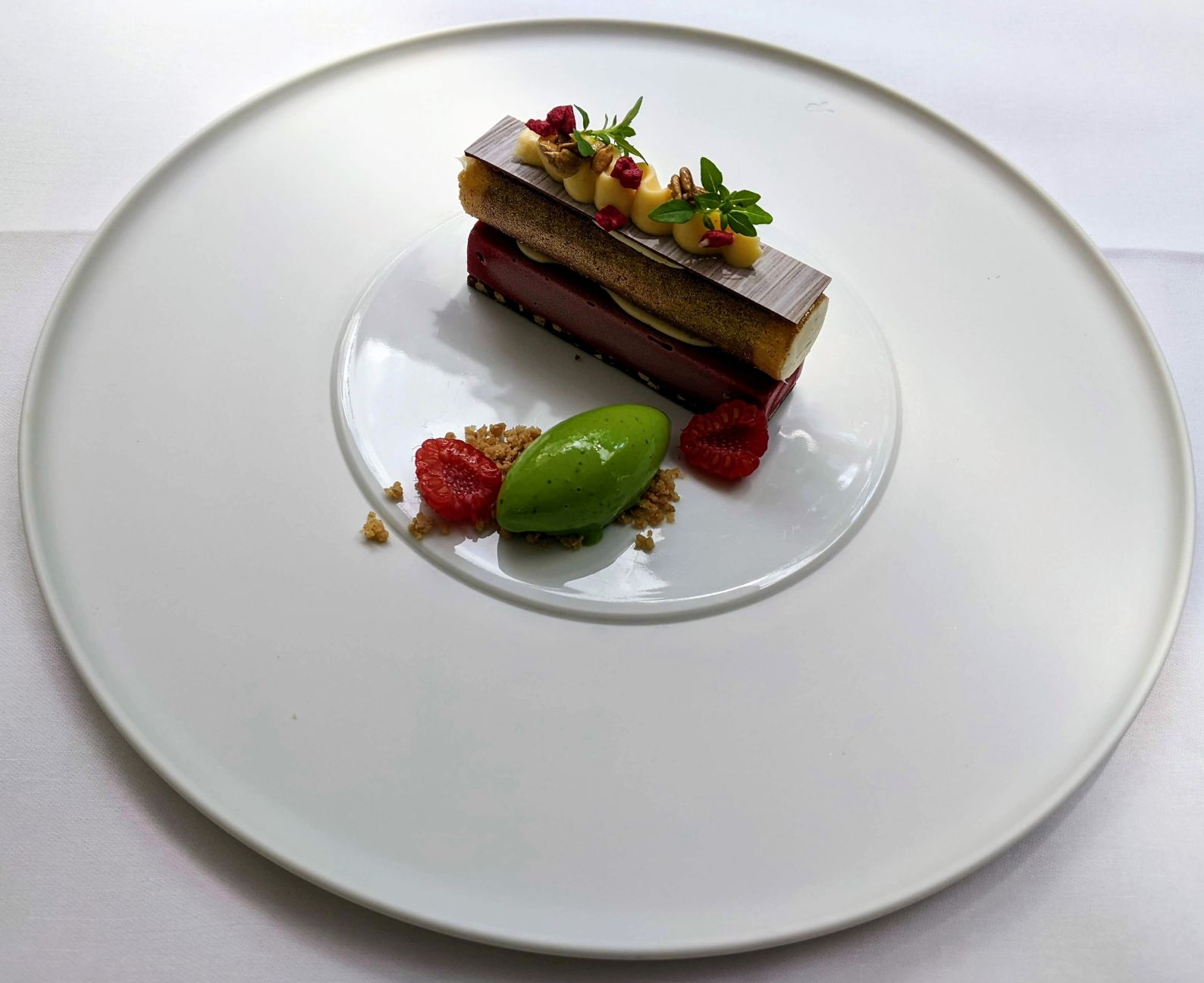
At this point turning things over to Thomas Yoshida, repeat winner of “Patissier of the Year” by Gault & Millau, Pear Sorbet bridged the gap to something of a Summer Mille-Feuille featuring eight layers ranging from Ganache to Tuile next to fragrant Basil Ice Cream.
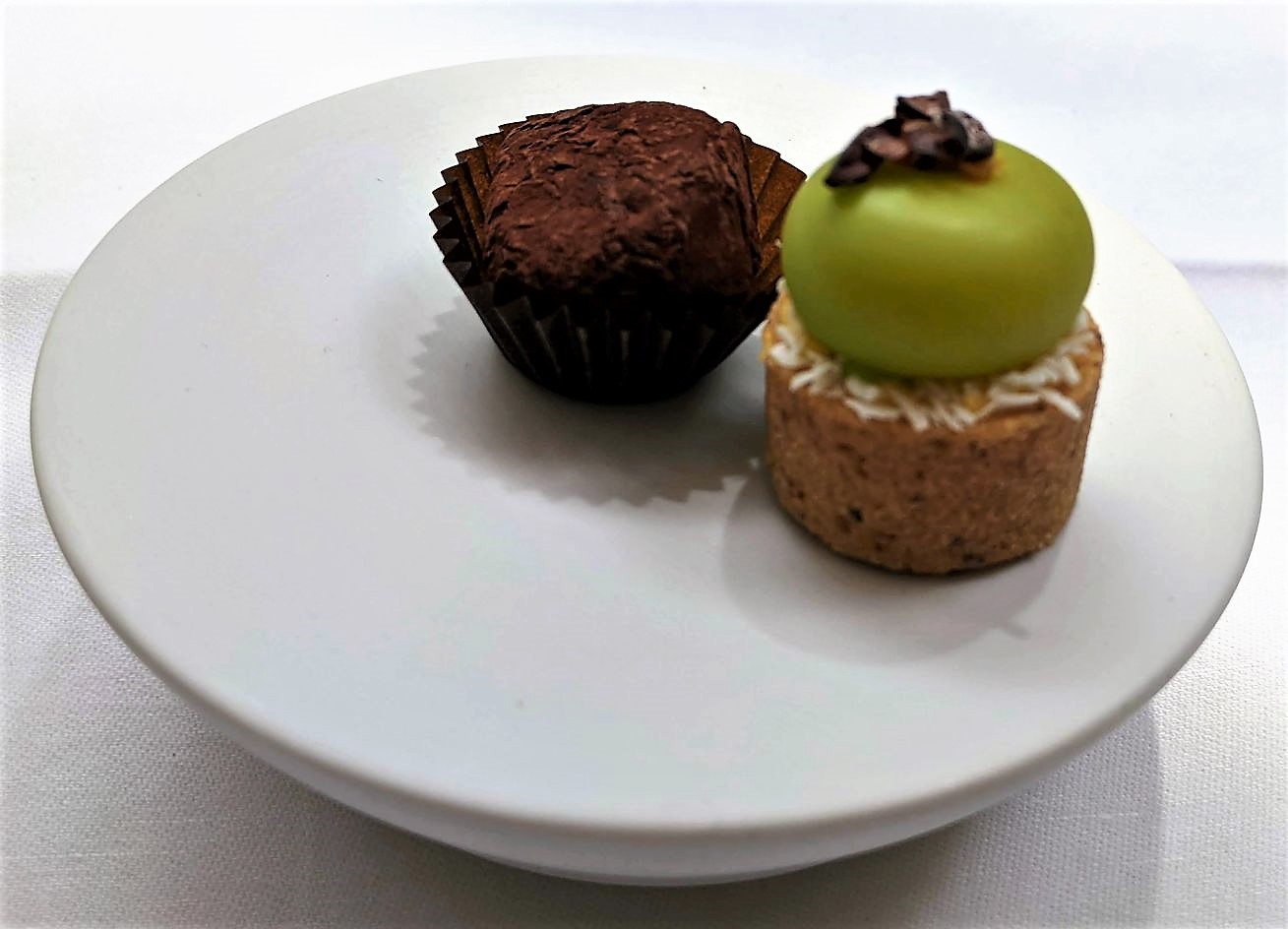
Wrapping with Mignardises, Coconut with Bergamot and Mango alongside Caramel cloaked in Cacao, the modest bill of €95 may just be one of the best Michelin 2* deals in Europe when taking into account setting, service, Ingredients and cooking.