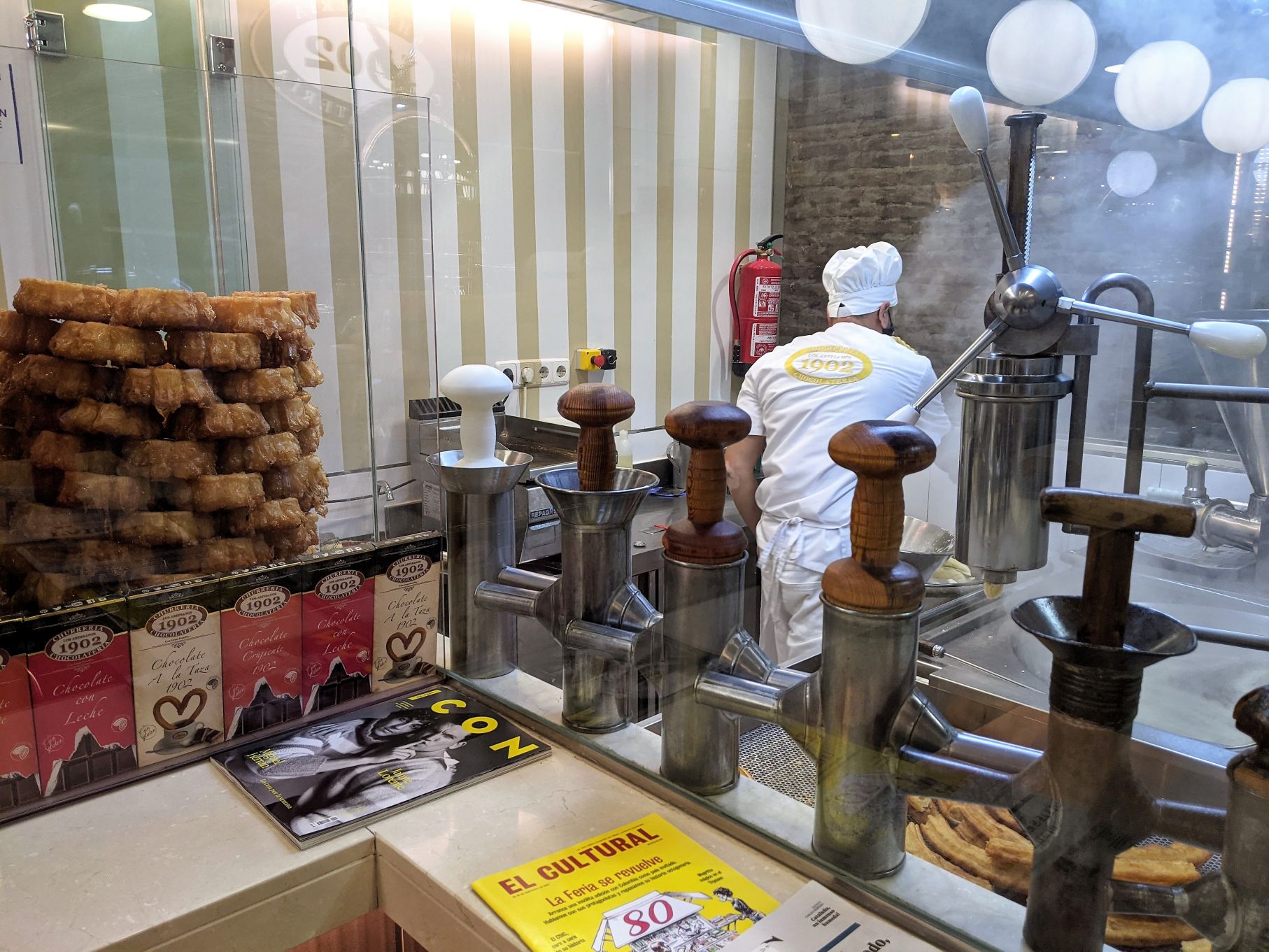
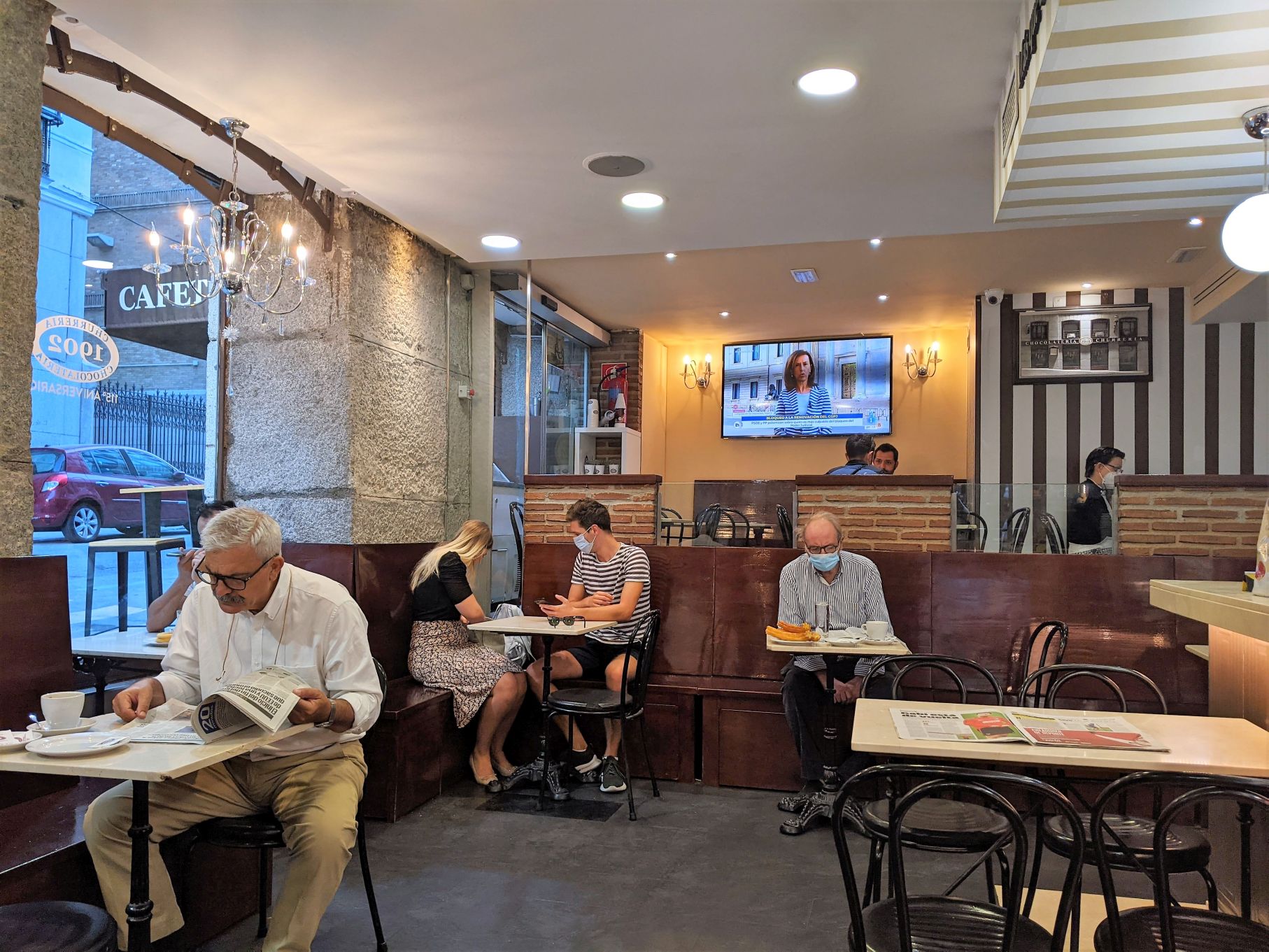
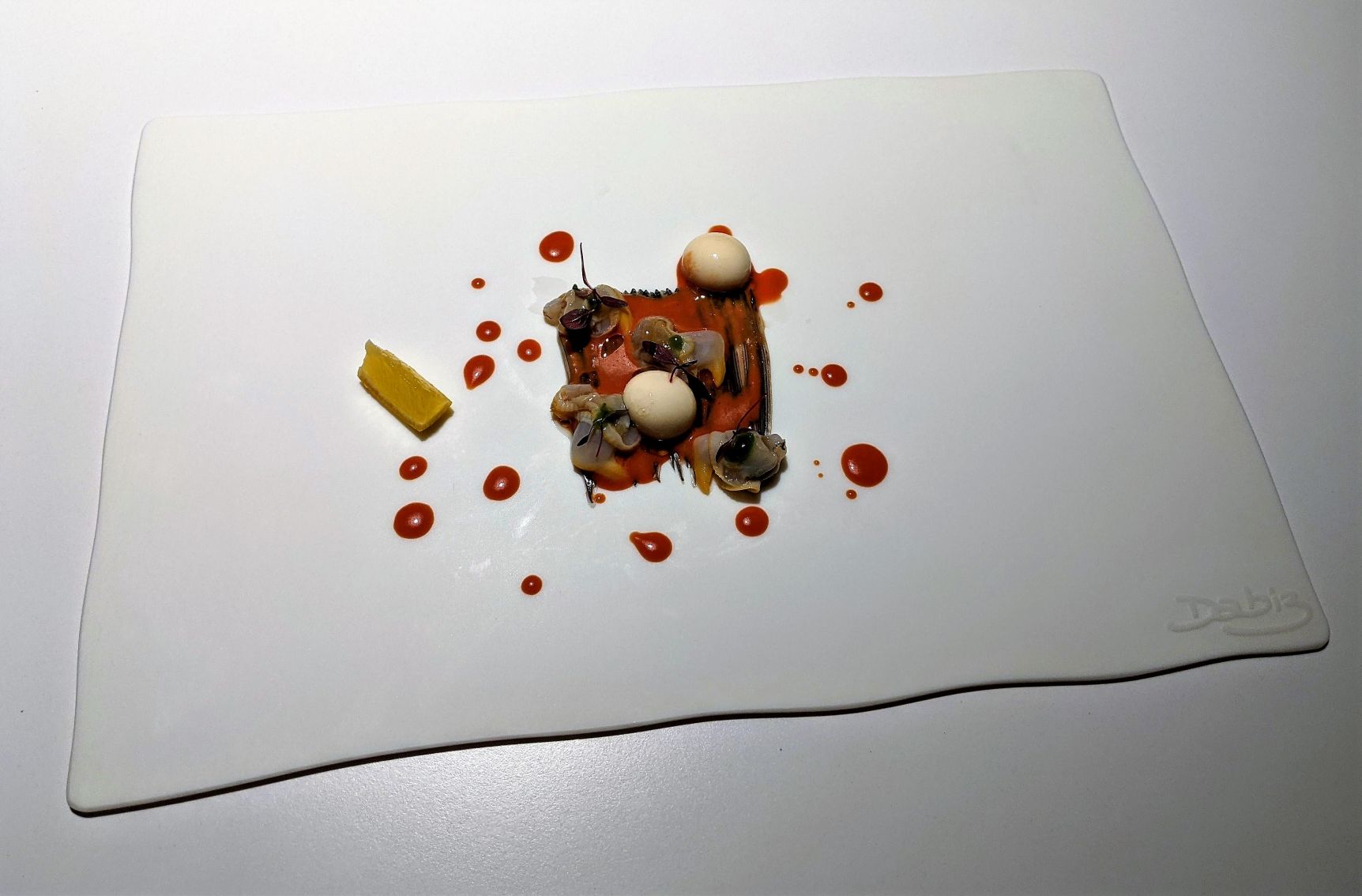
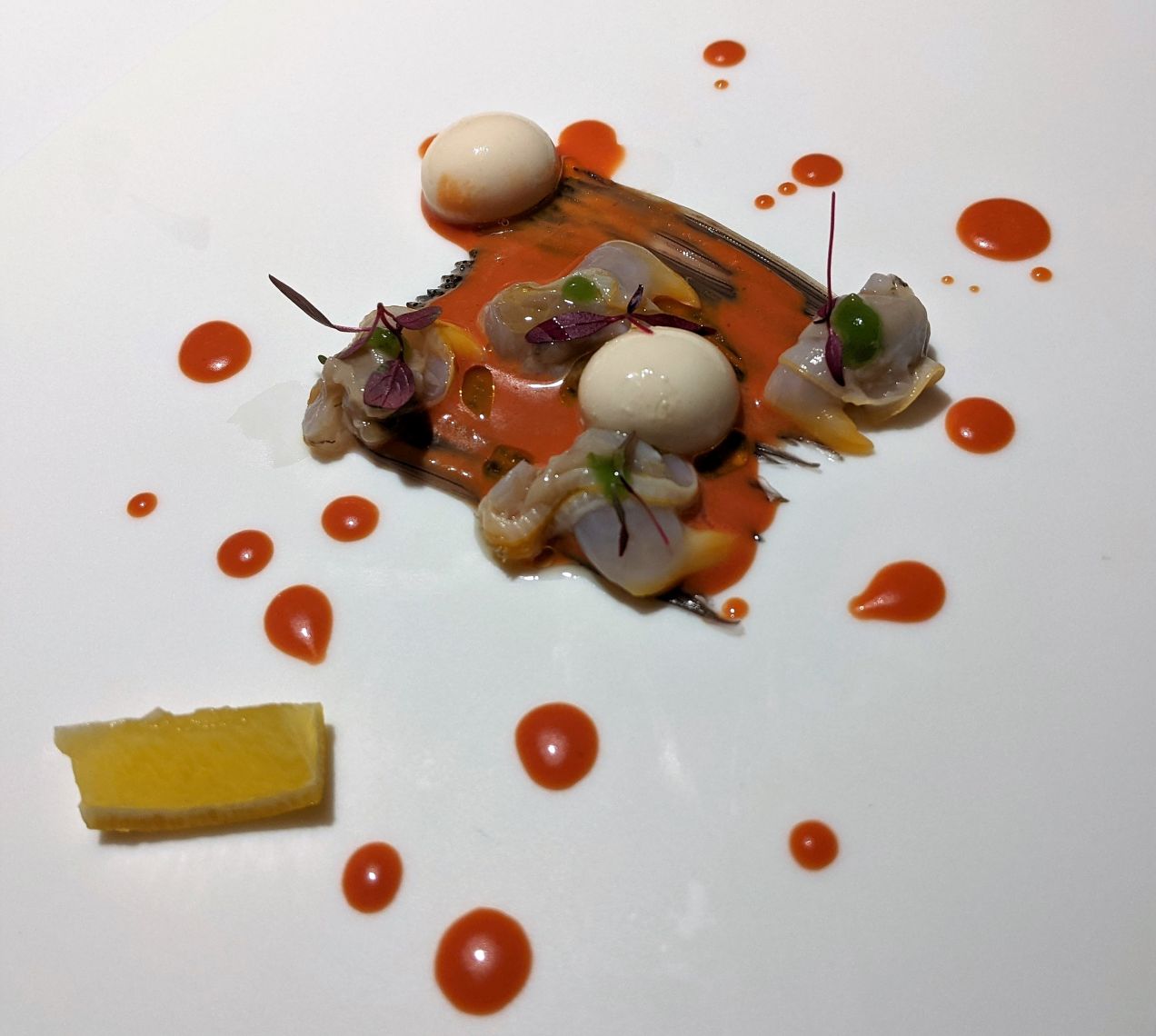
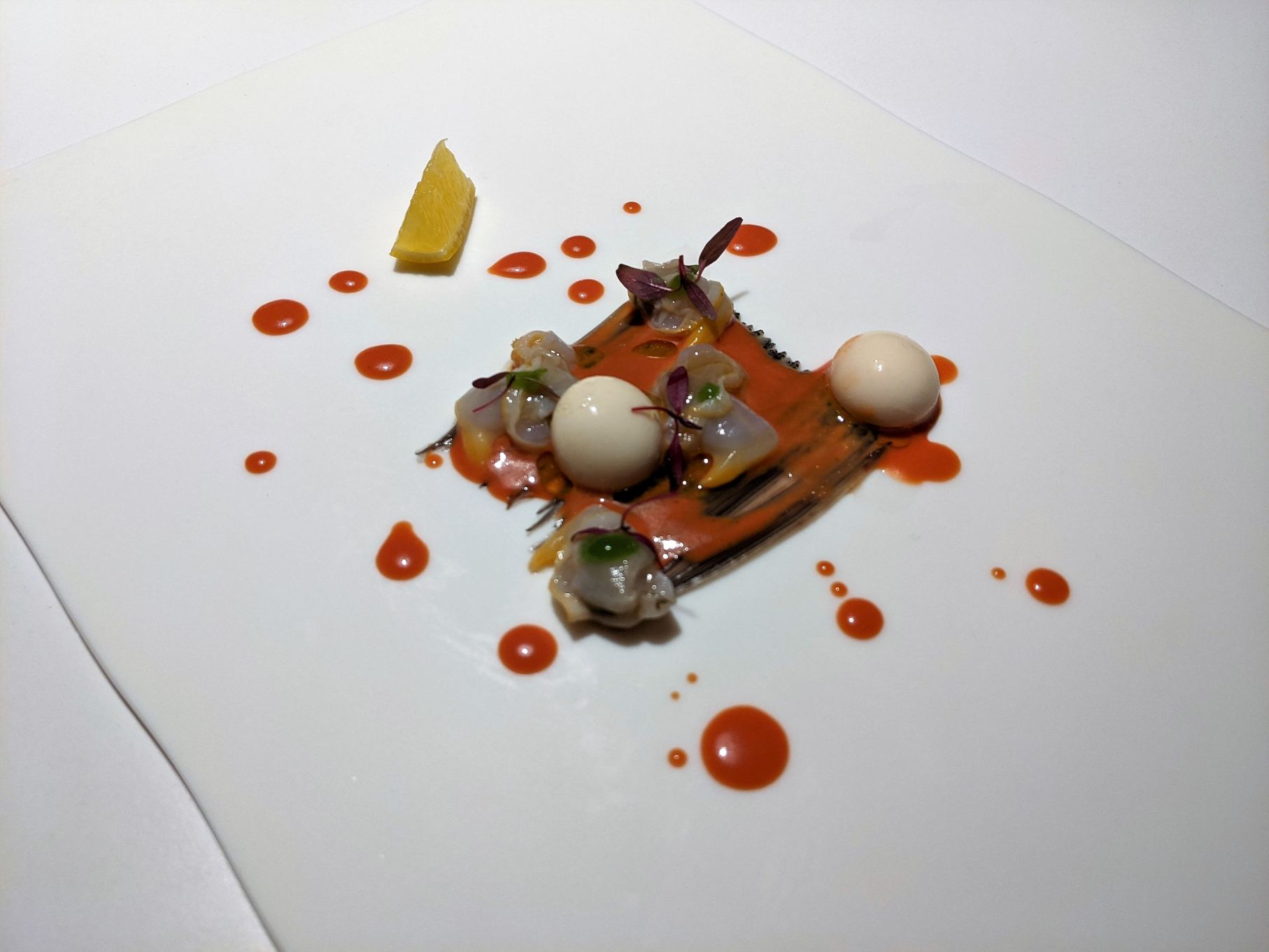
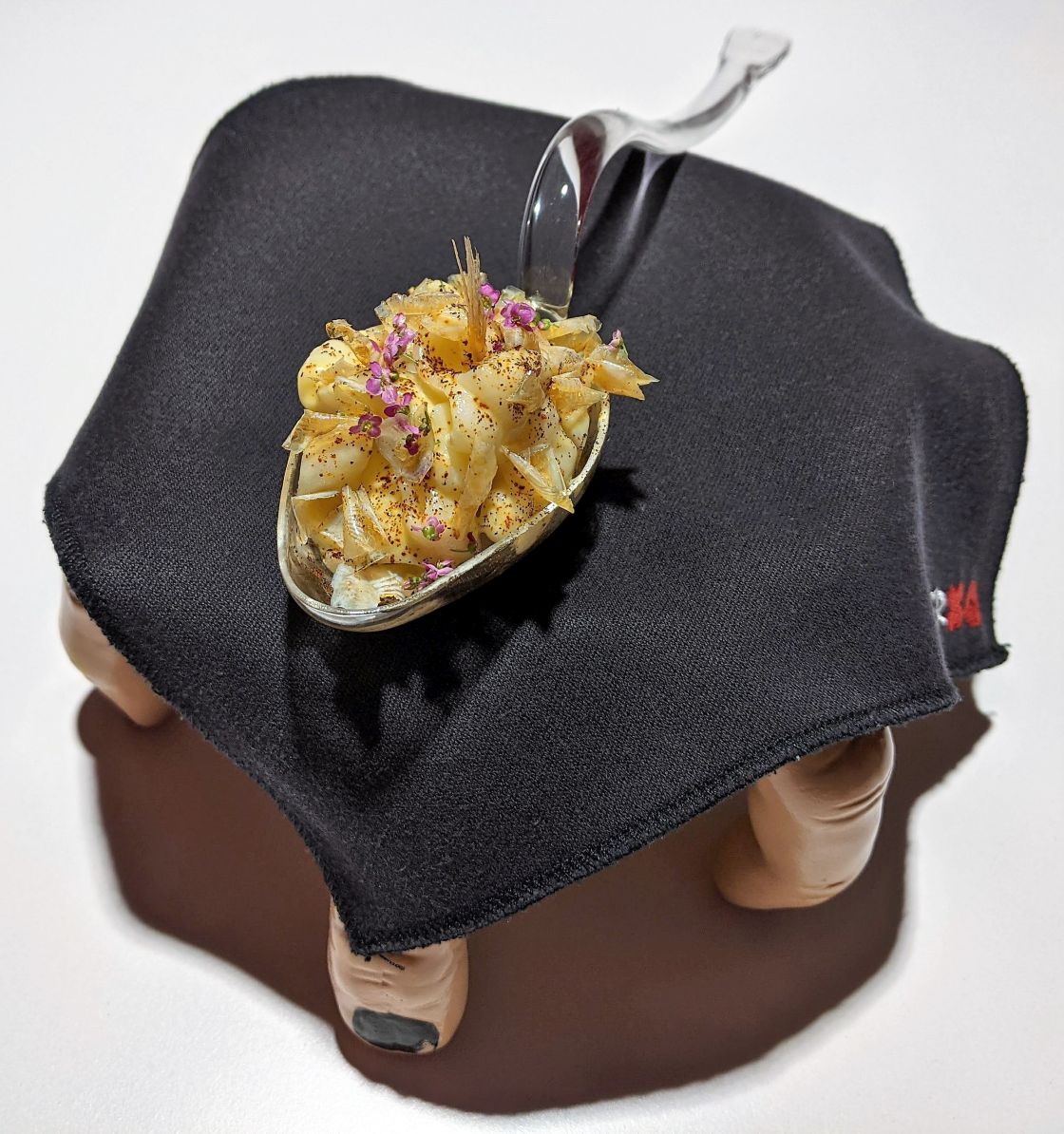
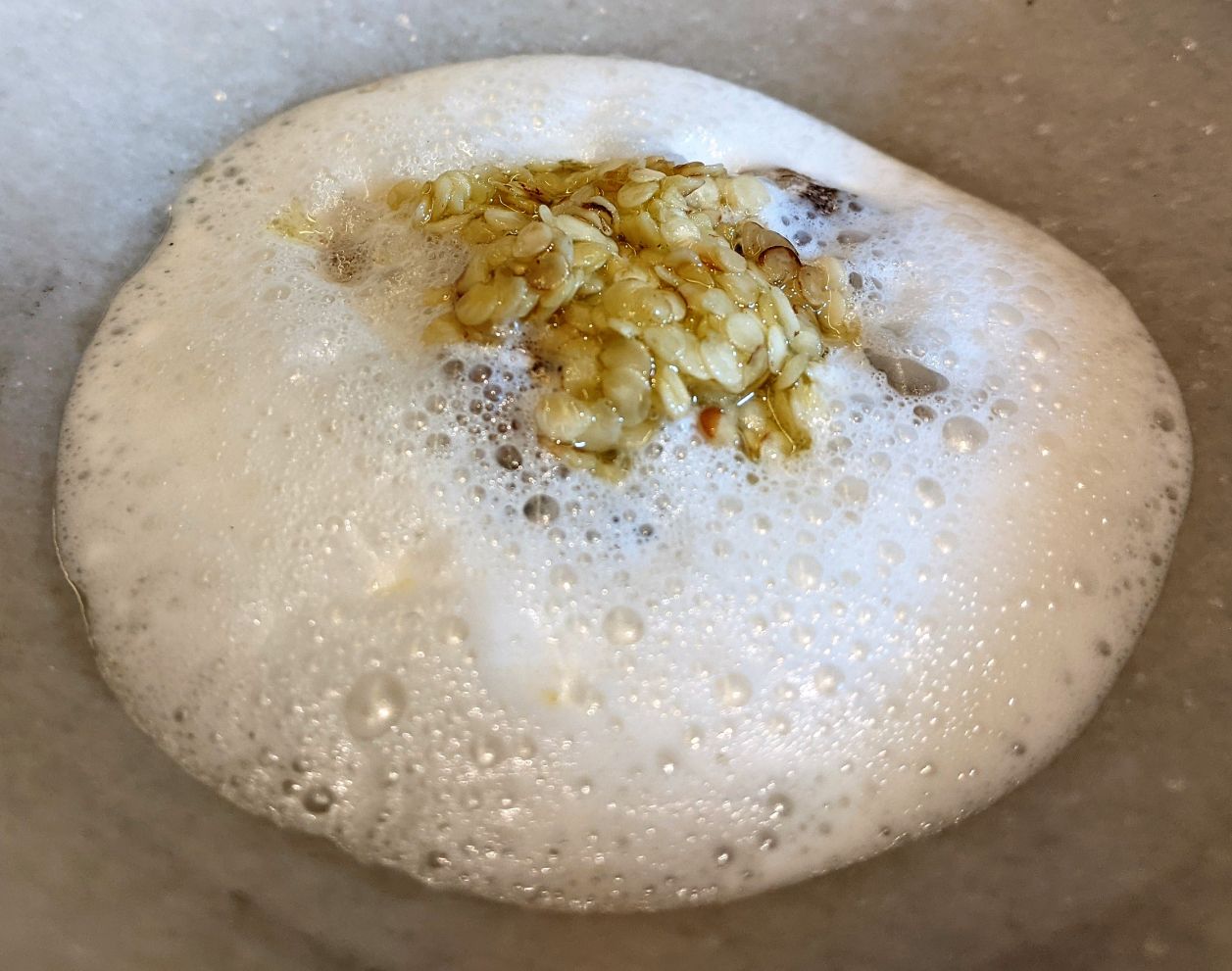
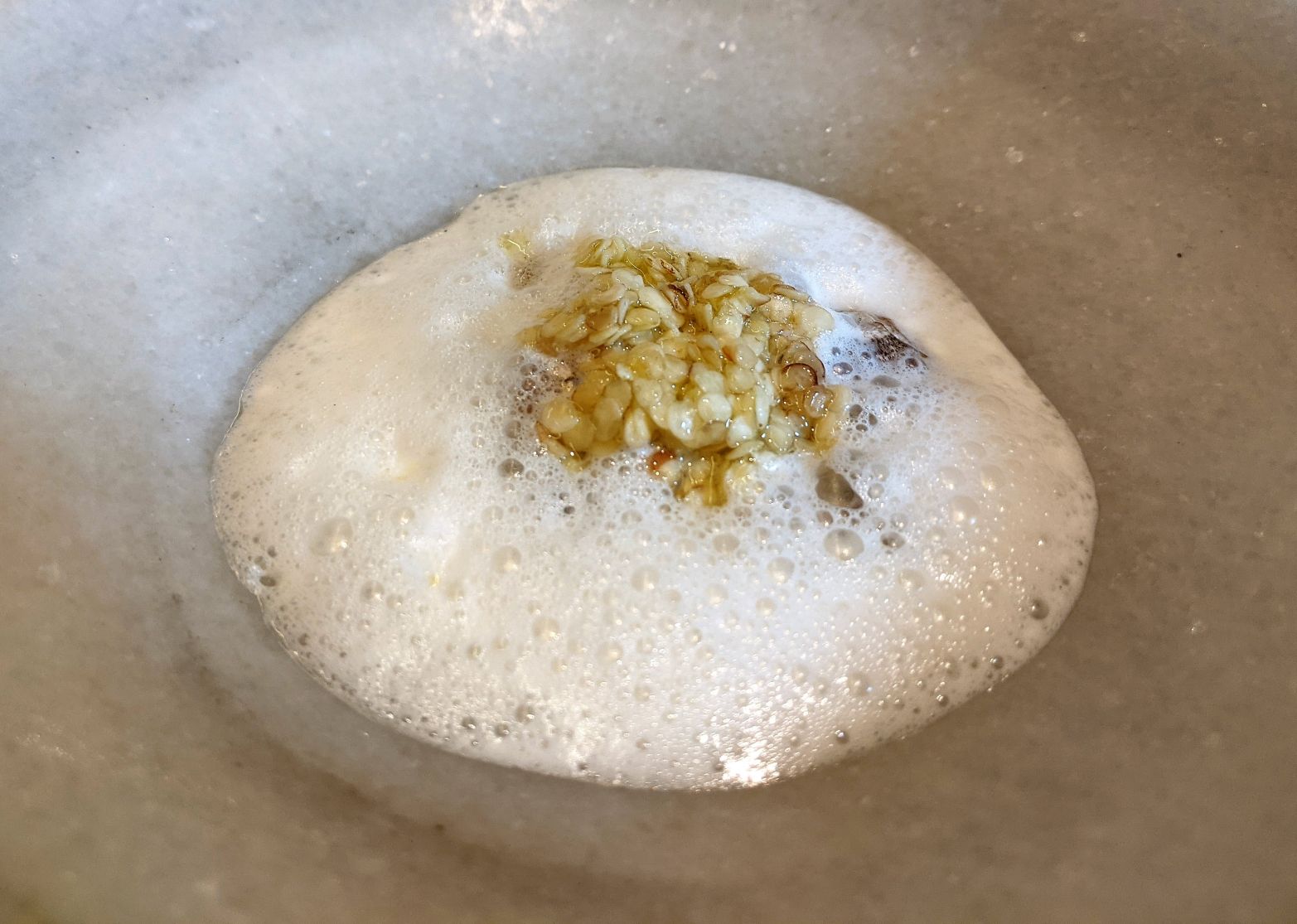
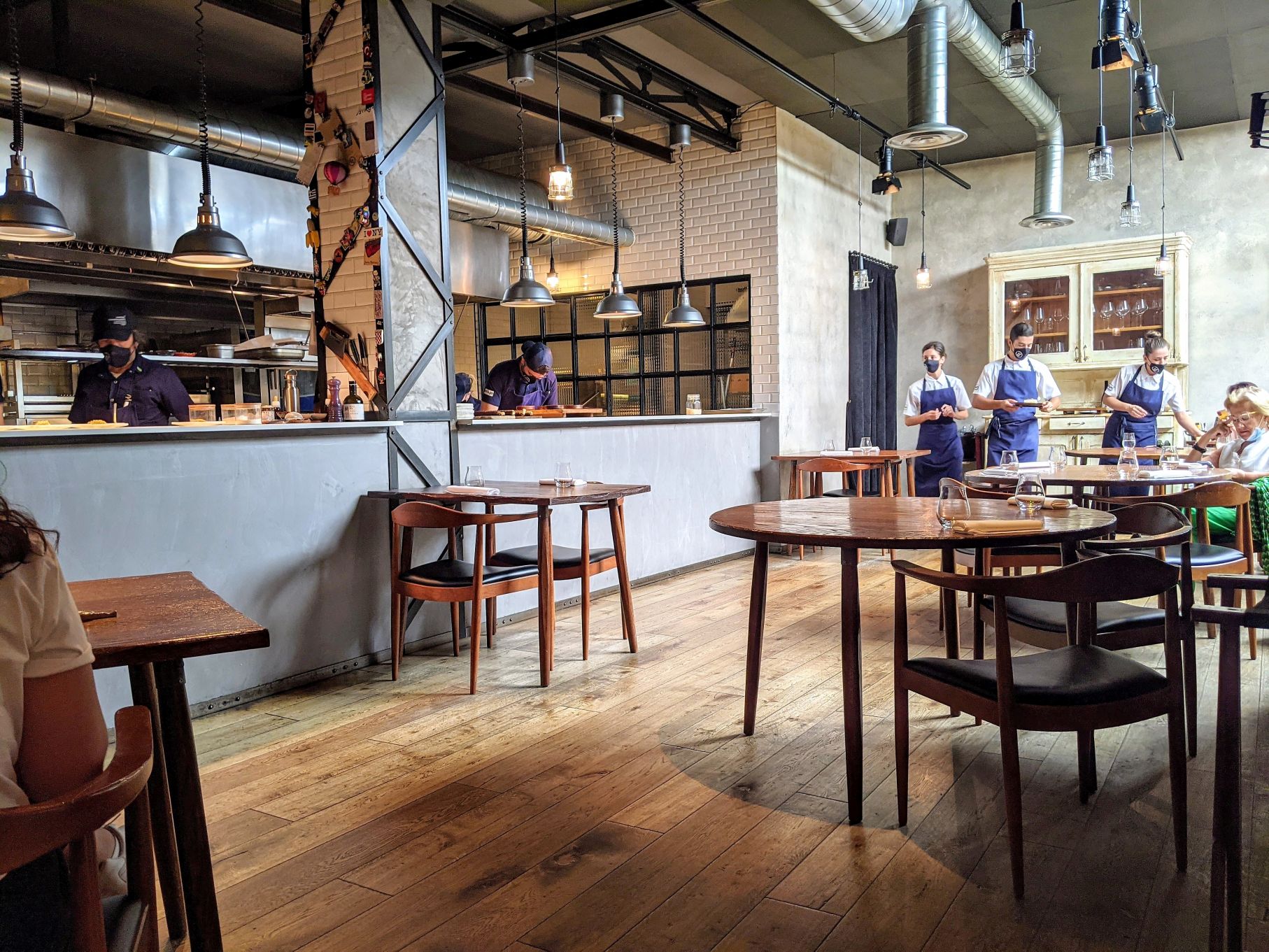
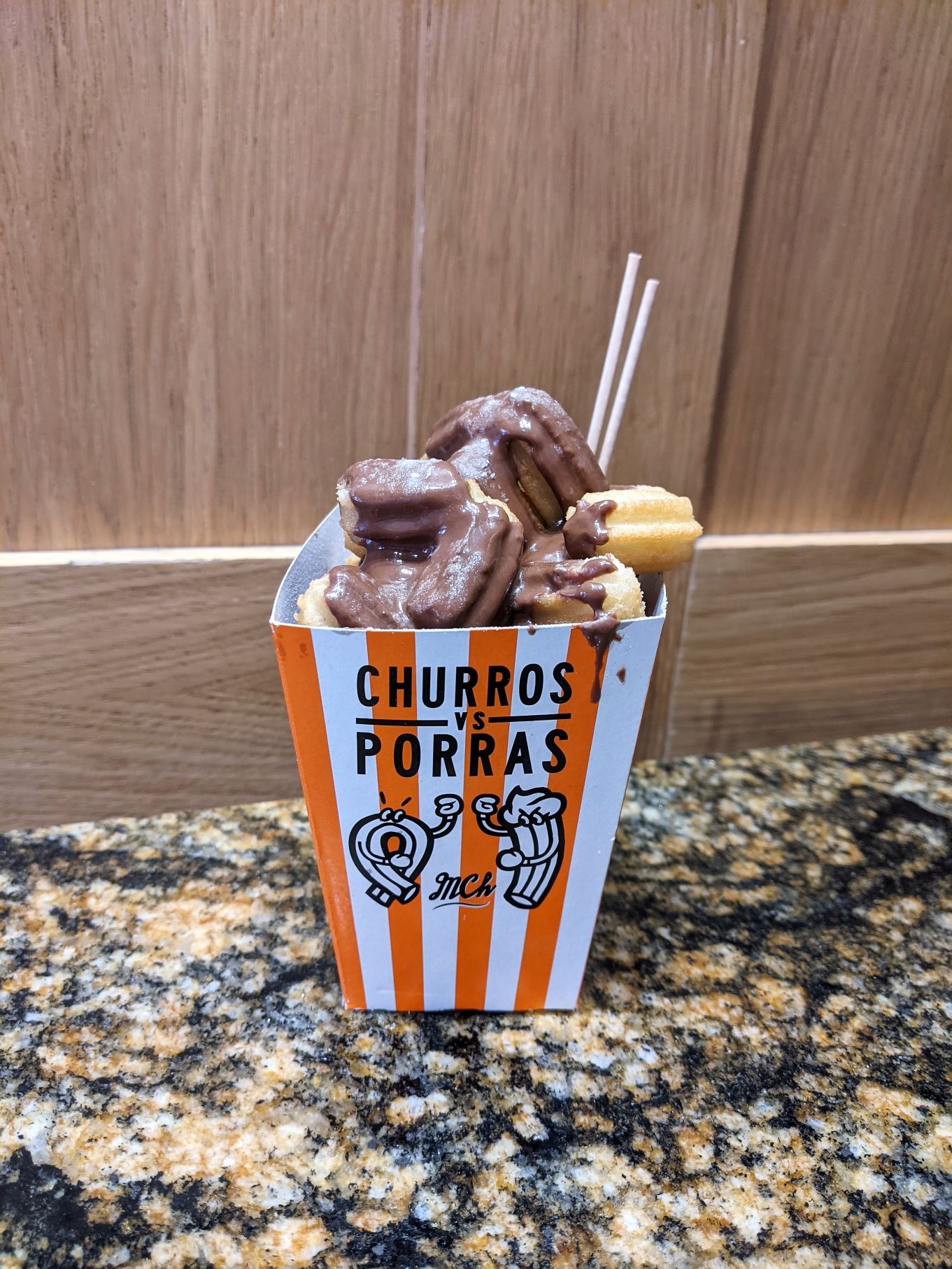
Although Chocolateria 1902 has been serving a diverse menu across two floors for over 100 years the bulk of fourth generation owner Don Gabi’s business comes from Churros con Chocolate, and while San Ginés may be more “popular” with tourists most locals seem to prefer the store on Calle de San Martín.
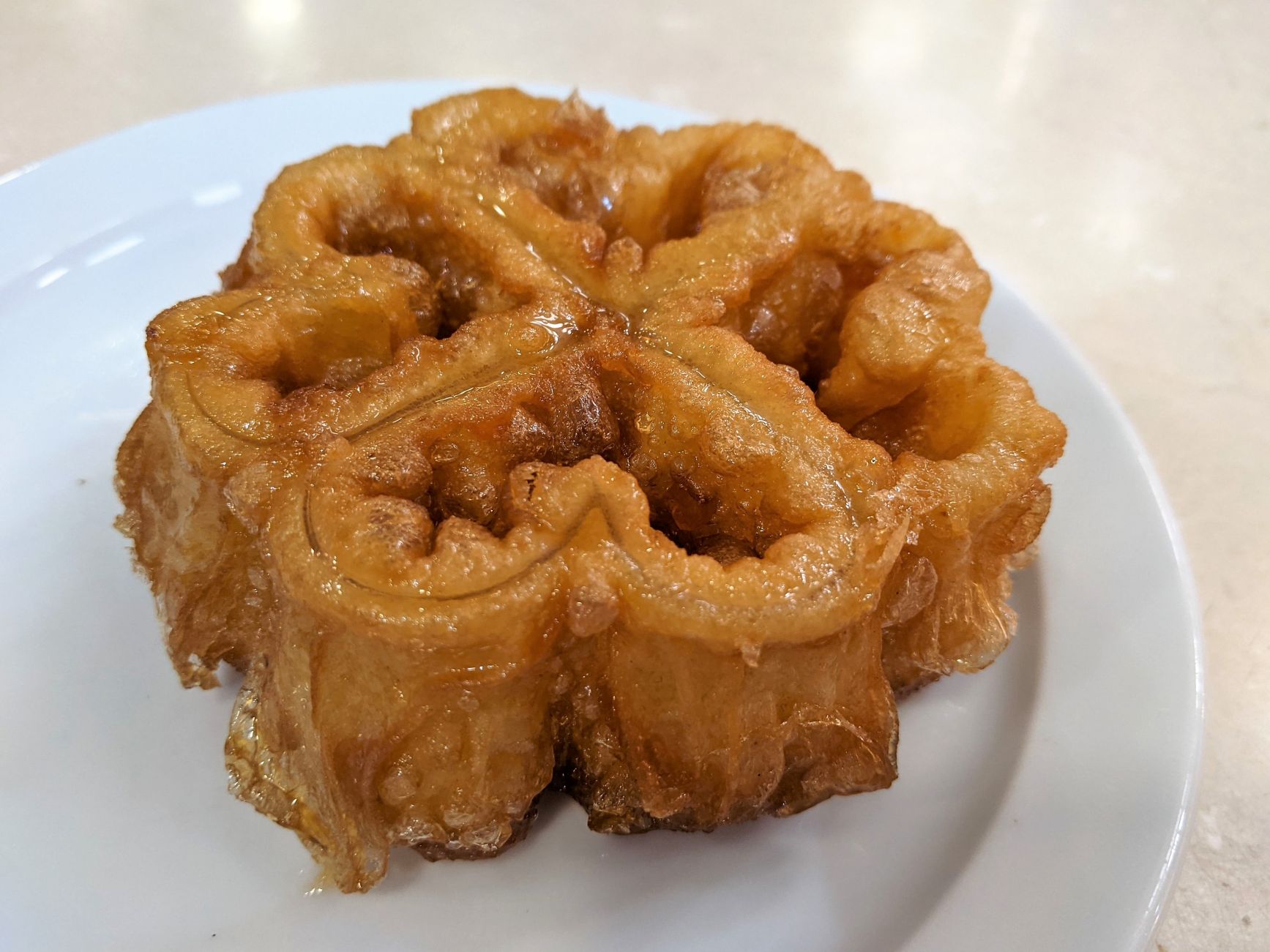
Made fresh from open to close, a visible kitchen in the Sol neighborhood continuously churning out fried Dough throughout a thirty-minute visit, it was on a waiter’s suggestion that “dos Porras” were presented, their intrinsic flavor more complex than most even before dipping in a thick blend of three hot Cocoas while a “Flower” with Honey doubled down on texture across its layers.
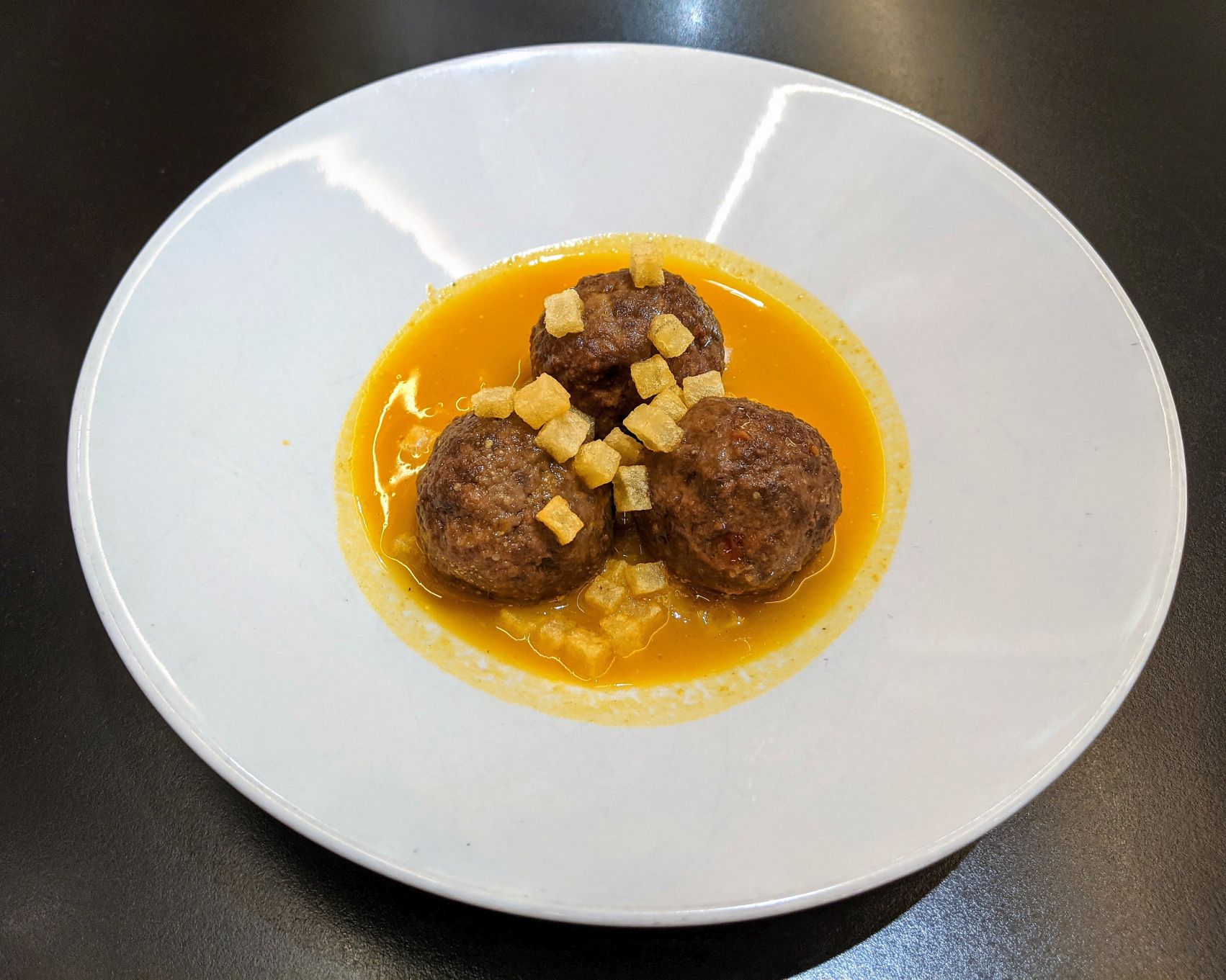
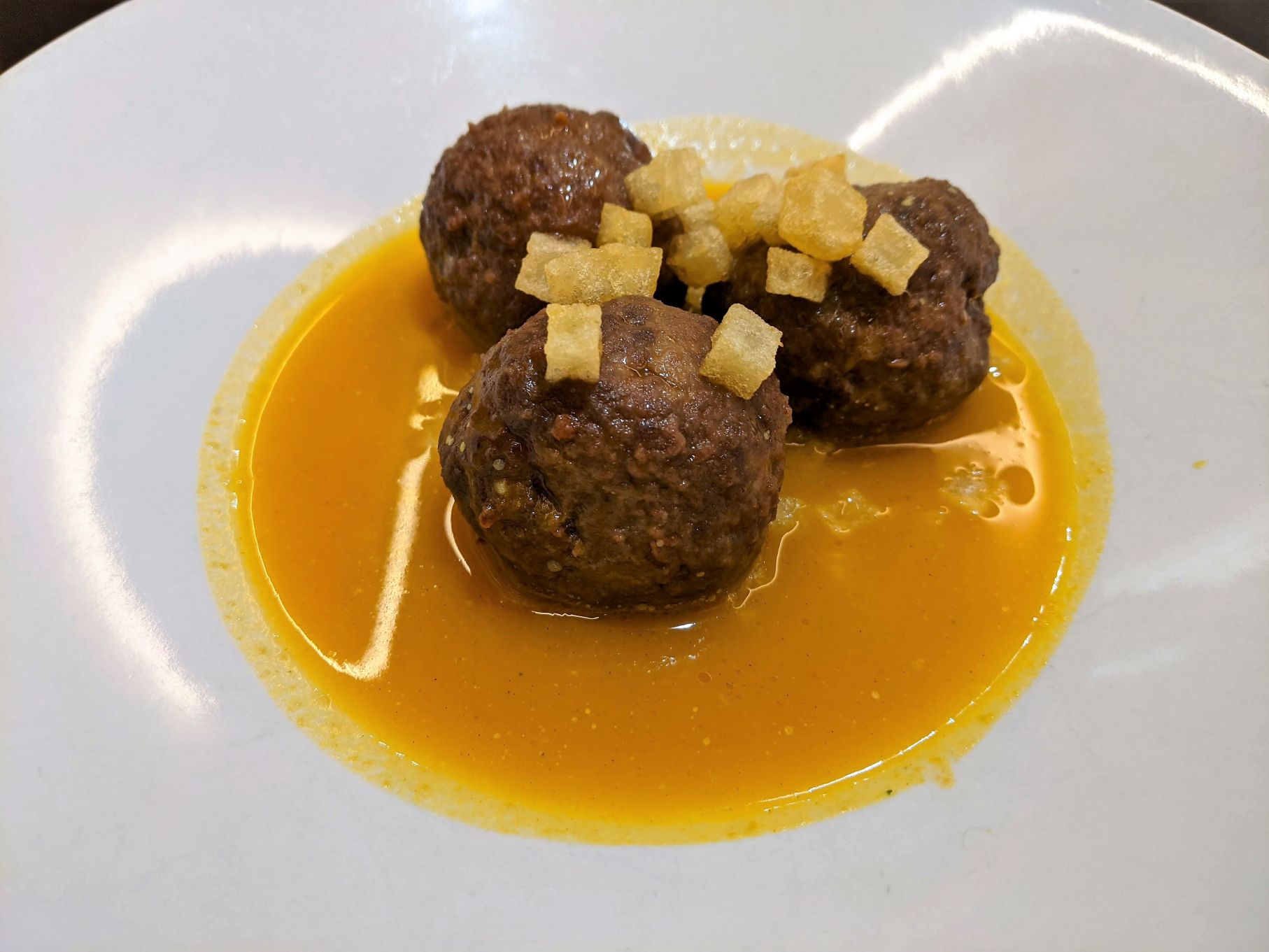
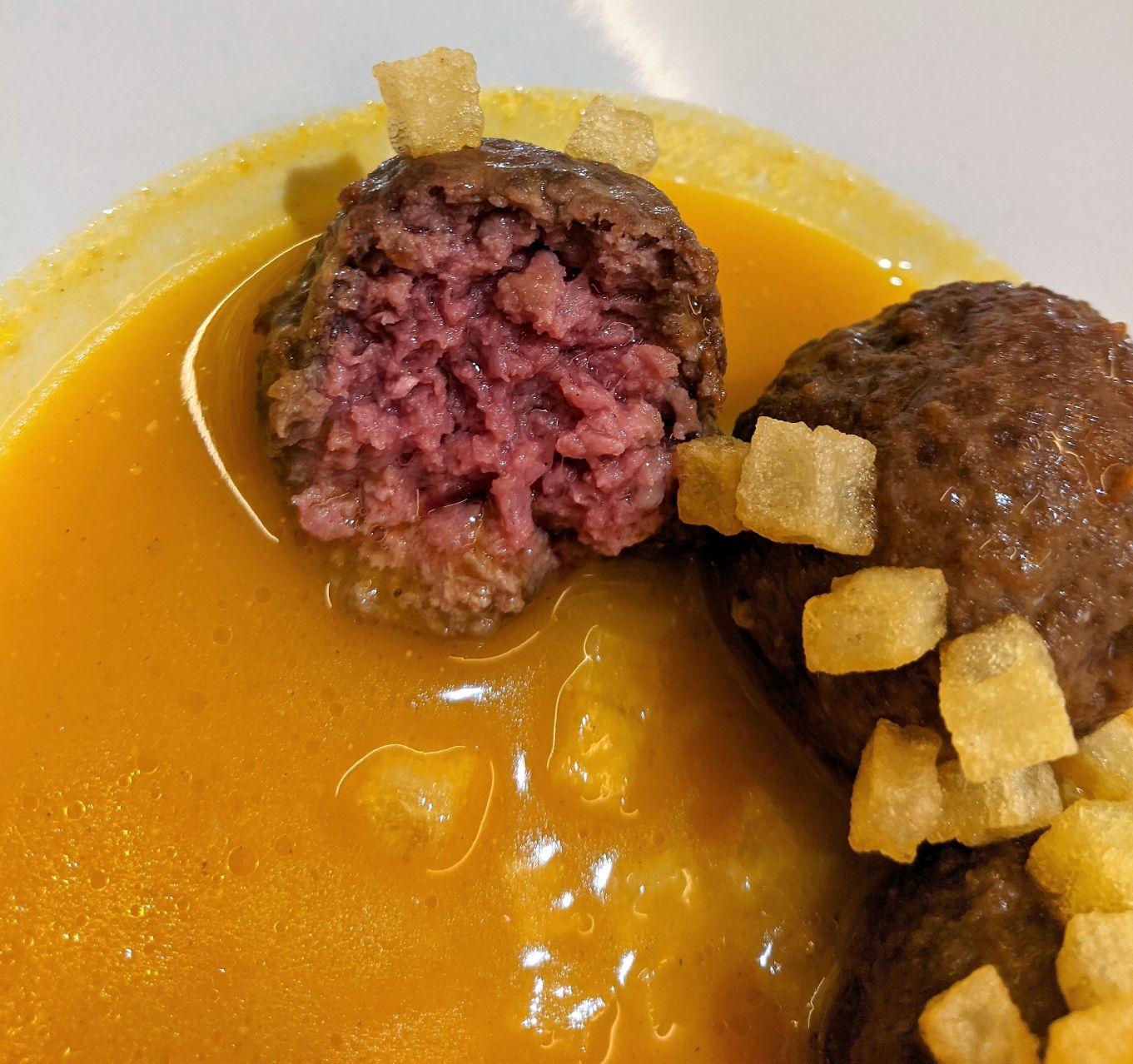
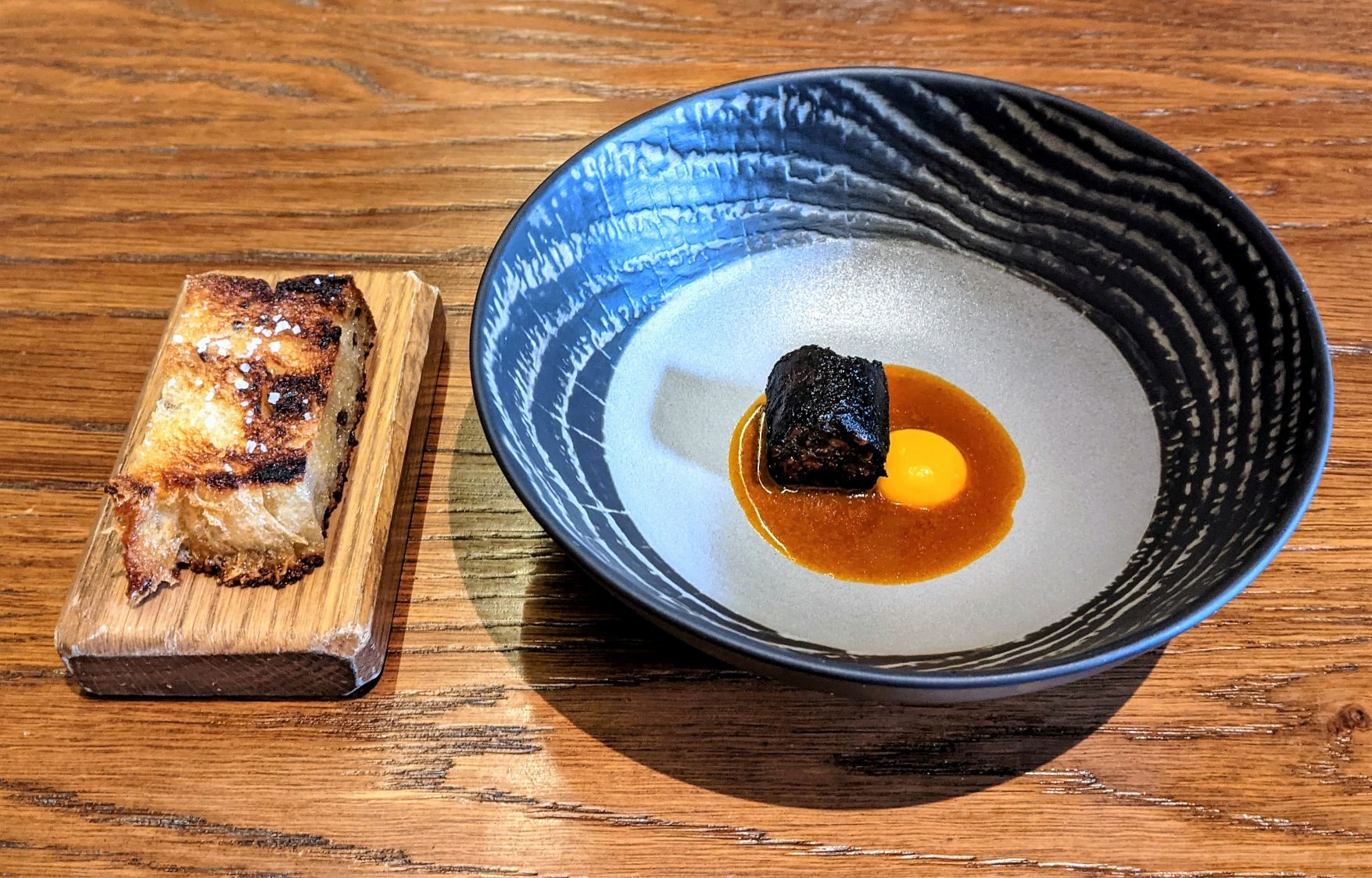
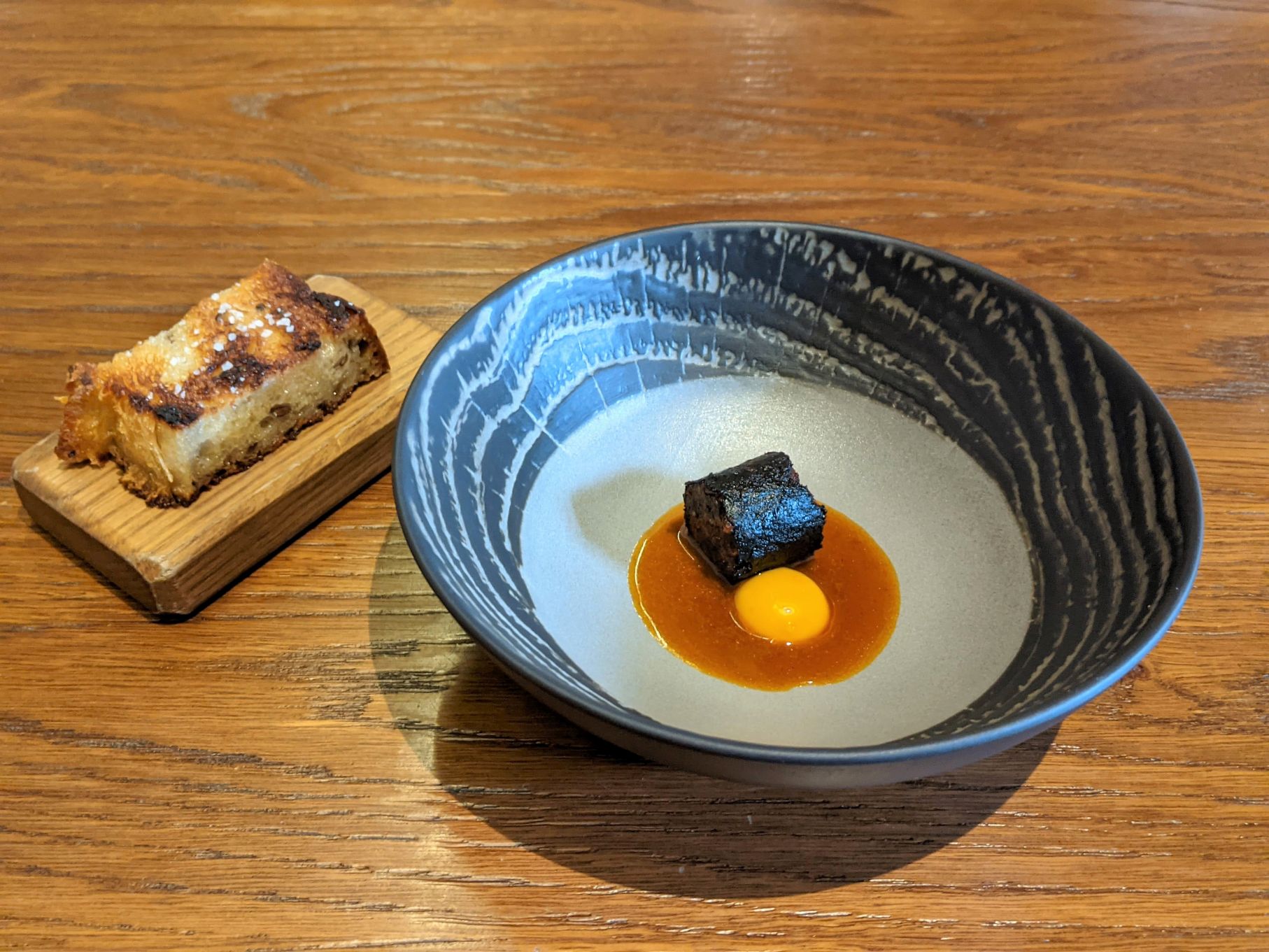
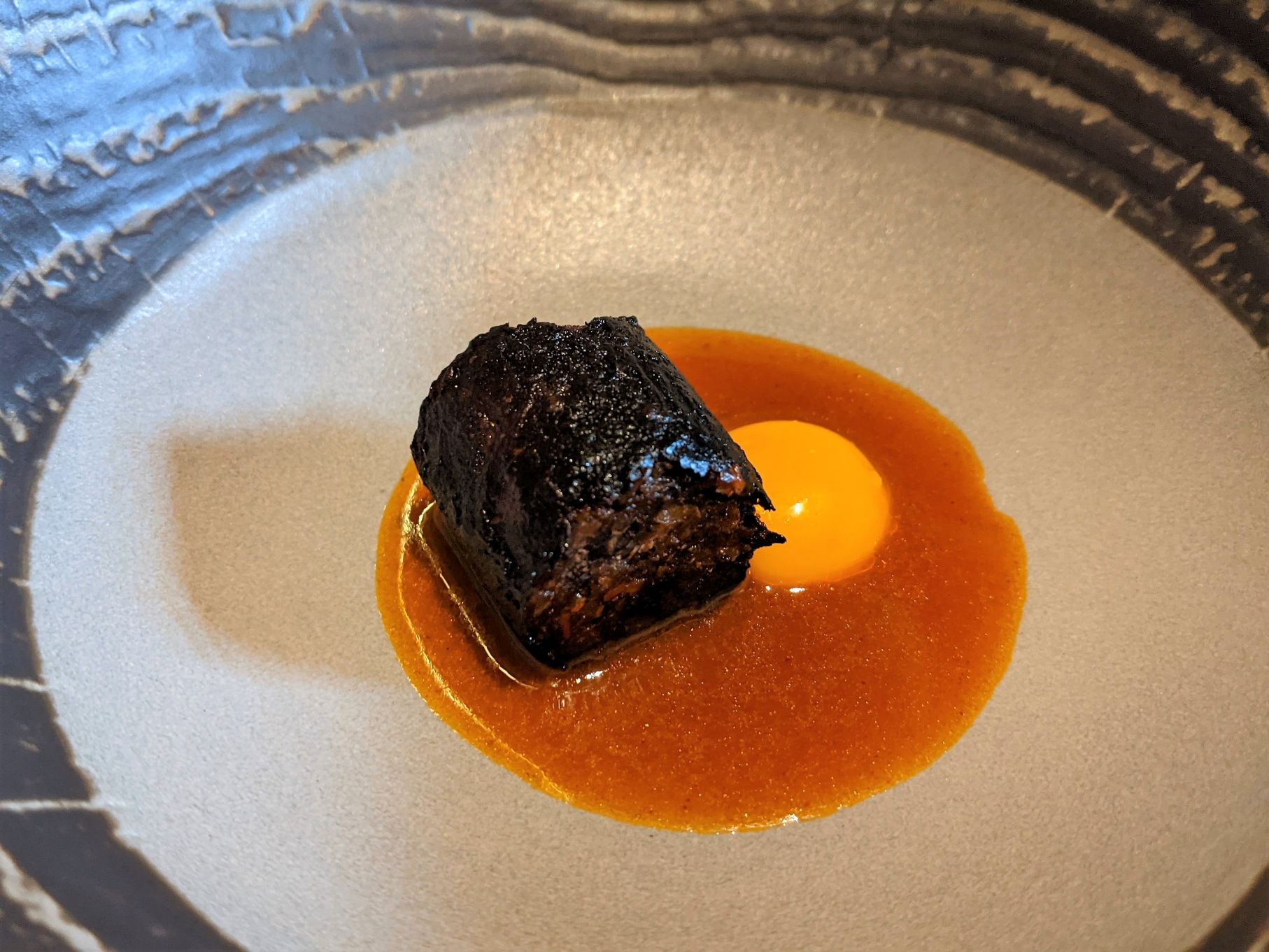
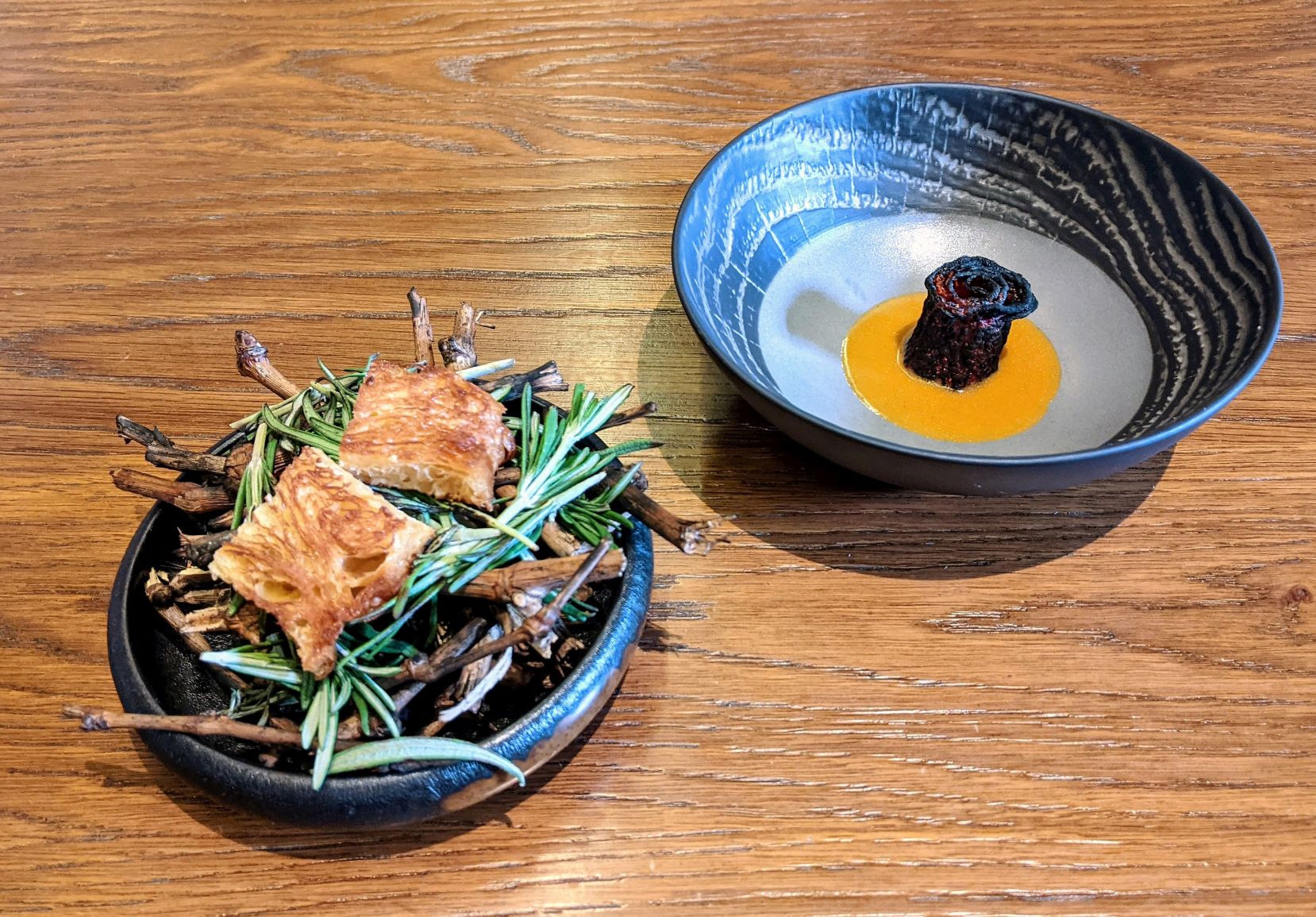
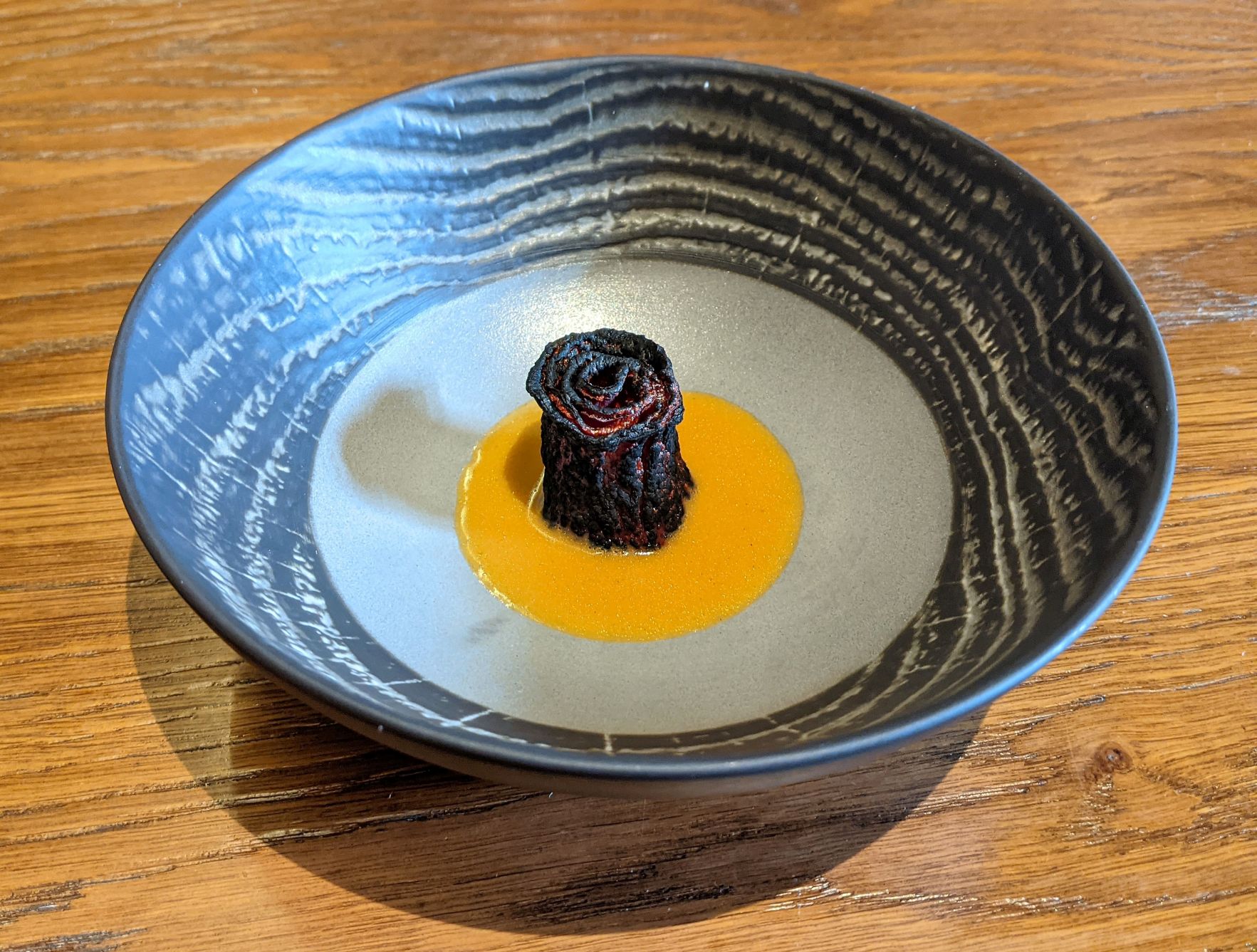
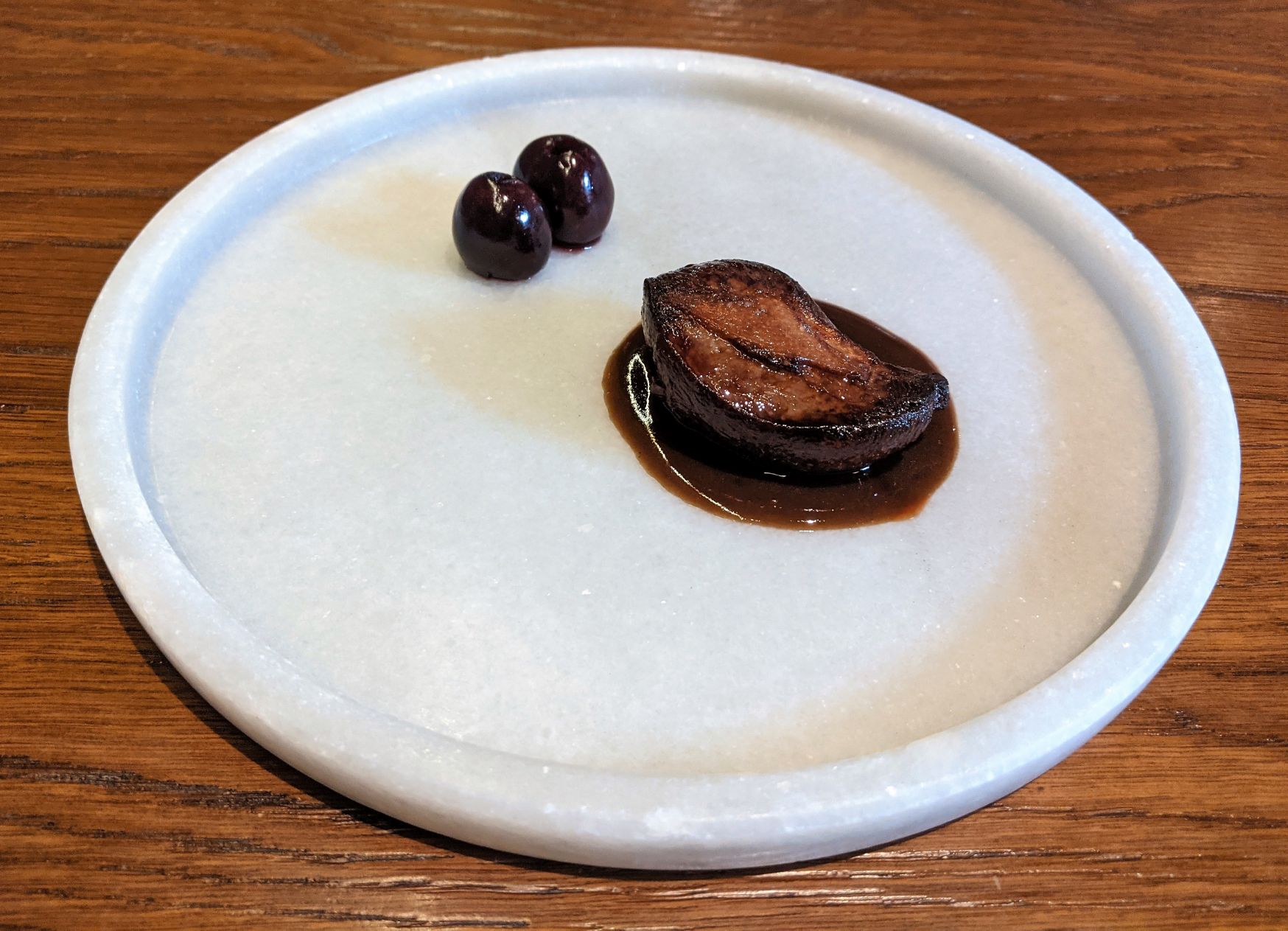
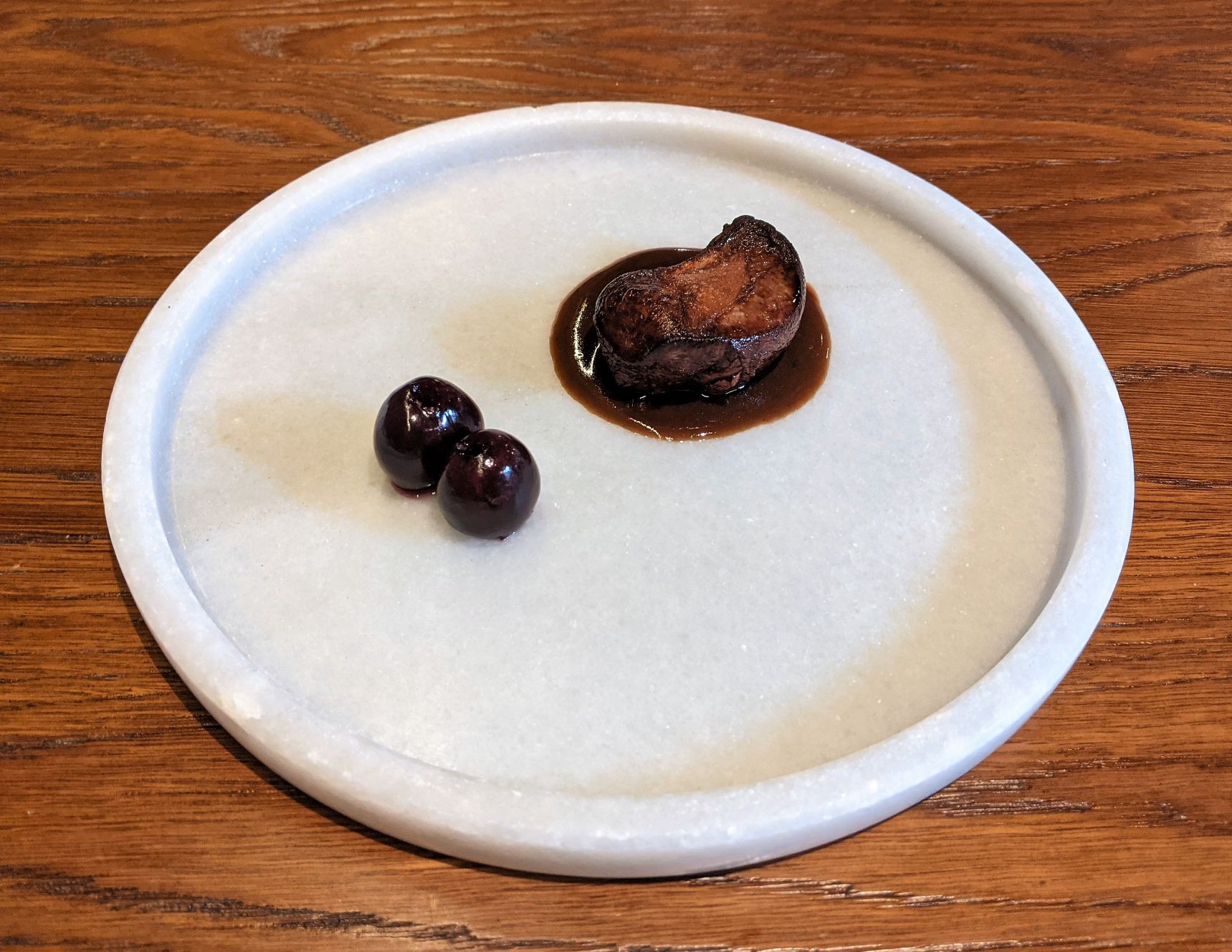
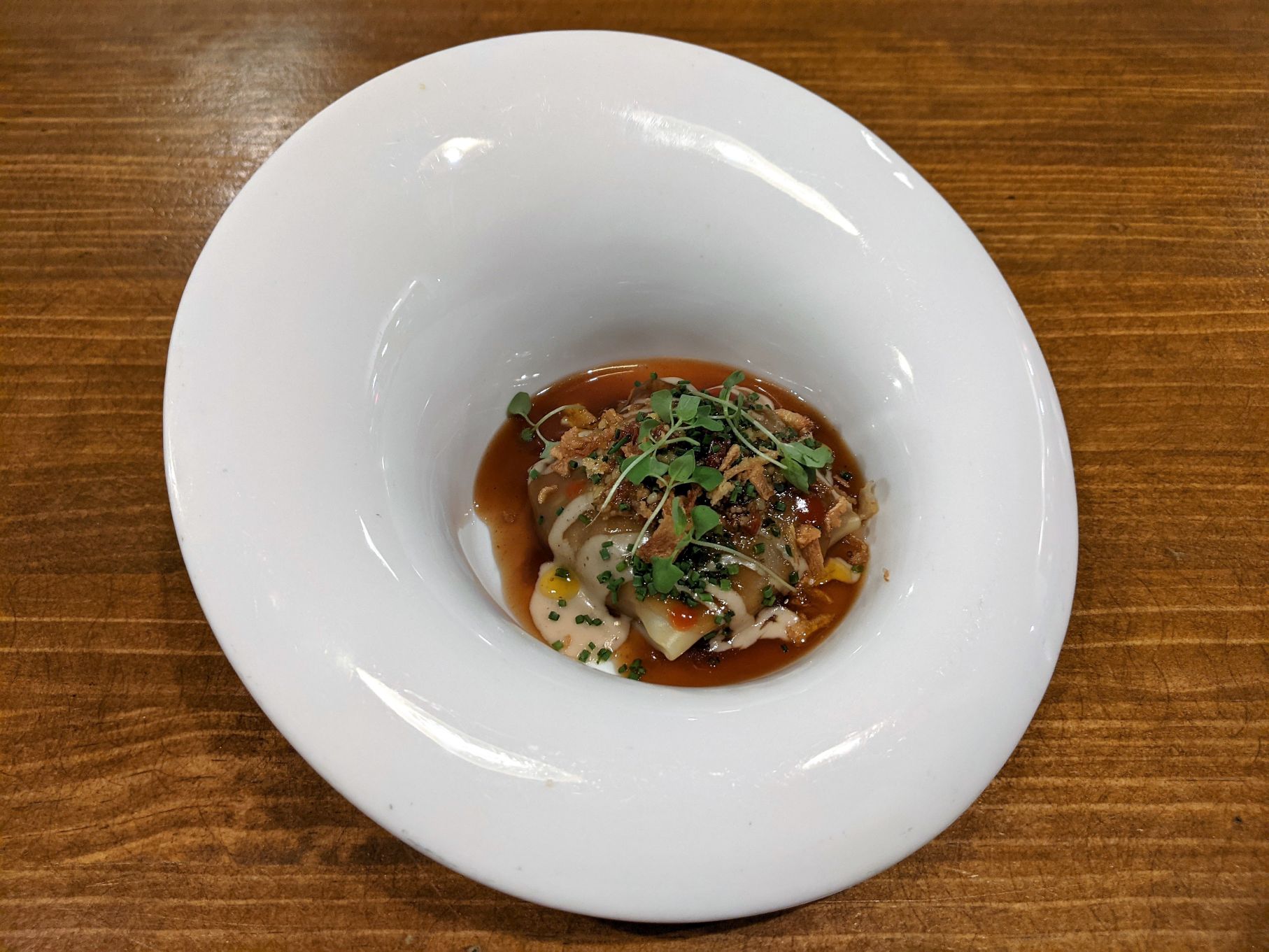
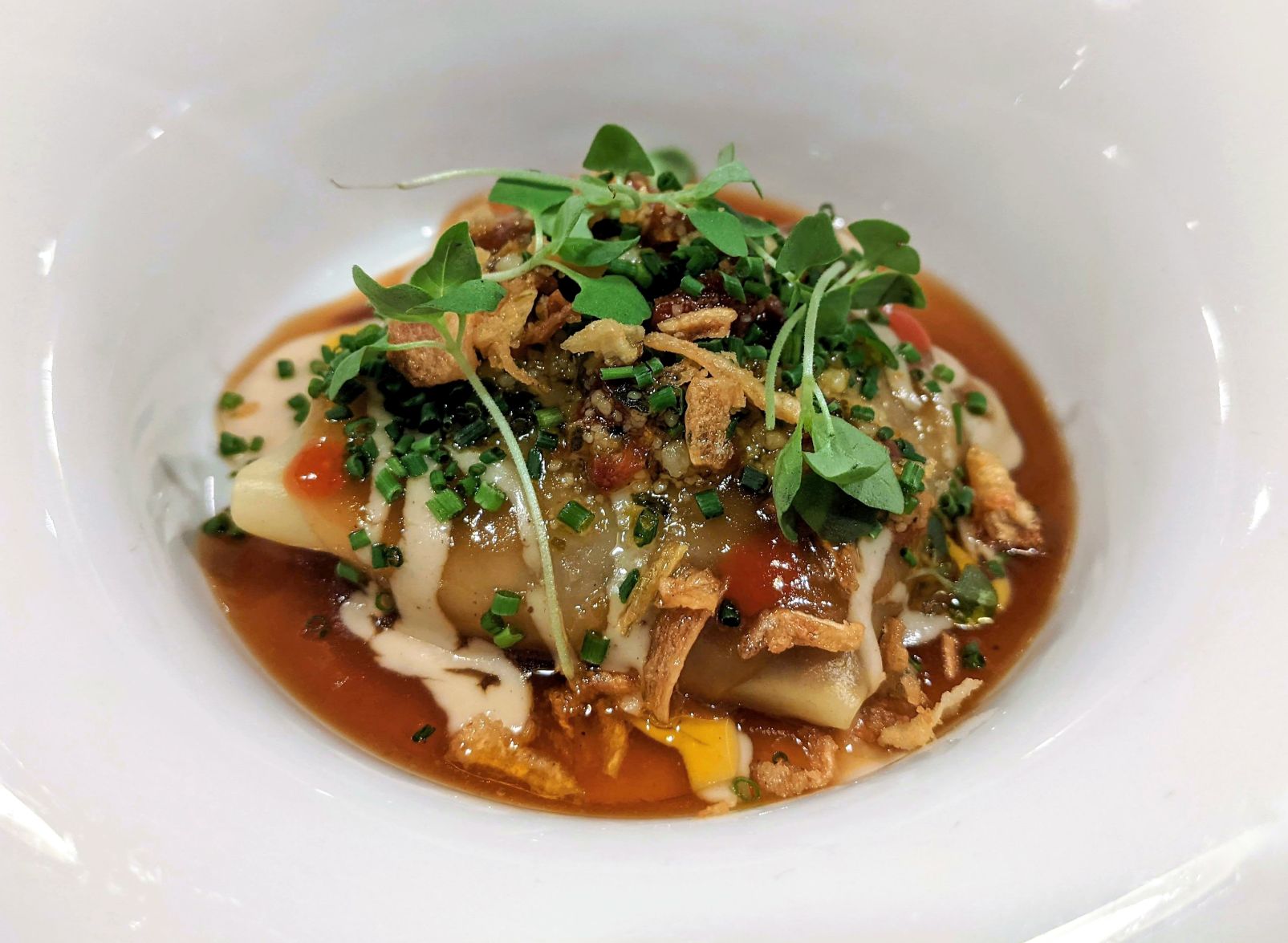
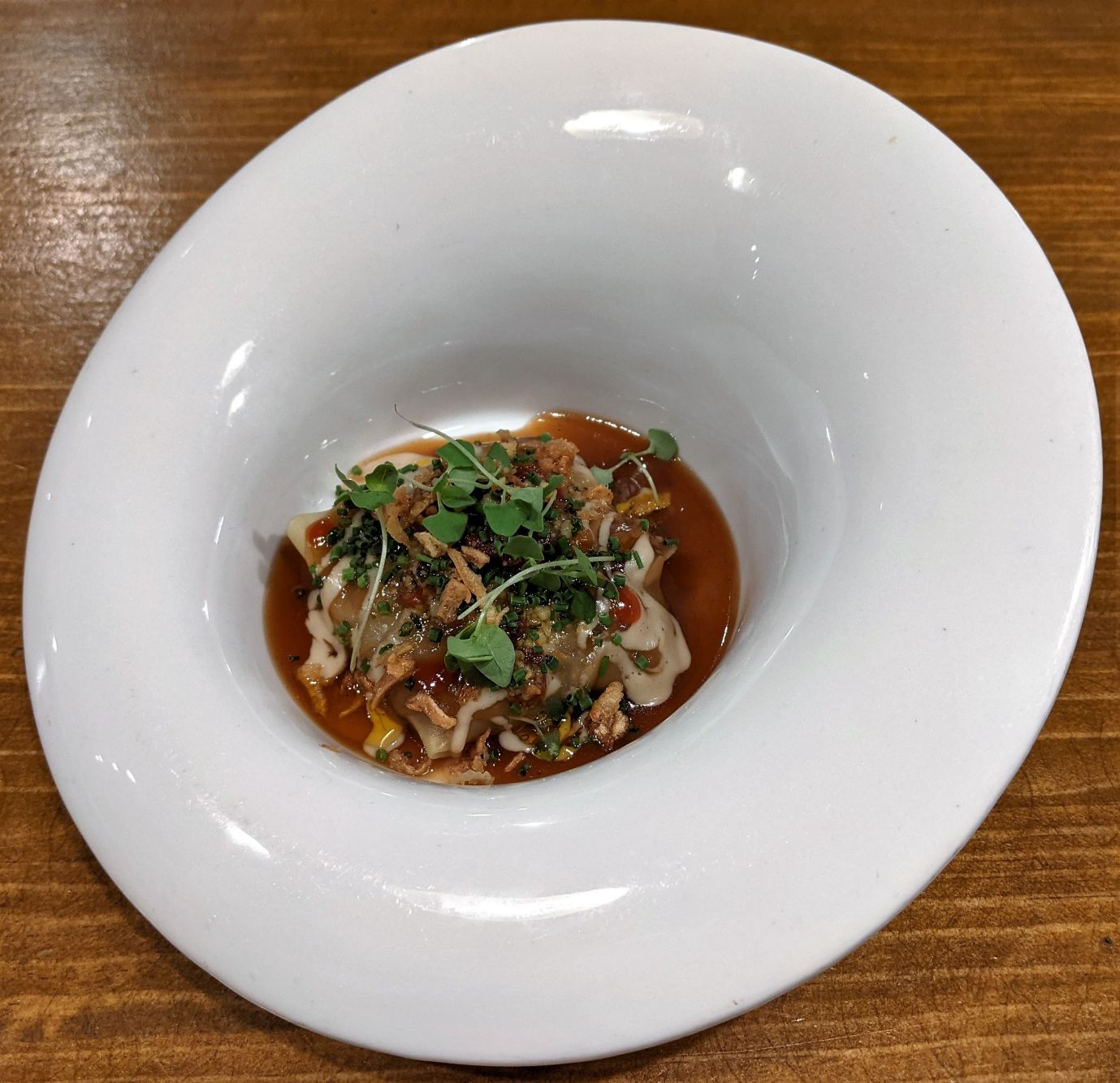
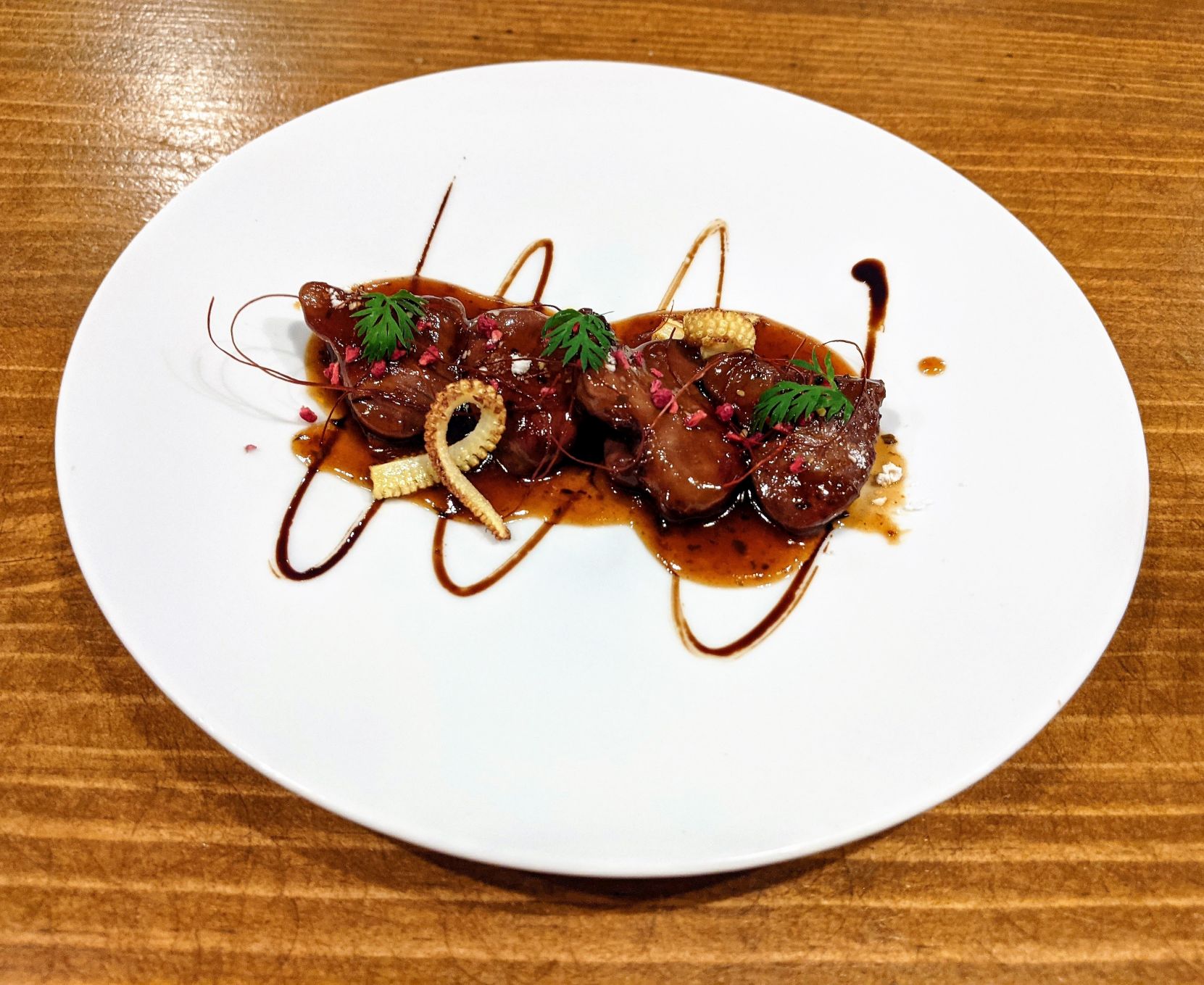
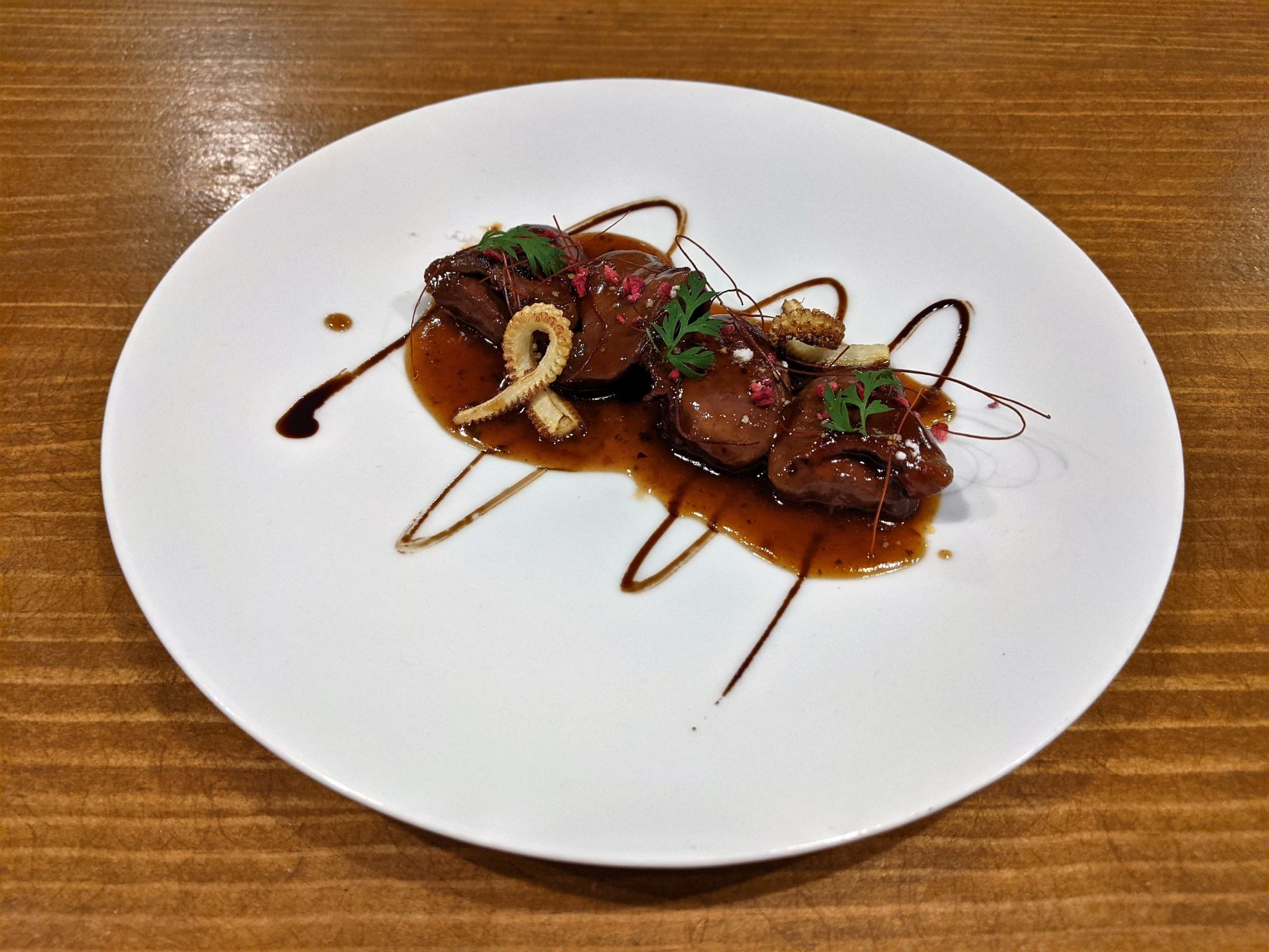
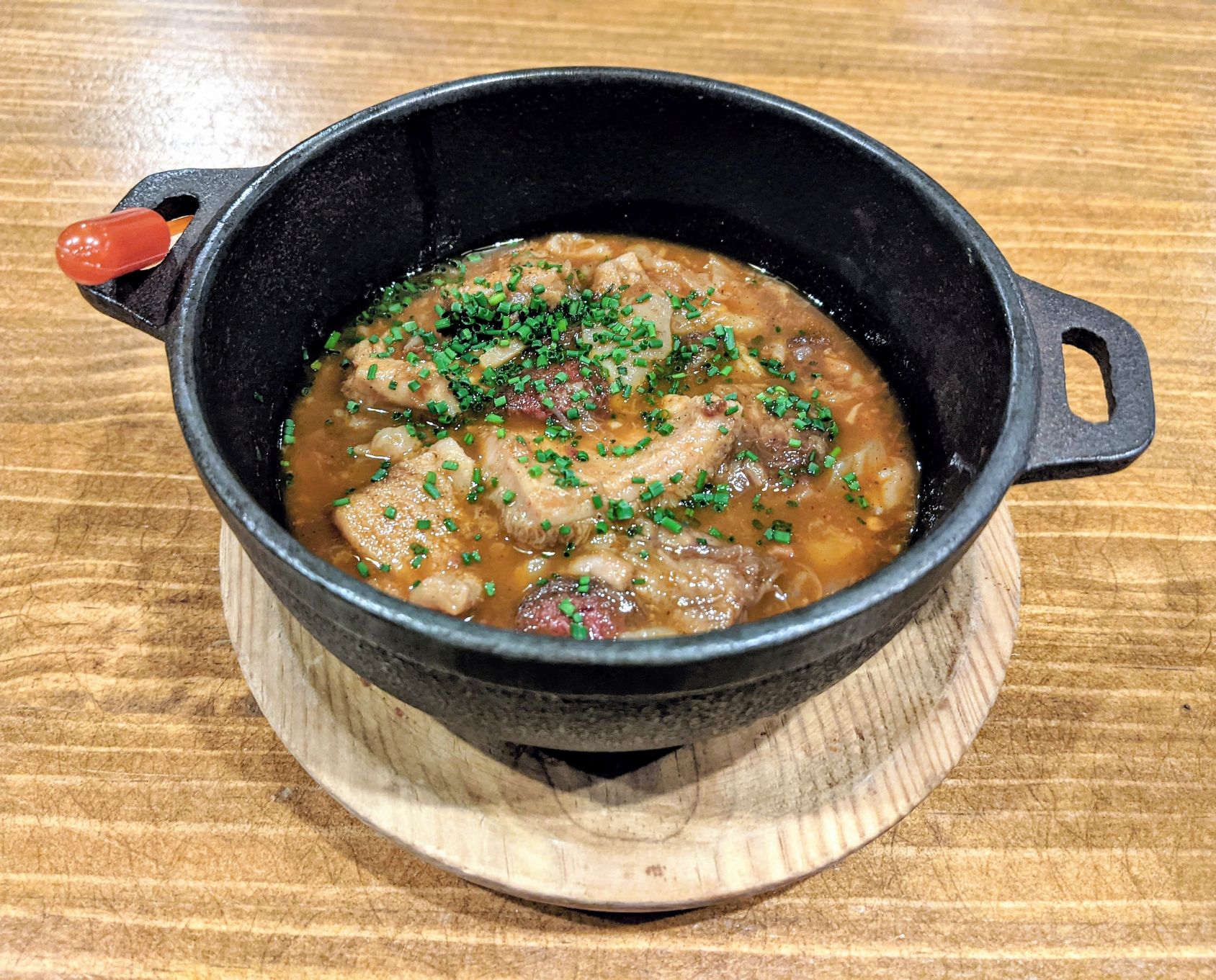
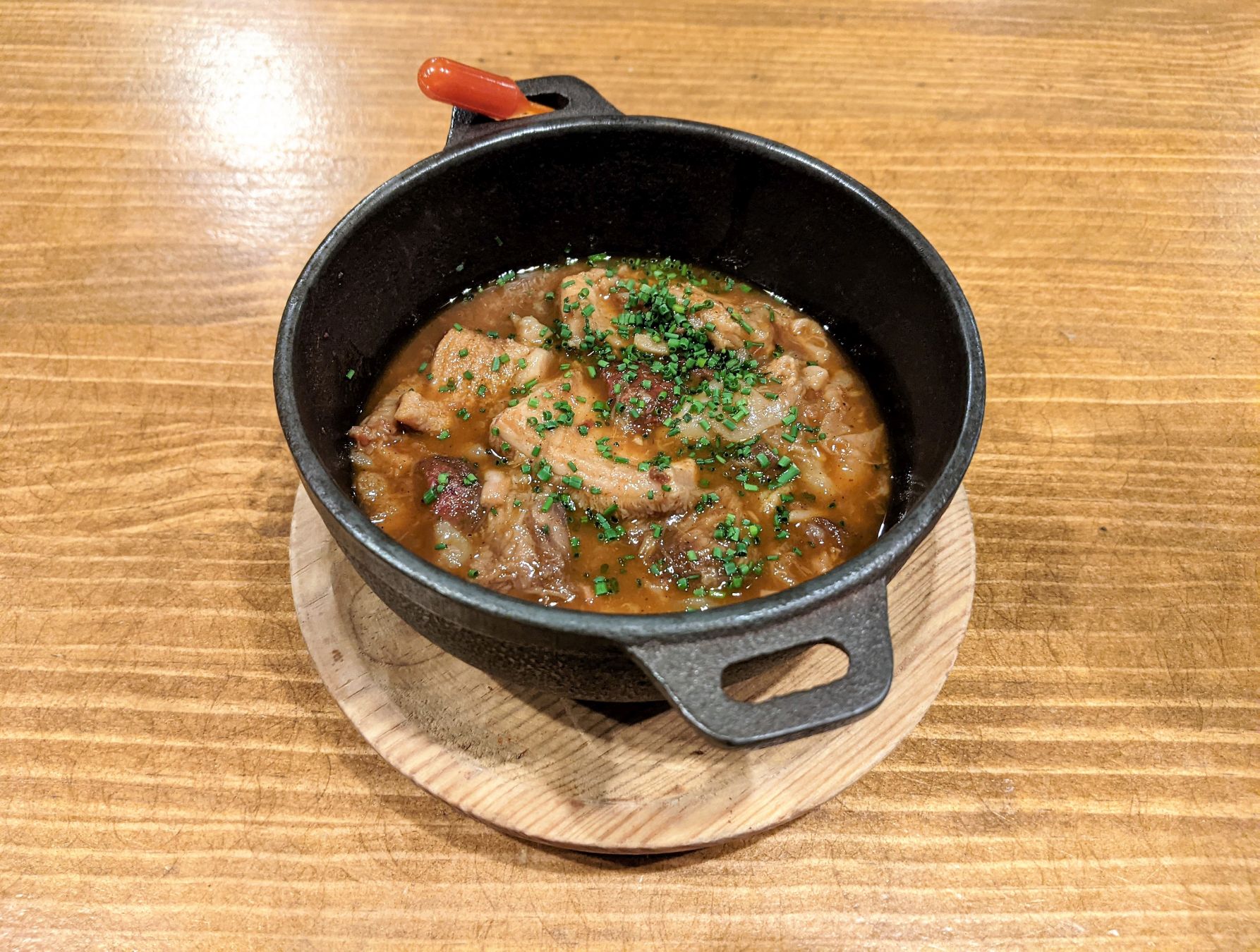
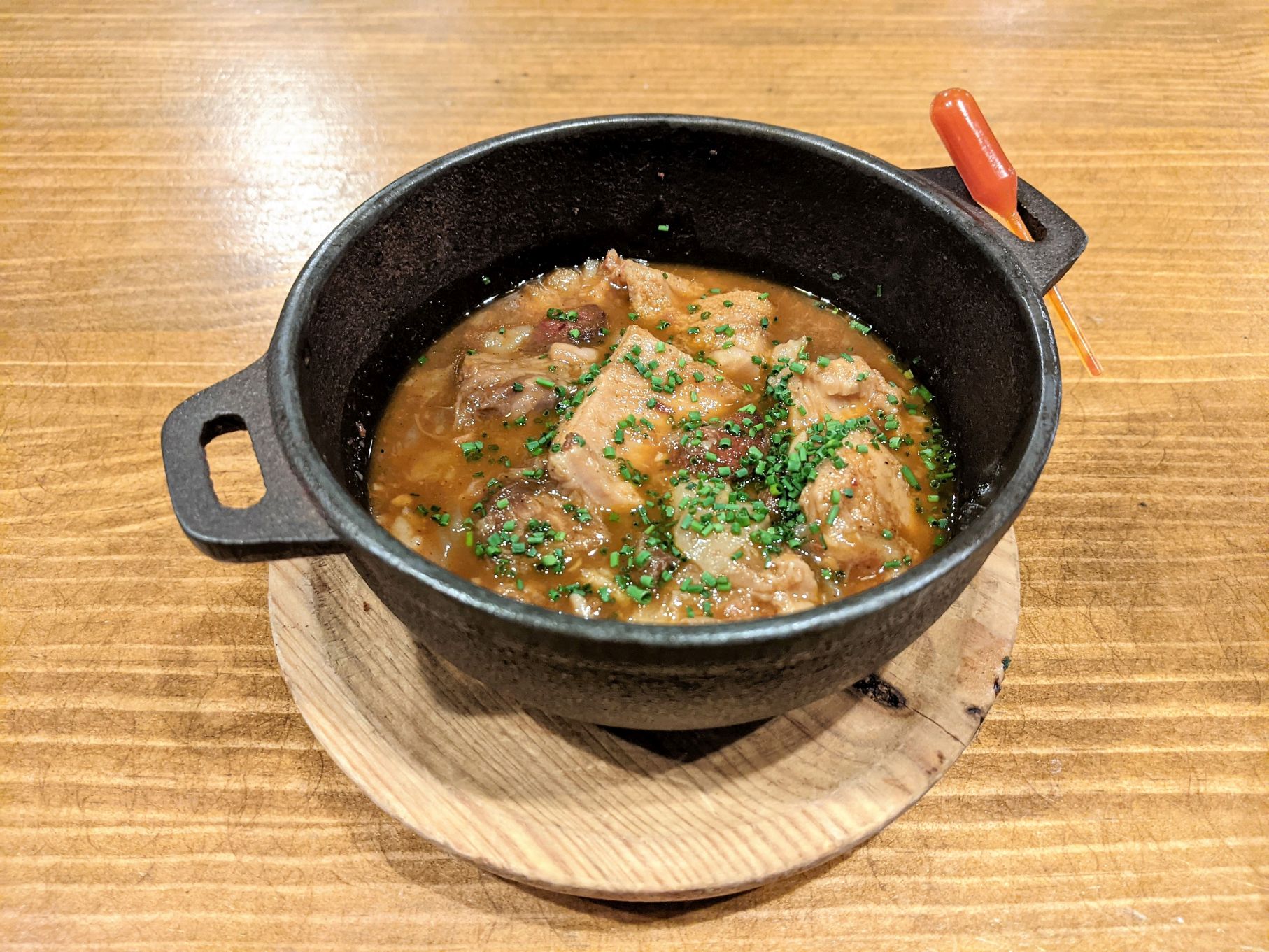
Iberian Pork and Beef Tenderloin Meatballs, Potatoes, Curried Sauce
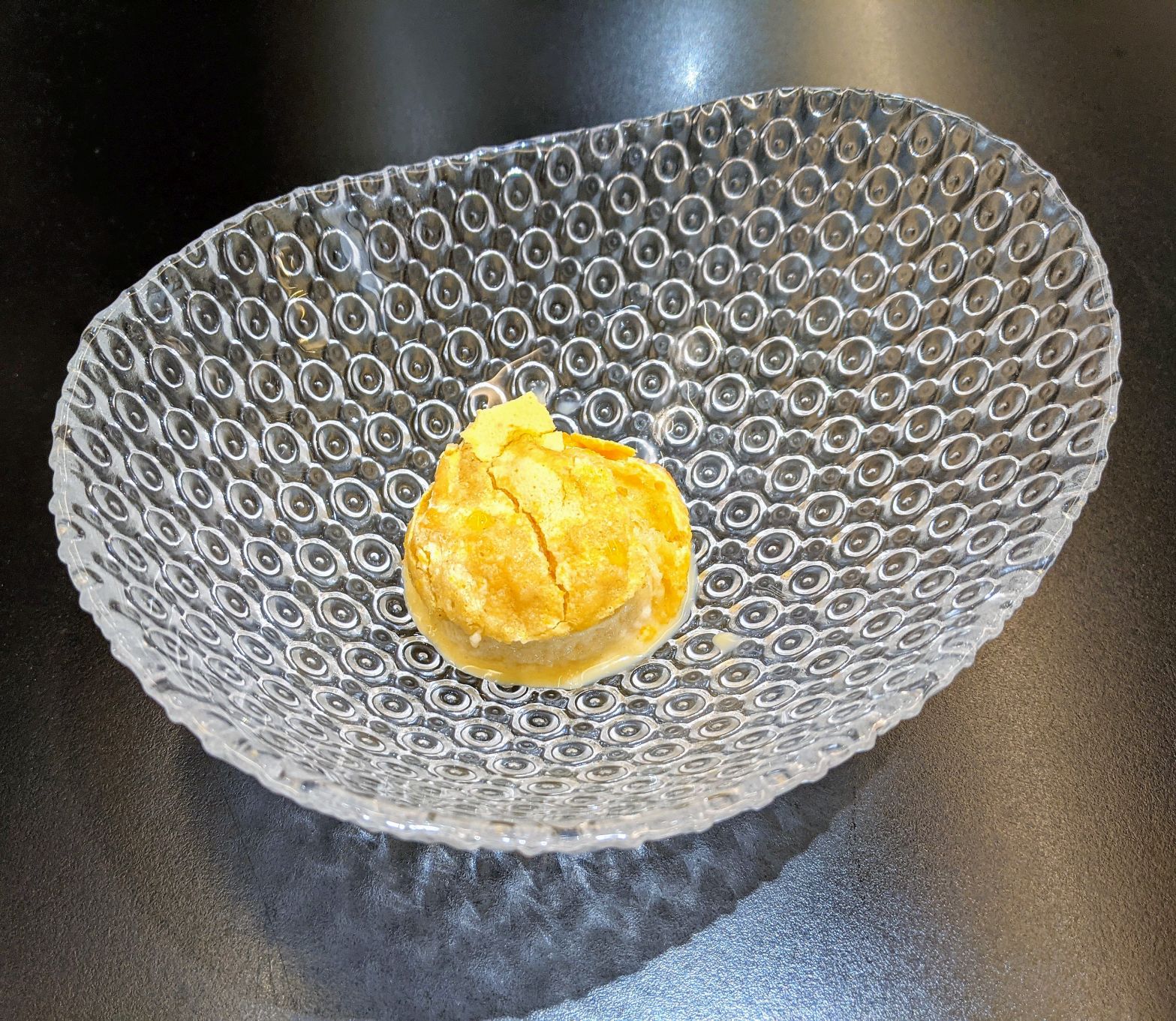
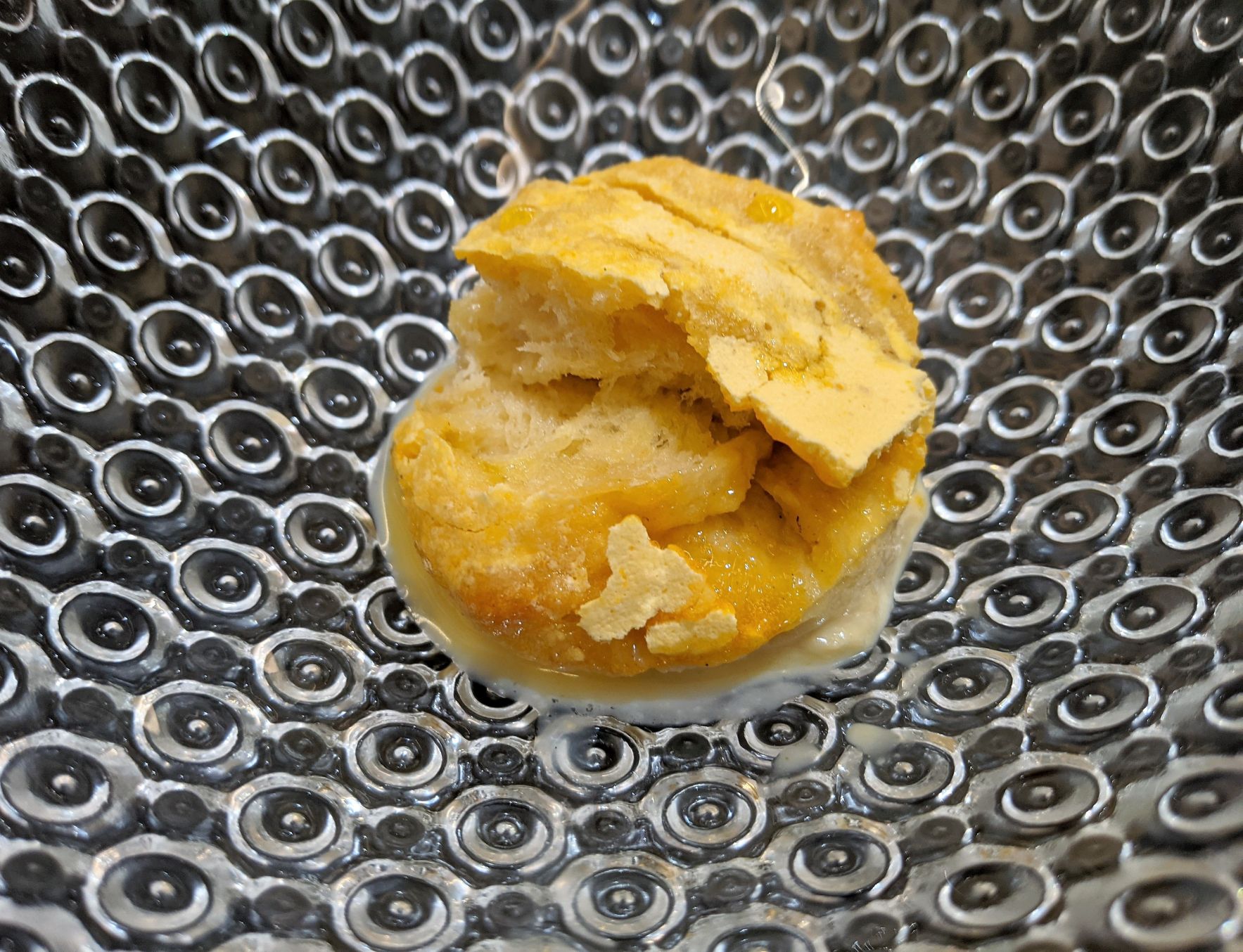
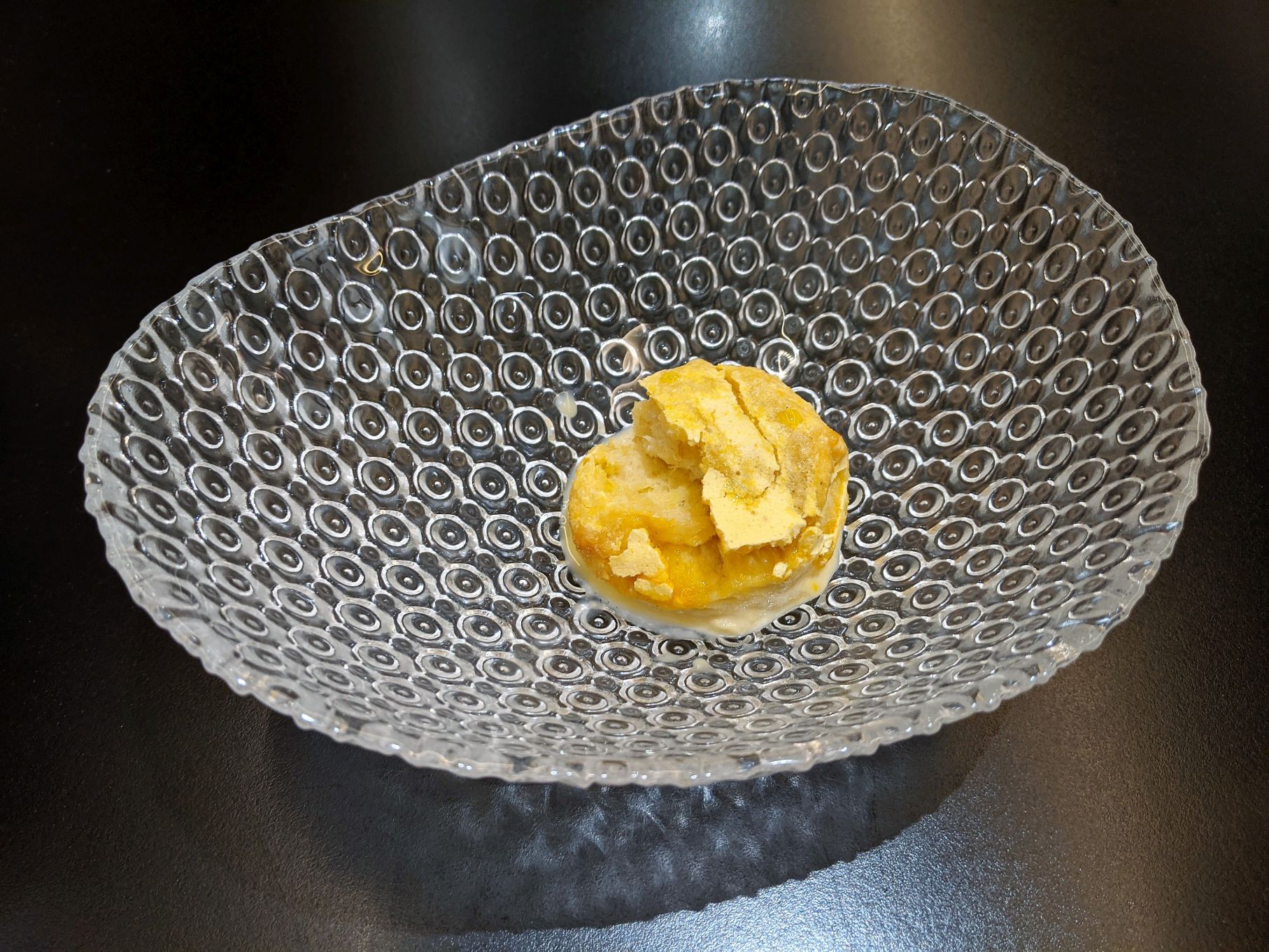
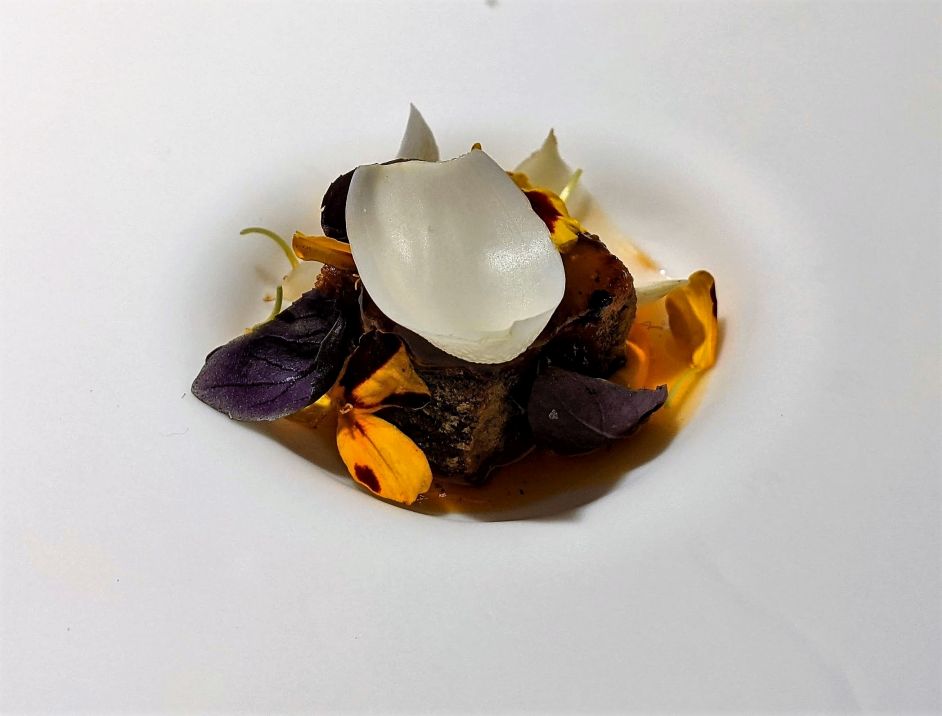
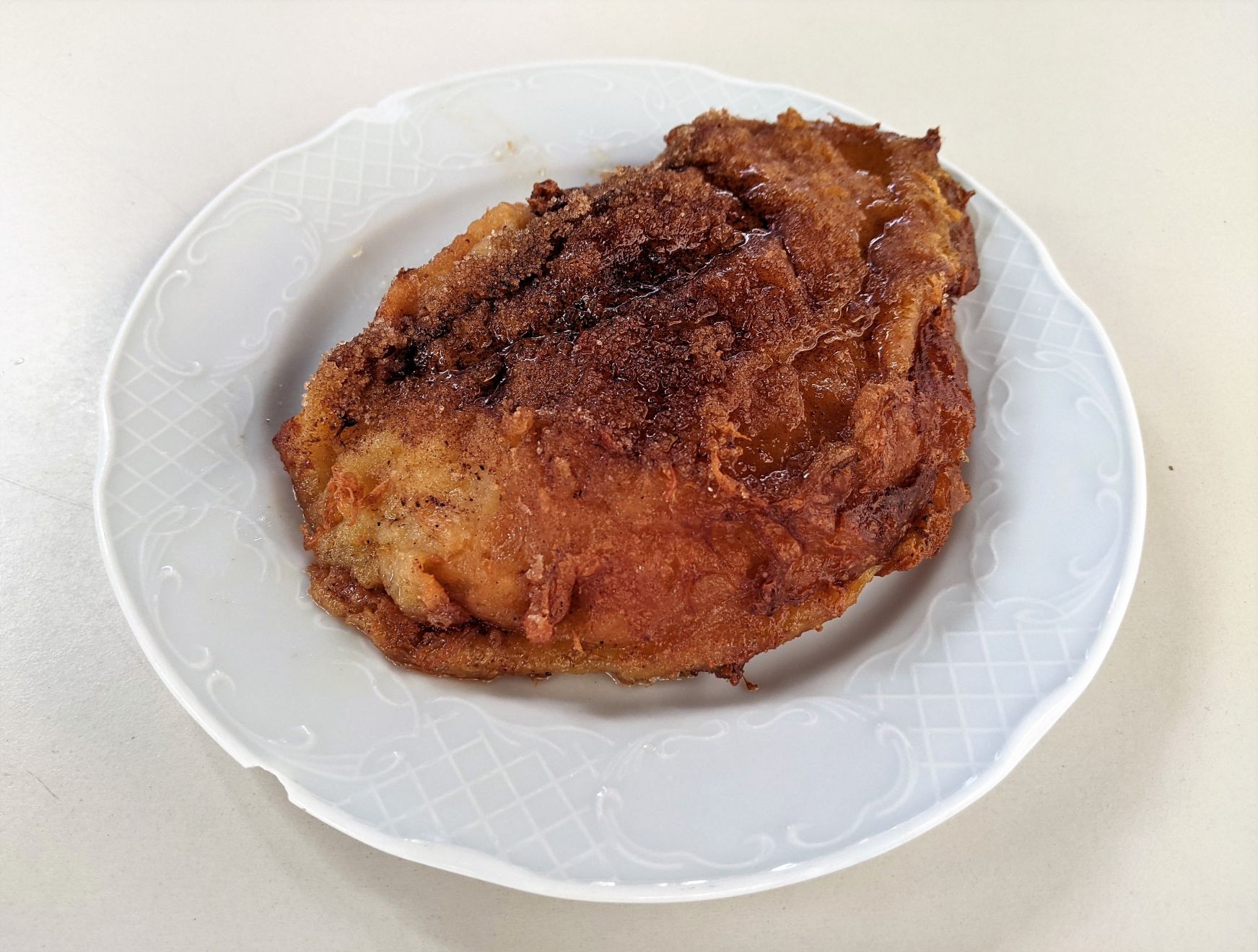
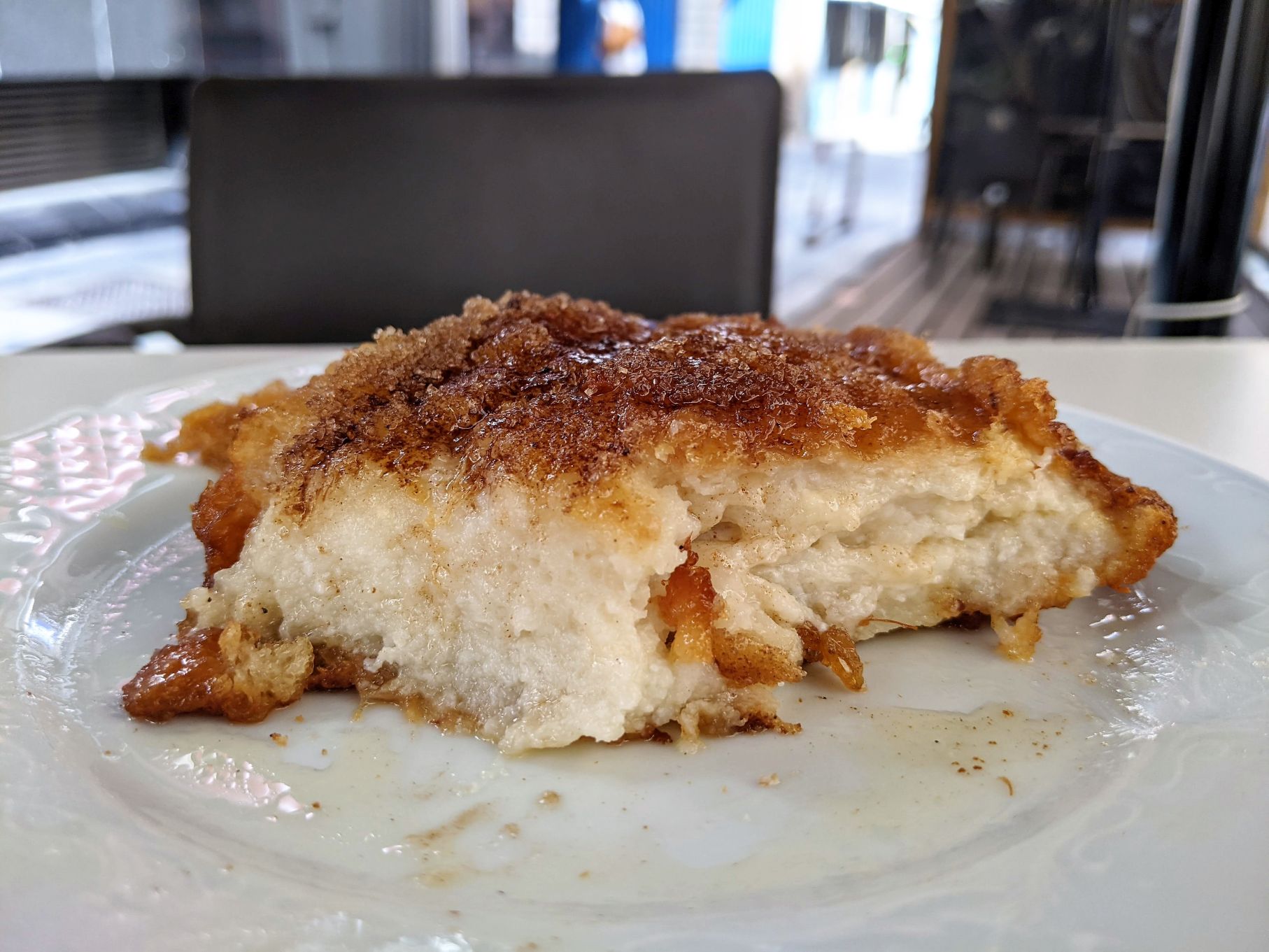
False Torrejas
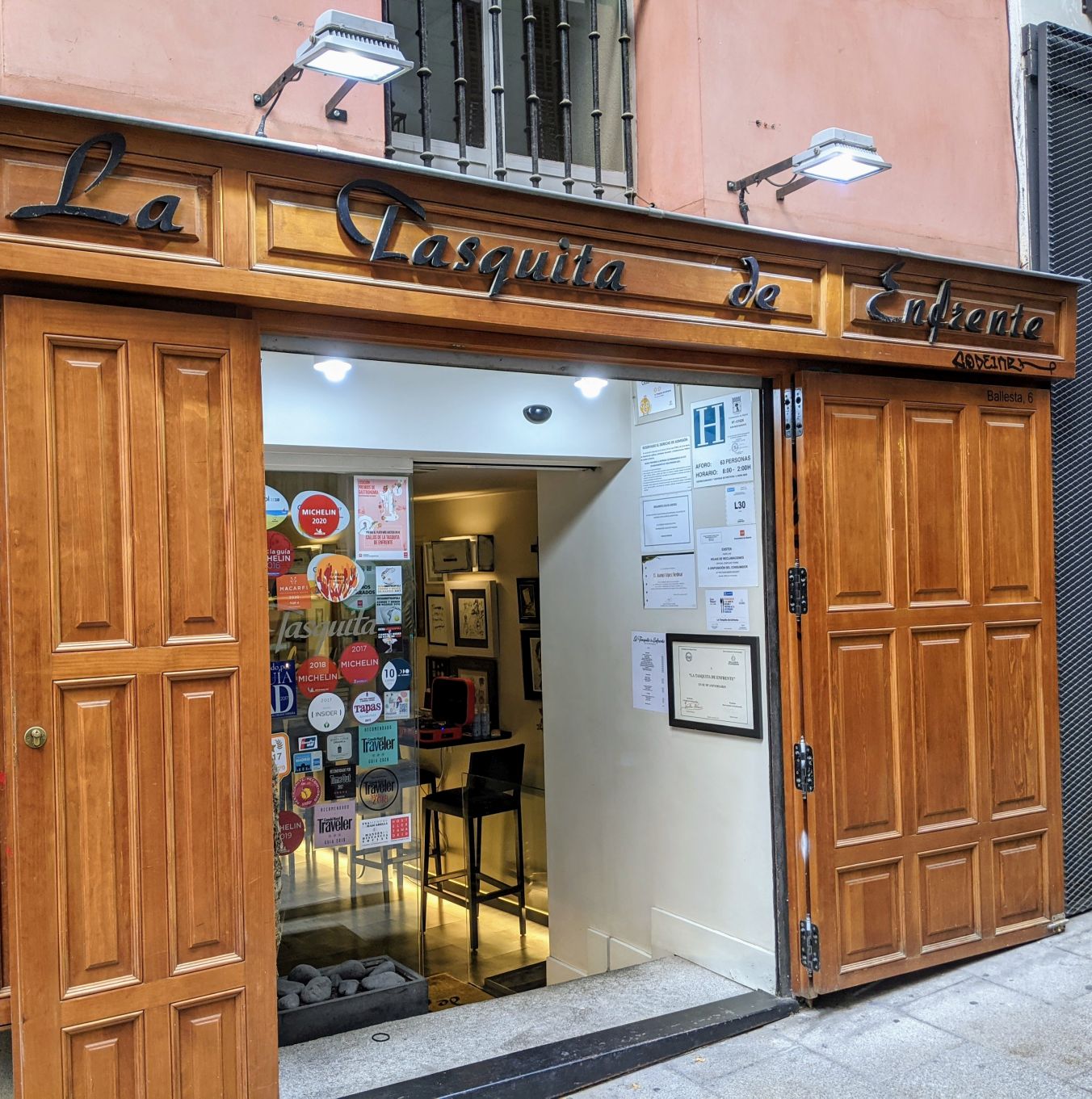
Describing La Tasquita de Enfrente as “a conversation that never took place with my father” Chef Juan José López Bedmar sets out to create dishes built on memory and heritage, his love of the kitchen rekindled after decades in another business.
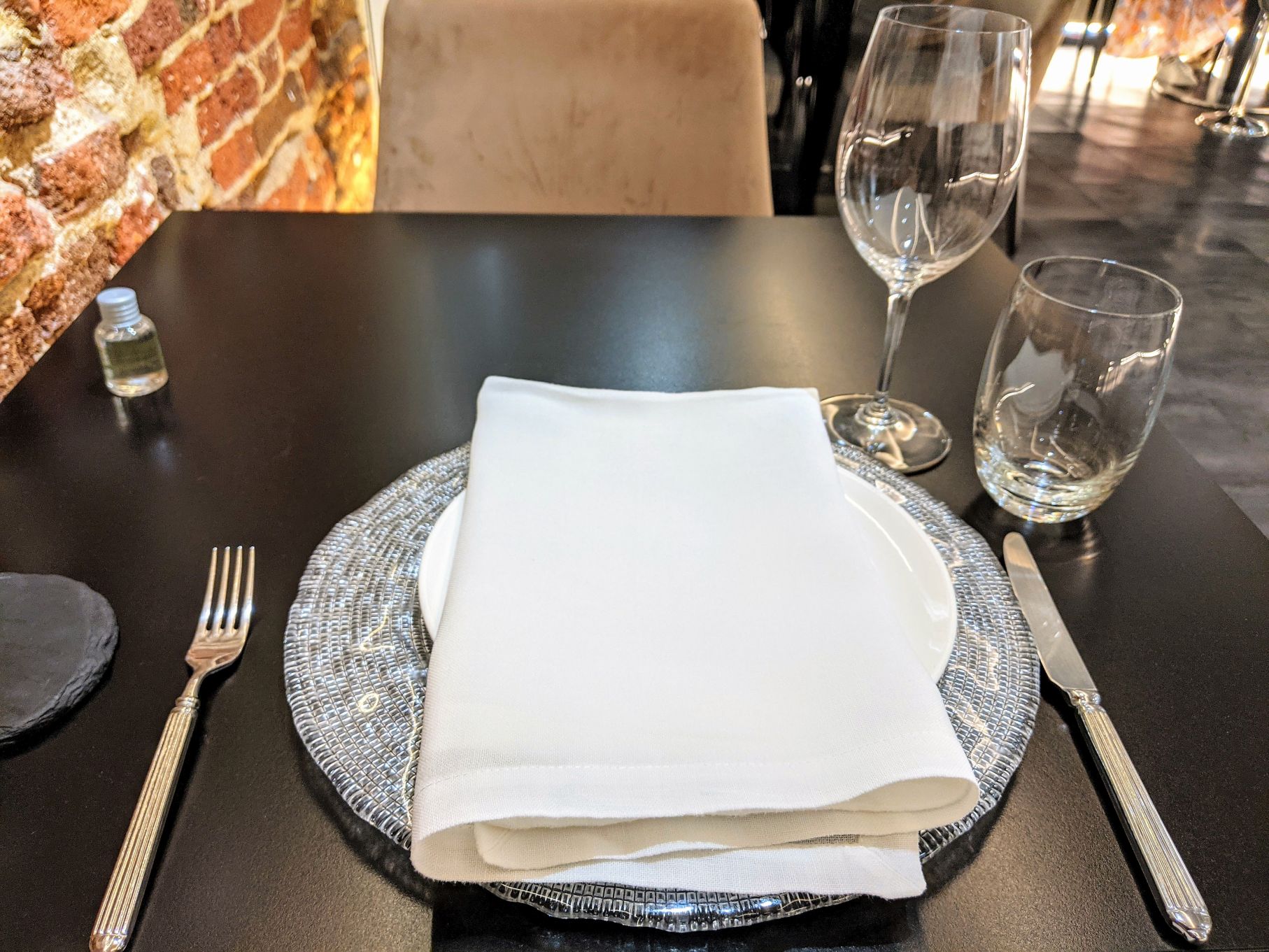
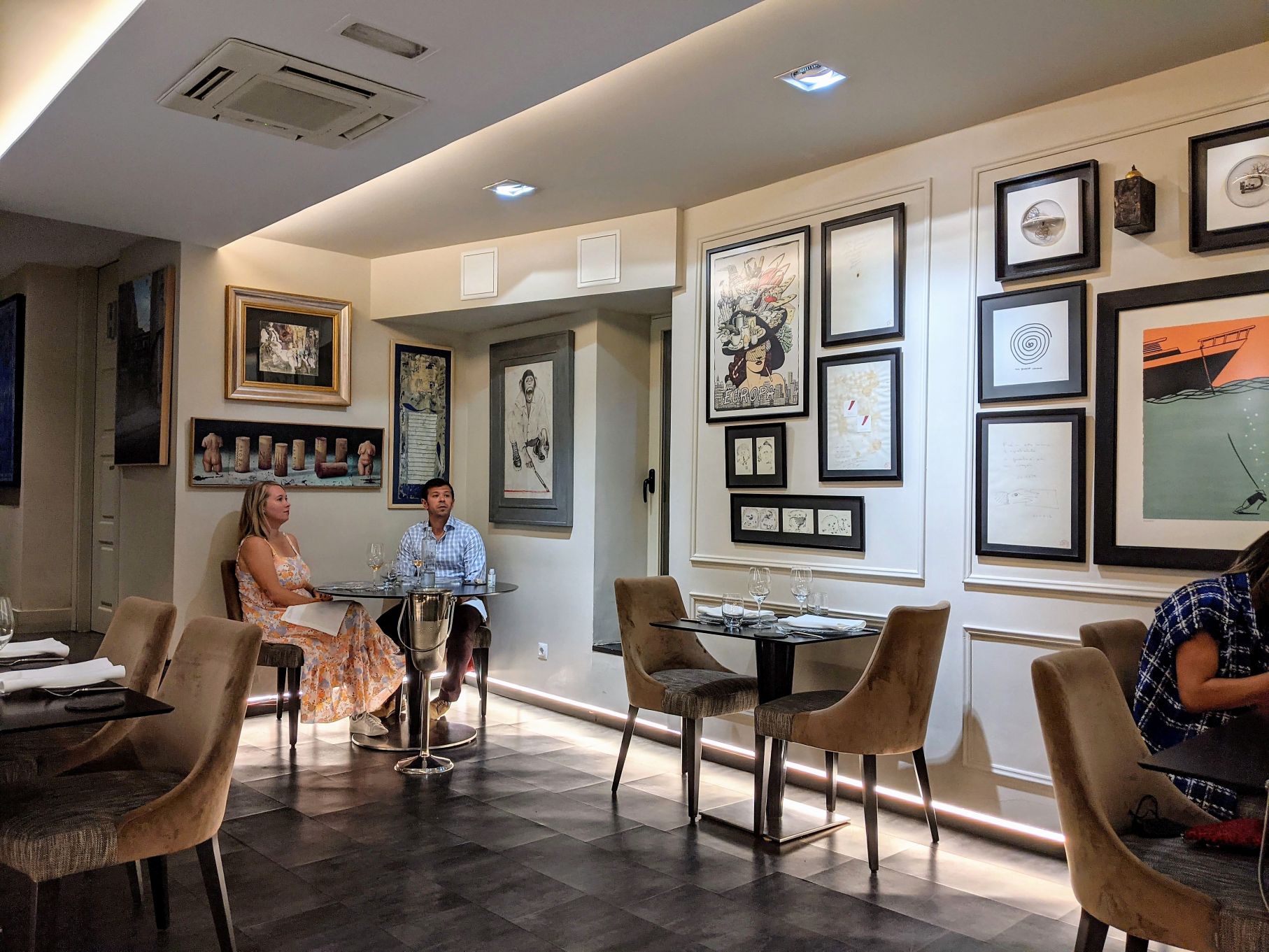
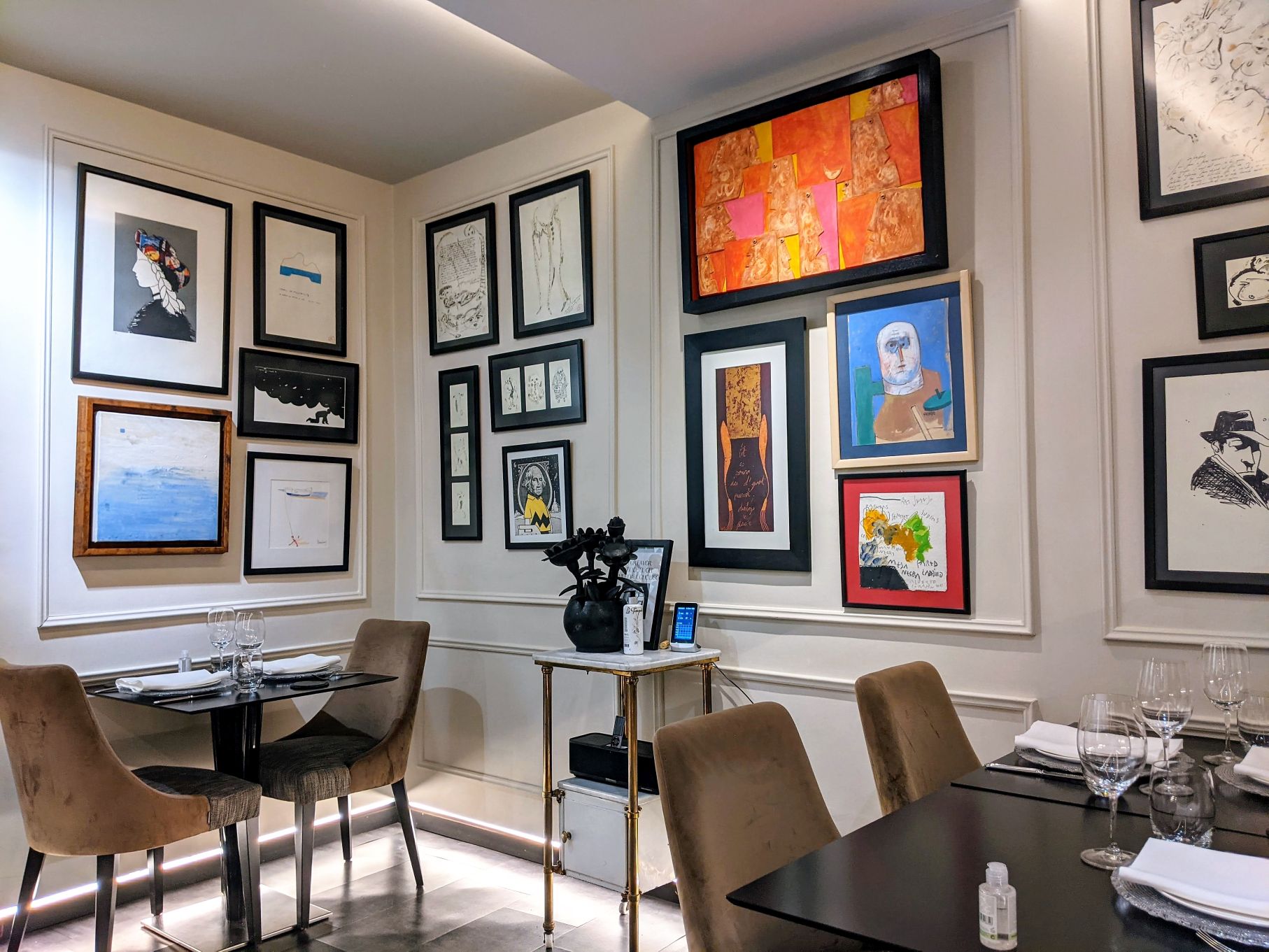
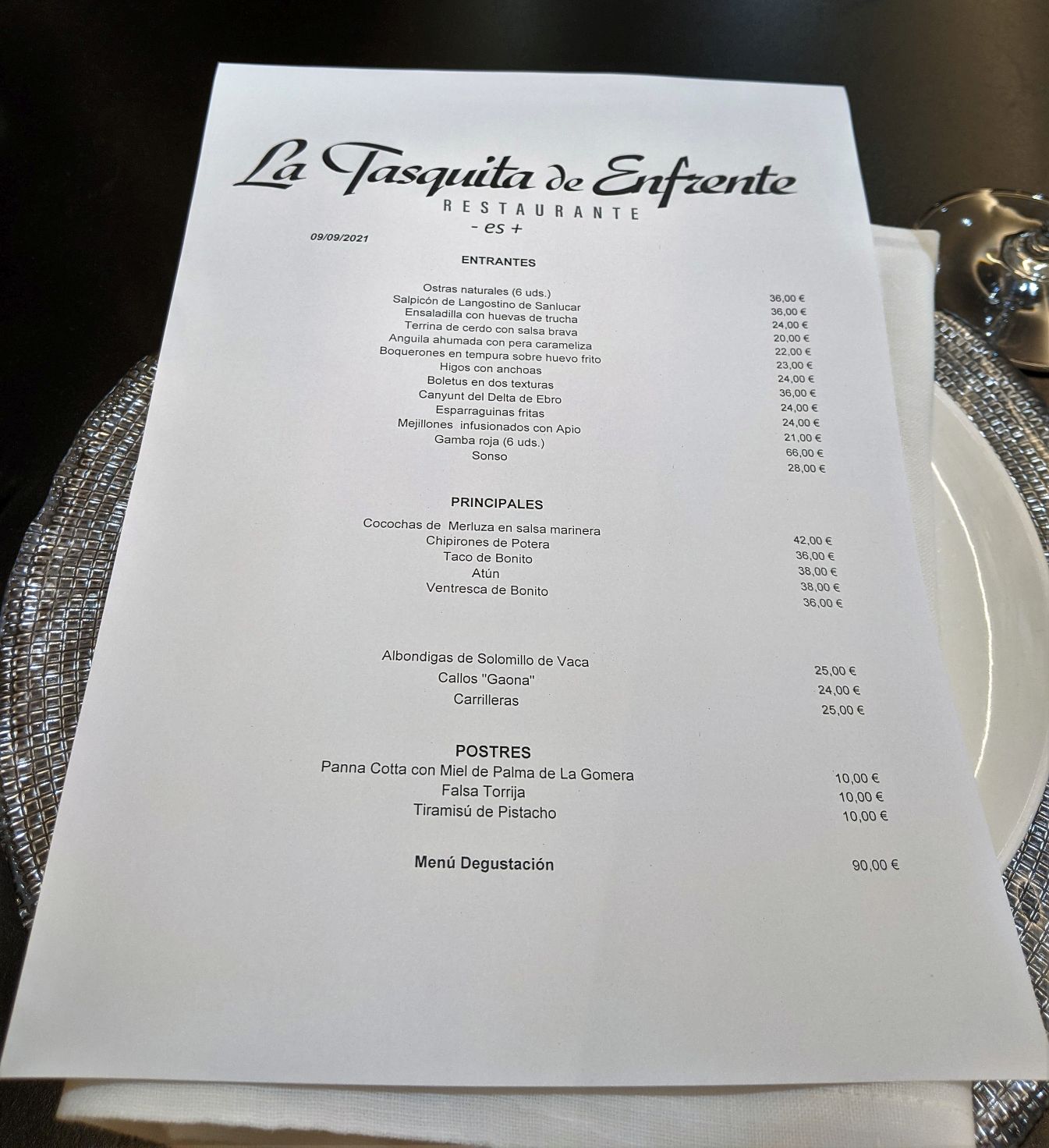
Raised by the man who ran La Tasquita for thirty years, and now joined by Chef Nacho Trujillo at the stove, it is at Calle de la Ballesta 6 that diners will find an intimate dining room lined in photos, service quaint but friendly while the menu focuses on carefully chosen unique ingredients prepared simply.
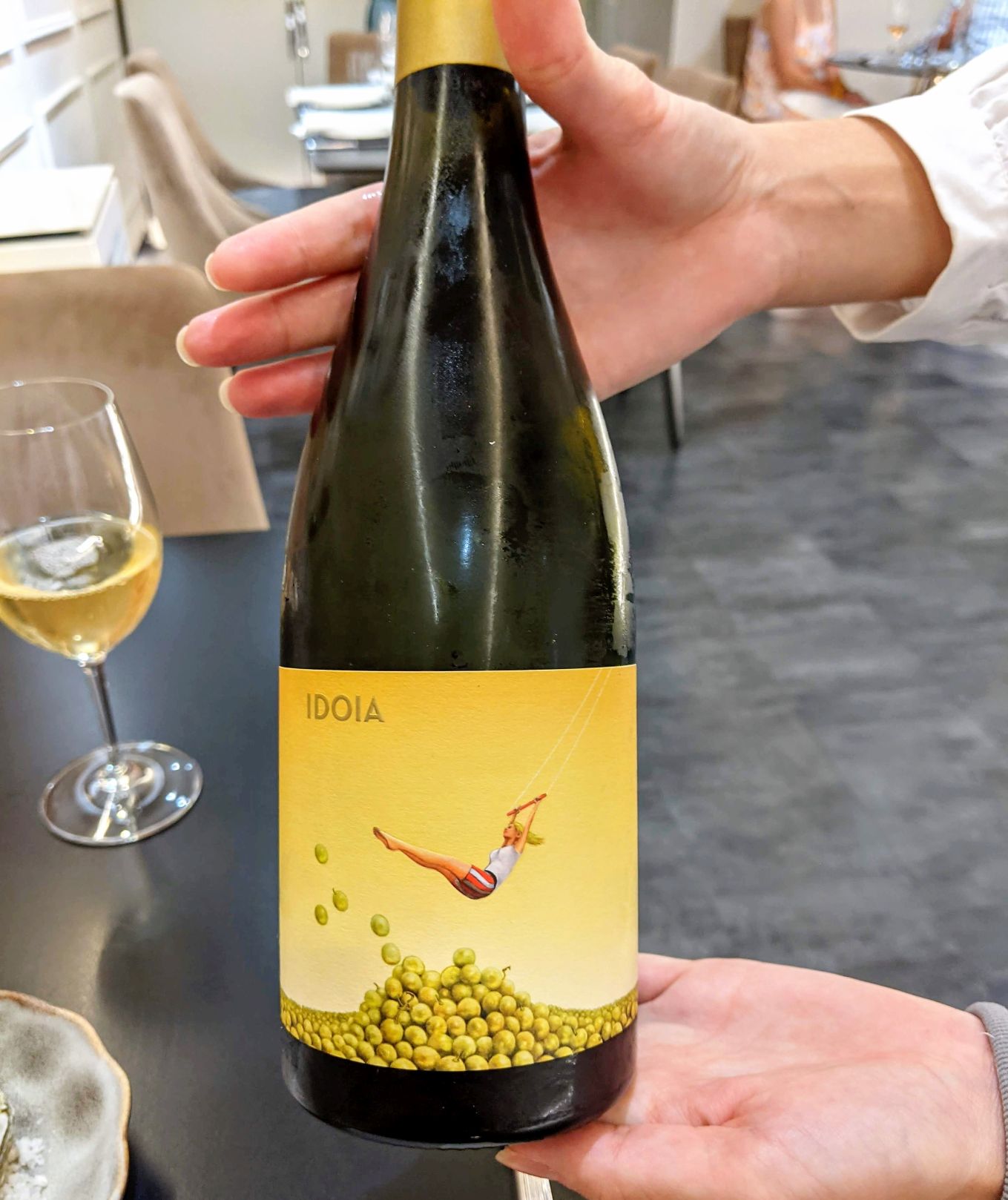
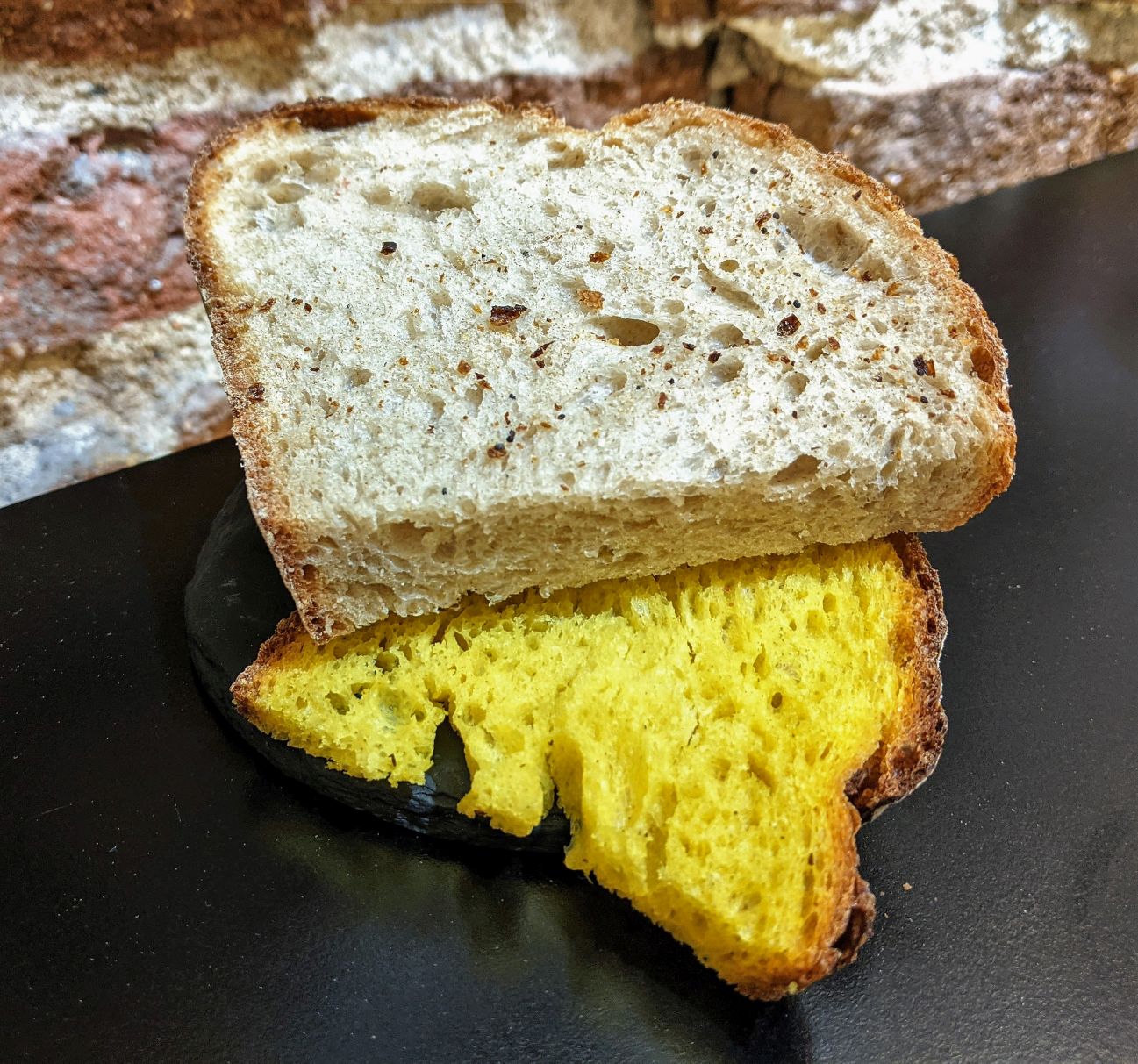
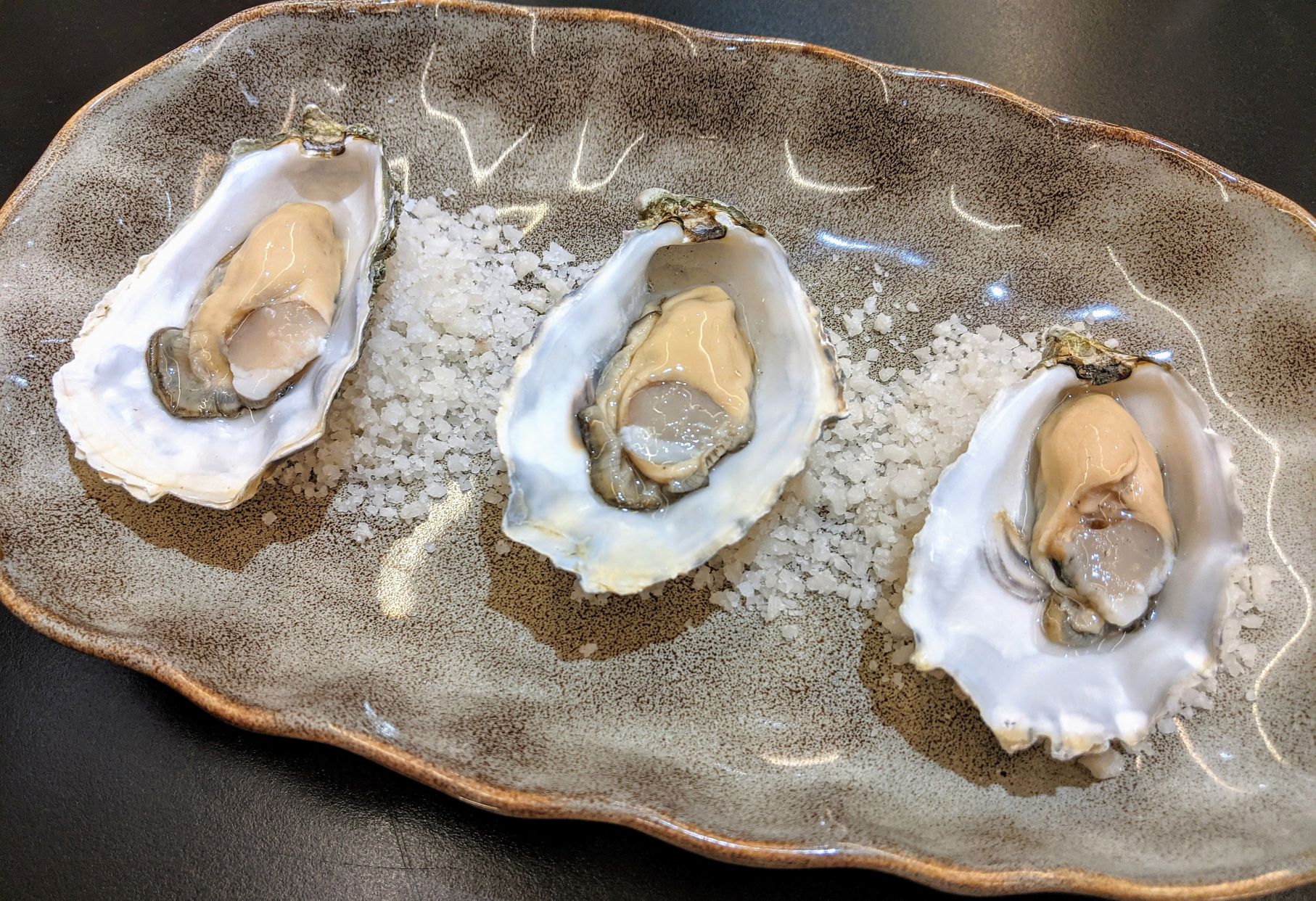
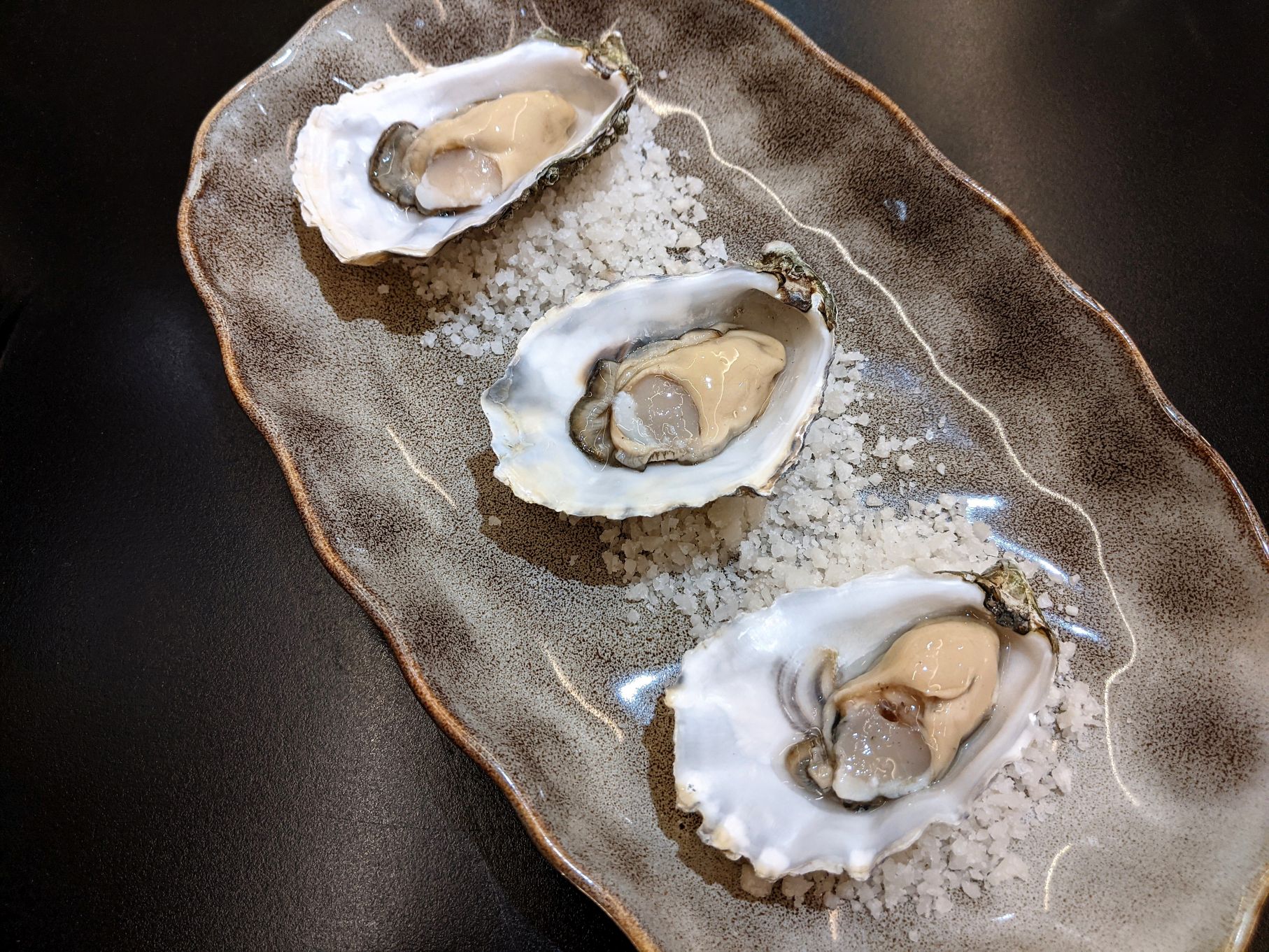
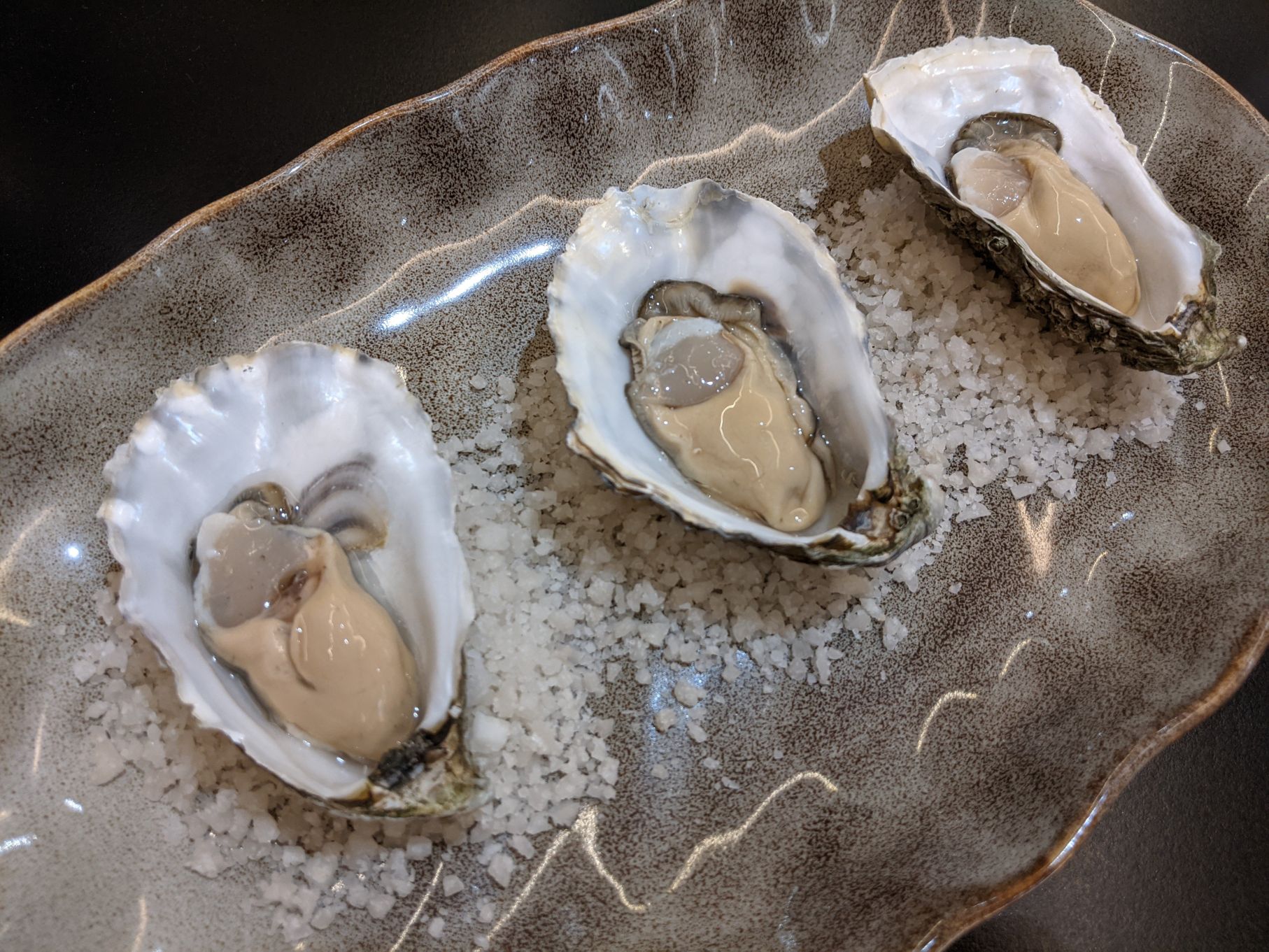
Under the radar despite its strong local following, a €90 tasting menu offered versus a la carte choices, it was with Wine poured that housemade Bread arrived alongside three cleaned and trimmed Oysters with astute minerality and lingering sweetness.
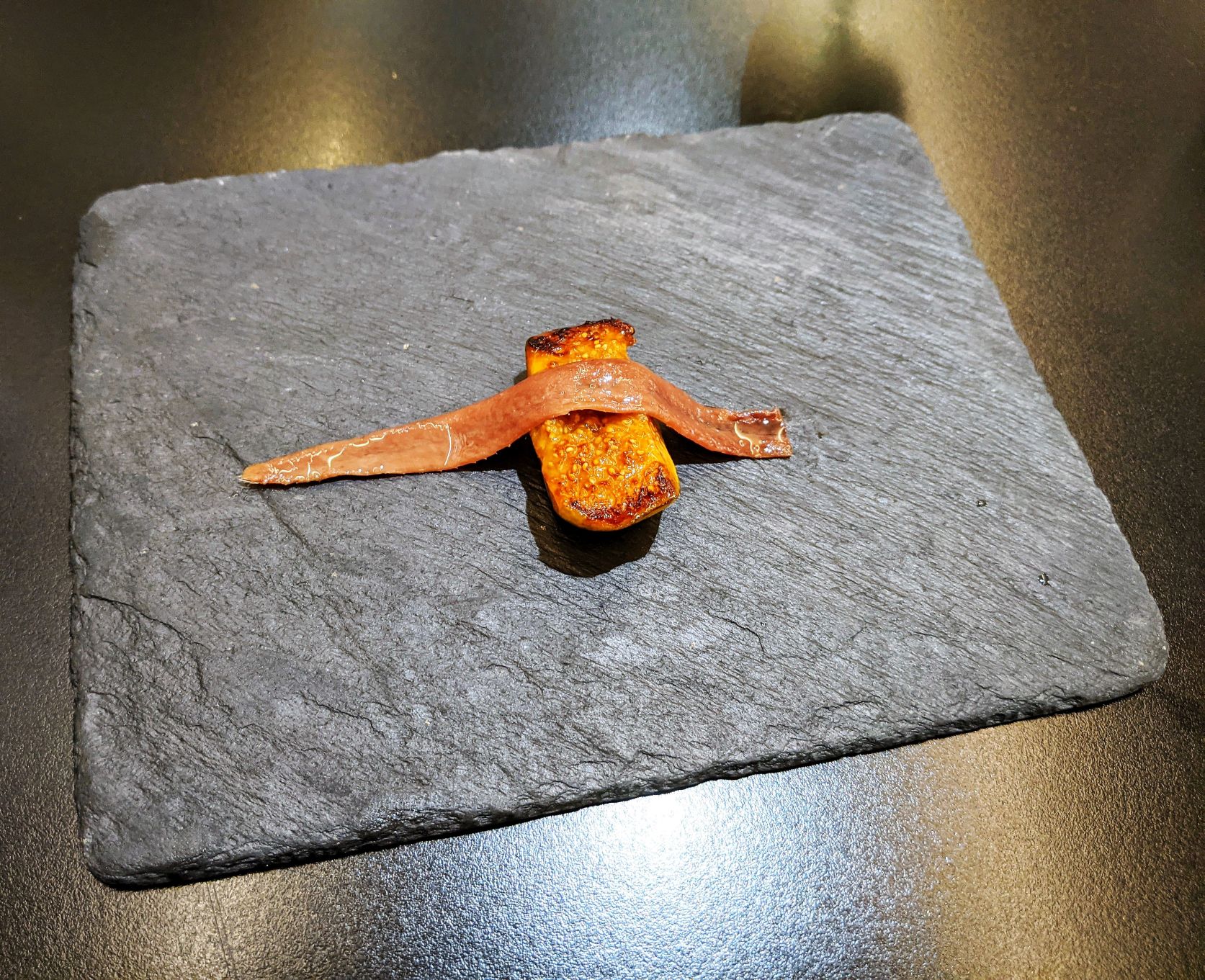
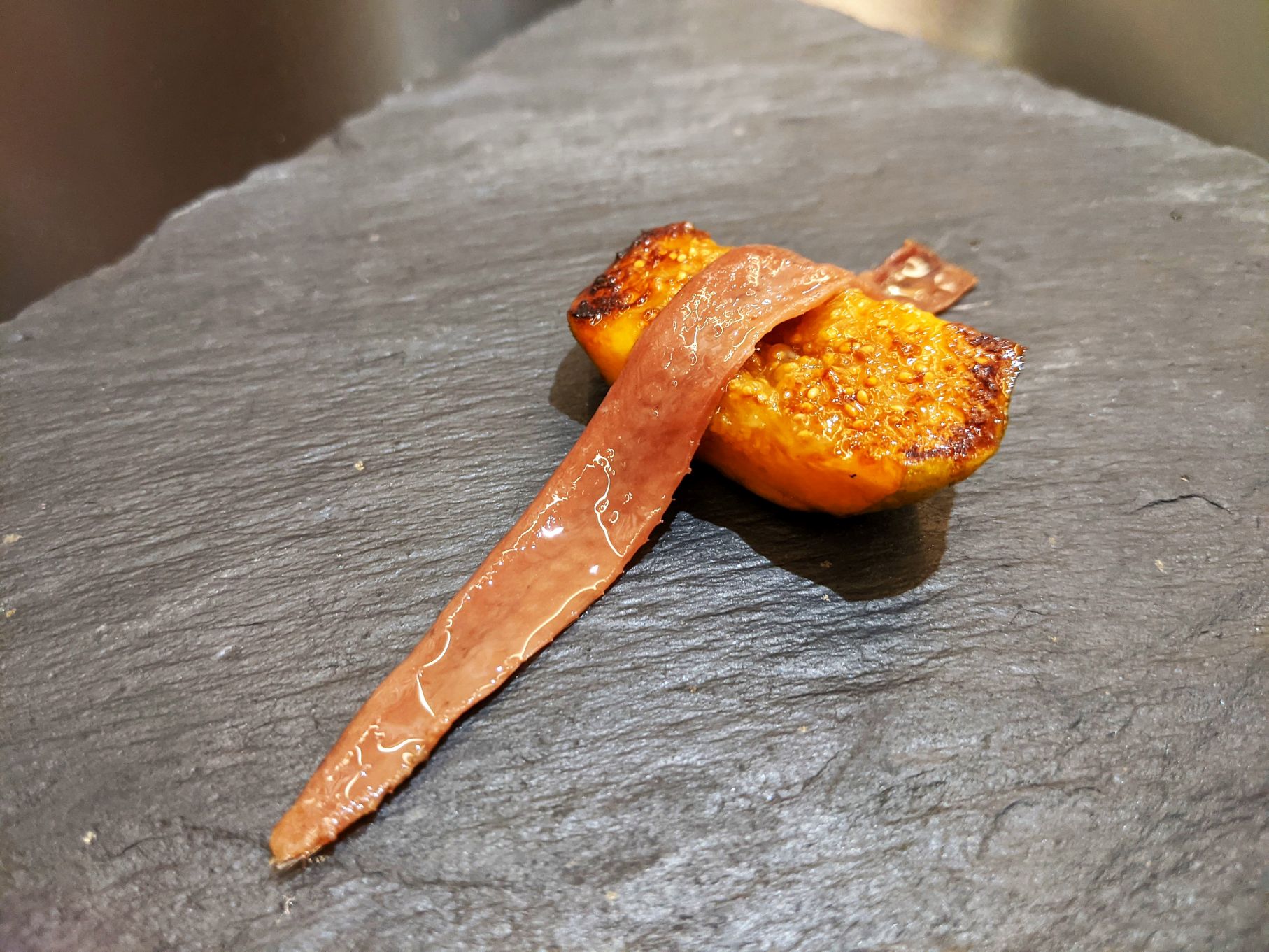
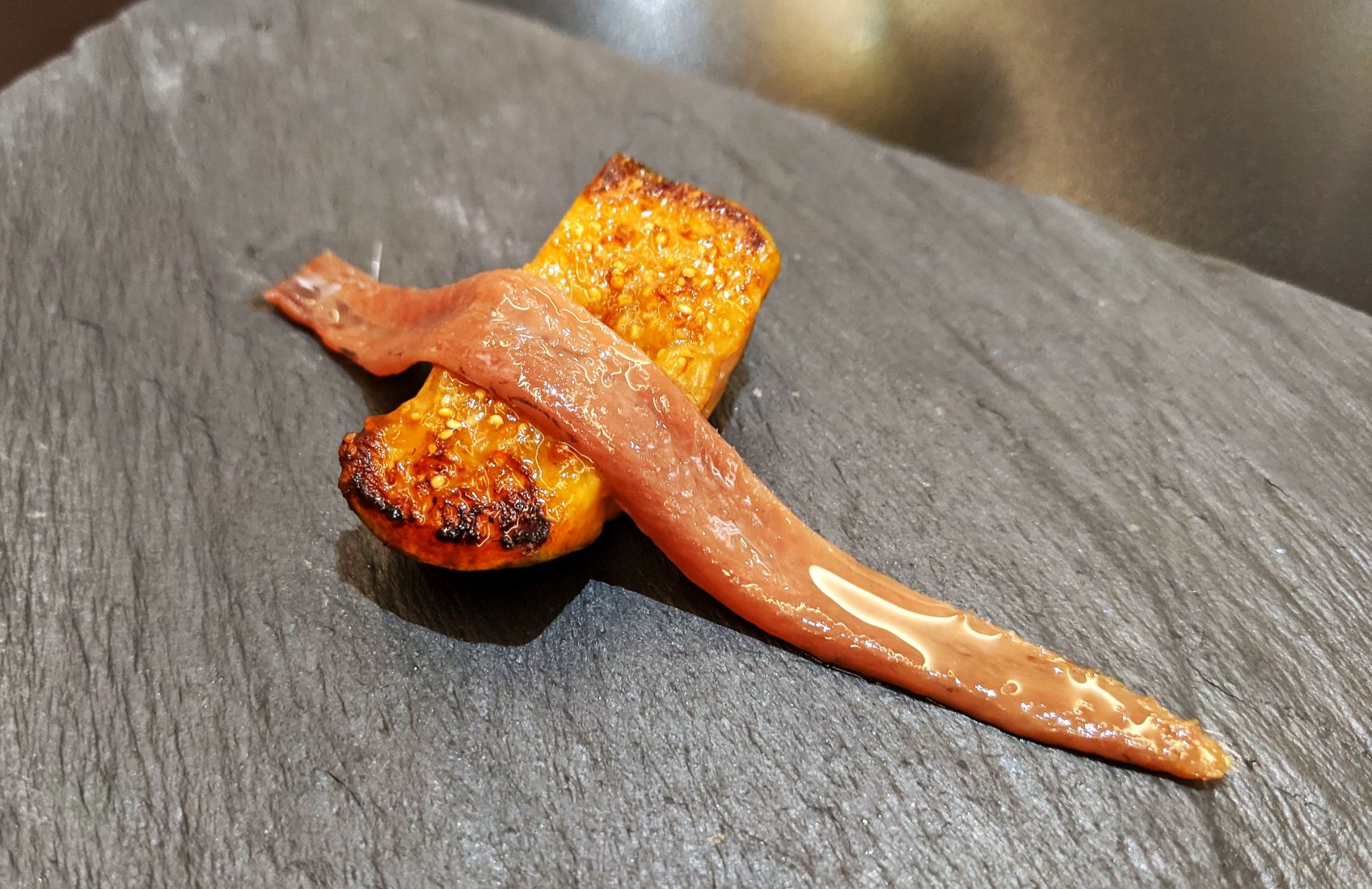
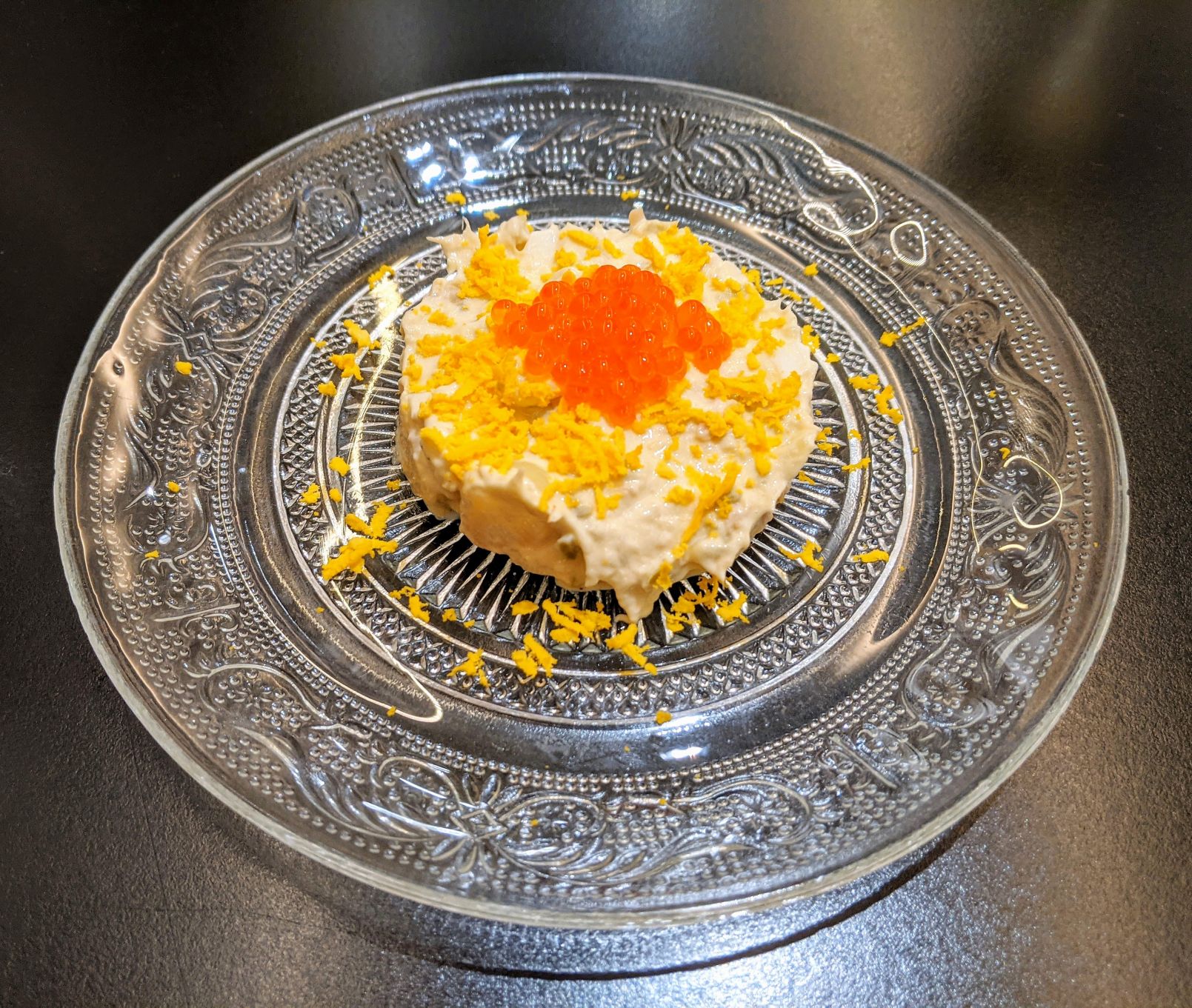
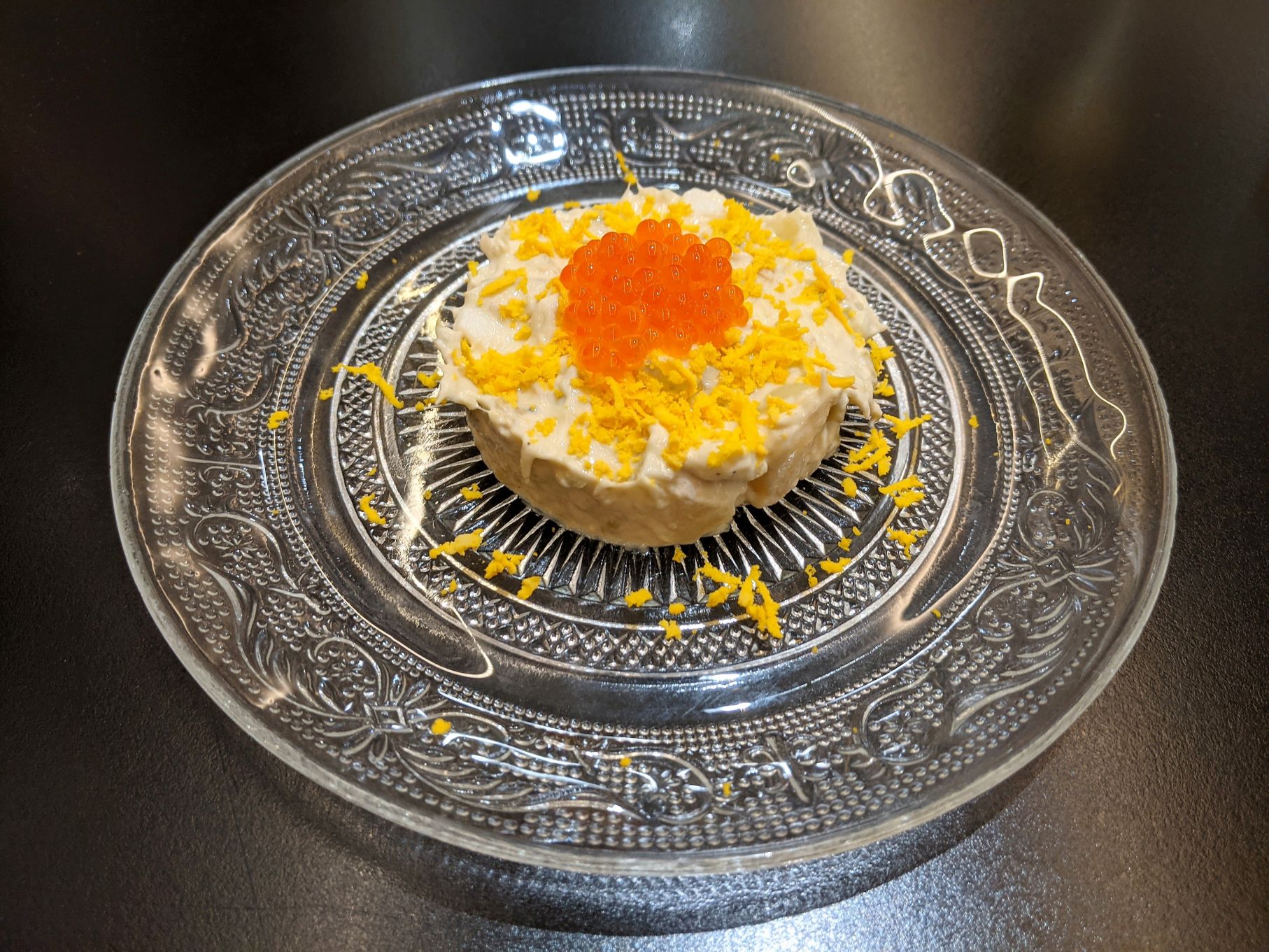
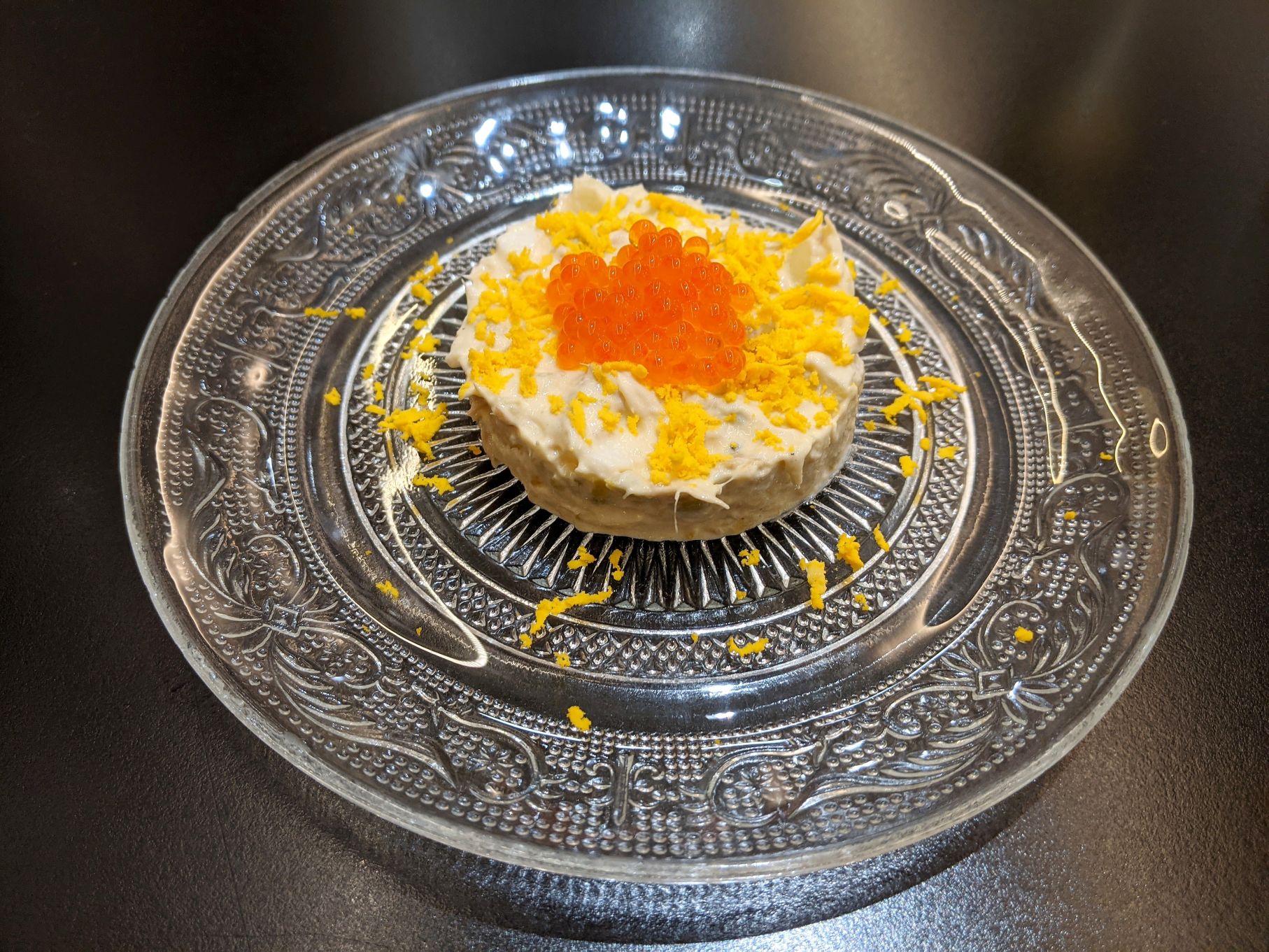
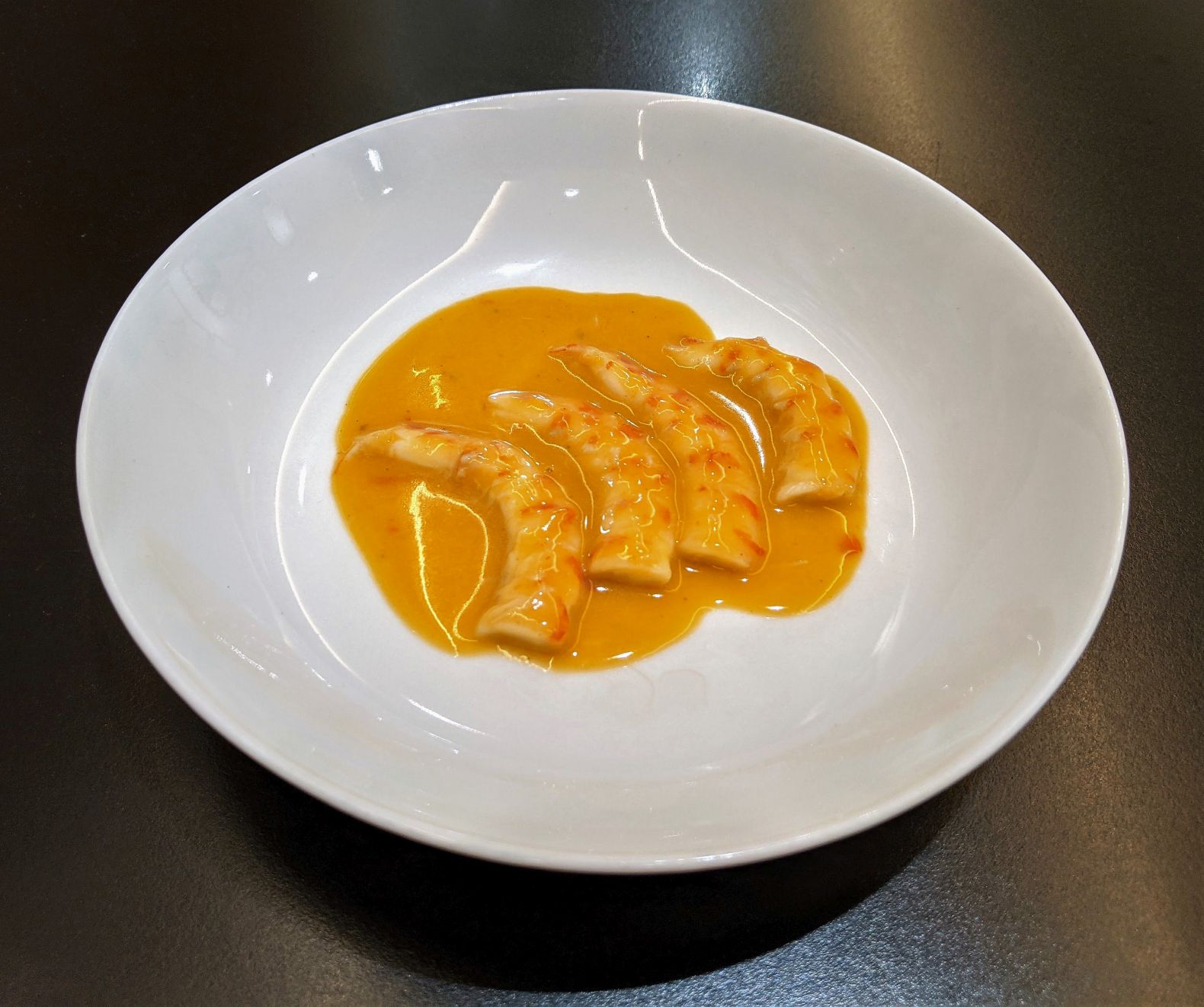
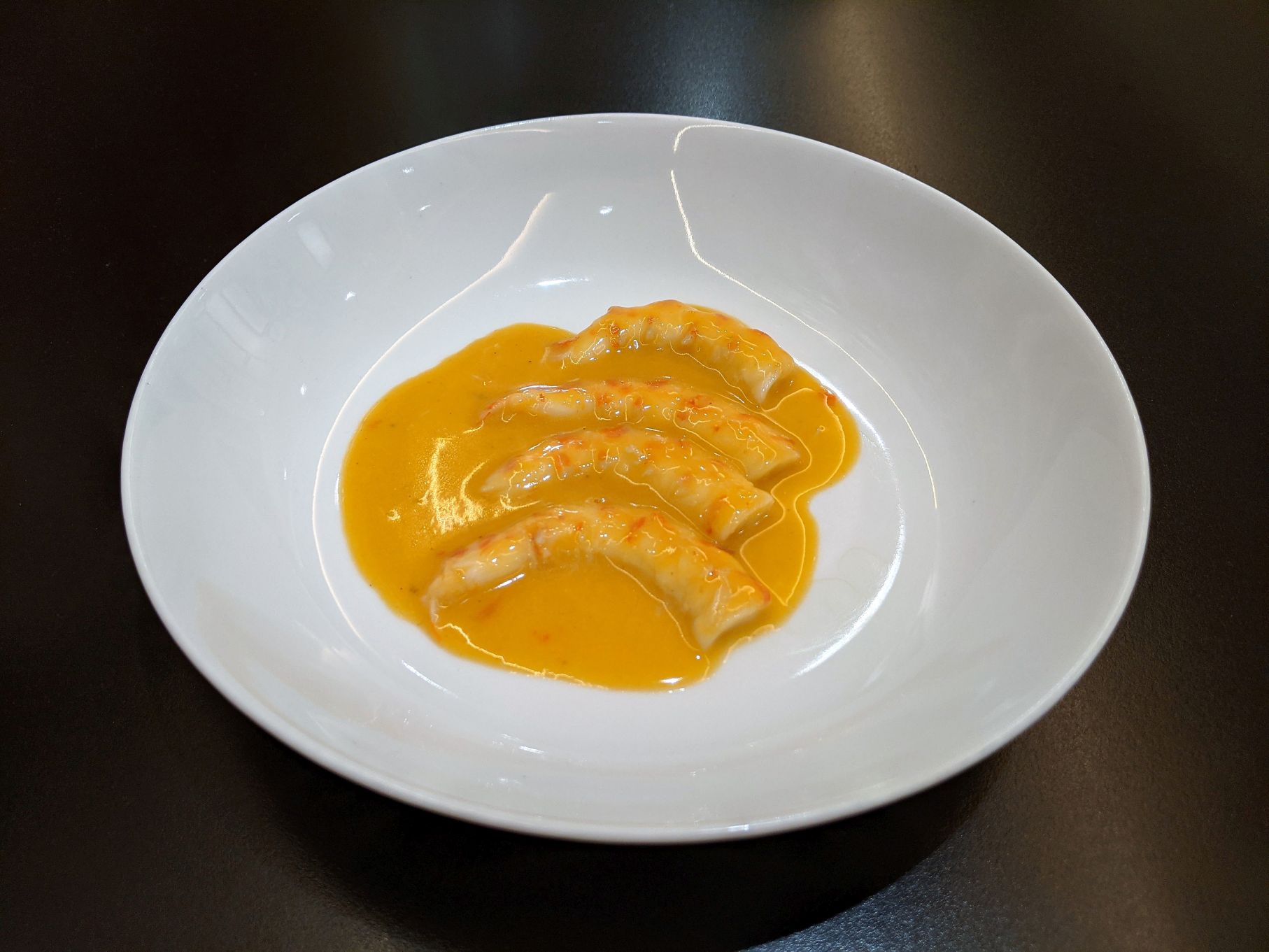
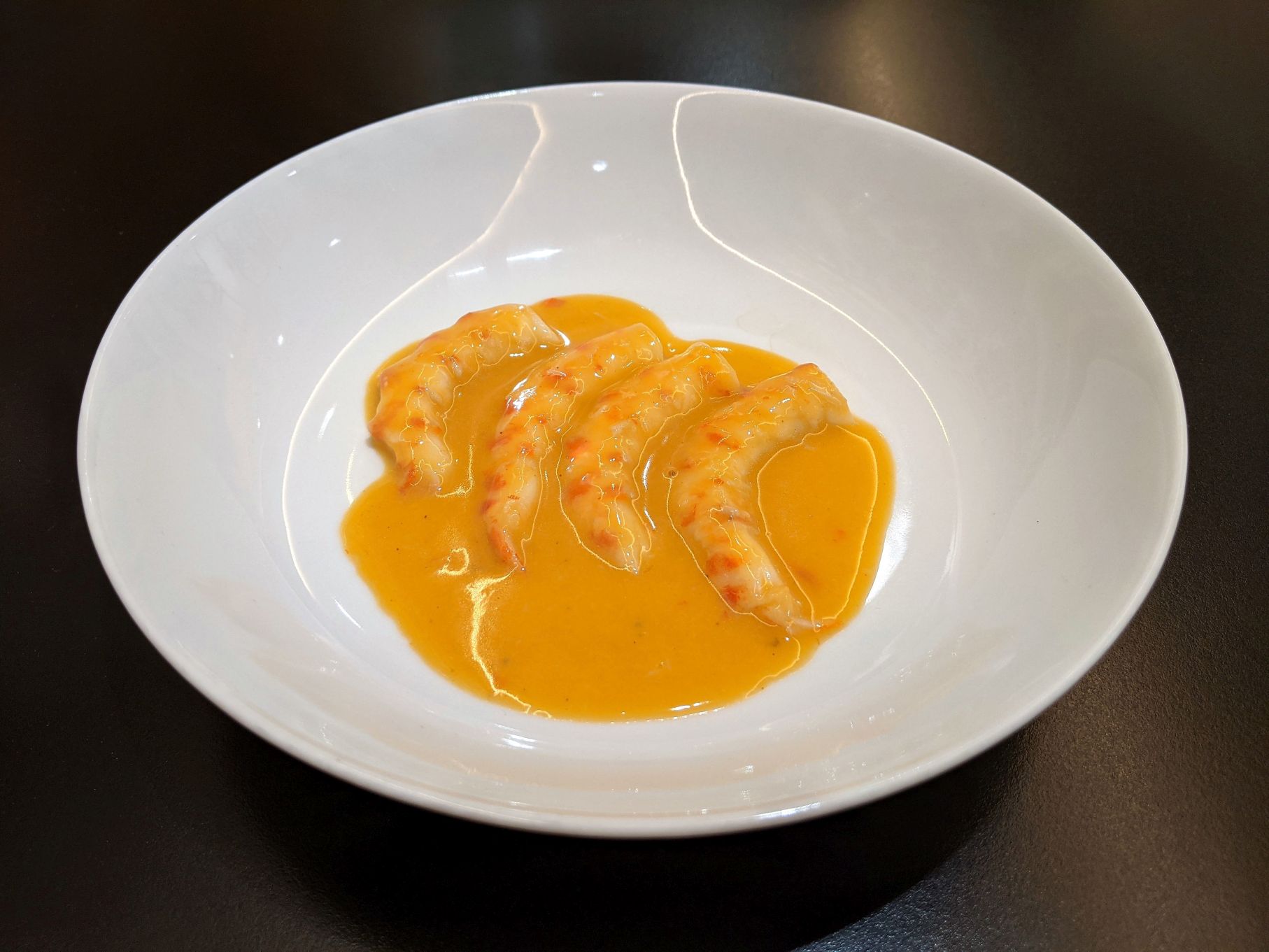
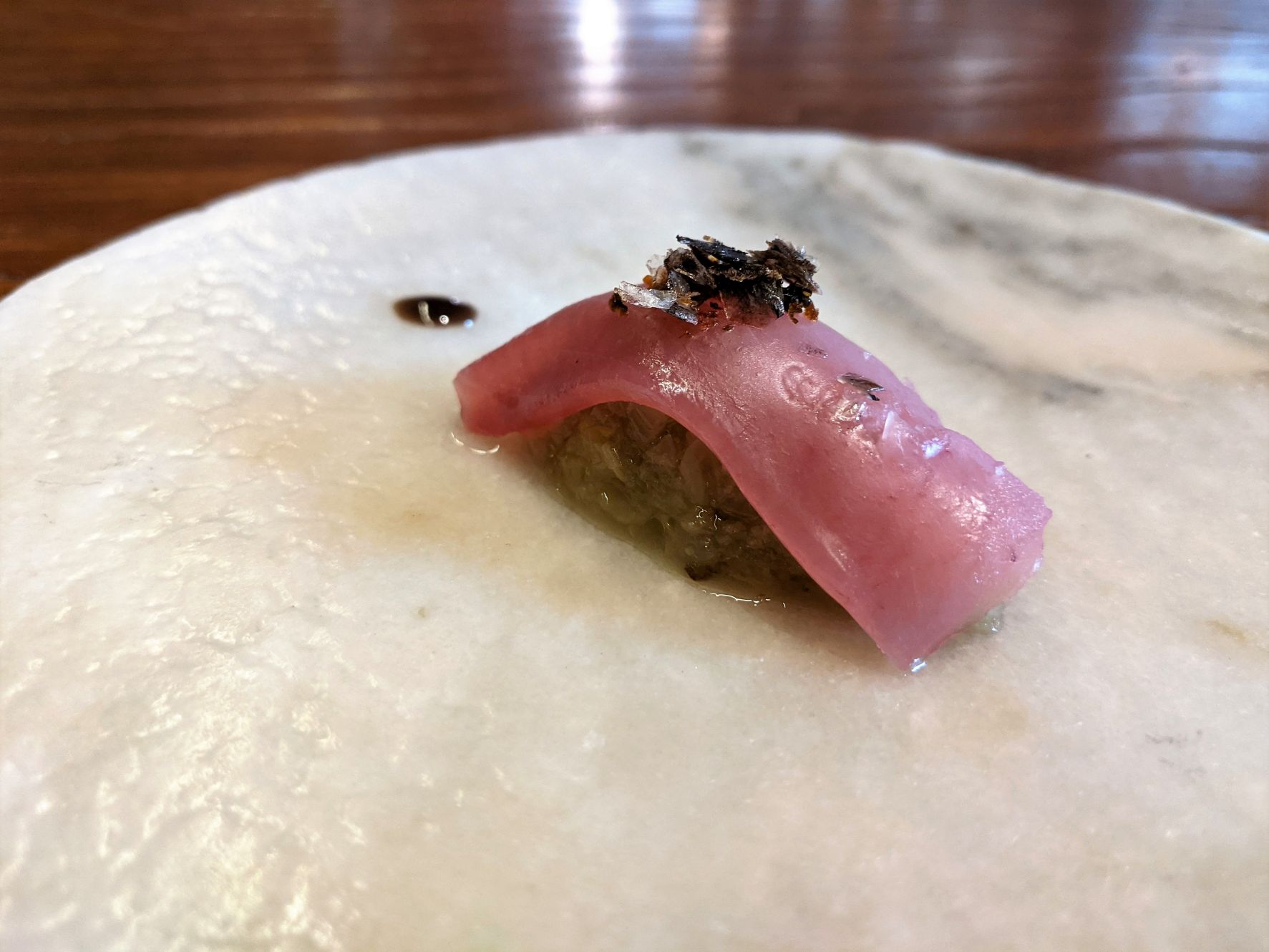
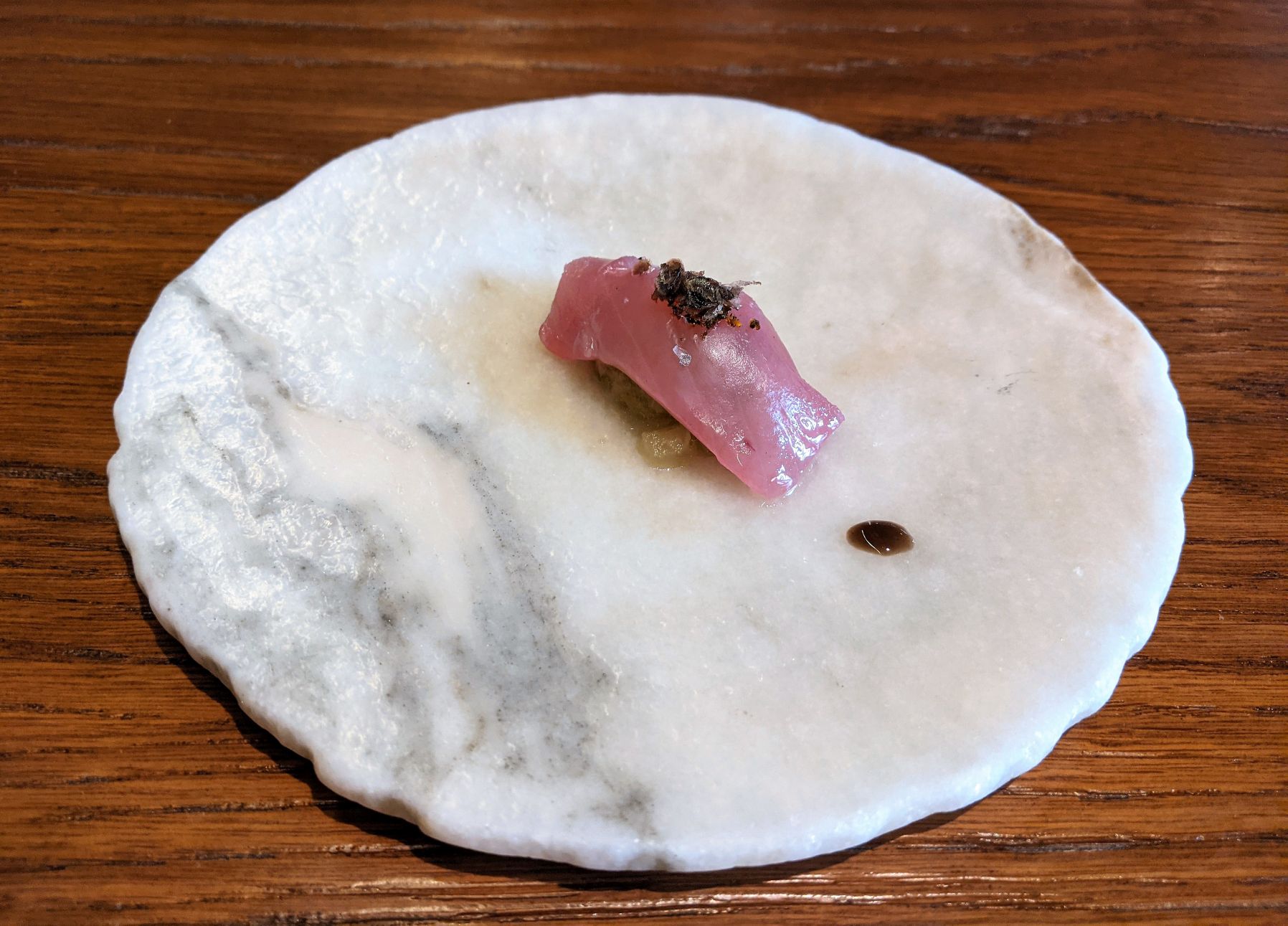
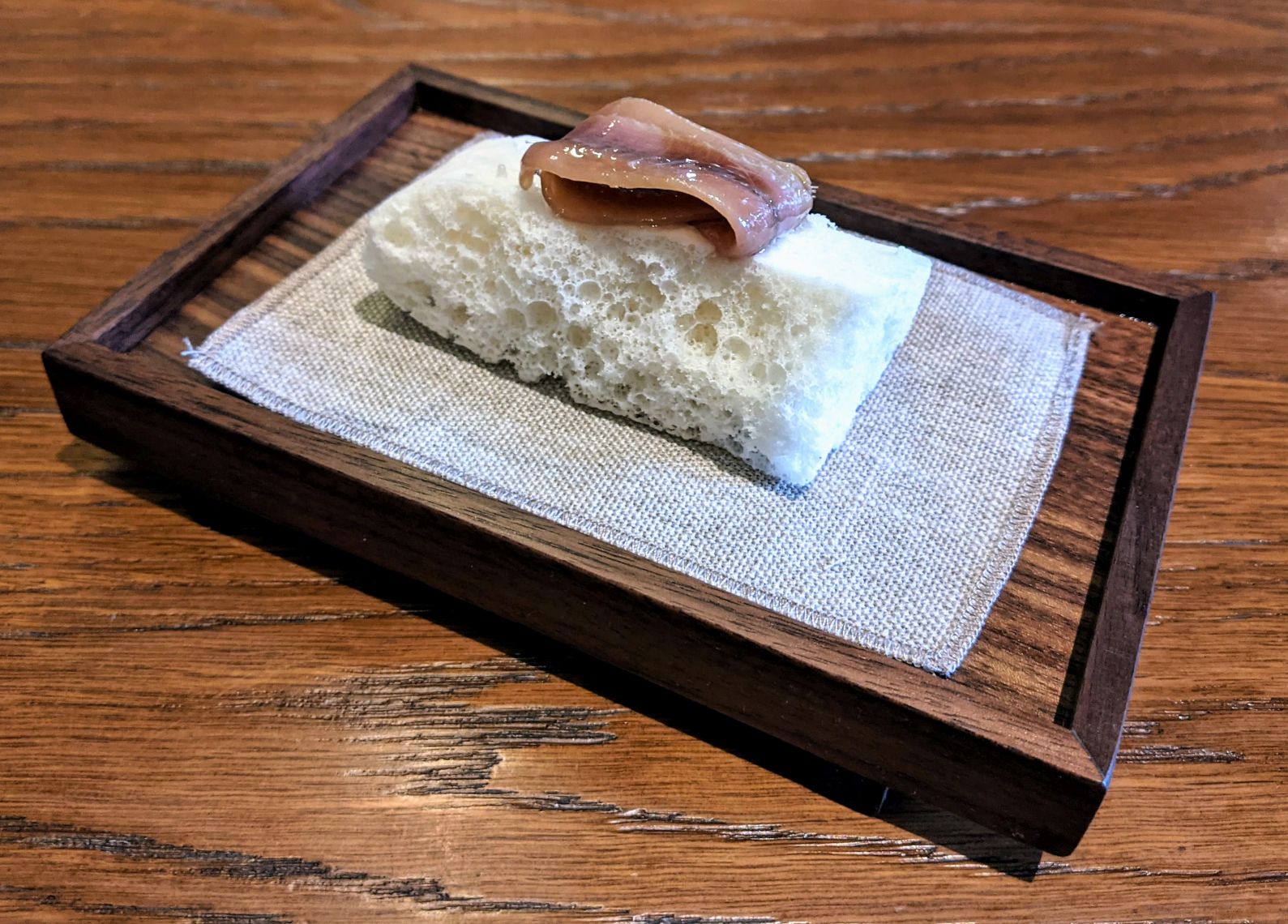
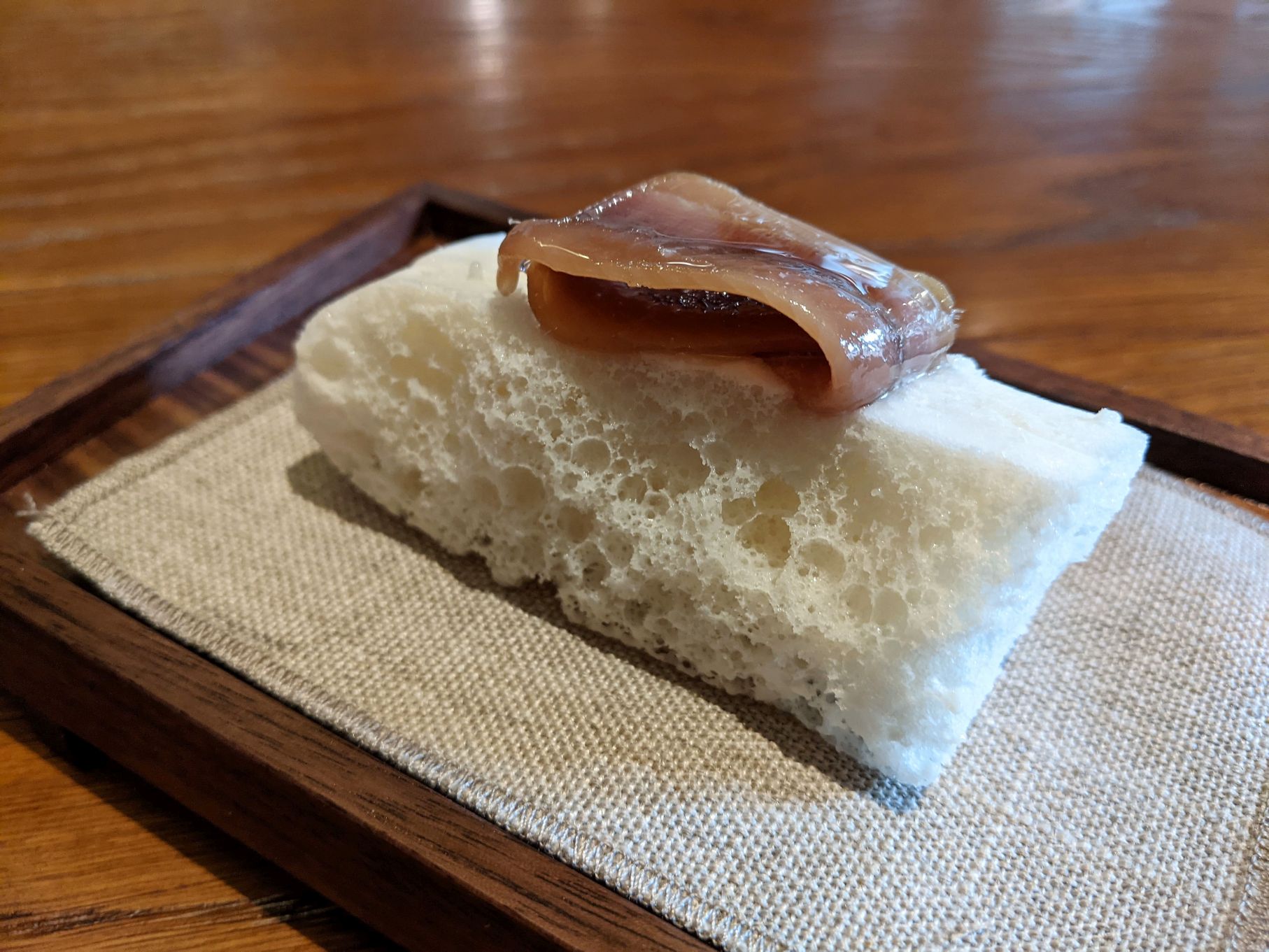
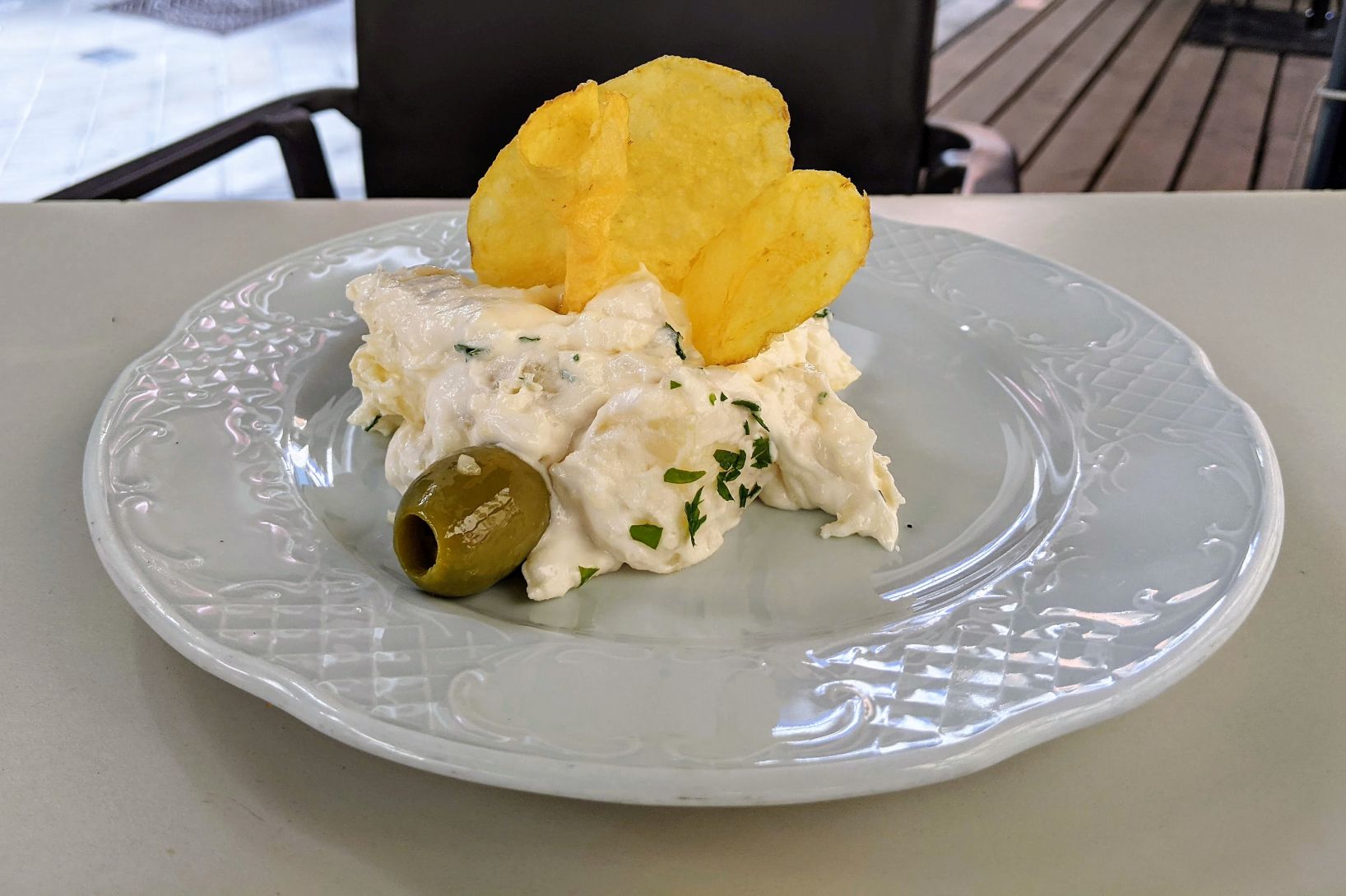
Rooted in Spanish heritage despite Bedmar’s extensive travels, grilled Fig and a sliced Anchovy melding elegantly on the tongue, La Tasquita’s Spanish Potato Salad reportedly comes from father Serafín López’s original recipe while Langoustines in a Sauce of their Shells are delightful.
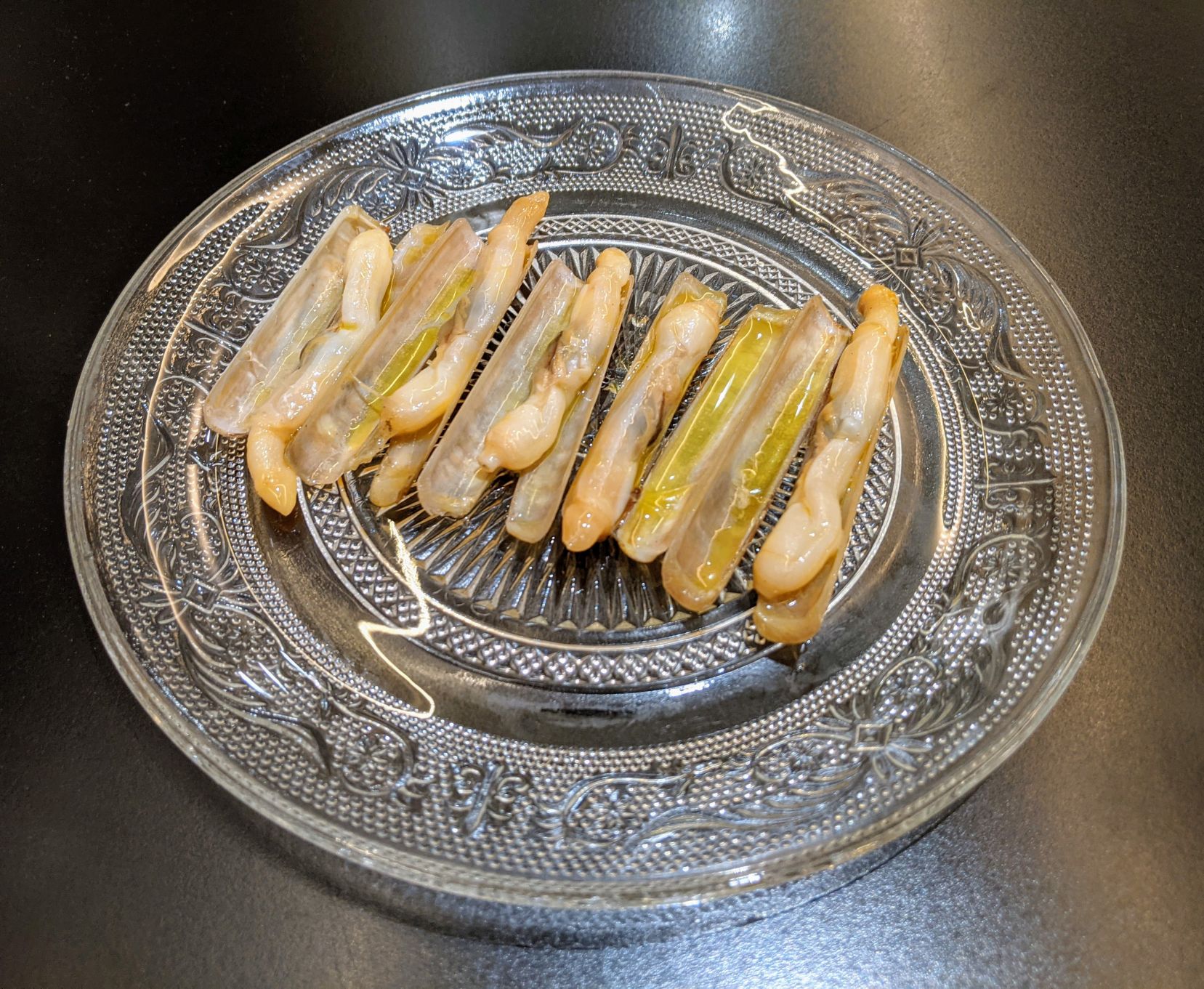
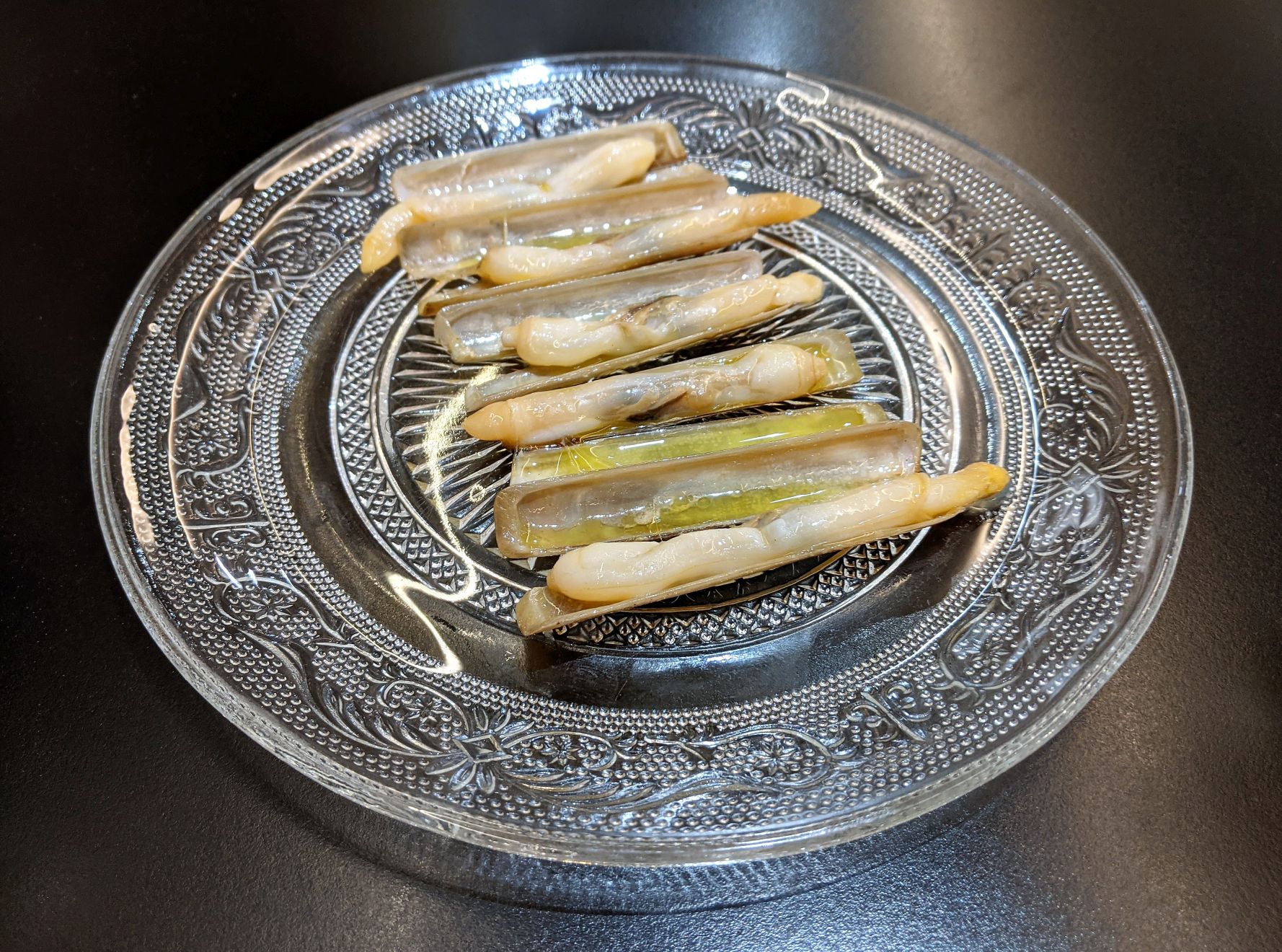
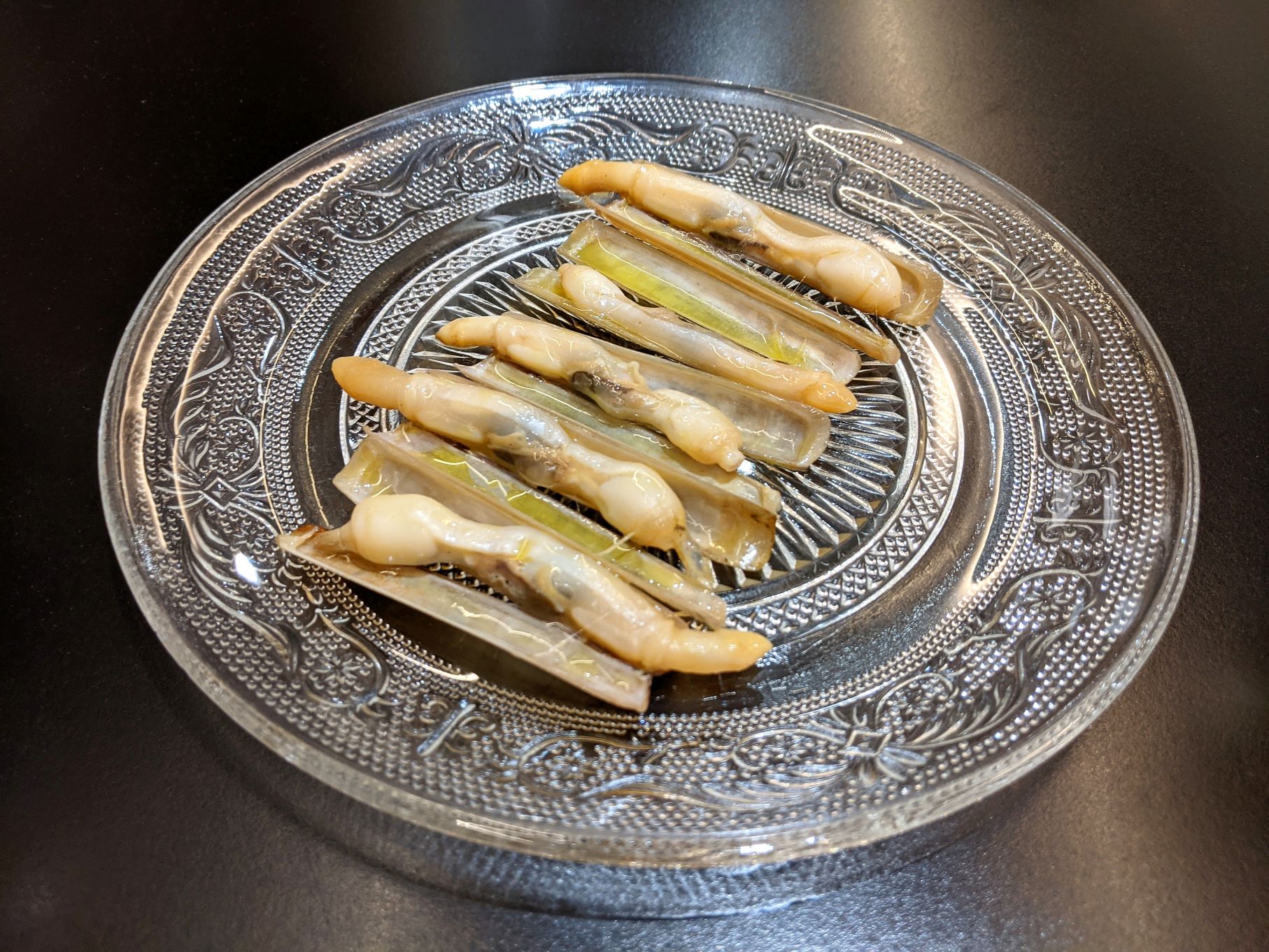
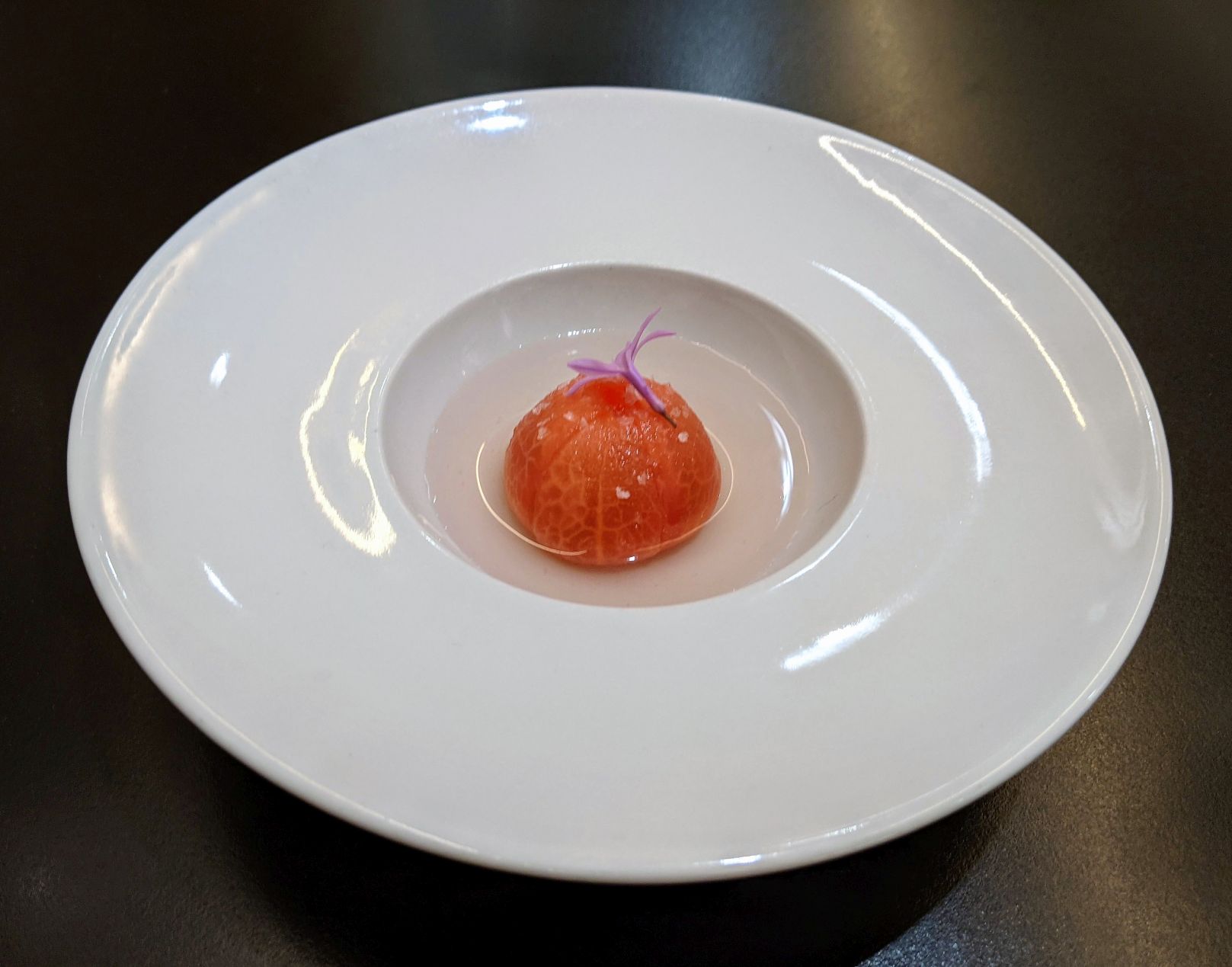
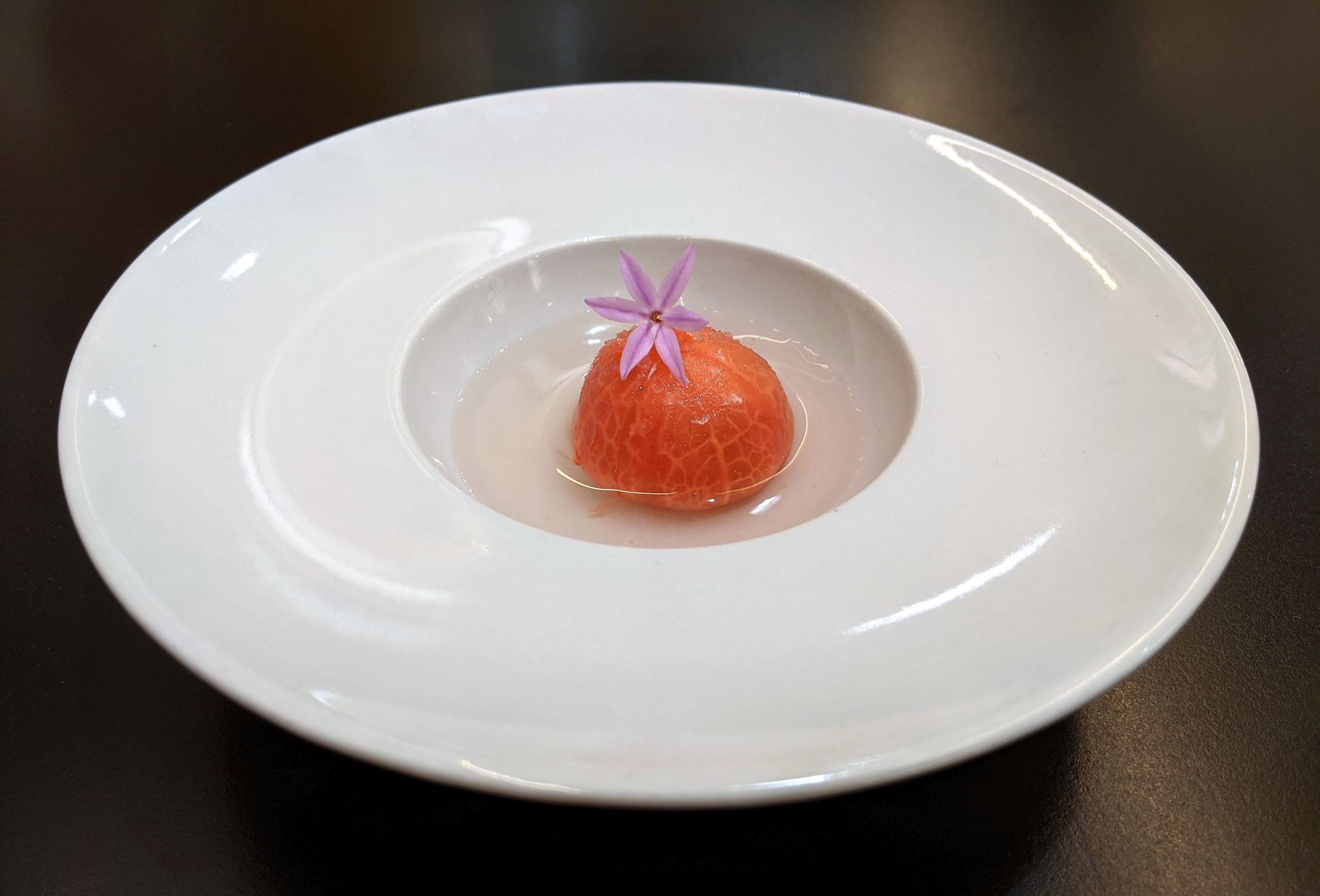
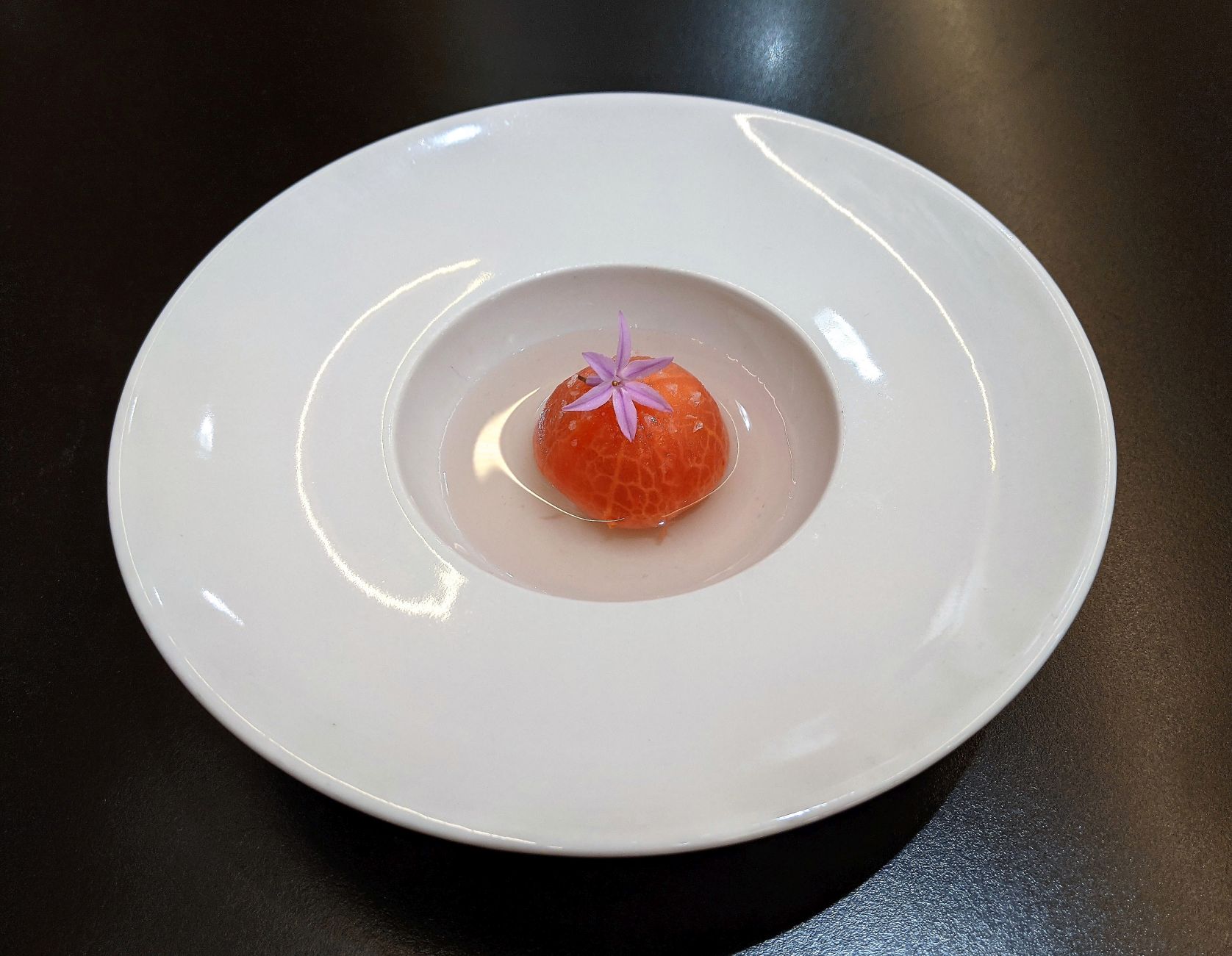
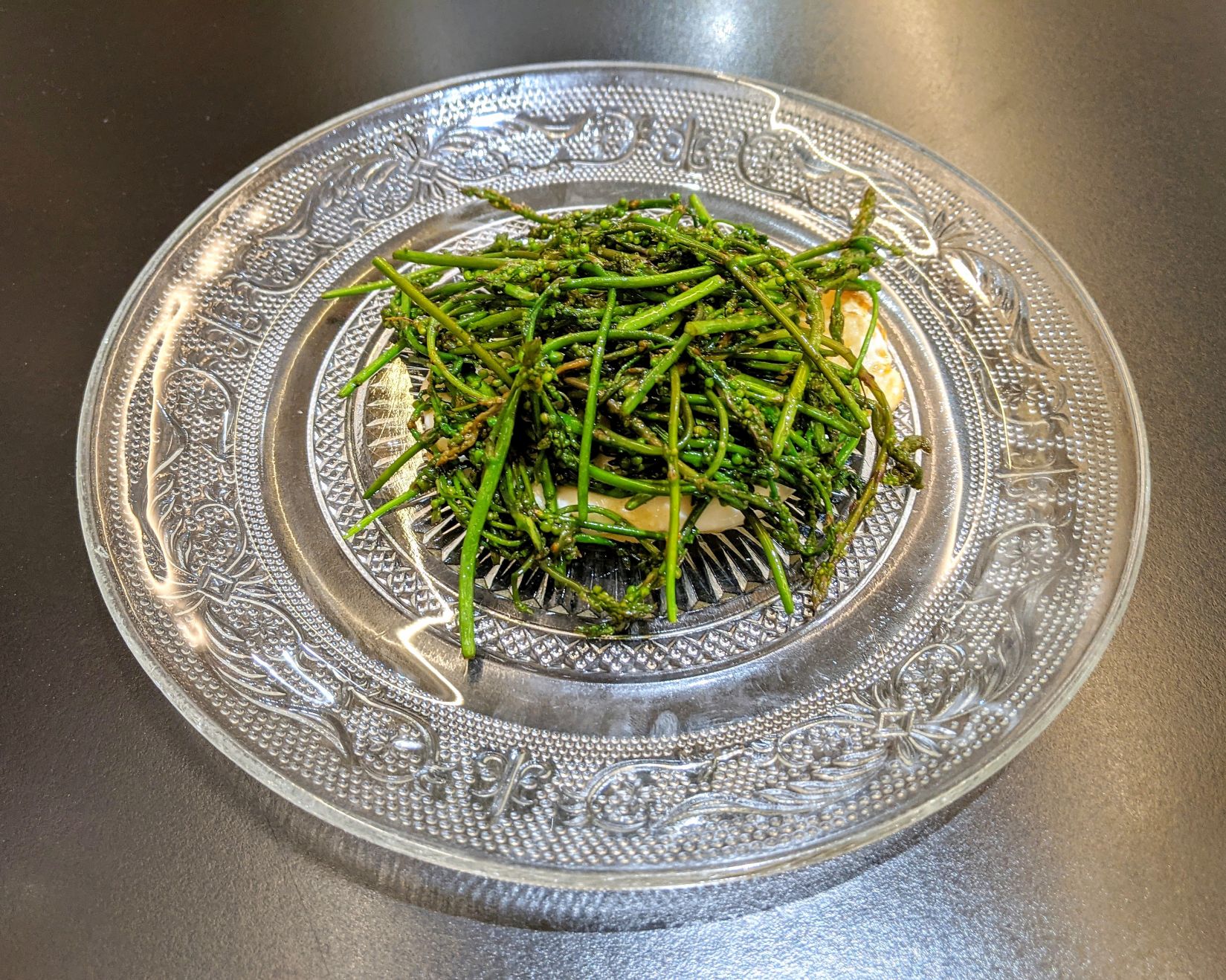
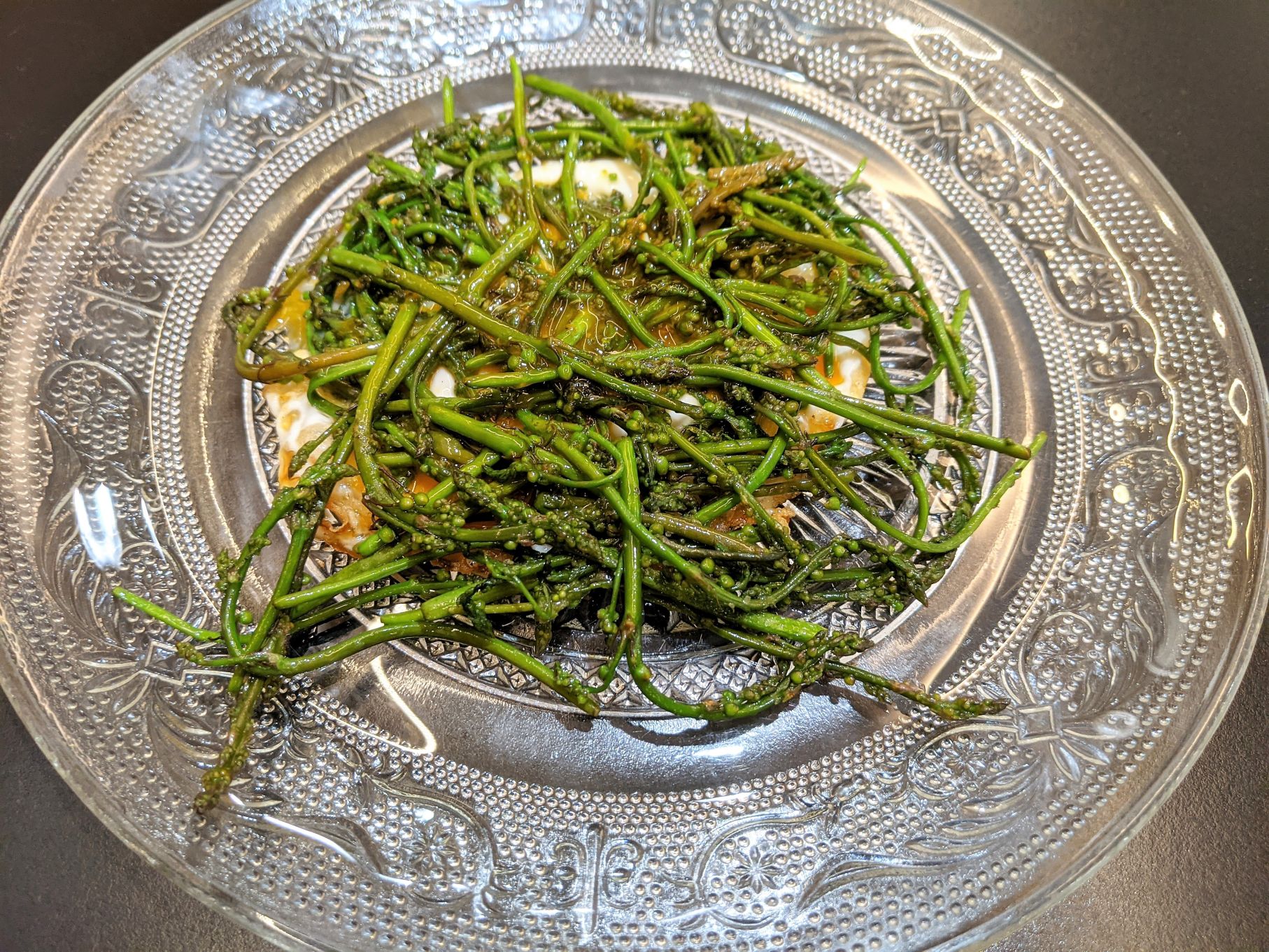
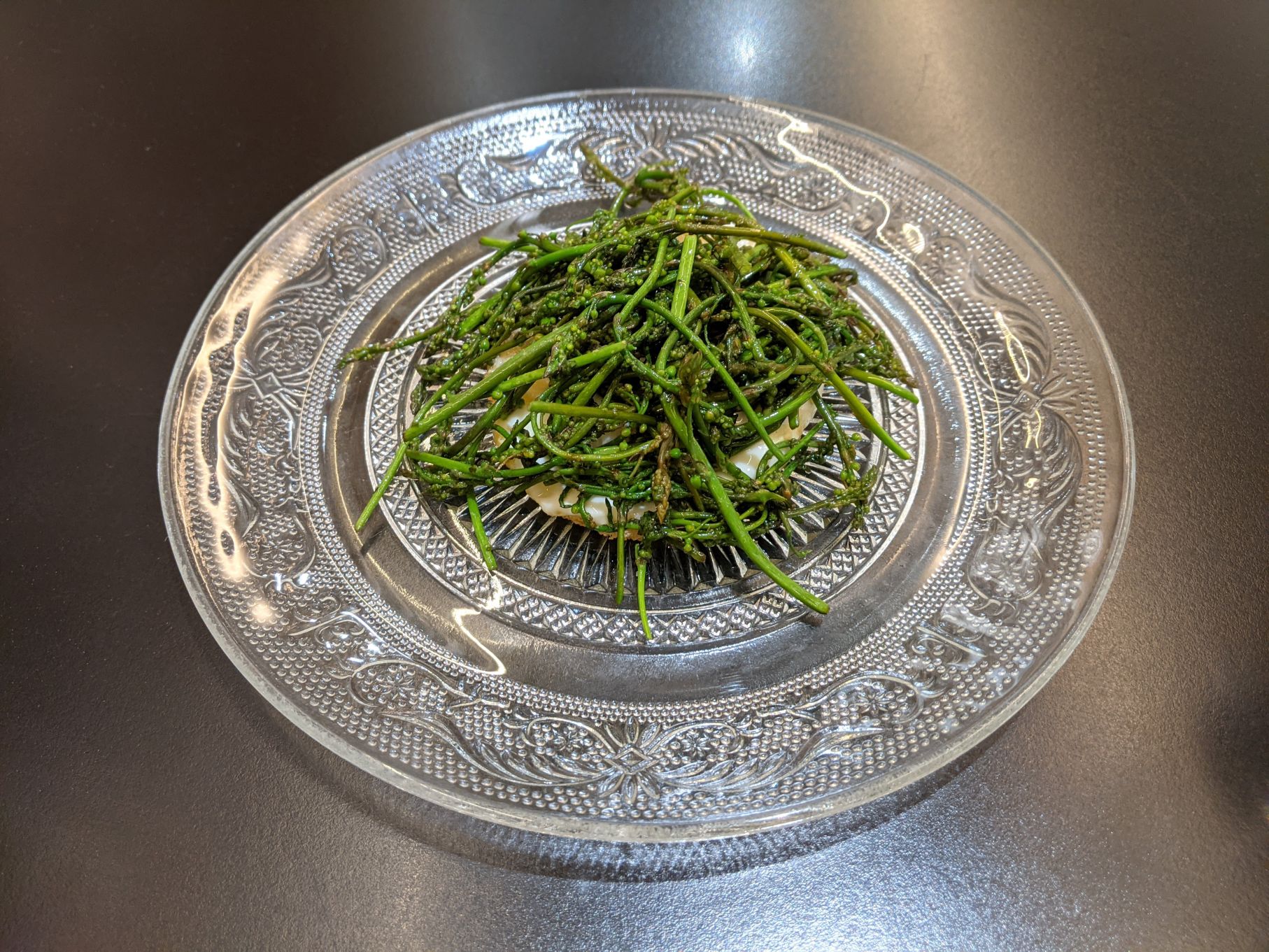
Letting Razor Clams speak for themselves unadulterated in Olive Oil, and then cleansing the palate with a peeled Tomato intended to be mashed into herbaceous Water, wild Broccoli next arrives bitter and crisp atop a fried Egg that mellows both taste and texture.
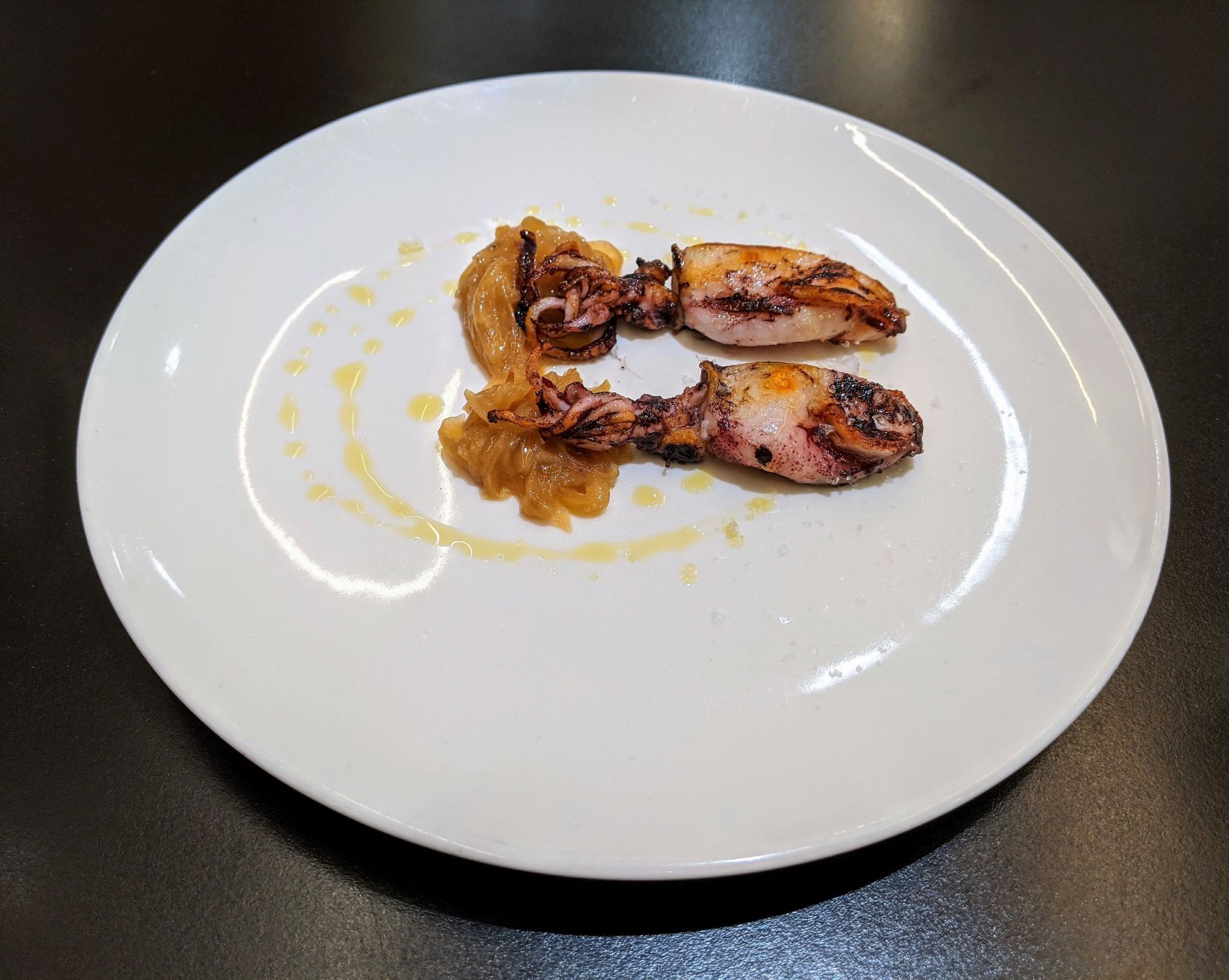
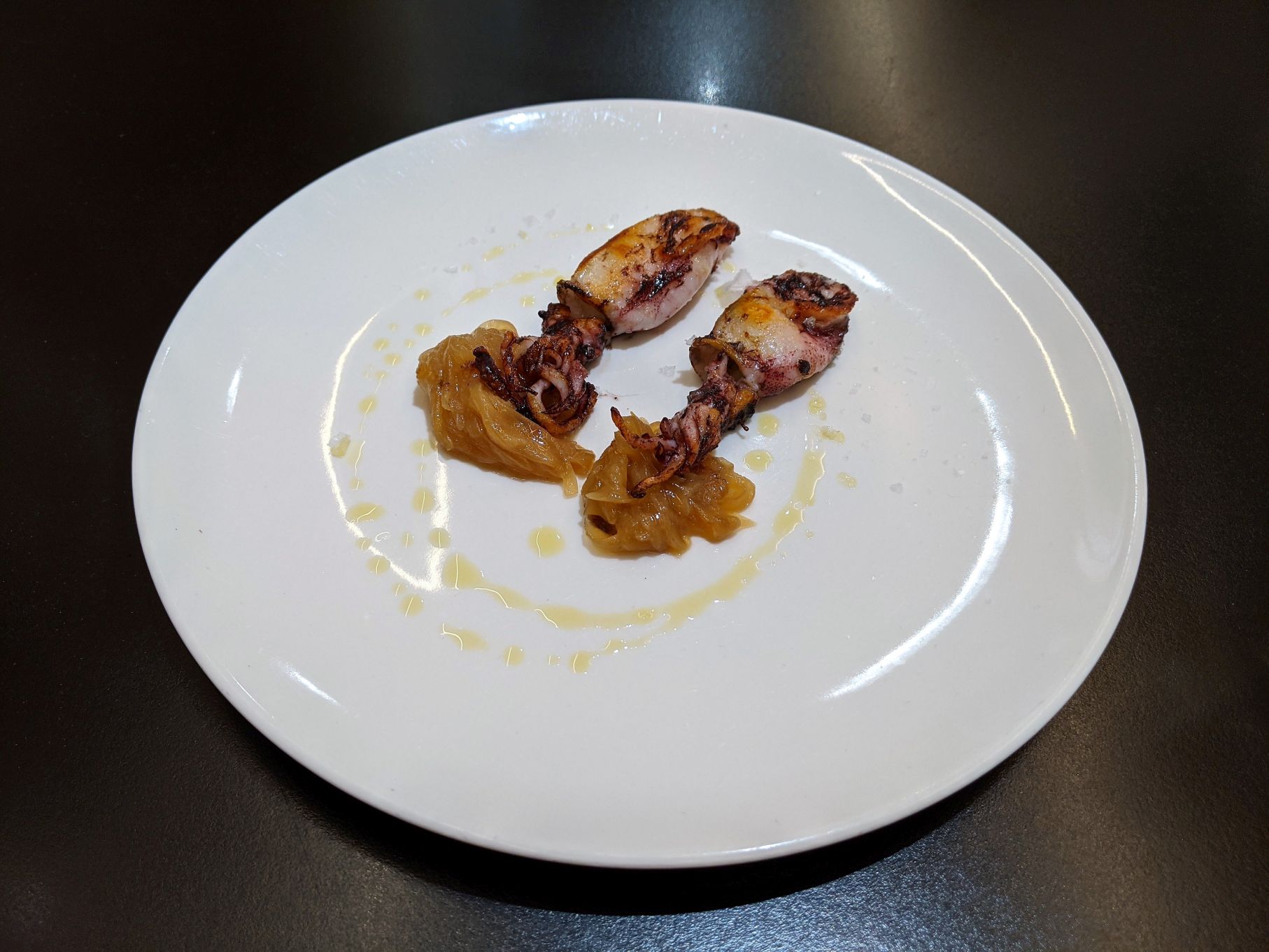
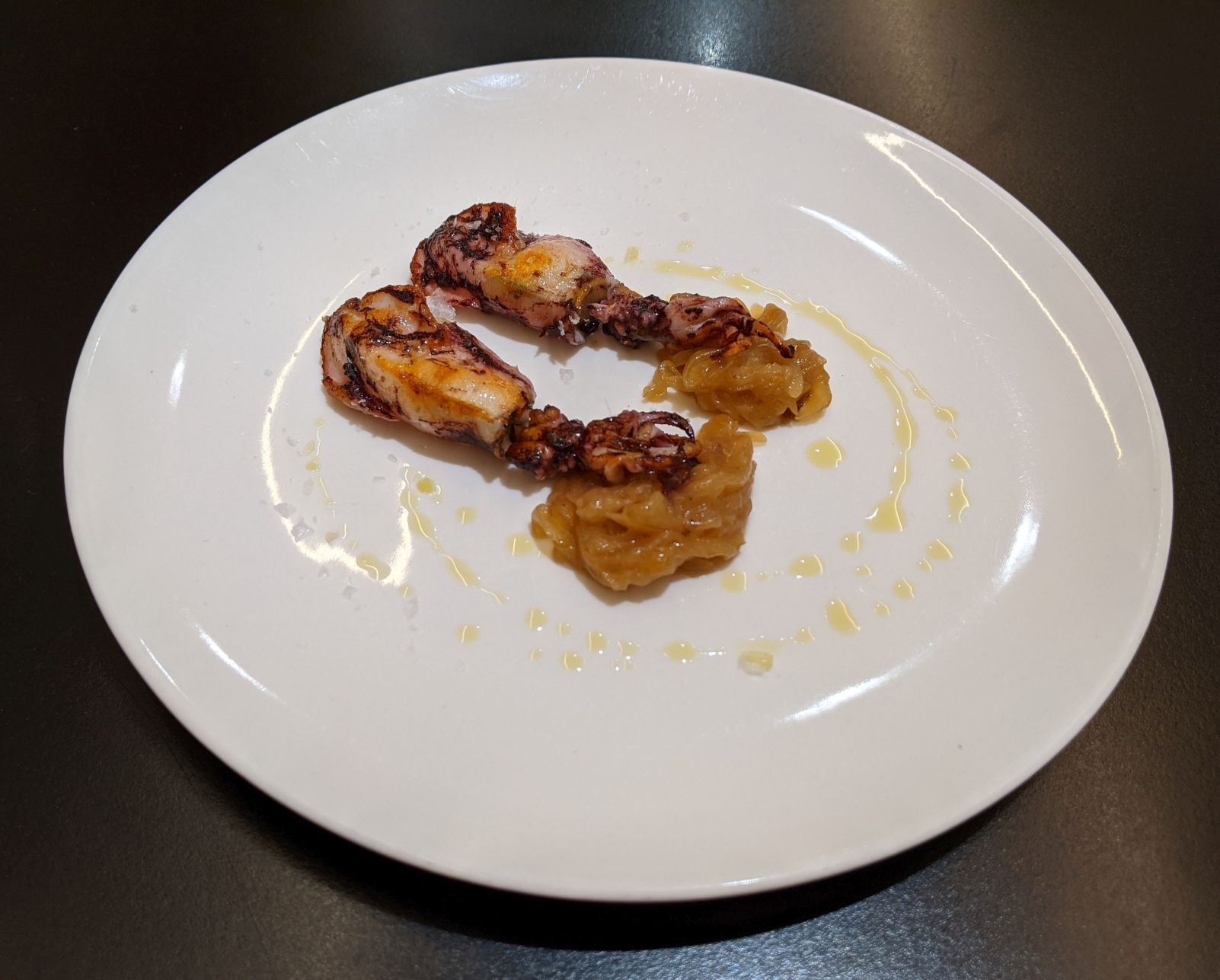
Established with Madrid’s best suppliers, Squid and Caramelized Onions better than the sum of its parts, Meatballs proved a slight letdown as they were a bit overworked, though this was quickly forgotten thanks to “False Torrejas” that straddles a fine line between Flan and French Toast with subtle egginess and lots of Cinnamon.
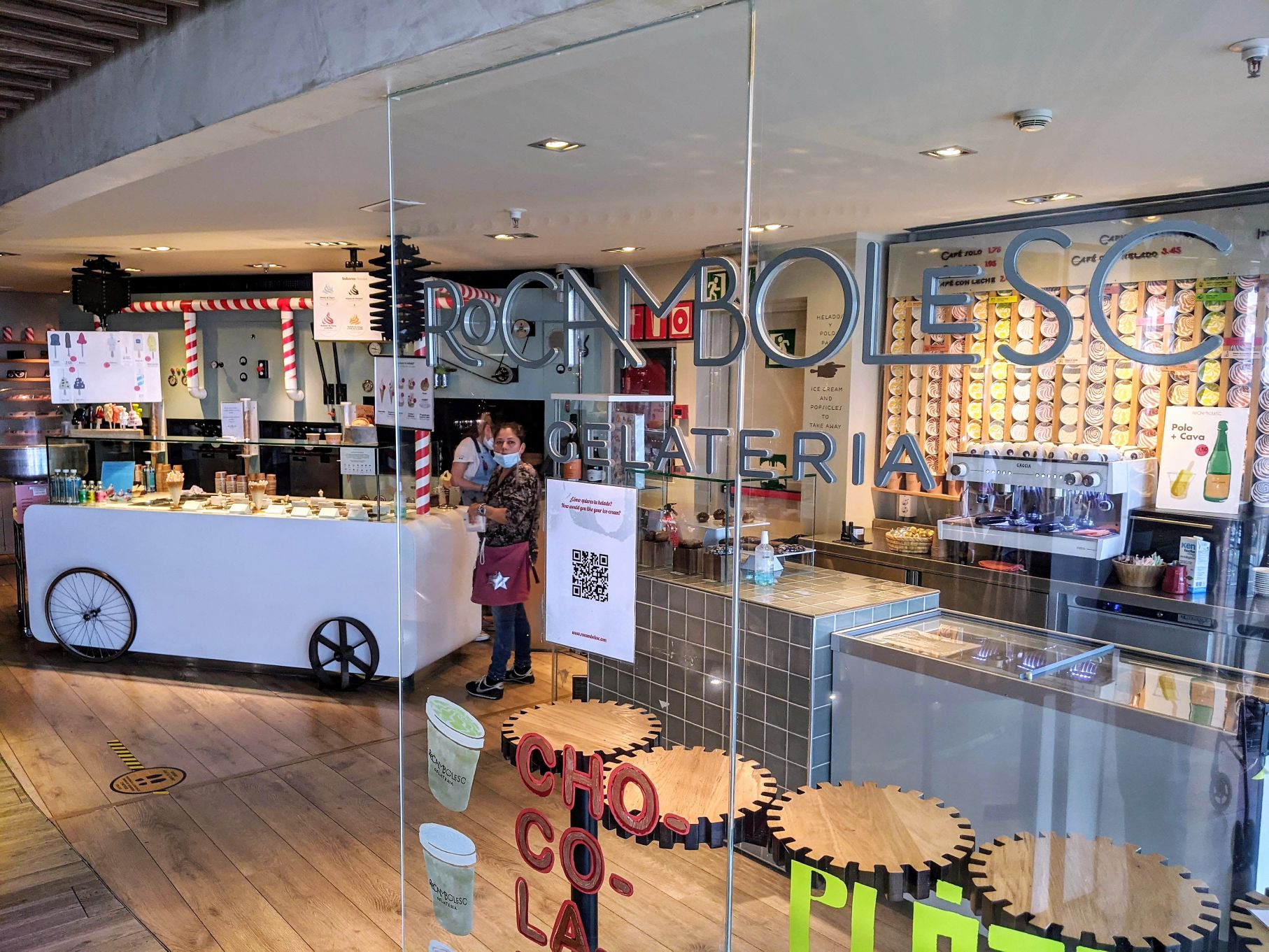
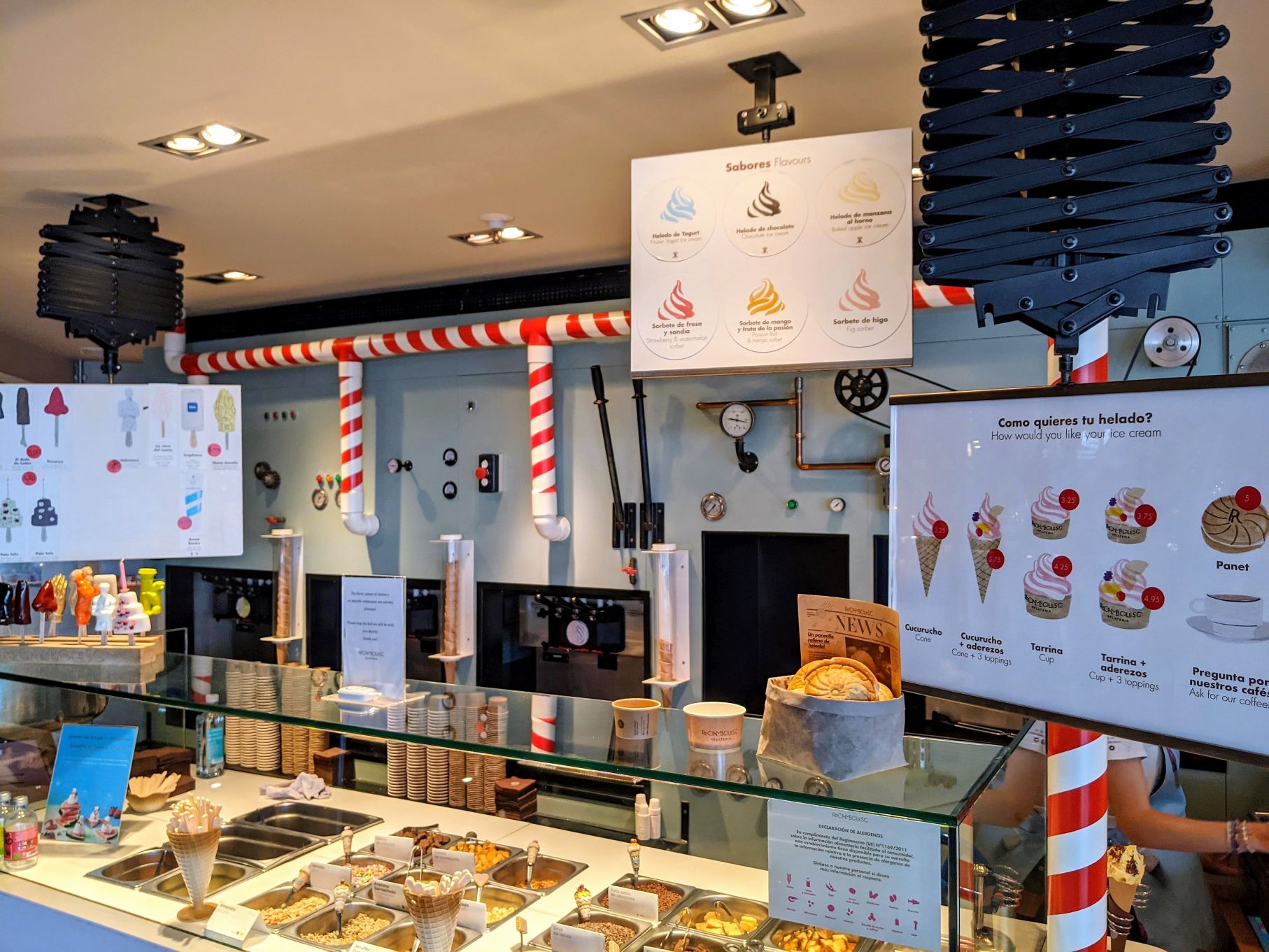
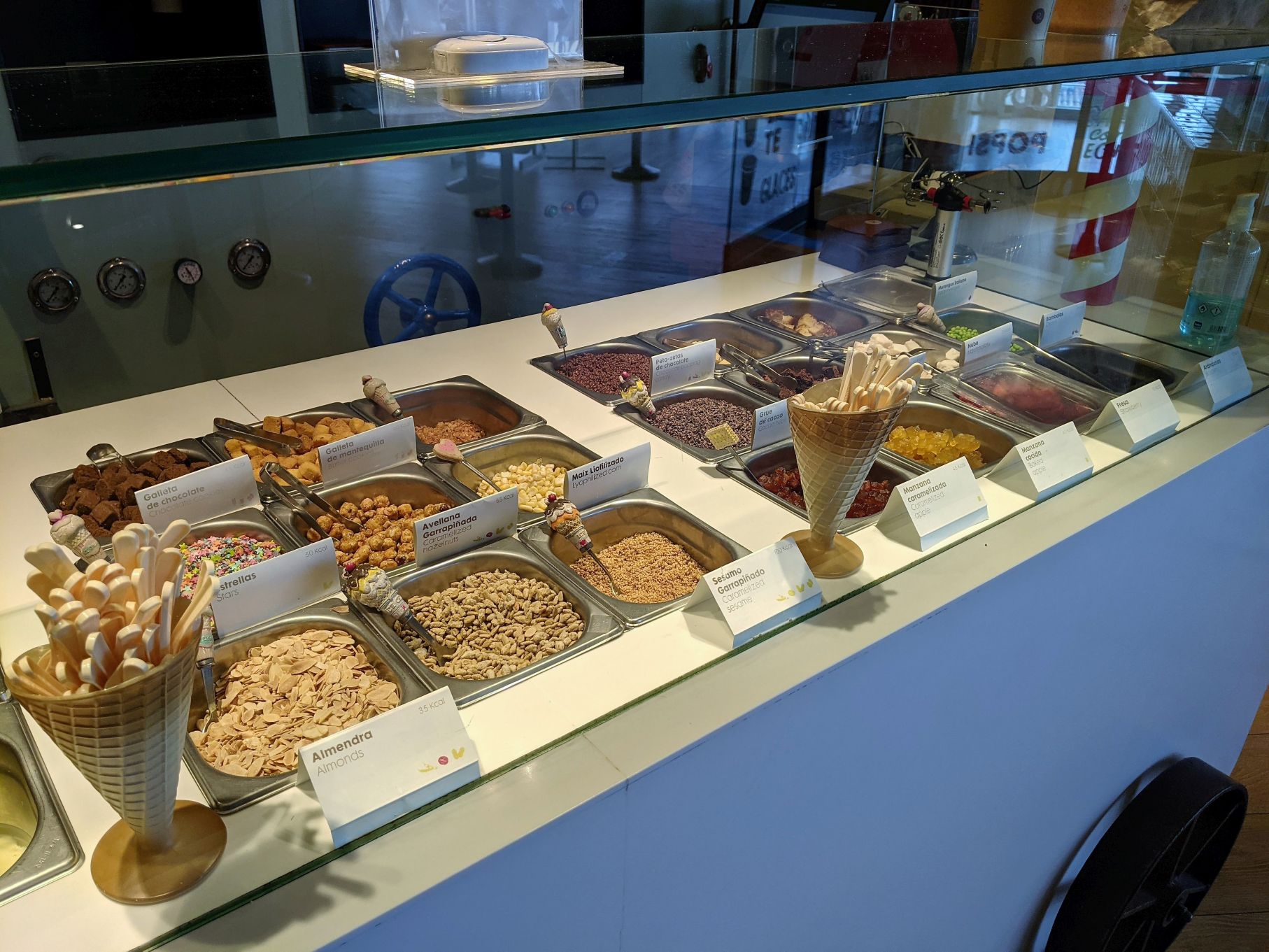
With four locations in Spain, the Madrid shop on floor seven of El Corte Inglés just steps from StreetXO, Rocambolesc is nothing more than a money grab by Jordi Roca and his family despite its promise to “recreate a fantasy world where everything is possible.”
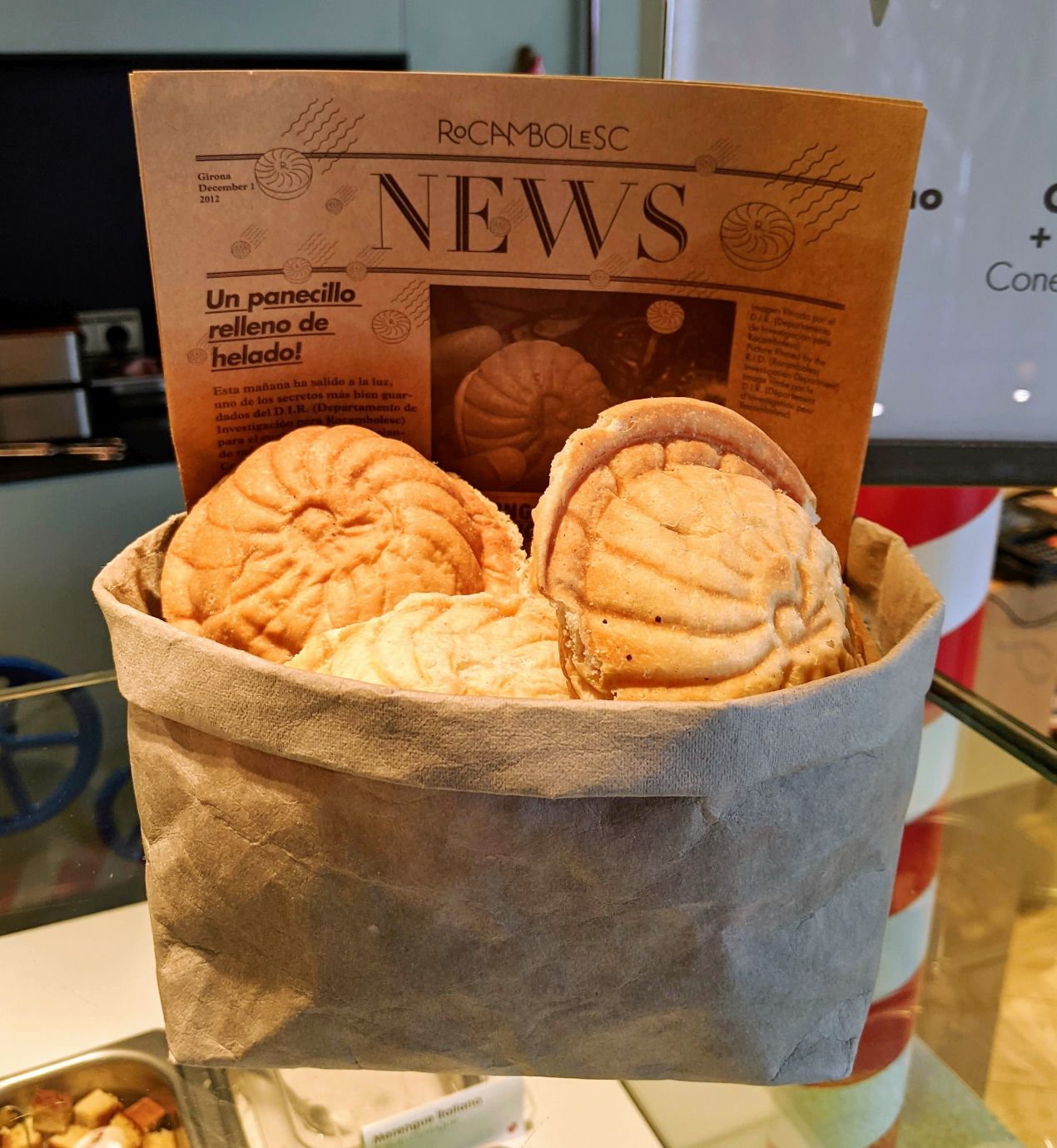
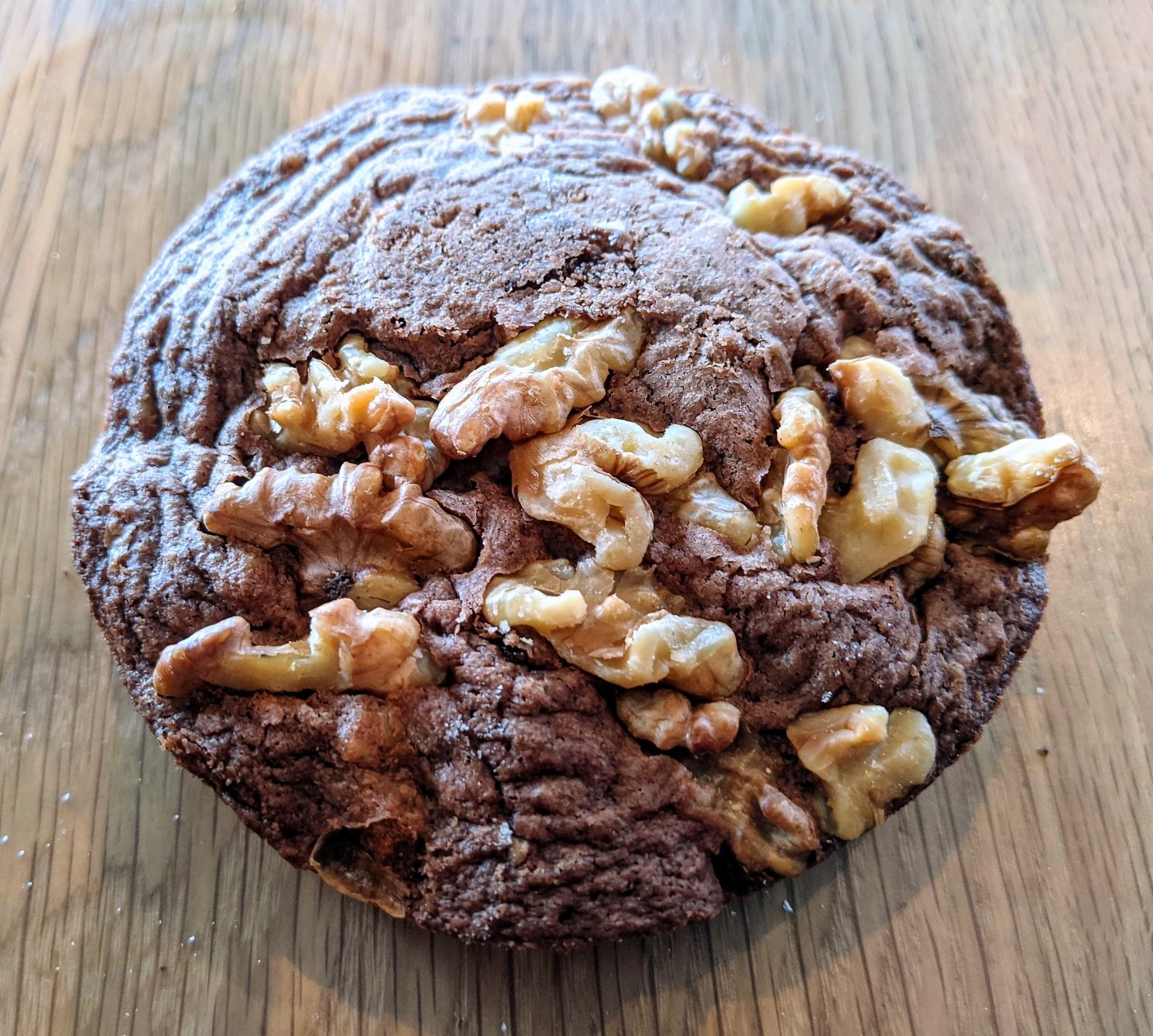
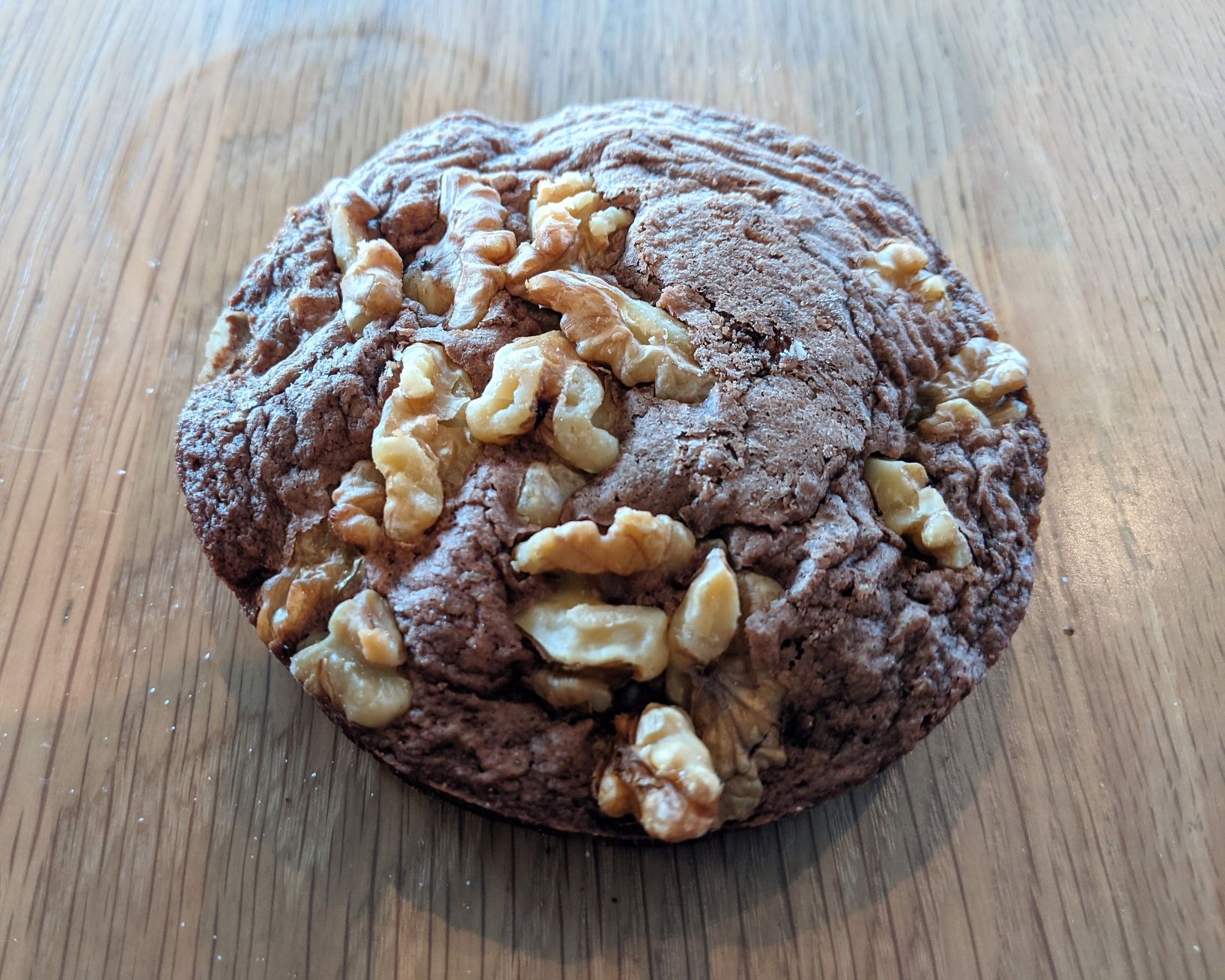
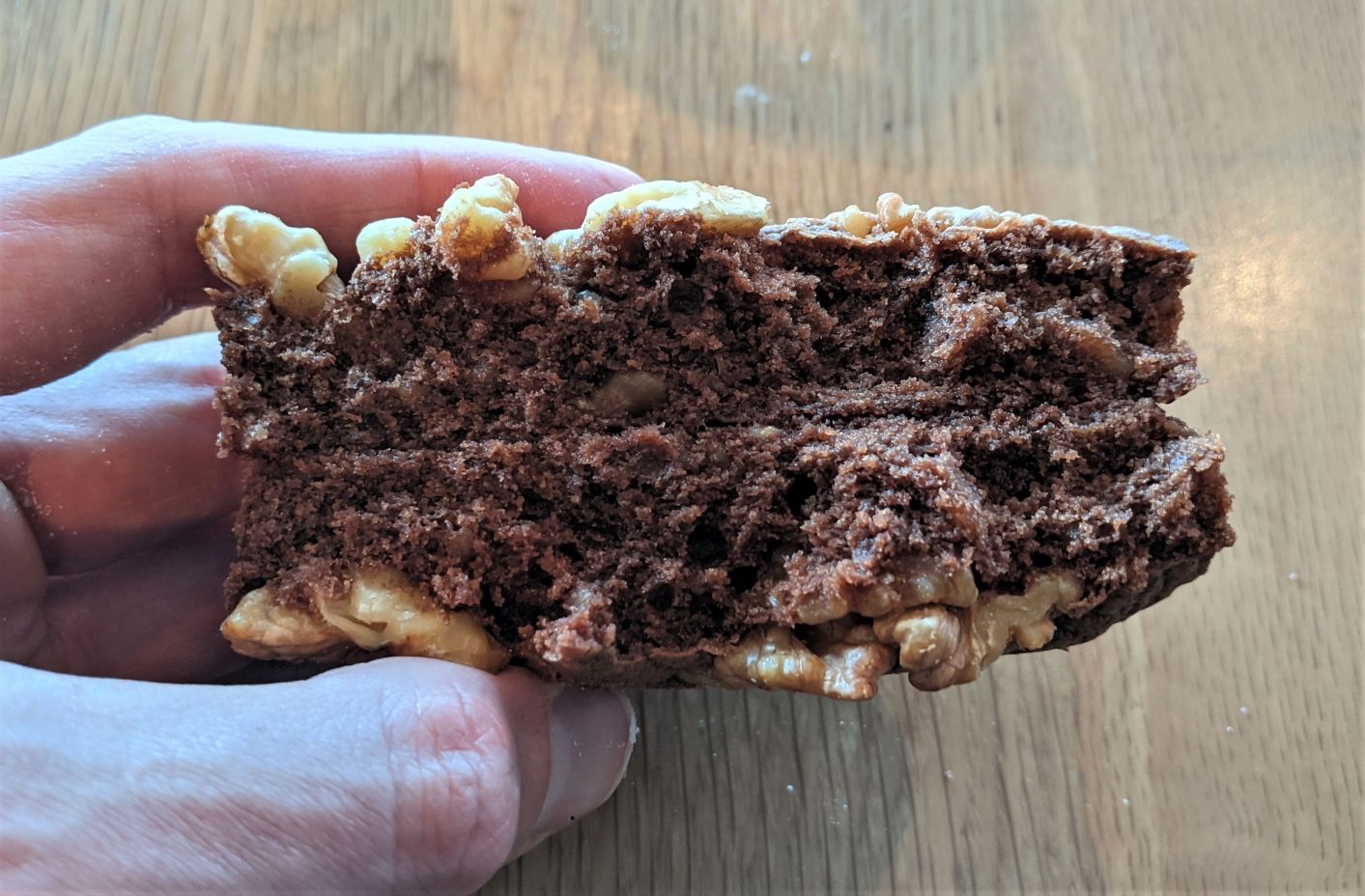
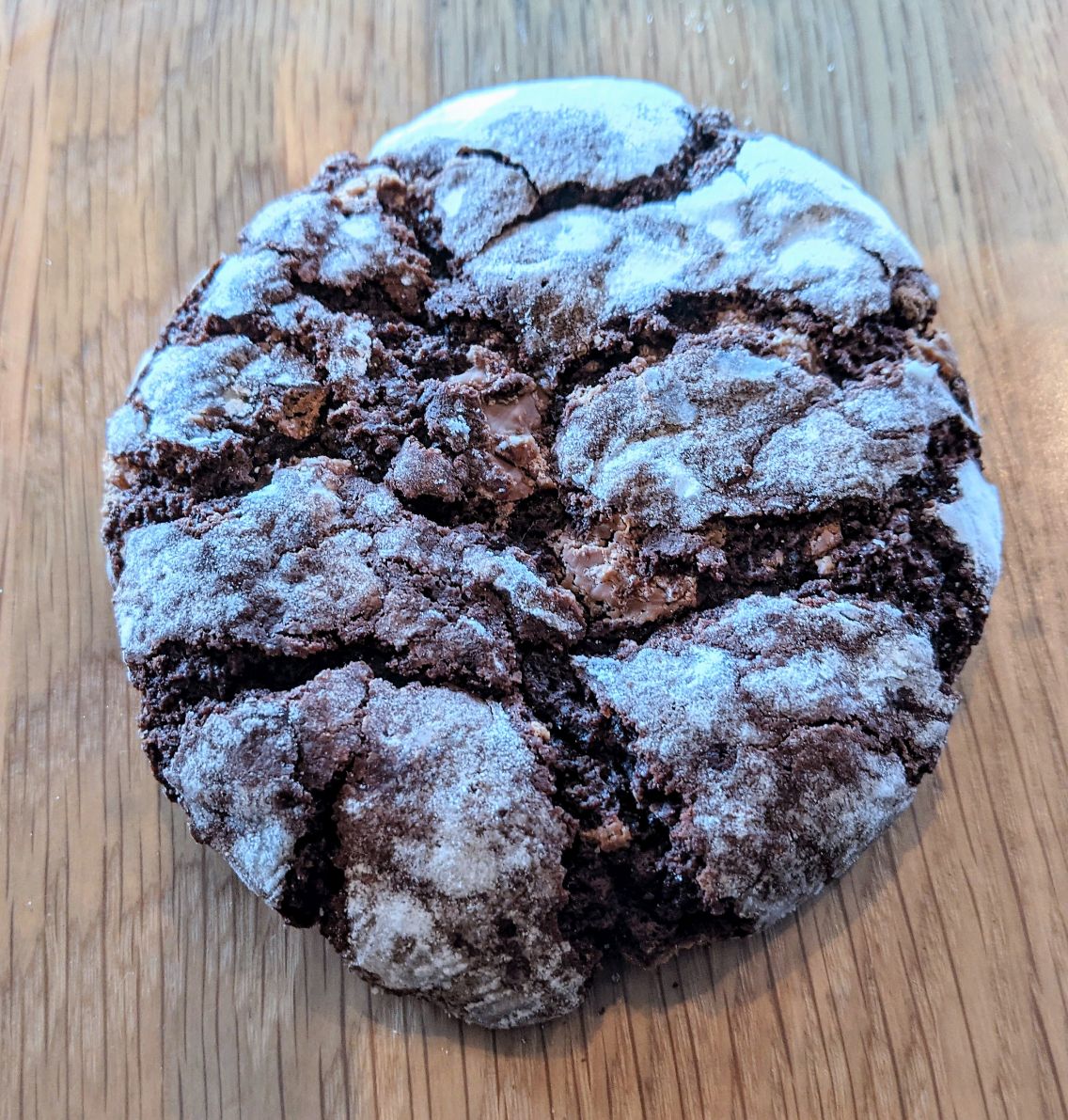
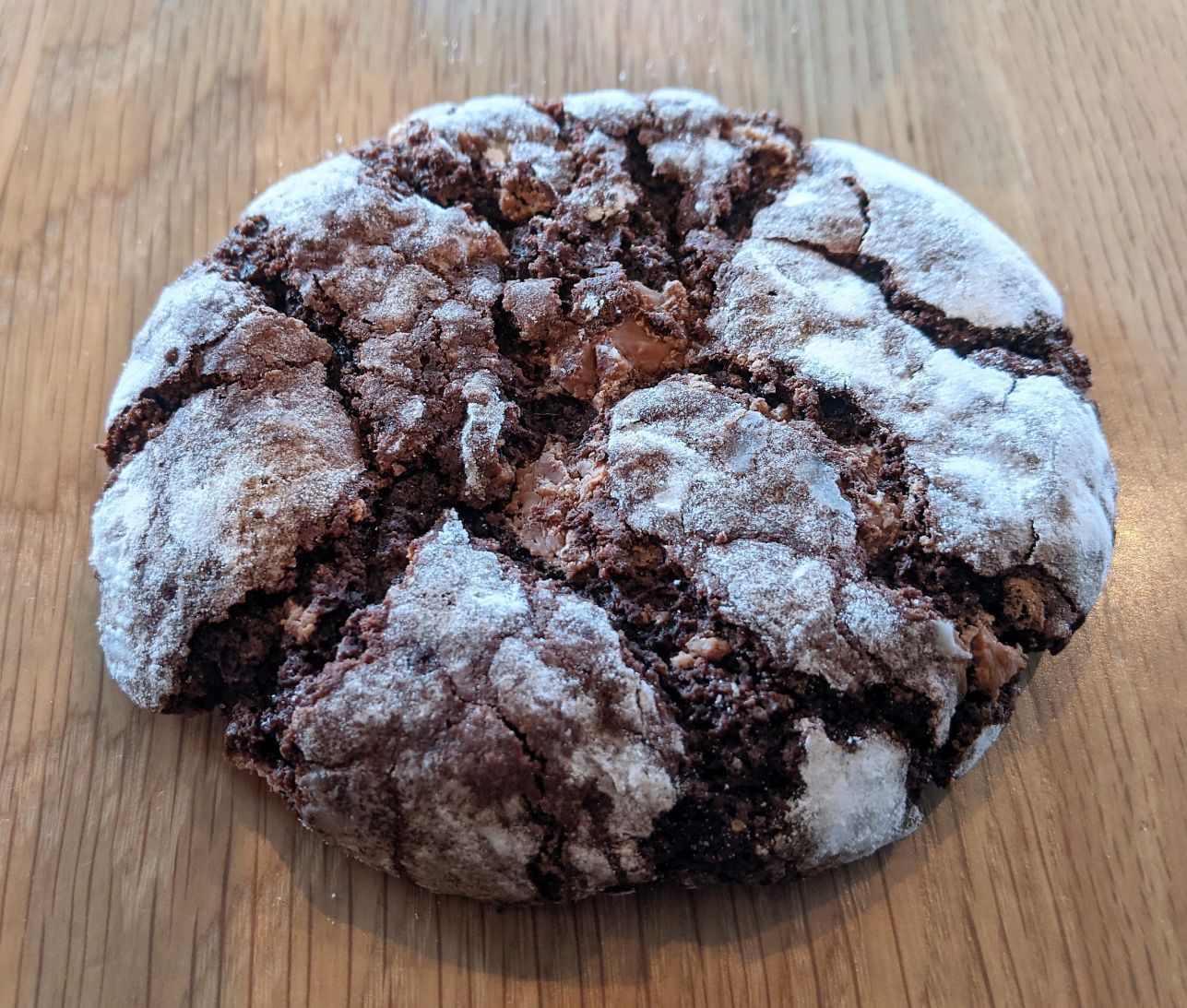
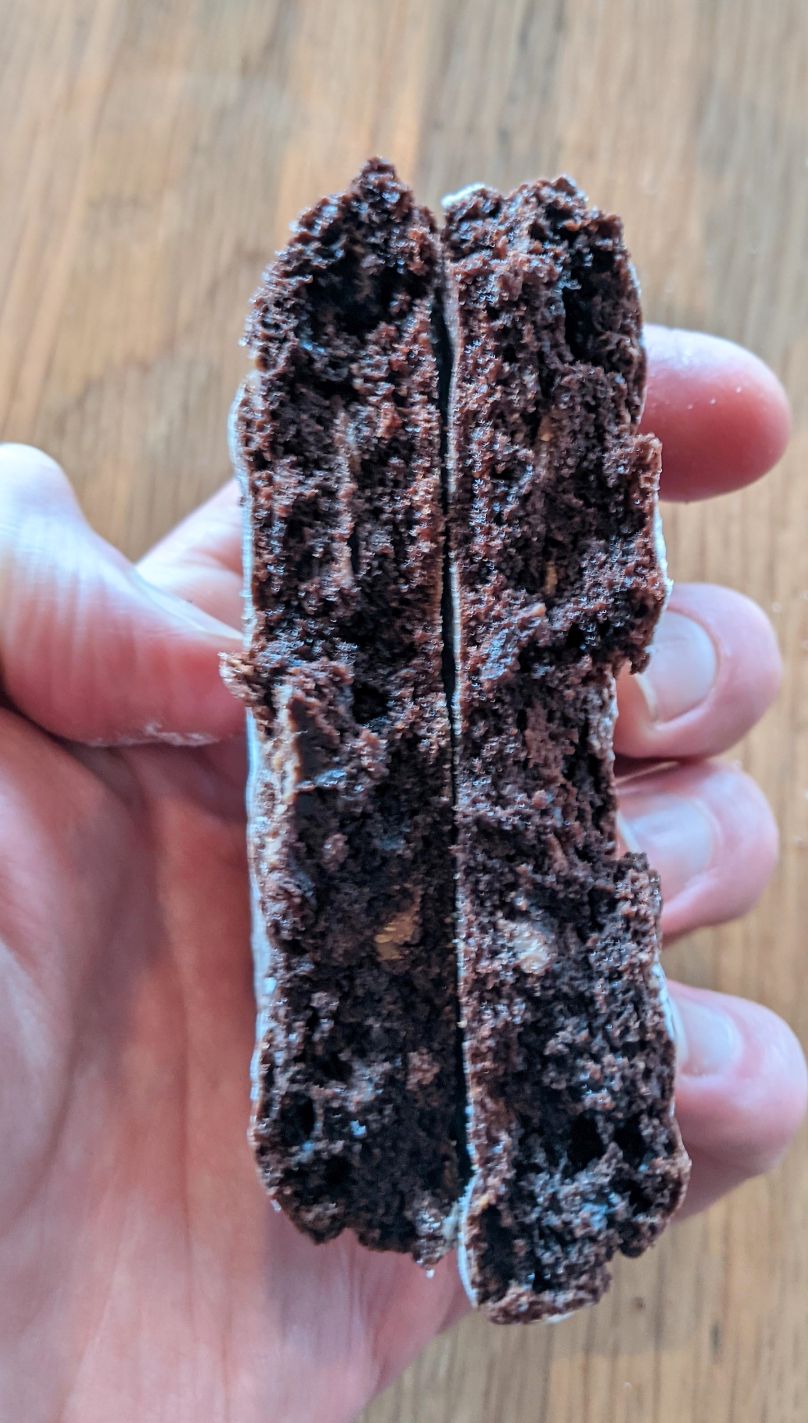
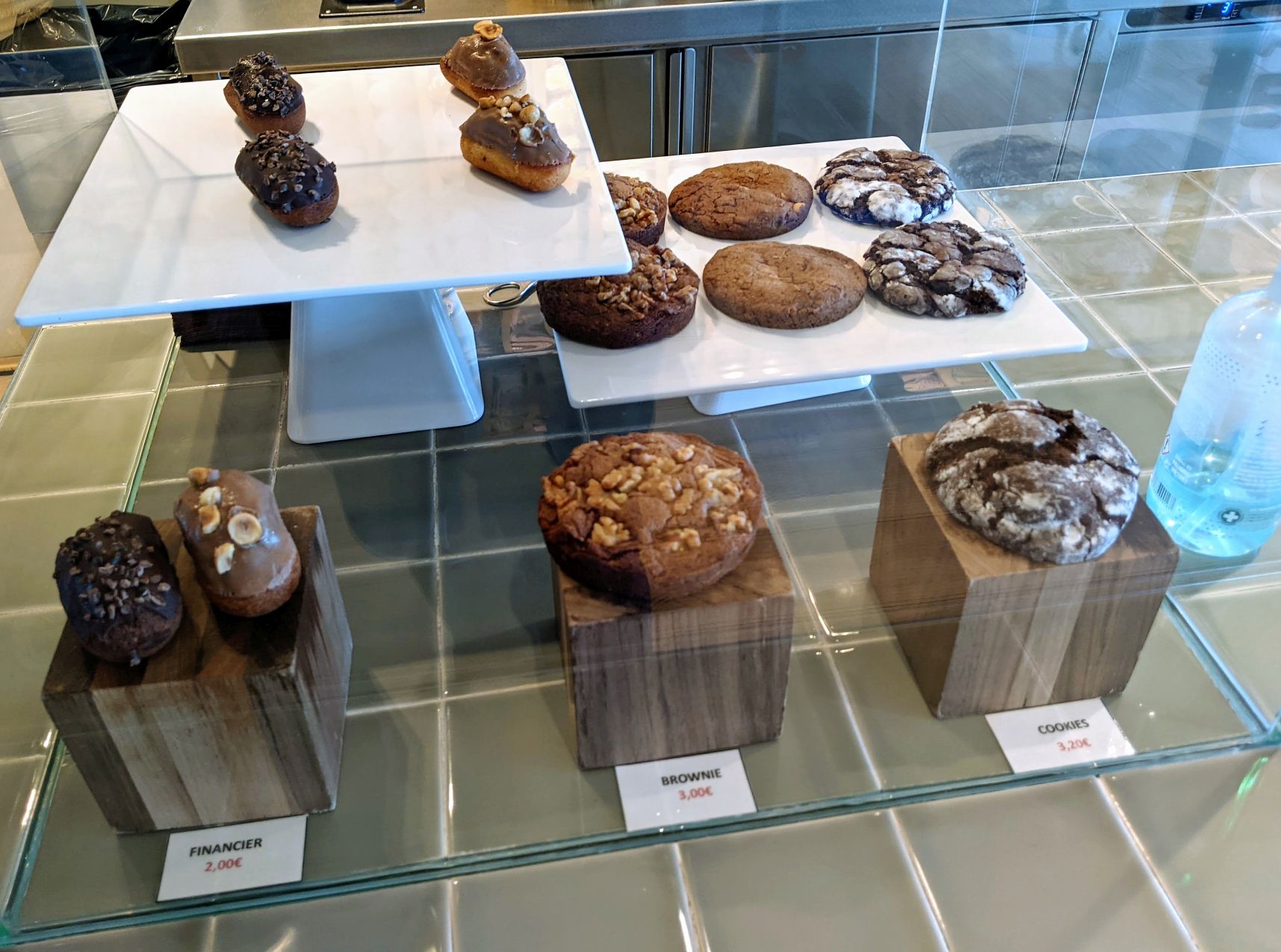
Undeniably talented, and still one of the most influential Pastry Chefs in the World, Roca’s work at Rocambolesc focuses on Popsicles, Soft Serve and Toppings with premium prices alongside a smattering of Cookies and Chocolates no better than one might find at places charging half.
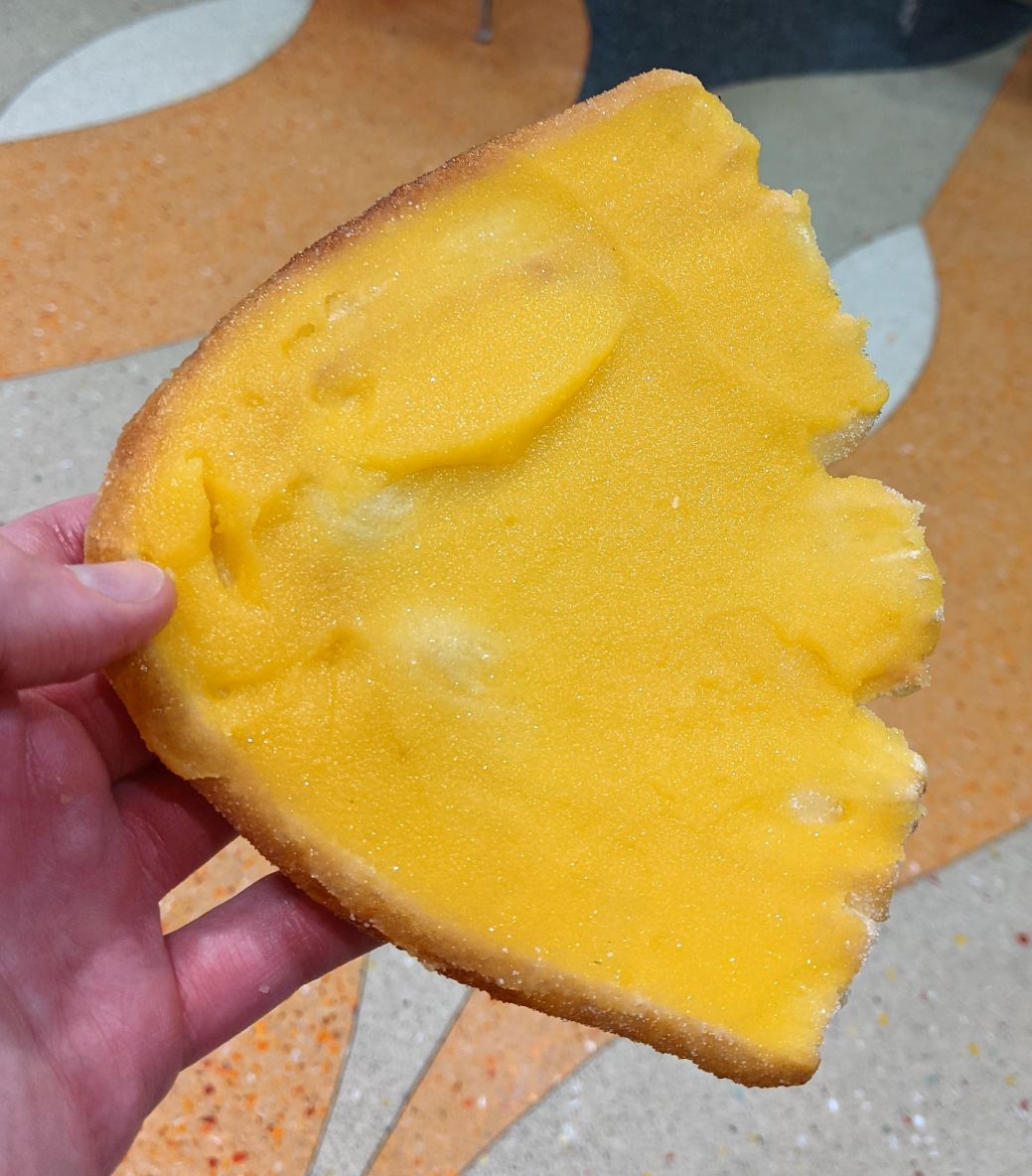
Lacking any of the creativity found at El Celler de Can Roca, even the “Planet” an idea seen prior at places such as Afters in California, do consider the Fig Sorbet if found amongst seasonal selections as the flavor is entirely pure with a creamy texture.
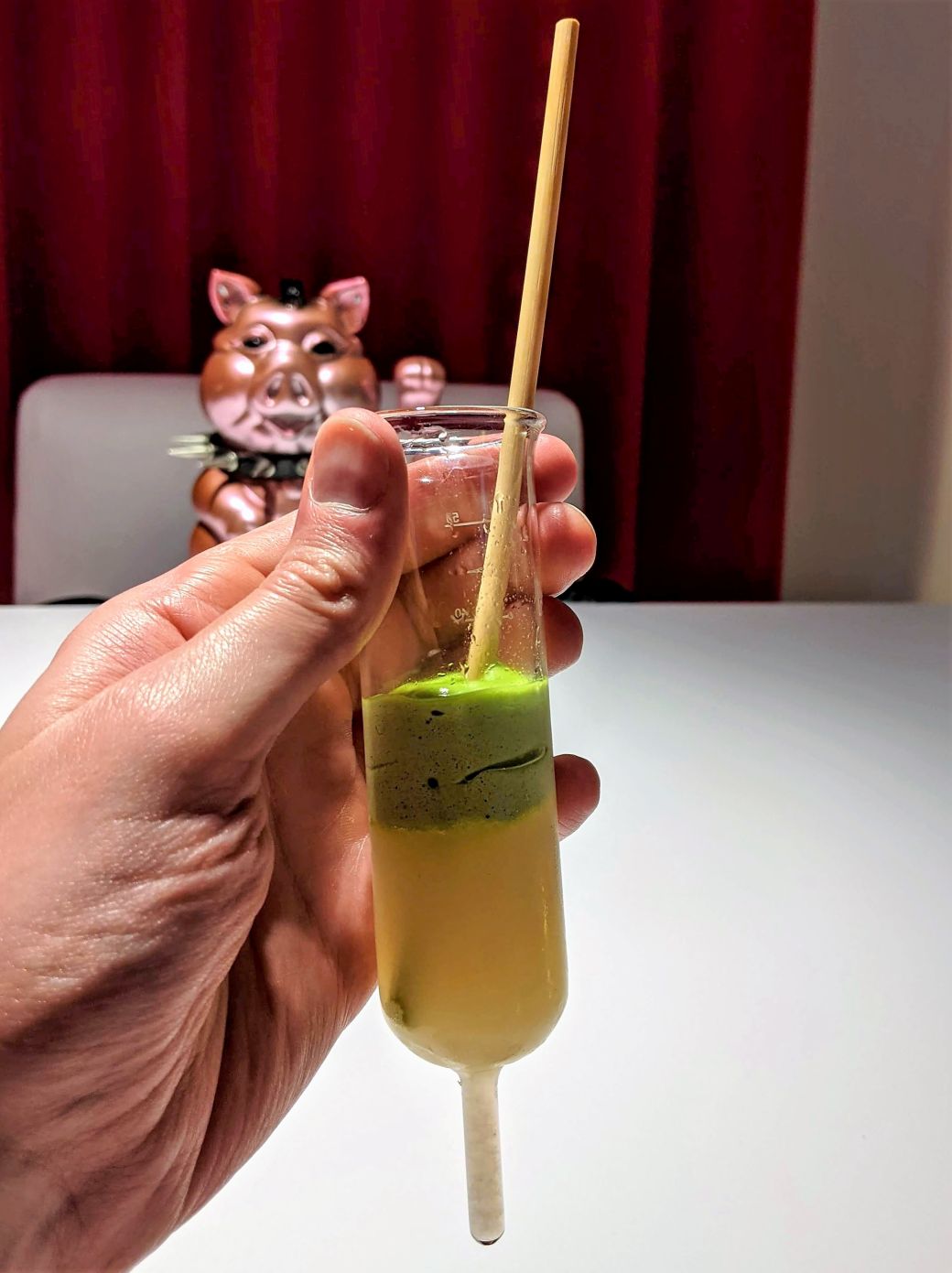
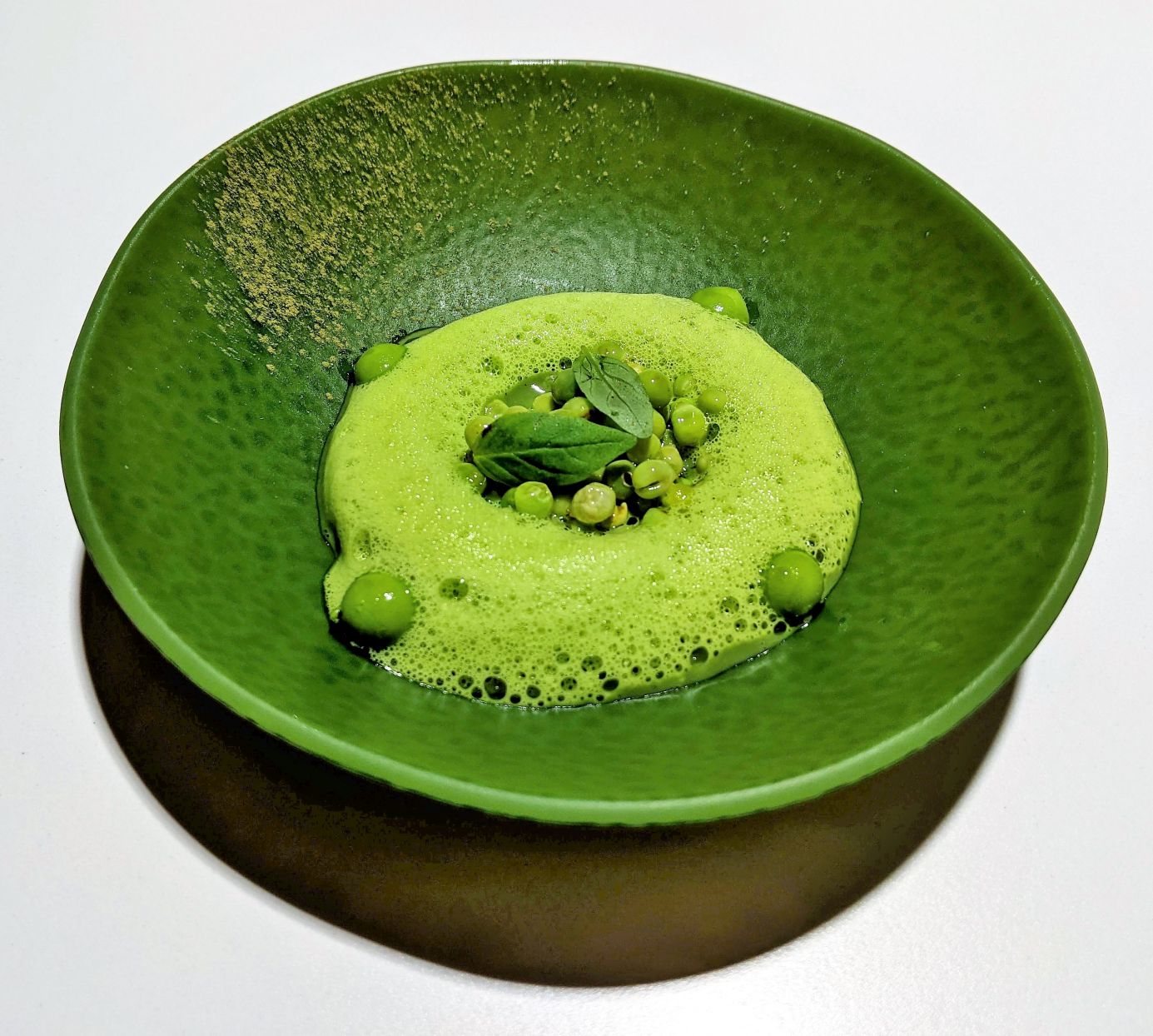
Green Curry – Sauteed Tear Peas, Jalapeno Peppers, Match Green Tea Curry, Fried Curry Leaves, Finger Lime, Emulsified Butter, Whey, Fine Herbes
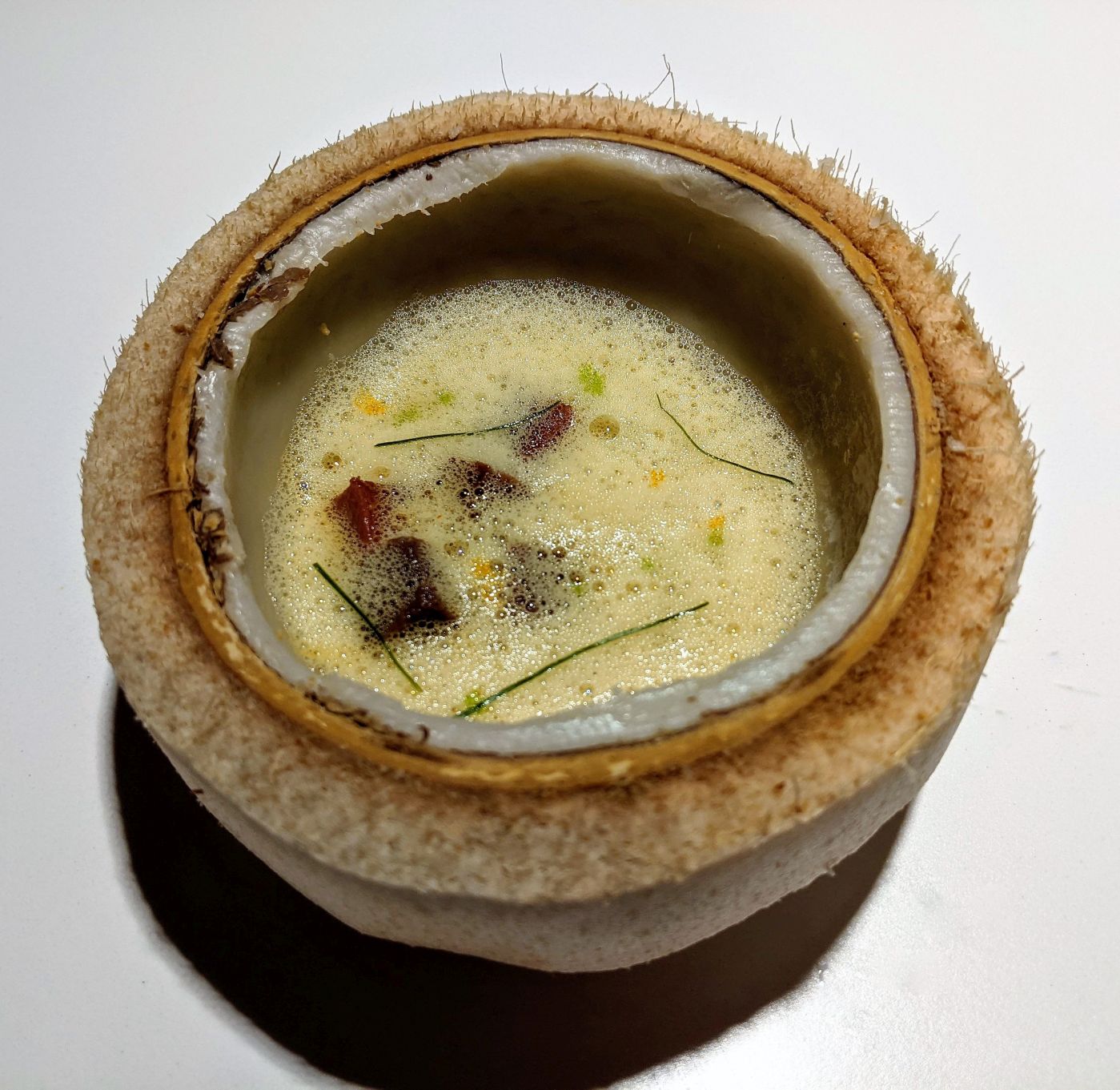
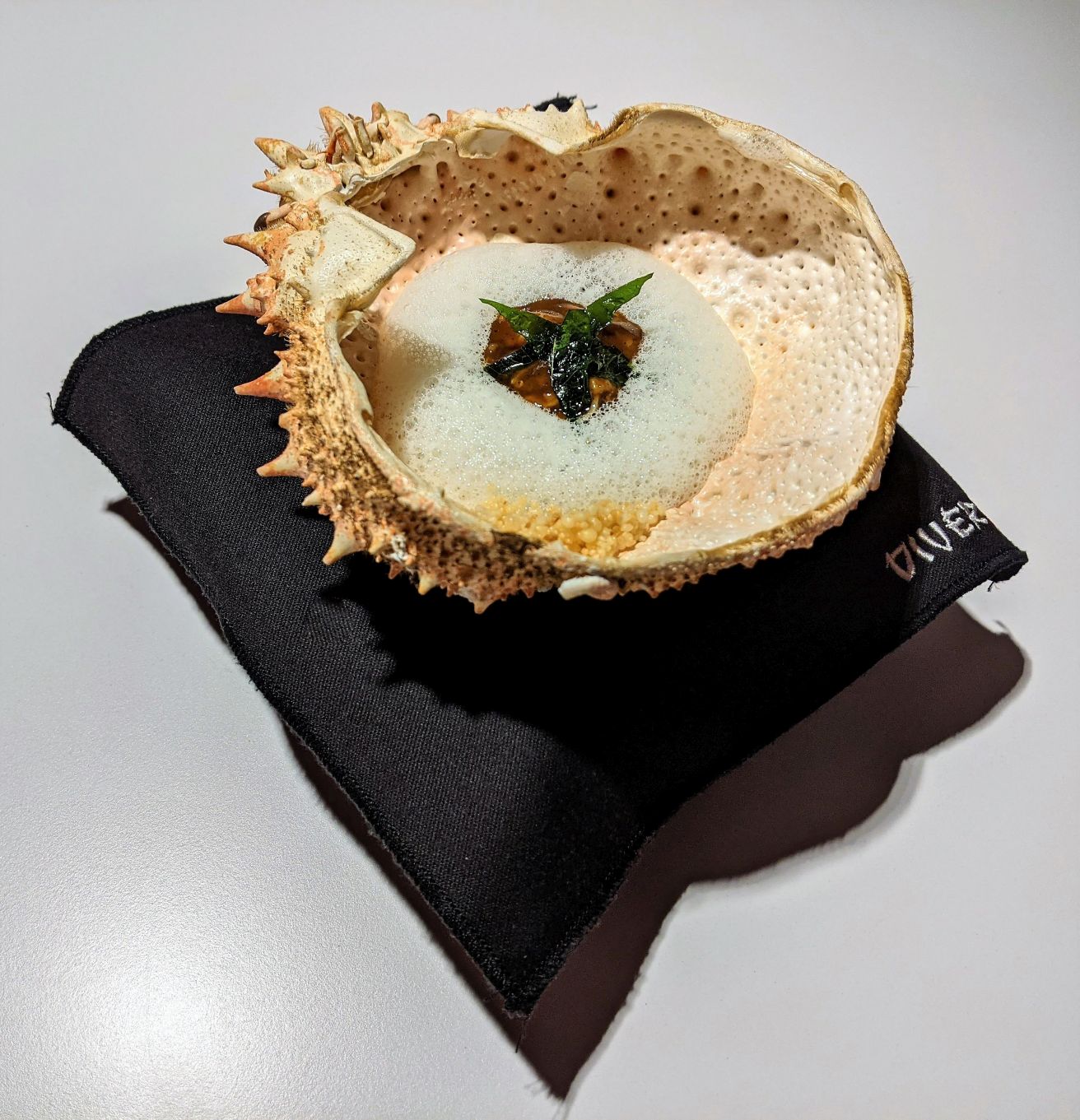
Black Pepper Crab – Saigon Peppercorn, Crunchy Rice Cous Cous
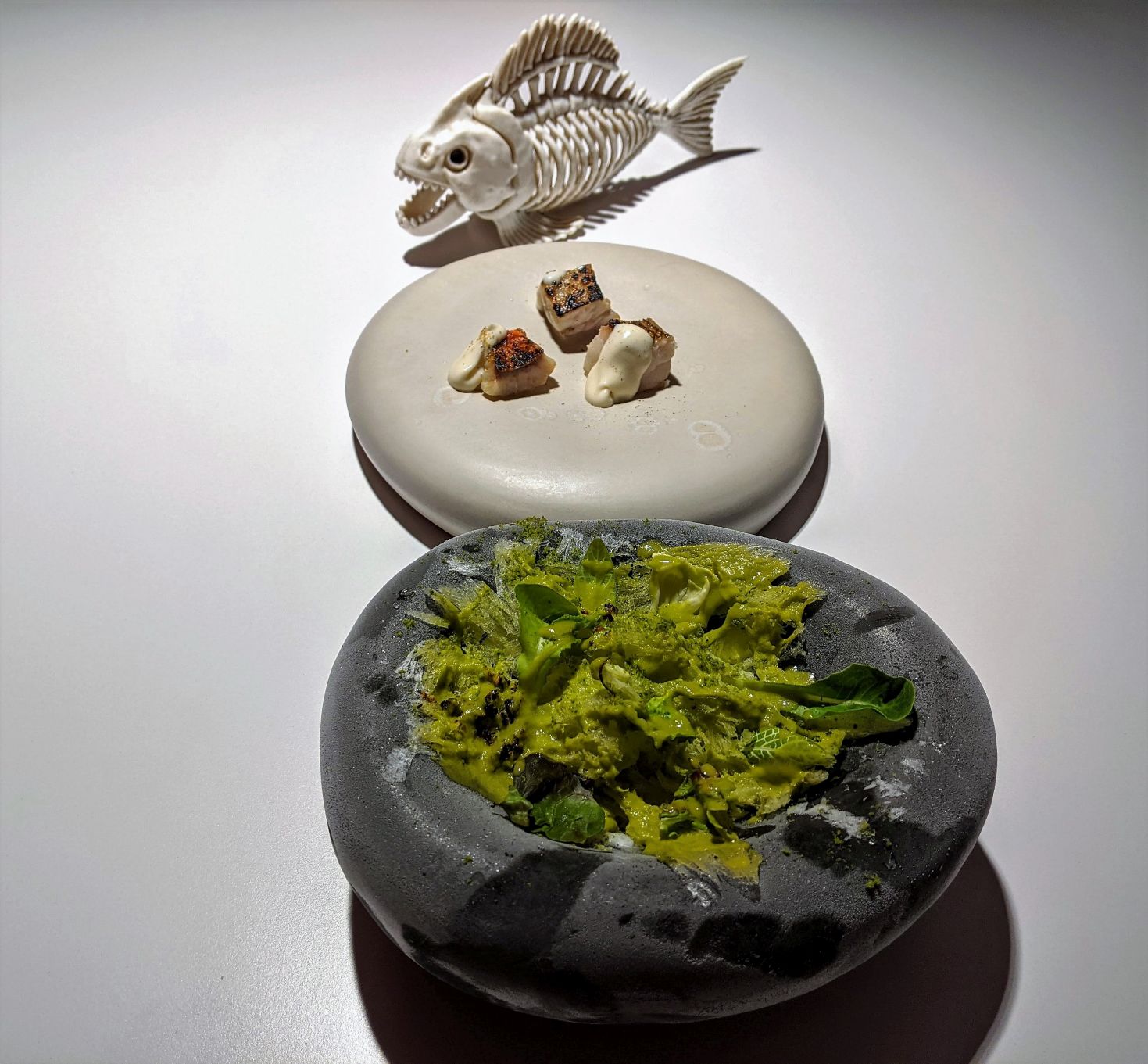
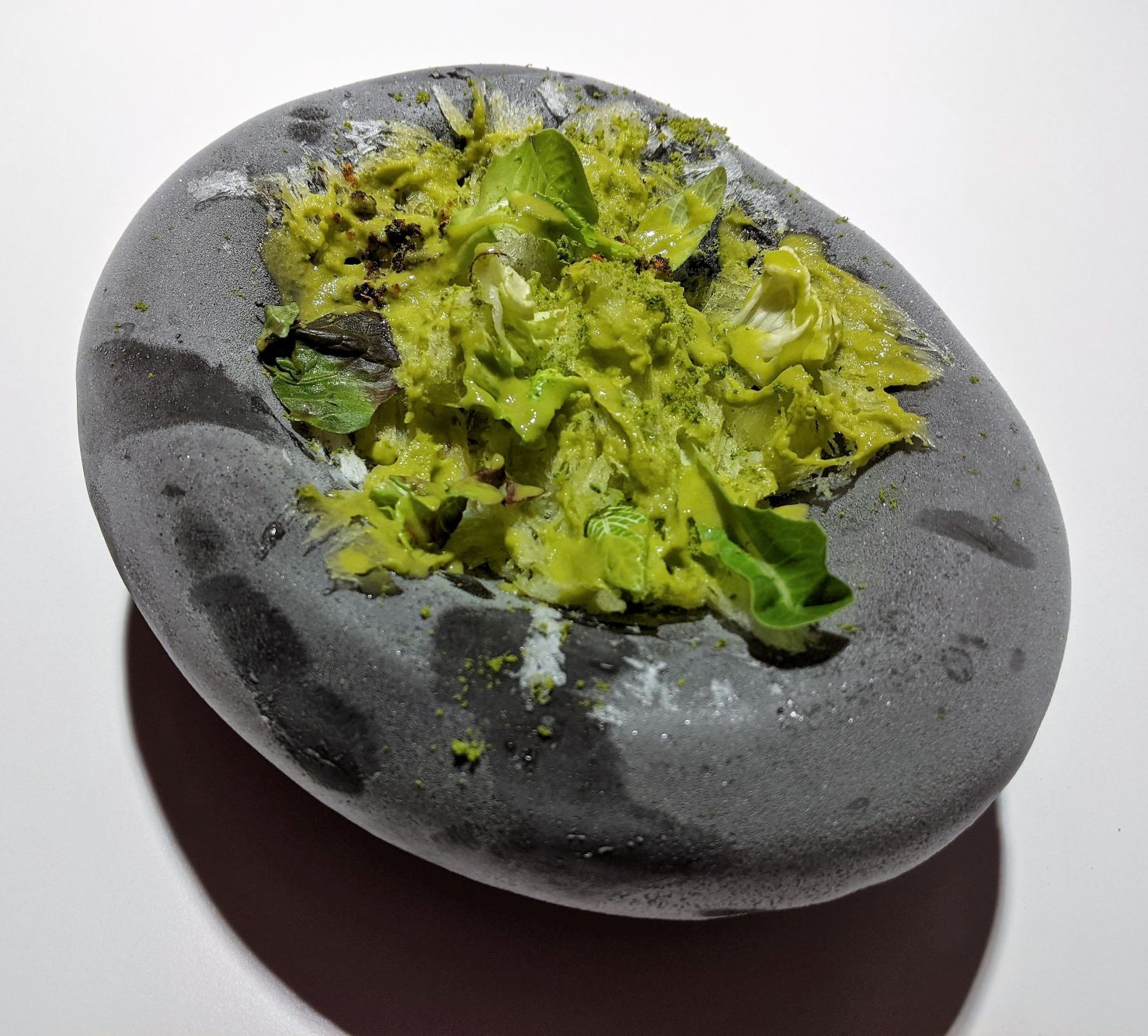
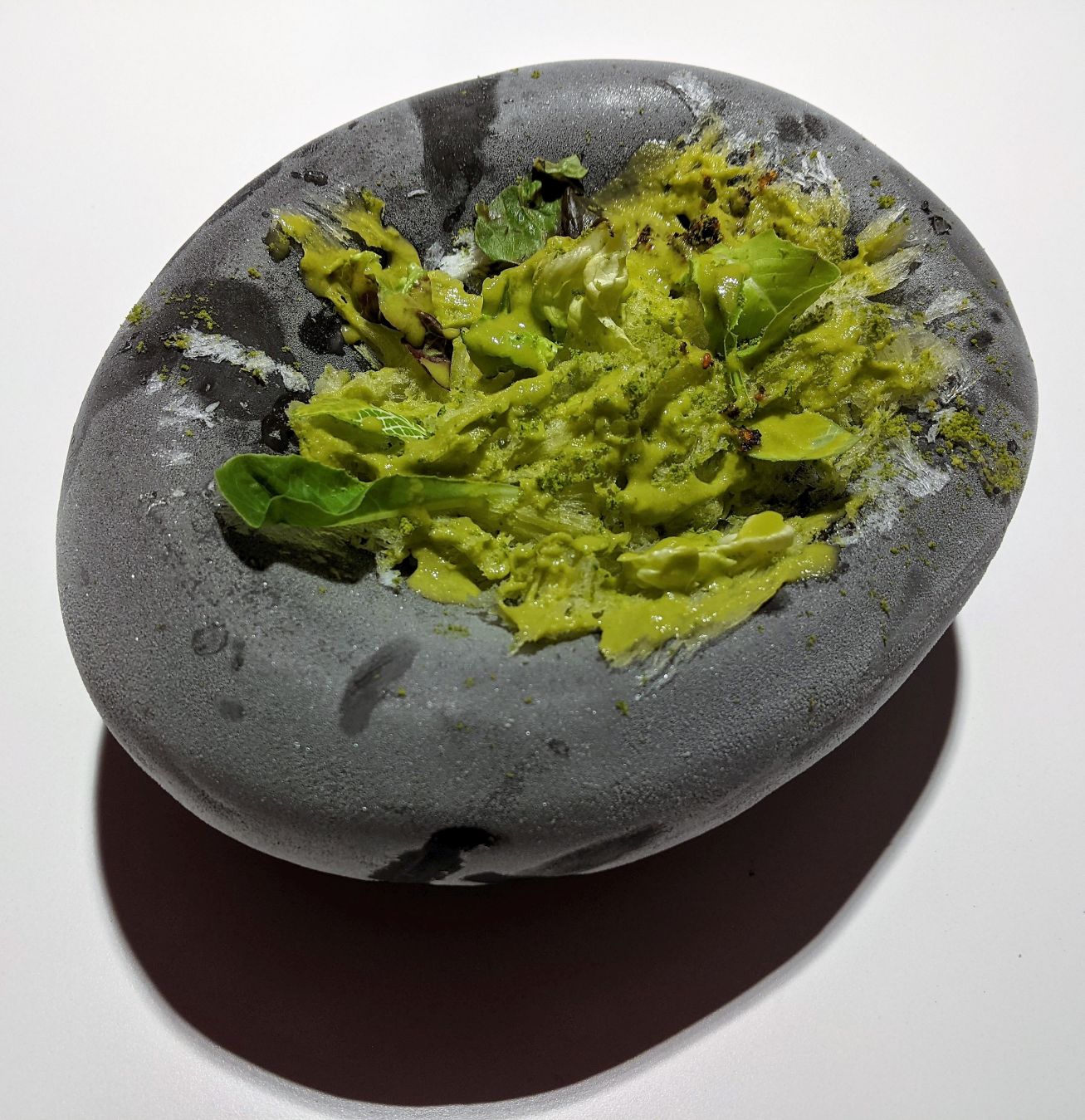
Upside Down World (Frosted Salad from the Back of the Fridge) – Tomato Seeds, Olive Oil Dressing, Rocket, Steamed Edamame, Quail Egg, Ice Scales of Lettuce Emulsion, Jerez Vinegar, Lettuce Buds, Oak Leaf, Oxalis, Mosaic Leaves
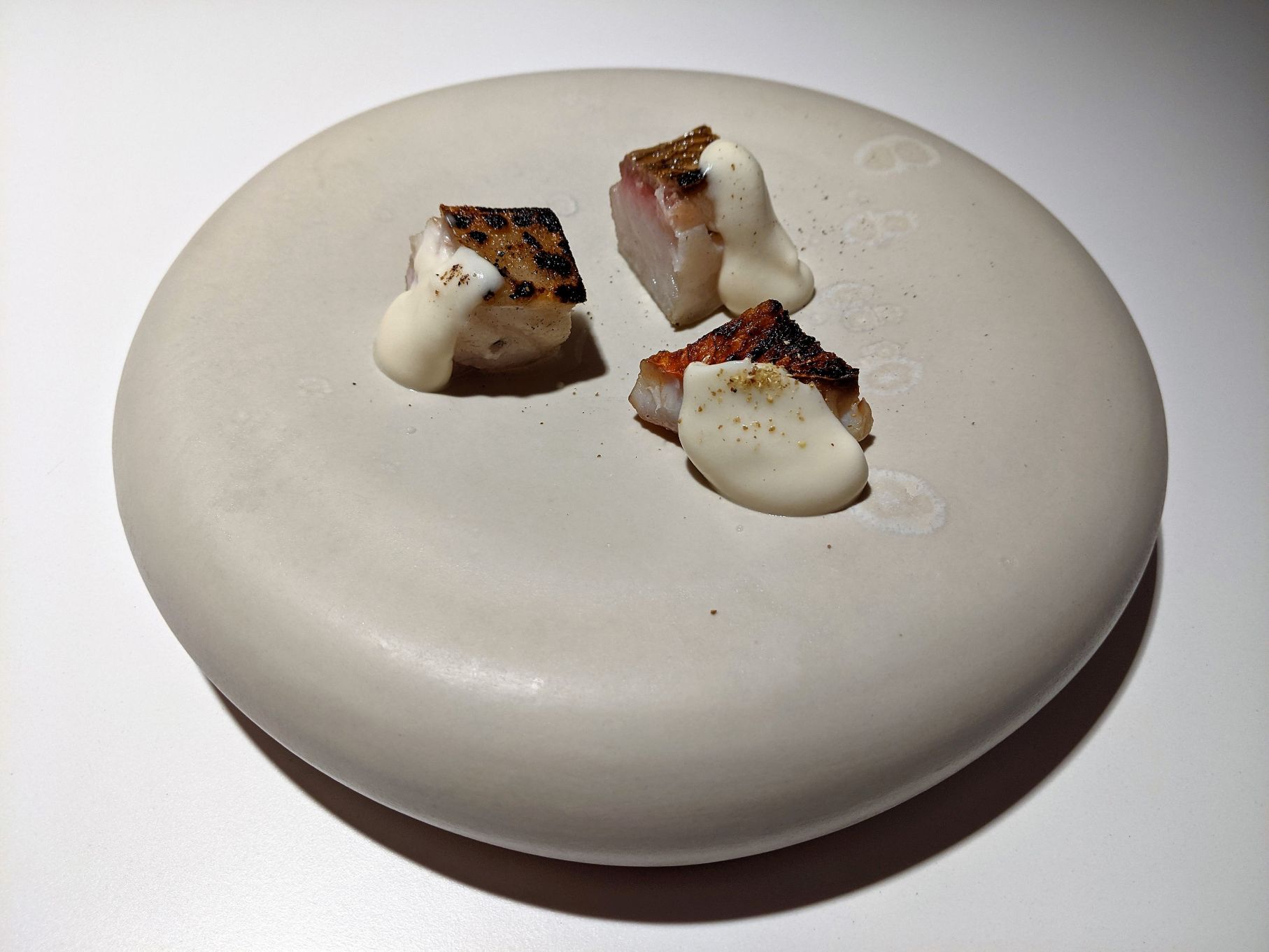
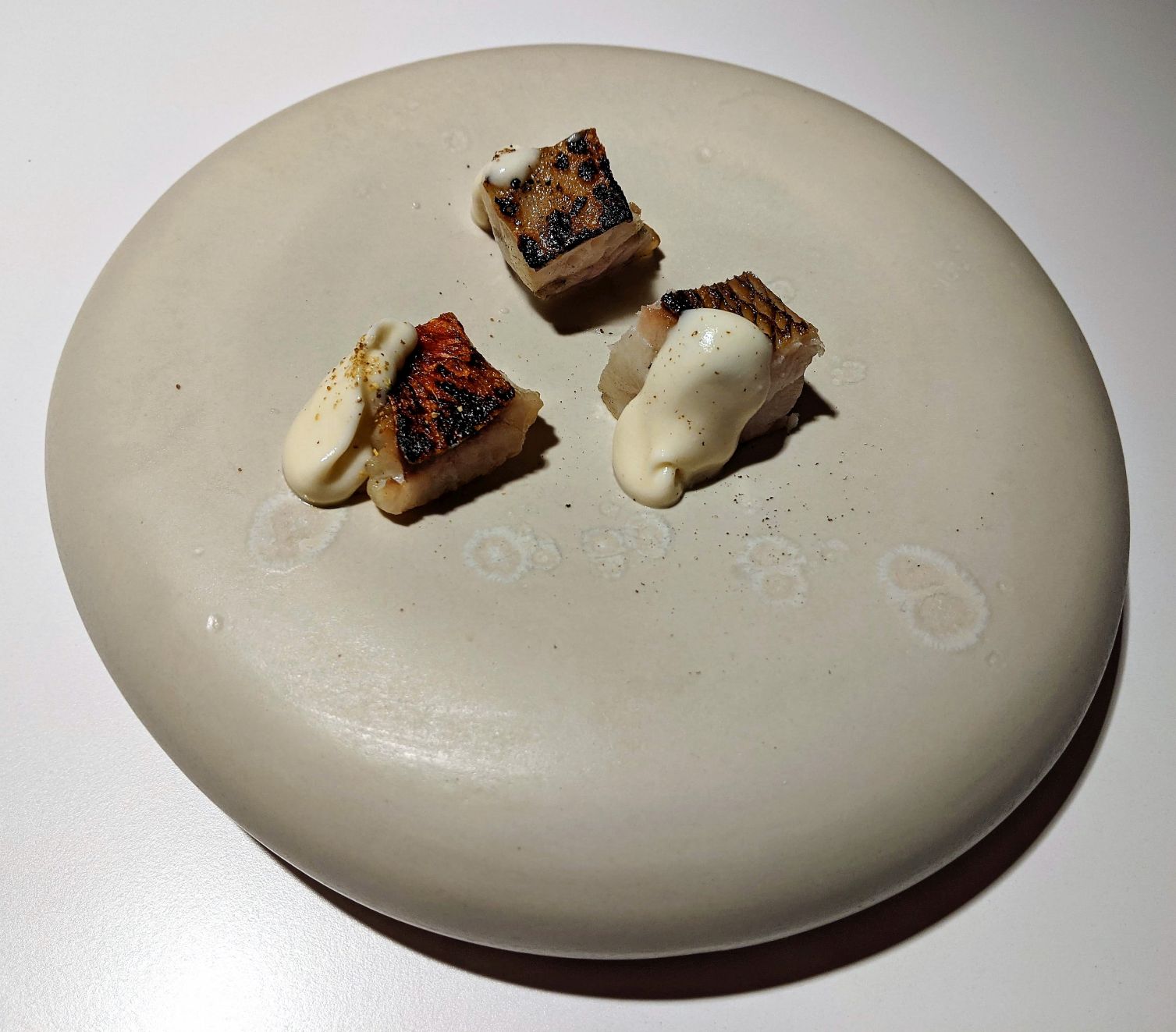
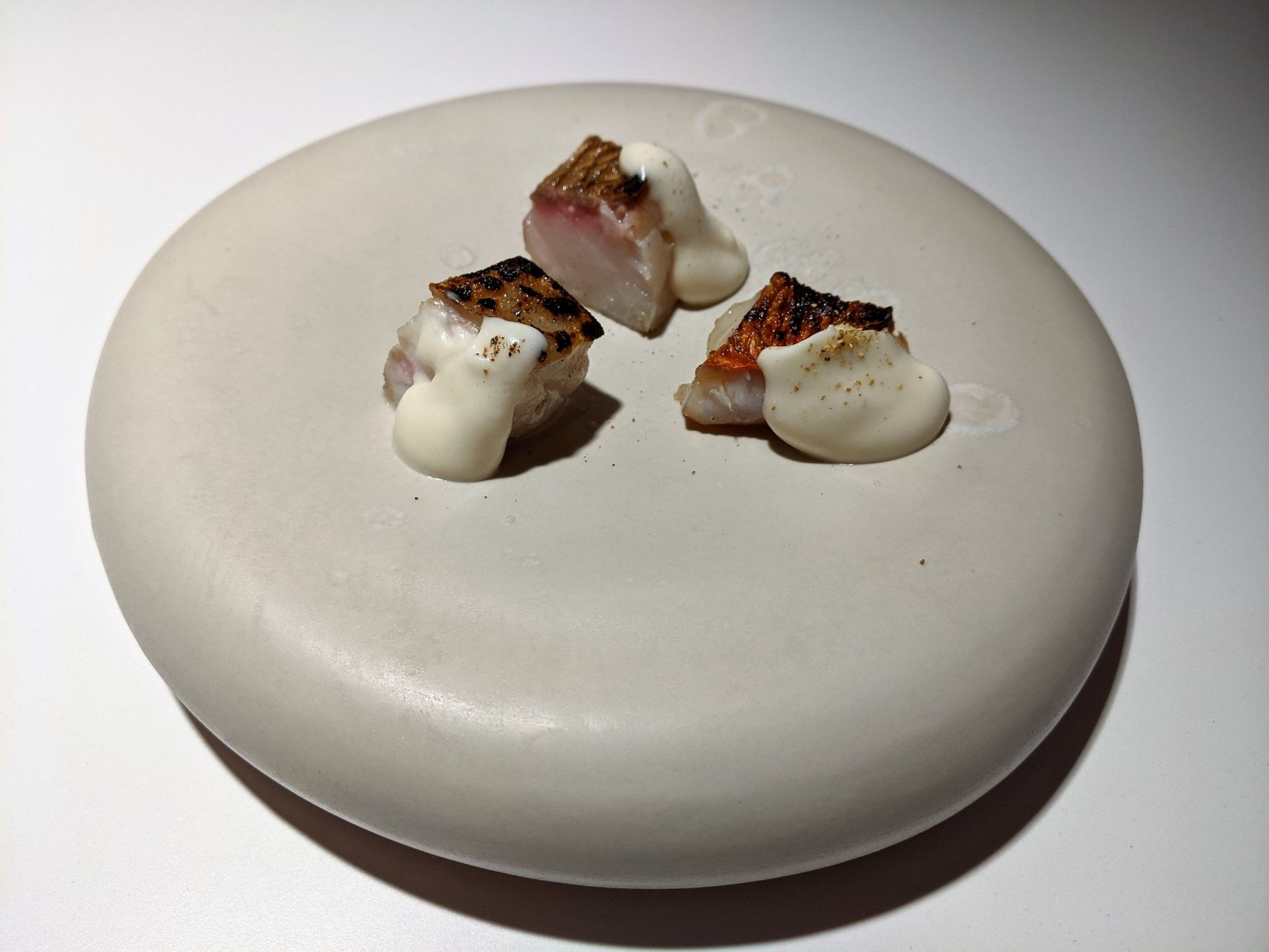
Upside Down World (Sea Sides) – Turbot, Spine Emulsion, Sichuan Pepper / Sea Bream, Spine Emulsion, Java Pepper / Red Mullet, Spine Emulsion, Sansho Pepper
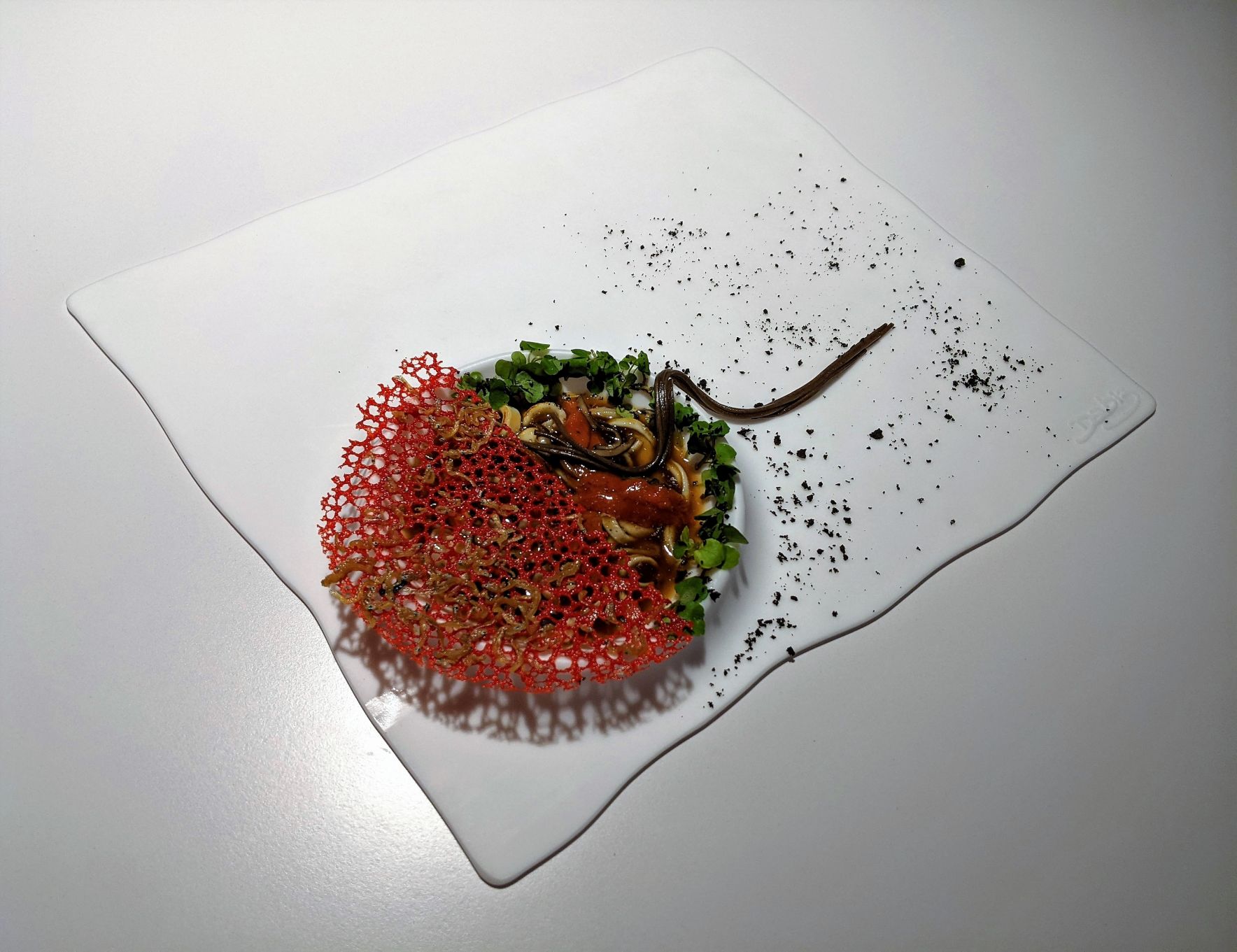
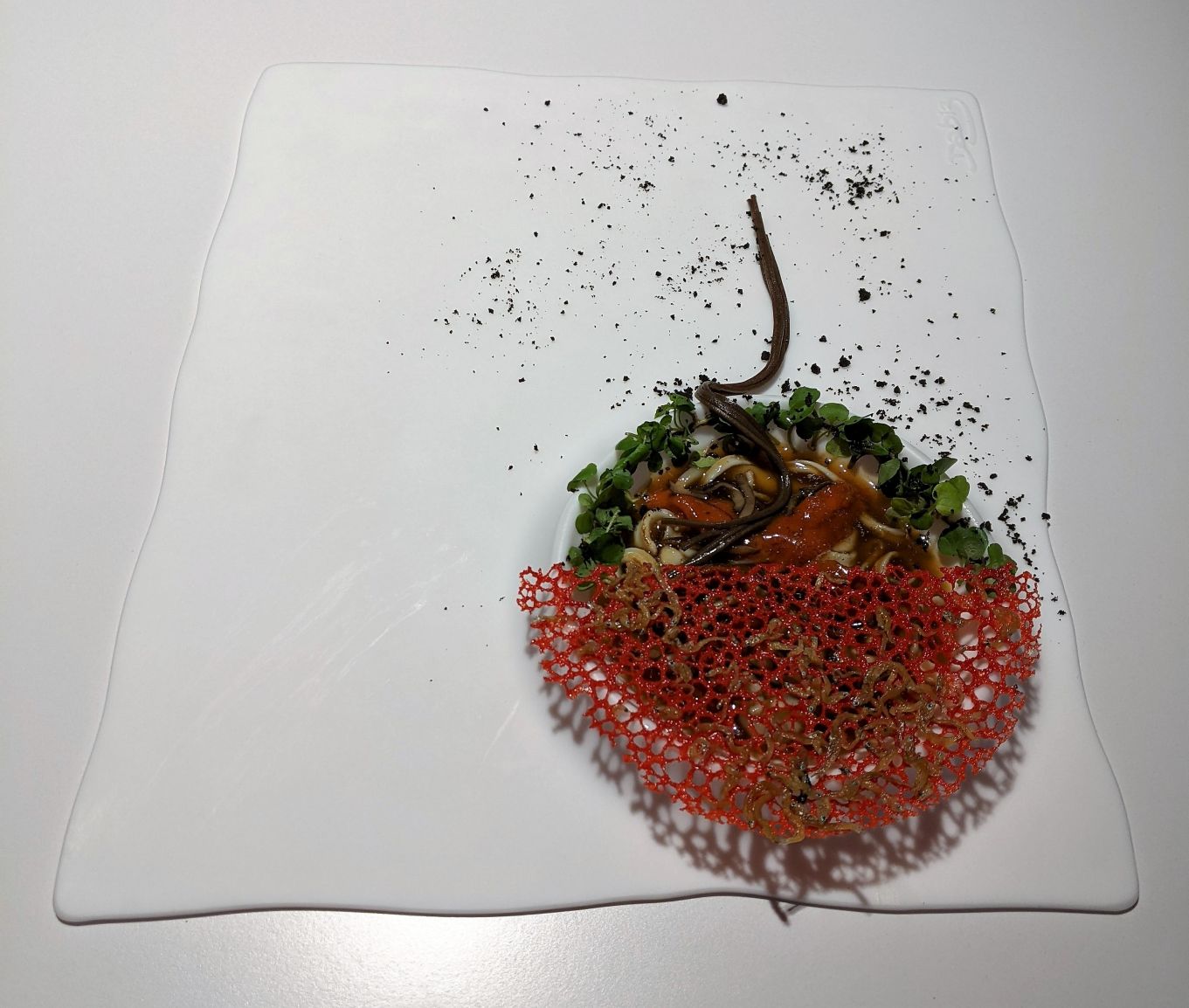
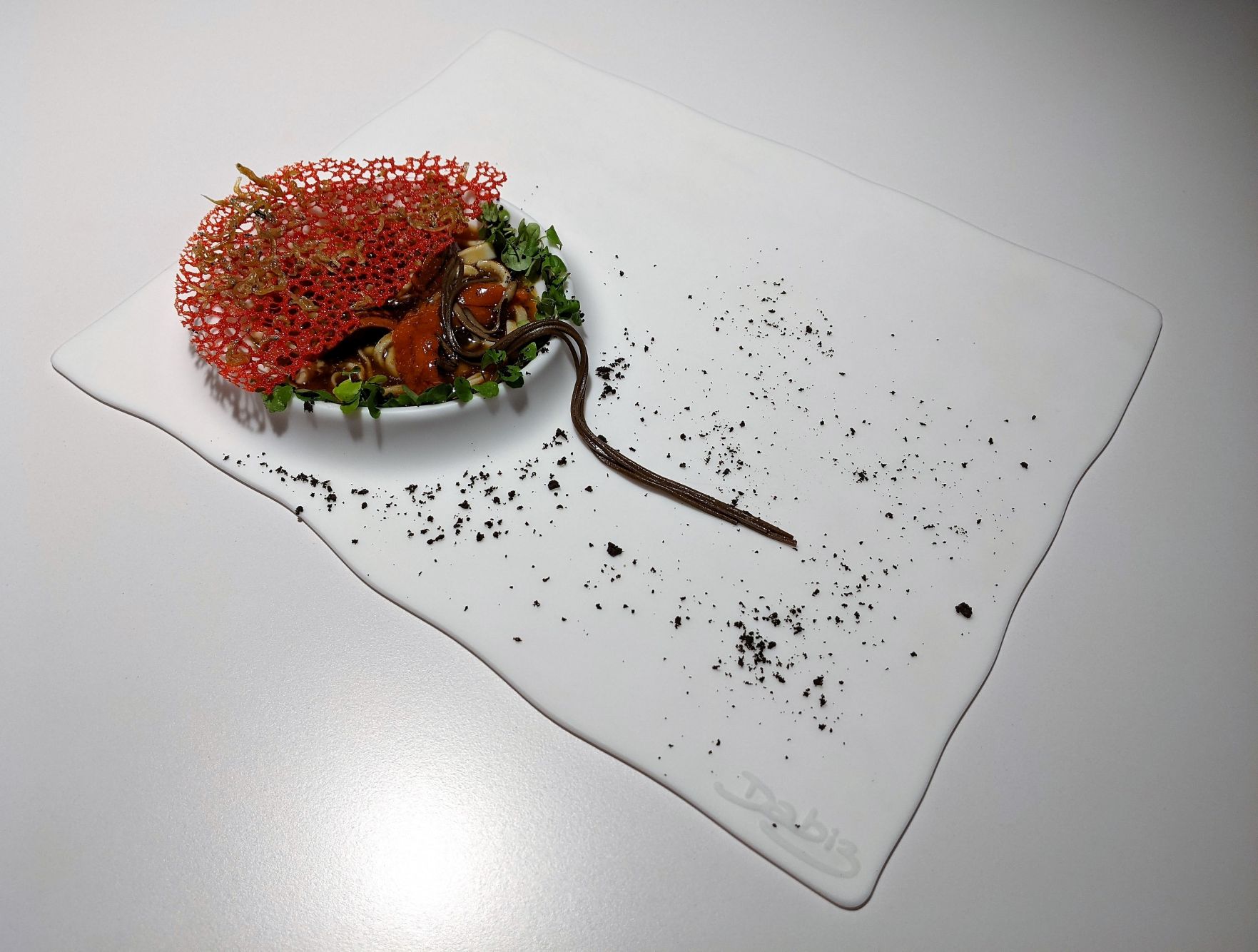
Crunchy Texture Ceviche – Baby Eel Sashimi, Cockles, Tree Chile Aguachile, Red Vermouth, Wild Green Lemon
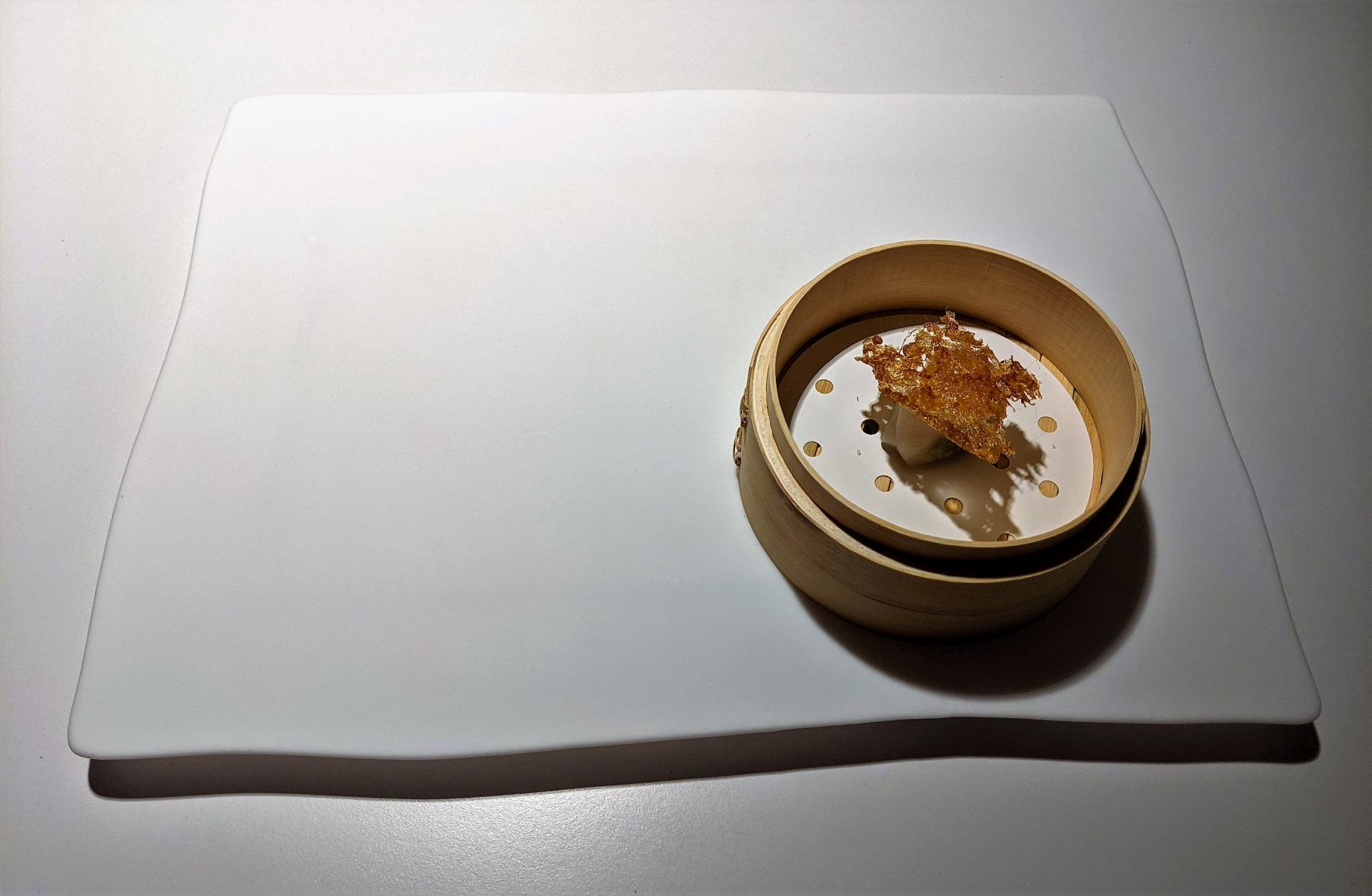
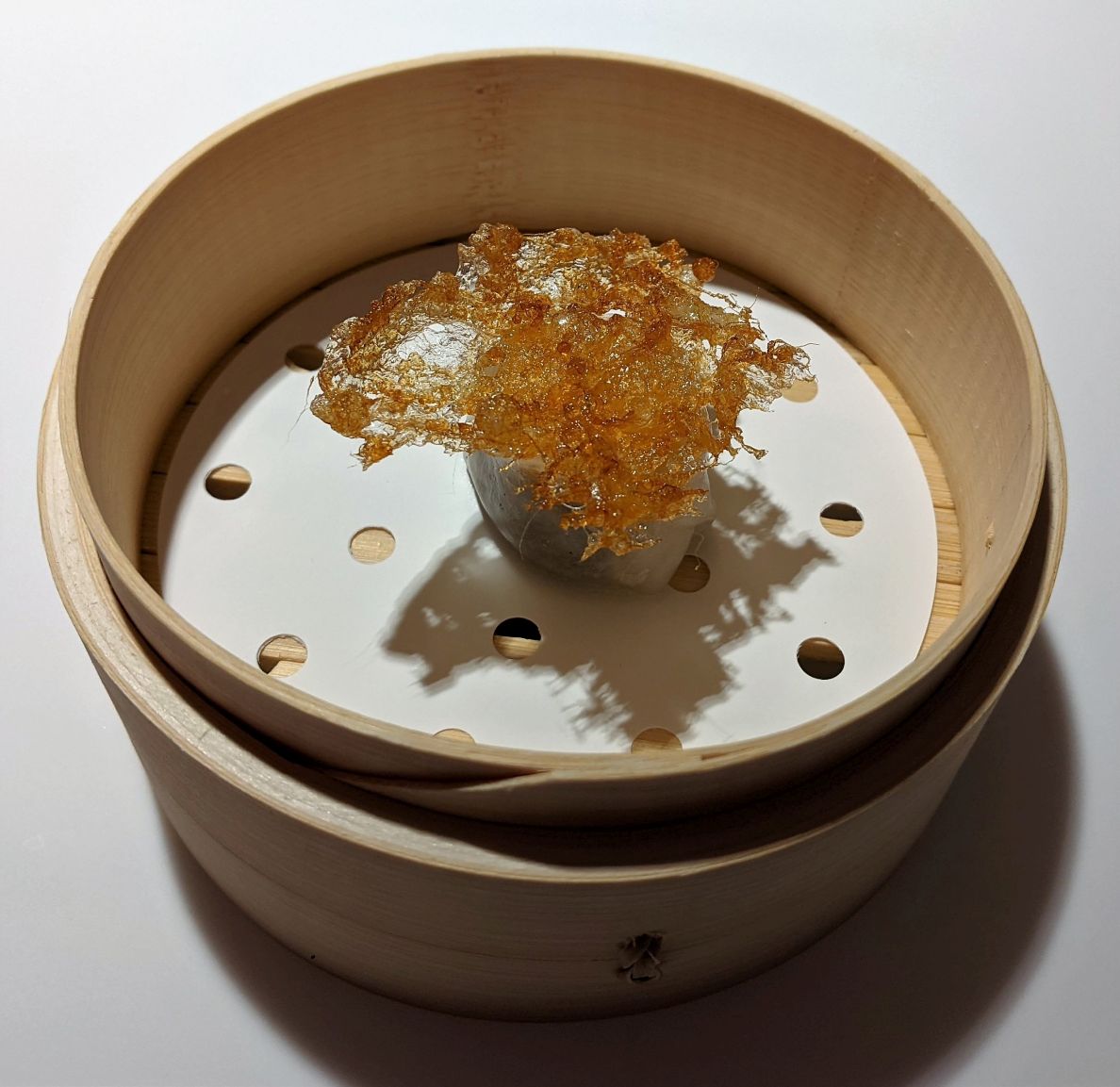
Steam Explosion with Pil-Pil Cuttlefish – Iberian Pork Dumpling, Spanish Jubago Broth, Gochujang, Peppermint, Grilled Cuttlefish, Yellow Pepper Pil-Pil, Fried Rock Fish Flakes
Fried Eggs with Black Pudding – Crunchy Bittersweet Ear, Lily Bulb
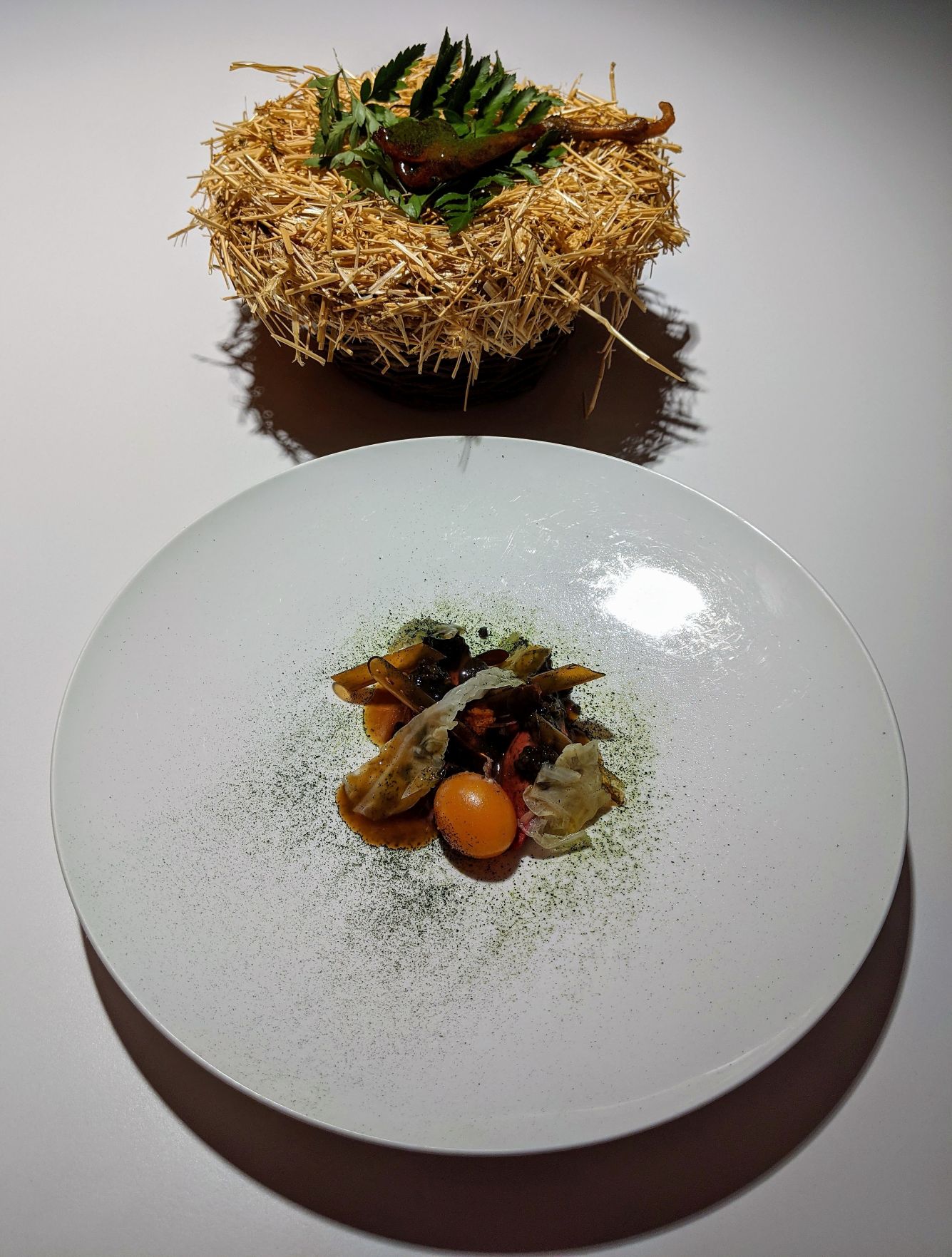
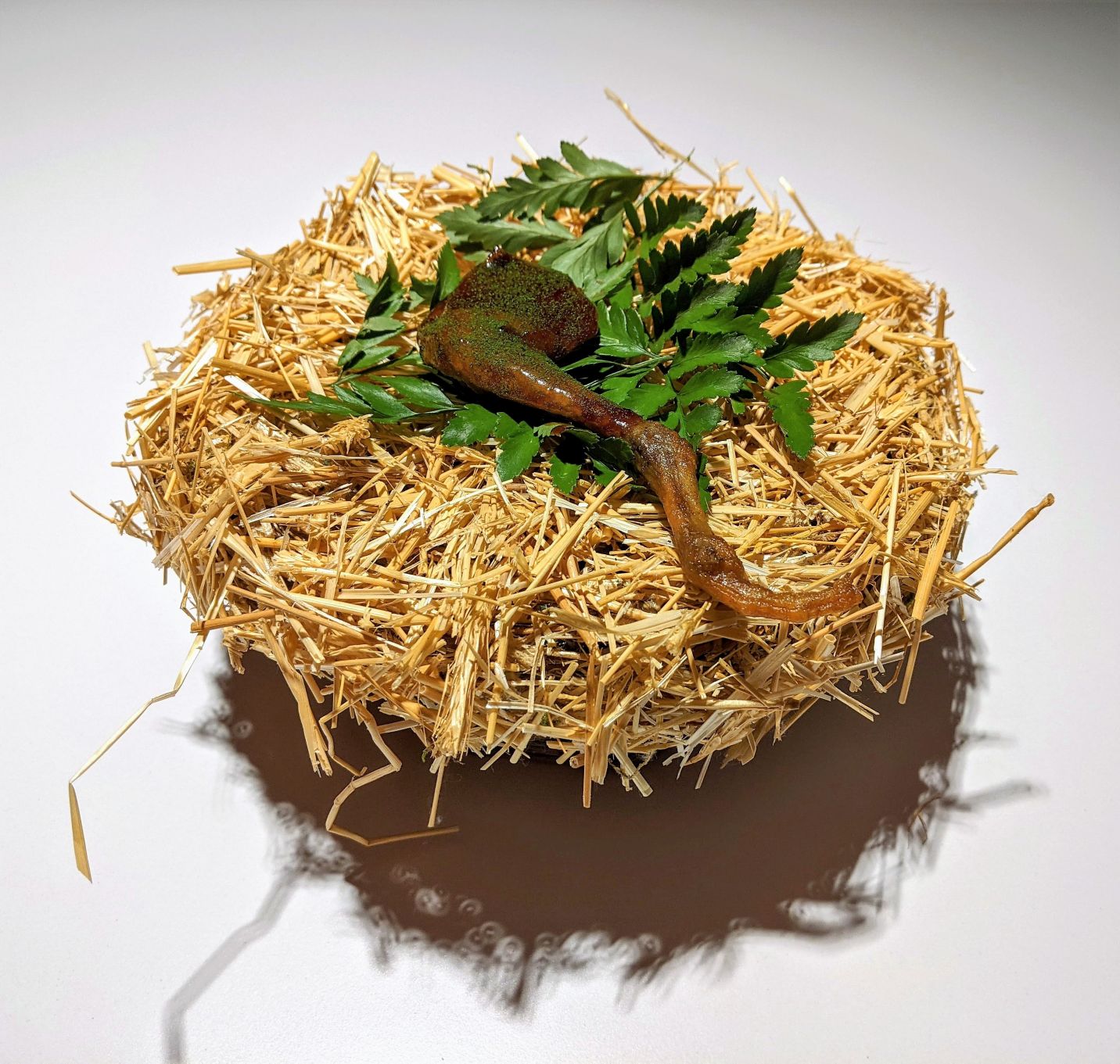
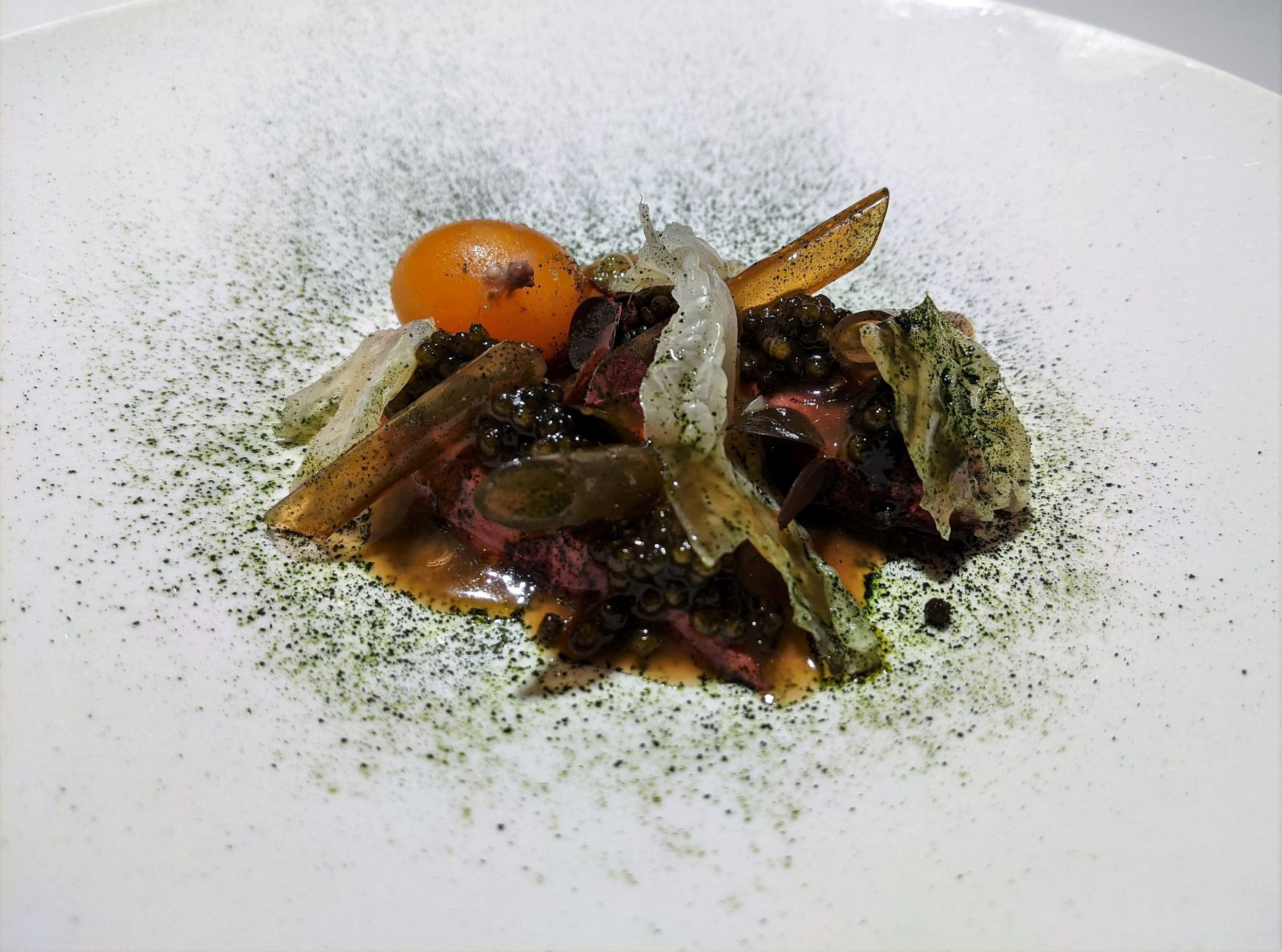
Cold Poached Pigeon with Palo Cortado Wine Macerated for a Week – Smoked Caviar, Plankton, Palo Cortado Wine Macaroni, Grilled Embryonic Egg Yolk, Fermented in Salt Chili Paste, Purple Oxalis
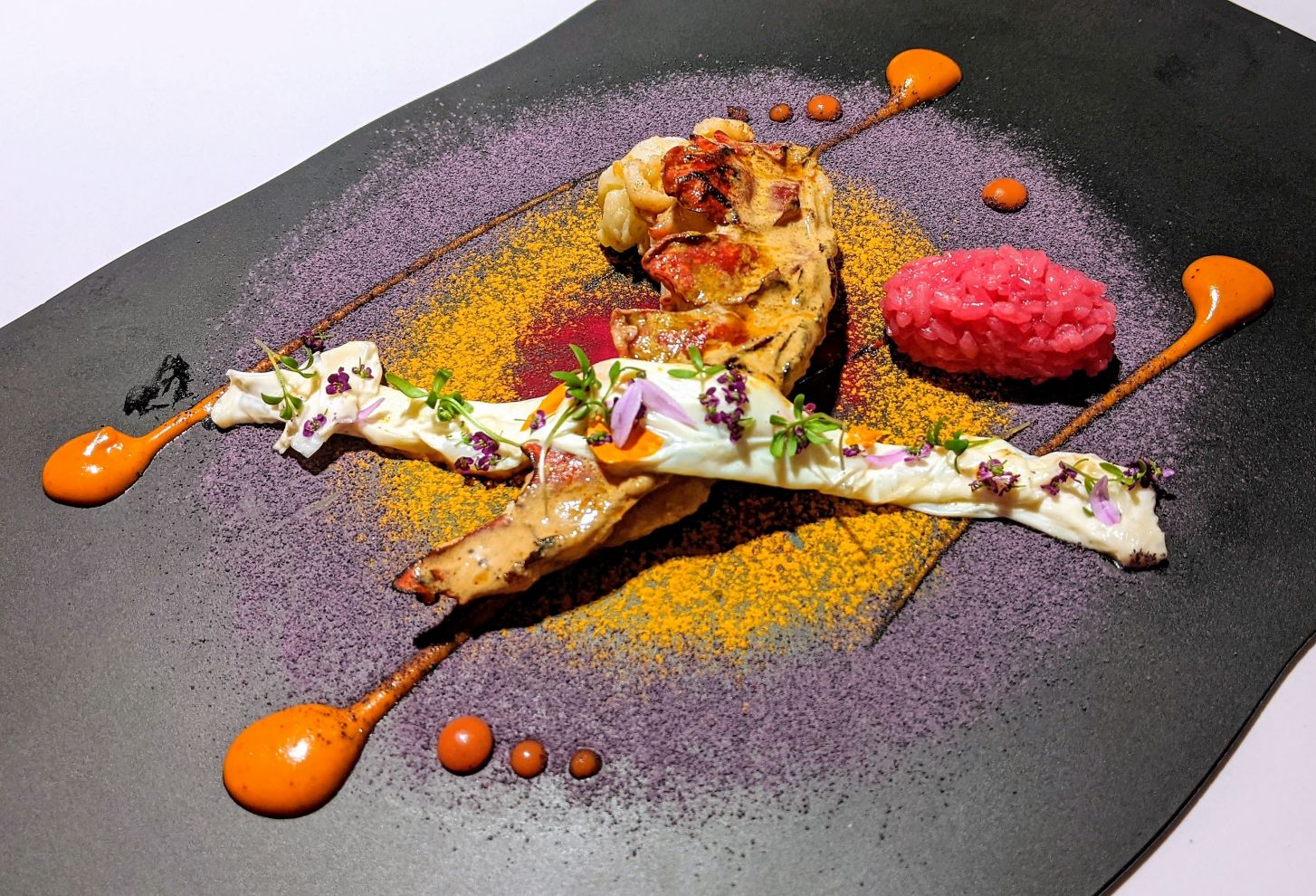
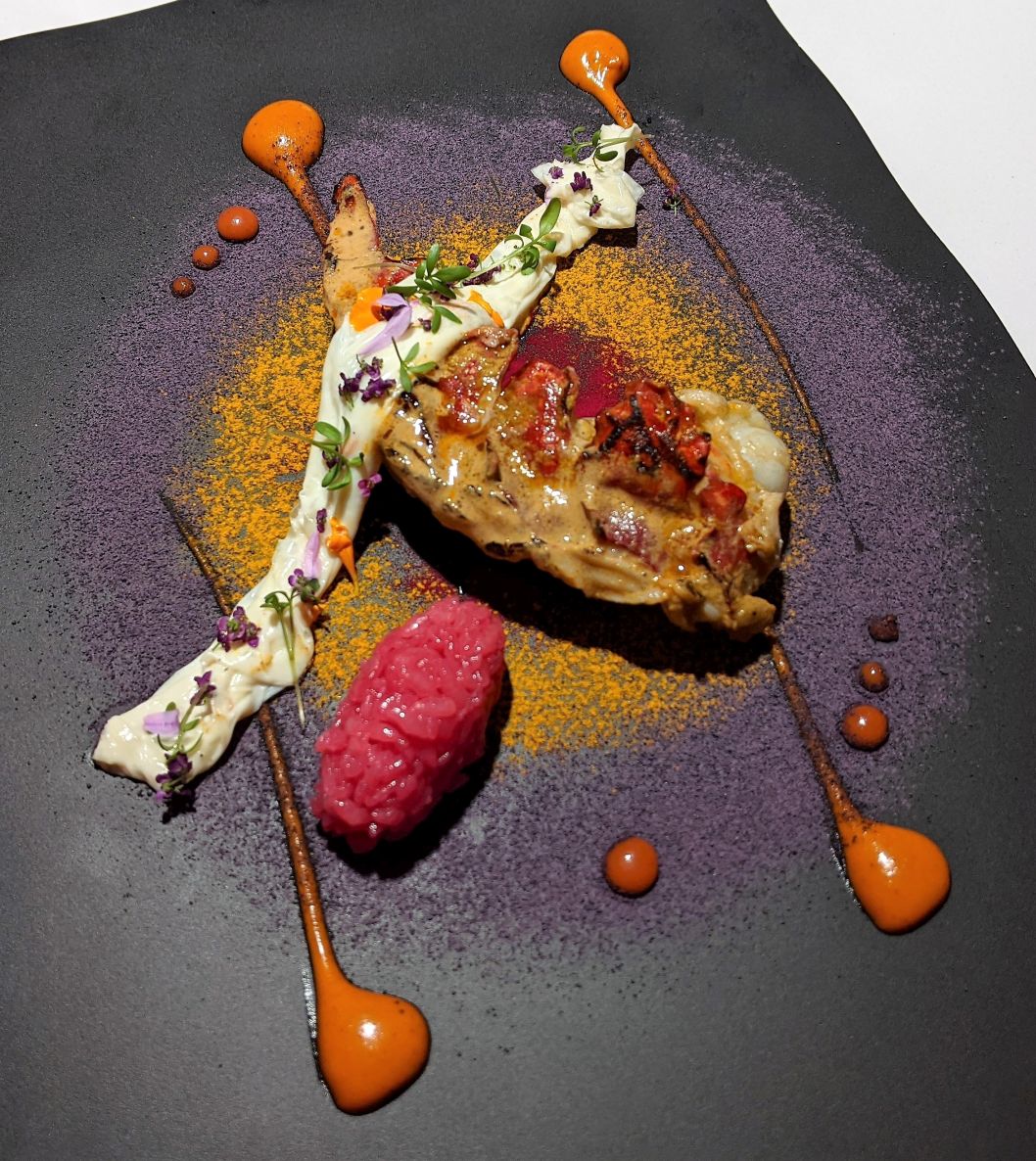
Galician Lobster Waking up on the Beaches of Goa – Tandoor Roasted Lobster, Buffalo Milk Skin, Flowers, Tomato Butter Masala, Buffalo Butter, Tree Tomato Chutney, Sushi Rice
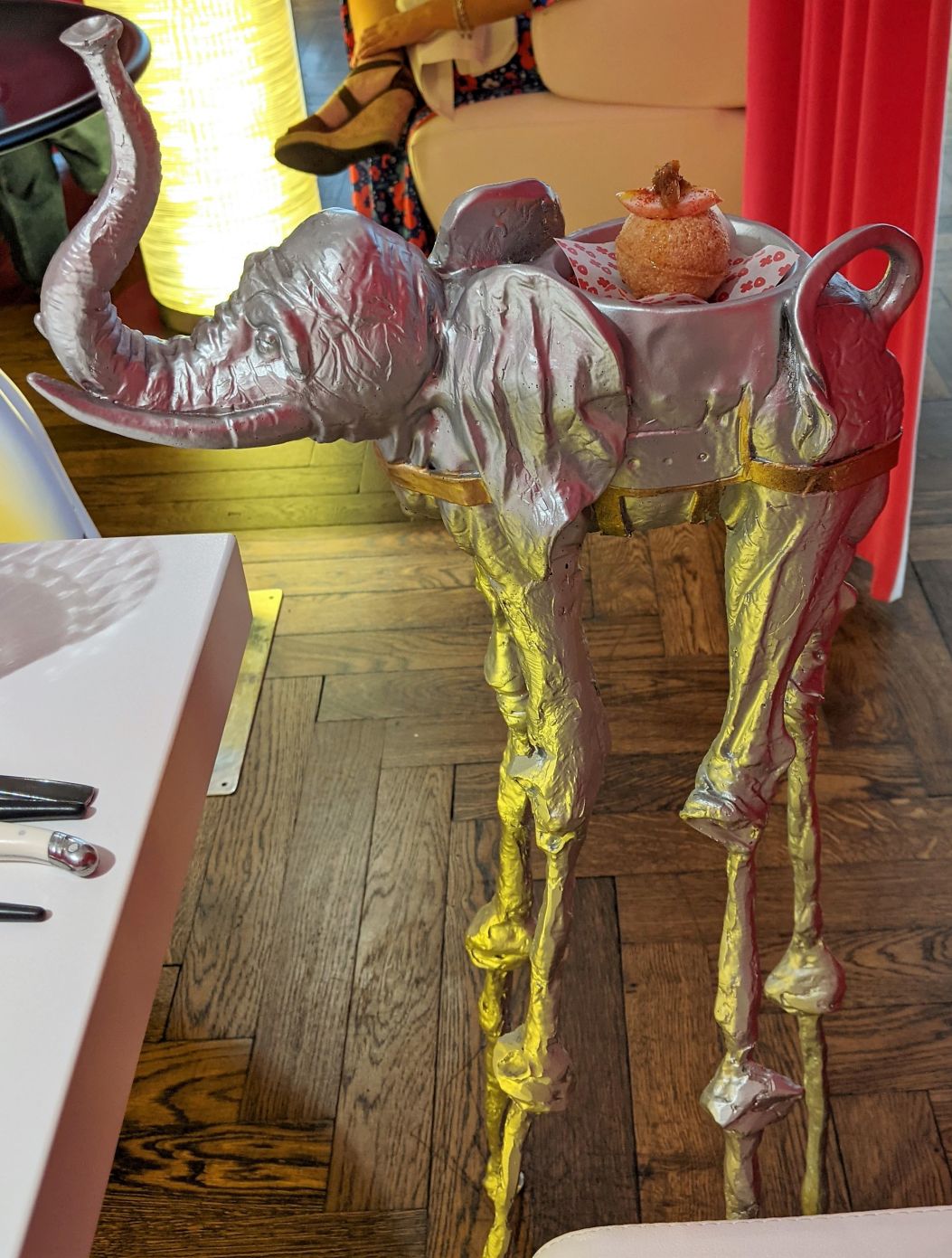
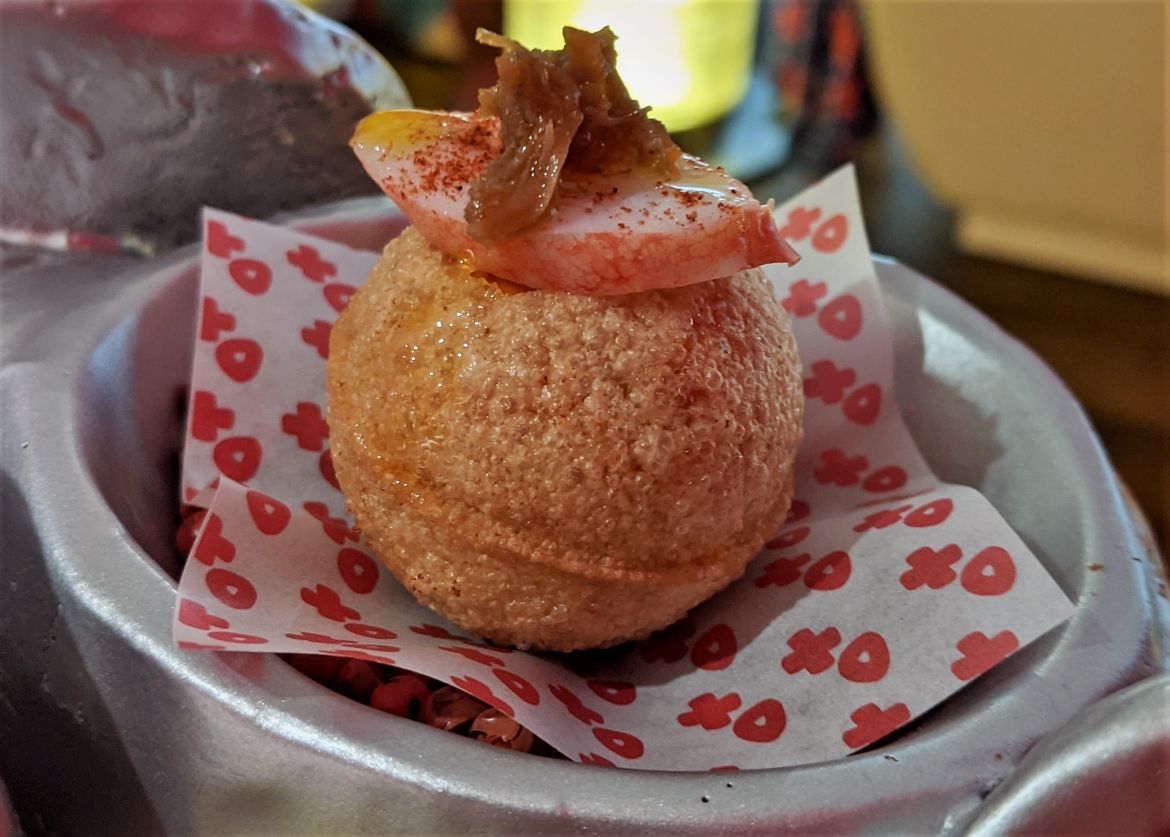
Galician Lobster Waking up on the Beaches of Goa – Indian Salmorejo Pani-Puri, Lobster Claw
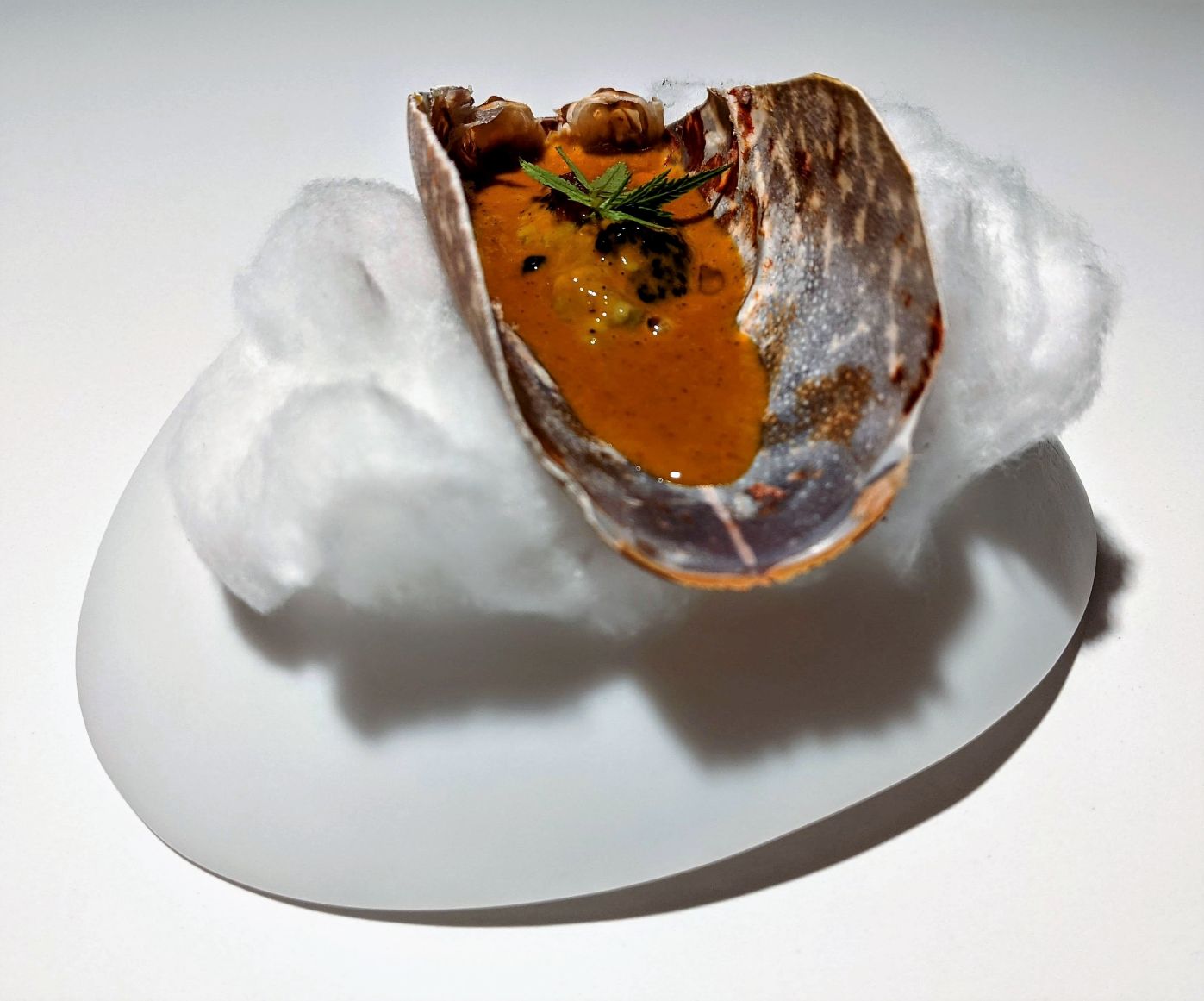
Galician Lobster Waking up on the Beaches of Goa – Lobster Head Vindaloo, Huacatay
Black Belly Monkfish to the “Wok on Flames” – Grilled Monkfish Rested 3 Days
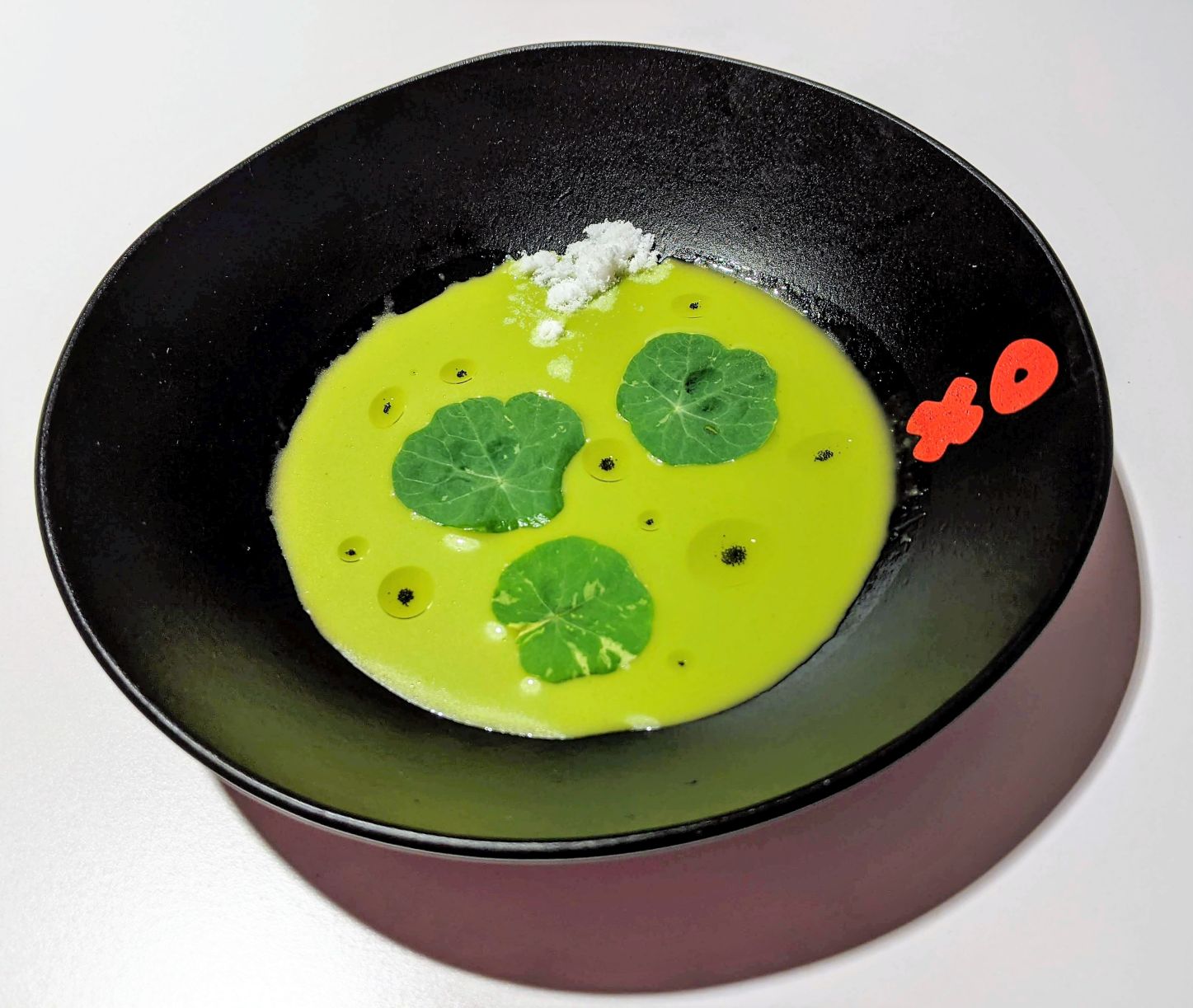
Black Belly Monkfish to the “Wok on Flames” – Jalapeno Gazpacho, Vanilla Oil, Coconut
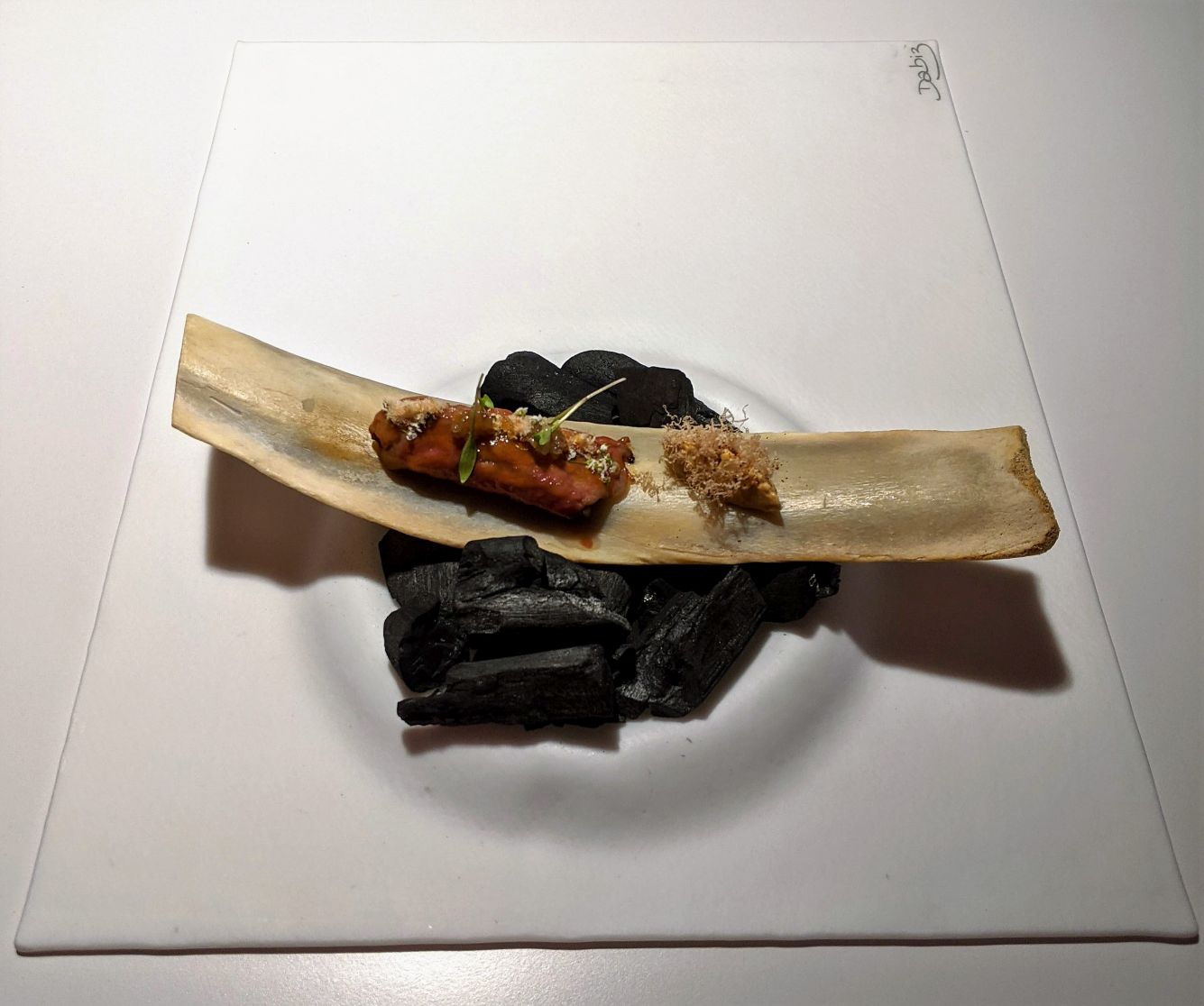
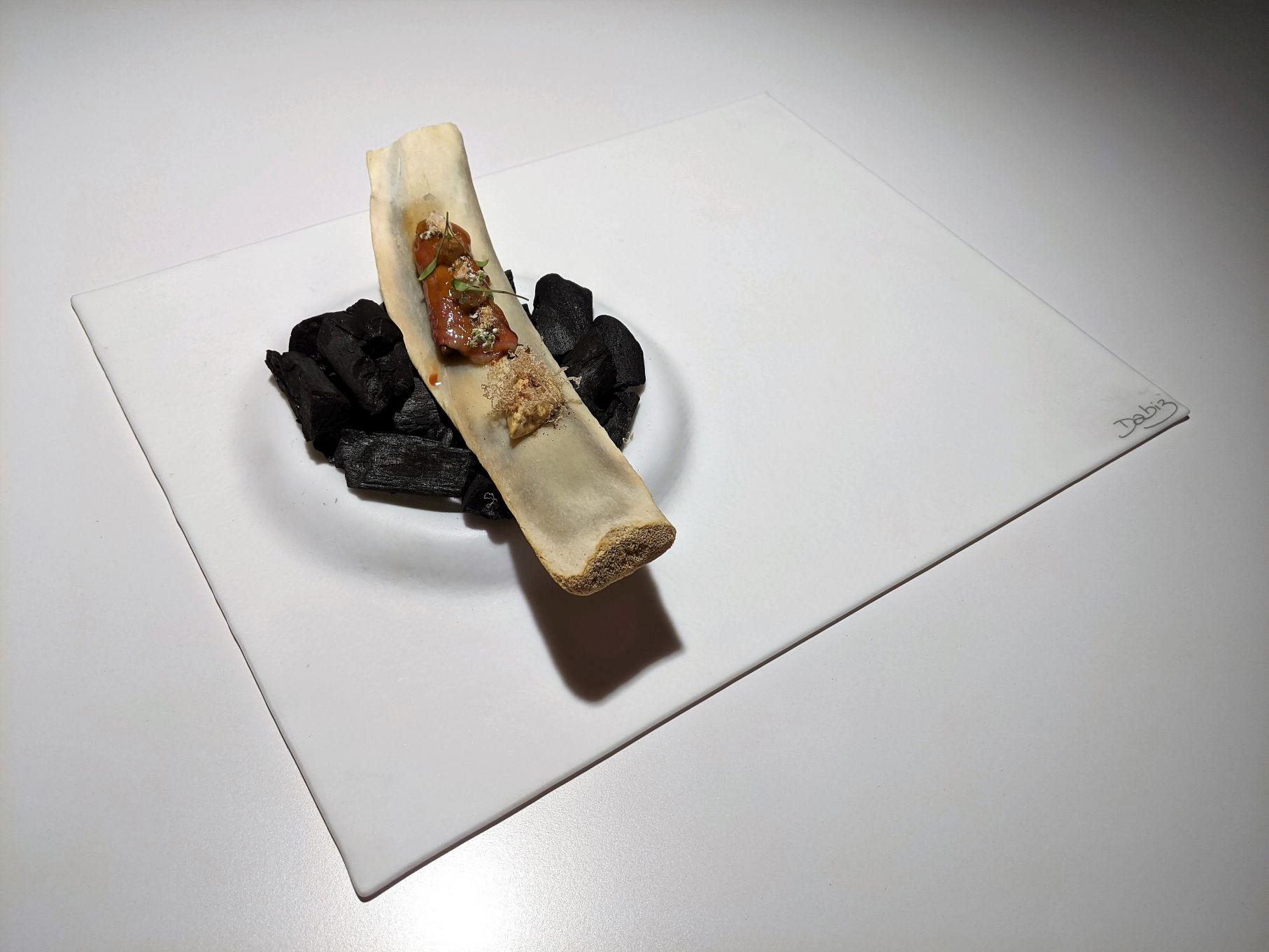
Texture as an Ingredient – Kagoshima Wagyu in Robata, Semicured Chilis, Fermented Quisquillas Prawn Pasta, Tamarind, Royal of White Beef Broth, Katsuobushi
Hare Brains – Sansho Pepper Pickled Sauce, Yuzu-Kosho, Herb Ravioli
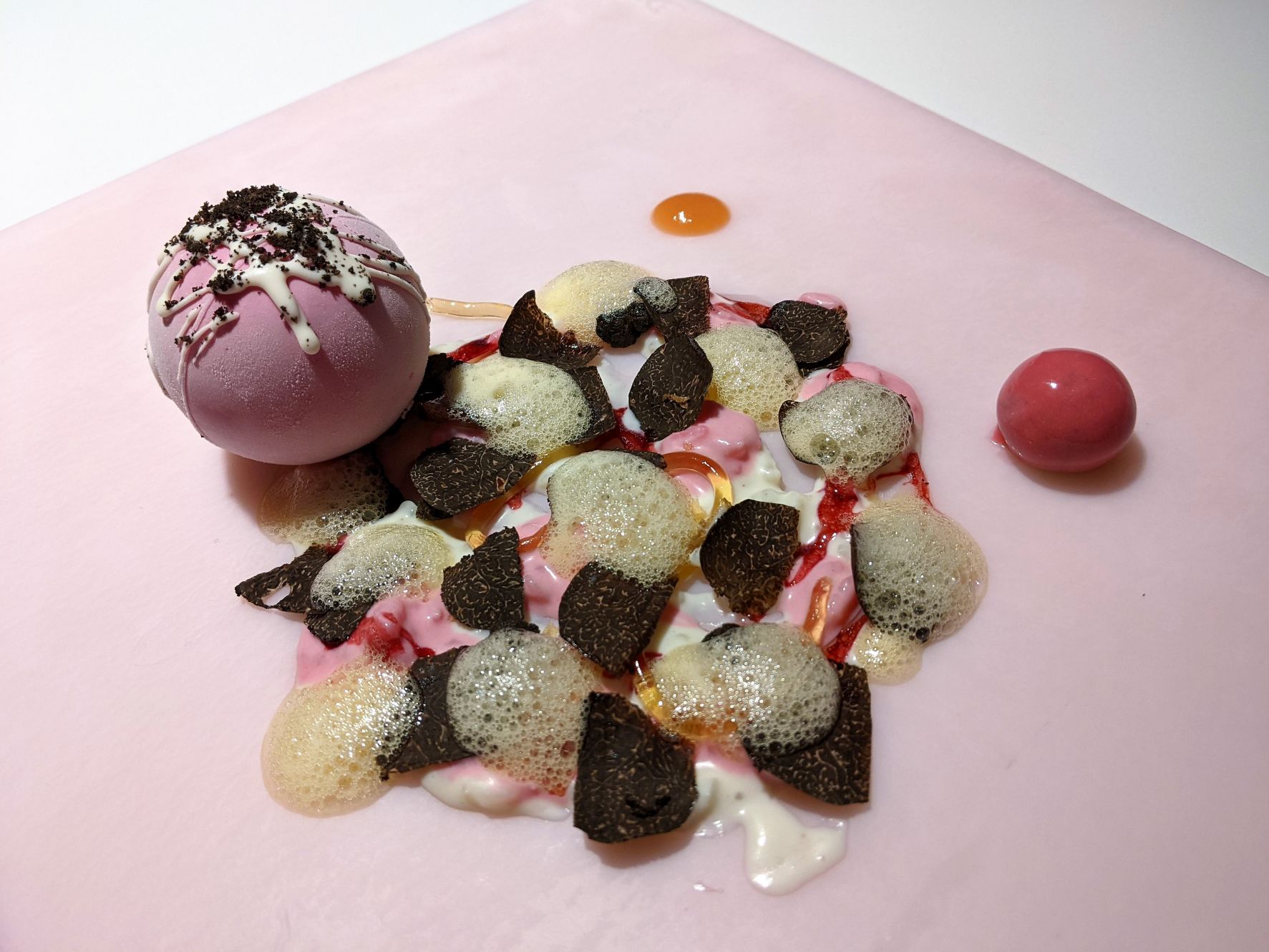
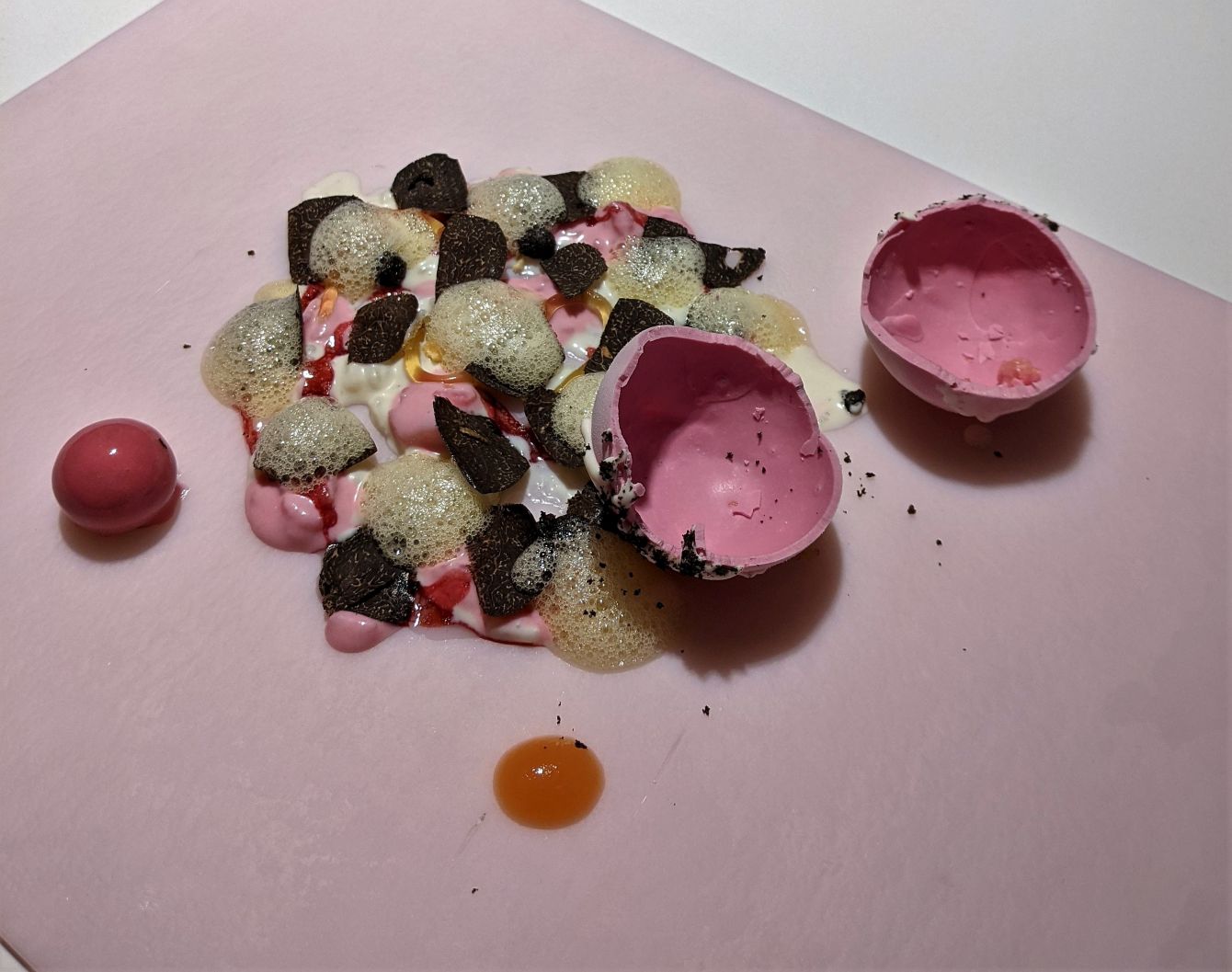
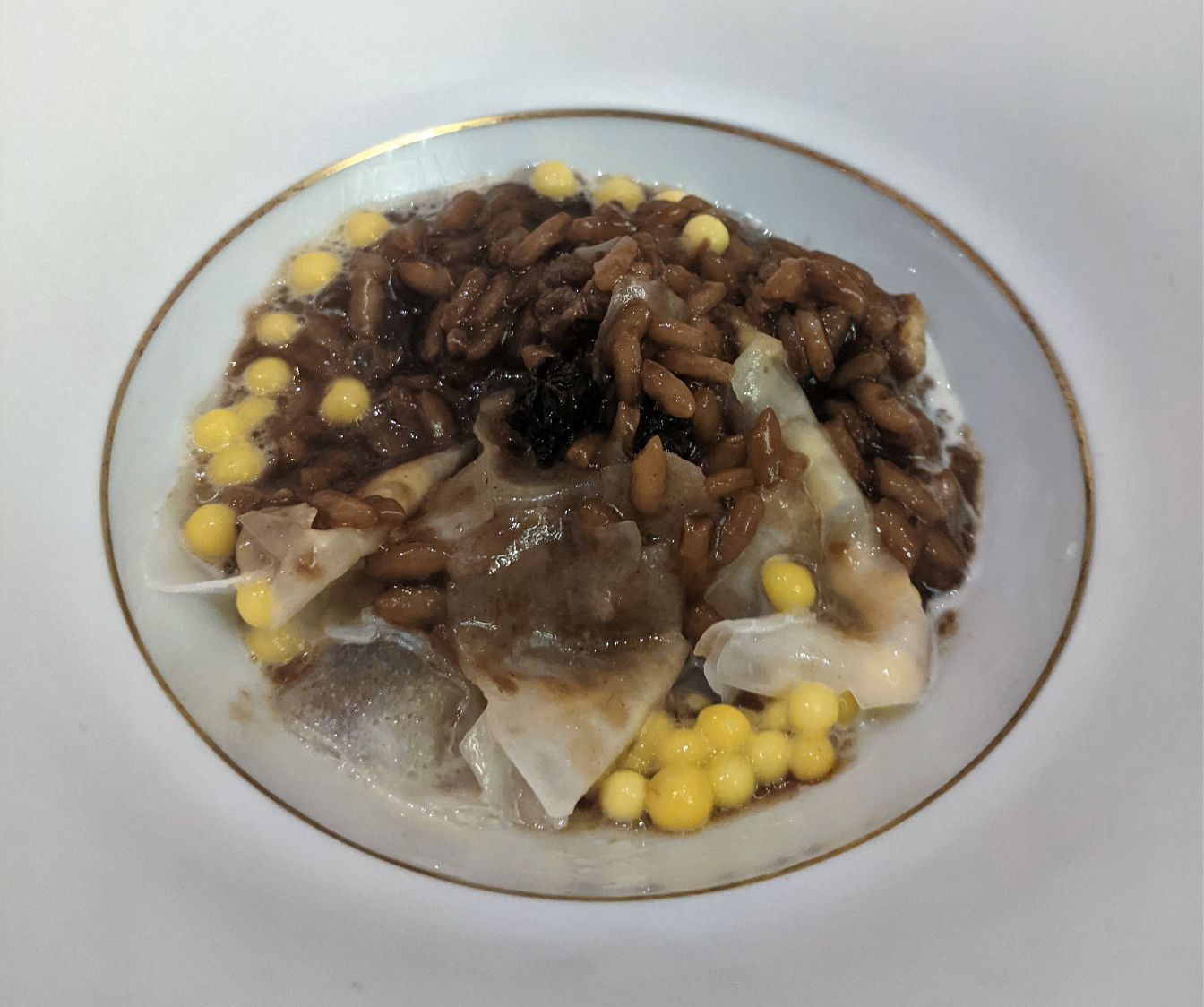
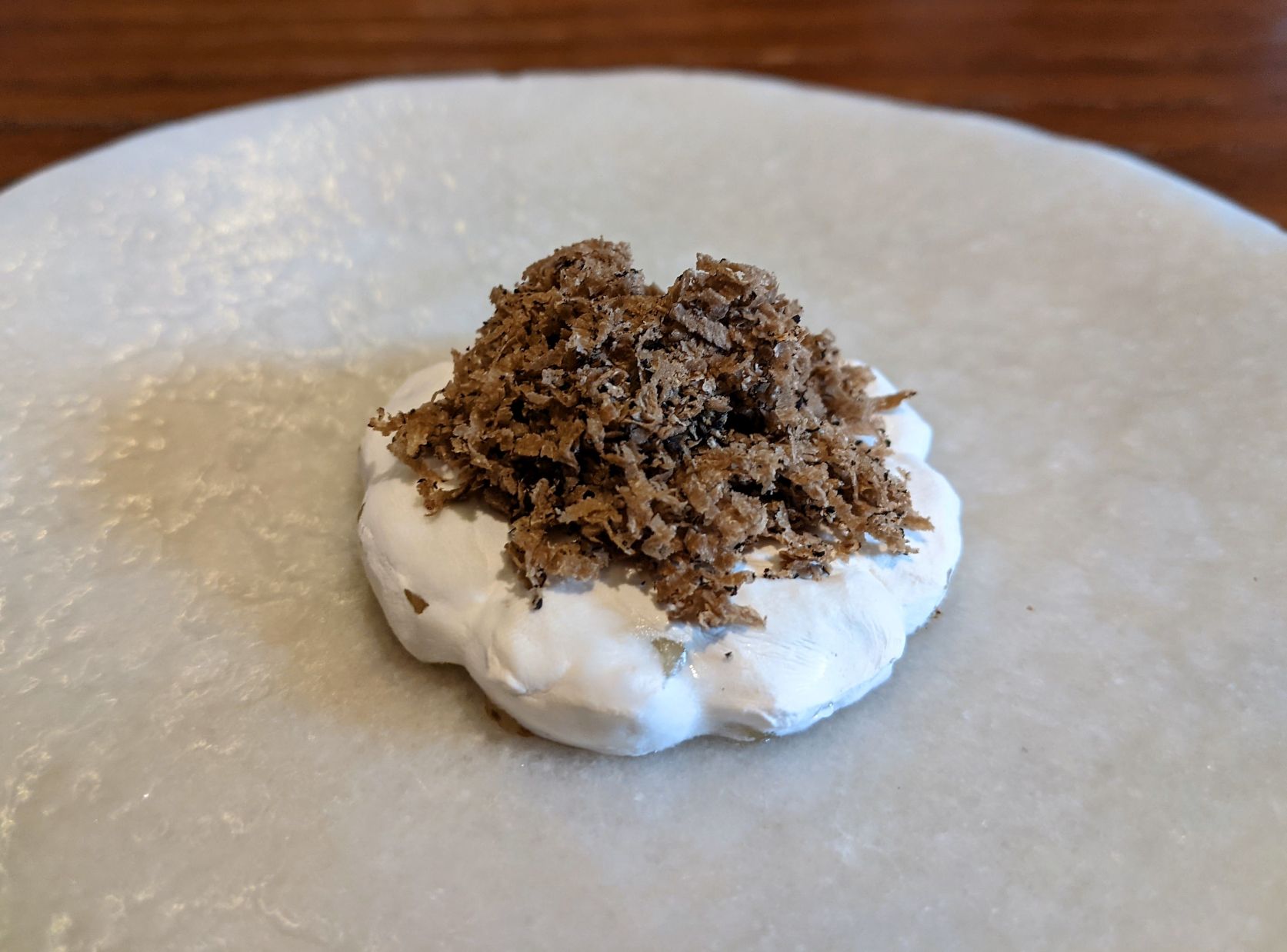
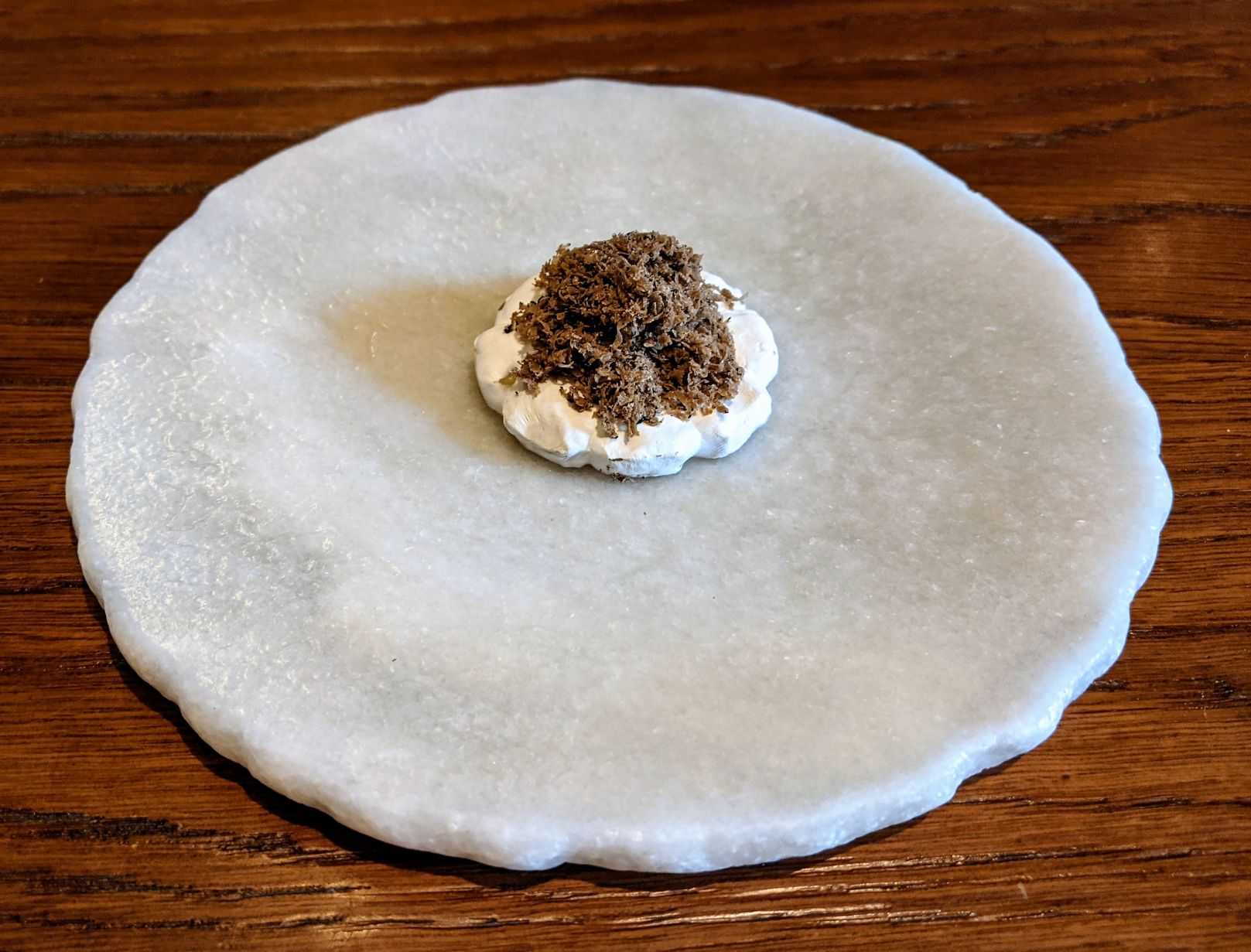
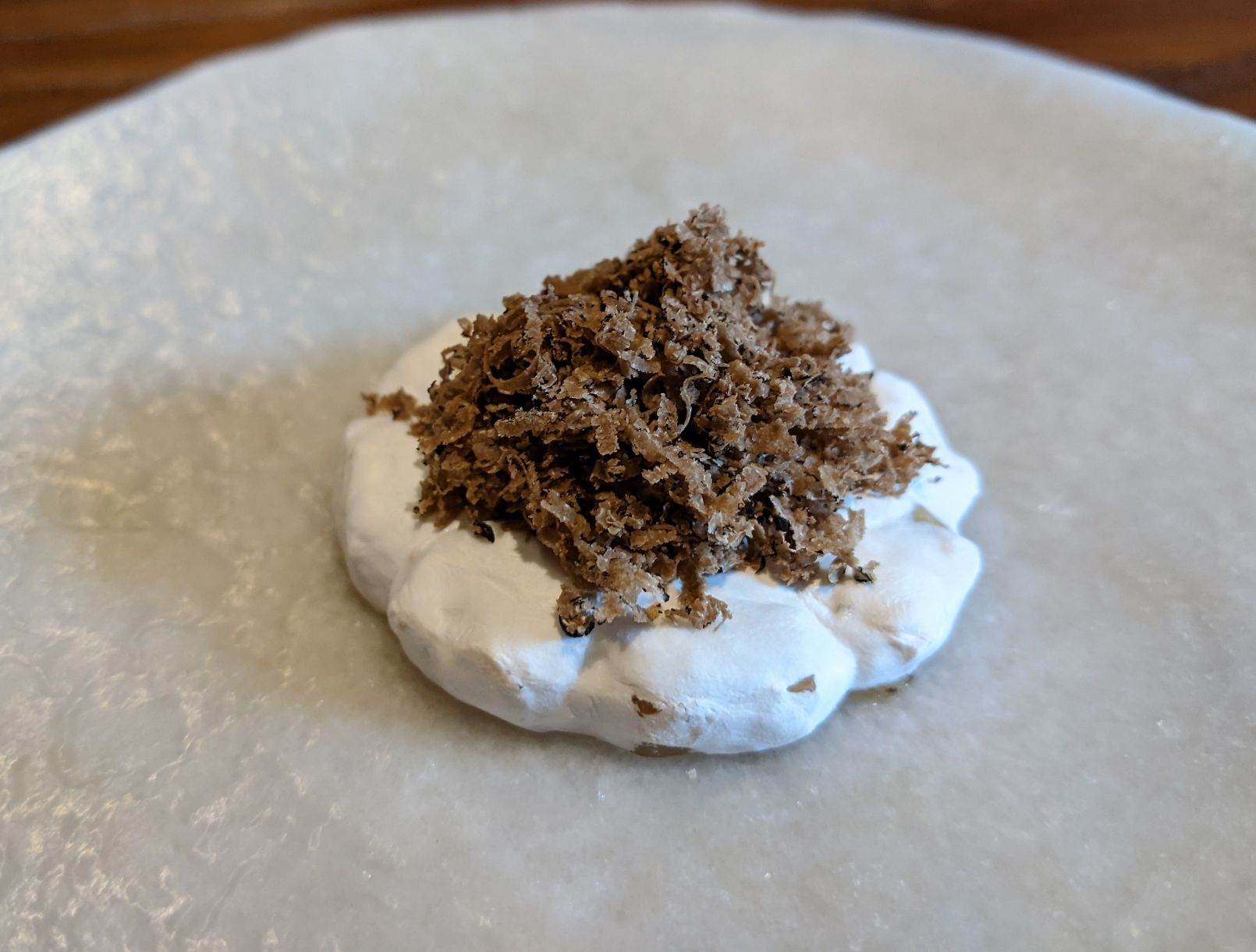
Toasted Butter Risotto with Tuber Melanosporum – Rice Pudding, Toasted Butter, White Pepper, Nutmeg, Beet, Modena-Rhubarb Vinaigrette, Black Olive Cookies, Rhubarb Ice Cream, Madeira Wine Spaghetti, Black Truffle
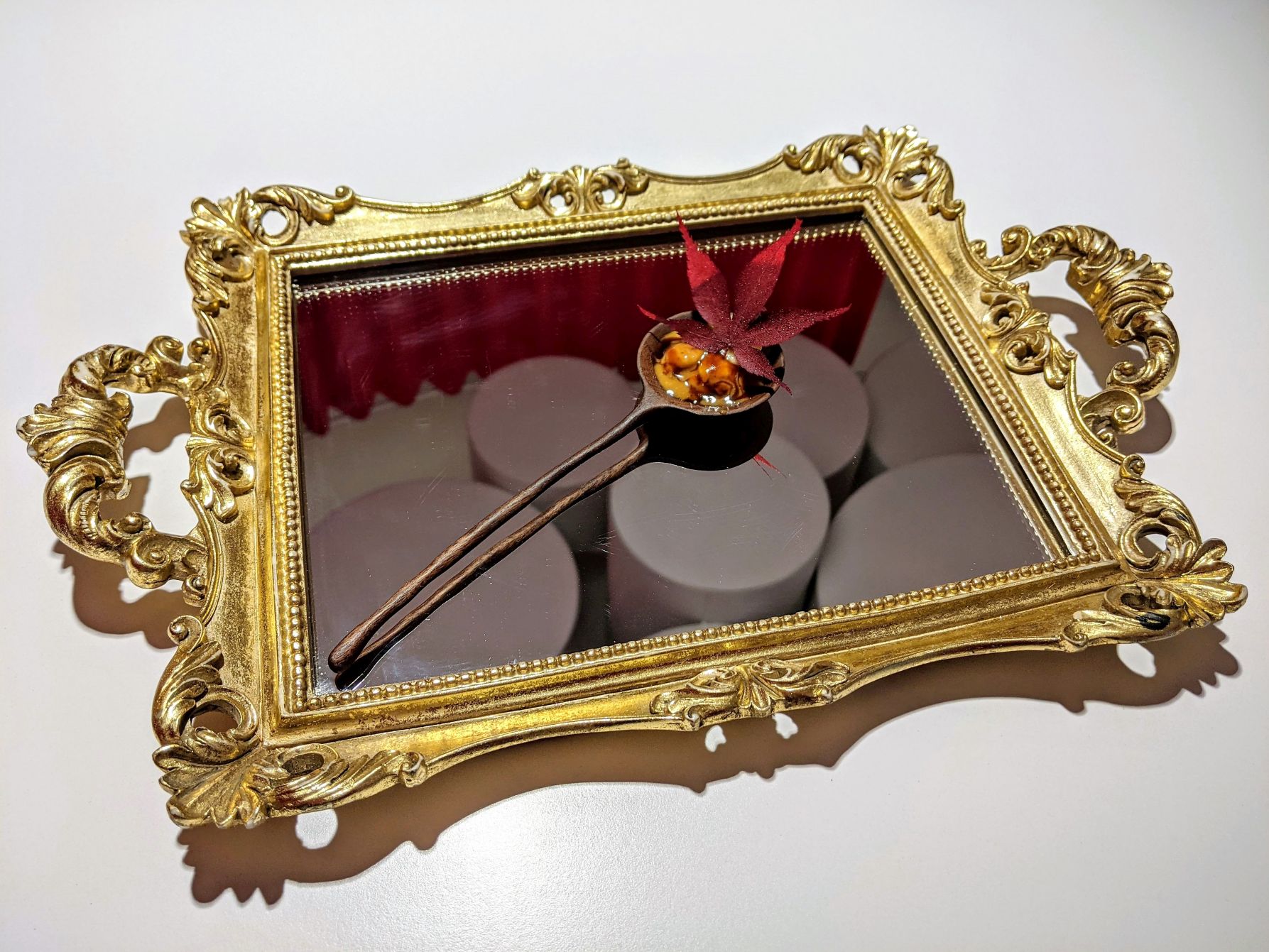
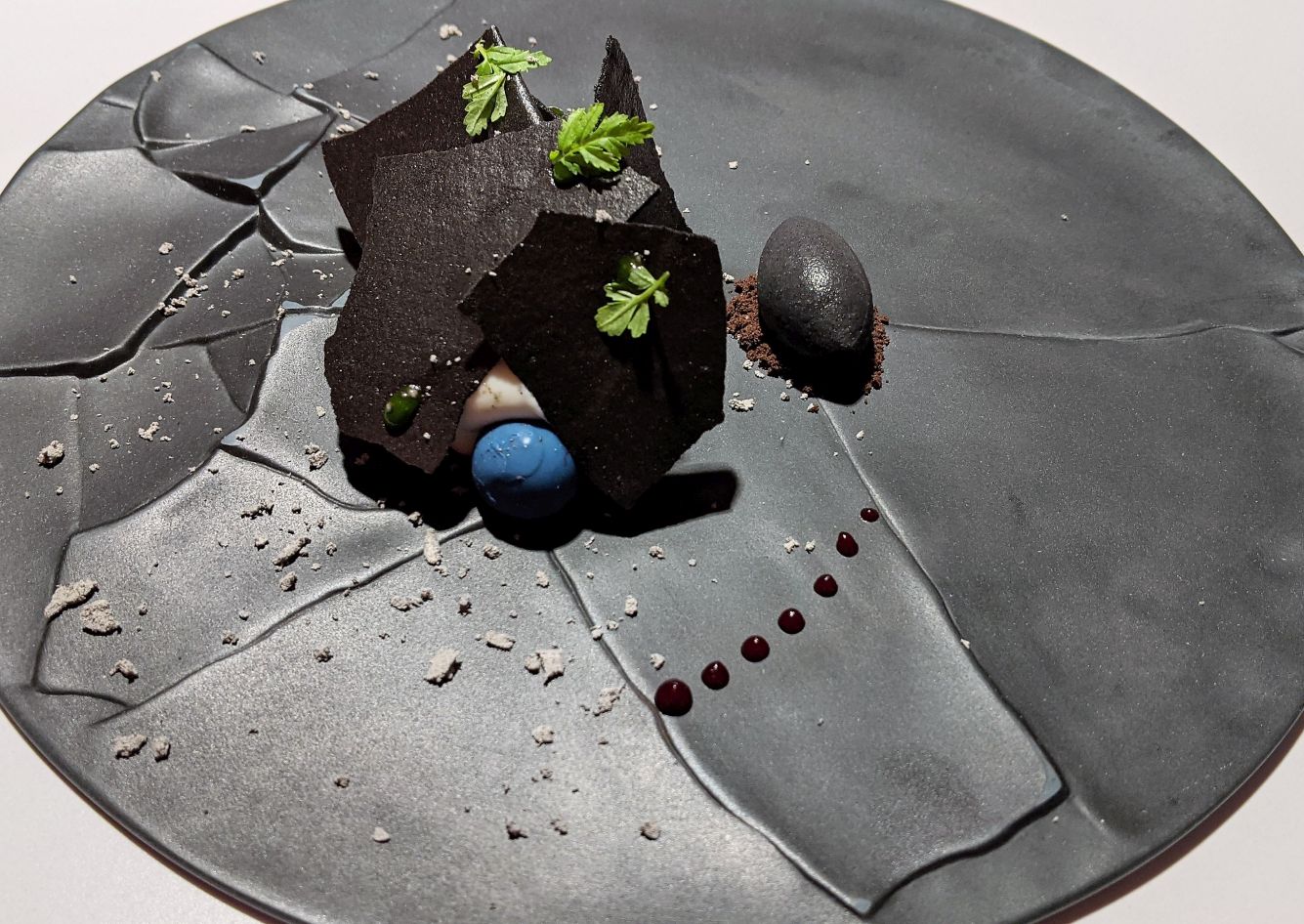
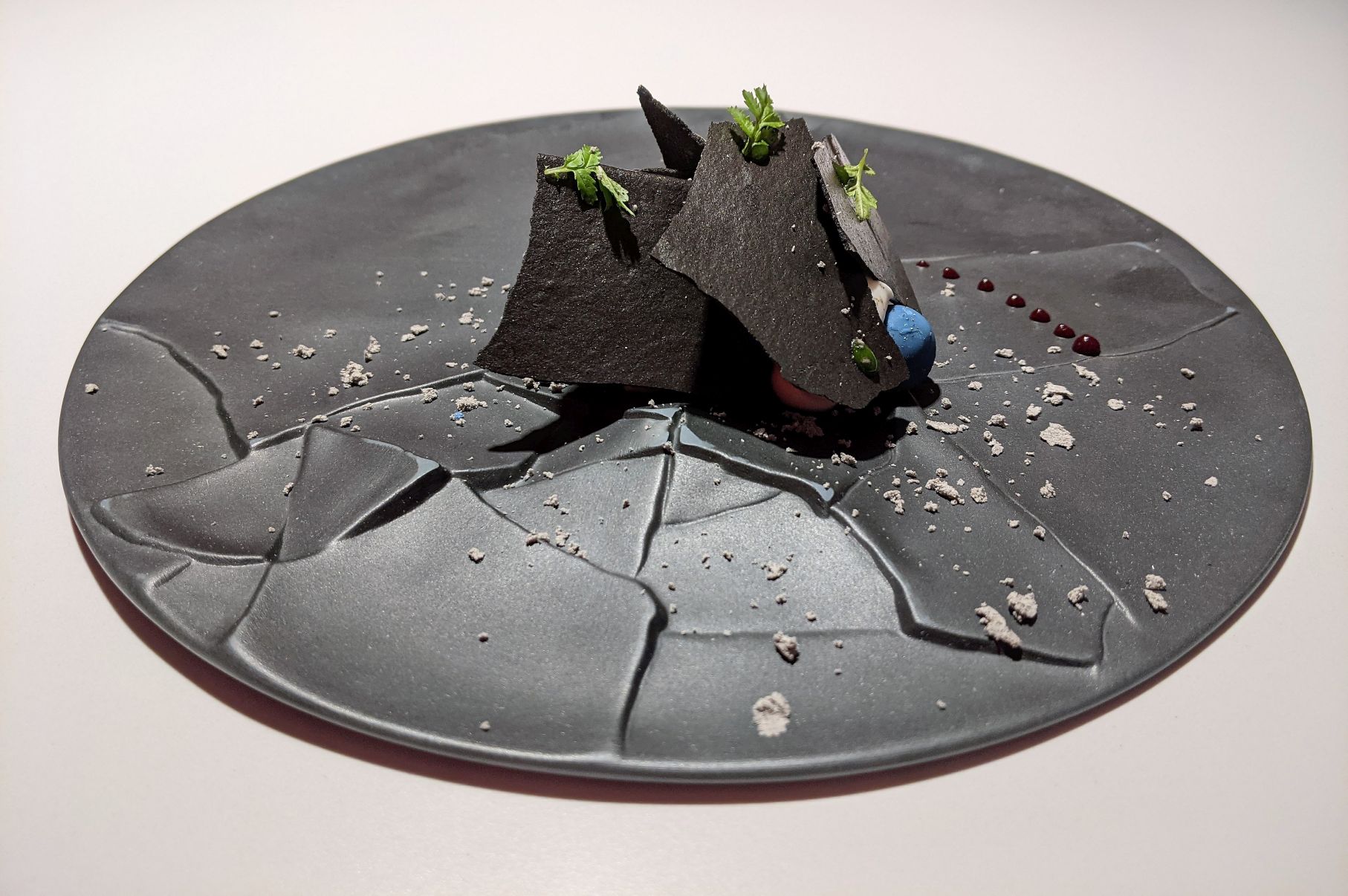
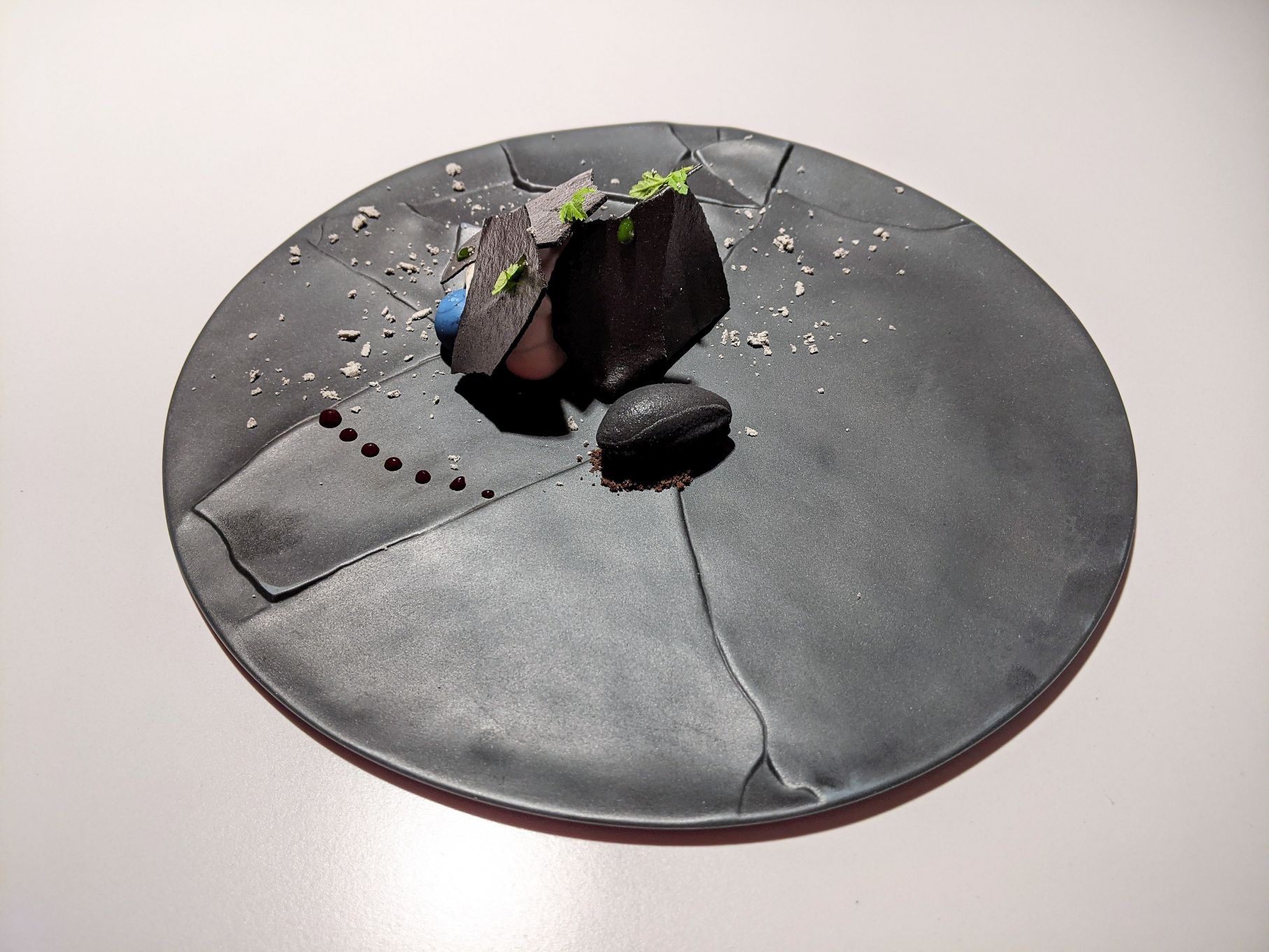
Black Currant Bubblegum – Coconut Ganache, Black Garlic, Black Currant, Licorice, Coconut-Yuzu Ash Ice Cream
Espresso
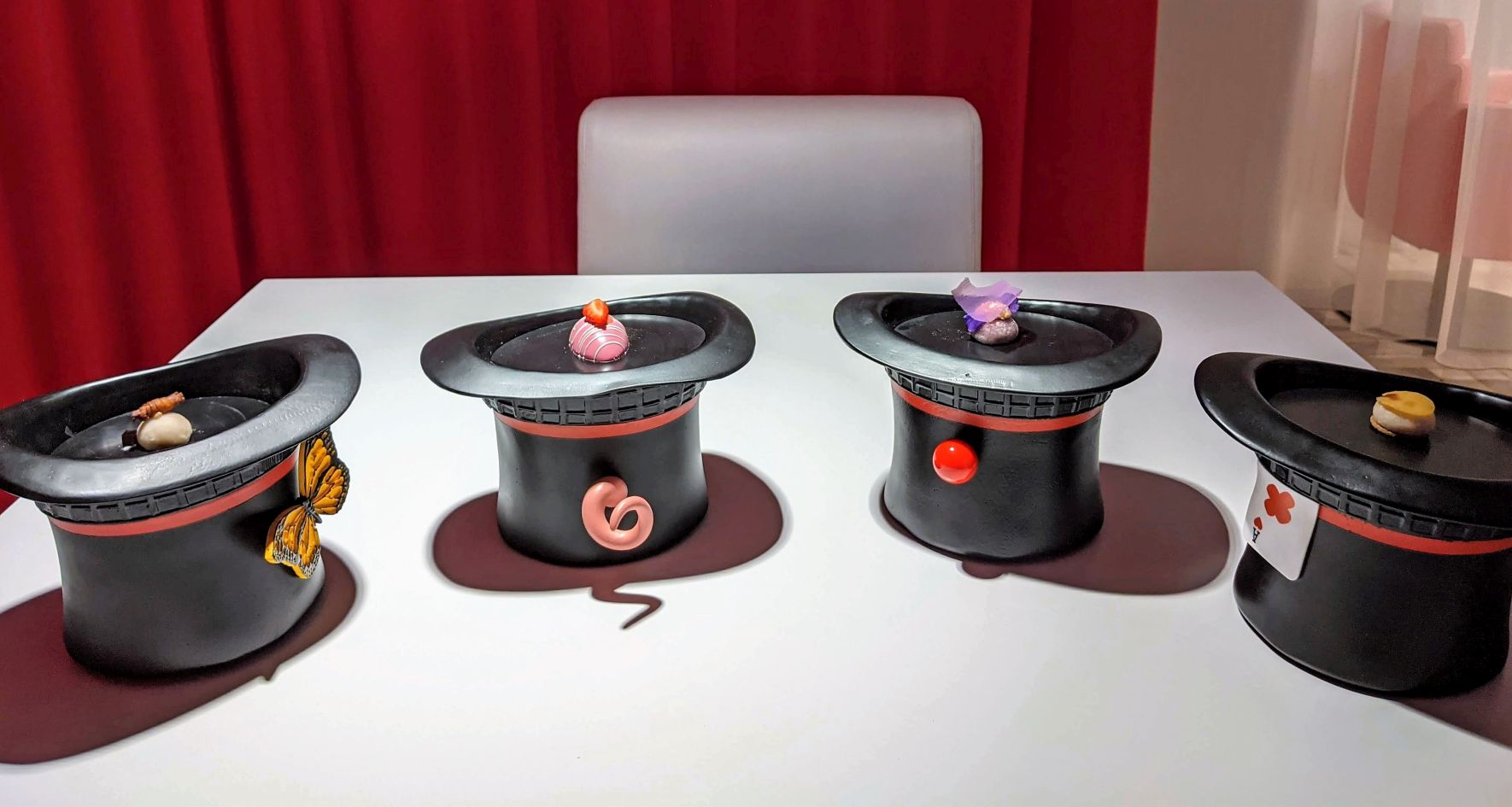
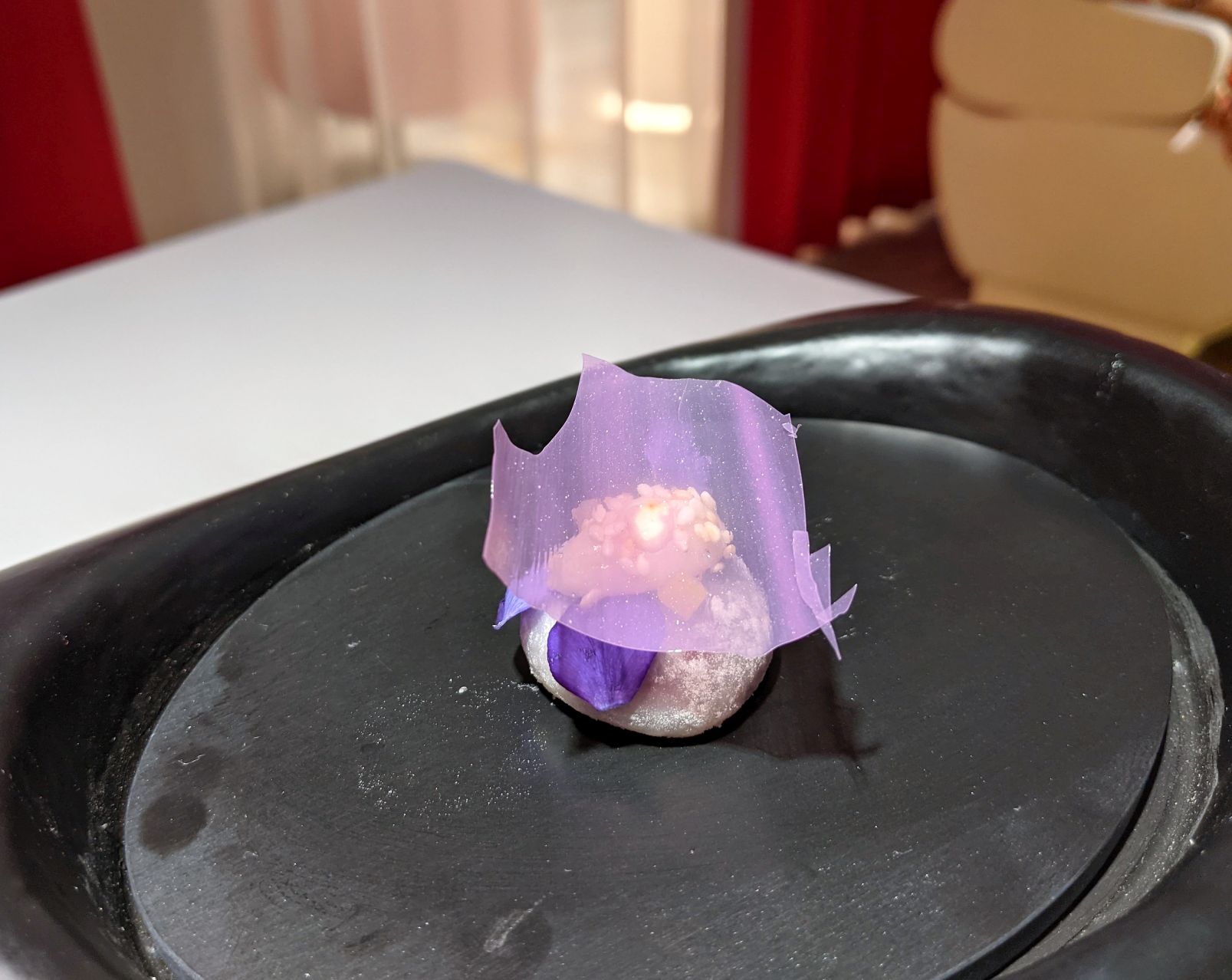
Japanese Bombon – Cottage Cheese Petit Suisse, Wild Strawberries, Sake Rice, Lapsang Souchong / Soaked Biscuits in Milk, Croissant, Black Coffee / La Pedroche Cheesecake, 36 Month Parmesan, Stilton, Cabernet Sauvignon Vinegar / Violets, Blackberries, Moroccan Lemon, Mangosteen, Toasted Sesame
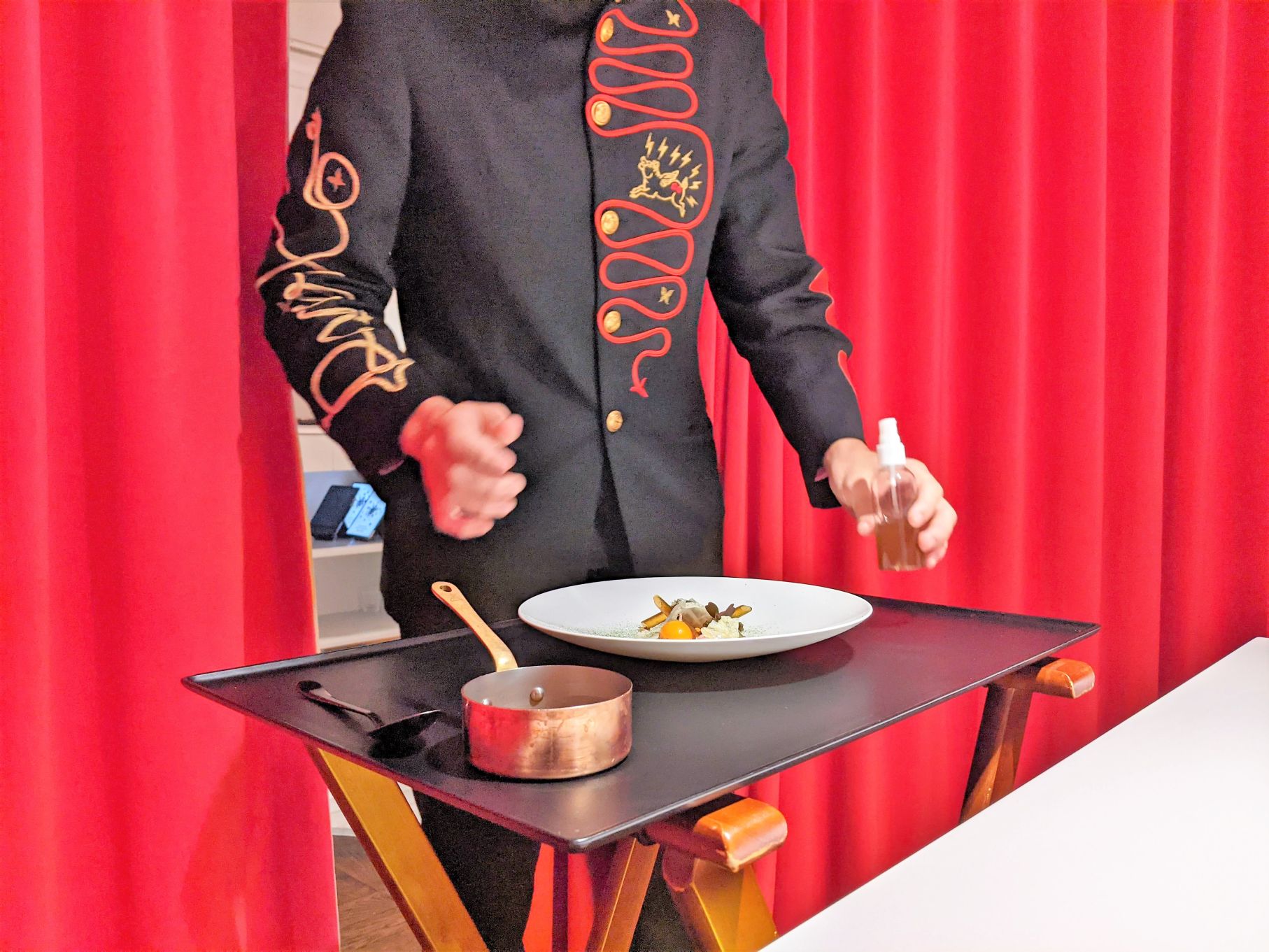
With the rise of Instagram, the idea of food as “art” is more prominent than ever, but for those fortune enough to visit some of the world’s top tables the difference between #yolkporn or a #cheesepull and truly inventive cuisine is obvious. At DiverXO, Chef Dabiz Muñoz goes one step further, turning dinner into a performance complete with “set” changes, themes, a costumed staff and dialogue – there is even a complete playbill that arrives as cards preceding each course.
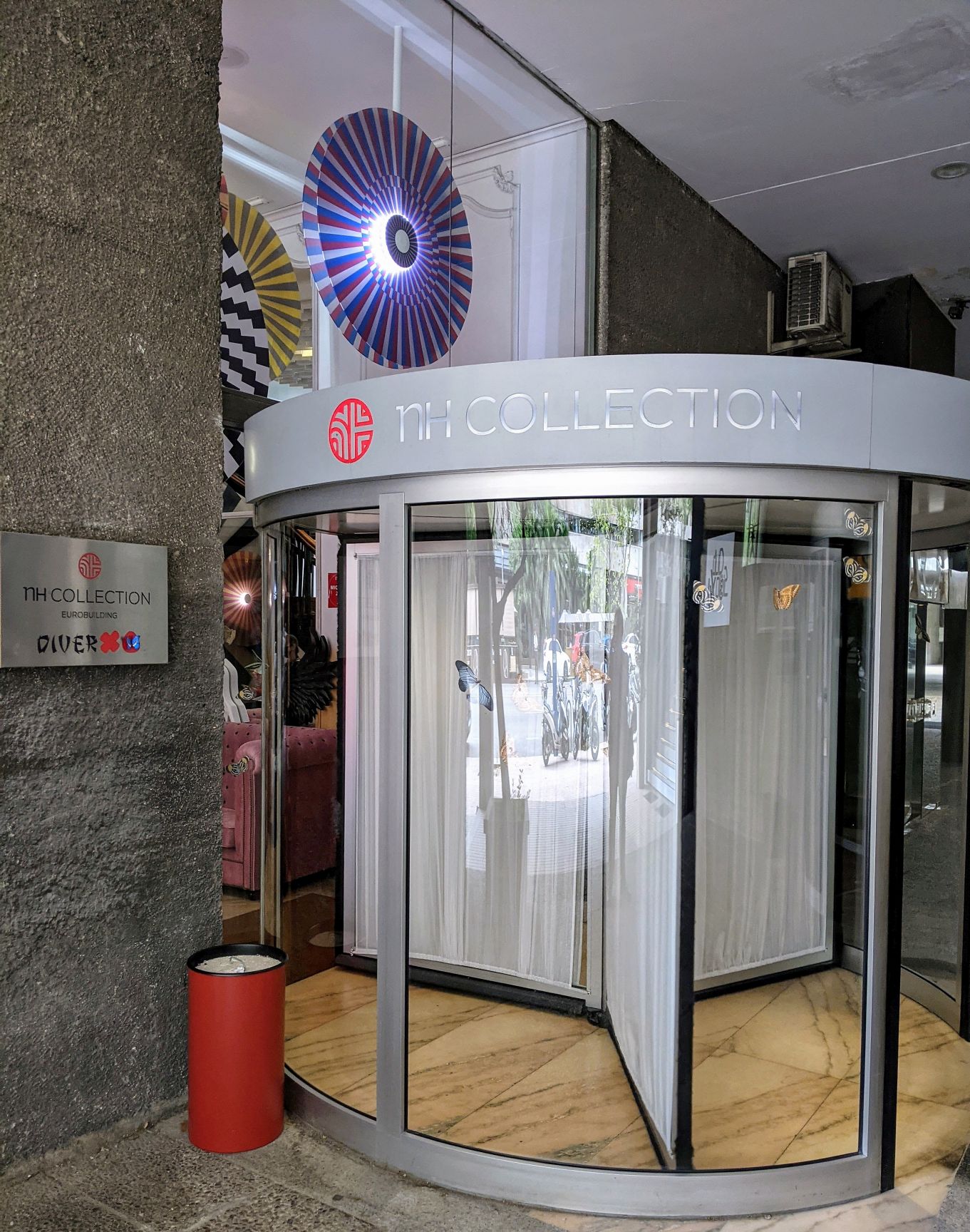
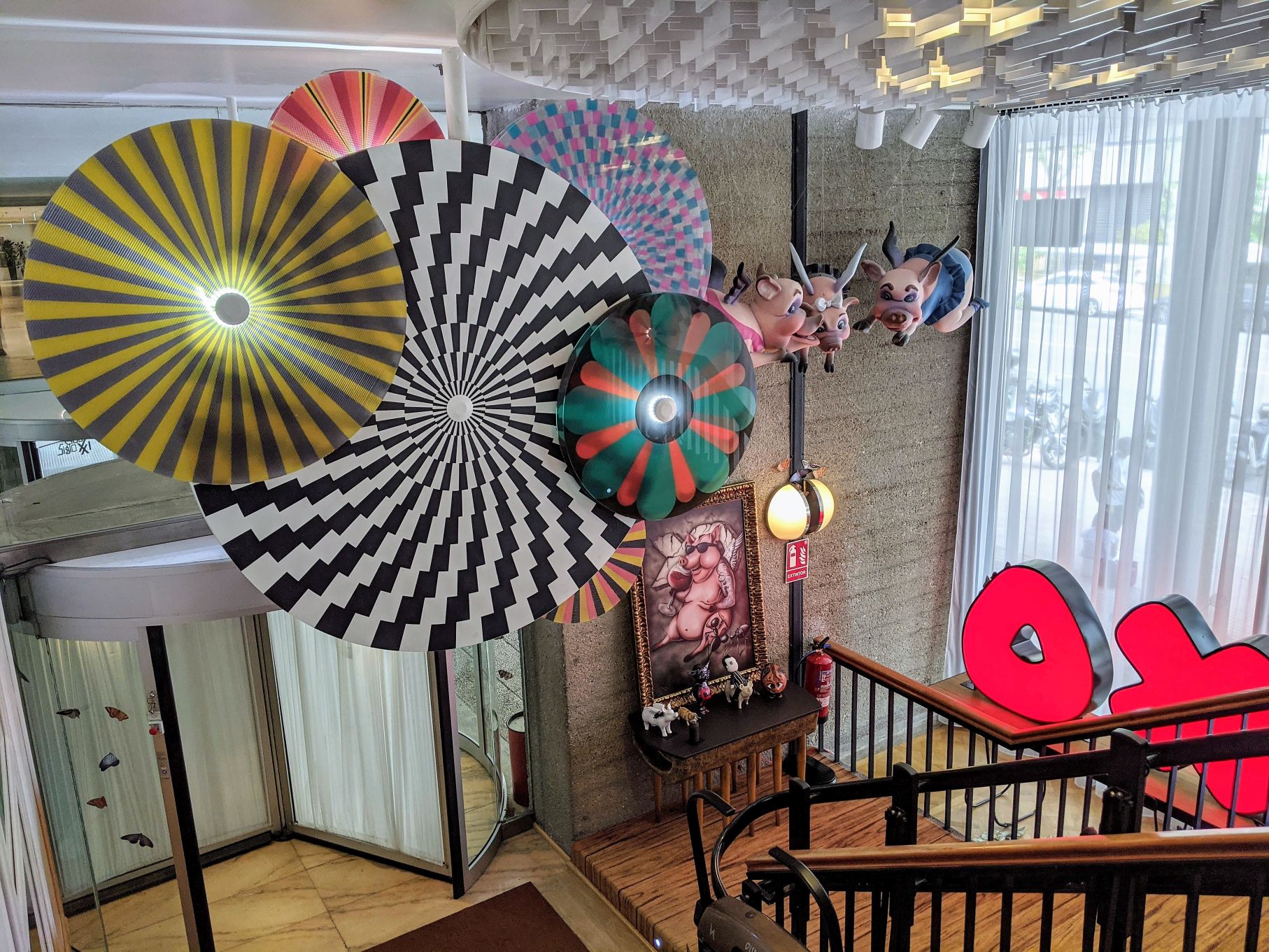
Currently Madrid’s only Michelin 3* Restaurant, its location inside NH Collection seeing a revolving door give way to “the hedonistic, greedy and creative world” of its Chef, diners fortunate enough to secure a reservation will be taken on a journey during which precedent is cast aside in favor of fantasy and flawless service.
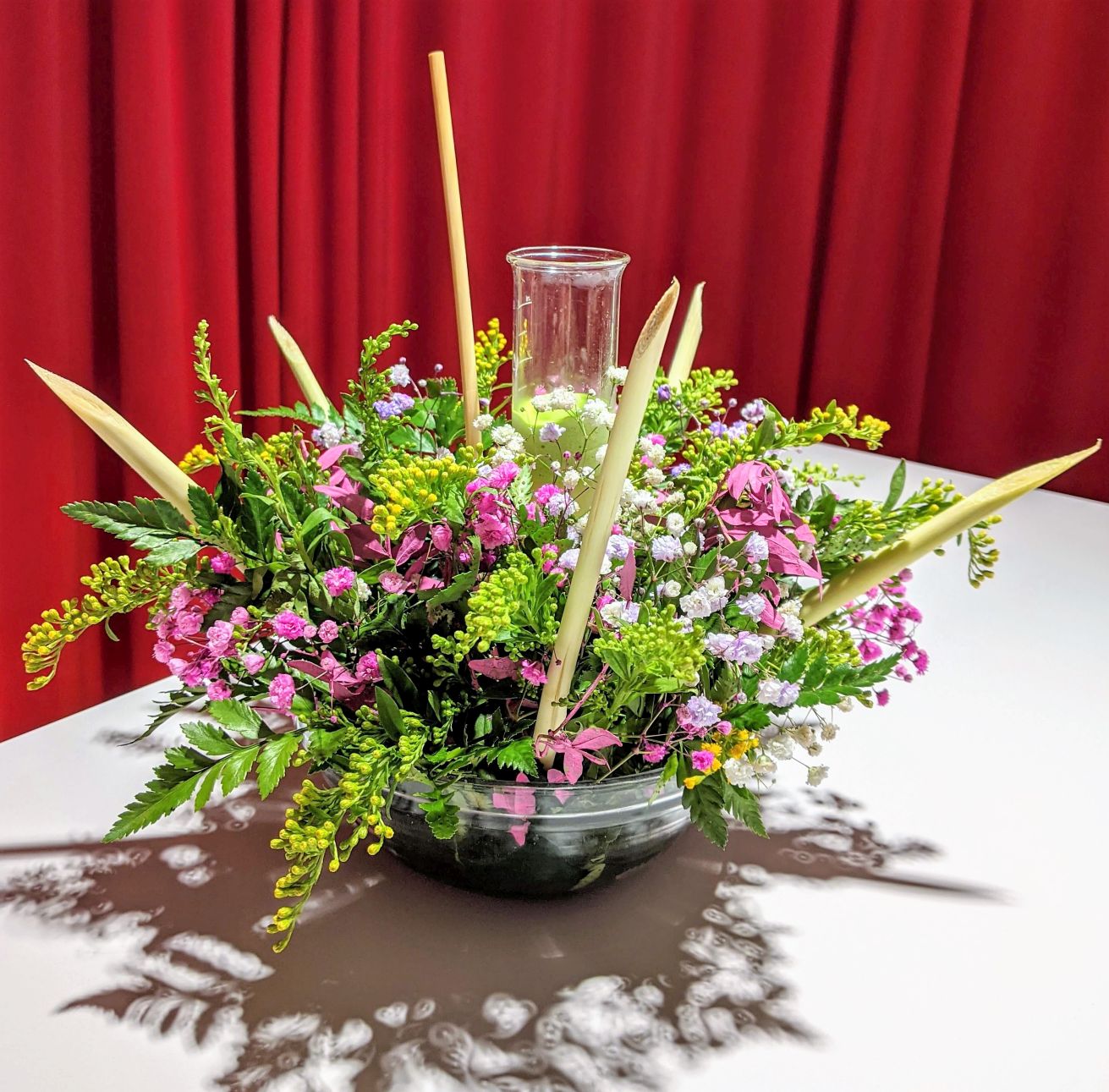
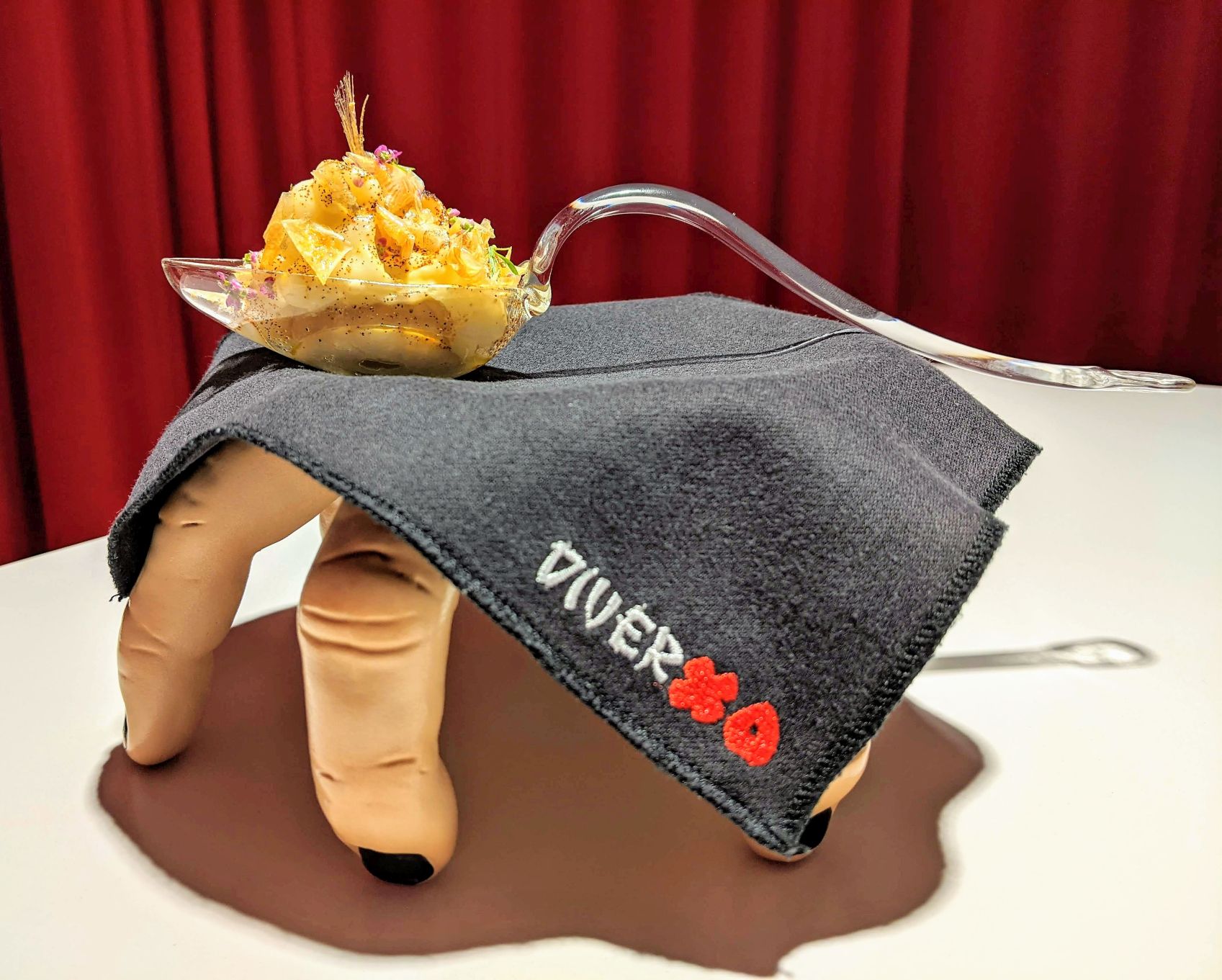
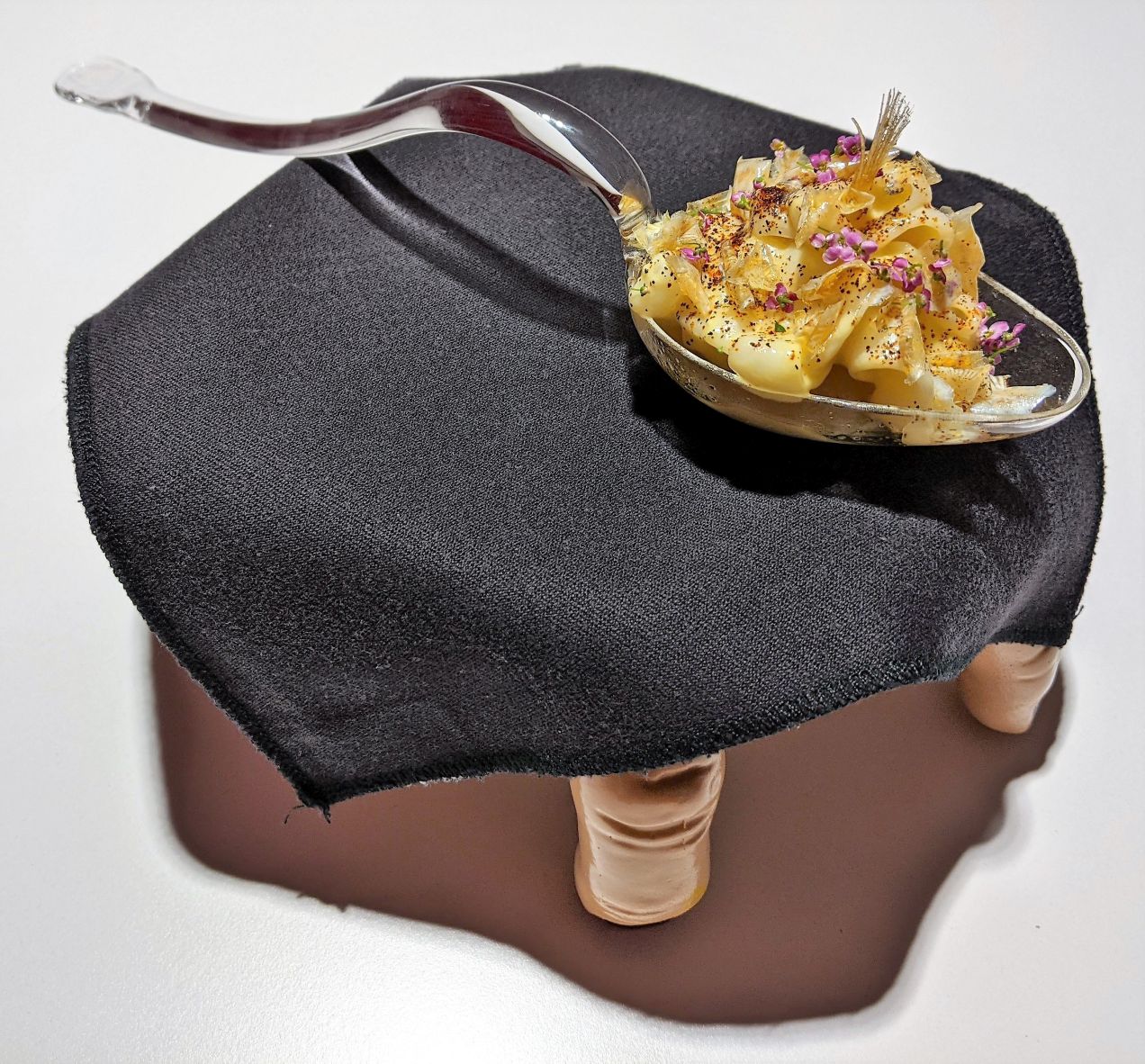
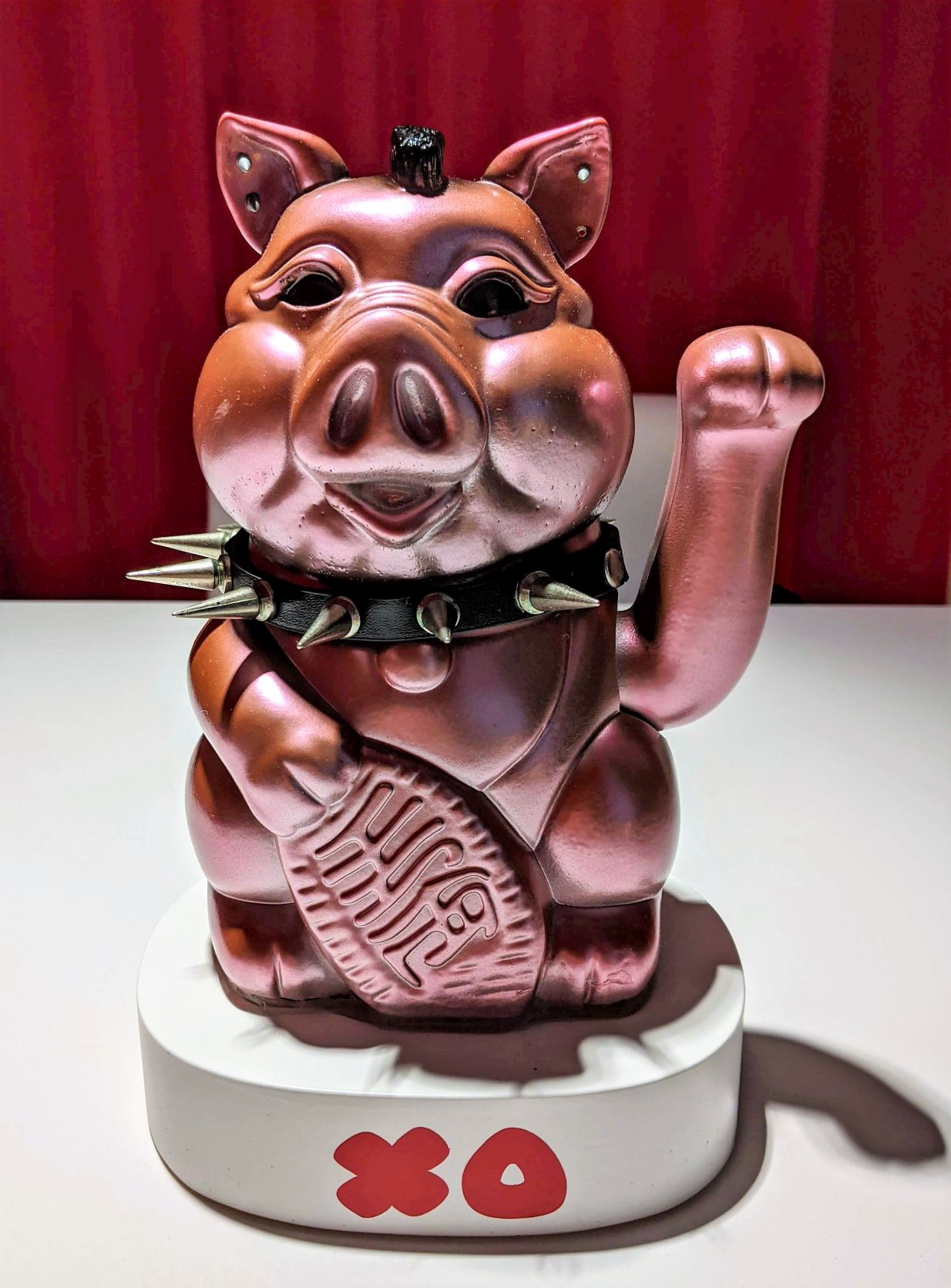
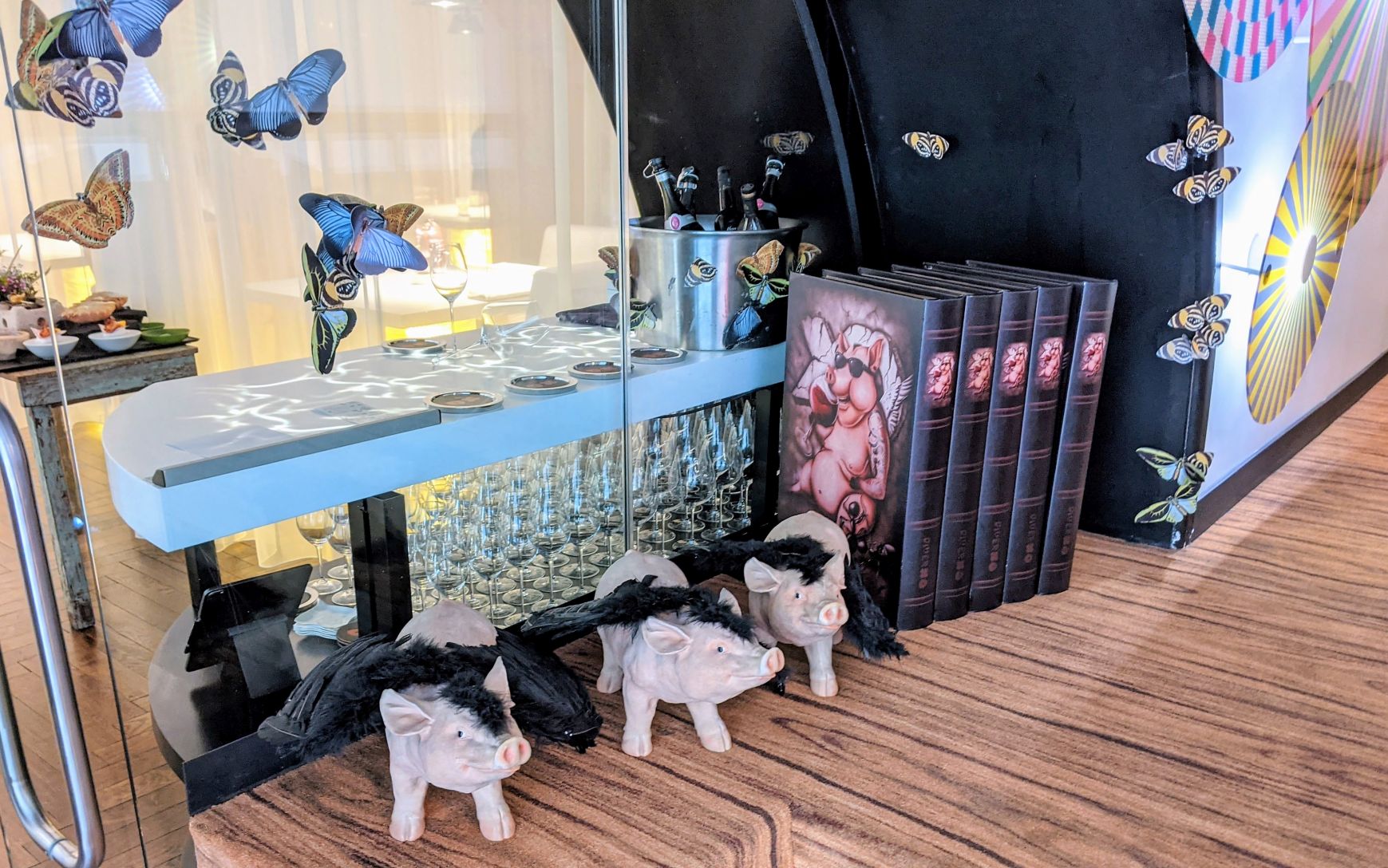
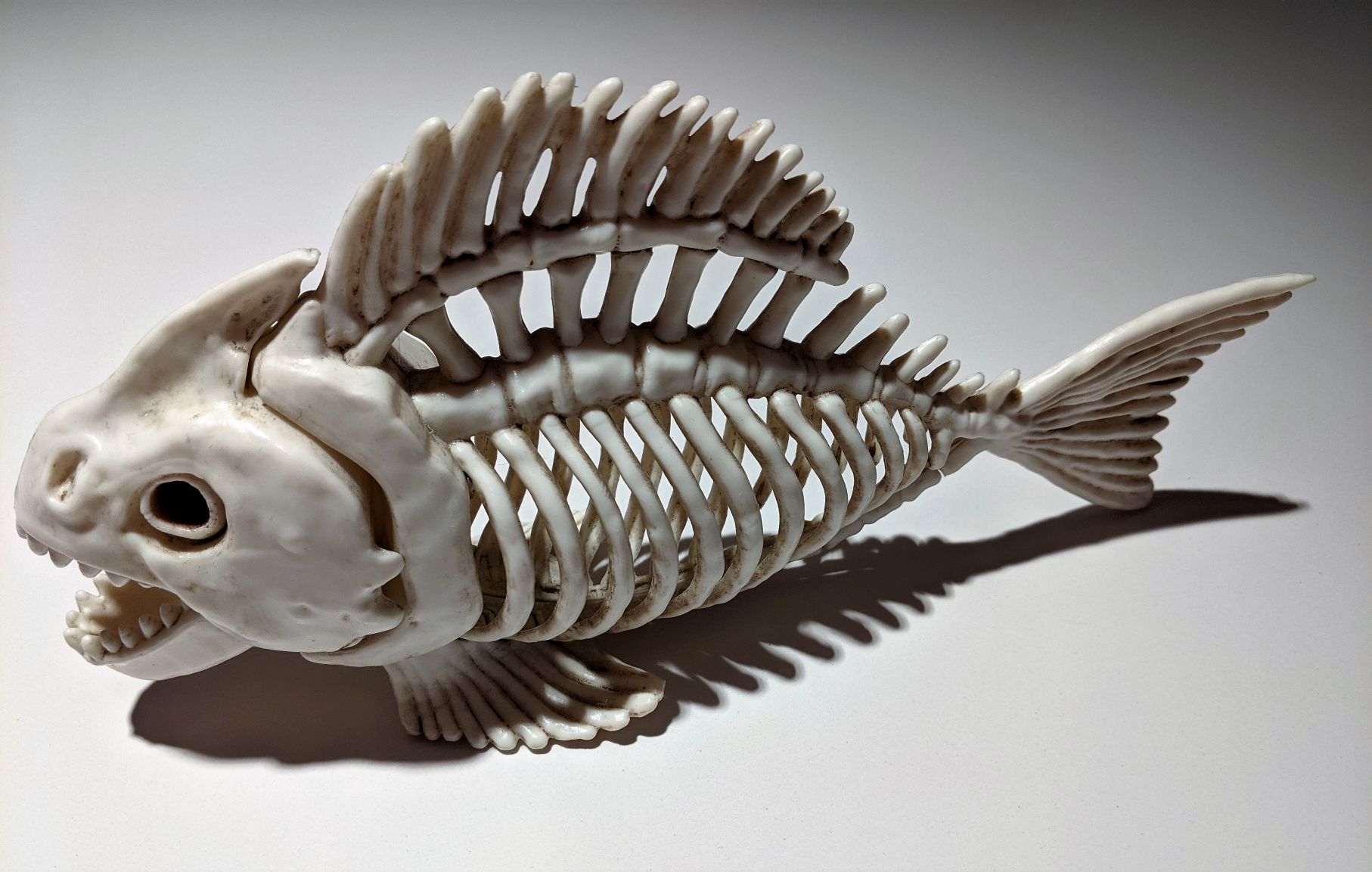
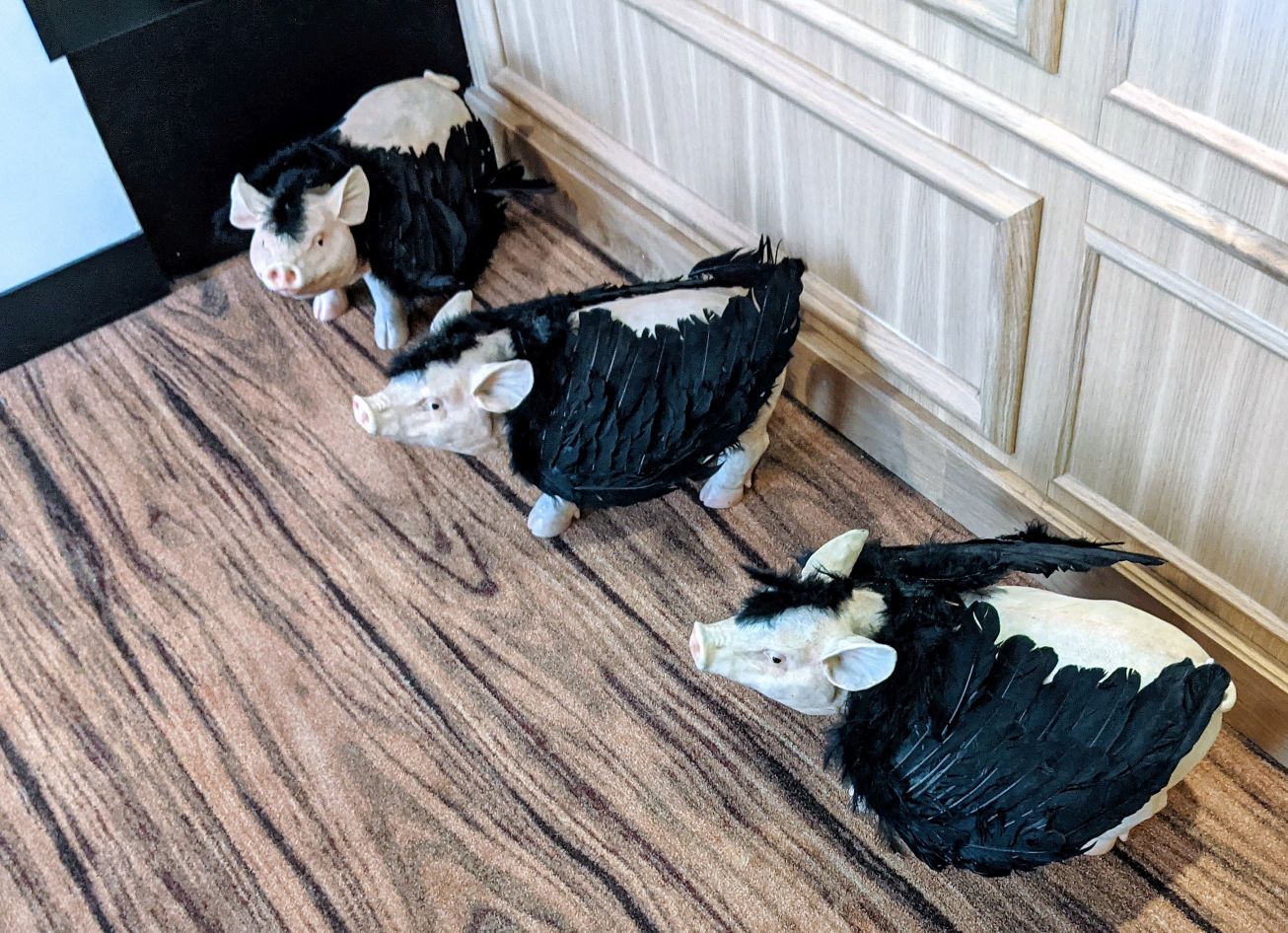
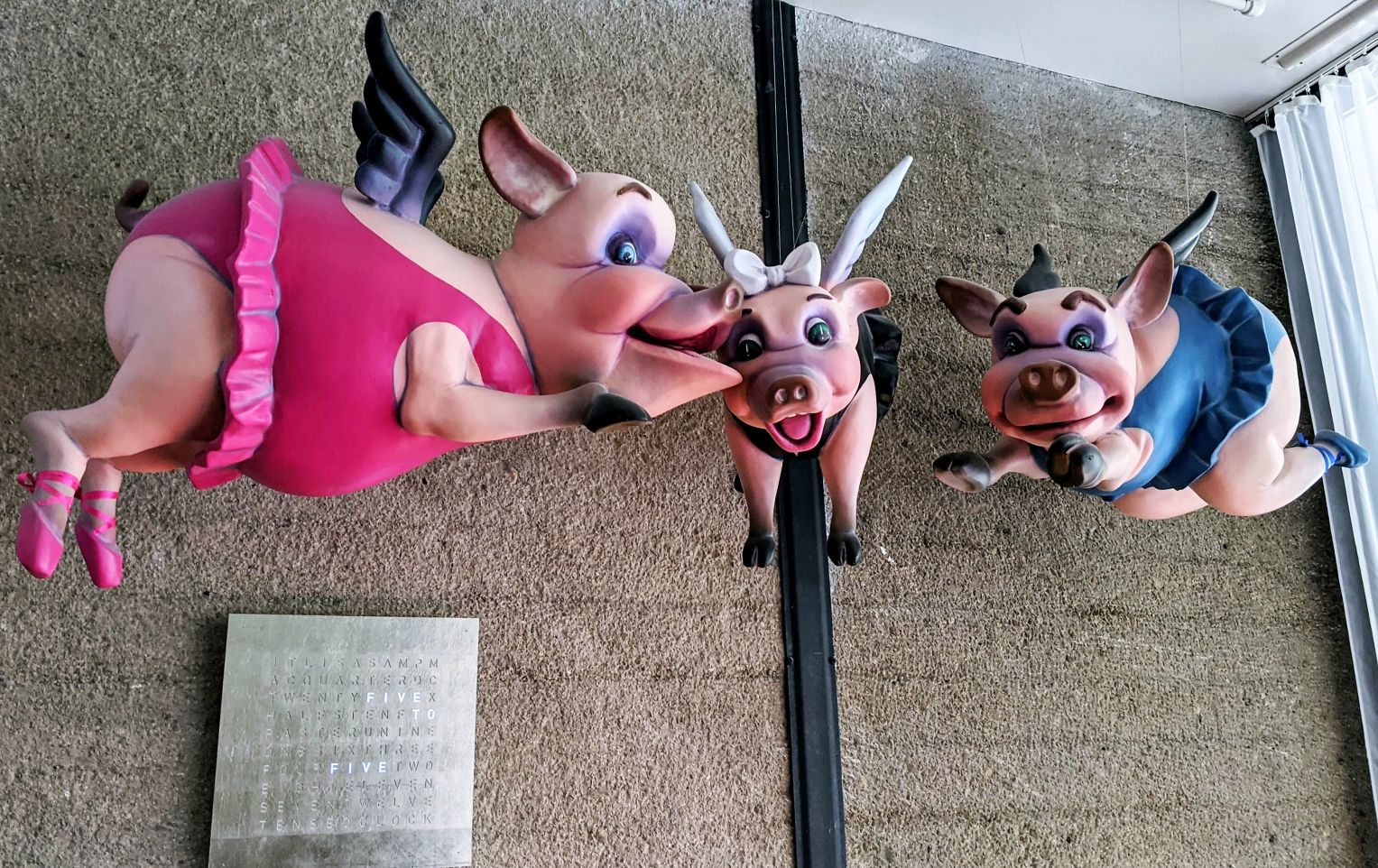
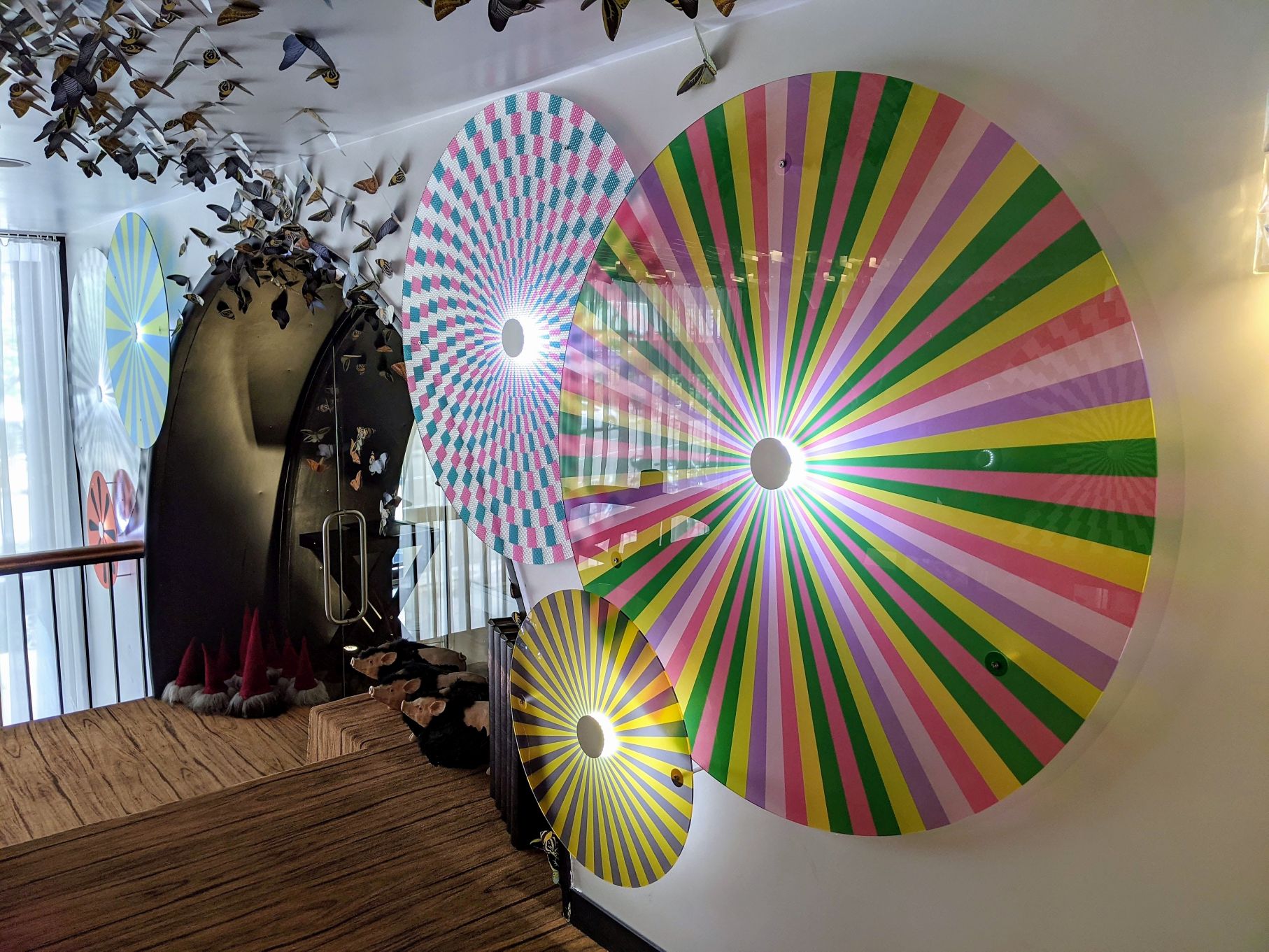
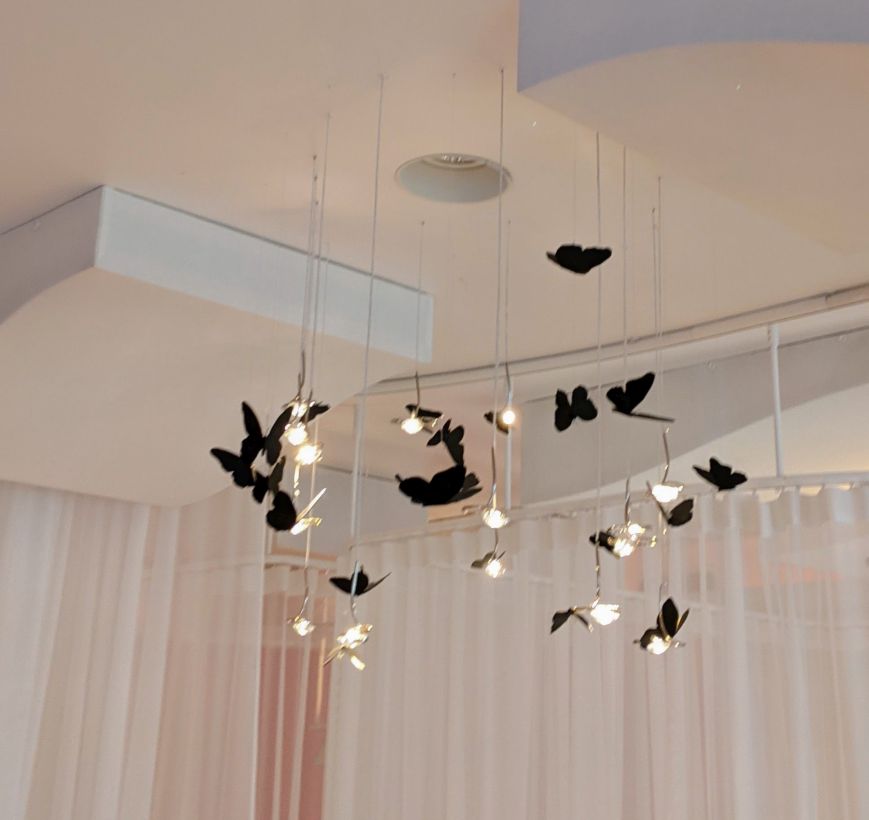
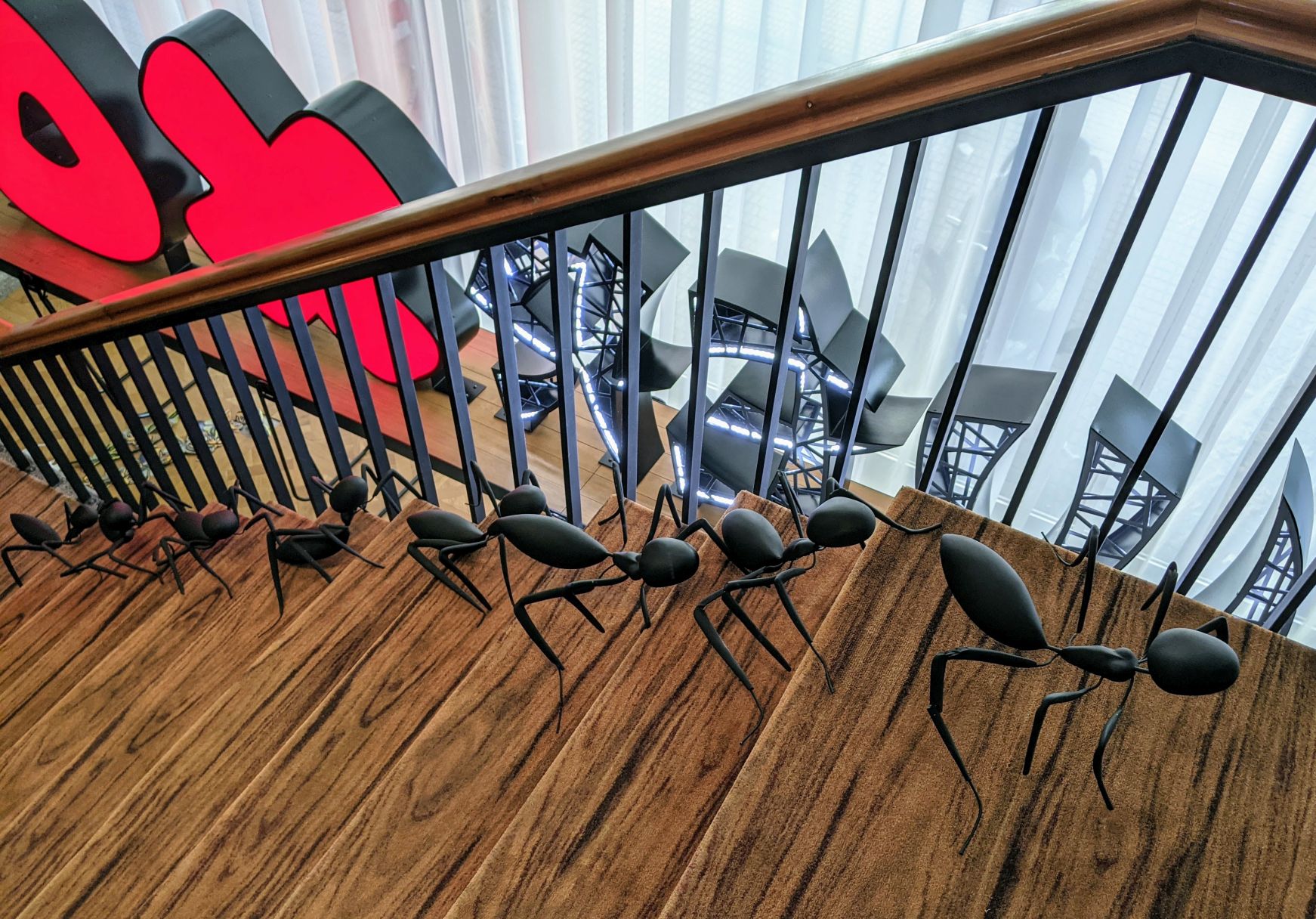
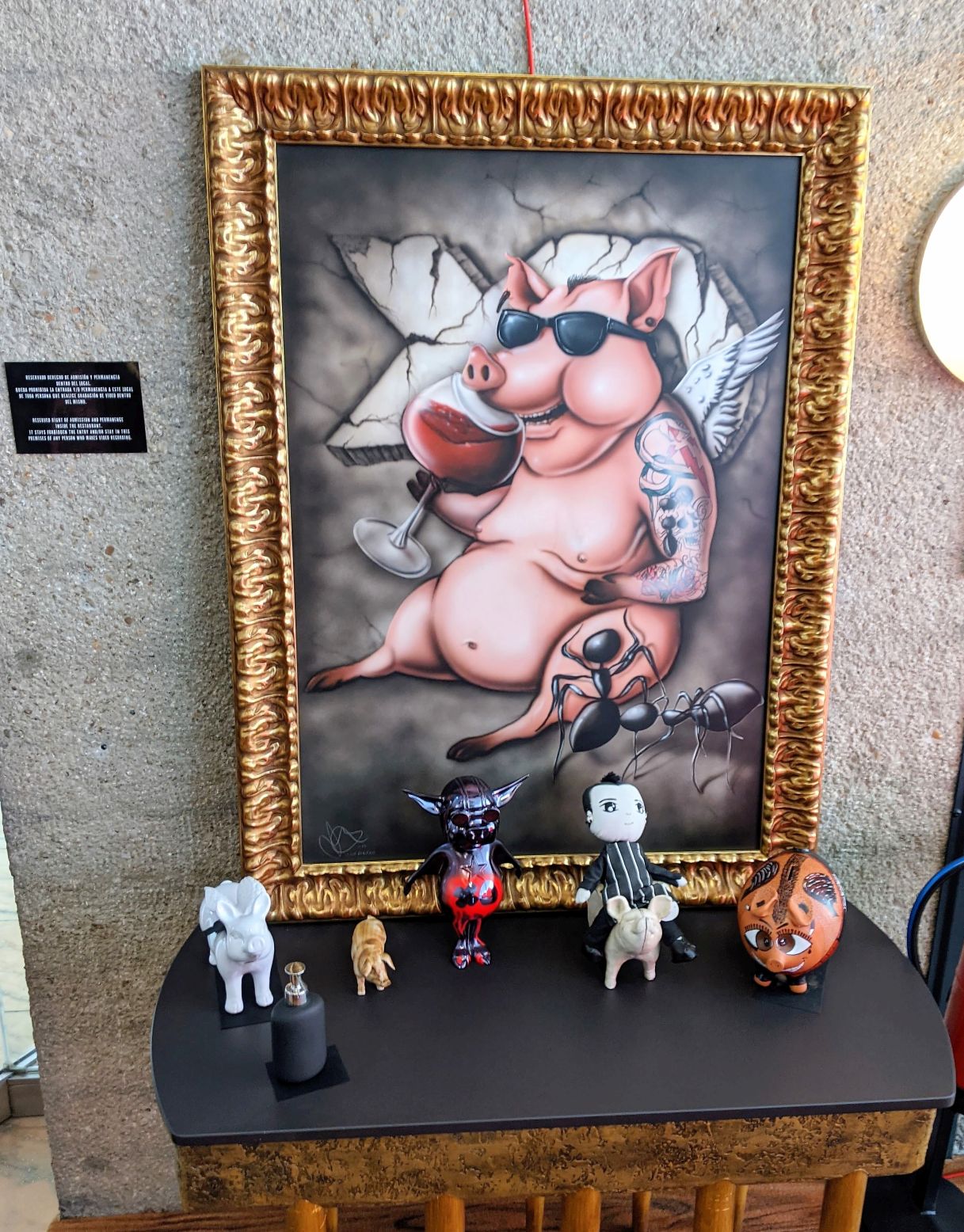
€250 for the Tasting menu, Asian influence and exotic Ingredients abound, it is after passing by flying Pigs, Ants, Butterflies and more that diners find themselves divided by varying cloths such that each dish or “canvas” is a surprise unto itself.
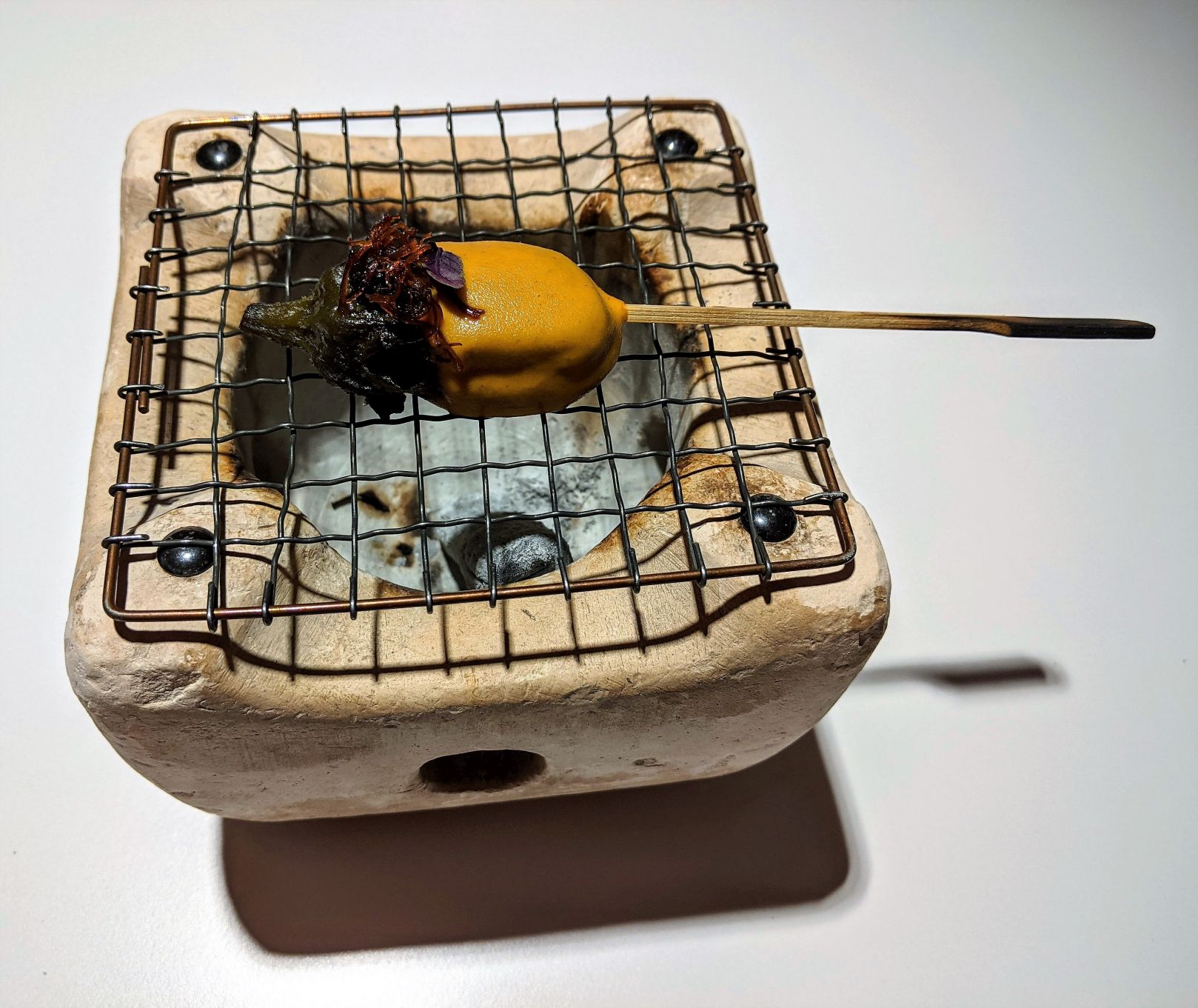
Undersold by describing each dish individually, the first six items embracing Muñoz’s love of Thai Street Food, one will quickly realize that despite DiverXO’s styling the bulk of its cookery relies on grills, stoves and fire rather than molecular or modernist technique.
Changing the menu with far more frequency than many of the W50B, in a way that suggests unbridled creativity, “course” two uses Yakitori Fish as Condiments to a Salad inspired by lost product while “Crunchy Texture Ceviche” offers snappy Baby Eels in complex heat prior to a one-bite XLB filled by Cuttlefish, Pork and Chili Paste.
Relying on surprise with Fried Eggs and Black Pudding, its second half revealed with similar flavor but alternate texture, “Sea Noodles” resemble something emerging from the depths before a supple Pigeon Leg tenderized by Wine alongside Noodles made of Gelatin with Eggs of Hen and Sturgeon.
Undoubtedly inspired by Dali, and wearing that fact on his sleeve with “Galician Lobster Waking up on the Beaches of Goa,” Muñoz unveils a masterpiece in three Indian ideas complete with an elongated Elephant before continuing with Grilled Monkfish and vibrant green Gazpacho.
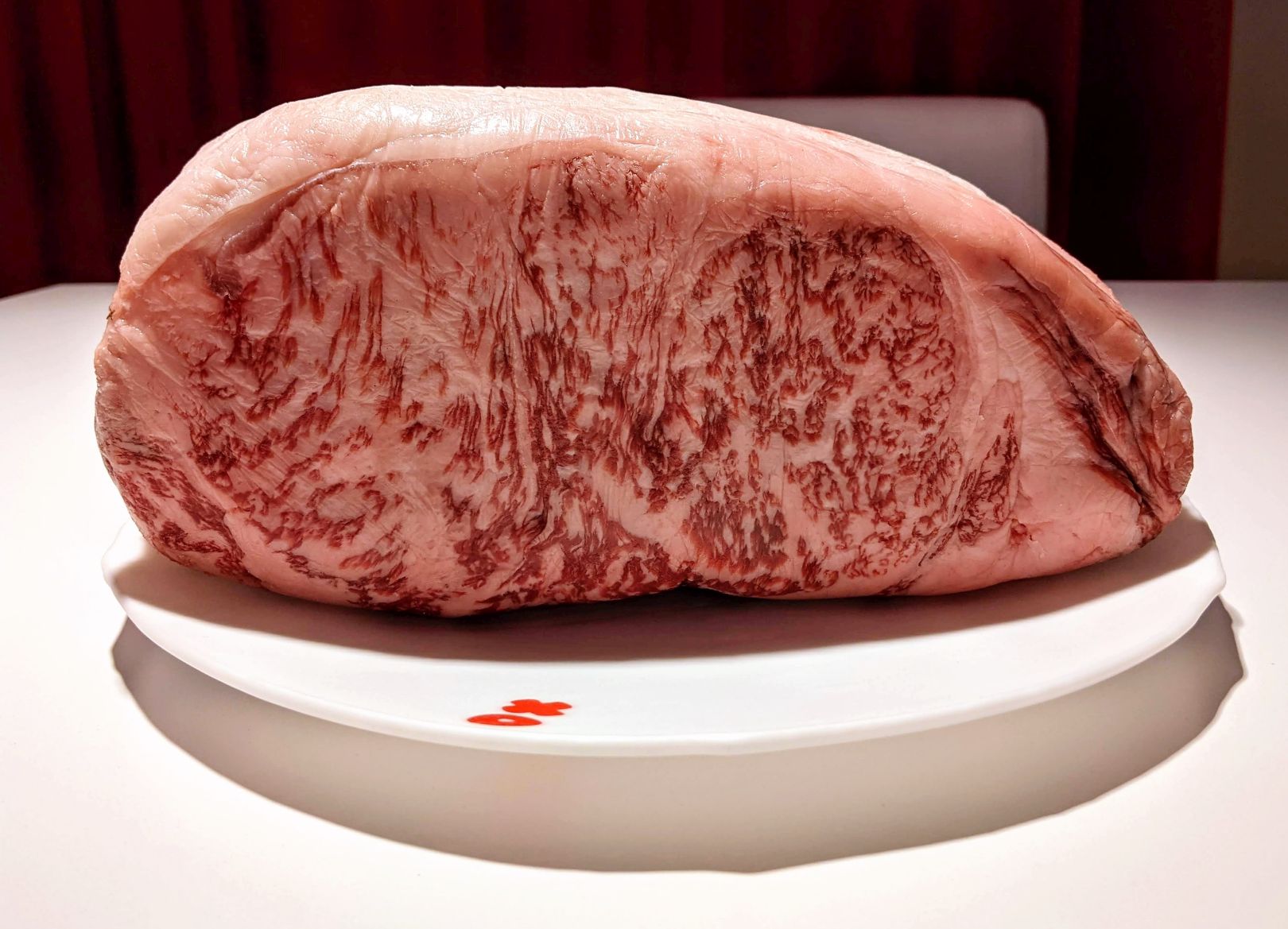
Next showing off A5 Kagoshima Wagyu, before serving it sucked from a Bone, there is little surprise when Rabbit Brains arrive as a palate cleanser preceding buttered Risotto and a White Chocolate Orb with Black Olives, Truffles and Rhubarb.
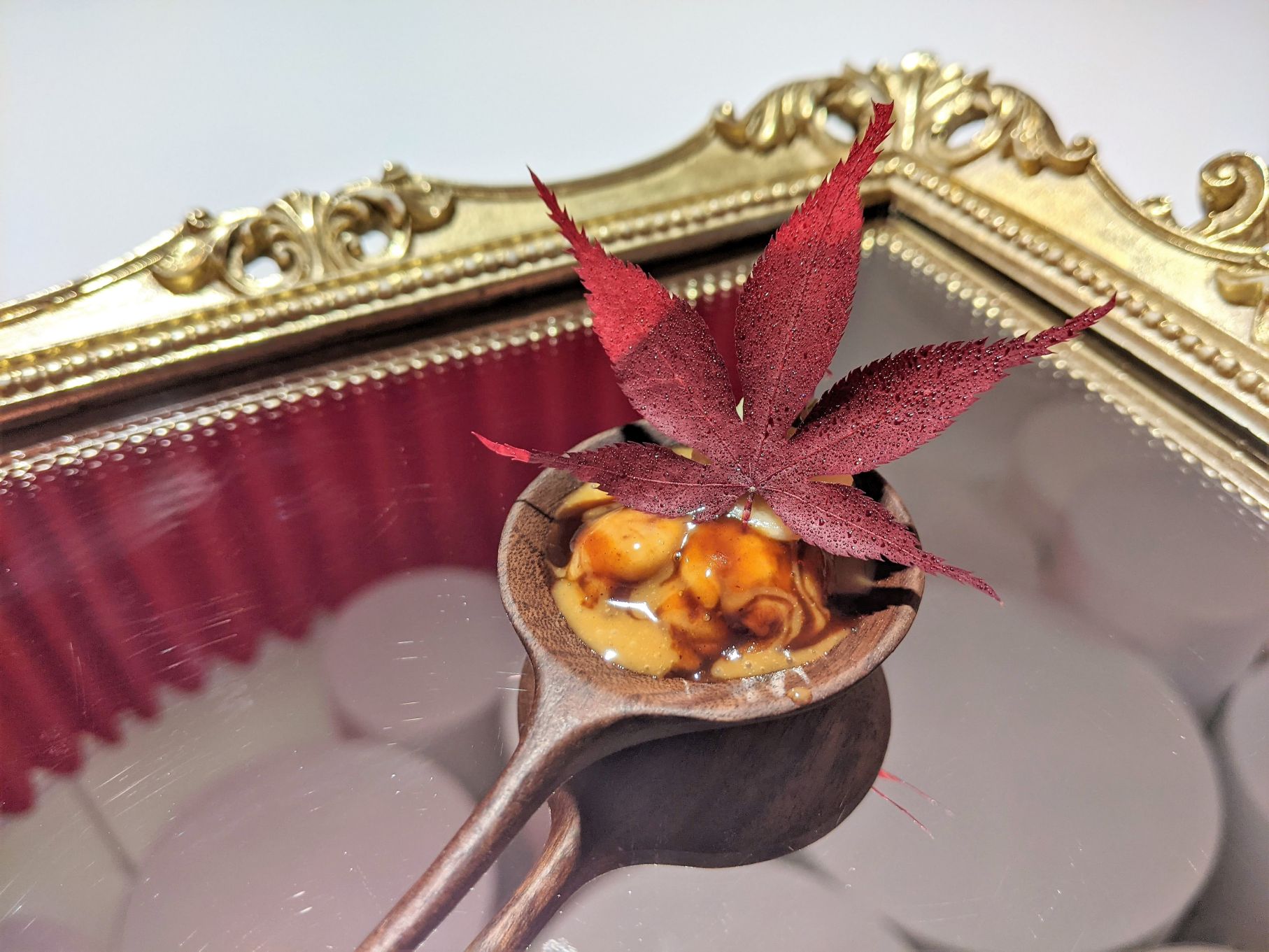
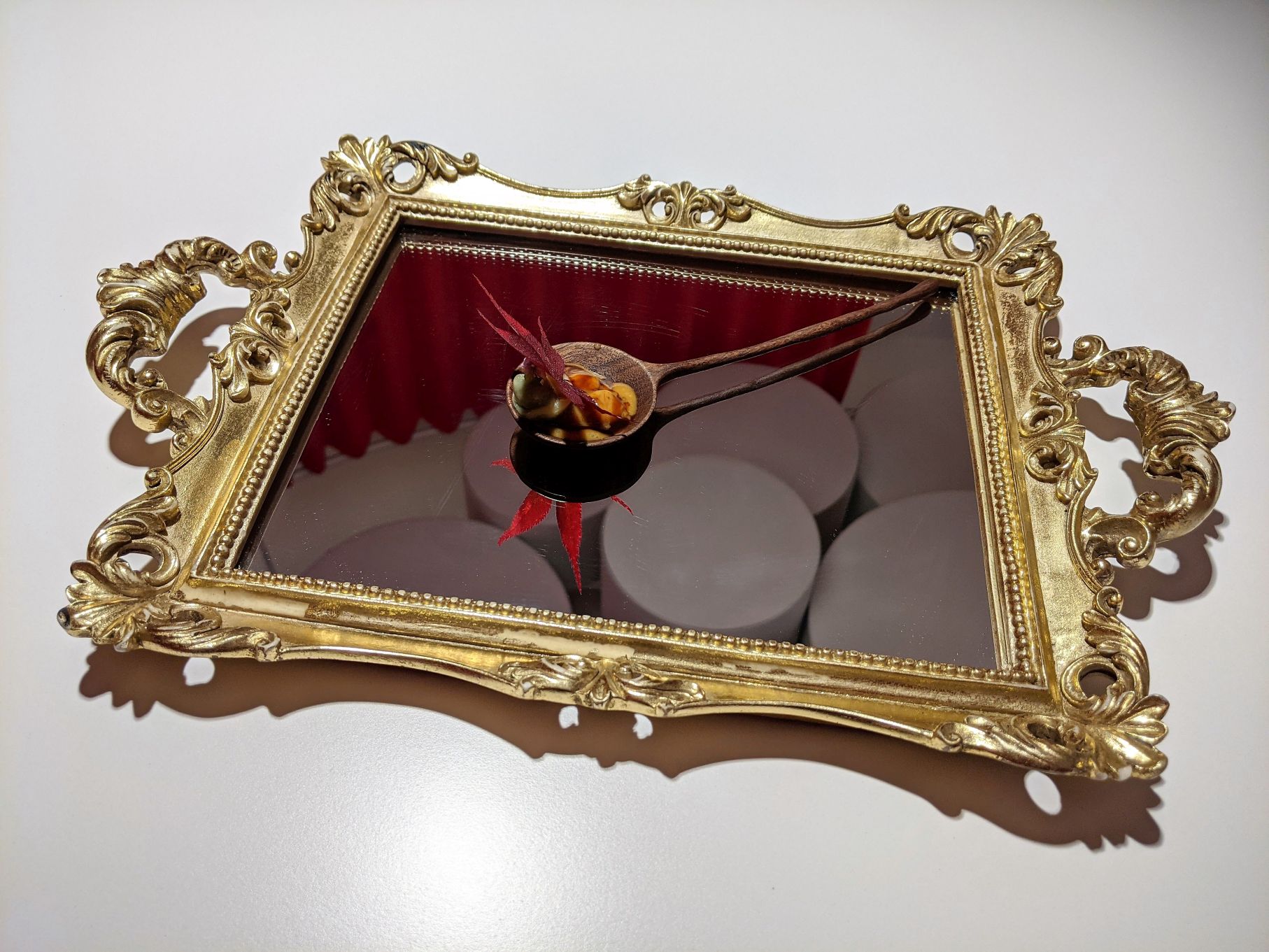
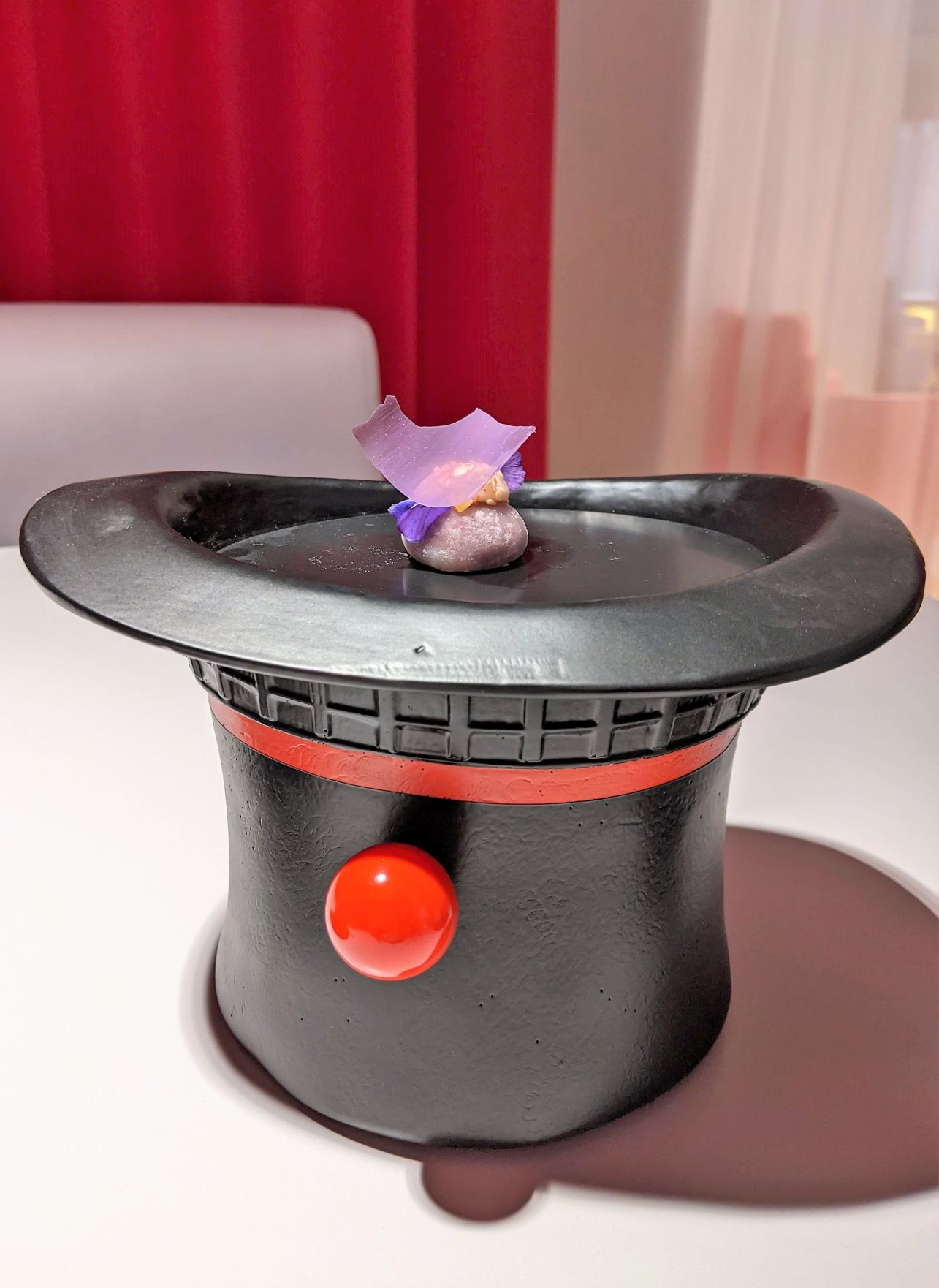
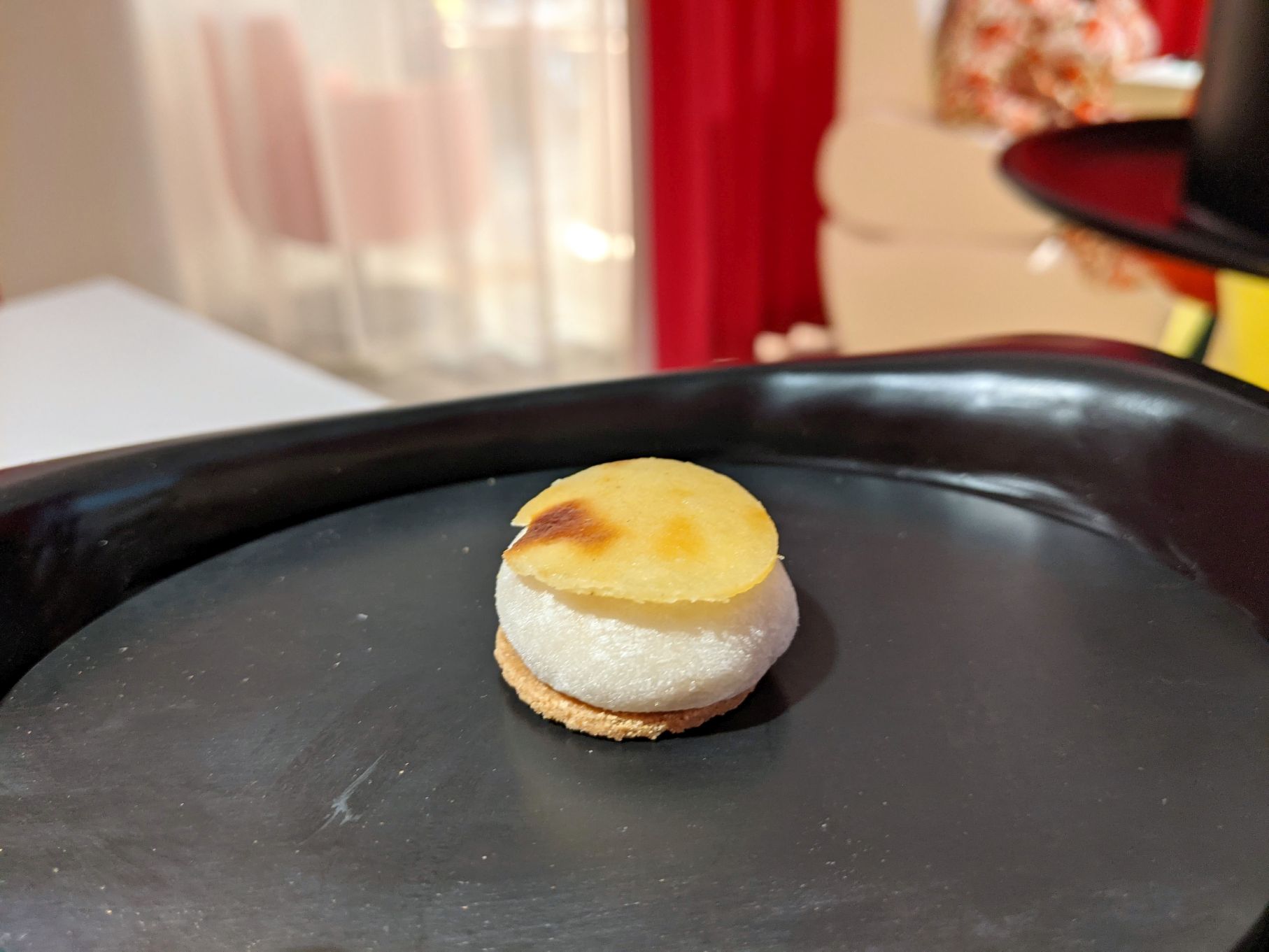
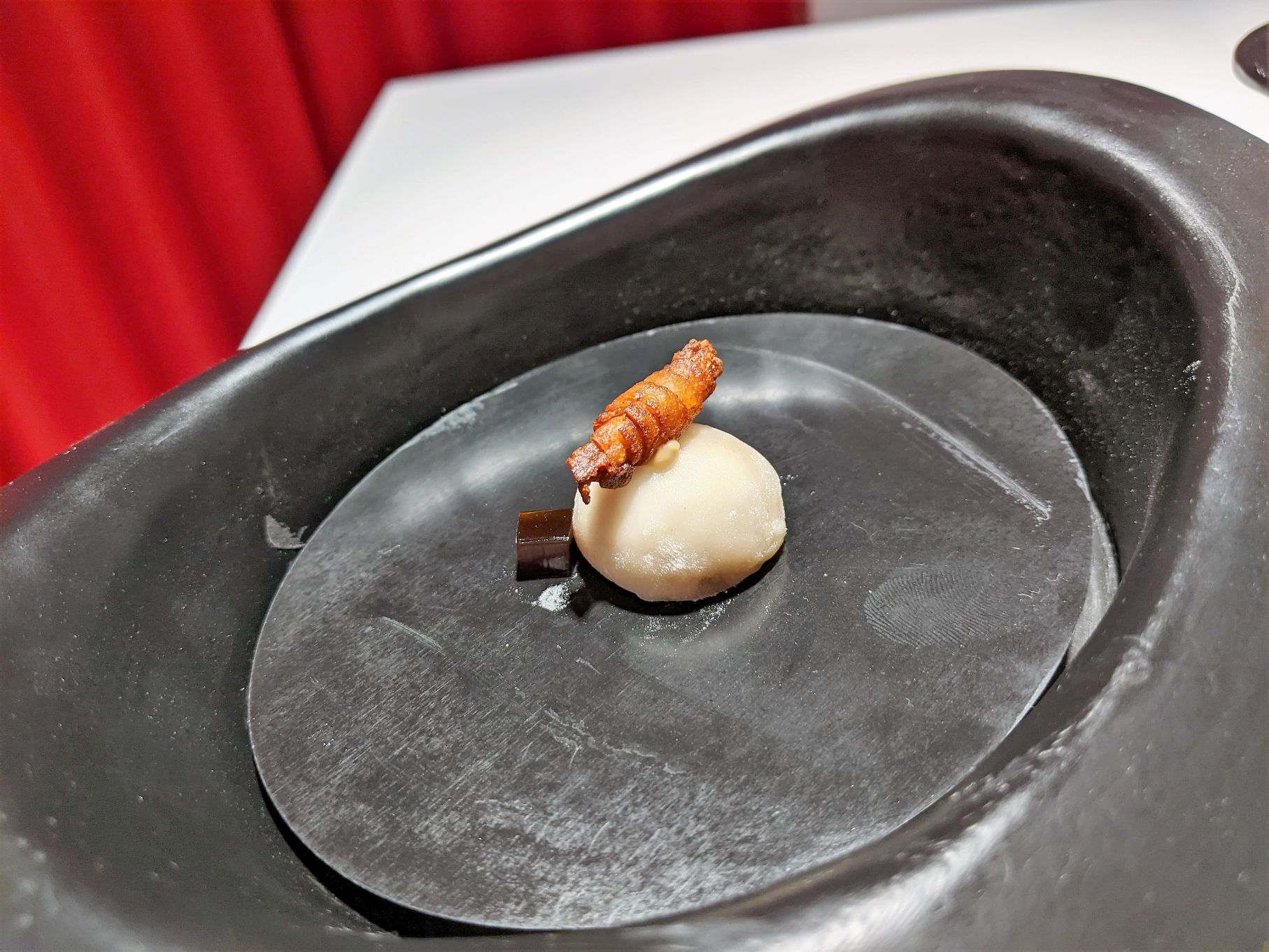
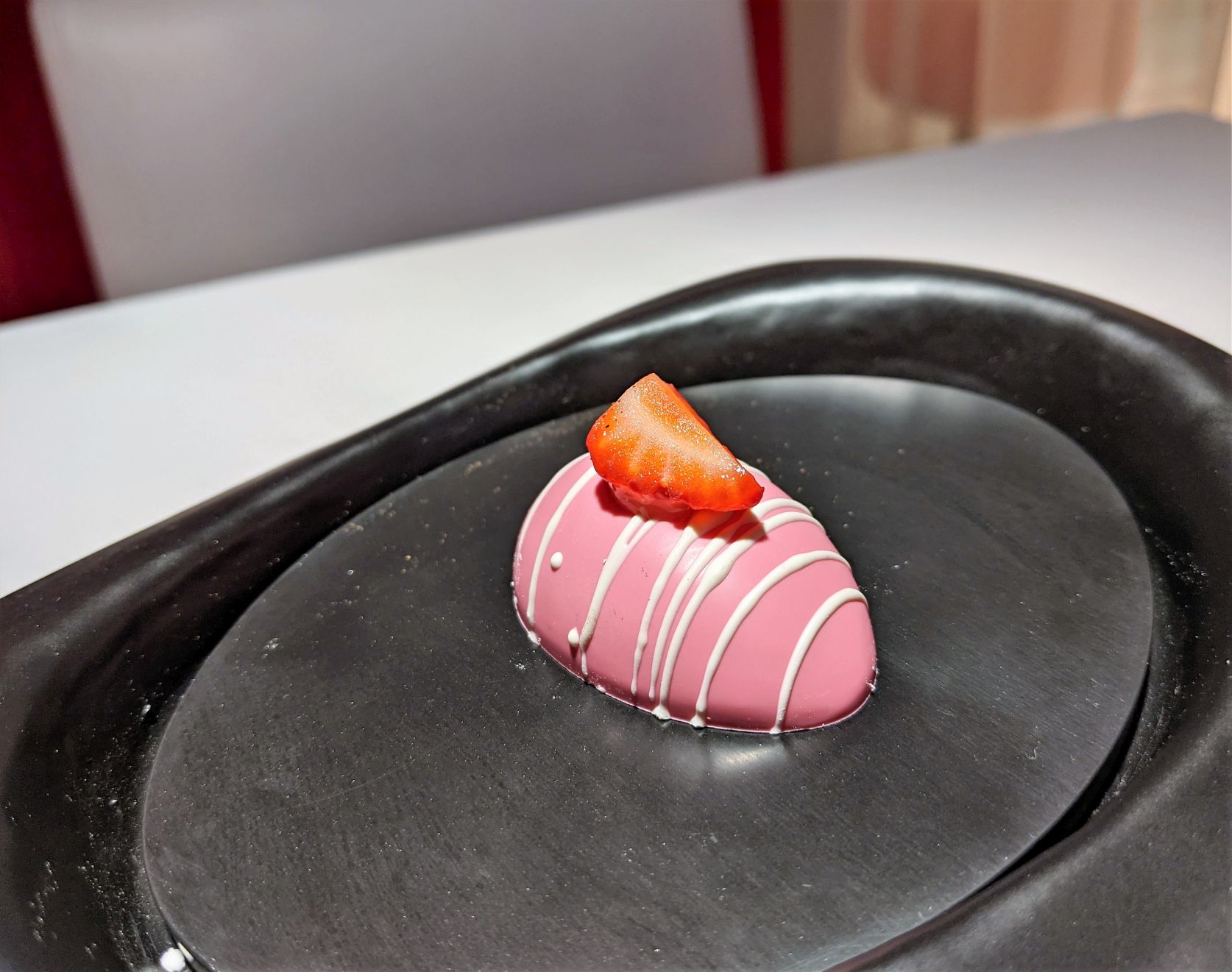
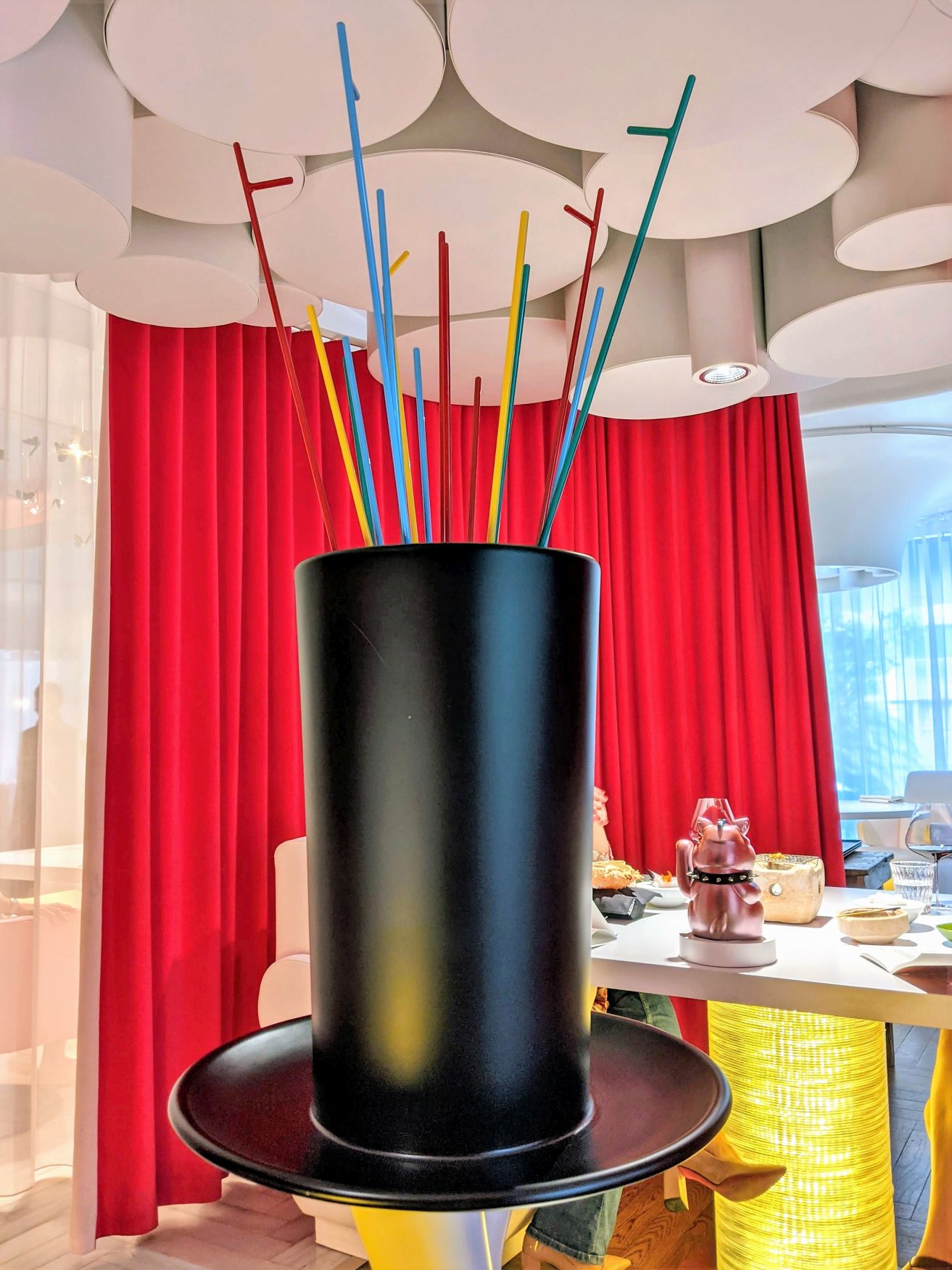
Suggesting “avant-garde cuisine in which everything is possible,” including Black Currant Bubblegum that somehow makes Garlic for Dessert work, Japanese Bombons come atop motorized Mad Hatter’s hats to complete an experience that truly reinvents the idea of “exceptional cuisine that is worth a special journey.”
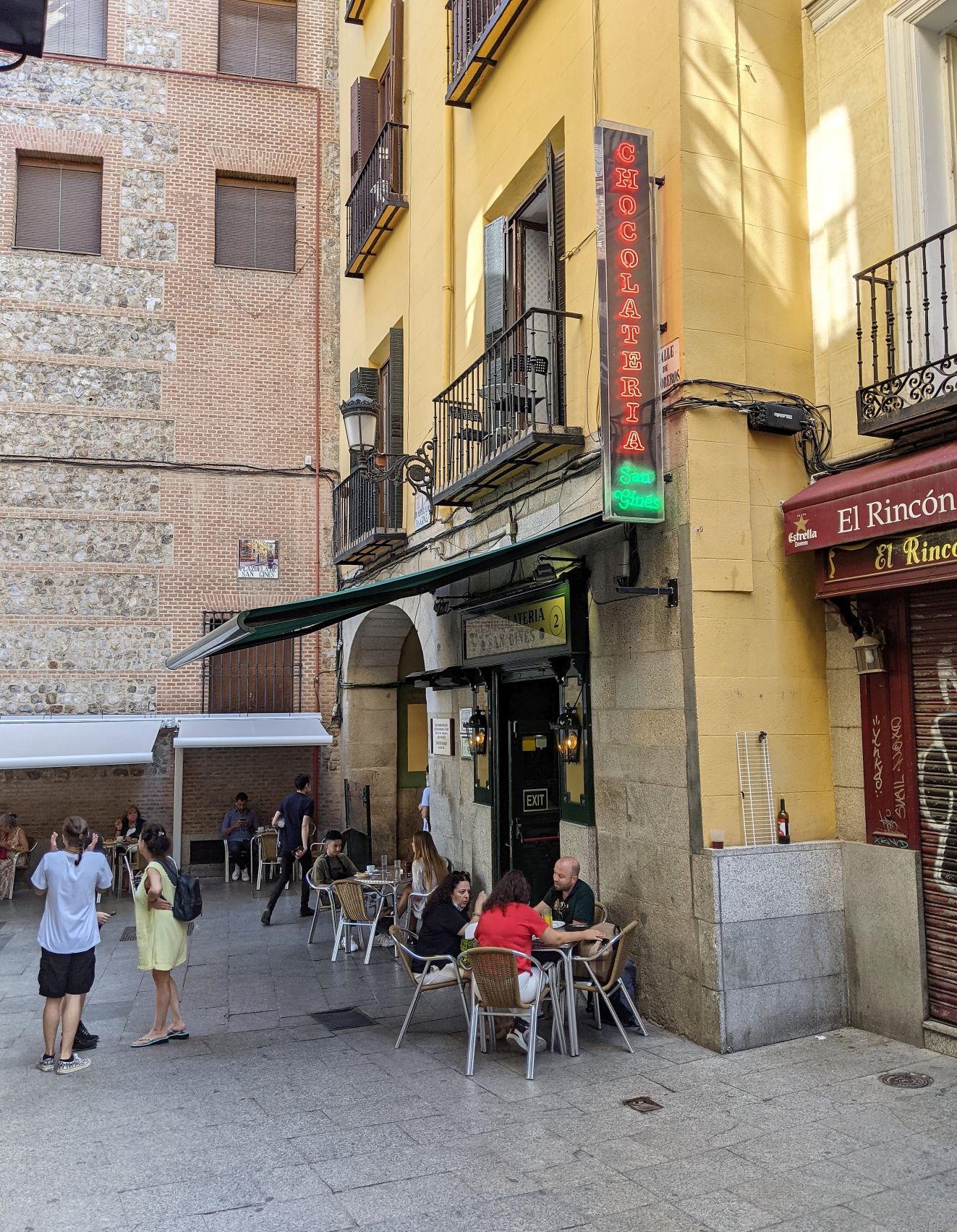
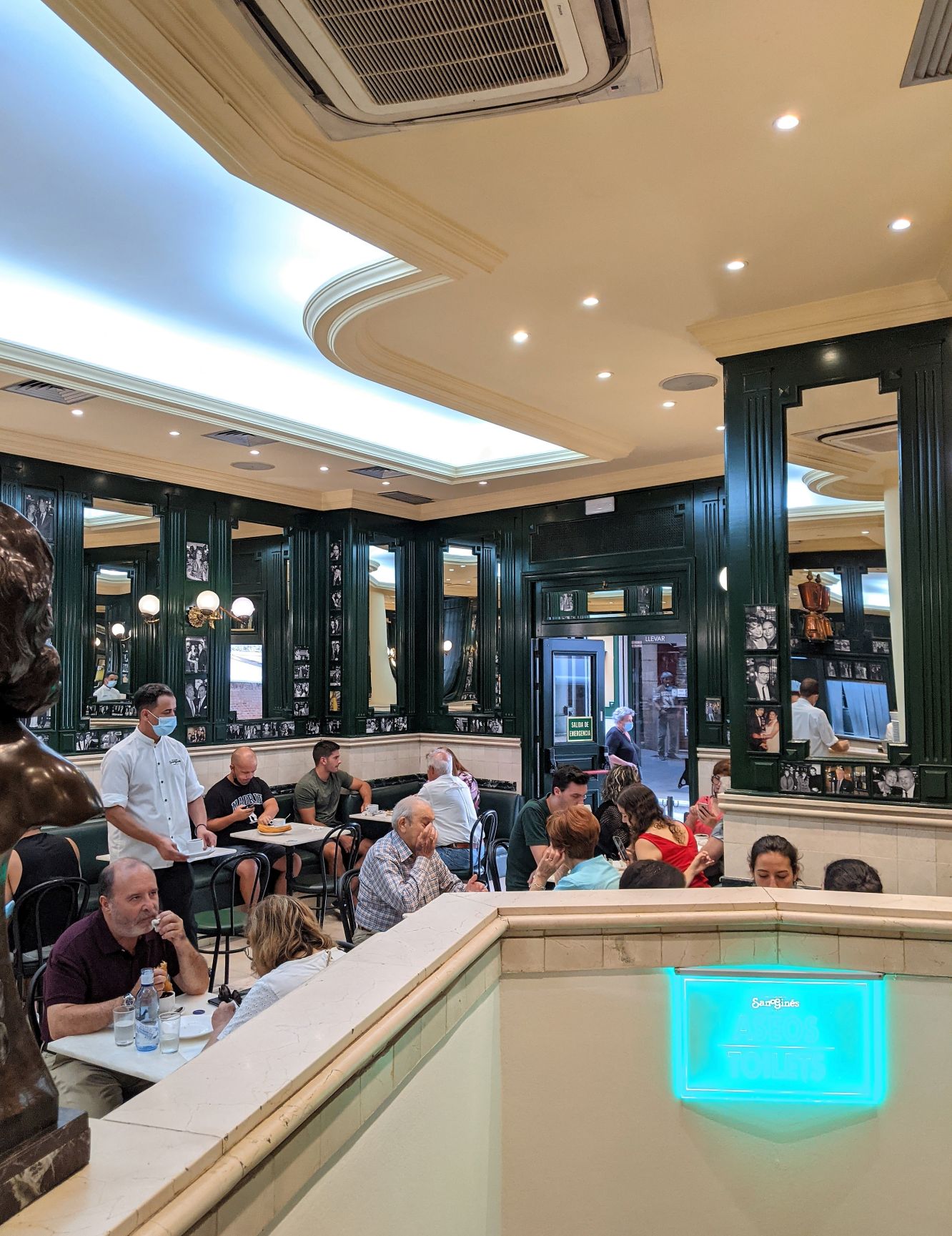
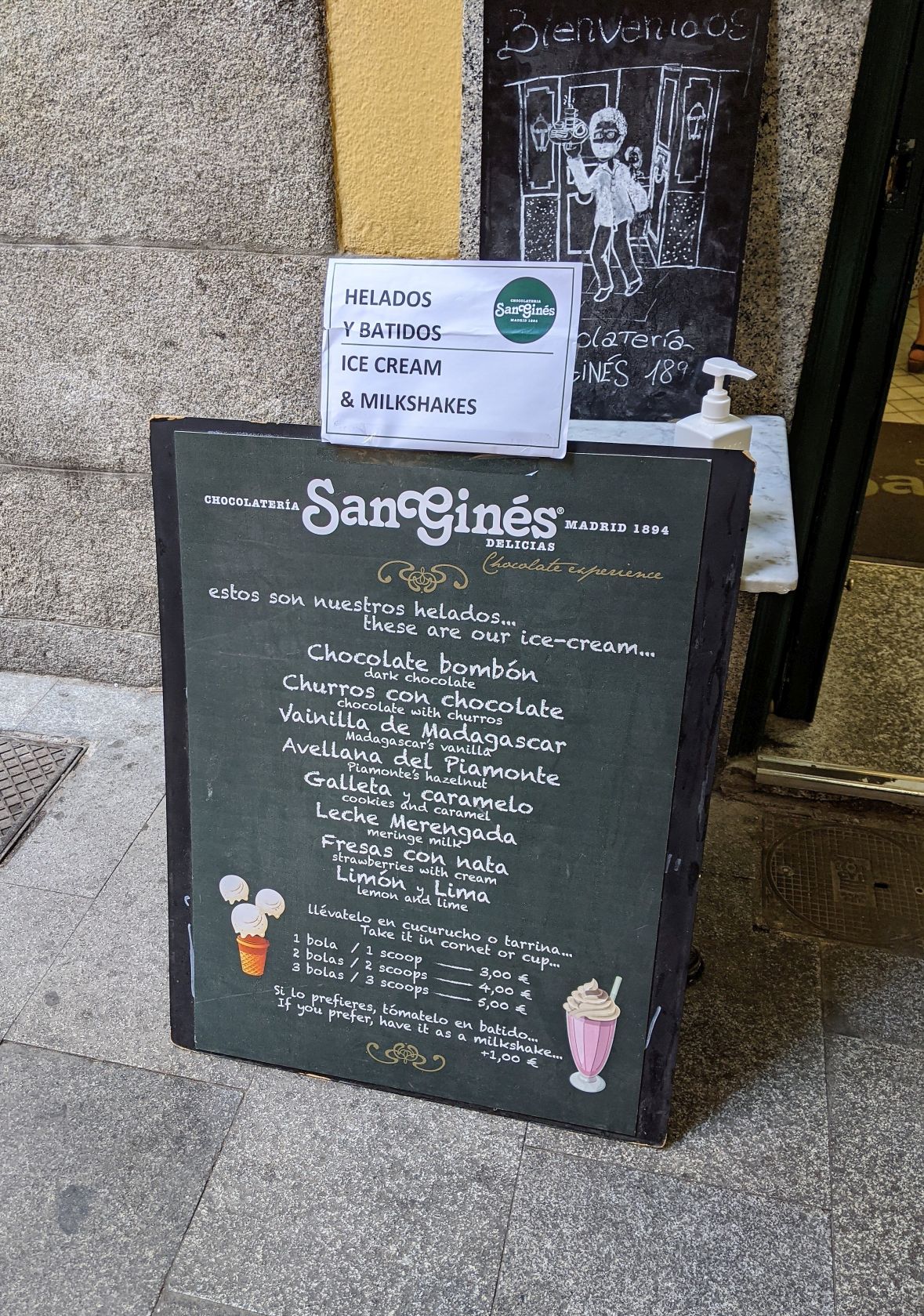
Serving Chocolate con Churros since 1894 The Chocolatería San Ginés has earned enough notoriety to stay open 24/7, its central location in an alley near the namesake Church frequently sporting long lines awaiting a table thanks to the somewhat confusing ordering process.
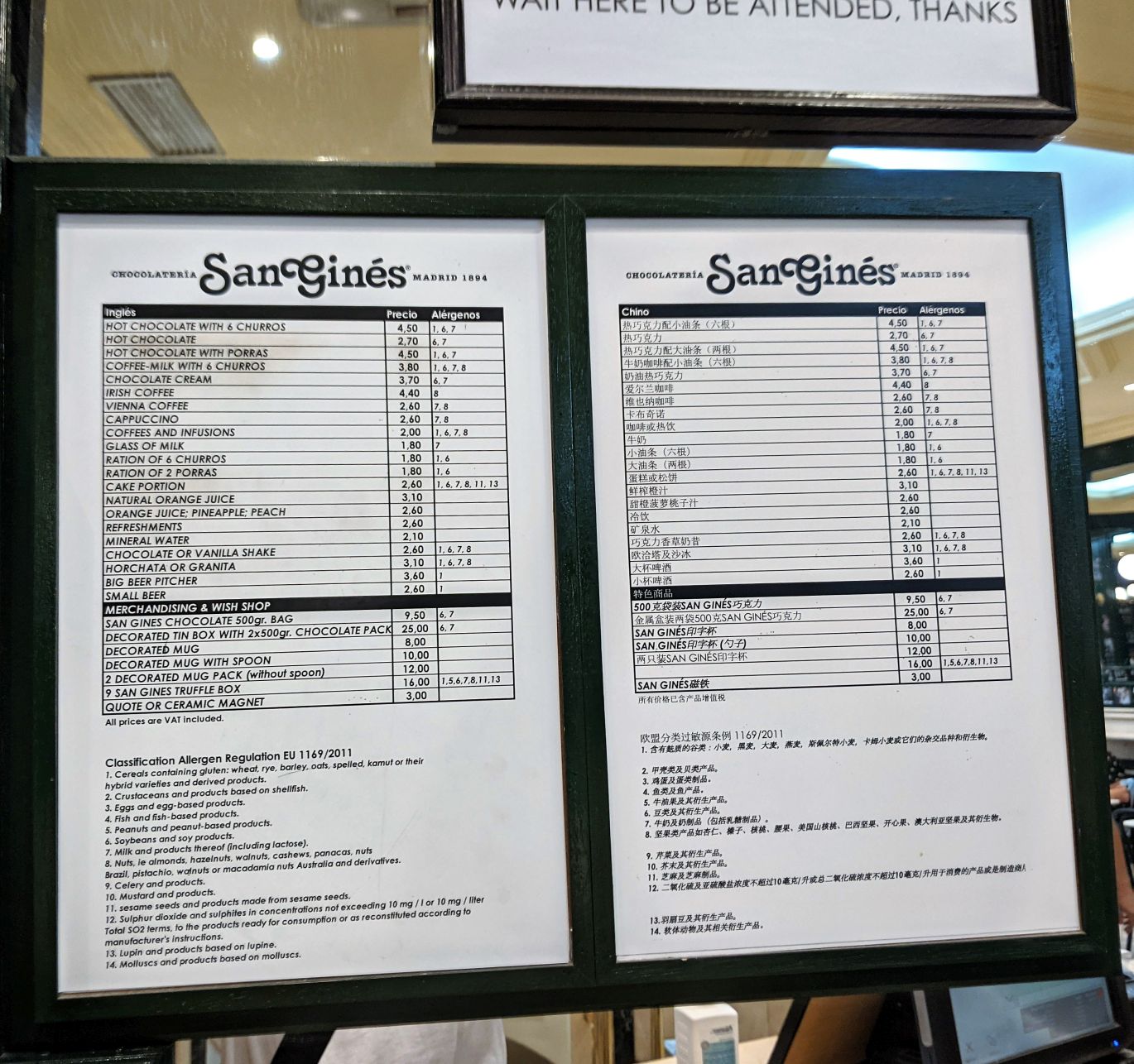
A “do one thing, do it right” place, though Coffee and a few other items are offered, it is with receipt in hand that guests wait outside a space filled by marble plus velvet, items only expedited after a seat opens in order to assure freshness.
Ordering almost the same thing as everyone, it was after twenty minutes of watching servers direct traffic that cut-to-length Donuts were delivered, their texture light and crisp but each mostly flavorless until dunked in stick-a-spoon-up-straight Chocolate with floral aromatics.
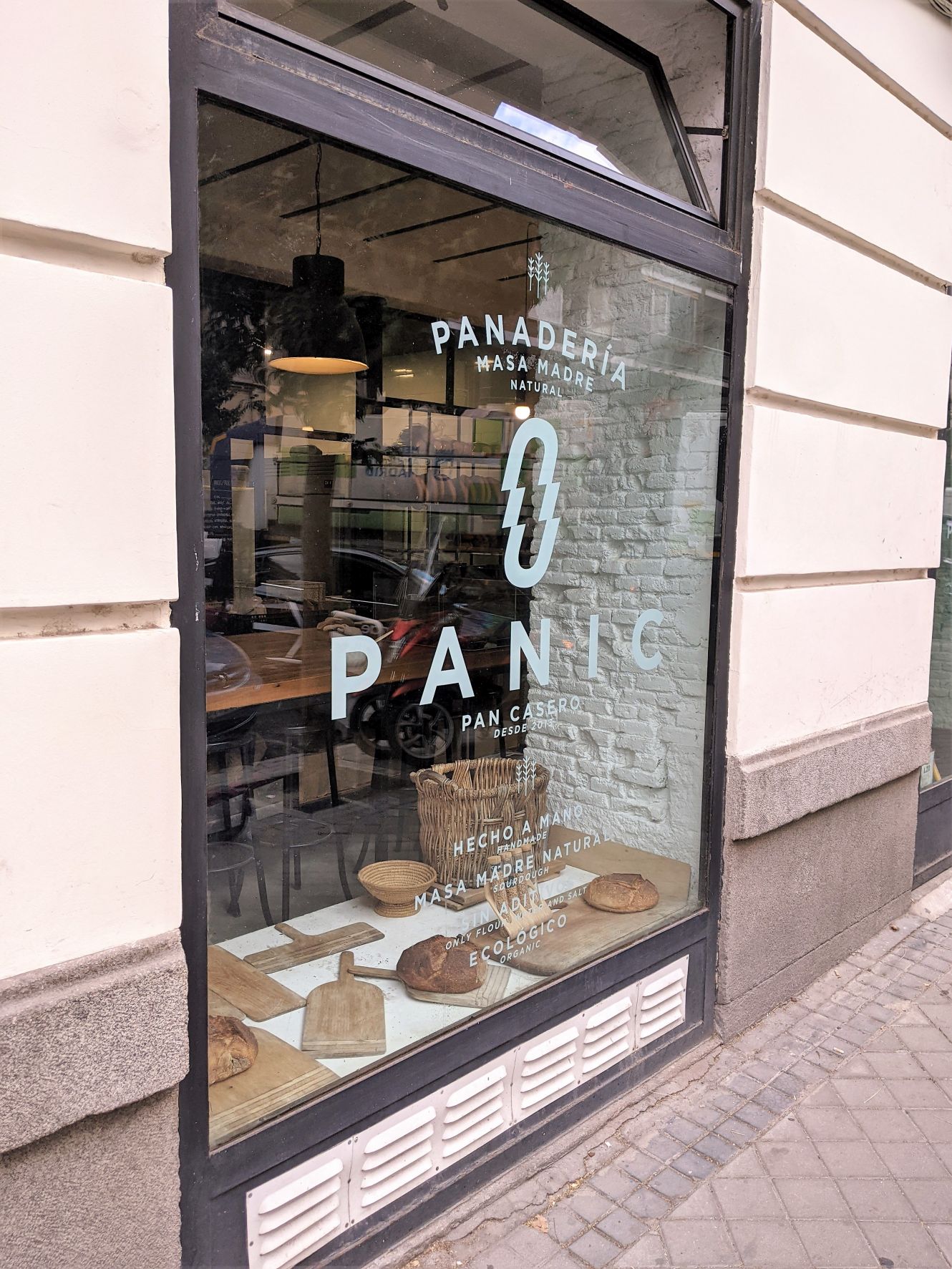
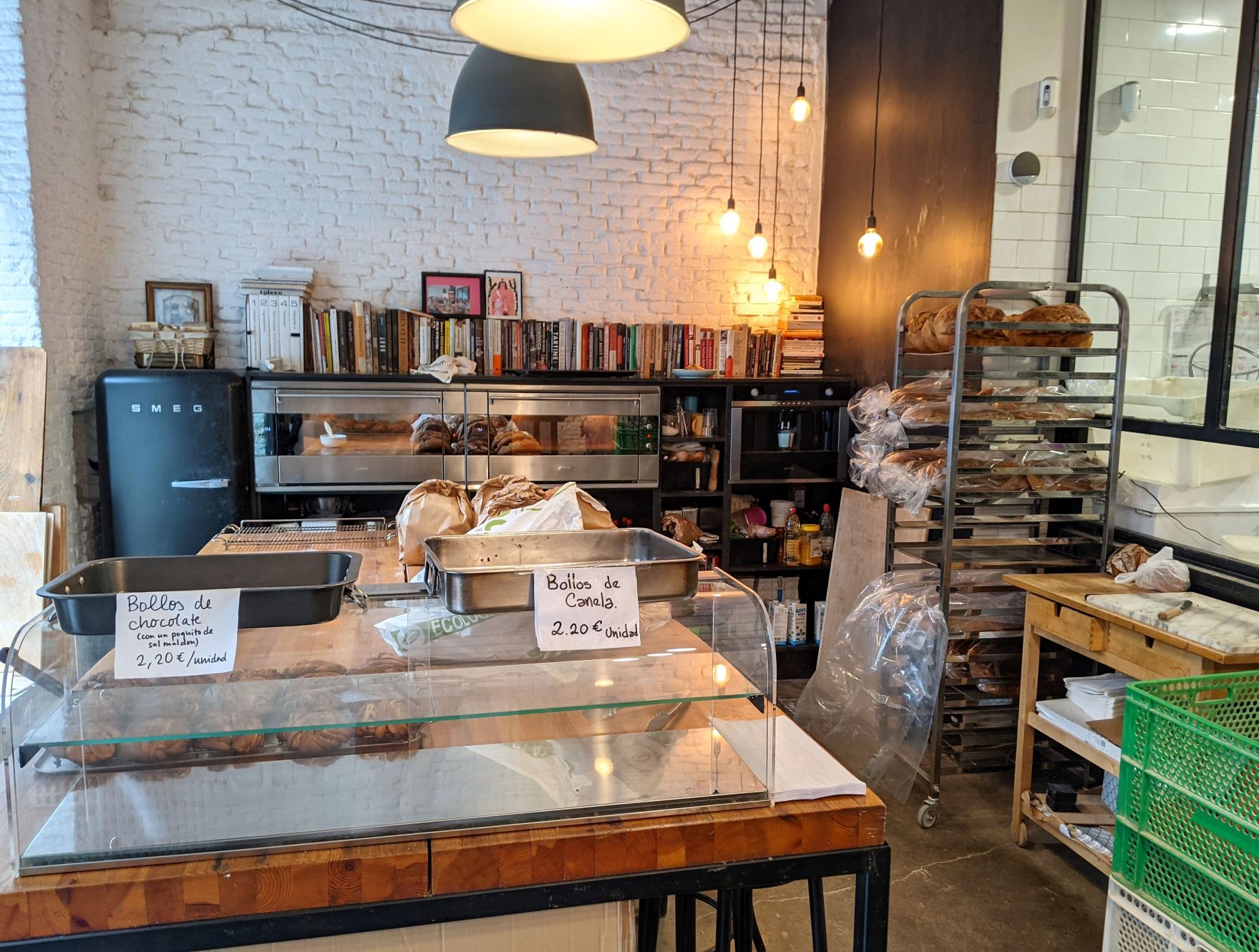
The brainchild of former Graphic Designer Javier Marca, Panic ushered in a new era of baking when it opened in 2012, Madrid’s prior lack of artisan Loaves soon flourishing and still anchored today by six basic styles sold at Calle de Conde Duque 13.
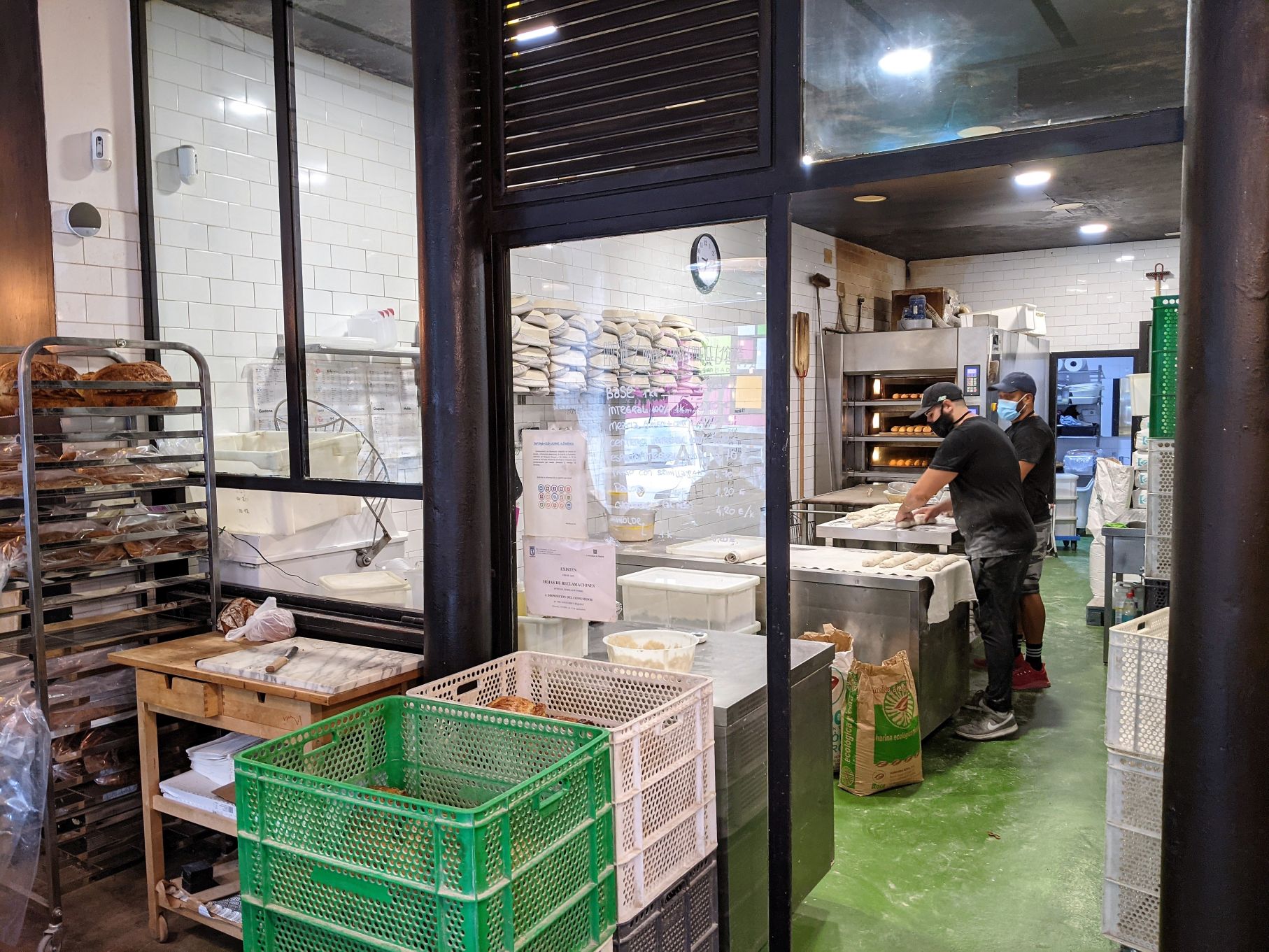
Mixing modern thinking and classic technique, essentially a workshop across from Conde Duque cultural center, it is prior to Panic’s 09h30 opening that a small queue starts to develop including locals, tourists, old and young alike.
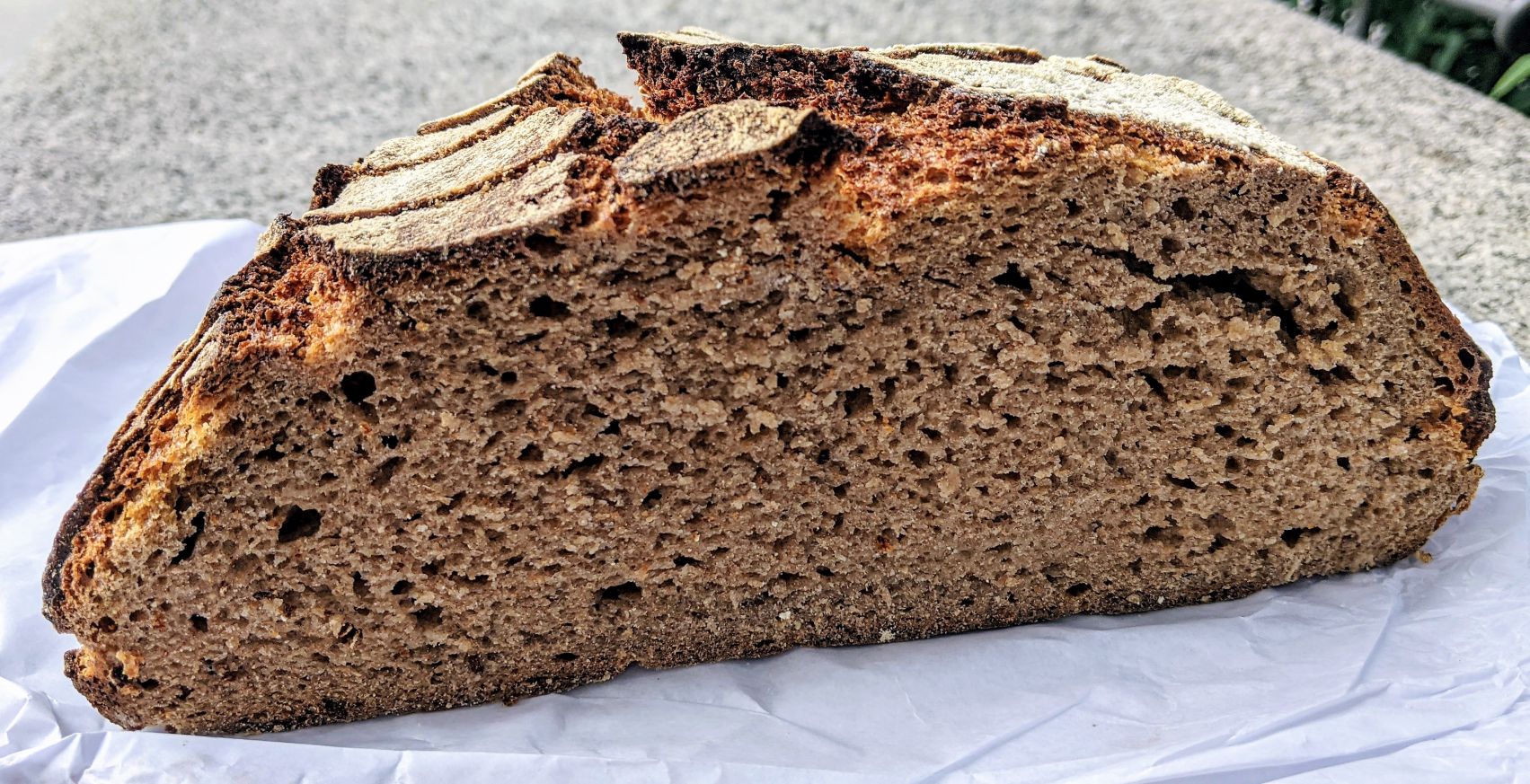
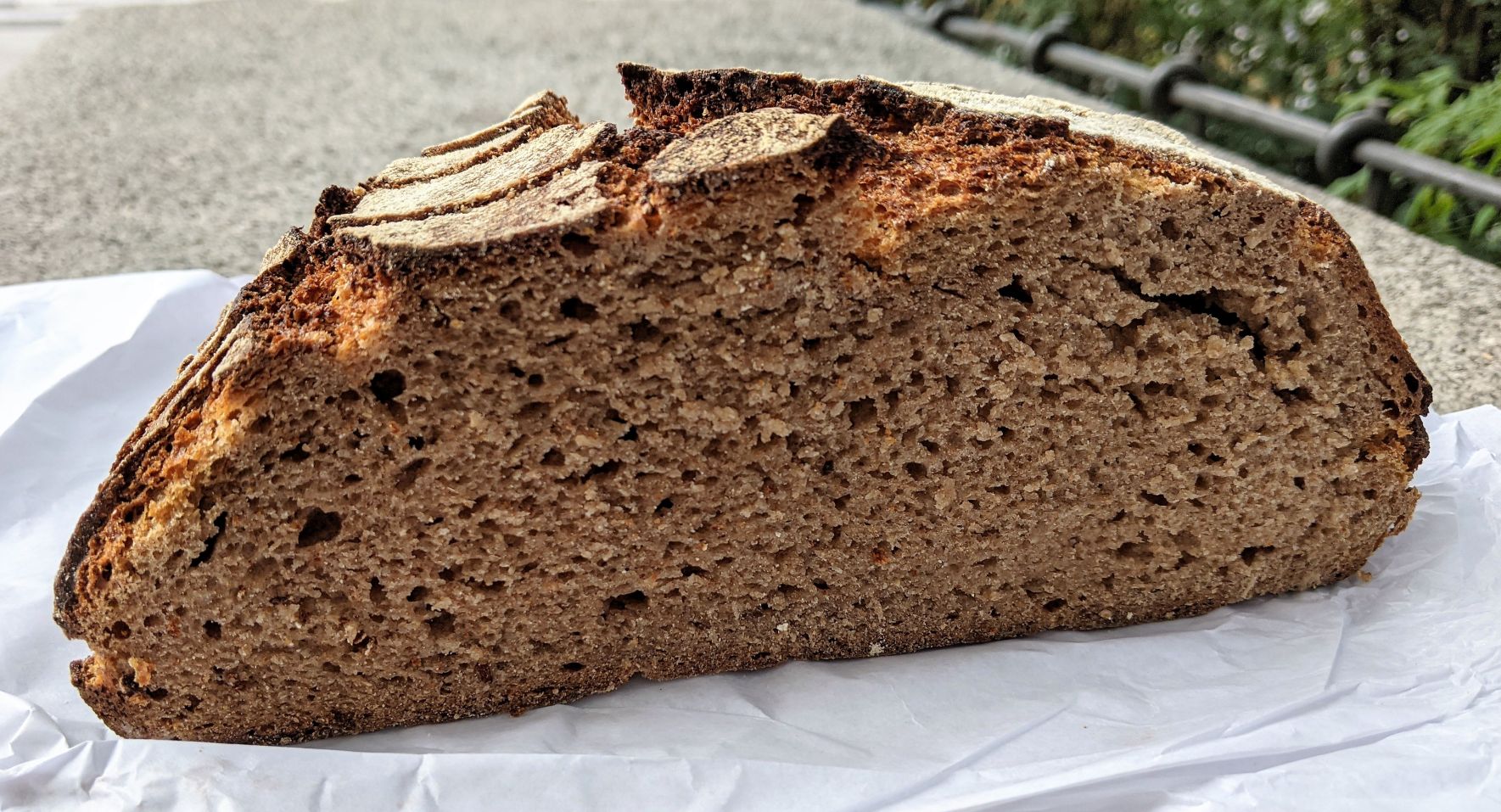
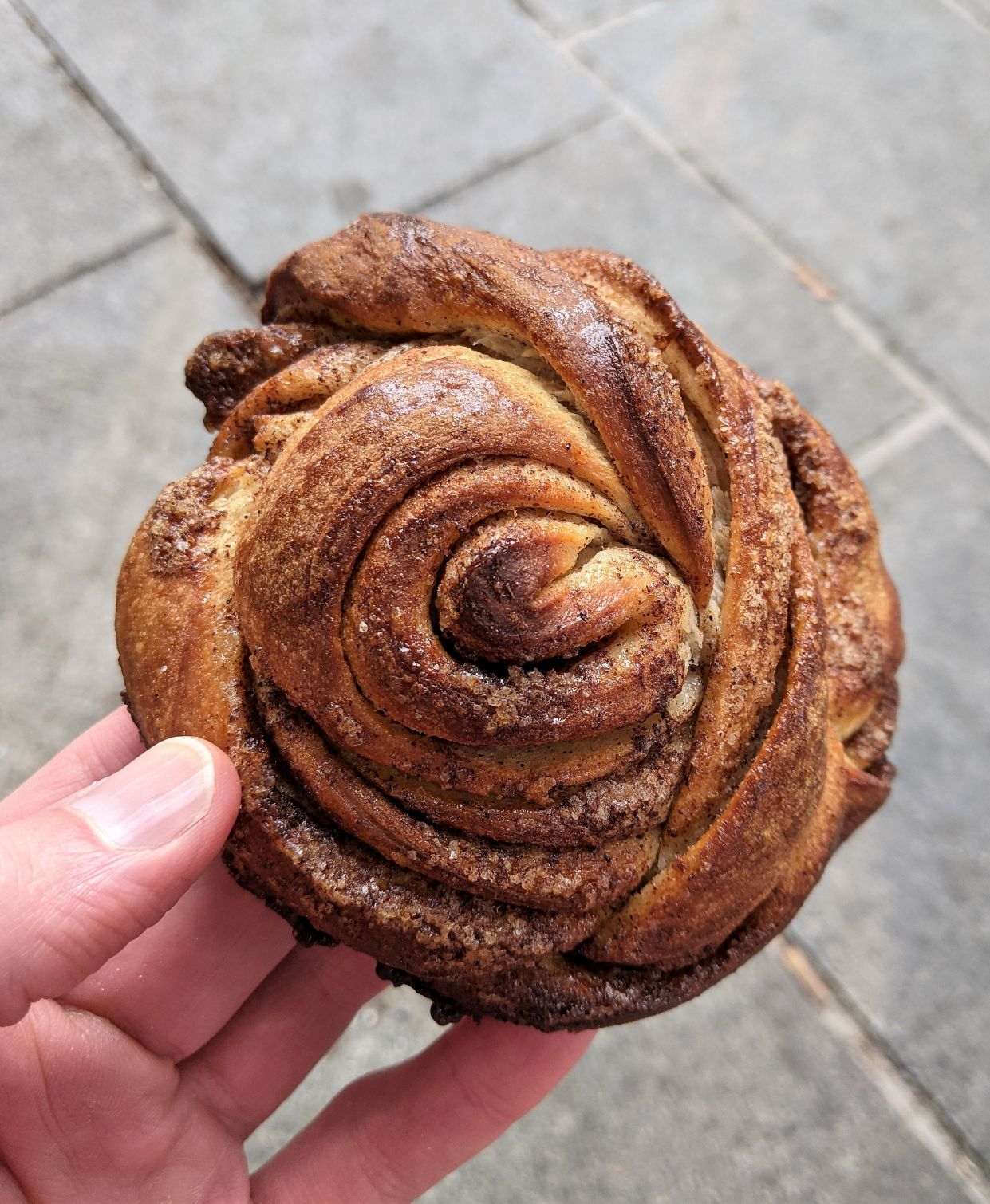
Focused more on Bread than Pastry, but well-priced across Wheat, Rye, Spelt and organic Grains amidst Sourdough, travelers are fortunate to find half-Loaves available surrounded by hearty Crust, the Crumb’s texture precise with just the right amount of stretch whether in Marca’s Centeno or unparalleled Cinnamon Roll that frequently sells out before it has time to cool.
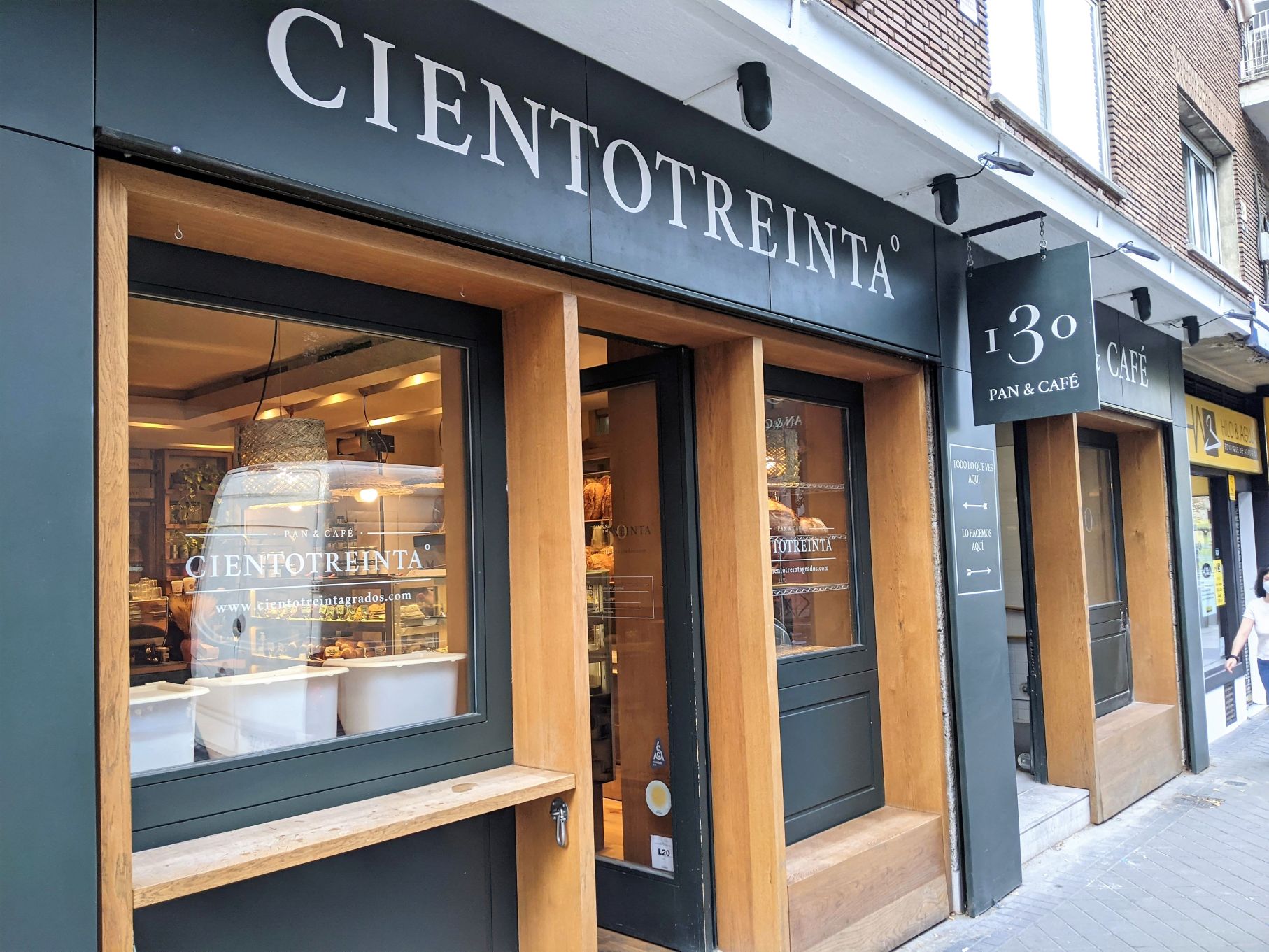
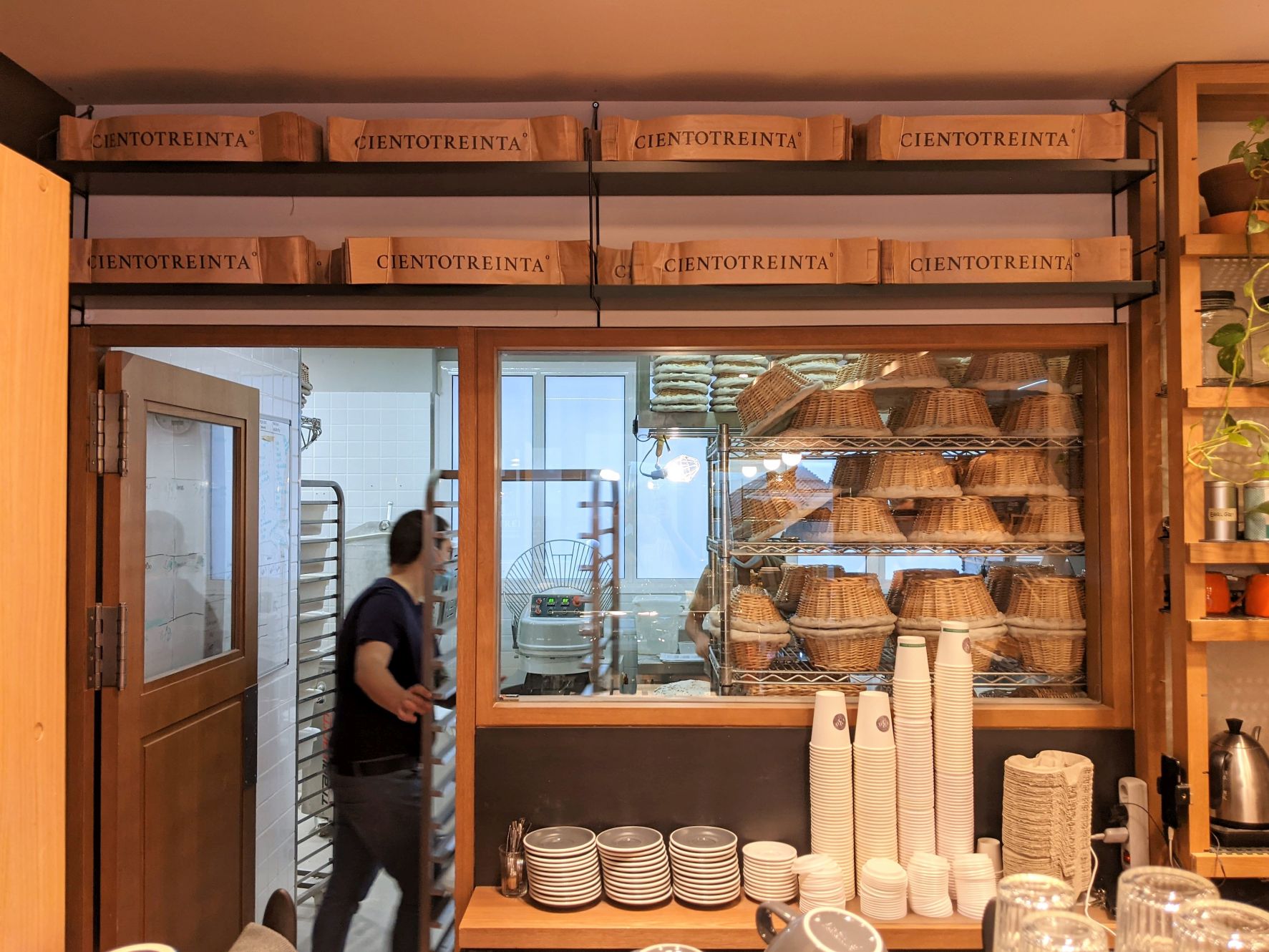
Born from Alberto and Guido Miragoli, brothers of Basque and Italian descent, Ciento Treinta Grados translates to “One Hundred and Thirty Degrees” in English, the temperature responsible for many of the Bakery’s finest creations including Pain de Campagne repeatedly called the best in Spain.
Coming from discrepant backgrounds, Guido handling business while Alberto exited the film industry to attend baking school in San Francisco, Ciento Treinta Grados’s success begins with superior raw Ingredients and constant refinement across a broad range of products.
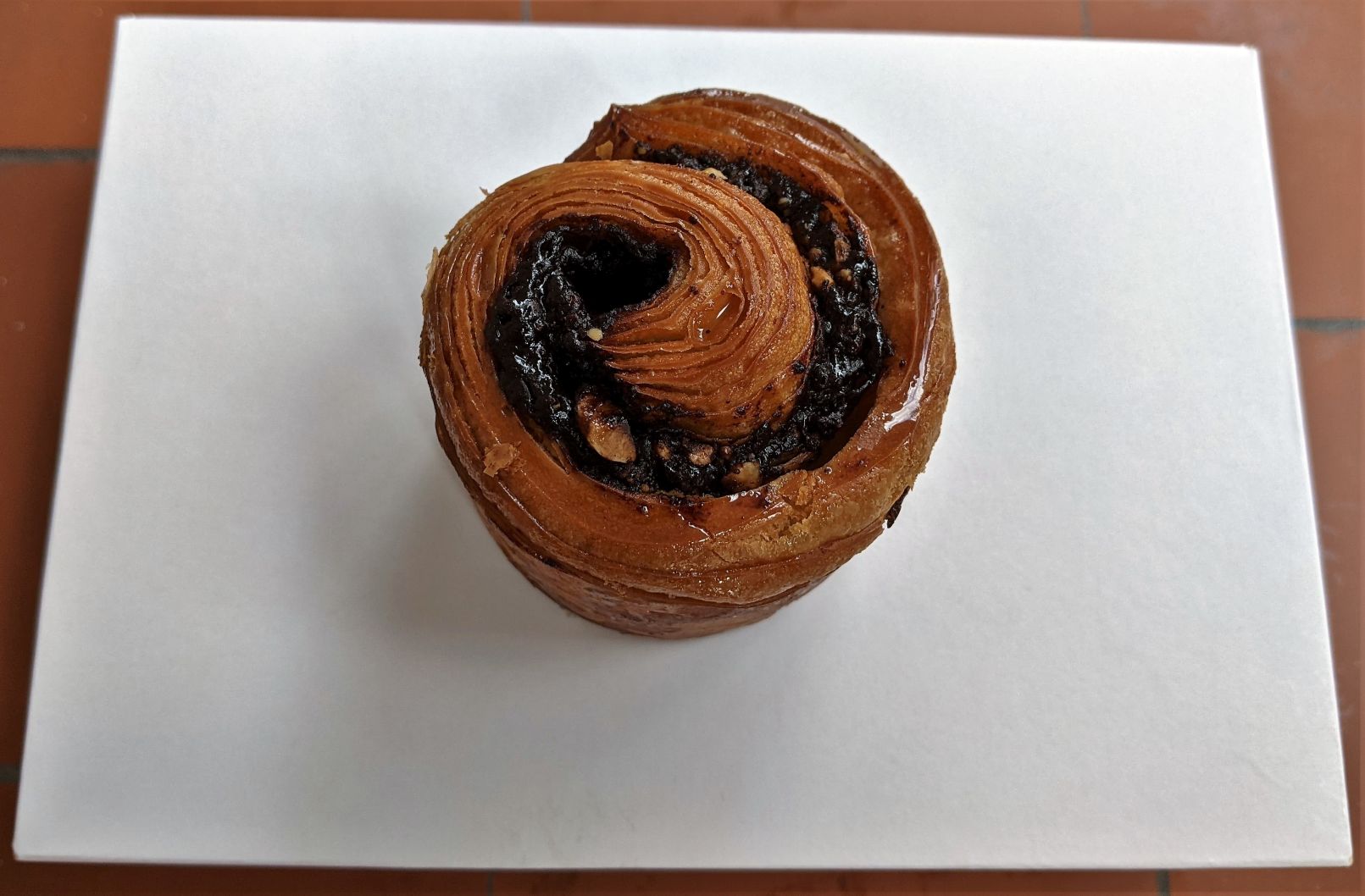
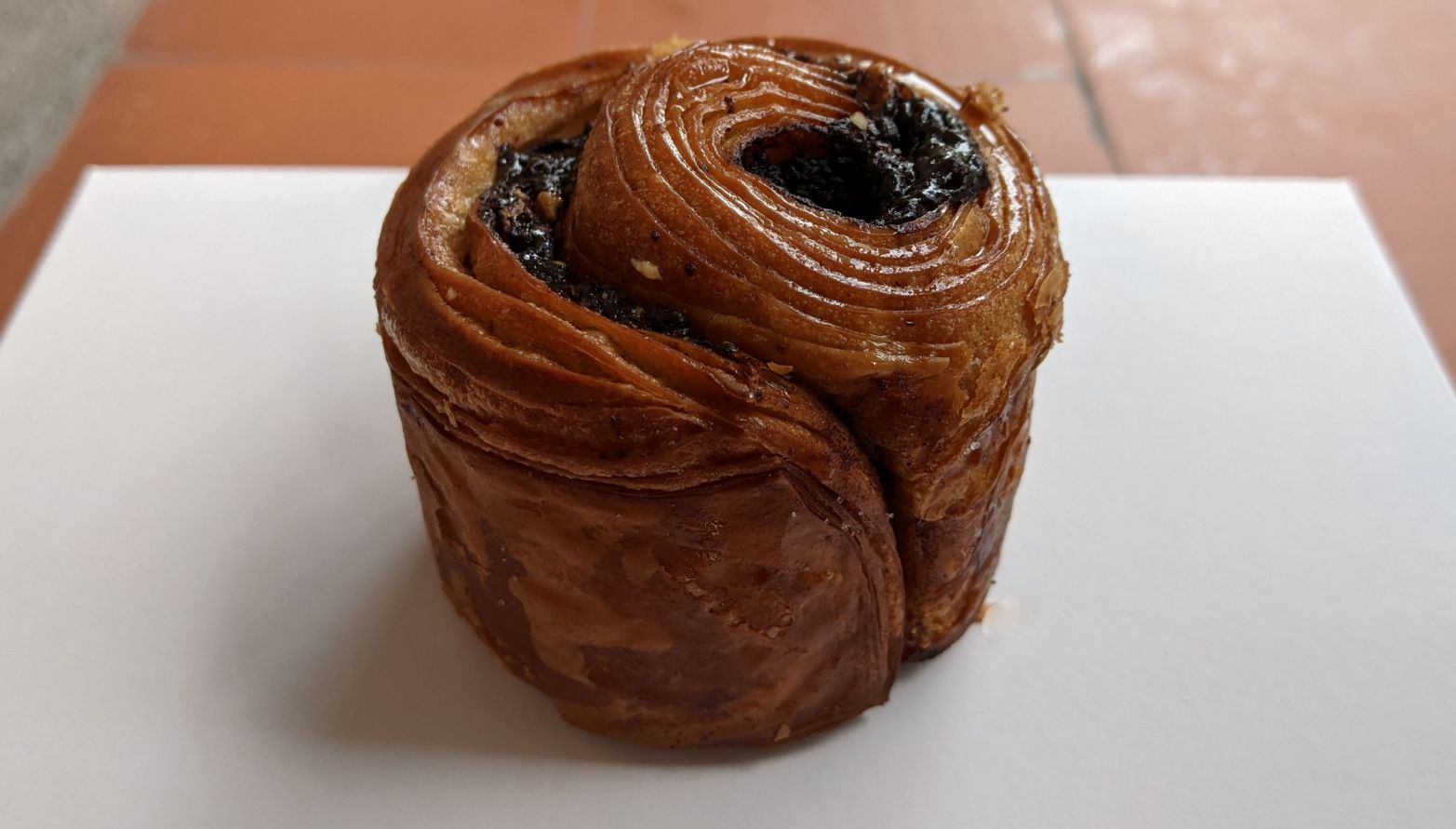
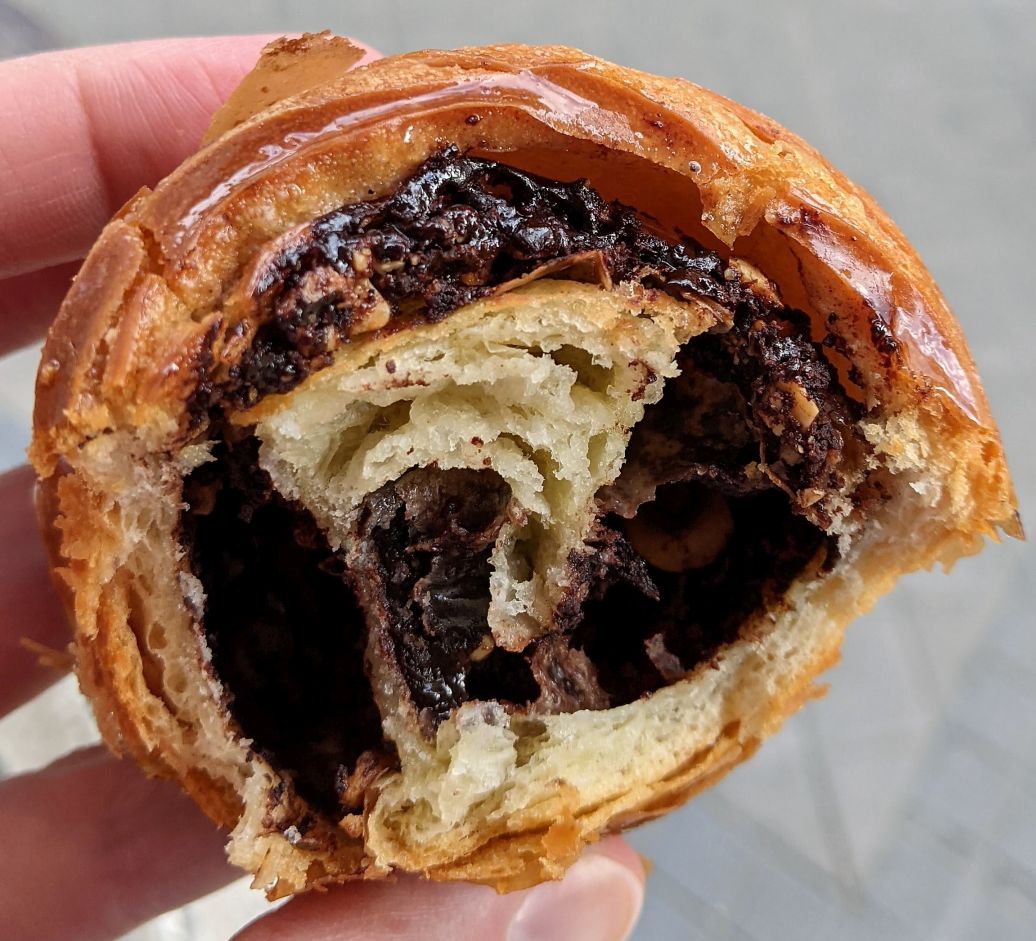
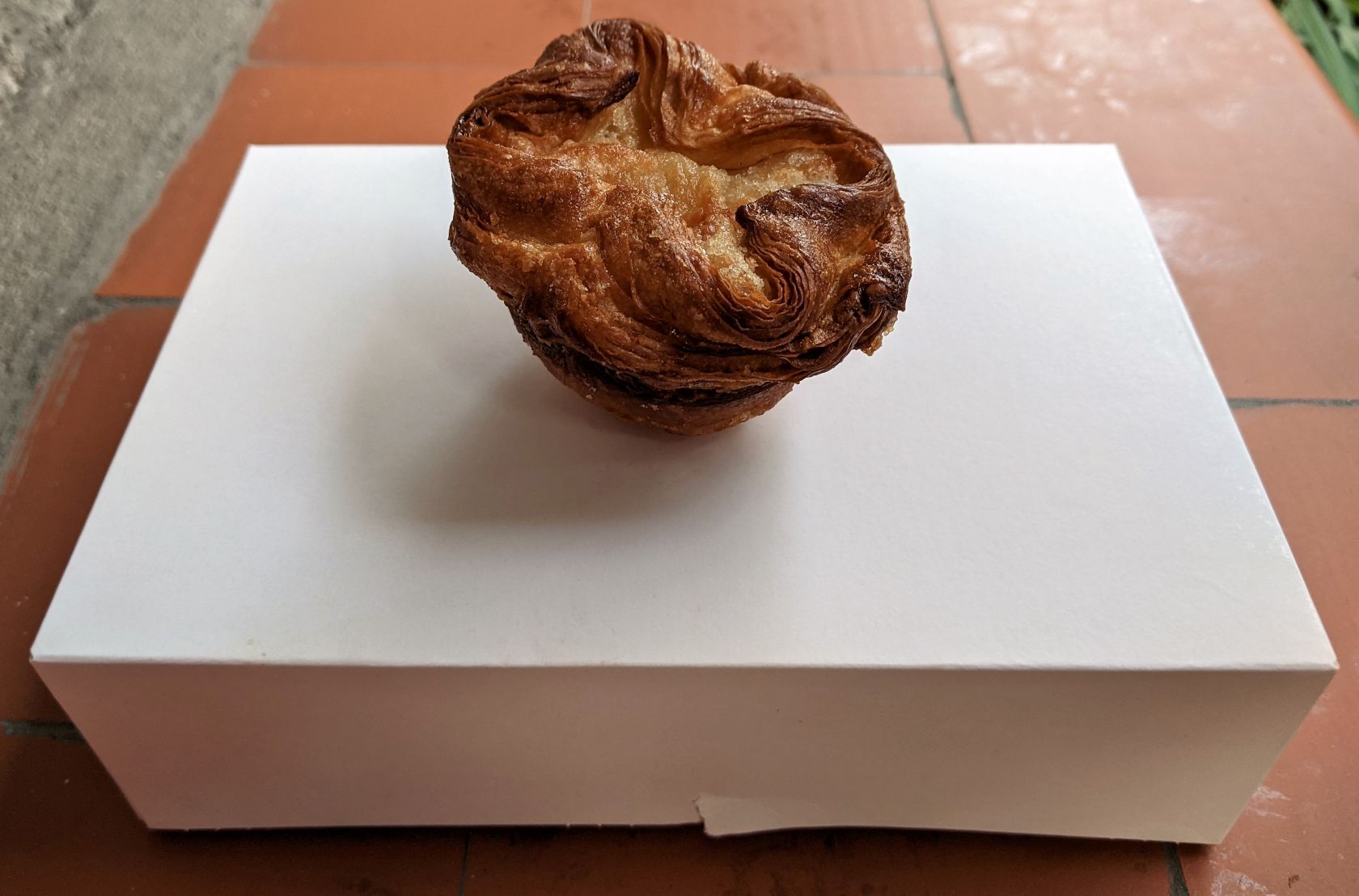
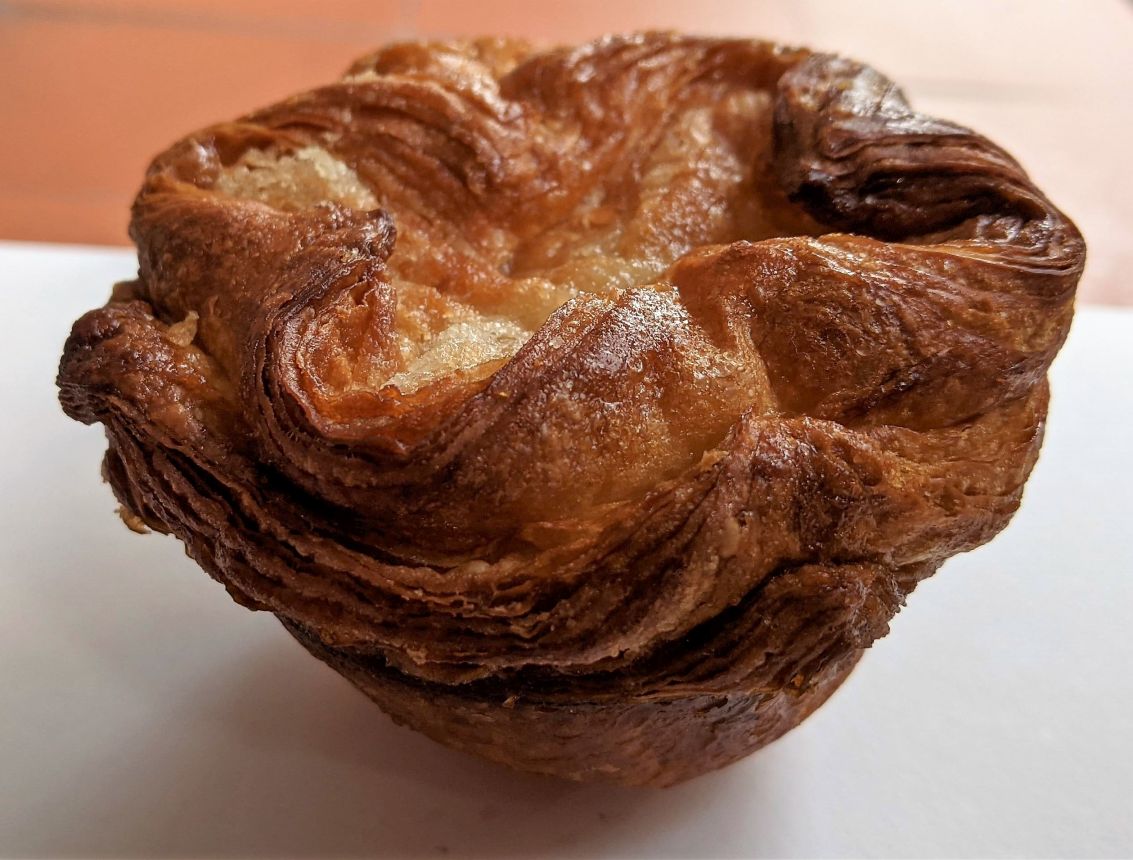
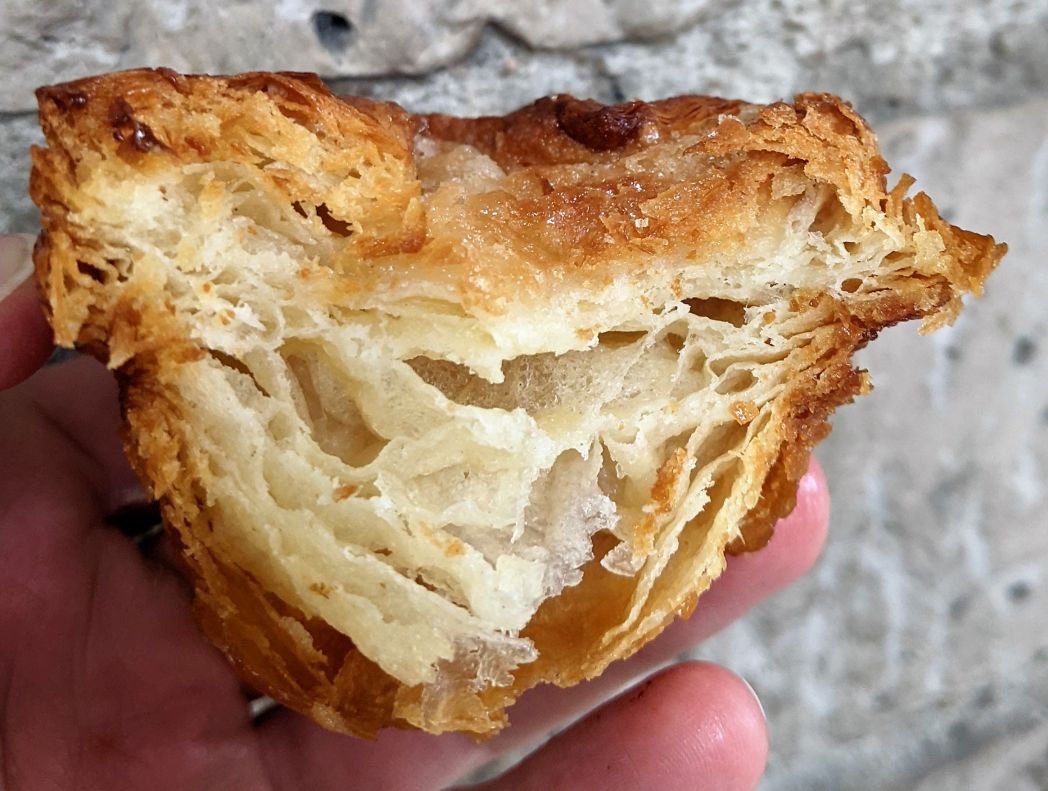
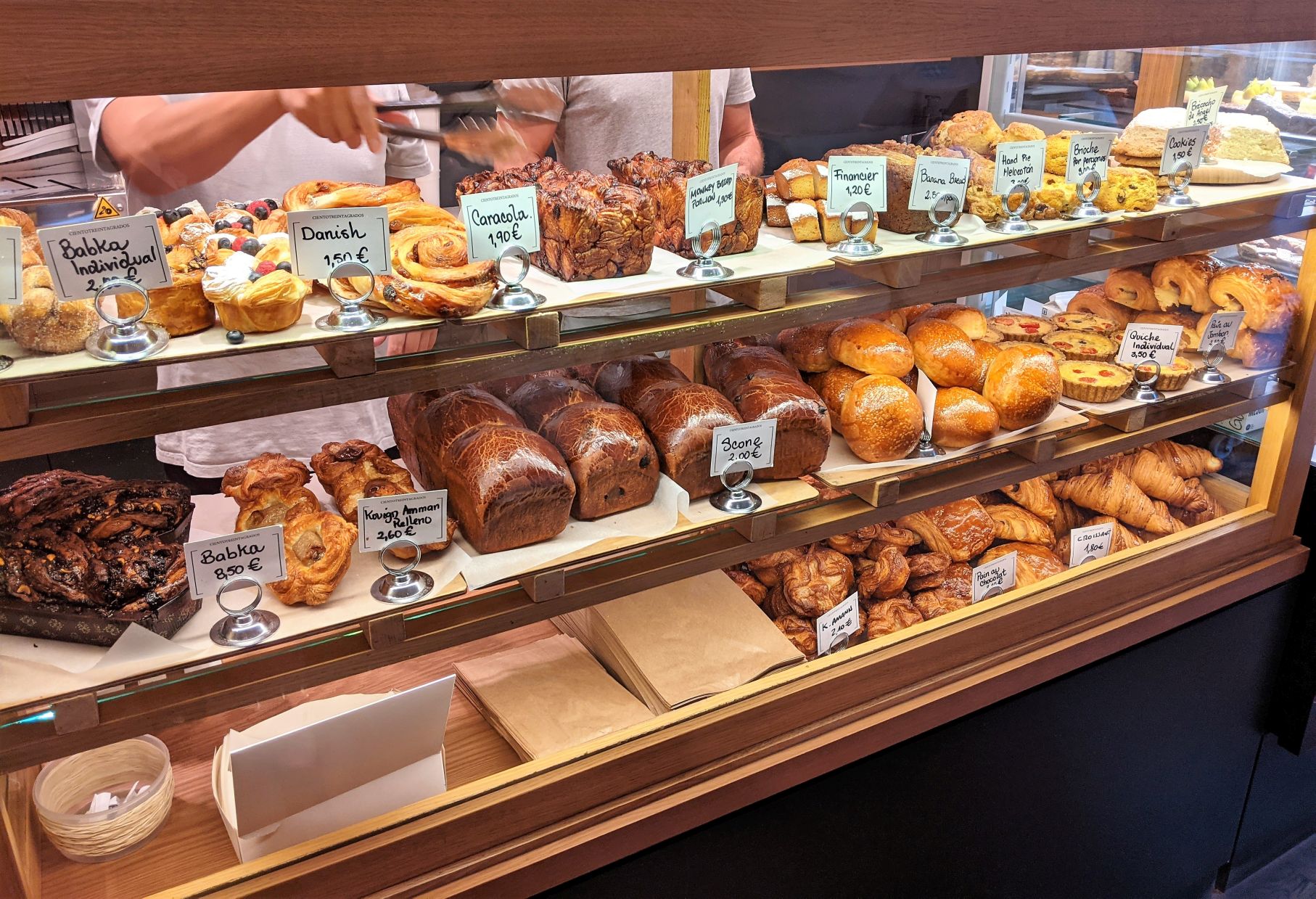
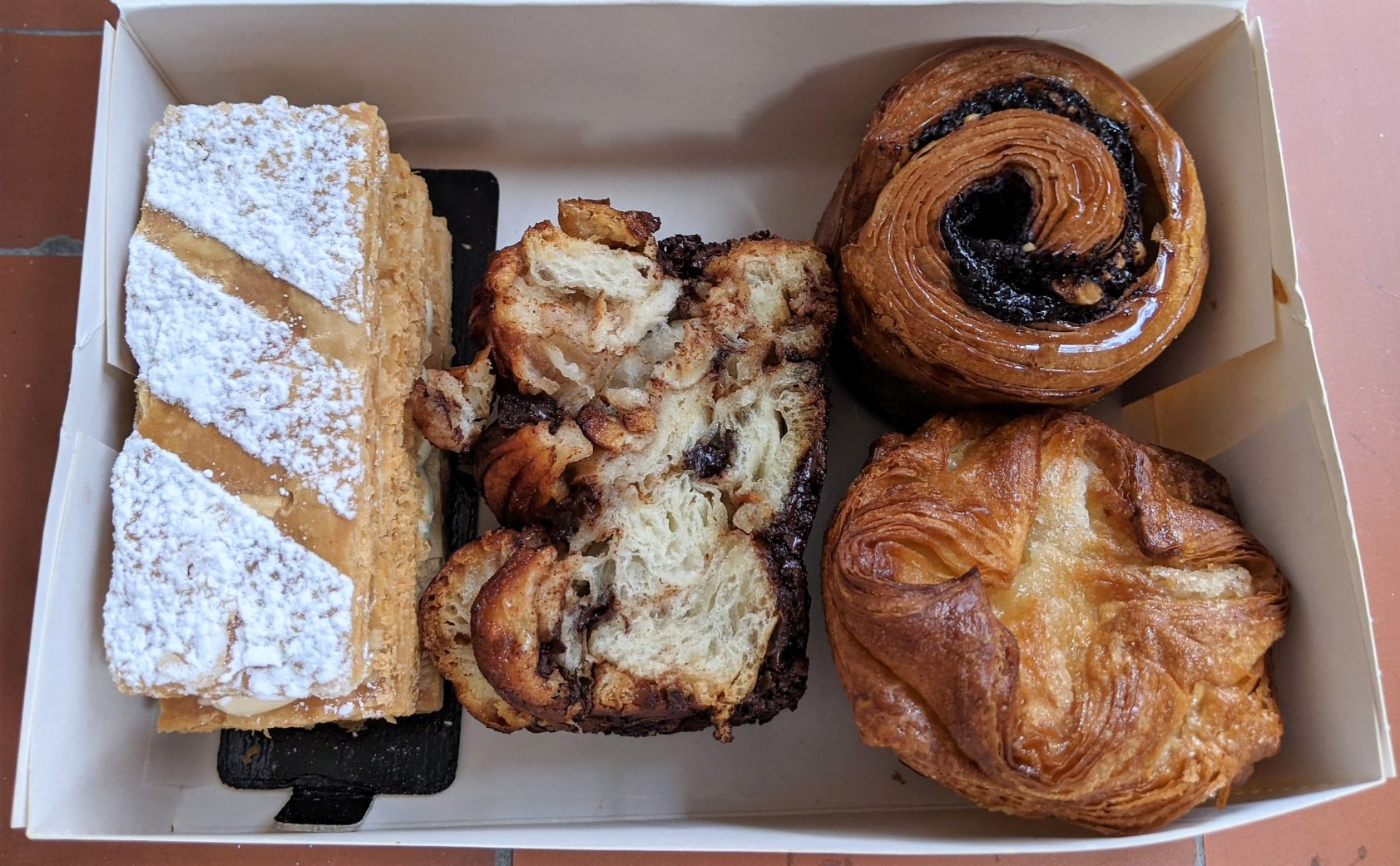
Often sold out by noon, the recent addition of a second location reportedly doing nothing to affect consistency, a Thursday morning visit found a small queue at opening, focus on the Pastry case yielding four choices including a Kouign Amann on par with any that one might find in Paris or Brittany.
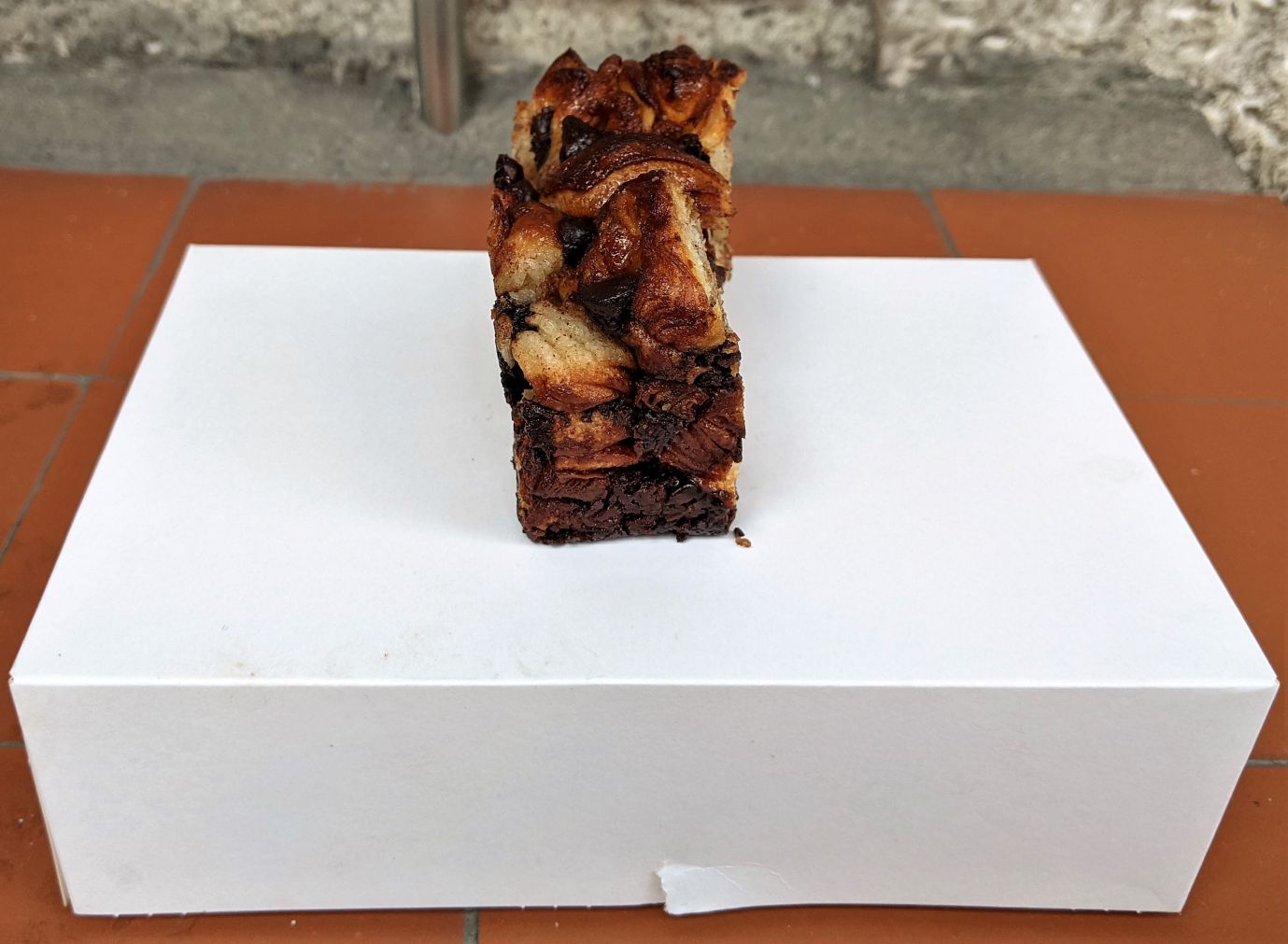
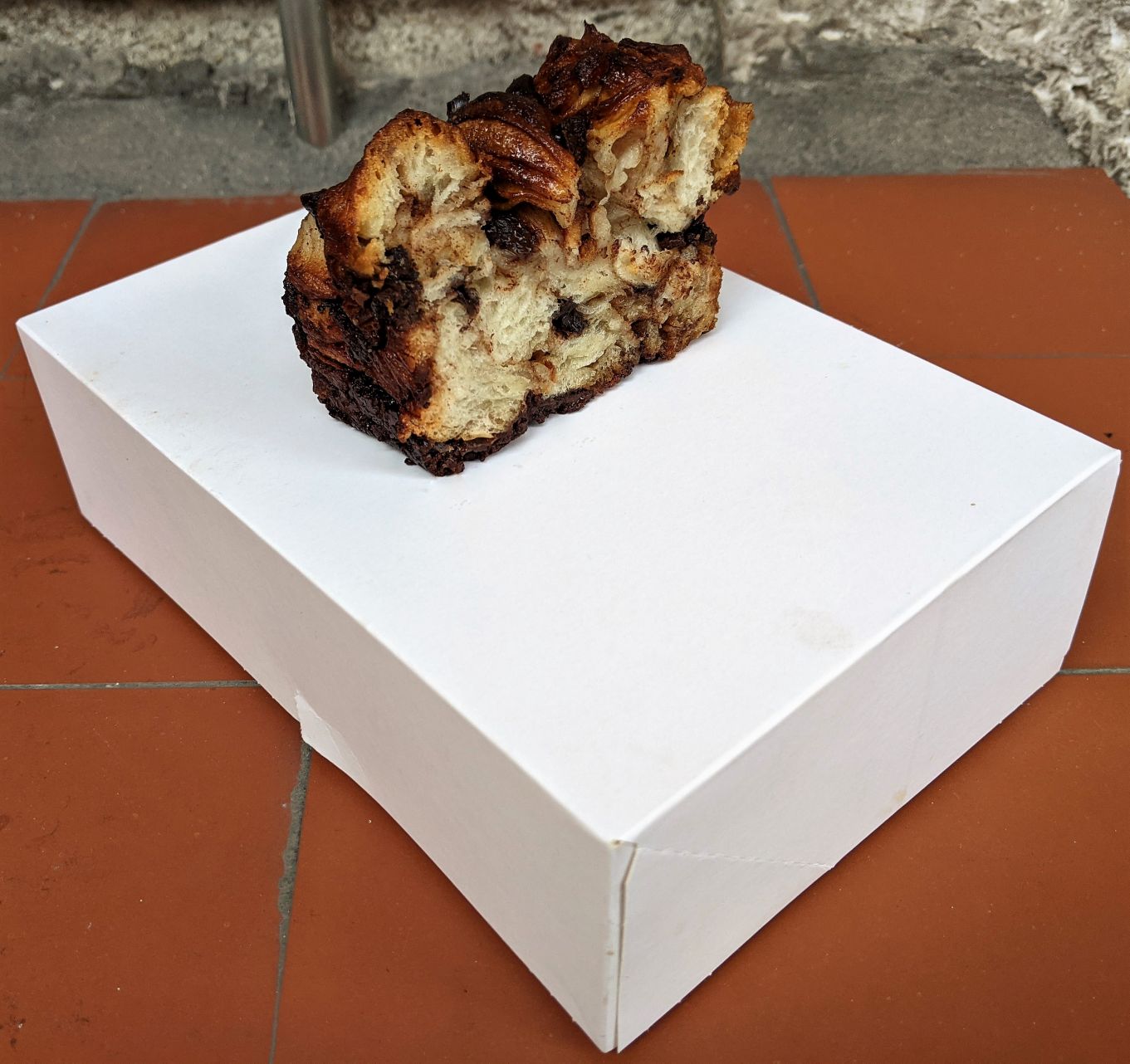
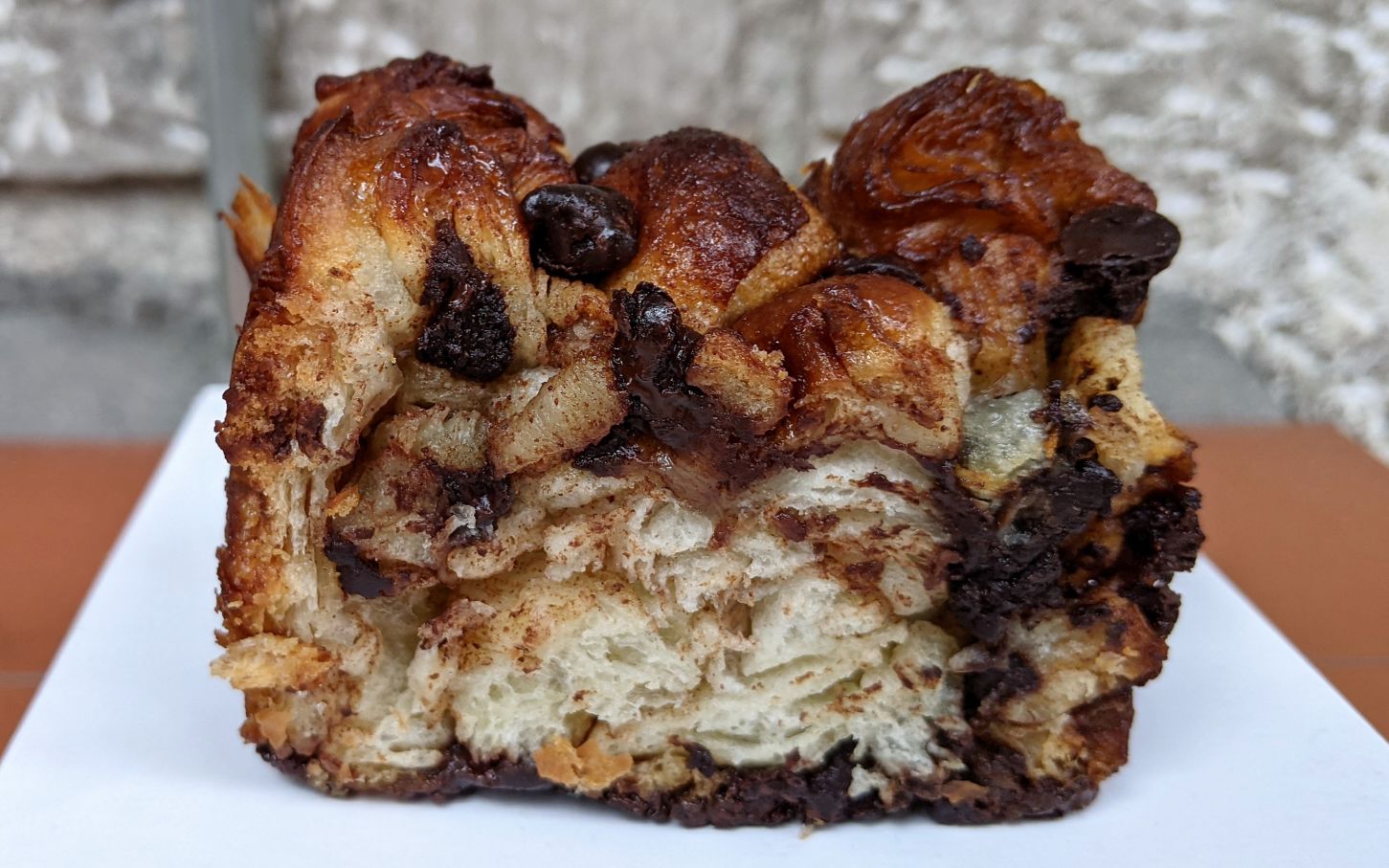
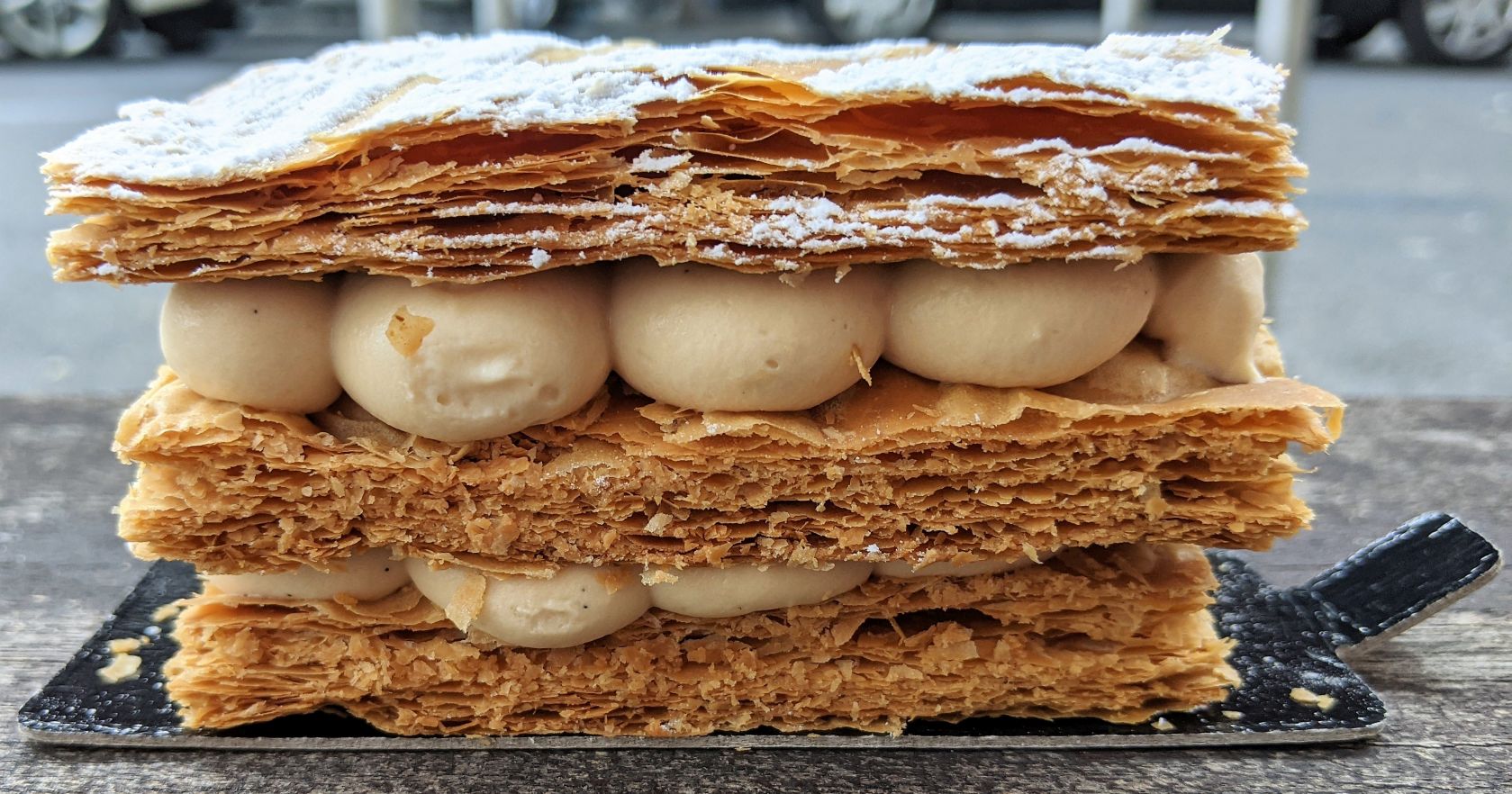
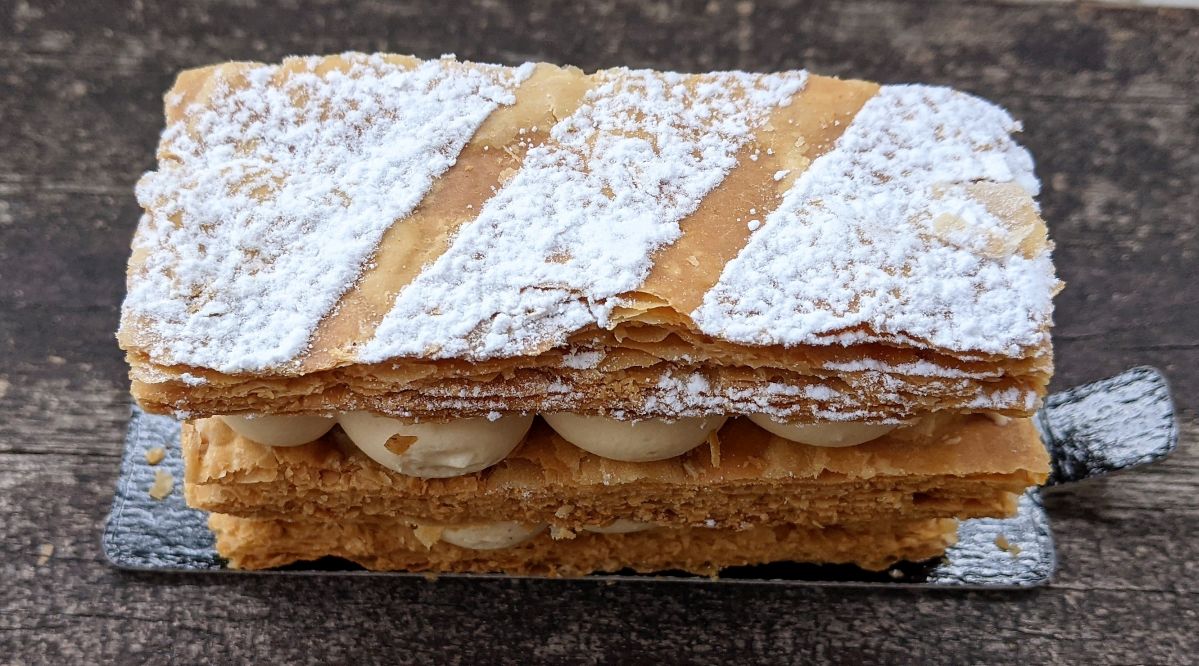
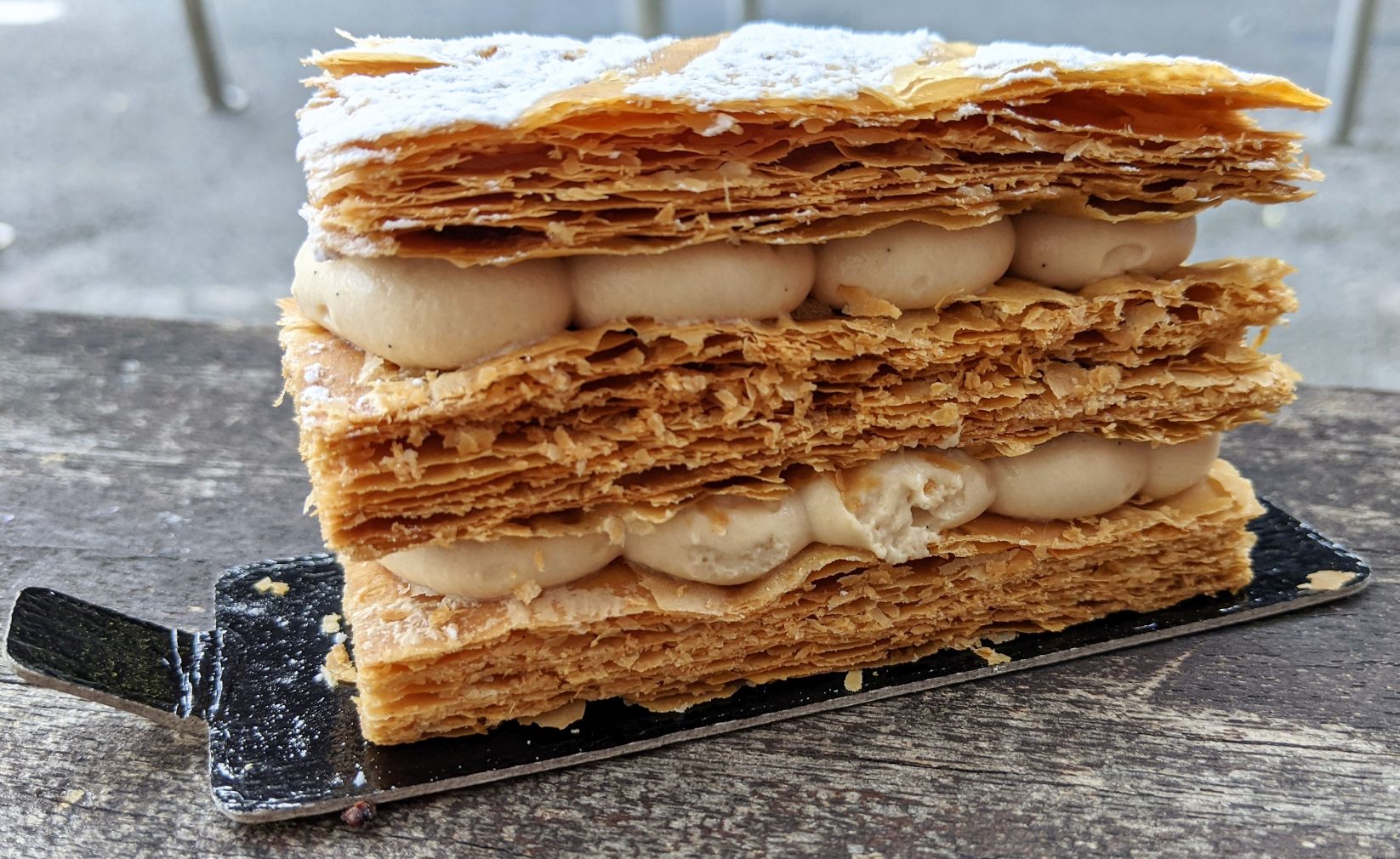
Guaranteed fresh by early arrival, Mille Feuille stacked moments prior shattering layer by layer surrounding Pastry Cream, the younger Miragoli’s time stateside is readily evident in the presence of Monkey Bread and Babka, each using top-tier Dark Chocolate and which was better a matter of preference between Viennoiserie or a texture akin to Bread Pudding.
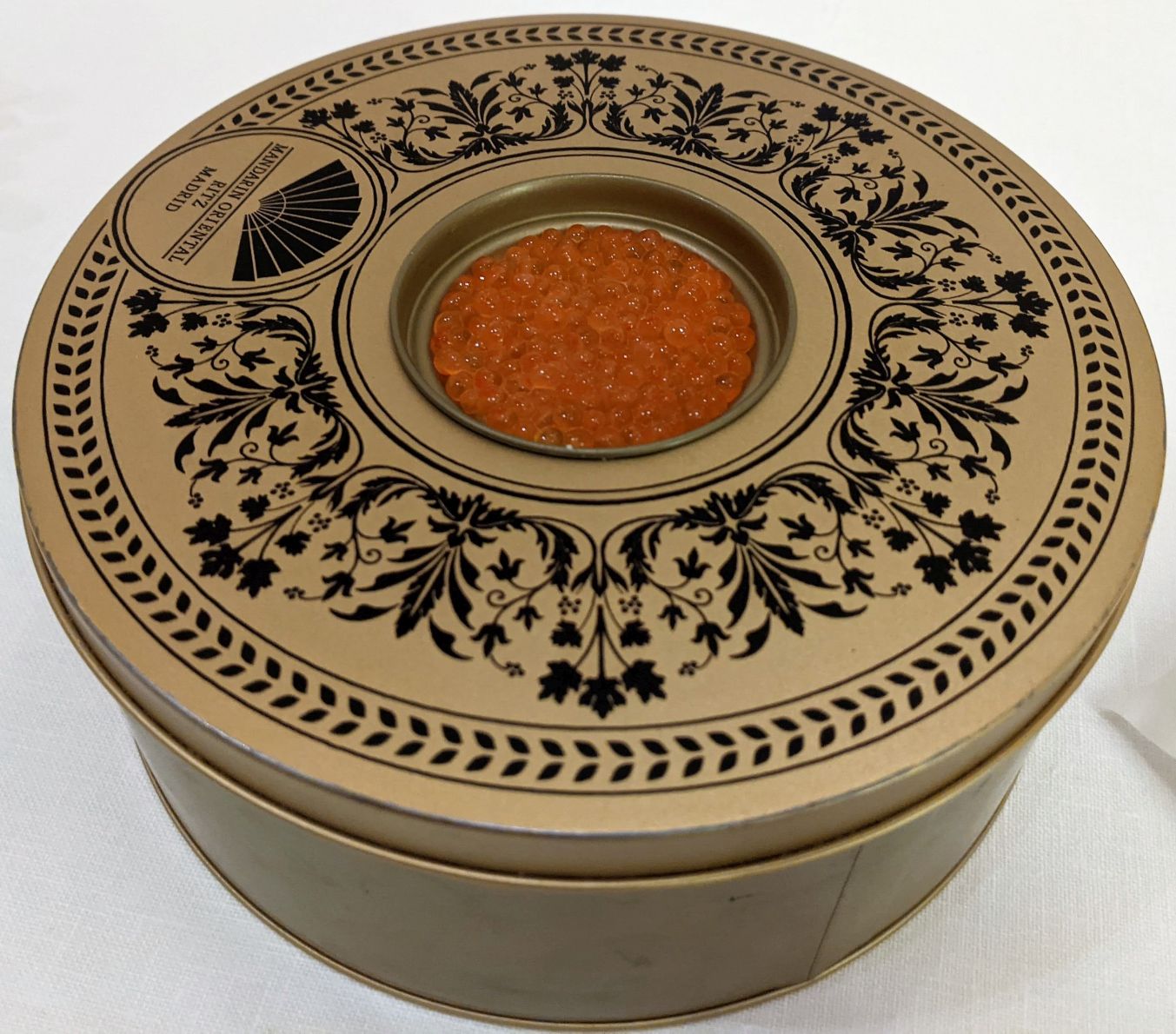
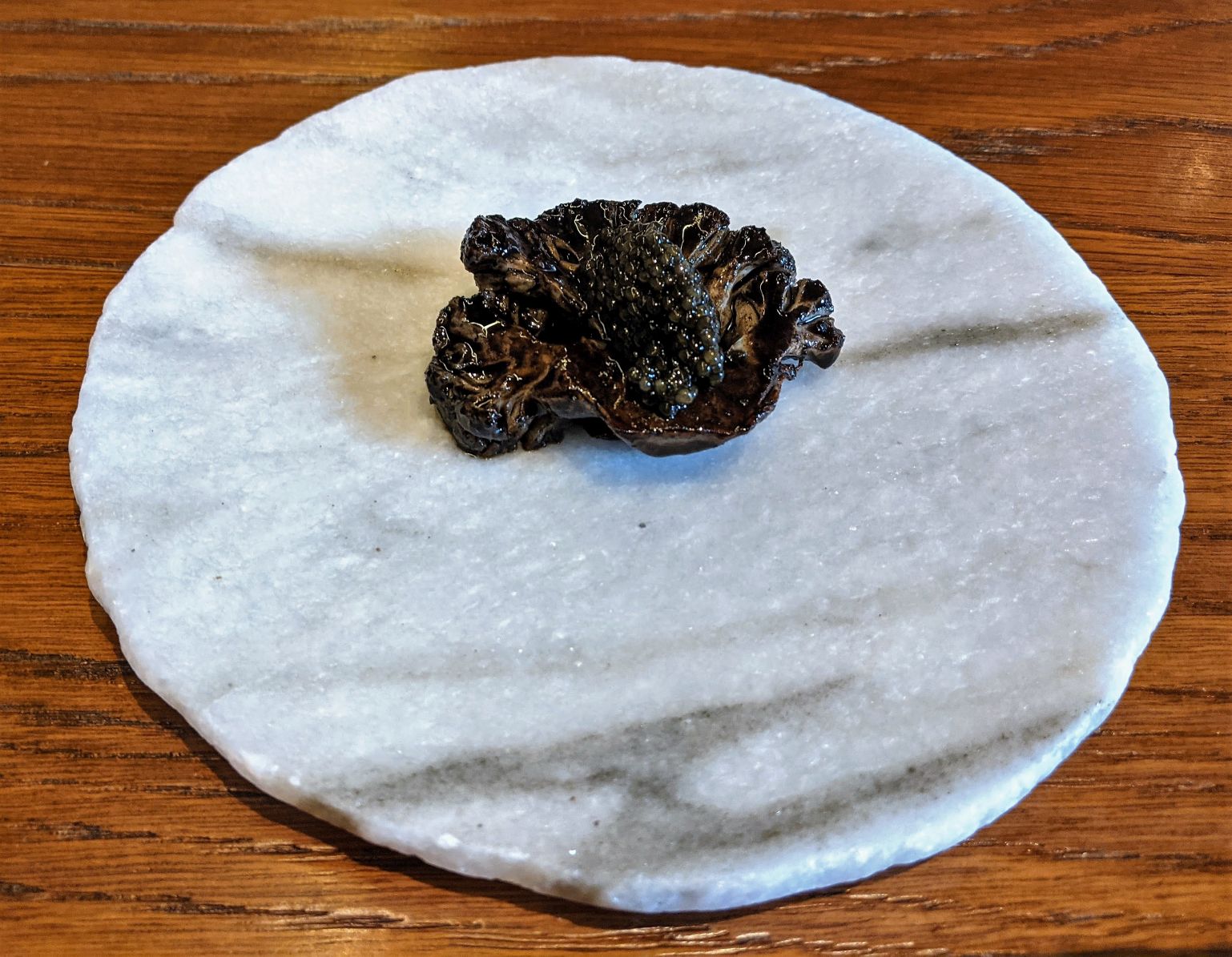
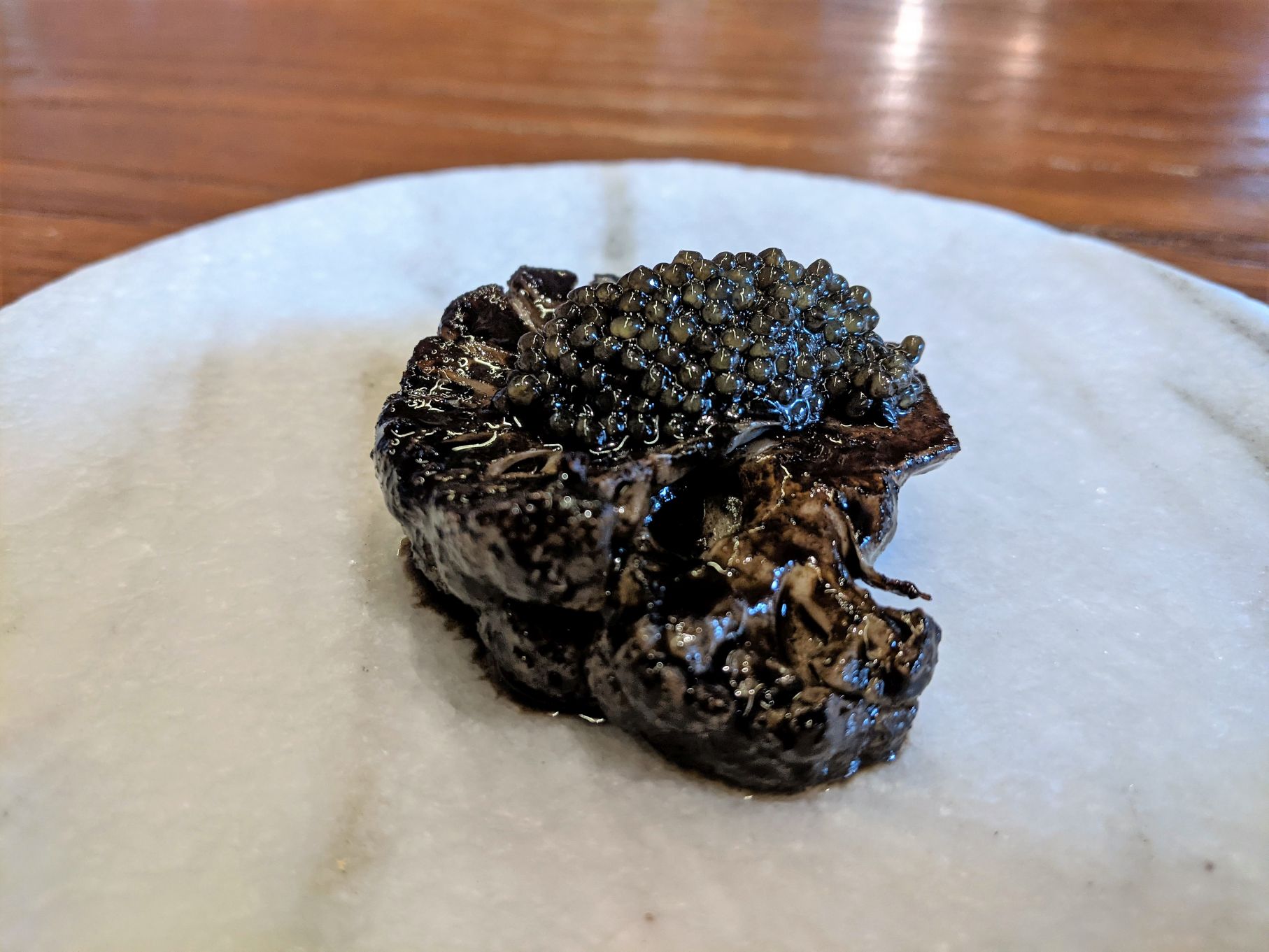
Torta of Ling Roe served as ‘cheese’, Mullet Roe, Trout Roe, Beluga Caviar, Osetra Caviar, Kaluga Caviar, Housemade Cheese, Tapioca Bread, Cracker, Steam Bun
Red Prawn from Denia cooked in Sea Water with Herbs and Shellfish Bisque
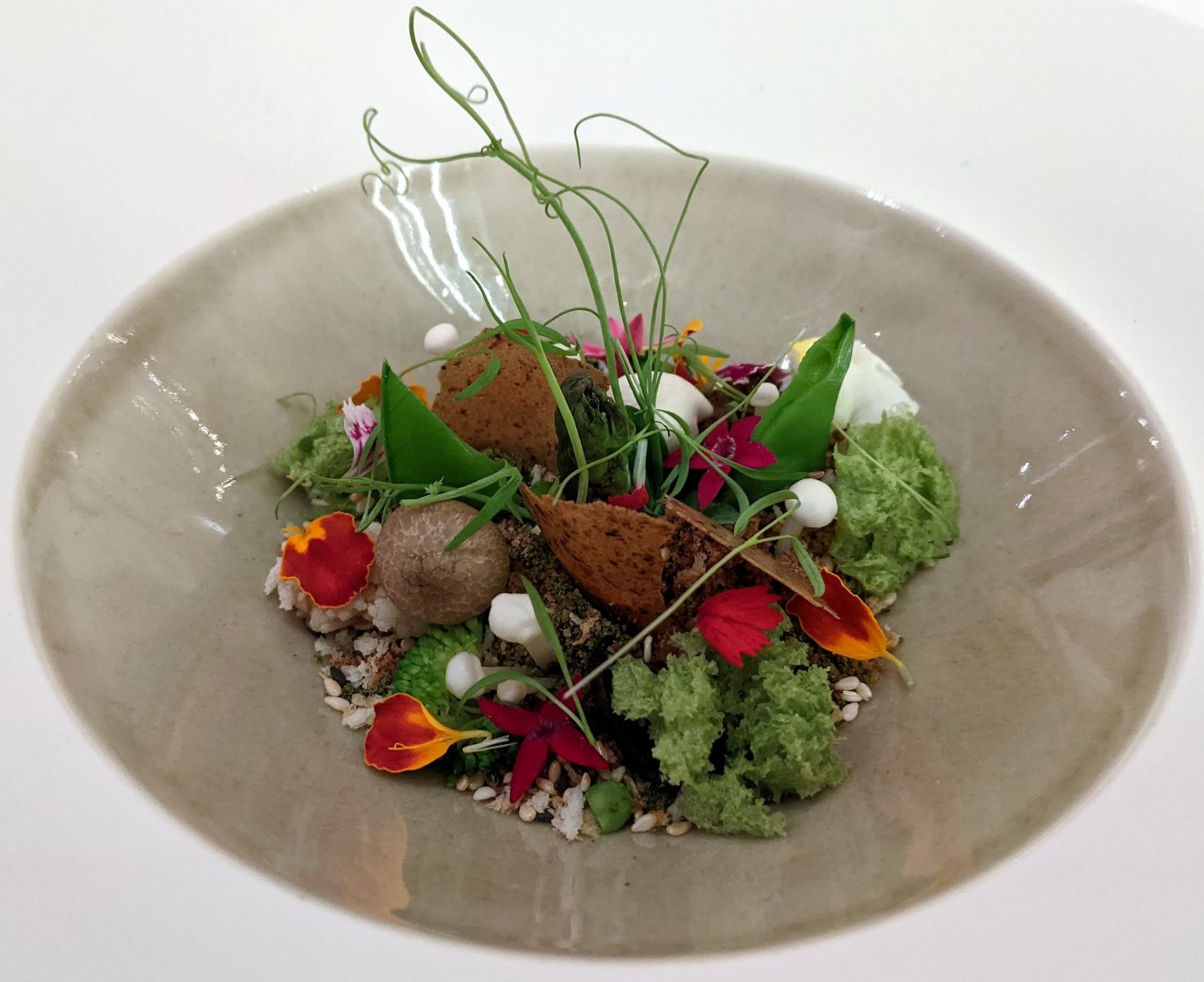
The Enchanted Forest
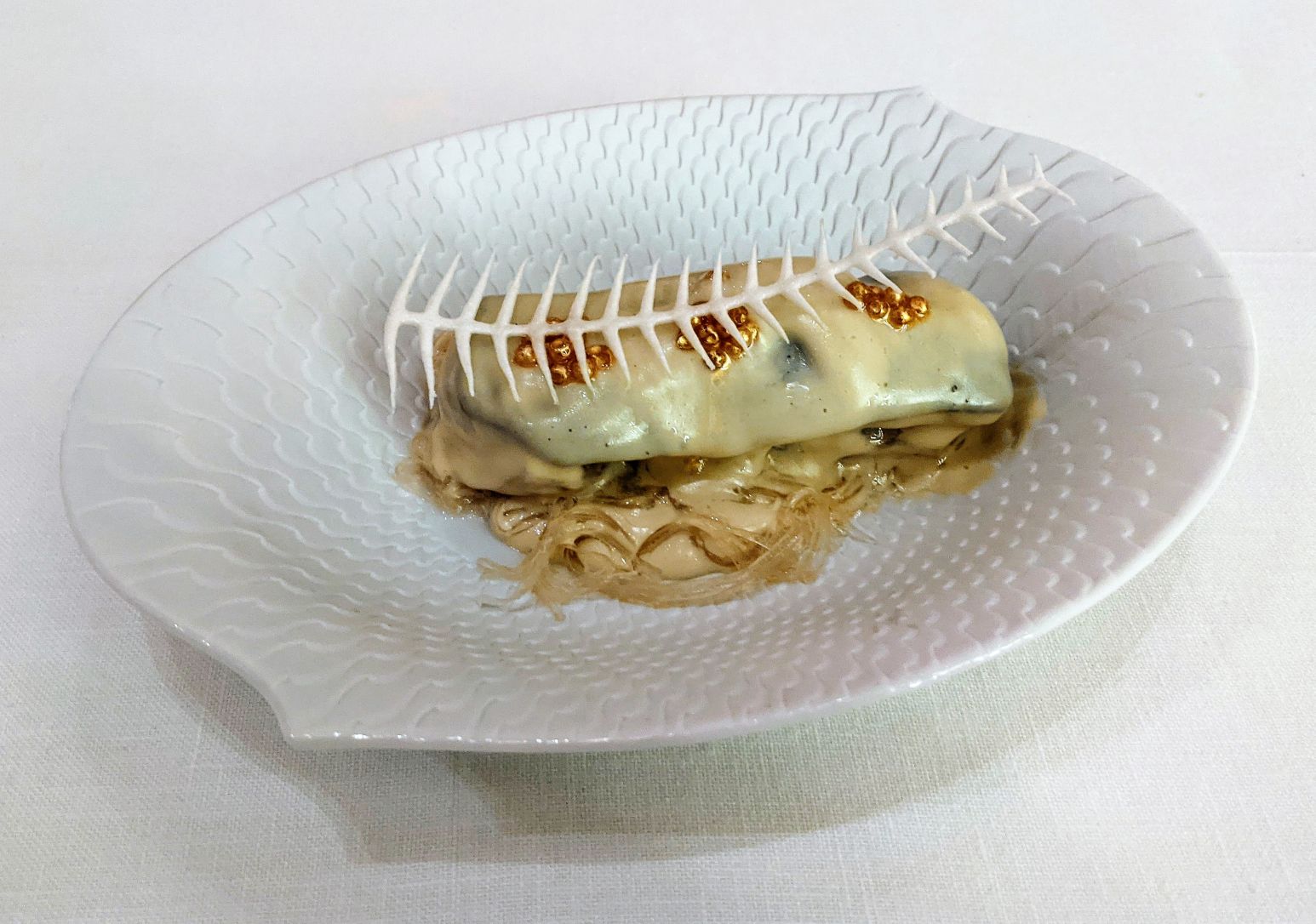
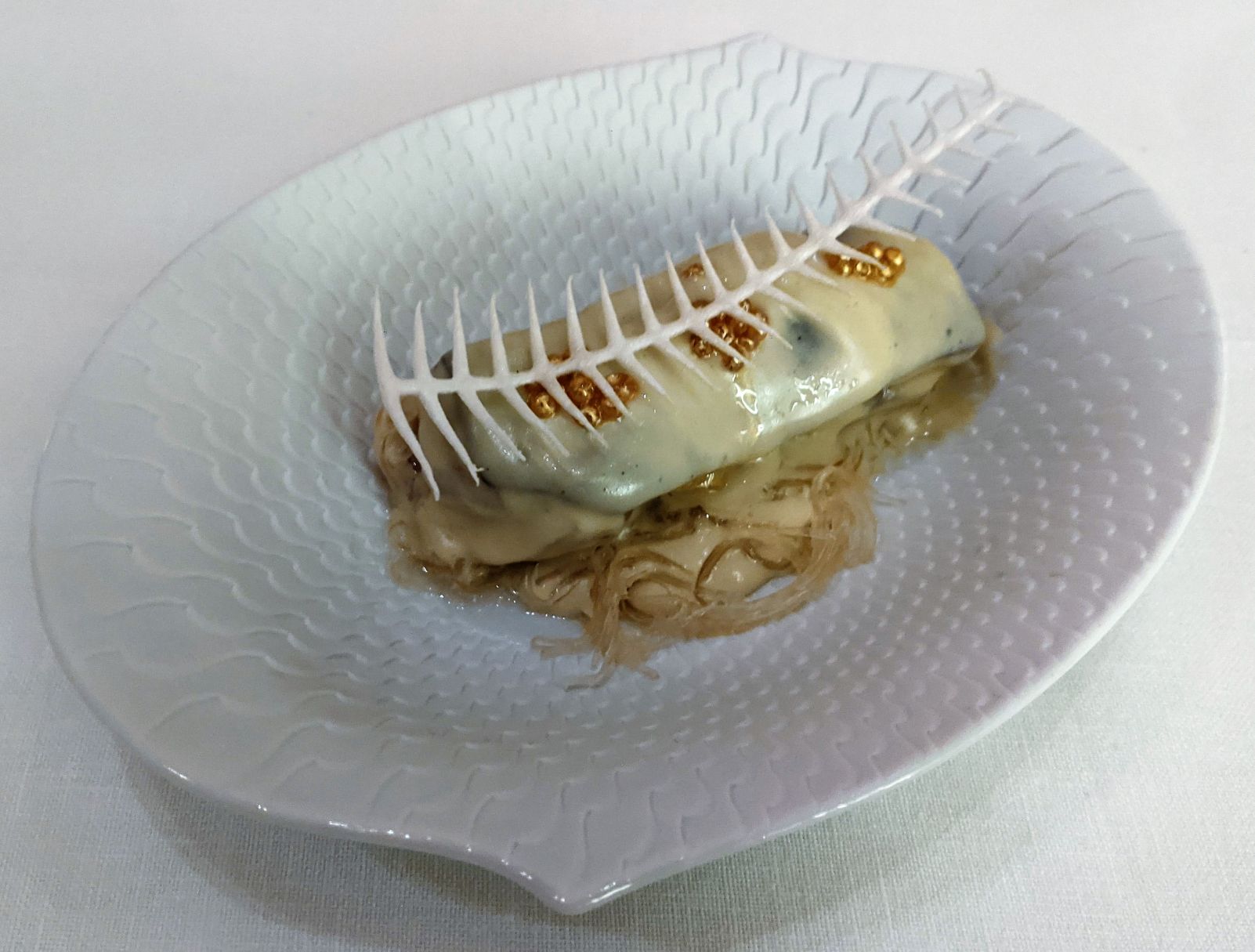
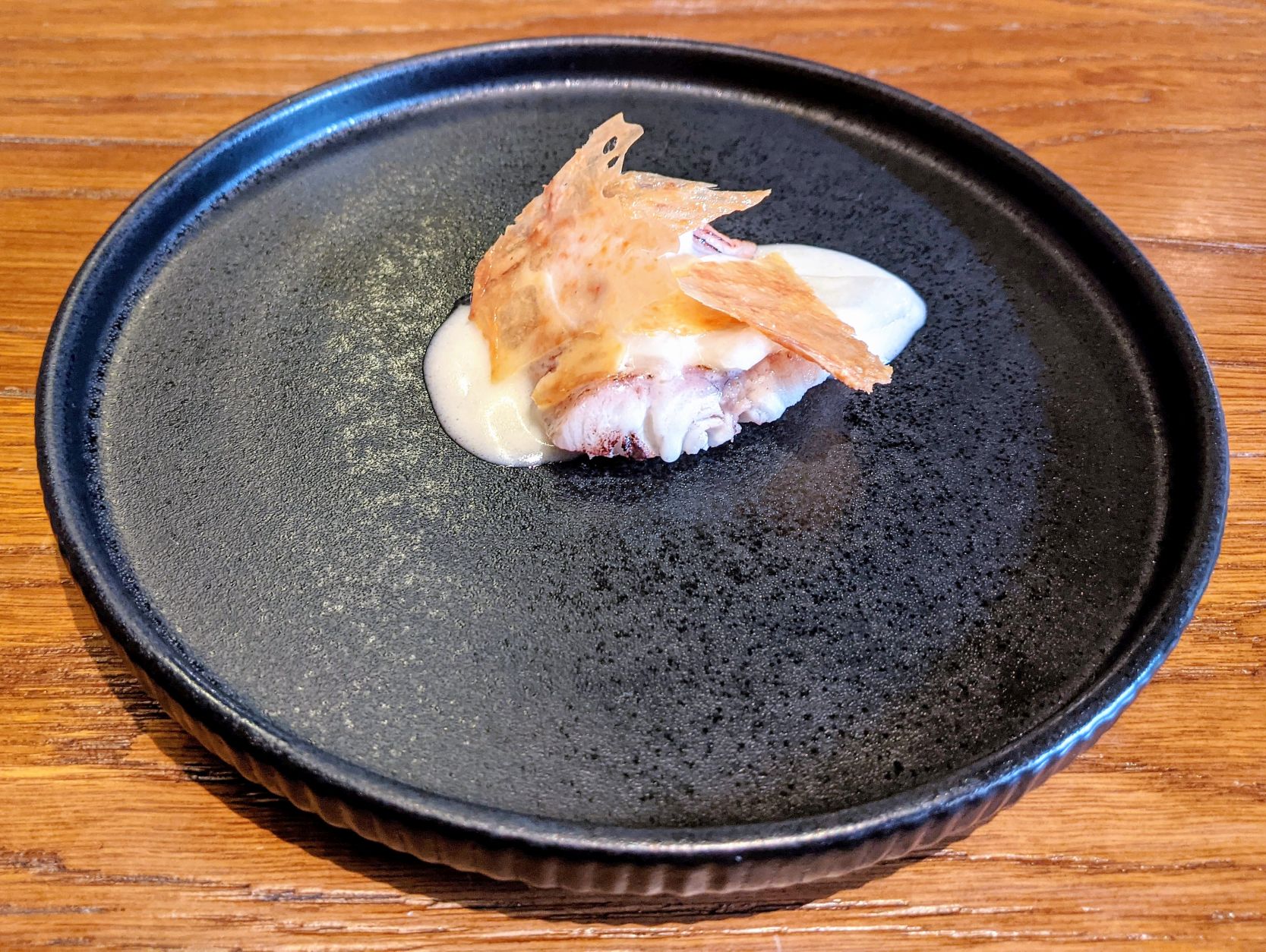
Turbot in Sherry Sauce
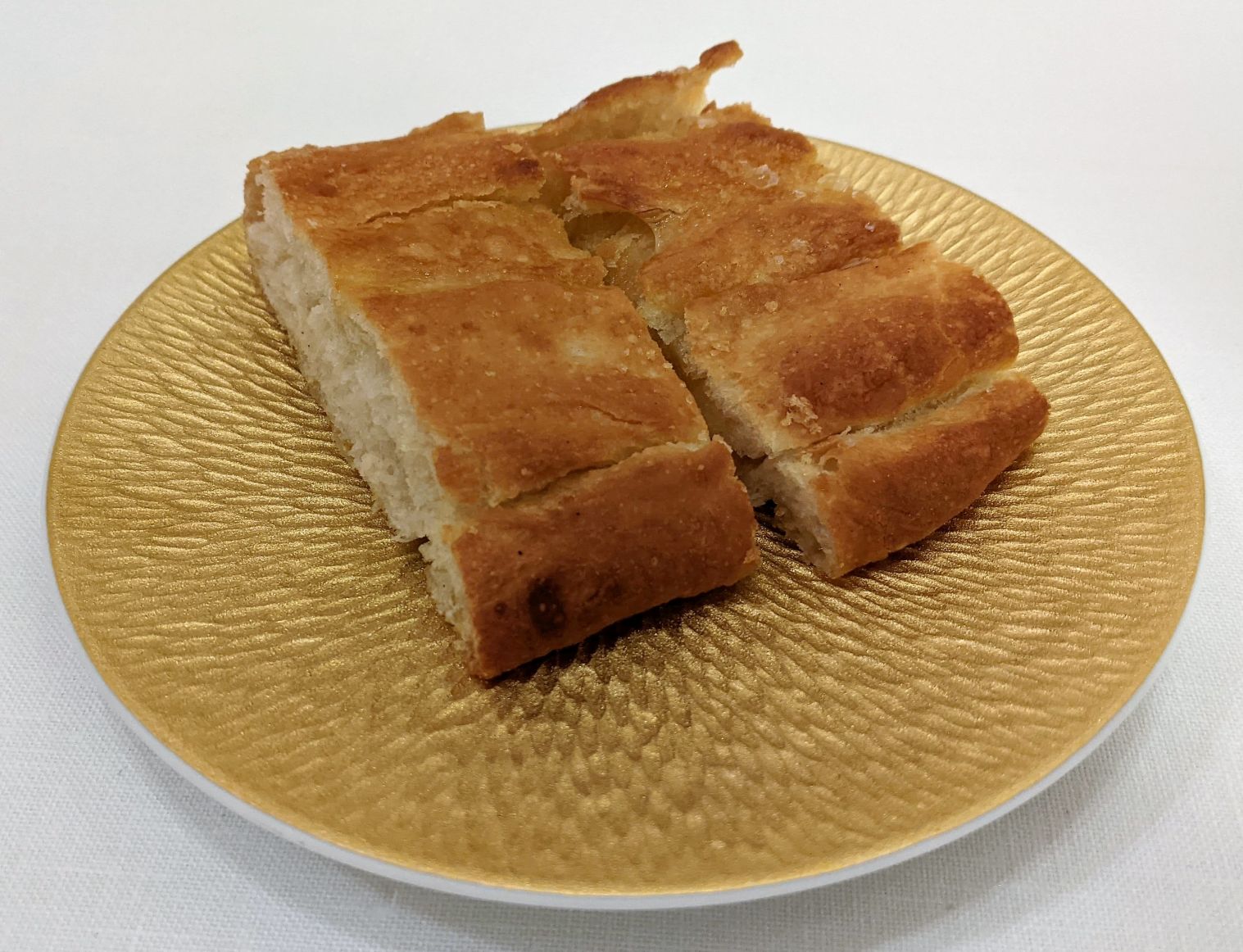
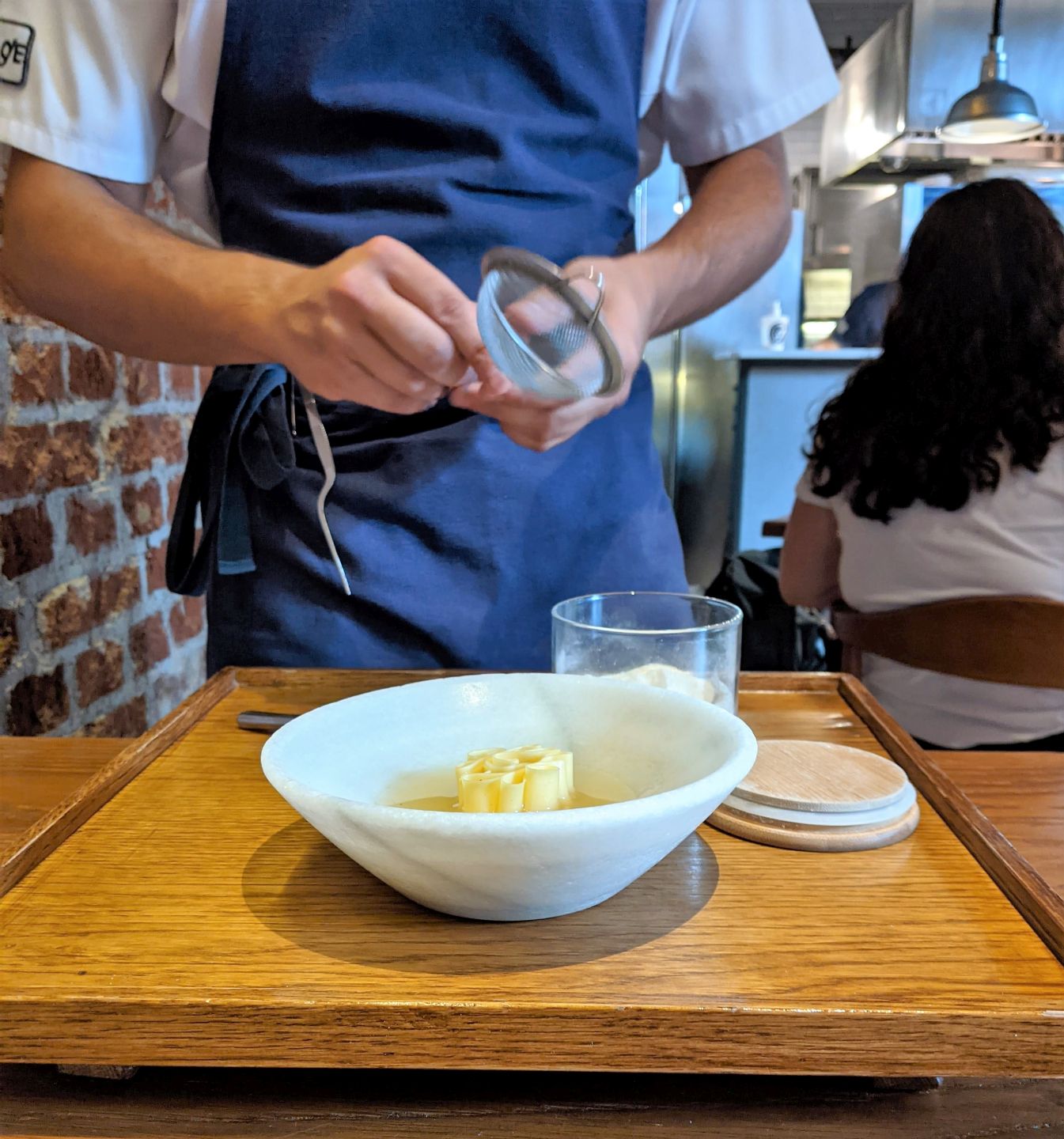
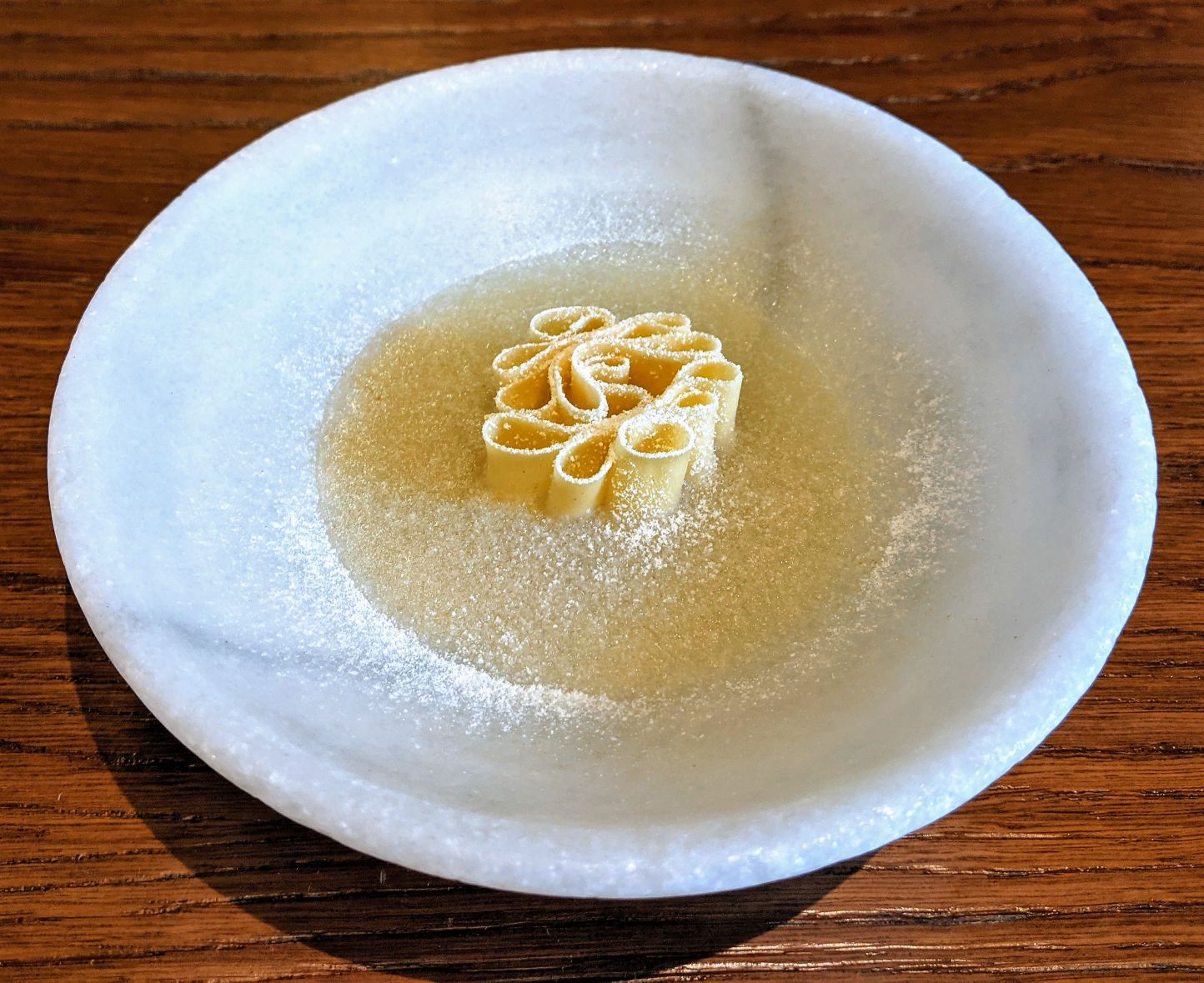
Morel Risotto, Pan de Aceite
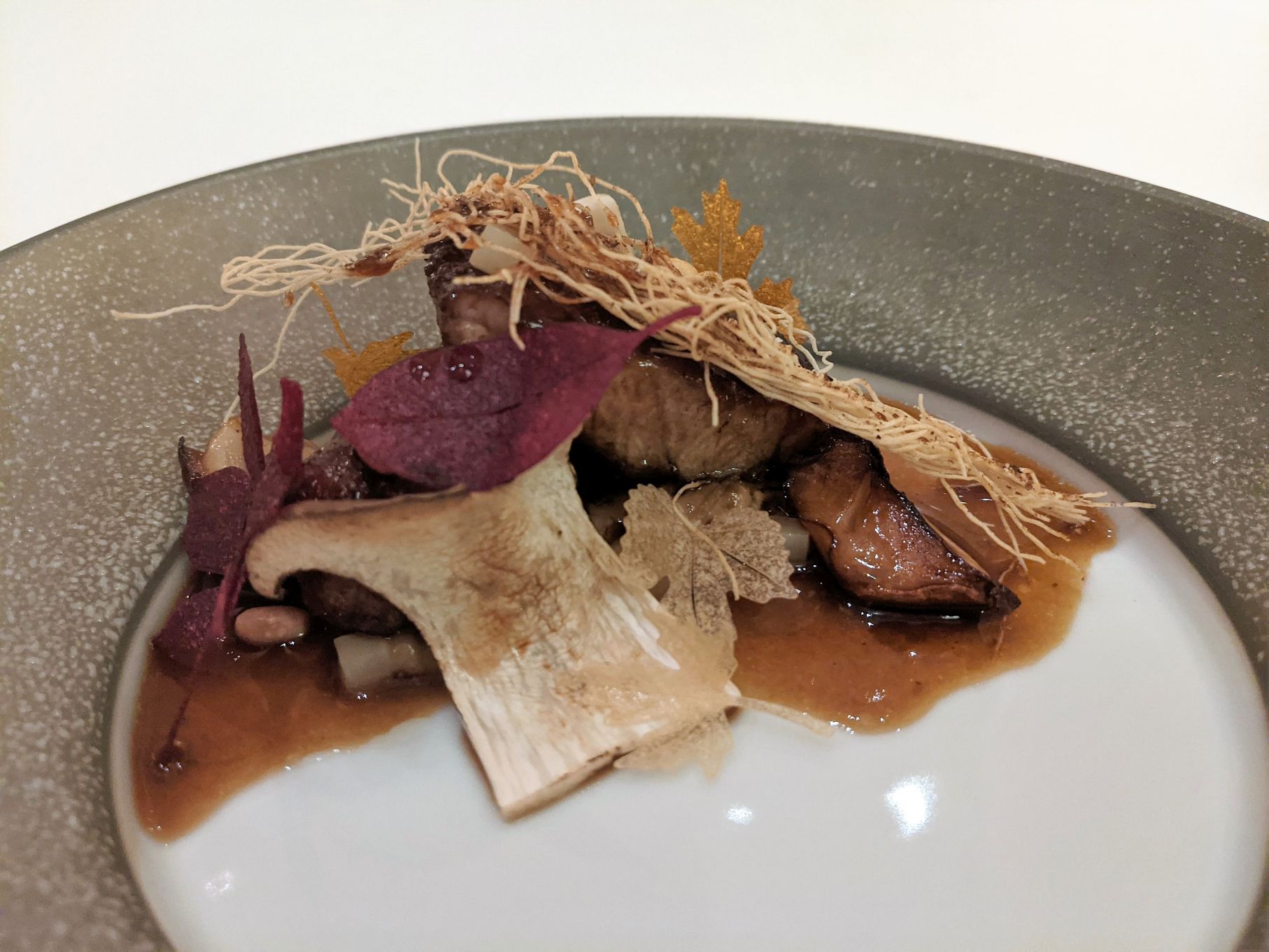
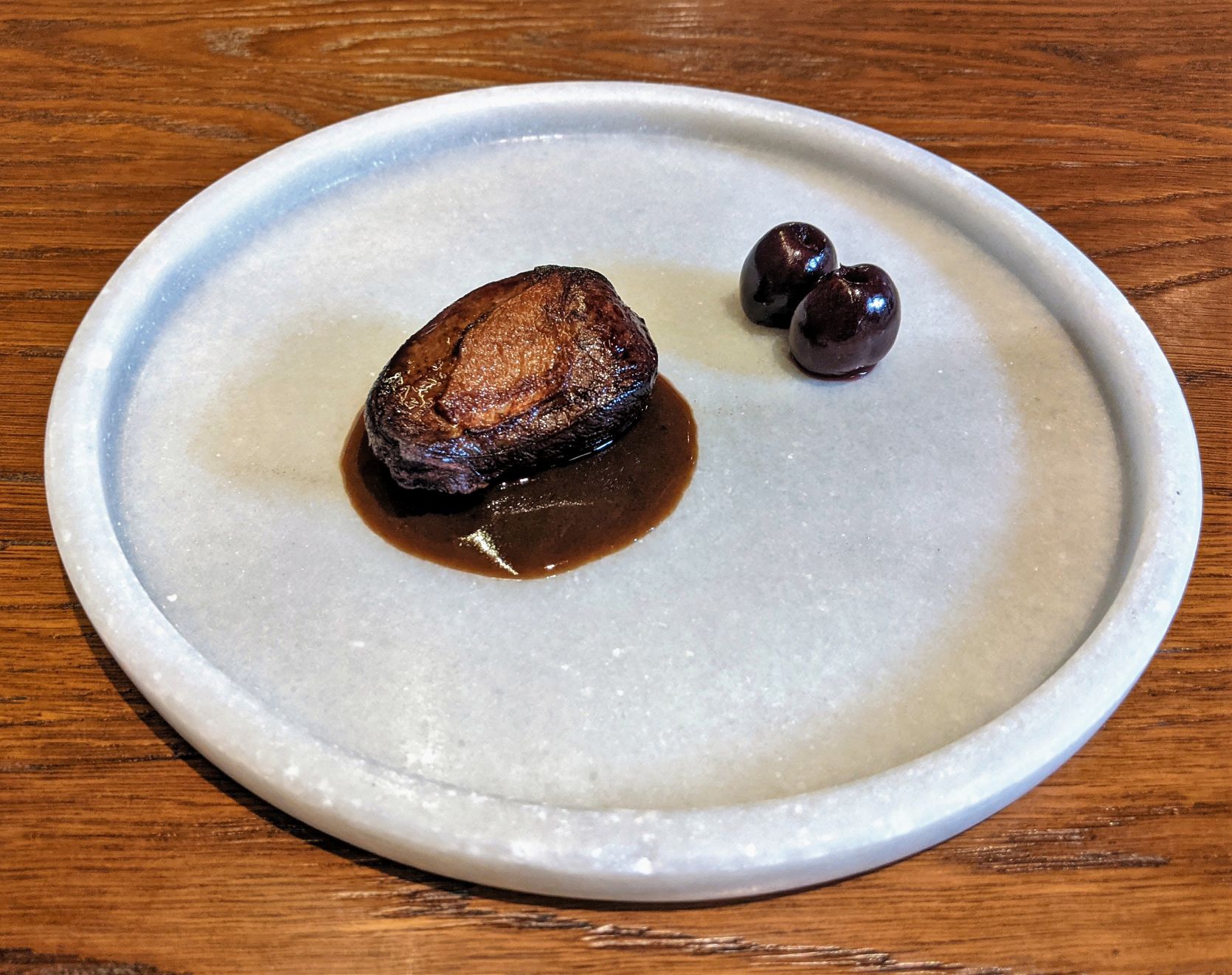
Roasted Veal Sweetbread with Mountain Leaves
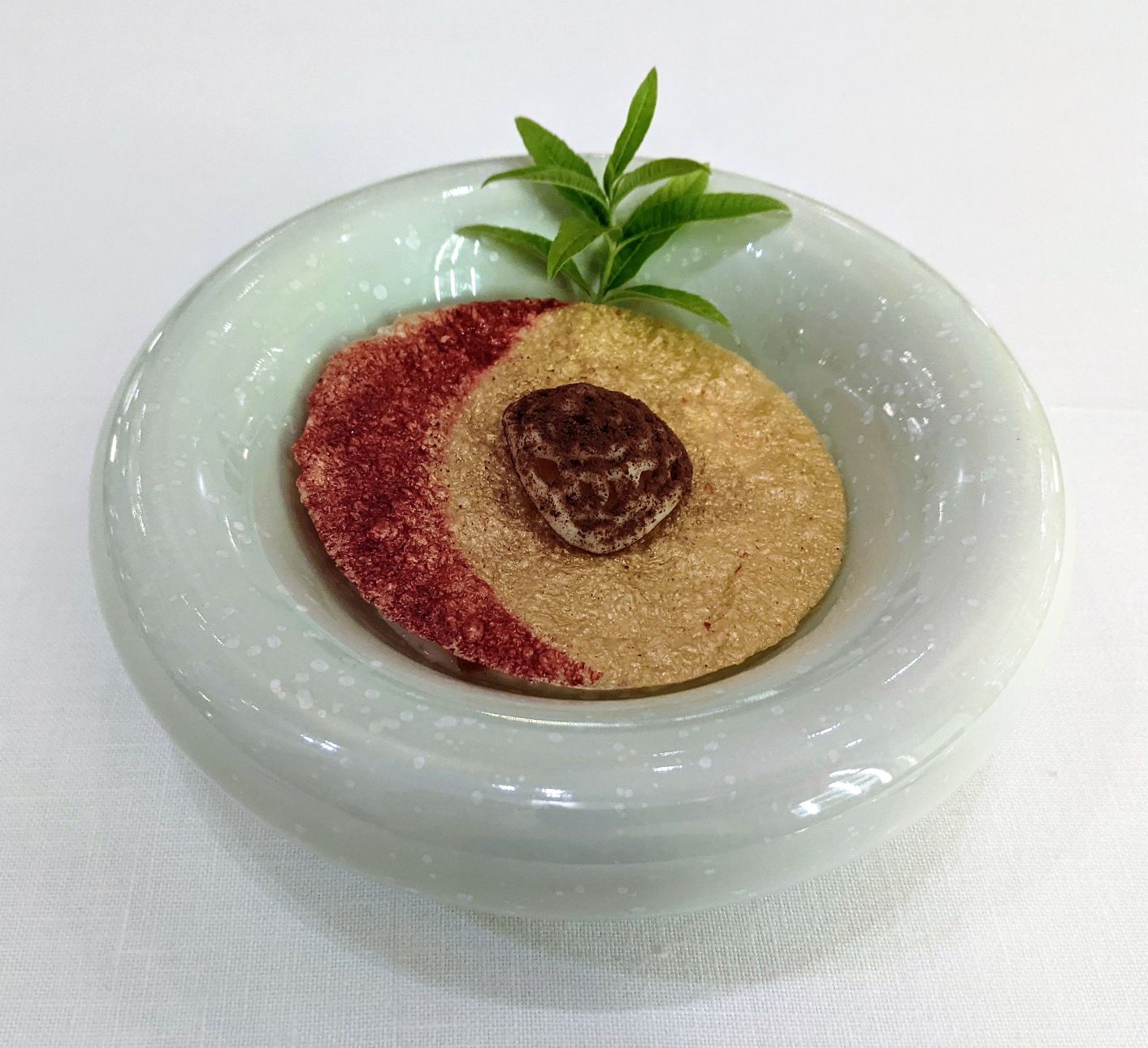
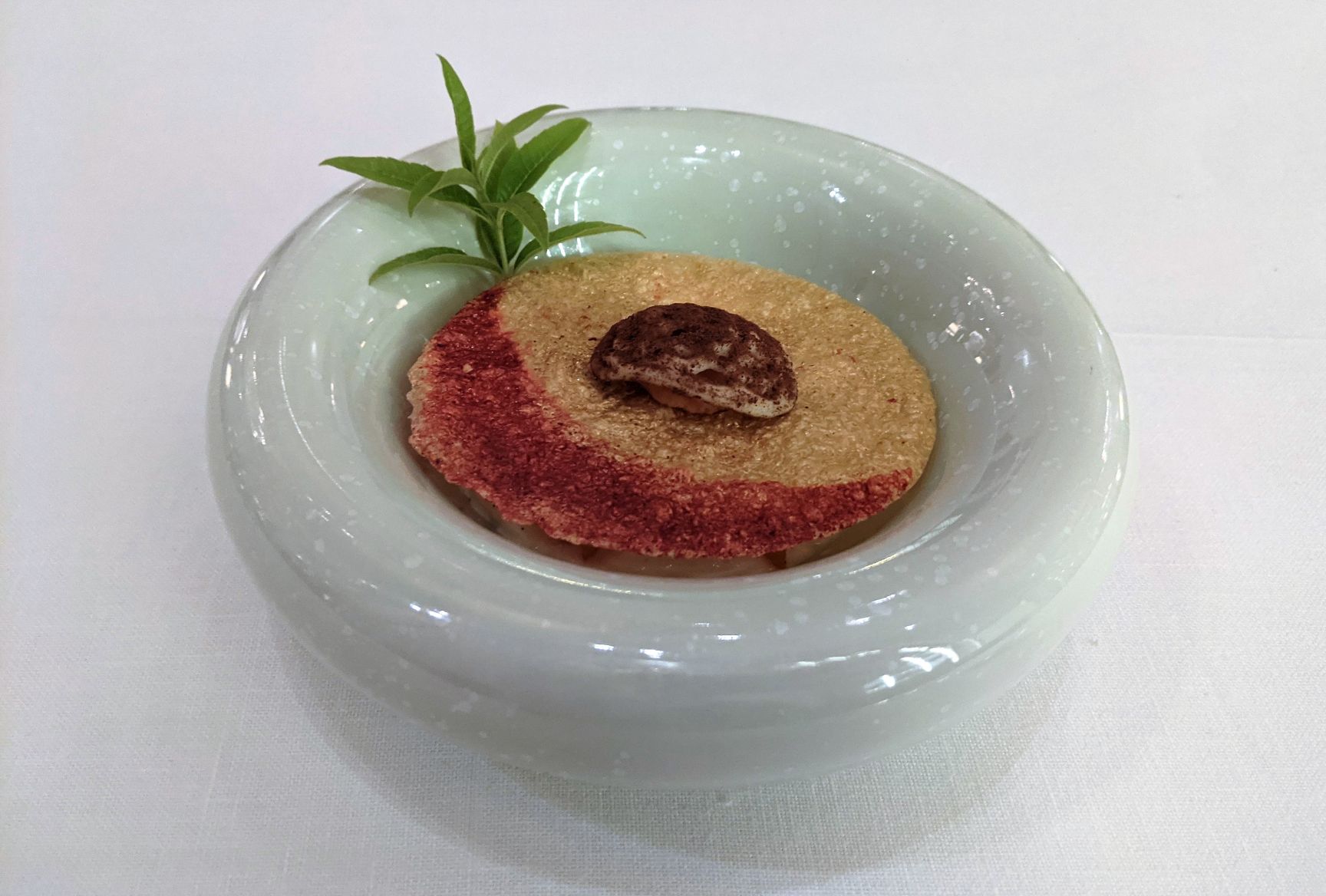
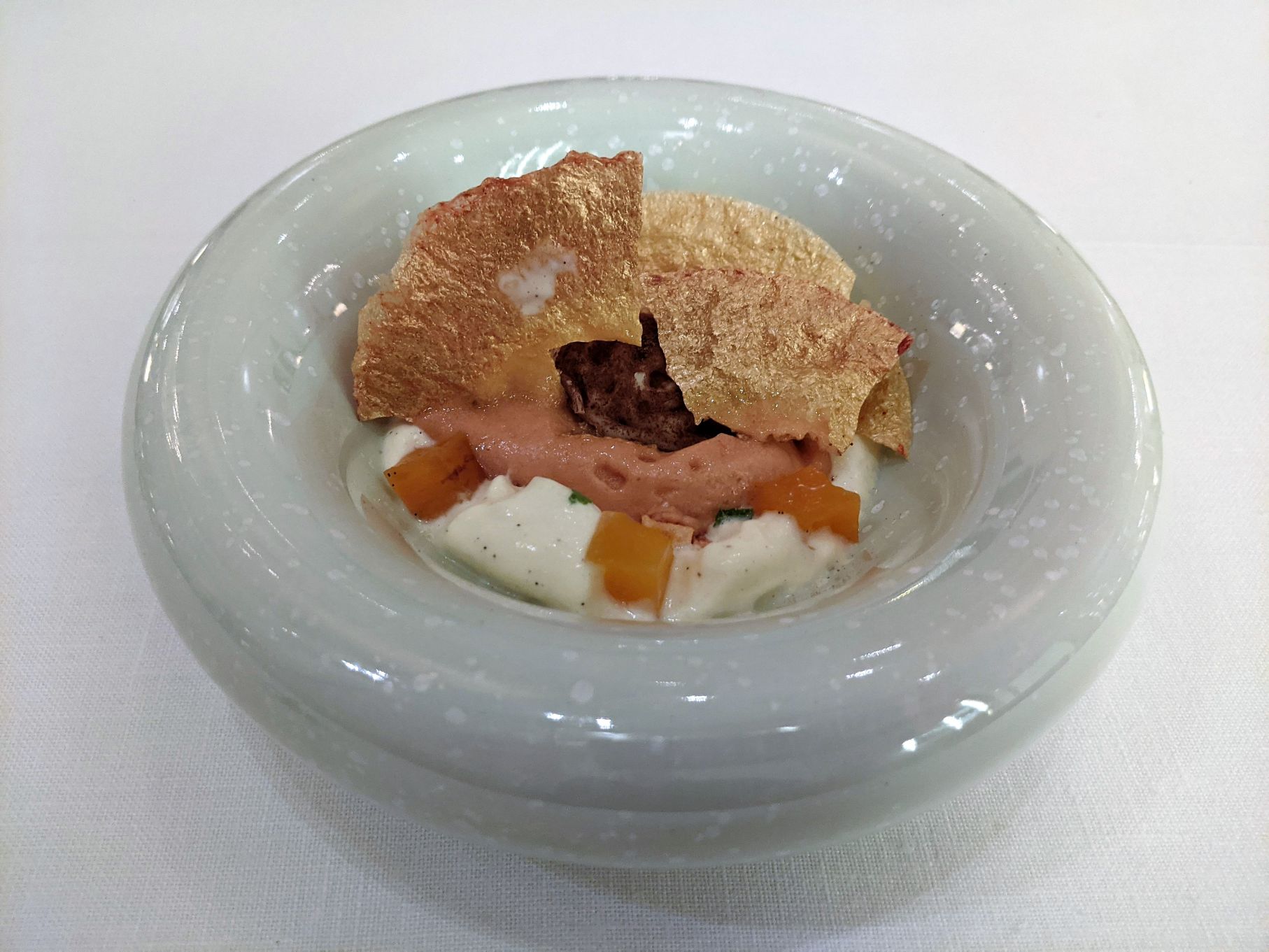
Melba Peach and Gold Leaf, Homage to Auguste Escoffier
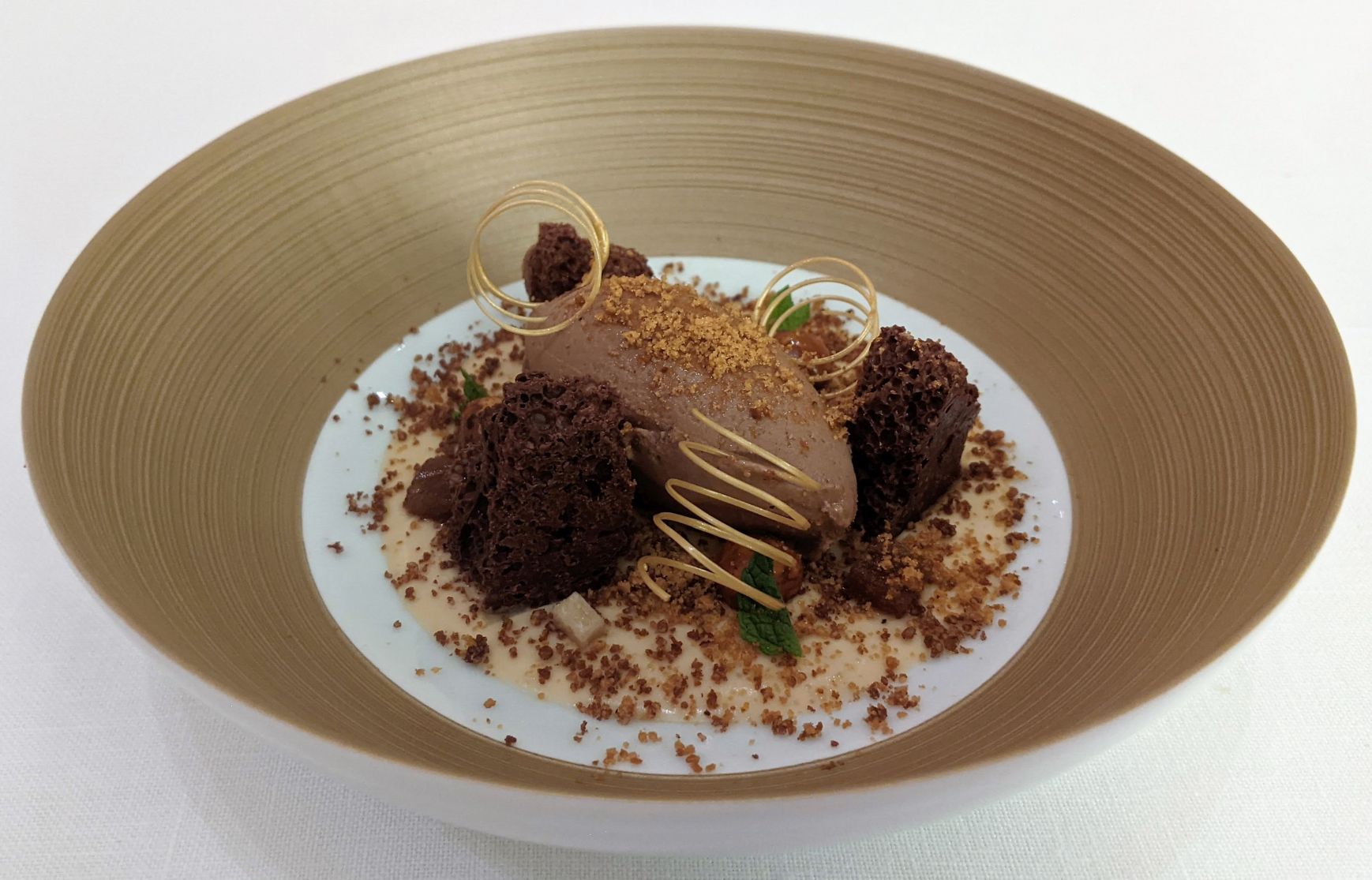
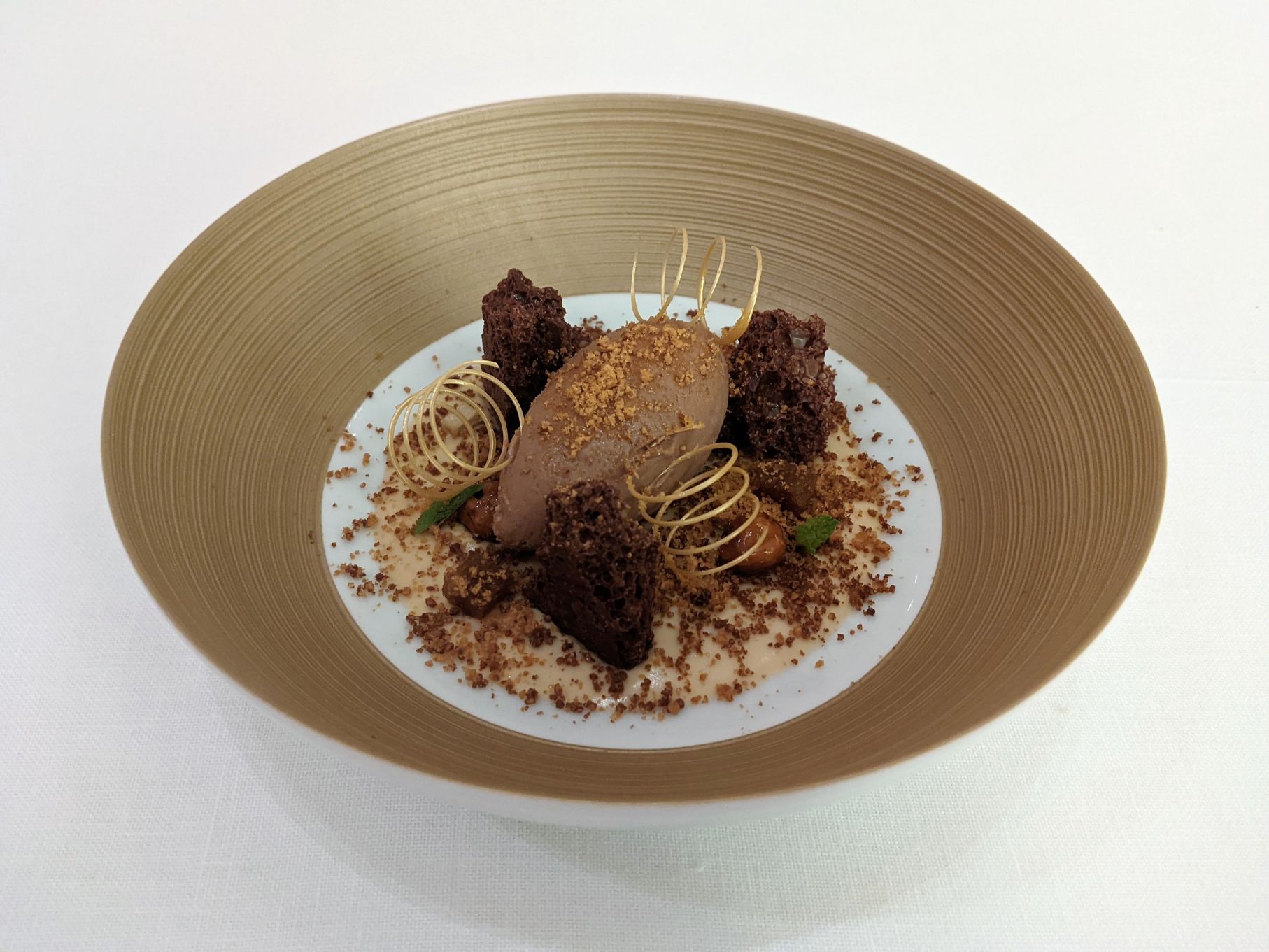
Chocolate and Hazelnut Flan
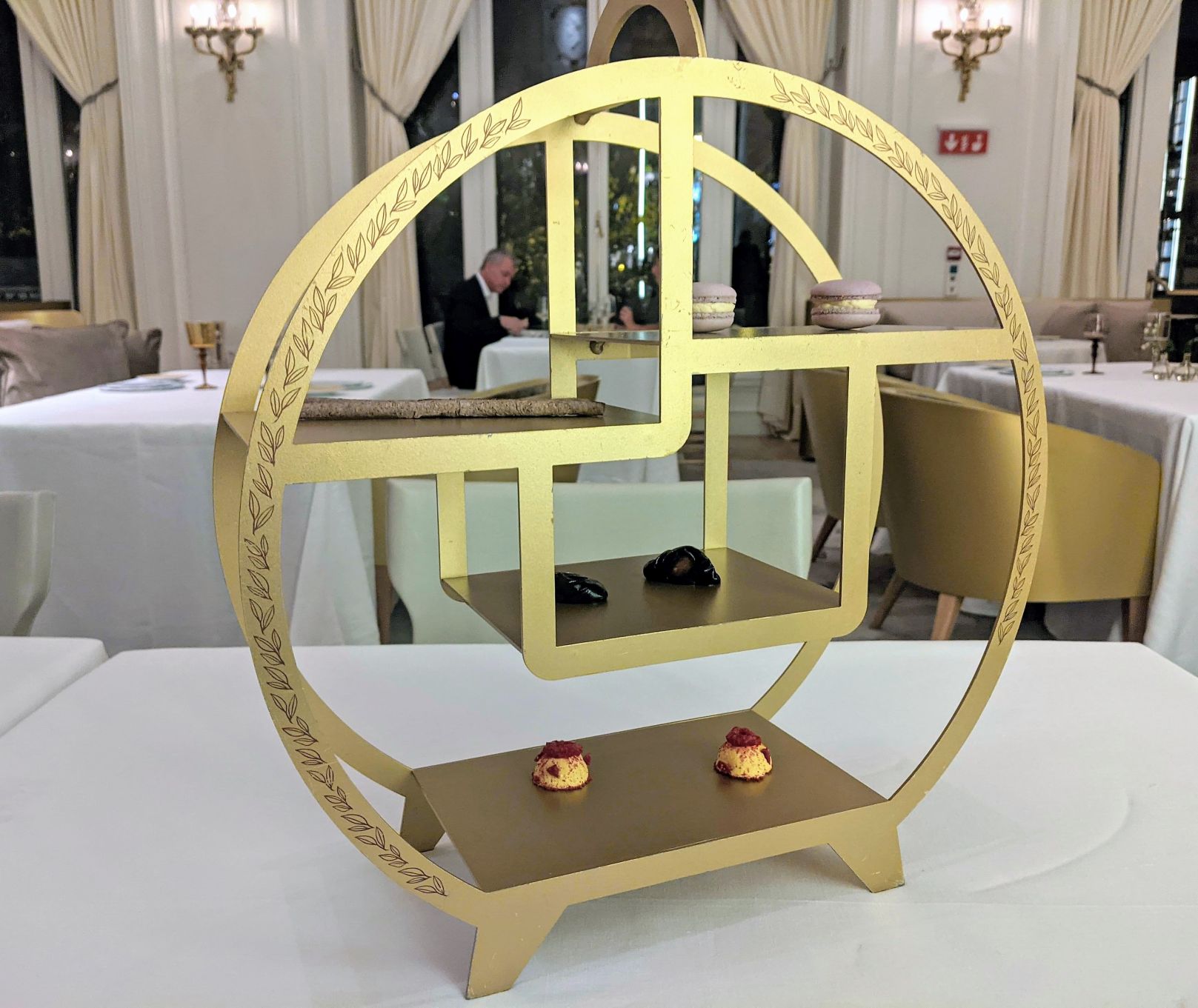
Violet Macaron, Passion Fruit Marshmallow, Cinnamon Stick, Unpitted Prunes
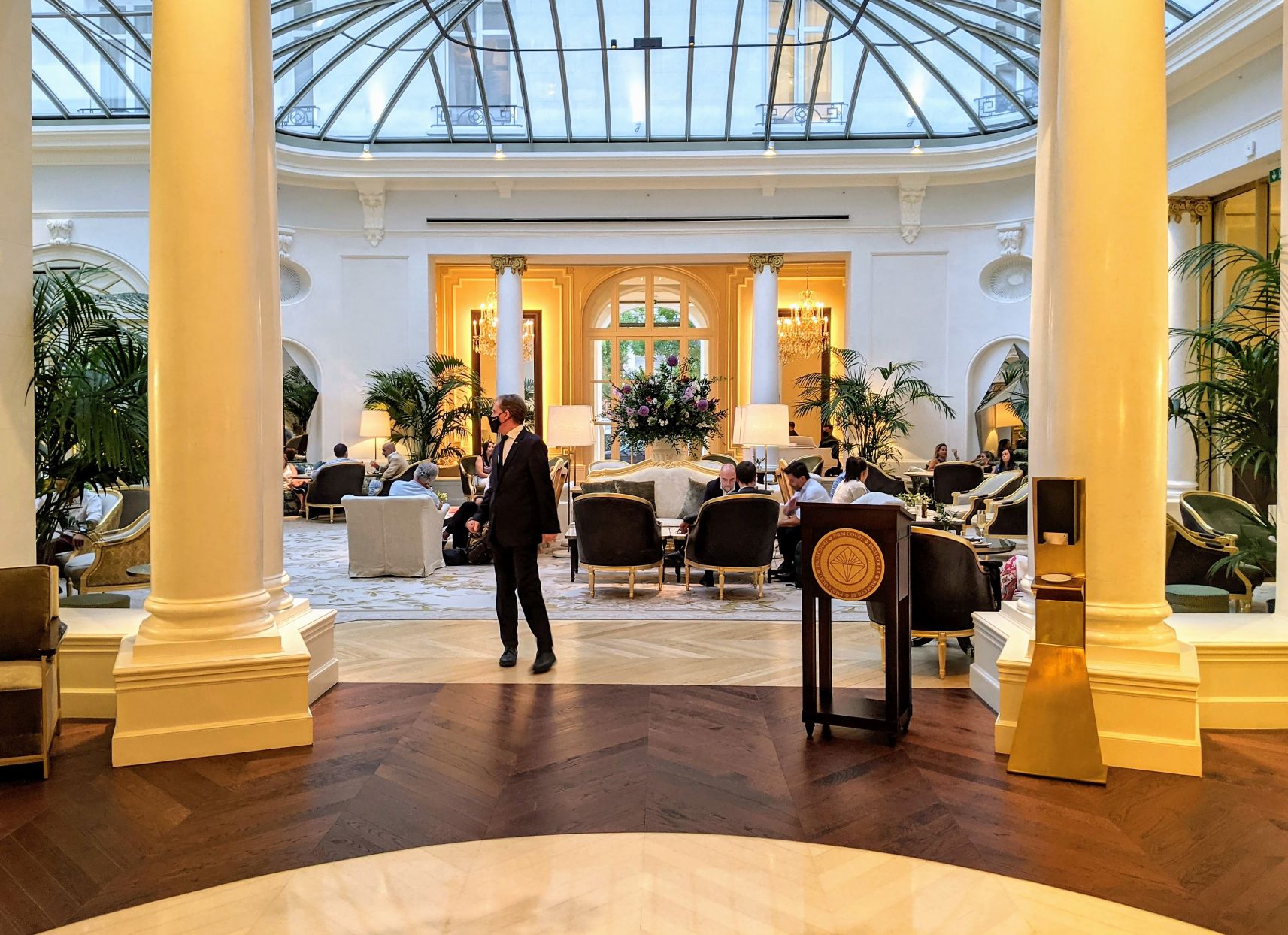
Described by some as progressive, while others prefer ‘emotive’ or immersive in the region, Quique Dacosta Restaurante has made a destination of Denia for over a decade, and after a lengthy delay due to the pandemic it is now as dining director of Madrid’s Mandarin Oriental that guests can experience Chef Dacosta’s talents in the Spanish capitol.
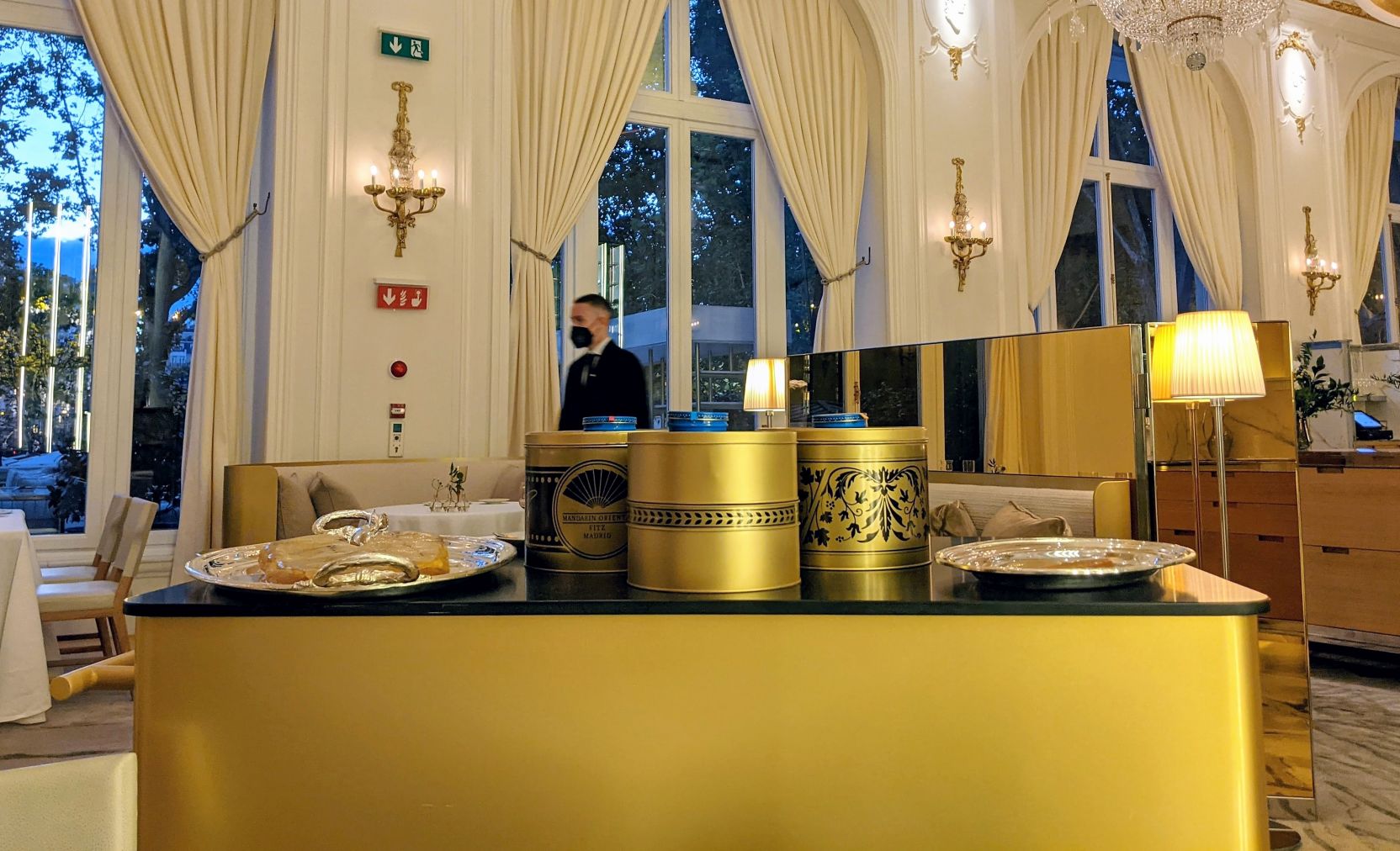
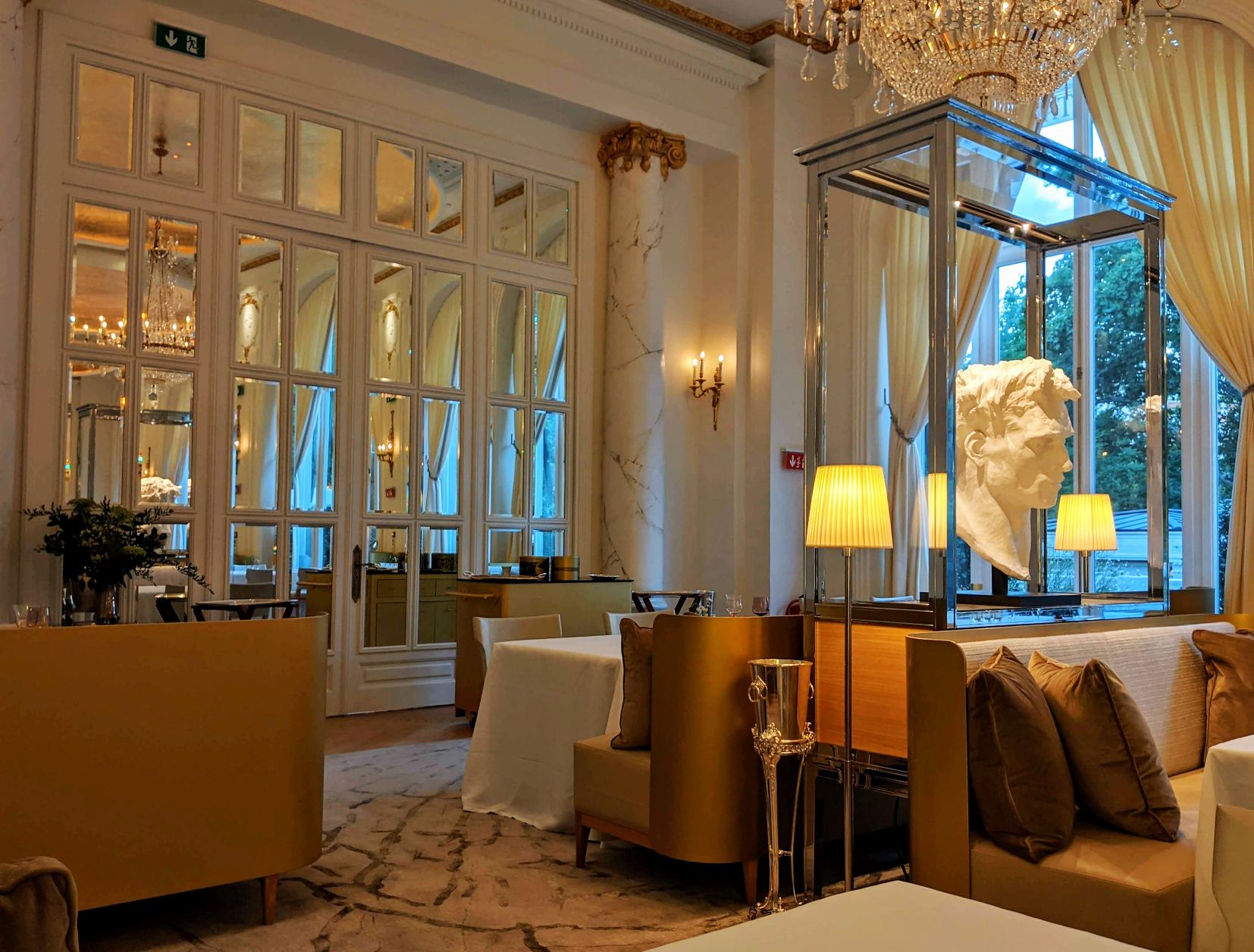
Self-taught and owner of four stars from Michelin, three at the eponymous flagship since 2013, it is in the Alfonso XIII room, overlooking the Ritz Garden, that diners are invited to taste one of two menus as styled by longtime Dacosta collaborator Chef Ricard Tobella.
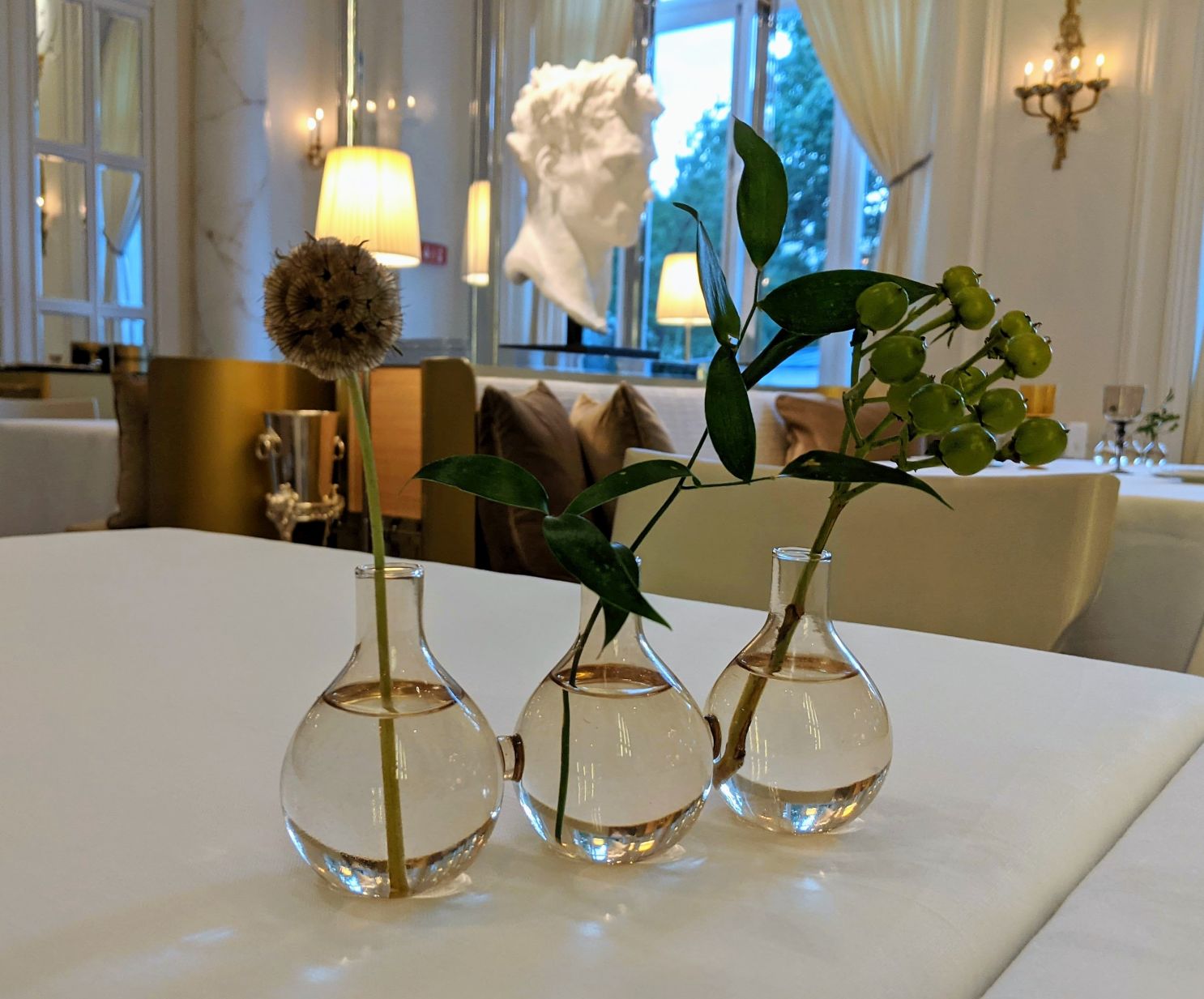
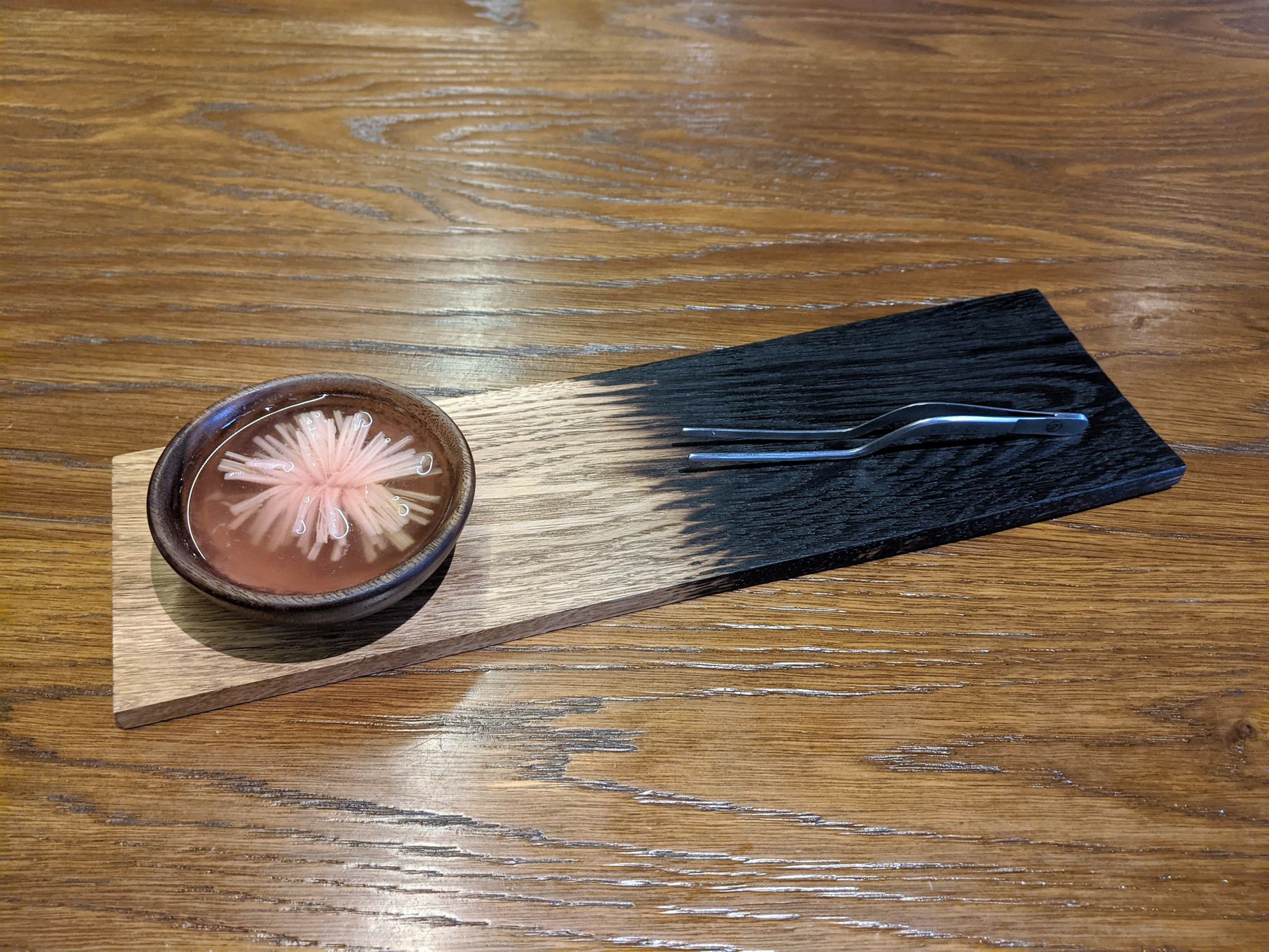
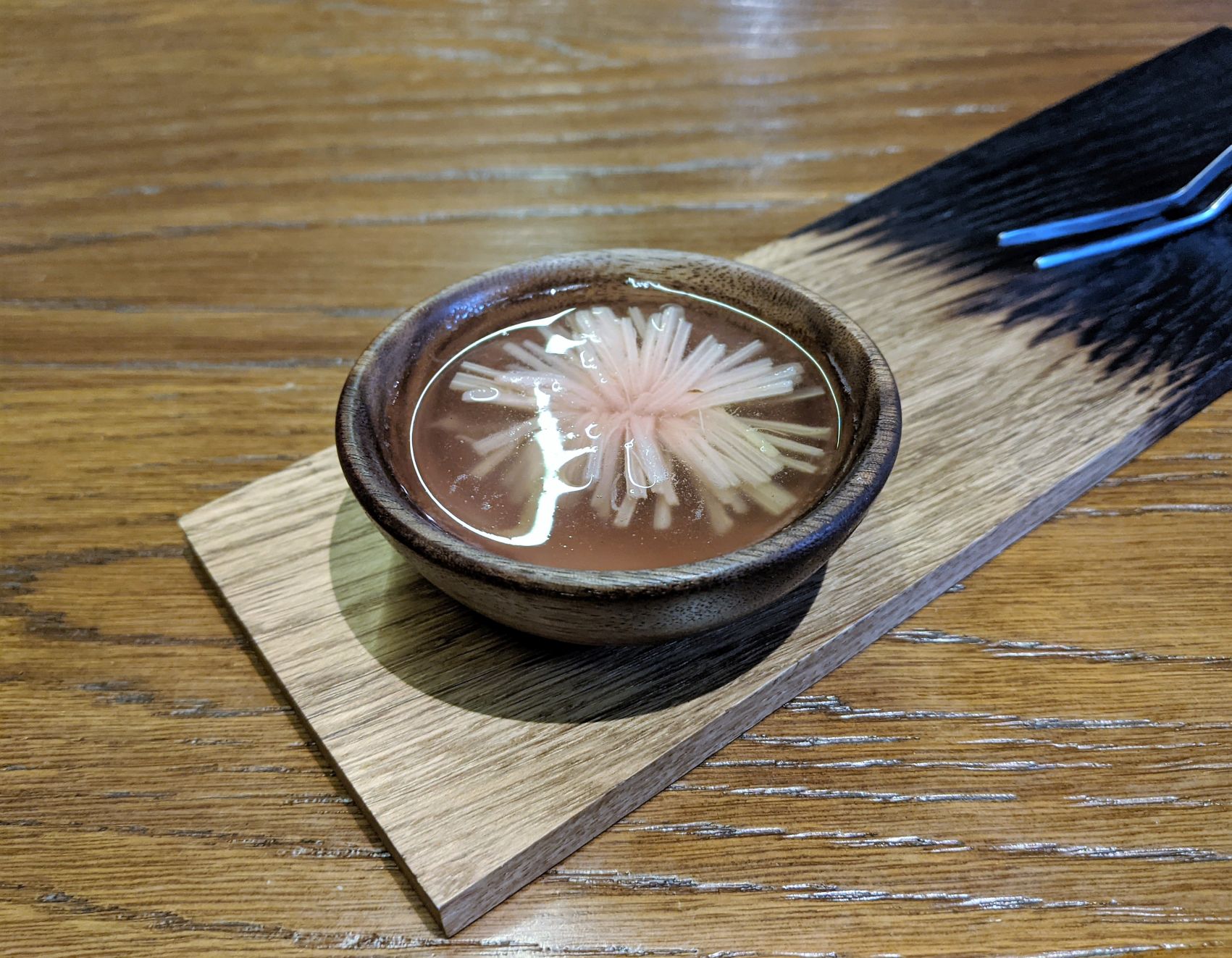
Offering all the luxury one might expect of Madrid’s most iconic hotel, every moment from entry to exit curated with the utmost attention, it is before sitting on plush banquettes that dinner is started by way of greetings from Ricard and Dacosta’s Petals of Roses alongside an Apple Gin & Tonic.
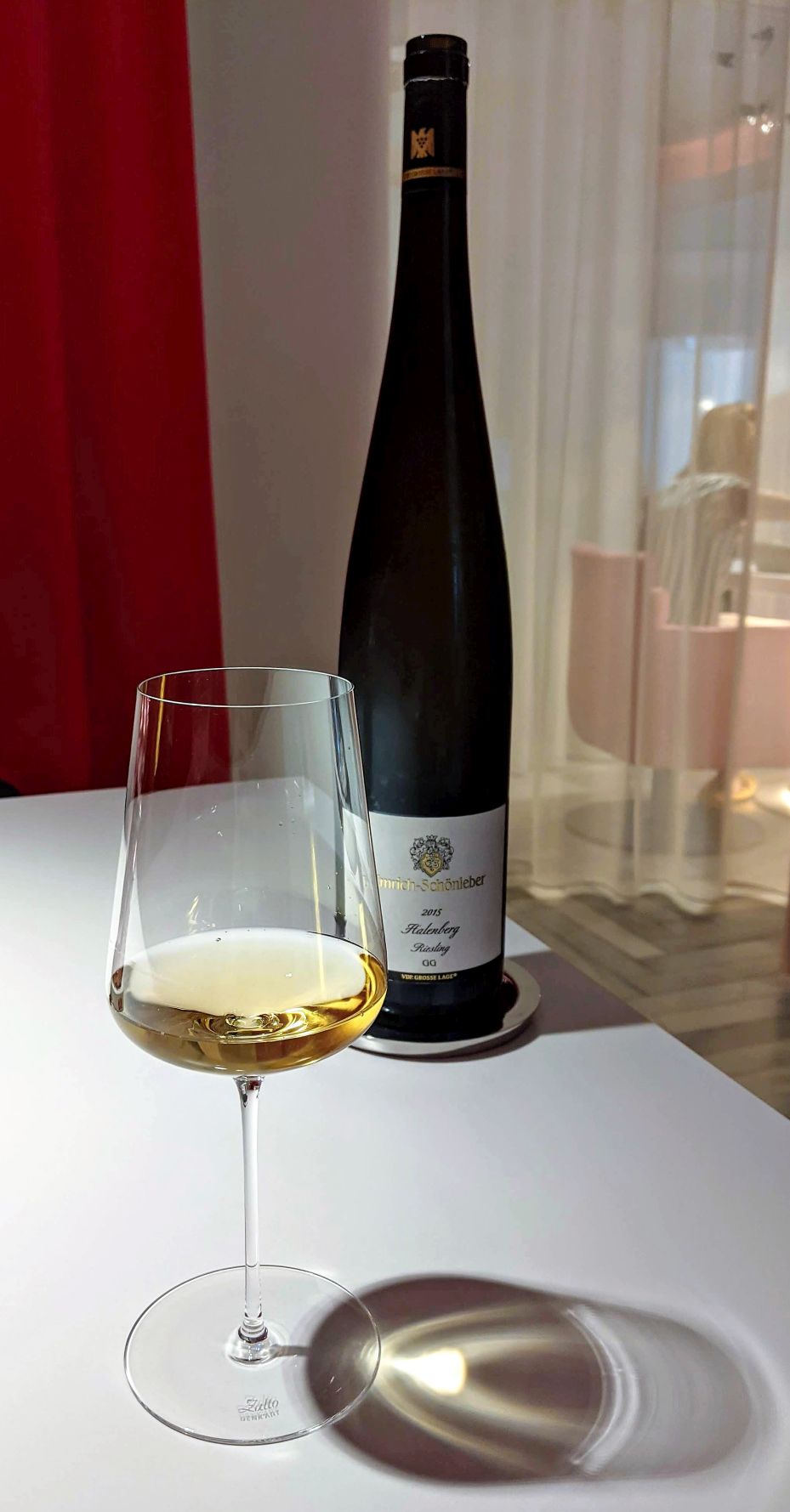
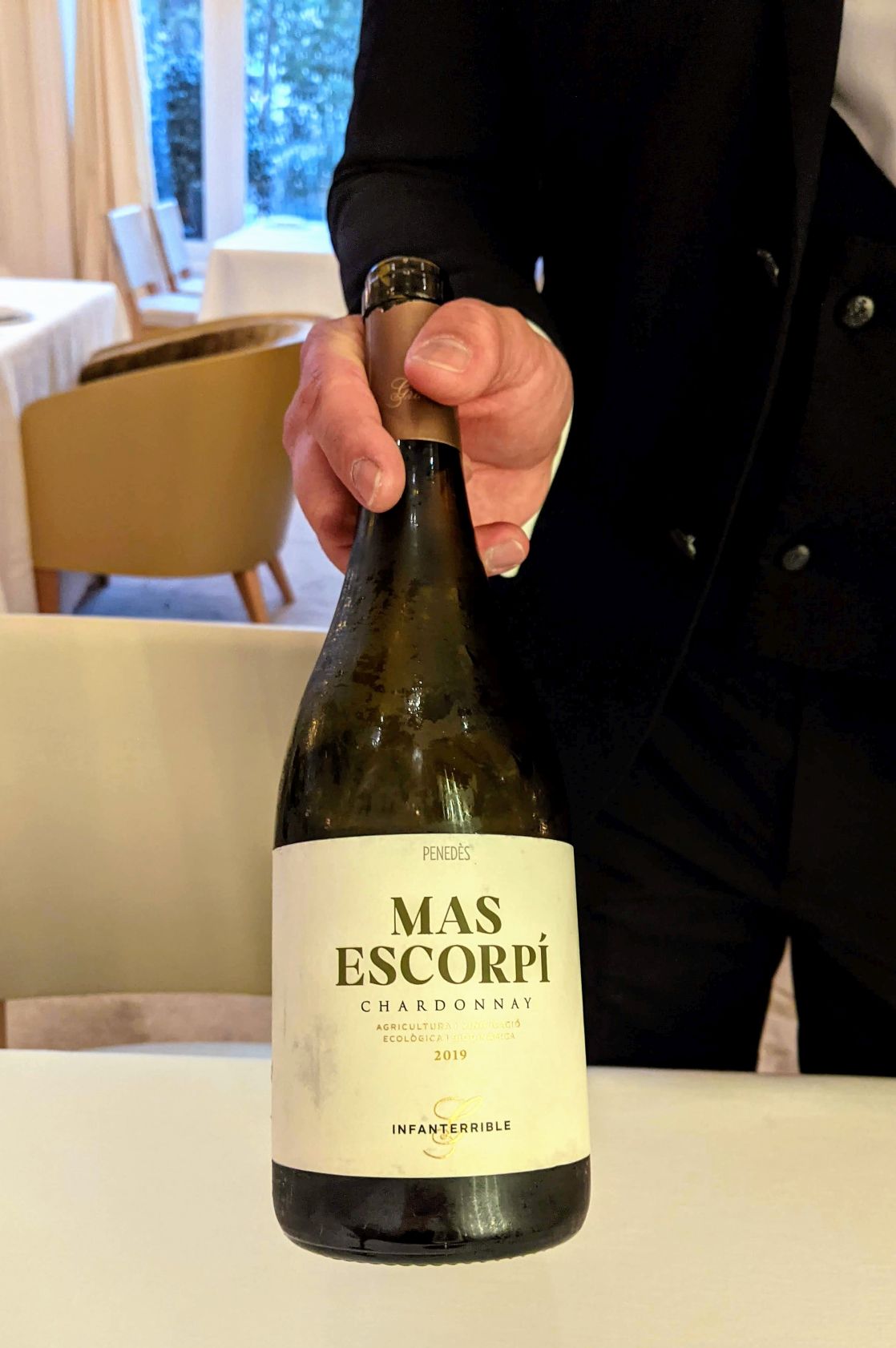
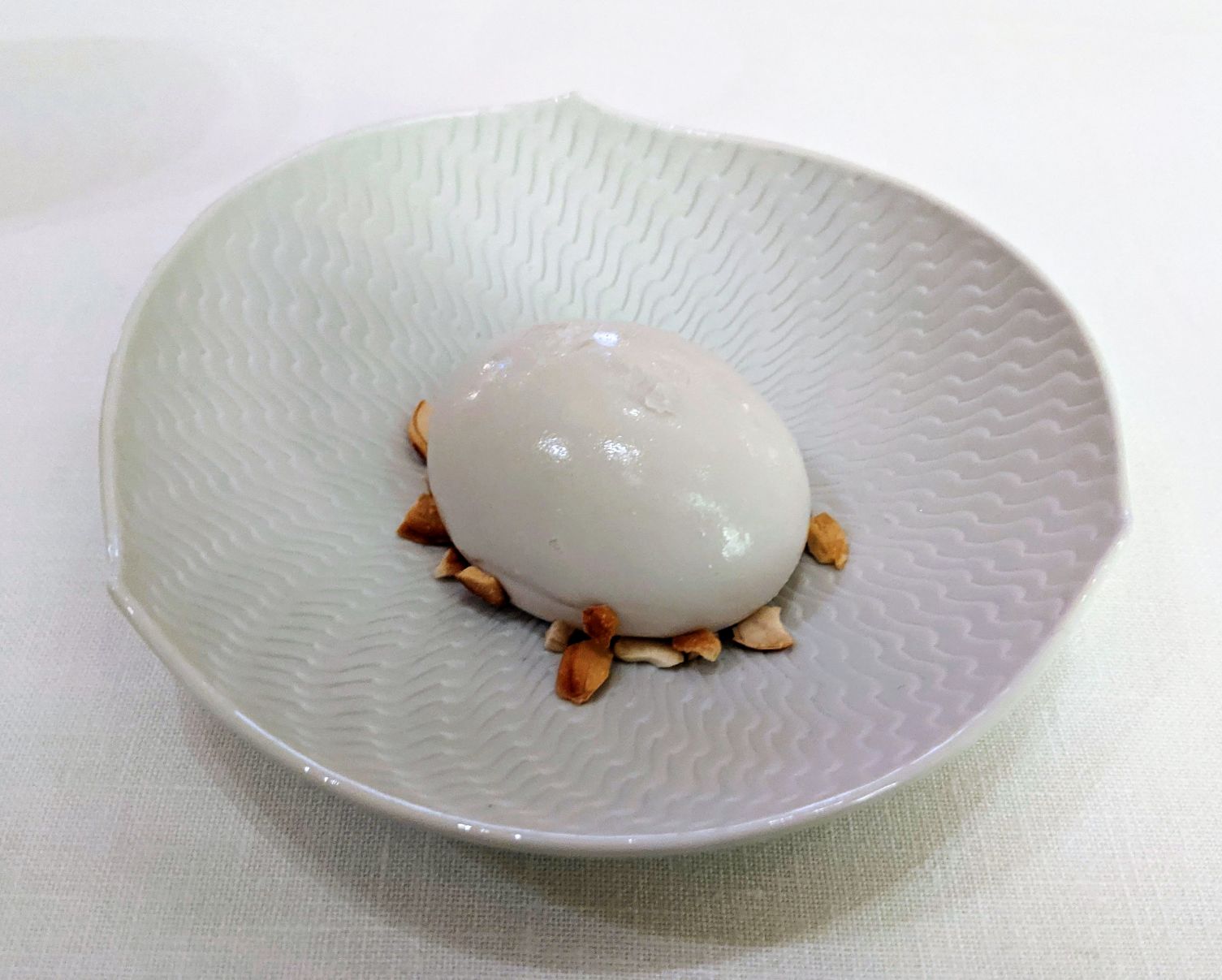
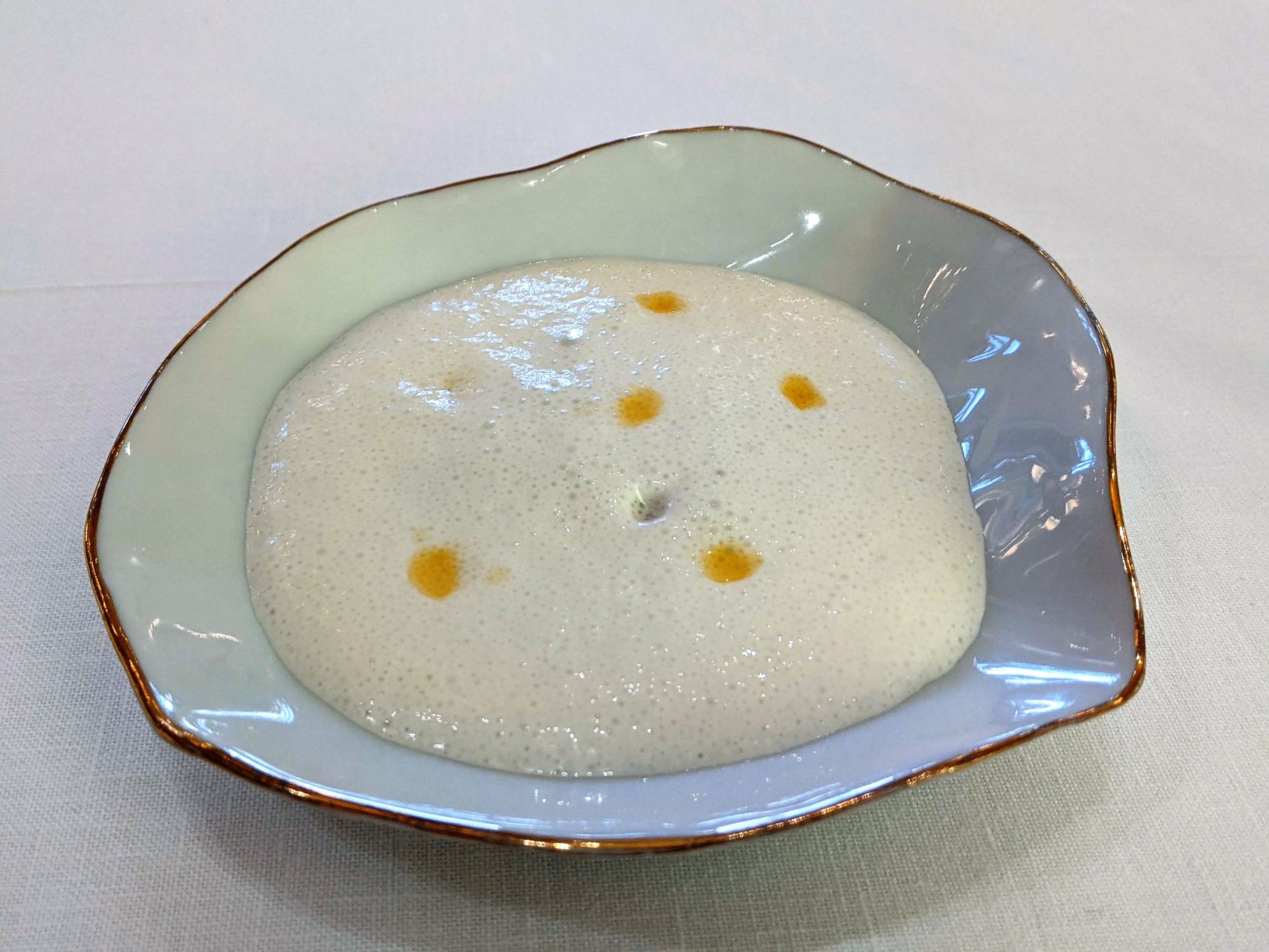
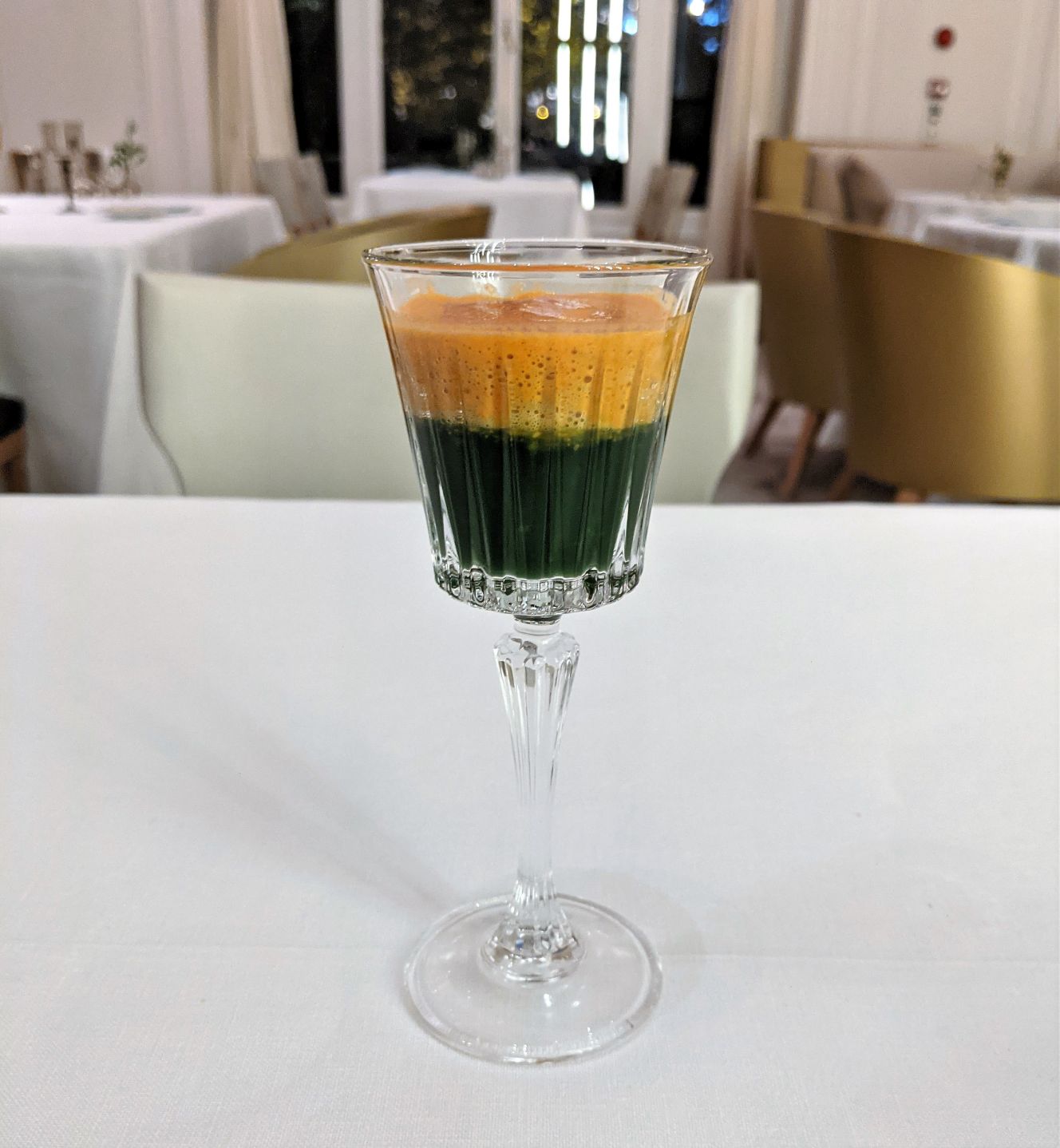
Divided into Quique Dacosta Classics and QDRITZ Contemporary, with overlap to start and finish, it was having pre-selected the latter that Wine was chosen, complex Chardonnay proving well-suited to Eel in piquant Foam, Asian inspired Tuna and an “Egg” with skin of Asparagus filled by Trout Roe and “Yolk” of Beef Stock.
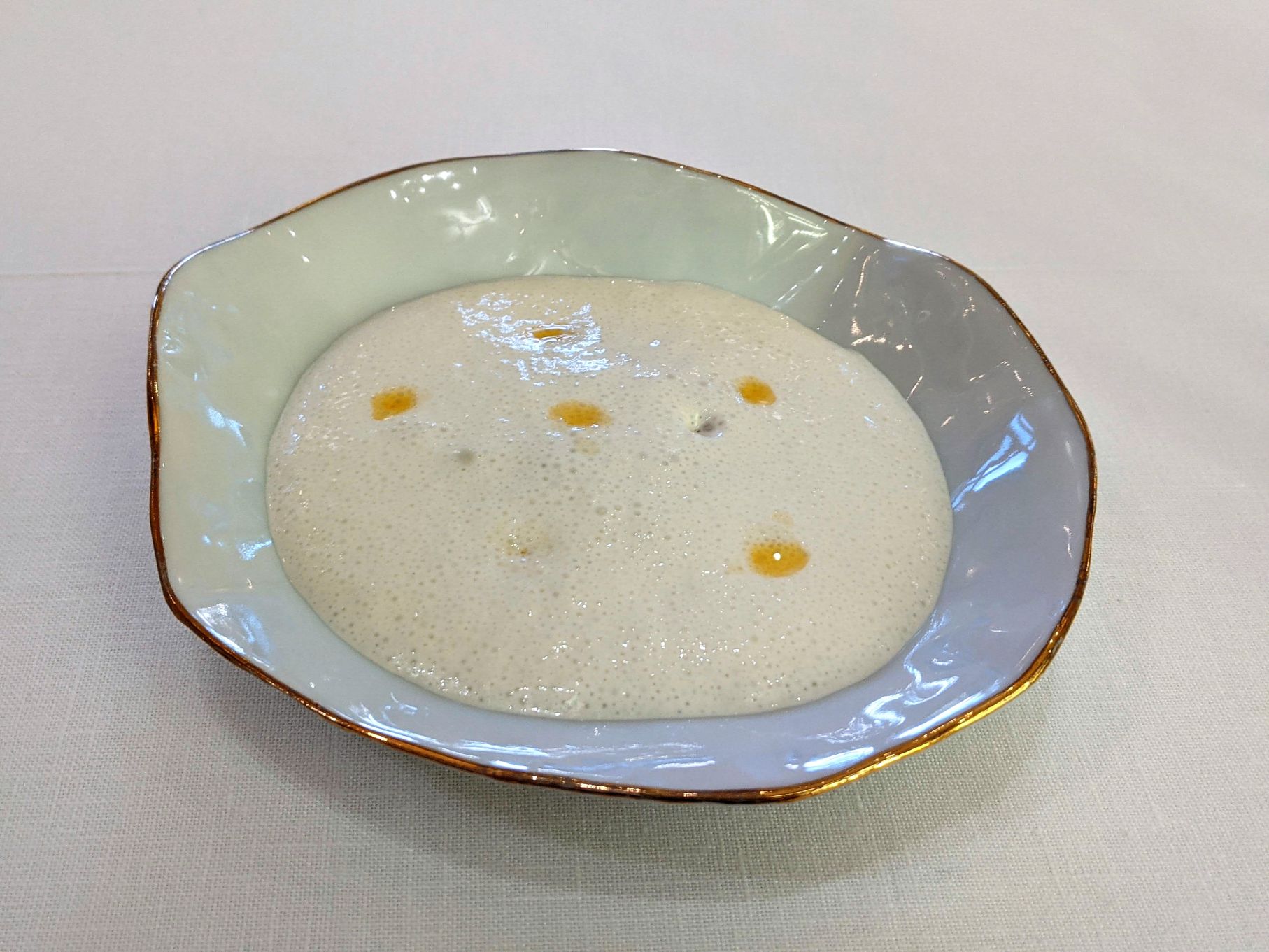
Proceeding next to a tasting of Caviar, a well-sourced trio offered alongside Bottarga, Quique’s famous Torta of Ling Roe, Trout Eggs, Housemade Cheese and Bread, it was after slowly working through the flavors that Denia’s Red Prawn cooked in Sea Water proved that under rare circumstances an Ingredient can be a “Signature Dish.”
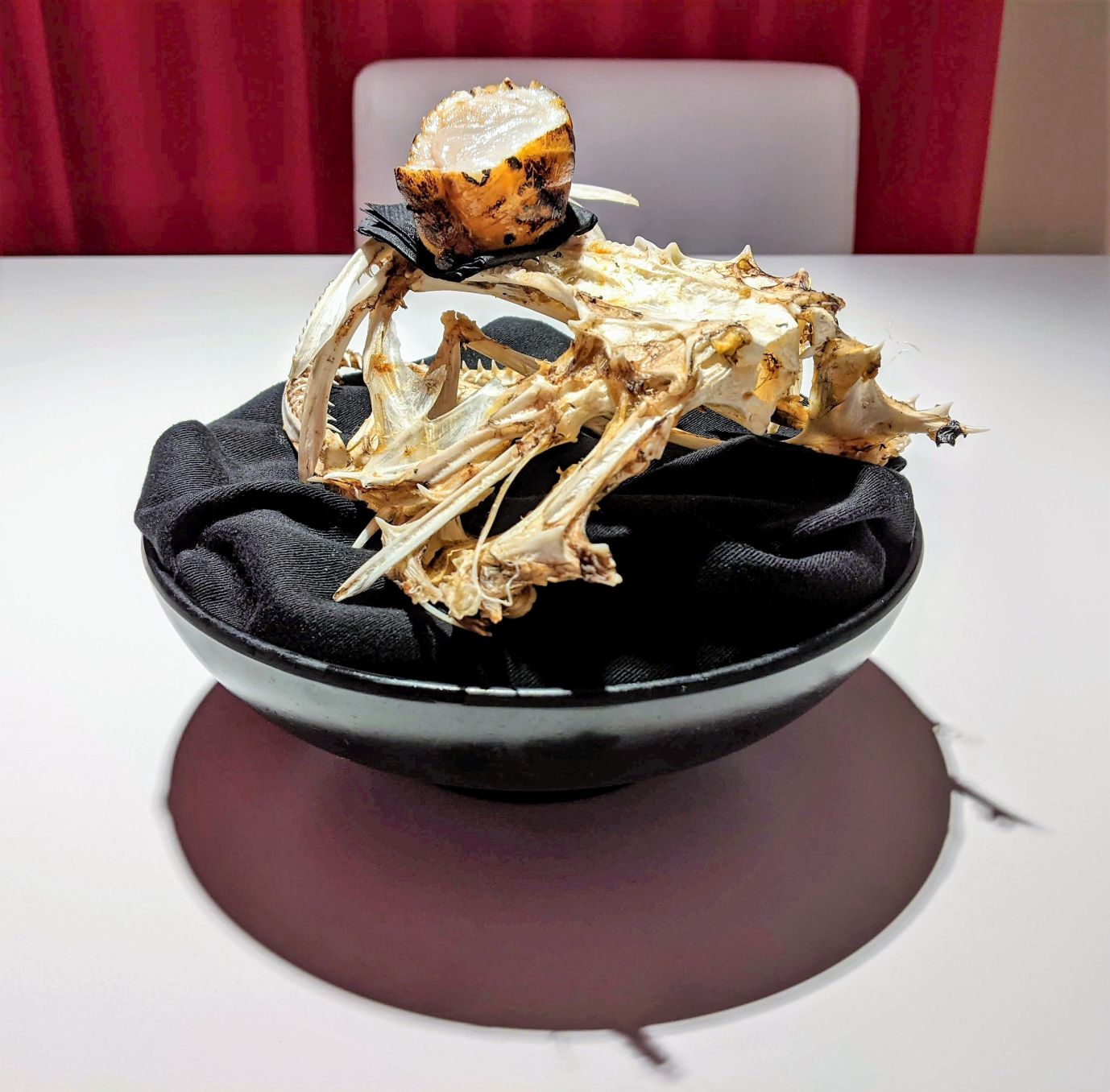
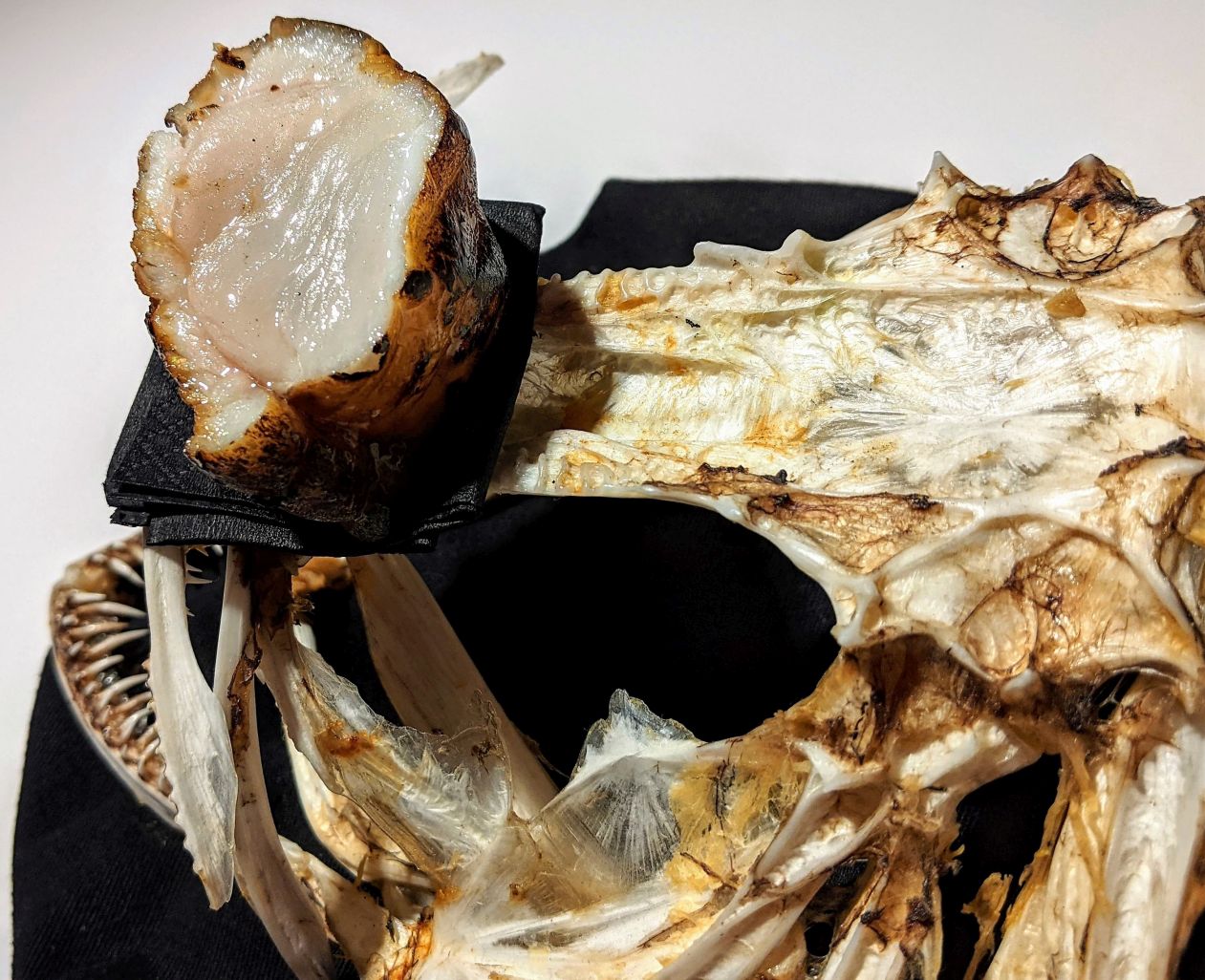
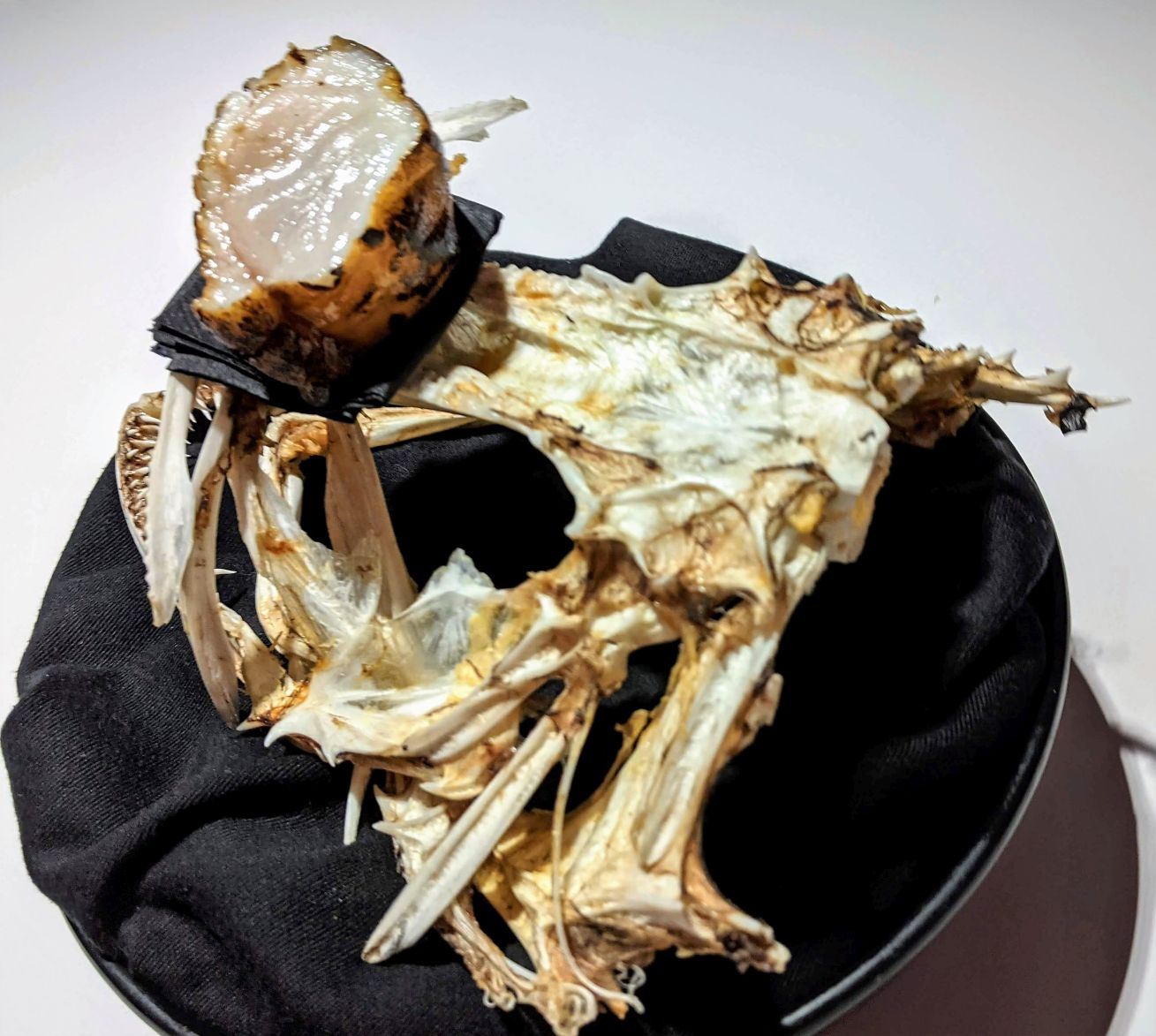
Specifically requesting “The Enchanted Forest” next, in many ways Dacosta’s own “Gargouillou,” Turbot in Sherry Sauce takes inspiration from 2017’s “The Mount of Olive Trees” thanks to an edible skeleton while Morel Risotto shines bright thanks to flawless texture beneath a Pasta veil and slowly melting Orbs of Butter.
No less special for gently roasted Sweetbreads with earthy aromas and herbaceous Sauce, Dessert sees Tobella pay homage to Escoffier by way of a Peach Melba Parfait followed by a textural landscape of Chocolate and Hazelnuts that will seem quite familiar to fans of Chef Dacosta.
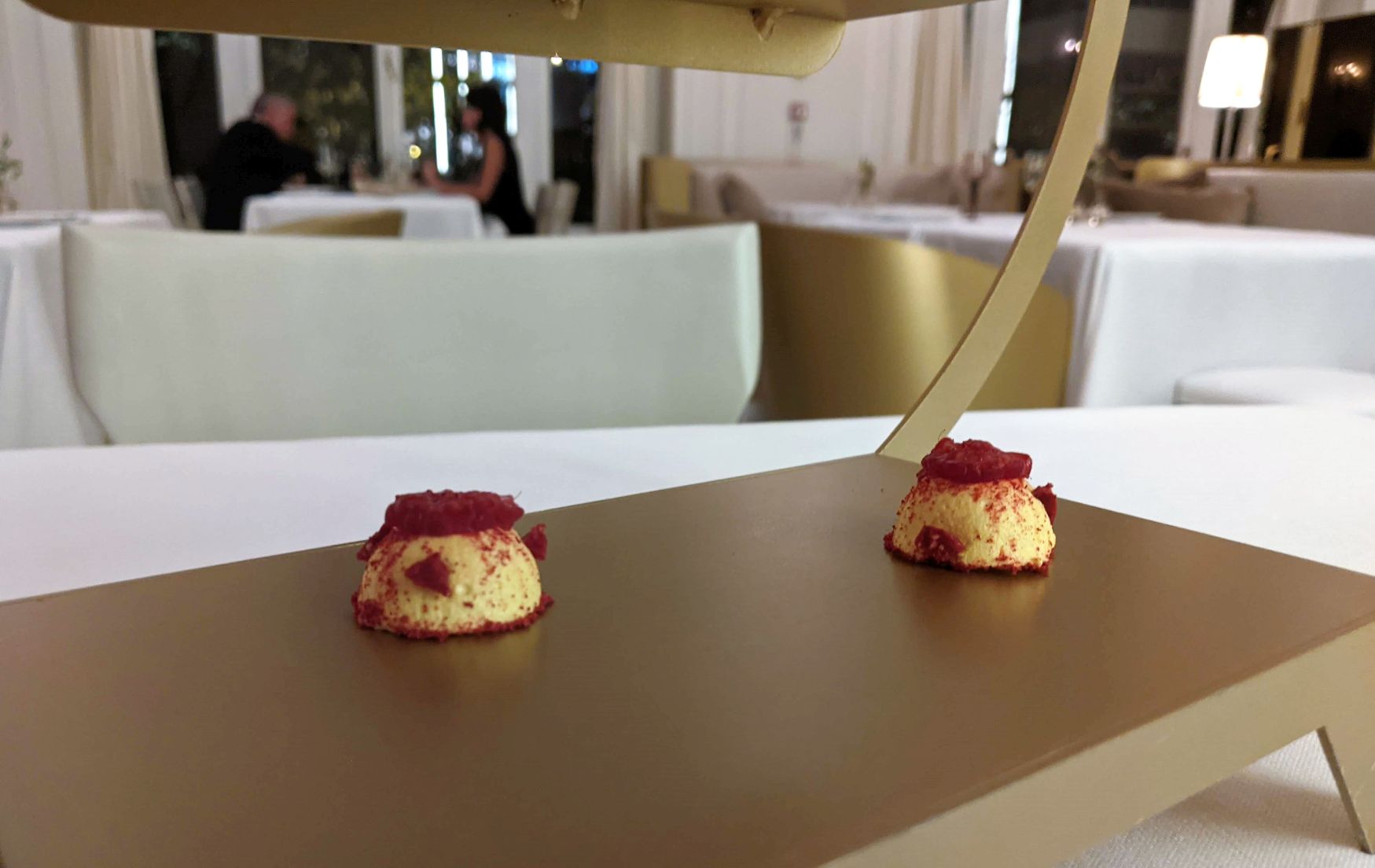
A fast meal without much business until 21h30, typical for fine dining throughout Madrid, it was prior to the bill that Mignardises embraced new and old with fully-edible Cinnamon Sticks and “Unpitted Prunes” outperforming the thankfully subtle Violet Macaron and Passion Fruit Marshmallow.
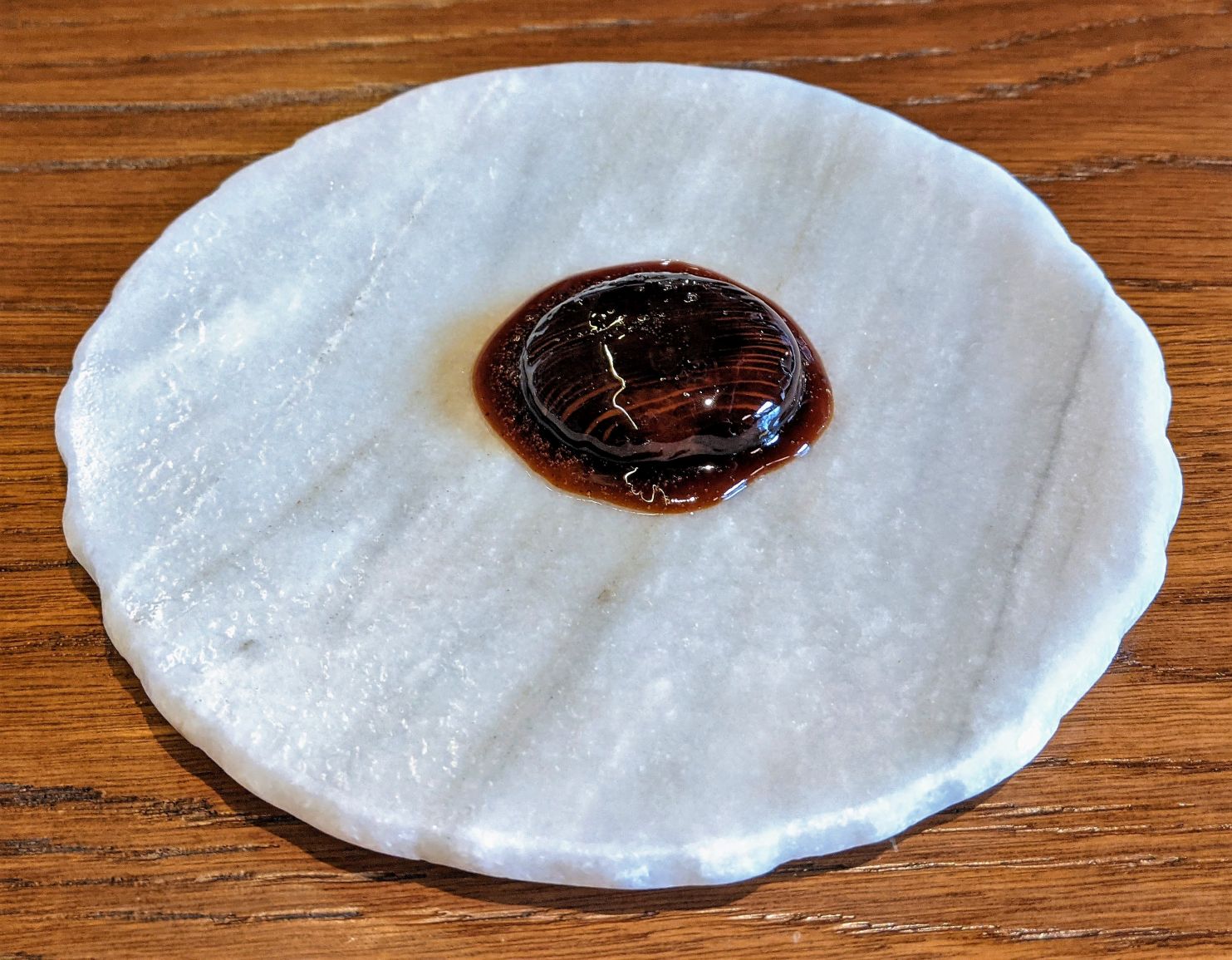
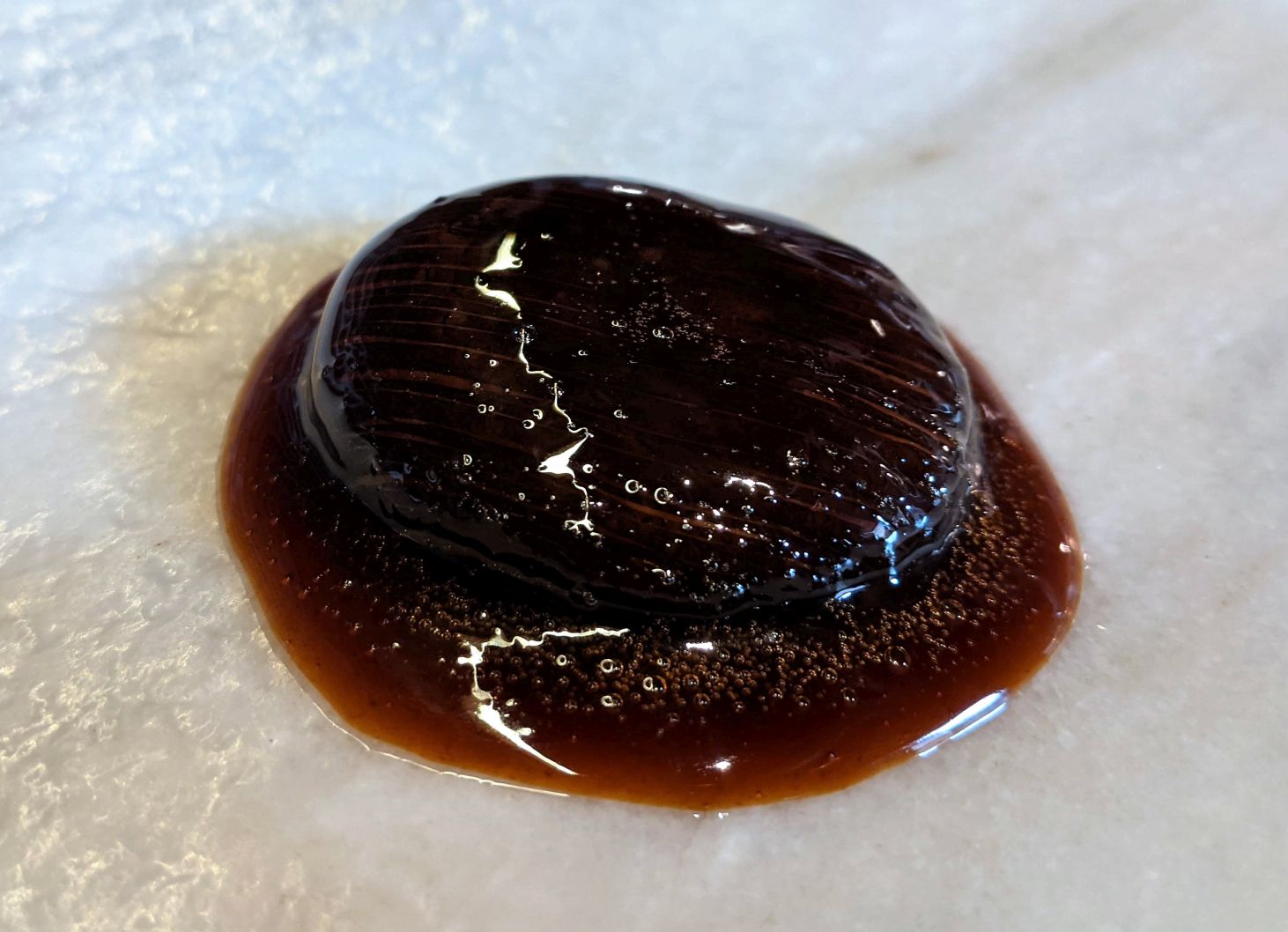
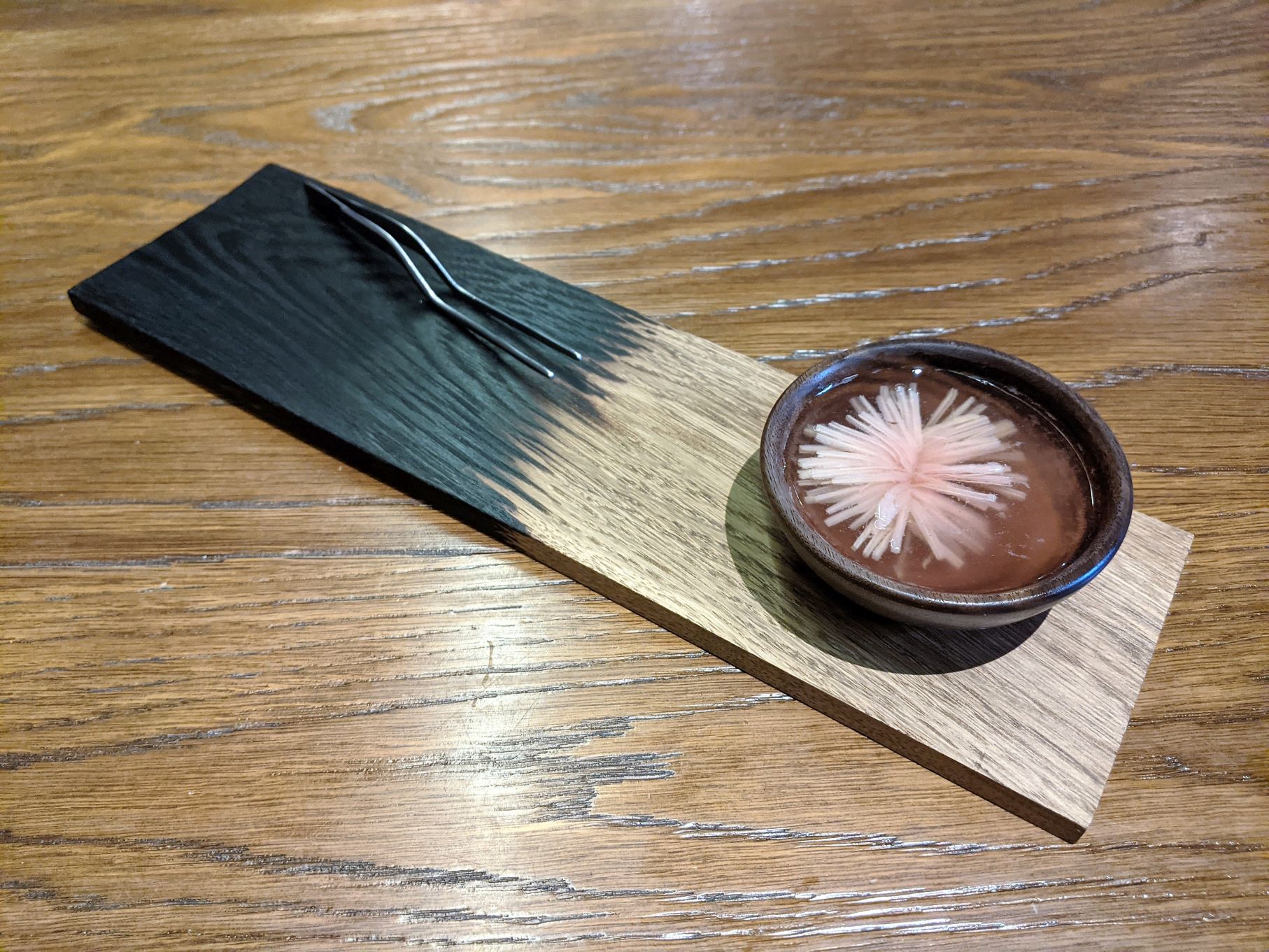
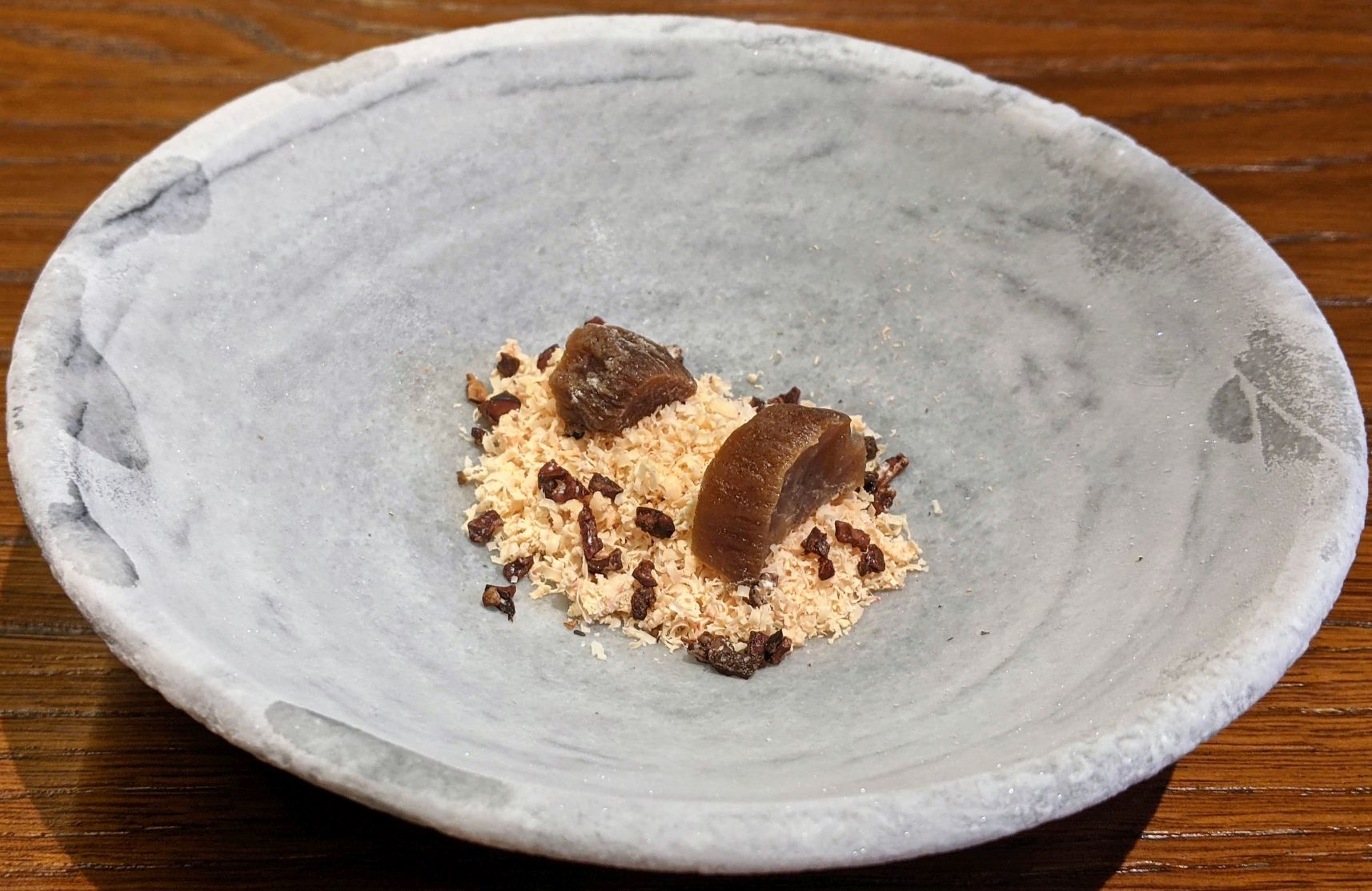
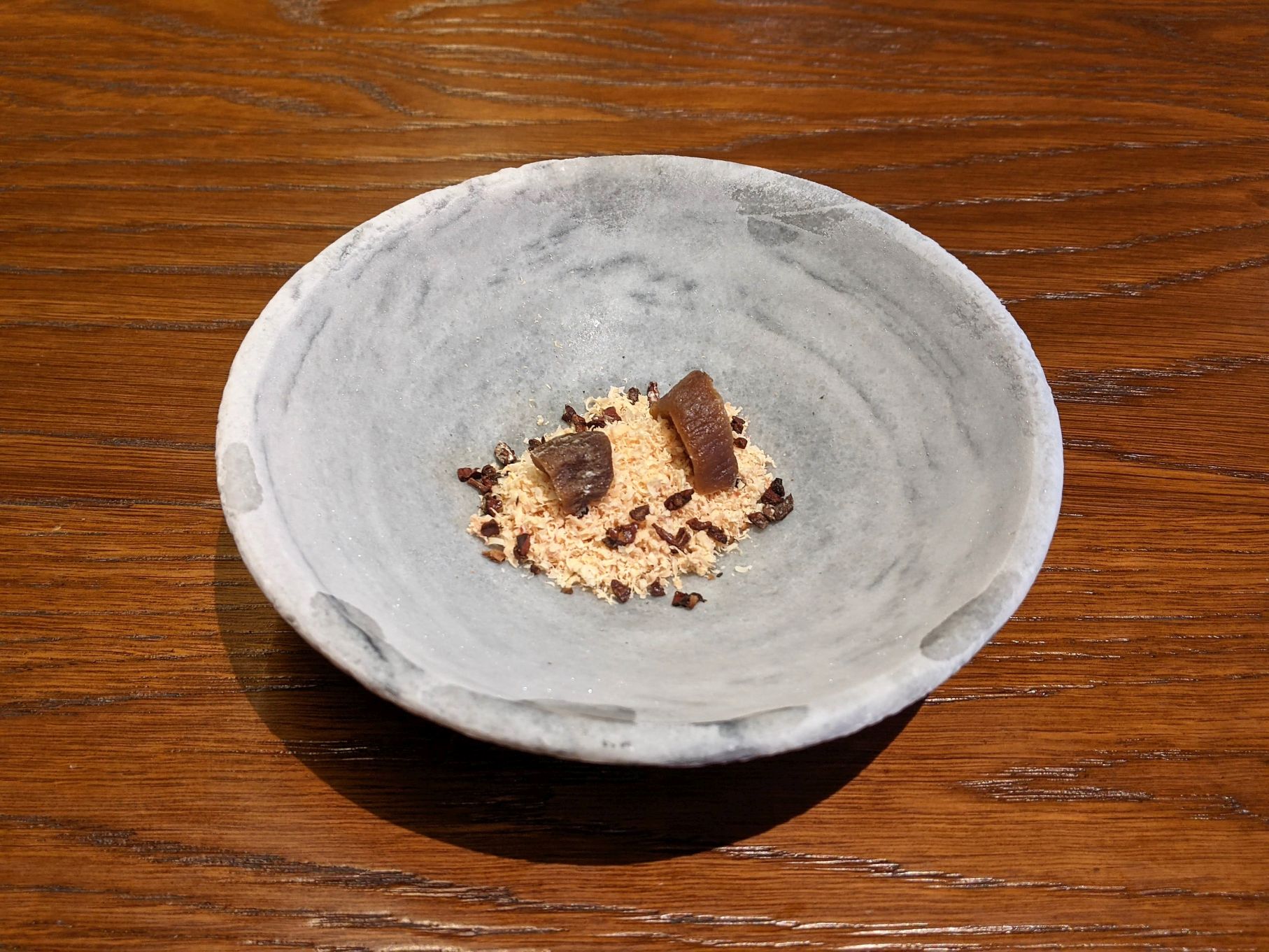
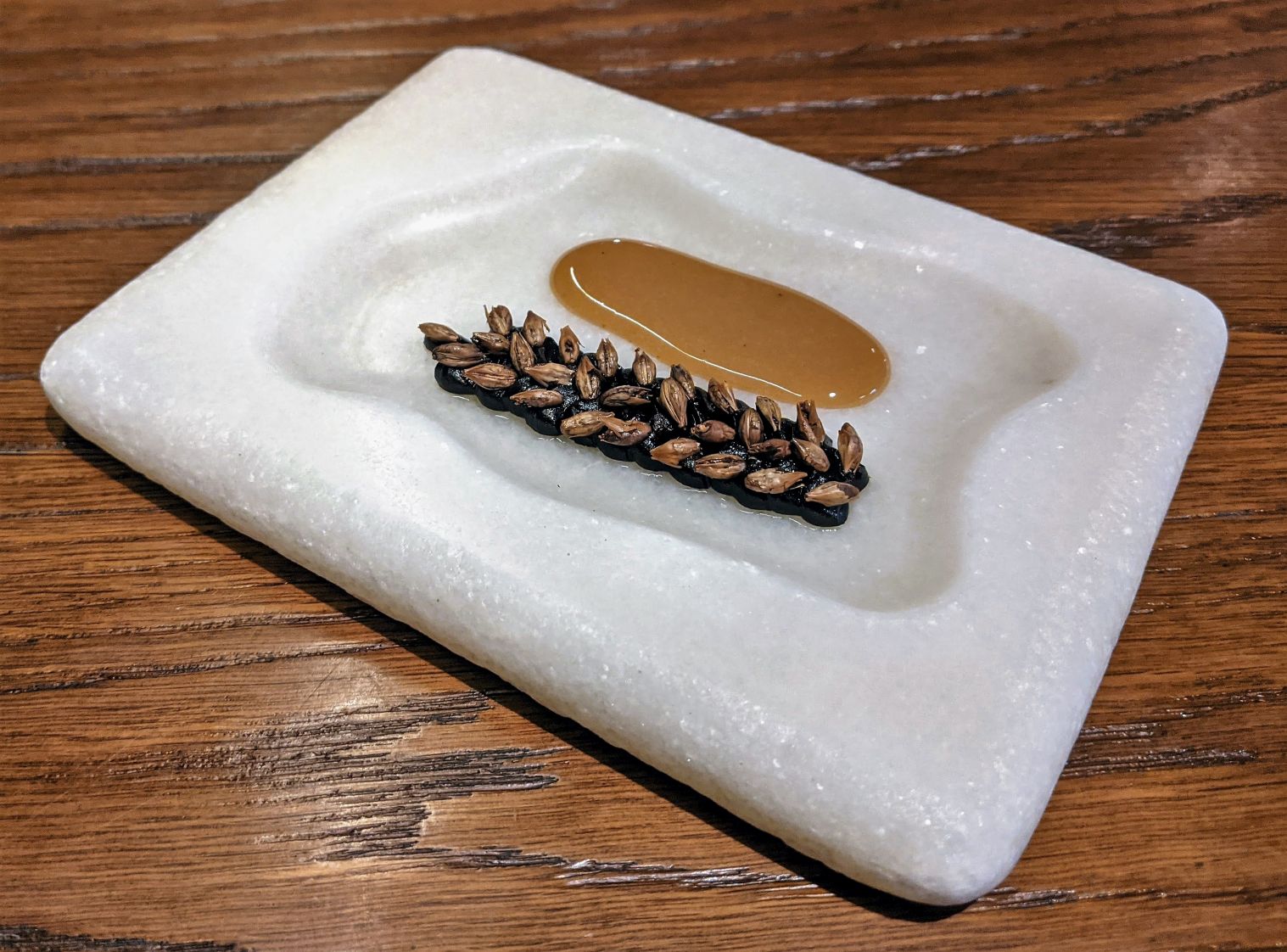
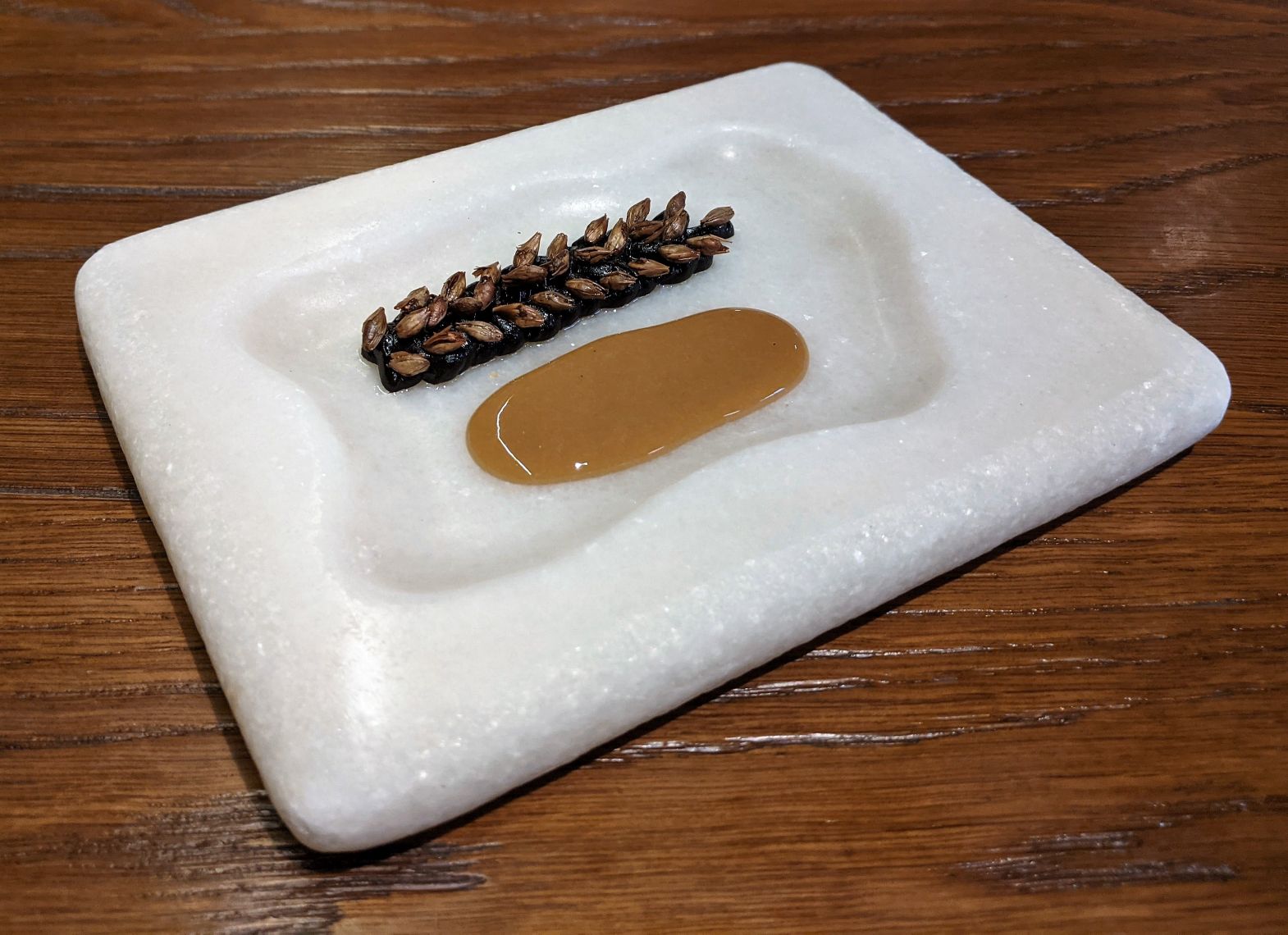
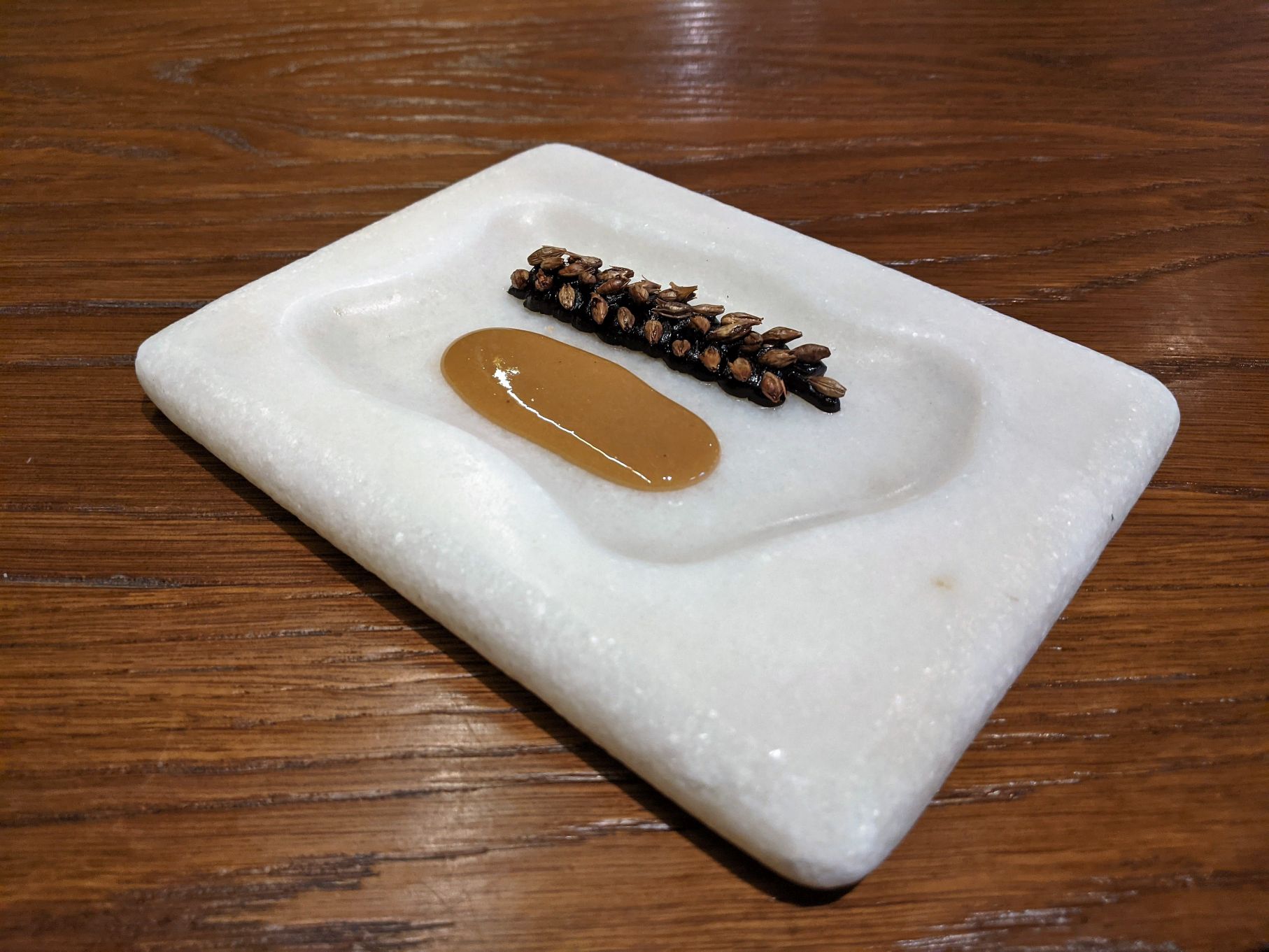
Bread with “Chocolate” – Not Chocolate but cereals and their starches
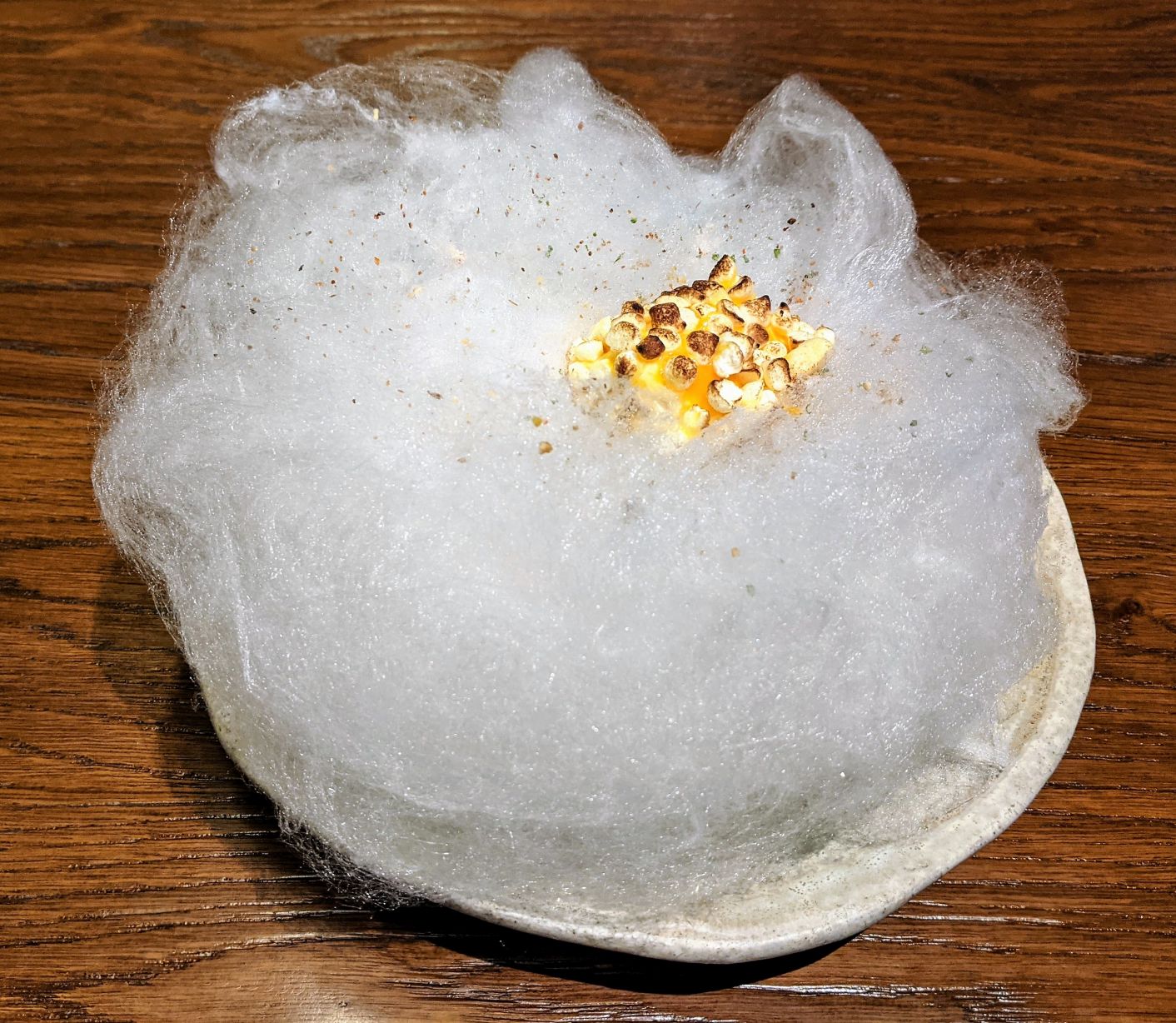
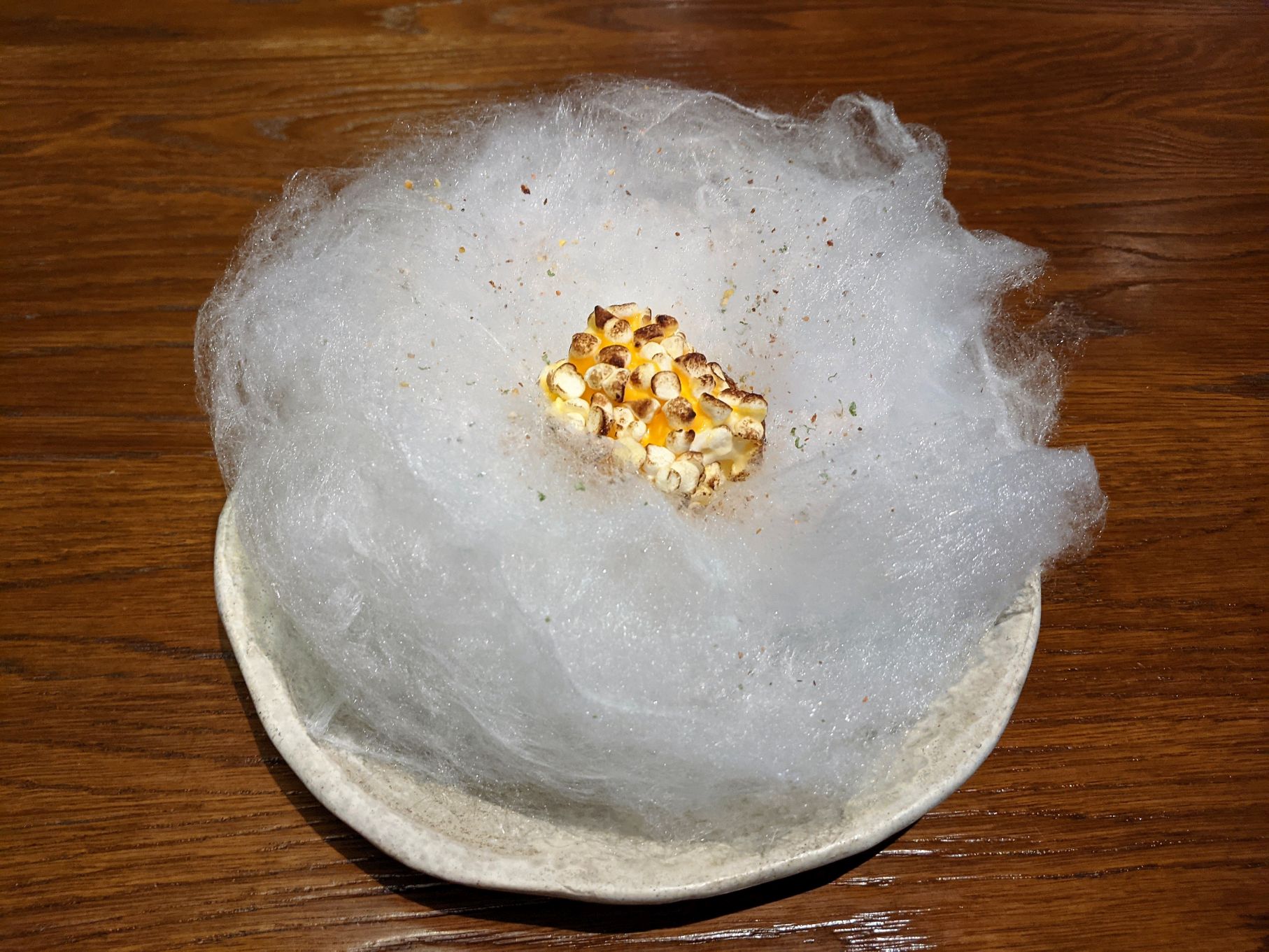
Cotton Candy, Popped Corn Ice Cream
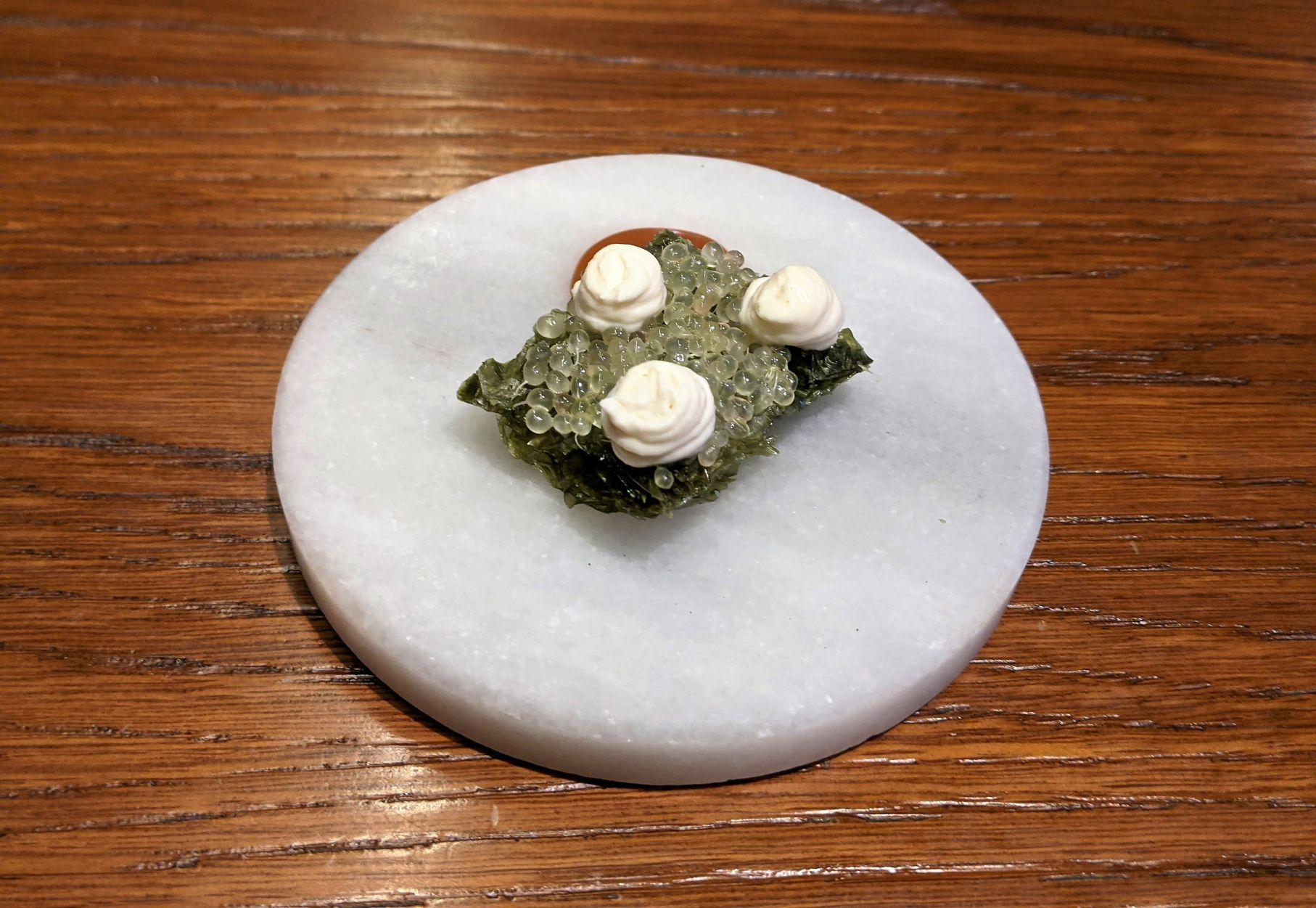
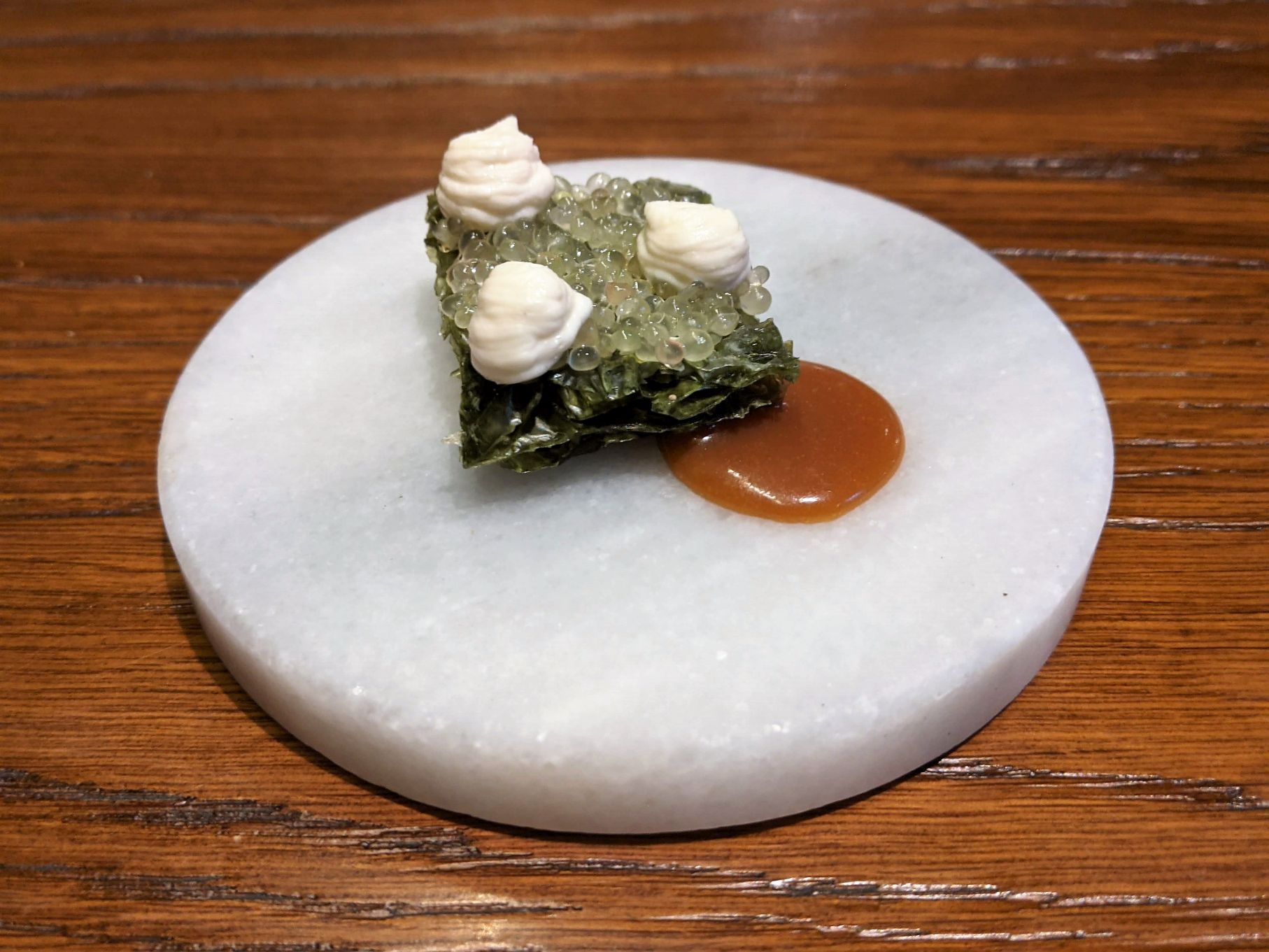
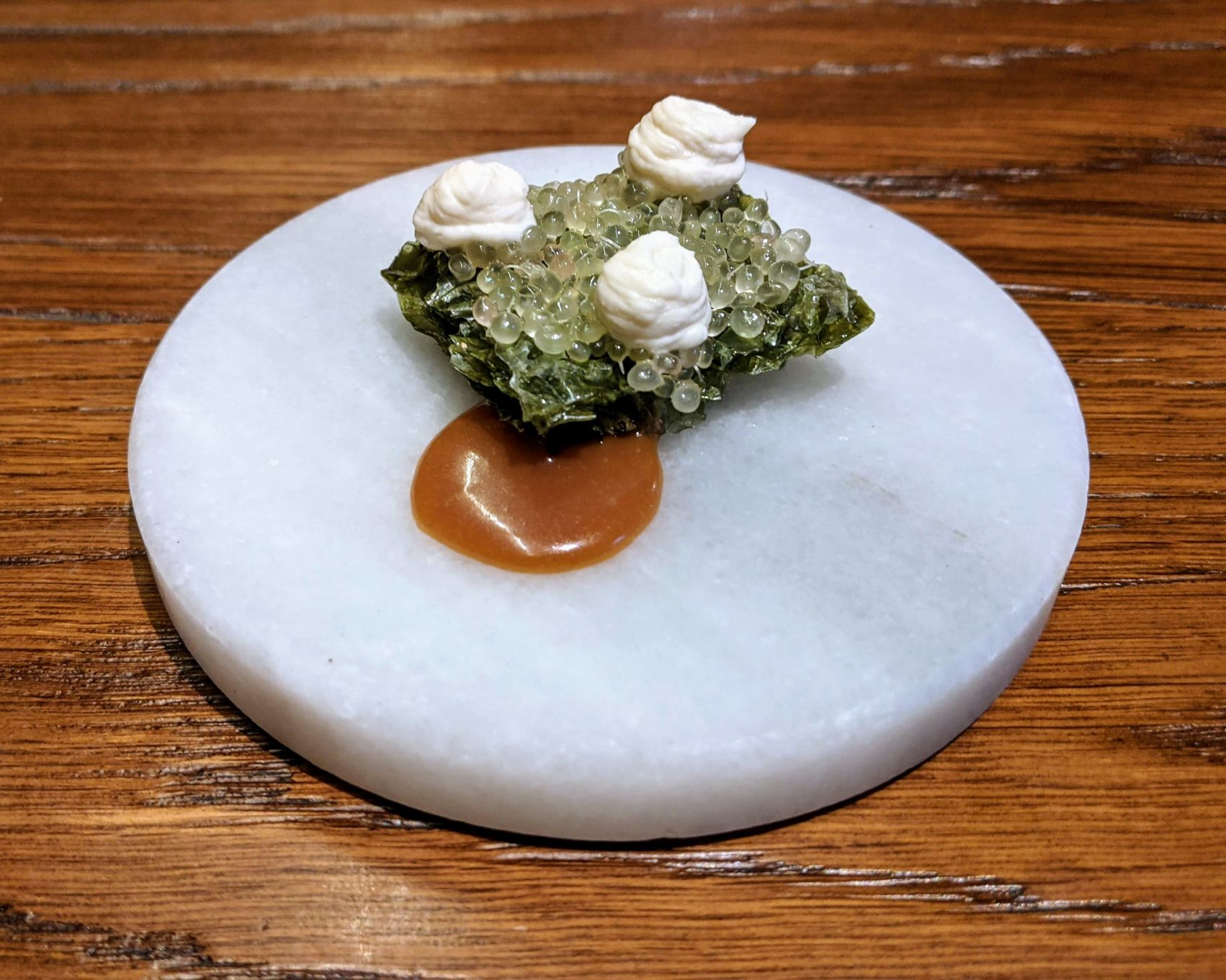
Sea Puff Pastry – Seaweed, Finger Lime, Caramel
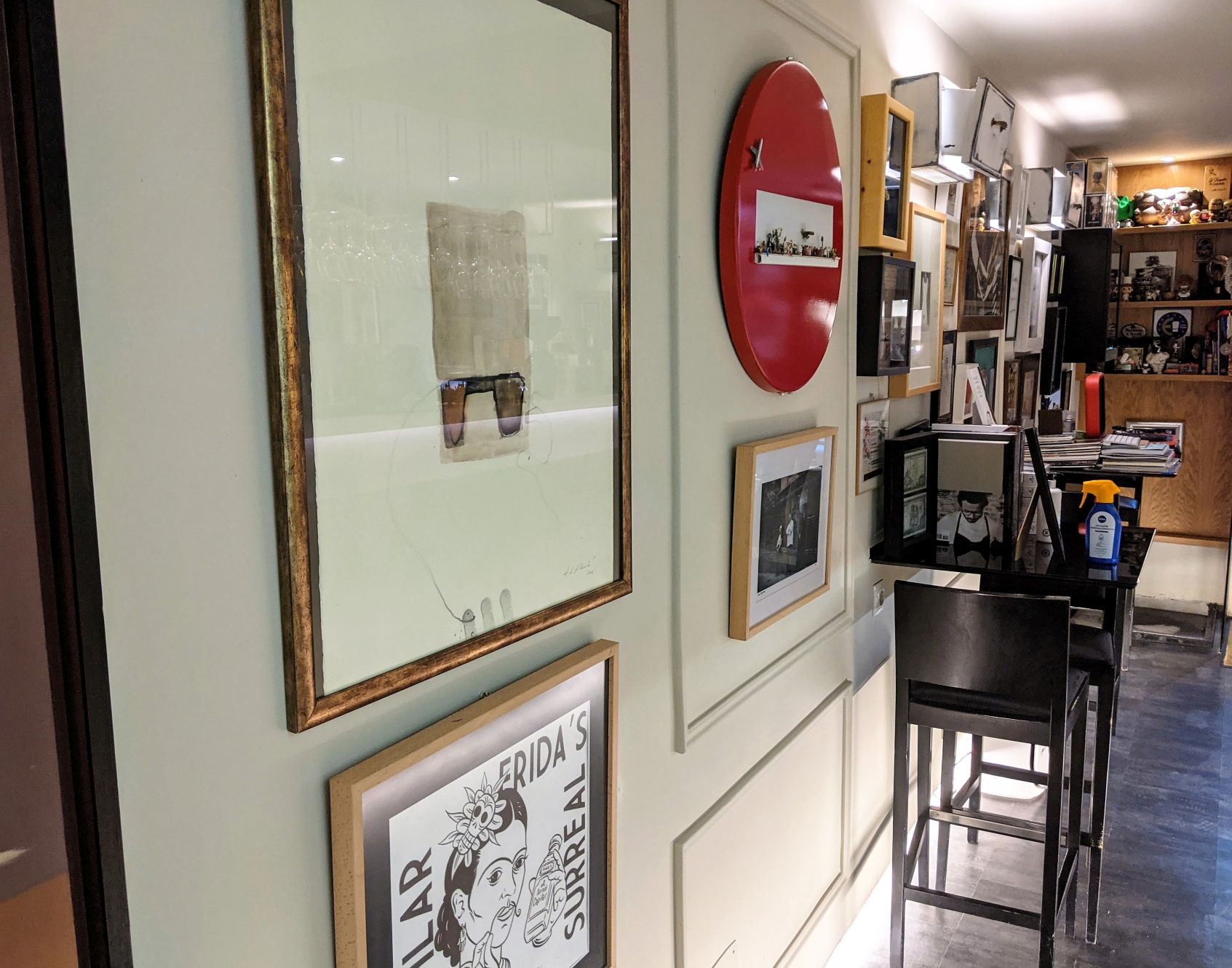
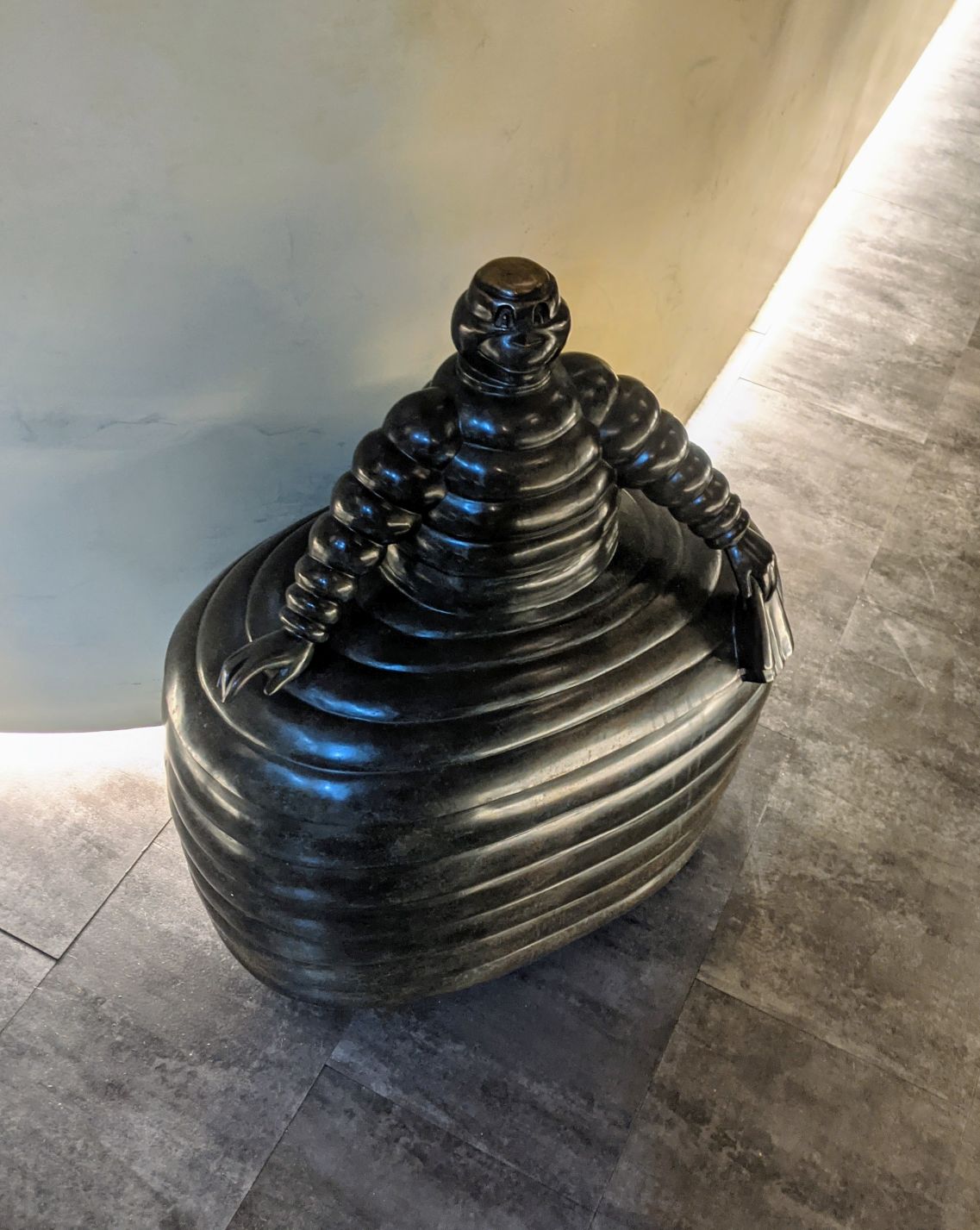
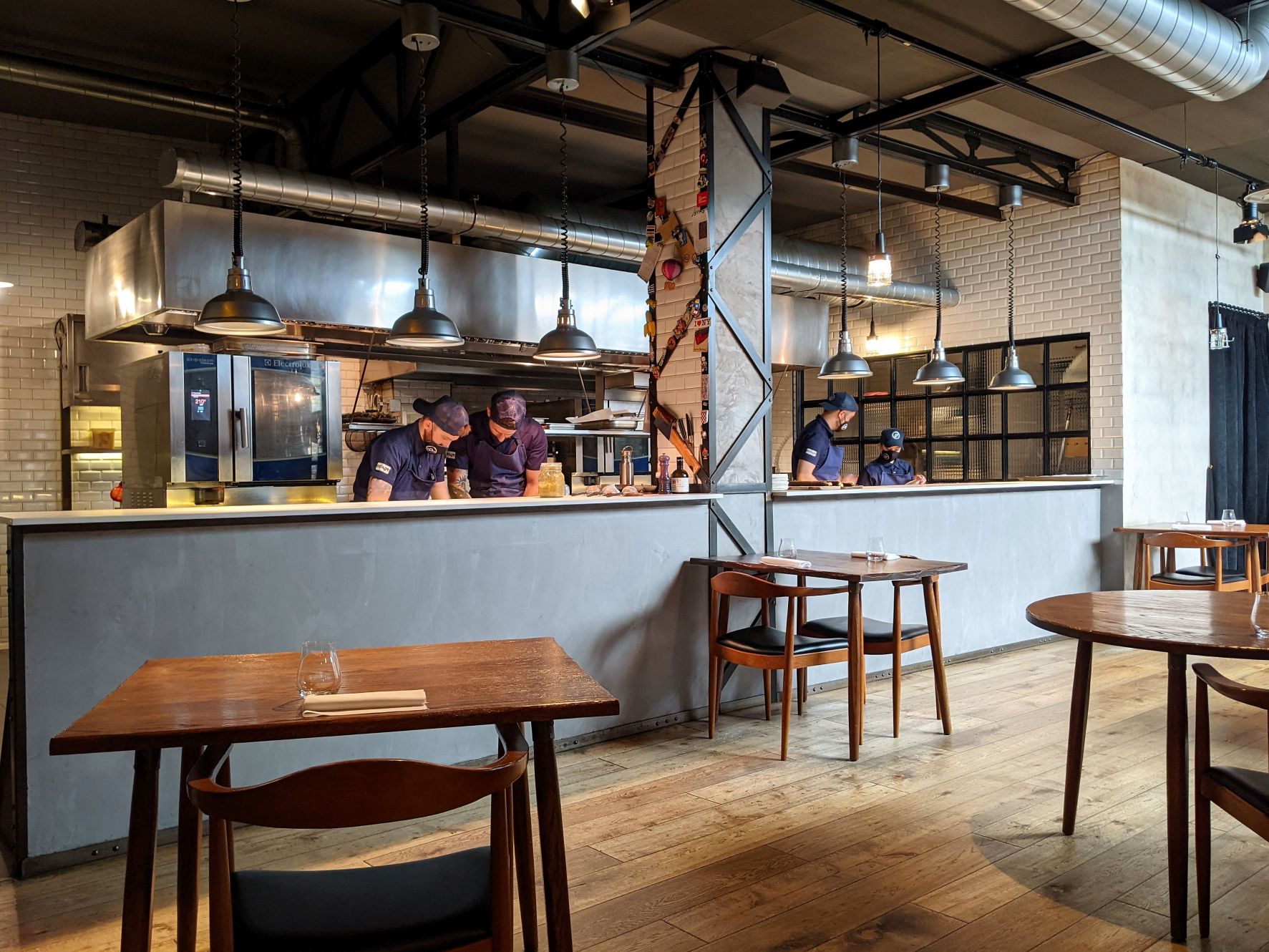
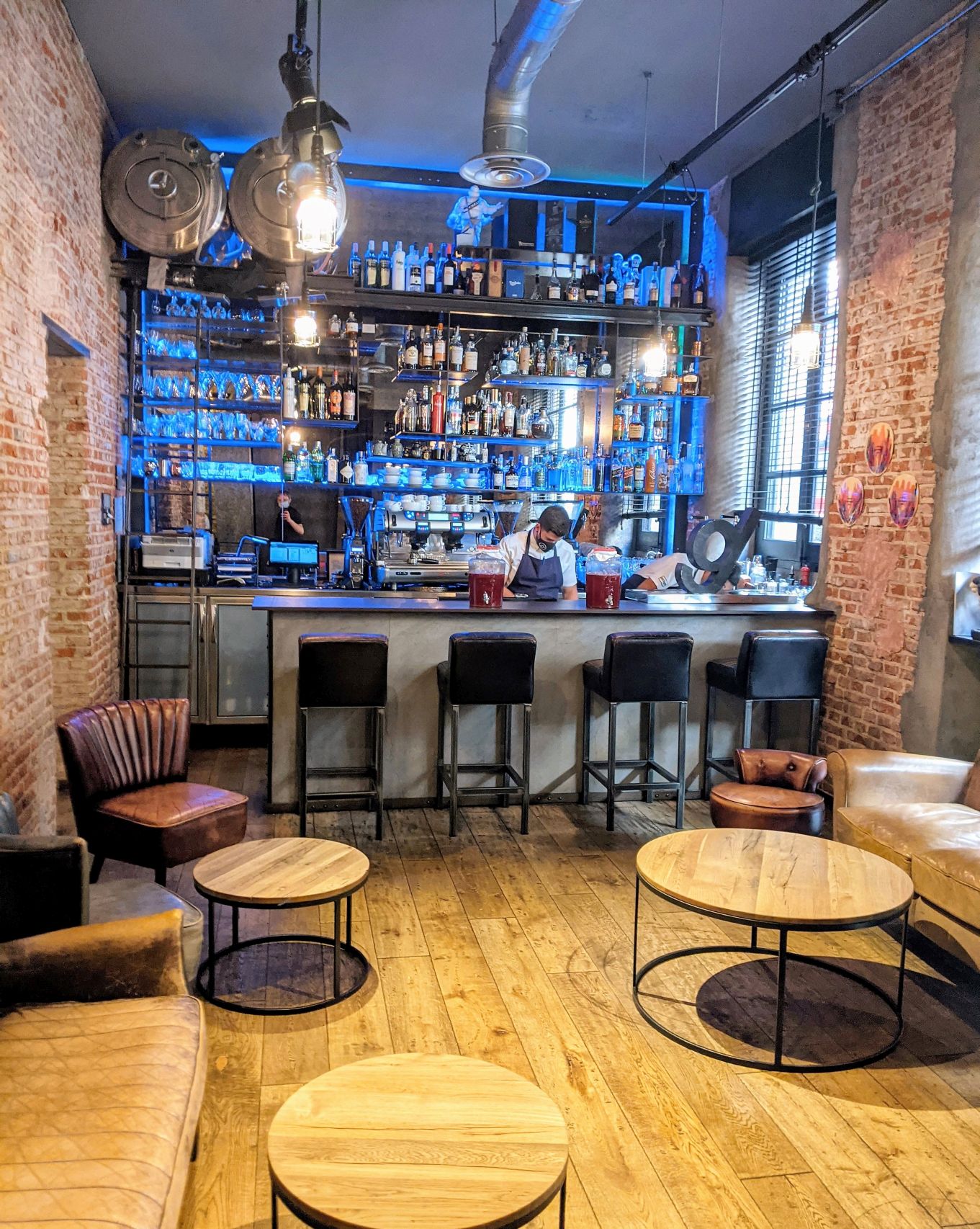
A look at the server’s shoes asks “What the fuck is DSTAgE?,” a question repeated on the Restaurant’s Michelin Man and one that Chef Diego Guerrero hopes guests will understand as “Days to Smell Taste Amaze Grow & Enjoy.”
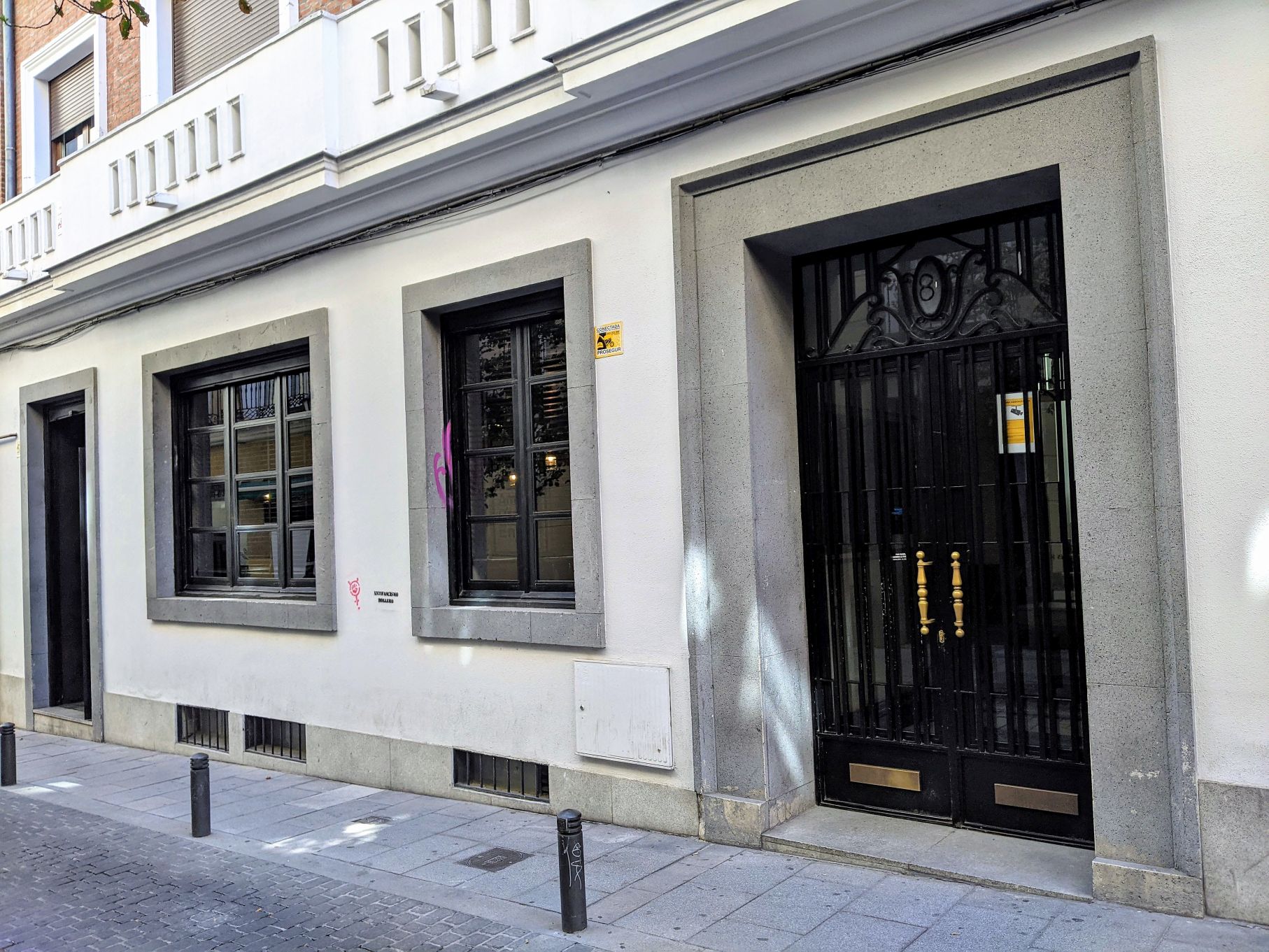
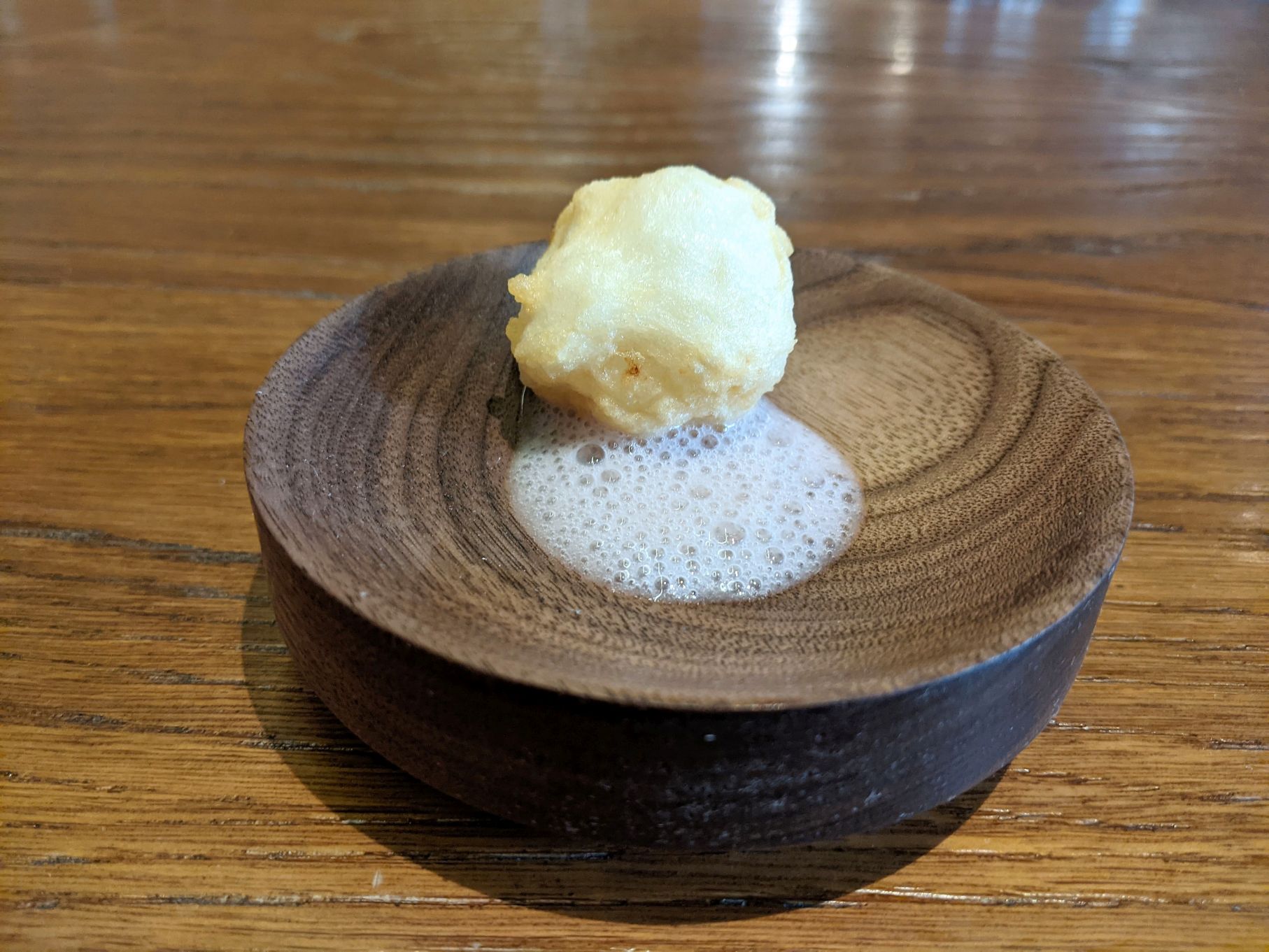
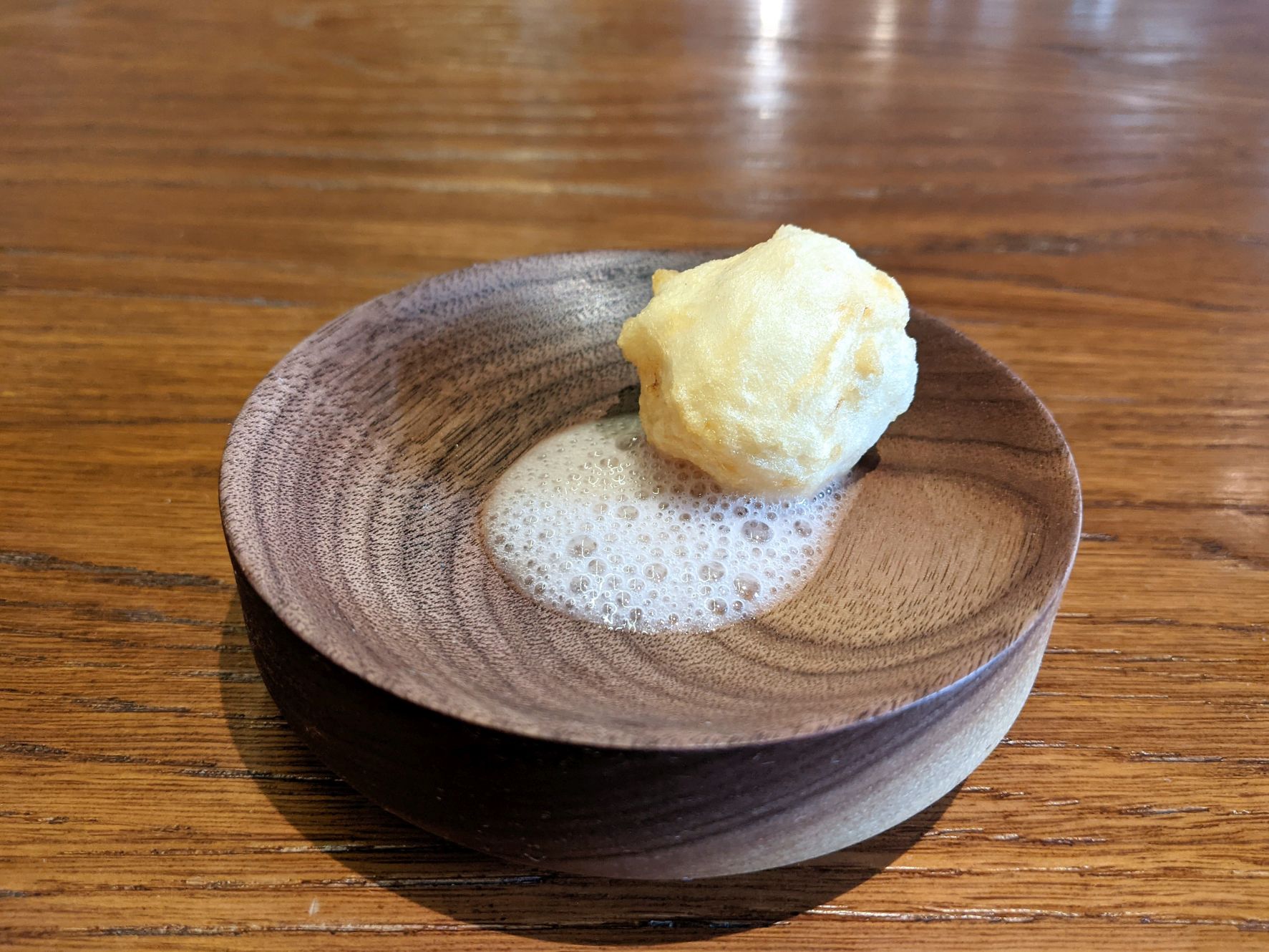
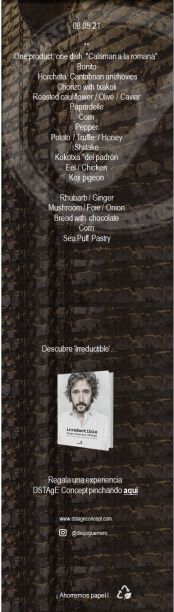
Unmarked at Calle de Regueros 8, though two Stars and a full book of reservations assumes most seeking DSTAgE will know where to look, it is upon entry that guests are led past seats to a counter and open kitchen, greetings from staff quickly followed by Beverage selections and the first of eighteen courses featuring nothing but Squid – its inner Pen and Entrails used for fibers and Sauce that mimic Breading plus Butter.
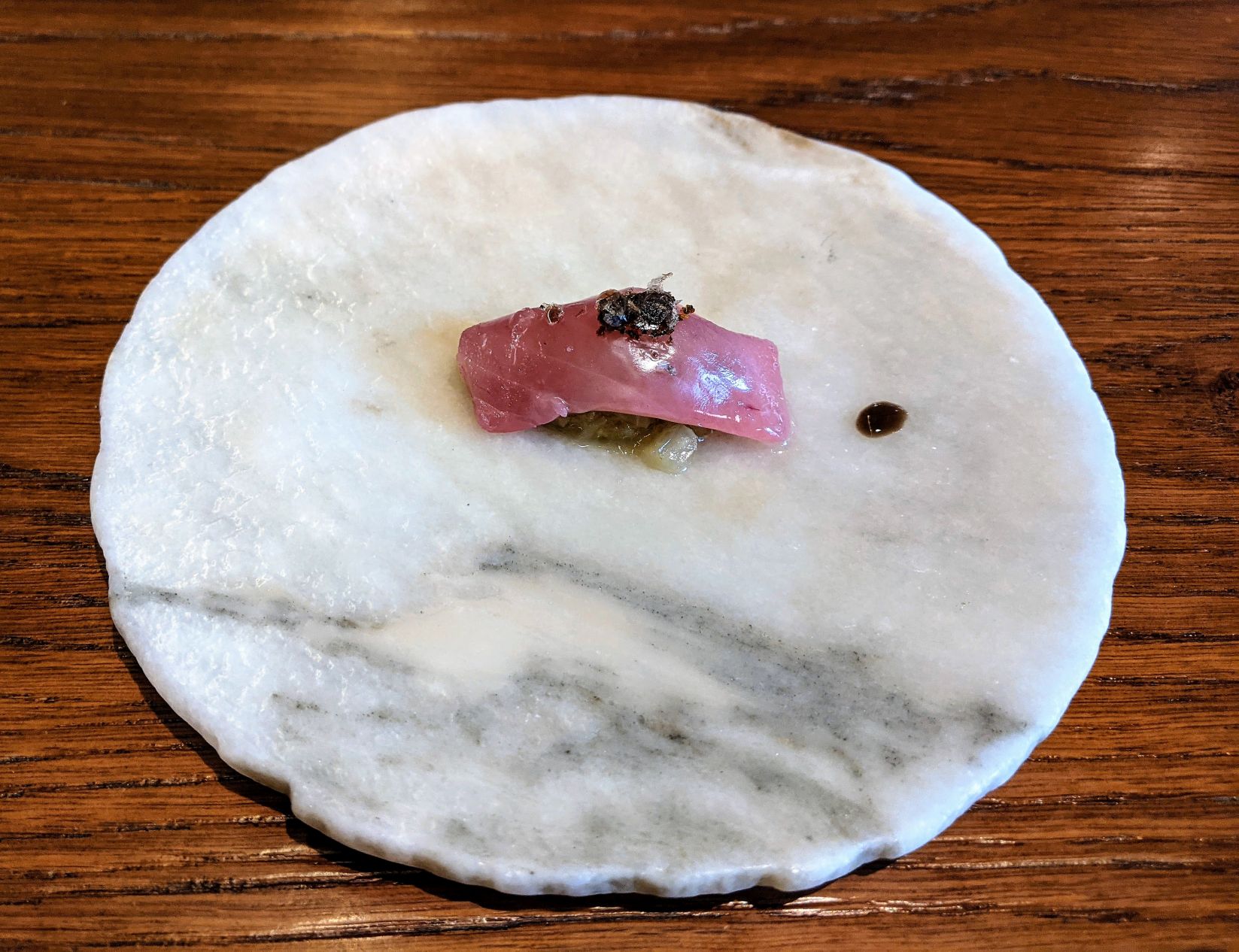
Rooted in Spanish products but brought up in the Basque with eyes on the likes of Adria and Berasategui, it is from here that diners are led on an adventure from Japan to Italy with frequent stops in modernist cooking, the first aerated and frozen Horchata topped in an incongruent Filet of Anchovy.
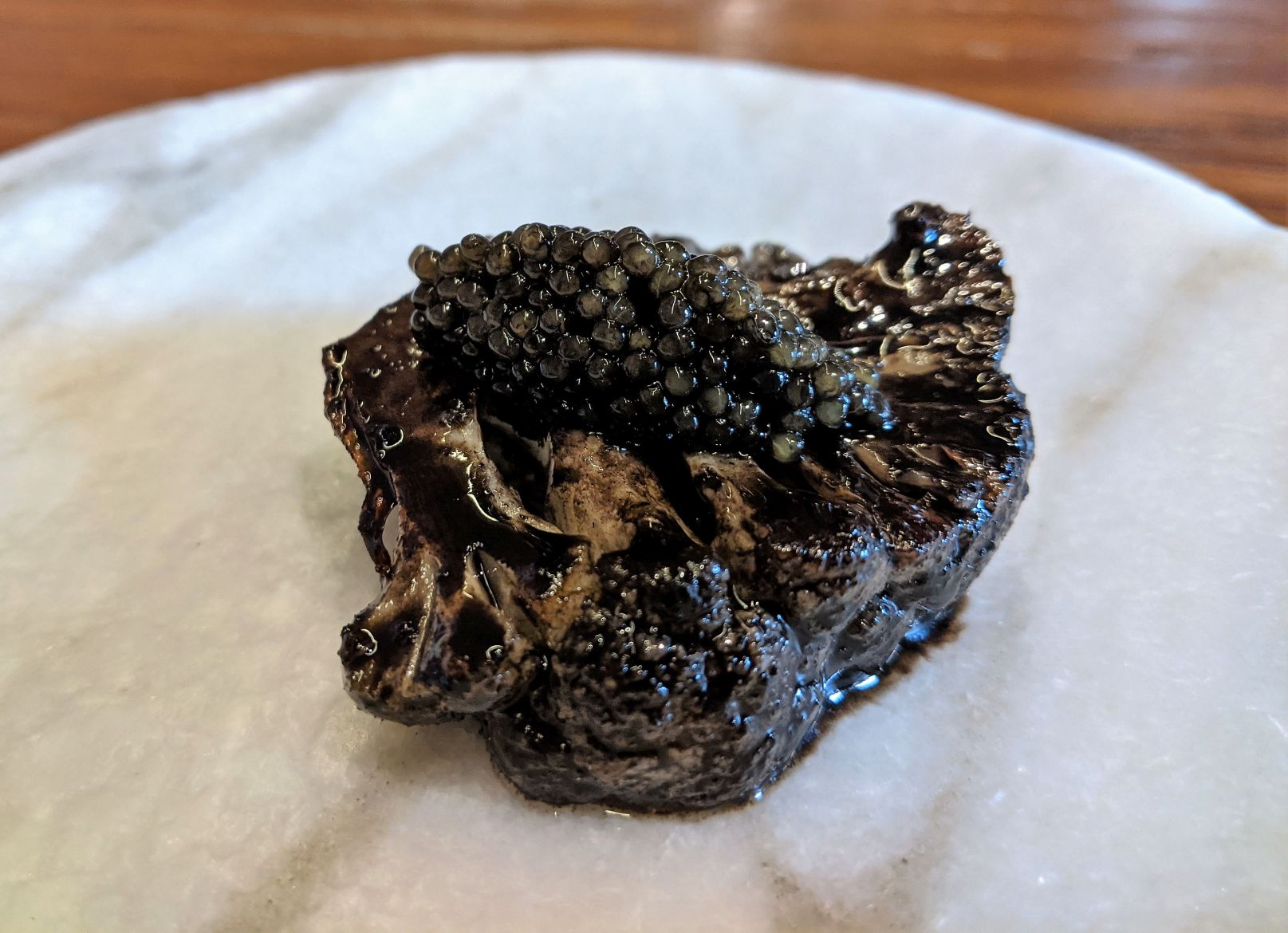
Described often as a “concept,” entirely Vegan Chorizo next to an Egg Yolk with bright acid indistinguishable from Pork, one may be surprised to learn that Caviar pairs well with Olive-lacquered Cauliflower preceding a continuous curl of Pasta topped tableside with Yeast.
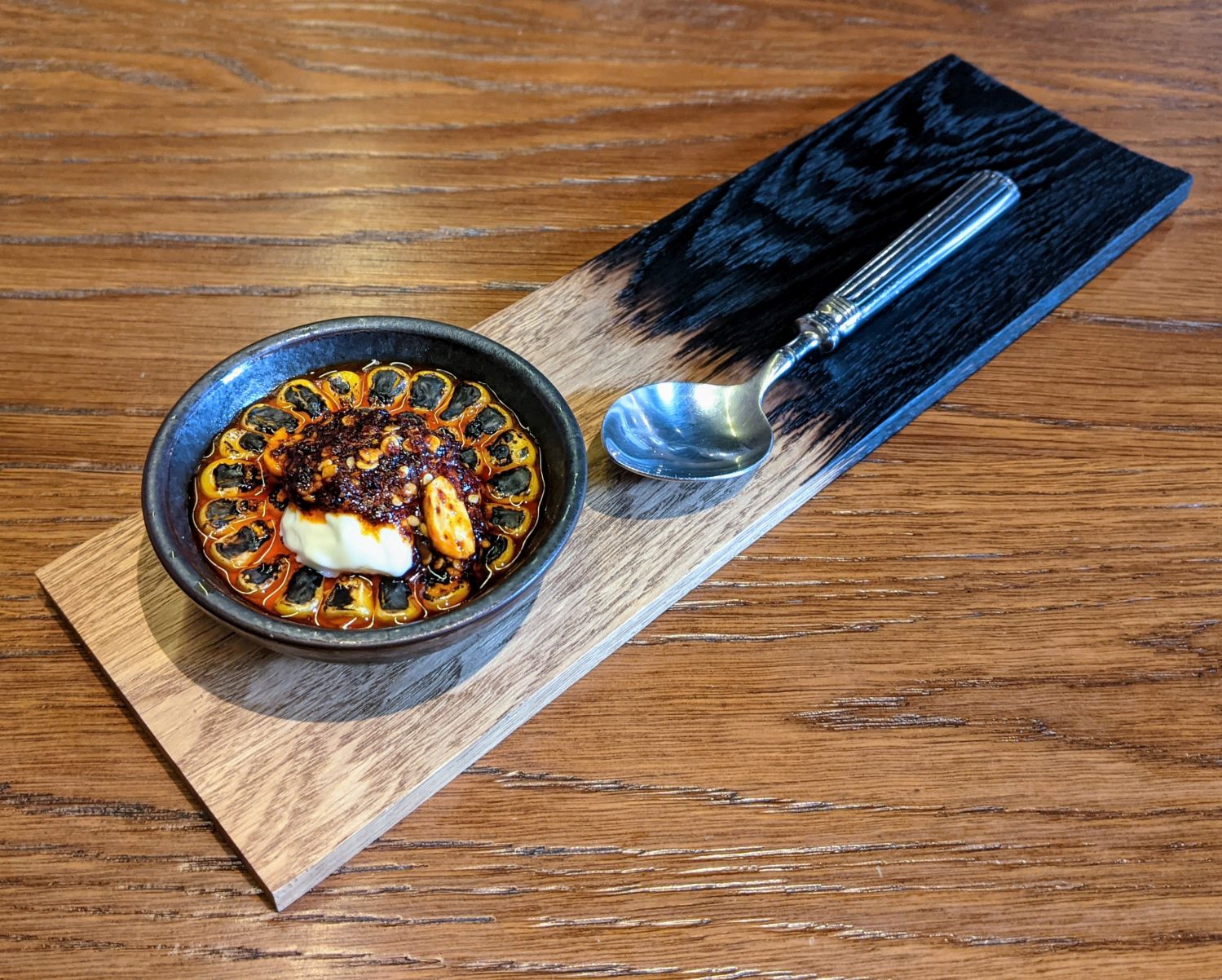
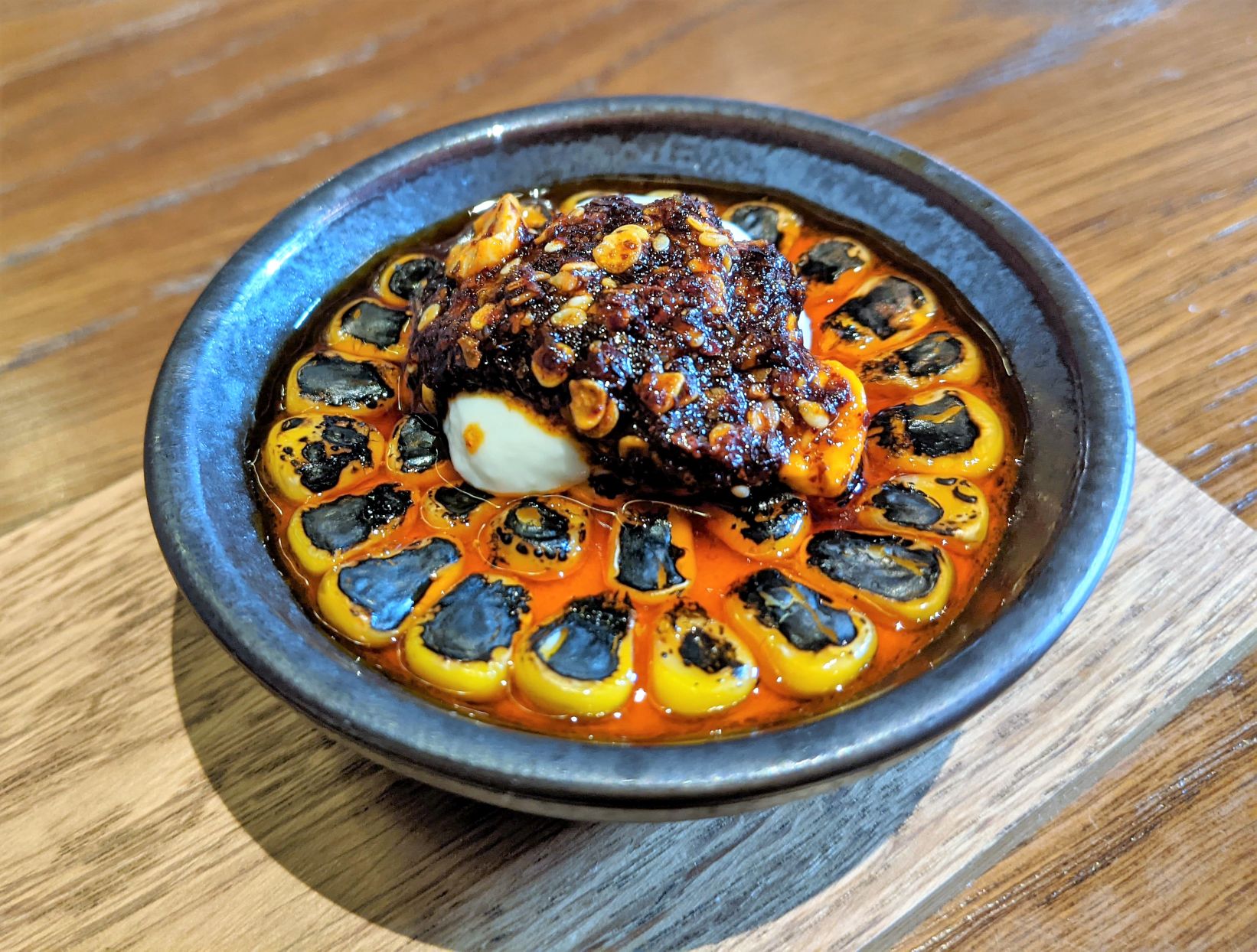
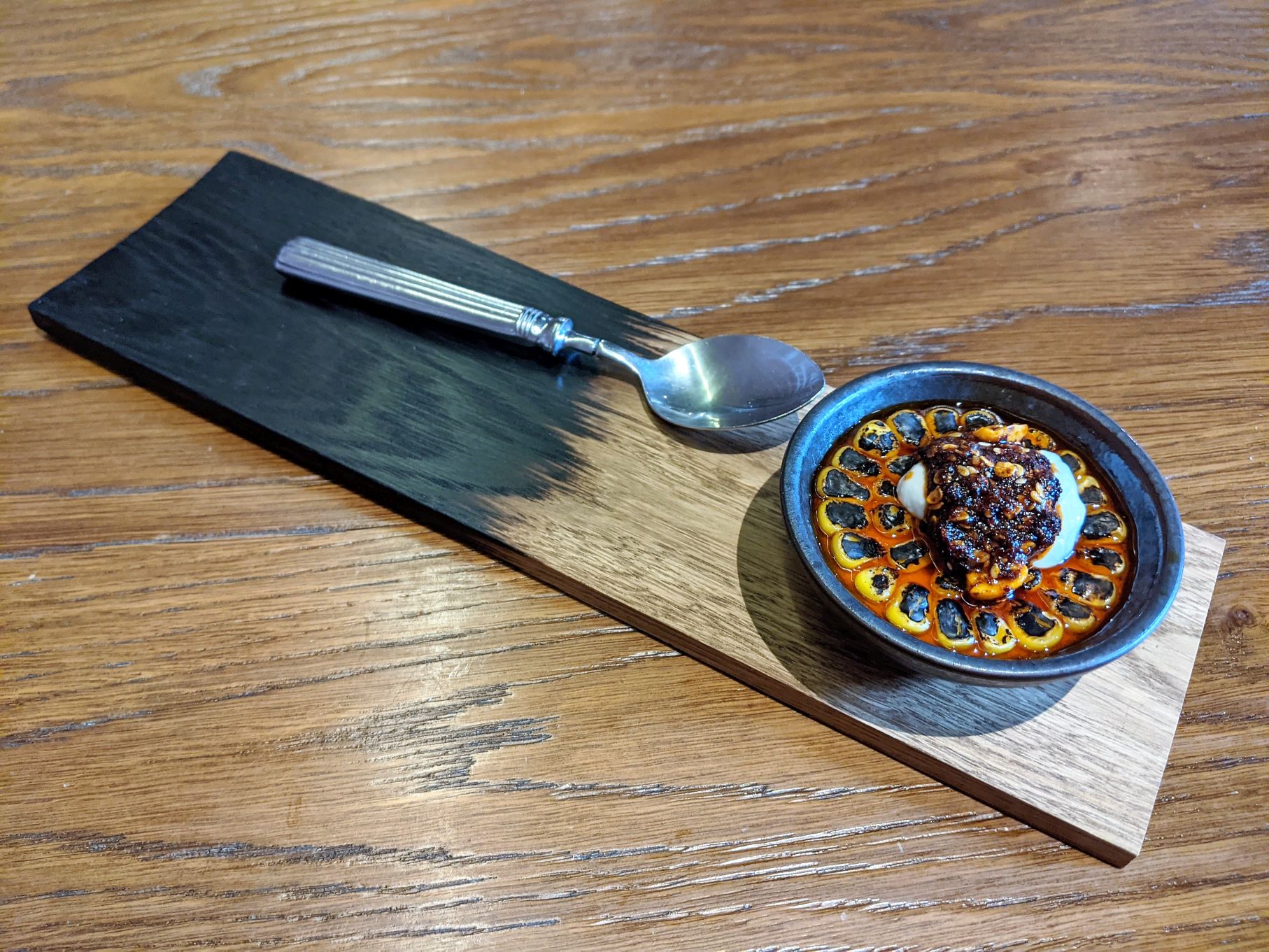
Not shying away from abrupt shifts, Charred Corn over Custard with Chevre and Chili Oil anything but subtle, Chef Guerrero’s Red Pepper Rose harkens memories of Tomato Soup with Grilled Cheese while its follow-up of Potato, Truffle and Honey gently cleanses the palate for what comes later.
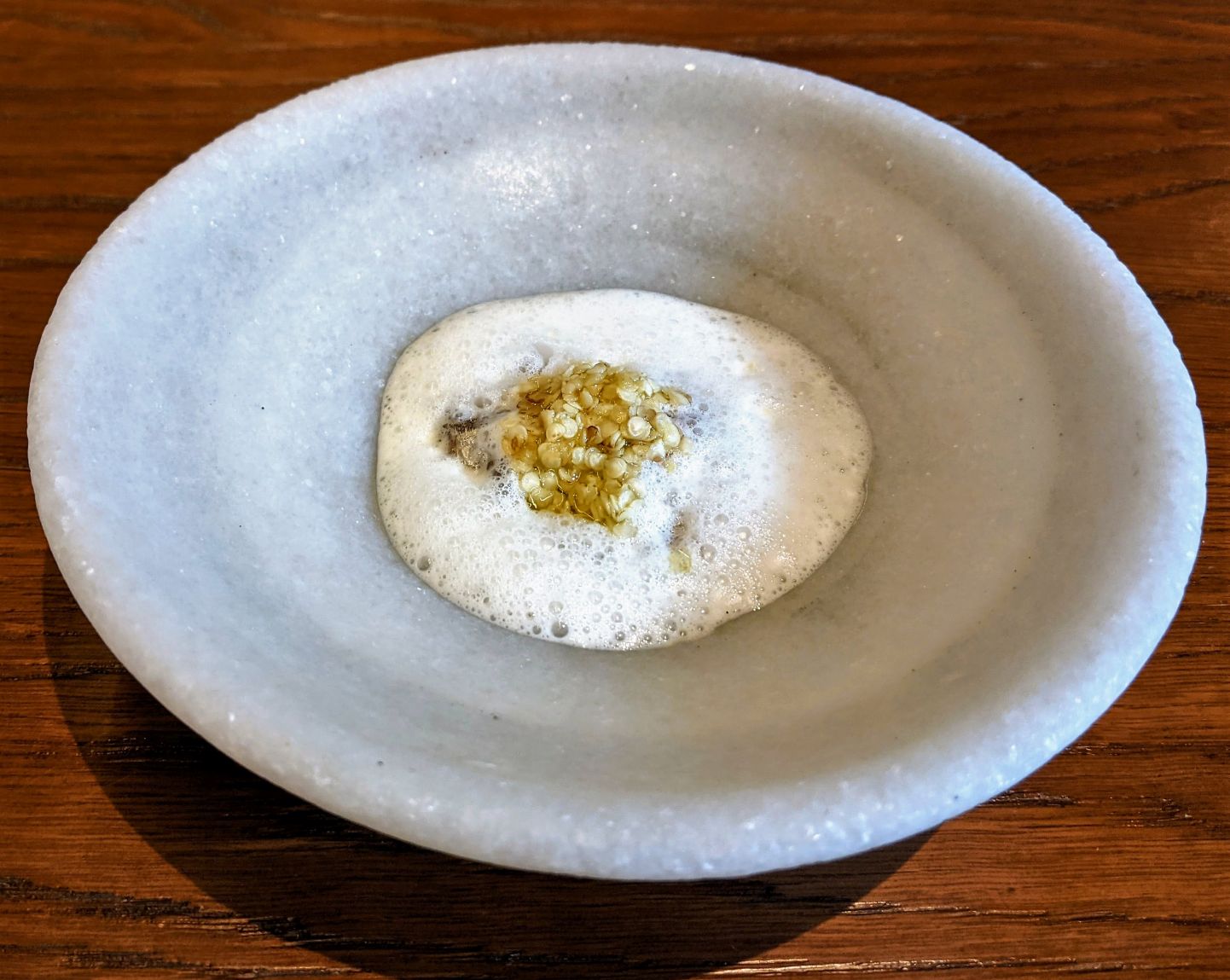
Elaborating on the production of “Cereal Syrup” more so than a Mushroom and Manchego it coats, the reason revealed later, Kokotxa in piquant Foam achieves great depth while Eel and Pigeon wrap up savories in a traditional manner along with Bread to sop up the Sauces.
Wrapped around a two-story courtyard, designed rustic yet modern as Guerrero’s Food, Dessert begins with a bit of knifework making Rhubarb bloom amidst fragrant Cava before moving on to sweet Mushrooms amidst melting Liver and Onion Cream.
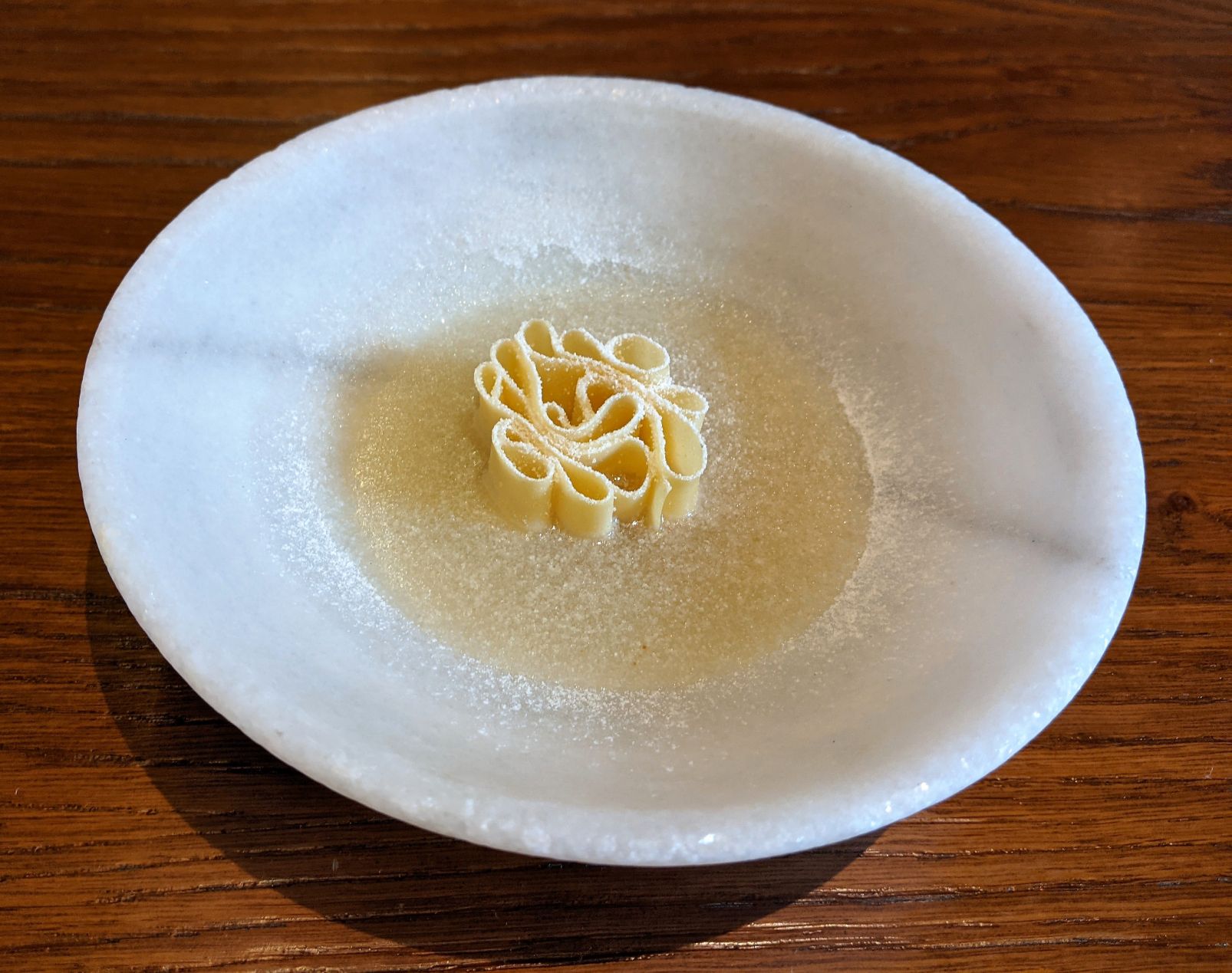
Recalling the Syrup from earlier in course sixteen, Bread with “Chocolate” using no Cocoa but achieving that flavor through residual starches, Popped Corn Ice Cream asks guests to wrap it in spun Sugar before finishing with two bites of crisp Seaweed suggesting the idea of Key Lime Pie.
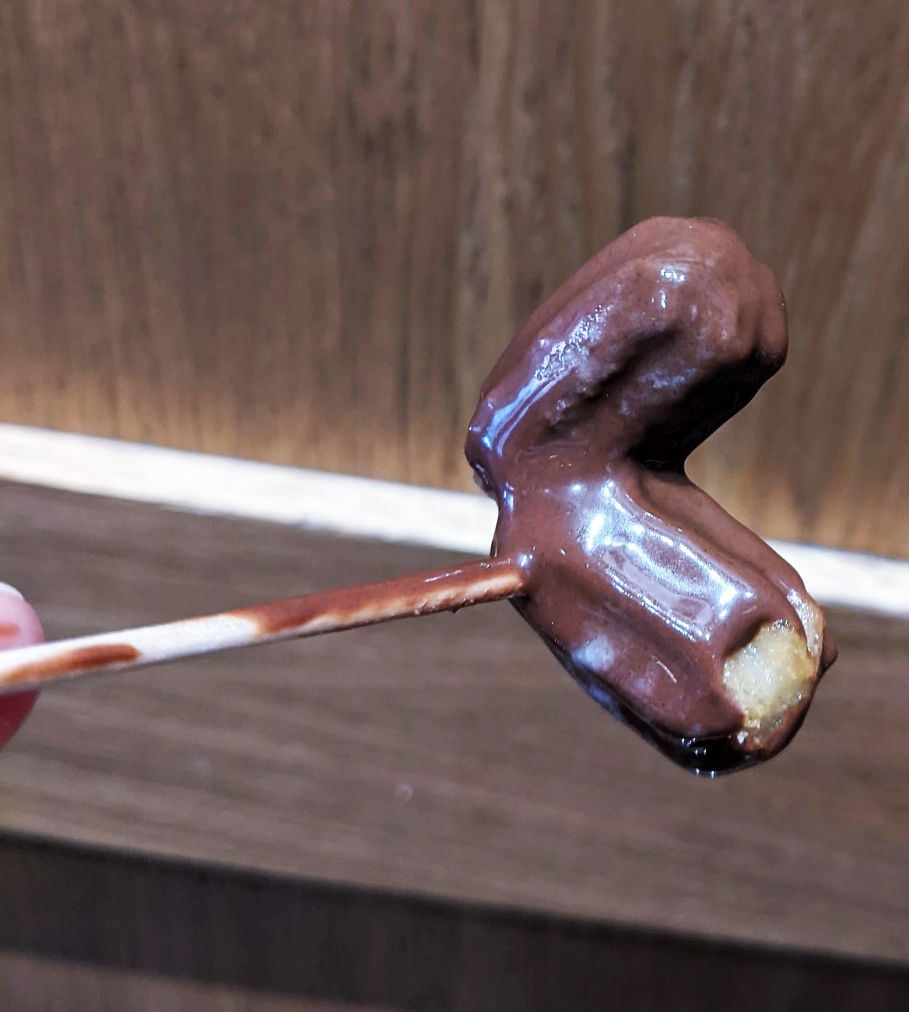
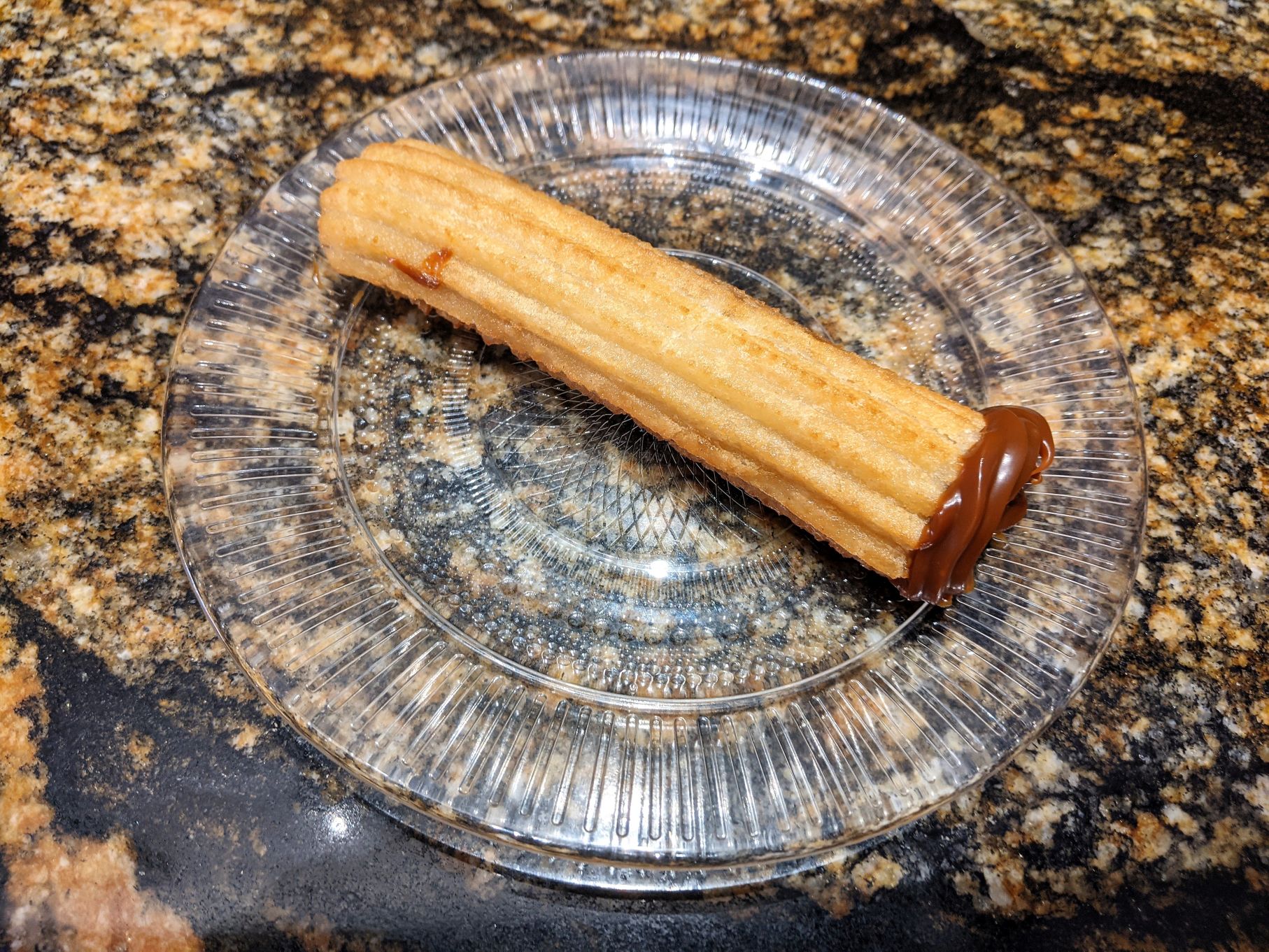
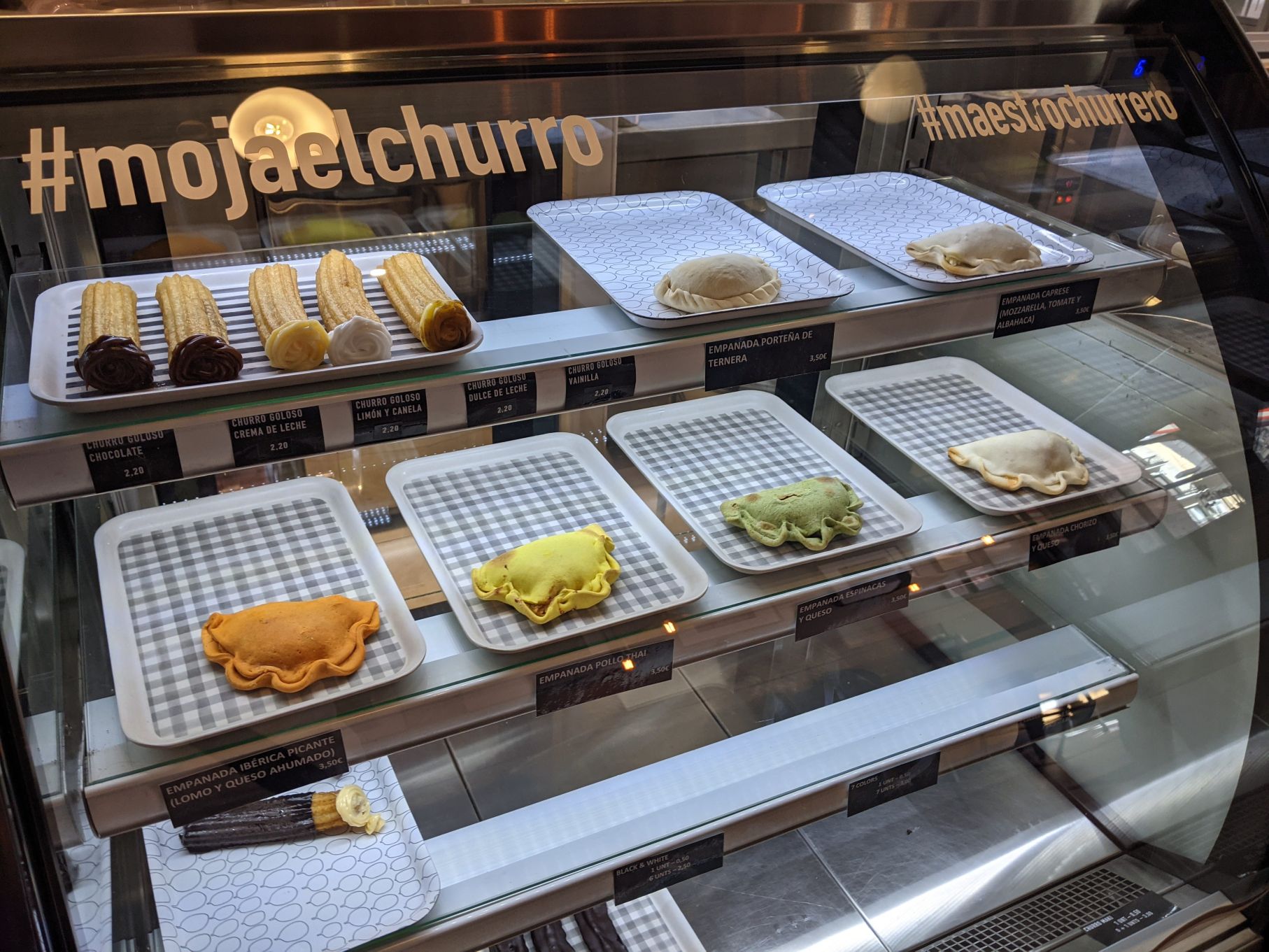
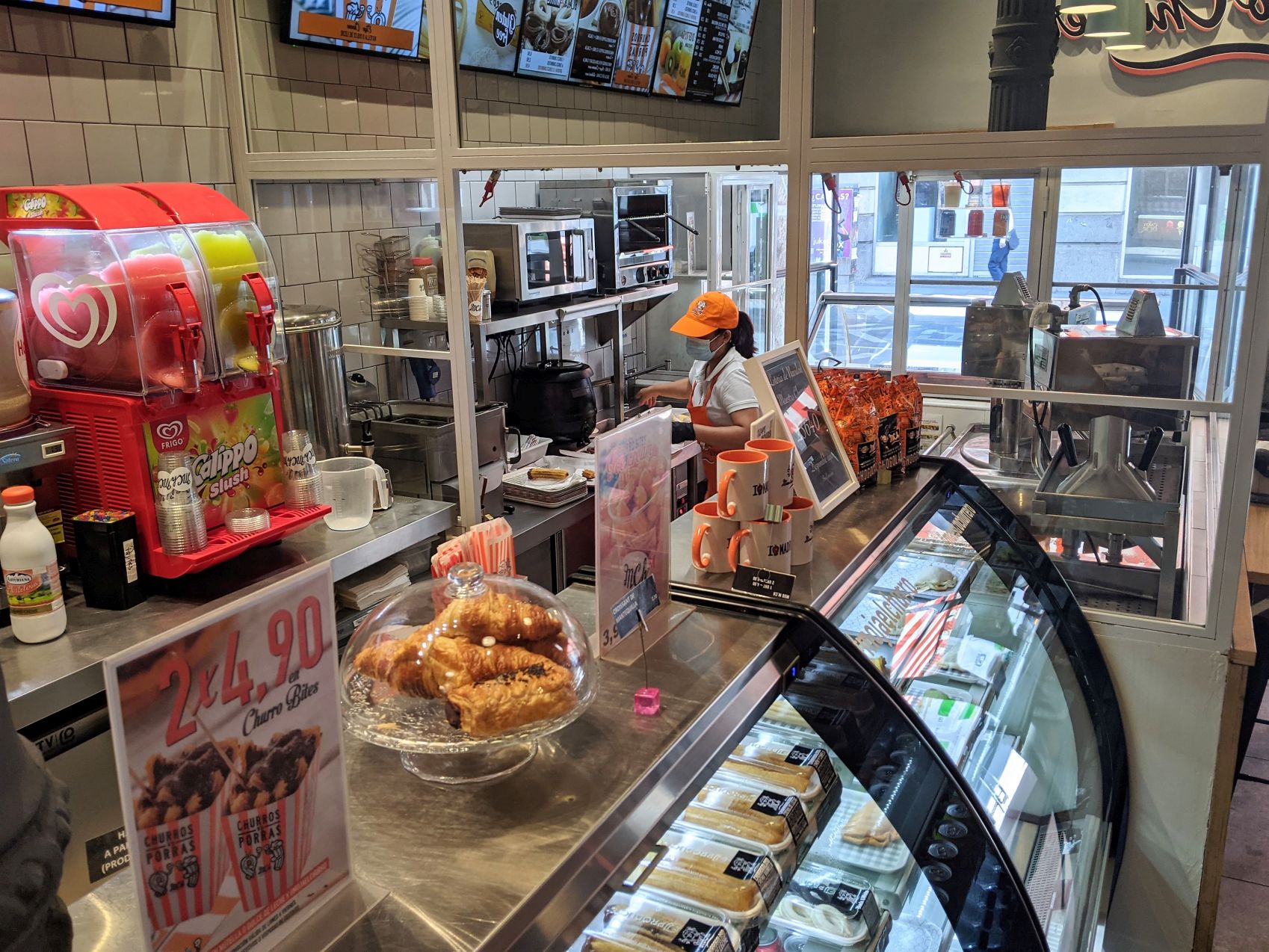
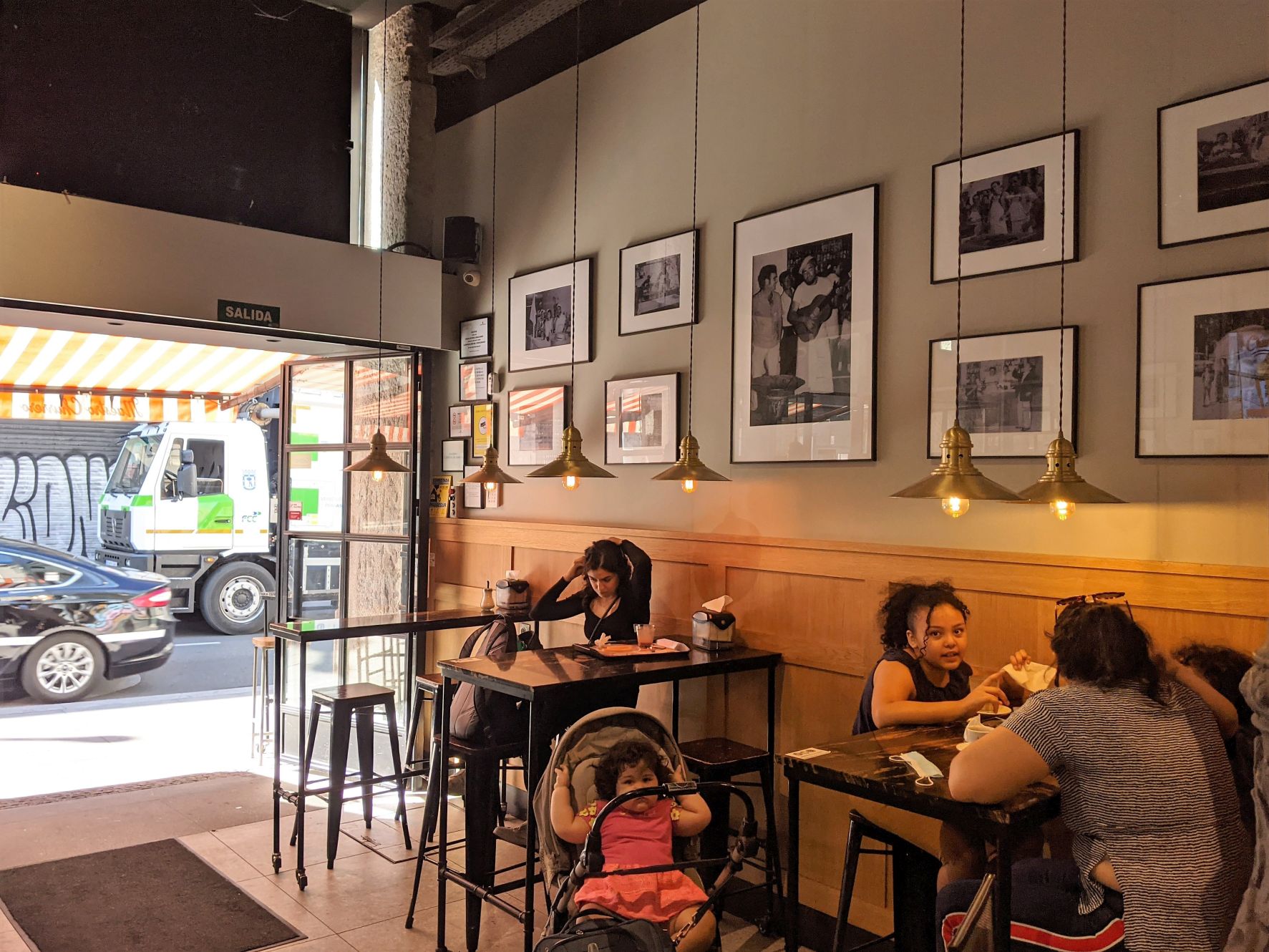
Established in 1902, but given a modern makeover and sizable social media presence, Maestro Churreo lacks the crowds of San Gines or Chocolateria Los Artesanos but nonetheless turns out some fine Deep Fried Dough.
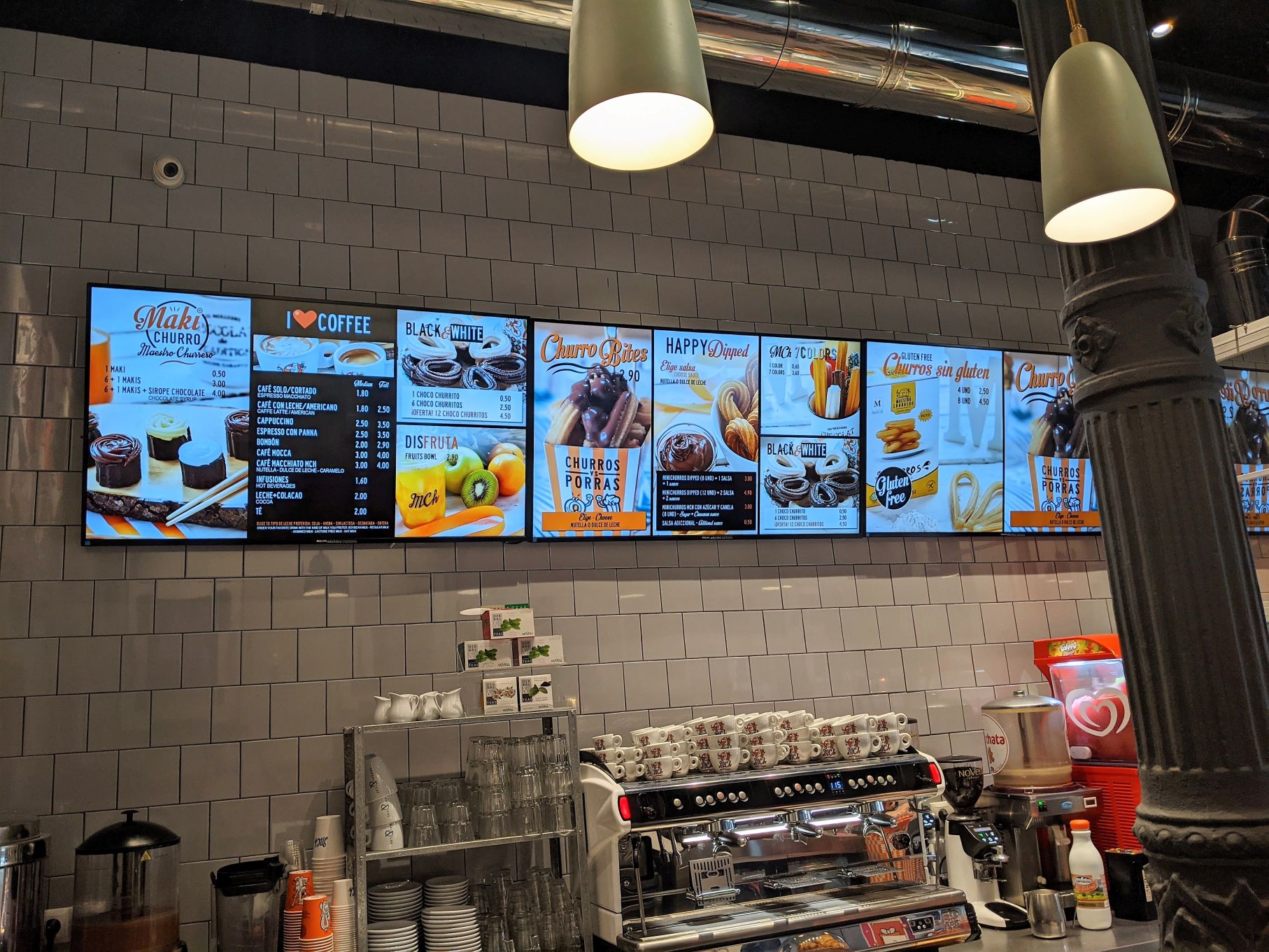
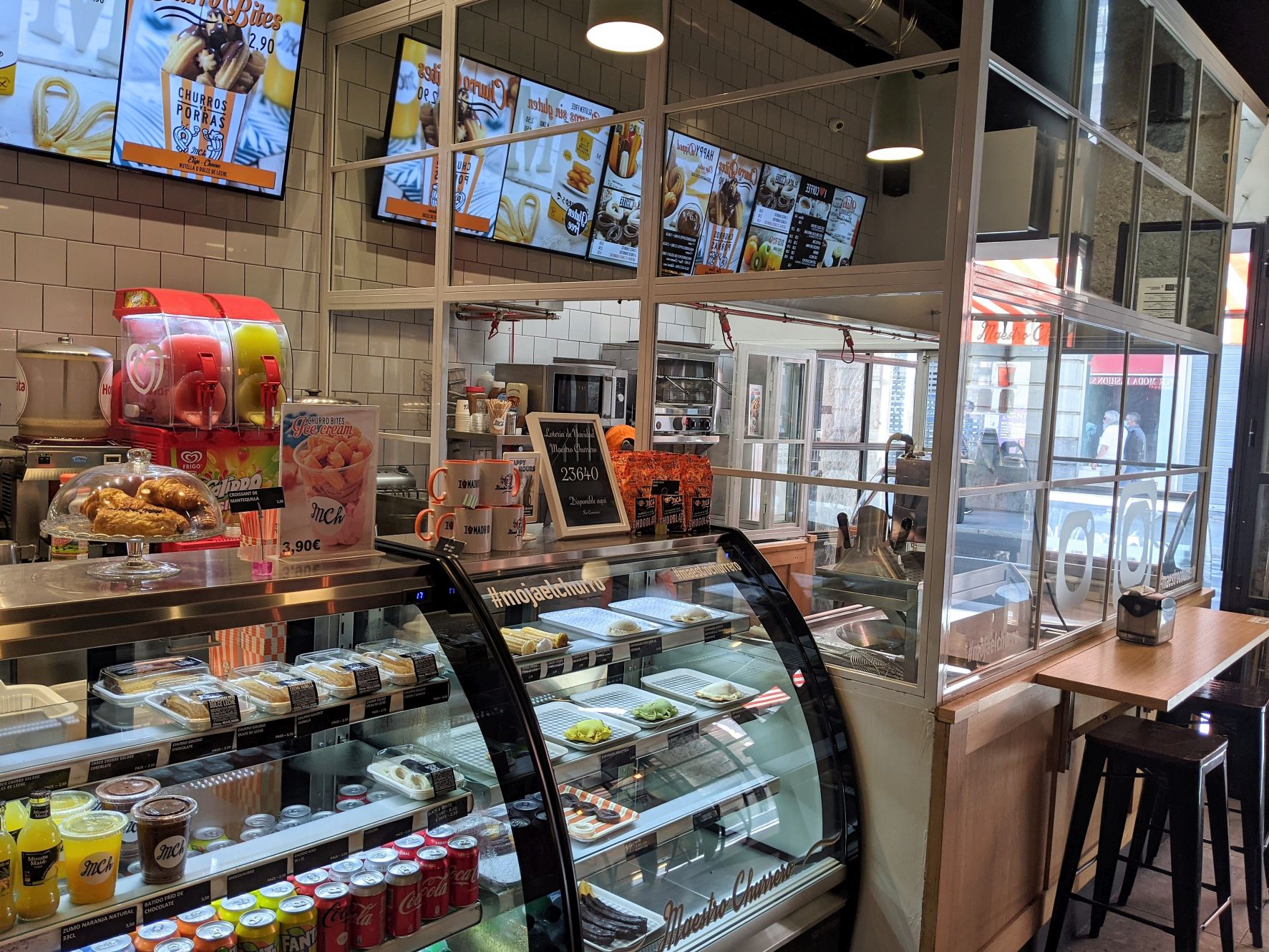
Offering both Churro and Porra alongside Hot Chocolate, but doubling down with multi-colored Dips, Toppings and even “Maki-Churros,” it is via multi-lingual staff that selections are made to order, a “Churro Goloso” piped with Caramel quickly consumed at room temperature prior to piping-hot “Bites” spooned with Nutella.
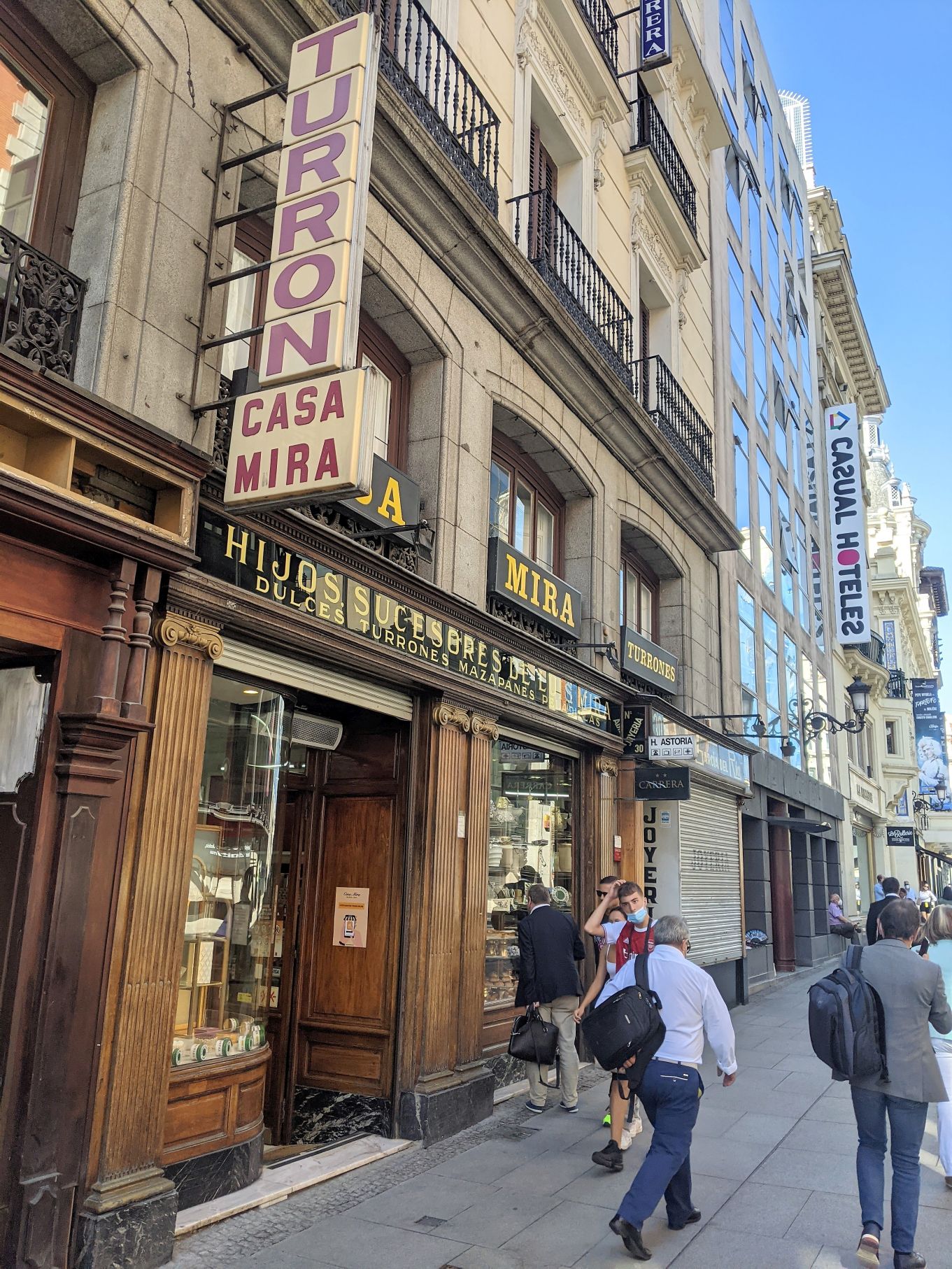
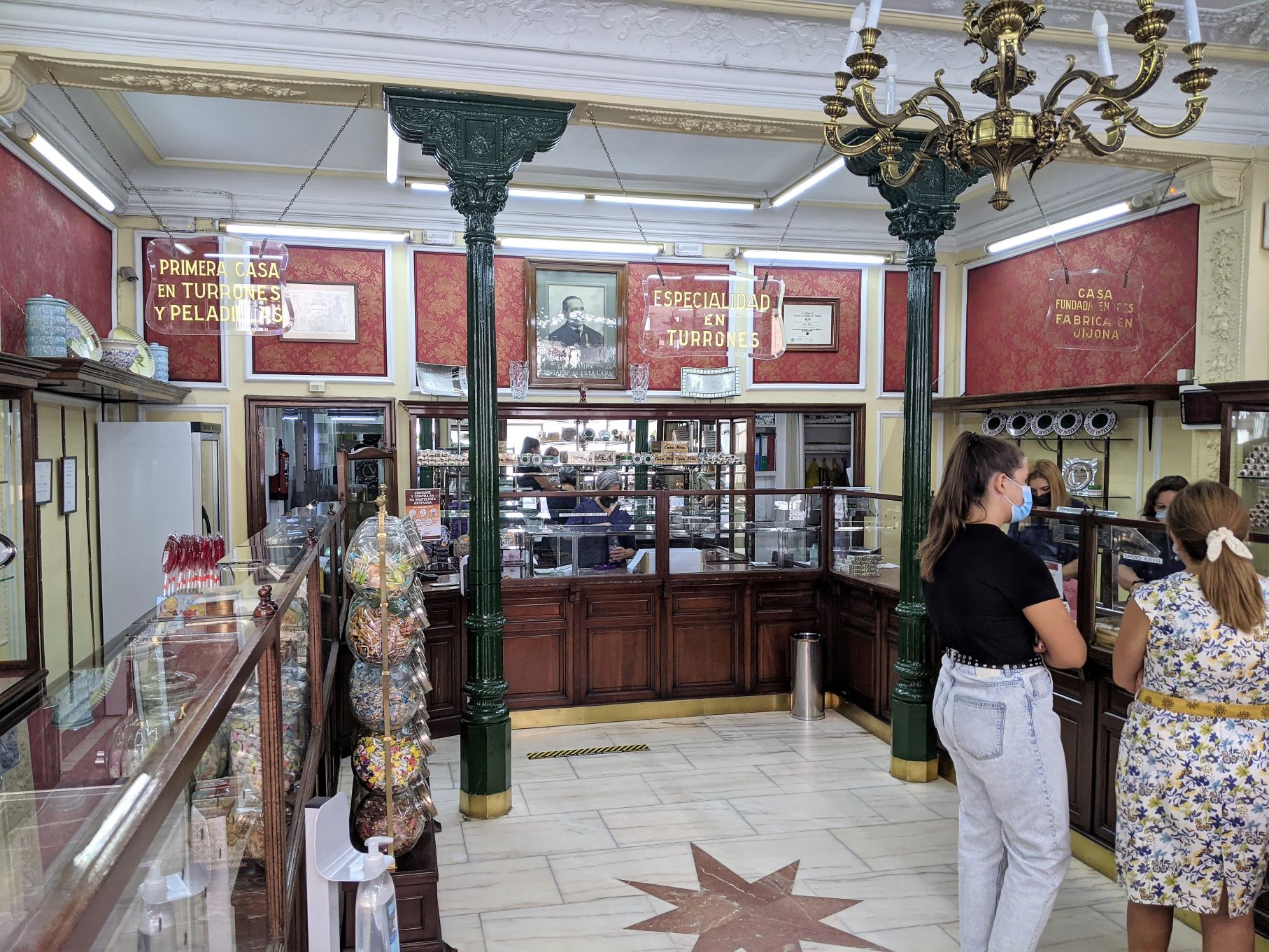
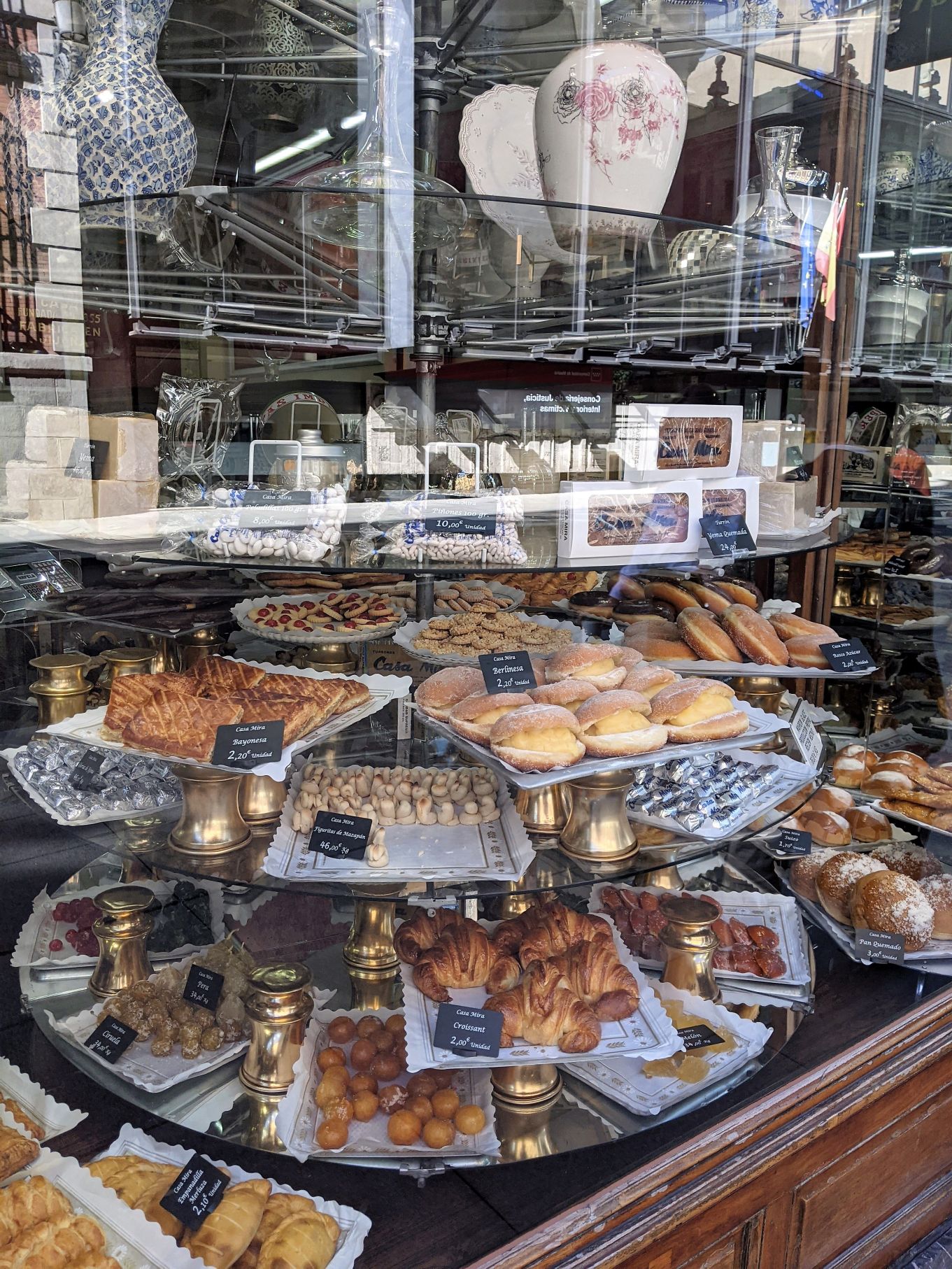
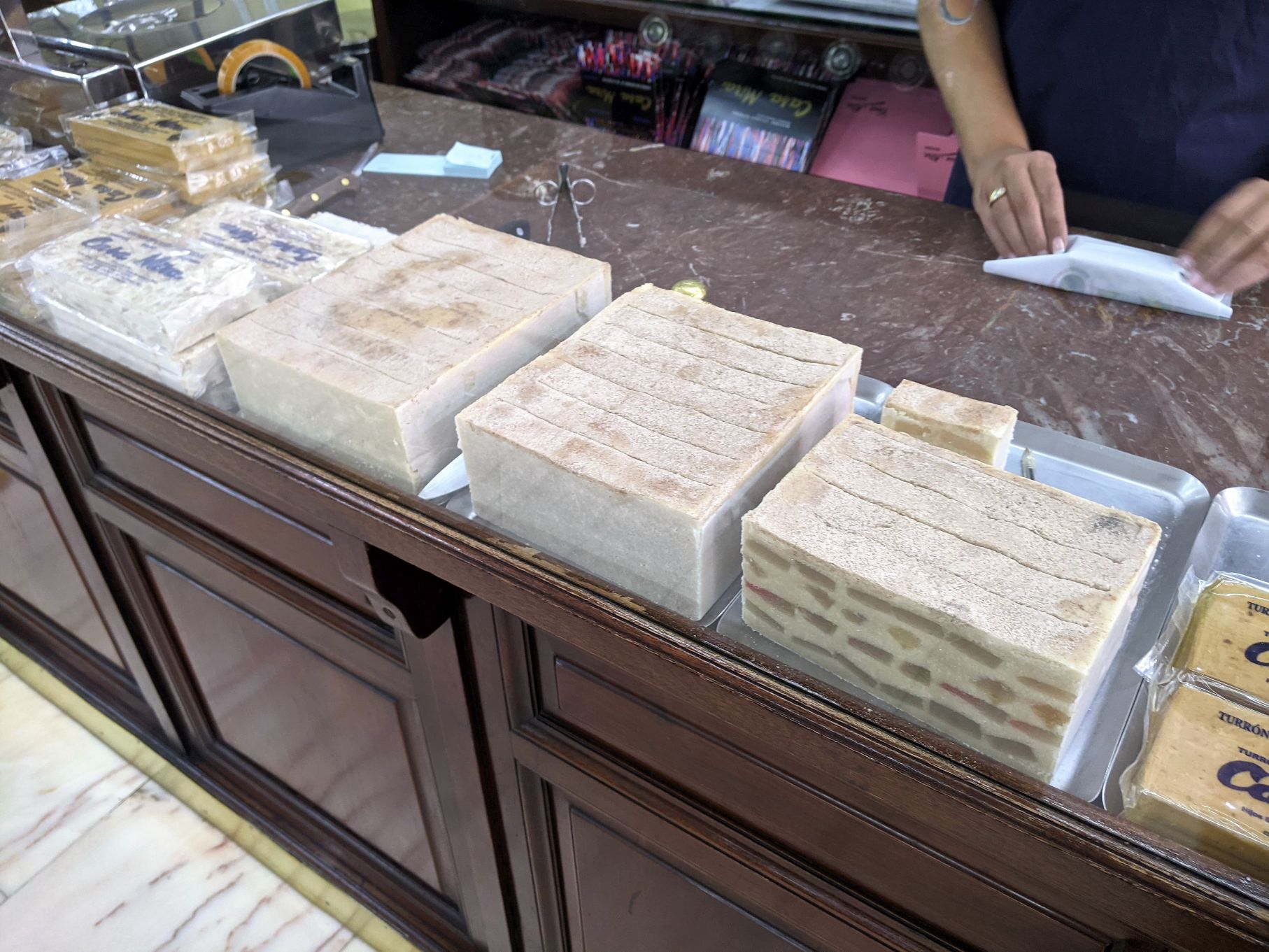
There are lots of Turrón shops in Madrid, including a big chain with Albert Adria branding, but for those in-the-know none have been serving Spain’s capitol longer than Casa Mira, who has been crafting sweet Nougat since 1842.
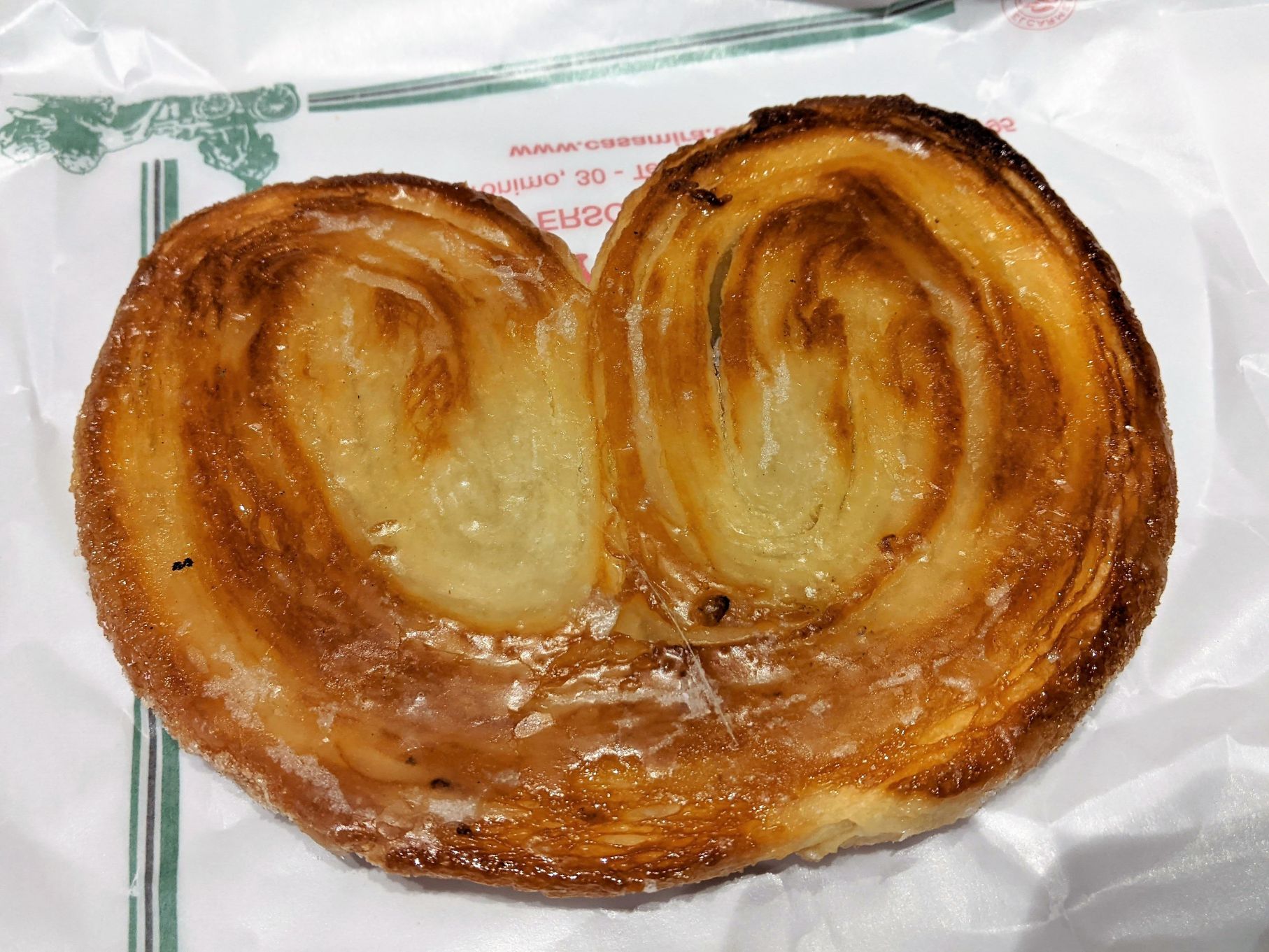
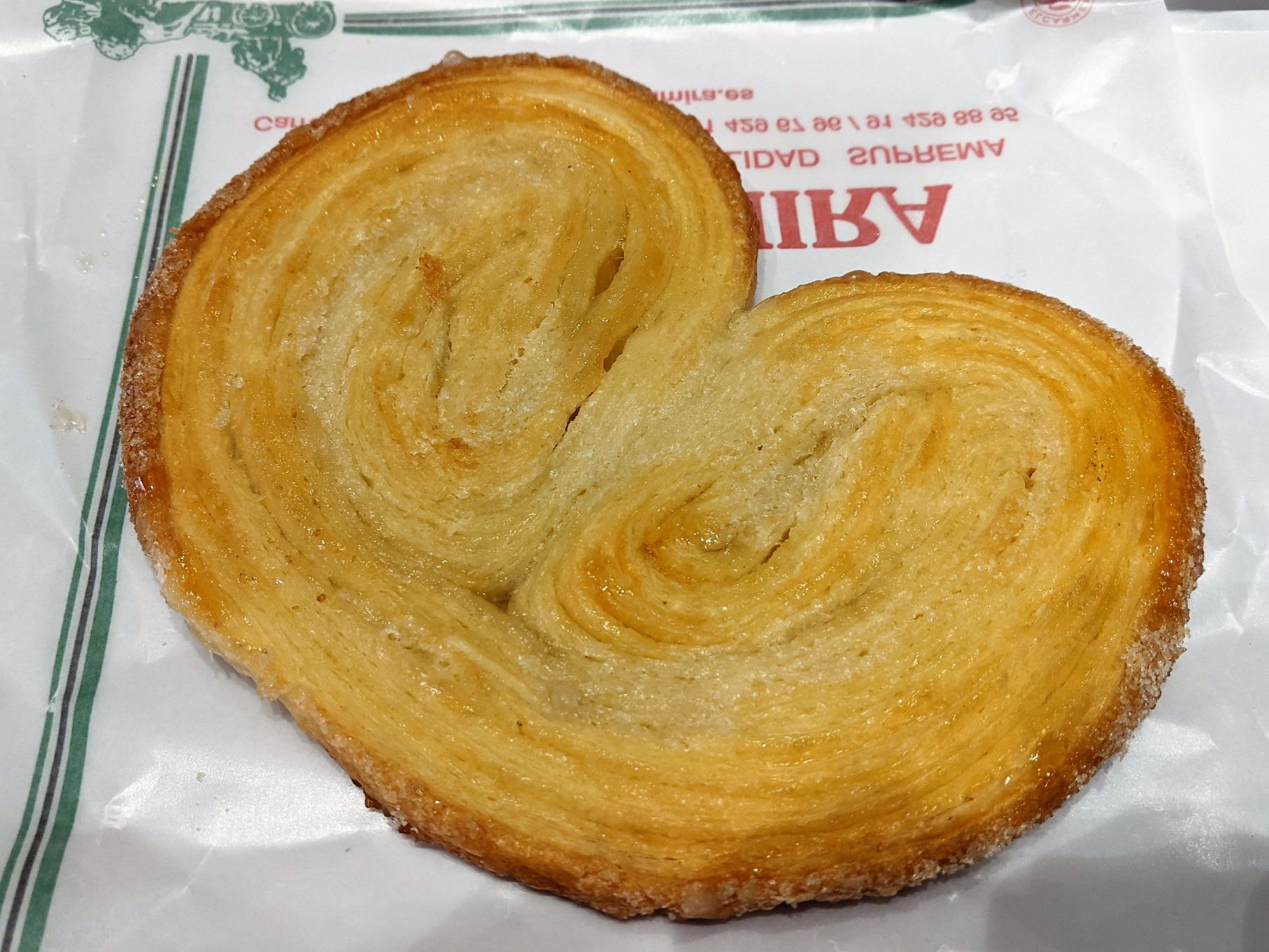
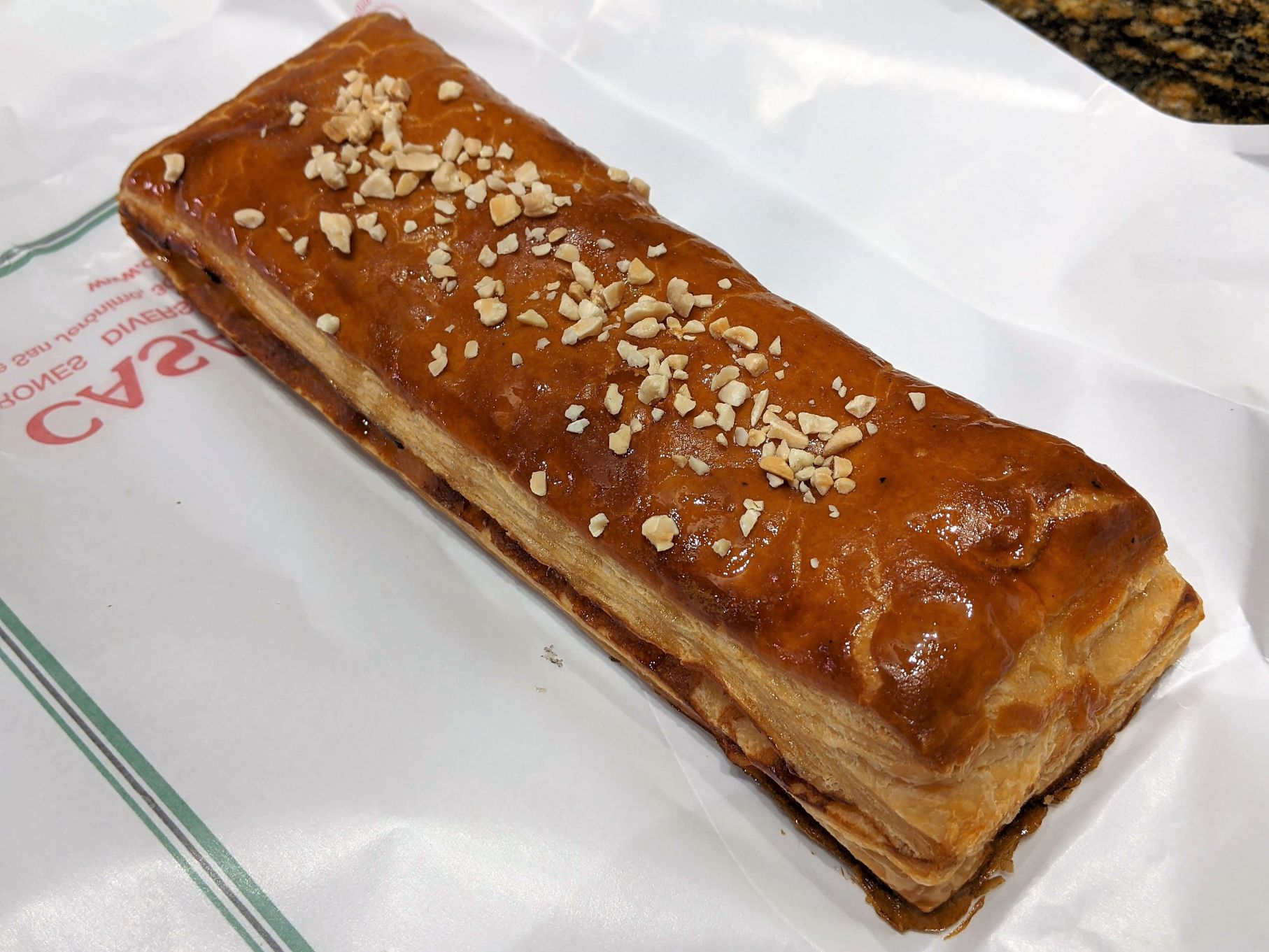
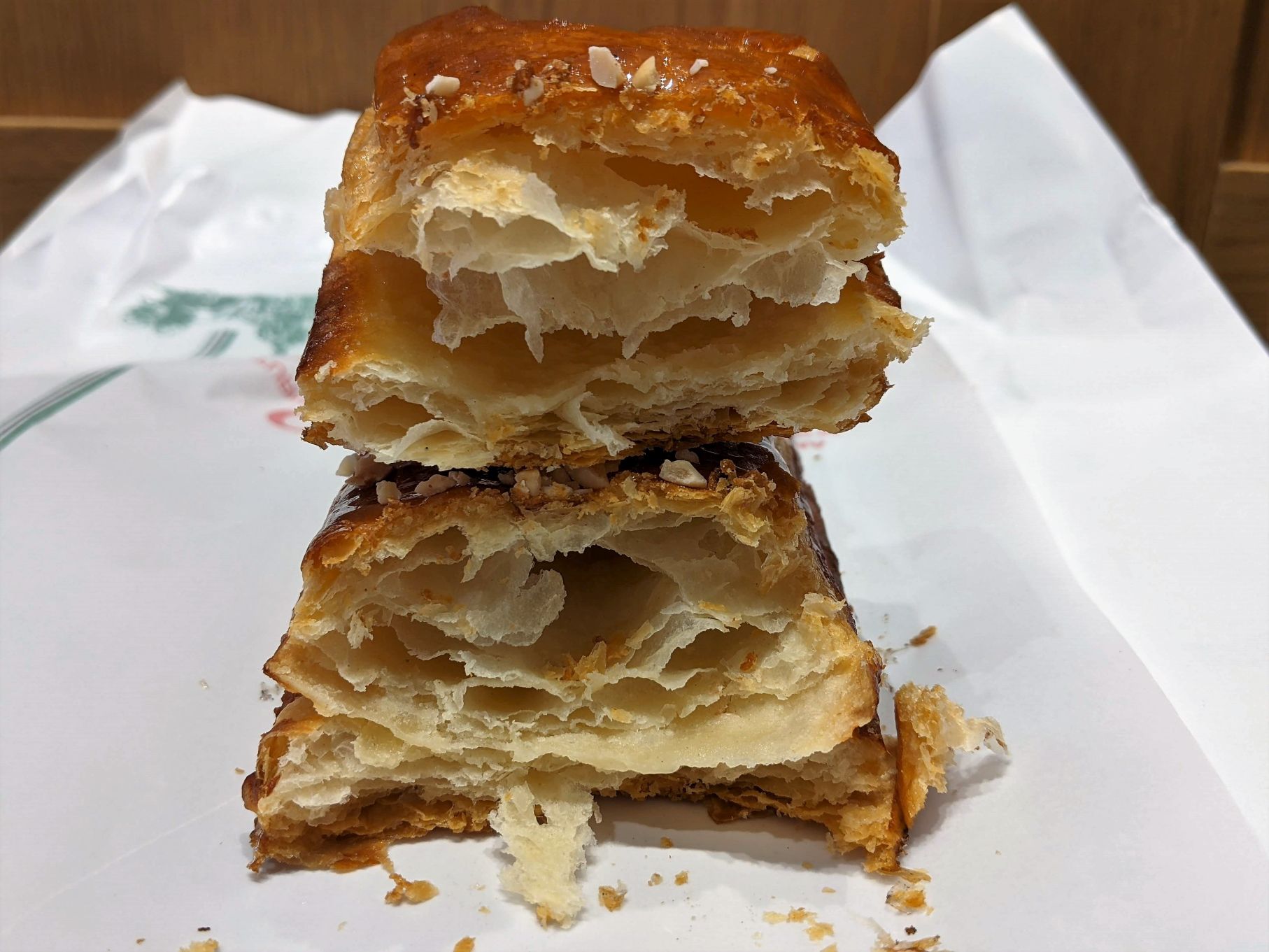
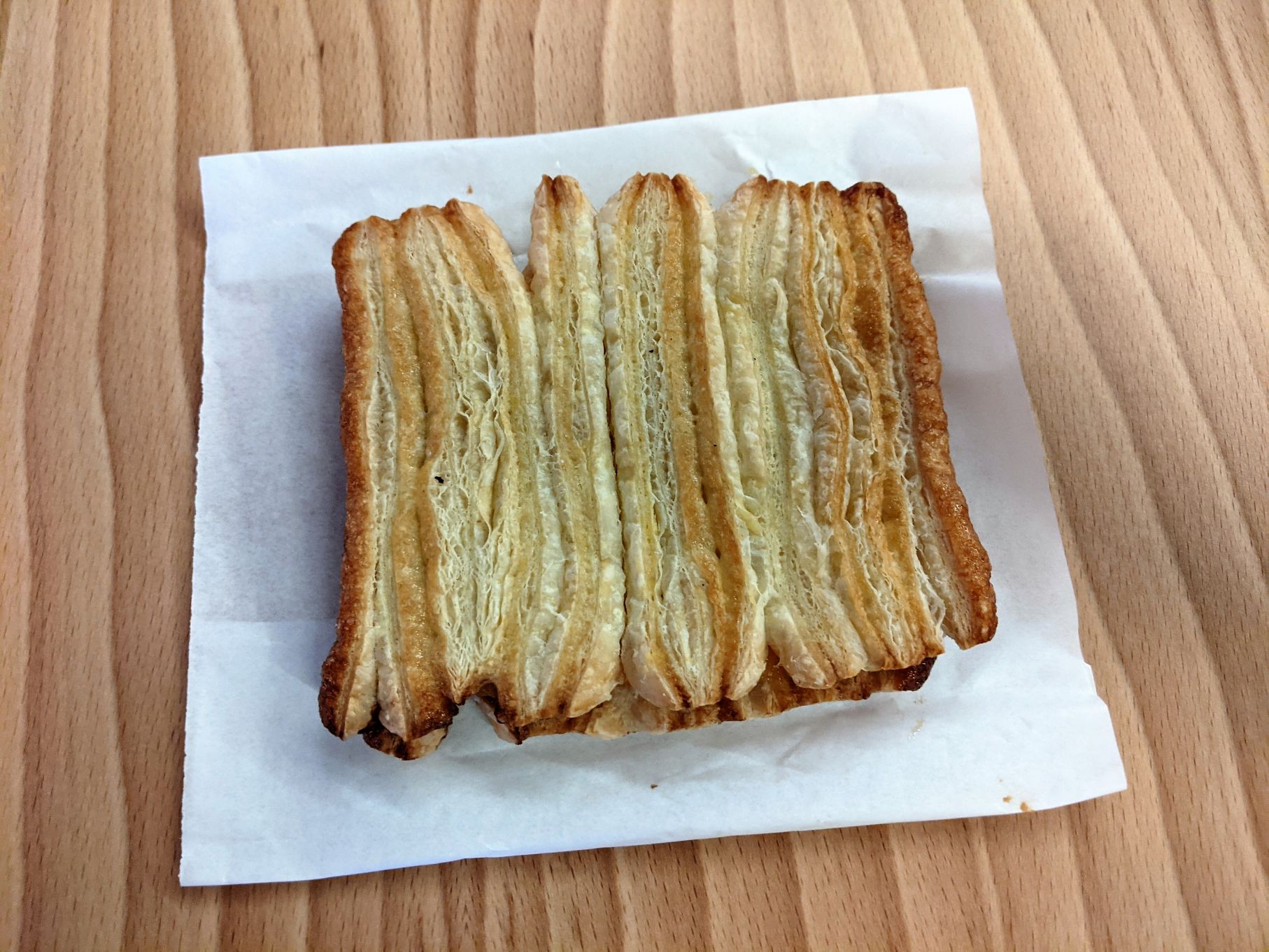
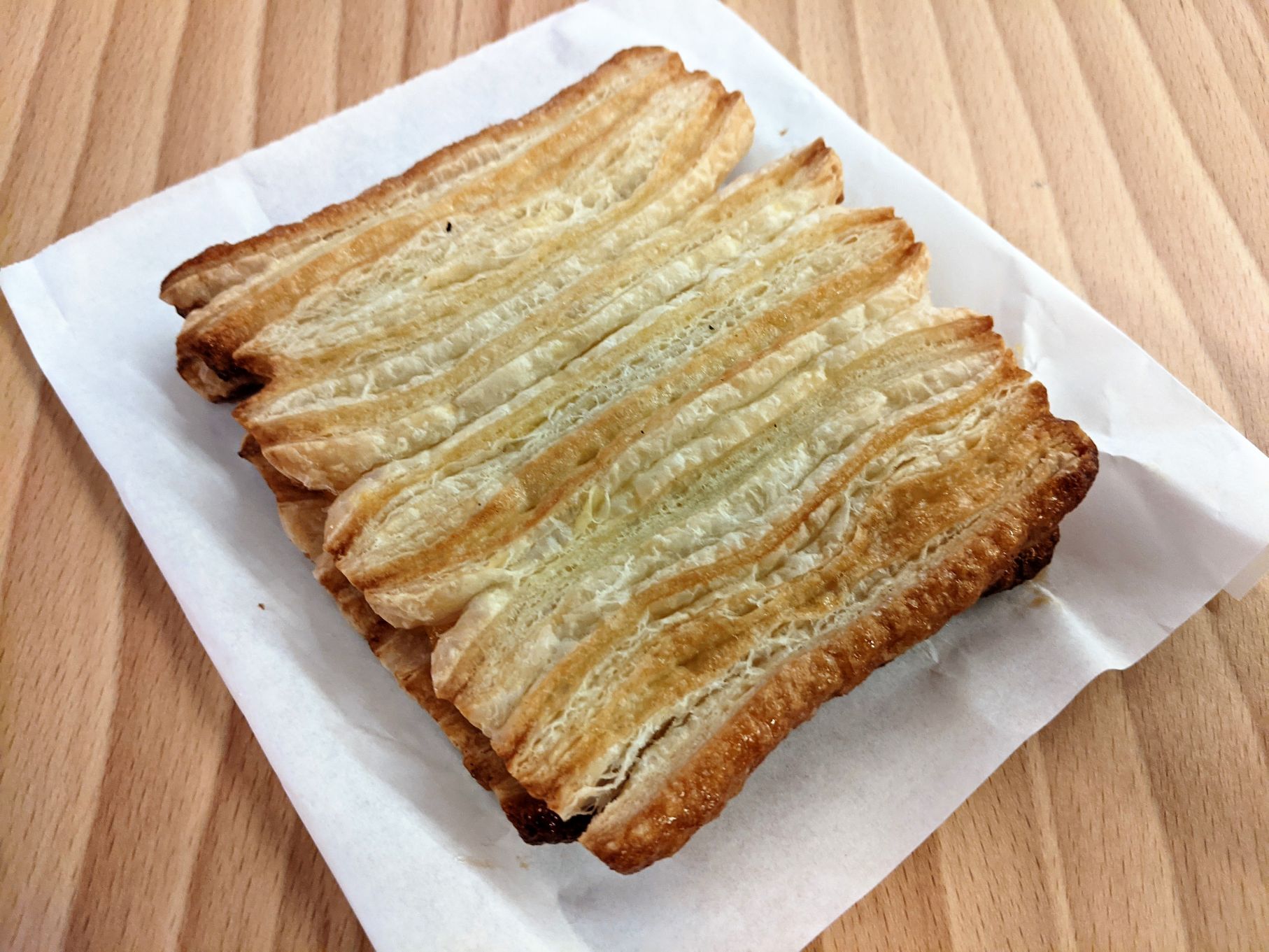
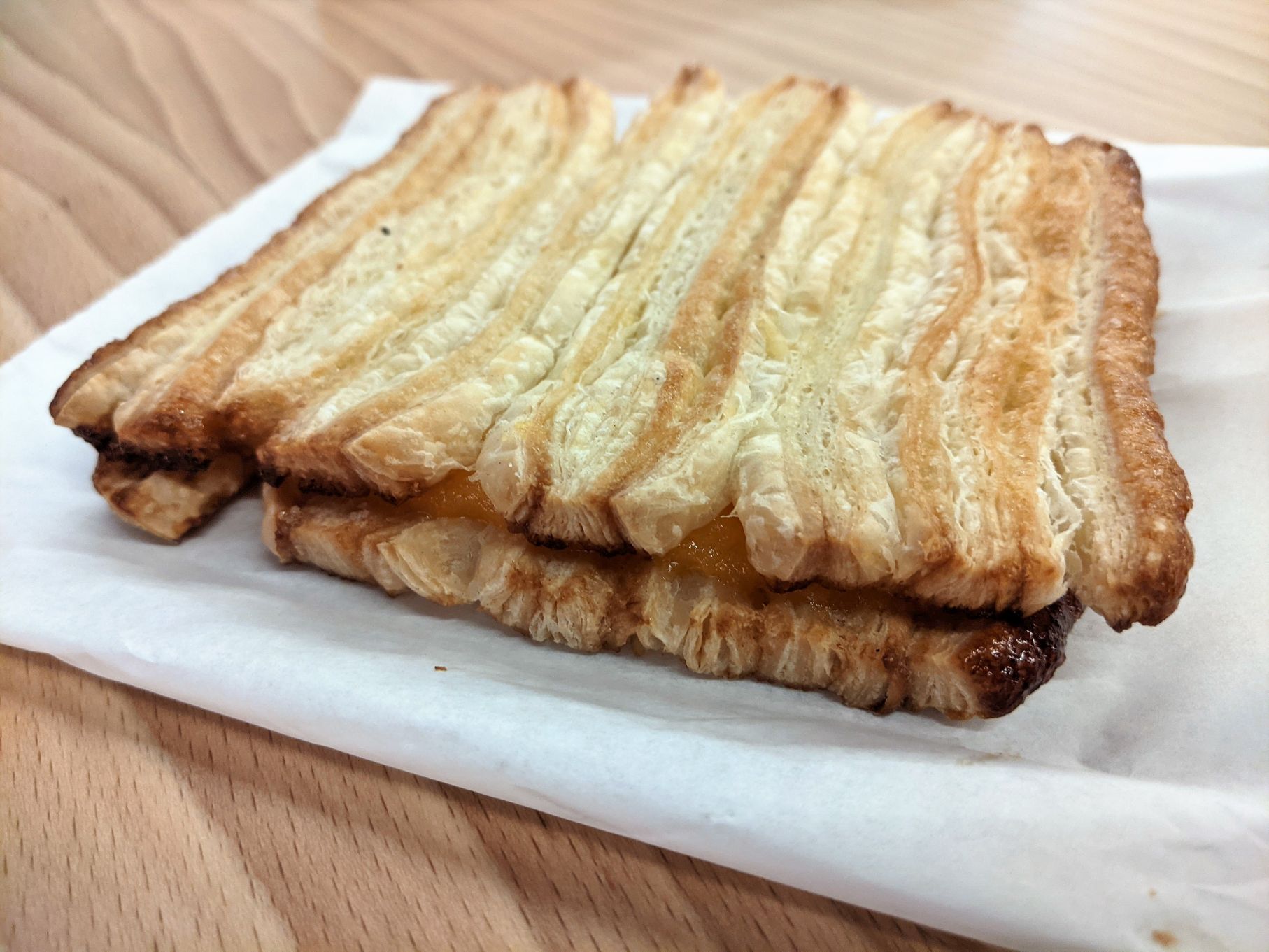
Located on Carrera San Jerónimo, creator Luis Mira’s original recipes once granted Spanish Royal Warrant still in use to this day, it is inside a wood and glass space that Confections fill every meter, a spinning display up front yielding flawless Palmiers as well as an elongated, laminated Tecla.
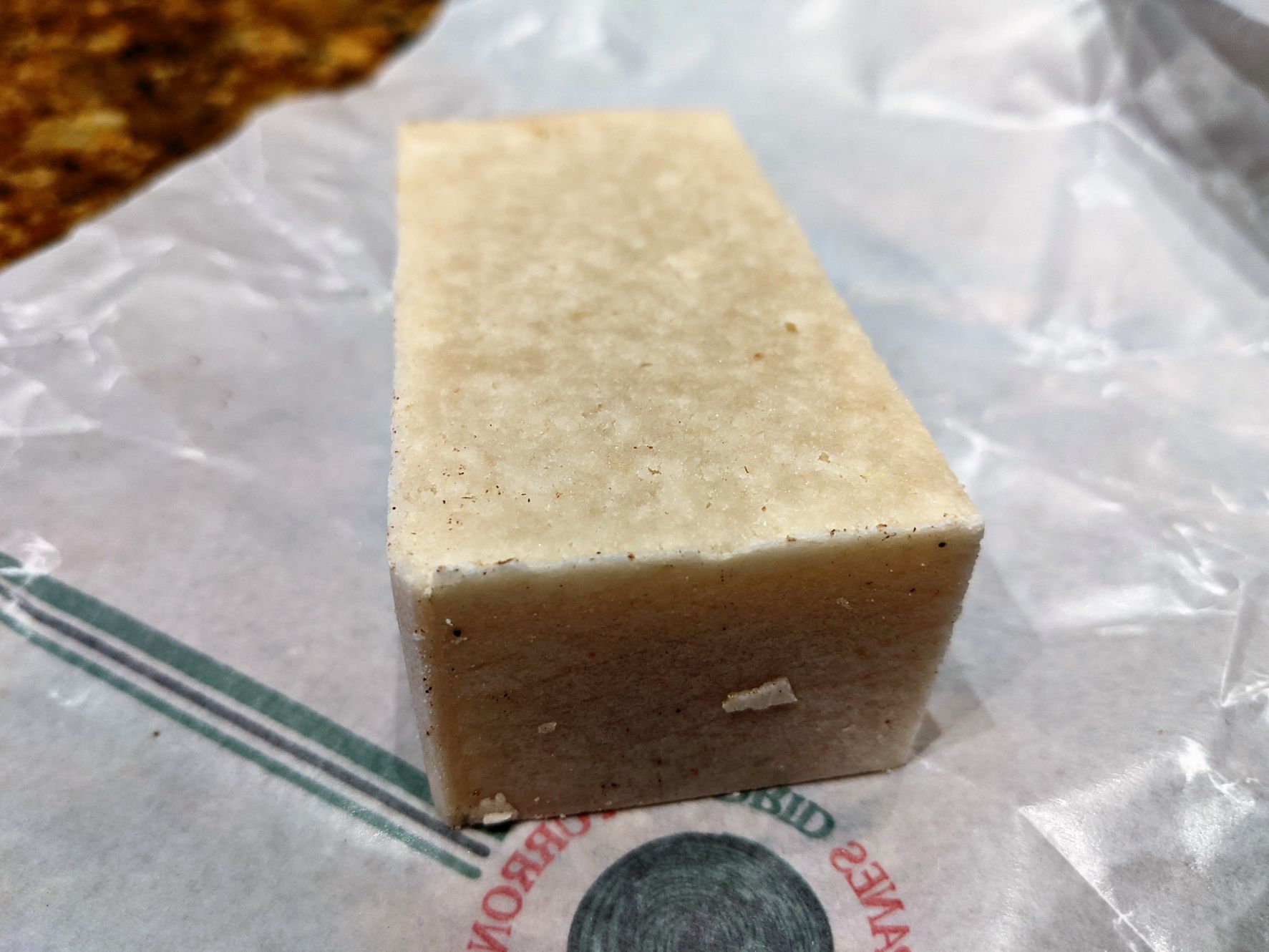
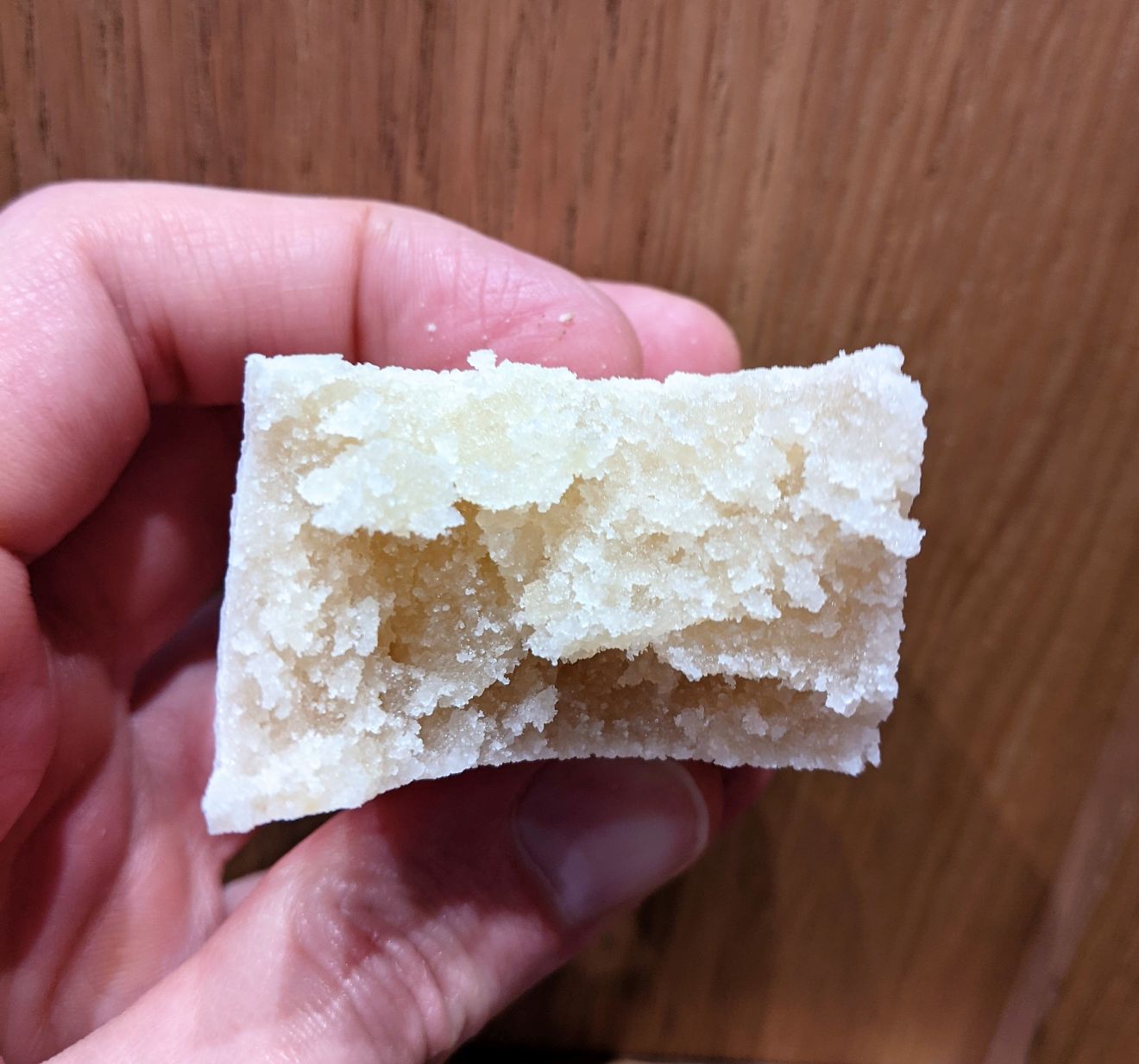
Keeping a picture of Luis on the wall, and splendid in terms of service, Turrón is sold by weight at fair prices, the Original enjoyed via small sample while a thick slice of the version featuring Marzipan softened the texture slightly but upped sweetness by quite a bit.
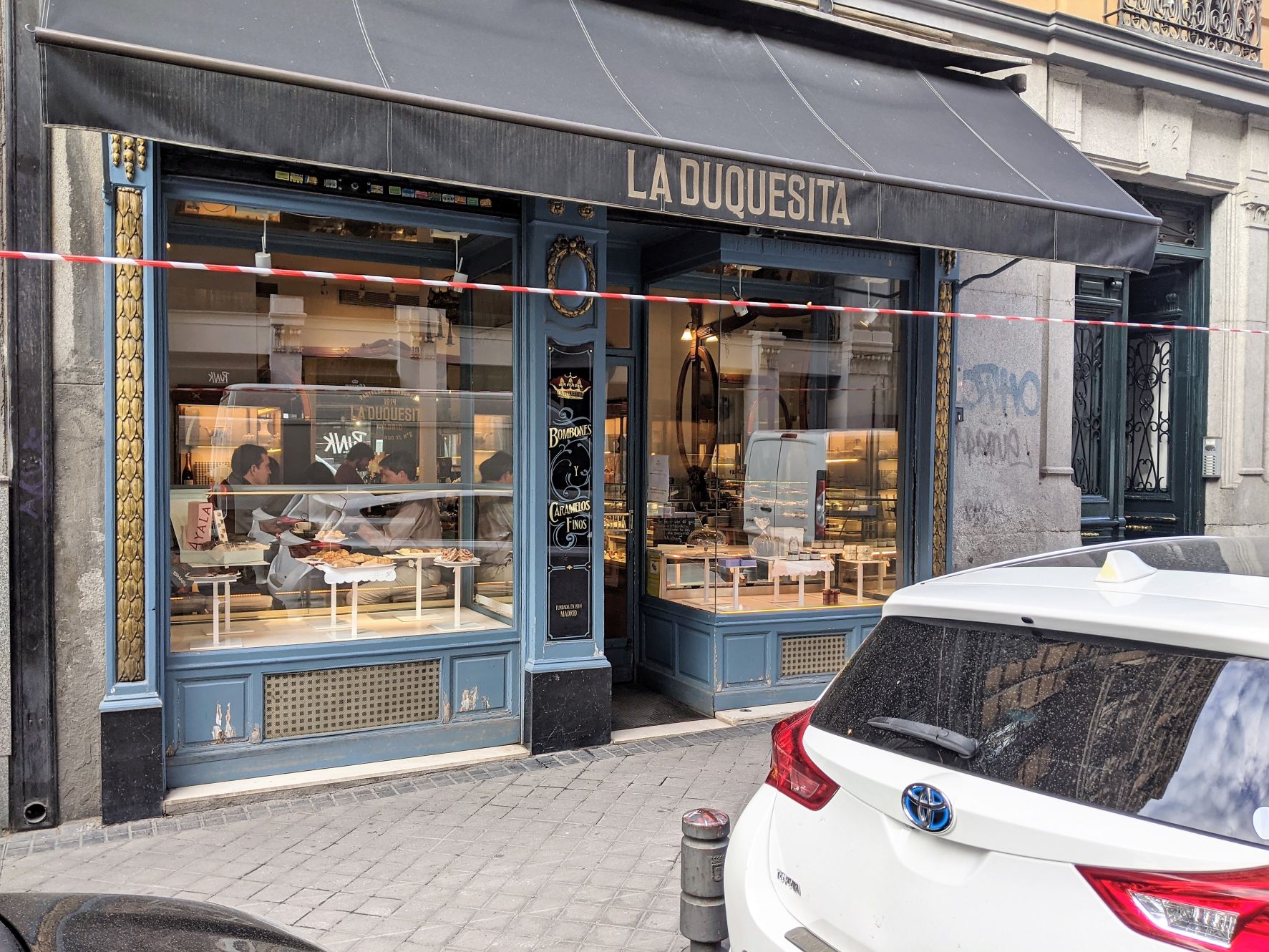
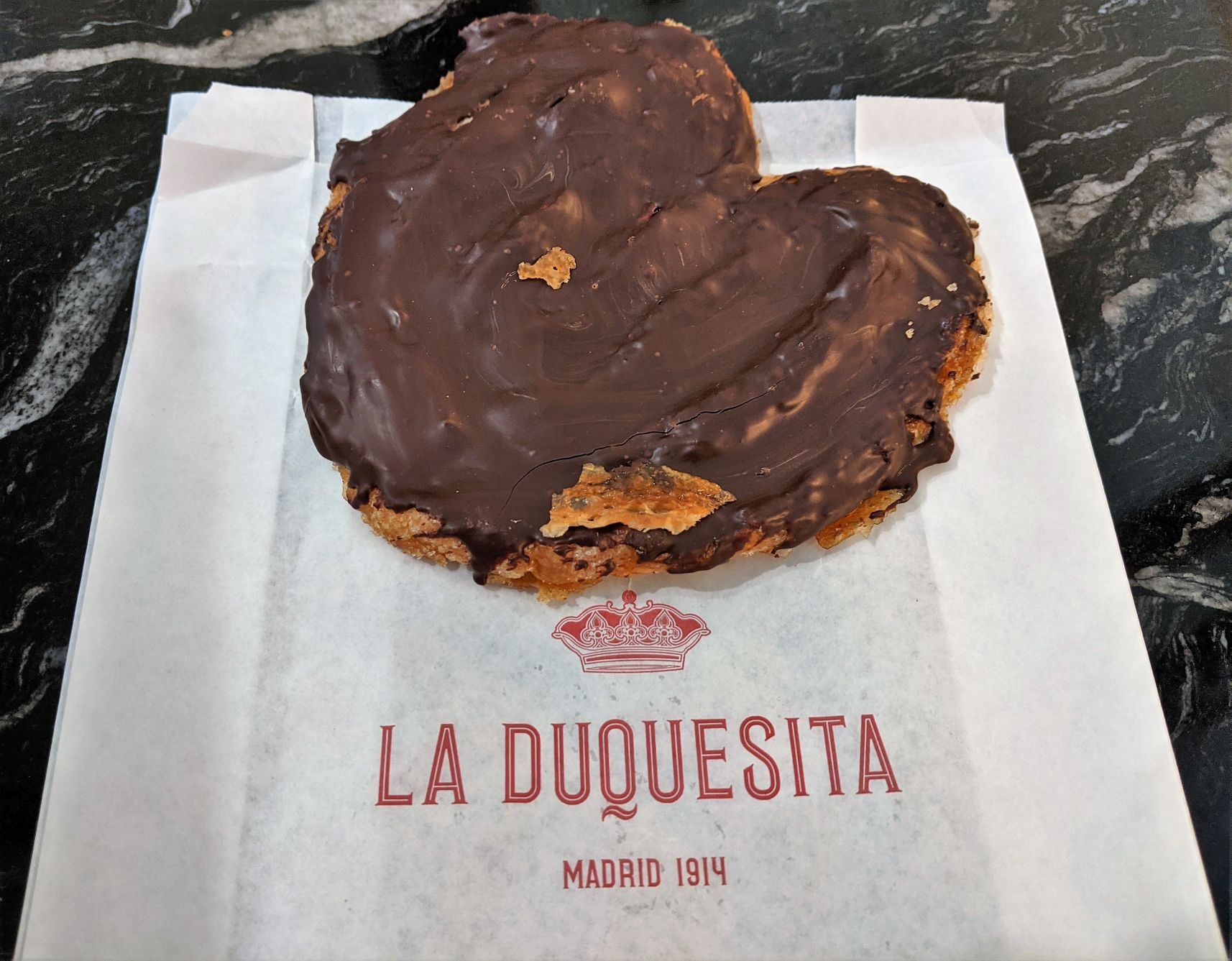
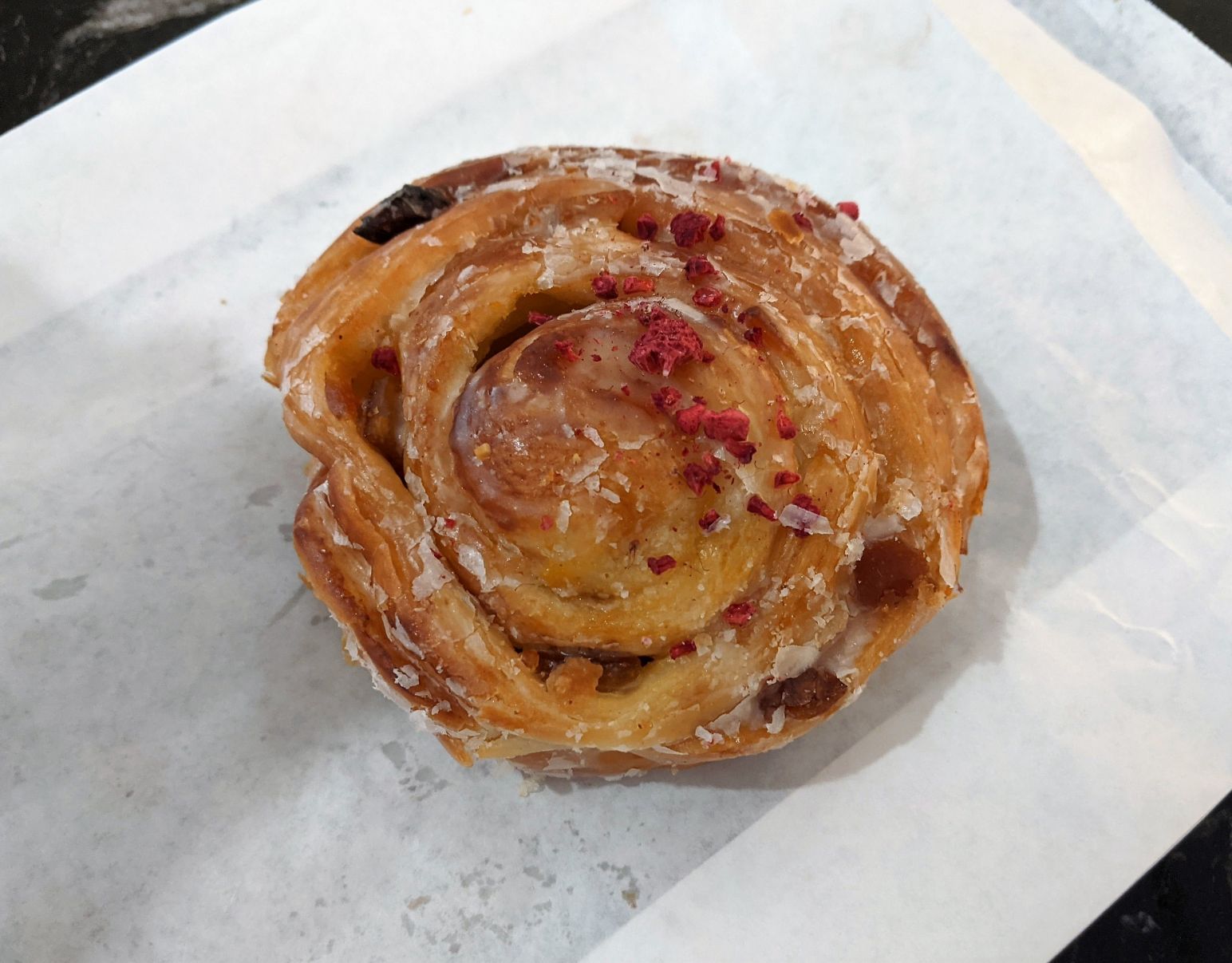
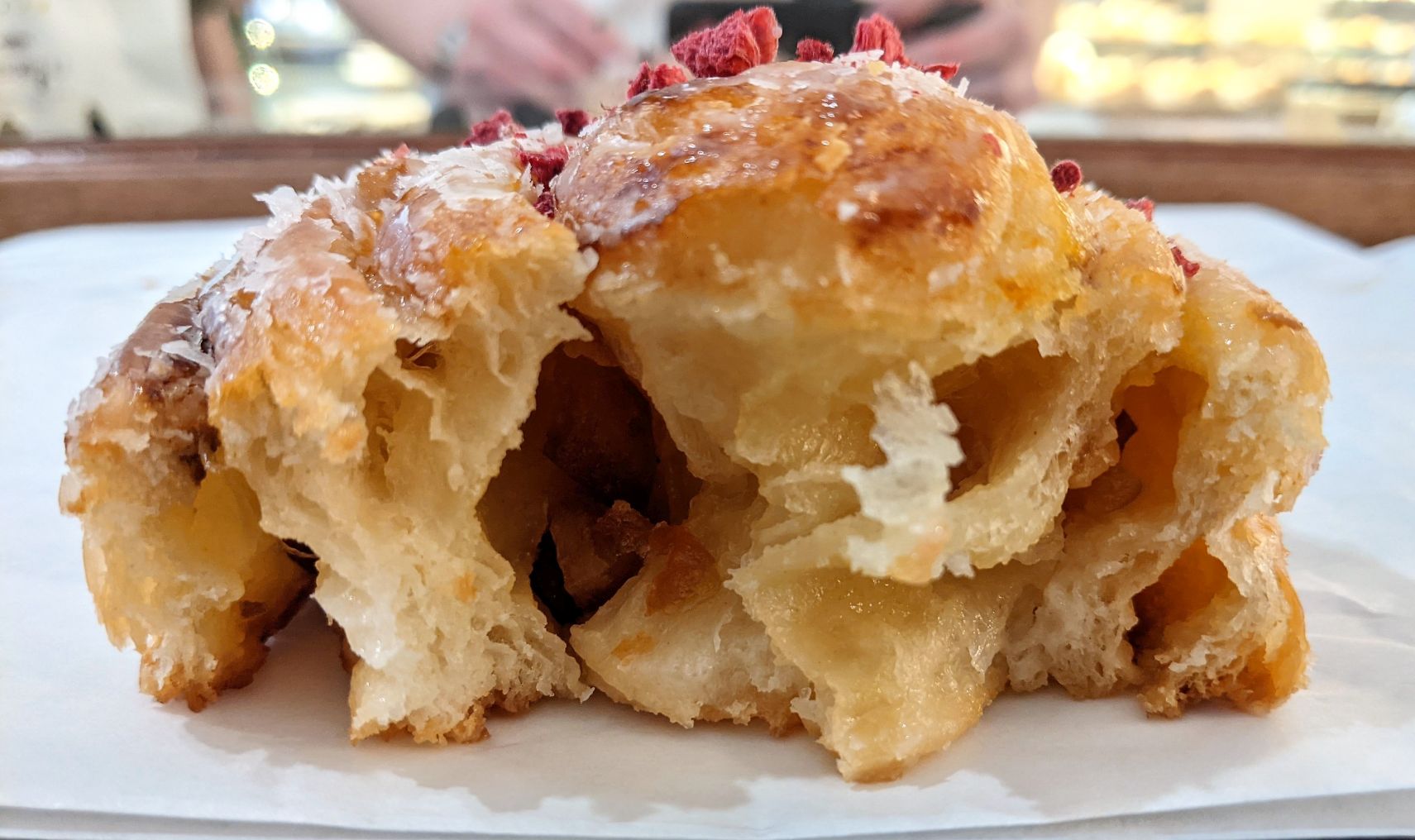
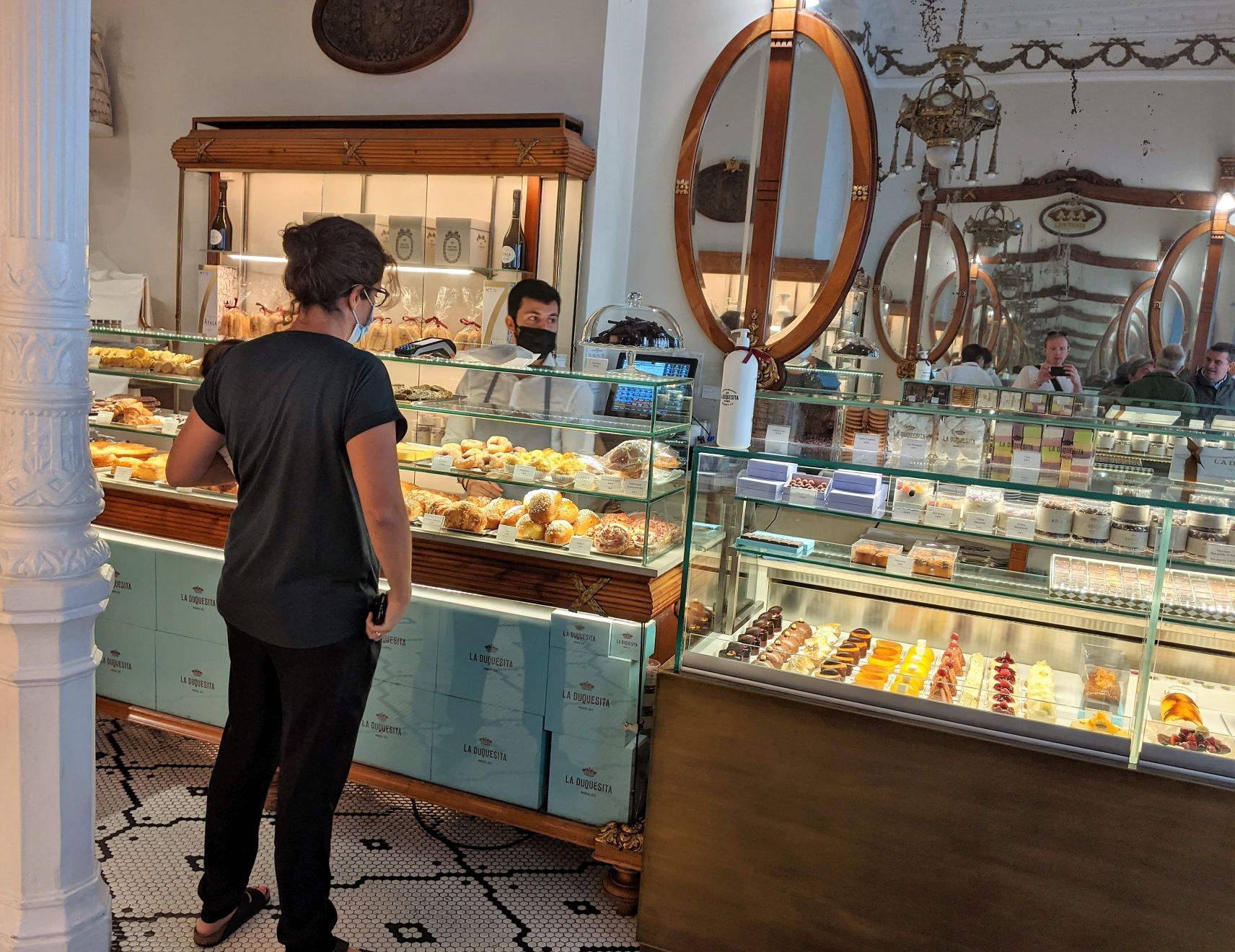
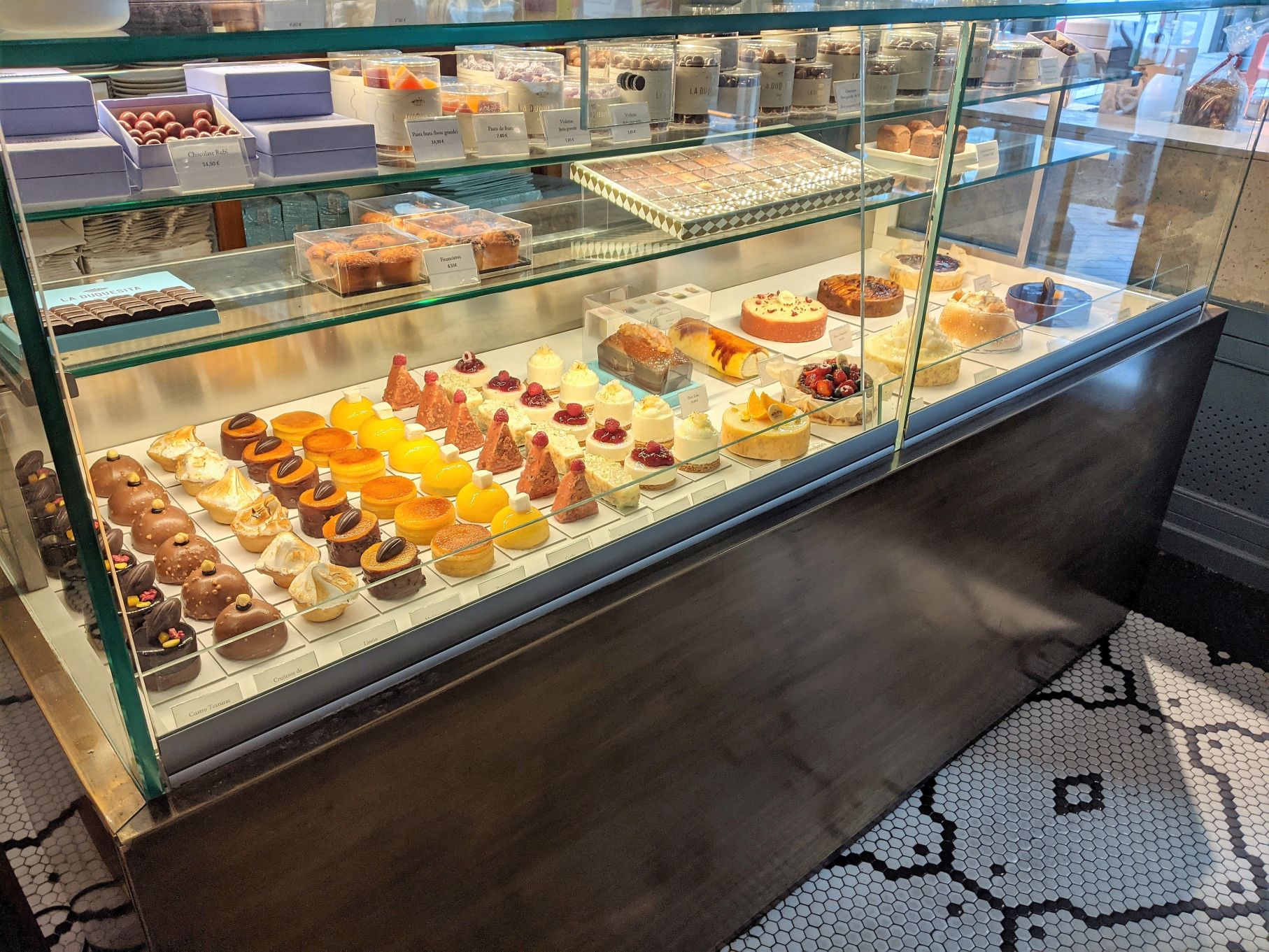
Possibly Madrid’s most famous Bakery, its century-old footprint operated by Chef Oriol Balaguer since 2015, La Duquesita takes guests back in time thanks to a gold, wood and mirrored interior attesting to a time when the shop specialized in Jam Tarts and Chocolates.
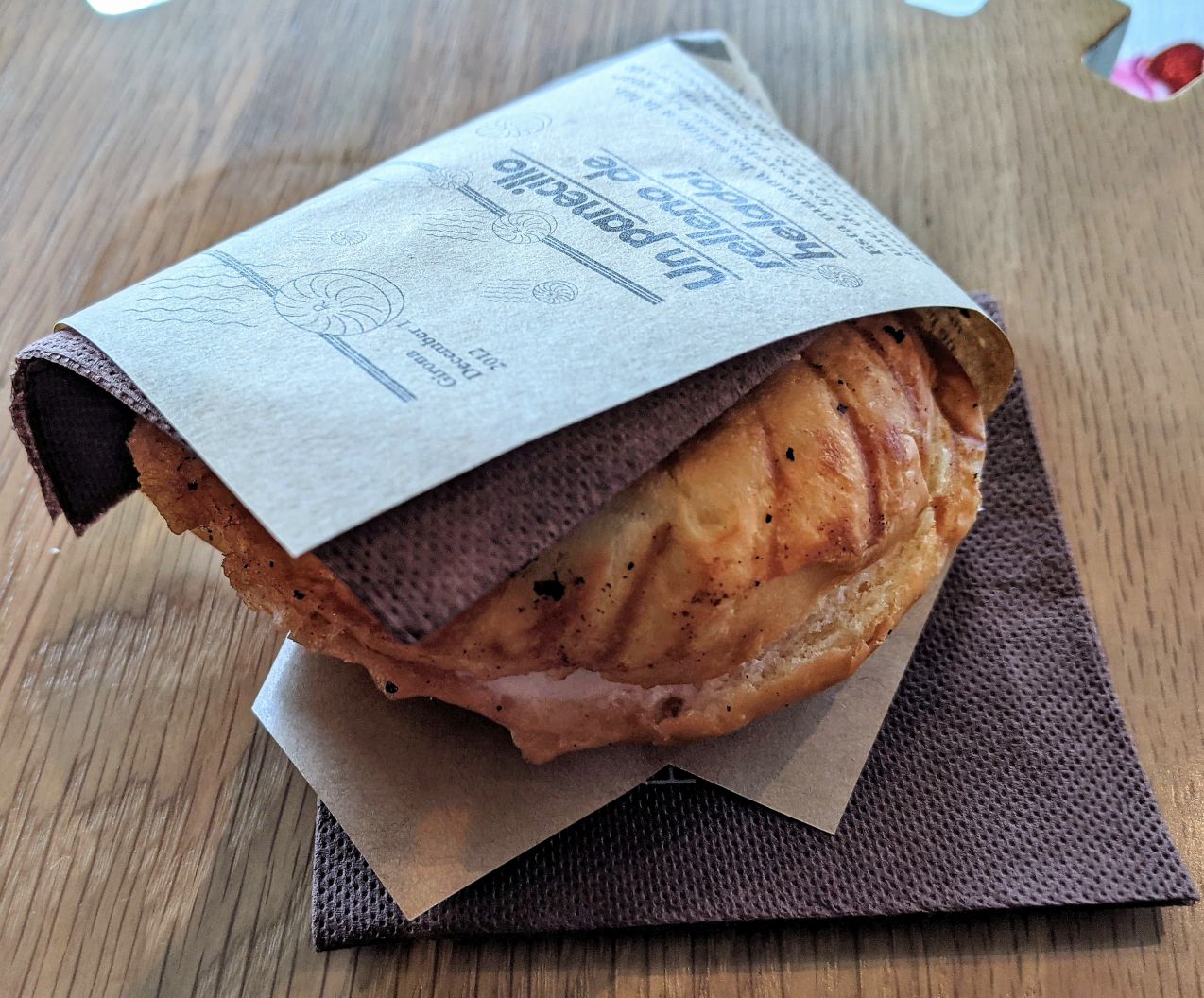
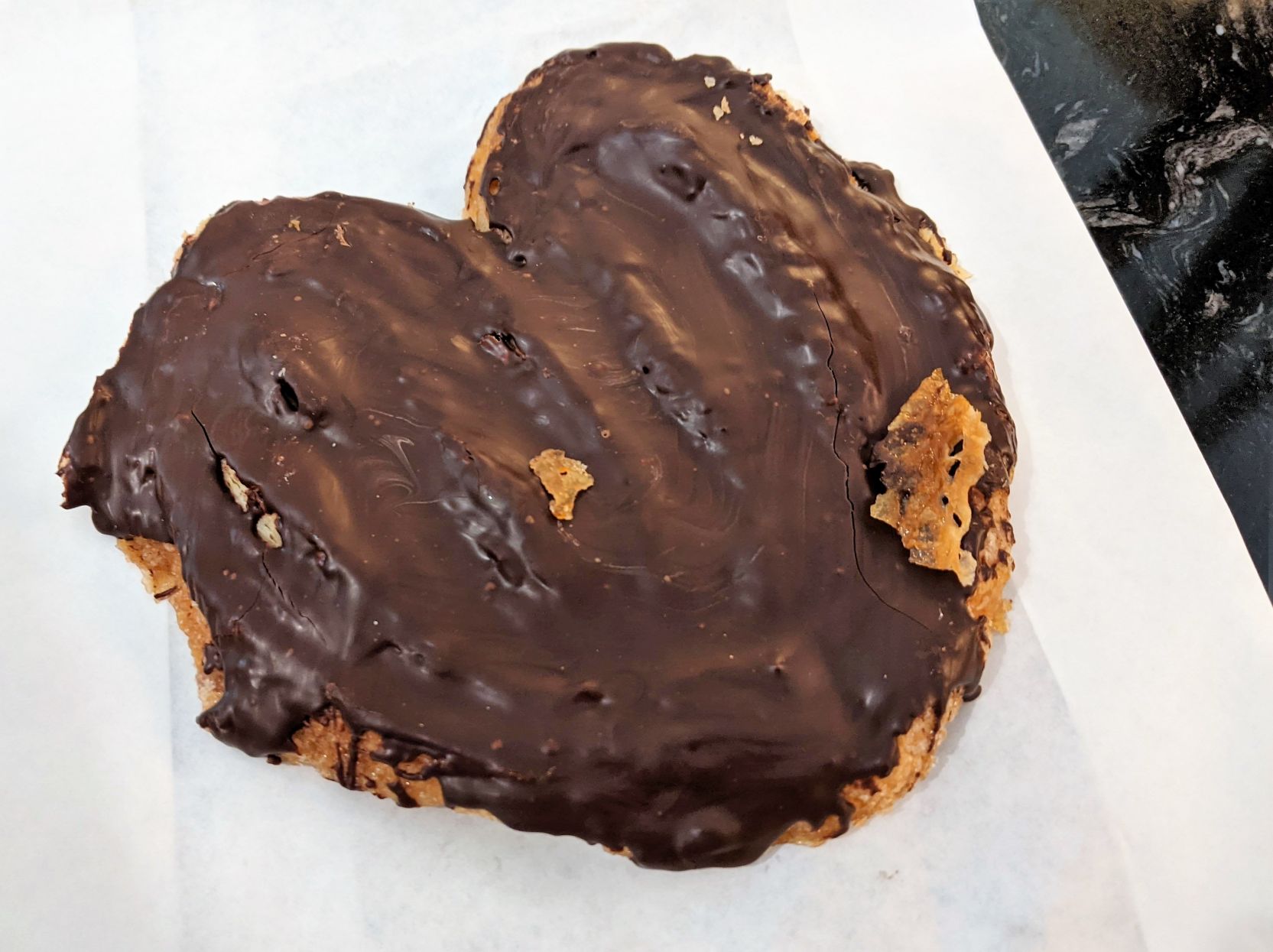
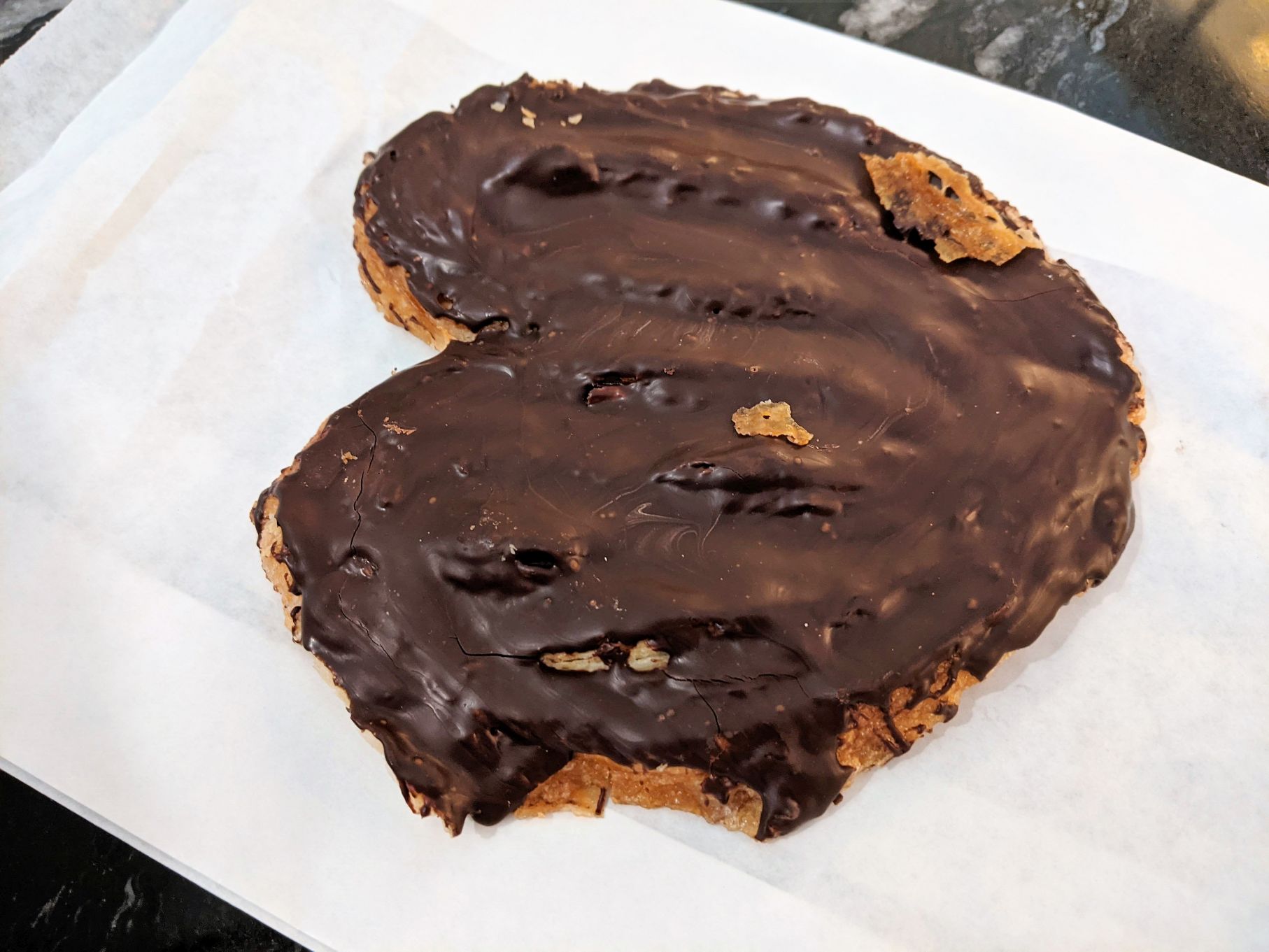
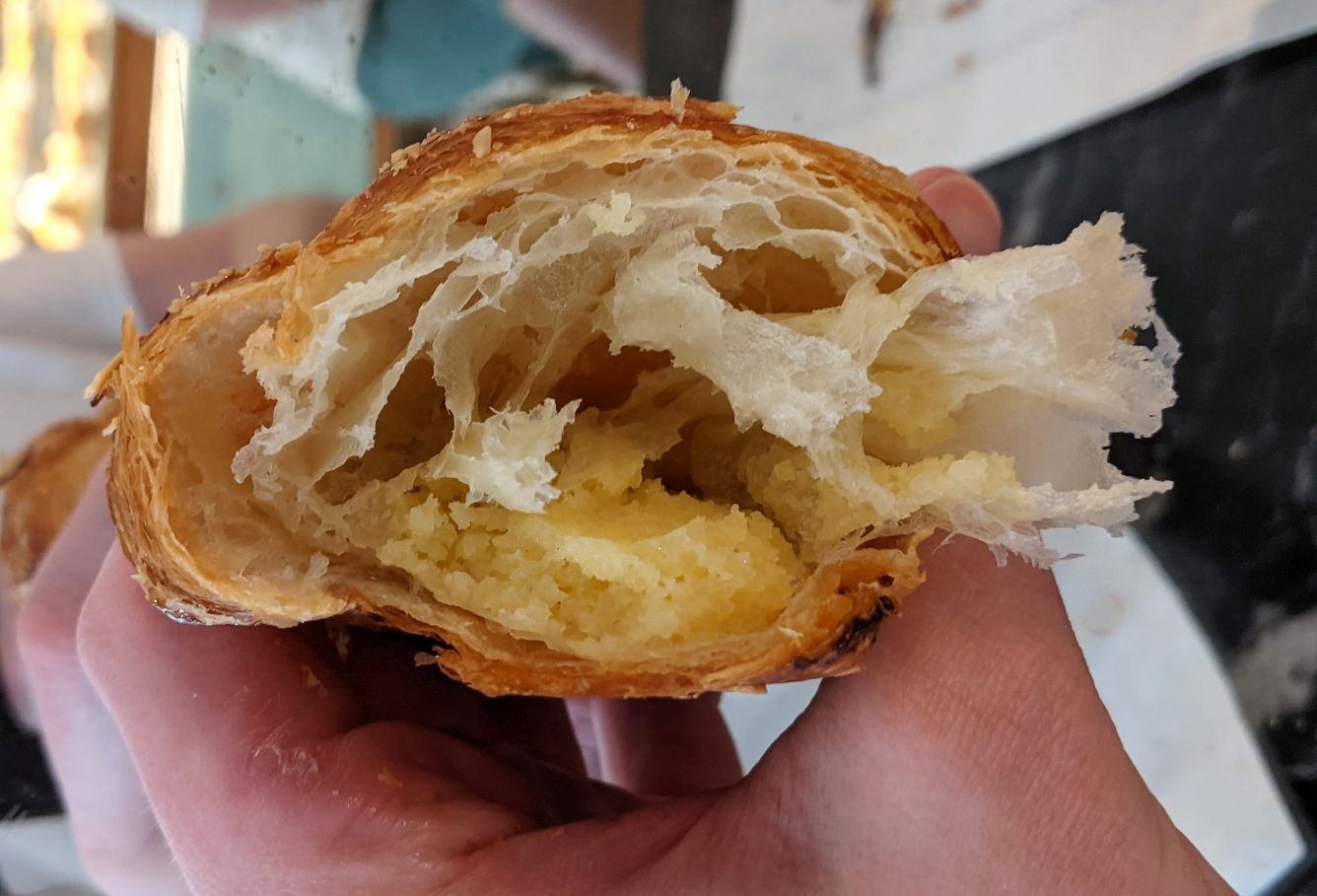
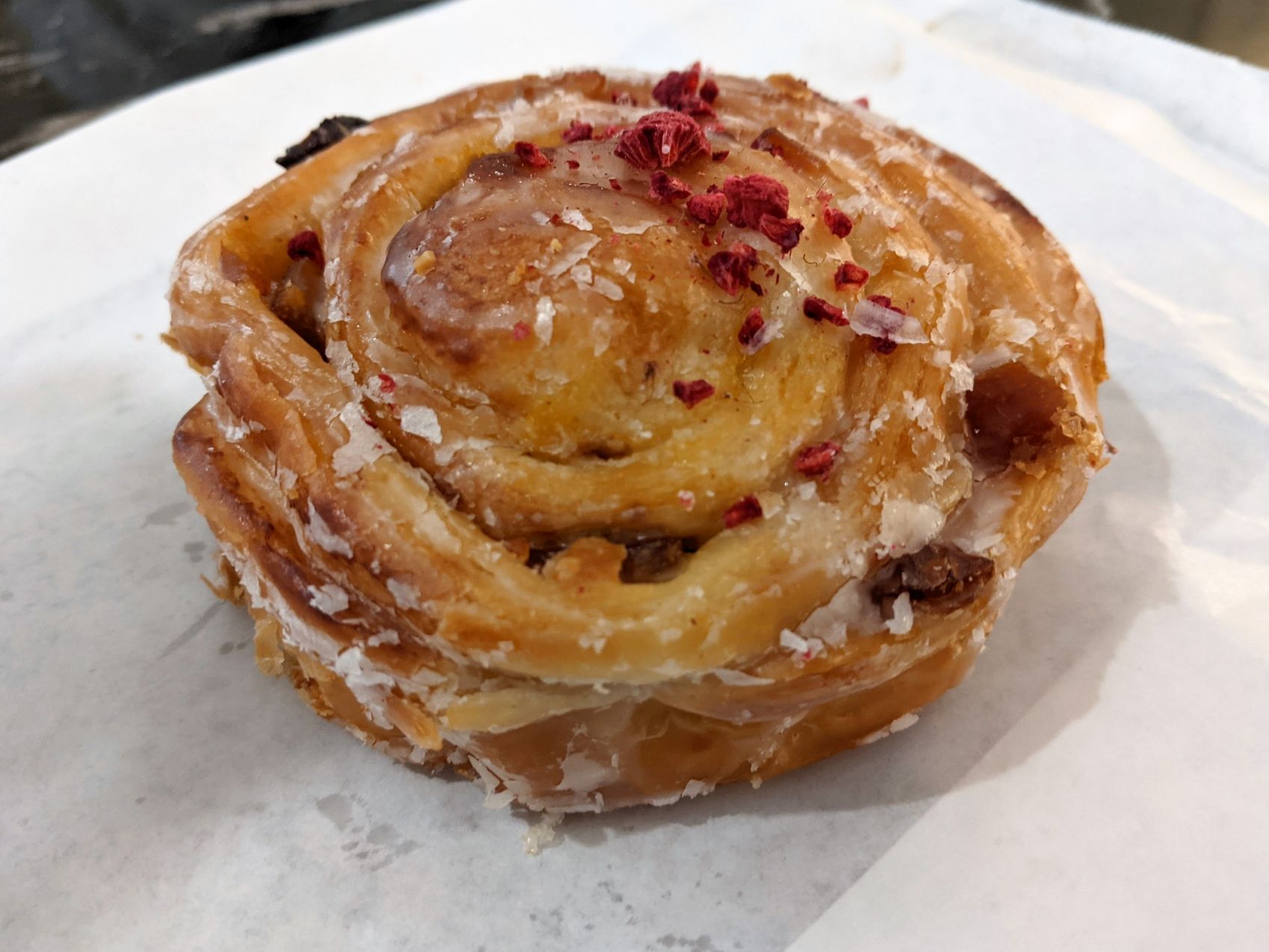
Home to limited seating and abrupt service, a lack of Spanish fluency treated to one-word answers and guessing through a selection of Cakes and Viennoiseries, it was with three items selected that Balaguer’s “dedication to gastronomy” was gauged, his Palmier holding up well to a sloppy Chocolate paint job while a Frangipane-laden Almond Croissant felt soggy in comparison to a Caracola with dried Fruit and Butter amidst its coils.
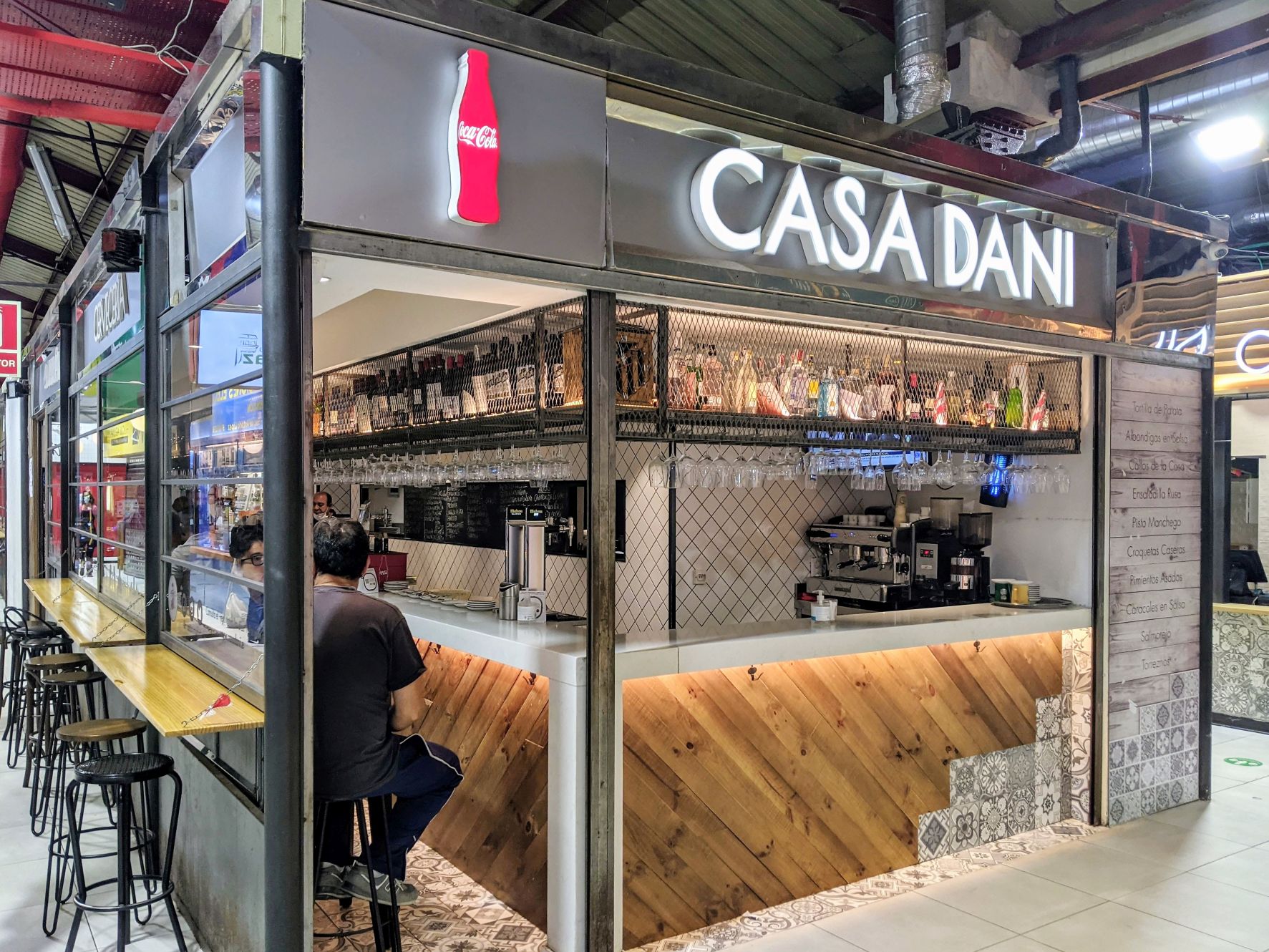
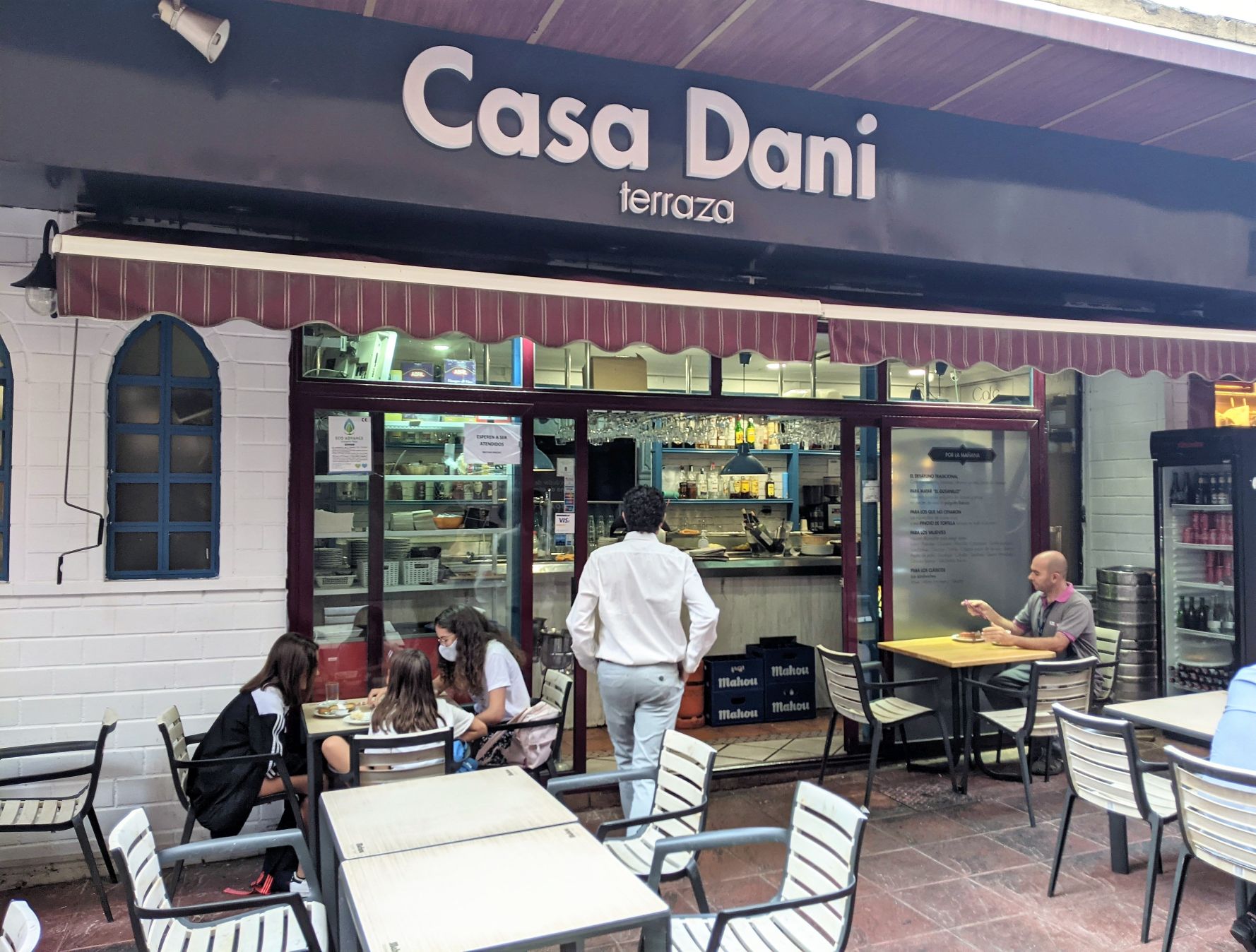
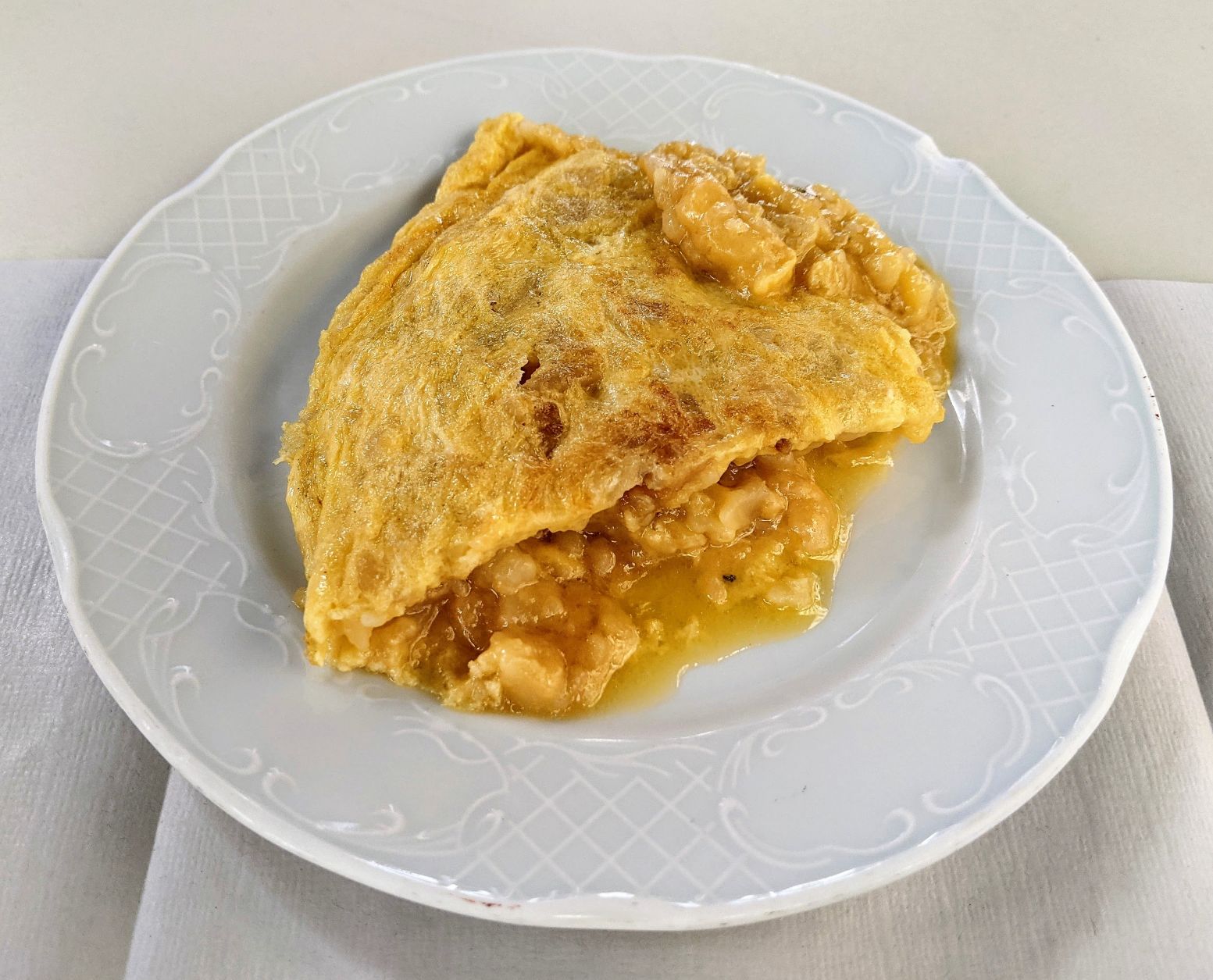
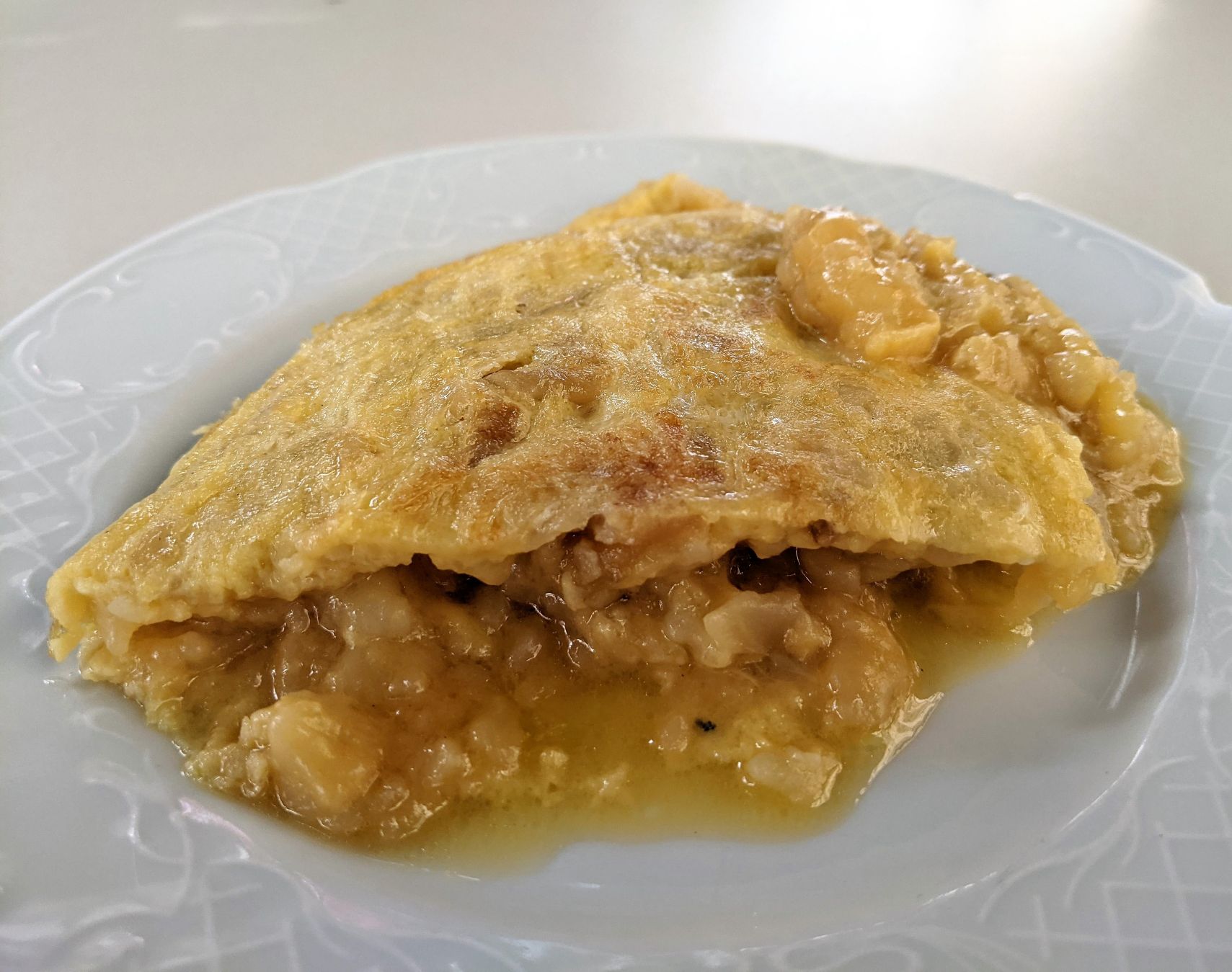
Located in Mercado de la Paz, with Chef Lola Cuerda frequently at the stove, Casa Dani is not rarely the answer to questions regarding Spain’s best Tortilla, both locals and tourists filling both Bar and Terrace daily for a taste of the Omelette and more.
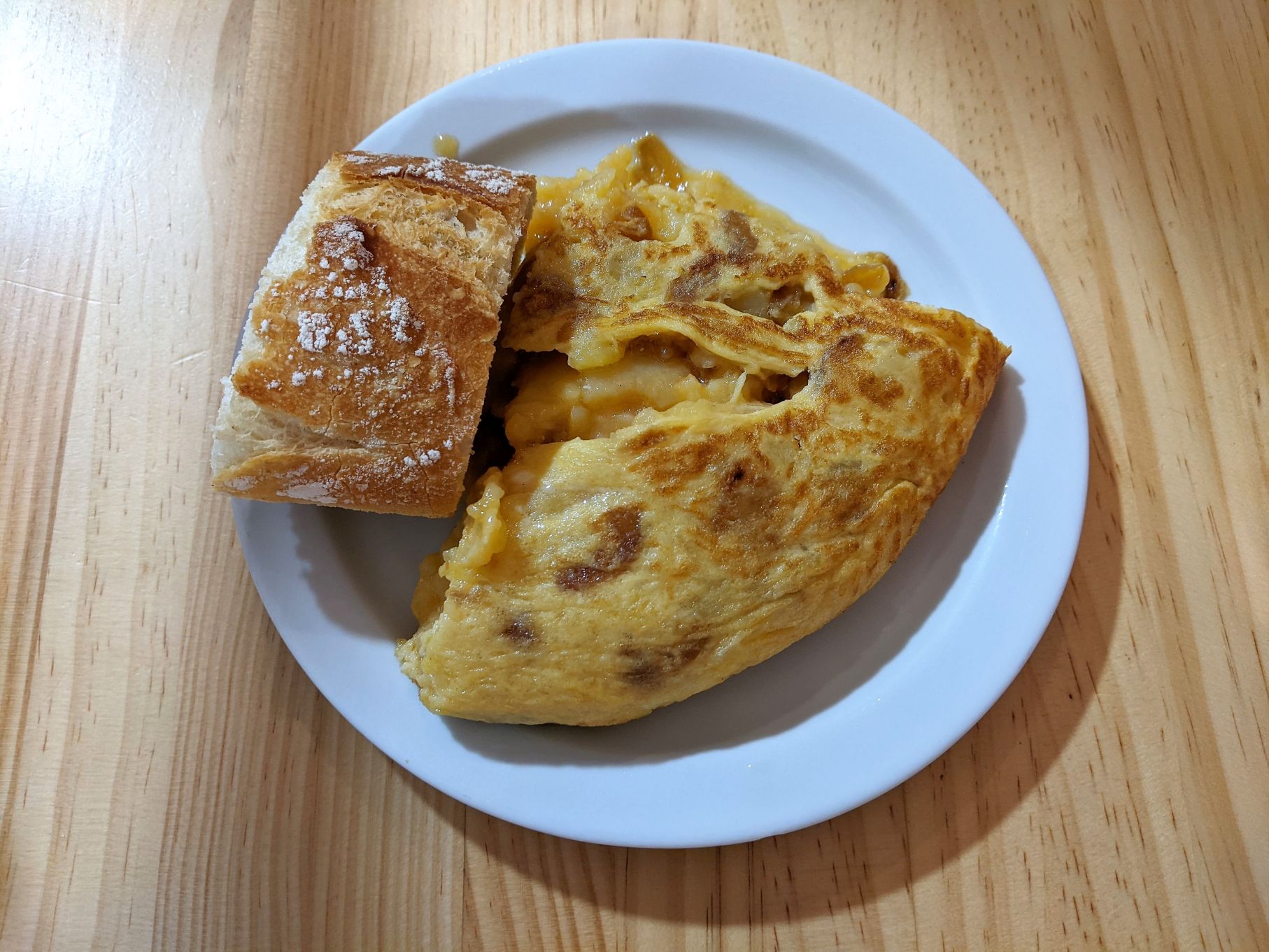
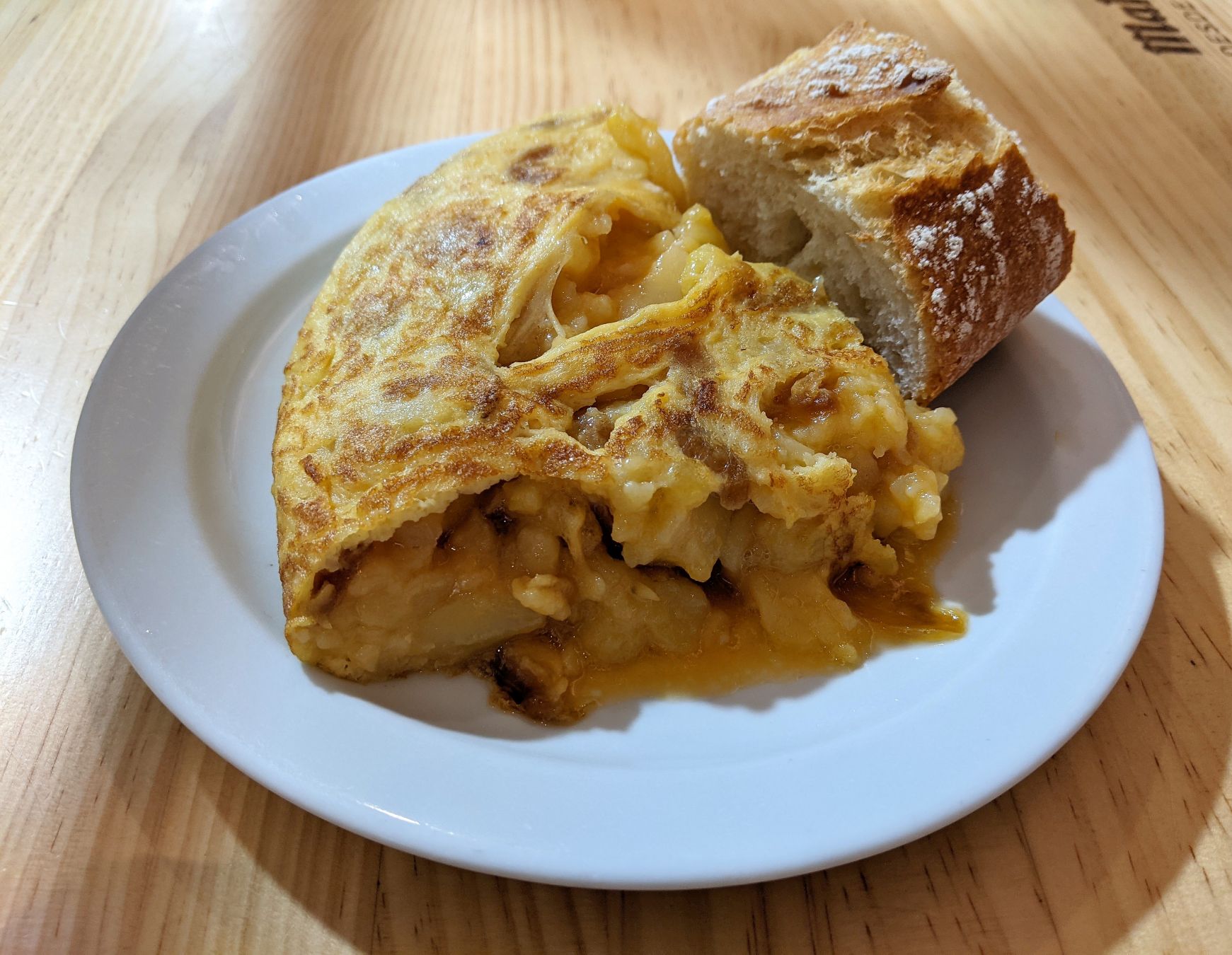
Not merely a matter of Onions or not, though in the case of Dani they are included alongside just Potatoes, Eggs, Salt and Oil, it is minutes after seating that most guests are presented with a plump wedge, its outside seared but the center not fully cooked and pooling such that it can be sopped up by Bread.
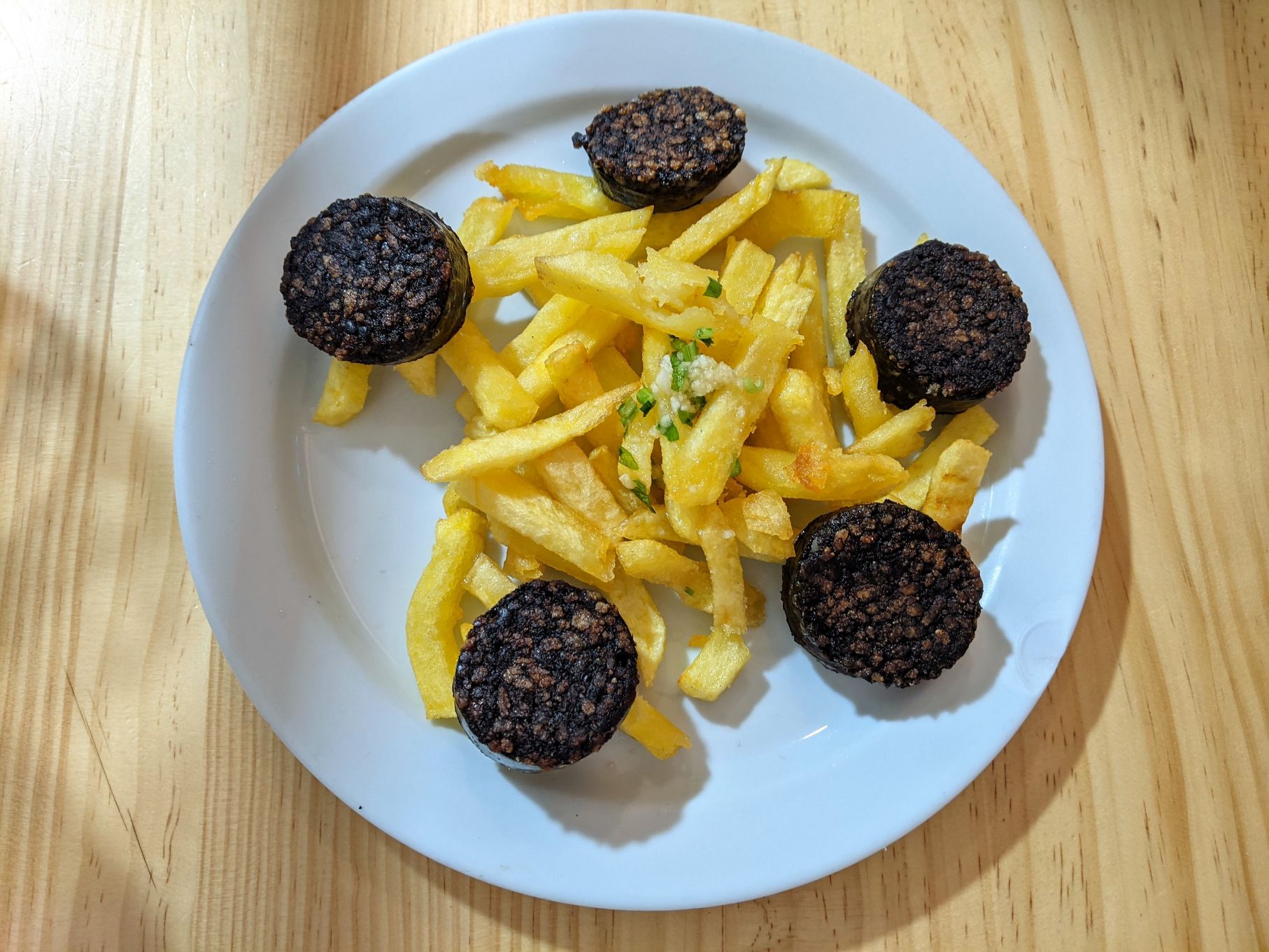
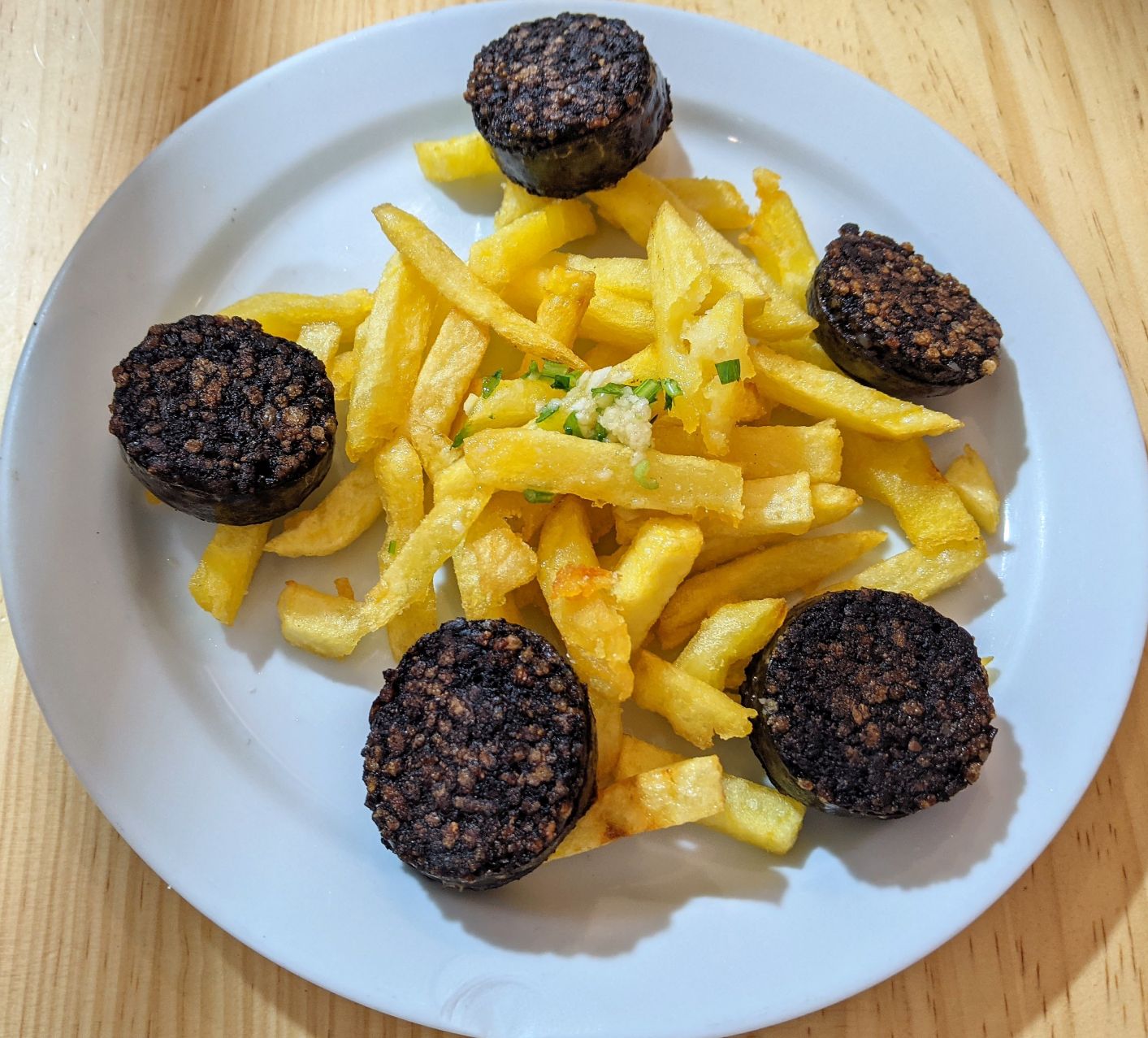
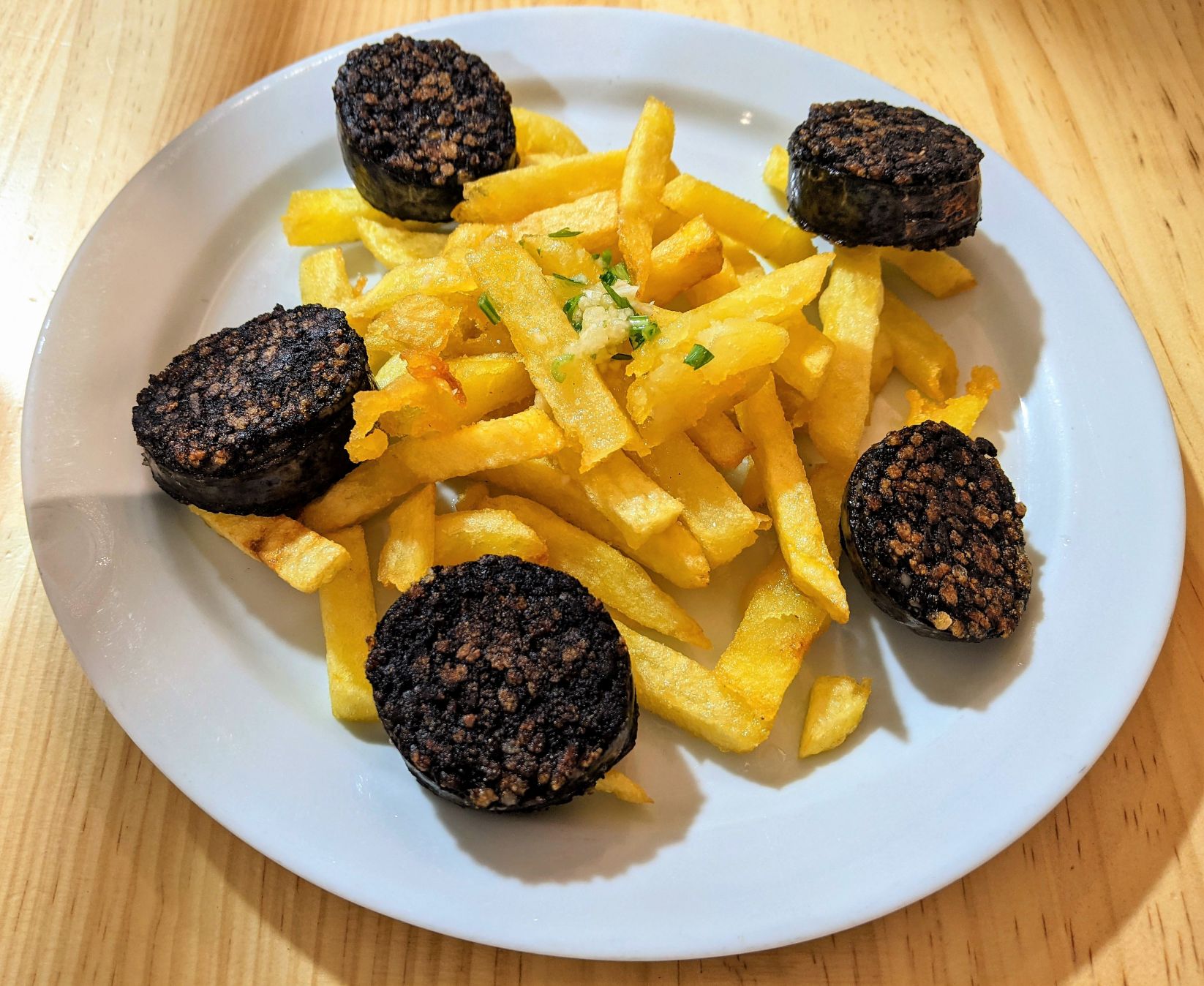
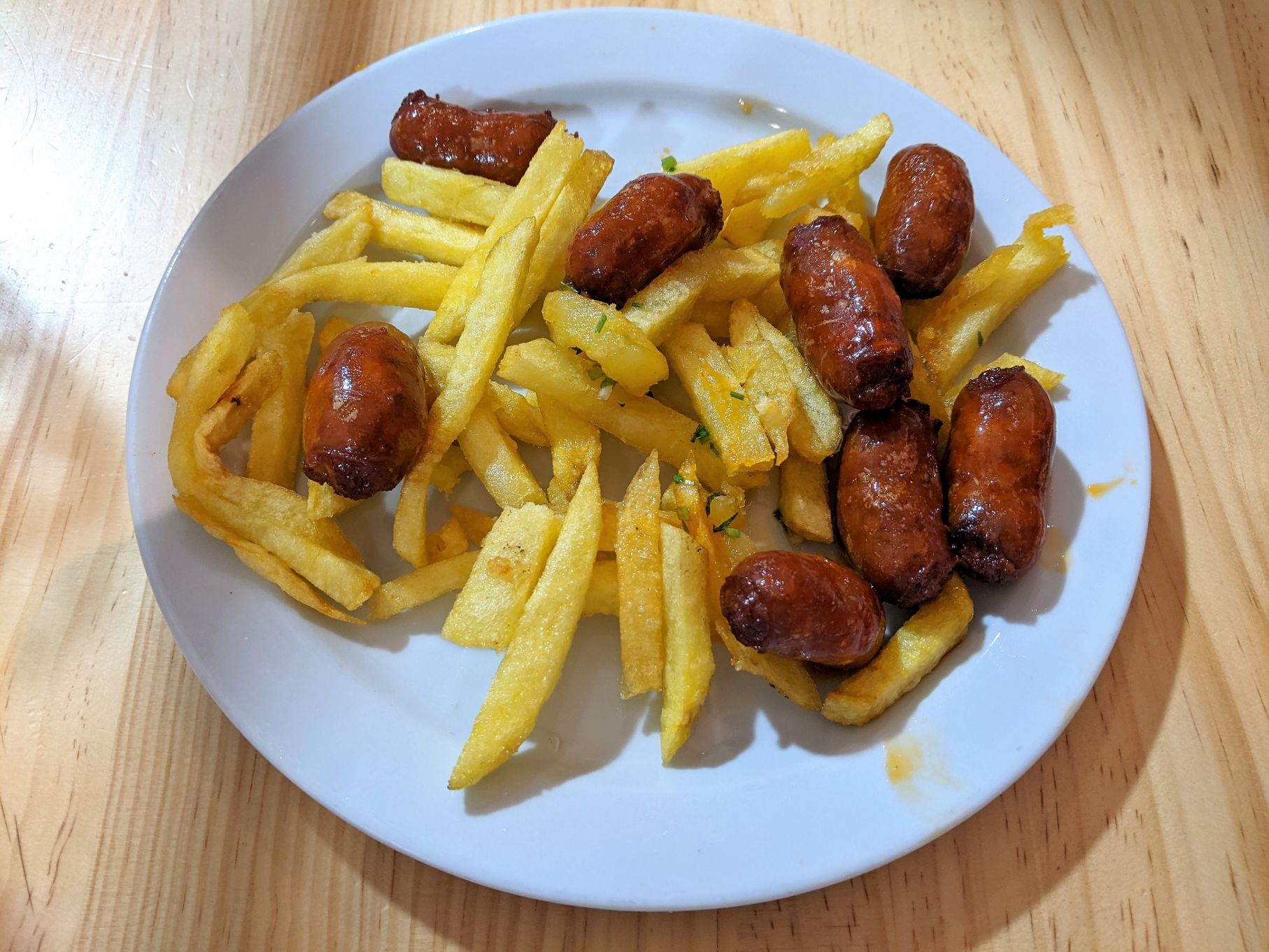
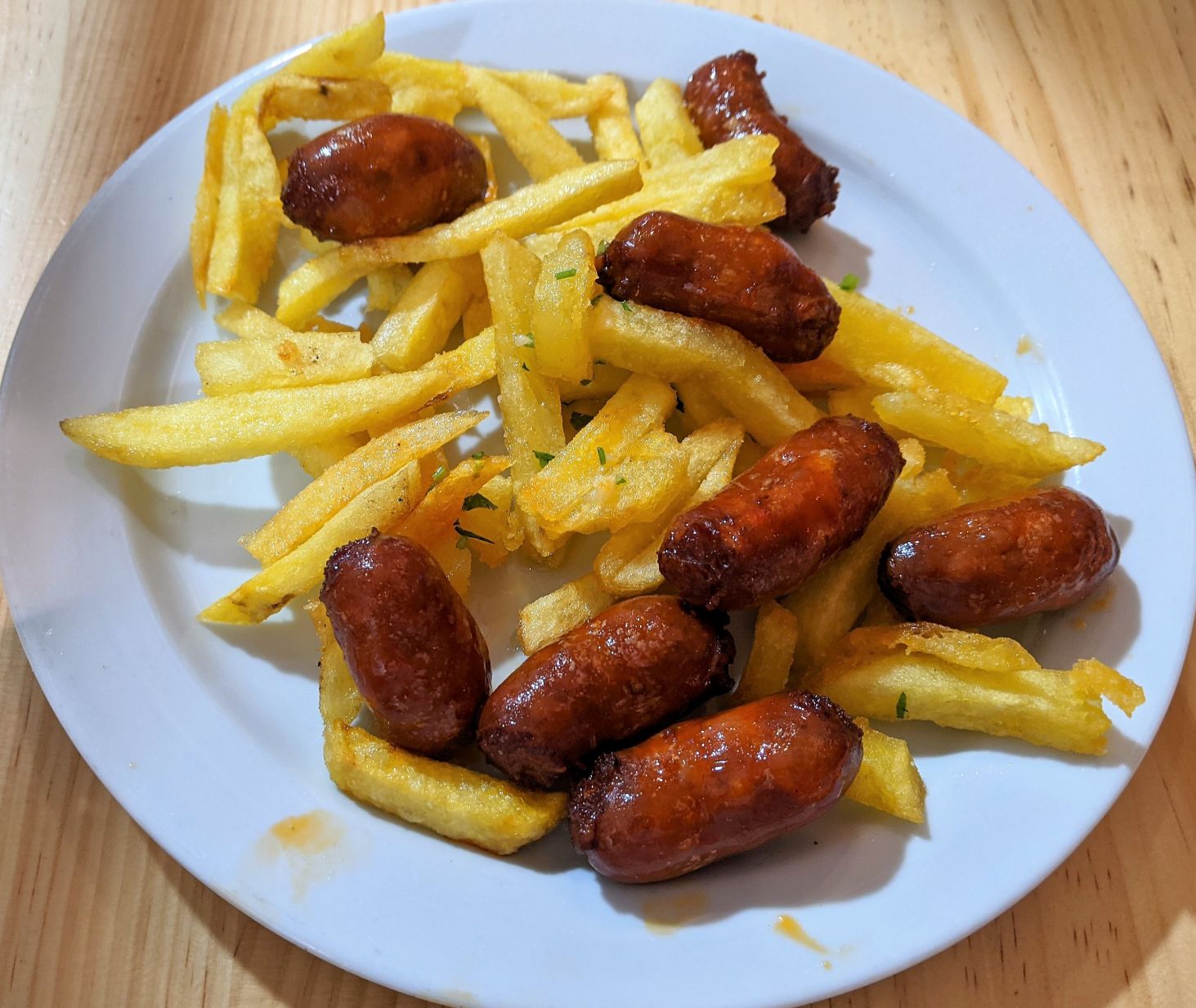
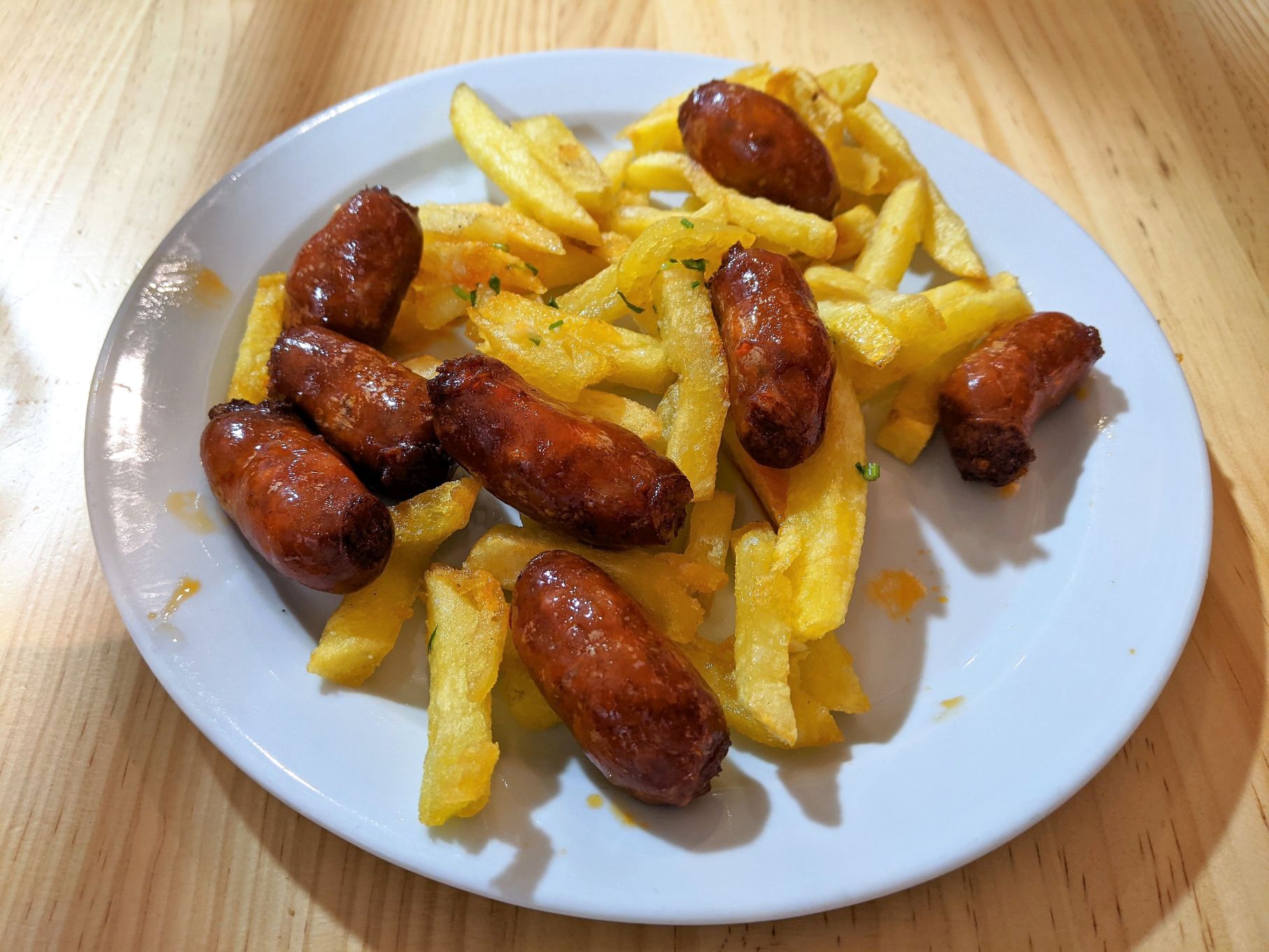
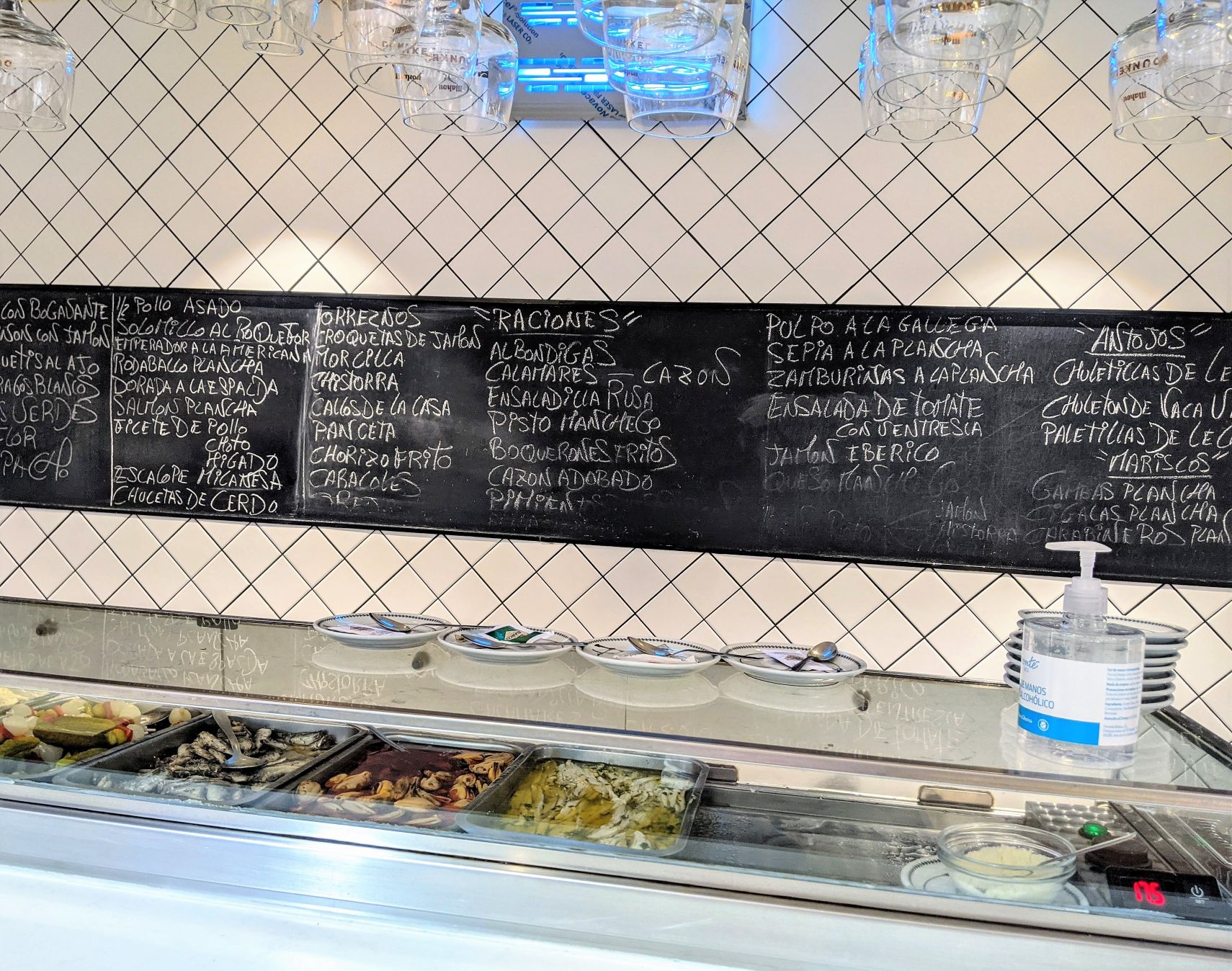
Sweeter and somehow lighter than others, no doubt a result of experience, the rest of Casa Dani’s chalkboard reads like a who’s who of classics, both Chorizo with some snap and crumbly Blood Sausage given a proper sear and served piping hot with piles of fried Potatoes.
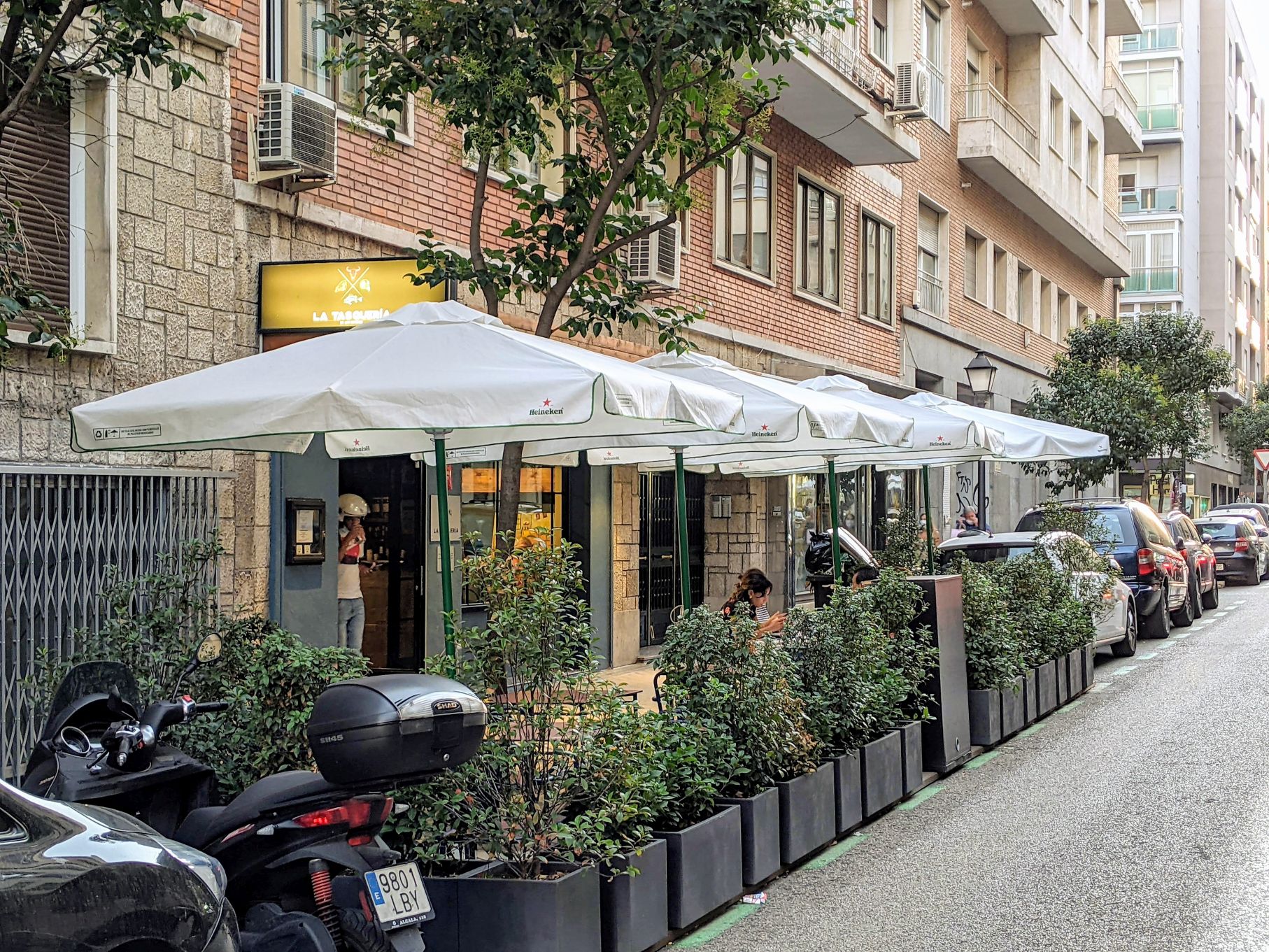
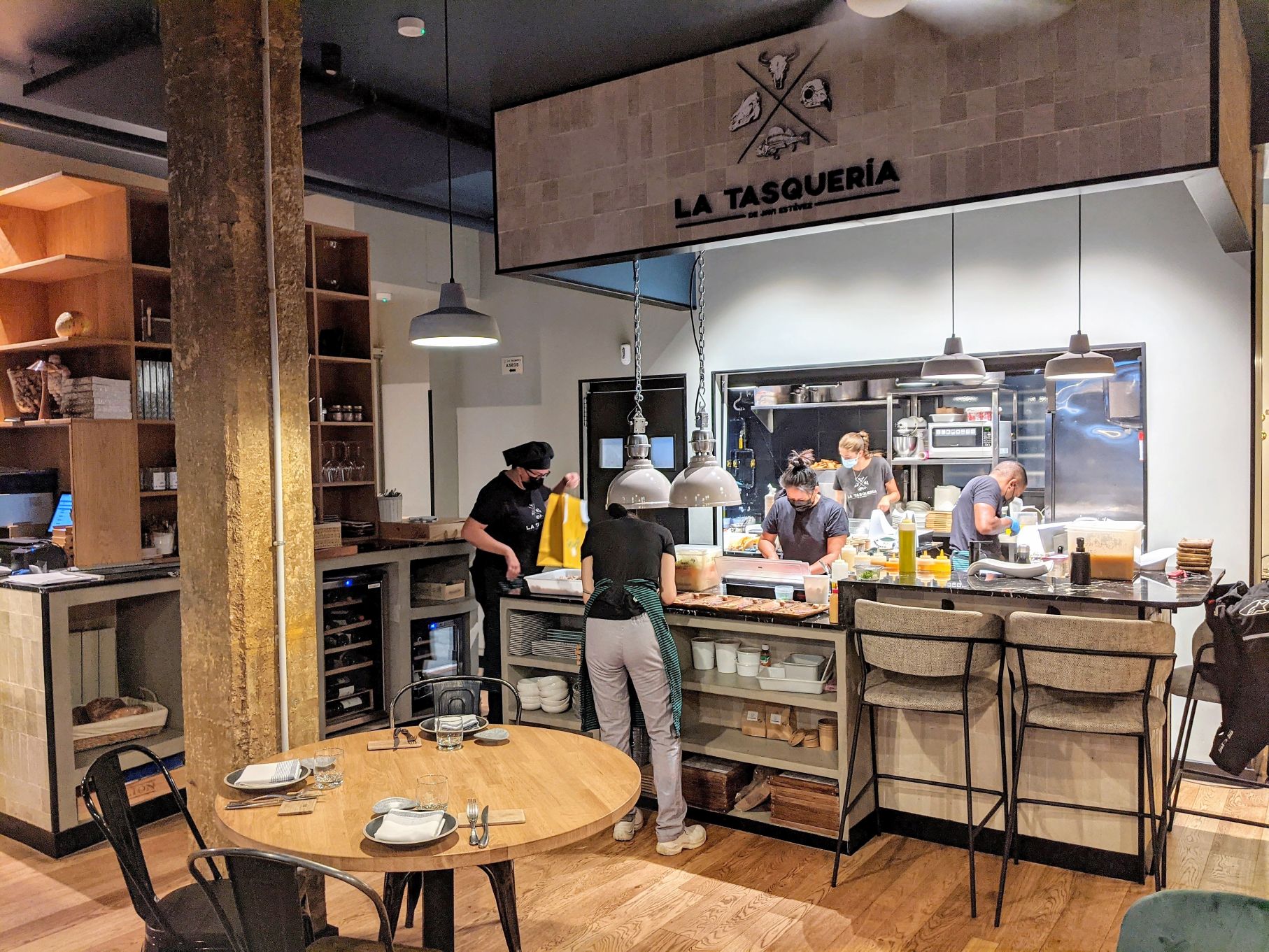
Billed as “Offal haute cuisine with a laid-back, casual touch” La Tasquería de Javi Estévez has made a big enough name for itself to earn accolades from Michelin, no small feat considering the modest products nor low prices for a seven-course tasting menu.
Opened in February 2015 as something of a love letter to Spanish Gastronomy, awards at Madrid Fusión followed by Bib Gourmand status and subsequently the first star, 2021 sees La Tasquería still trailblazing in an attempt to reinvent “Offal’s elegant side.”
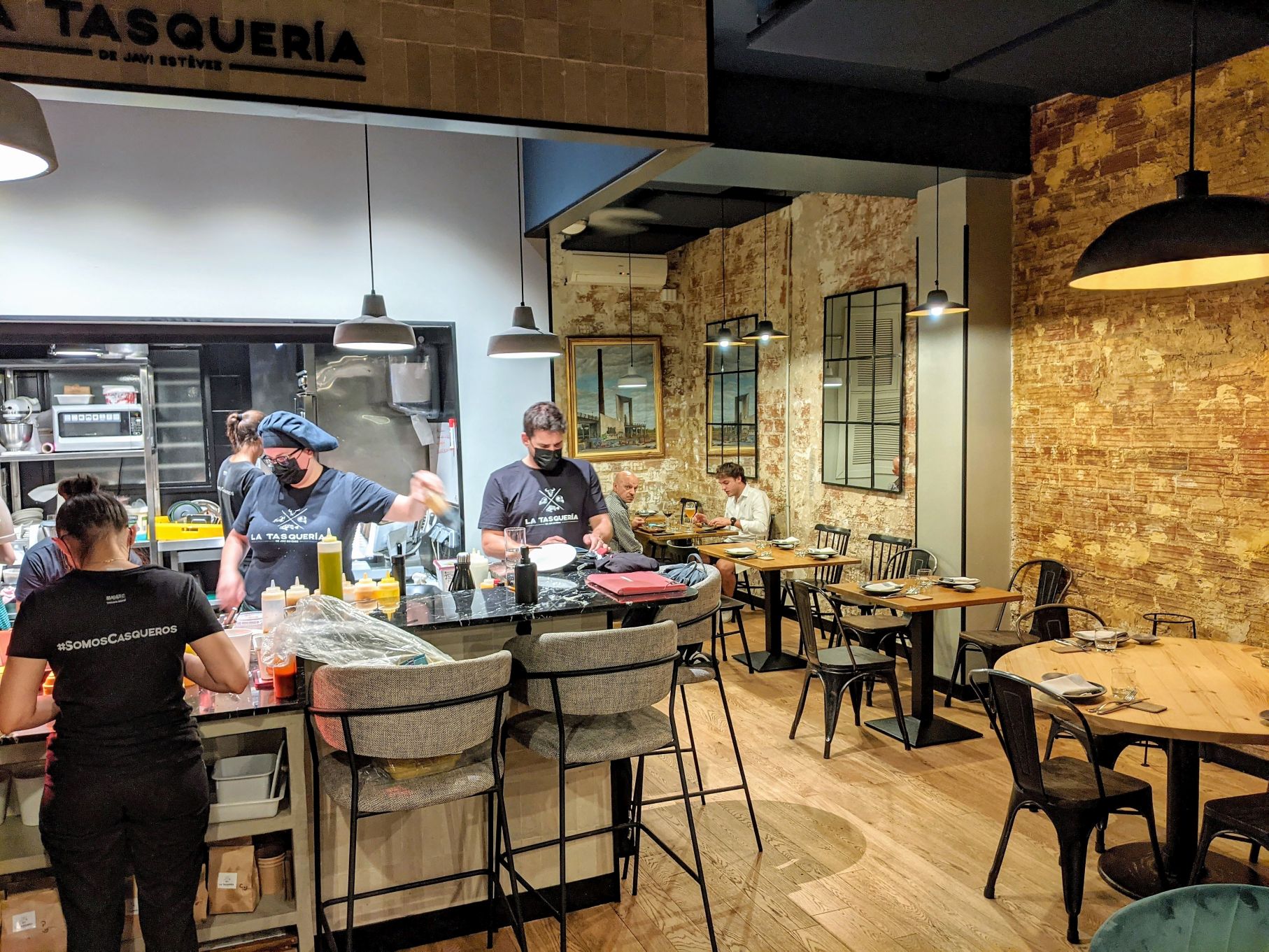
All wood around an open kitchen, Spanish-exclusive service an oddity in such an acclaimed space, it was seated next to two Americans that the €55 menu was selected, an attempt to order the Suckling Pig’s Head refuted as the €75 menu is designed for two persons even though this diner was happy to pay extra.
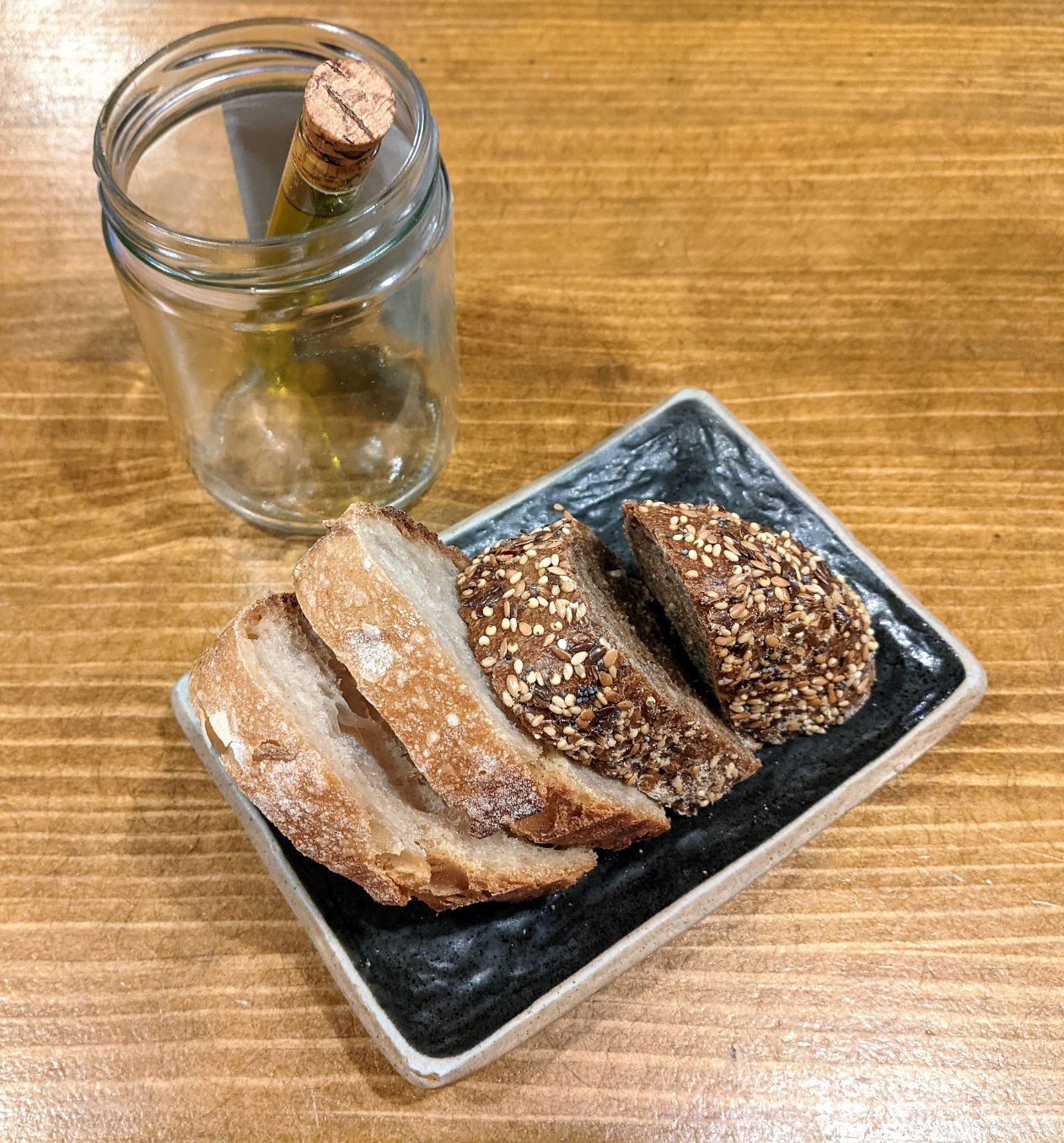
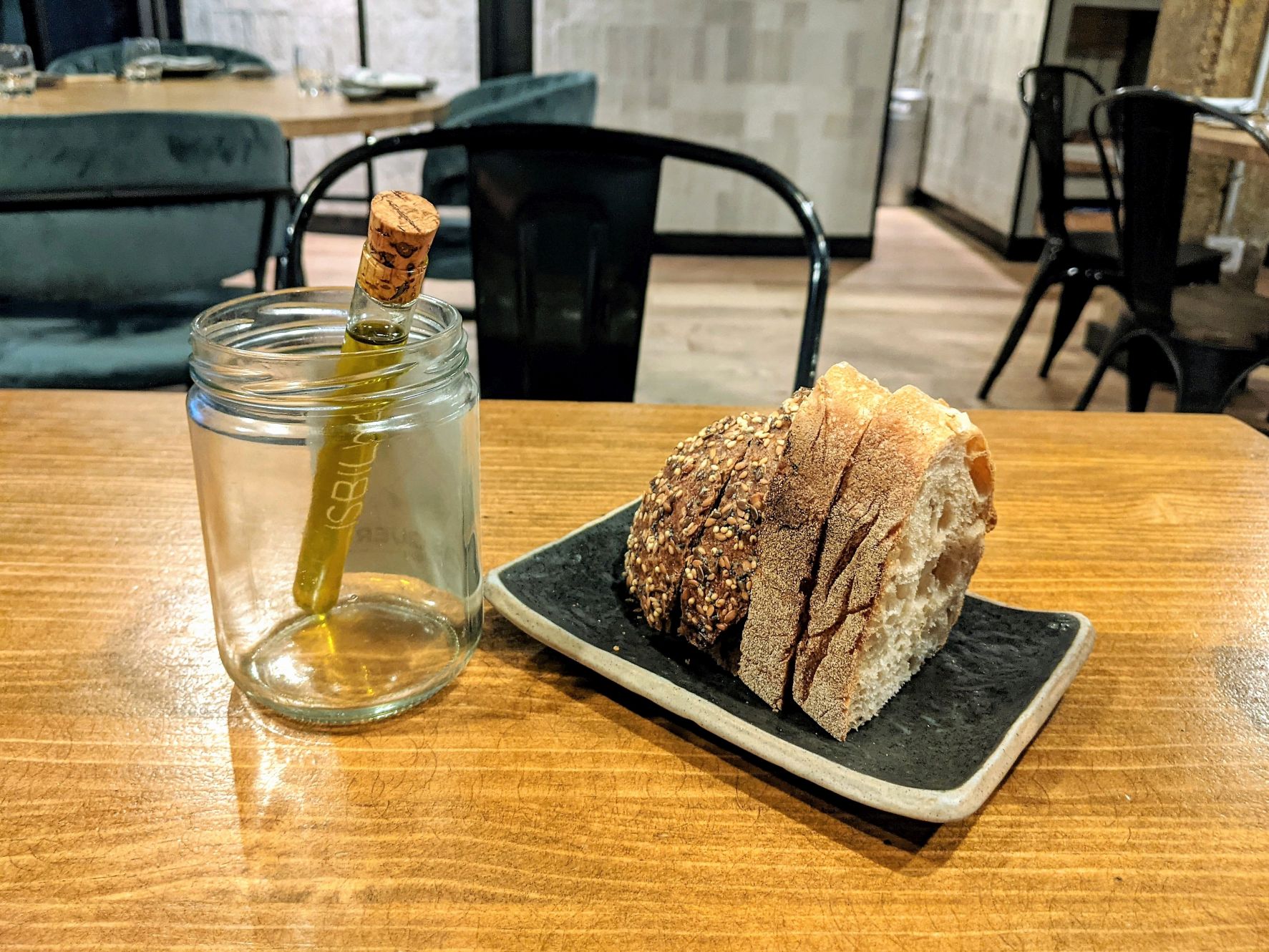
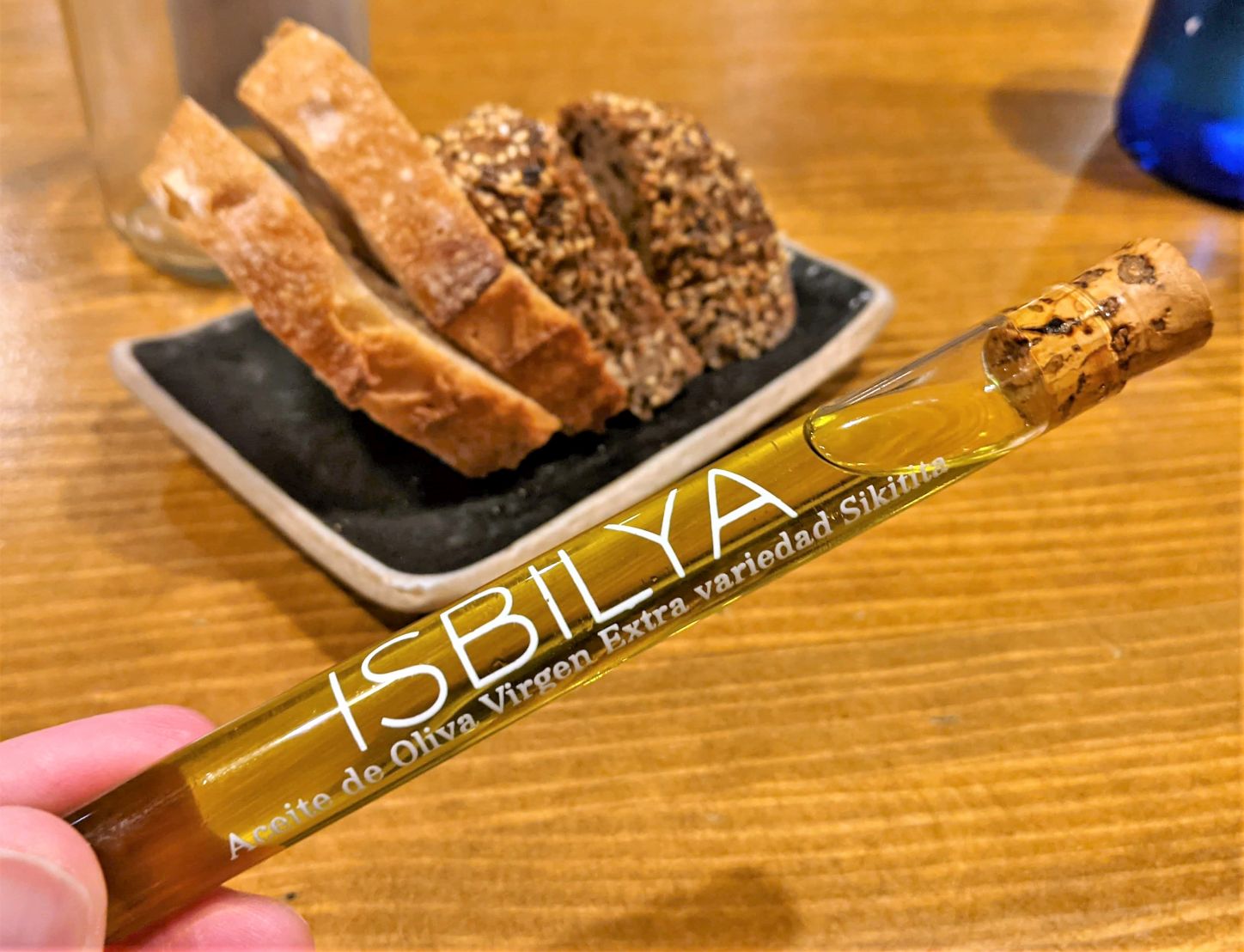
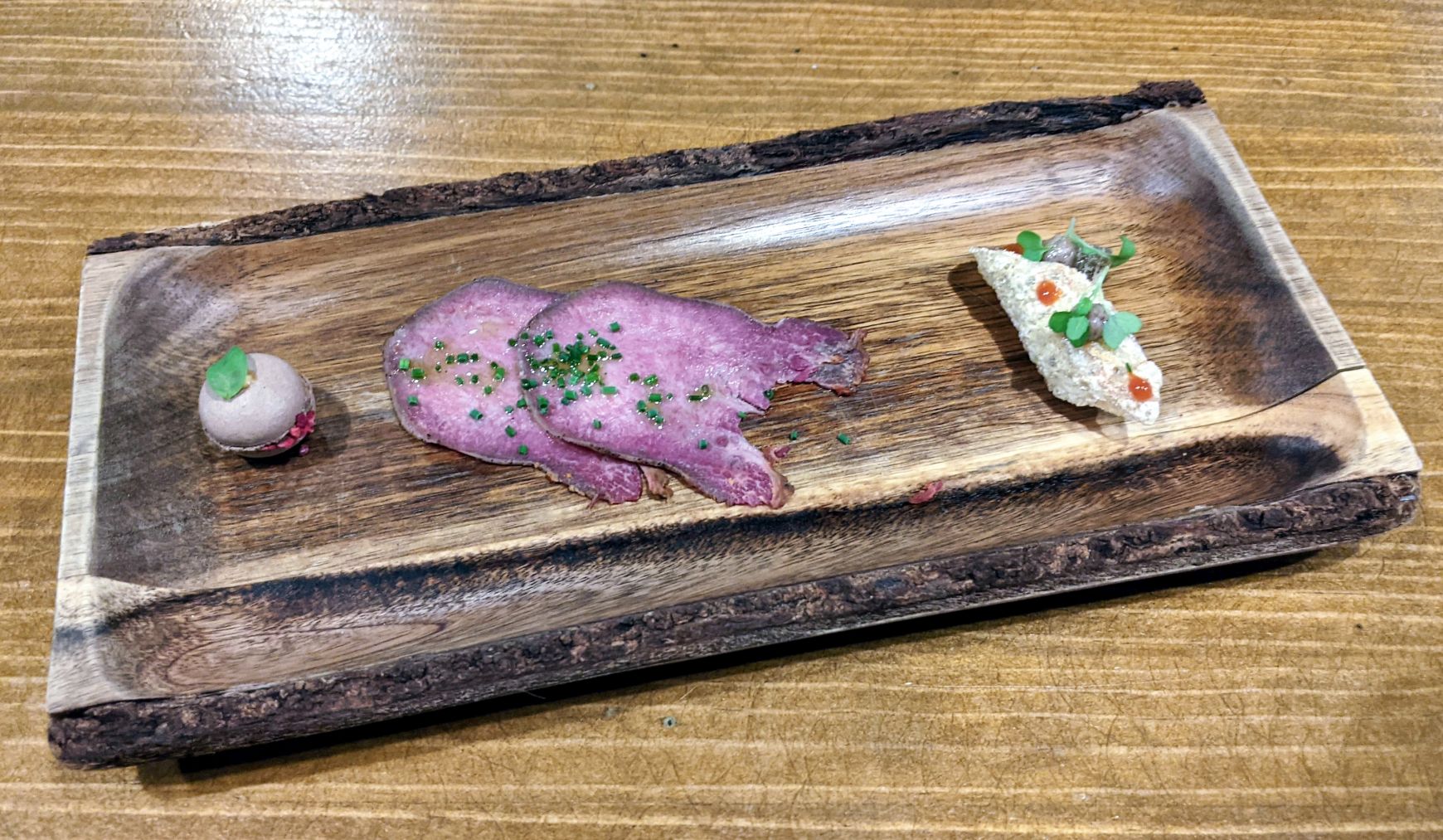
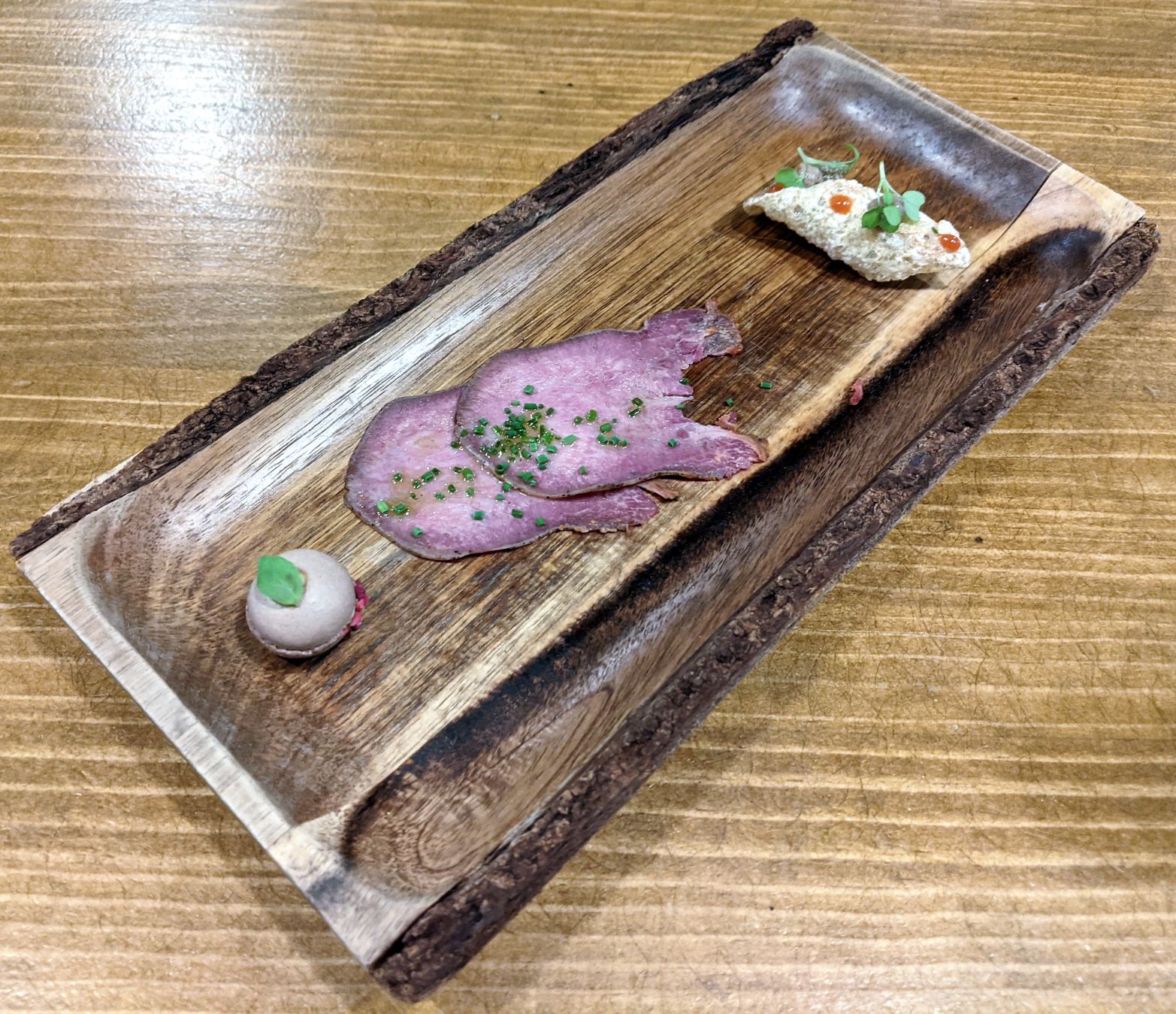
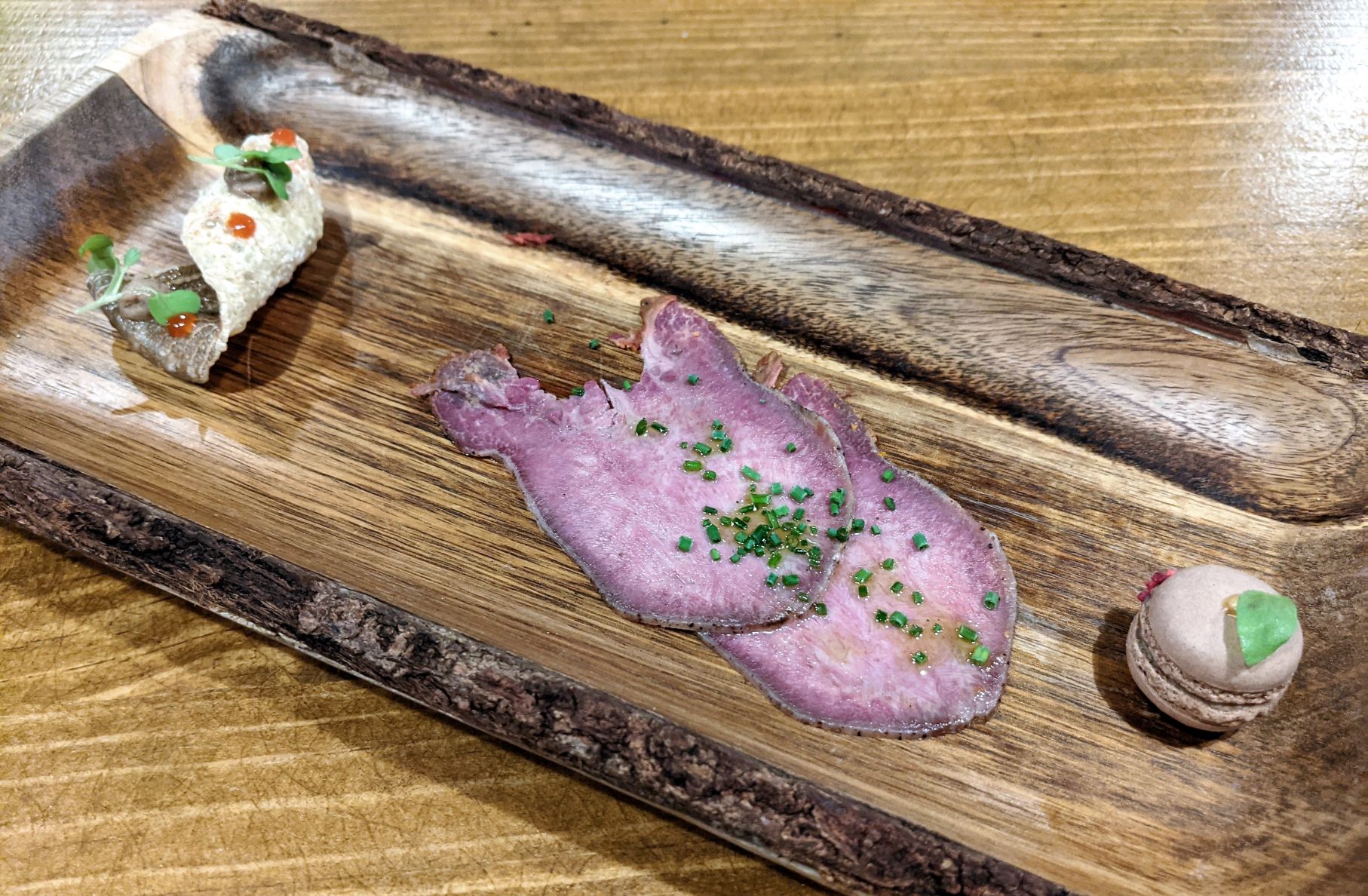
Not busy until around 21:30, typical of Spain regardless of Restaurant, dinner began with Bread and Snacks, the former nothing to brag about save for excellent Olive Oil while the night’s opening trio spanned the palate from crunchy Anchovy Skin to silky Beef Tongue and an unctuous Foie Gras Macaron.
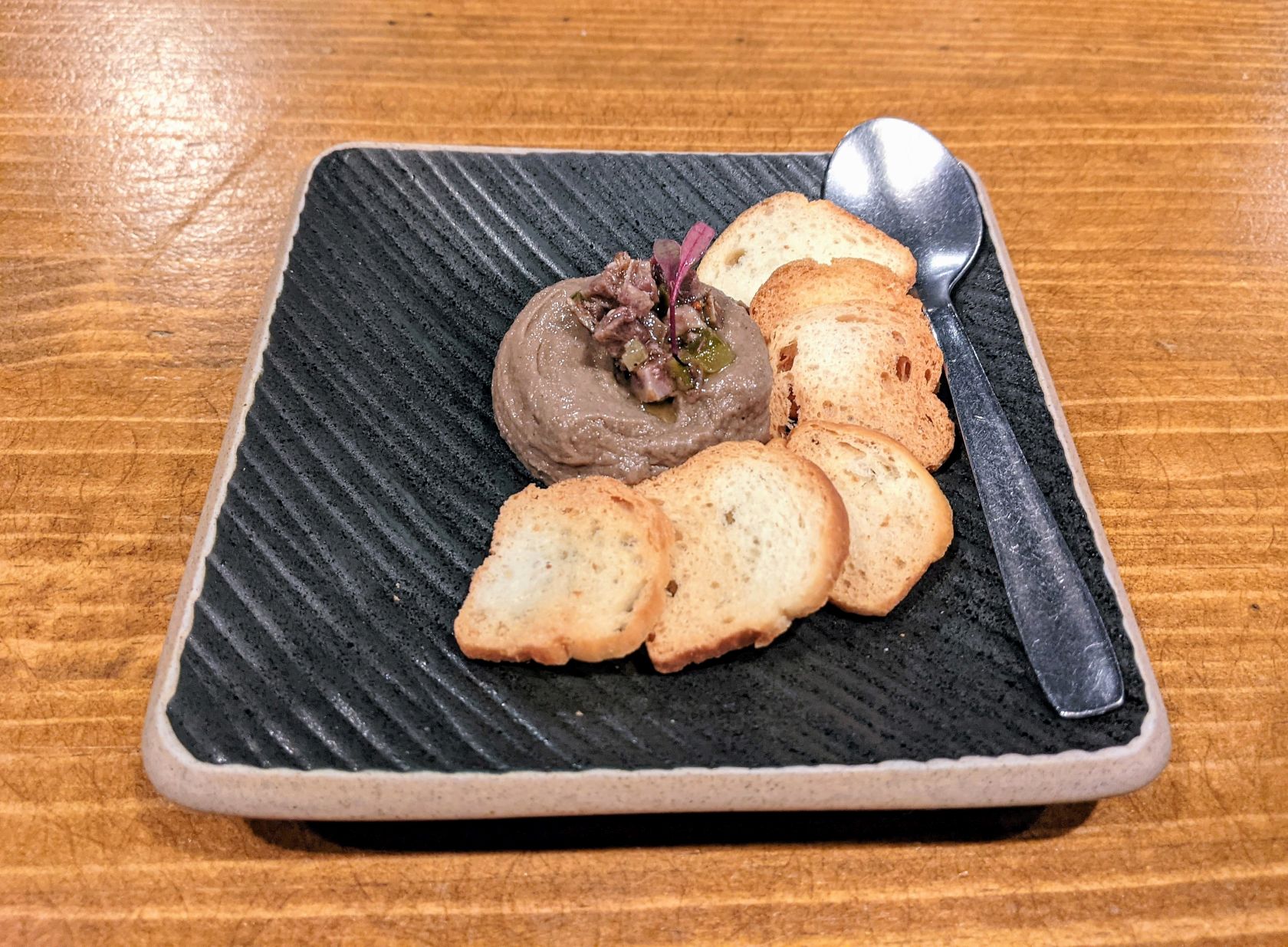
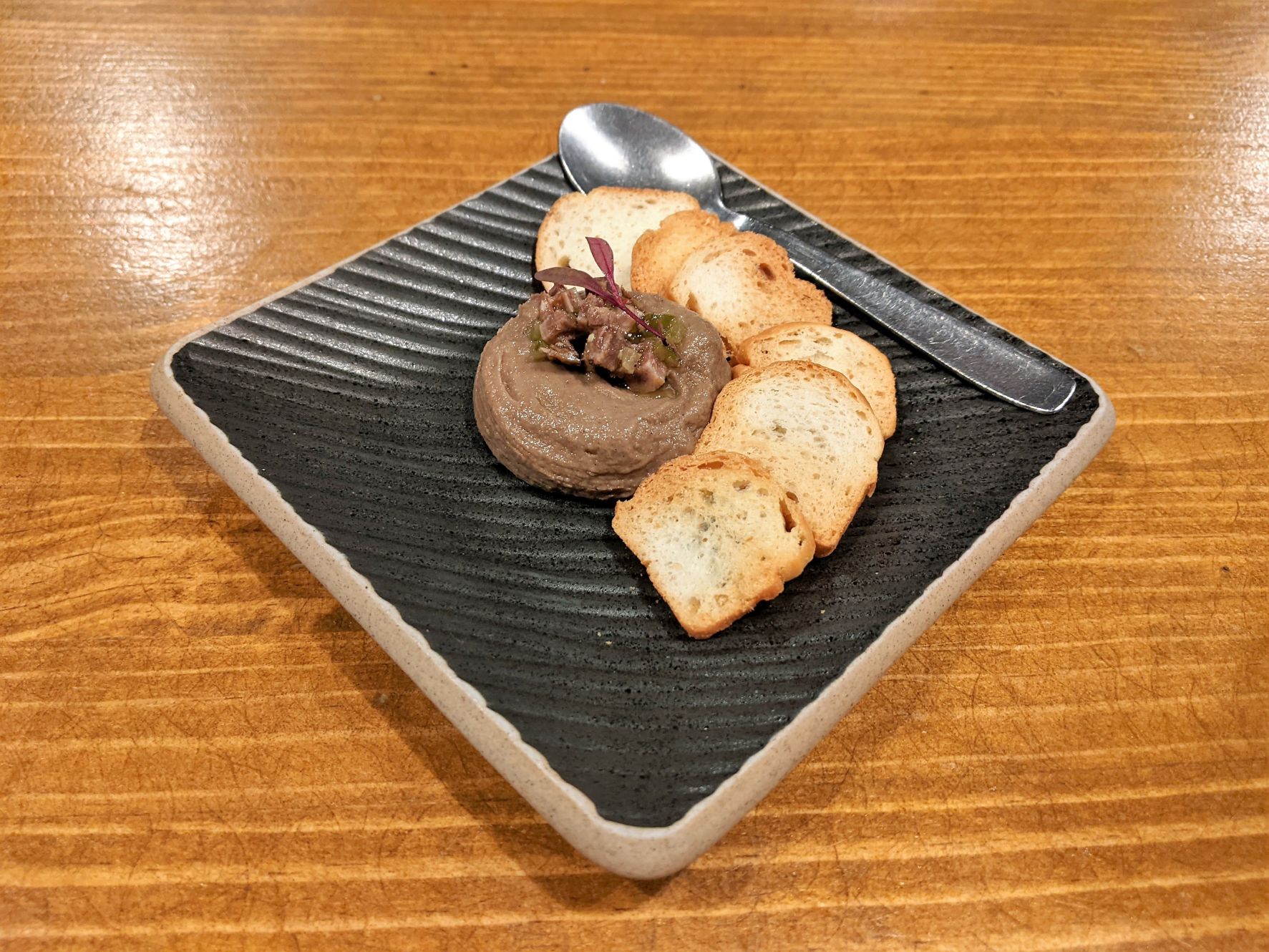
Rooted in tradition but driven by technique, Partridge Pate finding its foil in Apple and Pork Tongue spread on Toast, Sweetbread Ravioli features delicate handmade Pasta and intense Bolognese with a bit of Bechamel to soften the funk.
Lacking lengthy descriptions due to the language barrier, though Duck Heart and Corn needed no introduction amidst flawless Bordelaise, Tripe comes in a sizable portion with textbook texture and the sort of aromatics that could make a fan out of the timid.
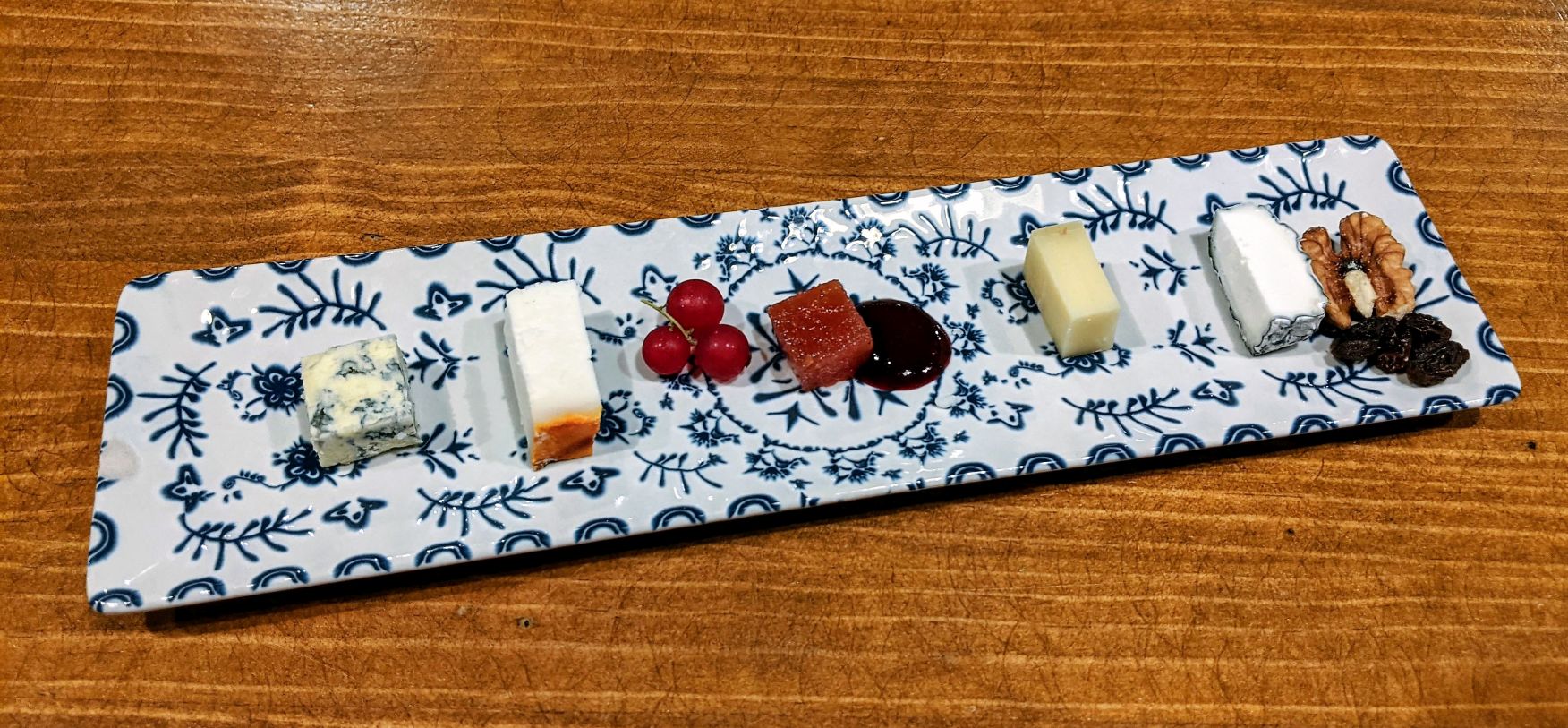
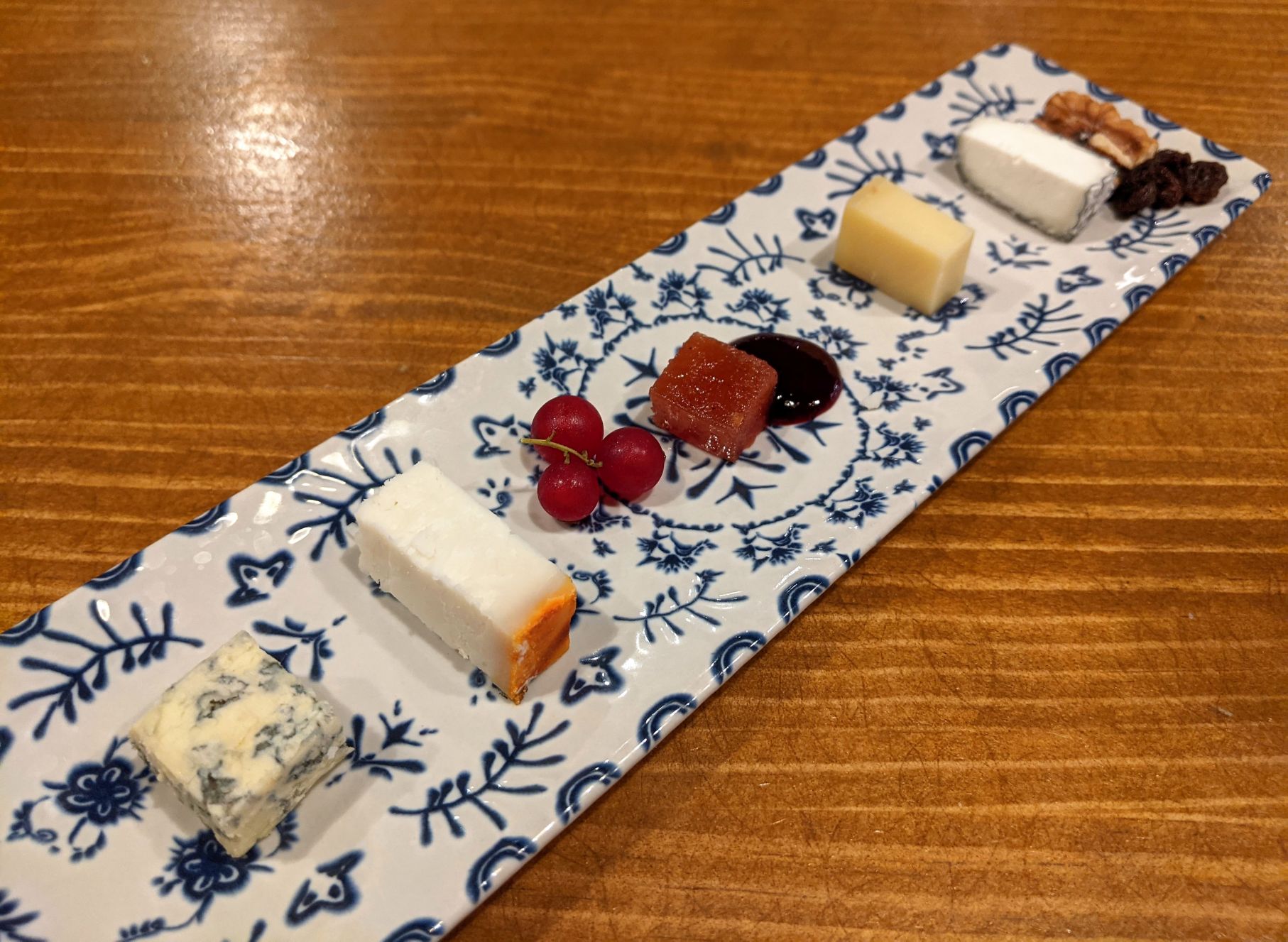
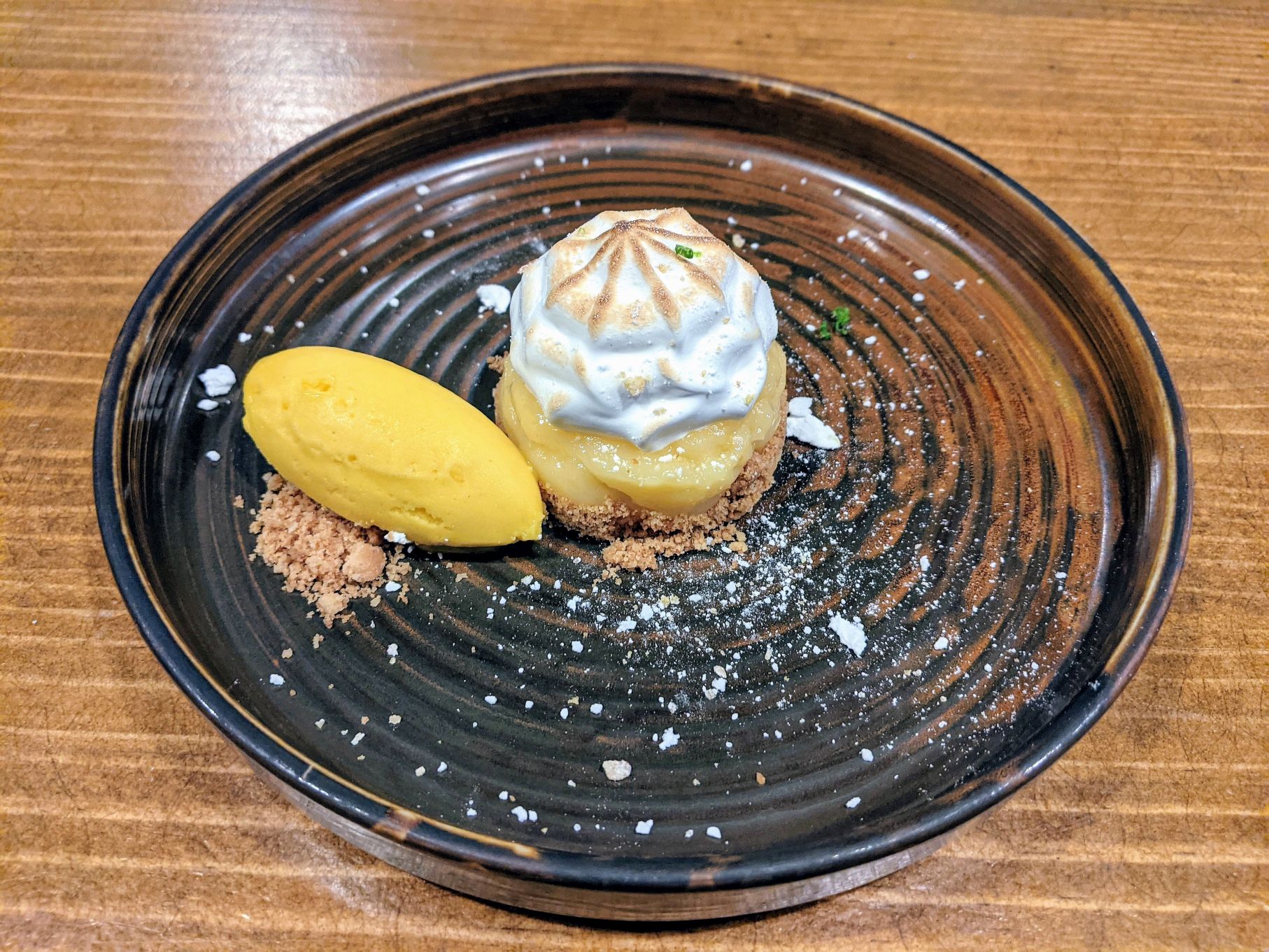
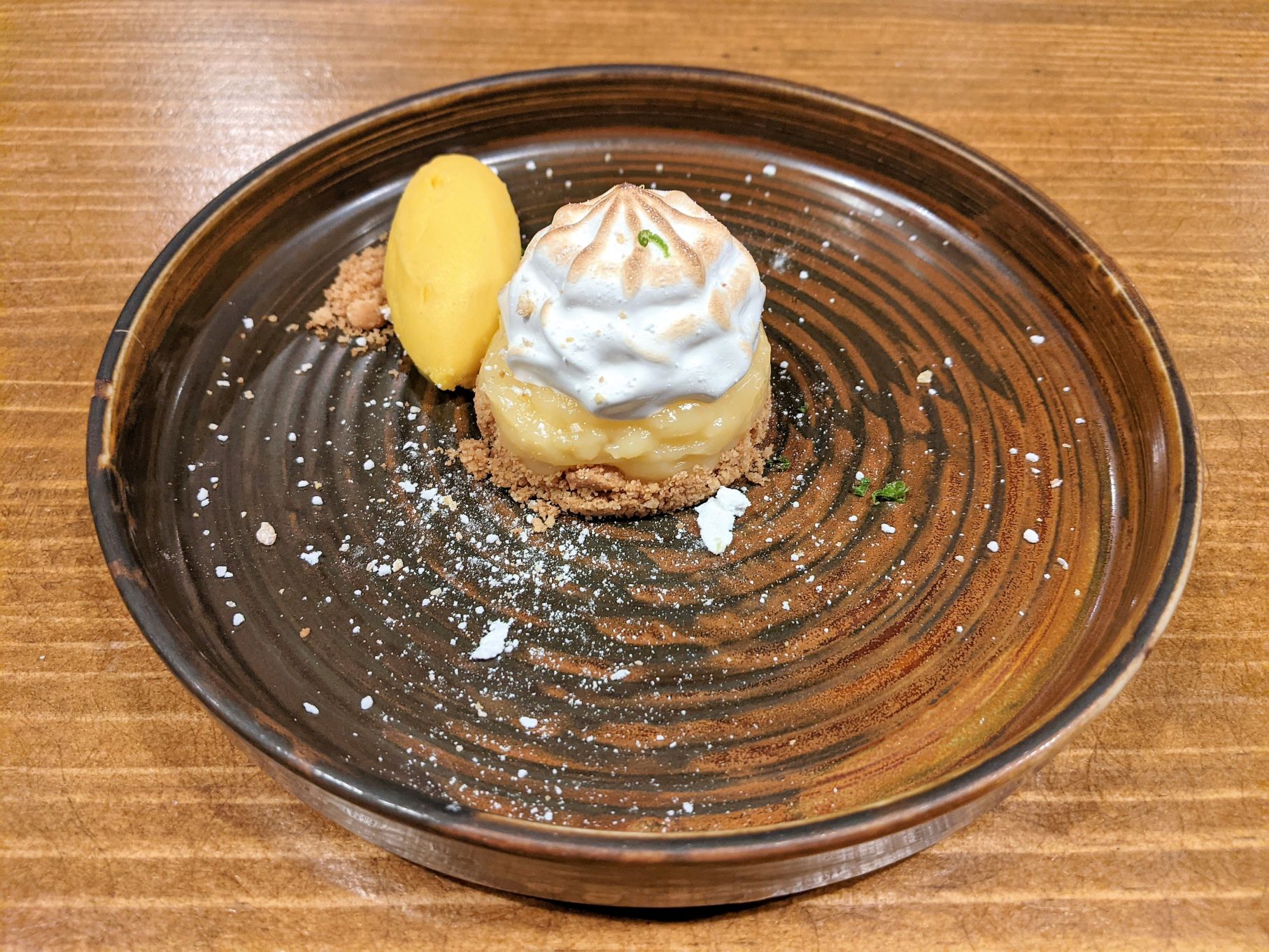
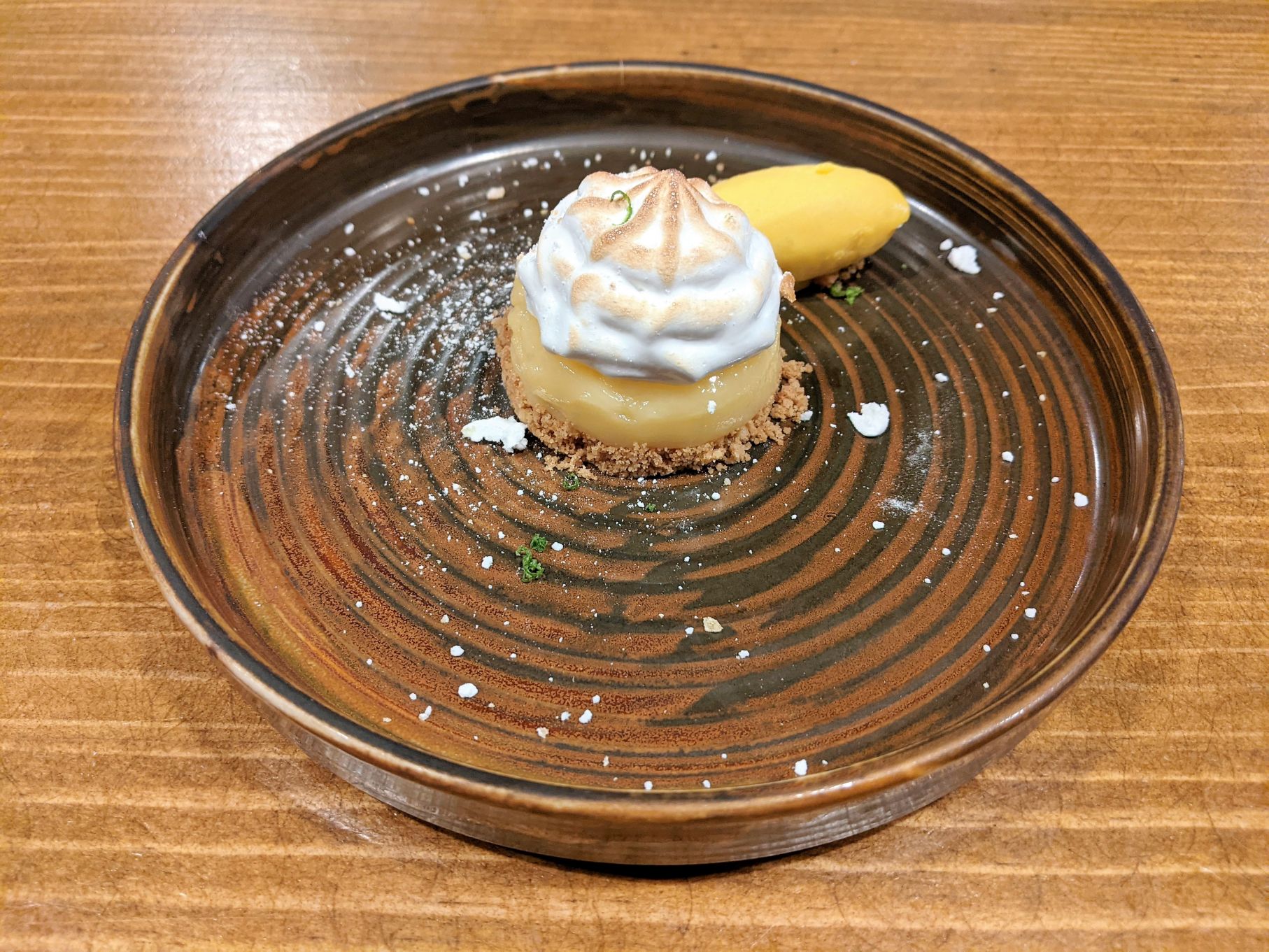
Only able to identify two of four Cheeses by taste and eyes, with the Blue undeniably strong, La Tasquería’s menu ended with Lemon Curd and Meringue atop Graham Cracker Crumbles plus Mango Ice Cream on the side.
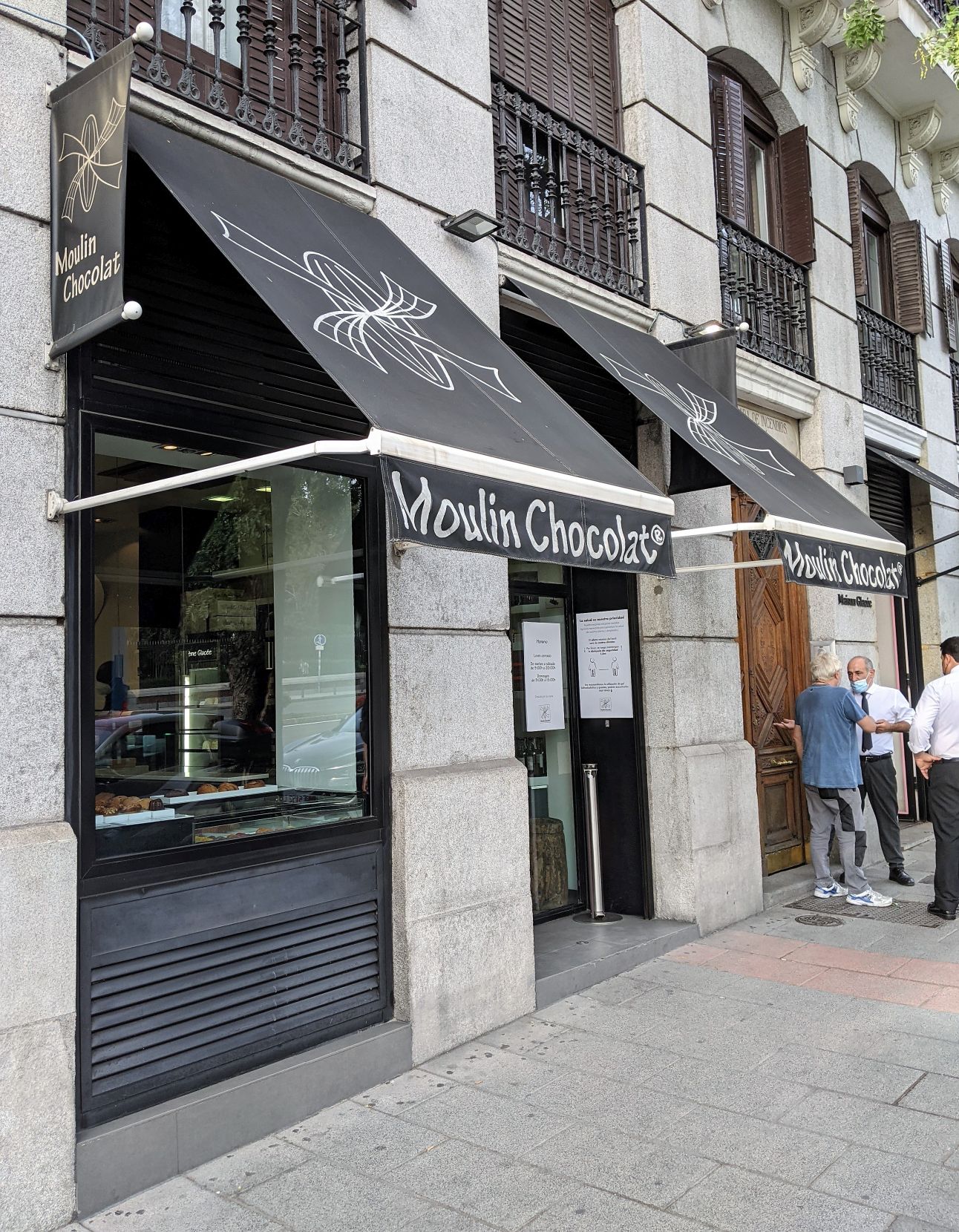
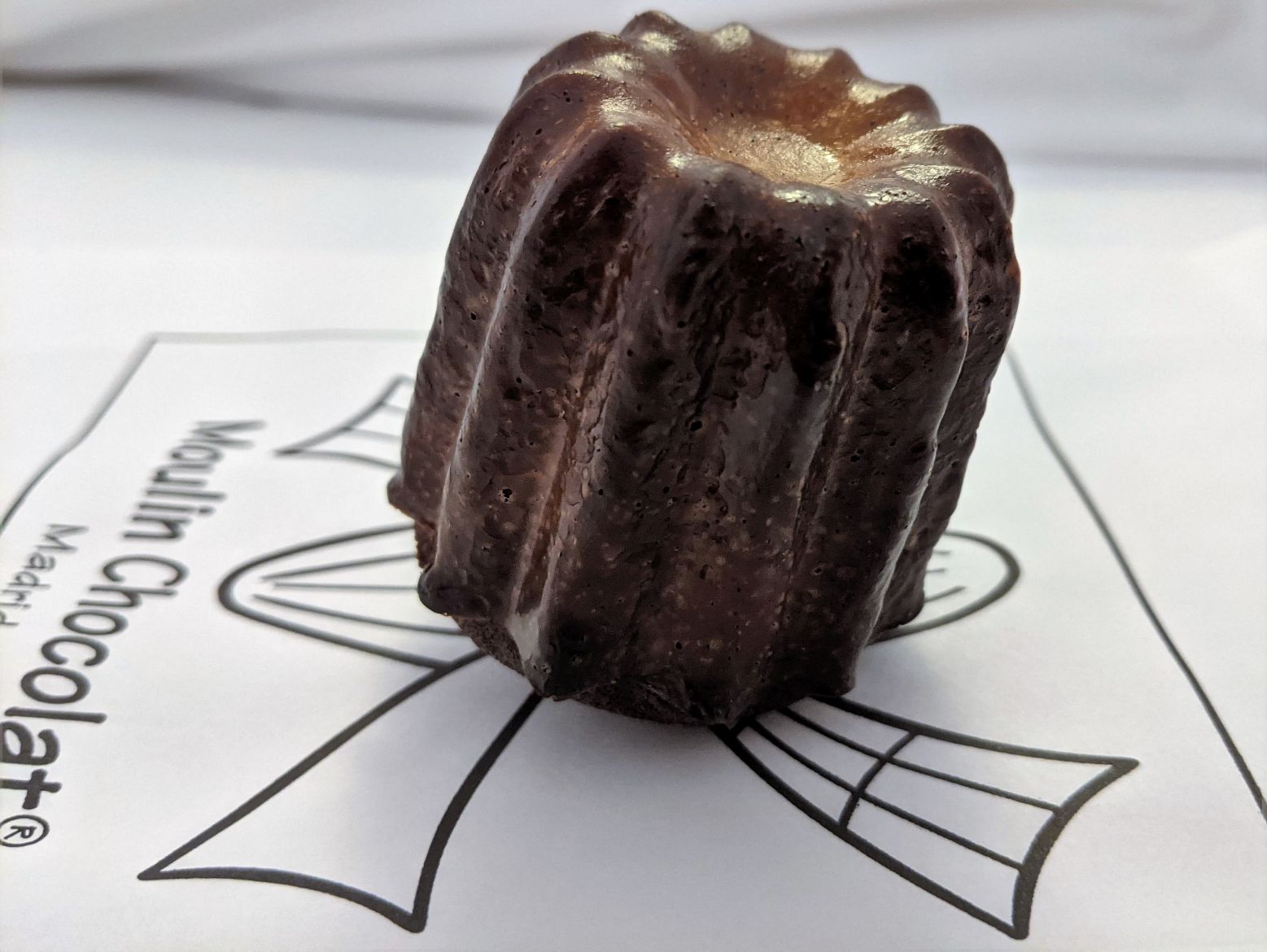
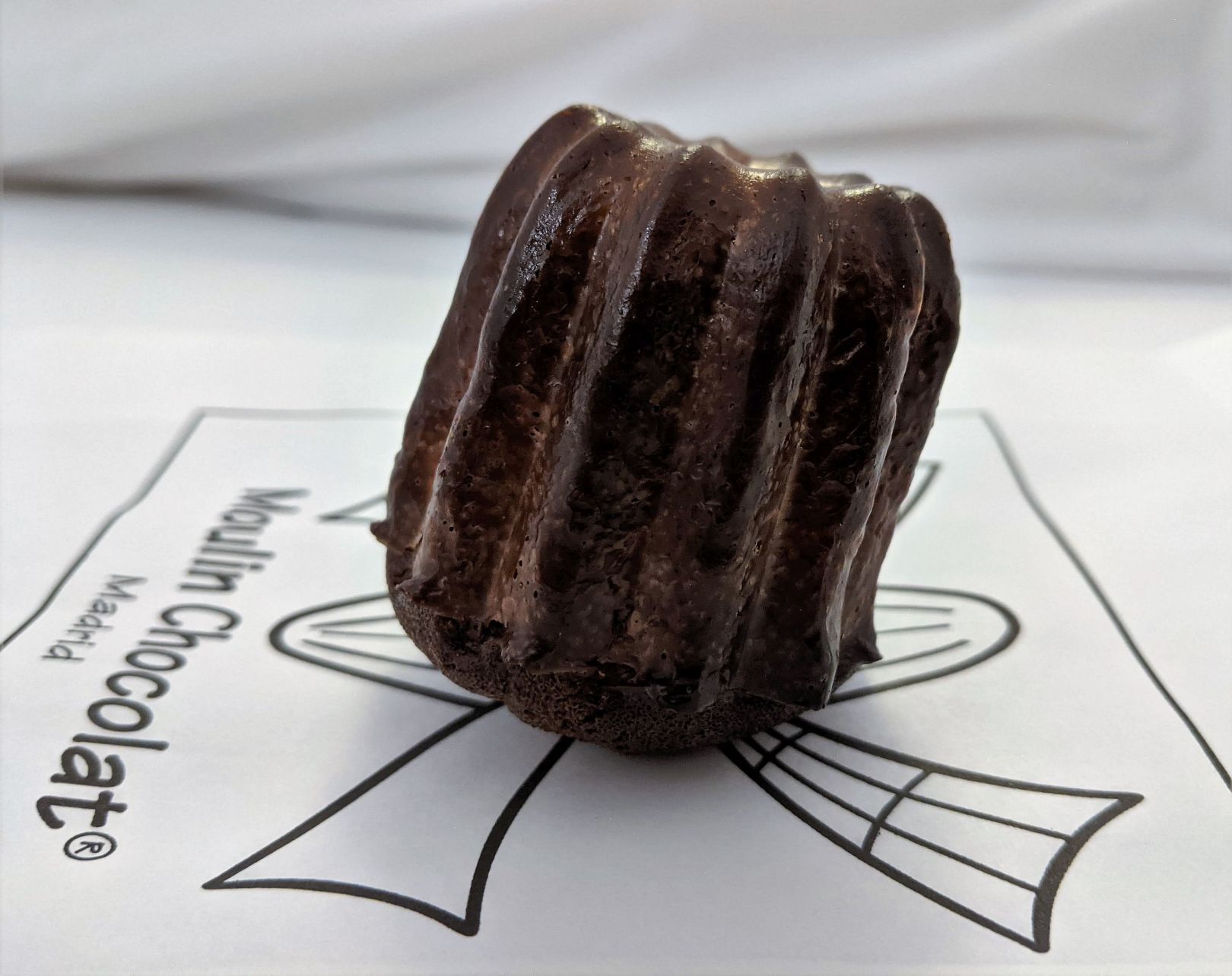
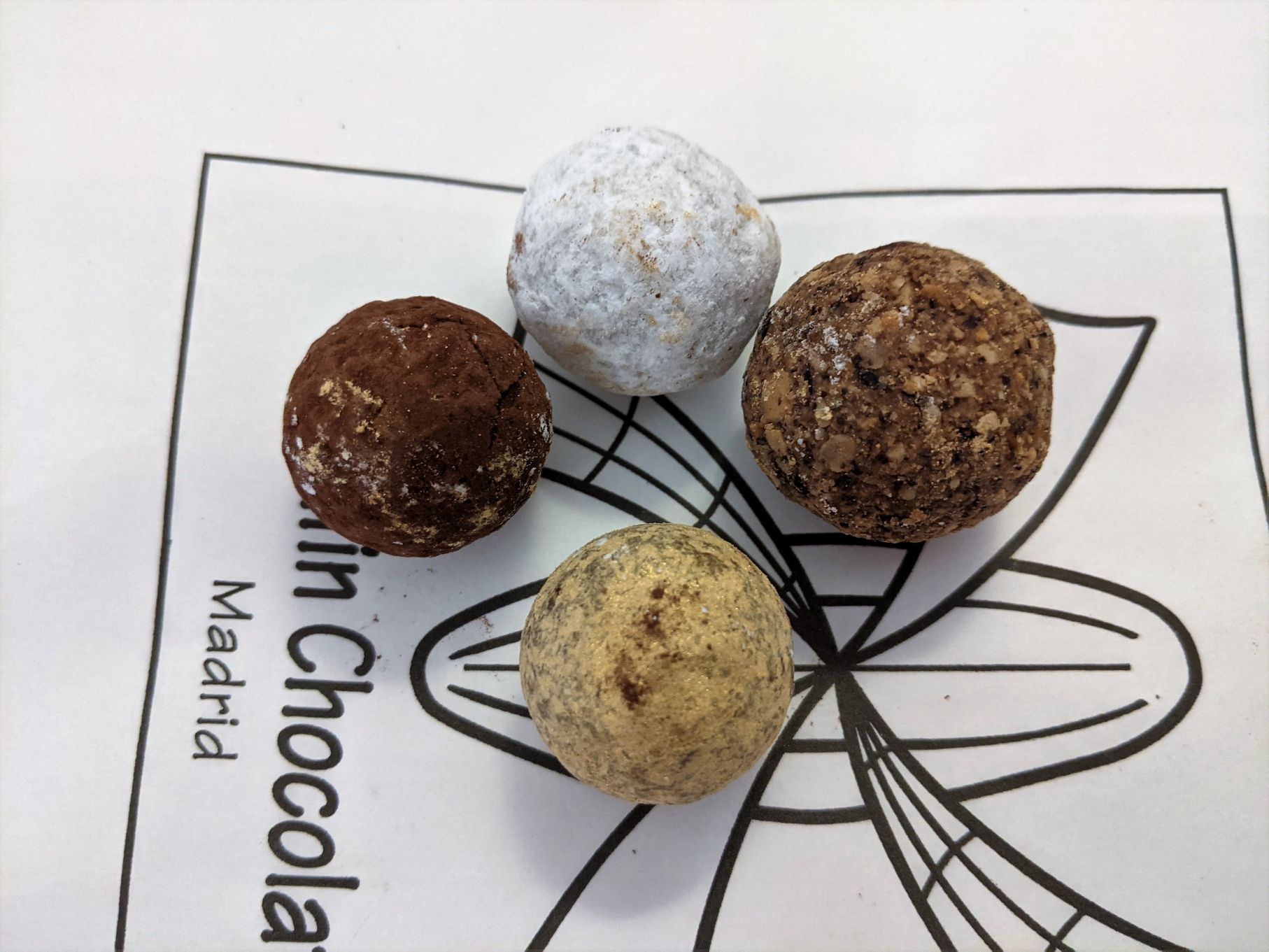
Owned by Ricardo Martínez, Spanish by birth but French in inspiration, Moulin Chocolat occupies exclusive real estate on Calle de Alcalá and predictably matches its upscale environs with higher than average pricing.
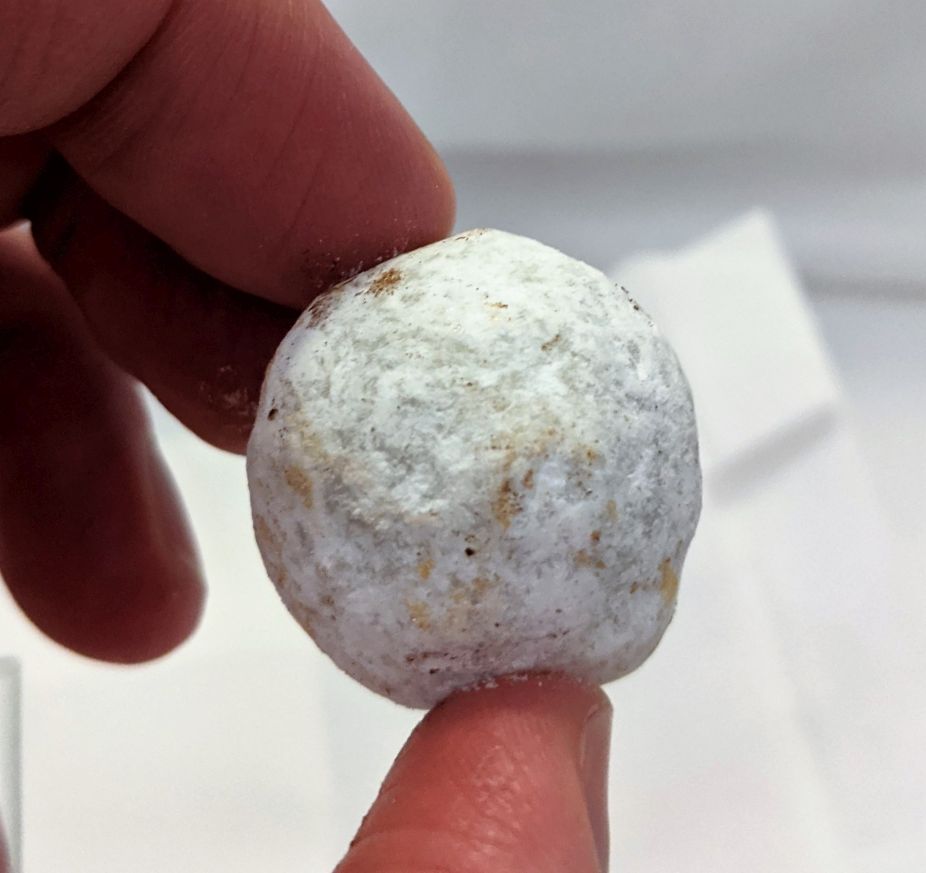
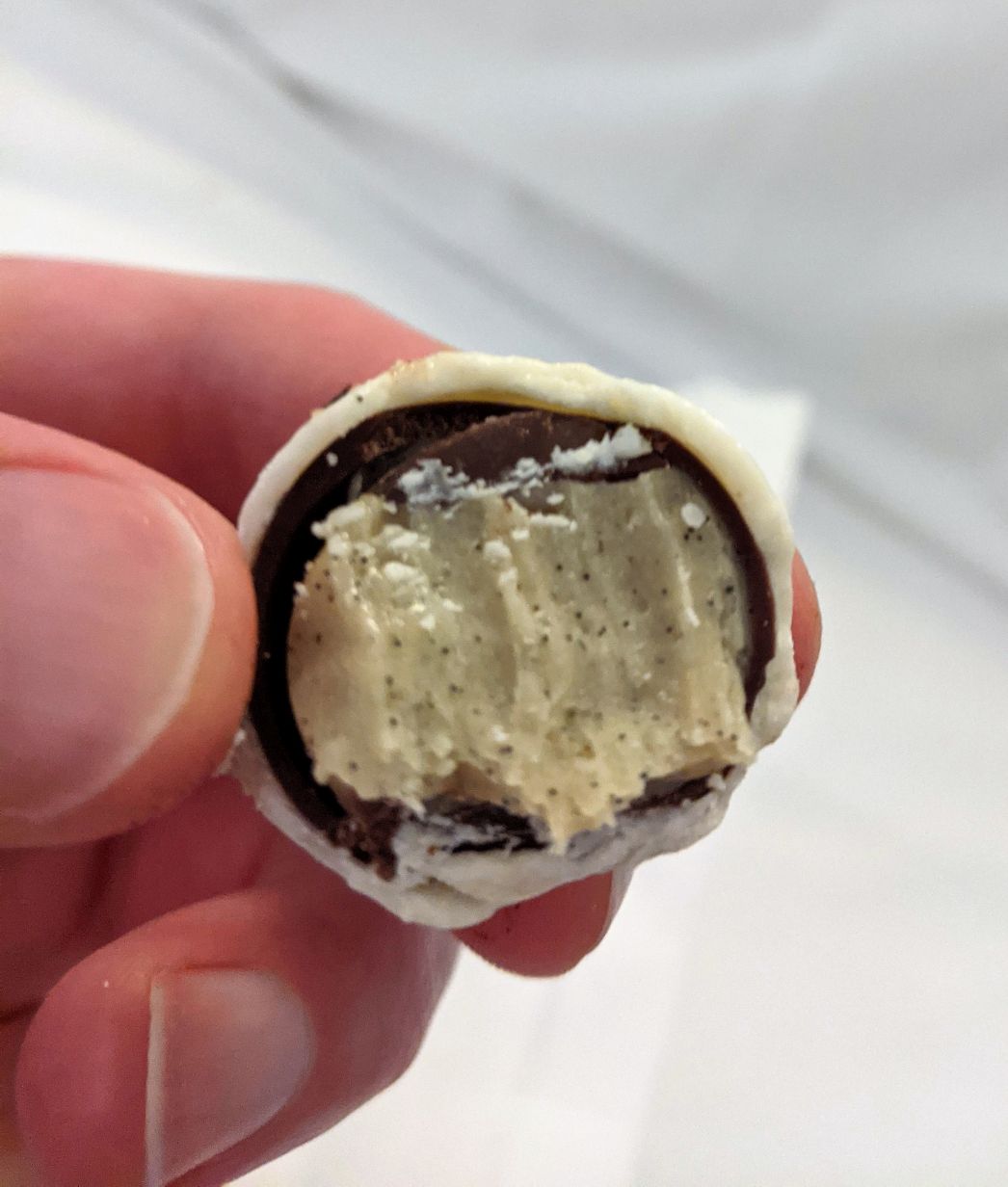
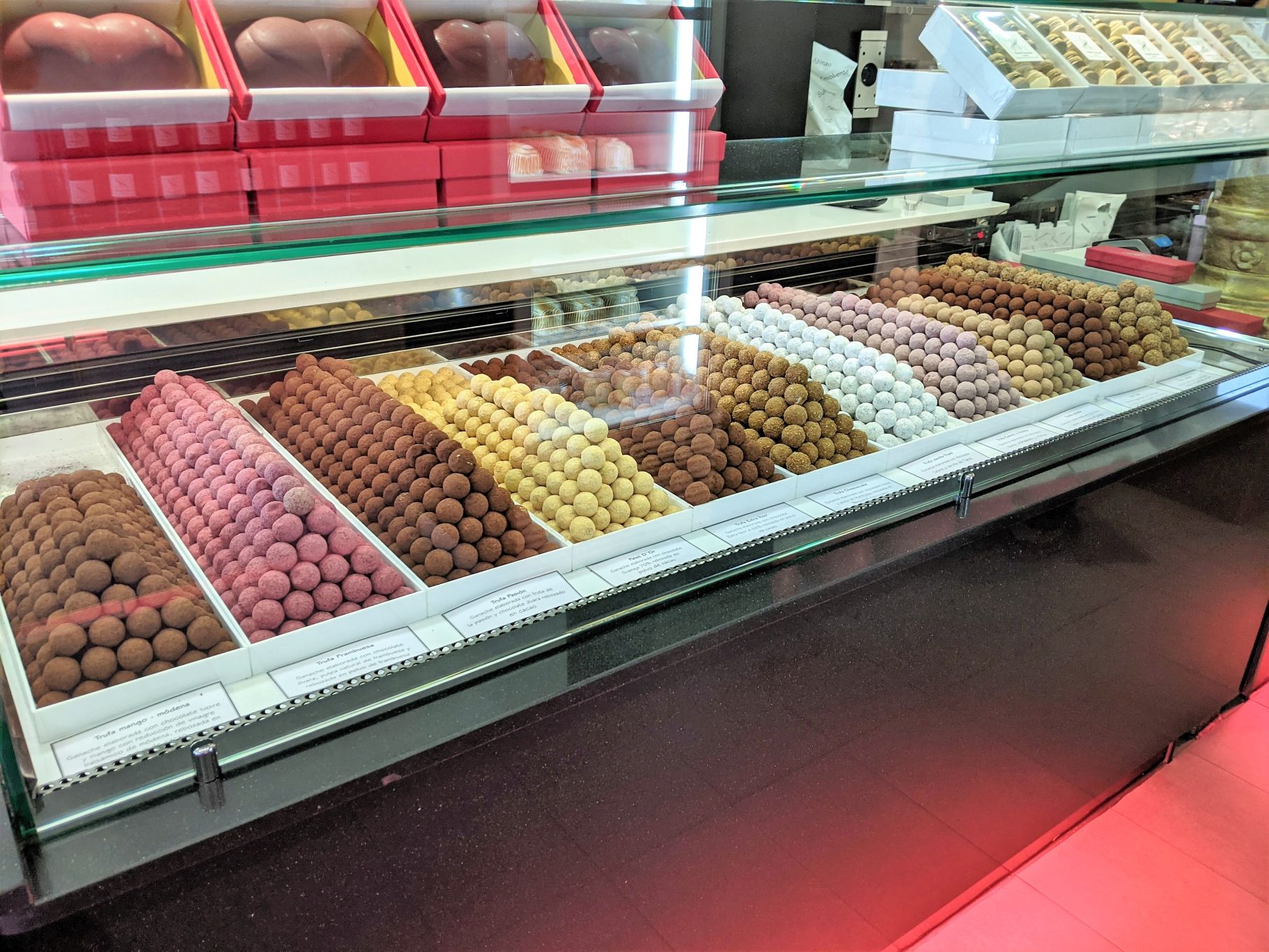
Open from 09h00 to 20h00, early hours dominated by Viennoiserie while afternoons focus on Ice Cream or Truffles, it was near closing that a limited sample was chosen, four Chocolates each enjoyable with Tahitian Vanilla a standout for €1.50 a mouthful.
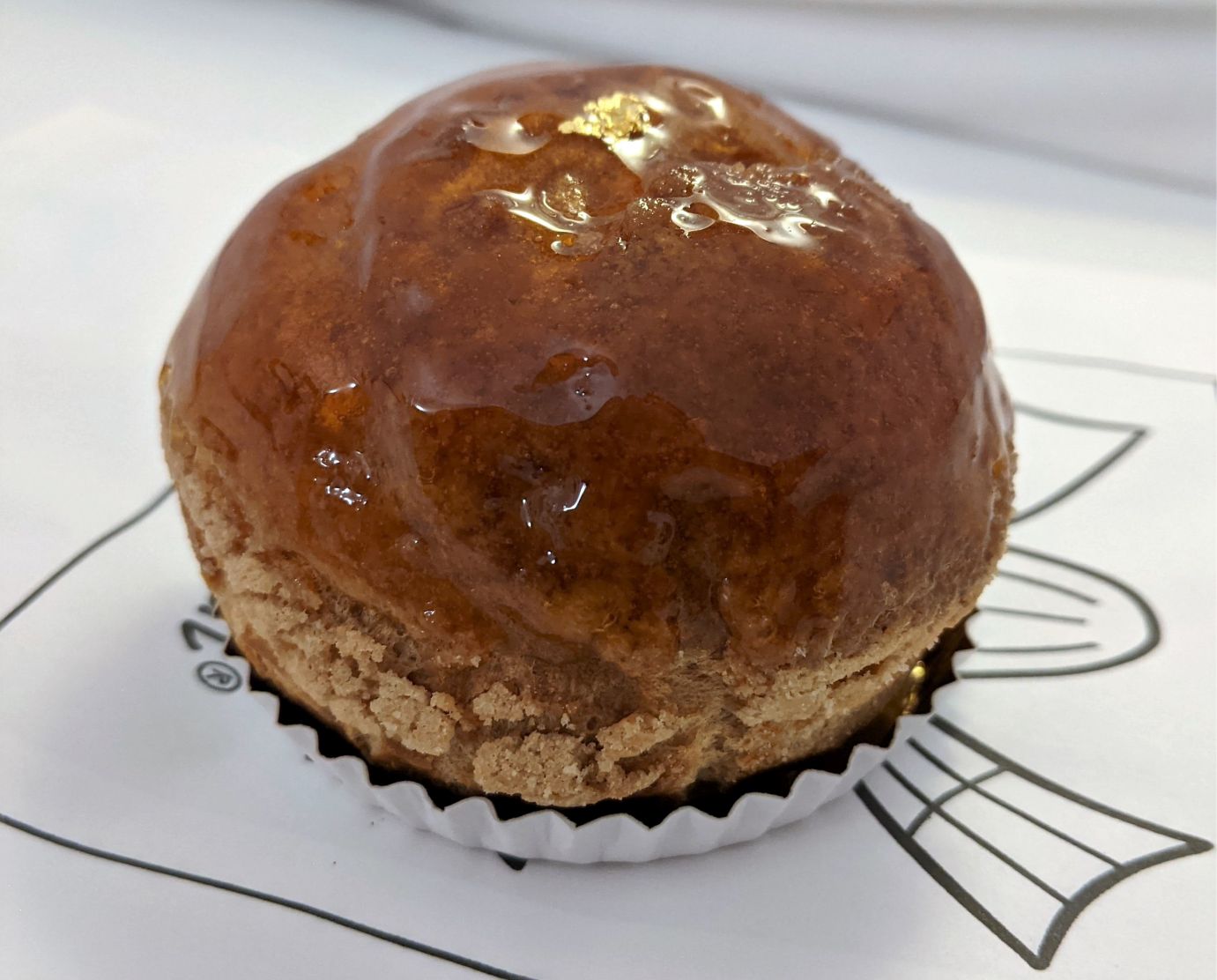
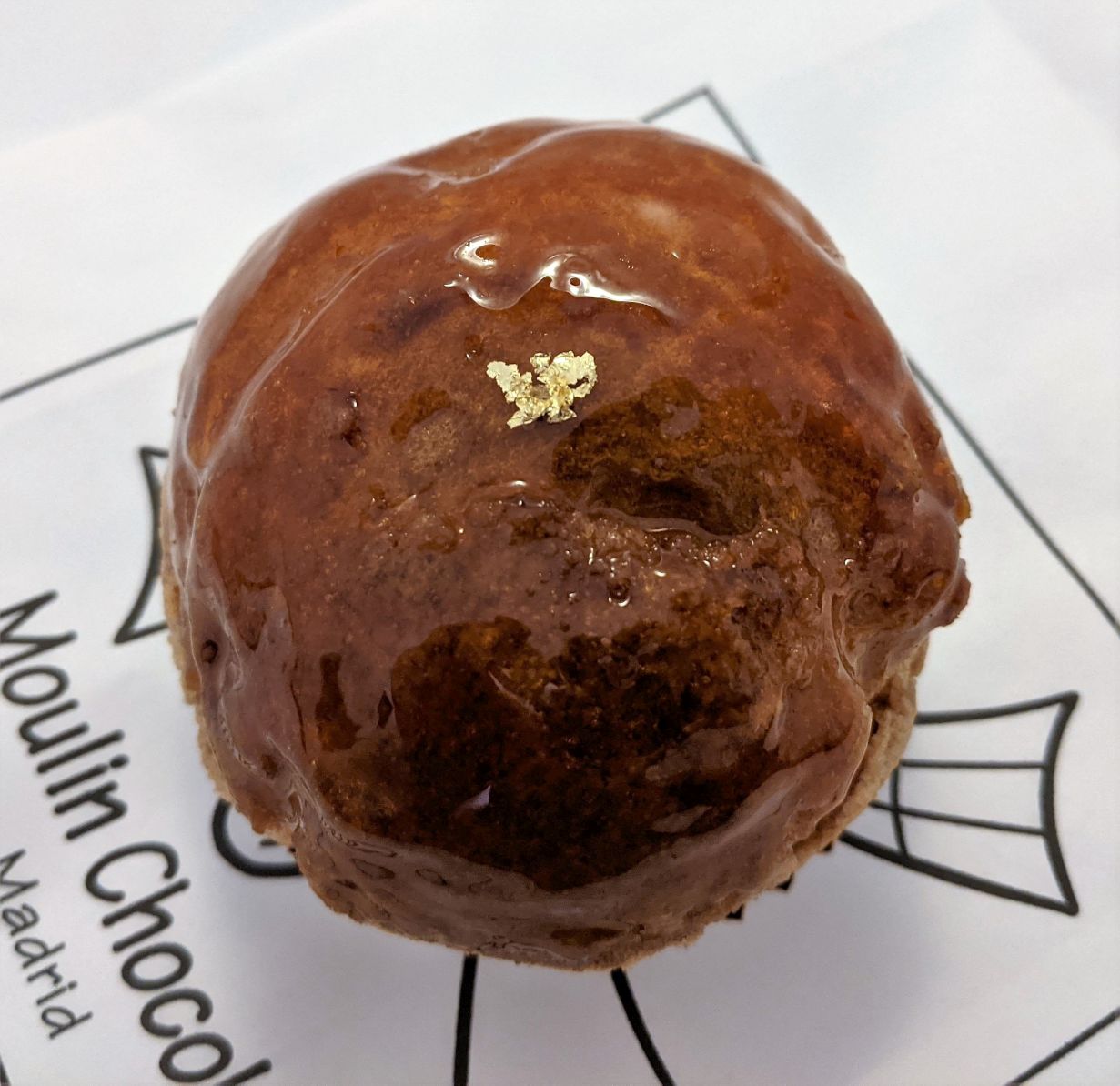
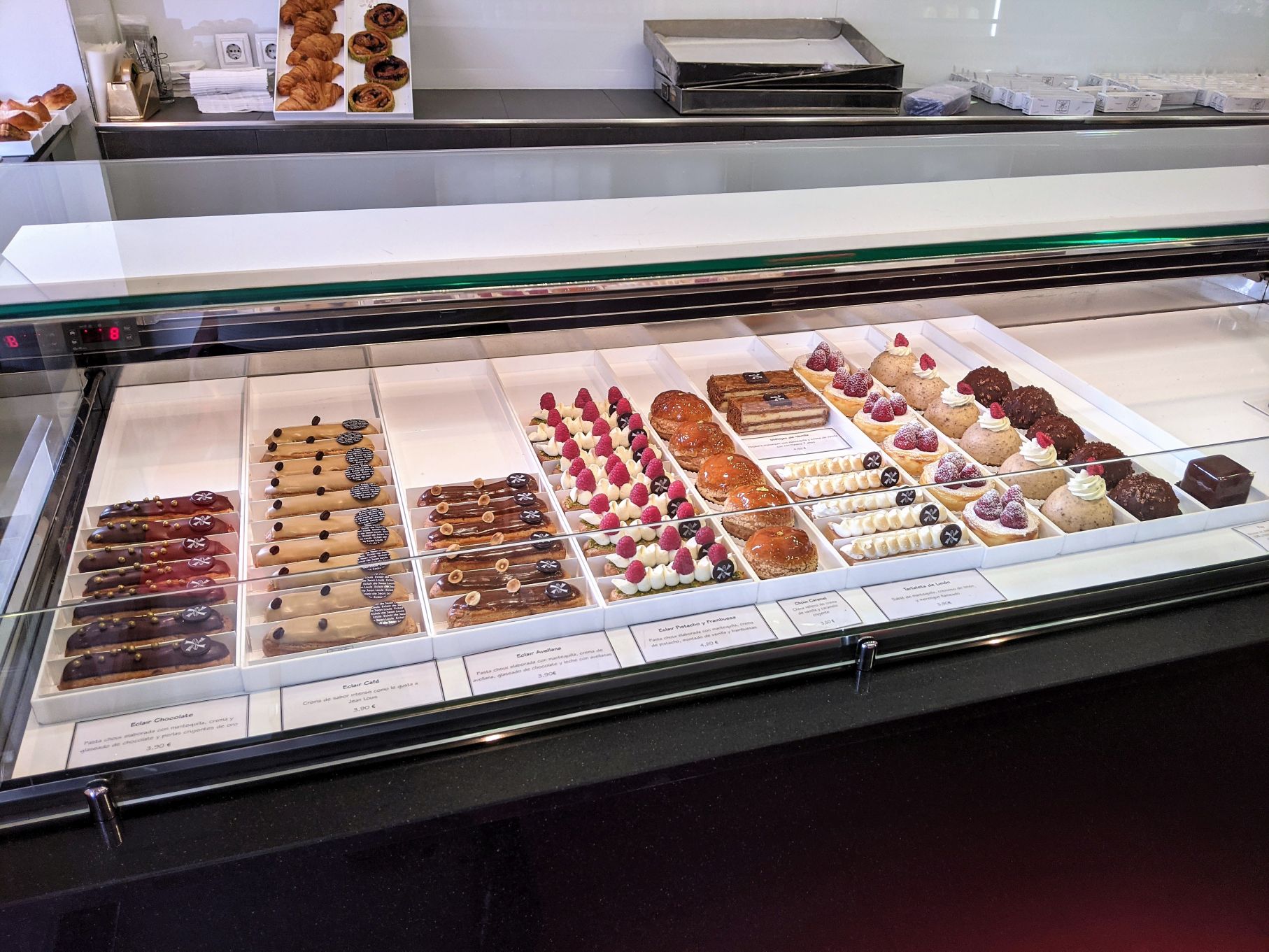
Also selling freshly baked Panettone, tempting but too large for a solo traveler, Moulin Chocolat’s Choux is world-class and seemingly immune to sogginess despite lots of smooth Cream while the Canelé offers a brisk break around lightly-sweetened Custard.
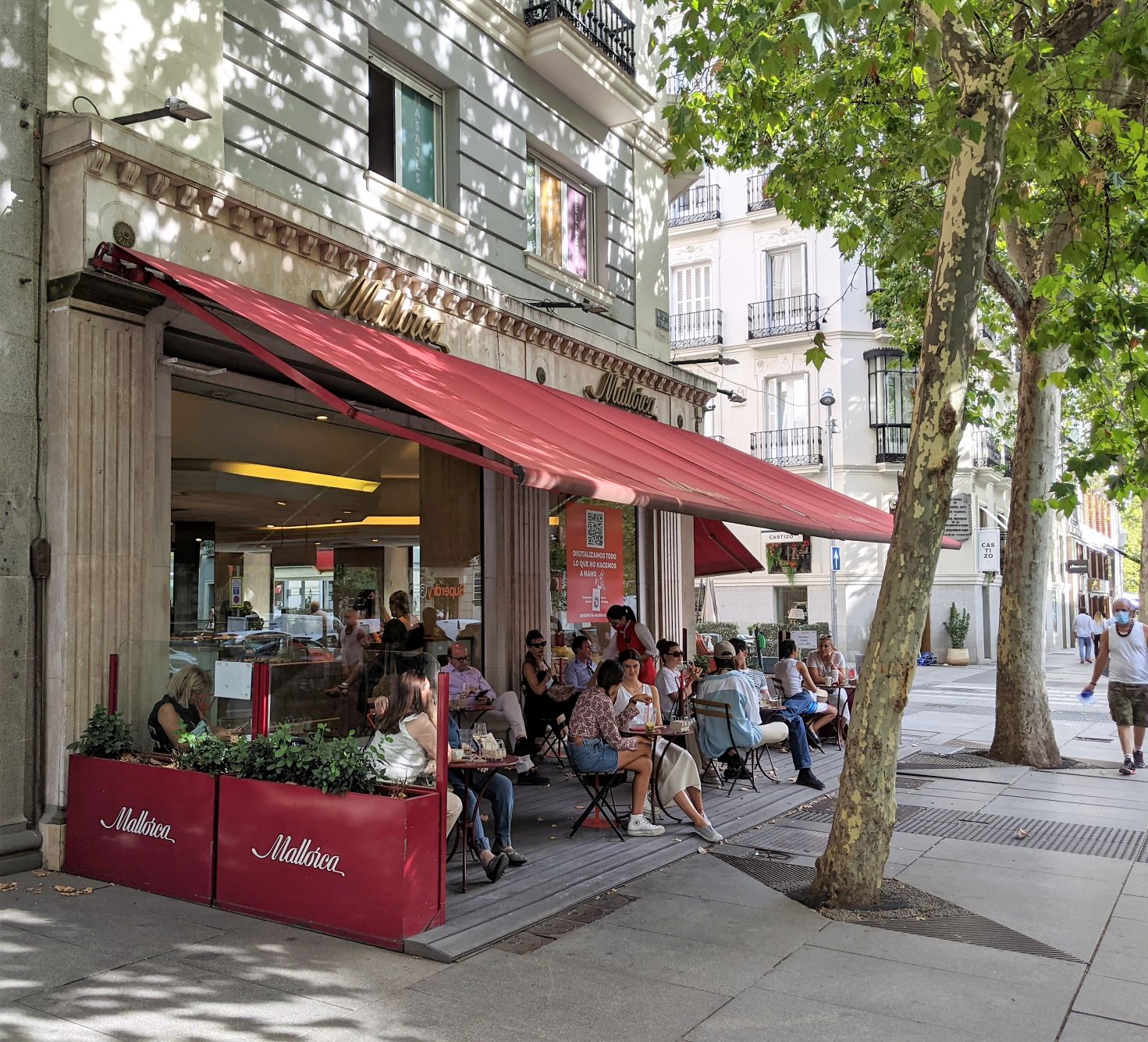
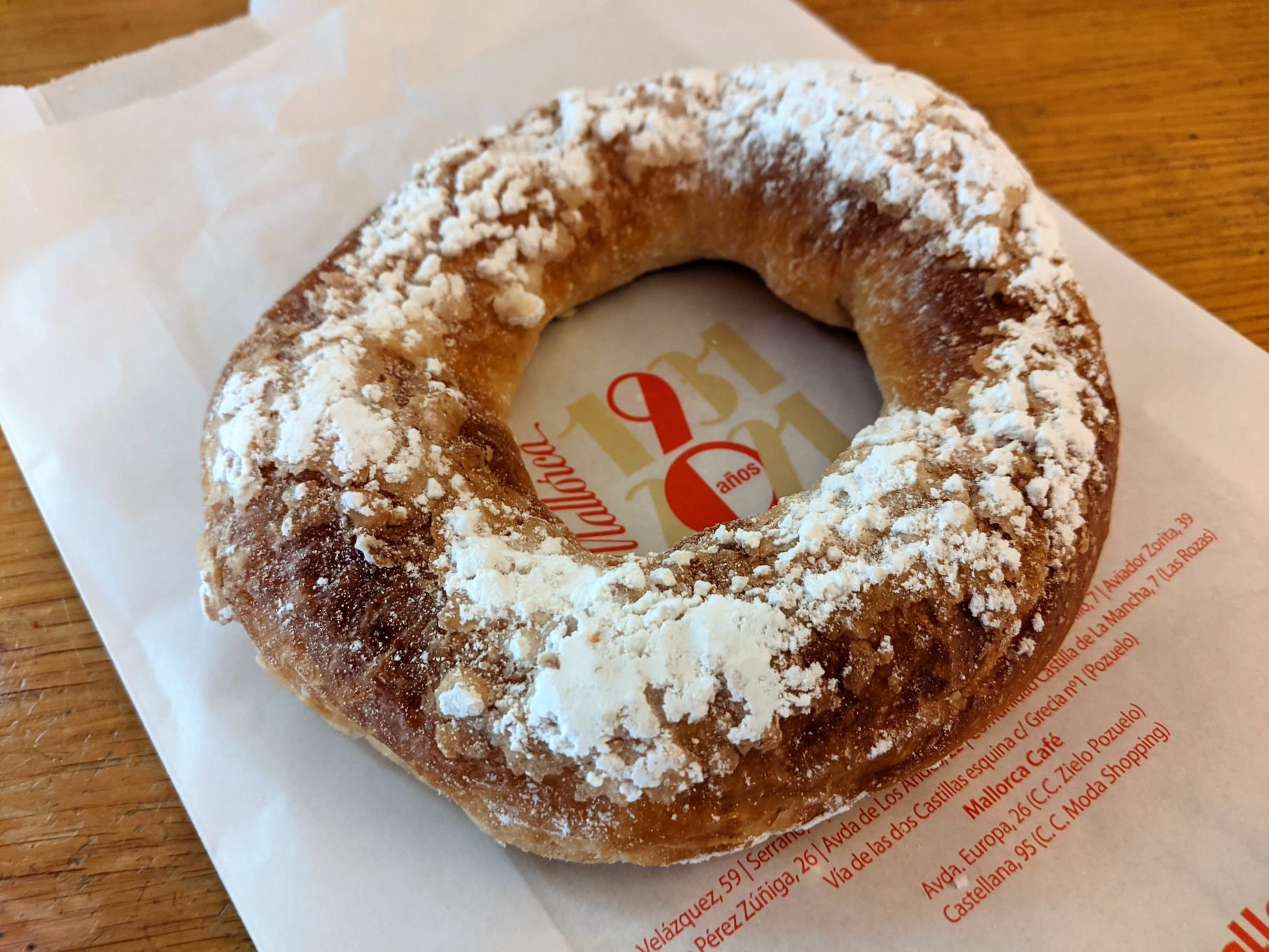
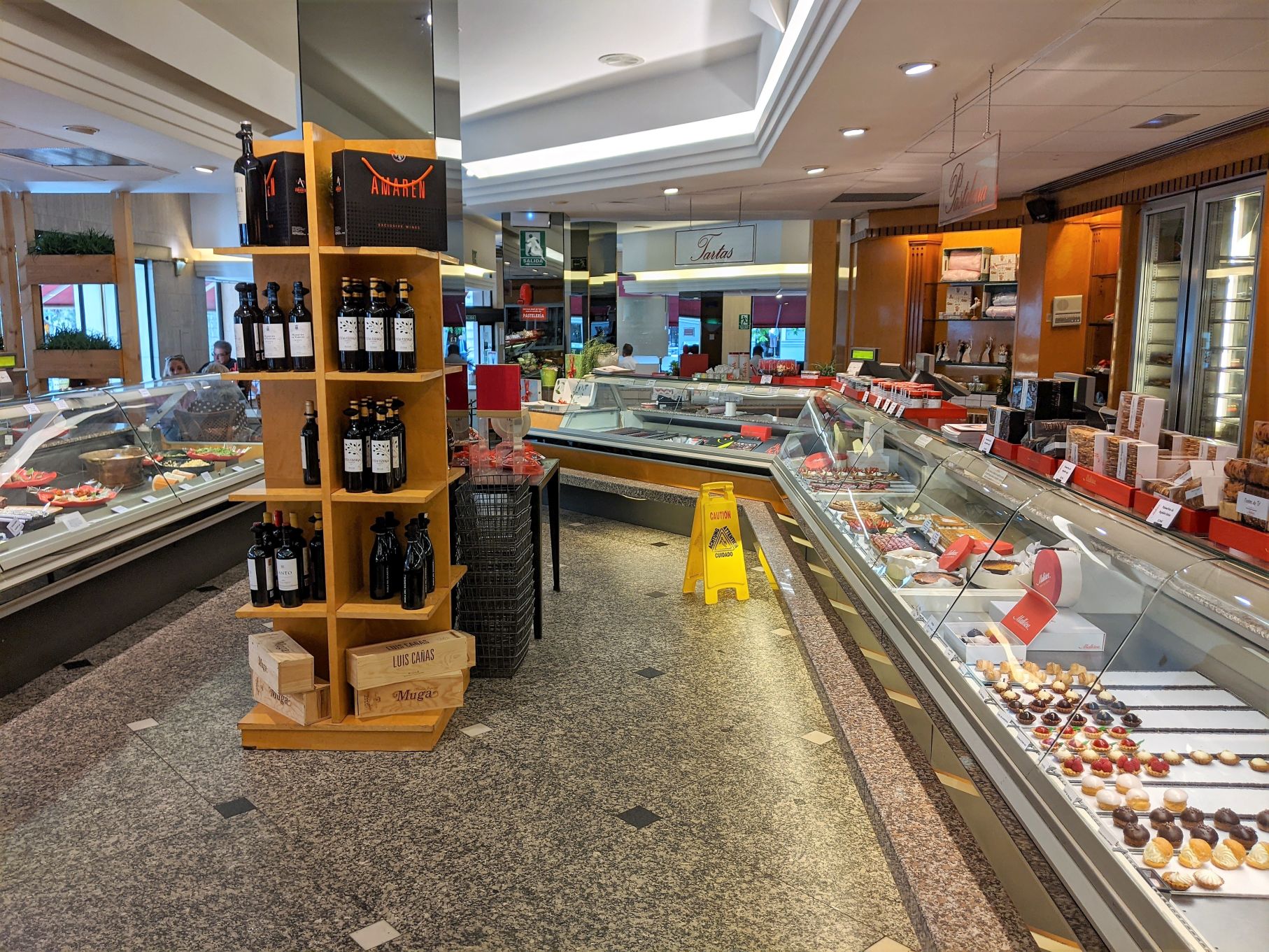
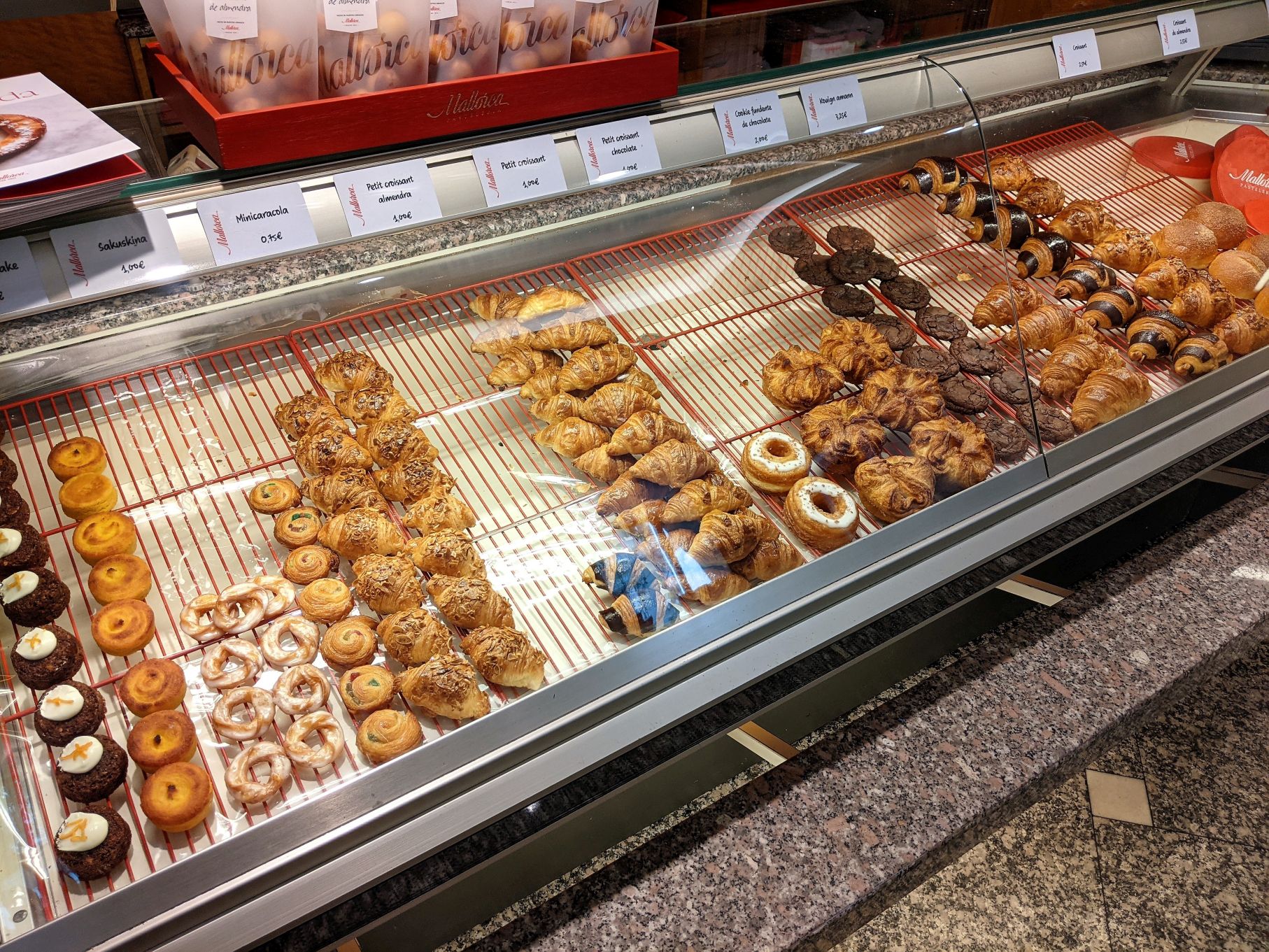
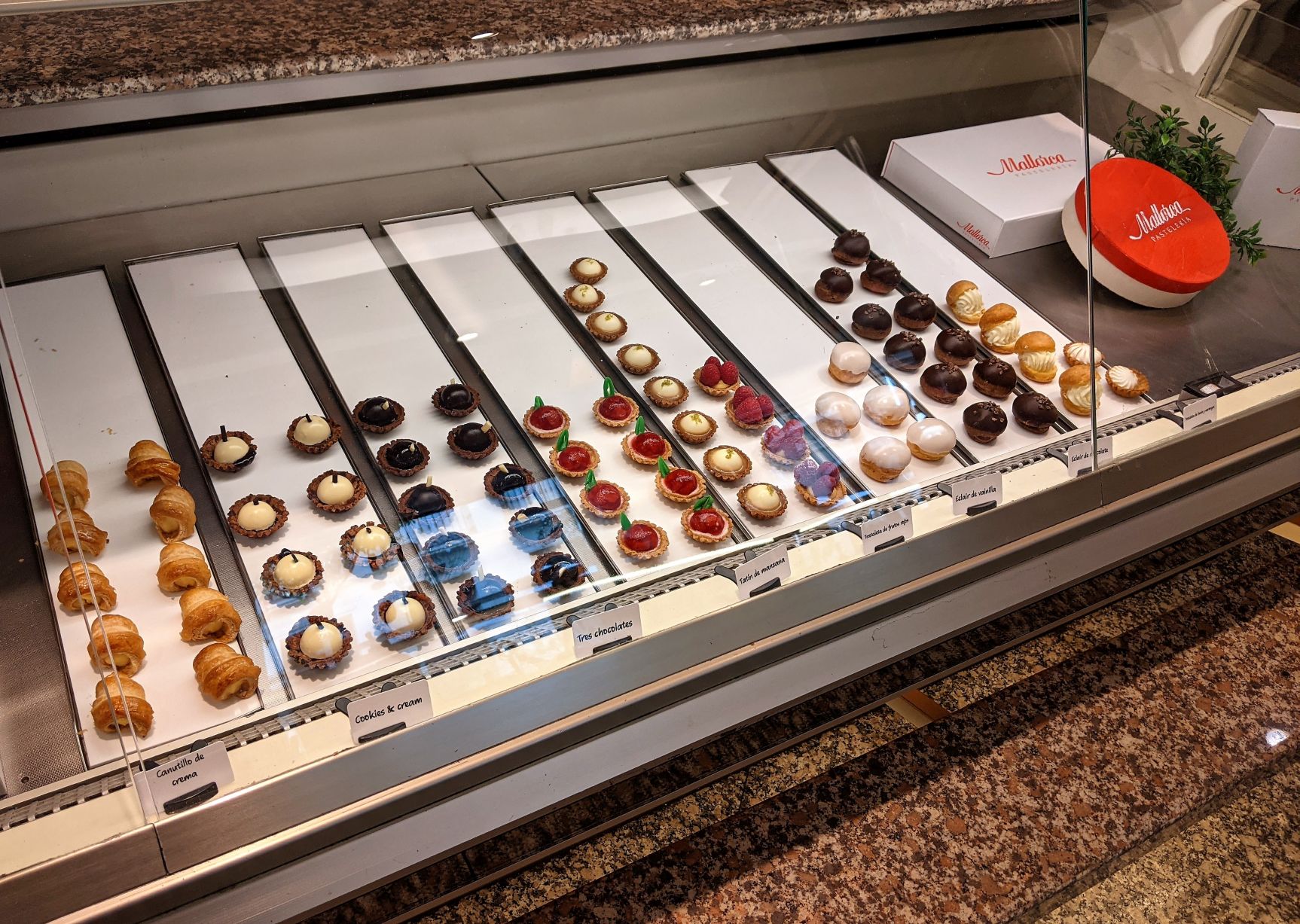
Established by Bernardino Moreno in 1931, and still built around his original recipes across several storefronts, Pasteleria Mallorca has grown into a full-service Restaurant serving sweets, savories and an extensive collection of gourmet products.
Always made on-site, with Pastries varying from morning to night, it is upon entry that eyes widen to the sprawling space on Calle de Serrano, its outdoor patio filled with customers enjoying Beverages while shelves contain everything from Sandwiches and Charcuterie to Viennoiseries.
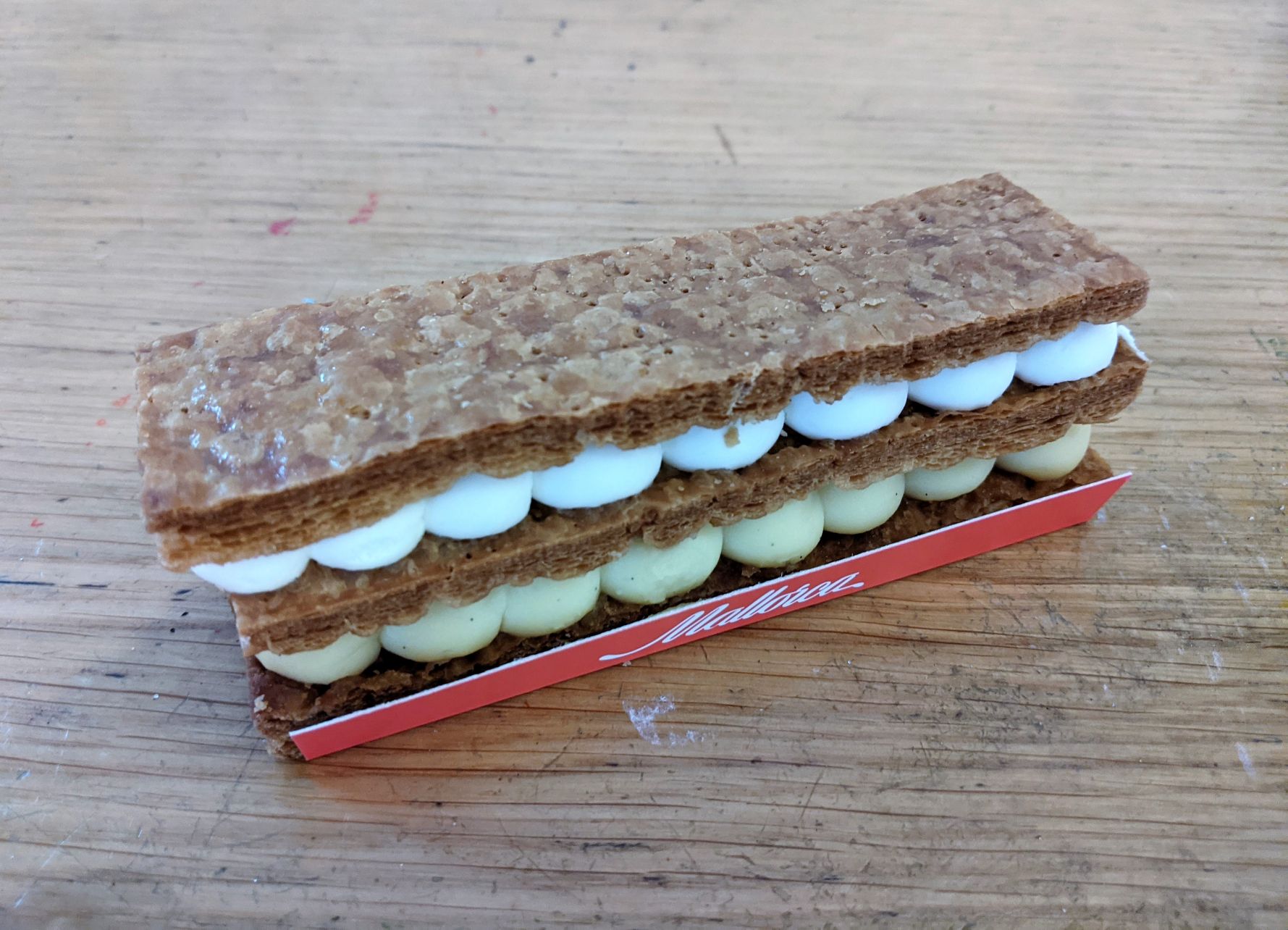
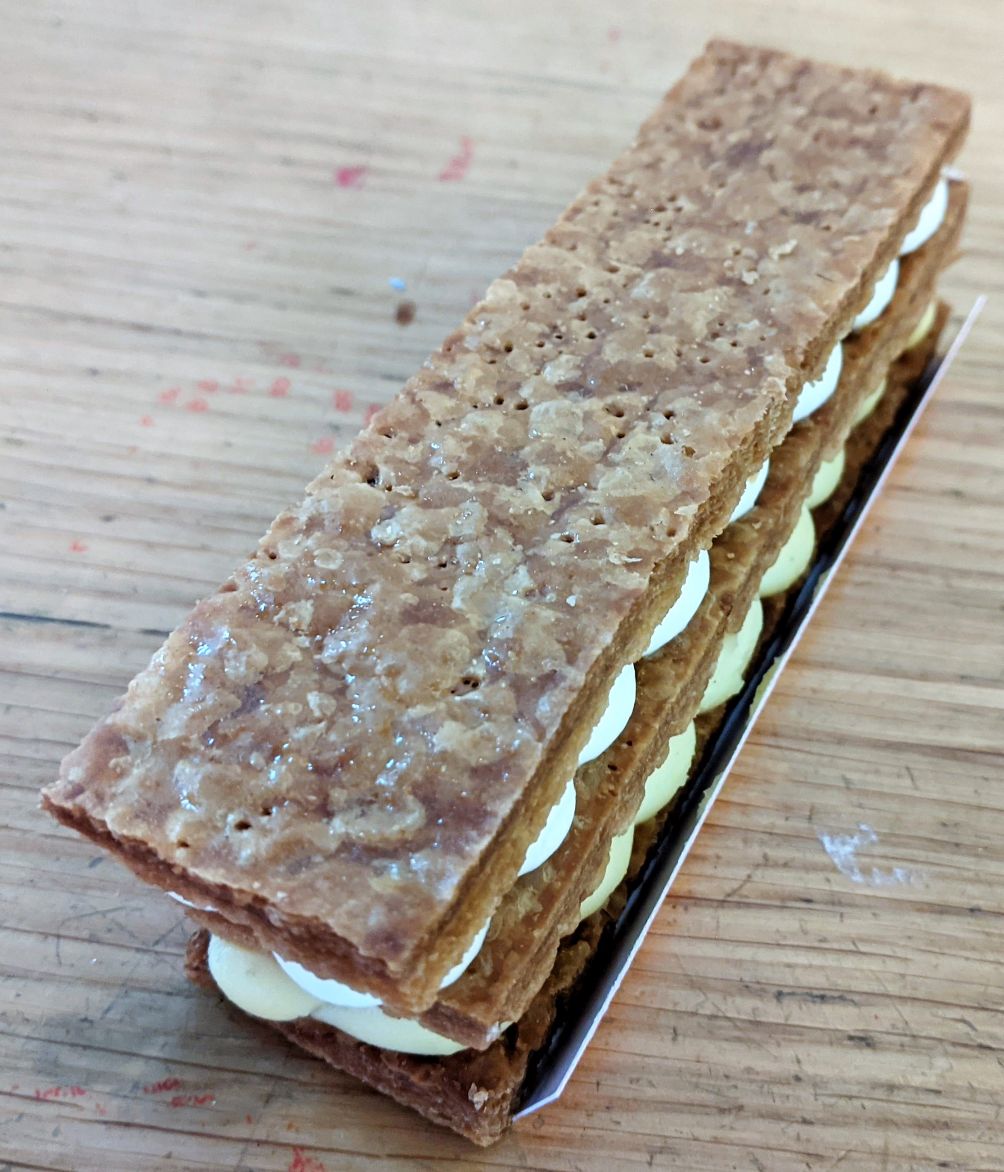
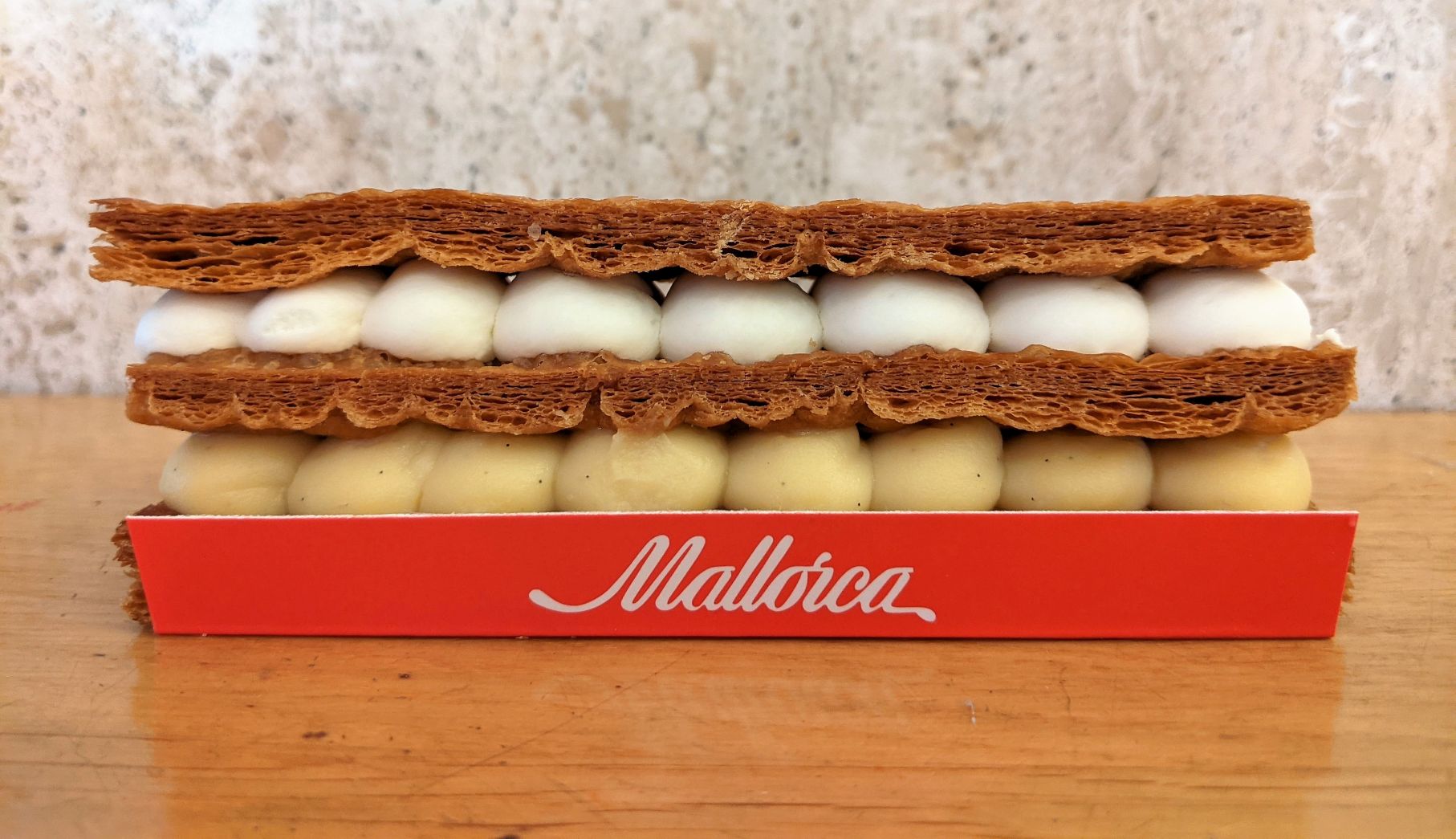
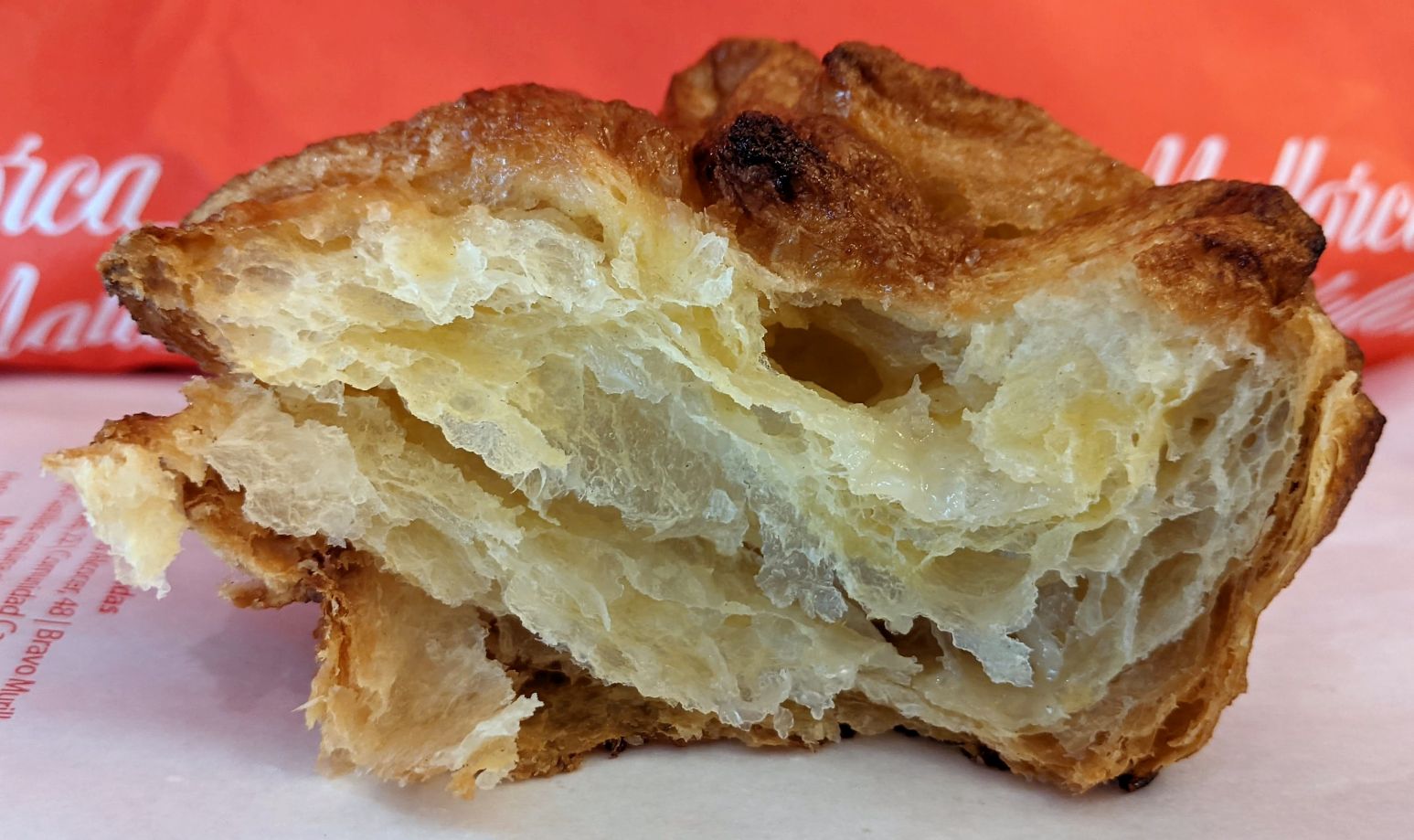
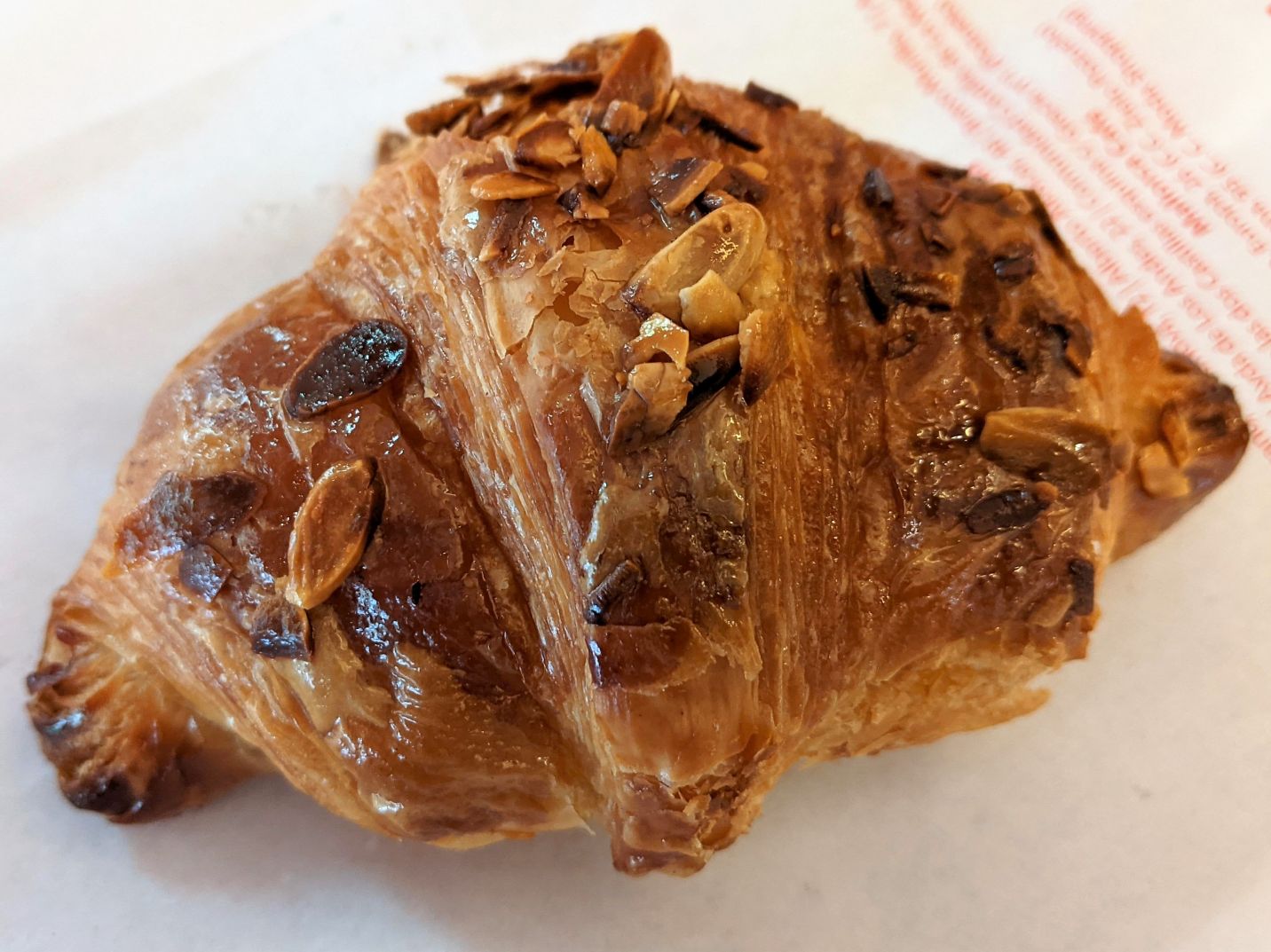
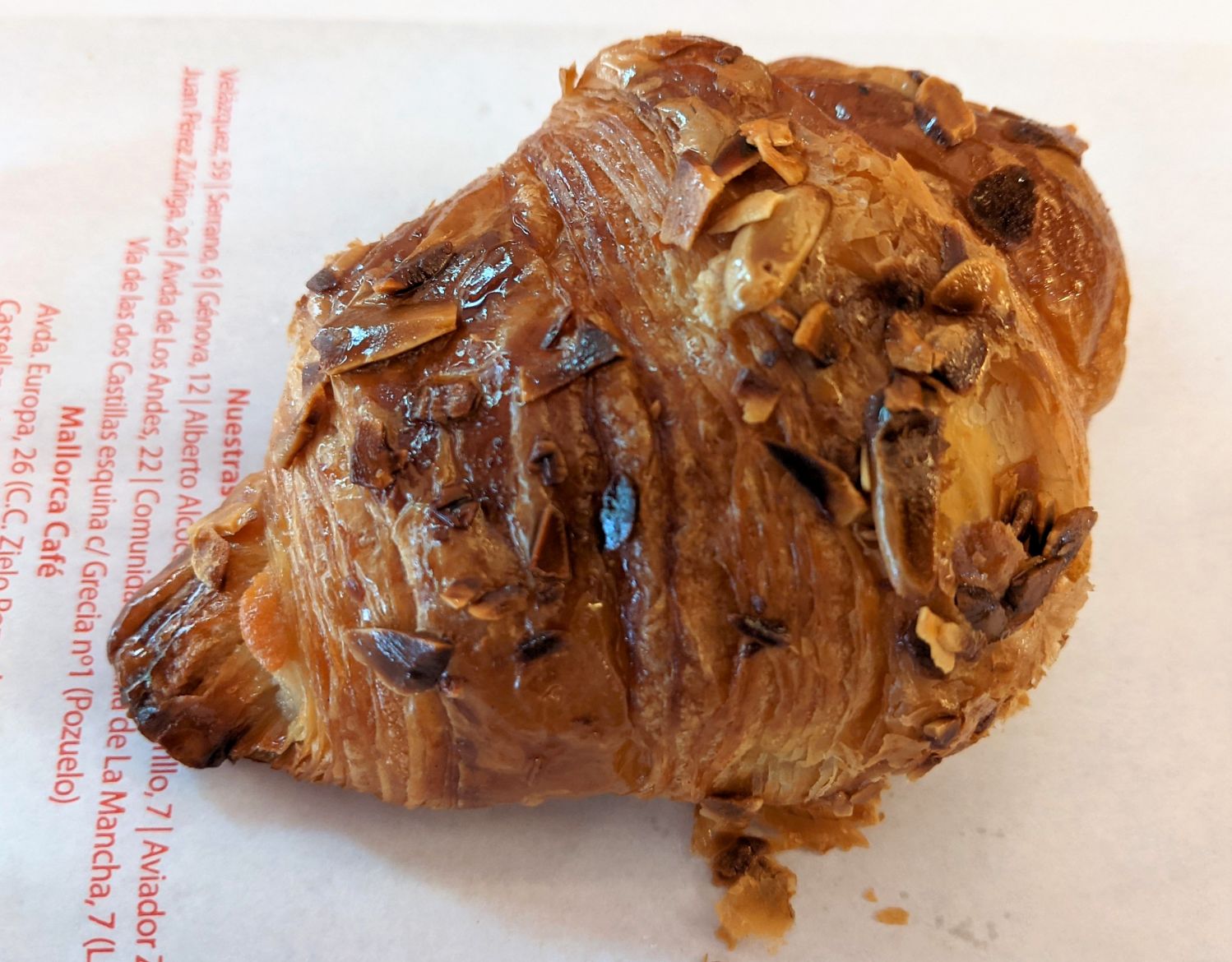
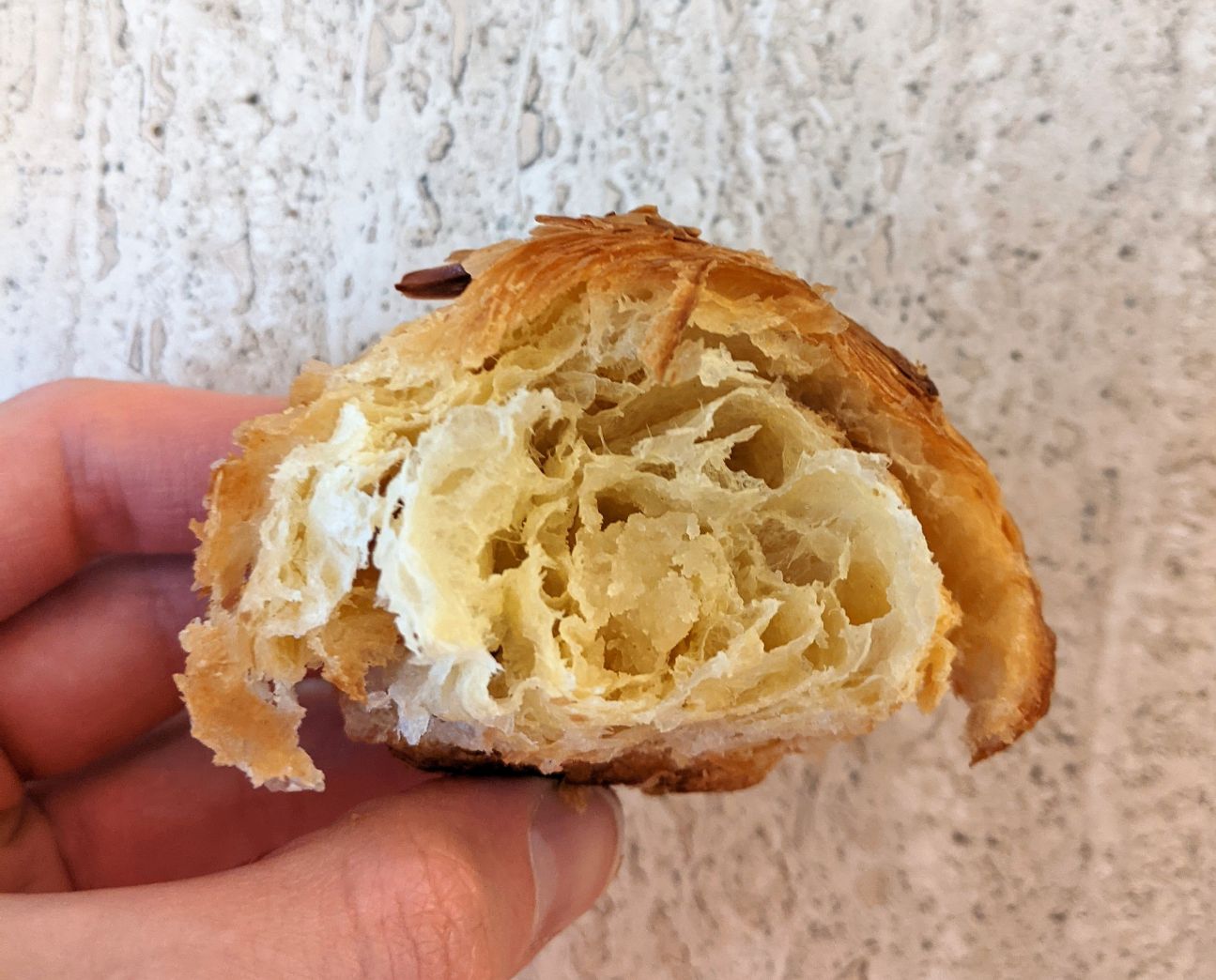
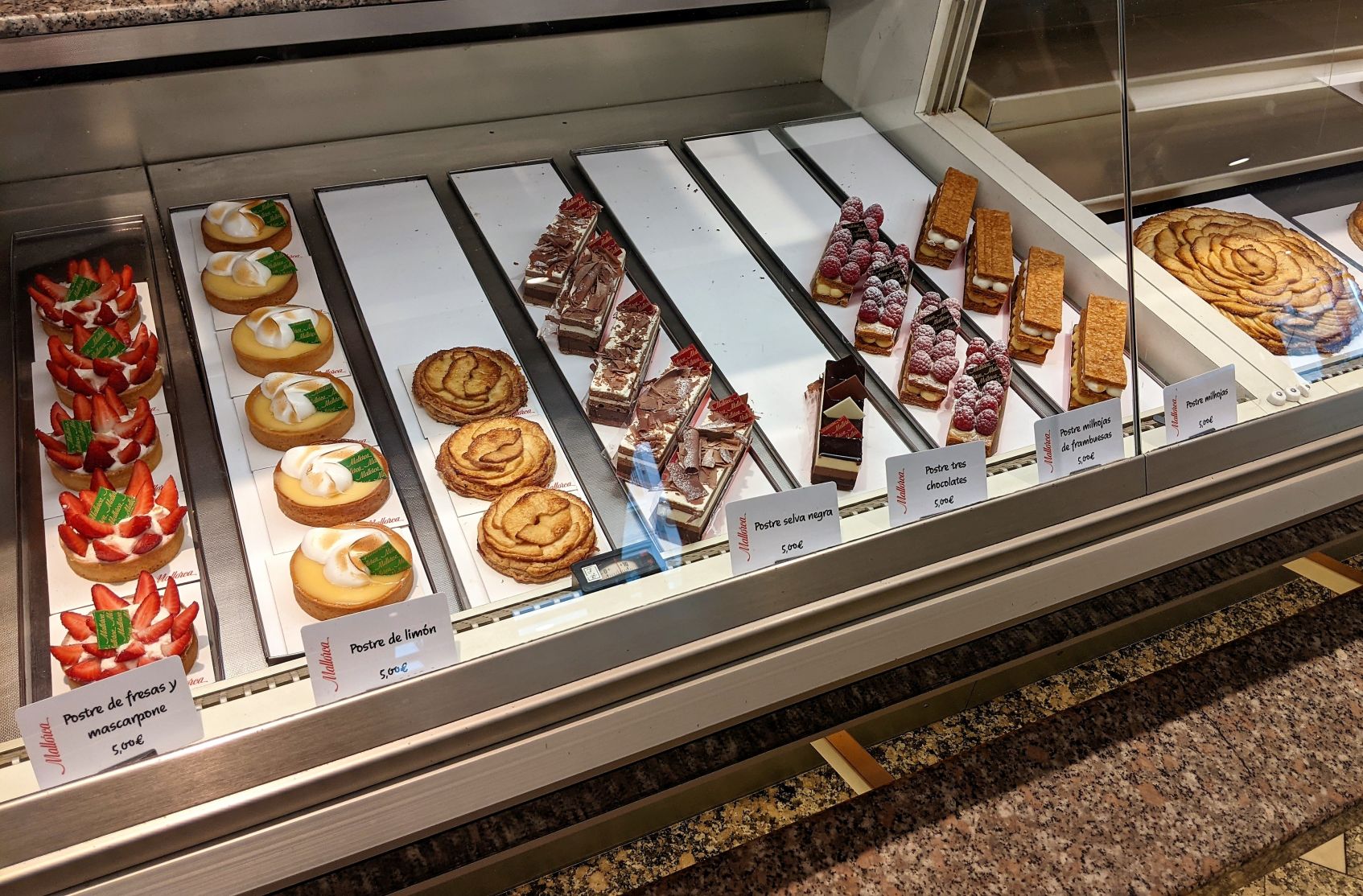
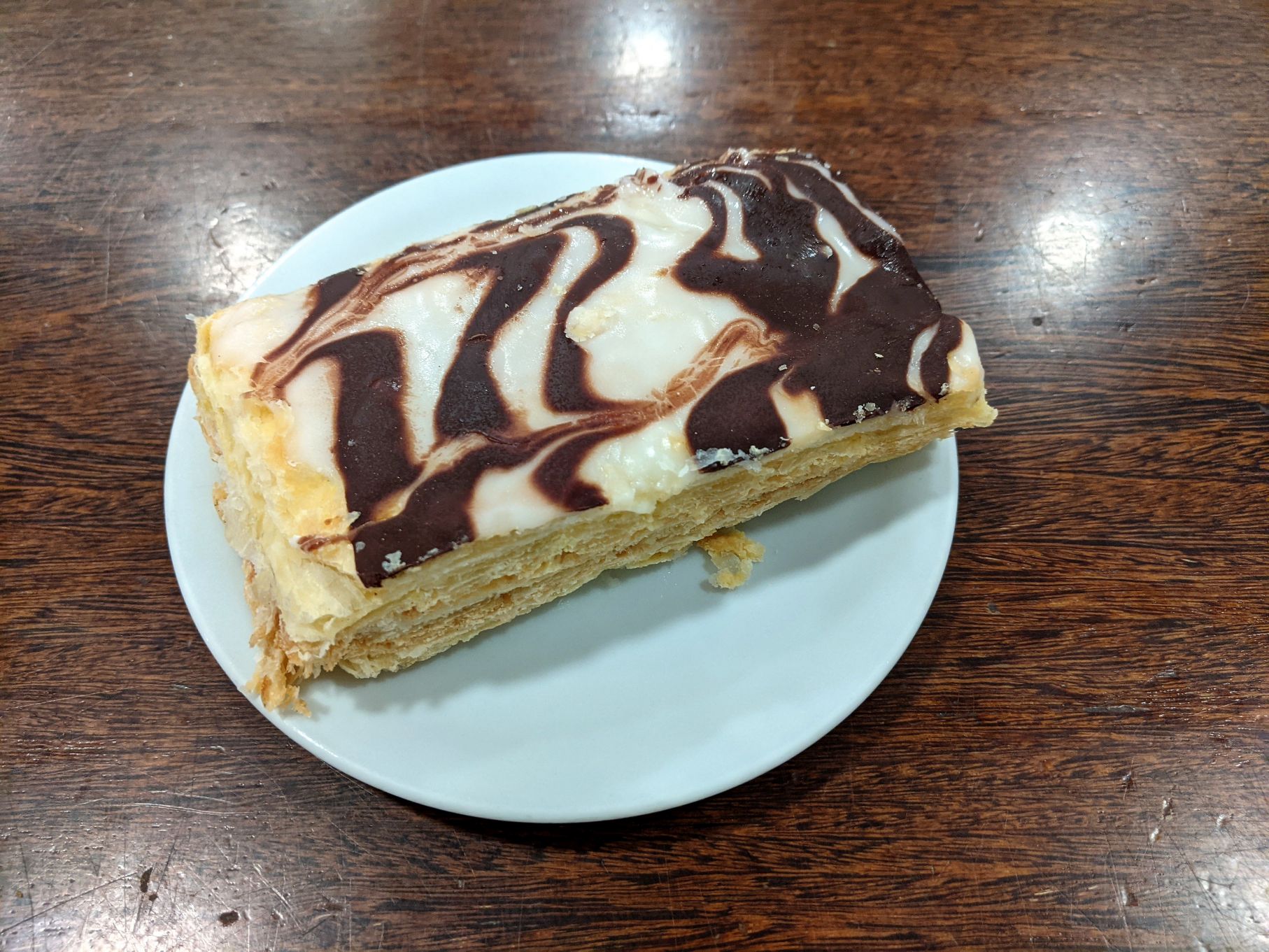
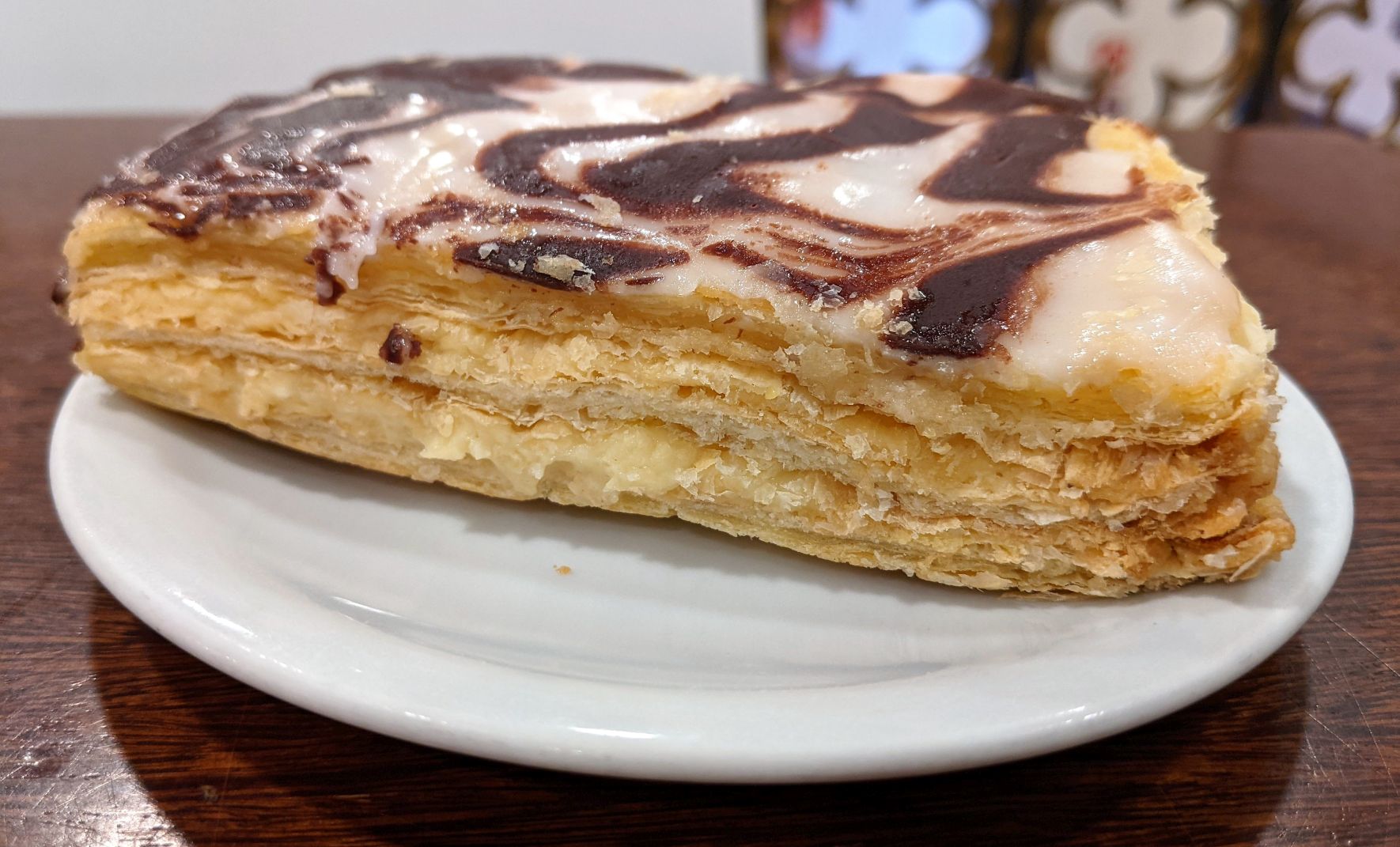
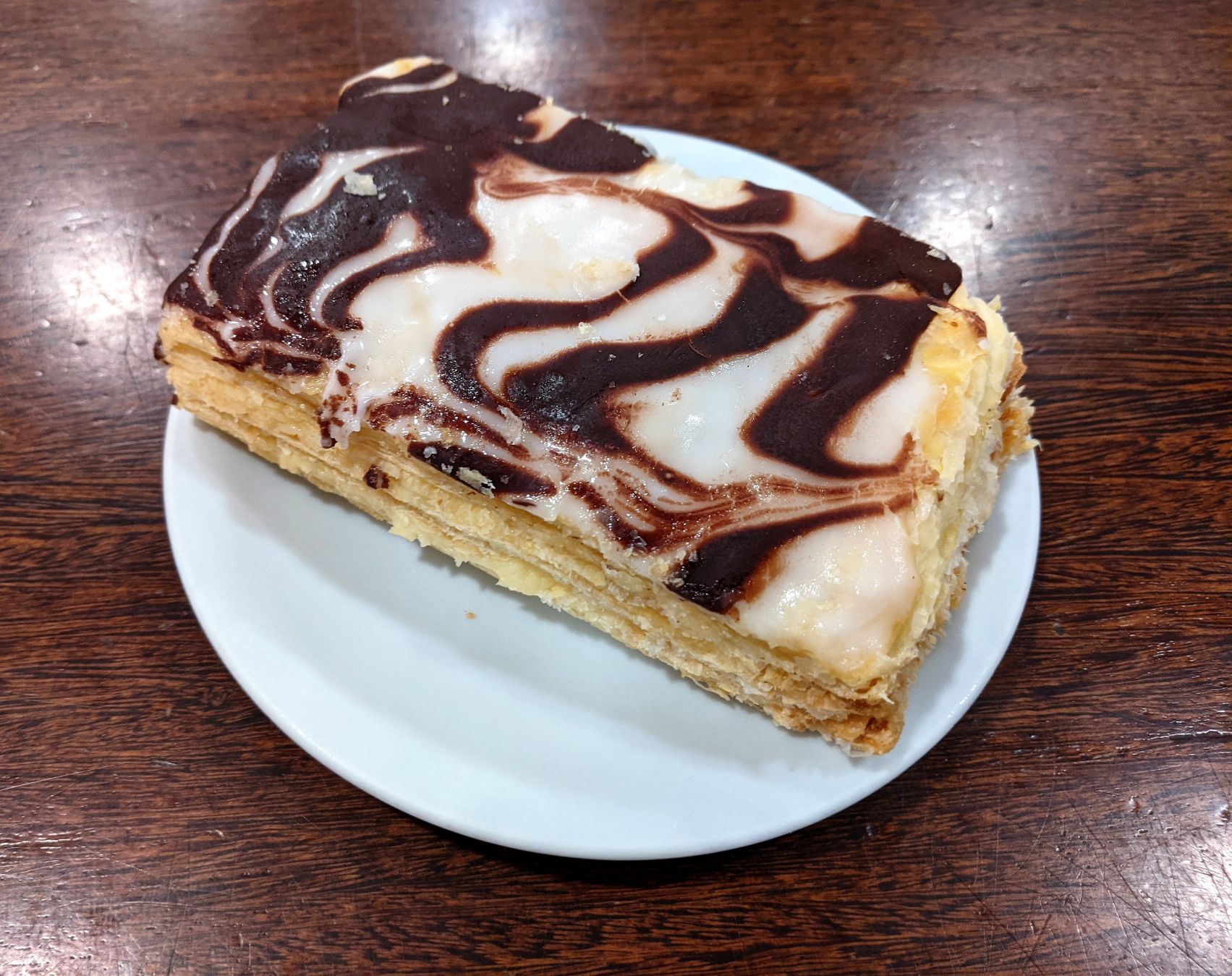
Now found from Tokyo to Mexico City, each store similar but also attuned to local traditions, Mallorca’s Mille Feuille knows better than to compromise a classic and thus features shattering layers divided by Pastry Cream while the Almond Croissant skips Frangipane in favor of Nuts and a bit of essence amidst admirable honeycombing.
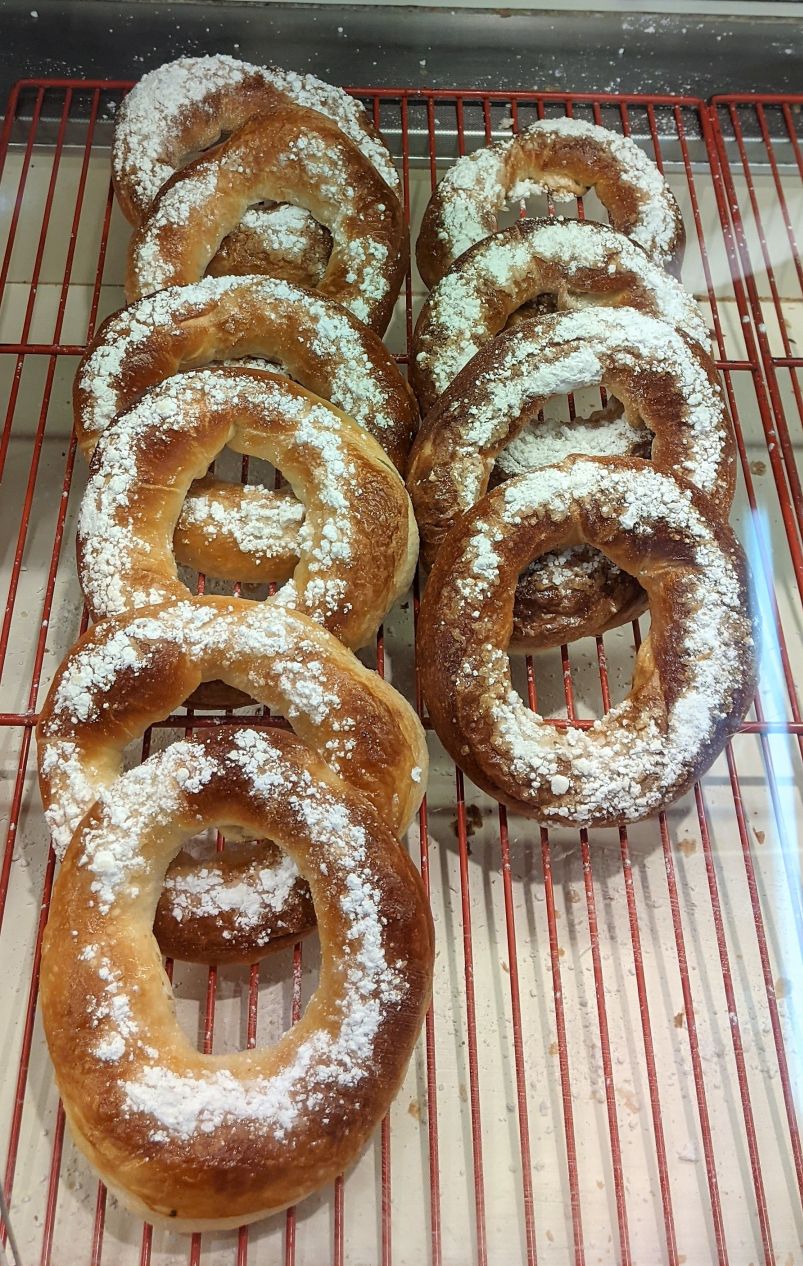
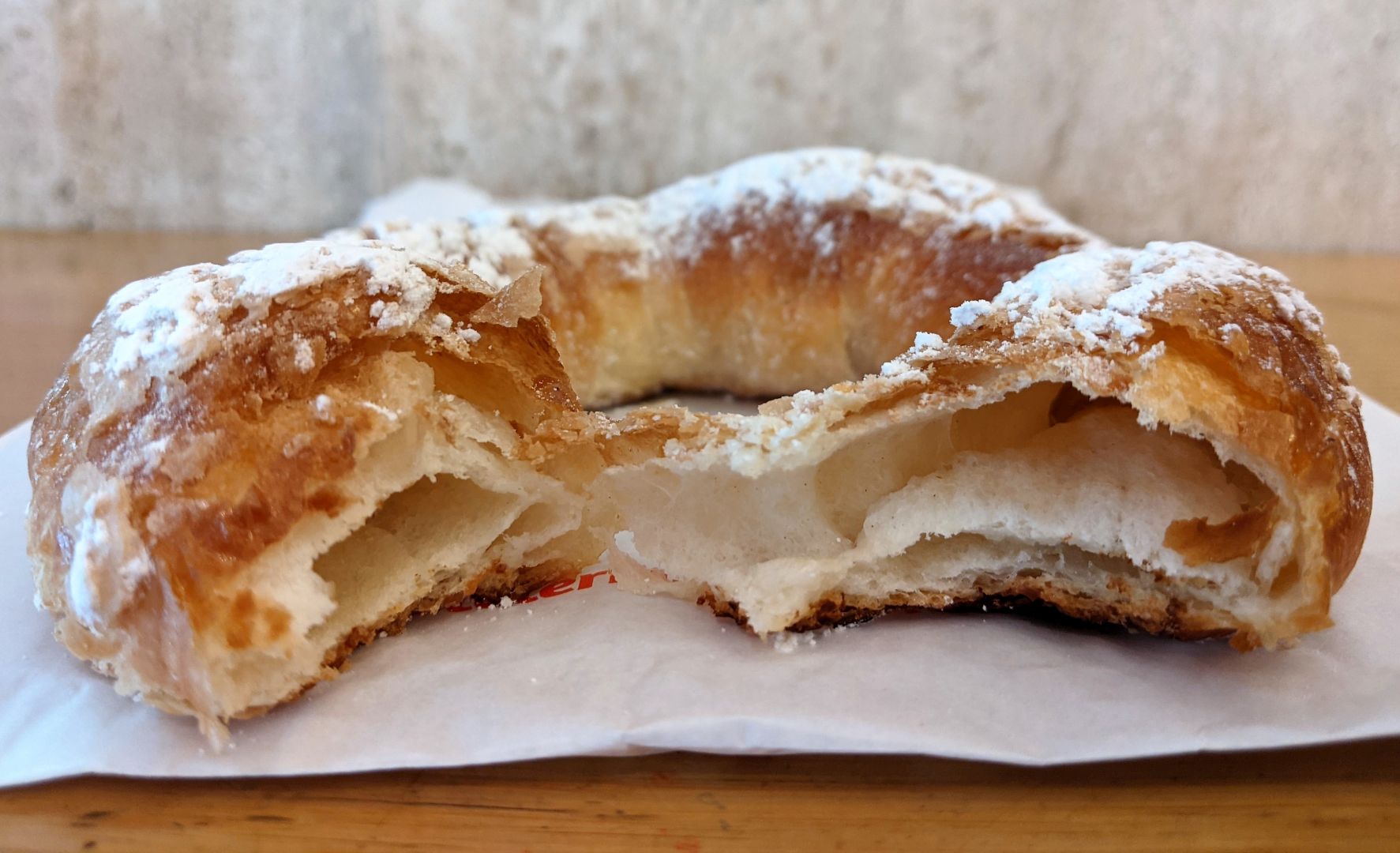
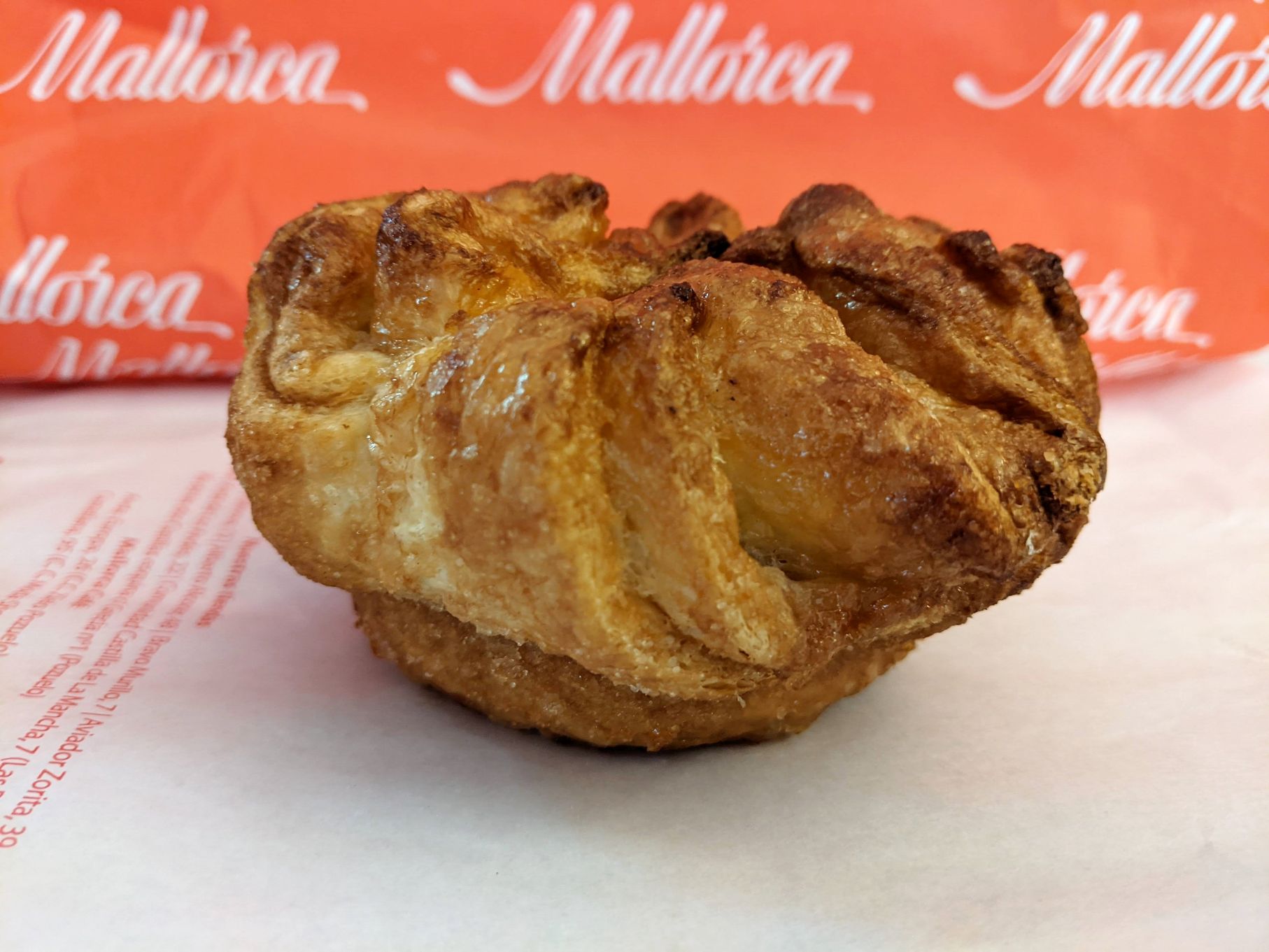
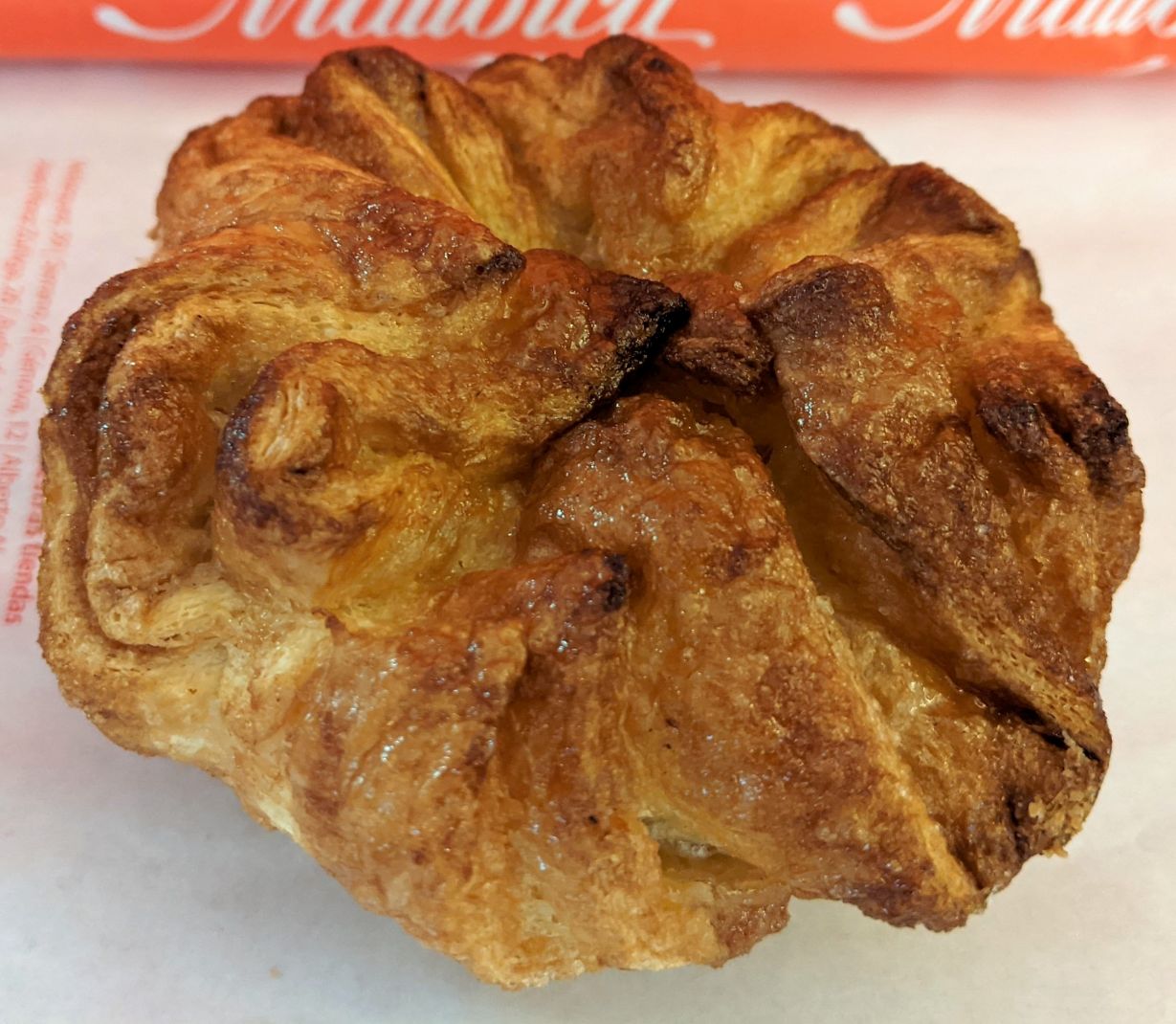
Skipping Ensaimadas in favor of Kouign Amann, a mistake as the latter had clearly sat on shelves longer than ideal, Tortell came highly recommended by staff with good reason, the Catalonian Pastry usually served at Epiphany lightly glazed and puffy with Marzipan Filling.
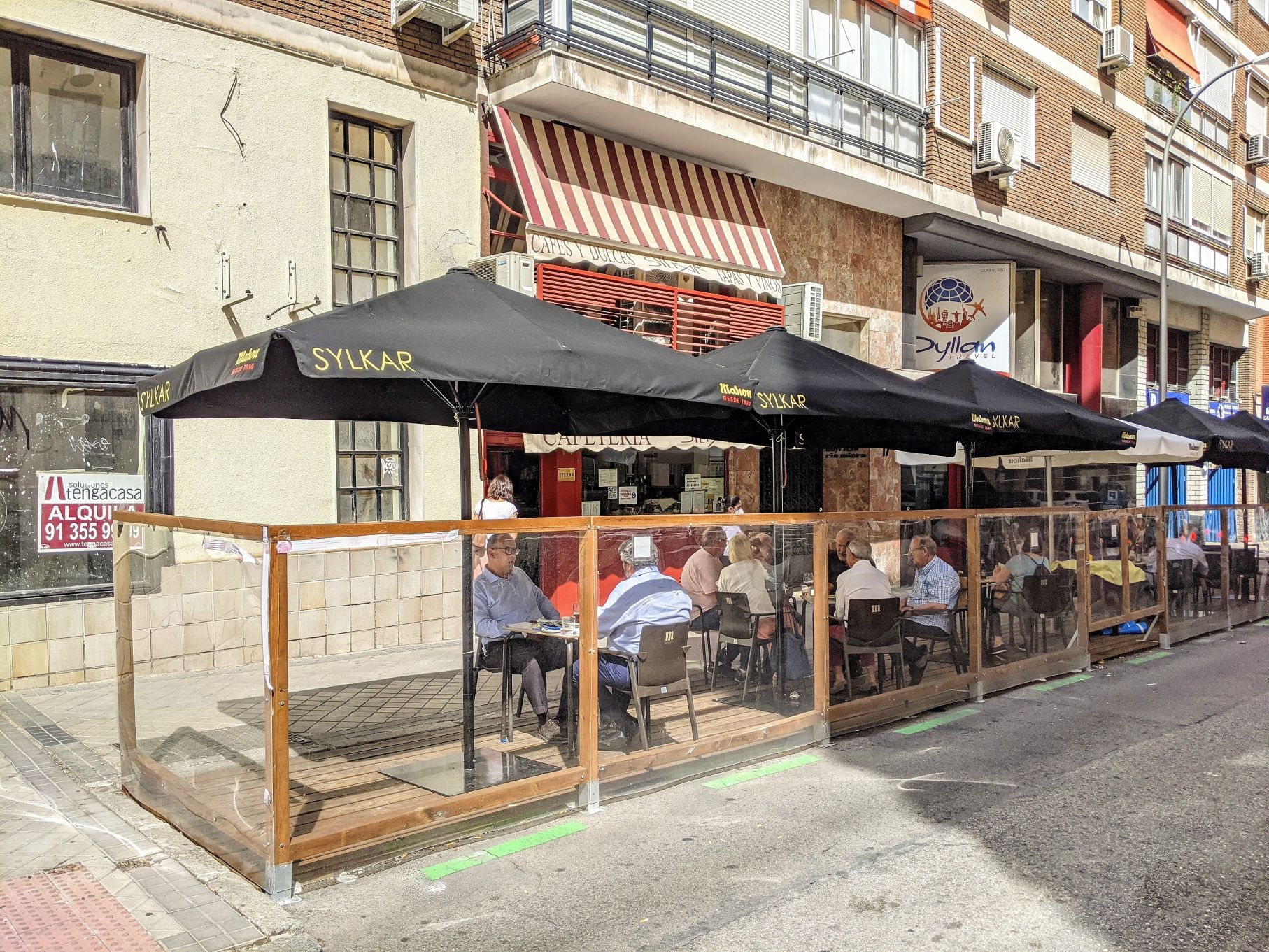
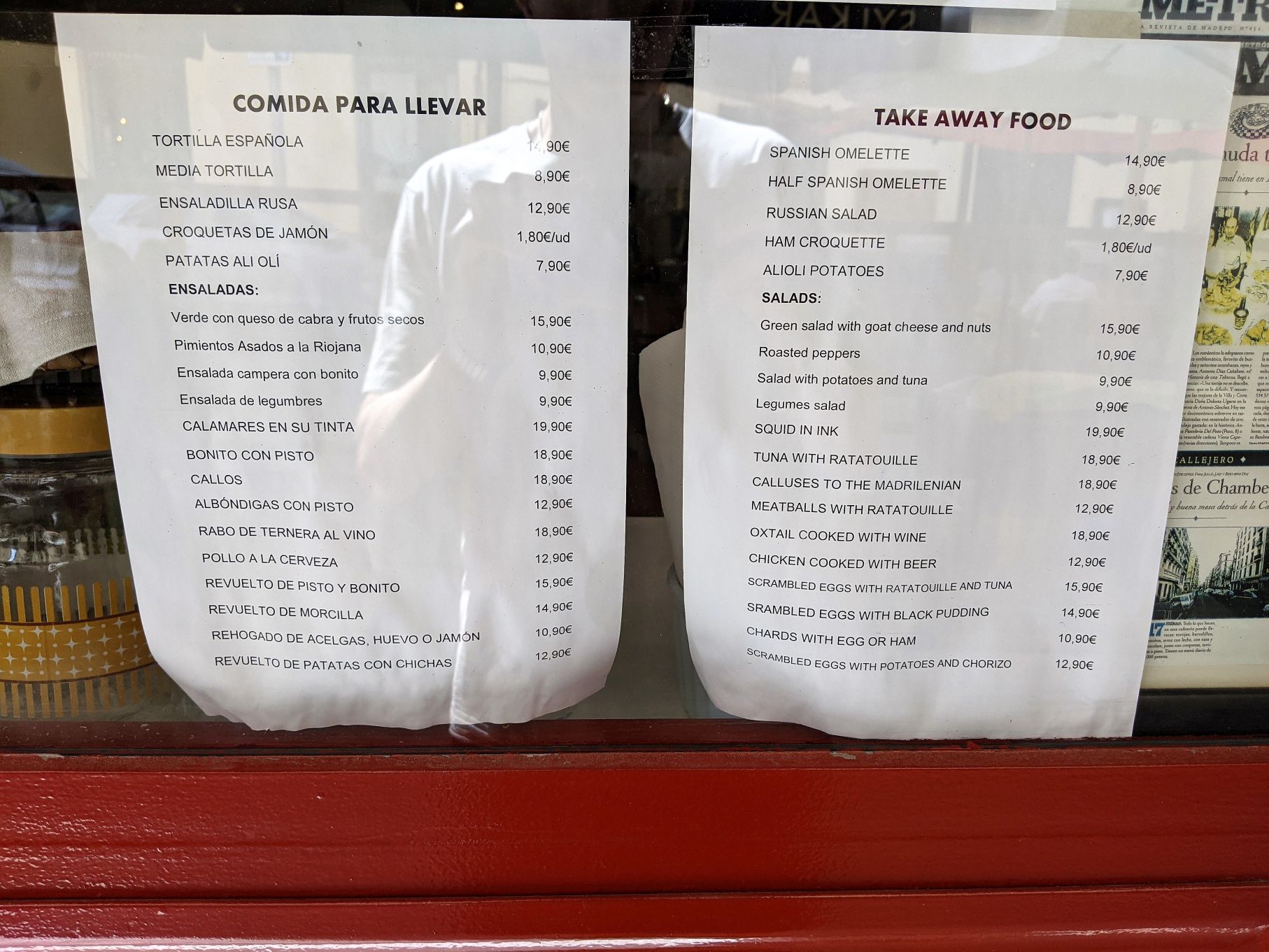
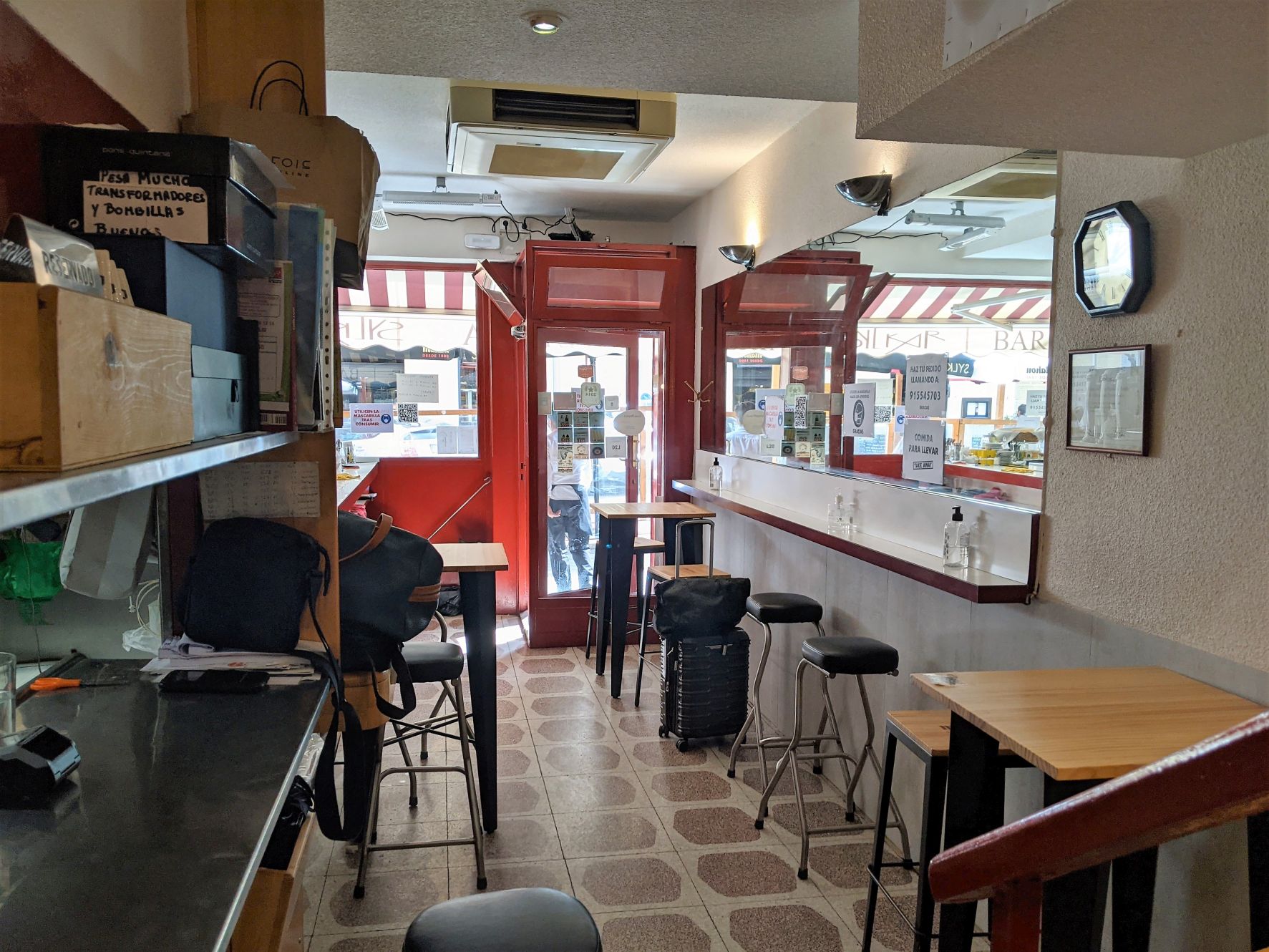
Heralded by many for serving Madrid’s best Spanish Tortilla, a location outside city-center easily accessed via Metro, Sylkar was well known for outdoor dining long before the pandemic as a result of its tiny interior and loyal local following.
Family-run since its inception, recipes over a half-century old comprising a menu more sizable than one might expect given Sylkar’s footprint, it is from early until late that guests sit down at the Chamberí Bar to indulge with plates steeped in history.
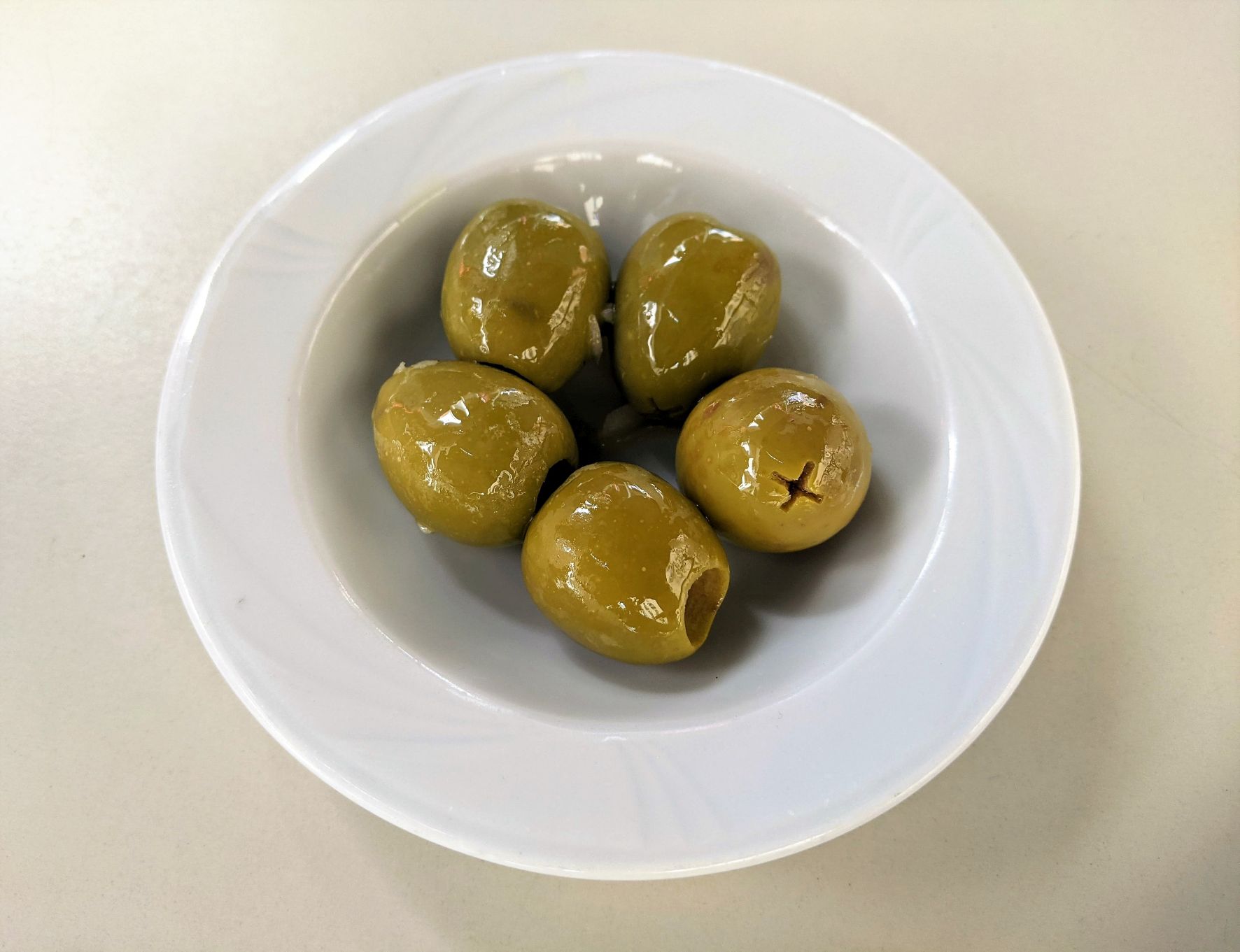
Served via Spain’s famous “racions,” or media-racions for those desiring variety, it is shortly after seating that guests are offered Olives and a Beverage, Spanish-exclusive staff and descriptions built on brevity requiring a bit of knowledge (or chance taking.)
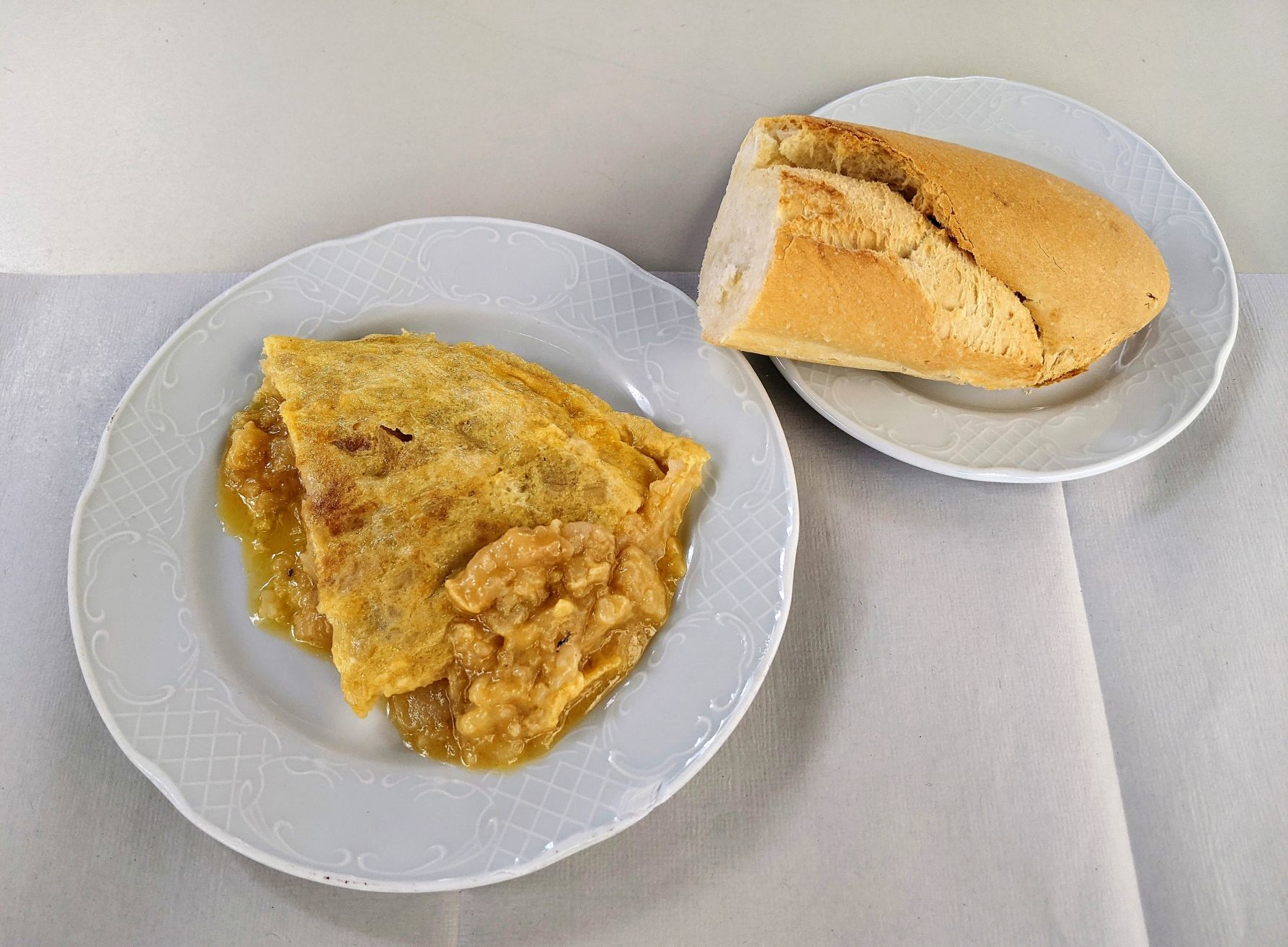
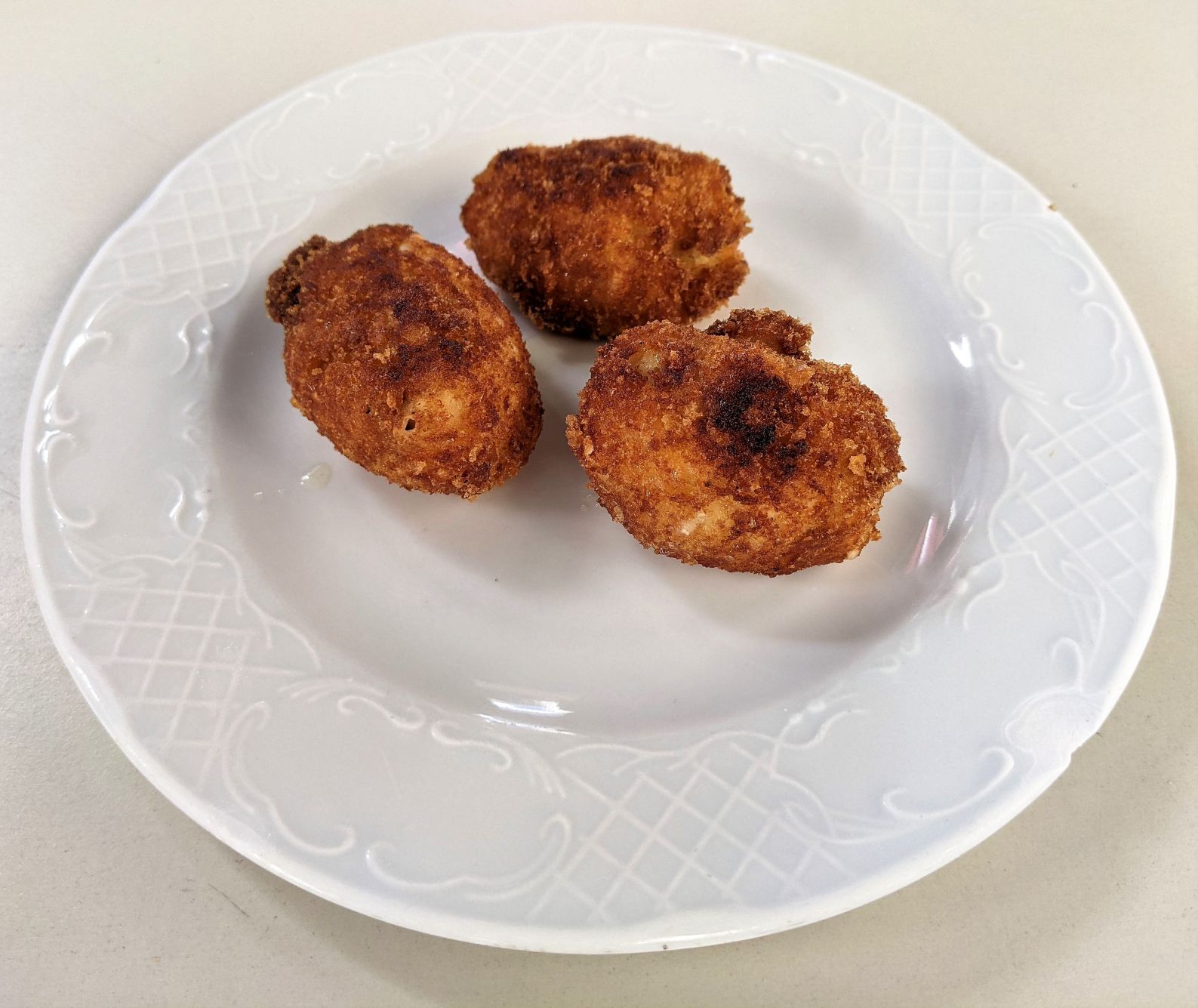
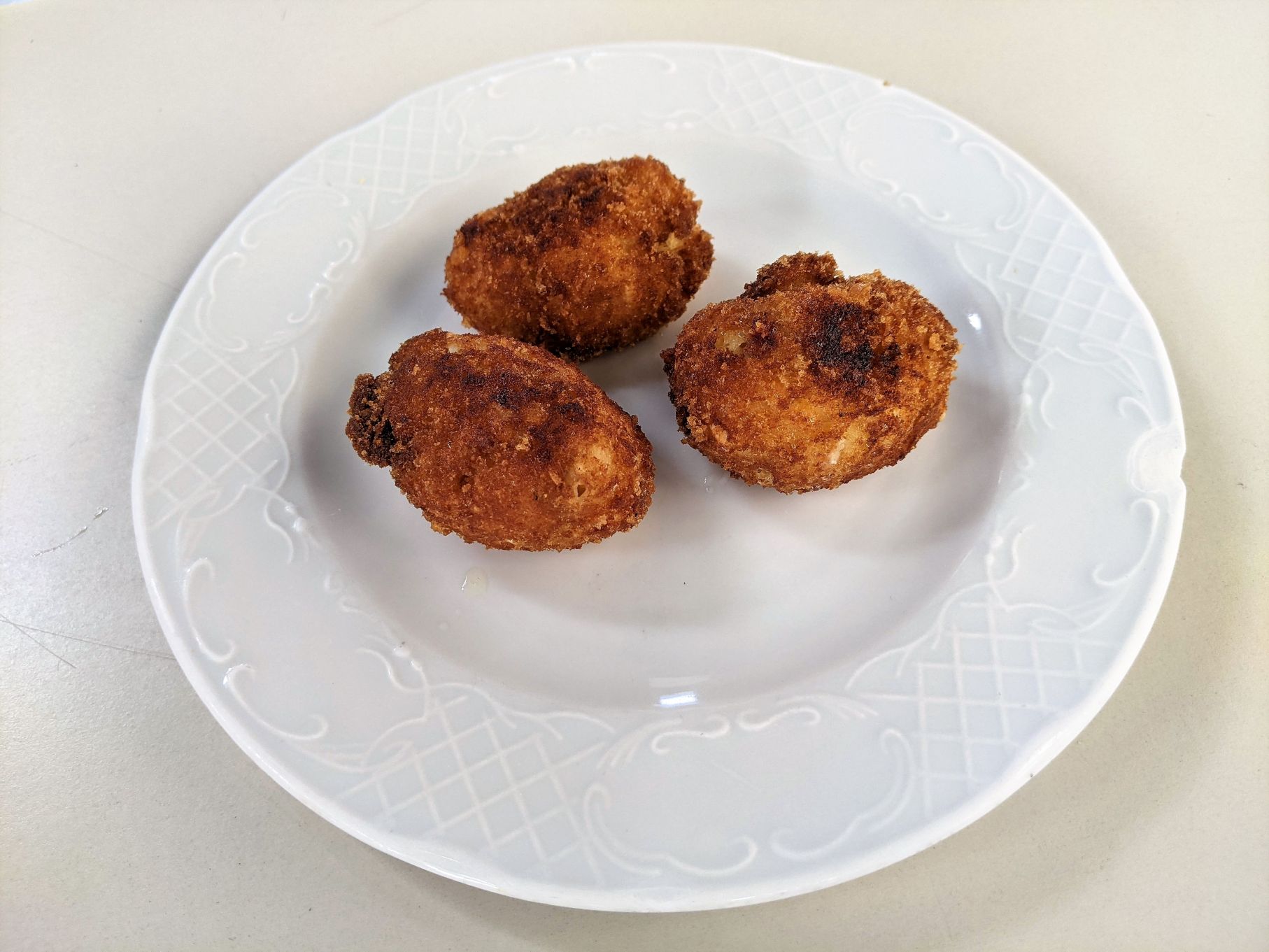
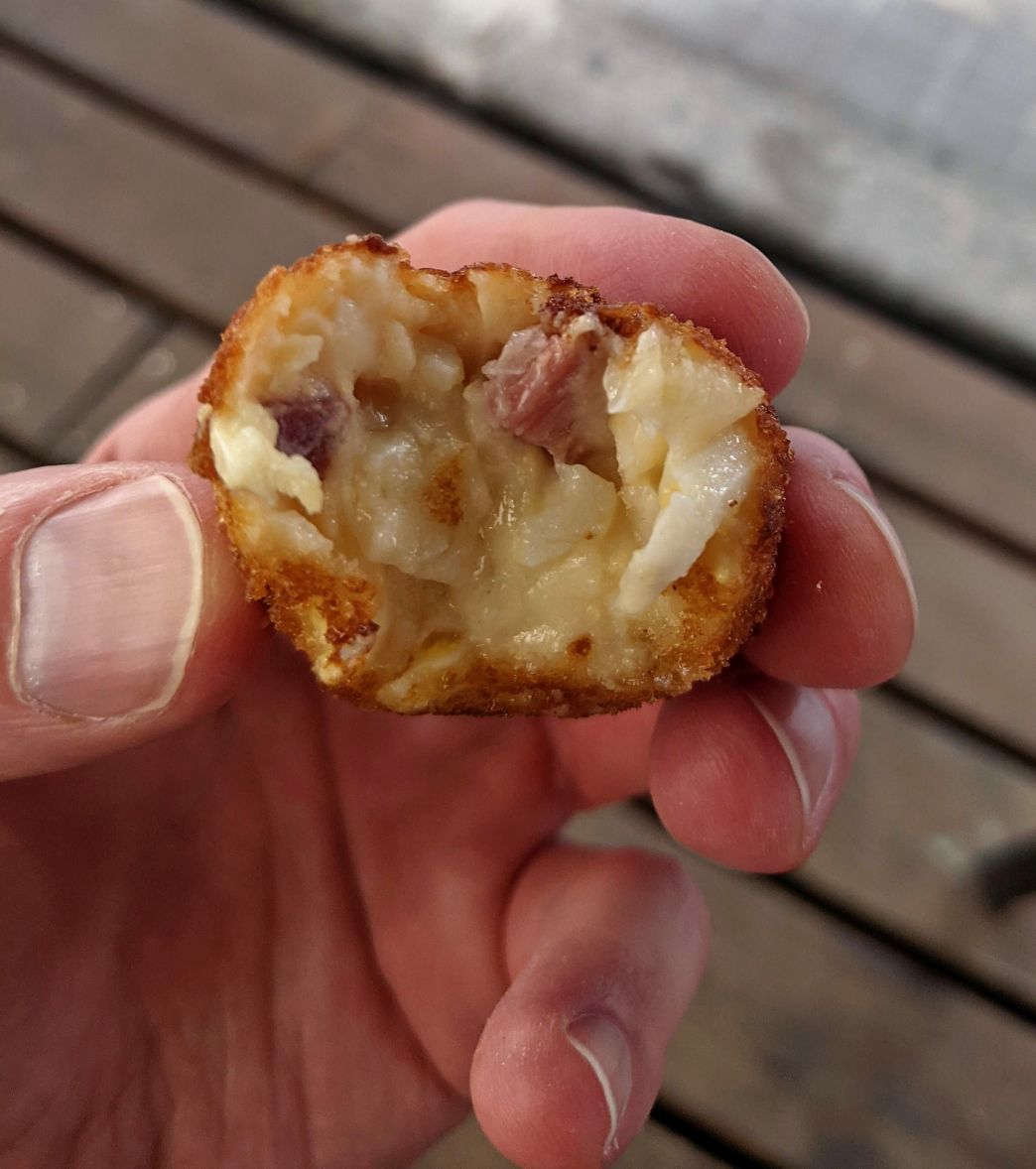
Visibly serving Tortilla at a 1:1 ratio to guests, its center just short of set and oozing onto the plate where each drop can be sopped up by Bread, suffice it to say the Omelette warrants a trip on its own, though Sylkar’s sizeable Croquettas are themselves lighter than most with a bold, porky center.
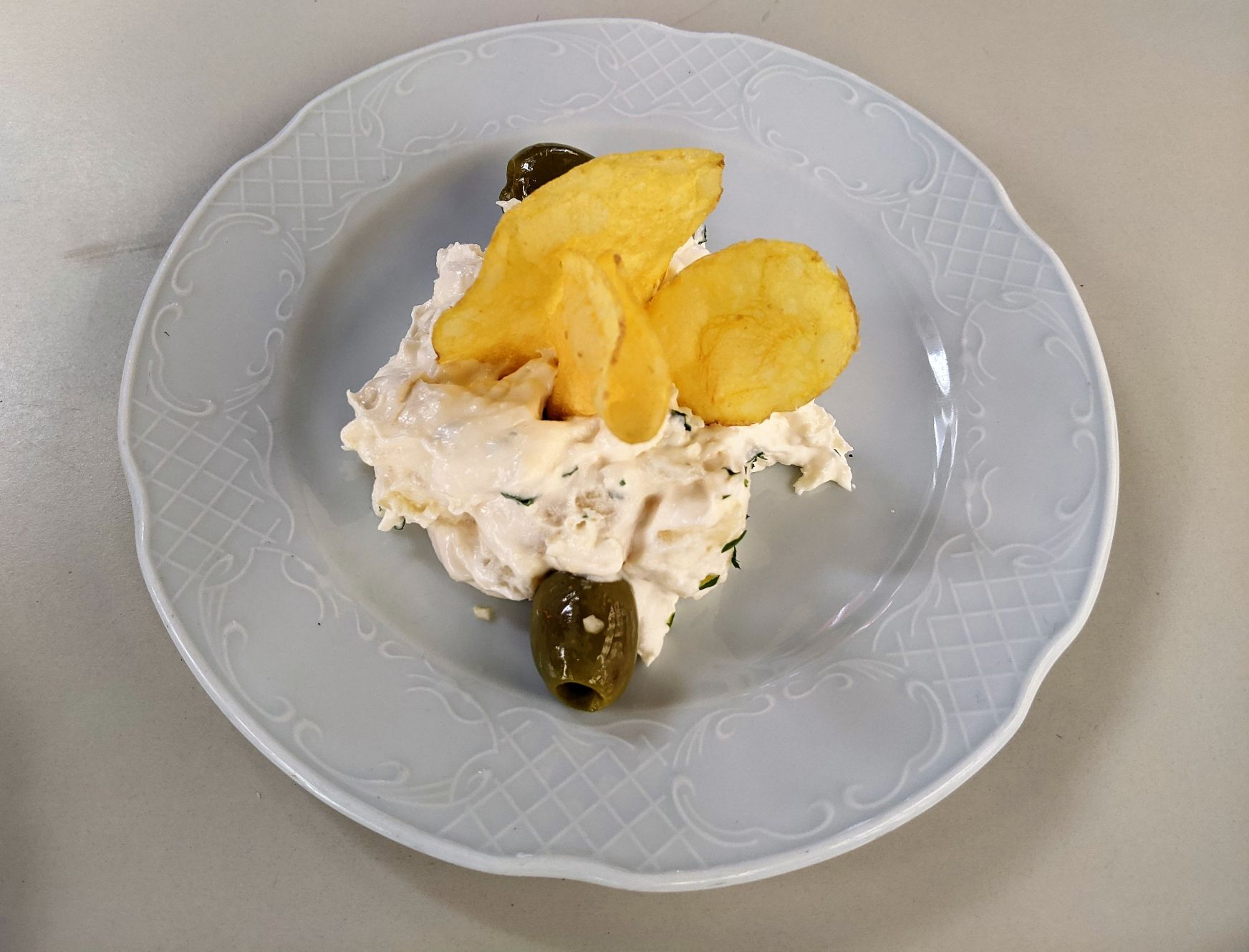
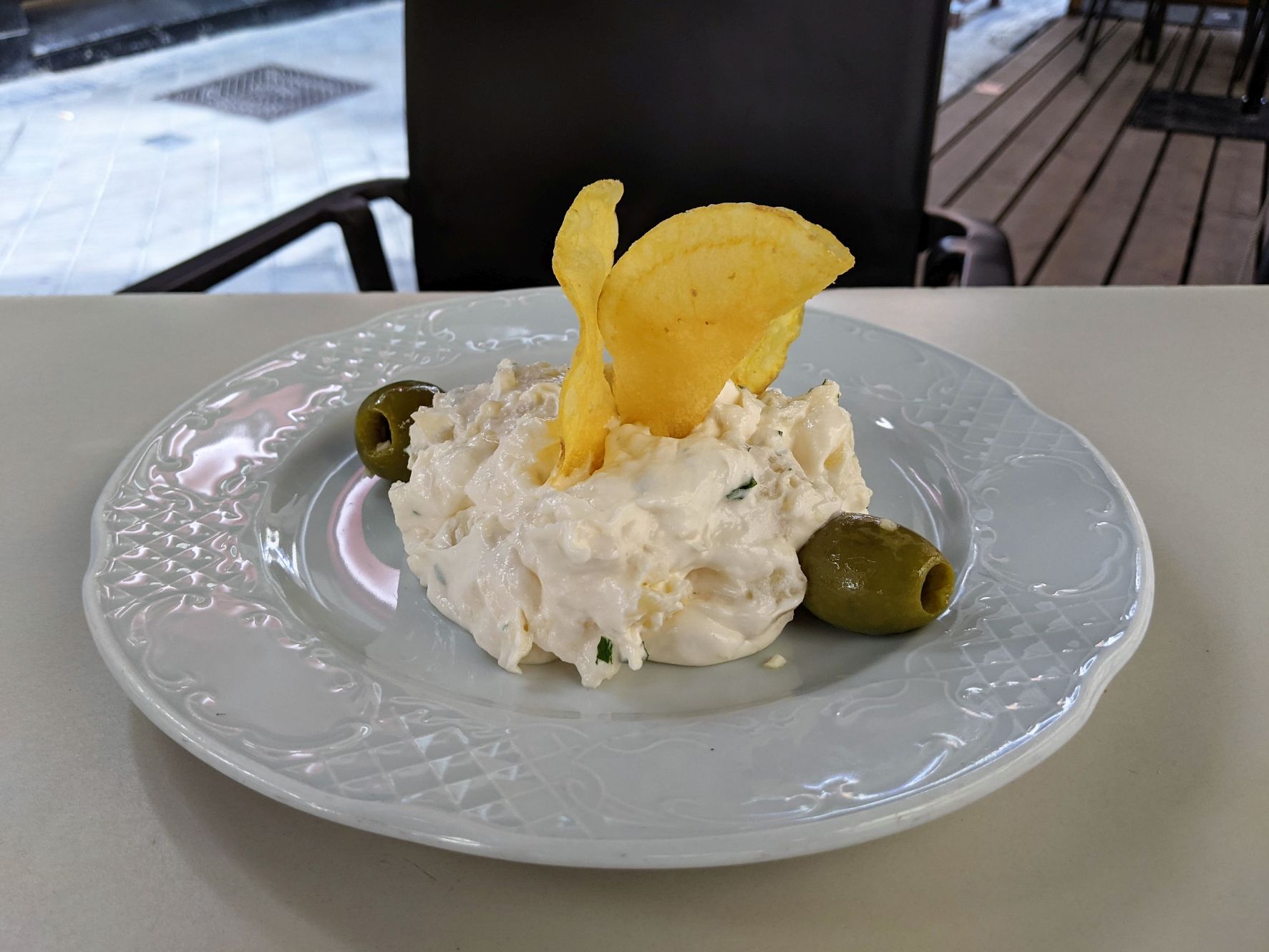
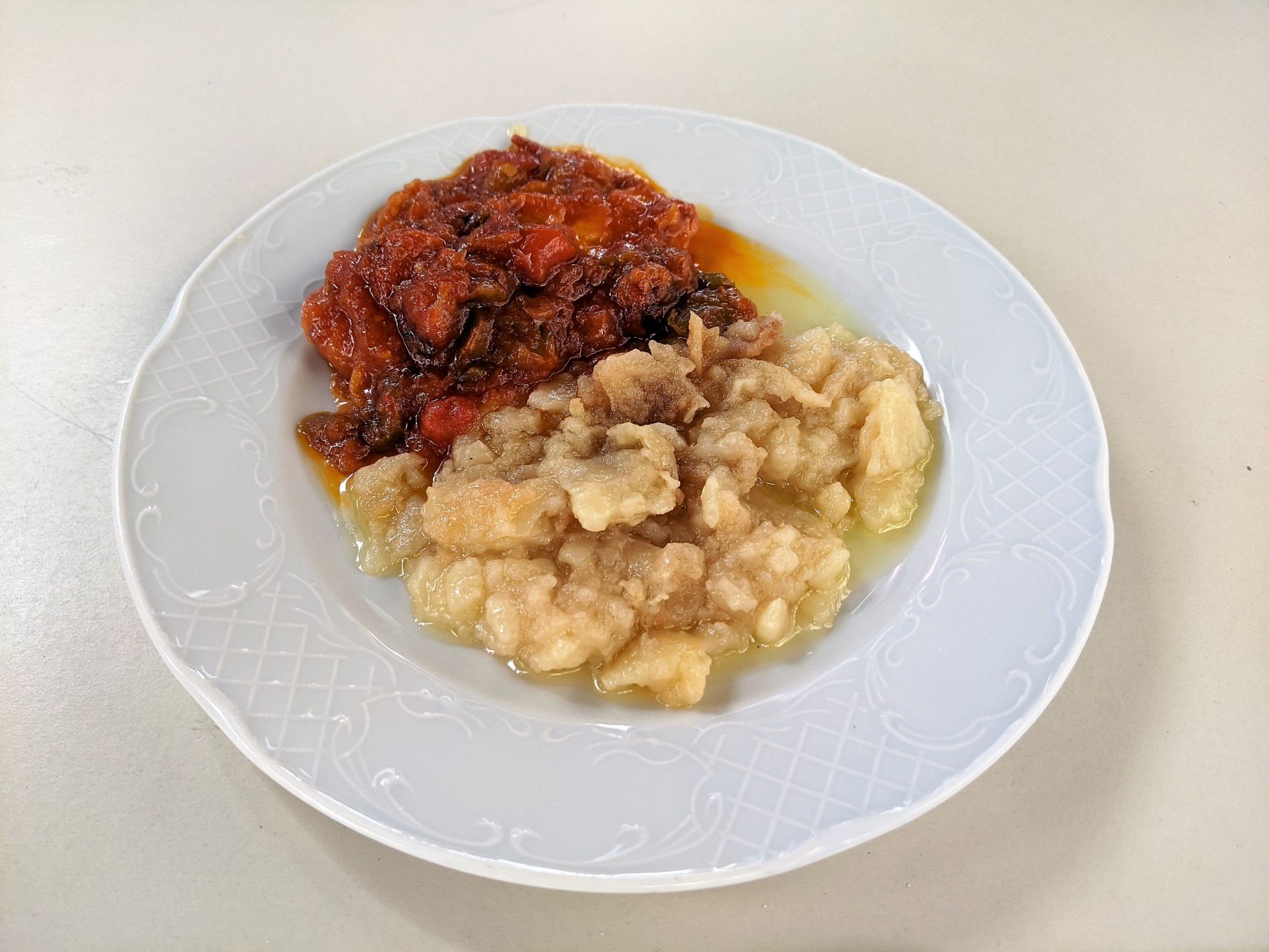
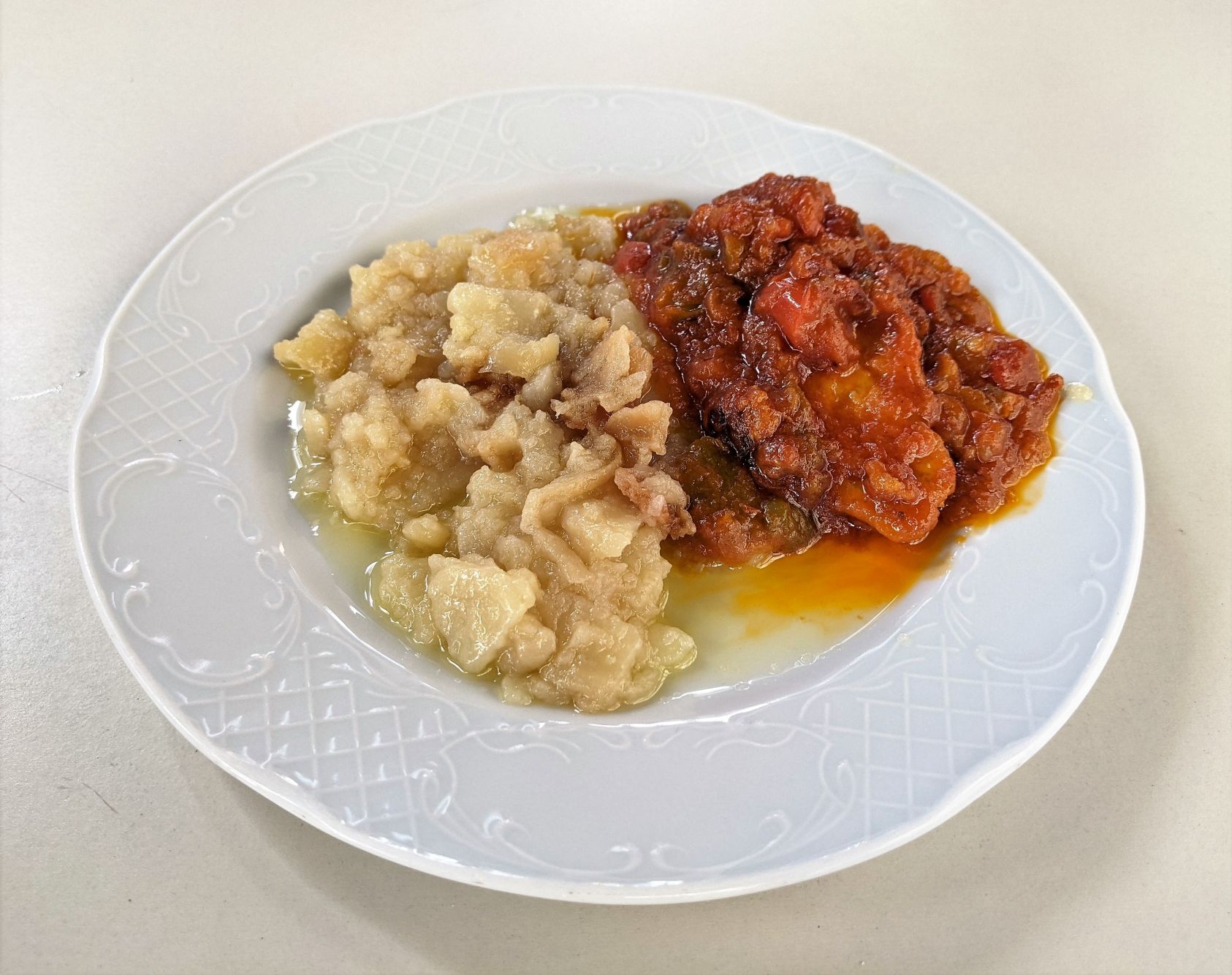
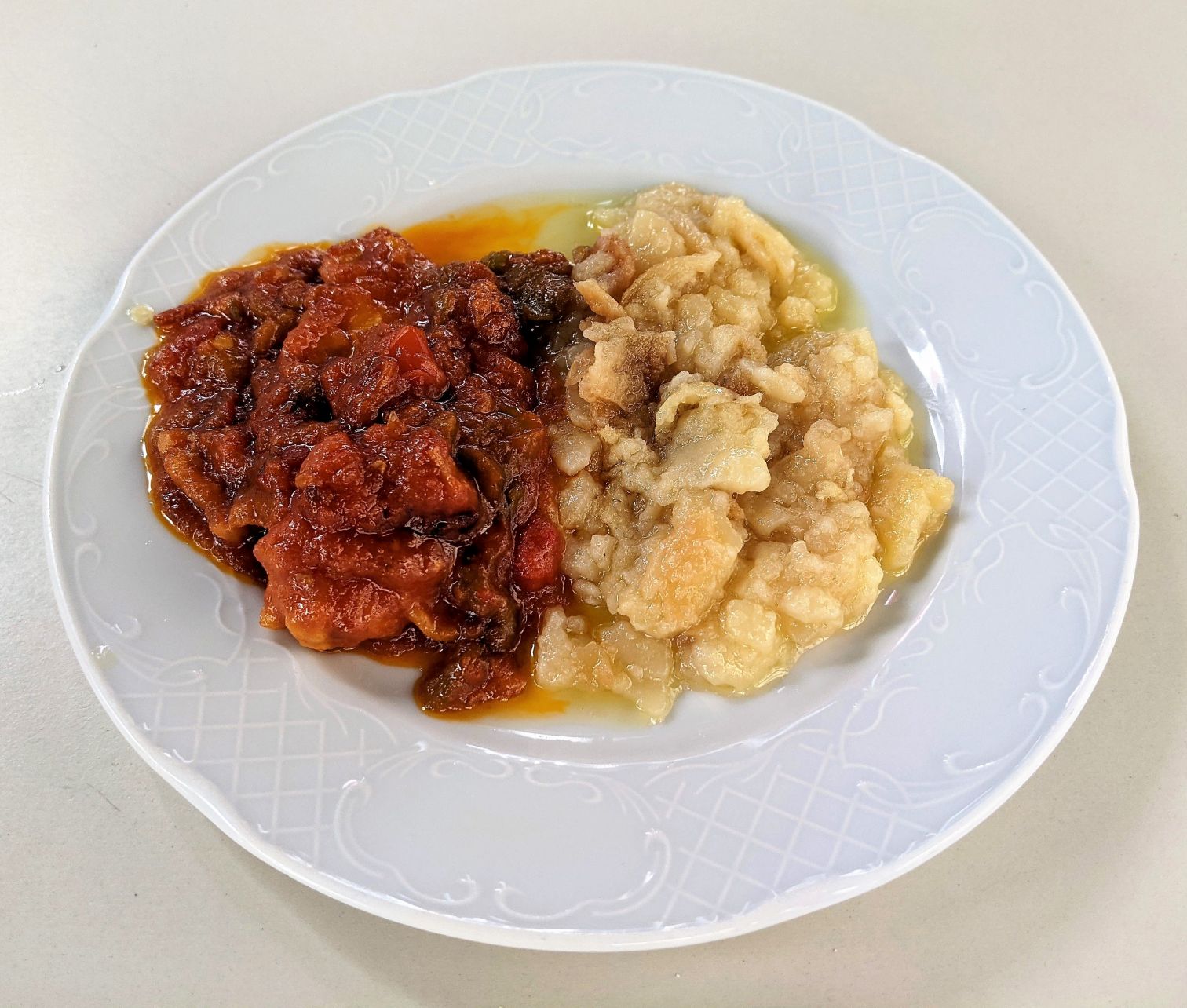
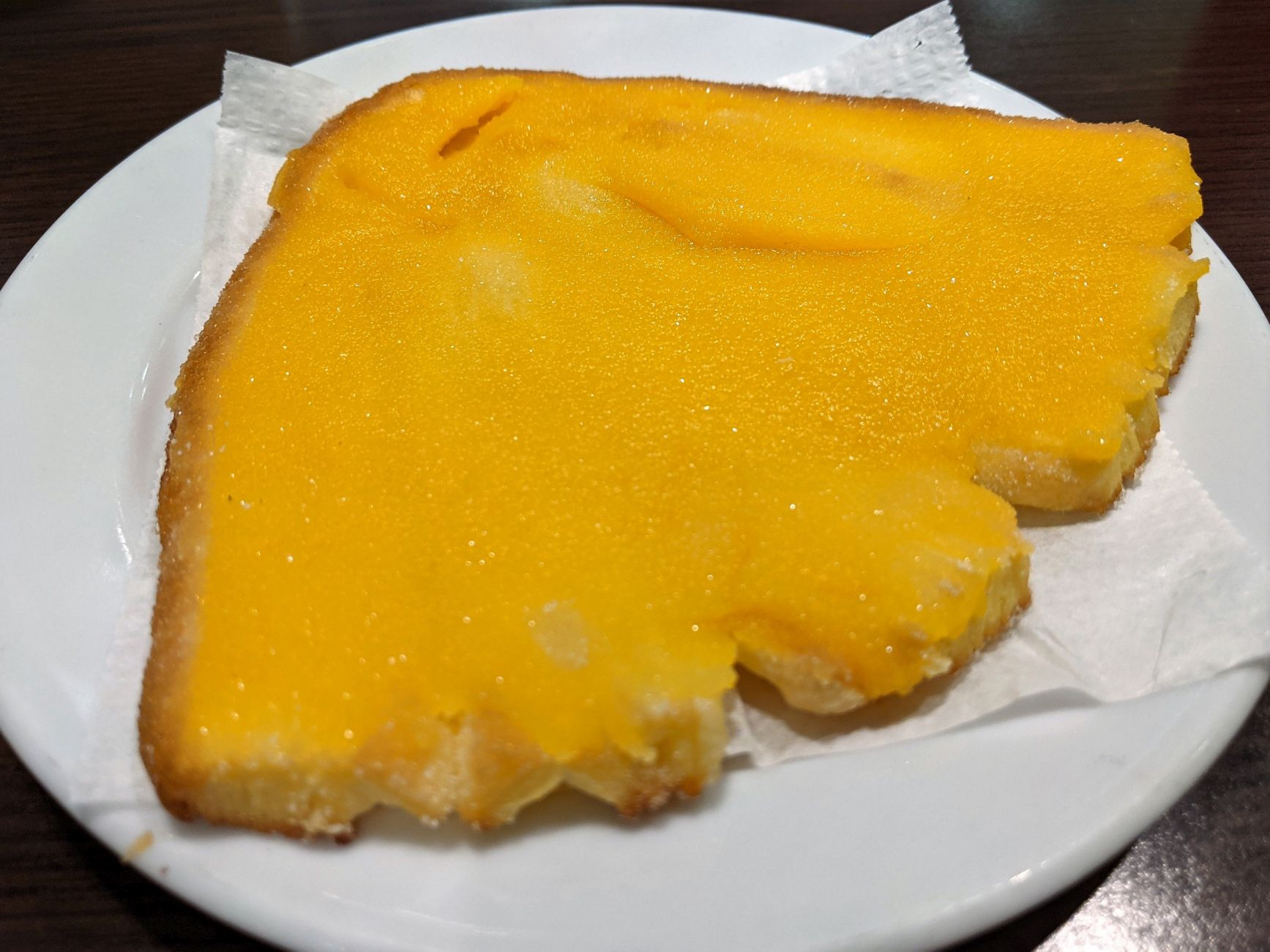
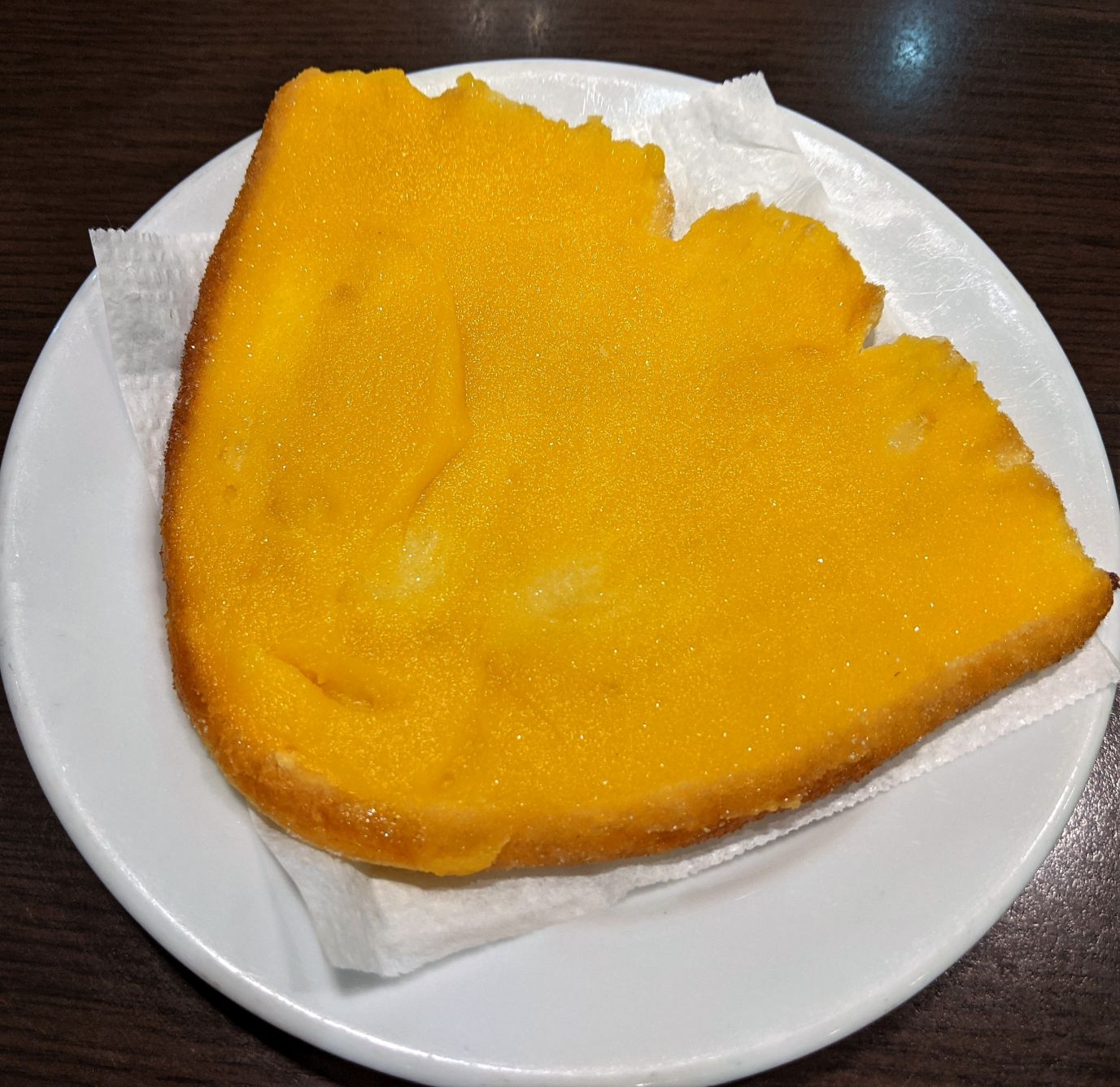
Far from calorie conscious, Alioli Potatoes featuring boiled Spuds weighed down by garlicky Mayonnaise, Cod arrives tender beneath vibrant Tomato Sauce alongside rustic Dumplings before ending the meal with creamy Torrejas soaked in Milk with plenty of Cinnamon and Citrus.
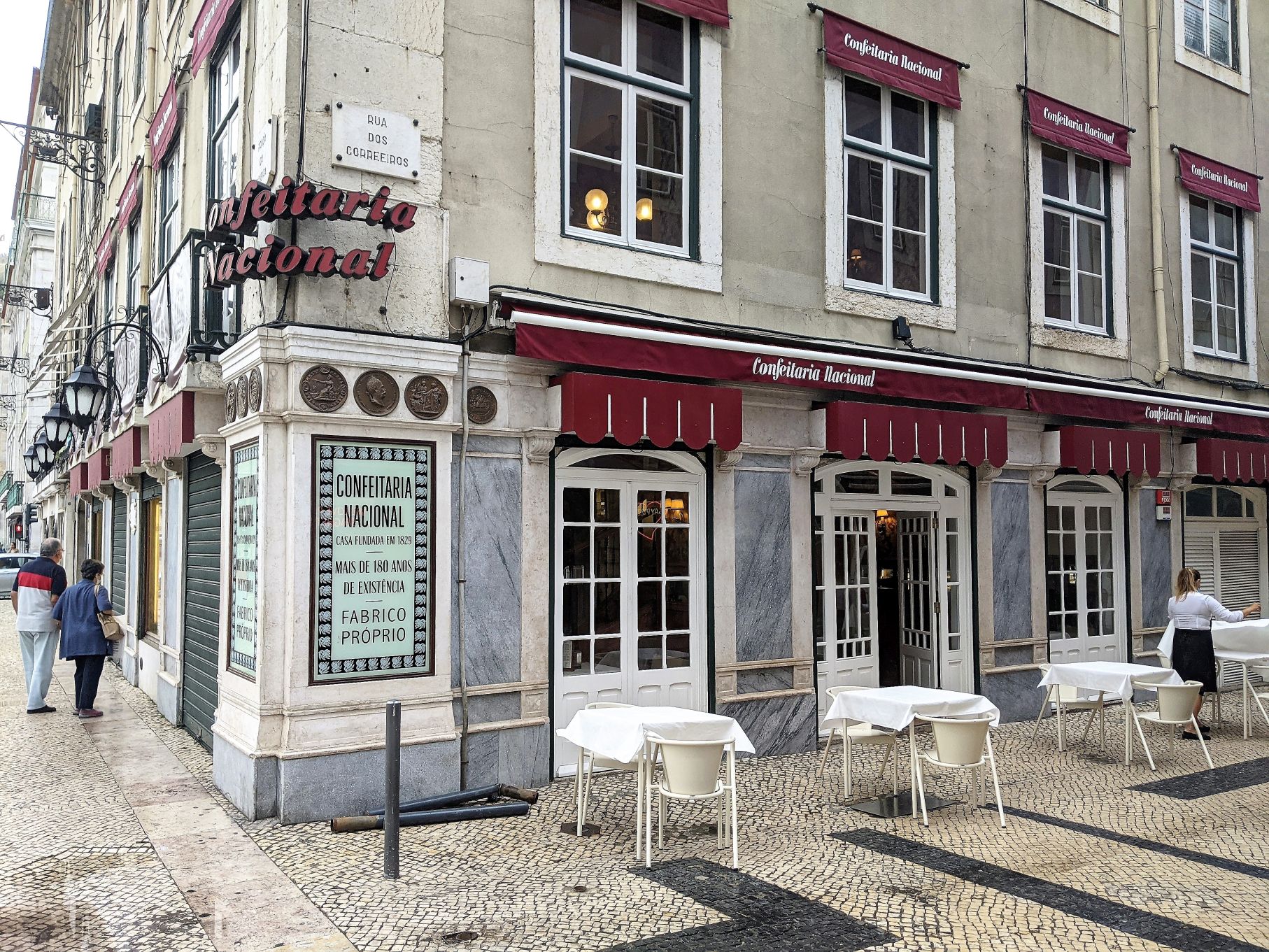
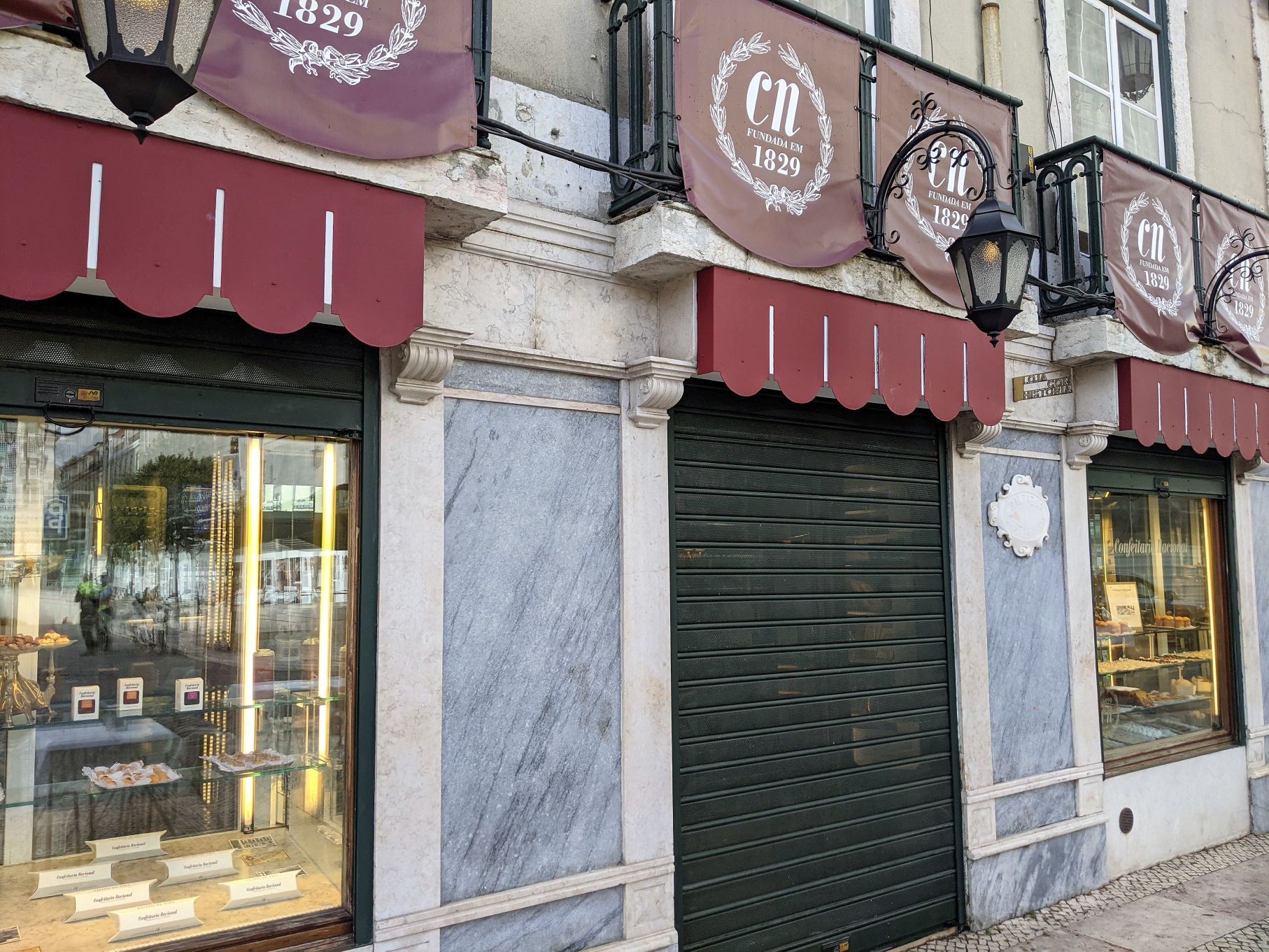
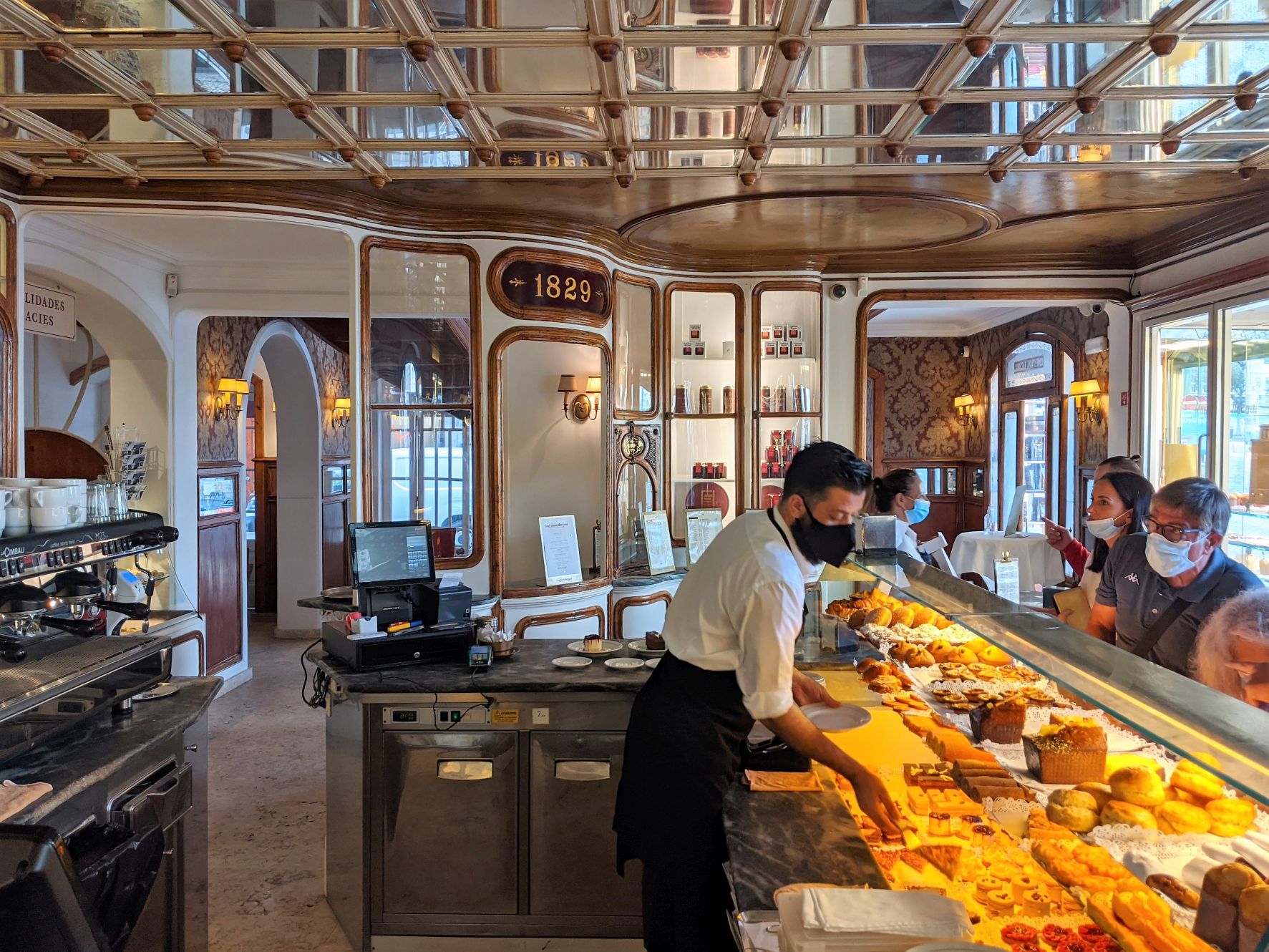
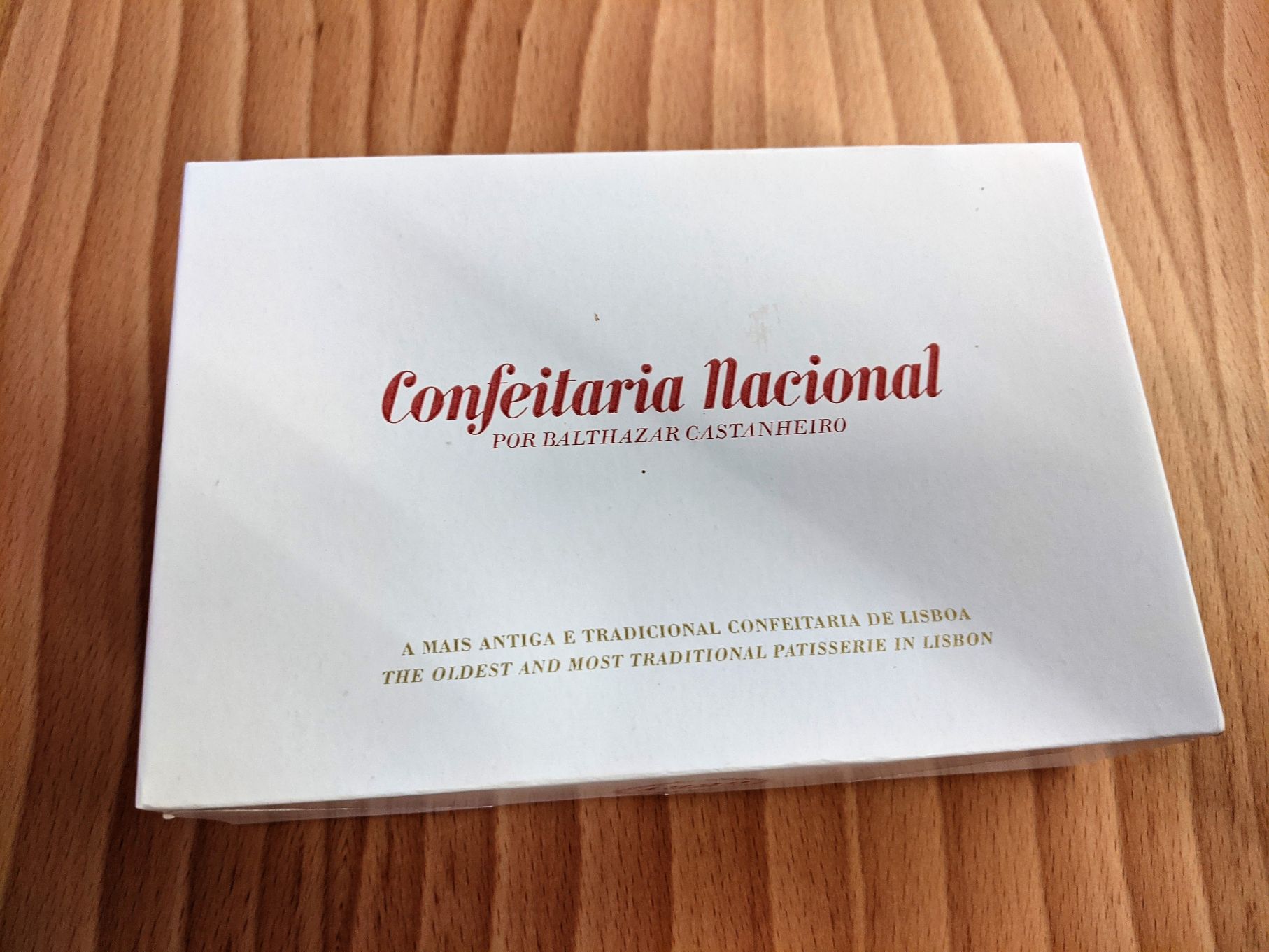
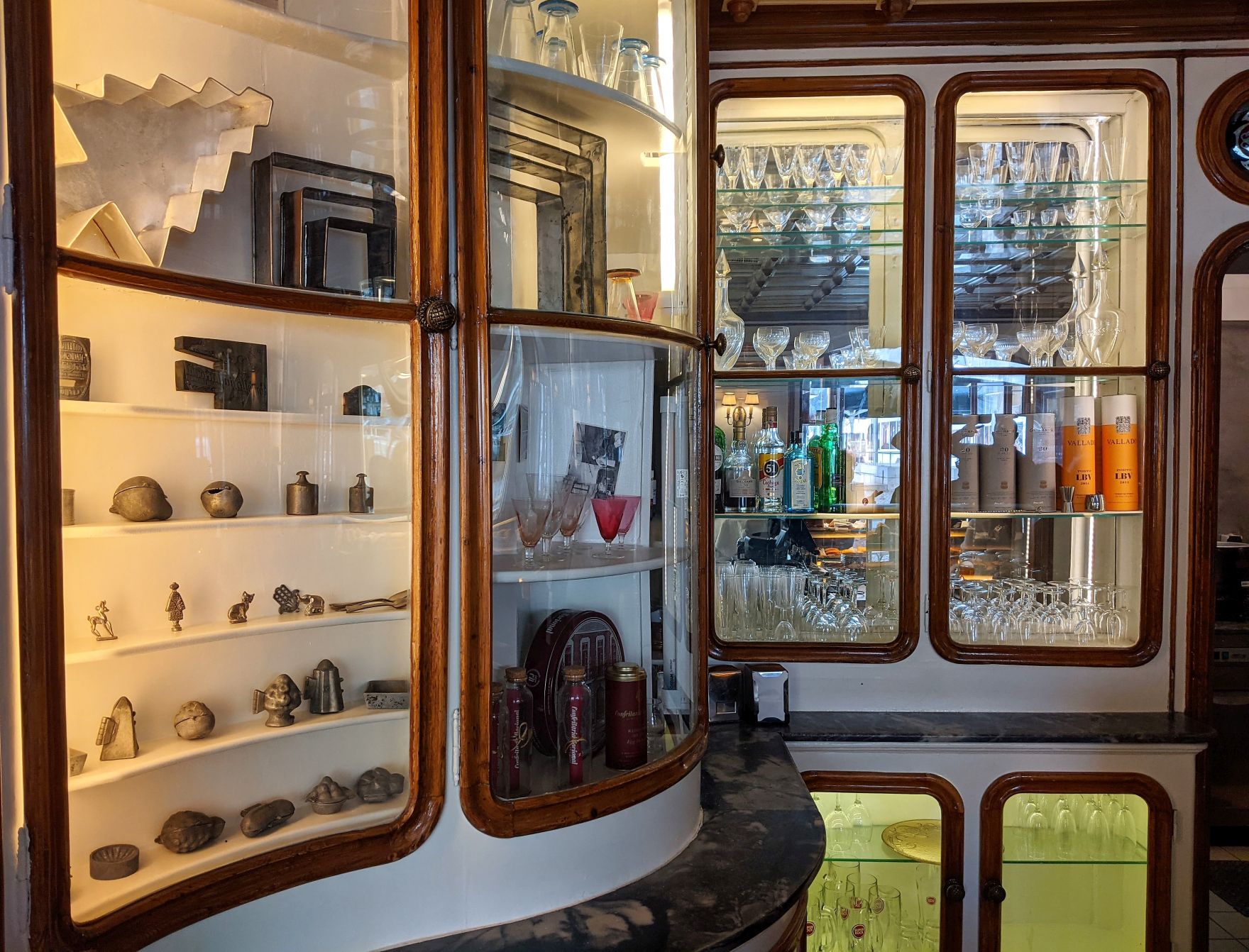
Now in its sixth generation under the Castanheiro family Confeitaria Nacional has been serving Lisbon since 1829, locations in Belém and at the airport doing little to diminish lines at the Praça da Figueira original that start to form twenty minutes prior to opening.
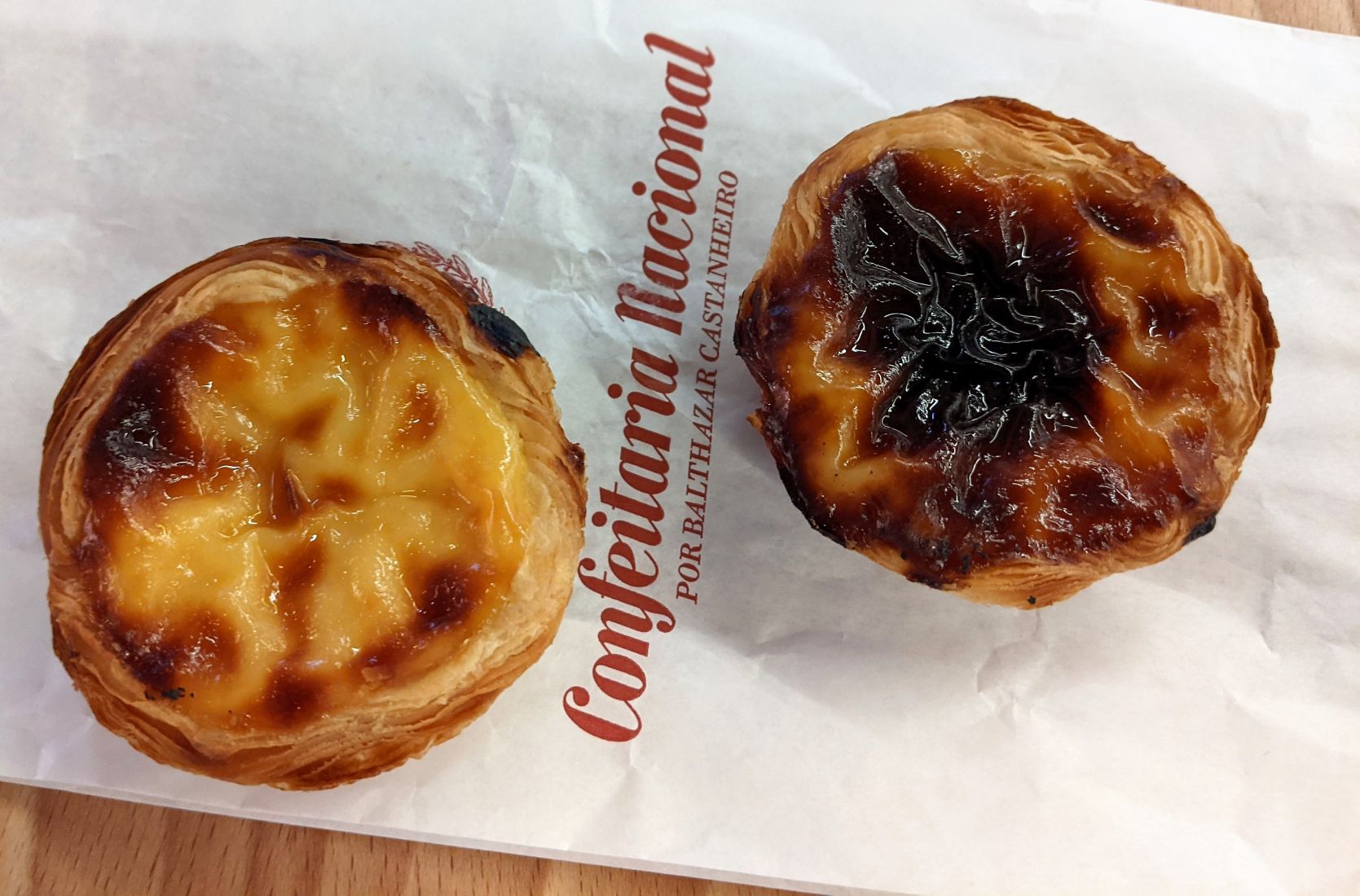
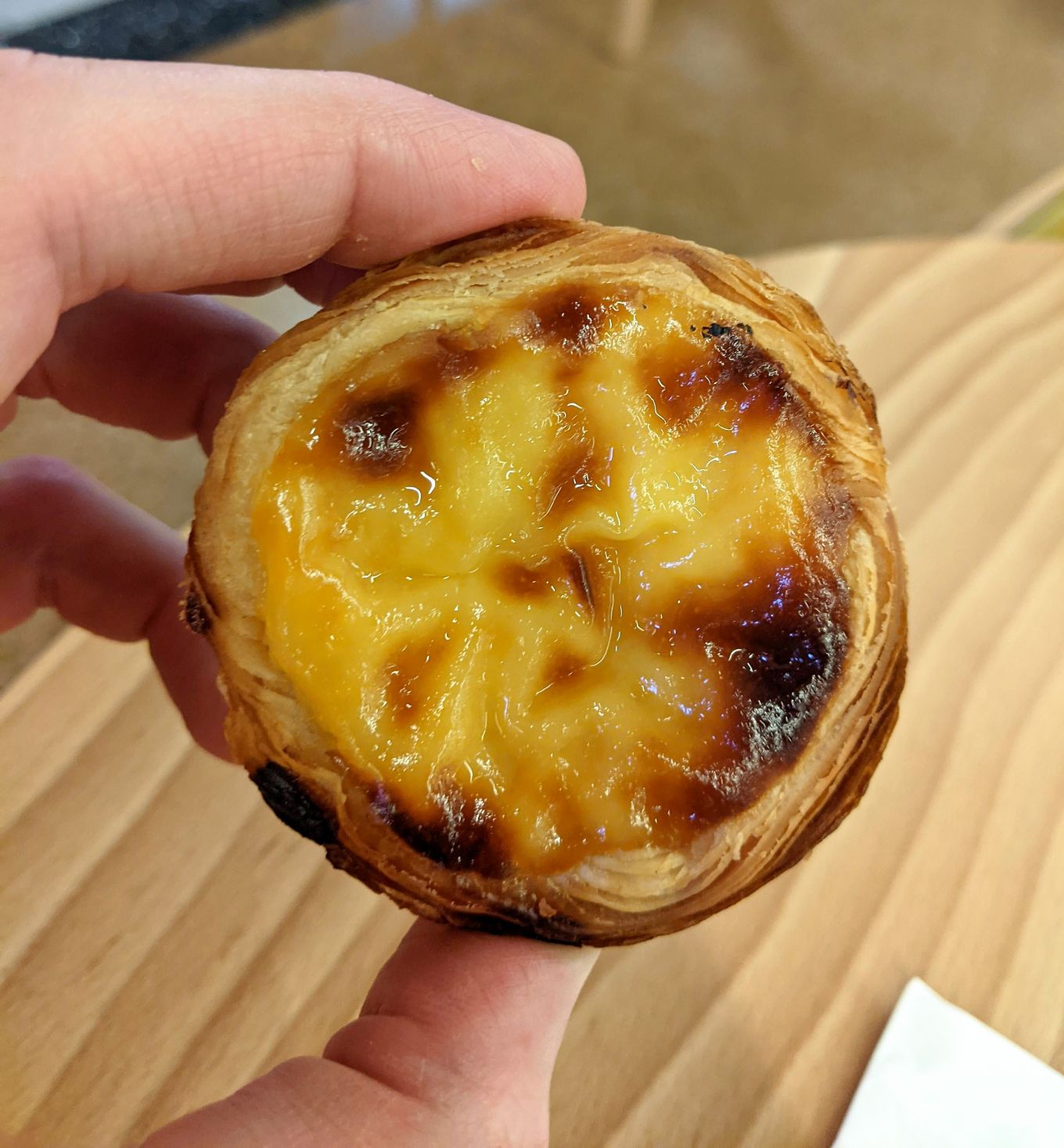
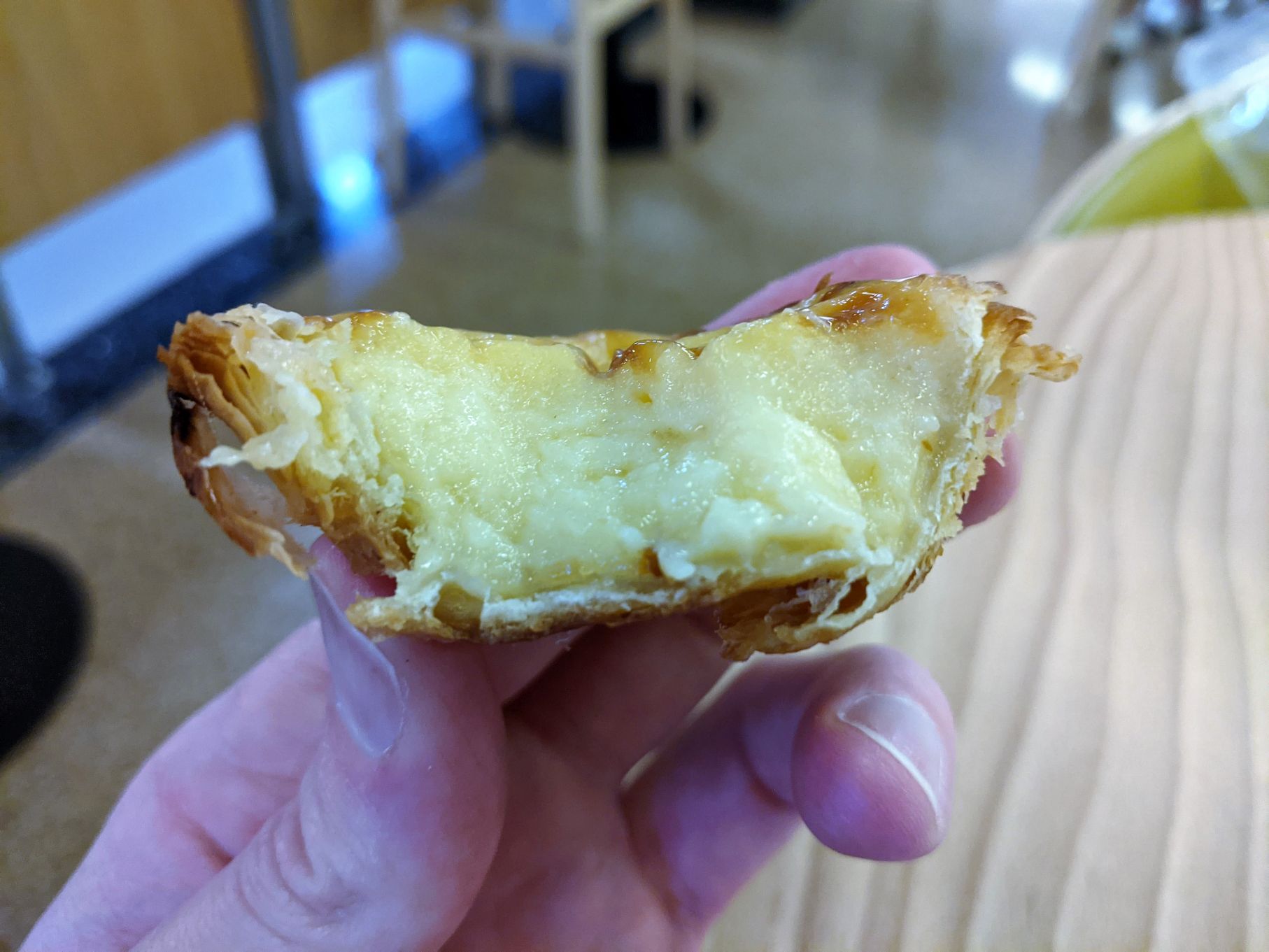
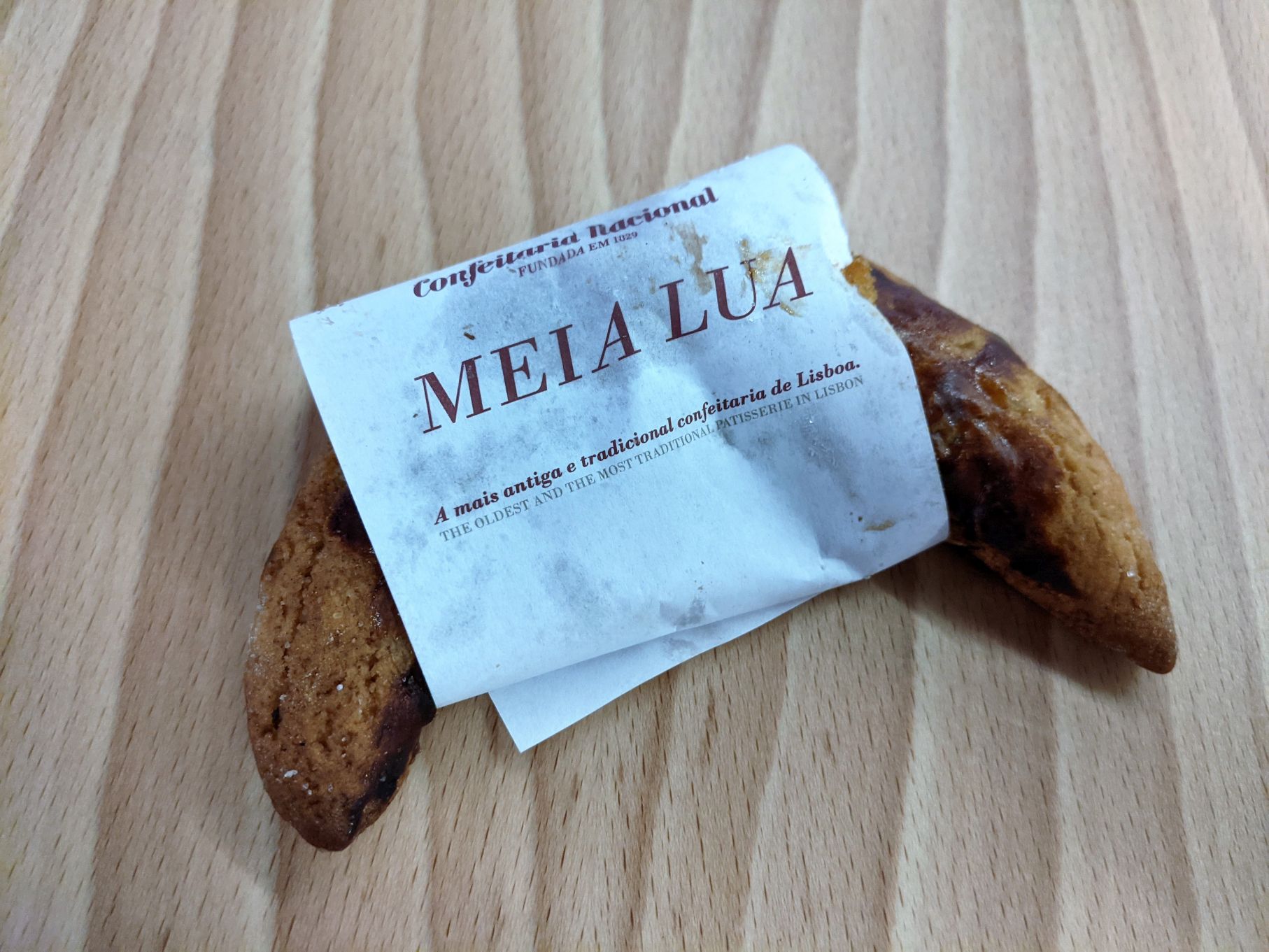
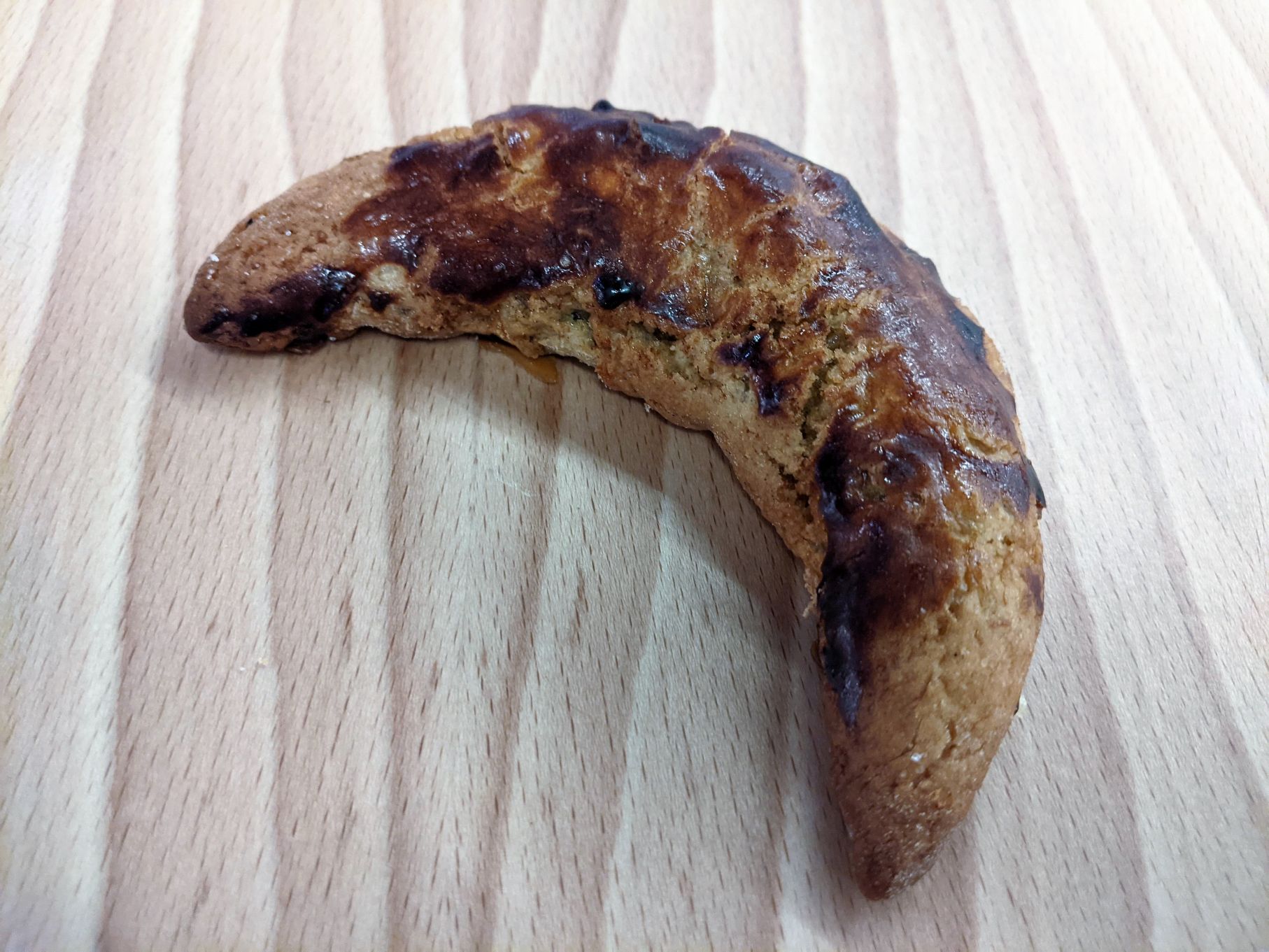
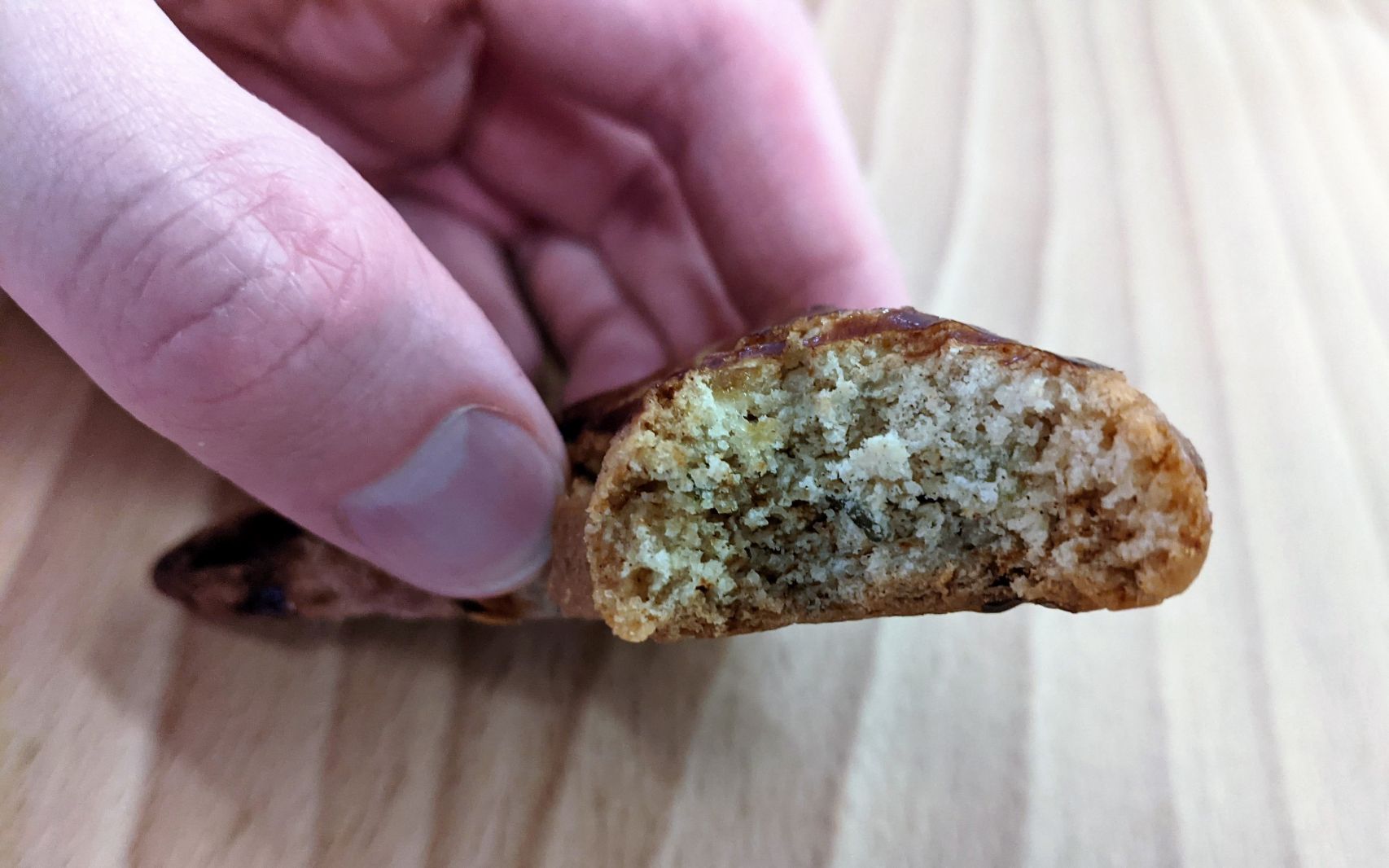
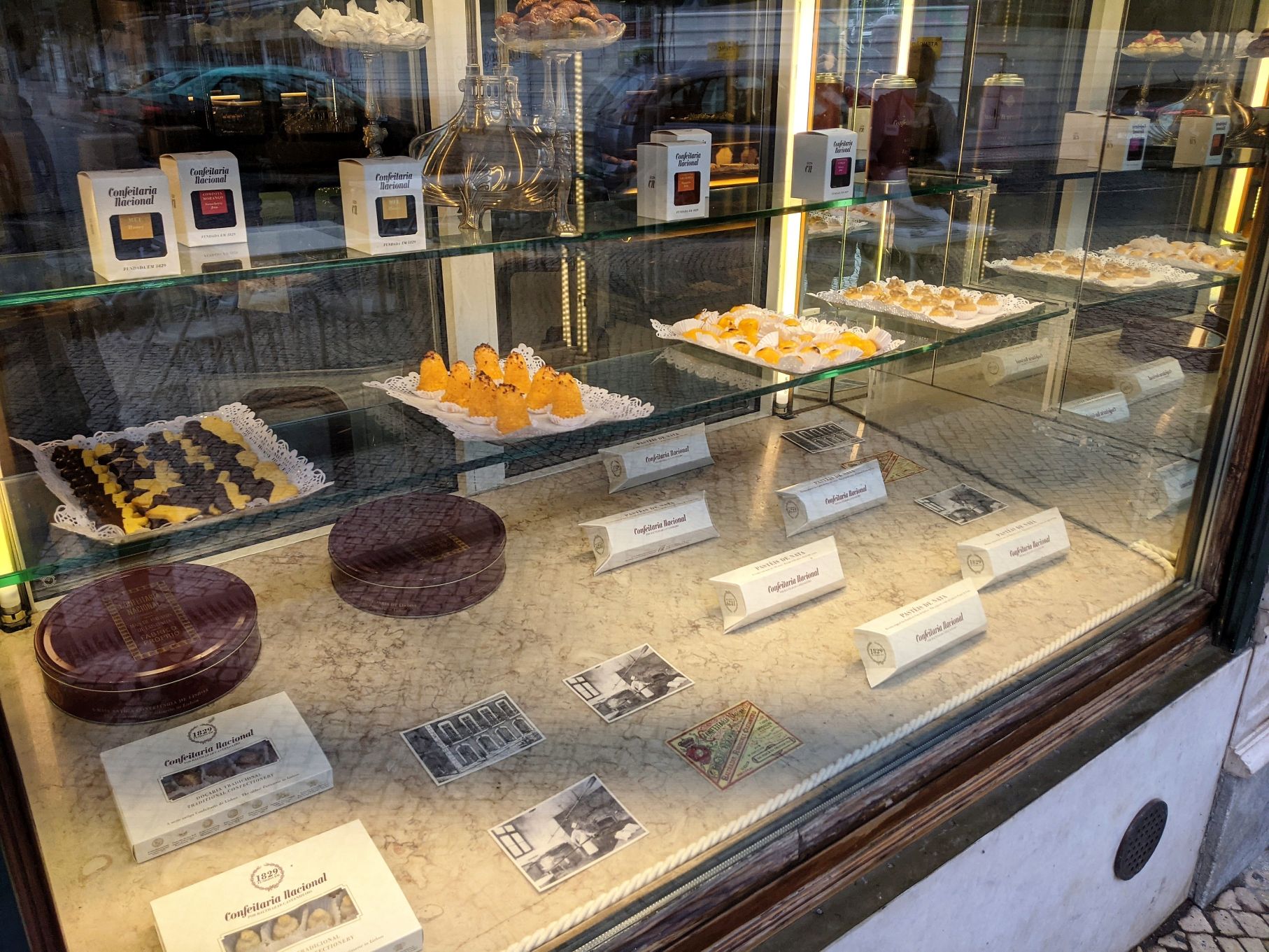
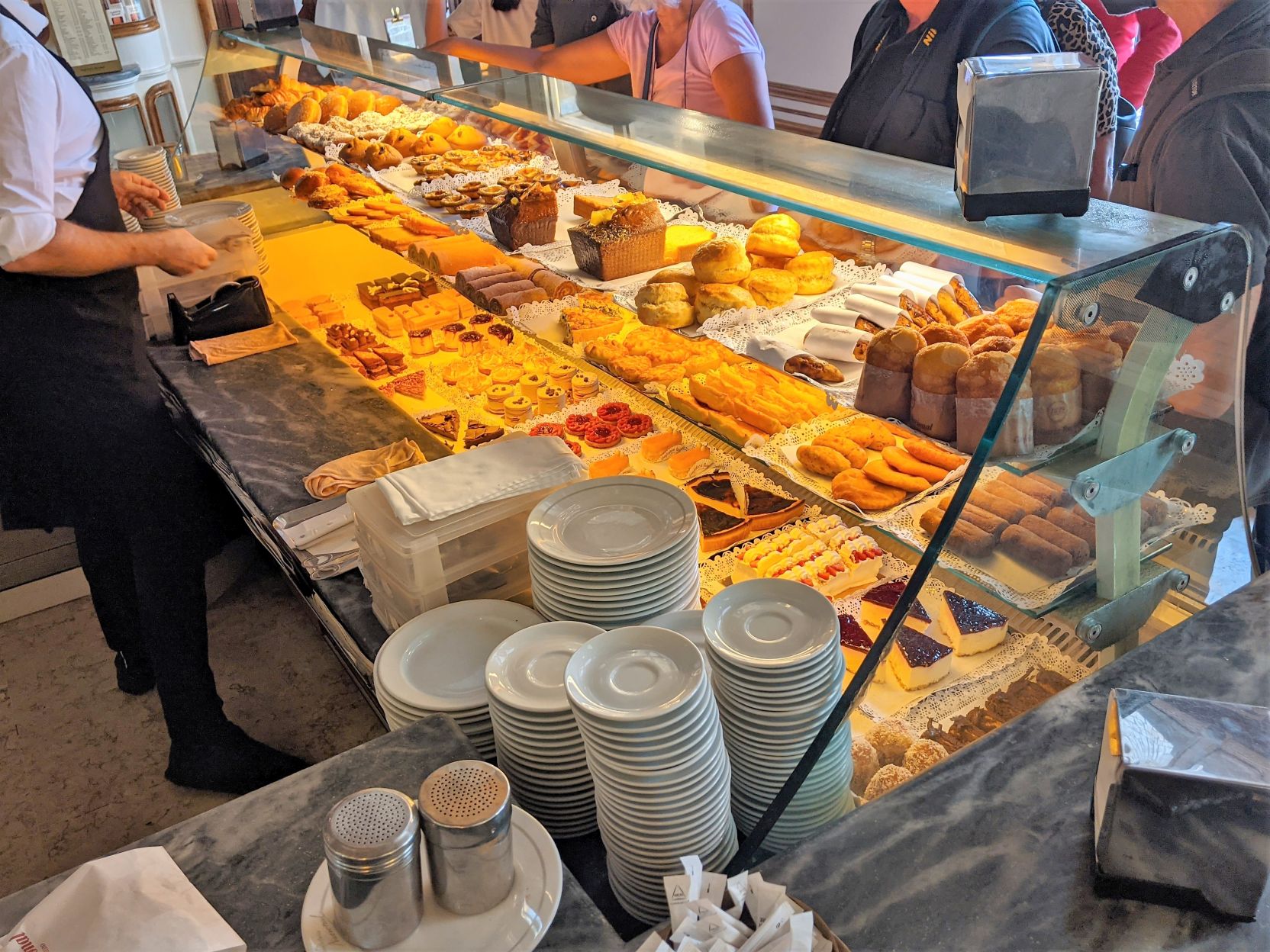
Old World without feeling dated, tiled outside giving way to mirrored ceilings and a curved stairway within, it is starting at 09h00 that guests are invited to investigate historic recipes, a crescent Meia Lua eating slightly softer than Biscotti with warm baking spices while Nacional’s Nata is a bit overcooked compared to competitors.
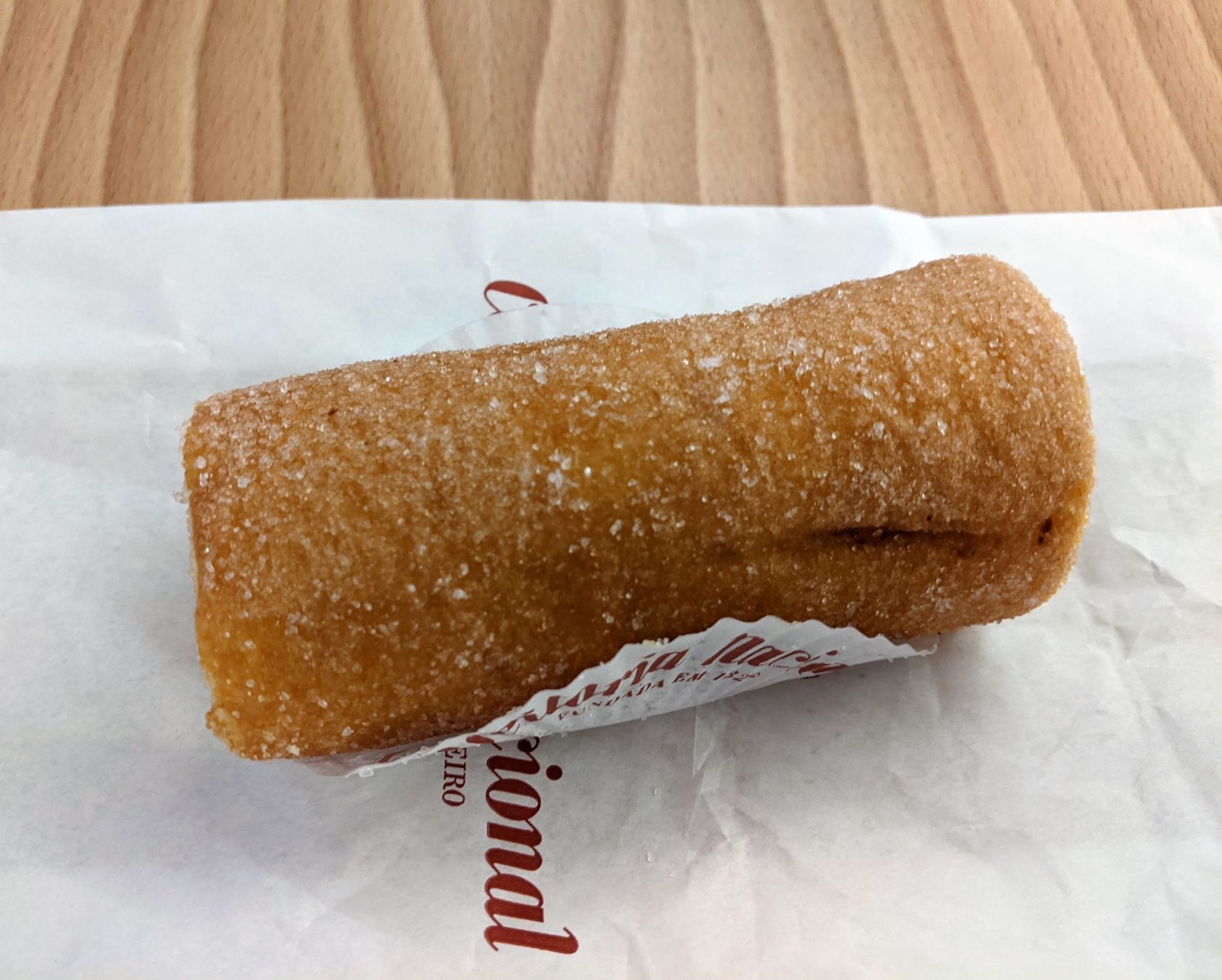
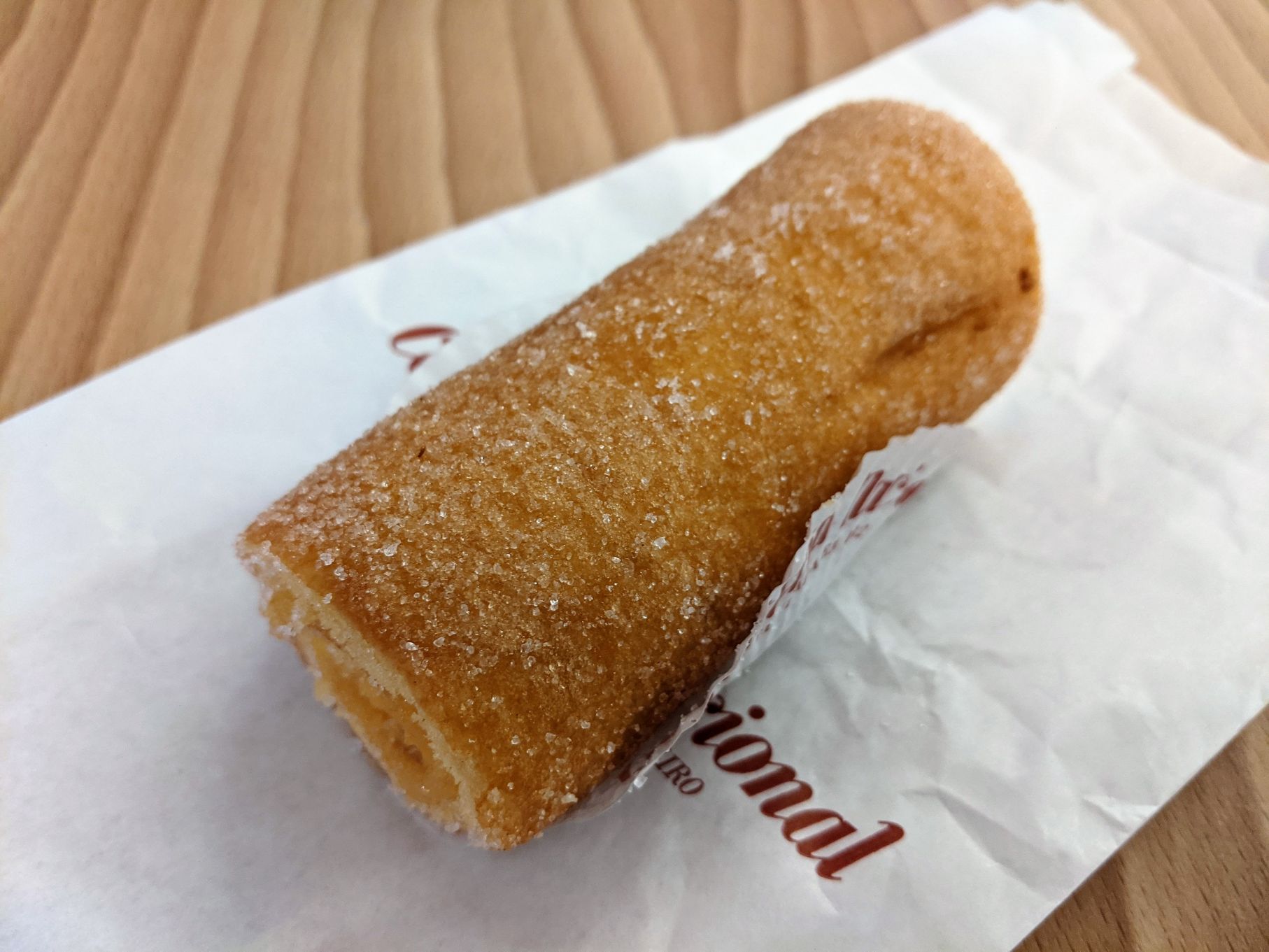
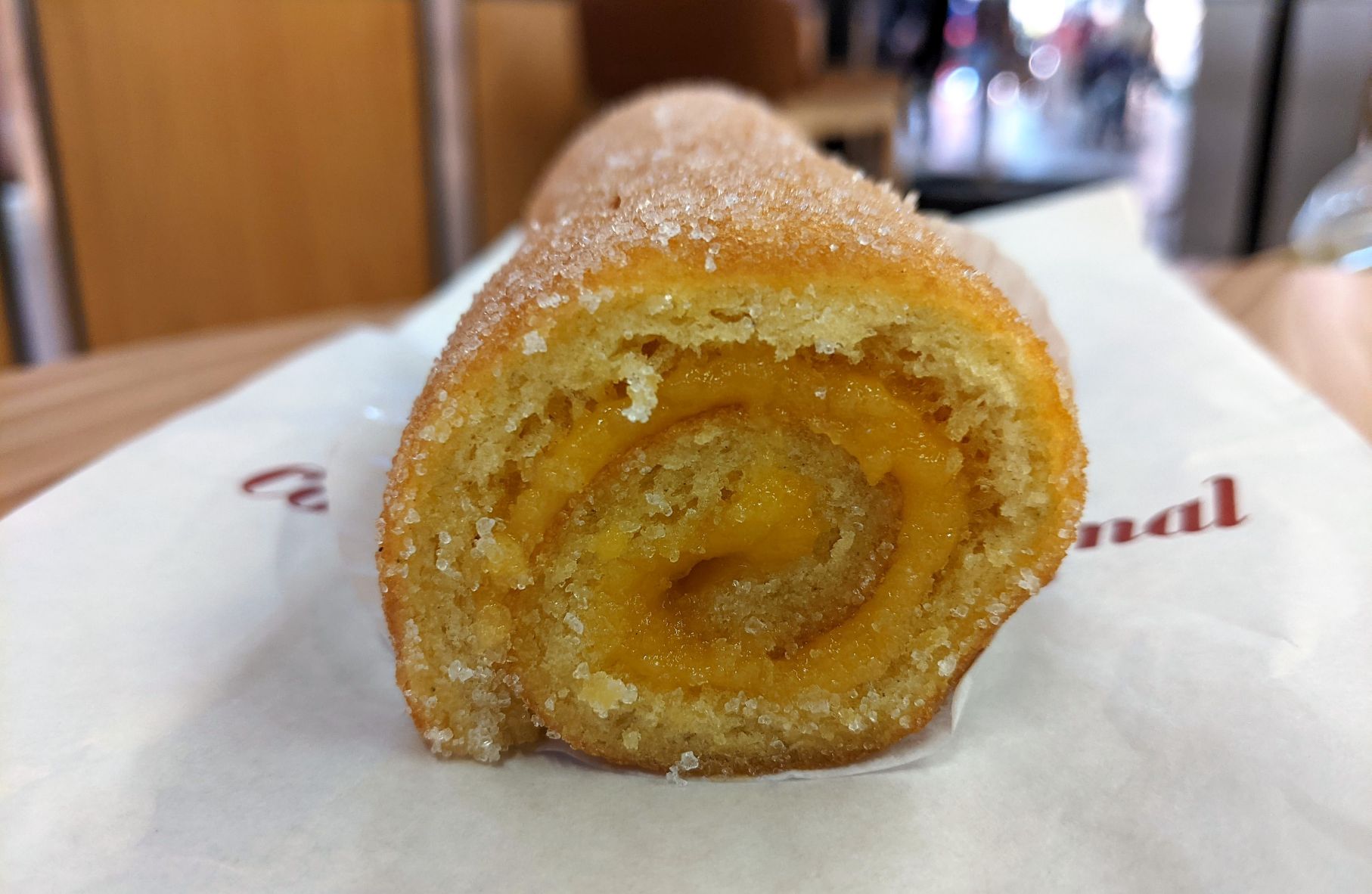
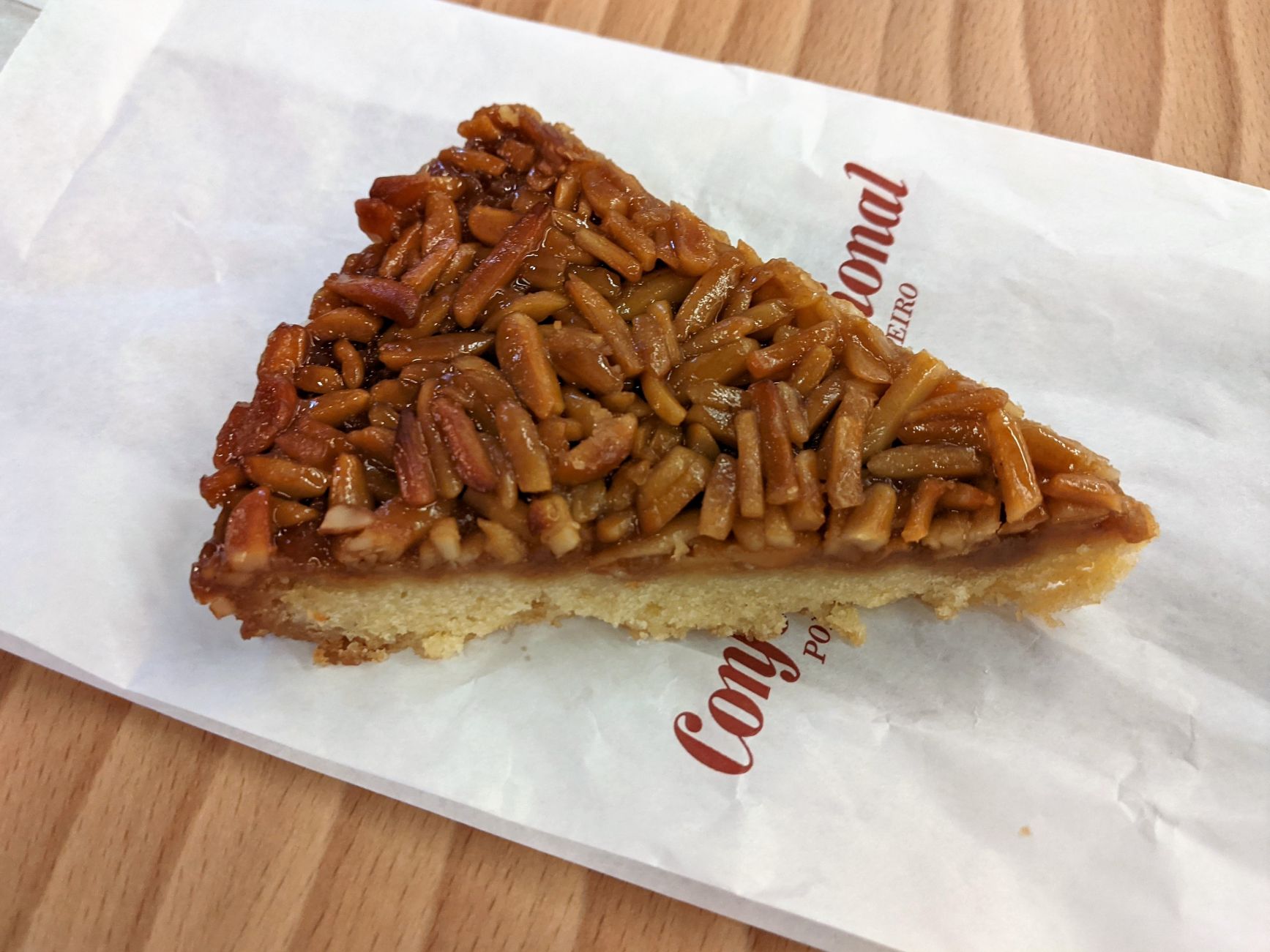
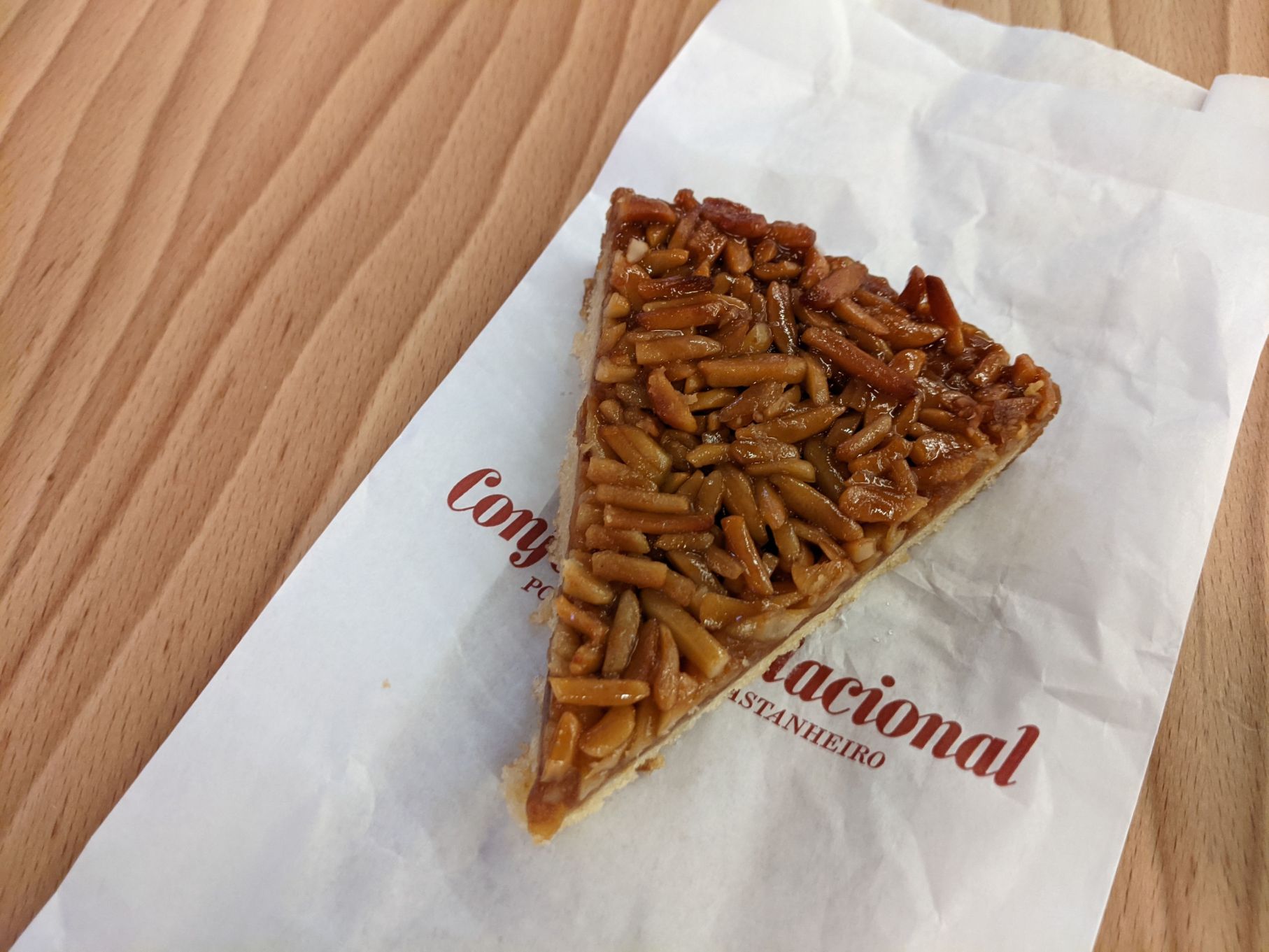
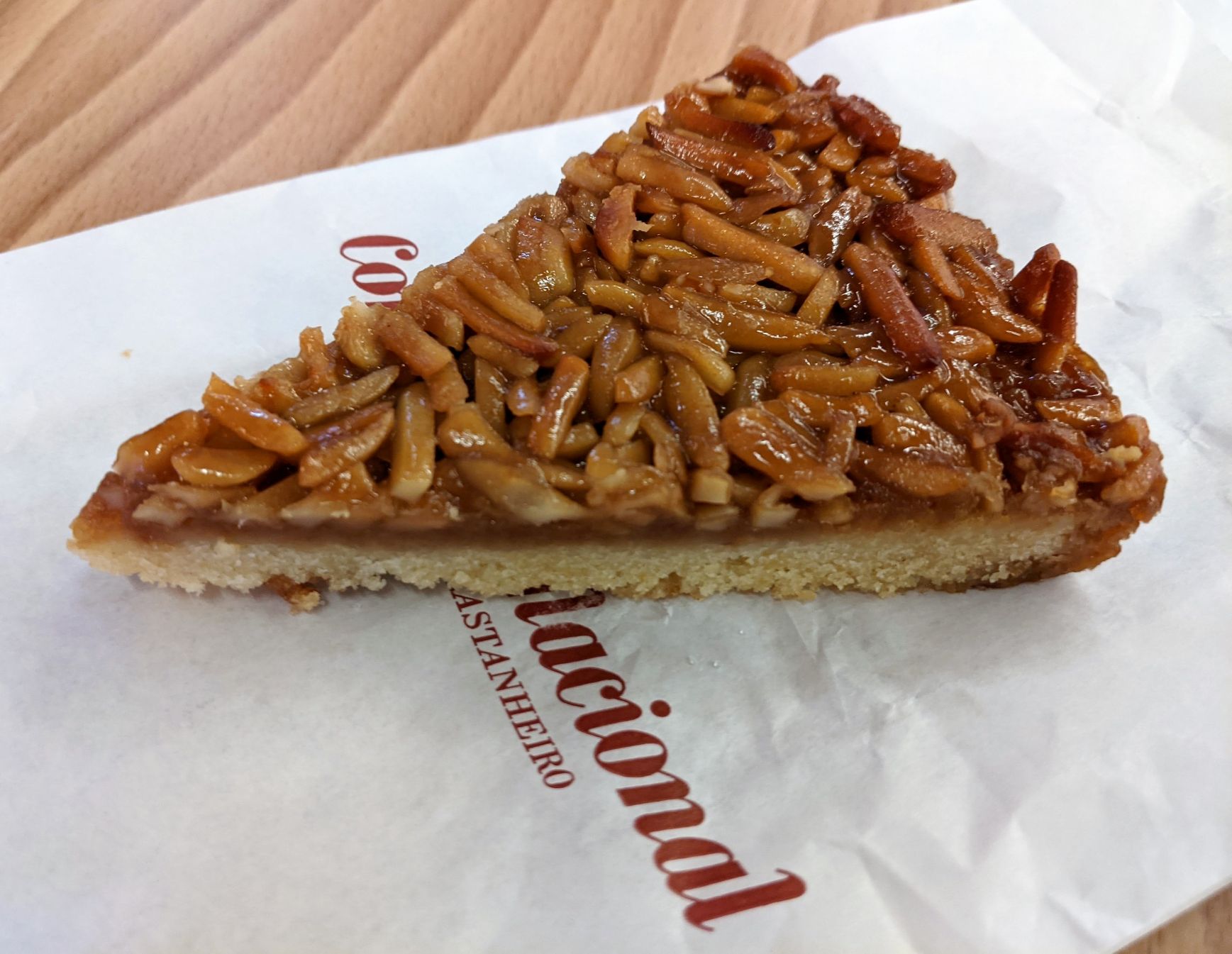
No doubt a diverse collection, Torta de Coimbra placing familiar Custard inside a rolled Sponge, the stacked Palmier falls just short of that at Aloma while a slice of Almond Tart makes it easy to forget everything else thanks to a soft yet crumbly bottom supporting Dulce de Leche and slivered Nuts.
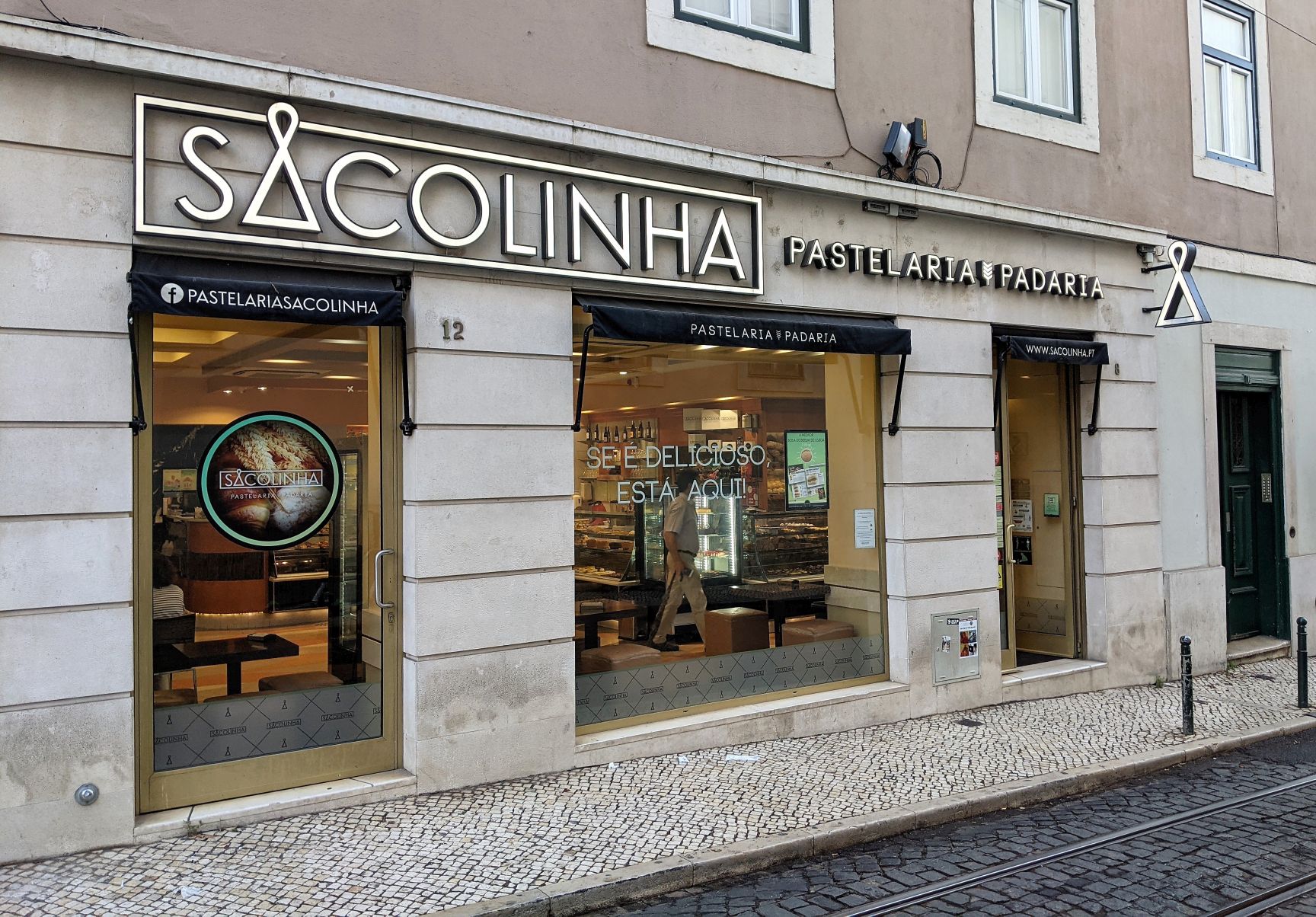
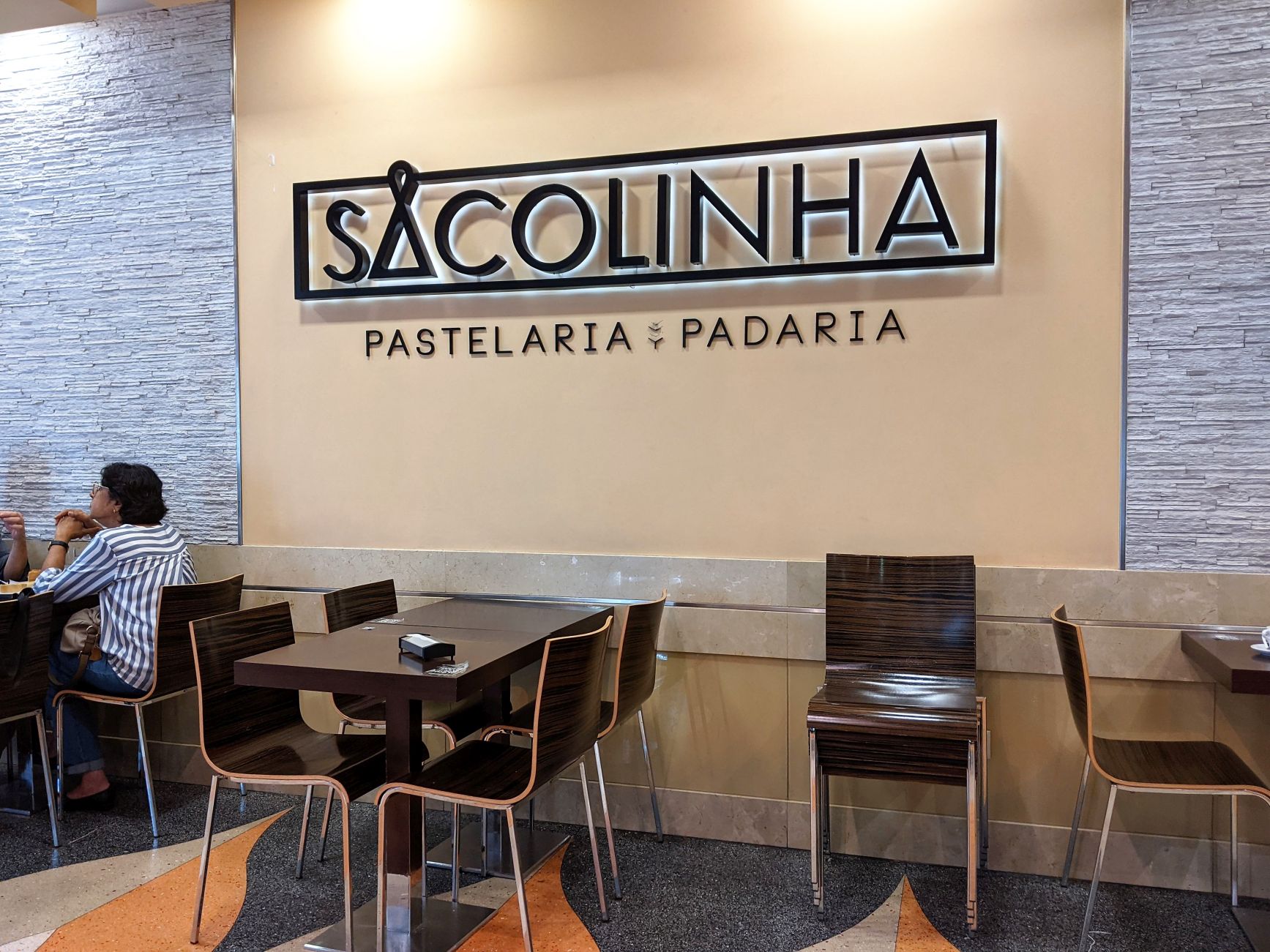
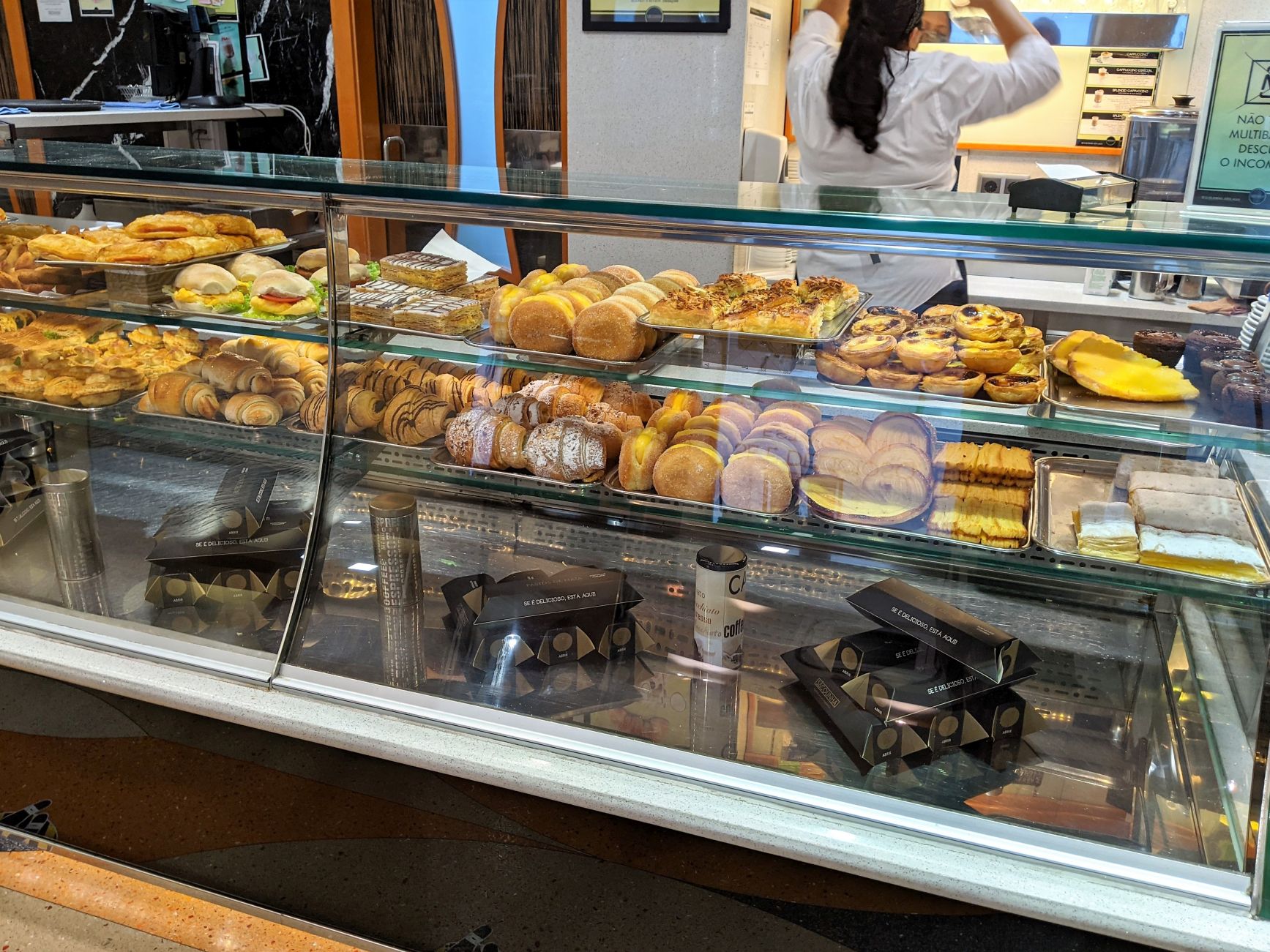
Born in Cascais, with a few locations in Lisbon, Sacolinha Pastelaria e Padaria is a bustling Bakery offering a diverse selection of sweets including those common and a few rarely seen elsewhere.
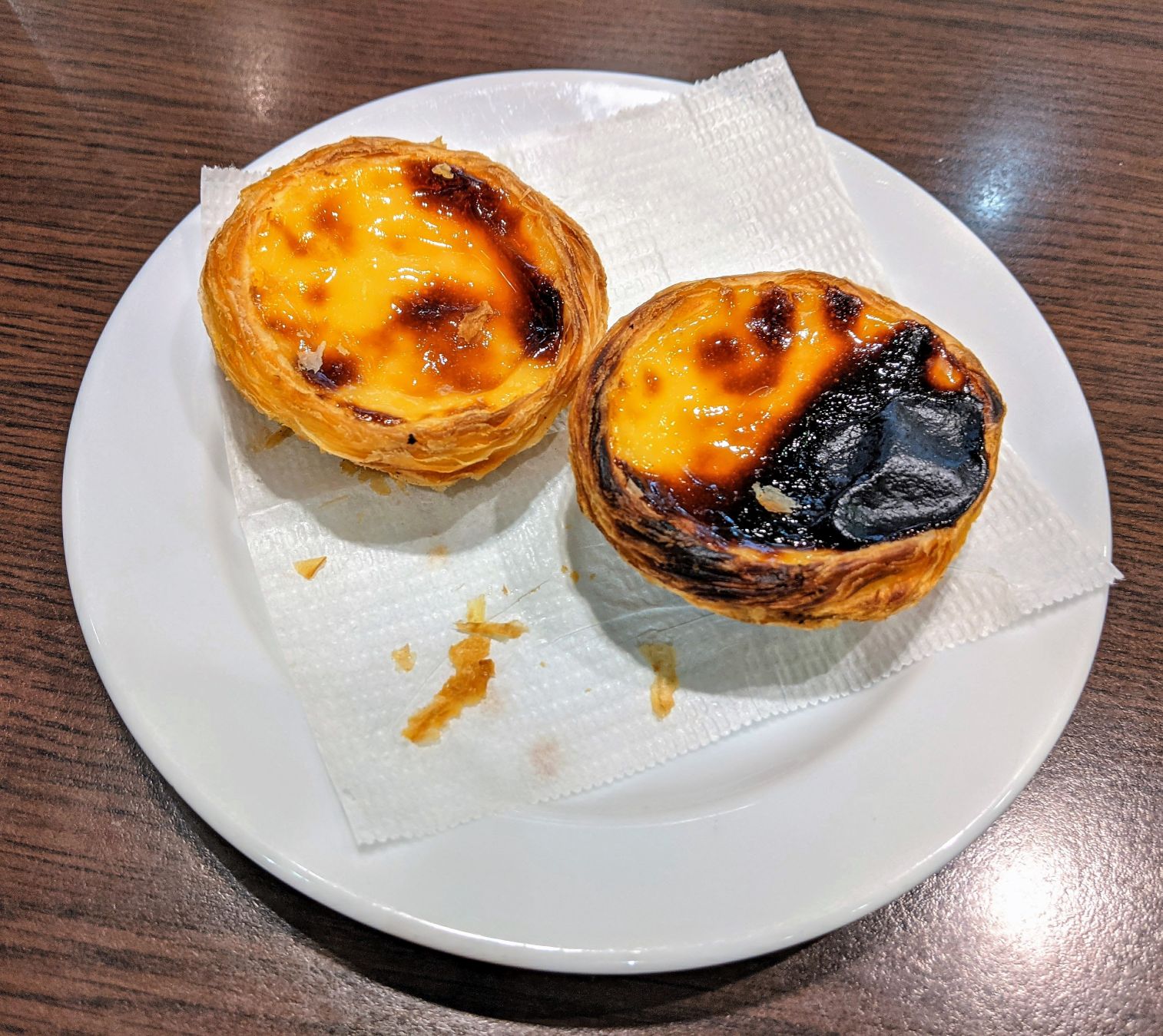
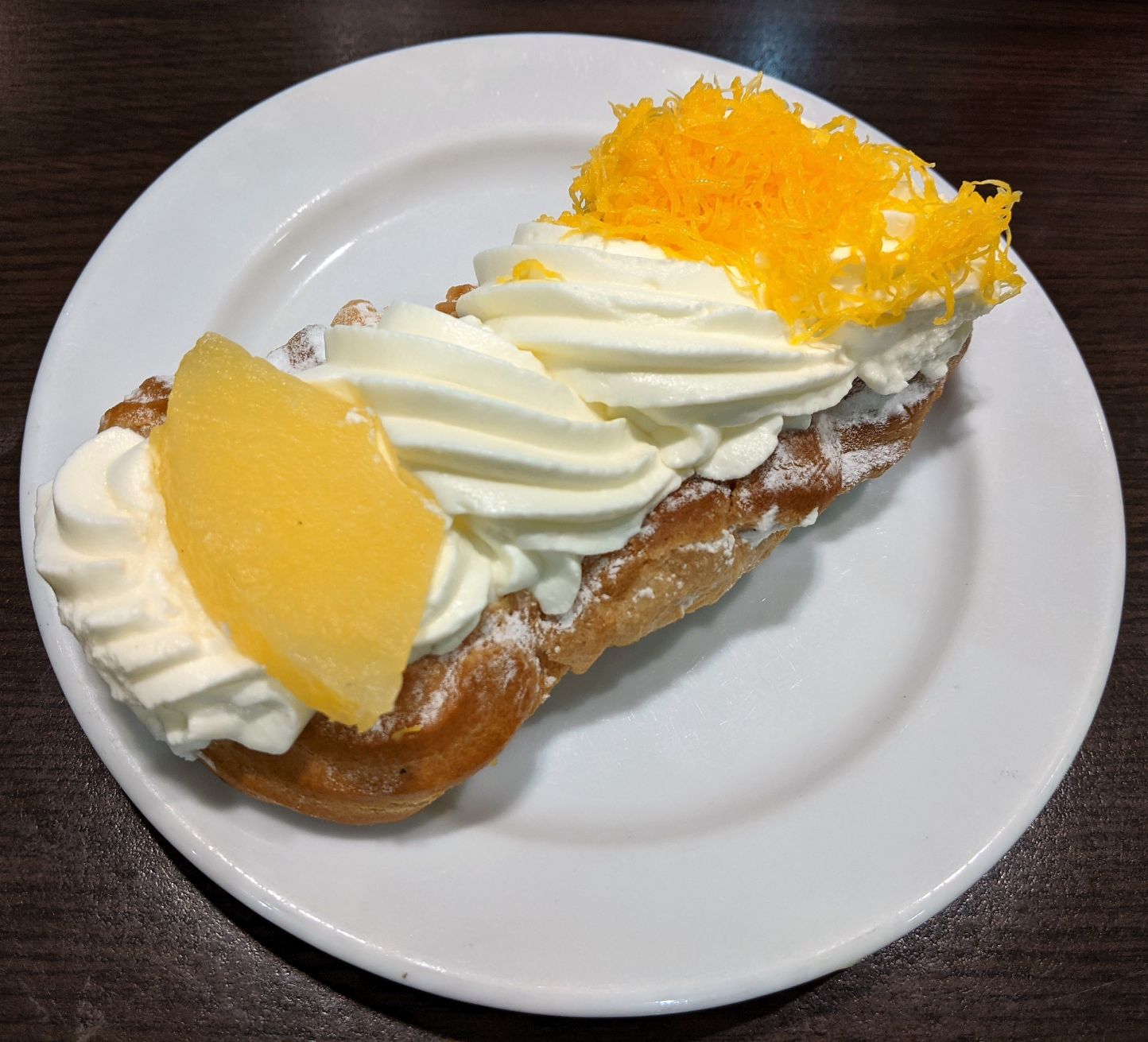
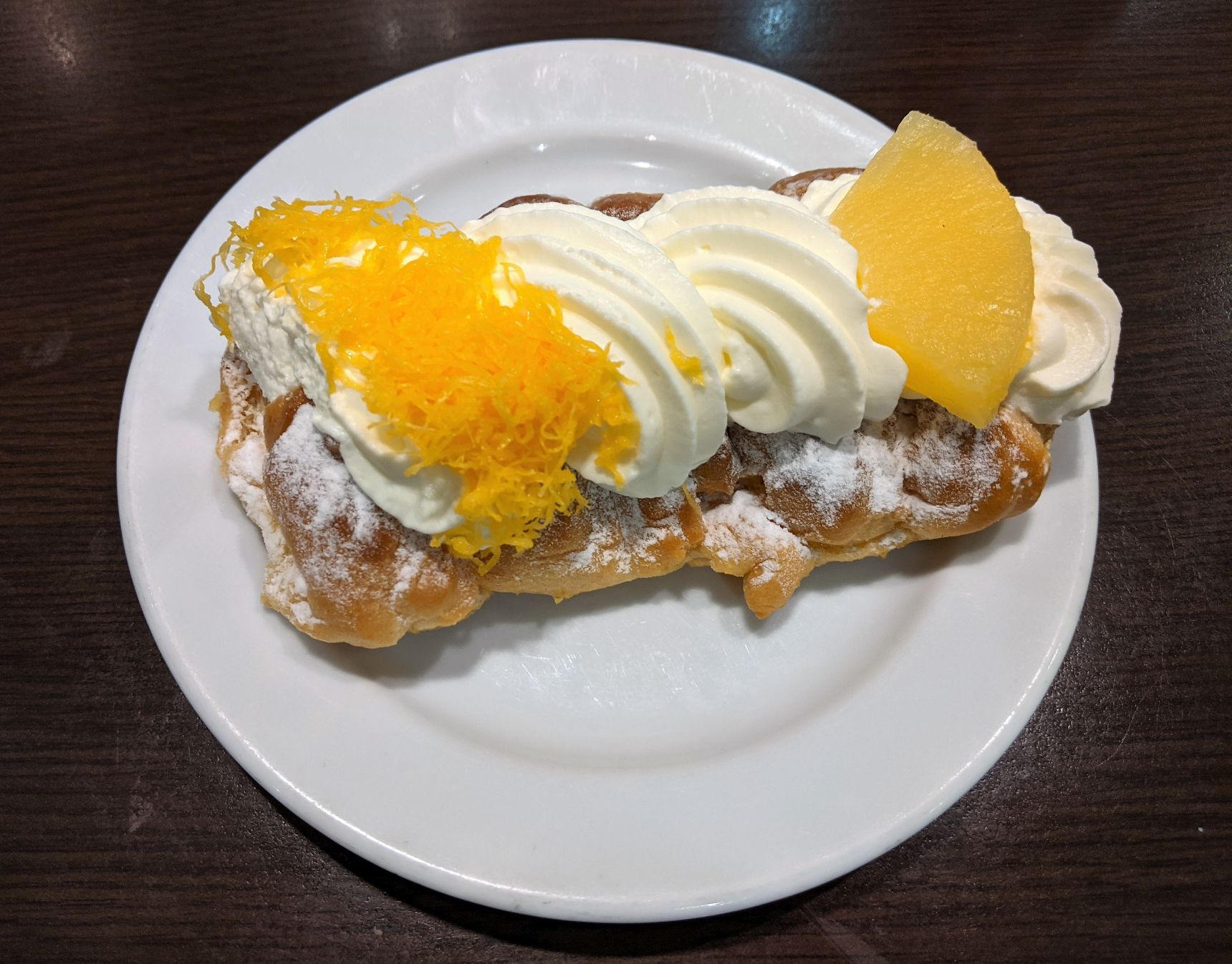
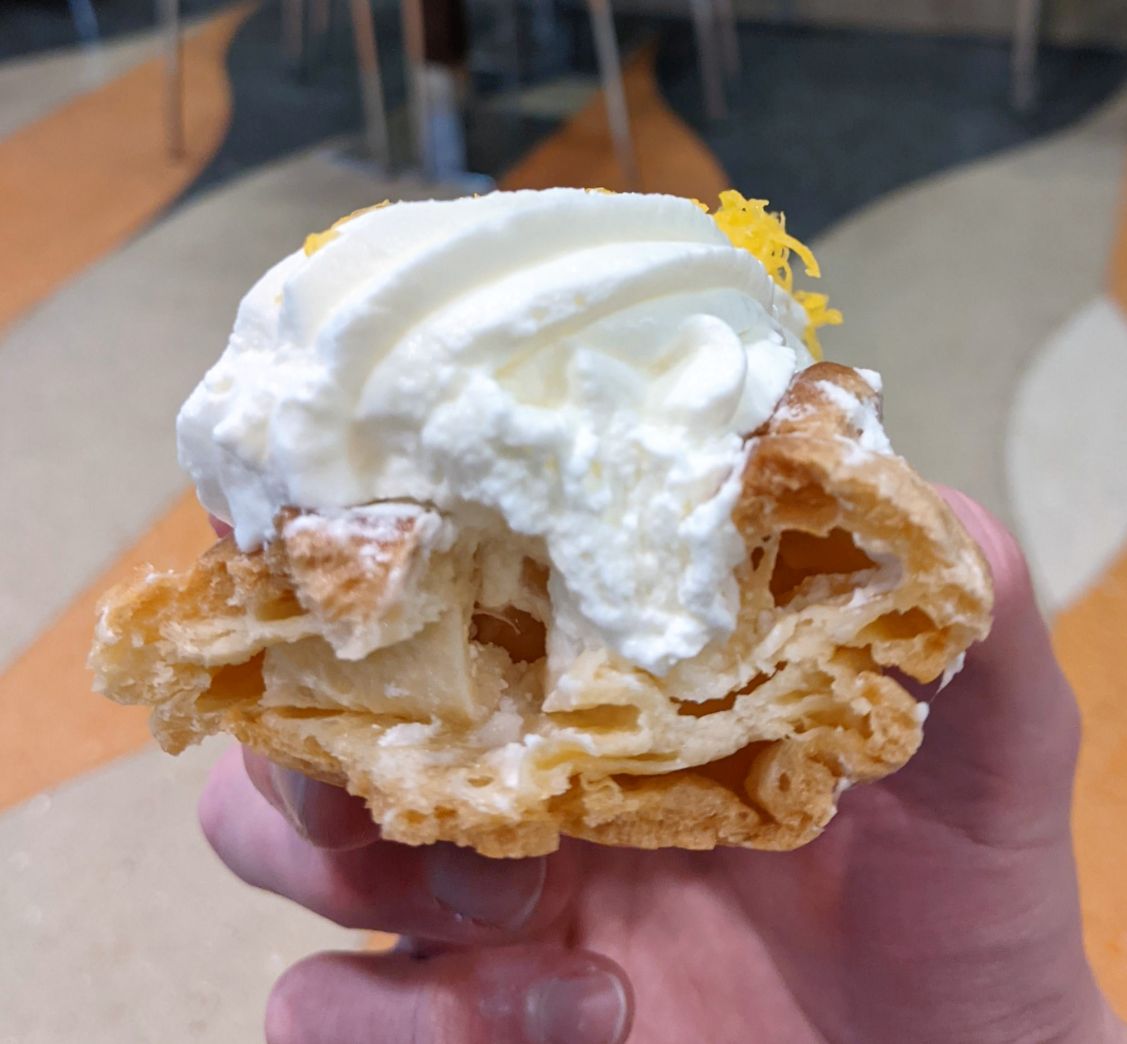
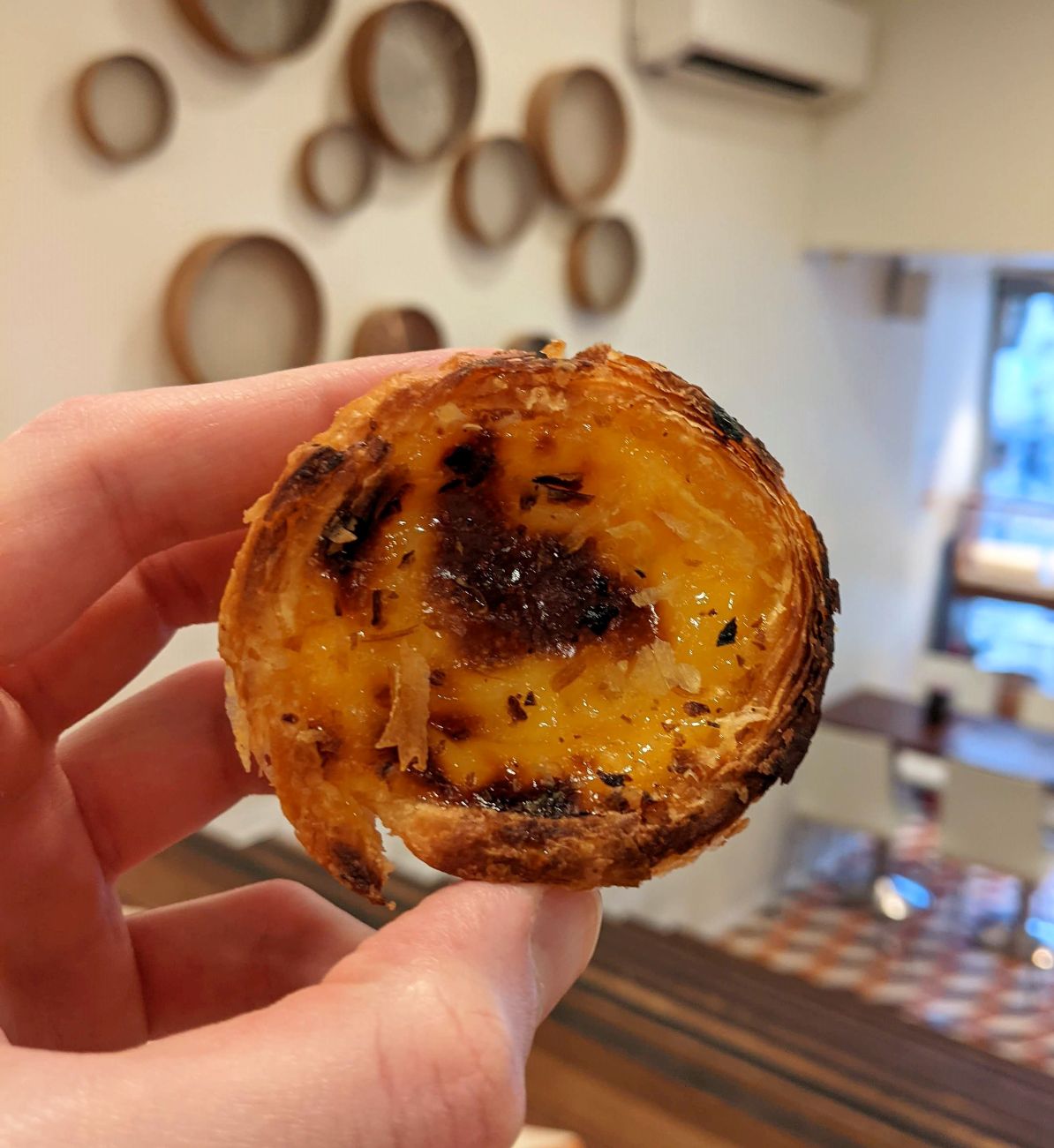
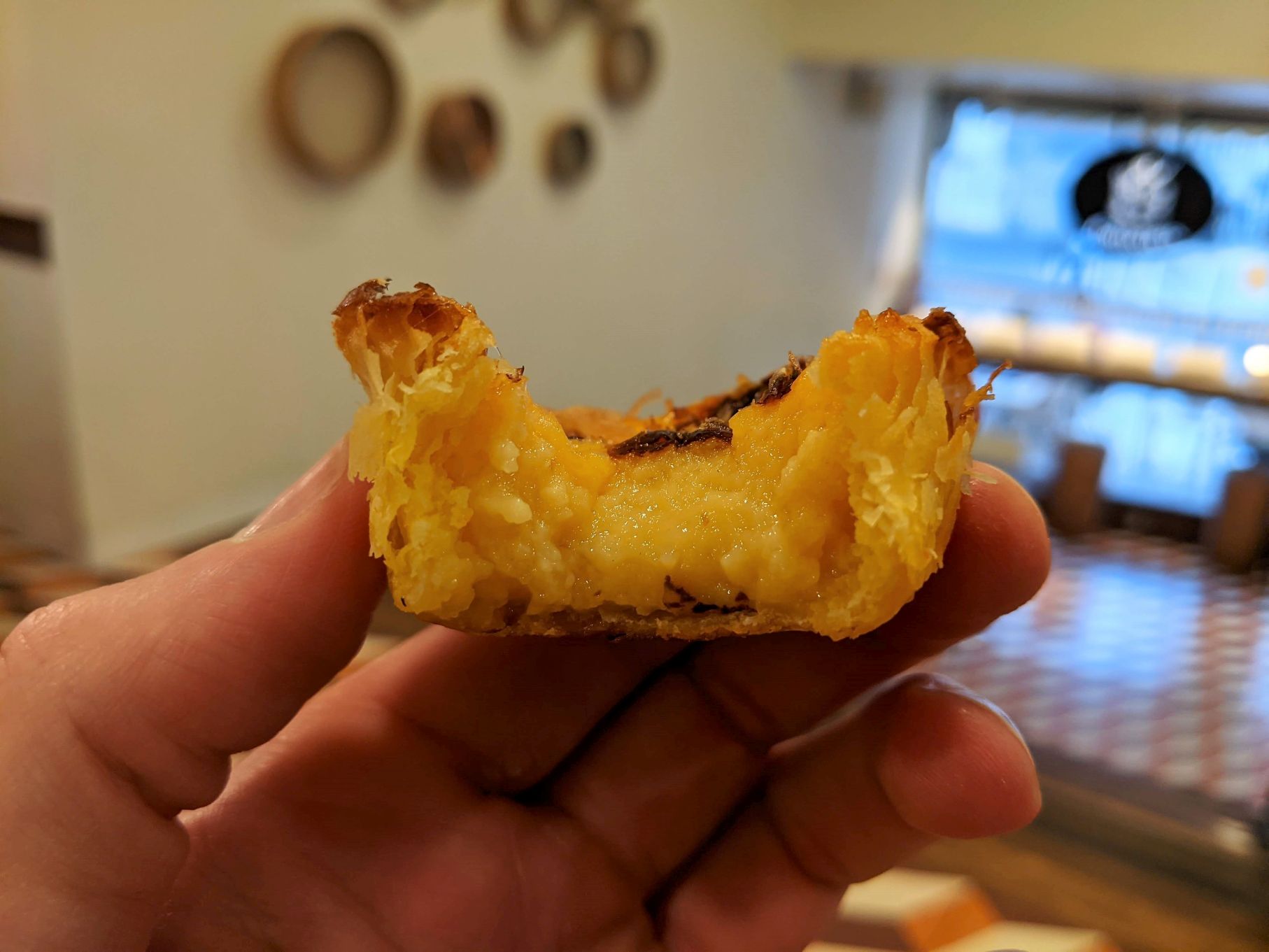
Best known for Dulce de Leche Croissants and Bolo de Bolacha, the latter sold per kilo and a bit too much for one, it was after a cursory perusal that selections were made, the Pastel de Nata room temperature but nicely charred with flaky Crust around Custard while elongated Choux containing Cream and Fruit ate something like an Éclair with more textural elements but less sweetness.
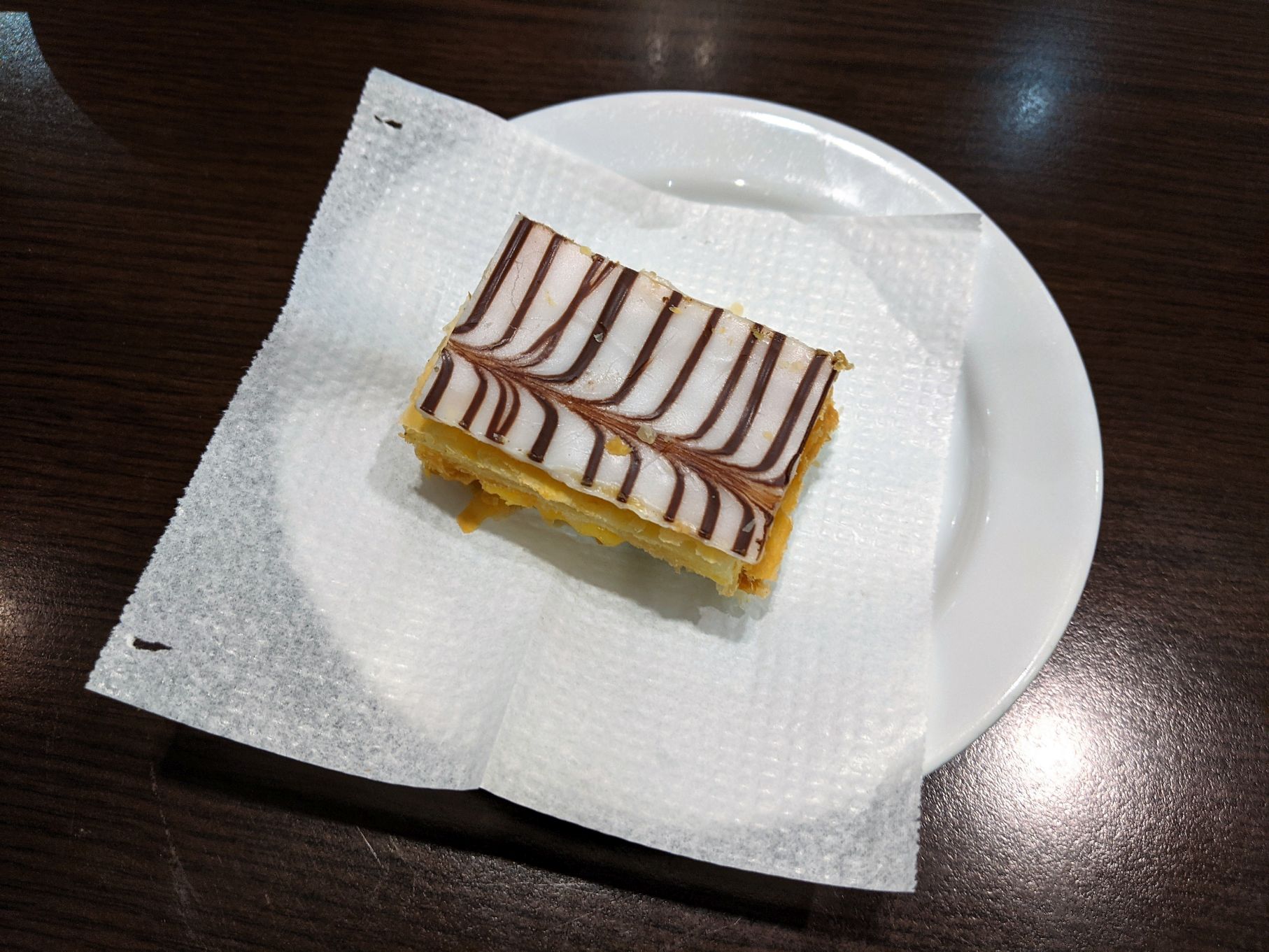
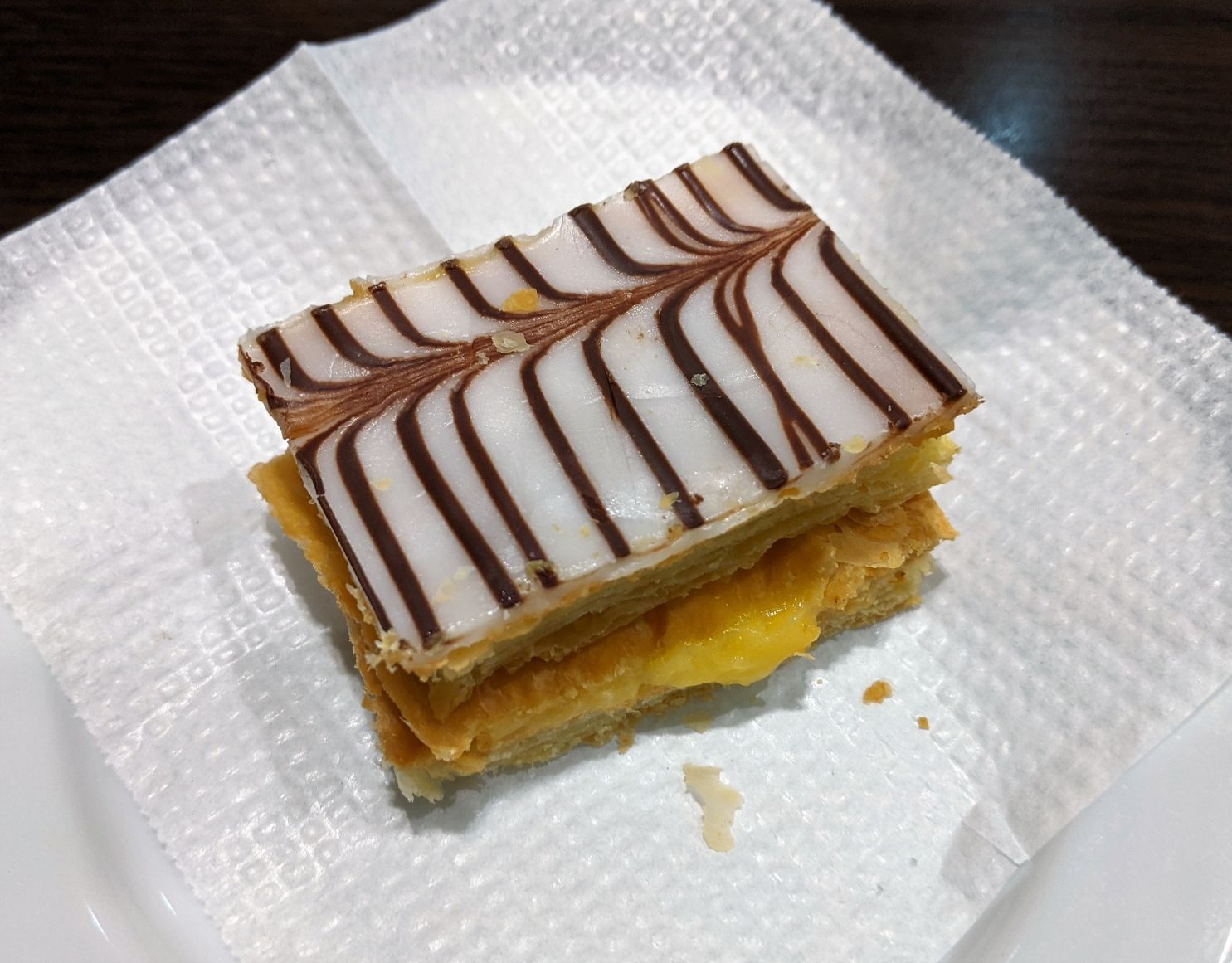
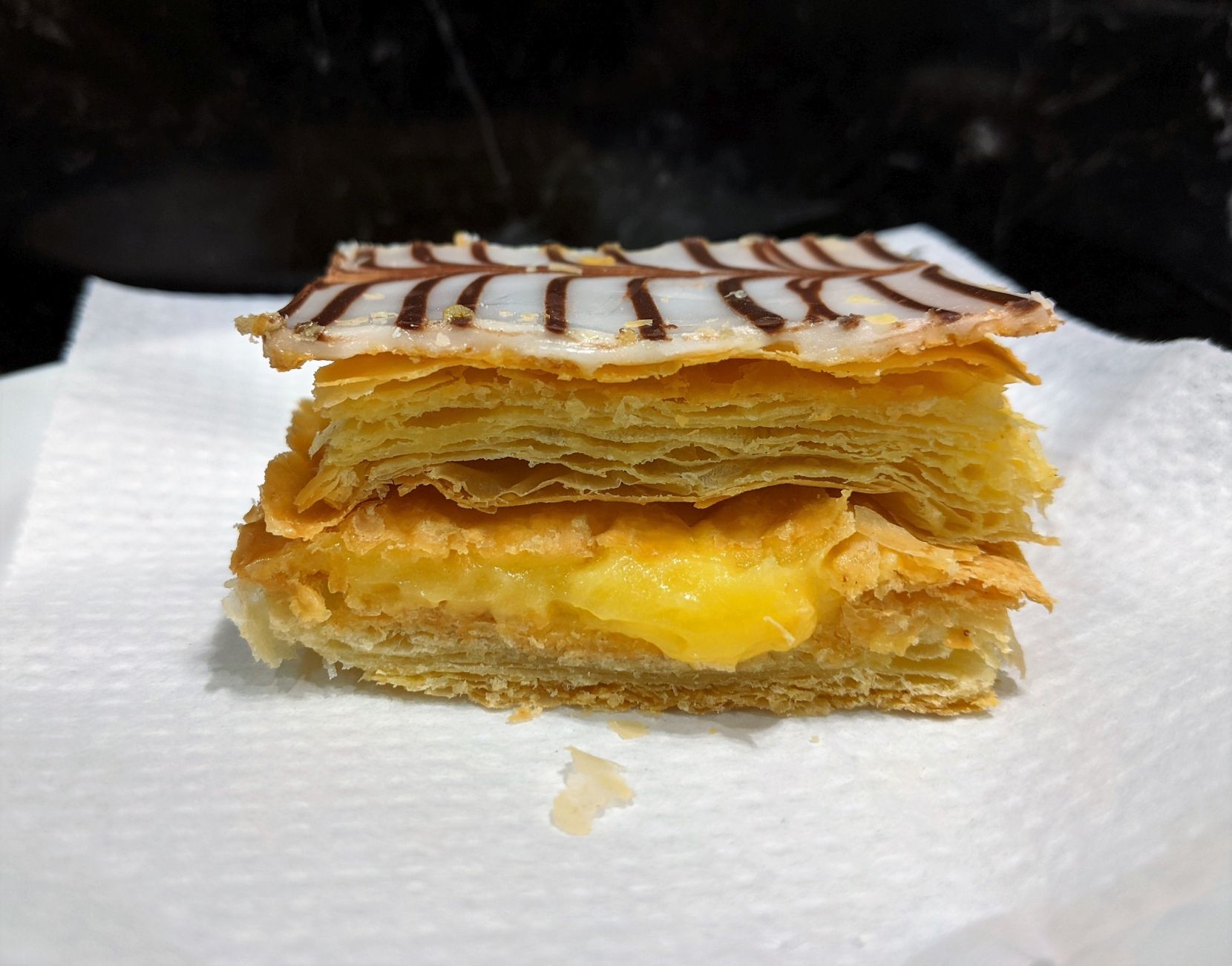
Continuing strong with a Sugar-coated Palmier, the base a bit less crisp than others, the same cannot be said of Sacolinha’s Mil Folhas which is a multi-layered masterpiece of Egg Custard, Frosting and paper-thin Pastry better than any other tasted in Portugal.
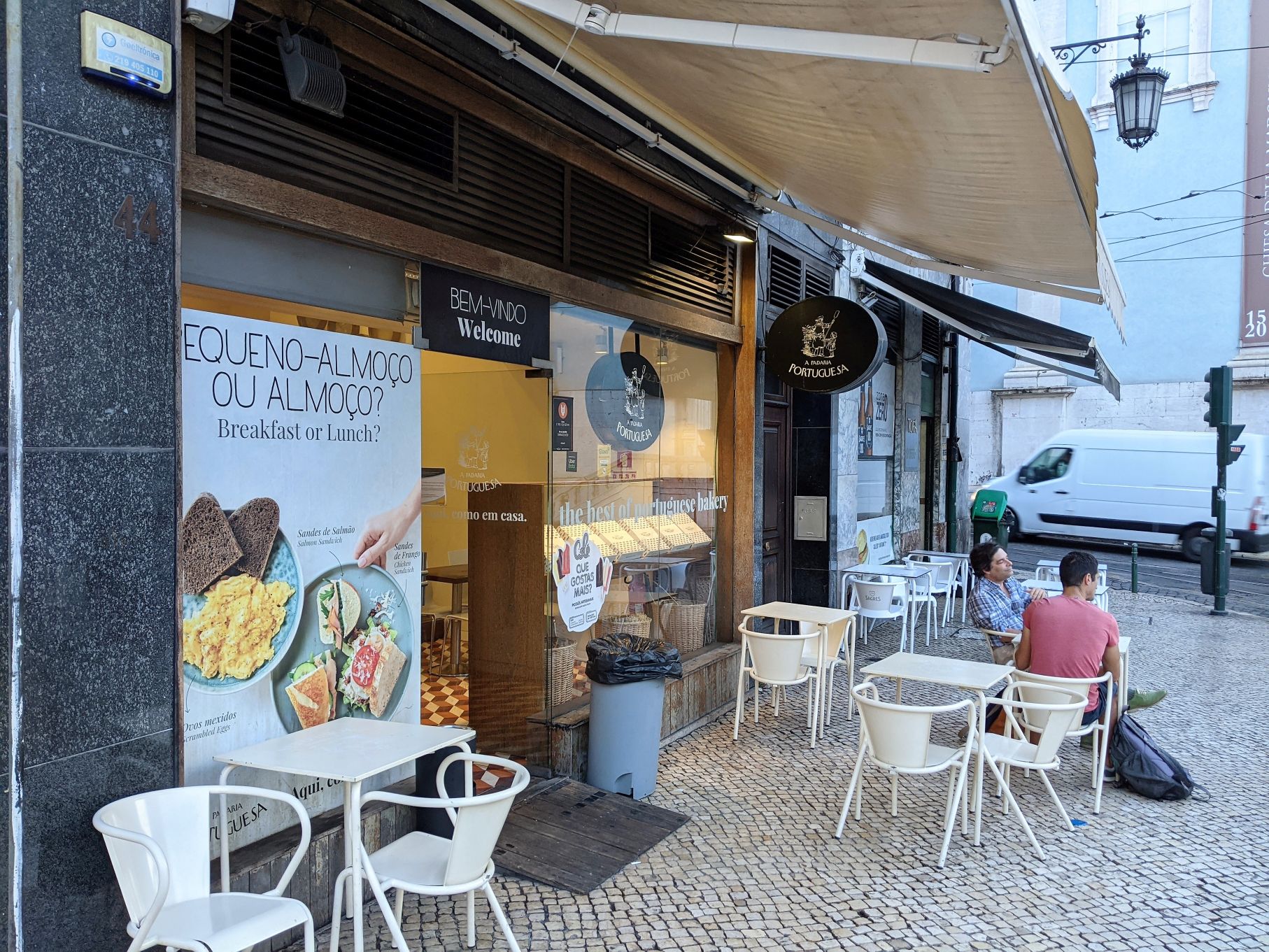
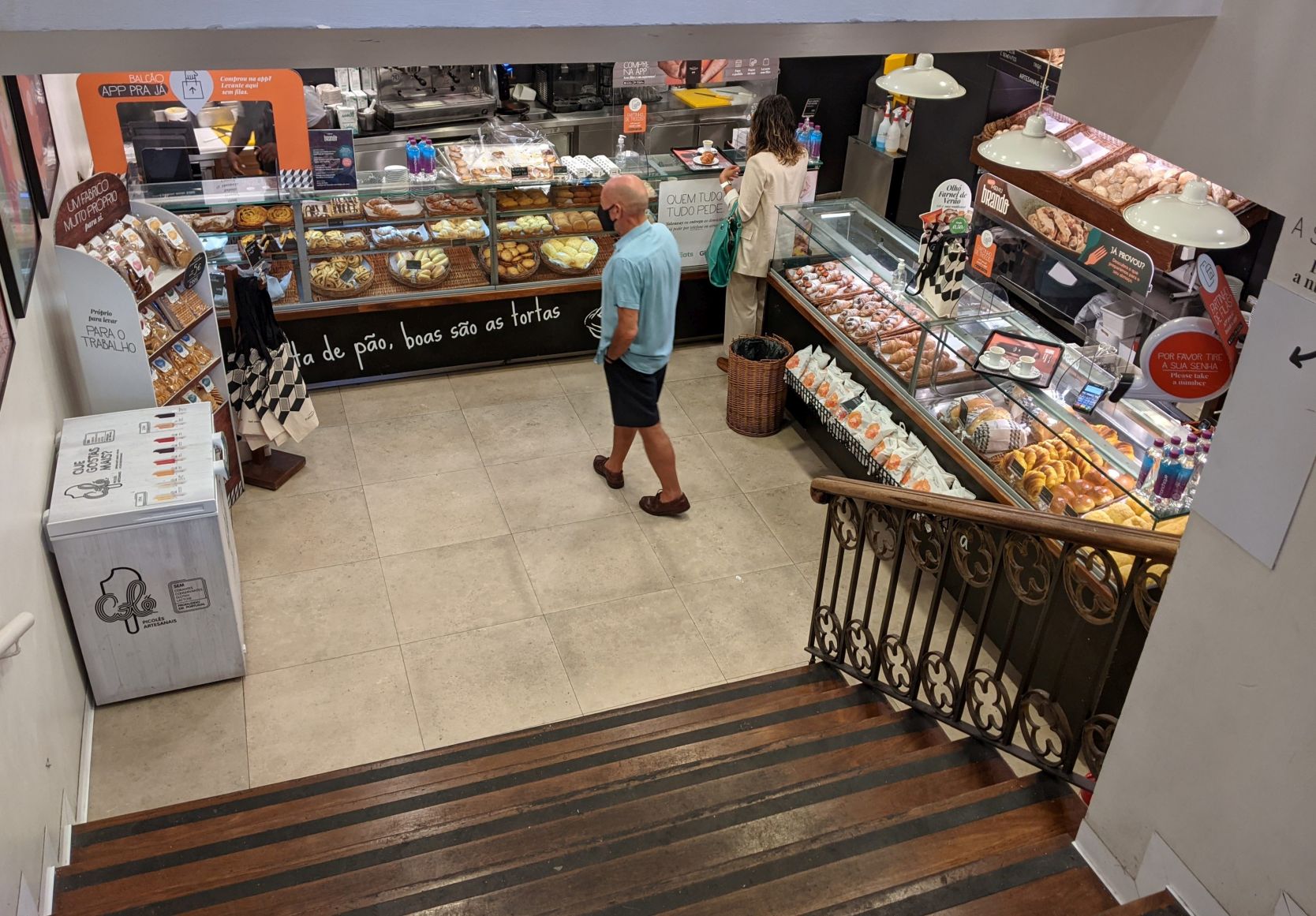
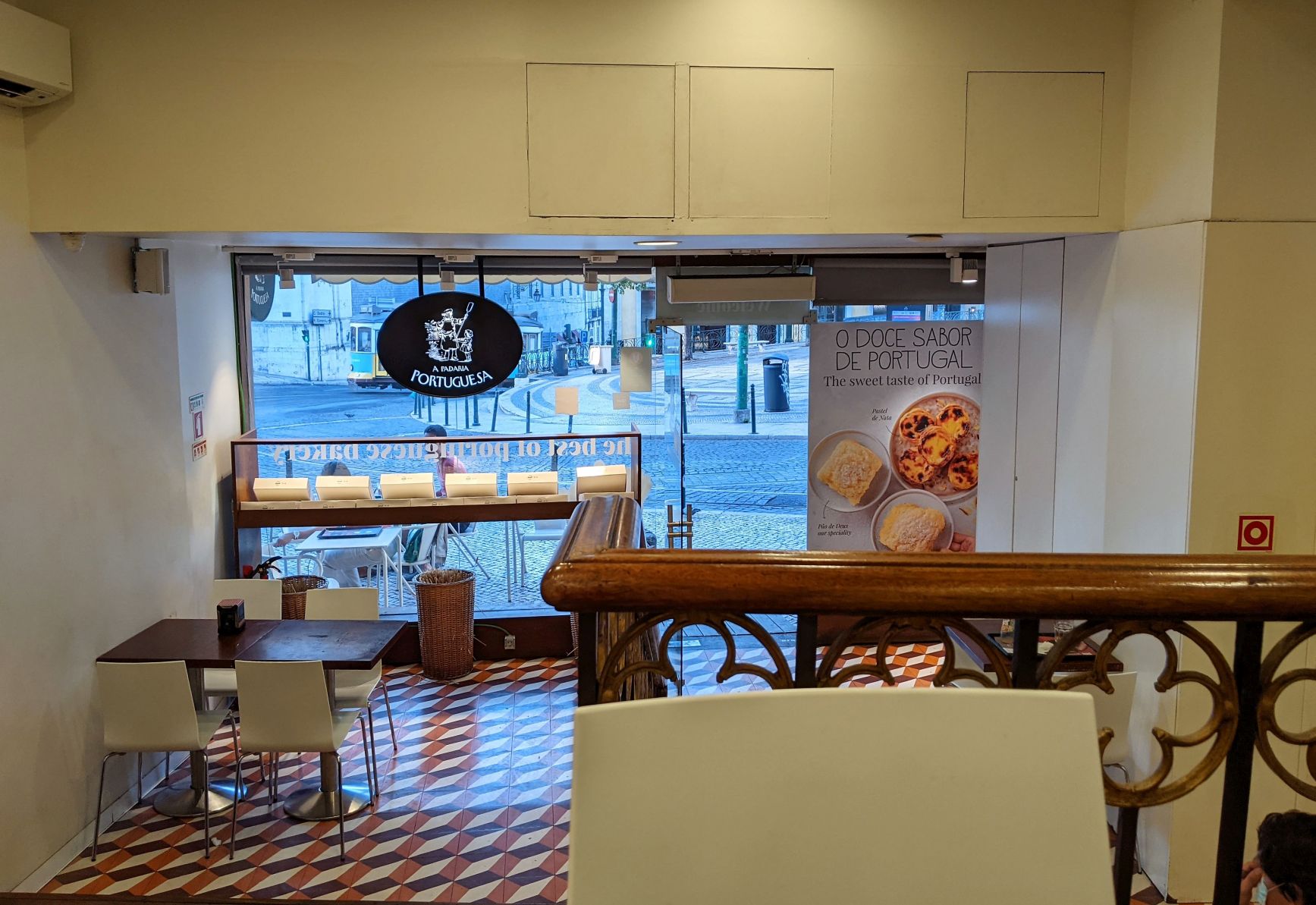
Not quite so ubiquitous as Starbucks, but with locations in nearly every district of Lisbon, A Padaria Portuguesa has grown substantially since 2010, and although a “chain” in all ways each store maintains unique design elements to pair with dozens of baked goods and café selections.
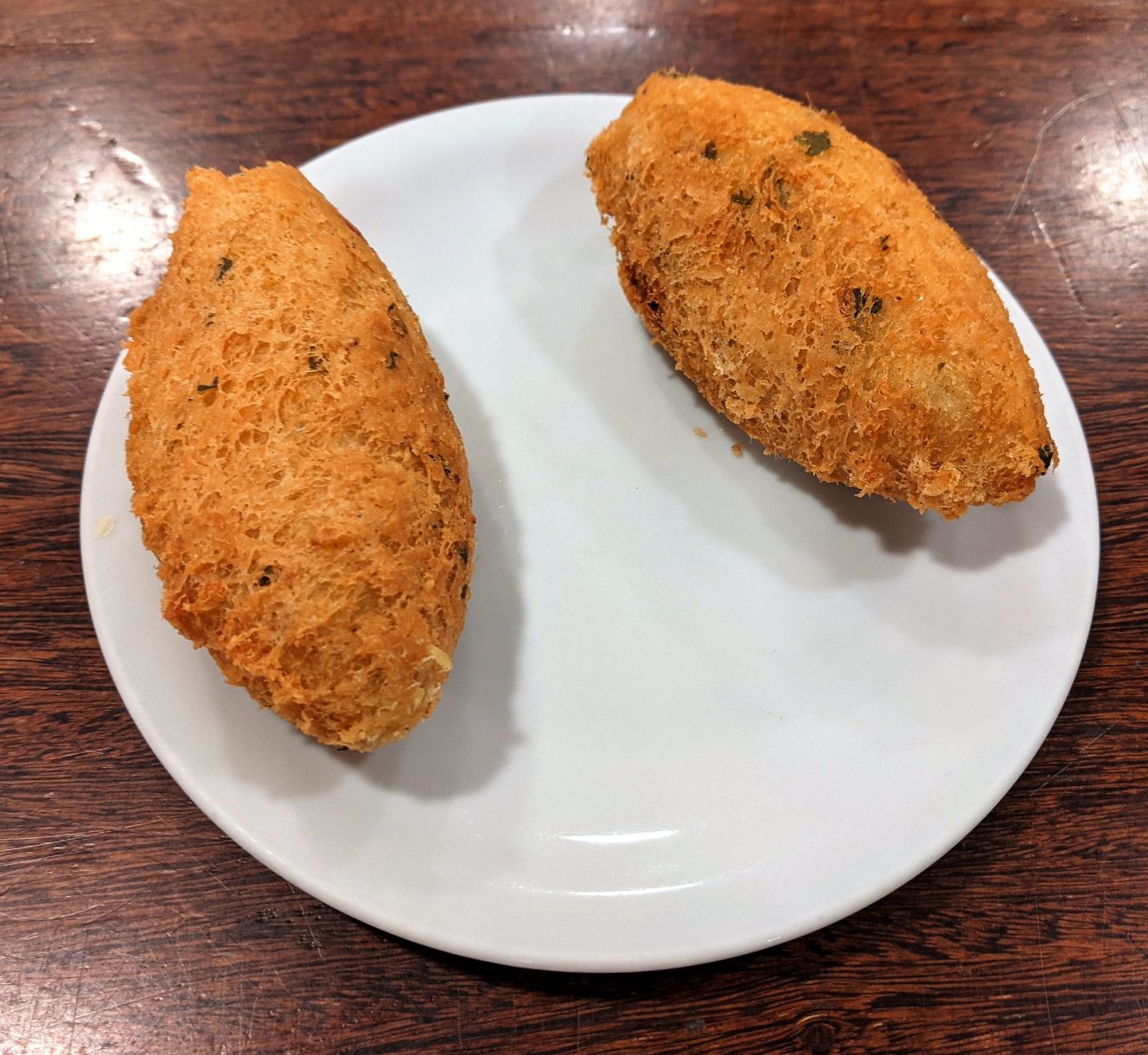
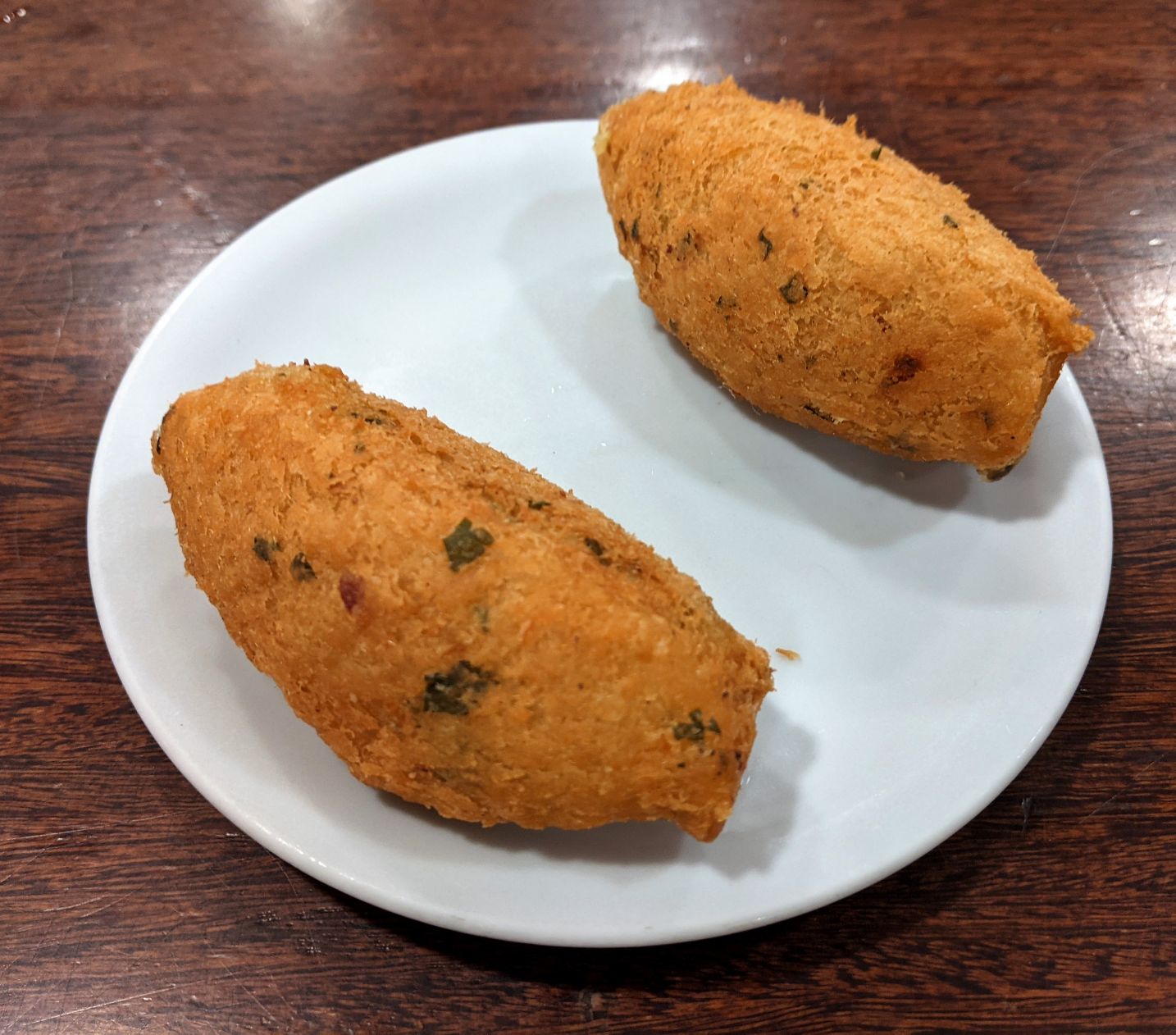
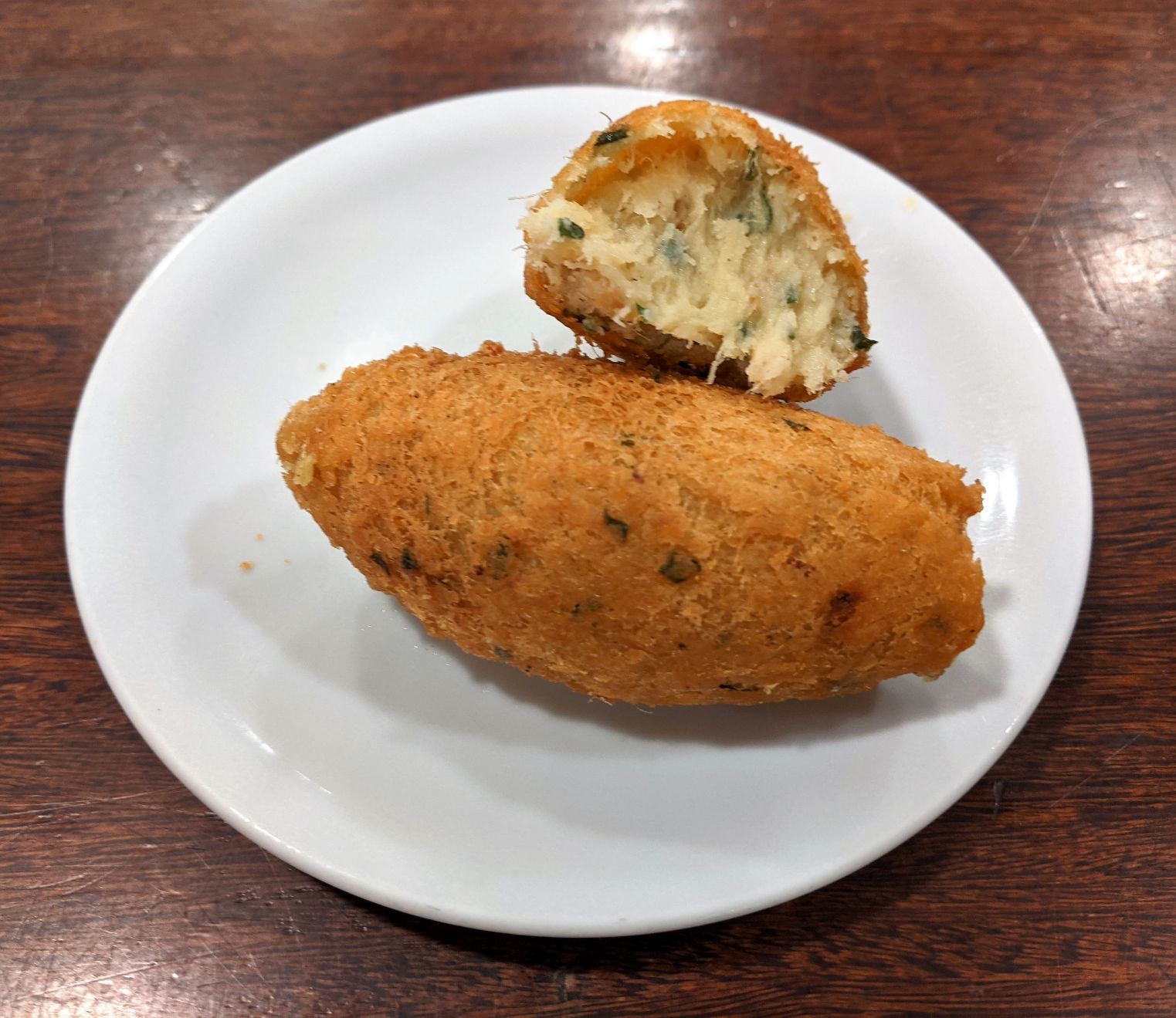
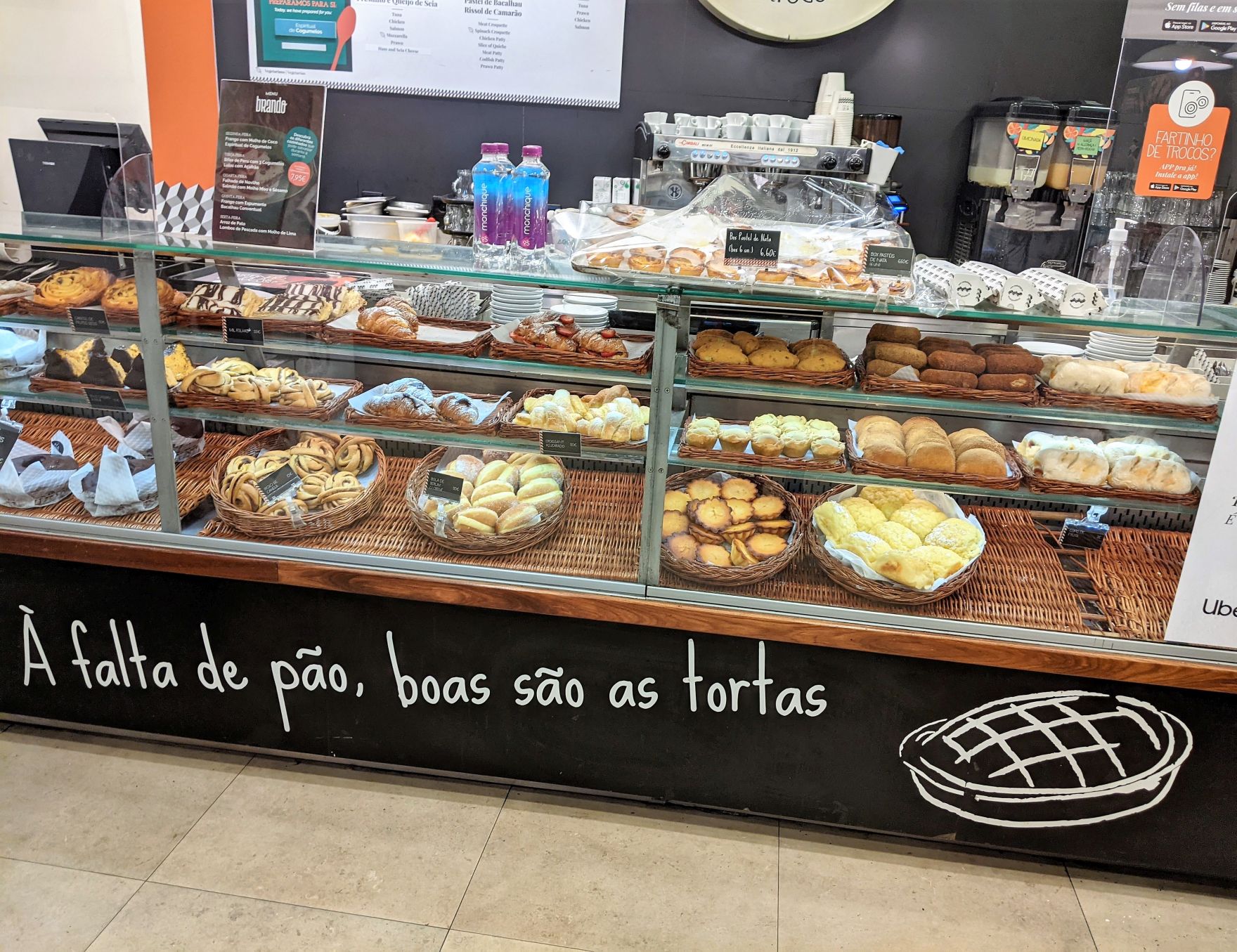
Perhaps best compared to Panera stateside or Paul in Europe, Sandwiches and Soups offered alongside Pastry, it was shortly after 07h00 that the location on Praça Luís de Camões was found busy, early arrival assuring warm Pastel de Bacalhau that are generous in size and well prepared without any sense of oiliness.
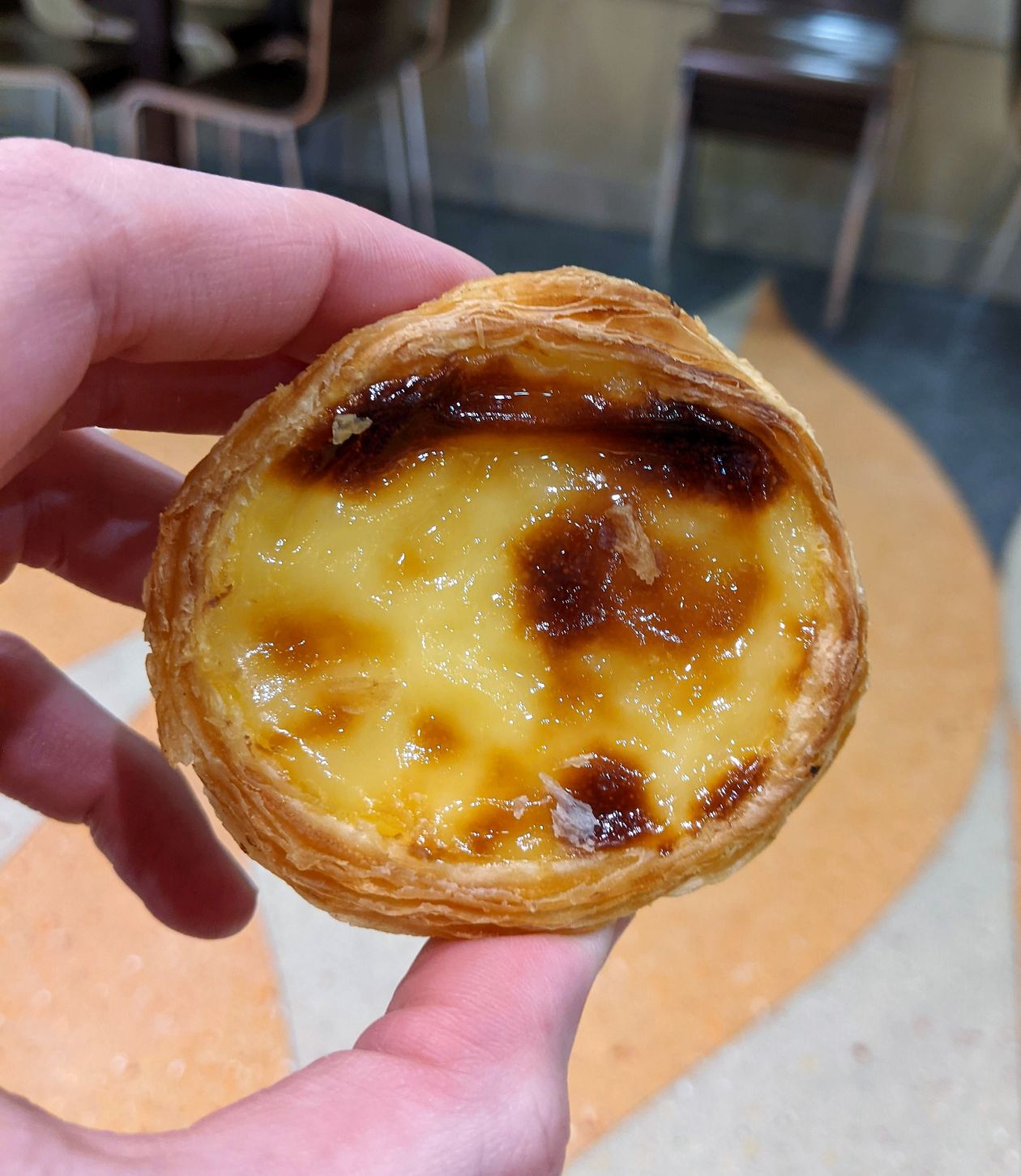
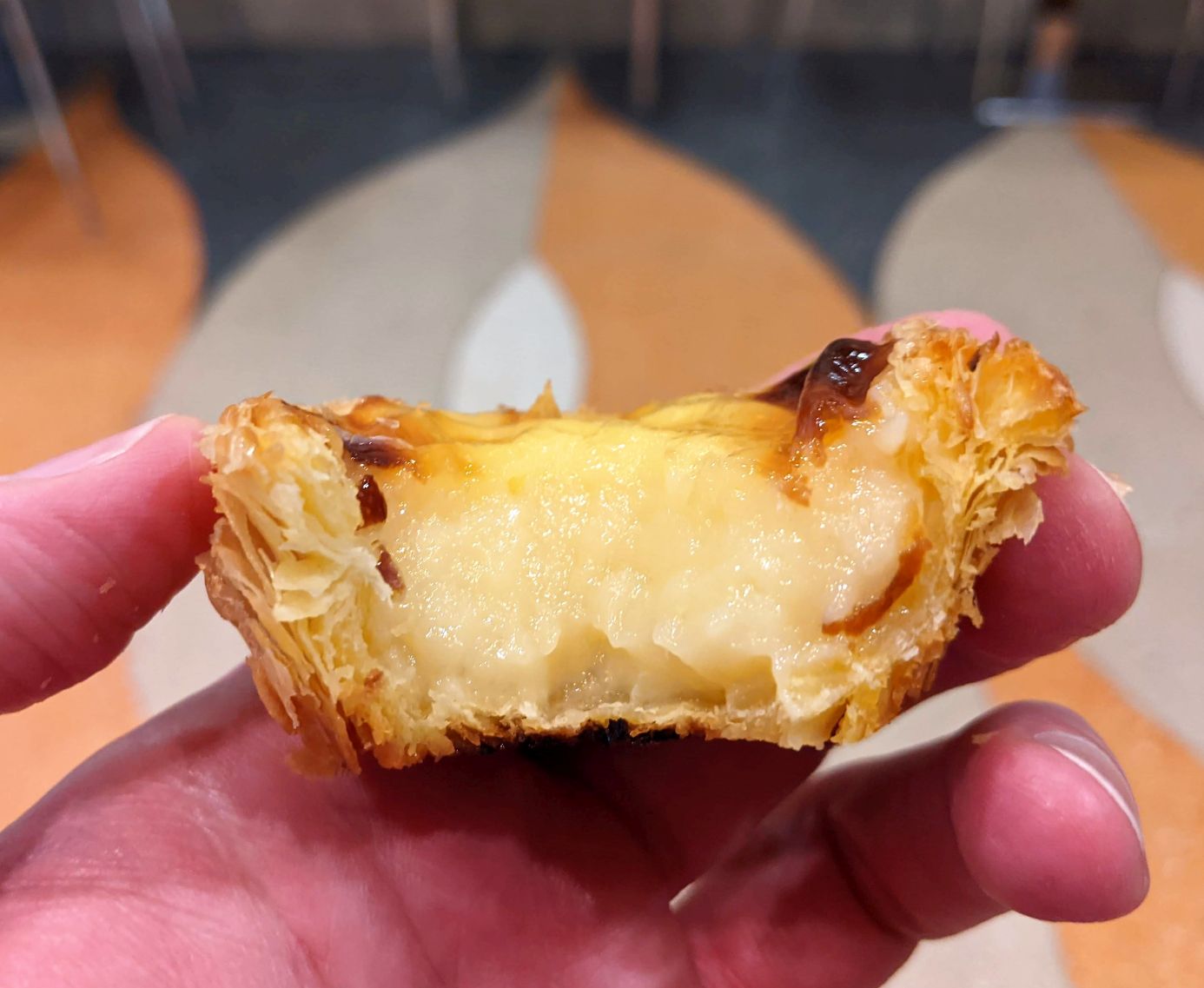
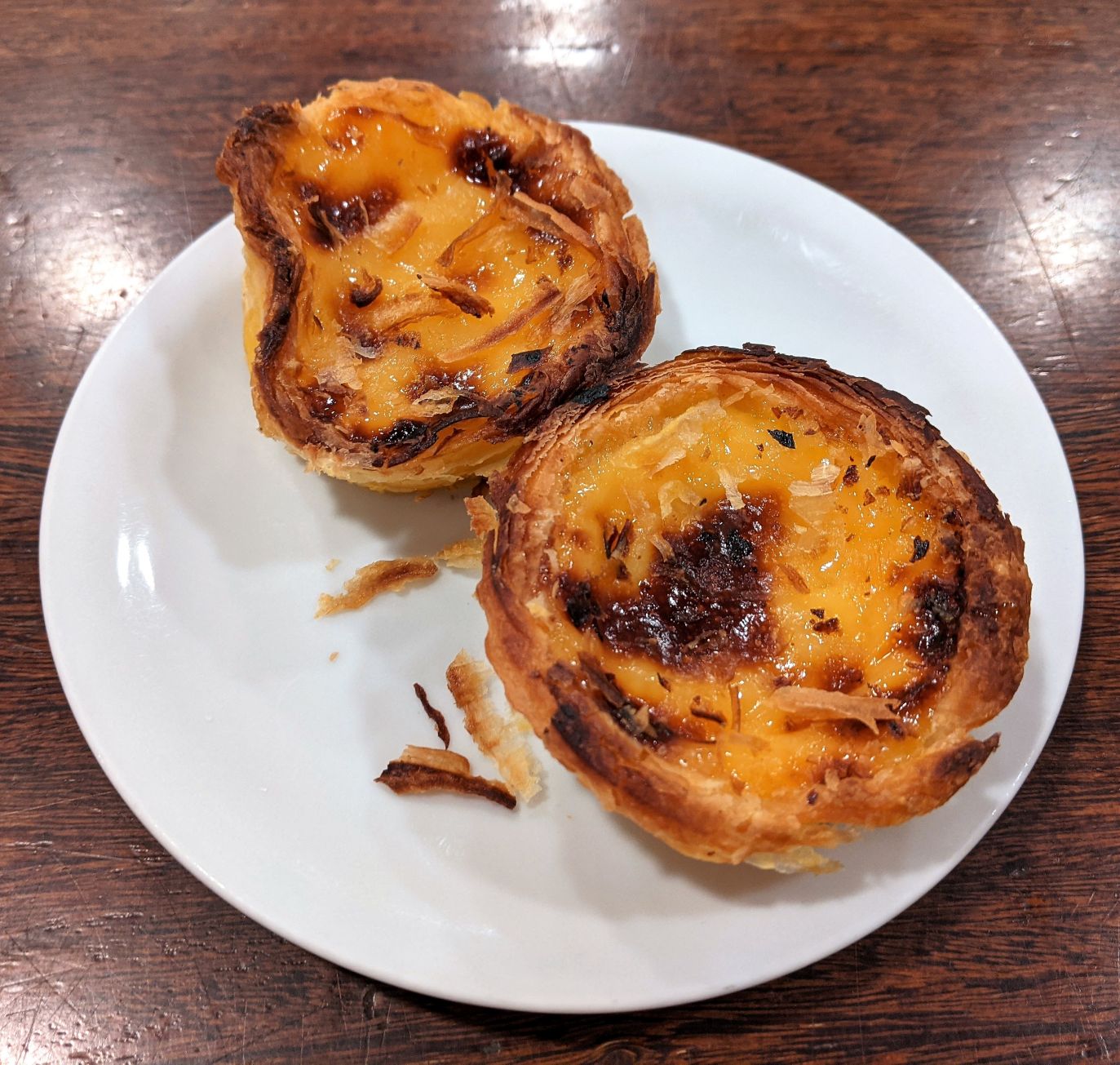
Modern but rooted in tradition, with service designed to turn tables, one would be right to assume A Padaria Portuguesa does big volume in Portugal’s signature Egg Custard Tart, their storage under plastic maintaining temperature but also moisture that makes for a damp Crust but admirable interior.
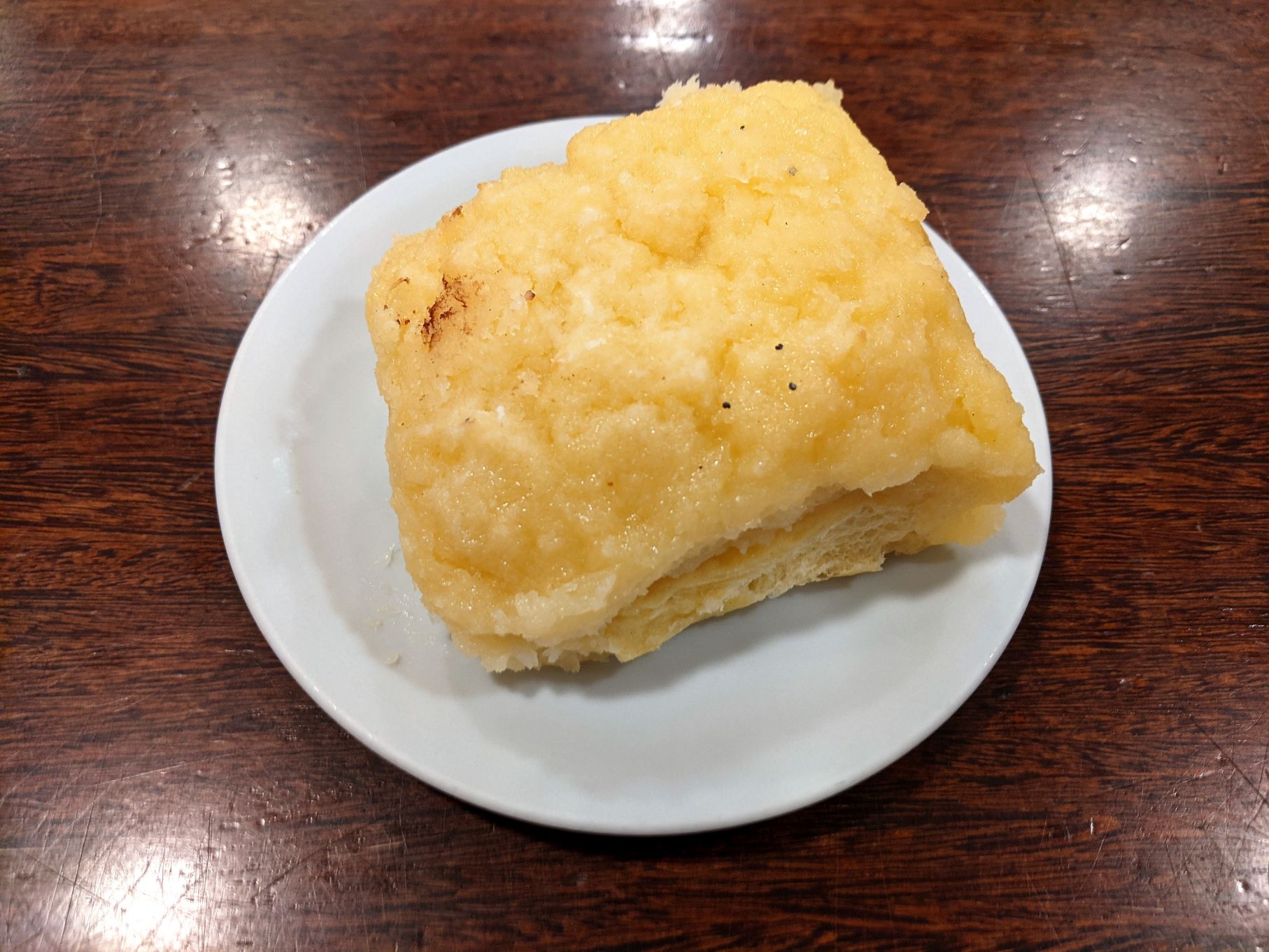
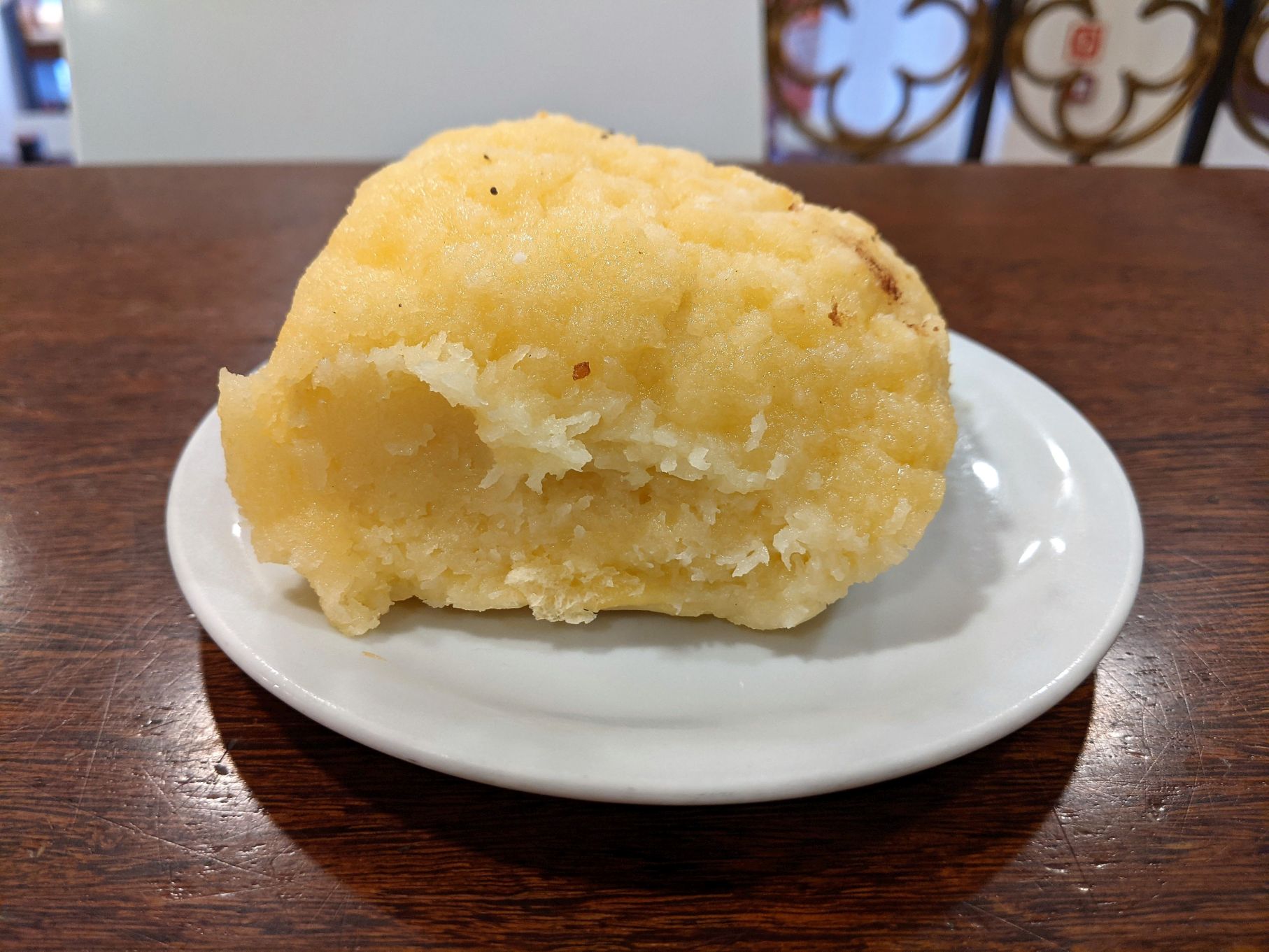
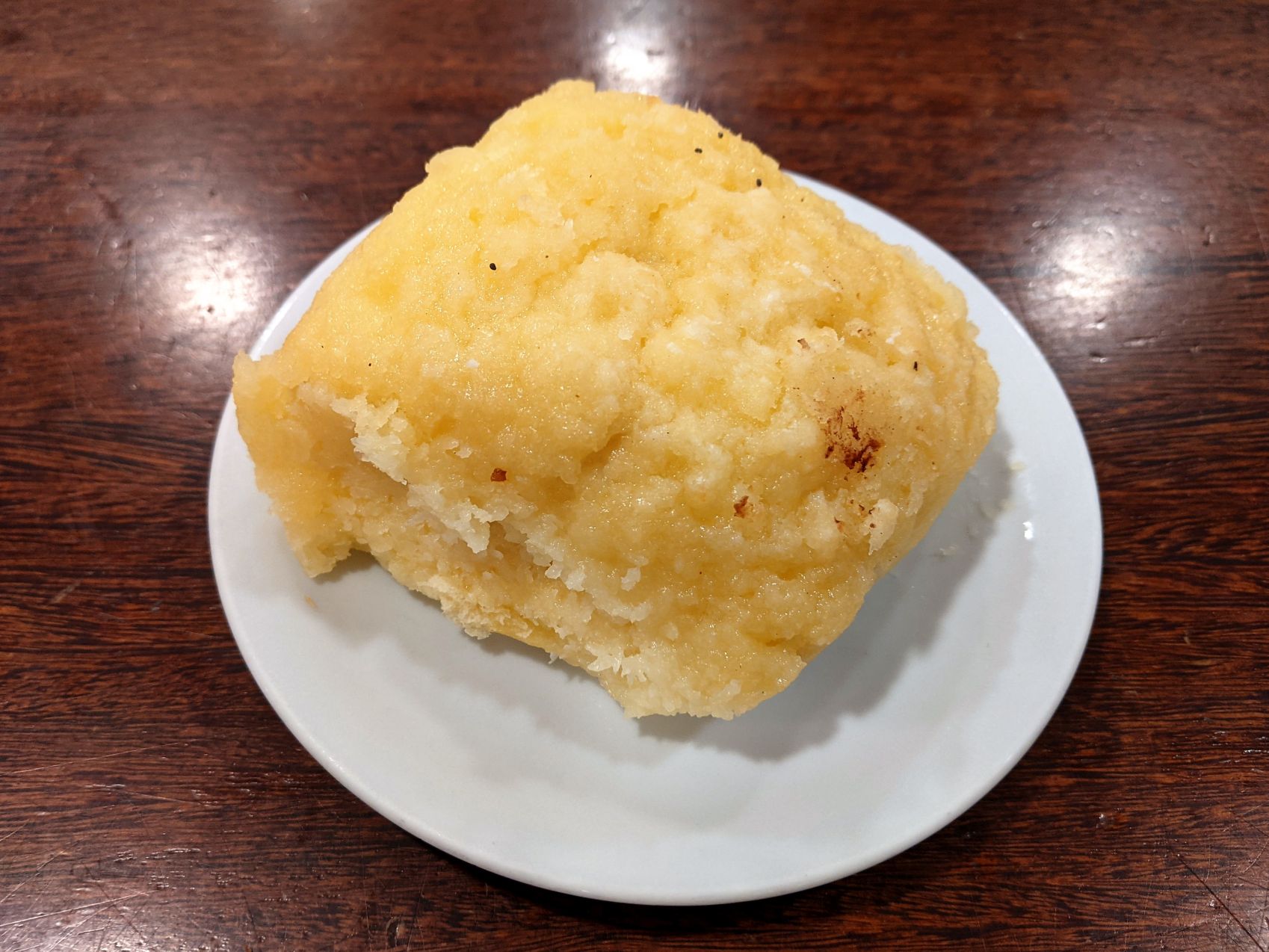
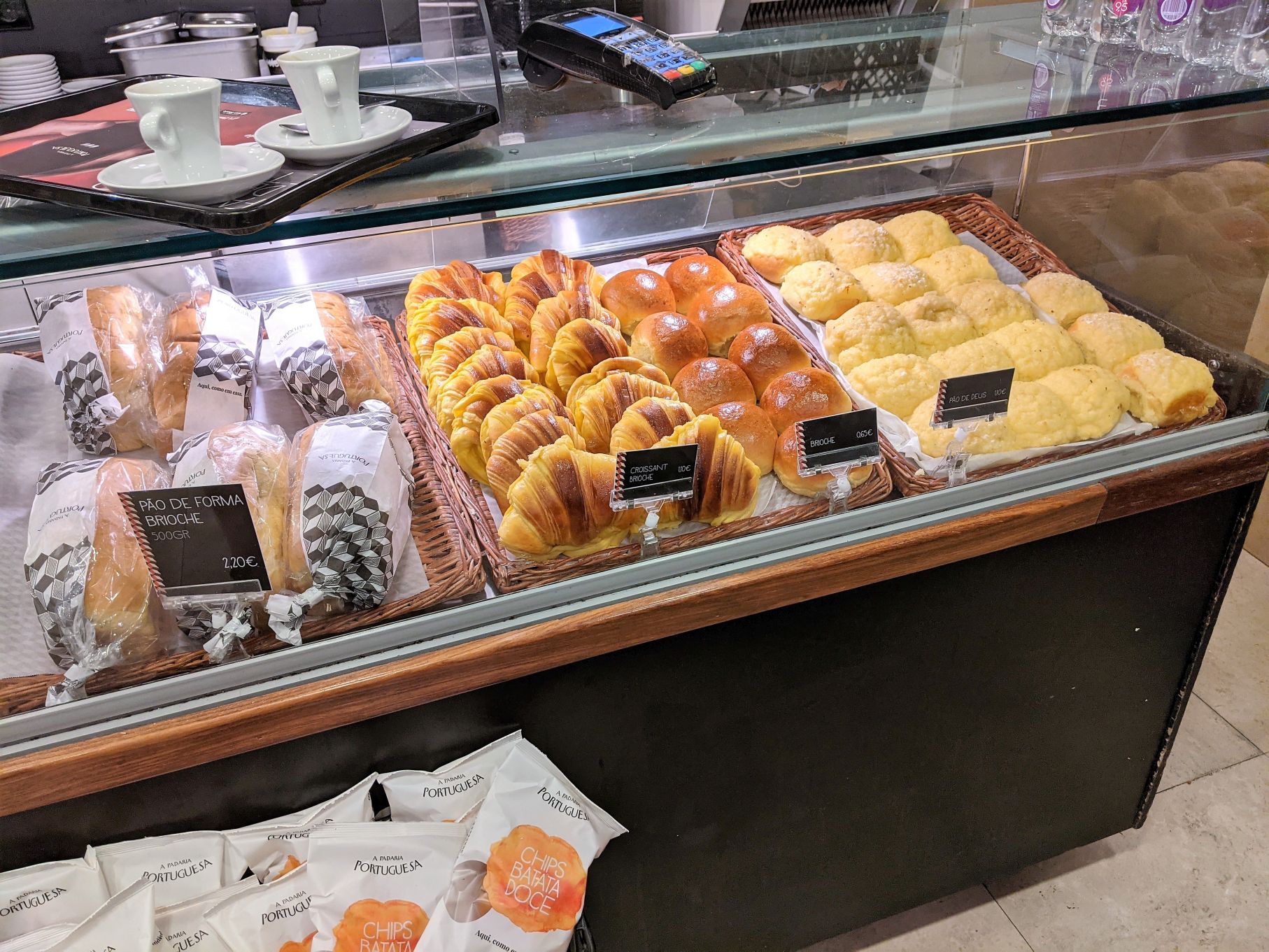
Also offering croquettes de carne and Mil Folhas, the latter crackling to the fork beneath Icing, it would be negligent to exit A Padaria Portuguesa without at least one Pão de Deus, or God’s Bread, featuring the softness of Brioche with plenty of Coconut and even more Butter.